Skip to content
Why Electrolytes Don’t Work for Some People
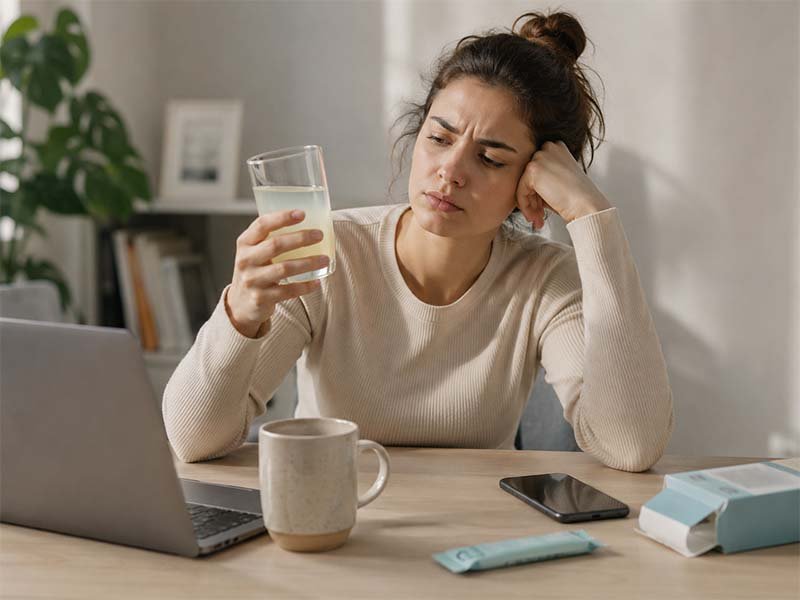
Electrolytes have become one of the fastest-growing wellness categories in recent years. People now use electrolyte powders during workouts, flights, office hours, hot weather, travel, recovery routines, and even beauty-focused wellness habits. Yet despite the popularity of hydration products, many consumers still say electrolytes “do nothing,” feel too salty, cause bloating, or fail to improve energy and recovery the way they expected.
How Often Should You Use Electrolytes

Electrolytes are no longer only for athletes. Today, many people use electrolyte powders during workouts, travel, hot weather, office hours, and busy daily routines when water alone does not feel enough.
10 Best Electrolyte Powder for Office Workers:Expert Recommended Guide

Most people still associate electrolytes with marathons, extreme heat, or professional athletes. If you’re sitting at a desk, staring at screens, and only breaking a light sweat when the coffee machine is broken, electrolytes probably don’t feel relevant. But that assumption is exactly why so many office workers struggle with afternoon crashes, brain fog, headaches, dry mouth, muscle tightness, and poor recovery from light exercise—even when they drink plenty of water.
8 Best Electrolyte Drink for Teachers:A Complete Guide

The best electrolyte drinks for teachers are daily-friendly formulas with moderate sodium plus potassium and magnesium, low or no added sugar, and a light taste you can sip during class. They help water stay in the body longer, support nerve and muscle function for posture and voice use, and reduce common dehydration signals like headaches and “brain fog” without relying on stimulants.
What Do Electrolytes Do During Workouts:A Complete Guide

Electrolytes are frequently mentioned in sports drinks and hydration powders, yet they’re still widely misunderstood. Some people treat them as optional add-ons, others consume them constantly without knowing whether they’re needed. The truth sits somewhere in between. During exercise, electrolytes play a quiet but essential role in keeping your internal systems coordinated while your body temperature rises, sweat rate increases, and energy demand spikes.
How Should You Use Electrolyte Powder for Daily Hydration: A Comprehensive Guide

Electrolyte powder can support daily hydration, but it is not something everyone automatically needs every day. It usually makes more sense when your routine includes heat, heavy sweating, illness, long active hours, or another reason your body may be losing both fluid and minerals instead of fluid alone. MD Anderson highlights exactly those situations, including vomiting, diarrhea, prolonged sweating, and extended heat exposure. On many ordinary days, water and a balanced diet are enough. That is why smart daily use is really about context, serving size, and formula fit, not about turning every bottle of water into a sports drink.
Should You Drink Electrolytes While Traveling: What to Know

Travel changes hydration in ways people often underestimate. A trip can look relaxing on paper and still leave the body feeling flat, dry, heavy, and under-hydrated. Airports mean long hours without a normal routine. Hot destinations mean more sweating than expected. Stomach issues can drain both water and minerals quickly. Even sightseeing can turn into a full day of walking, sun, and delayed meals. That is why electrolytes have moved beyond the gym bag and into carry-ons, backpacks, and hotel rooms. CDC travel guidance points most clearly to heat strain and traveler’s diarrhea as situations where stronger rehydration support can matter, while the Cleveland Clinic also notes that oral rehydration solutions and certain sports drinks can help with hydration during traveler’s diarrhea.
How to Travel with Electrolytes: Smart Hydration Guide

Travel can dehydrate the body faster than most people expect. A normal travel day often includes dry airplane air, airport coffee, salty snacks, long sitting time, reduced water intake, poor sleep, alcohol, heat, and thousands of extra steps. Even if someone drinks water, they may still arrive feeling tired, dry, foggy, or slightly headachy because travel does not only reduce fluid levels. It can also disturb the body’s mineral balance.
When Is the Best Time to Take Electrolyte Powder: A Clear Guide

The best time to take electrolyte powder is when your body has a clear hydration need: after waking, before or after exercise, during heavy sweating, in hot weather, or when fluid intake has been inconsistent. For most people, the most practical timing is once in the morning or around workouts, because these moments match natural fluid loss and higher electrolyte demand.
Can You Drink Electrolytes Without Exercise: What You Should Know

Electrolytes used to be discussed almost only in the context of sports. Now they show up in office drawers, travel bags, kitchen cabinets, and daily hydration routines. That shift is not hard to understand. A lot of people feel drained on hot days, after flights, during stomach bugs, or after long hours outdoors, even when they have not done any formal exercise. Harvard’s Nutrition Source notes that electrolyte beverages were first designed for athletes training hard in heat, but the category later expanded to a much wider audience, including people simply looking for better hydration support. That broader use is exactly why the topic needs a more careful explanation.
How Electrolytes Support Daily Hydration and Fluid Balance

Most people do not wake up thinking about electrolyte balance. They think about feeling tired, dry, flat, puffy, foggy, or strangely thirsty even after drinking water. That is why daily hydration has become a much more interesting topic than it used to be.
What Is Electrolyte Balance: A Complete Guide

Electrolyte balance plays a central role in how your body functions every day. It affects how fluids move between cells, how muscles contract and relax, and how nerves send signals. This is not only relevant for athletes or people who sweat heavily. Office workers, travelers, people with irregular eating patterns, and even those practicing intermittent fasting can all experience subtle imbalances without realizing it.