Skip to content

Most people assume that staying hydrated simply means drinking more water. But in real life, hydration is not just about fluid intake—it depends heavily on something many people overlook: electrolyte balance. You can drink enough water throughout the day and still feel tired, experience muscle tightness, or notice a drop in focus. This is often because your body lacks the right balance of essential minerals needed to support how water is actually used.
Electrolyte balance plays a central role in how your body functions every day. It affects how fluids move between cells, how muscles contract and relax, and how nerves send signals. This is not only relevant for athletes or people who sweat heavily. Office workers, travelers, people with irregular eating patterns, and even those practicing intermittent fasting can all experience subtle imbalances without realizing it.
Electrolyte balance refers to the proper ratio of essential minerals such as sodium, potassium, magnesium, and calcium that regulate fluid distribution, nerve signaling, and muscle function. When these minerals are balanced, the body can maintain stable hydration and performance. When they are out of balance, symptoms like fatigue, cramps, headaches, or brain fog can appear even if water intake seems sufficient.
In everyday life, electrolyte imbalance often develops gradually. A cup of coffee in the morning, long hours without proper meals, light sweating, or even mild dehydration can shift your internal balance. You may not notice it immediately, but over time it becomes harder to maintain steady energy, focus, and recovery. Understanding electrolyte balance is not just about avoiding problems—it is about improving how your body performs throughout the day.
What Is Electrolyte Balance?
Electrolyte balance refers to the condition where essential minerals are maintained at levels that support stable hydration, muscle function, and nerve activity. It is not only about how much you consume, but how these minerals interact to maintain internal stability throughout the day.
What Are Electrolytes?
Electrolytes are minerals that dissolve in body fluids and carry an electrical charge. This electrical property is what allows them to control how water moves through the body and how signals are transmitted between cells. Without electrolytes, fluid would not be distributed correctly, and muscles and nerves would not function in a coordinated way.
In daily use, the most relevant electrolytes are sodium, potassium, magnesium, and calcium. These are the minerals most often included in electrolyte powders and hydration products because they directly affect how the body feels during normal routines, not just during exercise.
| Electrolyte | Main Role in the Body | Typical Daily Intake Range |
|---|---|---|
| Sodium | Controls fluid retention and blood volume | 1500–2300 mg |
| Potassium | Maintains fluid inside cells and supports muscle function | 2000–3500 mg |
| Magnesium | Supports muscle relaxation and nerve stability | 200–400 mg |
| Calcium | Supports muscle contraction and nerve signaling | 800–1000 mg |
In real-life conditions, intake rarely follows these ranges precisely. Some days include more sodium from meals, while others may fall short on potassium or magnesium due to limited food variety. This variability is one reason why electrolyte balance often shifts without being obvious.
For most people, electrolytes are being used continuously throughout the day. Even without exercise, the body consumes electrolytes during:
- Walking or commuting
- Maintaining posture while sitting
- Digesting food
- Regulating body temperature
- Managing stress responses
This constant usage explains why imbalance can develop even in relatively low-activity lifestyles.
How Electrolyte Balance Works in the Body
Electrolyte balance works through a coordinated system that manages fluid movement between the bloodstream, cells, and surrounding tissues. The most important relationship is between sodium and potassium.
Sodium operates mainly outside cells and helps maintain fluid volume in circulation. Potassium operates inside cells and helps regulate fluid within the cells themselves. Together, they create a controlled flow of water across cell membranes.
This system is often referred to as a “fluid gradient,” where water naturally moves toward areas with higher electrolyte concentration. When sodium and potassium levels are balanced, water distribution remains stable. When they are not, fluid may shift too quickly or unevenly.
A simplified breakdown:
| Function | Electrolyte Involved | Practical Effect |
|---|---|---|
| Fluid retention | Sodium | Helps prevent rapid water loss |
| Cellular hydration | Potassium | Supports stable cell function |
| Muscle contraction | Calcium | Initiates movement |
| Muscle relaxation | Magnesium | Supports recovery and comfort |
In everyday terms, this means:
- Drinking water with enough sodium helps the body hold onto that fluid longer
- Adequate potassium supports how that fluid is used inside cells
- Magnesium and calcium help ensure muscles respond smoothly
When this system is working well, hydration feels steady. When it is not, people often notice that hydration feels temporary or inconsistent.
Why Electrolyte Balance Often Becomes Unstable
Electrolyte balance does not usually shift due to a single large event. It is more often affected by small, repeated habits that gradually change how the body manages fluids.
Several common patterns contribute to imbalance:
- Drinking large amounts of water without mineral intake
- Skipping meals or eating irregularly
- Consuming more caffeine than usual
- Spending long periods in air-conditioned or dry environments
- Following low-carb or intermittent fasting routines
Each of these factors influences fluid and mineral levels in a slightly different way. For example, caffeine can increase fluid turnover, while low-carb diets can increase sodium excretion. Over time, these effects accumulate.
A typical day for many people may include:
- Morning: coffee with limited hydration
- Midday: delayed or small meals
- Afternoon: noticeable drop in energy or focus
- Evening: mild dehydration or muscle tightness
None of these steps seem extreme, but together they can create a pattern where electrolyte balance is gradually reduced.
How to Recognize Early Imbalance
Early electrolyte imbalance often presents as mild, recurring discomfort rather than a clear, single symptom. Because the signs are subtle, they are often attributed to stress, workload, or lack of sleep.
Some early indicators include:
- Feeling thirsty shortly after drinking water
- Needing to urinate frequently after fluid intake
- Light headaches during long periods of work
- Muscle tightness after routine movement
- Difficulty maintaining focus late in the day
These signals suggest that the body is not using fluids efficiently, rather than simply lacking water.
In many cases, people respond by increasing water intake. While this may help temporarily, it does not address the underlying mineral imbalance, and the same pattern tends to repeat.
What Electrolyte Balance Means for Daily Use
For most people, electrolyte balance is not about precise measurement. It is about maintaining a steady pattern that supports daily function without large fluctuations.
A practical approach involves:
- Keeping fluid intake consistent rather than irregular
- Ensuring meals include sources of key minerals
- Adjusting intake when activity level or environment changes
For example:
- On low-activity days, a lighter intake of electrolytes may be sufficient
- On days with more sweating, additional sodium and fluids may be needed
- During fasting, targeted electrolyte intake may help maintain stability
The goal is to avoid large swings—both in fluid intake and mineral levels. When intake matches actual needs, hydration becomes more stable, and daily performance tends to feel more consistent.
Which Electrolytes Matter for Balance?
The most important electrolytes for daily balance are sodium, potassium, magnesium, and calcium. Each one contributes to a different part of the hydration system, and their effectiveness depends on how they work together.
Sodium and Electrolyte Balance
Sodium is the primary electrolyte responsible for fluid retention and maintaining blood volume. In simple terms, it helps your body “hold onto” the water you drink instead of losing it too quickly.
In everyday situations, sodium becomes especially important when fluid loss increases. This does not only apply to intense exercise. Even light sweating during commuting, walking, or working in a warm environment can gradually reduce sodium levels over several hours.
A key point many people overlook is how much sodium can be lost through sweat. On average, one liter of sweat contains:
| Component | Approximate Amount |
|---|---|
| Sodium | 800–1500 mg |
| Potassium | 200–400 mg |
This means that after a workout or a hot day, drinking only water may replace fluid but not restore mineral balance. As a result, hydration may feel incomplete.
In practical use, sodium intake tends to matter more in these situations:
- After sweating, even at moderate levels
- During hot or humid weather
- When following low-carbohydrate or fasting routines
- When drinking large amounts of water throughout the day
At the same time, sodium intake should be considered in the context of the overall diet. Someone consuming a high amount of processed foods may already have a higher baseline sodium intake, while someone eating mostly whole foods or restricting carbohydrates may require more deliberate sodium support.
Potassium and Fluid Balance
Potassium plays a different role from sodium. While sodium manages fluid outside cells, potassium regulates fluid inside cells. This distinction is important because hydration is not only about circulating fluid—it is also about how well cells maintain their internal environment.
Potassium is involved in:
- Cellular hydration and stability
- Muscle contraction and response
- Nerve signal regulation
- Maintaining a stable heart rhythm
Many diets today fall short in potassium intake. This is often due to lower consumption of potassium-rich foods such as vegetables, legumes, and certain fruits.
Examples of potassium-rich foods include:
- Potatoes (approximately 900 mg per medium potato)
- Bananas (around 400–450 mg per serving)
- Spinach (about 800 mg per cooked cup)
- Beans and lentils (500–800 mg per serving)
When potassium intake is low, people may notice:
- Muscle weakness or reduced responsiveness
- Faster fatigue during activity
- Less stable hydration
It is also important to understand that potassium works best in balance with sodium. Increasing one without considering the other does not improve overall electrolyte balance. The two function as a system rather than independent components.
Magnesium and Muscle Balance
Magnesium is closely associated with muscle relaxation, nerve stability, and overall recovery. While it is not lost in sweat at the same rate as sodium, it is often under-consumed in daily diets.
Magnesium supports:
- Relaxation of muscles after contraction
- Normal nerve signaling
- Energy production at the cellular level
A typical daily intake recommendation is:
- 200–400 mg for most adults
However, intake often falls below this range due to dietary patterns. Foods that contain magnesium include:
- Nuts (almonds, cashews)
- Seeds (pumpkin seeds, sunflower seeds)
- Whole grains
- Dark leafy vegetables
In real-life use, magnesium becomes more noticeable when:
- Muscles feel tight after activity
- Recovery takes longer than expected
- Stress levels are higher than usual
Unlike sodium, magnesium does not usually create immediate, noticeable changes when taken. Its effect is more gradual, supporting overall stability rather than rapid correction.
For this reason, magnesium is often included in electrolyte formulas aimed at daily use or recovery rather than immediate hydration after heavy sweating.
Calcium and Nerve Balance
Calcium is widely known for its role in bone health, but it also plays a key role in muscle contraction and nerve communication. When a nerve sends a signal to a muscle, calcium helps trigger the contraction process.
Calcium works in coordination with magnesium:
- Calcium supports contraction
- Magnesium supports relaxation
This relationship is important because muscle function depends on both processes working together. If the balance between these minerals is not maintained, muscles may not respond smoothly.
Typical calcium intake recommendations are:
- 800–1000 mg per day for most adults
Common dietary sources include:
- Dairy products (milk, yogurt, cheese)
- Leafy greens (kale, bok choy)
- Fortified foods
In electrolyte products, calcium is usually included in smaller amounts compared to sodium or potassium. Its role is not to replace dietary intake but to contribute to overall mineral balance.
In practical terms, calcium becomes more relevant in:
- Formulas designed for daily use
- Situations involving muscle fatigue or repeated activity
- Long-term routines where overall mineral intake may fluctuate
How These Electrolytes Work Together
Understanding each electrolyte individually is useful, but their combined effect is what determines overall balance.
A simple way to view their interaction:
| Function | Main Electrolyte | Supporting Electrolyte |
|---|---|---|
| Fluid retention | Sodium | Potassium |
| Cellular balance | Potassium | Sodium |
| Muscle contraction | Calcium | Sodium |
| Muscle relaxation | Magnesium | Potassium |
When one of these minerals is significantly lower or higher than the others, the system becomes less stable. This is why balanced intake matters more than focusing on a single electrolyte.
From a daily perspective, this means:
- Hydration improves when sodium and potassium are both considered
- Muscle comfort improves when magnesium and calcium are balanced
- Overall stability depends on consistent intake rather than occasional supplementation
A well-structured electrolyte routine does not rely on extremes. It focuses on maintaining steady levels that match daily activity, diet, and environment.

What Causes Electrolyte Imbalance?
Electrolyte imbalance occurs when the body loses too many minerals, dilutes them, or does not replenish them in time. In most cases, this is not caused by a single event but by small daily habits building up—such as sweating, drinking only water, skipping meals, or following diets like low-carb or intermittent fasting. Because these changes happen gradually, many people focus on symptoms rather than the cause. Understanding these patterns makes it easier to adjust hydration and electrolyte intake more effectively.
Sweat and Electrolyte Loss
Sweating is one of the most direct ways the body loses electrolytes. It does not only happen during intense exercise. Daily activities like walking, commuting, working in a warm office, or even standing for long periods can lead to gradual fluid and mineral loss.
What makes sweat loss important is not just the water—it is the mineral content that leaves with it. Sodium is lost in the highest amount, followed by smaller quantities of potassium, magnesium, and calcium.
Typical sweat composition:
| Electrolyte | Approximate Loss (per liter of sweat) |
|---|---|
| Sodium | 800–1500 mg |
| Potassium | 200–400 mg |
| Magnesium | 10–20 mg |
| Calcium | 10–15 mg |
For someone who sweats 0.5–1 liter over several hours, this can mean a noticeable reduction in sodium levels by the end of the day. This often explains why people feel fine during activity but begin to feel tired, light, or slightly uncomfortable afterward.
A common real-life pattern:
- Light sweating during the day
- Drinking water but not replacing minerals
- Feeling fatigue or mild headache later
This is not extreme dehydration. It is a gradual shift in electrolyte balance that builds over time.
Too Much Water and Balance
While dehydration is widely discussed, the effect of drinking large amounts of water without electrolytes is often overlooked. When water intake is high and mineral intake is low, sodium levels in the body can become diluted.
This does not require extreme behavior. It can happen in everyday situations, especially when people:
- Drink water frequently without eating
- Try to increase water intake for “health reasons”
- Avoid salt or follow very clean diets
- Combine high fluid intake with fasting
When dilution occurs, people may notice:
- Frequent urination shortly after drinking
- A feeling that water does not “stay” in the body
- Mild dizziness or reduced concentration
- A general sense of instability rather than clear thirst
From a practical standpoint, this happens because:
- Water increases fluid volume
- Sodium helps retain that fluid
Without enough sodium, the body cannot hold onto the water effectively, and hydration becomes short-lived.
Diet and Electrolyte Balance
Diet has a direct impact on electrolyte balance, but the effect is often gradual rather than immediate. Modern eating habits can easily create inconsistencies in mineral intake.
Several common dietary patterns contribute to imbalance:
- Skipping meals due to busy schedules
- Eating low amounts of vegetables and whole foods
- Relying on packaged or convenience foods
- Following restrictive diets such as low-carb or intermittent fasting
One of the most noticeable effects comes from changes in carbohydrate intake. When carbohydrate intake decreases:
- Insulin levels drop
- The kidneys excrete more sodium
- Fluid balance shifts
This is why people starting low-carb or fasting routines often report:
- Headaches within the first few days
- Lower energy levels
- Reduced exercise performance
These effects are not always caused by calorie intake alone. They are often linked to shifts in sodium and fluid balance.
In contrast, diets high in processed foods may provide more sodium but still lack potassium and magnesium. This creates a different type of imbalance where intake is uneven rather than insufficient.
Are Cramps Electrolyte Imbalance?
Muscle cramps are commonly associated with electrolyte imbalance, but they are not always caused by it alone. They are better understood as a combination of factors, with electrolytes being one of the key contributors.
Electrolytes influence how muscles contract and relax:
- Calcium supports contraction
- Magnesium supports relaxation
- Potassium helps regulate signaling between nerves and muscles
When this system is not well balanced, muscles may contract more easily and relax less efficiently, leading to tightness or cramping.
However, cramps can also be influenced by:
- Muscle fatigue from repeated use
- Reduced circulation during long periods of sitting or standing
- General dehydration without mineral loss
- Sudden increases in activity level
A practical way to interpret cramps:
- If cramps occur after sweating or dehydration, electrolytes are likely involved
- If cramps occur during prolonged sitting or after unusual activity, other factors may play a role
This distinction matters because it affects how the issue should be addressed. Simply increasing water intake may not resolve cramps if mineral balance is part of the problem.
What Are Signs of Electrolyte Imbalance?
Electrolyte imbalance often shows up as mild changes in how the body feels, such as low energy, muscle tightness, headaches, or reduced focus. These signs are easy to overlook because they can resemble stress or fatigue, but when they appear together or follow patterns—such as after sweating or irregular meals—they may indicate an issue with electrolyte balance.
Four Signs of Electrolyte Imbalance
Most signs of electrolyte imbalance are not sudden or extreme. They tend to develop gradually and may come and go depending on daily habits, hydration, and activity level.
The four most commonly reported signs include:
| Symptom | What It May Indicate |
|---|---|
| Fatigue | Reduced fluid efficiency and circulation |
| Muscle cramps or tightness | Imbalance in magnesium, potassium, or calcium |
| Headaches | Possible low sodium or fluid imbalance |
| Brain fog or poor focus | Disrupted nerve signaling |
In real-life situations, these symptoms often appear in patterns rather than isolation. For example, someone may feel fine in the morning but notice a combination of fatigue, reduced focus, and mild headache by the afternoon. This is especially common on days with:
- Low food intake
- Higher water intake without electrolytes
- Light sweating or physical activity
Because these symptoms are mild, they are often attributed to workload or lack of sleep. However, when they repeat under similar conditions, electrolyte balance becomes a relevant factor to consider.
Low Energy and Electrolyte Balance
Energy levels are closely linked to how efficiently the body maintains fluid balance. When electrolytes are stable, circulation and cellular hydration remain more consistent, which helps support steady energy throughout the day.
When imbalance develops, even at a mild level, the body may need to work harder to maintain normal function. This can show up as:
- A noticeable drop in energy during the afternoon
- Feeling “drained” after light activity
- Reduced endurance during exercise
These effects are often related to small shifts in blood volume and fluid distribution. For example, lower sodium levels can reduce fluid retention, which may slightly affect circulation. Over time, this can make physical and mental tasks feel more demanding.
A common pattern observed:
- Morning: stable energy
- Midday: gradual decline
- Afternoon: fatigue or reduced motivation
While many factors can contribute to this pattern, electrolyte balance is often part of the picture, especially when hydration habits are inconsistent.
When Imbalance Becomes a Risk
Most daily electrolyte imbalances are mild, but certain conditions increase the likelihood of more noticeable symptoms. These situations tend to accelerate fluid and mineral loss or reduce intake.
Common higher-risk scenarios include:
- Prolonged physical activity or exercise
- Hot or humid environments
- Intermittent fasting or reduced food intake
- Travel, especially with irregular schedules
- Illness involving fluid loss
In these conditions, the body may lose electrolytes faster than they are replaced. For example, during extended sweating, sodium loss can exceed 1000 mg per liter of sweat. Without replenishment, this can lead to a gradual decline in performance and comfort.
In travel situations, changes in routine, hydration habits, and meal timing can also affect electrolyte balance. Even mild dehydration combined with irregular intake can create noticeable symptoms.
Do You Need a Test?
In most everyday cases, electrolyte imbalance does not require medical testing. The body usually provides enough signals through physical and mental changes.
Testing is typically considered when:
- Symptoms are persistent or worsening
- There is a known health condition affecting fluid balance
- Electrolyte intake is unusually high or restricted
For most people, patterns in daily symptoms are more useful than isolated measurements. Paying attention to how the body responds to hydration, food intake, and activity level can often provide enough information to make practical adjustments.
For example, if symptoms improve after adding electrolytes during periods of sweating or fasting, it suggests that balance was part of the issue. This type of response-based adjustment is often sufficient for managing mild imbalances in daily life.

How to Support Electrolyte Balance?
Electrolyte balance is best supported by combining consistent water intake, regular mineral intake from food, and targeted supplementation when needed. In most cases, imbalance does not come from one extreme situation but from small daily mismatches—such as sweating without replenishment, irregular meals, or drinking large amounts of water without electrolytes. A practical approach focuses on keeping fluid and mineral intake aligned with your routine, activity level, and environment so hydration remains stable rather than fluctuating throughout the day.
Daily Water and Electrolyte Balance
Water intake is the starting point, but how that water is used depends on electrolyte levels. Many people increase water intake but do not adjust minerals, which can make hydration feel short-lived.
A general daily reference:
| Factor | Typical Range |
|---|---|
| Water | 2–3 liters |
| Sodium | 1500–2300 mg |
| Potassium | 2000–3500 mg |
| Magnesium | 200–400 mg |
These ranges are not exact targets. They change based on daily conditions. For example, someone working in a cool indoor environment may stay within the lower end, while someone exercising or spending time outdoors may need more.
In daily use, it helps to pay attention to patterns rather than numbers. If you notice frequent urination after drinking water, or a drop in energy despite staying hydrated, it may indicate that fluid intake is not balanced with electrolytes.
Foods for Electrolyte Balance
Food provides a baseline level of electrolytes, and a balanced diet can cover a significant portion of daily needs. However, intake often varies depending on schedule and food choices.
Common sources include:
| Electrolyte | Food Sources |
|---|---|
| Sodium | Salt, soups, broths |
| Potassium | Bananas, potatoes, spinach |
| Magnesium | Nuts, seeds, whole grains |
| Calcium | Dairy, leafy greens |
In practice, people often fall short in potassium and magnesium because these require consistent intake of whole foods. At the same time, sodium intake may be uneven—higher on some days and lower on others.
For someone with a regular meal schedule and balanced diet, food may be sufficient. For someone with irregular meals, travel, or higher activity levels, relying only on food may not match daily needs.
When to Use Electrolyte Powder
Electrolyte powders can help fill gaps when food and routine do not provide consistent intake. They are not required in every situation, but they become useful when there is a clear mismatch between loss and intake.
Situations where electrolyte powders are often used:
- After sweating during exercise or daily activity
- During long work periods with limited meals
- While traveling or dealing with schedule changes
- When recovering from fatigue or dehydration
Compared to food alone, electrolyte powders provide:
- Faster intake without preparation
- More consistent mineral amounts per serving
- A simple way to adjust intake without changing meals
For many users, the benefit is not only convenience but consistency. It becomes easier to maintain a stable routine instead of depending on variable daily eating patterns.
Electrolyte Balance for Fasting
Electrolyte balance becomes more noticeable during intermittent fasting because food intake is reduced and the body adjusts how it handles fluids.
During fasting:
- Sodium excretion increases
- Fluid loss may be higher than expected
- Energy levels may fluctuate
This is why some people experience:
- Headaches
- Low energy
- Difficulty focusing
Electrolytes can help maintain stability during these periods without affecting the fasting structure.
The most relevant minerals during fasting include:
- Sodium, for fluid retention
- Potassium, for cellular balance
- Magnesium, for muscle and nerve stability
A practical approach during fasting:
- Include electrolytes during fasting periods
- Avoid relying only on plain water
- Choose low-calorie or unsweetened options
This helps maintain a more stable state throughout the fasting window, especially during the first few hours when adjustments are more noticeable.
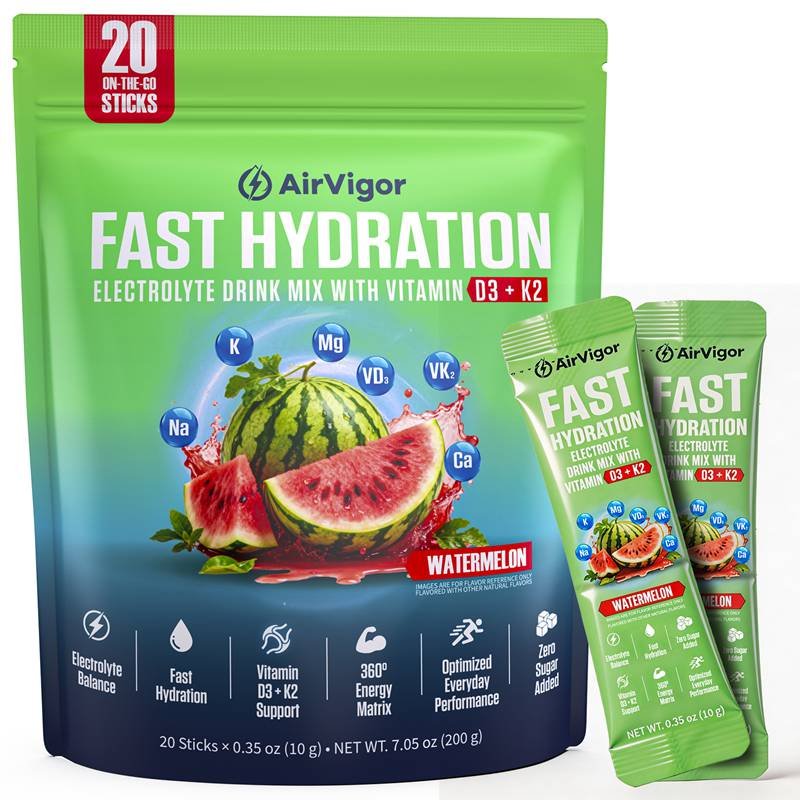
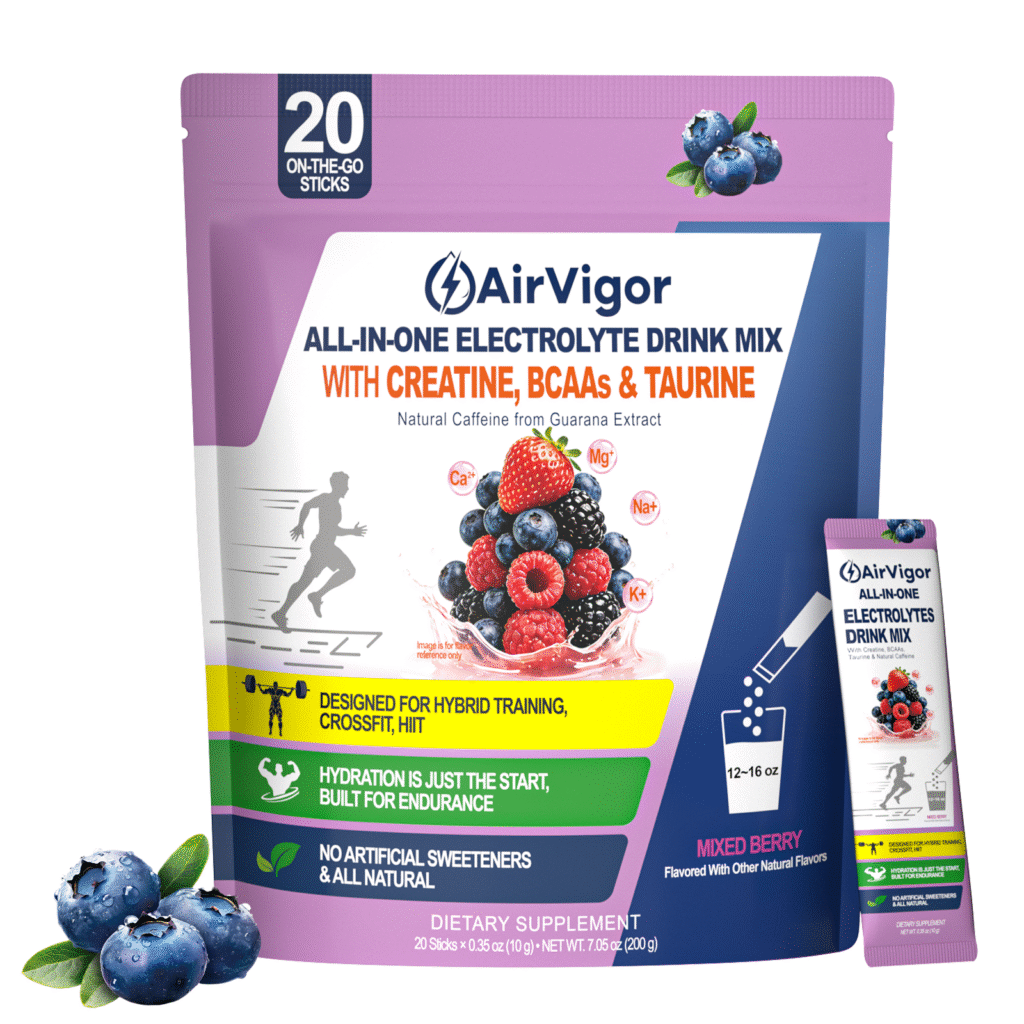
AirVigor and Electrolyte Balance
Understanding electrolyte balance is one step, but maintaining it consistently depends on using products that match real daily needs rather than general claims. Many people struggle not because they lack awareness, but because products on the market do not clearly explain what they contain, how much to use, or when to use them. A practical electrolyte solution should connect formulation, dosage, and real-life scenarios—so users can build a routine that feels stable rather than inconsistent.
Clear Formula for Electrolyte Balance
One of the most common issues with electrolyte products is lack of clarity. Labels may list multiple ingredients, but without clear amounts or functional purpose, it becomes difficult for users to understand how the product fits into their routine.
A well-structured formula should clearly show:
- The specific electrolytes included
- The amount of each per serving
- The intended use (daily hydration, exercise, fasting, recovery)
For example, many hydration powders contain sodium, but the amount can vary widely—from less than 100 mg to over 500 mg per serving. This difference significantly affects how the product performs. Lower amounts may be suitable for light daily use, while higher amounts are more appropriate after sweating.
AirVigor focuses on keeping formulations straightforward. Instead of adding a long list of ingredients, the approach emphasizes:
- Core electrolytes with defined roles
- Transparent labeling with clear dosage
- Formulas designed around specific usage scenarios
This makes it easier for users to choose based on actual needs rather than marketing language.
Why Dosage Supports Balance
Electrolyte balance is influenced more by proportion than by total quantity. Taking small amounts of several minerals may not provide noticeable support if the levels do not match what the body needs in a given situation.
For example:
- After sweating, sodium loss can reach 800–1500 mg per liter, so very low sodium intake may not be sufficient
- During fasting, sodium excretion increases, which changes daily requirements
- In daily sedentary routines, lower amounts may be enough to maintain stability
This is why dosage consistency matters. A product that provides predictable amounts allows users to adjust intake more accurately.
AirVigor develops formulations based on:
- Testing different electrolyte ratios across usage conditions
- Evaluating how minerals interact rather than treating them separately
- Adjusting composition for daily use, exercise, and recovery scenarios
This type of structured approach helps avoid both underuse and unnecessary overuse.
Quality and Consistency in Balance
Even when the formula is appropriate, consistency across batches is what determines long-term usability. Variations in raw materials or production processes can change how a product dissolves, tastes, or performs.
From a user perspective, consistency matters because:
- The same routine should produce similar results
- Adjustments should be based on need, not product variation
- Daily use depends on reliability
AirVigor maintains consistency through:
- Selection of higher-purity raw materials
- Controlled production processes aligned with established standards
- Multiple quality checks from ingredient sourcing to final product
In addition, internal testing focuses on:
- Solubility (how easily the powder dissolves in water)
- Stability (how the product holds up over time)
- Taste consistency (important for daily use compliance)
These factors may not always be visible on a label, but they directly affect whether a product can be used consistently.
Daily vs Workout Electrolyte Balance
Electrolyte needs change depending on how the body is being used. A single formula may not suit all situations equally well.
A practical comparison:
| Scenario | Typical Need |
|---|---|
| Daily routine | Lower, steady electrolyte intake |
| Exercise or sweating | Higher sodium for fluid replacement |
| Recovery | Broader mineral support including magnesium |
| Fasting | Targeted sodium and potassium support |
For example, a product designed for heavy sweating may contain higher sodium levels, which could feel too strong for casual daily use. On the other hand, a light daily formula may not provide enough support after extended activity.
AirVigor addresses this by focusing on:
- Matching formulations to specific use cases
- Keeping dosage levels appropriate for each scenario
- Avoiding one-size-fits-all designs
This allows users to maintain a more consistent routine without needing to guess how much to adjust intake each time.
In practical use, electrolyte balance becomes easier to manage when the product aligns with how people actually live—whether that involves long workdays, irregular meals, travel, or regular training. Clear formulation, appropriate dosage, and consistent quality make it possible to build a routine that supports hydration without requiring constant adjustment.
Conclusion: Building a Stable Electrolyte Routine
Electrolyte balance is not complicated, but it requires consistency. It is not about reacting to symptoms after they appear, but about maintaining a stable routine that supports hydration, energy, and recovery over time.
In everyday life, small adjustments often make the biggest difference:
- Matching electrolyte intake to activity level
- Paying attention to how your body responds
- Choosing products with clear formulation and appropriate dosage
For individuals, this means building a routine that fits your lifestyle. For businesses and brands, it means working with suppliers who understand both formulation and long-term product consistency.
If you are looking to:
- Source ready-to-use electrolyte products
- Develop a custom electrolyte formula
- Or build a supplement line with clear positioning
AirVigor provides support across product development, formulation, and supply.
A stable electrolyte routine starts with understanding your needs—and choosing solutions that are designed to match them.