Skip to content

A lot of people think they are hydrated because they drink water all day. But hydration is not just about how much water you drink. It is also about whether your body has enough minerals to hold, move, and use that water correctly. That is where electrolytes come in. When electrolyte levels start to drop, the body usually does not send one dramatic warning sign right away. It often starts with smaller problems that are easy to dismiss: lower energy, heavier legs, random muscle tightness, headaches in the afternoon, trouble focusing, or the feeling that water is “not really helping.” Over time, these small signs can turn into noticeable performance decline, slower recovery, and a body that feels off more often than it should.
When you lack electrolytes, your body has a harder time maintaining fluid balance, nerve signaling, and normal muscle function. This can lead to tiredness, dizziness, cramps, headaches, weakness, brain fog, poor endurance, and slower recovery. In more serious cases, low electrolyte levels can affect circulation, coordination, and heart rhythm, especially after sweating, heat exposure, illness, travel, or long physically demanding days.
This is one reason two people can drink the same amount of water and feel completely different afterward. One feels refreshed. The other still feels drained. If you have ever finished a workout, a hike, a travel day, or a long hot shift and thought, “I drank enough, so why do I still feel bad?” this article will help you understand what may really be happening inside the body.
Why You Lack Electrolytes
Most people don’t suddenly become low in electrolytes overnight. It usually happens through small, repeated gaps between what your body loses and what you actually replace. These gaps build up quietly across normal routines—workdays, workouts, travel, and even “healthy” habits like drinking more water.
At a practical level, you lack electrolytes when your daily losses of sodium, potassium, and magnesium are higher than your intake. For many people, this imbalance is not caused by one extreme event, but by a pattern that looks reasonable on the surface.
What Does It Mean to Lack Electrolytes
Electrolytes are minerals that help your body manage fluid balance, muscle contraction, and nerve signaling. When levels are too low, or when the balance between them is off, your body becomes less efficient.
This does not always feel dramatic. In real life, it often shows up as:
- energy that drops earlier than expected
- muscles that feel tight or heavy
- headaches that appear after heat or long days
- drinking water without feeling fully refreshed
The key point is that electrolyte imbalance is often functional, not extreme. You may still be able to work, train, and move normally, but your body is not operating at its best level.
To understand this better, here is how electrolytes function in everyday situations:
| Function | What Electrolytes Do | What Happens When Levels Drop |
|---|---|---|
| Fluid balance | Help retain and distribute water | Water feels less effective, more frequent thirst |
| Muscle control | Support contraction and relaxation | Tightness, fatigue, cramping |
| Nerve signaling | Enable communication between brain and body | Brain fog, slower reaction, low focus |
This is why electrolyte imbalance often feels like a general “off” state rather than one clear symptom.
Which Electrolytes You Lack Most Often
In daily life, three electrolytes are most commonly affected: sodium, potassium, and magnesium.
Sodium is the one most people lose quickly. It is heavily tied to sweat. Even light sweating during a normal day can lead to measurable sodium loss, especially in warm environments.
Potassium is more closely linked to diet. Many people do not consume enough potassium-rich foods such as fruits, vegetables, and certain whole foods.
Magnesium is often low due to both diet and lifestyle. Stress, poor sleep, and high physical demand all increase magnesium needs.
Here is a realistic view of how these imbalances happen:
| Electrolyte | Daily Loss Driver | Common Intake Gap |
|---|---|---|
| Sodium | Sweat, heat, activity | Not actively replaced |
| Potassium | Low produce intake | Inconsistent diet patterns |
| Magnesium | Stress, training load | Low intake from whole foods |
For example, a person who exercises for 45–60 minutes in warm conditions may lose 600–1000 mg of sodium in that session. If they only drink water afterward and do not adjust intake, that gap remains.
Over several days, this becomes noticeable.
How Sweat Creates a Daily Deficit
Sweat is the most direct and measurable way people lose electrolytes, especially sodium.
Even outside of intense training, daily situations can add up:
- commuting in heat
- walking long distances
- standing for extended periods
- working in warm indoor environments
Here is a practical reference range:
| Scenario | Estimated Sodium Loss |
|---|---|
| Mild daily activity | 200–400 mg/hour |
| Moderate exercise | 500–1000 mg/hour |
| High heat or intense effort | 1000–2000+ mg/hour |
Now compare that to replacement behavior:
- water intake increases
- sodium intake often stays the same
This creates a mismatch. The body loses more than it replaces.
This is why many people report:
- feeling worse after sweating, even if they hydrate
- needing more time to recover from workouts
- persistent fatigue after active days
The issue is not always dehydration. It is often unreplaced electrolyte loss.
How Diet and Hydration Habits Contribute
Many people assume their diet naturally covers electrolyte needs. In reality, modern eating patterns often fall short.
Common patterns that increase risk:
- skipping meals or eating irregularly
- low intake of fruits and vegetables
- relying on processed foods with low mineral density
- avoiding salt entirely without adjusting for activity
Hydration habits also play a role. A common situation looks like this:
- increased water intake (for health reasons)
- no increase in electrolyte intake
Over time, this can lead to:
- diluted sodium levels
- persistent thirst despite drinking
- low energy during the day
Here is a simple comparison:
| Habit | Short-Term Effect | Long-Term Impact |
|---|---|---|
| Drinking more water only | Temporary relief | Can dilute electrolyte balance |
| Balanced fluid + minerals | Stable hydration | Better energy and recovery |
This is why some people say, “I drink a lot of water, but I still don’t feel right.” The missing part is usually not more fluid—it is better balance.
Which Lifestyles Increase Your Risk
Certain lifestyles make electrolyte imbalance more likely, even if the person is not aware of it.
Active individuals
- regular workouts
- repeated sweat loss
- often under-replace minerals
Hot environment exposure
- outdoor jobs
- summer climates
- indoor heat-heavy settings
Busy professionals
- long work hours
- inconsistent meals
- high mental demand
Frequent travelers
- dry cabin air
- disrupted eating and hydration
- long periods of sitting
High stress routines
- increased mineral demand
- reduced recovery quality
These groups often report similar experiences:
- energy that fluctuates during the day
- slower recovery than expected
- feeling drained after normal activities
The important point is that these are not extreme situations. They are common, everyday lifestyles.
A Practical Way to Recognize the Pattern
Instead of looking for one clear symptom, it is more useful to look for patterns across your routine.
You may be lacking electrolytes if you regularly notice:
- you feel worse after sweating, not better
- water does not fully resolve thirst or fatigue
- your performance drops earlier than expected
- you experience recurring mild headaches or muscle tightness
- your recovery feels slower than it should
These are not random issues. They often point to the same underlying gap:
your body is losing electrolytes faster than you are replacing them
Once you recognize this pattern, it becomes much easier to adjust your approach and avoid repeating the same cycle.
Signs You Lack Electrolytes
When electrolyte levels begin to drop, the body rarely reacts with one obvious signal. Instead, it shows a combination of physical and mental changes that tend to build gradually. These changes often become more noticeable during heat exposure, after sweating, during long workdays, or when recovery does not match physical demand.
A practical way to understand electrolyte-related symptoms is to look at patterns rather than isolated moments. Most people who lack electrolytes do not feel severely unwell, but they do notice that their body is not performing or recovering as expected.
What It Feels Like When You Lack Electrolytes
In everyday situations, electrolyte imbalance is often described as a general decline in stability rather than a sudden drop in strength.
Common experiences include:
- a noticeable drop in energy within a few hours of activity
- a feeling of heaviness in the legs or arms
- reduced tolerance to heat or long periods of movement
- difficulty maintaining the same level of physical output
For example, during a 45–60 minute workout:
- the first 10–15 minutes may feel normal
- by the middle of the session, fatigue appears earlier than expected
- toward the end, output decreases even if effort remains high
This pattern is often linked to fluid and mineral imbalance rather than lack of effort or conditioning.
The same pattern can appear outside of exercise. After a long day of walking, standing, or commuting, individuals may feel unusually drained even if they have consumed sufficient water. This suggests that fluid intake alone did not fully support physiological function.
How Your Body Reacts When Electrolytes Are Low
Electrolytes influence several systems at the same time, which is why symptoms can appear in different forms.
The table below shows how low electrolyte levels affect different areas of the body:
| Body System | Physiological Effect | Common Observations |
|---|---|---|
| Muscular system | Reduced efficiency of contraction and relaxation | Tightness, early fatigue, cramps |
| Nervous system | Slower or less stable signal transmission | Brain fog, reduced focus, irritability |
| Fluid regulation | Impaired water distribution and retention | Persistent thirst, dry feeling, headaches |
| Circulatory function | Less stable fluid volume support | Dizziness, lightheadedness, weakness |
One important detail is that these effects often overlap. A person may experience muscle tightness and reduced concentration at the same time, without immediately connecting both to electrolyte balance.
Another commonly reported pattern is that water intake does not resolve symptoms fully. Individuals may continue to feel tired or unfocused despite drinking fluids, which indicates that the issue is not only hydration volume but also mineral availability.
Early Signs Versus Progressive Symptoms
Electrolyte imbalance typically progresses through stages. Early signs are often mild and can be overlooked, while more advanced signs become harder to ignore.
| Stage | Common Signs | Practical Impact |
|---|---|---|
| Early | Mild fatigue, slight headache, reduced focus | Minor discomfort, reduced efficiency |
| Moderate | Muscle tightness, noticeable fatigue, recurring headaches | Decreased performance, slower recovery |
| Advanced | Frequent cramps, dizziness, significant weakness | Difficulty maintaining normal activity levels |
In the early stage, symptoms may appear only under certain conditions, such as after sweating or during long work periods. As imbalance continues, these symptoms can become more frequent and less dependent on specific triggers.
For example:
- a headache that initially appears only after exercise may begin to occur during regular workdays
- mild muscle tightness may progress into cramping during rest or sleep
- fatigue that was previously situational may become more consistent
Signs Related to Physical Performance
Electrolyte imbalance has a direct impact on physical performance because minerals are essential for muscle activation and fluid balance.
Common performance-related signs include:
- reduced endurance during continuous activity
- difficulty maintaining pace or strength
- increased perceived effort for the same workload
- earlier onset of fatigue
A useful comparison:
| Condition | Physical Output Pattern |
|---|---|
| Balanced electrolytes | Stable performance across activity duration |
| Low electrolytes | Declining performance despite consistent effort |
This is particularly relevant for individuals who train regularly or perform physically demanding work. A decline in performance without a clear reason often points to recovery or hydration issues, including electrolyte imbalance.
Signs Related to Daily Energy and Cognitive Function
Electrolyte levels also influence daily energy and mental clarity. These effects are often underestimated because they are not immediately associated with hydration.
Common patterns include:
- a drop in energy between late morning and mid-afternoon
- reduced concentration during routine tasks
- slower decision-making or reduced mental sharpness
- increased irritability or low motivation
A typical daily pattern may look like this:
| Time of Day | Common Experience |
|---|---|
| Morning | Normal energy and focus |
| Midday | Gradual decline in concentration |
| Afternoon | Fatigue, headaches, reduced productivity |
While these symptoms are often attributed to sleep or workload, electrolyte balance can play a contributing role, especially when combined with fluid loss or inconsistent intake.
Signs Related to Recovery and Sleep
Recovery is another area where electrolyte imbalance becomes more visible over time.
Common recovery-related signs include:
- prolonged muscle soreness after activity
- persistent tightness that does not fully resolve
- reduced sense of physical readiness the next day
- lower sleep quality or difficulty relaxing
Magnesium and potassium are particularly important for muscle relaxation and nervous system regulation. When these are insufficient:
- muscles may remain in a partially contracted state
- recovery processes slow down
- sleep may feel less restorative
The following table summarizes these effects:
| Area | Effect of Low Electrolytes |
|---|---|
| Muscle recovery | Slower repair and relaxation |
| Physical readiness | Reduced next-day performance |
| Sleep quality | Less complete recovery during rest |
Over time, these patterns can accumulate, leading to a cycle where the body never fully returns to its baseline condition.
A Practical Way to Identify Electrolyte-Related Symptoms
Rather than focusing on a single symptom, it is more effective to evaluate recurring patterns across different situations.
You may be lacking electrolytes if you consistently notice:
- symptoms appear after sweating or heat exposure
- water intake does not fully resolve fatigue or thirst
- performance declines earlier than expected during activity
- recovery takes longer than usual
- mild symptoms repeat across multiple days
These patterns indicate that the body is not maintaining balance between fluid intake and mineral replacement.
Recognizing this pattern is important because it allows you to adjust your approach before symptoms become more severe or disruptive to daily life.

How You End Up Lacking Electrolytes
Most people do not develop low electrolyte levels from a single event. It usually results from a repeated mismatch between daily losses and daily replacement. These losses occur through sweating, normal fluid turnover, and metabolic processes. If intake does not keep up—either through food or structured hydration—the gap gradually widens.
In practical terms, you end up lacking electrolytes when:
- mineral losses increase (heat, activity, long days)
- intake remains unchanged or inconsistent
- hydration focuses on water without mineral replacement
Over several days or weeks, this creates a measurable decline in fluid efficiency, muscle function, and overall stability.
How Daily Losses Add Up Over Time
Even without intense exercise, the body continuously uses and loses electrolytes.
Baseline daily losses include:
- fluid turnover through urine
- small amounts of sodium loss through skin
- ongoing cellular use of potassium and magnesium
These baseline losses increase under common conditions:
| Situation | What Changes | Resulting Effect |
|---|---|---|
| Warm weather | Increased sweating | Higher sodium loss |
| Long workdays | Irregular intake | Reduced replacement |
| Travel | Dehydration + low intake | Combined fluid and mineral deficit |
| Physical activity | Higher sweat rate | Accelerated electrolyte depletion |
For example, a person in a warm environment who walks, commutes, and works on their feet may lose 500–800 mg of sodium over several hours without structured replacement. If intake remains unchanged, that deficit carries into the next day.
The key issue is accumulation. One day of imbalance is manageable. Repeated days create noticeable effects.
How Water Intake Without Minerals Creates Imbalance
A common pattern is increasing water intake without adjusting electrolyte intake.
This often happens when individuals try to improve hydration by drinking more fluids throughout the day. While fluid intake is important, water alone does not replace sodium, potassium, or magnesium.
In situations where electrolyte levels are already reduced, high water intake can further dilute sodium concentration in the body.
This leads to:
- continued thirst despite drinking
- a feeling of incomplete hydration
- reduced physical and mental stability
A simplified comparison illustrates this:
| Hydration Approach | Short-Term Result | Ongoing Effect |
|---|---|---|
| Water only | Temporary relief | May dilute electrolytes if losses are not replaced |
| Water + electrolytes | Balanced replenishment | More stable hydration and function |
This explains why some individuals report drinking large amounts of water but still experiencing fatigue, headaches, or reduced performance.
How Sweat-Driven Losses Become a Daily Deficit
Sweating is the most direct and quantifiable way electrolytes are lost, especially sodium.
Typical sodium loss ranges:
| Condition | Estimated Sodium Loss |
|---|---|
| Light activity | 200–400 mg/hour |
| Moderate exercise | 500–1000 mg/hour |
| High heat or intense activity | 1000–2000+ mg/hour |
If a person completes a 60-minute workout in warm conditions, it is reasonable to estimate a sodium loss of 600–1000 mg.
If post-activity intake consists of water alone, this loss is not replaced.
If the same pattern repeats multiple times per week, the body does not fully return to baseline. This results in:
- lower starting electrolyte levels before the next session
- earlier onset of fatigue
- reduced performance consistency
This pattern is not limited to athletes. It applies to:
- outdoor workers
- individuals in hot climates
- people with long active commutes
- individuals who stand or move for extended periods
How Irregular Eating Patterns Affect Electrolyte Balance
Electrolyte intake depends not only on what is consumed, but also on how consistently it is consumed.
Irregular eating patterns can lead to uneven intake of key minerals:
- skipped meals reduce total mineral intake
- inconsistent meal timing affects replenishment
- low food variety limits potassium and magnesium sources
Here is a comparison of intake patterns:
| Eating Pattern | Electrolyte Intake Stability |
|---|---|
| Regular balanced meals | More consistent mineral supply |
| Skipped or delayed meals | Fluctuating levels |
| Limited food variety | Increased risk of deficiencies |
For example, potassium intake relies heavily on foods such as fruits, vegetables, and certain whole foods. If these are not consumed regularly, potassium levels may remain lower than optimal over time.
Magnesium intake shows a similar pattern, especially in diets low in nuts, seeds, and whole grains.
How Lifestyle Factors Increase Demand
In addition to losses and intake, overall demand for electrolytes can increase based on lifestyle.
Situations that raise demand include:
- high training volume
- prolonged mental stress
- insufficient sleep
- physically demanding work
Under these conditions, the body requires more support for:
- muscle function
- nervous system regulation
- recovery processes
If intake does not increase accordingly, a relative deficiency develops.
The relationship can be summarized as:
| Factor | Effect on Electrolyte Balance |
|---|---|
| Increased output (sweat, activity) | Higher loss |
| Increased stress or demand | Higher requirement |
| Unchanged intake | Net deficit |
This imbalance is often subtle at first, but becomes more noticeable as demands continue.
How Travel and Environment Contribute
Travel introduces several factors that can accelerate electrolyte imbalance:
- low humidity environments (airplanes, air-conditioned spaces)
- irregular meals
- reduced water intake or inconsistent hydration
- long periods of sitting
These factors can lead to:
- mild dehydration
- reduced mineral intake
- slower recovery
For example, during a long flight:
- fluid loss increases due to low cabin humidity
- intake is often limited to water or minimal food
- sodium and potassium intake may be insufficient
After arrival, individuals often report:
- fatigue
- headaches
- reduced physical readiness
These are consistent with combined fluid and electrolyte imbalance.
A Practical Summary of How Imbalance Develops
The process of lacking electrolytes is usually not caused by one mistake, but by repeated patterns:
- Electrolytes are lost through sweat, daily activity, and normal body function
- Intake does not match these losses consistently
- Water intake increases without mineral replacement
- Lifestyle factors increase demand further
- The body operates below optimal balance over time
This can be summarized as:
| Stage | What Happens |
|---|---|
| Initial loss | Sweat, activity, or environment increases mineral loss |
| Incomplete replacement | Intake does not match loss |
| Repeated pattern | Daily imbalance continues |
| Accumulation | Symptoms begin to appear |
Understanding this process is important because it shifts the focus from short-term correction to long-term consistency. Once the pattern is recognized, it becomes easier to adjust intake and prevent the cycle from repeating.
How Lack of Electrolytes Affects Your Body
When electrolyte levels fall below what your body needs, the impact is not limited to one area. Electrolytes regulate fluid distribution, muscle contraction, nerve signaling, and overall cellular function. When these processes are disrupted, the body becomes less efficient, and this shows up in performance, energy, recovery, and daily comfort.
For most people, the effects are gradual rather than immediate. The body continues to function, but with reduced stability and increased effort required for the same tasks.
How Physical Performance Is Affected
Electrolytes play a direct role in how muscles contract and how efficiently energy is used during movement. When levels are insufficient, muscle function becomes less consistent.
Common performance-related effects include:
- reduced endurance during sustained activity
- earlier onset of fatigue
- decreased strength output over time
- difficulty maintaining pace or intensity
A typical pattern observed during a 60-minute session:
| Time Period | With Balanced Electrolytes | With Low Electrolytes |
|---|---|---|
| 0–15 minutes | Stable energy and output | Similar initial performance |
| 15–30 minutes | Consistent pacing | Noticeable fatigue begins |
| 30–60 minutes | Gradual fatigue | Accelerated drop in performance |
This occurs because electrolyte imbalance affects:
- muscle fiber activation
- coordination between muscle groups
- fluid balance within muscle cells
When sodium levels are low, fluid distribution becomes less efficient, which can lead to a feeling of heaviness or reduced responsiveness in the muscles. When potassium levels are insufficient, muscle contraction becomes less stable. Magnesium plays a role in relaxation, so low levels may increase tension or tightness.
The result is not always a complete loss of function, but rather a steady decline in performance quality.
How Energy Levels and Daily Function Are Affected
Electrolytes influence how energy is produced and maintained throughout the day. When levels are low, the body requires more effort to maintain the same level of activity.
Common effects on daily energy include:
- noticeable drops in energy during the day
- increased effort required for routine tasks
- reduced ability to sustain focus over time
A common daily pattern:
| Time of Day | Balanced Electrolytes | Low Electrolytes |
|---|---|---|
| Morning | Normal energy | Normal or slightly reduced |
| Midday | Stable focus | Decline in energy and attention |
| Afternoon | Moderate fatigue | Headache, low productivity, mental fatigue |
This pattern is often mistaken for general tiredness or lack of sleep. However, when hydration quality is insufficient, energy fluctuations become more pronounced.
Electrolytes support cellular processes that maintain fluid balance and nutrient transport. When these processes are less efficient, the body compensates by increasing effort, which contributes to fatigue.
How the Nervous System and Cognitive Function Are Affected
Electrolytes are essential for nerve signaling. They help transmit electrical signals between the brain and the rest of the body. When levels are low, this communication becomes less efficient.
Common cognitive effects include:
- reduced concentration
- slower reaction time
- difficulty maintaining attention
- increased irritability
These changes are often subtle at first. For example:
- tasks may take longer to complete
- mental clarity may decrease during the afternoon
- decision-making may feel less sharp
Here is a simplified comparison:
| Function | Balanced Electrolytes | Low Electrolytes |
|---|---|---|
| Focus | Stable attention | Easily distracted |
| Processing speed | Consistent | Slower response |
| Mood | Stable | More variability |
These effects are particularly noticeable in individuals with high cognitive demand, such as those working long hours or managing complex tasks.
How Hydration Efficiency Is Reduced
One of the most important roles of electrolytes is helping the body manage fluid distribution. Without sufficient electrolytes, water does not move or stay in the right places as effectively.
This leads to a situation where:
- fluid intake is adequate
- hydration still feels incomplete
Common signs of reduced hydration efficiency include:
- persistent thirst despite drinking fluids
- dry or uncomfortable feeling even after hydration
- headaches related to fluid imbalance
This occurs because sodium helps regulate how much water is retained in the bloodstream and tissues. When sodium levels are low, the body may not hold onto fluid as effectively.
A comparison:
| Hydration State | Fluid Intake | Result |
|---|---|---|
| Balanced | Water + electrolytes | Stable hydration |
| Imbalanced | Water only | Reduced effectiveness |
This explains why increasing water intake alone does not always resolve symptoms.
How Recovery Is Slowed Down
Recovery depends on the body’s ability to restore balance after physical or mental stress. Electrolytes are involved in muscle relaxation, fluid balance, and cellular repair processes.
When levels are low, recovery may be affected in several ways:
- muscle soreness lasts longer
- tightness does not fully resolve
- next-day performance is reduced
Magnesium and potassium are particularly important for muscle recovery. Magnesium helps muscles relax after contraction, while potassium supports normal muscle function.
The impact on recovery can be summarized as:
| Recovery Factor | Balanced Electrolytes | Low Electrolytes |
|---|---|---|
| Muscle relaxation | Efficient | Incomplete |
| Soreness duration | Normal | Extended |
| Readiness next day | Stable | Reduced |
Over time, repeated incomplete recovery can affect training consistency or daily physical performance.
How Sleep and Rest Quality Can Be Affected
Electrolyte balance also influences sleep quality. When the body is not fully balanced, it may remain in a slightly elevated state of tension.
Common effects include:
- difficulty relaxing at night
- feeling less restored after sleep
- waking up with residual fatigue
This is partly related to magnesium, which plays a role in supporting normal nervous system function and relaxation.
While electrolyte imbalance is not the only factor affecting sleep, it can contribute to reduced recovery quality when combined with stress, physical activity, or irregular routines.
A Practical Overview of System-Wide Effects
The effects of low electrolytes are interconnected. Instead of one isolated issue, multiple systems are affected at the same time.
| Area | Common Effect |
|---|---|
| Physical performance | Faster fatigue, reduced endurance |
| Energy levels | Fluctuations, increased effort |
| Cognitive function | Reduced focus, slower processing |
| Hydration | Persistent thirst, incomplete hydration |
| Recovery | Slower, less complete |
| Sleep | Reduced rest quality |
For most people, these effects are not extreme individually. However, when combined, they create a noticeable decline in how the body feels and performs.
A Practical Way to Recognize the Impact
The most useful way to identify electrolyte-related effects is to observe patterns across different situations.
You may be affected by low electrolytes if you consistently notice:
- performance drops during activity despite adequate effort
- fatigue appears earlier than expected
- water intake does not fully resolve symptoms
- recovery feels incomplete
- energy and focus fluctuate throughout the day
These patterns indicate that the body is not maintaining optimal fluid and mineral balance. Recognizing this allows for targeted adjustments that can improve both short-term comfort and long-term stability.

How to Fix Lack of Electrolytes
Correcting low electrolyte levels is less about a one-time fix and more about restoring balance in a way that can be maintained day after day. The body needs both fluid and key minerals in the right proportions. If either side is missing, results are incomplete.
In practical terms, an effective approach should:
- replace what has been lost (especially sodium during sweat)
- provide consistent intake across the day
- match intake to activity level, environment, and routine
What You Should Actually Drink
Water is essential, but it does not replace electrolytes. When losses include both fluid and minerals, replacing fluid alone will not fully restore function.
A comparison of common options:
| Option | Typical Content | Practical Limitation |
|---|---|---|
| Water | Fluid only | Does not replace sodium, potassium, or magnesium |
| Sugary sports drinks (500 ml) | ~300–500 mg sodium, 20–35 g sugar | High sugar, not ideal for daily use |
| Coconut water (500 ml) | ~400–600 mg potassium, <100 mg sodium | Low sodium, incomplete balance |
| Electrolyte drink (well-formulated) | 300–1000 mg sodium + potassium + magnesium | Depends on formulation quality |
For context, a moderate workout in warm conditions can result in 500–1000 mg sodium loss per hour. Replacing that with water alone does not restore the mineral side of hydration.
A more practical approach:
- use water for general hydration
- add electrolyte intake when losses increase (exercise, heat, long days)
This improves how fluid is retained and used.
Why Food Alone Is Often Not Enough
Food plays an important role in long-term electrolyte intake, but it is not always effective for immediate or consistent replenishment.
To replace electrolytes through food alone, intake must be:
- frequent
- balanced
- aligned with activity timing
In reality, many people:
- delay meals after activity
- eat uneven portions throughout the day
- do not adjust intake based on sweat loss
Here is an example of sodium replacement:
| Source | Approximate Sodium Content |
|---|---|
| 1 medium meal (average) | 500–800 mg |
| 1 hour of moderate sweating | 500–1000 mg loss |
If intake is delayed by several hours, the body remains in a deficit during that period.
Potassium and magnesium show similar patterns. They rely on regular intake from foods such as fruits, vegetables, nuts, and whole foods. If diet consistency is low, levels remain unstable.
Food supports baseline intake. However, for timing and precision, especially around activity or heat, additional structured intake is often more effective.
How to Replace Electrolytes Based on Real Needs
Electrolyte needs vary depending on conditions. A fixed intake approach does not work well for everyone.
Below is a practical guideline based on common situations:
| Situation | Suggested Sodium Intake Range | Notes |
|---|---|---|
| Low activity, cool environment | 300–600 mg/day (from fluids) | Mainly food-based intake may be sufficient |
| Moderate activity (30–60 min) | 500–1000 mg/day (additional) | Adjust based on sweat level |
| High activity or heat exposure | 1000–2000+ mg/day (additional) | Split intake across the day |
For potassium and magnesium:
- potassium intake typically ranges from 2000–3500 mg/day from food
- magnesium intake typically ranges from 200–400 mg/day
These values are usually achieved through diet, but gaps are common when food intake is inconsistent.
The key principle is adjustment:
- higher demand → higher replacement
- lower demand → maintain baseline
How to Build a Consistent Daily Routine
Consistency is more important than occasional high intake. A simple structure can help maintain balance without overcomplicating the process.
A practical daily routine:
Morning
- start with fluid + a moderate amount of electrolytes
- supports baseline hydration after overnight fluid loss
During activity or long work periods
- increase intake gradually
- avoid waiting until fatigue appears
After activity
- replace estimated losses
- combine fluid and electrolytes to support recovery
Evening
- maintain moderate intake if needed
- avoid excessive intake close to sleep if not necessary
This approach reduces fluctuations and helps maintain a stable baseline.
How to Choose an Effective Electrolyte Product
Not all electrolyte products provide the same level of support. The effectiveness depends on composition and usability.
Key factors to consider:
- sodium content: should be sufficient to match real losses
- balance of minerals: includes potassium and magnesium, not sodium alone
- sugar content: excessive sugar can limit daily usability
- clarity of labeling: clear dosage information per serving
- mixability and taste: affects consistency of use
A comparison of common product types:
| Product Type | Strength | Limitation |
|---|---|---|
| High-sugar sports drinks | Quick energy + electrolytes | Not ideal for frequent use |
| Low-dose electrolyte mixes | Easy to use | May not match actual loss levels |
| Balanced electrolyte formulas | Targeted replacement | Requires selecting a reliable product |
A product that is difficult to use regularly is less effective, even if the formula is technically adequate. Practical usability matters.
Why Consistency Matters More Than Quick Fixes
Many people address electrolyte imbalance only after symptoms appear. This reactive approach leads to repeated cycles.
A common pattern:
- symptoms appear (fatigue, headache, cramps)
- short-term correction (fluids, rest)
- return to previous routine
- symptoms reappear
A more effective approach focuses on prevention:
- maintain baseline intake
- adjust for activity and environment
- avoid large fluctuations
The difference can be summarized:
| Approach | Result |
|---|---|
| Reactive | Temporary improvement, recurring issues |
| Consistent | Stable energy, improved recovery, fewer symptoms |
A Practical Summary of What Works
To correct and prevent electrolyte imbalance:
- combine fluid intake with adequate mineral replacement
- adjust intake based on sweat, activity, and environment
- maintain consistent daily intake rather than relying on occasional fixes
- use structured sources when timing and precision are needed
The goal is not to maximize intake, but to maintain balance. When fluid and electrolytes are aligned with your daily routine, the body functions more efficiently across performance, energy, and recovery.
FAQ About Lack Electrolytes
Do You Lack Electrolytes If You Only Drink Water
In many cases, yes. Water replaces fluid volume, but it does not replace the minerals that are lost through sweat and daily activity.
When fluid intake increases without a corresponding increase in electrolyte intake, sodium levels relative to fluid can decrease. This affects how well the body retains and distributes water.
A simple comparison:
| Intake Pattern | Outcome |
|---|---|
| Water only | Fluid replaced, minerals not replaced |
| Water + electrolytes | Fluid and mineral balance restored |
This is why some people report:
- continued thirst after drinking
- fatigue despite adequate fluid intake
- reduced performance during activity
For example, losing 600–1000 mg of sodium during a workout and replacing it with water alone leaves a measurable gap. Repeating this pattern over several days increases the likelihood of imbalance.
How Fast Can You Fix Lack of Electrolytes
The time required to correct electrolyte imbalance depends on how large the deficit is and how consistently intake is adjusted.
Typical recovery timelines:
| Level of Imbalance | Expected Improvement |
|---|---|
| Mild | Within several hours |
| Moderate | Within 12–24 hours |
| Ongoing imbalance | Several days of consistent intake |
Short-term correction can improve symptoms such as fatigue or headache relatively quickly. However, if the underlying pattern remains unchanged, the imbalance often returns.
For this reason, consistent intake is more effective than occasional correction.
Do You Need Electrolytes Every Day
Daily needs vary depending on activity level, environment, and diet. Not everyone requires the same intake, but most people benefit from maintaining a consistent baseline.
You are more likely to need regular electrolyte support if you:
- sweat frequently
- train or remain physically active
- live in a warm climate
- experience fluctuations in energy or recovery
Daily intake does not need to be high, but it should be consistent enough to match routine losses.
A general guideline:
| Activity Level | Additional Sodium Needs (from fluids) |
|---|---|
| Low activity | Minimal additional intake |
| Moderate activity | 500–1000 mg/day |
| High activity or heat | 1000–2000+ mg/day |
These values are approximate and should be adjusted based on individual conditions.
Can You Lack Electrolytes Without Exercise
Yes. Physical exercise is only one of several factors that influence electrolyte balance.
Electrolyte loss and imbalance can occur due to:
- prolonged exposure to heat
- long work hours with irregular hydration
- low dietary intake of key minerals
- travel-related dehydration
- increased stress and reduced recovery
For example, during a long flight:
- fluid loss increases due to low humidity
- intake is often limited
- sodium and potassium intake may be insufficient
After arrival, individuals often report:
- fatigue
- headaches
- reduced physical readiness
These effects can occur without any exercise.
What Is the Easiest Way to Restore Electrolytes
The most practical approach is one that combines fluid intake with a structured source of electrolytes and can be used consistently.
Key characteristics of an effective method:
- simple to prepare and use
- easy to adjust based on activity level
- suitable for daily routines
For most people, this means:
- maintaining regular fluid intake
- adding electrolytes when losses increase
- avoiding large fluctuations in intake
A comparison of approaches:
| Method | Practical Outcome |
|---|---|
| Occasional high intake | Temporary correction |
| Consistent moderate intake | Stable balance over time |
Ease of use is an important factor. If the method is complicated or inconsistent, adherence tends to decrease, and results are less reliable.
How Do You Know If Your Electrolyte Intake Is Adequate
There is no single measurement used in daily life, but several practical indicators can help assess adequacy.
Signs of balanced intake:
- stable energy throughout the day
- consistent physical performance
- minimal unexplained fatigue or headaches
- normal recovery after activity
Signs that intake may be insufficient:
- repeated fatigue after sweating
- persistent thirst despite fluid intake
- frequent muscle tightness or cramps
- noticeable decline in endurance or focus
Tracking patterns over several days is more useful than evaluating a single moment.
Are Electrolyte Supplements Safe for Regular Use
Electrolyte supplements are generally safe when used within appropriate intake ranges and adjusted to individual needs.
Important considerations:
- avoid excessive intake beyond typical requirements
- adjust intake based on activity and environment
- choose products with clear labeling and balanced composition
For most individuals, moderate and consistent use is well tolerated, especially when aligned with daily losses.
A balanced approach focuses on matching intake to actual demand rather than maximizing intake unnecessarily.
Conclusion
Lack of electrolytes is not always obvious, but it shows up in how you feel, perform, and recover.
Most people don’t have a hydration problem.
They have a hydration strategy problem.
Once you understand that hydration is about:
- fluid
- minerals
- consistency
everything becomes easier to manage.
You don’t need extreme solutions.
You need a system you can repeat every day.
Work with AirVigor
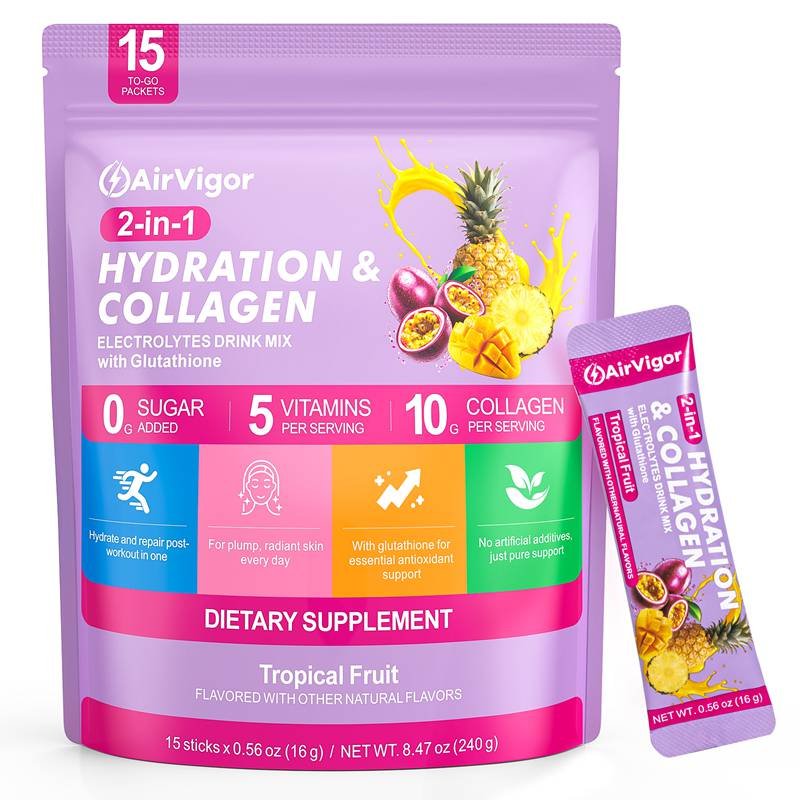
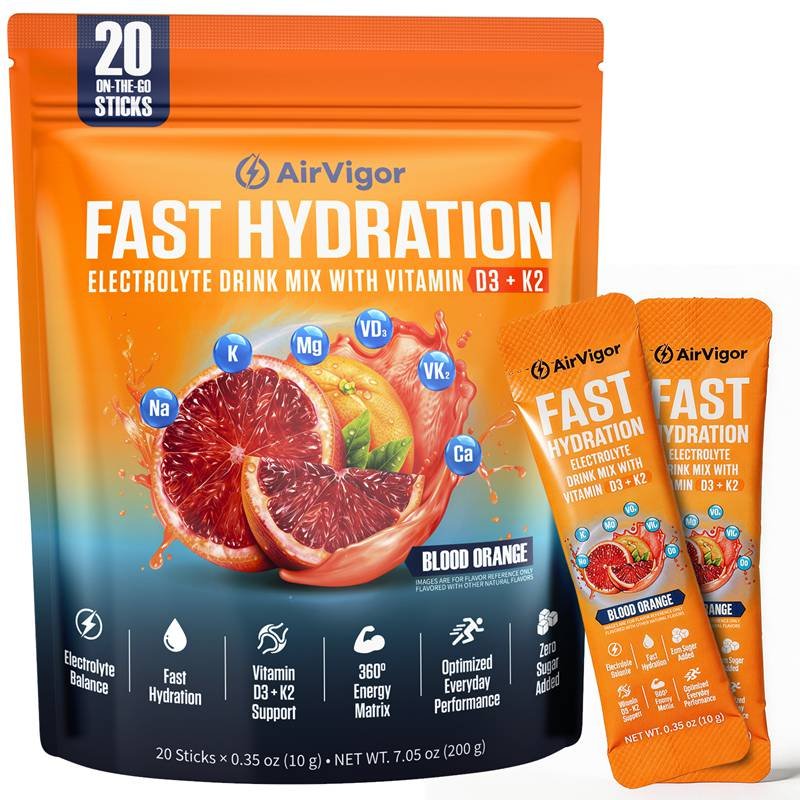
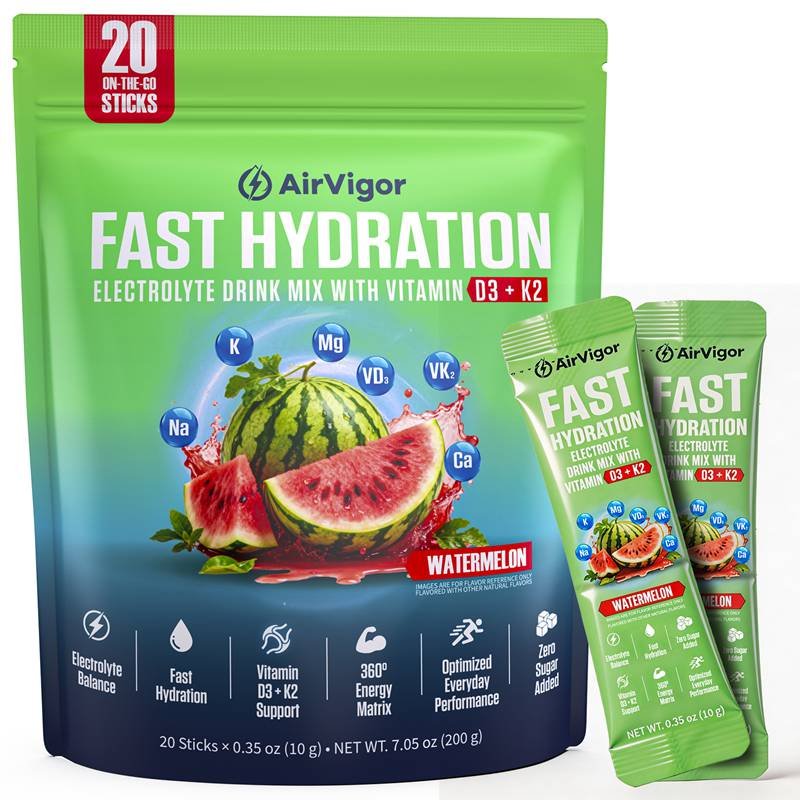
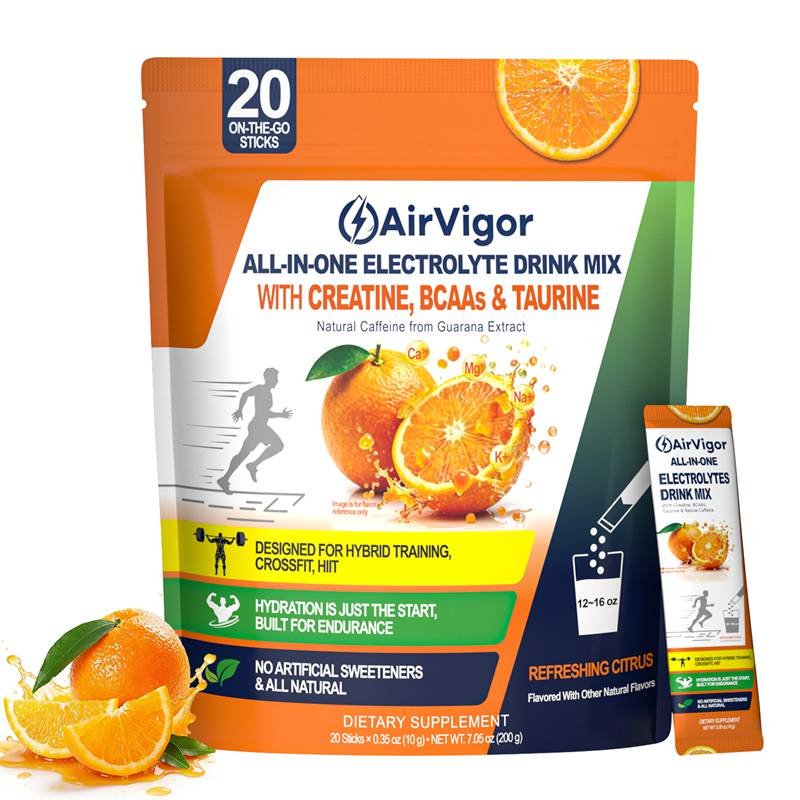
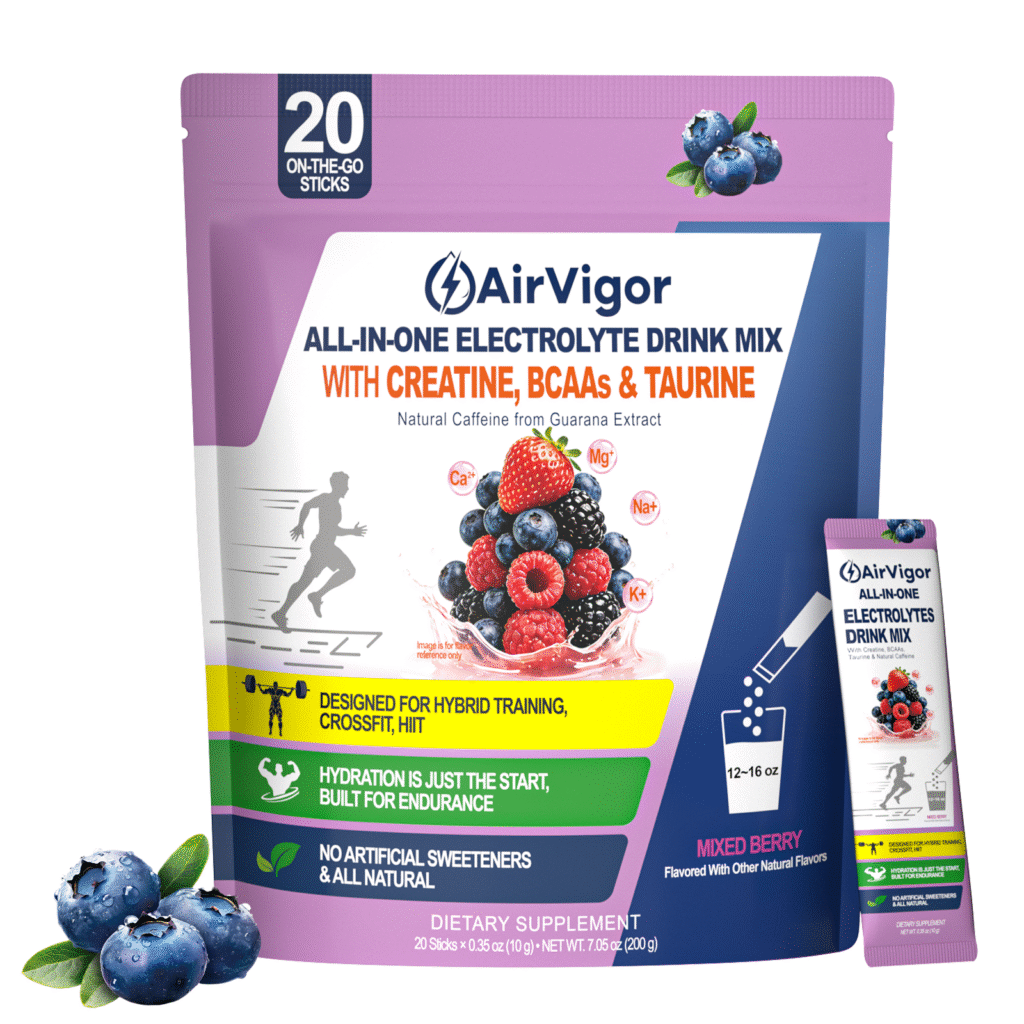
If you’re looking for a more reliable way to support hydration and daily balance, AirVigor provides electrolyte-focused formulations designed for real-life use.
For individual users:
- ready-to-use electrolyte products
- designed for daily routines, training, travel, and work scenarios
For business partners:
- OEM / ODM formulation support
- customizable electrolyte blends
- scalable production with stable quality systems
- support for labeling, packaging, and market adaptation
AirVigor operates with a focus on:
- ingredient transparency
- stable formulation systems
- consistent product performance
Whether you are looking to improve your daily hydration or develop your own electrolyte product line, you can reach out to discuss:
- product details
- pricing and MOQ
- custom formulation options
Building better hydration does not require guesswork.
It starts with using the right structure — consistently.