Skip to content

Electrolyte products can sometimes be misunderstood, especially by people who already monitor sodium intake closely. For individuals managing high blood pressure, the first question is rarely whether an electrolyte formula “works.” Instead, the more practical concern is whether it fits their health situation safely. Because many electrolyte supplements contain sodium, it is natural for consumers to wonder whether these products are appropriate for them.
In reality, the answer is rarely a simple “yes” or “no.” A formula like Recovery Electrolyte with D3K2 is not automatically unsuitable for people with high blood pressure. What matters more are the details: how much sodium the product provides, how often it is consumed, how much fluid and electrolytes the body actually loses through sweat, and whether the product is used in the right scenario. Electrolyte supplements are designed to replace minerals lost during significant physical activity or heat exposure, not to function as a casual beverage.
Many negative experiences occur when electrolyte products are used without considering these factors. Some consumers drink them during light activity or multiple times a day without meaningful sweat loss, then later worry about sodium intake after reading the label more closely. In many cases, the issue is not the formula itself, but the mismatch between how the product is intended to be used and how it was actually used. When electrolyte supplements are treated as a functional hydration tool rather than a routine drink, they can fit much more naturally into a balanced hydration strategy.
What Is Recovery Electrolyte with D3K2?
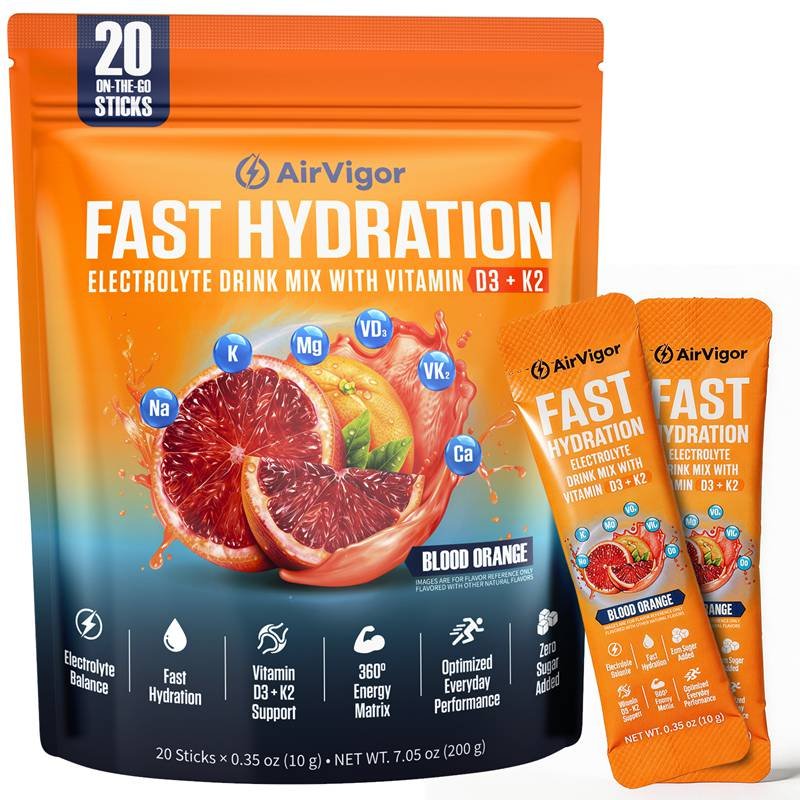
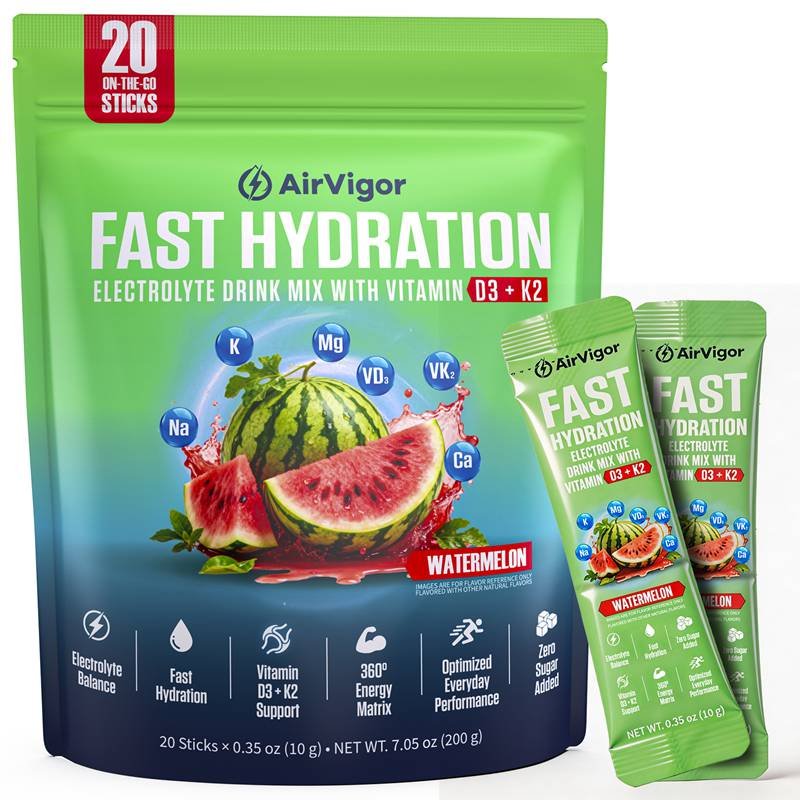
Recovery Electrolyte with D3K2 is a hydration and recovery formula built for people who lose fluid and minerals through sweat and want more support than plain water alone. The formula is typically designed to help replace key electrolytes such as sodium, potassium, magnesium, and calcium, while also including vitamin D3 and vitamin K2 to support calcium use and broader recovery logic.
For many consumers, the name sounds simple enough: “electrolyte powder.” But in practice, this type of product sits between several needs at once. It is not only about thirst. It is also about mineral balance, training recovery, and how the body handles stress from sweating, heat, and repeated physical output.
A big reason customers like formulas in this category is convenience. Instead of building hydration support from multiple separate products, they can use one formula that already combines core minerals with additional nutrients linked to recovery and skeletal support. This is especially attractive to active adults who do not want a complicated supplement routine.
At the same time, that convenience can also create confusion. Some users assume that because the product supports hydration, it must be appropriate in all situations. That is not always true. Understanding what the formula actually contains and what each component is doing makes it much easier to use correctly.
How Recovery Electrolyte with D3K2 Works
The basic role of an electrolyte formula is to help the body maintain fluid balance when sweat loss is significant. Sweat removes more than water. It also removes minerals that help regulate hydration, nerve signaling, and muscle contraction.
Below is a simplified overview of the main electrolytes commonly used in recovery formulas.
| Electrolyte | Main Function | Why Users Care |
|---|---|---|
| Sodium | Helps maintain fluid balance and blood volume | Important after heavy sweating |
| Potassium | Helps regulate fluid balance inside cells | Supports muscle and nerve function |
| Magnesium | Supports muscle relaxation and energy metabolism | Often linked to recovery comfort |
| Calcium | Supports muscle contraction and signaling | Important in exercise and recovery |
This matters because hydration is not only about fluid volume. It is also about where the fluid goes and how well the body can use it.
For example, someone may drink a large amount of plain water after sweating heavily, yet still feel flat or drained. In some cases, this is because the body has also lost enough electrolytes that fluid balance is still not fully restored.
That is where a recovery electrolyte formula can be useful: it helps replace both water-related minerals and the broader recovery structure those minerals support.
Why Recovery Electrolyte with D3K2 Includes D3K2
A lot of users immediately understand why sodium, potassium, or magnesium are in an electrolyte powder. Fewer people immediately understand why vitamin D3 and vitamin K2 are included.
The reason is connected to calcium handling.
Calcium is widely known for bone health, but it also plays an important role in muscle contraction and signaling. Vitamin D3 helps the body absorb calcium more effectively. Vitamin K2 helps direct calcium toward the places where it is meant to be used more efficiently.
A simple overview looks like this:
| Nutrient | Main Role in the Formula |
|---|---|
| Vitamin D3 | Supports calcium absorption |
| Vitamin K2 | Supports calcium utilization and placement |
| Calcium | Supports contraction and recovery-related signaling |
For active users, this makes the formula broader than a basic hydration mix. It becomes more of a recovery-focused electrolyte system rather than just a simple mineral drink.
This is especially relevant for:
- people are training several times per week
- adults thinking about long-term performance and skeletal support
- users who want a more complete recovery formula
- active individuals who prefer fewer separate products
In other words, D3K2 is included to make the hydration formula more functionally complete, not just more complex.
Who Uses Recovery Electrolyte with D3K2
This type of product is used by more than one kind of customer. That is important because user needs can vary a lot, and not every user needs the same electrolyte strategy.
Common user groups include:
- gym users doing strength or interval training
- runners and cyclists doing longer sessions
- people exercising in high heat
- outdoor workers are losing fluid steadily throughout the day
- travelers and busy professionals with inconsistent hydration habits
- lifestyle users who sweat often and want a structured recovery drink
What these users usually have in common is one of the following:
- repeated sweating
- longer activity duration
- environmental heat
- recovery needs beyond plain hydration
The wider the customer base becomes, the more important it is to explain who the formula is really for. That is one reason this article matters. A product can be very useful for one user and unnecessary for another, simply because their sweat loss and activity demands are not the same.
That difference is exactly what helps explain why some people love electrolyte formulas while others feel uncertain about whether they need them at all.
What Should You Check in Recovery Electrolyte with D3K2?
For people who monitor their blood pressure or simply want to manage their sodium intake carefully, the most useful habit is learning how to read electrolyte labels correctly. Many hydration supplements look similar on the shelf, but their formulas can vary significantly in mineral concentration, serving size, and intended usage.
A common mistake consumers make is focusing only on the front of the package—where words like “hydration,” “recovery,” or “performance” appear—without checking the actual mineral levels inside the product. For individuals who care about sodium intake, the details on the nutrition panel matter far more than marketing language.
When evaluating Recovery Electrolyte with D3K2, several factors deserve attention:
- sodium content per serving
- total number of servings consumed
- potassium and magnesium levels
- sugar or carbohydrate content
- recommended water dilution ratio
Each of these elements influences how the product affects hydration, mineral balance, and overall sodium intake.
Understanding these details allows consumers to use electrolyte products intelligently instead of avoiding them out of uncertainty.
How Much Sodium Is in Recovery Electrolyte with D3K2
Sodium content is the first number many consumers check when deciding whether an electrolyte supplement fits their diet.
Electrolyte formulas vary widely in sodium concentration because they are designed for different levels of physical activity. A product intended for endurance athletes may contain significantly more sodium than one intended for casual gym sessions.
The table below shows common sodium ranges across different hydration beverages.
| Hydration Beverage | Approximate Sodium per Serving |
|---|---|
| Plain water | 0 mg |
| Light electrolyte drink | 100–200 mg |
| Standard sports drink | 200–400 mg |
| Endurance hydration formula | 400–800 mg |
| High-sweat endurance products | 800–1000+ mg |
These ranges reflect the reality that sodium needs increase with sweat loss.
During intense training or endurance activity, sweat sodium loss can reach high levels. Research shows that athletes may lose anywhere from 400 mg to more than 1000 mg of sodium per liter of sweat, depending on genetics, heat conditions, and training intensity.
To illustrate how quickly sweat loss can accumulate, consider this example:
| Activity Scenario | Estimated Sweat Loss | Possible Sodium Loss |
|---|---|---|
| 45-minute gym workout | 0.5 L | 200–500 mg |
| 90-minute endurance run | 1.0–1.5 L | 400–1500 mg |
| Hot outdoor training session | 1.5–2.0 L | 600–2000 mg |
This is one of the main reasons electrolyte supplements exist in the first place. When sweat loss becomes substantial, replacing only water may not fully restore hydration balance.
However, if a person experiences very little sweat loss, the need for additional sodium becomes much smaller. That is why reading the label and matching the product to the activity level is so important.
Which Recovery Electrolyte with D3K2 Ingredients Matter Most
Although sodium usually receives the most attention, electrolyte formulas rely on several minerals working together. Focusing on sodium alone does not tell the whole story of how the product functions.
Most recovery electrolyte formulas combine several key nutrients that support hydration and recovery from different angles.
Below is a simplified overview of the main ingredients often included in Recovery Electrolyte with D3K2 formulas.
| Ingredient | Primary Function | Why It Matters |
|---|---|---|
| Sodium | Regulates fluid balance | Helps maintain hydration after sweating |
| Potassium | Balances cellular fluids | Supports muscle and nerve function |
| Magnesium | Supports energy metabolism | Helps muscles relax after exertion |
| Calcium | Supports muscle signaling | Important for contraction and recovery |
| Vitamin D3 | Supports calcium absorption | Helps maintain mineral balance |
| Vitamin K2 | Helps guide calcium use | Supports bone and cardiovascular balance |
The combination of these minerals allows electrolyte formulas to support both hydration and recovery physiology.
For example:
- Potassium helps regulate fluid balance inside cells.
- Magnesium plays a role in energy metabolism and muscle relaxation.
- Calcium, combined with vitamin D3 and K2, contributes to skeletal and muscular function.
When these minerals are balanced correctly, the formula supports a coordinated system rather than isolated nutrients.
For consumers evaluating electrolyte supplements, this means it is helpful to look at the entire mineral profile, not just one number.
How Can Recovery Electrolyte with D3K2 Labels Help Consumers Decide
Product labels are the most direct source of information consumers have when evaluating a hydration supplement. A well-designed label should help users quickly understand when the product is appropriate and how it should be used.
Several pieces of information are particularly helpful for consumers who want to manage electrolyte intake carefully.
Serving Size
The serving size tells the user how much powder corresponds to the nutrition panel values. Some products use small serving sizes that can be easily doubled or tripled without the user noticing.
Sodium Per Serving
This number shows how much sodium enters the body with each serving. It becomes more meaningful when multiplied by the number of servings actually consumed.
Water Mixing Ratio
Most electrolyte powders are designed to be mixed with 400–600 milliliters of water per serving. Using too little water increases mineral concentration and may change the drinking experience.
Suggested Usage Scenarios
Responsible electrolyte products usually provide context about when the formula is most useful.
Examples include:
- prolonged exercise
- endurance training
- heavy-sweating environments
- outdoor physical activity
A simple comparison illustrates how label guidance helps prevent misuse.
| Product Guidance | User Outcome |
|---|---|
| Clear instructions on activity scenarios | Users match product to real needs |
| Serving size clearly explained | Lower risk of overconsumption |
| Sodium content visible | Easier sodium monitoring |
| Water ratio included | More comfortable hydration experience |
When product information is presented clearly, consumers can decide much more confidently whether the formula fits their situation.
For individuals with high blood pressure, this clarity is especially valuable. It allows them to consider electrolyte supplements within the context of their overall nutrition habits, rather than feeling uncertain about the product.
Why Does Recovery Electrolyte with D3K2 May Get Bad Reviews
When people read online reviews about electrolyte supplements, they often see a mix of very positive feedback and occasional negative comments. In many cases, the negative reviews are not caused by poor product quality. Instead, they usually come from misunderstanding how electrolyte supplements should actually be used.
Electrolyte formulas like Recovery Electrolyte with D3K2 are designed for specific conditions—mainly situations where the body loses a meaningful amount of fluid and minerals through sweat. When used in those situations, the product may support hydration balance, muscle function, and post-exercise recovery.
However, when electrolyte supplements are used like everyday drinks—consumed multiple times a day without significant sweat loss—some users begin to question whether they really need the additional sodium and minerals.
This mismatch between product purpose and user behavior explains a large percentage of negative feedback in the electrolyte category.
Understanding how and when electrolyte products are meant to be used can dramatically improve user satisfaction.
Do Recovery Electrolyte with D3K2 Reviews Come from Misuse
Many negative comments about electrolyte powders originate from simple usage mistakes rather than formulation issues.
One common pattern is treating electrolyte drinks as a direct replacement for water. While electrolyte drinks support hydration under certain conditions, they are not intended to replace plain water throughout the entire day.
Some examples of misuse include:
- drinking electrolyte powders during sedentary activities
- consuming multiple servings after short or low-intensity workouts
- using the product continuously throughout the day
- mixing high concentrations with too little water
When electrolyte supplements are used this way, users may feel that the product contains “too much sodium” or that it feels unnecessary.
A more realistic approach is to match hydration strategy to physical demand.
| Activity Situation | Practical Hydration Choice |
|---|---|
| Office work or sedentary activity | Plain water |
| Short light exercise (<45 minutes) | Water is usually sufficient |
| Moderate workout (45–90 minutes) | Water or light electrolyte support |
| Long endurance session (>90 minutes) | Electrolyte replacement may help |
| High heat or heavy sweating | Electrolyte support often useful |
Once consumers understand this distinction, their expectations become more aligned with the purpose of the product.
How Can Recovery Electrolyte with D3K2 Labels Prevent Complaints
Clear product labeling can significantly reduce misunderstandings about electrolyte supplements.
Many hydration products look similar on store shelves, but they may be designed for very different use cases. Without clear instructions, consumers may assume the product is suitable for everyday consumption.
Effective labels help users understand several important things immediately:
- how many servings are recommended
- how much water should be used when mixing the powder
- how much sodium is present per serving
- which situations the product was designed for
When this information is easy to find, consumers can quickly determine whether the product fits their lifestyle.
For example, labels that mention activity scenarios such as:
- endurance exercise
- prolonged sweating
- outdoor heat exposure
- long training sessions
help users understand that the formula is intended for active hydration support, not casual daily drinking.
When brands communicate this clearly, it reduces confusion and builds trust with customers.
What Should Users Ask Before Using Recovery Electrolyte with D3K2
Before incorporating any electrolyte supplement into a routine, it helps to think through a few practical questions.
These questions allow consumers to determine whether electrolyte replacement is actually necessary.
1. Am I sweating enough to lose electrolytes?
Electrolyte loss mainly occurs through sweat. Light activity with minimal sweating usually does not require additional electrolyte intake.
2. How long is my workout or activity session?
Short sessions under 45 minutes typically do not cause major electrolyte loss, while workouts lasting 60–90 minutes or longer may increase mineral loss.
3. Am I exercising in a hot or humid environment?
Higher temperatures can significantly increase sweat rates. In hot conditions, sweat loss can reach 1–2 liters per hour for some athletes.
4. How much sodium am I already consuming from food?
Many diets already contain significant sodium from processed foods, sauces, and snacks. Monitoring total daily sodium intake can help avoid unnecessary excess.
5. How many servings of electrolyte supplements am I planning to drink today?
Electrolyte powders are usually designed for specific activity periods, not continuous consumption throughout the day.
6. Am I replacing water or supplementing it?
Electrolyte drinks should generally complement normal water intake rather than completely replace it.
7. Do I experience symptoms of electrolyte loss during training?
Signs of electrolyte depletion can include muscle cramps, fatigue, dizziness, or unusual thirst during long workouts.
8. Do I have any health conditions that require sodium monitoring?
Individuals with high blood pressure, kidney conditions, or sodium-restricted diets may want to review electrolyte intake carefully.
9. What is the recommended serving size for the product?
Checking the label helps users understand how much sodium, potassium, and other minerals are provided per serving.
10. Am I using the product for performance hydration or everyday drinking?
Electrolyte formulas are most useful during long workouts, endurance activities, or heavy sweating, rather than as a routine beverage.

How Does AirVigor Improve Recovery Electrolyte with D3K2 Transparency
In recent years, consumers have become much more careful about supplement labels and ingredient transparency. People want to know what they are consuming, why it is included, and how it fits into their overall health habits.
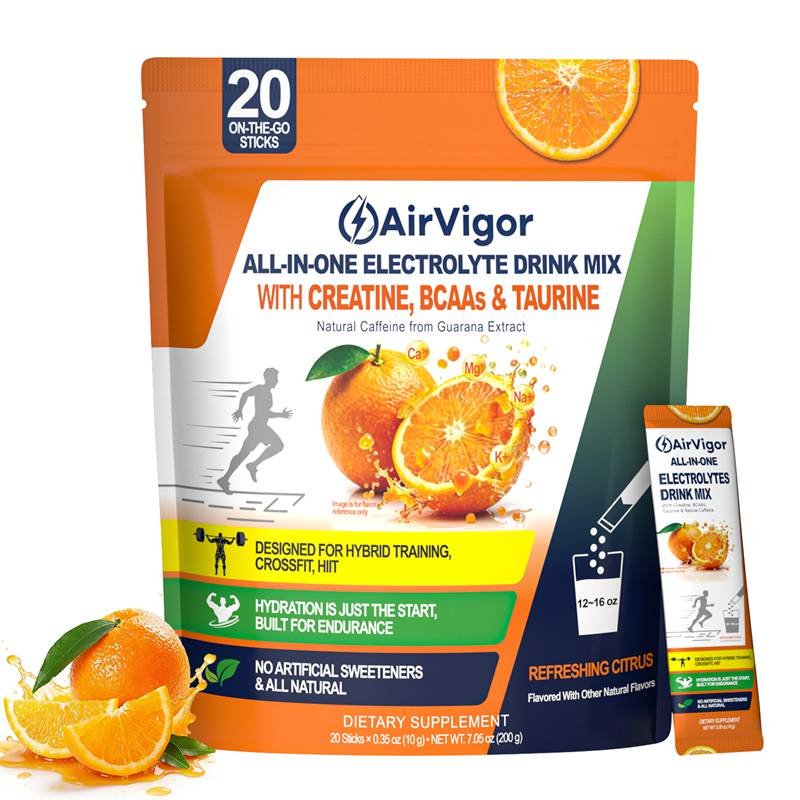
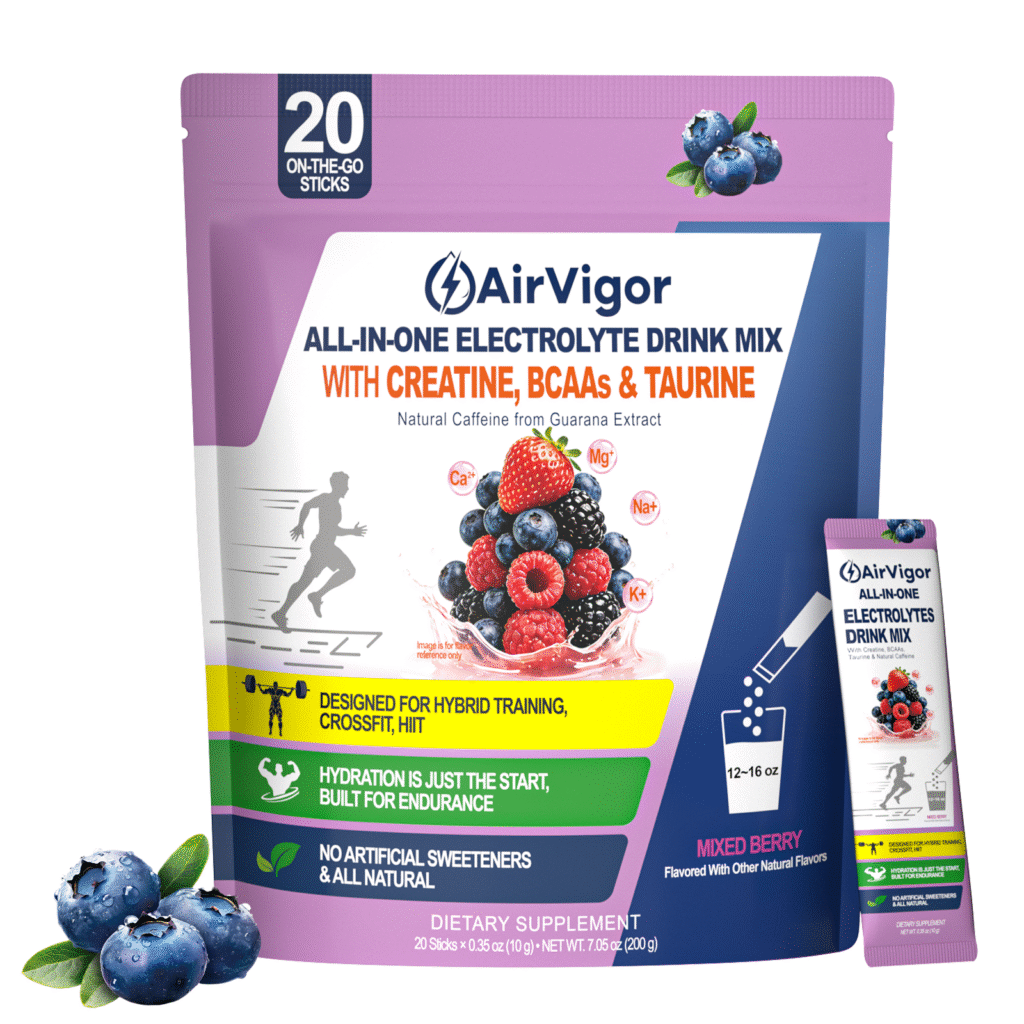
AirVigor has built its electrolyte product philosophy around clarity and scientific formulation. Instead of relying only on marketing language, the company focuses on explaining the structure of its formulas and the role of each ingredient.
This approach helps consumers feel more confident when choosing hydration products, particularly when they are managing concerns such as sodium intake or long-term health.
Why Is AirVigor Recovery Electrolyte with D3K2 Easier to Understand
AirVigor products are designed to provide straightforward information that helps users understand how to use electrolyte formulas effectively.
Important details are presented clearly, including:
- electrolyte levels per serving
- recommended water mixing ratios
- suggested usage situations
- transparent ingredient listings
This type of information allows customers to make decisions quickly without needing deep nutrition knowledge.
AirVigor also considers real-world usage when designing products. Features such as fast-dissolving powder formulas and portable stick packaging make hydration supplements easier to use during workouts, travel, and outdoor activities.
For many customers, convenience plays an important role in maintaining consistent hydration habits.
How Is AirVigor Recovery Electrolyte with D3K2 Tested
Quality control is a major factor in supplement reliability.
AirVigor maintains a multidisciplinary research and development team consisting of more than 25 specialists in nutrition science, sports nutrition, and food engineering. This team works on improving ingredient balance, formulation stability, and product usability.
During development and production, electrolyte formulas undergo several stages of evaluation:
- verification of ingredient purity
- confirmation of active ingredient levels
- dissolution testing to ensure powders mix easily
- stability testing under different storage conditions
Over the past five years, the company has built and tested more than 20,000 formulation models, helping refine ingredient ratios and performance.
Manufacturing follows internationally recognized quality systems such as:
| Quality System | Purpose |
|---|---|
| GMP | Ensures consistent manufacturing practices |
| HACCP | Controls food safety risks |
| ISO22000 | Maintains food safety management systems |
| FSSC | Supports global food safety certification |
These systems help ensure that products maintain consistent quality from one production batch to another.
What Makes AirVigor Recovery Electrolyte with D3K2 More Reliable
Reliability in sports nutrition products depends on several factors working together.
AirVigor focuses on three core areas:
Research-driven formulation
Ingredient combinations are designed through ongoing research into hydration science, mineral balance, and athletic recovery needs.
Controlled manufacturing
Products are produced in regulated facilities with batch traceability and strict quality monitoring.
Global distribution experience
AirVigor products are currently sold across more than 120 countries and regions, reaching over 2.1 million consumers worldwide through platforms such as Amazon, Walmart, TikTok Shop, Mercado Libre, Shopee, and Lazada.
Operating across multiple markets requires strict product consistency and clear labeling standards, which further strengthens quality control.
Conclusion: How Can You Use Recovery Electrolyte with D3K2 More Carefully
Recovery Electrolyte with D3K2 is not automatically unsuitable for individuals managing high blood pressure. The most important factors are how much sodium the product contains, how often it is consumed, and whether it is being used in situations where electrolyte replacement is truly needed.
Electrolyte supplements are designed to replace minerals lost through sweat. During endurance exercise, long training sessions, or high-temperature environments, they can support hydration balance and recovery.
However, when electrolyte drinks are used casually throughout the day without significant physical demand, the additional sodium may not provide meaningful benefits.
Consumers who monitor blood pressure can use electrolyte products more confidently by following a few practical habits:
- read supplement labels carefully
- pay attention to serving sizes
- match electrolyte intake to sweat loss
- consider total sodium intake from the entire diet
When these principles are followed, electrolyte supplements can fit naturally into an active lifestyle.
For companies and entrepreneurs interested in entering the sports nutrition market, AirVigor also provides manufacturing and product development partnerships.
Through its integrated research and production system, AirVigor supports:
- private label electrolyte supplements
- OEM manufacturing
- ODM formula development
- customized hydration products for global markets
Businesses seeking reliable supplement production can work with AirVigor to develop hydration formulas tailored to their brand strategy and target audience.
For more information about AirVigor Recovery Electrolyte with D3Khttps://airvigor.com/hydration-electrolytes2 or to discuss custom supplement manufacturing opportunities, the team can be contacted directly: