Skip to content
A lot of people do not ask whether electrolyte powders are necessary because they suddenly became interested in minerals. They ask because something in daily life or training does not feel quite right. They may be drinking water all day and still feel flat by late afternoon. They may finish a workout and notice that recovery feels slower than expected. Some people feel heavy fatigue after sweating, while others get headaches, muscle tightness, or that drained feeling that plain water does not seem to fix.
The problem is that electrolyte powders are often discussed in extremes. One side treats them as something every person should take every day. The other side dismisses them as a product category people do not really need. In real life, neither view is fully accurate. Electrolyte powders are not essential for every person, every day, in every situation. At the same time, they are not pointless. Their value depends on how much fluid and mineral loss a person actually experiences, how consistent their diet is, how often they sweat, and how demanding their routine is.
The practical answer is this: electrolyte powders are not necessary for everyone, but they become useful when water alone is no longer doing the full job. That usually happens during exercise, hot weather, long workdays, travel, or inconsistent eating and hydration habits. For a low-activity person with a balanced diet, they may not matter much. For an active person who sweats regularly or struggles with post-workout hydration, they can make hydration more effective and recovery more stable.
A simple example makes the difference clear. One person works indoors, eats regular meals, drinks water consistently, and does light activity a few times a week. Another person trains hard after work, sweats heavily, eats dinner late, and often feels run down the next morning. Both may buy the same “hydration” product, but they do not actually have the same need. That gap between marketing and real need is where confusion starts. It is also where this guide becomes useful.
What Are Electrolyte Powders
Electrolyte powders are functional hydration products designed to deliver key minerals that regulate fluid balance, muscle contraction, and nerve signaling. When dissolved in water, they provide controlled amounts of sodium, potassium, and in some cases magnesium and calcium, allowing users to adjust hydration quality based on actual physiological demand rather than relying entirely on diet.
Hydration is not only determined by how much water is consumed, but by how effectively that water is absorbed and retained. Without sufficient electrolytes—especially sodium—fluid intake may pass through the body without fully restoring balance. This becomes more noticeable during sweating, heat exposure, or irregular intake patterns.
In practical terms, electrolyte powders are most relevant when fluid loss increases beyond baseline levels or when hydration feels incomplete despite adequate water intake.
What Do Electrolyte Powders Do
Electrolyte powders improve how the body absorbs, distributes, and retains fluids. Their primary function is to enhance hydration efficiency rather than simply increase fluid intake.
Key functional effects include:
- supporting intestinal fluid absorption through sodium-dependent transport
- maintaining blood volume during and after fluid loss
- improving intracellular hydration through potassium balance
- reducing the likelihood of rapid fluid loss through urine
In real use, this translates into more stable hydration during exercise, less post-activity fatigue, and improved recovery consistency.
For example, during moderate exercise, fluid loss of 0.5–1.0 liters can occur within an hour. Without electrolyte support, replacing this loss with water alone may not fully restore hydration status, particularly if sodium loss is significant.
Which Electrolytes Matter Most
Not all electrolytes contribute equally to hydration. The effectiveness of a formula depends on whether it prioritizes the minerals most involved in fluid balance.
The table below outlines the relative importance of each major electrolyte:
| Electrolyte | Core Function | Loss Pathway | Practical Relevance |
|---|---|---|---|
| Sodium | Drives fluid absorption and maintains plasma volume | Sweat | Primary |
| Potassium | Regulates intracellular fluid balance | Sweat, urine | High |
| Magnesium | Supports neuromuscular function | Urine | Secondary |
| Calcium | Involved in muscle contraction signaling | Minimal loss | Supportive |
Sodium is typically the most critical factor. Sweat sodium concentration commonly ranges from 400 to 900 mg per liter, and in some individuals can exceed 1000 mg/L. This means that even a short session with noticeable sweating can result in a meaningful sodium deficit.
Potassium becomes more relevant in maintaining overall fluid balance across cells, particularly when hydration is repeated over multiple sessions or days.
Magnesium and calcium are often included for broader physiological support, but their role in immediate hydration is less direct compared to sodium.
How Are Electrolyte Powders Different
Electrolyte powders differ from traditional sports drinks in both composition and functional purpose.
A simplified comparison is shown below:
| Feature | Electrolyte Powders | Sports Drinks |
|---|---|---|
| Primary focus | Hydration efficiency | Hydration + energy |
| Sodium content | Moderate to high (100–700 mg) | Often lower |
| Sugar content | Low or none | Moderate to high |
| Customization | Adjustable concentration | Fixed formulation |
Sports drinks are often formulated to provide carbohydrates alongside fluids, which can be useful during long endurance events. However, for most daily use scenarios—such as gym sessions, light-to-moderate training, or general hydration—high sugar content is not always necessary.
Electrolyte powders, particularly low-sugar or sugar-free formats, are more aligned with users who want to improve hydration without increasing caloric intake.
How Electrolyte Powders Work in Real Daily Use
In real-world conditions, electrolyte powders are most often used to address situations where hydration becomes inconsistent or insufficient.
Common use cases include:
- post-exercise hydration when appetite is low
- extended periods of sweating (45–90 minutes or more)
- outdoor activity in warm or humid environments
- travel conditions with low humidity and irregular intake
- workdays with limited opportunities to hydrate properly
In these situations, users often report improved stability rather than immediate or dramatic changes. This may include:
- reduced perceived fatigue after activity
- more consistent energy levels throughout the day
- less need to continuously drink water
- fewer fluctuations in hydration status
These outcomes are typically the result of improved fluid retention and distribution rather than increased fluid volume alone.
Why Formula Strength Matters
The effectiveness of an electrolyte powder depends heavily on the actual amount of minerals provided per serving.
A practical reference for sodium content is shown below:
| Use Scenario | Sodium Range per Serving |
|---|---|
| Light hydration | 100–200 mg |
| Moderate activity | 200–400 mg |
| High sweat conditions | 400–700 mg |
Products with very low sodium content may still function as flavored beverages but often provide limited physiological benefit in situations involving fluid loss.
Conversely, excessively high sodium levels may not be necessary for users with low activity levels or minimal sweating.
A balanced formulation—aligned with real use conditions—is generally more effective than extreme formulations in either direction.
Are Electrolyte Powders Necessary Daily
Electrolyte powders are not universally required on a daily basis. Whether daily use is appropriate depends on several measurable factors, including activity level, sweat rate, environmental temperature, dietary consistency, and overall hydration habits. For individuals with low physical activity and stable routines, electrolyte needs are often met through food and water. However, for those with repeated fluid loss or irregular intake patterns, daily use can become a practical way to maintain hydration stability.
A key point is that hydration demand is not constant. It fluctuates throughout the week depending on workload, training frequency, and environmental conditions. Daily electrolyte use becomes more relevant when these fluctuations are frequent rather than occasional.
Are Electrolyte Powders Necessary for Everyone
Electrolyte powders are not necessary for all individuals. For a healthy adult with:
- low sweat loss
- consistent meal patterns
- moderate water intake (typically 2.0–2.5 liters per day)
- stable indoor environment
daily electrolyte supplementation is often unnecessary.
In these conditions, dietary intake usually provides sufficient electrolytes:
| Nutrient | Typical Daily Intake from Food | Main Sources |
|---|---|---|
| Sodium | 2,300–3,400 mg | Salt, processed foods, meals |
| Potassium | 2,500–3,500 mg | Fruits, vegetables, dairy |
| Magnesium | 250–400 mg | Nuts, grains, leafy greens |
However, real-world routines are often less consistent than this model. Many individuals:
- skip meals or eat irregularly
- rely heavily on convenience foods
- consume high caffeine levels
- train without structured hydration
In these cases, electrolyte intake from food may not align well with actual needs, even if total intake appears adequate.
Are Electrolyte Powders Necessary If You Drink Water
Water remains the foundation of hydration, but fluid intake alone does not always guarantee effective hydration. The body’s ability to absorb and retain water depends on electrolyte balance, particularly sodium levels.
This becomes more relevant when fluid loss increases. For example:
| Scenario | Fluid Intake | Hydration Outcome |
|---|---|---|
| Low activity, indoor | Water sufficient | Stable hydration |
| Moderate sweating | Water only | Partial recovery |
| High sweating | Water only | Reduced retention |
| High sweating + electrolytes | Water + sodium | Improved retention |
During sweating, both water and sodium are lost. If only water is replaced, plasma sodium concentration may decrease slightly, which can reduce fluid retention efficiency.
This is why some individuals report:
- continued thirst despite drinking
- frequent urination without feeling hydrated
- fatigue after exercise
These responses are often linked to fluid-electrolyte imbalance rather than insufficient water intake.
Are Electrolyte Powders Necessary Too Often
Daily use can become excessive if it is not aligned with actual demand. Overuse typically occurs when electrolyte powders are consumed without considering activity level or environmental conditions.
Situations where daily use may be unnecessary include:
- sedentary workdays with minimal movement
- cool indoor environments
- consistent, balanced meals
- low sweat production
In these cases, additional electrolyte intake may not provide measurable benefits.
However, the threshold for “too often” is not fixed. It depends on how frequently the body experiences fluid loss. For example:
| Weekly Routine | Electrolyte Use Pattern |
|---|---|
| 1–2 light workouts | Occasional use |
| 3–4 moderate sessions | Regular use |
| 5–6 intense sessions | Frequent use |
| Daily heat exposure | Daily use often practical |
The goal is not to avoid daily use entirely, but to match intake frequency with actual physiological demand.
When Daily Use Becomes Practical
Daily electrolyte use becomes more reasonable when hydration demand is consistently elevated. This typically occurs when multiple factors overlap:
- regular training (3–6 sessions per week)
- moderate to high sweat rate
- warm or humid climate
- long workdays with inconsistent hydration
- delayed post-exercise nutrition
In these situations, hydration gaps occur repeatedly rather than occasionally. Over time, this can lead to:
- reduced training consistency
- slower recovery between sessions
- increased perceived fatigue
- fluctuations in energy levels
Daily electrolyte intake helps stabilize these patterns by reducing variability in hydration status.
Why Daily Life Often Increases Electrolyte Demand
Hydration stress is not limited to exercise. Daily routines can create cumulative fluid imbalance even without formal training.
Common contributing factors include:
- air-conditioned environments that reduce perceived thirst
- high caffeine intake (2–4 cups per day)
- prolonged sitting with low fluid intake
- commuting in warm conditions
- alcohol consumption affecting fluid balance
- irregular meal timing
Individually, these factors may not require electrolyte supplementation. Combined, they can lead to noticeable changes in how the body feels.
For example, an individual who trains in the evening, consumes caffeine during the day, and delays dinner may experience mild dehydration across multiple hours. In this case, a single electrolyte intake can help restore balance more effectively than additional water alone.

Who Needs Electrolyte Powders
Electrolyte powders are most relevant for individuals whose daily routines regularly increase fluid loss or make hydration inconsistent. This includes people who sweat frequently, experience fluctuating intake patterns, or operate in environments that accelerate fluid depletion. In these situations, electrolyte intake helps maintain fluid balance, reduce fatigue, and support more stable physical and cognitive performance.
Rather than being defined strictly by whether someone is an “athlete,” electrolyte needs are better understood through measurable factors such as sweat rate, training frequency, environmental temperature, and daily routine structure.
Which Athletes Need Electrolyte Powders
Electrolyte demand increases significantly with both exercise intensity and duration, but the most important factor is total fluid loss.
Sweat loss during exercise varies widely:
| Activity Type | Duration | Average Sweat Loss | Estimated Sodium Loss |
|---|---|---|---|
| Light resistance training | 30–45 min | 0.3–0.6 L | 150–400 mg |
| Moderate gym training | 45–75 min | 0.5–1.0 L | 200–900 mg |
| HIIT / Cross-training | 30–60 min | 0.8–1.5 L | 400–1,200 mg |
| Running / cycling | 60–120 min | 1.0–2.0 L | 500–1,800 mg |
Sodium concentration in sweat typically ranges between 400 and 900 mg per liter, but some individuals exceed this range, particularly in hot environments or during high-intensity training.
Athletes who are more likely to benefit include:
- individuals training more than 3–4 times per week
- those performing sessions longer than 45–60 minutes
- individuals with visibly high sweat rates
- those experiencing performance decline in later training phases
In practical terms, electrolyte support is often most noticeable in maintaining consistency across sessions rather than improving peak performance.
Do Hot Days Make Electrolyte Powders Necessary
Environmental temperature has a direct and measurable impact on hydration demand. As temperature increases, the body relies more heavily on sweating to regulate core temperature, leading to accelerated fluid and sodium loss.
The following table illustrates typical changes:
| Temperature Range | Sweat Rate Impact | Hydration Requirement |
|---|---|---|
| 20–22°C (68–72°F) | Baseline | Standard hydration |
| 24–28°C (75–82°F) | +10–20% | Increased fluid intake |
| 29–35°C (85–95°F) | +30–60% | Electrolytes often beneficial |
| >35°C (95°F+) | +60% or higher | Electrolytes frequently required |
In high-temperature environments, relying solely on water may not adequately restore fluid balance, particularly when sodium loss accumulates throughout the day.
Electrolyte powders are especially useful for:
- outdoor workers and labor-intensive roles
- individuals exercising in summer conditions
- people living in consistently warm or humid climates
- individuals with prolonged exposure to heat without structured hydration
In these cases, electrolyte intake shifts from occasional support to a more regular component of hydration strategy.
Are Electrolyte Powders Helpful When You Travel
Travel introduces multiple factors that disrupt hydration, even in the absence of exercise.
Common contributors include:
- low cabin humidity during flights (typically 10–20%)
- reduced fluid intake due to schedule disruption
- irregular meal timing affecting electrolyte intake
- changes in climate and time zone
- increased physical activity such as walking or commuting
These factors can lead to mild dehydration, often experienced as:
- fatigue or low energy
- headaches
- reduced concentration
- general discomfort
Electrolyte powders provide a practical solution in these scenarios because they:
- require minimal preparation
- can be consumed quickly
- improve hydration efficiency without large fluid volume
For frequent travelers, electrolyte intake is often used strategically rather than continuously, focusing on periods of higher disruption.
Which Lifestyles Benefit Most from Electrolyte Powders
Electrolyte needs are strongly influenced by lifestyle patterns rather than isolated activities. Individuals with consistent routines and stable hydration habits may have minimal need, while those with variable or demanding schedules often experience repeated hydration gaps.
Groups that commonly benefit include:
- individuals balancing work and regular training
- people with long or physically demanding workdays
- those exposed to varying temperatures throughout the day
- individuals with irregular eating or hydration patterns
- people experiencing repeated fatigue after activity
The common factor across these groups is not intensity alone, but cumulative fluid imbalance over time.
For example, an individual who trains in the evening, consumes caffeine during the day, and delays meals may experience multiple small hydration deficits that compound across several hours.
Do Non-Athletes Need Electrolyte Powders
Electrolyte powders are not limited to athletic use. Non-athletes may also benefit under certain conditions, particularly when hydration habits are inconsistent.
Relevant scenarios include:
- prolonged sedentary work with low water intake
- frequent consumption of caffeine or alcohol
- irregular meal patterns affecting electrolyte intake
- exposure to warm indoor or outdoor environments
- mild but persistent fatigue or reduced concentration
In these cases, the goal is not performance enhancement, but stabilization of daily hydration.
For example, individuals consuming 300–400 mg of caffeine per day may experience increased fluid turnover, which can contribute to mild dehydration if not balanced with adequate intake.
Electrolyte support can improve hydration efficiency in these situations without requiring excessive fluid consumption.
How Sweat Rate Changes Electrolyte Needs
Sweat rate is highly individual and represents one of the most important variables in determining electrolyte requirements.
Factors influencing sweat rate include:
- body size and composition
- fitness level
- acclimatization to heat
- clothing and equipment
- exercise intensity and duration
A practical method to estimate sweat loss:
- measure body weight before activity
- measure body weight after activity
- account for fluid consumed during exercise
A loss of 0.5 kg (1.1 lb) corresponds to approximately 500 mL of fluid loss.
Individuals with higher sweat rates may require proportionally higher electrolyte intake to maintain balance, particularly if training occurs frequently.
Why Consistency Matters More Than Intensity
Electrolyte demand is often associated with high-intensity exercise, but repeated moderate activity can create similar cumulative effects over time.
Examples include:
- 45–60 minute training sessions performed 4–5 times per week
- daily outdoor walking in warm conditions
- repeated low-to-moderate sweating without structured recovery
While each individual session may not create significant imbalance, repeated fluid loss without adequate replacement can lead to:
- gradual decline in energy levels
- reduced recovery efficiency
- increased perceived exertion
- inconsistent training output
Electrolyte powders help reduce these fluctuations by supporting more consistent hydration across multiple days rather than addressing only peak demand situations.
How to Know If Electrolyte Powders Are Necessary
Electrolyte powders become relevant when hydration is no longer fully effective with water alone. This usually occurs when fluid loss increases, intake becomes inconsistent, or recovery feels incomplete. The need is rarely defined by a single symptom, but by a combination of patterns such as repeated fatigue after activity, persistent thirst, or reduced performance stability.
A practical way to evaluate necessity is to look at how the body responds over time rather than relying on isolated signals. When hydration-related discomfort appears consistently under similar conditions, electrolyte support is more likely to provide measurable benefit.
What Signs Show Electrolyte Powders May Help
Most individuals do not experience severe dehydration. Instead, they encounter smaller, recurring signs that indicate incomplete hydration.
Common indicators include:
- persistent thirst despite regular water intake
- fatigue during the latter stages of exercise
- reduced endurance or strength compared to baseline
- mild headaches, particularly in warm environments
- occasional muscle tightness or cramping
- difficulty maintaining focus during long work periods
These signs often appear when fluid intake does not match fluid loss, or when electrolyte balance is not sufficient to support proper hydration.
A useful distinction is that these symptoms tend to occur repeatedly under similar conditions, such as after workouts or during long days, rather than randomly.
How Sweat Makes Electrolyte Powders Necessary
Sweating is the primary mechanism through which both water and electrolytes are lost. The degree of loss varies, but even moderate sweating can create measurable deficits.
Typical ranges are shown below:
| Sweat Level | Fluid Loss per Hour | Sodium Loss per Hour |
|---|---|---|
| Low | 0.2–0.4 L | 100–300 mg |
| Moderate | 0.5–1.0 L | 200–900 mg |
| High | 1.0–2.0 L | 400–1,800 mg |
In moderate to high sweat conditions, replacing fluid with water alone may not fully restore sodium levels. This can lead to reduced fluid retention and less effective hydration.
Situations where sweat-driven electrolyte loss is more likely include:
- training sessions longer than 45–60 minutes
- high-intensity workouts with visible sweating
- outdoor activity in warm or humid conditions
- repeated sessions within the same day or week
When these conditions occur frequently, electrolyte powders become a practical way to maintain balance.
How Exercise Makes Electrolyte Powders Necessary
Exercise changes how the body manages fluids and nutrients. During activity:
- sweat rate increases
- blood flow shifts toward working muscles
- nutrient demand rises
- appetite may decrease immediately after training
This combination often creates a gap between what the body needs and what is consumed.
For example:
| Post-Exercise Scenario | Common Outcome Without Electrolytes |
|---|---|
| Water only, delayed meal | Partial hydration recovery |
| Water + electrolytes | Improved fluid balance |
| No intake for 30–60 min | Slower recovery onset |
Many individuals do not consume a full meal immediately after exercise. In this period, electrolyte powders provide a lightweight option that can support hydration before normal nutrition resumes.
This is particularly relevant for:
- evening training sessions
- high-intensity workouts with reduced appetite
- individuals with limited time between activities
What Your Body Is Actually Telling You
Hydration-related imbalance often presents as reduced stability rather than extreme symptoms. The body may not signal urgent dehydration, but instead show gradual changes in performance and comfort.
Common patterns include:
- energy dropping earlier than expected during activity
- increased reliance on caffeine to maintain focus
- slower recovery between training sessions
- feeling “flat” or less responsive physically
These signals are often attributed to fatigue or workload, but hydration quality can be a contributing factor.
The key observation is consistency. If these patterns appear repeatedly under similar conditions, they are more likely linked to hydration rather than isolated external factors.
How to Test Whether You Need Electrolytes
A simple and effective way to evaluate need is through controlled comparison over short periods.
A basic approach:
- select two similar days with comparable activity levels
- on one day, use water only
- on the other, include one serving of electrolyte powder
Key variables to observe:
| Indicator | What to Compare |
|---|---|
| Energy stability | Fluctuation throughout the day |
| Exercise performance | Endurance and perceived effort |
| Recovery speed | Time to feel normal post-activity |
| Hydration feeling | Thirst and fluid retention |
Differences are often subtle but consistent. Users who benefit from electrolyte intake typically notice improved stability rather than dramatic changes.
When Electrolytes Are Probably Not Necessary
Electrolyte powders are less likely to provide noticeable benefits under conditions where hydration demand remains low and stable.
These conditions include:
- minimal physical activity
- climate-controlled indoor environments
- consistent dietary intake of electrolytes
- low sweat production
- regular hydration habits throughout the day
In such cases, water and food are generally sufficient to maintain balance.
Using electrolyte powders in these situations is unlikely to cause harm in moderate amounts, but may not provide additional benefit.
How to Avoid Using Them Without Purpose
Electrolyte powders are most effective when used in response to specific conditions rather than as a default habit.
A structured approach includes:
- increasing use during periods of higher activity or heat
- reducing use when routines are stable and fluid loss is minimal
- aligning intake with measurable indicators such as sweat rate and fatigue patterns
This prevents unnecessary intake while maintaining effectiveness when demand increases.

How to Choose Electrolyte Powders
Choosing an electrolyte powder requires evaluating how well the product aligns with actual hydration needs rather than relying on branding or packaging. The most important factors include electrolyte dosage, mineral balance, formulation structure, sugar content, and usability. Products that match real-world conditions—such as training frequency, sweat rate, and daily routine—are more likely to deliver consistent results.
Which Electrolyte Powders Fit Your Routine
Product format has a direct impact on consistency of use. Even well-formulated products are often underutilized if they do not fit daily routines.
The following comparison highlights practical differences:
| Format | Suitable Scenario | Key Consideration |
|---|---|---|
| Stick packs | Gym, travel, office | No measuring required, portable |
| Large containers | Home use | Lower cost per serving, less convenient outside |
| Ready-to-drink | Immediate consumption | No preparation, higher cost per unit |
For individuals with variable schedules, such as those balancing work and training, single-serve formats tend to provide higher adherence. The ability to use the product immediately after activity without preparation increases the likelihood of consistent intake.
Consistency is a primary factor in effectiveness. A moderately dosed product used regularly is generally more beneficial than a high-dose product used inconsistently.
How Much Sodium Should Electrolyte Powders Have
Sodium content is the most critical parameter in evaluating electrolyte powders, as it directly affects fluid absorption and retention.
The appropriate range depends on fluid loss:
| Use Case | Sodium per Serving | Practical Outcome |
|---|---|---|
| Low activity | 100–200 mg | Basic hydration support |
| Moderate exercise (45–75 min) | 200–400 mg | Improved fluid retention |
| High sweat / prolonged activity | 400–700 mg | Enhanced hydration stability |
Products containing less than 100 mg sodium per serving may not provide meaningful hydration support in conditions involving sweat loss. Conversely, sodium levels above 700 mg are typically only necessary for high-intensity or long-duration activities.
Selecting a product within the appropriate range ensures that intake corresponds to actual physiological demand.
Are Sugar-Free Electrolyte Powders Better
Sugar content should be evaluated based on intended use rather than general preference.
| Scenario | Sugar Content Recommendation | Rationale |
|---|---|---|
| Endurance exercise (>90 min) | Low to moderate sugar | Supports energy during prolonged activity |
| Short workouts or daily hydration | Low or no sugar | Avoids unnecessary caloric intake |
| Weight management routines | Minimal sugar | Supports hydration without energy surplus |
For most users, particularly those engaging in short to moderate training sessions, low-sugar or sugar-free formulations are more appropriate. These products provide hydration support without contributing to excess energy intake or overly sweet taste profiles that may reduce usability.
Which Formula Structure Actually Works
Effective electrolyte powders prioritize functional ingredients in meaningful amounts rather than extensive ingredient lists.
A practical formulation typically includes:
- sodium as the primary hydration driver
- potassium to support cellular fluid balance
- optional magnesium for neuromuscular support
Some formulations extend beyond hydration by including additional components:
| Formula Type | Functional Extension |
|---|---|
| Electrolytes only | Hydration support |
| Electrolytes + amino acids | Muscle support during activity |
| Electrolytes + collagen | Recovery and connective tissue support |
Multi-functional formulations are particularly relevant for users who prefer to reduce the number of products in their routine. For example, combining hydration and recovery support into a single intake simplifies post-activity routines and improves long-term adherence.
How Dosage Affects Real Results
The presence of electrolytes on a label does not guarantee effectiveness. The actual amount per serving determines whether the product can produce measurable outcomes.
A simplified evaluation framework:
- Sodium <100 mg → limited functional impact
- Sodium 200–400 mg → effective for most moderate use cases
- Sodium 400–700 mg → suitable for higher-demand conditions
The same principle applies to additional ingredients. For example, collagen included at very low levels may not meaningfully support recovery, whereas higher inclusion levels are more aligned with functional use.
Consumers should prioritize products with clearly stated and appropriate dosages rather than relying on general claims.
Why Usability Often Determines Long-Term Value
Usability is a key determinant of whether a product becomes part of a routine. Several factors influence usability:
- solubility (how easily the powder dissolves)
- taste intensity (overly strong flavors reduce repeat use)
- portability (ease of carrying during daily activities)
- preparation time (number of steps required)
Products that are easy to mix and consume immediately after activity are more likely to be used consistently. This is particularly important during periods when appetite is low or time is limited.
A product that fits seamlessly into existing routines provides greater long-term value than one that requires additional effort.
How Multi-Function Products Influence Selection
Users are increasingly selecting products that combine multiple functions into a single formulation. This reflects a shift toward simplifying supplementation routines.
Common combinations include:
- hydration + recovery
- hydration + muscle support
- hydration + joint or connective tissue support
This approach reduces the need for multiple separate products and aligns more closely with real-world behavior, where users prefer efficiency and convenience.
For example, a product combining electrolytes with collagen can support both fluid balance and connective tissue recovery, particularly in individuals who train regularly.
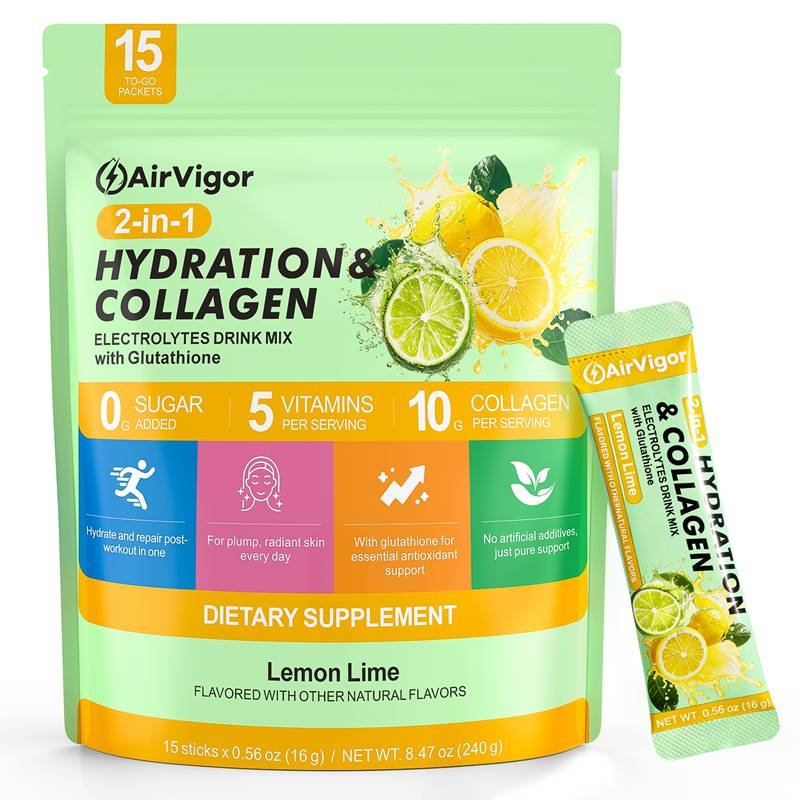
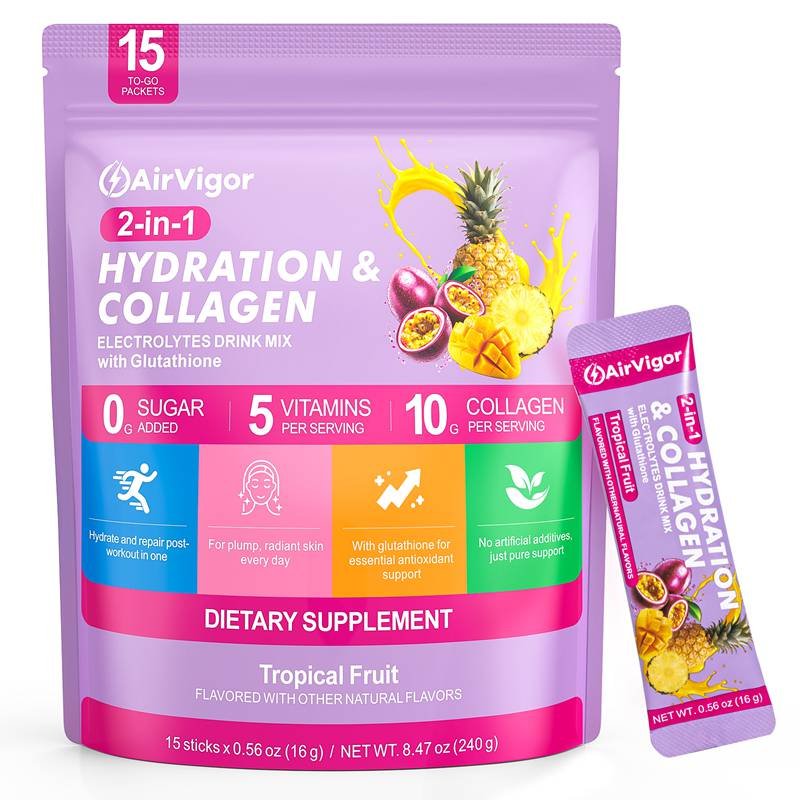
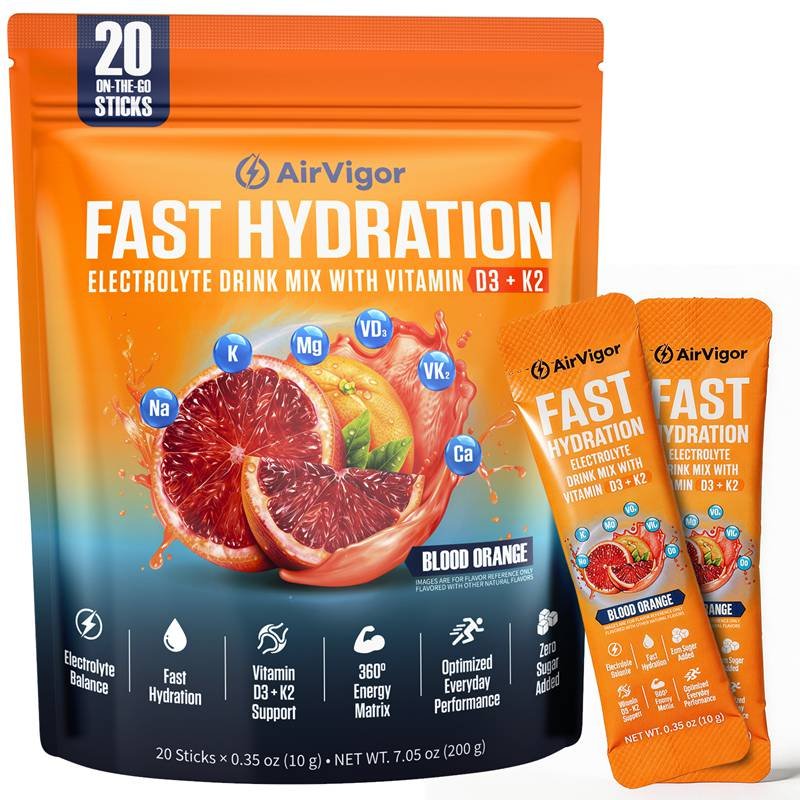
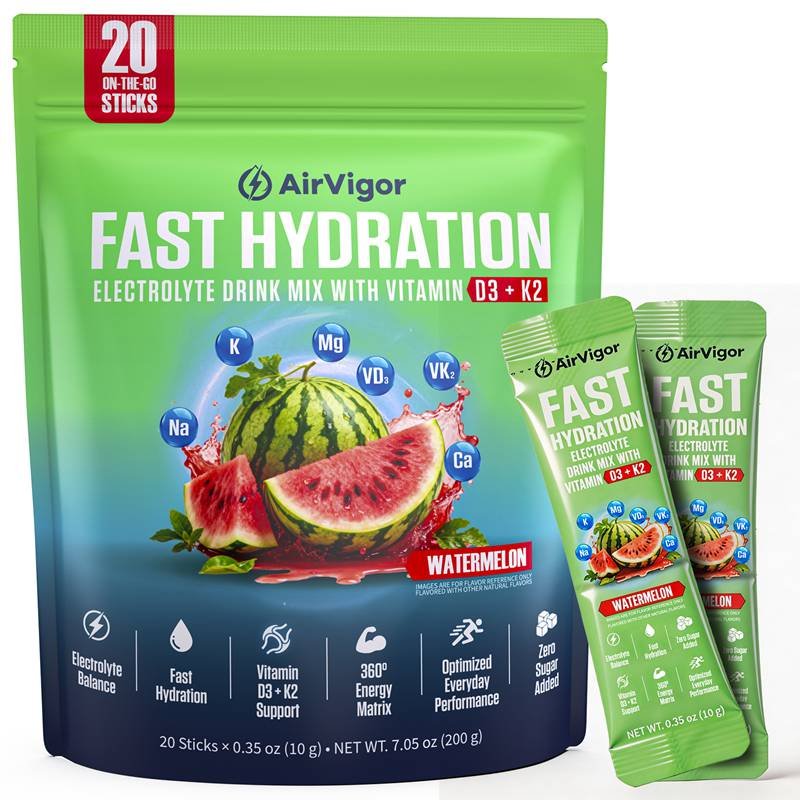
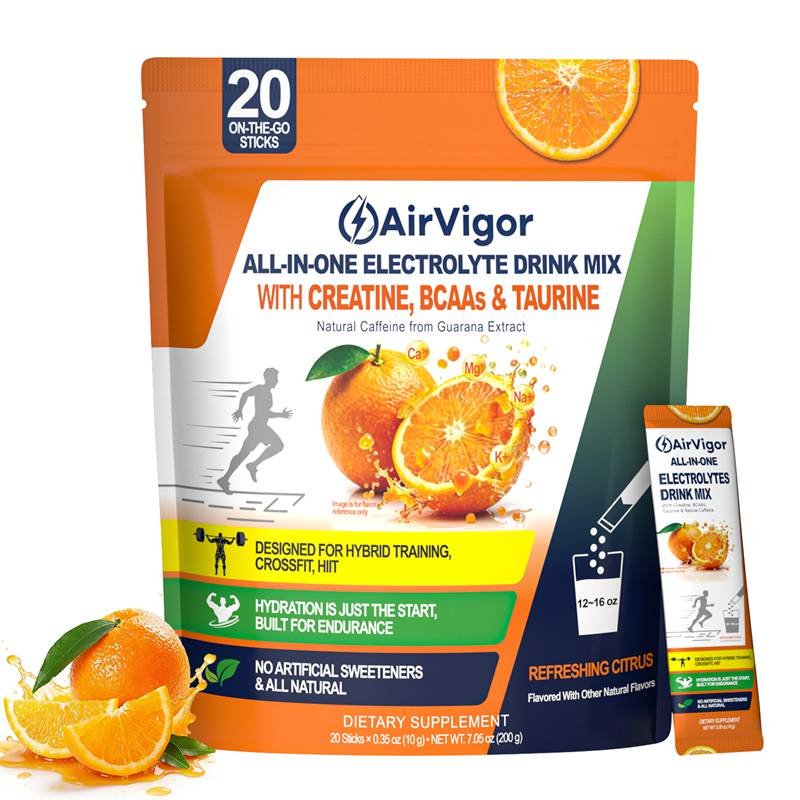
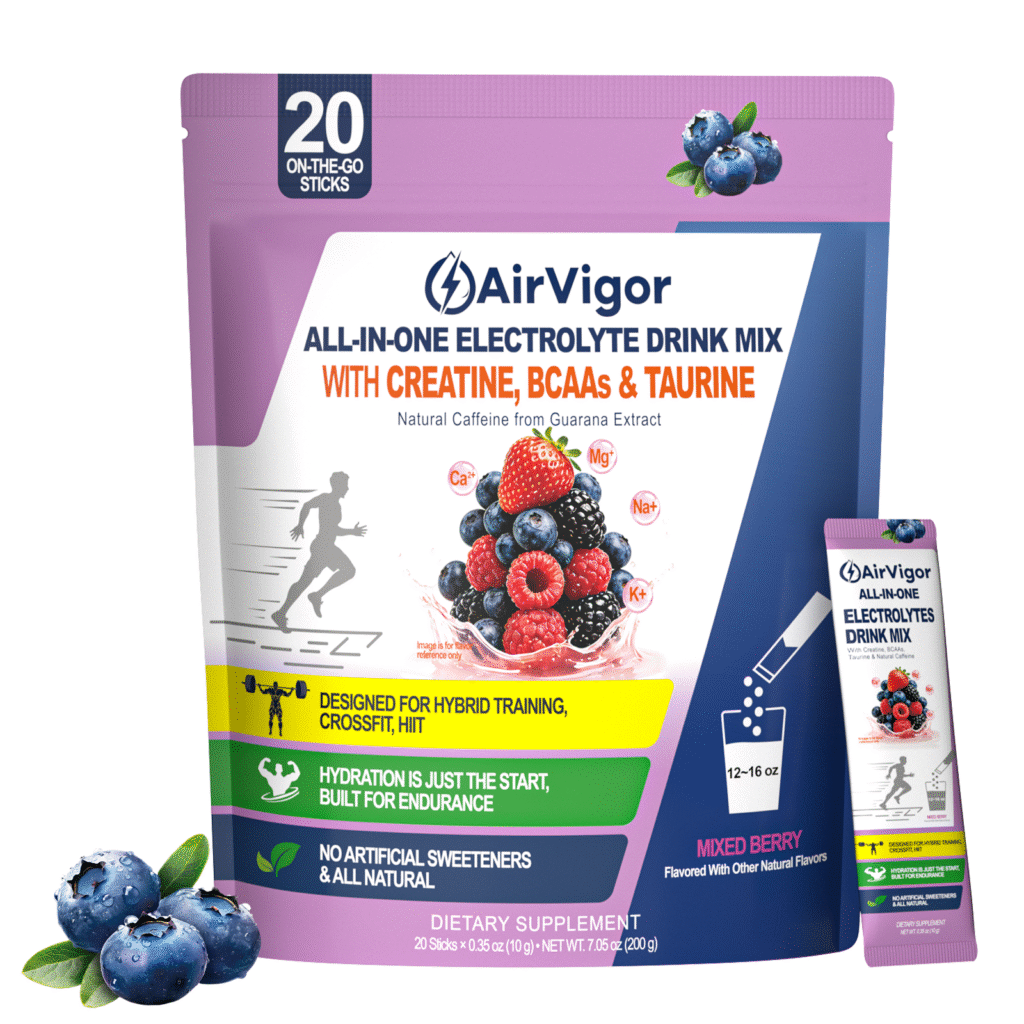
Why Choose AirVigor
At this stage, the question is no longer whether electrolyte powders are necessary, but which type of product actually works in real life.
Many people move away from basic hydration products because they want something that:
- fits into daily routines without effort
- provides meaningful electrolyte levels
- supports both hydration and recovery
- avoids unnecessary sugar and overly sweet taste
AirVigor products are designed around these practical needs.
Instead of focusing only on hydration, AirVigor formulas combine:
- balanced sodium and potassium levels for effective fluid support
- clearly defined ingredient amounts per serving
- collagen integration to support recovery alongside hydration
- single-serve stick packaging for convenience
This combination reflects how people actually use supplements. Most people are not managing hydration in isolation. They are trying to stay consistent with training, work, and recovery at the same time.
Conclusion: Build a Hydration Routine That Actually Works
Electrolyte powders are most useful when they solve a repeated problem. If your routine includes sweating, inconsistent hydration, or noticeable fatigue after activity, improving hydration quality can make a measurable difference over time.
For individuals:
- choose a formula that matches your activity level
- focus on consistency, not perfection
- use electrolyte support when demand increases
For businesses and partners:
- consider how formulation, dosage, and format affect real usage
- build products around daily routines, not just ingredient lists
- focus on long-term usability and repeat purchase behavior
AirVigor supports both individual users and business partners through:
- ready-to-use products for daily hydration and recovery
- OEM and ODM services for custom formulation
- scalable production with stable quality control systems
If you are looking to improve your hydration routine, or develop a product that fits real user behavior, you can reach out to the AirVigor team to:
- request product details
- explore bulk purchasing
- discuss custom formulation and packaging
A well-designed electrolyte product is not just about hydration. It is about making daily routines easier to maintain, more consistent, and more aligned with how people actually live.