Skip to content
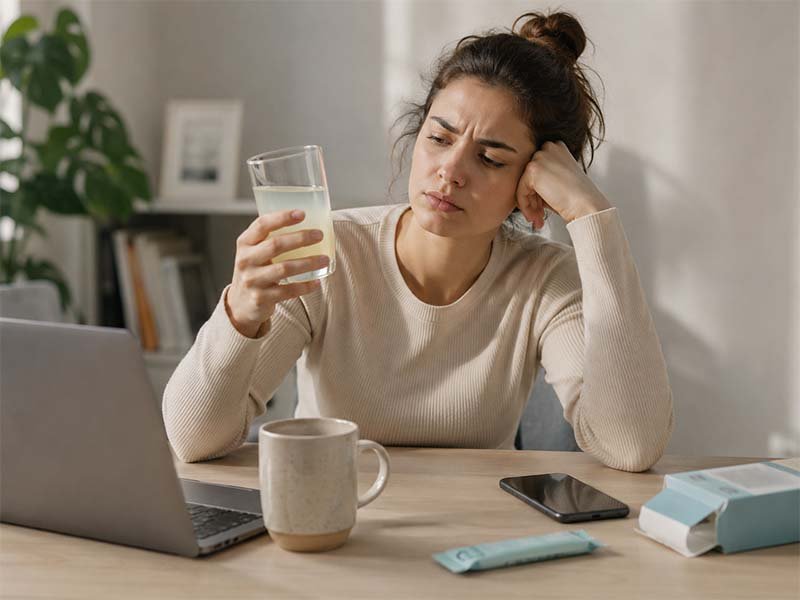
Electrolytes have become one of the fastest-growing wellness categories in recent years. People now use electrolyte powders during workouts, flights, office hours, hot weather, travel, recovery routines, and even beauty-focused wellness habits. Yet despite the popularity of hydration products, many consumers still say electrolytes “do nothing,” feel too salty, cause bloating, or fail to improve energy and recovery the way they expected.
Electrolytes may not work well when the formula, sodium level, sugar content, timing, or hydration habits do not match the user’s actual lifestyle and fluid needs. Many consumers use hydration products designed for heavy athletes even though their dehydration often comes from travel, caffeine, air conditioning, inconsistent water intake, or busy daily routines rather than extreme sweat loss.
This is why hydration experiences can vary so much between people. A runner training outdoors in summer heat needs a very different electrolyte balance from an office worker sitting indoors all day. A traveler dealing with dry airplane cabin air may need portable hydration support, while a beauty wellness consumer may prefer lighter collagen electrolyte formulas designed for daily use instead of aggressive sports drinks.
The modern hydration market is no longer only about replacing sweat during exercise. Consumers now want electrolyte products that taste good, feel comfortable, fit naturally into daily life, and support long-term hydration habits without excessive sugar, heavy flavors, or complicated routines. Understanding why some electrolyte powders work better than others is becoming increasingly important for both consumers and supplement brands trying to create products that people genuinely want to keep using.
What Do Electrolytes Do?
Electrolytes help regulate fluid balance, muscle movement, nerve signaling, and hydration efficiency throughout the body. While many people think hydration simply means drinking more water, the body also depends on minerals like sodium, potassium, magnesium, and calcium to properly absorb, distribute, and retain fluids. This is why some people can drink large amounts of water yet still feel dry, tired, sluggish, or physically uncomfortable during workouts, travel, heat exposure, or long workdays.
Over the past few years, electrolyte powders have expanded far beyond traditional sports nutrition. Consumers now use them during flights, office routines, gym sessions, outdoor activities, sauna use, and busy schedules where hydration habits become inconsistent. Modern hydration products are no longer marketed only toward endurance athletes. They are increasingly designed for consumers who want stable daily hydration support that feels convenient, light, and easy to maintain long term.
Many hydration problems today are subtle rather than extreme. Someone sitting in air conditioning all day, drinking several coffees, sleeping poorly, and forgetting to drink water consistently may not feel “dehydrated” in a medical sense, but they may still notice headaches, dry mouth, physical heaviness, or afternoon fatigue. This is one reason electrolyte powders have become popular among consumers who are not athletes at all. They are often trying to support more stable hydration during real daily routines rather than replace massive sweat loss from intense sports.
How Do Electrolytes Help Hydration?
Electrolytes support hydration by helping the body regulate how fluids move both inside and outside cells. Sodium plays the biggest role in fluid retention and sweat replacement, which is why it is considered one of the most important hydration minerals during exercise or heat exposure. Potassium helps support intracellular fluid balance, while magnesium and calcium contribute to muscular and nervous system function. When electrolyte balance becomes inconsistent, many consumers begin noticing symptoms such as thirst, reduced workout comfort, muscle tightness, headaches, or general physical fatigue.
Sweat loss is one of the biggest reasons electrolyte balance changes. During exercise or heat exposure, the body loses both water and minerals simultaneously. Research has shown that sodium losses during sweating can vary dramatically depending on the person, environment, and activity level. Some active individuals may lose only a few hundred milligrams of sodium per hour, while heavy sweaters exercising outdoors in hot climates may lose well over 1,000 milligrams within the same timeframe. This explains why hydration experiences vary so much between consumers and why a hydration formula that feels effective for one person may feel too weak or too strong for another.
| Electrolyte | Main Function | Common Situations Where It Matters Most |
|---|---|---|
| Sodium | Fluid retention and sweat replacement | Exercise, heat exposure, outdoor activity |
| Potassium | Cellular hydration support | Daily hydration and recovery |
| Magnesium | Muscle and nerve support | Recovery, physical tension, wellness routines |
| Calcium | Muscle contraction support | General muscular function |
Hydration also depends heavily on overall lifestyle habits. Someone who exercises intensely outdoors several times per week usually has very different hydration needs from someone working indoors under air conditioning most of the day. This is why the electrolyte market has become increasingly segmented. Some formulas are designed for endurance performance and heavy sweating, while others focus more on light daily hydration, recovery support, travel wellness, or beauty hydration routines.
Which Electrolytes Matter Most?
Sodium is generally considered the most important electrolyte for hydration because it directly affects fluid balance and helps the body retain water more effectively. During prolonged sweating, sodium losses are often much higher than losses of other minerals. This is one reason many sports hydration products contain significantly more sodium than casual consumers initially expect. Without enough sodium replacement, some people may continue feeling physically depleted even after drinking large amounts of water.
Potassium supports hydration differently. Instead of primarily affecting fluid outside cells like sodium, potassium helps regulate fluid balance inside cells and contributes to normal muscular and cellular function. Consumers often associate potassium with coconut water, bananas, and “natural hydration” products, which is why potassium has become heavily featured in modern wellness hydration marketing.
Magnesium has also become increasingly important in hydration products because consumers now expect hydration supplements to support more than fluid balance alone. Many people connect magnesium with recovery, muscle comfort, relaxation, and nighttime wellness routines. This trend has pushed hydration far beyond traditional sports positioning and helped create categories like wellness hydration, beauty hydration, and recovery-focused electrolyte powders.
| Consumer Need | Most Relevant Electrolyte Focus |
|---|---|
| Heavy sweating and sports | Higher sodium support |
| Daily hydration support | Balanced sodium and potassium |
| Muscle recovery and wellness | Magnesium inclusion |
| Travel hydration | Moderate mineral balance |
| Beauty hydration | Light drinkability with balanced electrolytes |
The most effective hydration formulas are usually not the products with the highest numbers on the label. They are the products designed around realistic consumer behavior and intended usage situations. A hydration powder designed for marathon runners should not feel identical to a hydration product intended for office workers, travelers, or beauty wellness consumers using electrolytes as part of a daily routine.
Do Electrolytes Replace Water?
Electrolytes do not replace water. Instead, they help the body use water more effectively by supporting fluid balance and hydration efficiency. This distinction is important because many consumers expect electrolyte powders to compensate for extremely poor hydration habits, excessive caffeine intake, alcohol consumption, poor sleep, or inconsistent fluid intake throughout the day. In reality, hydration works best when electrolytes and fluid intake support each other consistently.
One common mistake is using electrolyte powders while still drinking very little water overall. Another is mixing electrolyte powders into very small amounts of water, which can make the drink feel overly salty, sweet, or heavy. Some consumers also wait until they already feel exhausted or dehydrated before using electrolytes, even though hydration support tends to work better when maintained more consistently throughout the day.
Consumers who successfully maintain hydration habits usually focus on simple routines rather than extreme interventions. They drink fluids regularly, increase hydration during travel or heat exposure, and choose products they genuinely enjoy using repeatedly. Flavor plays a surprisingly important role here because consumers naturally drink more consistently when hydration products taste smooth and comfortable rather than aggressively salty or overly sweet.
| Better Hydration Habit | Why It Helps |
|---|---|
| Drinking fluids consistently | Supports stable hydration balance |
| Using electrolytes during sweating or travel | Helps maintain mineral balance |
| Choosing enjoyable flavors | Encourages repeat hydration habits |
| Matching formula strength to lifestyle | Improves comfort and usability |
Many hydration problems are not caused by a lack of electrolytes alone. They are usually connected to overall routines involving sleep, fluid intake, caffeine, travel, activity level, and recovery habits. Electrolytes can support hydration very effectively, but they work best when used as part of realistic long-term hydration behavior.
Are Electrolytes Only for Sports?
Electrolytes are no longer only associated with sports performance. While sports nutrition originally drove much of the hydration category, modern consumers now use electrolyte products in many everyday situations that have nothing to do with endurance athletics. Office workers use electrolytes during long workdays, travelers carry stick packs during flights, gym users drink them after workouts, and wellness-focused consumers increasingly include hydration products in beauty and self-care routines.
This shift has changed how hydration products are formulated and marketed. Traditional sports drinks were often built around high sugar levels, strong flavors, and endurance-focused performance positioning. Modern hydration products increasingly focus on portability, lighter flavor systems, lower sugar content, and daily usability. Consumers now want hydration products that fit naturally into real life rather than products that feel designed only for professional athletes.
| Traditional Sports Hydration | Modern Wellness Hydration |
|---|---|
| High sugar sports drinks | Lower sugar electrolyte powders |
| Large bottles | Portable stick packs |
| Performance-focused | Lifestyle-focused |
| Intense flavors | Smooth daily drinkability |
| Workout-only usage | Daily hydration support |
This evolution explains why electrolyte powders continue growing rapidly across wellness, beauty, travel, and lifestyle supplement categories. Consumers are no longer simply looking for hydration products that improve sports performance. They increasingly want products that help them feel more comfortable, hydrated, and physically balanced throughout busy modern routines.
Why Don’t Electrolytes Work?
Electrolytes do not work the same way for everyone because hydration problems are rarely caused by a single factor. Some people genuinely lose large amounts of fluids and minerals through sweating, while others are mainly dealing with poor sleep, high caffeine intake, long work hours, travel fatigue, inconsistent water intake, or irregular eating habits. In many situations, consumers expect electrolyte powders to fix problems that are much bigger than hydration alone. This is why one person may feel noticeably better after drinking electrolytes while another feels almost no difference using the exact same product.
The hydration market itself has also changed dramatically. Years ago, most electrolyte drinks were built mainly for endurance sports and heavy sweating. Today, hydration products are used during office routines, flights, gym sessions, outdoor activities, beauty wellness routines, and general daily wellness habits. The problem is that many formulas are still designed with older sports nutrition logic while modern consumers often want lighter, smoother, lower-sugar products that feel comfortable enough for repeat daily use. A hydration powder designed for marathon runners may feel far too salty or heavy for someone simply trying to stay hydrated during workdays or travel.
Another issue is expectation. Many consumers unconsciously compare electrolyte drinks to stimulants like caffeine or pre-workout supplements. They expect immediate energy, dramatic recovery, or instant physical improvement after one serving. Electrolytes do not work that way. Their role is much more foundational. They support fluid balance, sweat replacement, muscular function, and hydration consistency, but they cannot fully compensate for severe sleep deprivation, poor diet quality, chronic stress, or unhealthy daily routines.
Are You Using the Wrong Electrolytes?
One of the biggest reasons electrolytes feel ineffective is because consumers often choose formulas that do not match how they actually live. Someone exercising outdoors for several hours in summer heat has completely different hydration needs from someone sitting indoors under air conditioning most of the day. Yet many consumers buy hydration products based on trends, influencer recommendations, or aggressive marketing rather than understanding how electrolyte balance works in real situations.
This mismatch creates many of the complaints commonly seen in hydration product reviews. A high-sodium sports formula may feel unpleasantly salty or bloating for casual users who are not sweating heavily. On the other hand, a very light wellness hydration formula may feel weak or ineffective for someone doing repeated workouts, long hikes, or outdoor labor in hot weather. In both cases, consumers often conclude that “electrolytes do not work,” when the real issue is that the formula was built for a completely different type of user.
| User Situation | Hydration Need | Formula Type Often Preferred |
|---|---|---|
| Heavy sweating outdoors | Higher sodium replacement | Sports hydration |
| Office hydration | Light daily fluid support | Balanced daily electrolytes |
| Frequent travel | Portable hydration consistency | Stick pack hydration |
| Wellness routines | Comfortable repeat use | Low-sugar hydration |
| Post-workout recovery | Balanced minerals and recovery support | Magnesium-inclusive formulas |
Modern hydration is becoming increasingly segmented because consumers themselves are becoming more lifestyle-specific. A travel hydration product, a beauty hydration formula, and an endurance sports drink should not feel identical. The products that build the strongest long-term customer loyalty are usually the formulas that solve one clear hydration problem very well instead of trying to serve every possible consumer at once.
Can Electrolytes Cause Bloating?
Some electrolyte products can absolutely cause bloating or digestive discomfort, especially when the formula is too concentrated, too sweet, too salty, or difficult to tolerate regularly. This has become more noticeable as some hydration brands compete by increasing sodium levels or adding stronger flavor systems to make products appear more “powerful” online. While high numbers may attract attention on labels, they do not always improve the real drinking experience for everyday consumers.
Bloating often happens because the formula and usage situation are poorly matched. A strong sports hydration product may feel completely reasonable during long outdoor training sessions but feel heavy and uncomfortable when consumed casually at a desk with minimal activity. Certain sweeteners and sugar alcohols can also contribute to digestive discomfort for sensitive users, particularly when products are consumed quickly or mixed into very small amounts of water.
| Common Cause | Why It May Feel Uncomfortable |
|---|---|
| Very high sodium levels | Temporary water retention or salty heaviness |
| Sugar alcohols | Digestive discomfort for sensitive users |
| Strong artificial sweeteners | Unpleasant aftertaste or stomach sensitivity |
| Highly concentrated mixing | Overly intense flavor and heaviness |
| Large serving sizes | More difficult daily drinkability |
Hydration products are now used much more frequently than older sports drinks were. Many consumers drink electrolytes several times per week rather than only during intense exercise. Because of this, comfort and drinkability matter far more than they did in traditional sports nutrition. A product that technically contains strong electrolyte levels may still fail commercially if consumers do not enjoy drinking it consistently.
This is one reason the hydration industry has gradually shifted toward smoother flavor systems, moderate sweetness, lower sugar content, and lighter mouthfeel. Modern consumers often care just as much about how a product feels during daily use as they do about ingredient numbers themselves.
Do Sugary Electrolytes Work Worse?
Sugary electrolytes are not automatically bad, but they often feel outdated for modern hydration habits. Traditional sports drinks were originally developed for endurance athletes who needed both carbohydrates and fluid replacement during prolonged physical activity. In those situations, sugar helped provide fast energy while supporting fluid absorption during long workouts or competitions.
Most consumers today use hydration products very differently. Many people now drink electrolytes during workdays, travel, moderate gym sessions, wellness routines, or daily hydration habits where extremely high sugar intake is unnecessary. This is one reason modern consumers increasingly prefer lower-sugar hydration products that feel lighter and easier to drink consistently.
High-sugar hydration products often create practical problems for everyday users. Consumers frequently complain that they feel:
- too sweet
- heavy during daily use
- difficult to drink repeatedly
- unpleasant after workouts
- inconsistent with wellness goals
The issue is not simply calories. Many consumers now want hydration products that fit naturally into healthier long-term routines. A heavily sweetened sports drink may work perfectly during a marathon but feel excessive during office hydration or travel recovery.
| Hydration Situation | Higher Sugar Often Fits Better | Lower Sugar Often Fits Better |
|---|---|---|
| Marathon running | Yes | Sometimes insufficient |
| Long endurance exercise | Yes | Depends on intensity |
| Office hydration | Usually unnecessary | Better daily fit |
| Travel hydration | Often unnecessary | Easier drinkability |
| Beauty wellness routines | Usually unnecessary | Preferred |
| General daily hydration | Usually unnecessary | More comfortable |
At the same time, sugar-free formulas are not automatically perfect either. Some products rely heavily on artificial sweeteners that create strong aftertastes or digestive discomfort after repeated use. Consumers today pay much closer attention to overall drinking experience than previous generations of sports drink buyers did. Products that taste smooth and feel easy to drink repeatedly often build much stronger repeat purchase behavior than products focused only on aggressive ingredient positioning.
Are You Drinking Electrolytes Incorrectly?
Many people use electrolytes only after they already feel exhausted, thirsty, overheated, or physically drained. Hydration usually works better when it is maintained consistently instead of treated as an emergency fix after symptoms already appear.
Travel is a good example. Consumers often wake up early, drink coffee instead of water, spend hours in dry airport environments, then finally reach for electrolytes only after they already feel dehydrated and fatigued. In these situations, hydration support may still help, but recovery naturally feels slower and less dramatic than if fluid balance had been maintained earlier throughout the day.
The same pattern appears during exercise. Someone who stays hydrated before and during physical activity often feels more comfortable afterward compared to someone who drinks very little fluid until the workout is already finished. Hydration consistency matters more than occasional aggressive rehydration.
Another common mistake is over-concentrating hydration products. Some consumers mix electrolyte powders into very small amounts of water hoping for stronger results, but this often makes the drink feel:
- excessively salty
- overly sweet
- heavy in the stomach
- difficult to finish comfortably
| Common Hydration Mistake | Better Approach |
|---|---|
| Drinking electrolytes only after dehydration | Maintain fluids throughout the day |
| Mixing with very little water | Use proper fluid volume |
| Choosing extreme formulas unnecessarily | Match product to activity level |
| Replacing water completely with electrolytes | Combine both consistently |
The consumers who usually report the best hydration experiences are not relying on one dramatic serving. They are building simple routines that make hydration easier to maintain consistently across workdays, travel schedules, workouts, and daily life.
Do Electrolytes Work Instantly?
Electrolytes can improve hydration relatively quickly after sweating or heat exposure, but they do not create the same sensation as stimulants like caffeine. Many consumers expect an immediate energy boost and feel disappointed when hydration support feels more subtle than they imagined.
Hydration improvements are often gradual and functional rather than dramatic. Consumers may notice fewer dehydration headaches, reduced dry mouth, easier workout recovery, less travel fatigue, or more stable hydration during long workdays. These changes often become more noticeable after repeated use instead of after a single serving.
Someone who is genuinely dehydrated after intense sweating may feel better fairly quickly after replacing fluids and sodium. However, a person who is exhausted from poor sleep, excessive stress, alcohol intake, or inconsistent eating habits may still feel physically drained even with improved hydration. Electrolytes can support fluid balance, but they cannot fully override broader lifestyle problems.
This is one reason modern hydration products increasingly focus on realistic daily usability instead of exaggerated “instant transformation” messaging. Consumers are becoming more educated about wellness products and increasingly prefer hydration brands that feel believable, practical, and sustainable long term.

Which Electrolytes Work Best?
The best electrolytes are not always the products with the highest sodium numbers or the most aggressive marketing claims. In real daily life, the best hydration formula is usually the one that matches how a person actually lives. Someone training outdoors in summer heat loses fluids and minerals very differently from someone sitting in an office all day under air conditioning. A traveler dealing with dry airplane cabin air and inconsistent sleep has different hydration needs from a beauty wellness consumer looking for a light daily hydration routine. This is why one consumer may feel dramatically better after using electrolytes while another feels almost nothing using the same product.
The hydration category itself has changed significantly over the past decade. Traditional sports drinks were mostly designed around endurance athletics and prolonged sweating. Modern consumers now use electrolyte powders during workdays, flights, gym sessions, outdoor activities, wellness routines, and everyday hydration habits where convenience and drinkability often matter just as much as ingredient strength. Because of this shift, hydration formulas are becoming much more specialized. Some products are designed for high sweat replacement, while others focus on low-sugar daily hydration, travel wellness, recovery support, or beauty-focused hydration routines.
Sodium vs Potassium in Electrolytes
Sodium is generally the most important electrolyte for hydration because it directly affects fluid balance and sweat replacement. During prolonged sweating, sodium losses can become substantial. Research on active adults has shown that sodium loss during exercise varies enormously depending on climate, exercise intensity, body size, and genetics. Some individuals may lose only a few hundred milligrams per hour, while heavy sweaters exercising outdoors in hot conditions may lose well over 1,500 milligrams during the same timeframe. This is one reason athletes and outdoor workers often notice hydration support much more clearly than casual users who spend most of the day indoors.
Many consumers still misunderstand sodium because they associate it mainly with processed food and unhealthy diets. In hydration products, however, sodium plays a completely different role. Without enough sodium replacement, some people continue feeling physically depleted even after drinking large amounts of water. This is especially noticeable during long outdoor workouts, hot summer conditions, sauna use, or physically demanding jobs where sweating becomes significant.
Potassium works differently. Instead of primarily helping fluid retention outside cells like sodium, potassium contributes more to intracellular fluid balance and normal muscular function. Wellness hydration brands often emphasize potassium because consumers associate it with coconut water, bananas, and “natural hydration” positioning. In reality, both sodium and potassium matter, but the ideal balance depends heavily on how the product is actually being used.
| Consumer Situation | Sodium Importance | Potassium Importance |
|---|---|---|
| Heavy outdoor sweating | Very high | Moderate |
| Office hydration | Moderate | Moderate |
| Travel hydration | Moderate | Moderate |
| Wellness hydration | Lower to moderate | Moderate |
| Sports recovery | High | Moderate |
One reason hydration products disappoint consumers is because the formula often does not match the user’s actual lifestyle. A very high-sodium endurance formula may feel unpleasantly salty or bloating for office workers, while a low-mineral wellness hydration drink may feel ineffective for someone exercising intensely outdoors several times per week.
Does Magnesium Improve Electrolytes?
Magnesium has become one of the most requested ingredients in modern electrolyte powders because hydration is no longer viewed only through a sports performance lens. Many consumers now connect hydration with recovery, muscle comfort, stress support, sleep quality, and overall wellness routines. This shift has helped move electrolytes far beyond traditional sports nutrition into broader lifestyle wellness categories.
Consumers who look for magnesium-containing electrolytes are often not professional athletes at all. Many are office workers, gym users, travelers, or wellness-focused consumers who deal with physical tension, repeated workouts, long workdays, or inconsistent recovery habits. They are usually looking for hydration products that feel smoother, more balanced, and easier to use repeatedly rather than extremely aggressive sports formulas.
Different forms of magnesium can also create very different user experiences. Magnesium glycinate is often considered gentler and more wellness-oriented, while magnesium citrate may feel stronger for digestion in some users. Many consumers do not initially understand these technical differences, but they notice the experience quickly through actual use. A hydration powder that feels comfortable, easy to drink, and smooth during daily routines usually performs much better long term than a formula that appears impressive on the label but causes digestive heaviness or unpleasant taste fatigue after repeated use.
Modern hydration brands increasingly understand that recovery-focused consumers care just as much about how a product feels as they do about ingredient numbers themselves. This is why many newer electrolyte products now emphasize smoother drinkability, lower sugar, moderate mineral balance, and overall daily usability instead of simply maximizing ingredient intensity.
Are Sugar-Free Electrolytes Better?
Sugar-free electrolytes have become much more popular because hydration habits themselves have changed. Years ago, many sports drinks were mainly designed for endurance exercise where carbohydrates helped support prolonged activity. Today, most consumers use electrolytes very differently. They drink them during office hours, while traveling, after moderate gym sessions, during wellness routines, or simply because they struggle to drink enough water consistently throughout the day.
For these consumers, extremely sugary hydration drinks often feel too heavy for regular use. Many people now avoid high-sugar sports drinks because the sweetness feels overwhelming, the mouthfeel becomes sticky after repeated use, and the products no longer fit well with modern wellness habits focused on lighter daily nutrition. This is especially true among consumers following lower-sugar lifestyles or using hydration products as part of beauty and wellness routines rather than intense sports performance.
| Hydration Style | Consumer Preference Trend |
|---|---|
| Traditional sports drinks | Higher sugar and stronger flavor |
| Daily hydration powders | Lower sugar and smoother taste |
| Beauty hydration products | Light drinkability and lower sweetness |
| Travel hydration | Comfortable repeated use |
| Wellness hydration | Cleaner ingredient positioning |
At the same time, sugar-free formulas are not automatically better. Some hydration products rely heavily on artificial sweeteners that create strong aftertastes or digestive discomfort after repeated use. Modern consumers pay much closer attention to overall drinkability than previous generations of sports drink buyers did. Products that taste smooth, dissolve well, and feel easy to drink several times per week usually build much stronger customer loyalty than products focused only on aggressive ingredient claims.
Flavor fatigue has also become a major issue in the hydration category. Consumers may initially enjoy a strong flavor but quickly stop using the product if it becomes unpleasant during repeated daily use. This is why successful hydration brands increasingly spend significant effort optimizing sweetness balance, mouthfeel, flavor smoothness, and aftertaste comfort instead of focusing only on ingredient numbers.
Do Collagen Electrolytes Work Differently?
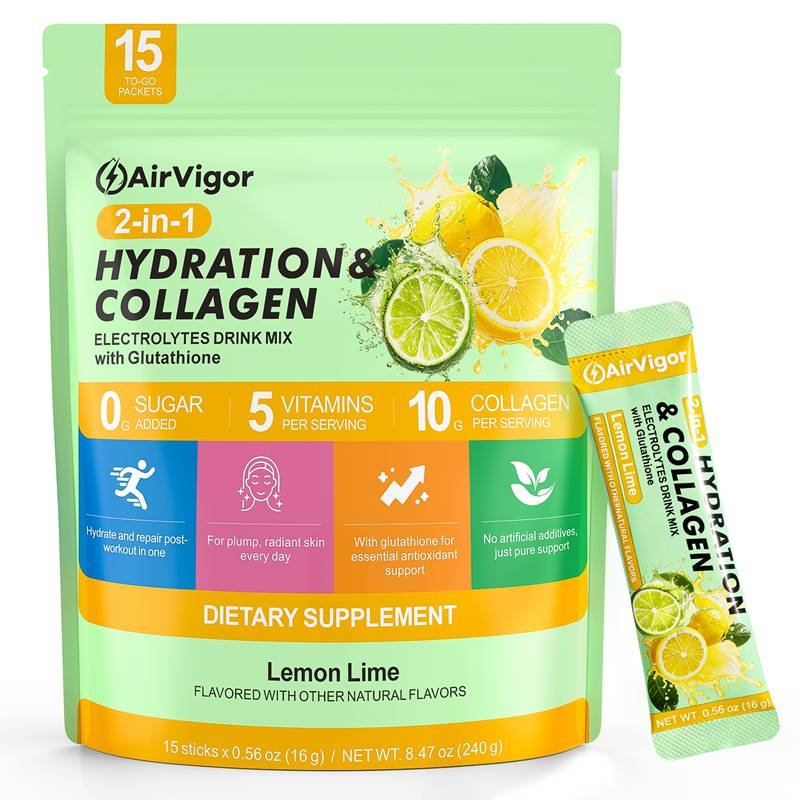
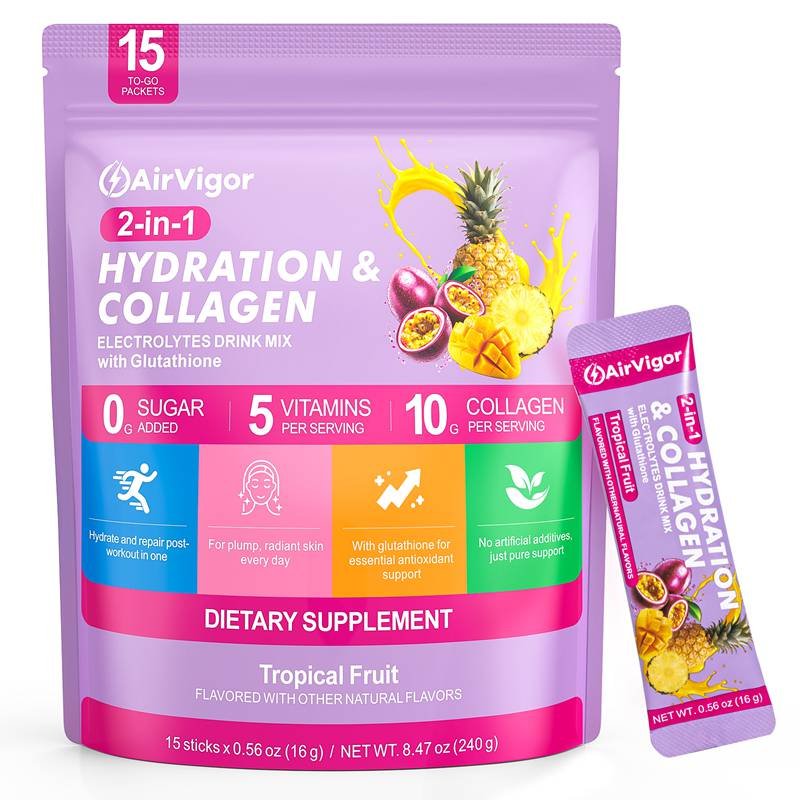
Collagen electrolytes are growing rapidly because they combine hydration support with beauty wellness positioning. Traditional sports hydration products focused heavily on sweat replacement and performance recovery, while collagen hydration products are usually designed around daily wellness habits, beauty routines, and long-term lifestyle use.
The consumer experience is intentionally different. Sports hydration products are often built to feel intense and performance-oriented, while collagen electrolytes usually feel lighter, smoother, and easier to drink daily. Consumers who buy collagen hydration products are often looking for something that fits naturally into morning routines, travel wellness habits, office hydration, or beauty-focused self-care routines rather than extreme sports performance.
This category performs especially well among consumers who already use:
- collagen supplements
- beauty wellness products
- low-sugar hydration
- travel wellness products
- lifestyle-focused supplements
Many consumers now prefer multifunctional wellness products instead of managing several separate supplements every day. A hydration powder that also fits beauty and wellness positioning often feels easier to justify using consistently long term.
| Traditional Sports Electrolytes | Collagen Electrolytes |
|---|---|
| Sweat replacement focus | Daily hydration support |
| Intense sports positioning | Lifestyle wellness positioning |
| Strong flavor systems | Smoother drinkability |
| Performance-oriented | Beauty and routine-oriented |
| Workout-focused | Everyday wellness-focused |
This shift reflects a much larger trend happening throughout the supplement industry. Consumers are increasingly choosing products that fit naturally into their routines rather than products designed only for extreme performance environments.
Which Electrolytes Are Best Daily?
The best daily electrolyte products are usually the formulas consumers can comfortably use several times per week without flavor fatigue, digestive heaviness, or inconvenience. Most people are not losing massive amounts of sodium every day. Their hydration challenges are often much more subtle and connected to office routines, travel schedules, coffee intake, moderate exercise, low water intake, dry environments, or inconsistent wellness habits.
This is why many consumers now prefer hydration products that feel moderate instead of extreme. A product designed for everyday use usually performs better when it balances mineral support with smooth drinkability and practical convenience. Consumers are much more likely to maintain hydration habits when products feel easy to carry, pleasant to drink, and realistic for daily routines.
Portability has become one of the biggest reasons electrolyte stick packs continue growing rapidly across hydration categories. Consumers increasingly want products that fit naturally into gym bags, office desks, handbags, backpacks, and carry-on luggage. The success of modern hydration products now depends just as much on convenience and repeat usability as it does on ingredient formulation itself.
| Daily Hydration Preference | Why Consumers Prefer It |
|---|---|
| Moderate sodium | More comfortable for daily use |
| Lower sugar | Easier long-term consistency |
| Portable stick packs | Better convenience |
| Smooth flavor systems | Less flavor fatigue |
| Balanced minerals | Better repeat drinkability |
Consumers today are generally less interested in extreme sports positioning and more interested in products that feel sustainable, comfortable, and compatible with real daily life. The electrolyte brands building the strongest long-term customer loyalty are usually the ones creating hydration experiences consumers genuinely enjoy repeating consistently rather than products focused only on aggressive performance messaging.
How Do You Know Electrolytes Work?
Many people misunderstand electrolytes because they expect hydration to feel dramatic. After drinking a stick pack, they look for an immediate energy boost similar to caffeine or pre-workout supplements. When that feeling does not happen, they assume the product is ineffective. In reality, electrolytes work much more quietly. Their role is to support fluid balance, maintain hydration stability, and help the body function more comfortably during situations where water and minerals are gradually being depleted.
This is why hydration improvements often feel subtle at first. Consumers usually notice electrolytes working through smaller changes across the day rather than one sudden physical sensation. A traveler may realize they no longer feel as dry or exhausted after flights. A gym user may notice workouts feel more comfortable during hot weather. Someone who normally struggles to drink enough water may simply become more consistent with hydration because flavored electrolytes make fluid intake easier to maintain.
The strongest hydration results often appear in people whose lifestyles naturally increase fluid loss or hydration inconsistency. Heavy sweating, repeated workouts, outdoor activity, travel, alcohol intake, poor sleep, and long workdays all place stress on fluid balance. In these situations, maintaining electrolytes and hydration more consistently can noticeably improve how the body feels over time.
What Happens When Electrolytes Work?
When electrolytes work properly, most consumers describe the experience as feeling more physically stable rather than dramatically energized. Hydration affects the body gradually throughout the day, so the benefits often appear through reduced discomfort instead of sudden stimulation. Many people notice fewer dehydration headaches, less dry mouth, reduced physical heaviness, easier workout recovery, or less exhaustion during travel and hot weather.
Travel is one of the clearest examples. Many consumers spend entire travel days drinking coffee, walking through airports, sleeping poorly, and barely drinking enough water. During the trip itself, they may not immediately notice dehydration building. The symptoms often appear afterward. People commonly wake up the next morning feeling unusually dry, sluggish, physically heavy, or mentally drained. Consumers who maintain hydration more consistently before and during travel often report feeling noticeably better after arrival compared to those who only start hydrating once they already feel exhausted.
The same pattern appears during exercise and outdoor activity. Someone training outdoors in summer heat may lose large amounts of fluid and sodium through sweat without realizing how much hydration balance has shifted. When fluids and electrolytes are replaced consistently, many consumers notice workouts feel more manageable, recovery feels smoother, and physical discomfort after activity becomes less intense.
| Common Situation | What Consumers Often Notice |
|---|---|
| Long flights | Less dryness and post-travel fatigue |
| Outdoor workouts | Improved workout comfort |
| Hot weather | More stable hydration |
| Repeated sweating | Easier recovery |
| Long workdays | Reduced afternoon sluggishness |
Hydration habits also tend to compound over time. Consumers who maintain better hydration across several days often feel noticeably different from those who constantly cycle between dehydration and reactive rehydration. This is one reason modern hydration products are increasingly positioned around consistency and daily usability instead of extreme performance messaging.
How Fast Do Electrolytes Work?
The speed depends heavily on the situation and the level of dehydration involved. Someone who has been sweating heavily outdoors for several hours may notice improvement relatively quickly after replacing fluids and sodium. A person sitting indoors all day with only mild dehydration may experience much subtler changes. This difference explains why hydration product reviews online often seem inconsistent. Consumers are using the same products under completely different physical conditions.
Hydration also interacts with many other lifestyle factors. A consumer who slept poorly, consumed several coffees, skipped meals, and worked a stressful twelve-hour day may still feel exhausted even if hydration improves somewhat. Electrolytes can support fluid balance, but they cannot fully override fatigue caused by poor recovery habits or chronic stress.
Climate also matters more than many people realize. In hot environments, the body loses fluid continuously through sweat even during moderate activity. Outdoor workers, hikers, runners, and travelers in warm climates often notice hydration support much more clearly than consumers using electrolytes casually indoors.
| Factor | Why Hydration Response Changes |
|---|---|
| Sweat loss | Higher fluid and sodium replacement needs |
| Heat exposure | Increases dehydration risk |
| Exercise intensity | Raises hydration demand |
| Alcohol intake | Worsens fluid imbalance |
| Poor sleep | Reduces overall recovery quality |
| Low water intake | Limits hydration effectiveness |
Another important factor is drinkability. Some hydration formulas technically contain strong electrolyte profiles but taste so salty or artificial that consumers stop using them consistently. In real-world situations, a slightly lighter formula that people genuinely enjoy drinking often creates better long-term hydration habits than a more aggressive formula consumers abandon after one week.
Do Electrolytes Help Recovery?
Electrolytes can absolutely support recovery, especially after sweating, prolonged activity, heat exposure, repeated workouts, or physically demanding schedules. Hydration directly affects fluid balance, muscular function, circulation, and overall physical comfort, all of which influence how the body feels during recovery periods.
Many active consumers first notice hydration problems after intense weekends or repeated training sessions. During the activity itself, adrenaline and movement may temporarily mask dehydration. The physical heaviness often appears afterward. People commonly describe feeling unusually sore, sluggish, tight, or exhausted the following day, particularly after outdoor exercise or heat exposure.
Hydration alone does not solve every recovery problem, however. Consumers sometimes expect electrolytes to compensate for poor sleep, alcohol intake, chronic stress, low protein intake, or excessive training volume. In reality, recovery is much broader than hydration itself. Electrolytes help support fluid balance and recovery comfort, but they work best alongside consistent sleep, nutrition, and recovery habits.
Modern recovery hydration products are increasingly designed around this lifestyle-focused approach. Many consumers now prefer lower-sugar electrolyte powders with smoother flavors, magnesium inclusion, and easier daily drinkability rather than extremely aggressive sports formulas designed only for endurance athletes.
Consumers most commonly notice recovery support after:
- repeated gym sessions
- outdoor sports
- hiking
- long active weekends
- sauna use
- travel fatigue
- physically demanding workdays
This shift has helped create entirely new hydration categories focused on recovery wellness rather than traditional sports performance alone.
Do Electrolytes Help Travel Fatigue?
Travel is one of the situations where many consumers notice hydration support most clearly because multiple dehydration factors often happen simultaneously. Flights expose travelers to extremely dry cabin air, poor sleep, irregular meals, increased coffee intake, alcohol consumption, and long periods of physical movement through airports or cities.
Many travelers do not fully notice dehydration during the trip itself because adrenaline, schedules, and movement temporarily distract from physical discomfort. The exhaustion often appears later. Consumers commonly wake up after long travel days feeling unusually dry, physically heavy, mentally foggy, or strangely fatigued even after sleeping several hours.
Airplane cabins are particularly dehydrating because humidity levels are far lower than normal indoor environments. Combined with coffee, alcohol, and inconsistent water intake, hydration balance can deteriorate quickly during long travel days. This is one reason travel hydration products have grown rapidly across wellness categories.
| Travel Condition | Common Hydration Effect |
|---|---|
| Dry cabin air | Increased fluid loss |
| Poor sleep | Reduced recovery quality |
| Alcohol intake | Increased dehydration |
| Long walking days | Higher hydration demand |
| Coffee consumption | Reduced fluid balance |
Portable electrolyte stick packs have become especially popular for travel because they fit naturally into carry-on bags, airport routines, hotel stays, and long sightseeing days. Many consumers now view hydration as part of travel wellness rather than something associated only with sports.
Travel hydration also overlaps strongly with beauty wellness. Dehydration during flights and travel often contributes to dull-looking skin, puffiness, dryness, and visible fatigue. This is one reason collagen electrolyte powders and beauty hydration products perform especially well among travel-focused wellness consumers.
Why Do Electrolytes Work Differently?
Electrolytes work differently because hydration needs vary enormously between individuals. Sweat rate, climate, body size, activity level, caffeine intake, alcohol consumption, sleep quality, and daily routines all influence how noticeable hydration support feels.
A consumer exercising outdoors in summer heat may experience very obvious benefits because the body is actively losing fluids and sodium through sweat. Meanwhile, someone sitting indoors all day may experience much smaller changes because dehydration levels are lower to begin with. A traveler recovering from several days of poor sleep and dry flights may value hydration very differently from a beauty wellness consumer simply trying to maintain better daily water intake.
| Consumer Type | Typical Hydration Experience |
|---|---|
| Heavy sweaters | Strong noticeable support |
| Office workers | More gradual effects |
| Travelers | Moderate hydration relief |
| Wellness consumers | Preference for lighter formulas |
| Sensitive users | Need smoother sweetener systems |
This variation explains why the hydration market is becoming increasingly specialized. Consumers no longer want one generic sports drink for every situation. They want hydration products that fit naturally into their own routines, preferences, and lifestyles.
The electrolyte brands building the strongest long-term customer loyalty are usually the ones creating products that feel realistic, comfortable, and easy to use repeatedly rather than products relying only on aggressive performance marketing or exaggerated transformation claims.

How Should You Choose Electrolytes?
Choosing the right electrolyte product has become much more complicated than it was a few years ago. The hydration market has expanded rapidly, and consumers now face hundreds of options ranging from sports hydration powders and sugar-free stick packs to collagen electrolytes, recovery blends, travel hydration products, and beauty-focused wellness formulas. Many of these products look similar online, but the actual experience can feel completely different once consumers begin using them consistently.
One of the biggest reasons people feel disappointed with electrolytes is because they choose products based on marketing claims instead of how the formula fits their real daily routine. A hydration powder designed for marathon runners may feel overwhelmingly salty for someone sitting in an office most of the day. At the same time, a very light beauty hydration formula may feel ineffective for someone training outdoors several times per week in summer heat. Hydration products work best when the formula matches how the consumer actually lives rather than how the product is advertised.
Modern consumers are also using electrolytes differently from previous generations. Years ago, most hydration products were associated almost entirely with sports performance and sweat replacement. Today, people use electrolytes during flights, workdays, moderate workouts, road trips, outdoor activities, beauty routines, and general wellness habits where comfort and repeat usability matter just as much as ingredient intensity. This shift has changed what consumers expect from hydration products. They increasingly want formulas that taste smooth, feel light enough for regular use, fit naturally into busy schedules, and support long-term hydration consistency rather than extremely aggressive performance positioning.
Which Electrolytes Are Best for Daily Use?
Most consumers today are not losing massive amounts of sodium every day through endurance athletics. Their hydration problems are usually much more gradual and connected to office air conditioning, coffee intake, inconsistent water habits, moderate exercise, poor sleep, or travel schedules. Because of this, many consumers now prefer hydration products that feel balanced and easy to drink repeatedly rather than extremely intense sports formulas designed for prolonged sweat loss.
Consumers who successfully maintain hydration habits long term usually prioritize overall drinking experience more than extreme ingredient numbers. Products with moderate sodium levels, smoother flavors, lower sugar content, and lighter mouthfeel tend to perform much better for everyday use because they feel realistic within normal routines. Many people first realize this after trying highly concentrated sports hydration products that feel exhausting to drink regularly outside intense exercise situations.
| Daily Hydration Preference | Why Consumers Prefer It |
|---|---|
| Moderate sodium | More comfortable repeated use |
| Lower sugar | Easier long-term consistency |
| Smooth flavor systems | Less flavor fatigue |
| Portable stick packs | Better convenience |
| Balanced mineral profile | Better drinkability |
Hydration consistency matters far more than occasional extreme hydration efforts. Consumers are much more likely to stay properly hydrated when the product feels enjoyable enough to use several times per week without becoming unpleasant or inconvenient.
What Should You Avoid in Electrolytes?
Many hydration products appear impressive online because brands aggressively highlight high sodium levels, long ingredient lists, or trendy wellness ingredients. In real-world use, however, many consumers stop using these products because the experience itself feels too intense. Some formulas become difficult to drink repeatedly because they taste excessively salty, overly sweet, artificially flavored, or physically heavy after several servings.
This issue has become more common as hydration brands compete for attention using stronger label claims and more aggressive positioning. While these products may attract initial curiosity, long-term customer retention usually depends much more on comfort, taste, and repeat usability than ingredient intensity alone.
Consumers frequently abandon hydration products because:
- the sweetness feels overwhelming
- the mouthfeel becomes sticky or heavy
- the aftertaste feels artificial
- the serving feels too concentrated
- digestion feels uncomfortable after repeated use
Digestive comfort is particularly important now that many consumers use electrolytes far more frequently than older generations used sports drinks. A product designed only around performance intensity may feel completely inappropriate for office hydration, beauty wellness, or travel use.
| Common Problem | Why Consumers Dislike It |
|---|---|
| Excessive sodium | Salty heaviness |
| Strong artificial sweeteners | Harsh aftertaste |
| Very sugary formulas | Sticky mouthfeel |
| Chalky texture | Poor drinkability |
| Highly concentrated servings | Digestive discomfort |
The hydration products building the strongest customer loyalty are usually not the products with the most extreme formulas. They are the products consumers genuinely enjoy using repeatedly during real daily routines.
Why Are Electrolyte Stick Packs So Popular?
Electrolyte stick packs have become one of the fastest-growing hydration formats because they fit modern lifestyles much better than traditional sports drink bottles or oversized tubs. Consumers increasingly want hydration products that feel portable, lightweight, convenient, and easy to integrate into busy schedules.
Many people first notice hydration inconsistency during travel or long workdays rather than during sports. A traveler may spend an entire day in airports drinking coffee, eating irregularly, and barely consuming enough water. Office workers often realize late in the afternoon that they have barely hydrated all day because work schedules become busy and repetitive. In these situations, convenience strongly affects hydration behavior.
Stick packs work well because they naturally fit into:
- gym bags
- handbags
- backpacks
- office desks
- airport carry-ons
- road trip storage
The format itself encourages consistency because it removes friction from hydration routines. Consumers do not need to carry large bottles or prepare complicated servings. They can simply mix hydration products almost anywhere throughout the day.
| Traditional Sports Drinks | Electrolyte Stick Packs |
|---|---|
| Heavy bottles | Lightweight portability |
| Difficult travel use | Easy carry-on convenience |
| Large serving sizes | Flexible daily use |
| Sports-focused image | Lifestyle-friendly positioning |
| Less practical daily | Better repeat usability |
This convenience has helped electrolytes expand beyond sports nutrition into travel wellness, office hydration, beauty wellness, and lifestyle supplement categories where portability and simplicity matter just as much as ingredient formulation itself.
Why Are Beauty Electrolytes Growing So Quickly?
Many consumers no longer think about hydration only during workouts. They now connect hydration with skin appearance, travel comfort, daily wellness, self-care routines, and overall lifestyle balance. This change in consumer behavior is one reason beauty hydration has become one of the fastest-growing supplement categories in recent years.
Unlike traditional sports hydration products, beauty-focused electrolyte formulas are usually designed around smoother drinkability, lighter sweetness, lower sugar content, and easier daily usability. Consumers using beauty hydration products are often looking for something that fits naturally into morning routines, office hydration habits, travel schedules, or wellness-focused lifestyles rather than products designed exclusively for endurance sports.
This category has also grown rapidly because many consumers prefer multifunctional wellness products instead of managing several separate supplements every day. Hydration powders that combine electrolyte support with collagen or beauty-oriented positioning often feel easier to justify using consistently long term.
| Traditional Sports Hydration | Beauty Hydration |
|---|---|
| Sweat replacement focus | Daily wellness focus |
| Strong sports flavors | Smooth drinkability |
| Performance positioning | Beauty and lifestyle positioning |
| Workout-centered | Routine-centered |
| Athlete-focused | Wellness-focused |
Social media has accelerated this trend significantly. Hydration products that visually fit skincare routines, travel wellness habits, gym lifestyles, and aesthetically driven wellness content often perform extremely well across modern wellness platforms. Consumers increasingly want hydration products that not only function well but also fit naturally into the way they already live.
How Is AirVigor Developing Better Electrolytes?
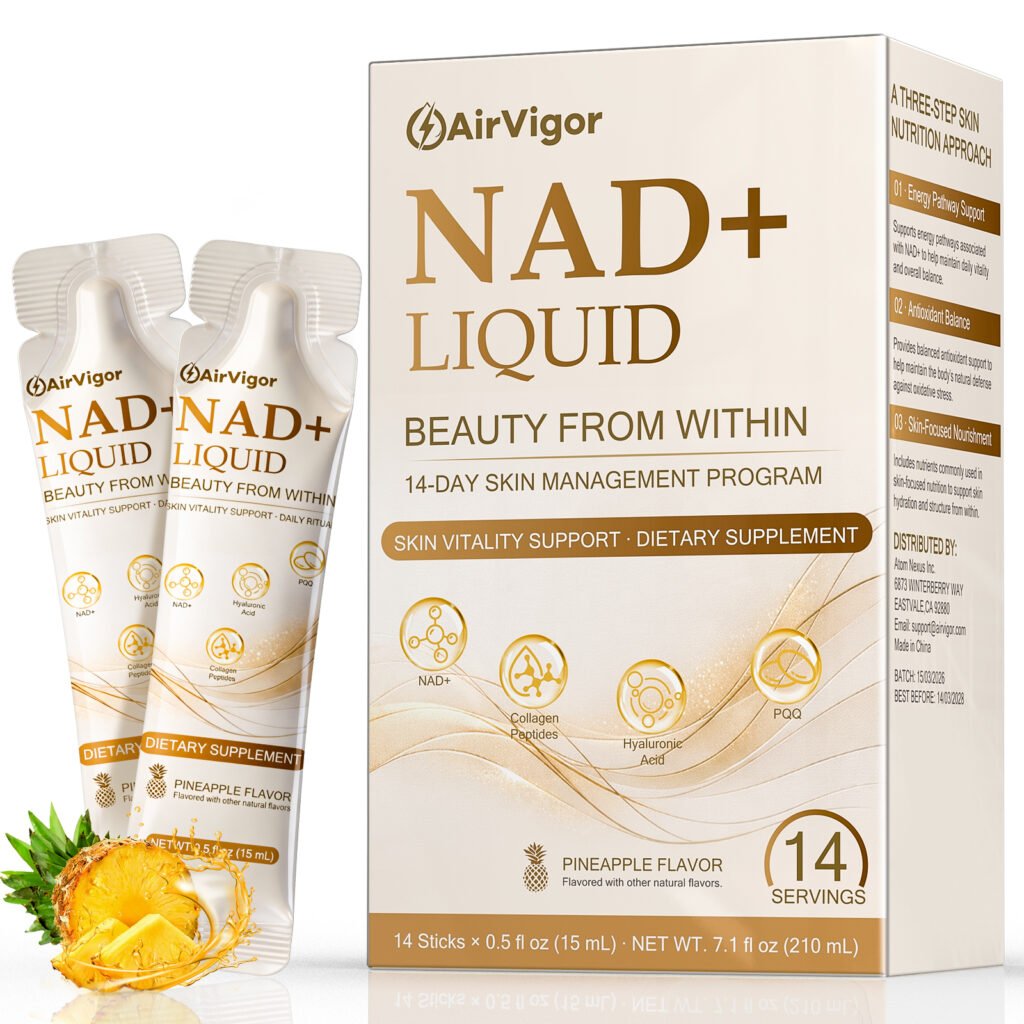
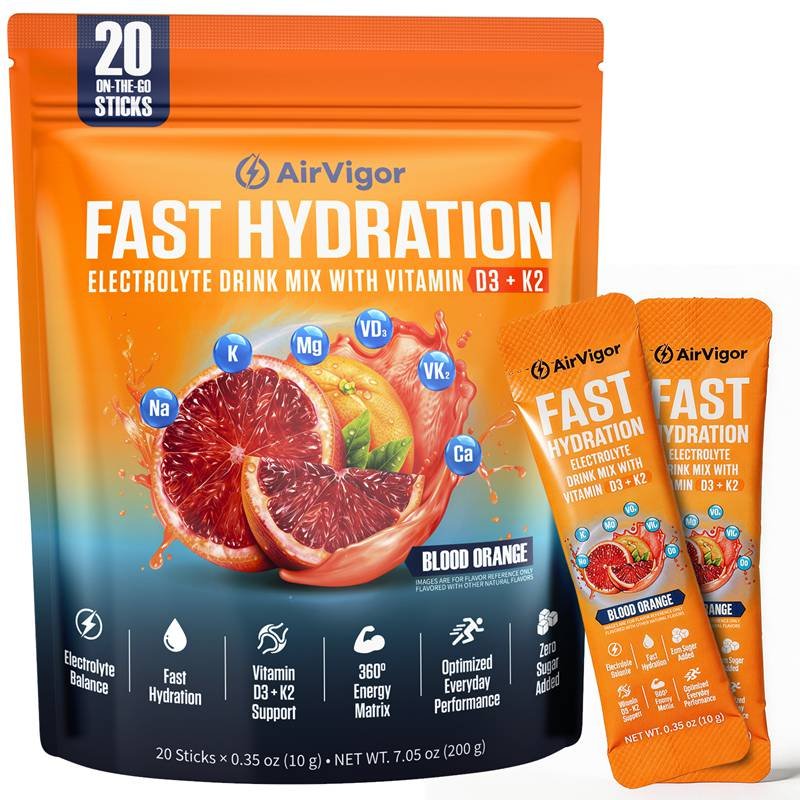
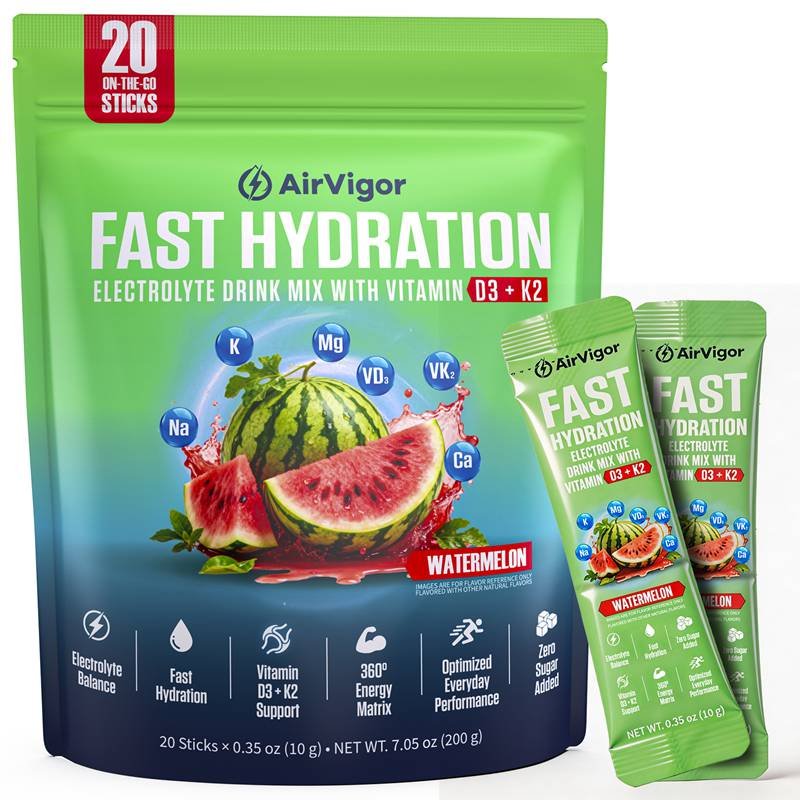
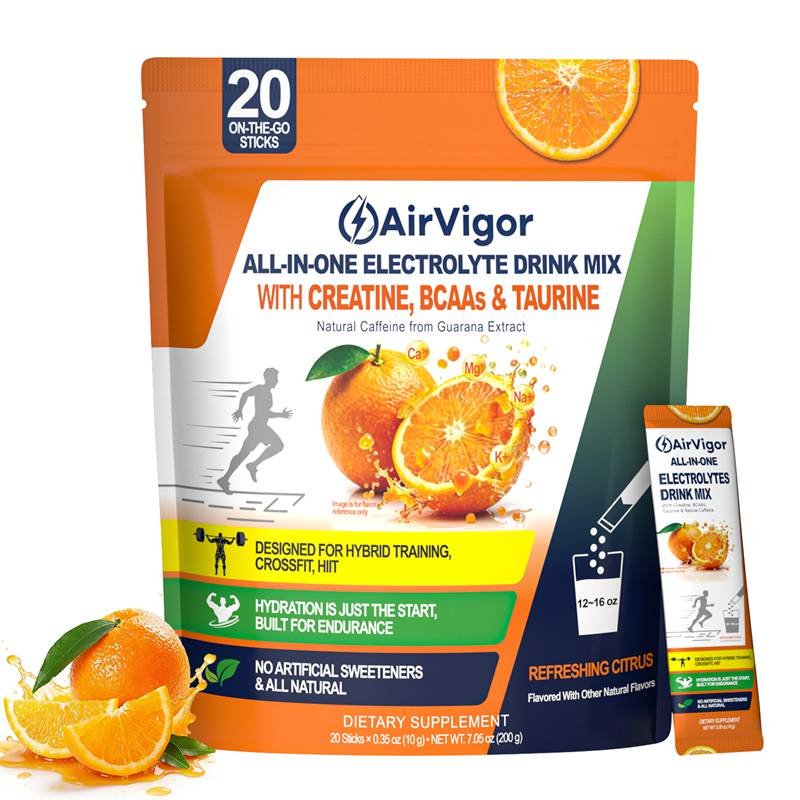
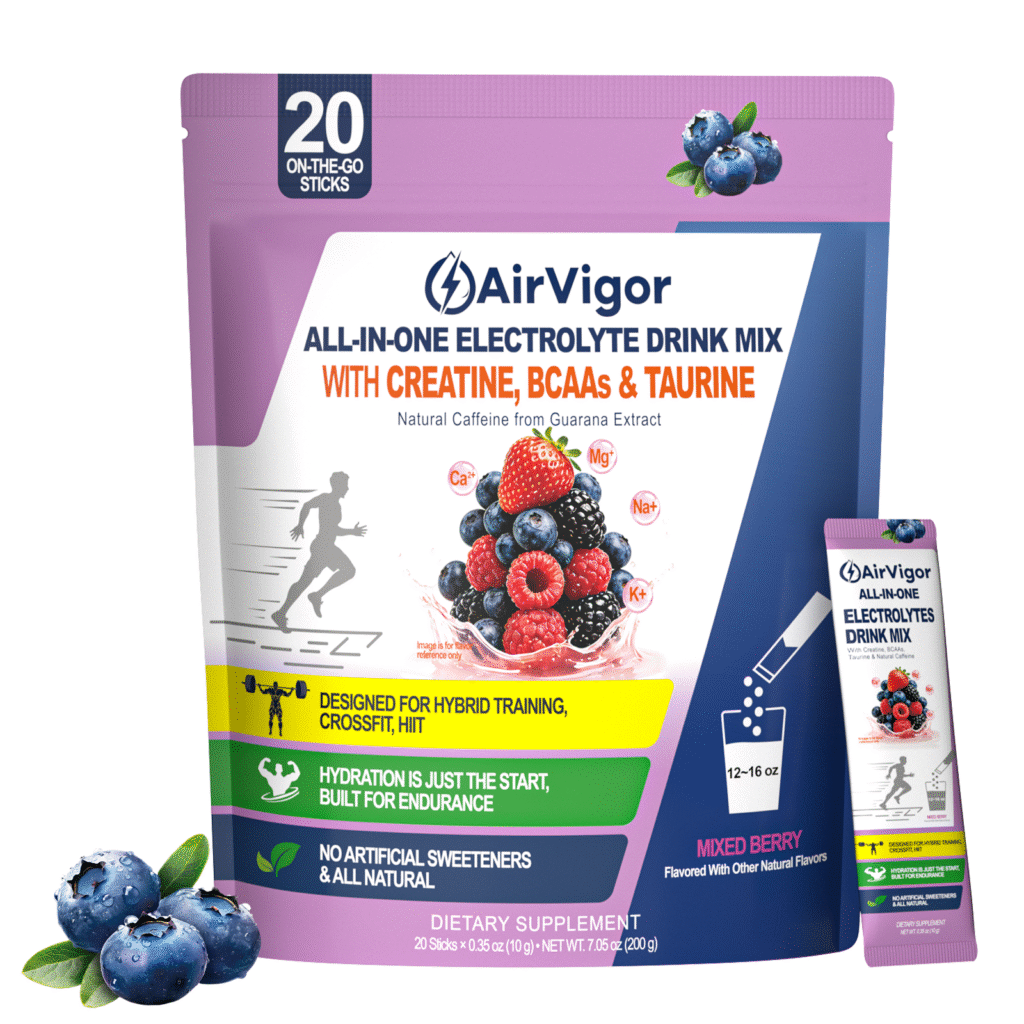
At AirVigor, hydration product development focuses heavily on how consumers actually use electrolyte products in daily life rather than relying only on older sports nutrition assumptions. Modern hydration consumers want products that feel practical, enjoyable, portable, and comfortable enough for consistent long-term use across workouts, travel schedules, office routines, wellness habits, and beauty-focused lifestyles.
This is why modern hydration development increasingly prioritizes smooth drinkability, balanced mineral levels, lower sugar systems, portability, and repeat usability instead of simply maximizing ingredient intensity. Consumers today are much more likely to continue repurchasing products that feel realistic and enjoyable during everyday use rather than formulas designed only for extreme performance situations.
AirVigor supports hydration product development across multiple growing categories, including electrolyte powders, collagen hydration formulas, beauty hydration products, low-sugar stick packs, wellness hydration blends, and travel hydration solutions. As the hydration market continues expanding beyond traditional sports nutrition, long-term customer loyalty is increasingly driven by user experience, convenience, and lifestyle compatibility rather than aggressive marketing alone.
The electrolyte category is evolving quickly because consumers themselves are changing. People now want hydration products that feel natural within real daily routines instead of products that only make sense during extreme athletic performance.
Conclusion
Electrolytes are not ineffective for most people. In many cases, the real problem is that the product does not match the person using it. A hydration formula designed for heavy endurance training may feel overwhelming during normal office routines, while a light wellness hydration drink may feel too weak for someone exercising outdoors in hot weather several times per week. Hydration has become much more lifestyle-specific than many consumers realize, which is why experiences with electrolyte products can vary so dramatically from one person to another.
Modern consumers are also using hydration products very differently from previous generations. People no longer reach for electrolytes only during intense workouts. They now use them during flights, long workdays, travel, recovery routines, outdoor activities, beauty wellness habits, and busy schedules where hydration gradually becomes inconsistent. Because of this shift, consumers increasingly prefer hydration products that feel smoother, lighter, lower in sugar, easier to carry, and comfortable enough for repeated daily use rather than aggressive sports drinks built only for performance athletes.
This change is reshaping the entire hydration category. The brands building long-term customer loyalty today are usually not the ones creating the strongest formulas on paper. They are the companies creating products that consumers genuinely enjoy using consistently in real life.
At AirVigor, hydration product development focuses on that real-world usability. From electrolyte powders and collagen hydration blends to beauty-focused stick packs and low-sugar wellness formulas, our team supports brands looking to create hydration products designed around modern consumer behavior, long-term repeat use, and evolving wellness trends. As hydration continues expanding beyond traditional sports nutrition, the future of electrolytes will belong to products that feel practical, enjoyable, and naturally compatible with everyday life.