Skip to content

At first glance, coconut water and electrolyte powder appear to belong to the same category. Both are associated with hydration. Both contain electrolytes. Both are often used after exercise, during hot weather, or when a person feels drained. That surface similarity is exactly why the comparison is so often oversimplified. In reality, these two products are not built around the same hydration logic. Harvard explains that electrolyte beverages are designed to be easily absorbed in the gut to quickly rebalance mineral and fluid levels, while Mayo Clinic says coconut water contains electrolytes such as potassium, sodium, and manganese, but it is no more hydrating than plain water.
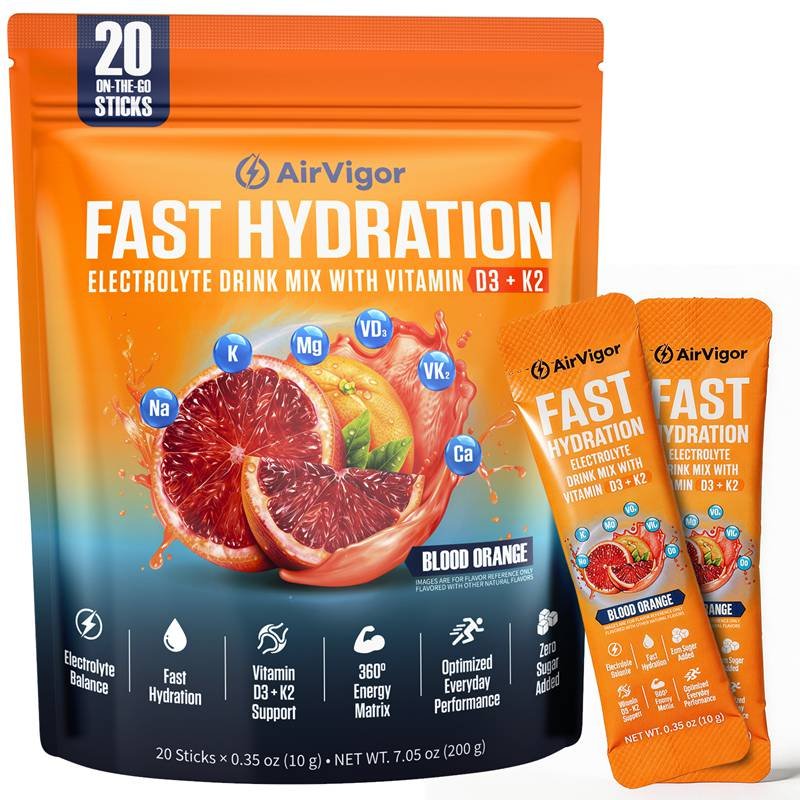
Electrolyte powder is usually the stronger option when the goal is targeted hydration support, especially after heavier sweating, in higher heat, or in situations where sodium replacement matters. Coconut water can be a lighter and more pleasant option for casual hydration, but its mineral balance is not always ideal for sweat-related recovery. In many real-world cases, the better choice depends less on “natural versus formulated” and more on whether the body needs gentle refreshment or more deliberate fluid-and-electrolyte replacement.
That distinction becomes much clearer once sodium and potassium are separated instead of being grouped together under the vague word electrolytes. Ohio State reports that store-bought coconut water contains about 30 mg sodium and 470 mg potassium per cup, and also emphasizes that sodium is the main electrolyte lost in sweat. Cleveland Clinic likewise describes coconut water as a drink that contains potassium, sodium, and magnesium and is relatively low in calories compared with many sports drinks. This means the real customer question is not whether coconut water “has electrolytes.” It does. The more useful question is whether it provides the right electrolyte pattern for the condition being treated.
What Is the Difference Between Electrolyte Powder and Coconut Water?
The most important difference is not origin. It is designed. Coconut water is a naturally occurring beverage with a mineral profile that varies by brand and processing. Electrolyte powder is usually a more deliberate hydration tool, built to provide a clearer serving size and a more intentional electrolyte structure. Harvard’s guidance on electrolyte drinks emphasizes formulation for fast fluid-and-mineral rebalancing, while Mayo Clinic stresses that the electrolyte amounts in coconut water vary by brand.
What does electrolyte powder do?
Electrolyte powder is generally used when hydration needs become more functional and more specific than ordinary thirst. Harvard describes electrolyte beverages as products designed to quickly rebalance fluid and mineral levels. In practice, that makes electrolyte powder better suited to situations where a person wants more control over sodium level, serving size, and use occasion.
This matters because product usefulness is rarely determined by ingredient image alone. A drink may sound appealing because it is natural, but a hydration product becomes more valuable when it helps the customer solve a specific problem with more precision. Electrolyte powder is often more useful in workouts, heat-heavy routines, outdoor work, travel, and other higher-strain conditions because the formula can be designed around a clearer replacement goal instead of simply offering whatever mineral pattern occurs naturally. That is not a criticism of coconut water. It is a reminder that “contains electrolytes” and “matches sweat-related recovery needs” are not the same claim.
A practical comparison helps:
| Product type | Main strength | Best-fit situations |
|---|---|---|
| Electrolyte powder | More deliberate electrolyte design | Sweat-heavy, heat-heavy, more targeted hydration support |
| Coconut water | Naturally occurring beverage with electrolyte content | Mild refreshment, lighter casual hydration |
The more demanding the hydration need becomes, the more valuable formula control usually becomes as well. Harvard’s sports drink guidance reinforces this broader point by noting that these drinks are designed to replenish fluids and electrolytes lost during strenuous exercise.
What does coconut water provide?
Coconut water provides water plus naturally occurring electrolytes, especially potassium. Mayo Clinic identifies potassium, sodium, and manganese among its electrolytes and states that an 8-ounce serving contains roughly 45 to 60 calories. Cleveland Clinic likewise describes coconut water as containing potassium, sodium, and magnesium and notes that it is lower in calories than many sports drinks, at about 40 to 60 calories per 8 ounces.
This matters because coconut water’s strongest appeal is not only nutrition. It is also sensory and behavioral. It feels lighter than many sports drinks, more familiar than a powder mix, and more beverage-like than a formulated recovery product. For many customers, that makes it attractive for casual drinking. The limitation appears when consumers assume that natural composition automatically equals optimal recovery composition. Ohio State’s figure of about 470 mg potassium and 30 mg sodium per cup shows why the comparison becomes more nuanced. Coconut water is naturally rich in potassium, but much lighter in sodium than what many sweat-heavy situations may call for.
A simple nutrient comparison makes that pattern easier to understand:
| Drink | Potassium profile | Sodium profile | Practical implication |
|---|---|---|---|
| Coconut water | Naturally high | Relatively low | Better suited to lighter hydration than heavy sweat replacement |
| Electrolyte powder | Formula-dependent | Formula-dependent | Can be built to match rehydration needs more closely |
That is why coconut water is best understood as a lighter natural hydration drink, not a guaranteed substitute for a more targeted rehydration formula. Mayo Clinic’s conclusion that it is no more hydrating than plain water is especially important here.
How are the two used differently?
The two products are often used at different levels of hydration demand. Coconut water usually fits better when the need is lighter, more casual, and more beverage-oriented. Electrolyte powder usually fits better when the need is more targeted, more structured, and more closely connected to heat, sweating, or deliberate recovery. Harvard’s description of electrolyte drinks as fast rebalancing tools supports that contrast.
This matters because many customers want one product to cover every hydration situation. In practice, that usually leads to compromise. A drink that is enjoyable for casual daily use may not be the strongest answer after prolonged sweating. A powder that is ideal after heavy exertion may feel unnecessary during a mild office afternoon. The better comparison therefore, is not “Which one is healthier?” It is “Which one fits the actual demand of the moment?” That framing is much more useful for customers, and it also gives a brand like AirVigor a stronger position: not “better than coconut water in all cases,” but “more precise when hydration needs become more demanding.”
A use-pattern comparison helps:
| Use pattern | Coconut water | Electrolyte powder |
|---|---|---|
| Casual daily refreshment | Strong fit | Depends on formula and user intent |
| Mild post-activity drinking | Often suitable | Also suitable |
| Heavy-sweat recovery | Often less exact | Often stronger fit |
| Travel and structured backup use | Less portable | More portable and easier to standardize |
That is the bigger difference between the categories. One is mainly a natural beverage option. The other is mainly a functional hydration tool.
Which Is Better for Hydration?
For hydration, neither option is universally best. The better choice depends on the intensity of fluid loss and the type of electrolyte replacement the body is likely to need. Mayo Clinic states that coconut water is no more hydrating than plain water. Harvard, by contrast, describes electrolyte beverages as products designed to help quickly rebalance mineral and fluid levels. Ohio State adds the most useful practical distinction: coconut water is much higher in potassium than sodium, even though sodium is the main electrolyte lost in sweat.
Is electrolyte powder better for faster rehydration?
In many targeted-use situations, yes. Electrolyte powder is usually better when the hydration goal is not merely drinking fluid, but restoring a more suitable fluid-and-mineral balance after higher-strain conditions. Harvard’s guidance is especially clear on this point: electrolyte beverages are designed to be absorbed in the gut to quickly rebalance fluid and mineral levels.
This matters because “faster rehydration” is not only about the amount of liquid consumed. It is also about whether the electrolyte structure fits the losses involved. After longer workouts, outdoor labor, or hotter conditions, a product designed with a clearer sodium-and-fluid logic often has an advantage over a drink that is naturally potassium-heavy but sodium-light. That is why electrolyte powder often makes more sense when the hydration need is more functional than casual. The category has been built for that exact role.
A practical comparison helps:
| Hydration goal | Better fit |
|---|---|
| Light refreshment | Coconut water |
| More targeted rehydration | Electrolyte powder |
| Controlled serving and repeat use | Electrolyte powder |
| Mild beverage-style hydration | Coconut water |
The more structured the recovery need becomes, the more relevant the targeted formulation usually becomes.
Is coconut water enough after light sweating?
Often yes. When sweating is light, and the goal is mostly refreshment, coconut water can be a reasonable option. Cleveland Clinic says coconut water can help with hydration and is lower in calories and carbs than many sports drinks. Mayo Clinic likewise presents it as a safe casual drink, while also noting that it is no more hydrating than plain water.
This matters because not every hydration moment needs a stronger product. If the activity was mild, the weather was moderate, and the person mainly wants something pleasant that contains some electrolytes, coconut water can fit well. The mistake begins when a mild-use success is generalized into a universal recovery rule. Coconut water may work well after a short walk, a mild workout, or a routine afternoon. That does not automatically mean it is the strongest answer after a much more demanding session.
A practical use map helps:
| Situation | Is coconut water often enough? |
|---|---|
| Mild daily hydration | Often yes |
| Light post-exercise refreshment | Often yes |
| Moderate, low-heat activity | Sometimes yes |
| Heavy sweat or heat exposure | Often less ideal |
That is why coconut water is best understood as sometimes enough, not always enough.
Which one makes more sense in heat or after workouts?
After heavier workouts or hotter conditions, electrolyte powder usually makes more sense. Ohio State’s analysis is especially helpful because it shows the mismatch directly: coconut water contains about 30 mg sodium and 470 mg potassium per cup, while sodium is the main electrolyte lost in sweat. This is exactly the kind of data point that changes the comparison from marketing language to functional reality.
This matters because “natural hydration” and “effective sweat recovery” are not always the same thing. Customers may assume that because coconut water feels clean and natural, it must be the stronger post-workout option. But when the main need is sodium-aware rehydration after prolonged sweating, a naturally potassium-heavy drink may not be the most precise fit. Electrolyte powder often becomes more useful because it can be designed more intentionally around that need. This is where AirVigor has the strongest educational opportunity: not to dismiss coconut water, but to explain when a more targeted sodium-and-electrolyte strategy is more appropriate.
A practical recovery table helps:
| Situation | Better fit |
|---|---|
| Light routine hydration | Coconut water or water |
| Mild post-exercise refreshment | Coconut water may work well |
| Heavy sweating or long workouts | Electrolyte powder often fits better |
| Heat-heavy recovery support | Electrolyte powder often fits better |
That is why these two products should not be treated as full substitutes across every hydration scenario.

Which Is Better for Daily Use?
For daily use, coconut water often fits better as a lighter beverage-style option, while electrolyte powder often fits better as a more deliberate hydration tool. Mayo Clinic states that coconut water contains electrolytes such as potassium, sodium, and manganese, but the amounts vary by brand, and it is no more hydrating than plain water; Harvard, by contrast, explains that electrolyte beverages are designed to rebalance fluid and mineral levels more intentionally. This means the daily-use comparison is not simply about which product sounds healthier. It is about whether the customer needs casual refreshment or more structured hydration support.
That distinction matters because most daily routines are not physiologically identical. A customer working indoors in mild conditions may want a pleasant drink that feels easy to consume. Another customer moving between workouts, travel, outdoor work, and heat exposure may want a product that is easier to standardize, portion, and repeat with a clearer electrolyte purpose. In other words, daily use is not one category. It includes light hydration moments, routine support moments, and higher-strain days. The better choice depends on which of those patterns dominates the routine.
Is coconut water better for casual daily drinking?
In many cases, yes. Coconut water often works well for casual daily drinking because it is already a finished beverage, it feels familiar and easy to consume, and it usually carries a lighter image than many sports drinks. Mayo Clinic reports that an 8-ounce serving of coconut water contains roughly 45 to 60 calories, while Cleveland Clinic places it in a similar range at about 40 to 60 calories per 8 ounces and describes it as lower in calories and carbohydrates than many sports drinks. Those numbers help explain why many customers experience coconut water as a “lighter” option rather than a technical recovery product.
This matters because daily-use beverages succeed only when they fit behavior, not just nutrition. A drink may contain useful nutrients and still fail as a routine product if it feels too strong, too salty, too concentrated, or too purpose-built for a level of exertion most ordinary days do not involve. Coconut water often works better here because it functions more like a beverage than a protocol. For a customer who wants a mild refreshment option during work, light errands, or a low-strain day, coconut water can feel easier to adopt and easier to enjoy consistently. That behavioral fit is one reason it remains attractive despite not being more hydrating than water itself.
A practical comparison helps:
| Daily-use question | Coconut water | Electrolyte powder |
|---|---|---|
| Ready to drink immediately | Strong fit | Requires mixing |
| Feels more like a beverage | Strong fit | Less often |
| Better for light casual refreshment | Often yes | Depends on formula |
| Better for more deliberate hydration support | Less often | Often yes |
That is why coconut water often performs best when the goal is not aggressive recovery, but a lighter hydration habit that feels natural to repeat.
Is electrolyte powder better for targeted support?
Yes, especially when the hydration need is more functional than casual. Harvard’s Nutrition Source explains that electrolyte drinks are designed to be easily absorbed in the gut to quickly rebalance mineral and fluid levels. That design advantage becomes much more meaningful when the customer wants a product for sweat-heavy exercise, outdoor heat, travel disruption, or a more structured recovery routine.
This matters because targeted support is less about “having electrolytes” and more about having the right balance in a clear serving structure. Coconut water may provide naturally occurring electrolytes, but electrolyte powder is generally built around a more intentional use case. It can offer a repeatable serving size, a defined sodium level, and easier portability across multiple situations. That makes it especially useful for customers who want consistency rather than just a pleasant drink. In commercial terms, this is where electrolyte powder often looks stronger: not because it is more fashionable, but because it can be designed around a clearer problem-solution relationship.
A targeted-support comparison helps:
| Support question | Coconut water | Electrolyte powder |
|---|---|---|
| Built around a clear electrolyte design | Less so | Stronger fit |
| Easier to standardize across servings | Less so | Stronger fit |
| Better for more structured recovery use | Moderate | Stronger |
That is why electrolyte powder usually becomes more attractive as the hydration need becomes more specific, more repeated, or more performance-linked. Harvard’s framing of electrolyte beverages as rebalancing tools supports exactly that distinction.
Which one fits travel and on-the-go routines better?
In many travel and on-the-go routines, electrolyte powder fits better because it is easier to transport, easier to store in multiple servings, and easier to keep in reserve. Coconut water may feel more convenient only when it is already purchased and immediately available. Harvard’s explanation of electrolyte beverages as deliberate rebalancing tools supports the logic of keeping a more structured option nearby, while Mayo Clinic’s note that coconut water is simply a casual drink rather than a superior hydrator helps define its limitation in more functional routines.
This matters because on-the-go hydration is not only a nutrition question. It is also a logistics question. A customer may want something that can stay in a briefcase, backpack, carry-on, car, or gym bag without adding liquid weight or taking up much space. In those conditions, a powder packet or stick pack often has a practical advantage, even if coconut water feels more appealing once it is opened. This is one reason routine convenience should be divided into two kinds: drink-now convenience and carry-with-you convenience. Coconut water often wins first. Electrolyte powder often wins the second.
A routine map helps:
| Convenience question | Better fit |
|---|---|
| Ready-to-drink immediately | Coconut water |
| Easy to carry in multiple servings | Electrolyte powder |
| Easier to store as backup | Electrolyte powder |
| Better for spontaneous purchase and use | Coconut water |
That is why travel and daily-use convenience are related, but not identical. The better choice depends on whether the priority is immediate drinking or reliable availability.
Which Formula Matters More Than the Format?
In many real decisions, formula matters more than whether the product is “natural” or “formulated.” Harvard explains that electrolyte beverages are designed to help rebalance fluid and mineral levels, while Ohio State points out that coconut water is much higher in potassium and lower in sodium than many athletes need after sweating. That means the more useful question is not only “powder or coconut water?” but also “which electrolyte pattern matches the actual condition better?”
This matters because customers are often attracted to a natural-versus-engineered story that feels simple, but real hydration needs are not simple in that way. A naturally sourced drink can still be a weak fit after heavy sweating. A formulated powder can still be the wrong choice if it is too sugary or too concentrated for mild daily use. The body is not comparing brand narratives. It is responding to the balance of fluid, sodium, potassium, sugar, and total context. That is why formula logic is usually the more accurate decision tool.
Which electrolytes matter most?
For many hydration situations, sodium and potassium matter most, with magnesium sometimes adding supportive value. Harvard’s sports-drink guidance notes that sports drinks are marketed to replenish fluids and electrolytes such as sodium, potassium, magnesium, and calcium lost during strenuous exercise. Mayo Clinic and Cleveland Clinic both identify potassium, sodium, and magnesium as part of coconut water’s electrolyte profile, while Ohio State gives the more concrete comparison by showing how strongly coconut water leans toward potassium rather than sodium.
This matters because “contains electrolytes” is not a sufficiently precise statement for product evaluation. The key question is which electrolytes dominate the formula and why. For light hydration, a potassium-rich beverage may be perfectly acceptable. For sweat-related recovery, the sodium side of the formula becomes much more important. Ohio State’s point that sodium is the main electrolyte lost in sweat is especially valuable because it shows why two drinks can both contain electrolytes and still serve different recovery roles.
A practical guide helps:
| Electrolyte | Why it matters in this comparison |
|---|---|
| Sodium | Central for sweat-related replacement |
| Potassium | Major strength of coconut water |
| Magnesium | Broader support value, usually secondary here |
That is why customers comparing these products should not stop at “natural electrolytes.” They should ask which minerals are leading the formula and whether those minerals fit the actual use case.
Is the sodium level more important than the category?
In many workout, heat, and recovery scenarios, yes. Ohio State reports that store-bought coconut water contains about 30 mg sodium and about 470 mg potassium per cup, and it explicitly notes that sodium is the main electrolyte lost in sweat. That single comparison is often more useful than broad category language because it shows why a naturally appealing drink may still be a weaker fit after substantial sweating.
This matters because many customers assume the “natural” category must be the better recovery category. But recovery is not determined by the image. It is determined by whether the formula matches the loss pattern. If sweat loss is sodium-heavy and the drink is sodium-light, then the more natural drink may not be the stronger answer in that moment. This does not make coconut water a poor product. It makes it a different product. Electrolyte powder often has an advantage here because it can be designed around clearer sodium replacement rather than relying on a mineral profile that happens naturally.
A simple recovery comparison helps:
| Recovery question | Coconut water | Electrolyte powder |
|---|---|---|
| Naturally higher in potassium | Yes | Depends on formula |
| Naturally higher in sodium | No | Can be designed that way |
| Better match after heavy sweating | Often less exact | Often stronger |
That is why the sodium level often tells a more useful story than product category or health image.
How does sugar change the comparison?
Sugar changes the comparison because it affects how suitable the drink feels for repeat use, casual use, and recovery-oriented use. Cleveland Clinic notes that coconut water is lower in calories and carbs than many sports drinks, while Ohio State says coconut water is lower in sugar than most athletes need for recovery. The same feature can therefore look like an advantage in one setting and a limitation in another.
This matters because customers often talk about sugar as if lower is always better. In practical use, lower sugar may feel cleaner and more repeatable for casual hydration. But after longer, harder exercise, a more structured formula may make more sense. This is one reason the comparison should not collapse into “natural is better” or “powder is stronger.” Coconut water may be ideal for a mild afternoon or light refreshment. A powder may be more appropriate for structured recovery. Sugar does not settle the comparison by itself. It makes context even more important.
A practical sugar comparison helps:
| Question | Coconut water | Electrolyte powder |
|---|---|---|
| Feels lighter for casual daily use | Often yes | Depends on formula |
| Better suited to targeted recovery design | Less often | Often yes |
| Sugar profile fixed by the beverage itself | More so | Less so |
That is why formula evaluation requires more than one rule. It requires asking what the day demanded, how the product is likely to be used, and whether the composition matches that reality.
How Can AirVigor Position the Better Option?
AirVigor can position the stronger option by shifting the comparison away from natural versus formulated and toward light hydration versus targeted hydration support. Harvard explains that electrolyte beverages are designed to help rebalance fluid and mineral levels, while Mayo Clinic notes that coconut water contains electrolytes such as potassium, sodium, and manganese, yet is no more hydrating than plain water. Ohio State adds the most commercially useful detail for recovery messaging: store-bought coconut water provides about 30 mg sodium and 470 mg potassium per cup, and sodium is the main electrolyte lost in sweat.
This matters because customers do not usually make this decision by asking which option sounds cleaner. They are deciding whether they need a pleasant beverage for mild hydration or a more deliberate product for sweat, heat, travel strain, or recovery. A stronger product story, therefore, does not attack coconut water. It explains where coconut water works well and where a more structured electrolyte formula becomes more appropriate. That message is more credible because it matches the physiology of the situation instead of relying on broad lifestyle language.
Which users need more than coconut water?
The users most likely to need more than coconut water are the ones dealing with higher hydration strain. That usually includes people sweating heavily, training longer, working outside in heat, traveling in hot conditions, or trying to recover after repeated fluid loss. Ohio State’s comparison is especially useful because it shows why coconut water may not match those needs well: it is naturally much higher in potassium than sodium, even though sweat loss is much more sodium-oriented.
This matters because many customers assume that, because coconut water is natural and contains electrolytes, it must also be ideal after any workout or hot day. That assumption is too broad. Coconut water can fit well after light activity, during mild daily refreshment, or as a lower-calorie beverage alternative. But when the routine involves higher sweat loss or a more structured rehydration goal, a product built around clearer sodium-and-electrolyte replacement usually becomes the stronger fit. For AirVigor, this creates a cleaner audience definition: not “everyone who wants healthier hydration,” but customers whose routines create a real need for more deliberate fluid-and-mineral support.
A practical audience map helps clarify that difference:
| User type | Why coconut water may fit | Why electrolyte powder may fit better |
|---|---|---|
| Casual daily drinker | Light refreshment and natural beverage feel | Often unnecessary unless conditions become more demanding |
| Light exerciser | May work after mild sweating | May be more than needed |
| Heavy sweater | Pleasant but lower-sodium profile may limit fit | Better aligned with targeted sweat-related replacement |
| Outdoor worker or traveler in heat | Can support light hydration | Often stronger when sodium replacement matters |
That is why the better product is not defined by image. It is defined by the level of hydration strain the day actually created.
How can AirVigor explain targeted hydration more clearly?
AirVigor can explain targeted hydration more clearly by building the message around when a lighter natural drink is enough and when a more intentional formula is smarter. Harvard’s explanation of electrolyte beverages as deliberate rebalancing tools and Mayo Clinic’s point that coconut water is no more hydrating than plain water together create a very useful contrast: coconut water can be enjoyable and naturally electrolyte-containing, but electrolyte powder is usually the better fit when the hydration need is more functional and more specific.
This matters because the word hydration is too broad to guide a customer toward the right product by itself. Customers need a clearer rule. Light daily drinking, casual refreshment, and a beverage-style experience point more naturally toward coconut water. Heat-heavy recovery, sweat-heavy training, long outdoor days, and travel-related depletion point more naturally toward a product with a clearer sodium-and-electrolyte strategy. When AirVigor explains the category that way, the brand sounds less like it is competing in a vague wellness conversation and more like it understands the practical demands of real routines. That is a stronger position in both direct-to-consumer and private-label contexts.
A simple message framework makes that positioning clearer:
| Product story | What it tells the customer |
|---|---|
| Coconut water for lighter natural refreshment | Good for mild, casual hydration moments |
| Electrolyte powder for targeted hydration support | Better for sweat, heat, travel strain, and structured recovery |
That kind of explanation is easier to trust because it does not force one product to be the answer to every hydration situation.
What makes a stronger hydration support product story?
A stronger hydration support story is one that connects formula design, actual loss patterns, and clear user scenarios. Ohio State’s point about coconut water being high in potassium but low in sodium is especially important because it shows why “contains electrolytes” is not automatically enough for recovery after sweating. In sweat-related contexts, sodium often matters more than customers expect, and a more targeted formula can be a better fit than a naturally appealing beverage.
This matters commercially because the strongest product story usually wins more trust than the broadest one. A brand that explains why targeted sodium-and-electrolyte replacement may matter after heat or heavy sweating sounds more grounded than a brand that simply says its product offers “better hydration.” Coconut water still has a clear role. Cleveland Clinic notes that it contains potassium, sodium, and magnesium and is relatively low in calories compared with many sports drinks. But once the discussion shifts toward heat-heavy recovery, structured rehydration, and repeat use in demanding conditions, electrolyte powder often has the stronger functional story. That is where AirVigor can stand out most effectively: not by sounding more extreme, but by sounding more precise.
A positioning comparison helps show that difference:
| Positioning style | How it sounds | Commercial strength |
|---|---|---|
| “Natural is always better” | Simple, but incomplete | Weaker |
| “Formulated is always stronger” | Overstated | Weaker |
| “Lighter hydration versus targeted replacement” | Clear and believable | Strongest |
That is what makes a hydration support message stronger: not a bigger claim, but a clearer reason.
Final Thoughts
Coconut water and electrolyte powder can both fit a hydration routine, but they are not best understood as full substitutes in every setting. Coconut water is often a pleasant, lighter option for casual drinking and mild hydration support. Mayo Clinic notes that it contains electrolytes but is no more hydrating than plain water, while Cleveland Clinic highlights its potassium, sodium, and magnesium content together with its relatively low calorie profile. Electrolyte powder, by contrast, is usually the better fit when hydration becomes more targeted and more demanding, because the formula can be built more intentionally around fluid-and-mineral rebalancing.
The difference becomes clearest after sweating, in higher heat, or during more structured recovery situations. Ohio State’s comparison explains why: coconut water is naturally much higher in potassium and much lower in sodium, while sodium is the main electrolyte lost in sweat. That is why the most useful customer question is not “Which drink sounds healthier?” The better question is “What kind of hydration problem am I trying to solve right now?” On lighter days, coconut water may fit very well. On higher-strain days, a more targeted electrolyte powder may be the smarter tool.
Looking to Source a Better Hydration Product or Build Your Own?
If the goal is to create a product that performs better than coconut water in sweat-heavy recovery, heat-heavy routines, travel strain, or structured electrolyte support, the development question should focus on electrolyte balance, serving logic, and real-use scenarios rather than on broad “natural hydration” language. A stronger product is usually the one that makes its use case clearer and its benefits easier to match to the customer’s routine.
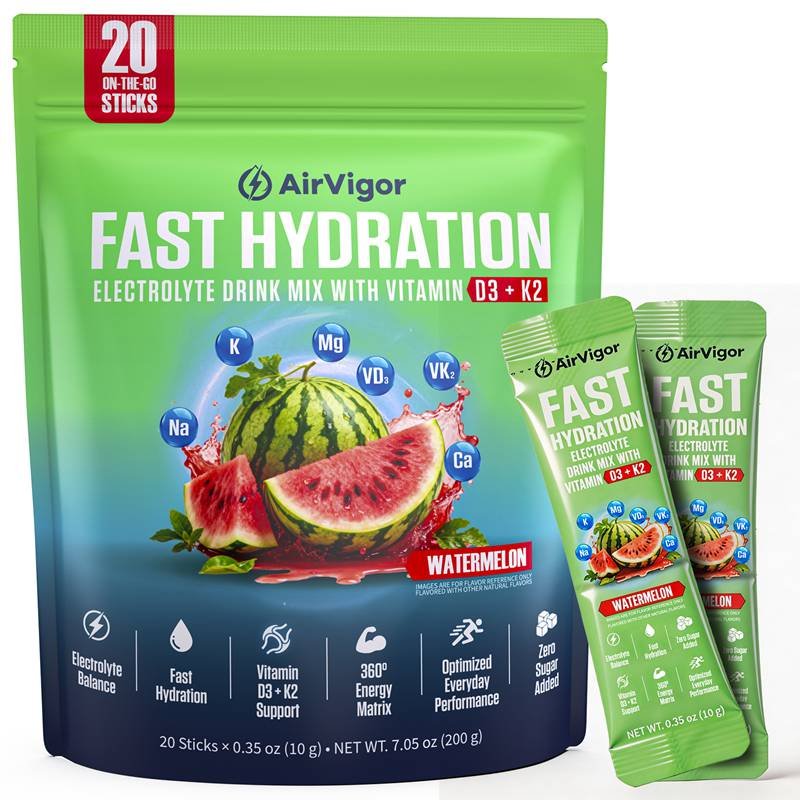
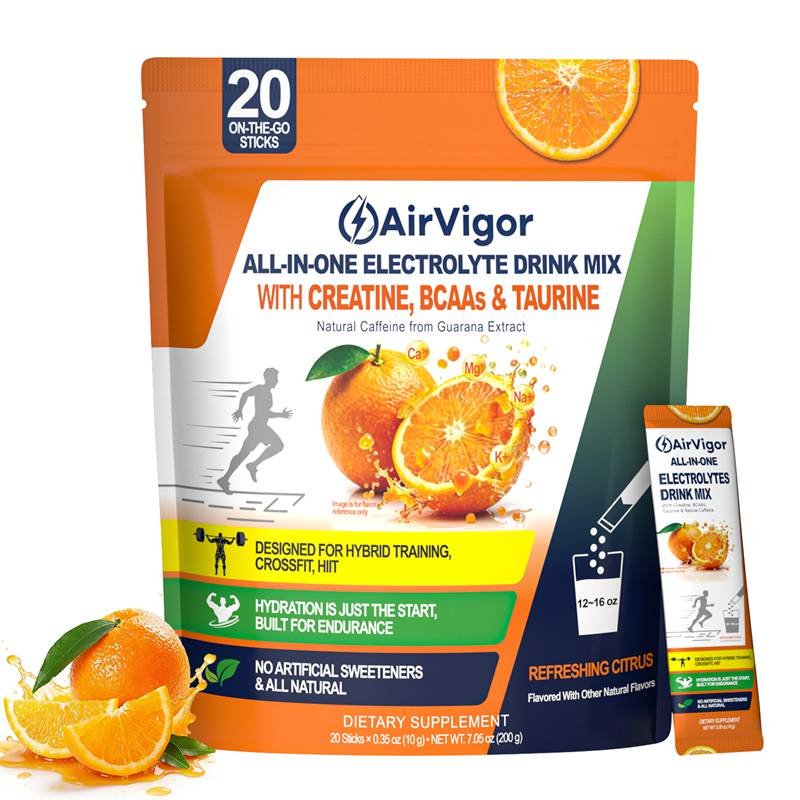
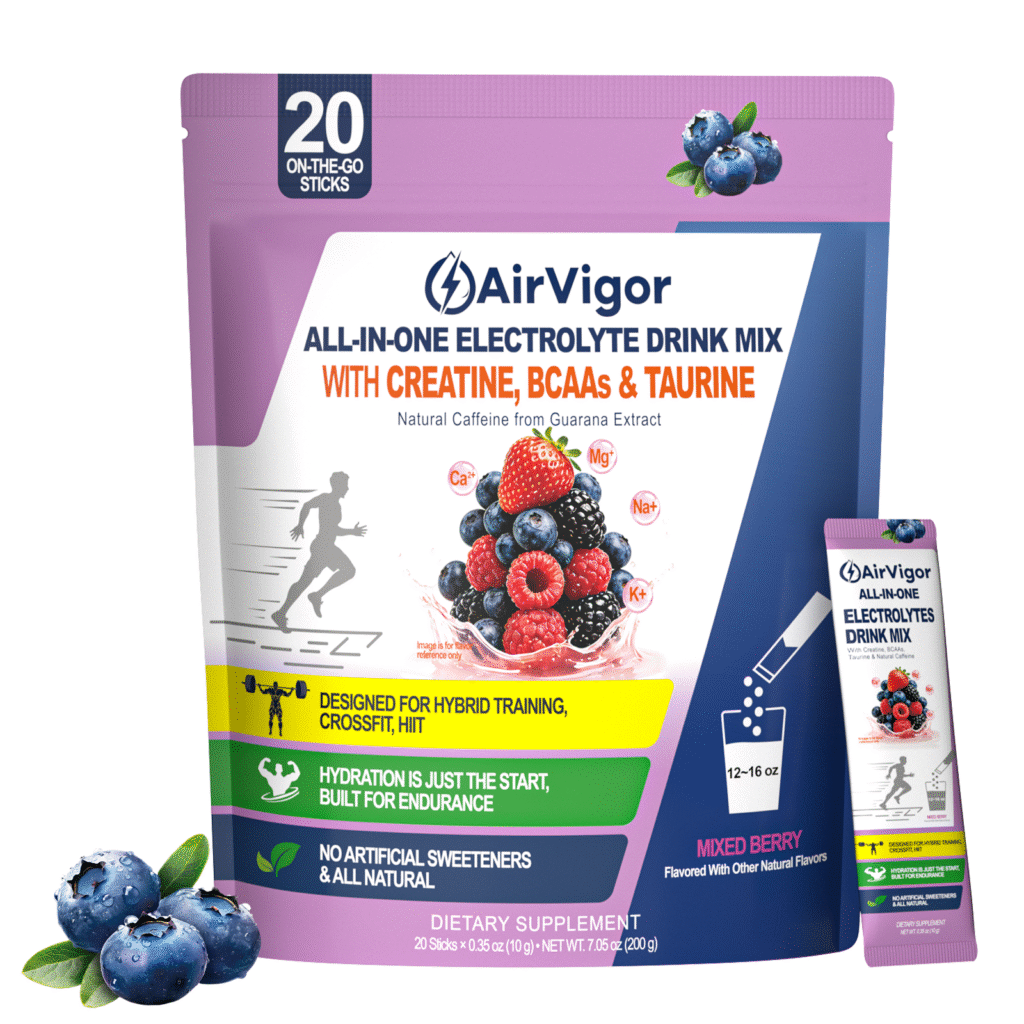
AirVigor can support both finished branded products and private-label or custom formulation projects. The strongest hydration products are the ones that solve a real use problem clearly, and that is exactly where a well-positioned electrolyte formula can create stronger long-term value than a vague natural-hydration promise.