Skip to content
How Do You Build a Daily Hydration Routine with Electrolyte Powder : A Complete Guide

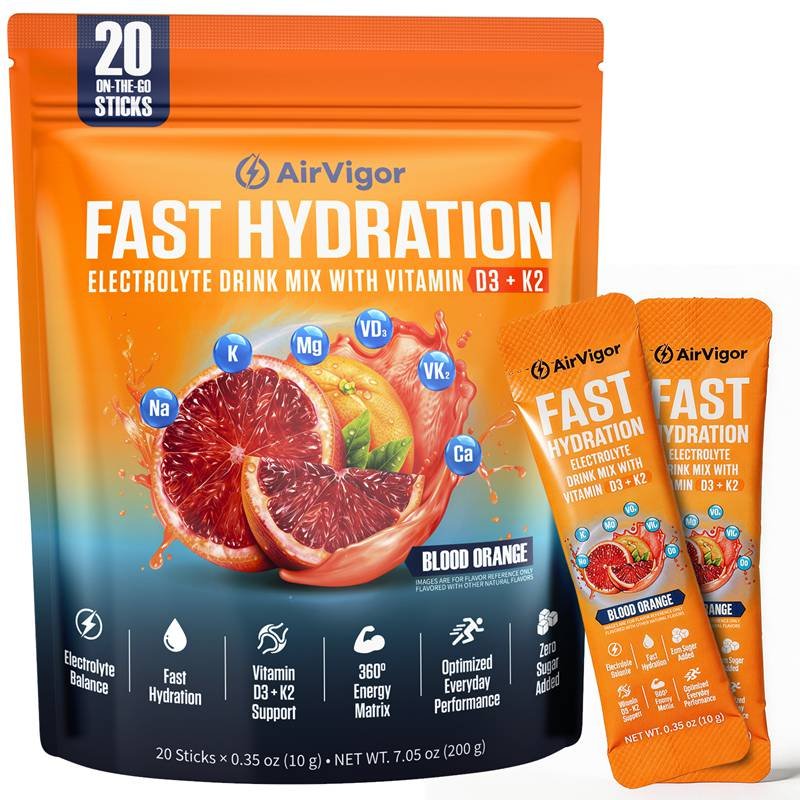
Electrolyte powder can fit a daily hydration routine, but not as a default rule for everyone. It makes more sense when the day includes heat, repeated sweating, illness-related fluid loss, long active hours, or another reason the body may be losing both fluid and minerals instead of fluid alone. MD Anderson points to prolonged sweating, vomiting, diarrhea, and long exposure to extreme heat as some of the clearest situations where electrolyte drinks become more useful.
How Should You Use Electrolyte Powder for Daily Hydration: A Comprehensive Guide

Electrolyte powder can support daily hydration, but it is not something everyone automatically needs every day. It usually makes more sense when your routine includes heat, heavy sweating, illness, long active hours, or another reason your body may be losing both fluid and minerals instead of fluid alone. MD Anderson highlights exactly those situations, including vomiting, diarrhea, prolonged sweating, and extended heat exposure. On many ordinary days, water and a balanced diet are enough. That is why smart daily use is really about context, serving size, and formula fit, not about turning every bottle of water into a sports drink.
Can You Drink Electrolytes Without Exercise: What You Should Know

Electrolytes used to be discussed almost only in the context of sports. Now they show up in office drawers, travel bags, kitchen cabinets, and daily hydration routines. That shift is not hard to understand. A lot of people feel drained on hot days, after flights, during stomach bugs, or after long hours outdoors, even when they have not done any formal exercise. Harvard’s Nutrition Source notes that electrolyte beverages were first designed for athletes training hard in heat, but the category later expanded to a much wider audience, including people simply looking for better hydration support. That broader use is exactly why the topic needs a more careful explanation.
How Electrolytes Support Daily Hydration and Fluid Balance

Most people do not wake up thinking about electrolyte balance. They think about feeling tired, dry, flat, puffy, foggy, or strangely thirsty even after drinking water. That is why daily hydration has become a much more interesting topic than it used to be.
What Happens When You Lack Electrolytes: A Complete Guide

A lot of people think they are hydrated because they drink water all day. But hydration is not just about how much water you drink. It is also about whether your body has enough minerals to hold, move, and use that water correctly.
What Happens When You Lack Electrolytes: A Complete Guide
What Is Electrolyte Imbalance: A Complete Guide
Electrolyte imbalance means the level of one or more key electrolytes in the body is too low or too high. That imbalance can affect how water moves through the body, how muscles contract, how nerves send signals, and how steady your energy feels. It can happen from sweating, illness, low food intake, drinking only water, or simply going through a demanding day without replacing what your body has lost.
What Is Hydration: A Complete Guide
Most people think hydration is simple: drink water, feel better, move on. In real life, it is more complicated than that. A person can carry a large bottle all day and still feel tired, flat, cramp-prone, or unusually drained after training or heat exposure.