Skip to content
A lot of people think they have a “water problem” when they actually have a fluid balance problem. They drink more water, carry a bottle everywhere, and still end up tired, lightheaded, crampy, or mentally flat by the middle of the day. That gap matters. Your body does not run on water alone. It runs on water that is properly balanced with minerals like sodium, potassium, magnesium, and calcium. When that balance shifts too far in either direction, normal things start feeling harder than they should. A workout feels unusually heavy. A long afternoon feels draining. Recovery takes longer. Even focus can feel less stable.
Electrolyte imbalance means the level of one or more key electrolytes in the body is too low or too high. That imbalance can affect how water moves through the body, how muscles contract, how nerves send signals, and how steady your energy feels. It can happen from sweating, illness, low food intake, drinking only water, or simply going through a demanding day without replacing what your body has lost.
What makes this topic worth paying attention to is that the early signs are easy to dismiss. Many people call it “just tired,” “just stress,” or “just a bad training day.” But when the same symptoms keep repeating, there is usually a reason. And once you understand how electrolyte imbalance works, you can often spot the pattern much earlier and make better decisions about hydration, recovery, and product choice.
What Is Electrolyte Imbalance
Electrolyte imbalance is a condition where the levels of key minerals in your body are no longer aligned with your actual fluid needs. This doesn’t only happen in extreme situations—it often develops gradually through daily habits like sweating, irregular eating, or drinking mostly plain water. When this balance shifts, your body may still have enough fluid, but that fluid is no longer being used efficiently, which affects energy, muscle function, and overall stability.
What Does Electrolyte Imbalance Really Mean
Electrolyte imbalance is not just about “low electrolytes.” It’s about how well your body maintains balance between fluids and minerals.
Your body relies on several key electrolytes:
| Electrolyte | What It Helps With | What You Feel When It’s Off |
|---|---|---|
| Sodium | Fluid balance, blood volume | Fatigue, dizziness, weak hydration |
| Potassium | Muscle & nerve signals | Weakness, cramping |
| Magnesium | Muscle relaxation, recovery | Tightness, poor recovery |
| Calcium | Muscle contraction | Reduced control, fatigue |
These minerals work together to control how water moves through your body. Without them, water alone cannot maintain proper hydration.
A practical way to understand it:
- Water = volume
- Electrolytes = control system
If the control system is off, the volume doesn’t work properly.
This is why someone can drink a lot of water and still feel:
- tired
- lightheaded
- physically “off”
- unable to maintain performance
What Causes Electrolyte Imbalance in Real Life
Most people don’t develop electrolyte imbalance from a single extreme event. It usually comes from repeat patterns in daily life.
Here are the most common real-world causes:
| Situation | What Actually Happens |
|---|---|
| Sweating (exercise, heat) | Loss of sodium and fluid |
| Drinking mostly water | Dilution of sodium levels |
| Low food intake | Reduced electrolyte intake |
| Skipping meals | Less sodium and potassium consumed |
| Low-carb diets | Increased sodium loss through urine |
| Long workdays | Irregular hydration and nutrition |
One important point many people miss:
You don’t need to sweat heavily to develop imbalance
You just need to be slightly off for several days in a row
For example:
- Morning coffee (mild fluid loss)
- Light meals (low sodium intake)
- Afternoon fatigue → more coffee
- Evening workout → sweat loss
- Water only → no electrolyte replacement
This pattern is extremely common, and over time it creates a slow imbalance.
Which Electrolyte Imbalance Matters Most for Daily Life
In everyday situations, especially those involving sweating or fatigue, sodium imbalance is usually the most noticeable driver.
Why sodium matters:
- It helps maintain blood volume
- It supports fluid retention
- It affects how hydrated you actually feel
Research shows that sodium loss in sweat typically ranges from:
400–1000 mg per hour
In some individuals, even higher under heat stress
This explains why two people can follow the same hydration routine but feel completely different.
Here’s a simple comparison:
| Scenario | Likely Outcome |
|---|---|
| Low sweat + normal diet | Usually balanced |
| Moderate sweat + water only | Gradual imbalance |
| Heavy sweat + no replacement | Fast performance drop |
Potassium and magnesium also matter, but their effects tend to show more in:
- muscle function
- recovery quality
- cramp tendency
Sodium, on the other hand, directly affects how your whole system feels in real time.
What Most People Get Wrong About Electrolyte Imbalance
Many customers misunderstand electrolyte imbalance because the symptoms don’t look extreme. They often assume:
- “I just need more water”
- “I’m just tired”
- “It’s probably stress”
But in many cases, the issue is not effort—it’s mismatch.
Here are common misunderstandings:
| Misunderstanding | What’s Actually Happening |
|---|---|
| Drinking more water will fix it | Water without electrolytes may not help |
| Only athletes need electrolytes | Daily routines can also create imbalance |
| Symptoms must be severe to matter | Mild imbalance still affects performance |
The biggest mistake is waiting for obvious symptoms.
In reality, electrolyte imbalance often shows up as:
- reduced energy consistency
- slower recovery
- lower training output
- subtle but repeated fatigue
What Electrolyte Imbalance Means for You
From a customer perspective, electrolyte imbalance is not about numbers—it’s about how your body feels during real situations.
You might notice it when:
- your workout starts strong but drops off quickly
- your afternoon energy crashes even after drinking water
- you feel “off” without a clear reason
- your recovery feels slower than expected
These are not random experiences. They are often connected to how well your body is maintaining internal balance.
How Electrolyte Imbalance Works
Electrolyte imbalance affects how your body absorbs, holds, and uses water, which directly impacts energy levels, muscle performance, and overall physical stability. When electrolyte levels are off, your body may still have enough fluid, but that fluid is not working effectively where it’s needed—leading to fatigue, weakness, and reduced performance.
How Electrolyte Imbalance Affects Hydration
Hydration is not just about how much water you drink—it’s about how much your body can actually retain and use.
Electrolytes, especially sodium, help control where water goes in your body. They regulate fluid balance between your bloodstream and your cells.
When sodium levels are too low for your activity level:
- water passes through your system too quickly
- blood volume may drop
- hydration feels “ineffective”
This is why people often experience:
- frequent urination without feeling hydrated
- bloating after drinking water
- thirst that doesn’t fully go away
- energy dropping even with high water intake
A simple comparison:
| Hydration Type | What Happens in the Body |
|---|---|
| Water only | Fluid enters but is not well retained |
| Water + electrolytes | Fluid is absorbed and stays in circulation |
For people who sweat, this becomes more important. Sweat contains electrolytes, not just water.
Typical sodium loss:
- Light sweating: ~300–500 mg/hour
- Moderate sweating: ~500–800 mg/hour
- Heavy sweating: ~800–1500+ mg/hour
This means that after a 60-minute workout, you may lose more sodium than most diets replace immediately.
If that loss is not replaced, hydration quality drops—even if fluid intake looks sufficient.
How Electrolyte Imbalance Affects Muscles
Muscles rely on electrical signals to contract and relax. These signals depend on a balance of sodium, potassium, calcium, and magnesium.
When electrolyte levels are off, the signal becomes less efficient.
What this feels like in real life:
- muscles fatigue earlier than expected
- strength output feels inconsistent
- cramping risk increases (especially later in activity)
- movements feel less controlled
A key pattern many people notice:
The first part of a workout feels normal
The second half feels significantly harder
This is often linked to gradual electrolyte depletion, not just muscle fatigue.
Here’s how different electrolytes affect muscle function:
| Electrolyte | Role in Muscles | What You Notice |
|---|---|---|
| Sodium | Initiates contraction signals | Weak or delayed activation |
| Potassium | Supports nerve transmission | Reduced coordination |
| Magnesium | Helps muscles relax | Tightness, cramping |
| Calcium | Controls contraction force | Reduced strength output |
Important point:
Not all cramps are caused by electrolyte imbalance—but imbalance increases the likelihood, especially in heat or long-duration activity.
How Electrolyte Imbalance Affects Energy
Electrolyte imbalance often shows up as unstable energy, not just low energy.
This is one of the most overlooked signals.
Instead of feeling “sleepy,” people often feel:
- drained but alert
- mentally foggy
- unable to sustain effort
- inconsistent in performance
Why this happens:
Electrolytes influence several key systems tied to energy:
- blood circulation → affects oxygen delivery
- nerve signaling → affects coordination and focus
- fluid balance → affects overall physical stability
When these are slightly off, the body has to work harder to maintain the same output.
That leads to:
- faster fatigue
- reduced endurance
- more noticeable energy dips
A common real-world pattern:
| Time / Situation | What You Feel | Possible Cause |
|---|---|---|
| Morning | Normal | Balanced state |
| Midday | Energy drop | Fluid + electrolyte shift |
| Workout (early) | Strong start | Fresh state |
| Workout (later) | Sudden fatigue | Electrolyte depletion |
This is why many people describe it as:
“I hit a wall”
“My energy just disappeared”
It’s not always about effort—it’s often about internal balance.
Why Small Imbalances Feel Big
One important thing to understand is that electrolyte imbalance doesn’t need to be extreme to be noticeable.
Even small shifts can affect how you feel.
Because electrolytes are involved in:
- hydration
- muscle function
- nerve signals
A slight imbalance can create:
- lower performance
- slower recovery
- reduced comfort
This is why many people don’t realize what’s happening. The symptoms are not dramatic—but they are consistent.
You may not feel “sick,” but you also don’t feel fully functional.
What This Means for Daily Life and Training
From a practical perspective, electrolyte imbalance is less about extreme cases and more about consistency.
If your routine includes:
- regular sweating
- busy workdays
- inconsistent meals
- reliance on water alone
then your body may frequently move in and out of optimal balance.
Here’s a simple way to think about it:
| Routine Type | Likely Hydration Outcome |
|---|---|
| Low activity + regular meals | Usually stable |
| Moderate activity + water only | Mild imbalance over time |
| High activity + no electrolyte strategy | Noticeable performance drop |
The goal is not to overcomplicate hydration.
The goal is to match your intake with your actual output.

What Electrolyte Imbalance Feels Like
Electrolyte imbalance rarely shows up as something obvious at first. It usually feels like a collection of small issues that don’t seem connected—low energy, mild headaches, reduced focus, or a workout that just doesn’t go as planned. The problem is not that these symptoms are severe, but that they repeat. Over time, they start affecting how stable your energy feels, how well you perform, and how quickly you recover.
What Are Early Electrolyte Imbalance Signs
In the early stage, electrolyte imbalance often feels like something you can ignore.
Most people notice subtle changes like:
- feeling more tired than usual in the afternoon
- slight headaches that come and go
- mild dizziness when standing up quickly
- reduced focus during long work periods
- feeling “off” without a clear reason
These symptoms are easy to dismiss because they overlap with normal daily fatigue. But the difference is consistency.
For example:
| Pattern | What It Suggests |
|---|---|
| Happens occasionally | Likely normal fatigue |
| Happens most days | Possible fluid/electrolyte imbalance |
| Improves after eating or drinking | Strong hydration-related signal |
Another common sign is thirst that doesn’t fully go away, even after drinking water. This often indicates that fluid intake alone is not enough to restore balance.
A useful self-check:
Do you feel better after adding food or electrolytes—not just water?
If yes, that’s a strong clue your body needed more than fluid.
Which Electrolyte Imbalance Symptoms Are Most Common
As imbalance becomes more noticeable, symptoms tend to become more specific and easier to recognize.
Here are the most commonly reported experiences:
| Symptom | How It Feels in Real Life |
|---|---|
| Fatigue | Energy drops faster than expected |
| Muscle cramps | Tightness during or after activity |
| Headaches | Often linked to heat or dehydration |
| Brain fog | Slower thinking, reduced clarity |
| Dizziness | Especially when standing or moving quickly |
| Weakness | Lower strength or endurance |
One important pattern:
These symptoms often show up during transition points
- mid-afternoon
- halfway through a workout
- after sweating
- after long periods without eating
This timing matters because it reflects when your body is moving out of balance.
Another useful detail:
fatigue linked to electrolyte imbalance often feels different from sleepiness.
| Type of Fatigue | How It Feels |
|---|---|
| Sleep-related | Heavy, slow, want to rest |
| Electrolyte-related | Drained, unstable, hard to sustain effort |
This is why many people describe it as:
- “I feel tired but not sleepy”
- “I just don’t feel stable”
How Electrolyte Imbalance Shows Up During Exercise
Exercise is where electrolyte imbalance becomes much easier to notice.
A very common experience:
- first 10–15 minutes feel normal
- performance starts to drop earlier than expected
- muscles feel heavier
- pacing becomes harder to maintain
This is often linked to ongoing electrolyte loss through sweat.
Typical sodium loss during exercise:
- ~500–800 mg per hour (average range)
- can exceed 1000 mg per hour in heavy sweaters
If this loss is not replaced, the body gradually shifts out of balance.
Here’s how it usually plays out:
| Stage | What You Feel |
|---|---|
| Start | Strong, stable |
| Mid-session | Slight drop in energy |
| Later | Noticeable fatigue, reduced output |
This is why people often say:
“I started strong but couldn’t finish at the same level”
It’s not always about conditioning—it’s often about what was lost during the session.
How Electrolyte Imbalance Affects Mental Clarity
Electrolyte imbalance doesn’t just affect the body—it also affects how your brain feels.
Common mental effects include:
- difficulty focusing for long periods
- slower reaction time
- feeling mentally “flat”
- reduced motivation to continue tasks
This is especially noticeable in:
- long work sessions
- decision-heavy tasks
- late-day productivity
One reason is that fluid balance affects circulation and nerve signaling, which directly impacts brain function.
A simple way to recognize it:
You are awake, but not sharp
Many people respond by increasing caffeine intake, which can sometimes make the problem worse if hydration and electrolytes are not addressed.
When Electrolyte Imbalance Becomes More Noticeable
If imbalance continues over time, symptoms tend to become more frequent and harder to ignore.
You may start noticing:
- recurring muscle tightness
- more frequent headaches
- lower tolerance for heat
- reduced recovery between workouts
- energy fluctuations throughout the day
At this stage, the issue is no longer occasional—it becomes part of your daily experience.
A simple progression:
| Stage | Experience |
|---|---|
| Early | Occasional fatigue or headache |
| Moderate | Repeated energy drops, cramps |
| Ongoing | Daily instability, reduced performance |
The key difference is not severity—it’s frequency.
How to Tell If It’s Electrolyte Imbalance or Something Else
Because symptoms overlap with other issues, it helps to look at patterns rather than single signs.
Here’s a practical comparison:
| Situation | More Likely Cause |
|---|---|
| Improves after sleep | Sleep-related fatigue |
| Improves after food | Energy/nutrition issue |
| Improves after fluids + electrolytes | Hydration imbalance |
Another strong indicator is timing + environment:
- Happens more in heat → likely sweat-related
- Happens during workouts → likely fluid/electrolyte loss
- Happens during long workdays → likely intake imbalance
The goal is not perfect diagnosis.
The goal is identifying whether hydration and electrolyte support could improve how you feel.
What This Means for You
From a customer perspective, electrolyte imbalance is not about extreme symptoms—it’s about how consistent your body feels day to day.
You might not feel “sick,” but you may notice:
- your energy isn’t stable
- your workouts are inconsistent
- your recovery feels slower
- your focus drops more easily
These are the signals most people care about.
What Electrolyte Imbalance Myths Mislead You
Most people don’t ignore hydration—they misunderstand it. They believe they are doing the right things: drinking more water, choosing “sports drinks,” or assuming electrolytes only matter during intense workouts. But these habits often don’t fix the real problem. In many cases, they slowly push the body further out of balance without realizing it.
Is Water Enough for Electrolyte Imbalance
Drinking more water is the most common advice people follow—and the most common reason they still feel off.
Water replaces fluid volume, but it does not replace what your body actually loses during the day, especially sodium.
Here’s what happens in real life:
- You drink a large amount of water
- Sodium levels become relatively diluted
- Fluid moves through your body quickly
- You urinate more, but don’t feel better
This leads to a pattern many people recognize:
- frequent bathroom trips
- persistent thirst
- feeling bloated but not hydrated
- energy still dropping
A simple breakdown:
| Habit | Result |
|---|---|
| Drinking water only | Replaces fluid, not balance |
| Drinking water + electrolytes | Supports retention and stability |
For people who sweat, this gap becomes larger.
Average sodium loss through sweat:
- 400–800 mg per hour (moderate sweating)
- can exceed 1000 mg per hour in hot conditions
If you replace only water, you are gradually shifting your body toward imbalance.
A practical example:
- 60-minute workout → ~700 mg sodium lost
- Post-workout → water only
- Result → fluid volume restored, but balance still off
This is why many people say:
“I hydrate a lot, but I still feel drained after workouts”
Are Electrolyte Imbalance Issues Only for Athletes
Many people assume electrolytes are only necessary for athletes or high-intensity training. In reality, everyday routines can create the same imbalance—just more slowly.
Here are common non-athletic situations:
| Daily Scenario | What Happens |
|---|---|
| Long workdays | Low fluid + low electrolyte intake |
| Travel (flights, driving) | Dehydration + irregular meals |
| High caffeine intake | Increased fluid loss |
| Low-carb diets | Increased sodium excretion |
| Hot environments | Passive sweating throughout the day |
Even without formal exercise, your body is constantly losing fluid and electrolytes.
For example:
- Sitting in an air-conditioned office → gradual dehydration
- Drinking coffee → mild fluid loss
- Skipping meals → reduced sodium intake
Individually, these don’t feel significant. Combined, they create a steady imbalance.
A common real-life pattern:
| Time of Day | What Happens |
|---|---|
| Morning | Coffee, minimal hydration |
| Midday | Light meals, low sodium intake |
| Afternoon | Fatigue, reduced focus |
| Evening | Workout or activity → sweat loss |
This is why many non-athletes experience:
- daily energy dips
- headaches
- reduced mental clarity
Electrolyte imbalance is not just a training issue—it’s a routine issue.
Do All Electrolyte Imbalance Drinks Work
Many products labeled as “electrolyte drinks” are designed for taste and convenience, not for actually correcting imbalance.
The biggest difference is sodium content.
| Product Type | Sodium Level | Real Impact |
|---|---|---|
| Flavored sports drinks | ~100–200 mg | Minimal replacement |
| Functional electrolyte formulas | ~200–500+ mg | Meaningful support |
If sodium levels are too low, the product may not significantly affect hydration—especially after sweating.
Another key difference is formulation purpose:
| Focus | What You Get |
|---|---|
| Flavor-focused drinks | Refreshing, but limited functional effect |
| Functional hydration formulas | Designed to support fluid balance |
Some drinks also contain:
- high sugar levels
- artificial ingredients
- low electrolyte density
These may increase fluid intake but don’t always improve how your body uses that fluid.
A simple way to evaluate:
Ask: “Does this help me feel more stable, or just more refreshed?”
Do You Only Need Electrolytes After Exercise
Another common misunderstanding is that electrolytes are only needed after sweating heavily.
In reality, imbalance can start before you even begin activity.
If your baseline is already off:
- you start workouts under-hydrated
- performance drops earlier
- fatigue builds faster
This explains a common experience:
“I felt off from the start today”
It’s not always about what happened during the workout—it’s about what happened before it.
Electrolytes can be useful at different times:
| Timing | Why It Matters |
|---|---|
| Morning | Restores overnight fluid balance |
| Before activity | Prepares hydration status |
| During activity | Maintains stability |
| After activity | Supports recovery |
Many people only react after symptoms appear. But better results usually come from maintaining balance consistently.
What Most People Miss About Electrolyte Imbalance
The biggest misunderstanding is not about products—it’s about how imbalance actually develops.
Most people expect:
- a sudden problem
- a clear signal
- a single cause
But in reality, electrolyte imbalance is usually:
- gradual
- subtle
- built from small daily habits
Here’s how it often develops:
| Step | What Happens |
|---|---|
| Day 1 | Slight dehydration, low intake |
| Day 2 | Continued imbalance, mild fatigue |
| Day 3 | Energy drops, performance affected |
| Day 4+ | Symptoms feel “normal” |
At this point, people don’t notice the imbalance—they adjust to it.
This is why many customers say:
- “I thought this was just how I feel every day”
- “I didn’t realize it was hydration-related”
What This Means for You
From a practical standpoint, electrolyte imbalance is not about doing more—it’s about doing the right things consistently.
The most important shifts are:
- understanding that water alone is not always enough
- recognizing that daily routines affect balance
- choosing products that match real needs, not just labels

How to Know Your Electrolyte Imbalance Risk
Most people don’t realize they have an electrolyte imbalance because the signs are not dramatic. It usually shows up as patterns—energy drops, inconsistent performance, or feeling off during certain parts of the day. The key is not to look for a single symptom, but to look for repeating signals tied to your routine, environment, and habits.
How to Check Electrolyte Imbalance at Home
You don’t need lab tests to get a good first indication. Your body gives clear signals if you know where to look.
1. Urine Color Check (Simple but Effective)
| Color | What It Usually Means |
|---|---|
| Pale yellow | Balanced hydration |
| Dark yellow | Dehydration likely |
| Completely clear | Possible overhydration (low electrolyte concentration) |
If your urine is consistently clear but you still feel tired or weak, this may suggest you are drinking enough water but not maintaining electrolyte balance.
2. Energy Stability Check
Ask yourself:
- Do you feel stable energy from morning to afternoon?
- Or do you crash at predictable times (midday, mid-workout)?
Electrolyte imbalance often shows up as unstable energy, not just low energy.
| Pattern | Possible Meaning |
|---|---|
| Energy steady all day | Likely balanced |
| Sharp afternoon drop | Fluid/electrolyte shift |
| Good start, poor finish (workout) | Electrolyte depletion |
3. Sweat Awareness
Electrolyte needs vary a lot between individuals.
Signs you may lose more sodium:
- visible salt marks on clothes
- sweat stings your eyes
- heavy sweating within 15–20 minutes of activity
Typical sodium loss:
- 400–800 mg/hour (average)
- 800–1500+ mg/hour (heavy sweaters)
If you fall into the higher range, water alone is unlikely to keep you balanced.
Which Daily Habits Increase Electrolyte Imbalance Risk
Electrolyte imbalance is rarely caused by one thing—it’s usually the result of stacked habits.
Here are the most common ones:
| Habit | Risk Level | Why It Matters |
|---|---|---|
| Regular sweating (exercise or heat) | High | Ongoing sodium loss |
| Drinking only water | Medium–High | Dilution effect |
| Skipping meals | Medium | Low electrolyte intake |
| High caffeine intake | Medium | Increased fluid turnover |
| Low-carb diets | Medium | Increased sodium loss |
The key insight:
It’s not one habit—it’s the combination over time
A common real-life example:
| Time | Habit | Effect |
|---|---|---|
| Morning | Coffee, no food | Fluid loss + low sodium |
| Midday | Light meal | Low electrolyte intake |
| Afternoon | Fatigue → more caffeine | Further imbalance |
| Evening | Workout | Sweat loss |
| After | Water only | No electrolyte replacement |
By the end of the day, the body is clearly out of balance—even though nothing extreme happened.
Do You Need Electrolyte Support
Instead of guessing, use this quick checklist.
You are more likely to benefit from electrolyte support if you:
- feel tired even when you drink enough water
- experience energy drops during the day
- notice performance decline during workouts
- sweat regularly (exercise, heat, or work)
- occasionally get muscle cramps or tightness
- follow low-carb or fasting routines
If 2–3 or more apply consistently, your body is likely not maintaining optimal balance.
When Electrolyte Imbalance Is Most Likely to Happen
Timing matters. Electrolyte imbalance tends to show up in specific situations.
| Situation | Why Risk Increases |
|---|---|
| Hot weather | Passive sweating increases loss |
| Long workdays | Low intake + fatigue |
| Travel | Dehydration + irregular meals |
| Workouts (45–90 min) | Ongoing electrolyte loss |
| Low-carb dieting | Increased sodium excretion |
These are the moments when people usually feel:
- more tired than expected
- less focused
- physically weaker
Not because they lack effort—but because their internal balance is off.
How to Tell If It’s Electrolytes
Because symptoms overlap with other issues, patterns matter more than single signs.
Use this quick comparison:
| If It Improves After… | Likely Cause |
|---|---|
| Sleep | Sleep-related fatigue |
| Food | Energy / calorie issue |
| Water only | Mild dehydration |
| Electrolytes + fluids | Electrolyte imbalance |
Another strong indicator:
Symptoms linked to heat, sweating, or long days
Improve after hydration with electrolytes
What Most People Miss About Risk
The biggest mistake is thinking electrolyte imbalance is an “extreme condition.”
In reality:
- it often builds gradually
- it feels normal after a while
- it becomes part of your daily baseline
A typical progression:
| Stage | What You Feel |
|---|---|
| Early | Occasional fatigue |
| Middle | Repeated energy drops |
| Ongoing | Daily instability |
At this point, people don’t think something is wrong—they think:
“This is just how I feel”
How Electrolyte Imbalance Connects to AirVigor
Electrolyte imbalance doesn’t show up the same way for everyone. Some people struggle with daily fatigue, others lose performance during workouts, and some notice slower recovery. The key is that different types of imbalance require different types of support.
Instead of using one generic electrolyte product for every situation, AirVigor is designed around how imbalance actually happens in real life—during daily routines, training sessions, and recovery phases.
Which AirVigor Product Fits Your Situation
Choosing the right product becomes much easier when you match it to when and how imbalance occurs.
| Your Situation | What Your Body Needs | Recommended Product |
|---|---|---|
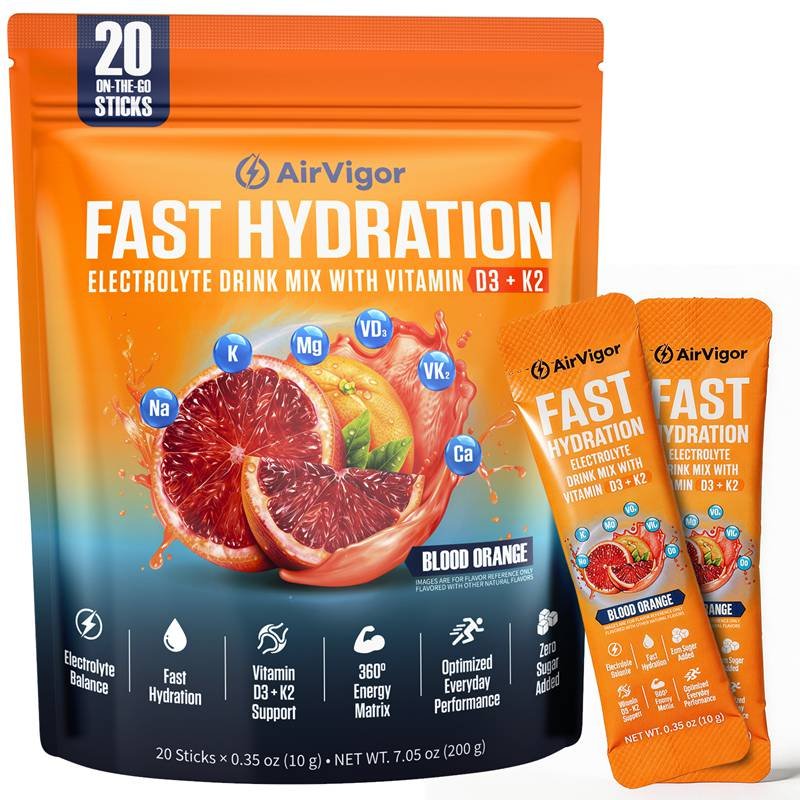
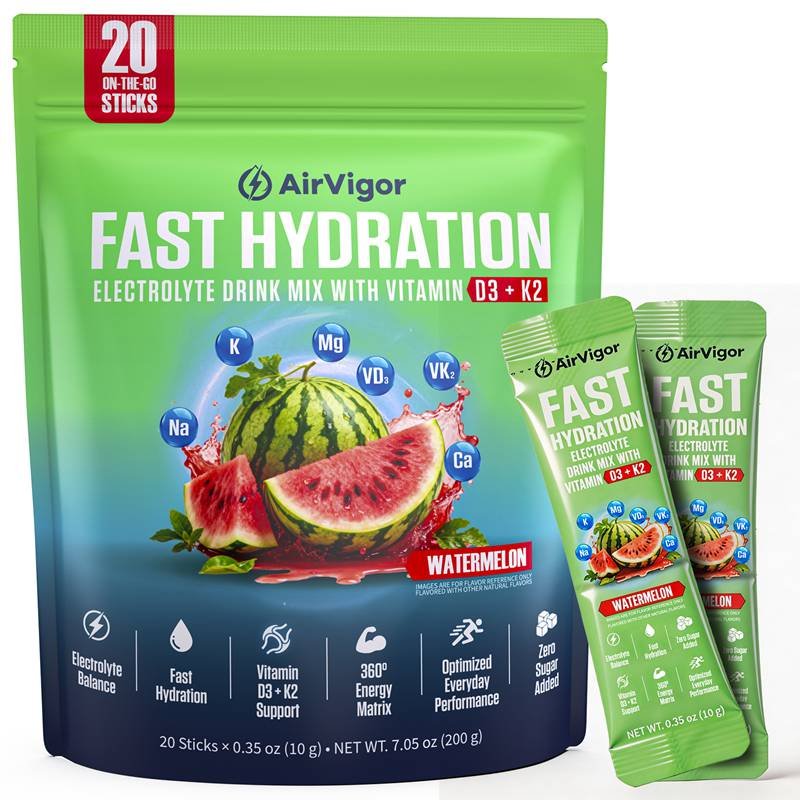
| Long workdays, travel, daily fatigue | Stable hydration, better fluid balance | Hydration Electrolytes |
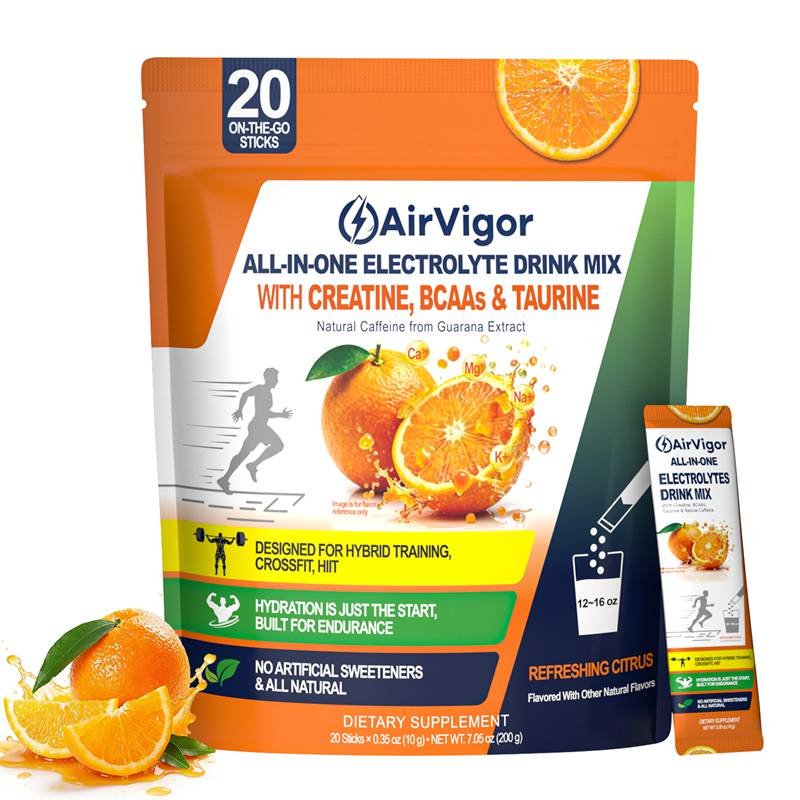
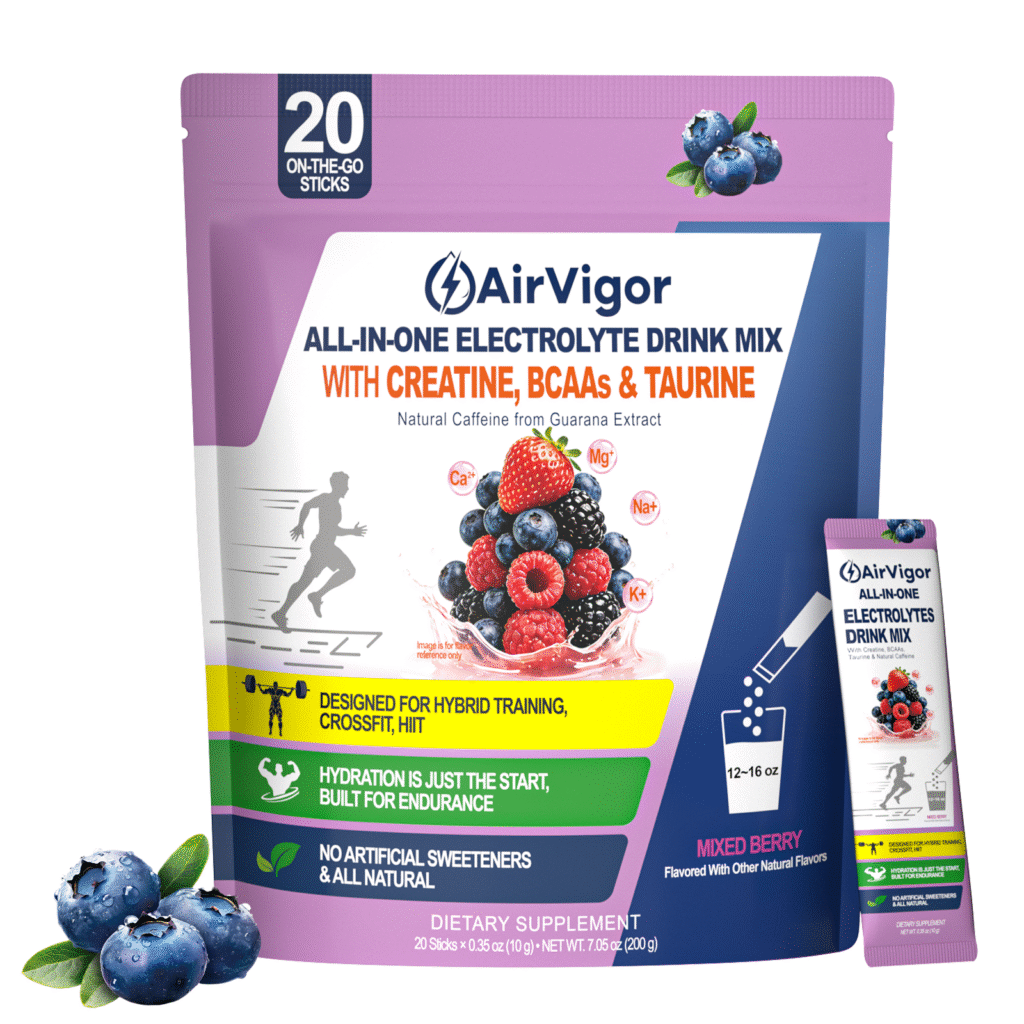
| Workouts, sweating, performance drop | Hydration + energy support | Creatine Electrolyte |
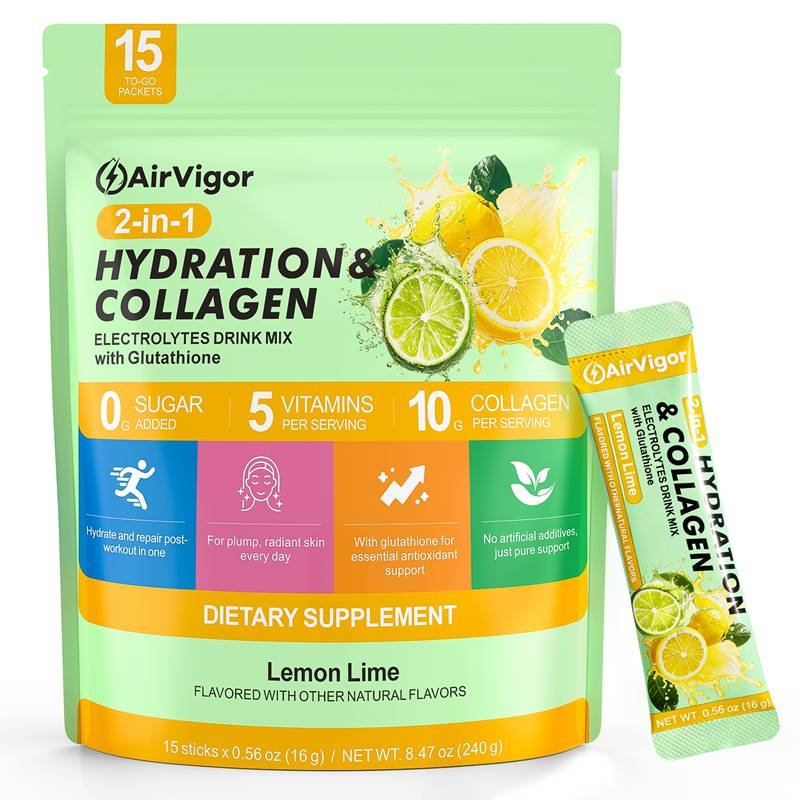
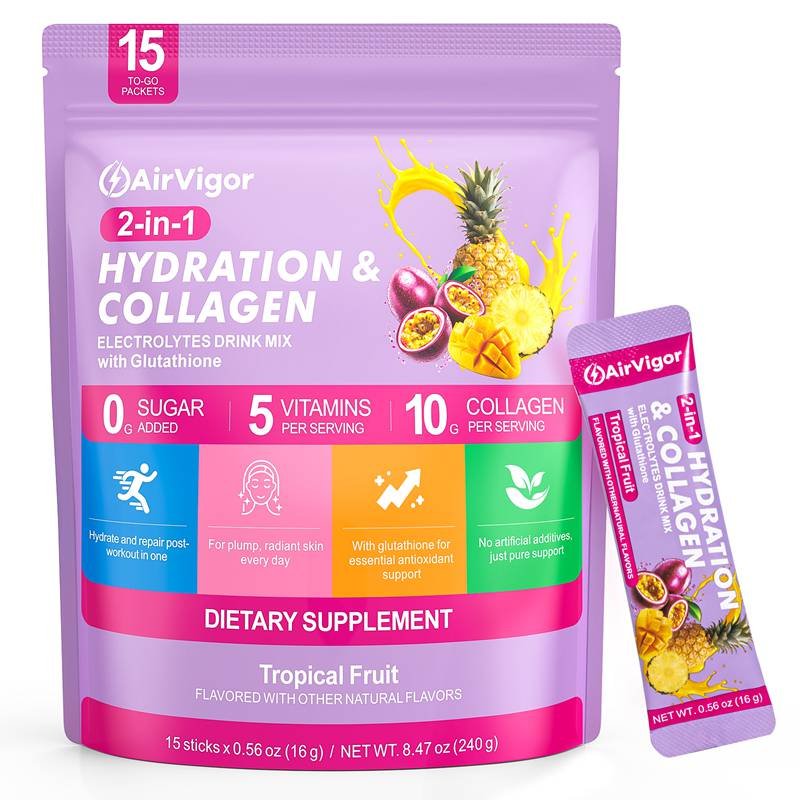
| Recovery, joint support, daily wellness | Hydration + structural repair | Collagen Electrolytes |
This structure removes guesswork. Instead of asking “Which one is better?”, the better question is:
“Which one matches what I’m actually doing every day?”
How Hydration Electrolytes Support Daily Balance
This is the most straightforward use case—and the one most people underestimate.
Daily imbalance often comes from:
- inconsistent hydration
- low sodium intake from meals
- long hours without proper fluid balance
What this feels like:
- afternoon fatigue
- reduced focus
- light headaches
- unstable energy
Hydration Electrolytes are designed to support:
- baseline fluid balance
- more stable energy throughout the day
- better hydration efficiency (not just more water intake)
A common use pattern:
| Time | Why It Helps |
|---|---|
| Morning | Restores hydration after overnight loss |
| Midday | Prevents energy drop |
| Travel / long days | Maintains consistency |
For many users, the biggest difference is not “more energy,” but more stable energy.
How Creatine Electrolyte Supports Training Performance
Training is where electrolyte imbalance becomes very noticeable.
Typical pattern:
- strong start
- early fatigue
- performance drop mid-session
This often happens because:
- sodium is lost through sweat
- fluid balance shifts
- energy output becomes harder to maintain
Creatine Electrolyte combines two key elements:
- Creatine (2000 mg level commonly used in performance formulas) → supports ATP production
- Electrolytes → support hydration and muscle function
This combination matters because performance is not just about strength—it’s about maintaining output over time.
Here’s how users typically experience the difference:
| Without Support | With Creatine Electrolyte |
|---|---|
| Early fatigue | More consistent output |
| Drop in strength | More stable performance |
| Hard to finish strong | Better session endurance |
Best use timing:
- before training → supports initial performance
- during longer sessions → maintains balance
How Collagen Electrolytes Support Recovery
Recovery is often where imbalance is least obvious—but still very important.
After activity, your body needs:
- fluid balance restored
- nutrients delivered efficiently
- tissue support for repair
Collagen Electrolytes combine:
- collagen → supports joints, connective tissue, skin
- electrolytes → support hydration and nutrient transport
Why hydration matters in recovery:
- nutrients travel through fluids
- poor hydration slows delivery
- recovery becomes less efficient
Typical use scenarios:
| Situation | Benefit |
|---|---|
| Post-workout | Faster recovery support |
| Daily use | Joint comfort, long-term maintenance |
| Active lifestyle | Reduced stiffness |
Users often report:
- less next-day stiffness
- smoother recovery between sessions
- better overall physical comfort
How to Combine AirVigor Products Based on Your Routine
Some users only need one product. Others benefit from combining based on their daily structure.
A simple system:
| Time of Day | Product | Purpose |
|---|---|---|
| Morning | Hydration Electrolytes | Baseline hydration |
| Training | Creatine Electrolyte | Performance support |
| Evening / Recovery | Collagen Electrolytes | Repair + recovery |
This approach works well for people who:
- train regularly
- have physically demanding routines
- want consistent performance and recovery
The goal is not to overcomplicate—it’s to align support with real daily demand.
Why One Product Is Not Always Enough
A common mistake is expecting one product to solve all hydration and performance needs.
But in reality:
- daily hydration ≠ training performance
- training performance ≠ recovery
Each phase places different demands on the body:
| Phase | What Your Body Needs Most |
|---|---|
| Daily routine | Fluid balance |
| Training | Energy + hydration |
| Recovery | Repair + nutrient delivery |
That’s why a structured system often works better than a single solution.

Electrolyte Imbalance FAQ
Most people don’t struggle because they’ve never heard of electrolytes—they struggle because they’re unsure how to apply the information. Questions usually come down to three things: how much, how often, and whether it’s really necessary. This section focuses on those practical concerns so you can make decisions based on your own routine.
How Much Electrolytes Do You Actually Need
Electrolyte needs vary a lot depending on how much you sweat, how active you are, and what your daily routine looks like.
For sodium (the most important for hydration):
| Situation | Estimated Daily Sodium Need |
|---|---|
| Low activity (indoor lifestyle) | 1500–2300 mg |
| Moderate activity | 2000–3500 mg |
| High activity / sweating | 3000–6000+ mg |
Now compare that with sweat loss:
- Light sweating: ~300–500 mg/hour
- Moderate sweating: ~500–800 mg/hour
- Heavy sweating: ~800–1500+ mg/hour
This means:
A 60–90 minute workout can easily create a gap of 500–1200 mg sodium
If this gap is not replaced, hydration quality and performance can drop—even if you drink enough water.
Other electrolytes matter too:
| Electrolyte | Daily Range (General Use) |
|---|---|
| Potassium | ~2000–3500 mg |
| Magnesium | ~300–400 mg |
| Calcium | ~1000 mg |
Most people get some of these from food, but intake can vary widely depending on diet.
Can You Take Too Many Electrolytes
Yes—but for most people, the more common issue is too little, not too much.
That said, balance still matters.
Possible signs of overdoing electrolytes (especially sodium):
- bloating
- feeling “puffy”
- increased thirst
- mild stomach discomfort
This usually happens when:
- intake is high
- but activity level is low
- or fluid intake is not balanced
A simple guideline:
Match intake with output
| If You… | Then You Likely Need… |
|---|---|
| Sweat a lot | More electrolytes |
| Sit most of the day | Moderate intake |
| Drink large amounts of water | Some electrolyte support |
The goal is not maximum intake—it’s appropriate intake.
Do Electrolytes Help With Fatigue and Focus
Yes—but not in the same way as caffeine or stimulants.
Electrolytes don’t “boost” energy. They help your body maintain stable energy.
This is especially noticeable when fatigue is linked to:
- dehydration
- long work hours
- sweating
- inconsistent meals
Here’s how people usually experience the difference:
| Without Electrolytes | With Balanced Electrolytes |
|---|---|
| Energy drops quickly | Energy feels more stable |
| Hard to stay focused | Better concentration |
| More reliance on caffeine | Less need for stimulants |
A key point:
Electrolytes improve how your body functions, not just how it feels temporarily
This is why the effect is often described as:
- “more stable”
- “less up and down”
- “easier to get through the day”
When Should You Take Electrolytes
Timing can make a noticeable difference.
Instead of taking electrolytes randomly, it’s better to align them with your routine.
| Timing | Why It Works |
|---|---|
| Morning | Replaces overnight fluid loss |
| Before activity | Prepares hydration status |
| During activity | Maintains balance |
| After activity | Supports recovery |
For most people, two key moments matter most:
Morning → sets baseline
Midday / post-activity → prevents energy drop
A simple daily approach:
- Start the day with hydration support
- Adjust intake based on activity and sweating
Do You Need Electrolytes Every Day
Not always—but many people benefit from consistent use.
You are more likely to need daily electrolyte support if you:
- sweat regularly (exercise or heat)
- have a busy or physically demanding routine
- follow low-carb or fasting diets
- drink a lot of water but still feel fatigued
- experience frequent energy dips
If none of these apply, occasional use may be enough.
If several apply, daily use often provides more stable results.
Are Electrolytes Better Than Sports Drinks
It depends on what you need.
Traditional sports drinks are designed for:
- quick hydration
- taste and convenience
- short-term energy (often from sugar)
Functional electrolyte formulas are designed for:
- actual electrolyte replacement
- hydration efficiency
- sustained performance
Comparison:
| Feature | Sports Drinks | Functional Electrolytes |
|---|---|---|
| Sodium level | Low–moderate | Moderate–high |
| Sugar content | Often high | Usually low or controlled |
| Purpose | Refreshment | Hydration support |
If your goal is real hydration—especially during sweating—electrolyte-focused products are usually more effective.
What Happens If You Ignore Electrolyte Imbalance
Ignoring mild imbalance doesn’t cause immediate problems—but it often affects daily quality of life.
Over time, you may notice:
- more frequent fatigue
- reduced workout consistency
- slower recovery
- increased sensitivity to heat
- more reliance on caffeine
These are not dramatic symptoms, but they add up.
A typical progression:
| Stage | What You Experience |
|---|---|
| Early | Occasional tiredness |
| Middle | Repeated energy drops |
| Ongoing | Daily instability |
Many people don’t realize anything is wrong—they just adjust to feeling less than optimal.
What’s the Simplest Way to Get Started
You don’t need a complex plan.
Start with these steps:
- Pay attention to patterns (energy, workouts, hydration)
- Identify when you feel most off (time of day or activity)
- Add electrolyte support at those moments
- Adjust based on how your body responds
This approach works because it is based on your actual routine, not a generic rule.
Conclusion:
Electrolyte imbalance is not a rare condition—it’s something that quietly affects how people feel and perform every day. It shows up in ways that are easy to overlook:
- feeling tired even after drinking water
- losing energy halfway through a workout
- dealing with occasional cramps or headaches
- struggling to stay focused in the afternoon
What connects these experiences is not just hydration, but how well the body is managing fluid and minerals together.
A few key ideas to carry forward:
- Hydration is not just about drinking more—it’s about drinking smarter
- Electrolytes help your body use the water you already consume
- Small imbalances can have noticeable effects on energy and performance
- Daily habits matter just as much as intense workouts
For many people, improving electrolyte balance is one of the simplest ways to improve how their body feels throughout the day—without changing everything else in their routine.
Ready to Improve Your Electrolyte Balance with AirVigor
If you’ve recognized some of these patterns—fatigue, unstable energy, or performance drop-offs—the next step is choosing a solution that fits your actual routine.
AirVigor’s product system is designed to match different real-world needs:
- Hydration Electrolytes For daily fluid balance, especially during busy schedules, travel, or light activity
- Creatine Electrolyte Powder For training performance, helping support strength, endurance, and hydration stability
- Collagen Electrolytes For recovery and long-term support, combining hydration with structural benefits
Instead of relying on a single generic solution, you can choose a product based on how your body is actually being used—whether that’s daily life, training, or recovery.
For Individual Use
If your goal is to feel more stable, more consistent, and better supported throughout the day:
- Choose a product aligned with your activity level
- Use it consistently, not just when symptoms appear
- Pay attention to how your energy and recovery change over time
For Brands and Bulk Buyers (OEM / Custom Formulation)
If you are building or expanding a supplement line, electrolyte products offer strong market potential—especially when combined with functional ingredients.
AirVigor supports:
- Custom electrolyte formulations (hydration-focused, performance-focused, recovery-focused)
- Combination products (electrolytes + creatine, collagen, or amino blends)
- Flexible production options for different brand stages
This allows you to develop products that are not just labeled “electrolyte,” but designed around specific user needs and use scenarios.