Skip to content
What Is Better : Electrolyte Powder or Capsules?

Electrolyte powder is often the stronger choice when the goal is more deliberate rehydration, especially after sweating, in heat, or when fluid-plus-electrolyte intake needs to feel more substantial. Capsules often become the stronger choice when the priority is compactness, pre-portioned intake, and low-clutter convenience. The real decision usually depends less on format preference and more on whether the customer needs stronger hydration support or simpler supplement-style usability.
What Should You Look for in Electrolyte Powder : A Complete Guide

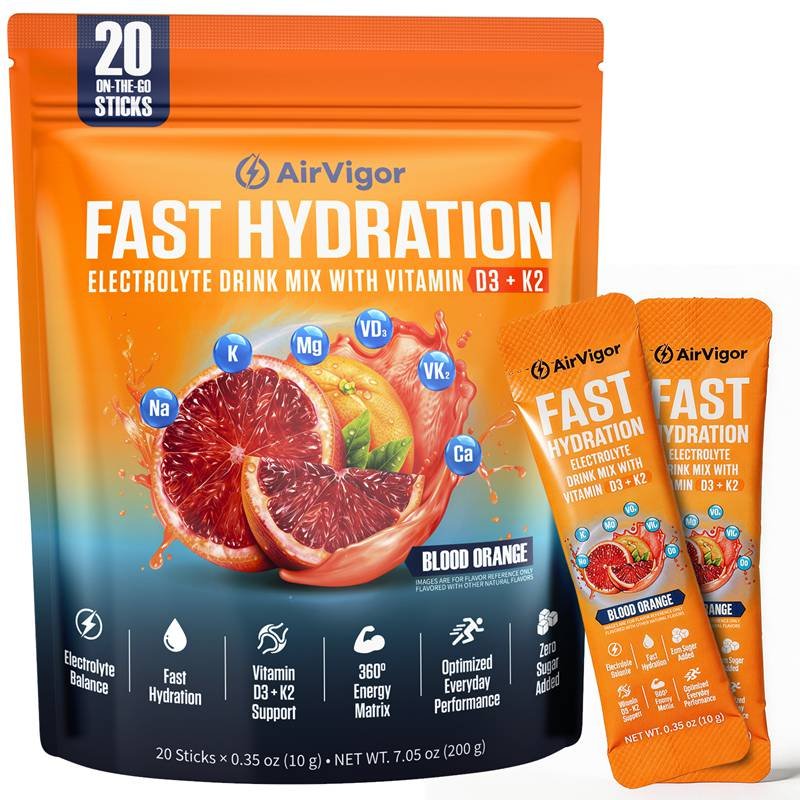
A good electrolyte powder should do three things clearly: match a real hydration use case, provide a sensible electrolyte balance, and make the serving logic easy to understand. For many customers, sodium is the first number worth checking because it is the primary electrolyte lost in sweat, while potassium and magnesium usually play supporting roles. Sugar level, calories, and total serving size matter because a useful hydration product should fit real routines, not just look impressive on the label.
Electrolyte Powder vs Tablets : Which Is Better?

Electrolyte powder is often the stronger option when the goal is more deliberate hydration support, especially after sweating, in heat, or when fluid-plus-electrolyte intake needs to feel more substantial. Tablets often become the better option when the priority is portability, dose consistency, and low-clutter convenience. The better format usually depends less on trend and more on whether the customer needs stronger rehydration support or simpler routine usability.
Are Electrolyte Powders Necessary: A Practical Guide
A lot of people do not ask whether electrolyte powders are necessary because they suddenly became interested in minerals. They ask because something in daily life or training does not feel quite right. They may be drinking water all day and still feel flat by late afternoon. They may finish a workout and notice that recovery feels slower than expected. Some people feel heavy fatigue after sweating, while others get headaches, muscle tightness, or that drained feeling that plain water does not seem to fix.
What Is in Electrolyte Powder: A Science Guide
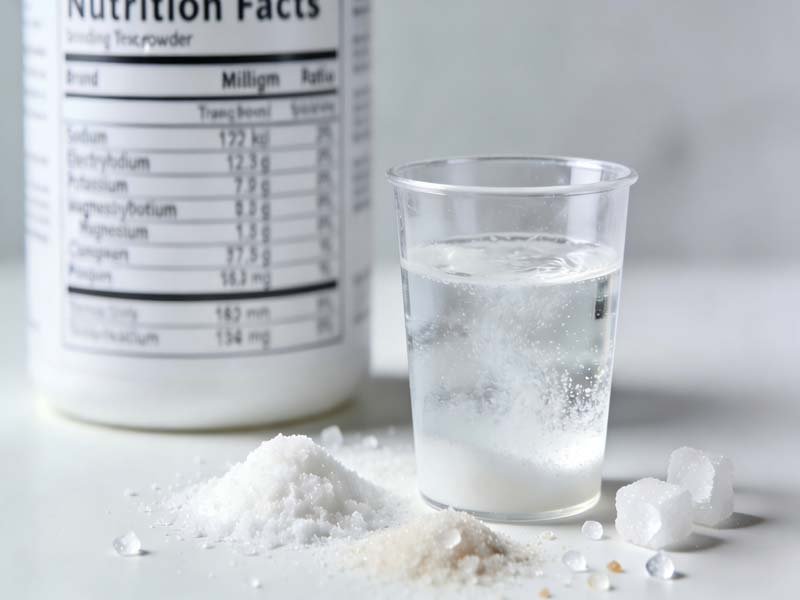
Electrolyte powder has quietly shifted from a niche endurance product into an everyday supplement used by gym-goers, office workers, travelers, and people simply trying to “hydrate better.” Yet most users still don’t fully understand what’s actually inside, how the ingredients work together, or how to tell a well-designed formula from one driven mostly by marketing.
10 Best Electrolyte Supplements: What Works in 2026
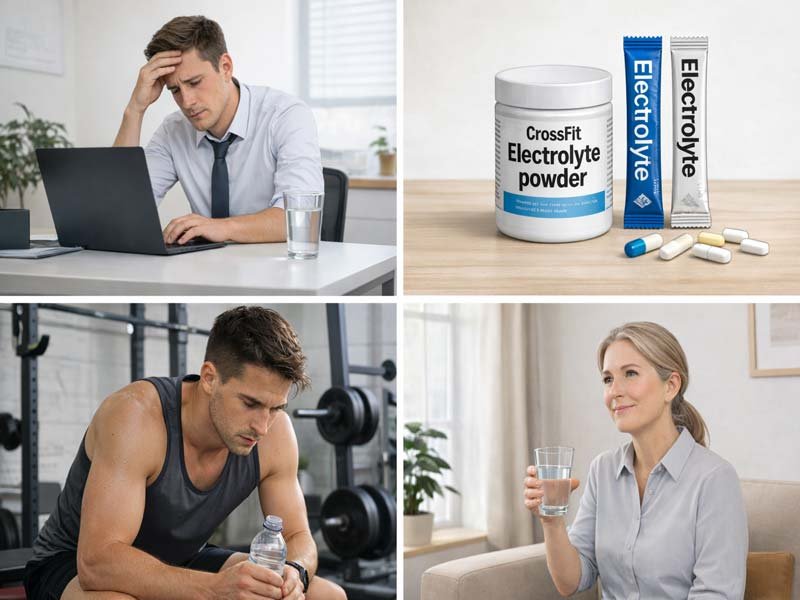
The 10 best electrolyte supplements are those that match real use cases: adequate sodium for hydration, supportive potassium and magnesium, clean and transparent ingredients, and formulas that are safe for daily use. The best option depends on sweat level, activity intensity, stomach tolerance, and special conditions like pregnancy or migraines—making context more important than brand popularity alone.
What Do Electrolytes Do: A Complete Guide

Most people assume hydration is simple: drink more water and feel better. But if that were true, headaches, muscle cramps, brain fog, and early fatigue wouldn’t appear so often—even in people who hydrate regularly. In reality, water alone doesn’t guarantee proper hydration. How your body uses water matters just as much as how much you drink.