Skip to content
Does Lemonade Have Electrolytes: Hydration Explained
# Your Trusted Dietary Supplement Brand In US
- Emily

Table of Contents
Hydration feels like one of the simplest health habits—until it suddenly isn’t.
You drink water all day, maybe swap in lemonade because it tastes better, and assume you’re doing something good for your body. After all, lemonade is made from lemons, and lemons are “healthy,” right? But then the familiar signs appear: lingering thirst, fatigue that doesn’t quite lift, muscle tightness after workouts, or that dry, heavy feeling after sweating. At that point, many people start asking a surprisingly specific question: does lemonade actually have electrolytes, or is it just flavored water with sugar?
This question matters more than it seems. Electrolytes play a direct role in hydration, nerve signaling, muscle contraction, and energy regulation. Whether a drink contains meaningful electrolytes—or only trace amounts—can determine whether it truly supports hydration or simply tastes refreshing. Lemonade sits in a confusing middle ground: it contains real fruit, small amounts of minerals, and often sugar, but it is not designed as a functional electrolyte drink.
Lemonade contains small amounts of electrolytes, mainly potassium from lemon juice, but it does not provide enough sodium or balanced minerals to function as a true electrolyte drink. While lemonade can contribute to fluid intake and mild hydration, it is not effective for replacing electrolytes lost through sweat, exercise, or heat exposure. For those needs, a formulated electrolyte drink is more reliable.
Still, lemonade isn’t useless—and it isn’t the villain some people make it out to be. Understanding what lemonade actually provides, where it helps, and where it falls short is the key to using it correctly instead of expecting it to do a job it was never designed to do. Let’s break it down from the ground up.
What Are Electrolytes in Drinks?
Electrolytes in drinks are charged minerals—such as sodium, potassium, chloride, magnesium, and calcium—that help the body absorb and retain fluids, regulate nerve signals, and support muscle function. Drinks containing electrolytes hydrate more effectively than plain water during sweating, exercise, heat exposure, or illness because electrolytes control fluid balance inside and outside cells.
What minerals count as electrolytes in drinks?
Electrolytes are minerals that dissolve in water and carry an electrical charge. In the context of beverages and hydration, five electrolytes matter most:
- Sodium – the primary regulator of fluid balance and blood volume
- Chloride – works with sodium to maintain hydration and stomach acid balance
- Potassium – supports muscle contraction, nerve signaling, and cellular hydration
- Magnesium – aids muscle relaxation, energy metabolism, and nerve stability
- Calcium – contributes to muscle contraction and cellular signaling
Not every drink needs all five to be effective, but sodium and potassium are non-negotiable for true hydration support. Drinks that contain only trace minerals—such as fruit juices or flavored waters—technically include electrolytes, but often not in amounts that meaningfully impact hydration.
Why electrolytes matter more than water alone
Hydration is not simply about replacing lost fluid. It is about keeping fluid where your body can actually use it.
When you sweat, you lose both water and electrolytes—especially sodium. If you replace only water, the fluid tends to dilute blood sodium levels and is excreted quickly through urine. This is why people can drink large volumes of water and still feel thirsty, fatigued, or light-headed.
Electrolytes solve this problem by:
- Improving intestinal water absorption
- Helping fluid move into muscle and nerve cells
- Reducing excessive urine output
- Supporting stable blood pressure and circulation
This mechanism explains why electrolyte drinks outperform plain water during exercise, hot weather, long work shifts, or travel.
Which drinks contain the most electrolytes?
Drinks vary widely in electrolyte content and effectiveness. Below is a practical comparison that reflects how the body actually responds—not just what appears on a label.
| Drink Type | Sodium | Potassium | Hydration Effectiveness |
|---|---|---|---|
| Plain water | None | None | Low during sweat loss |
| Lemonade | Very low | Low | Mild hydration only |
| Fruit juice | Very low | Moderate | Incomplete hydration |
| Coconut water | Low | High | Limited for heavy sweating |
| Sports drinks | Moderate | Moderate | Variable (often sugary) |
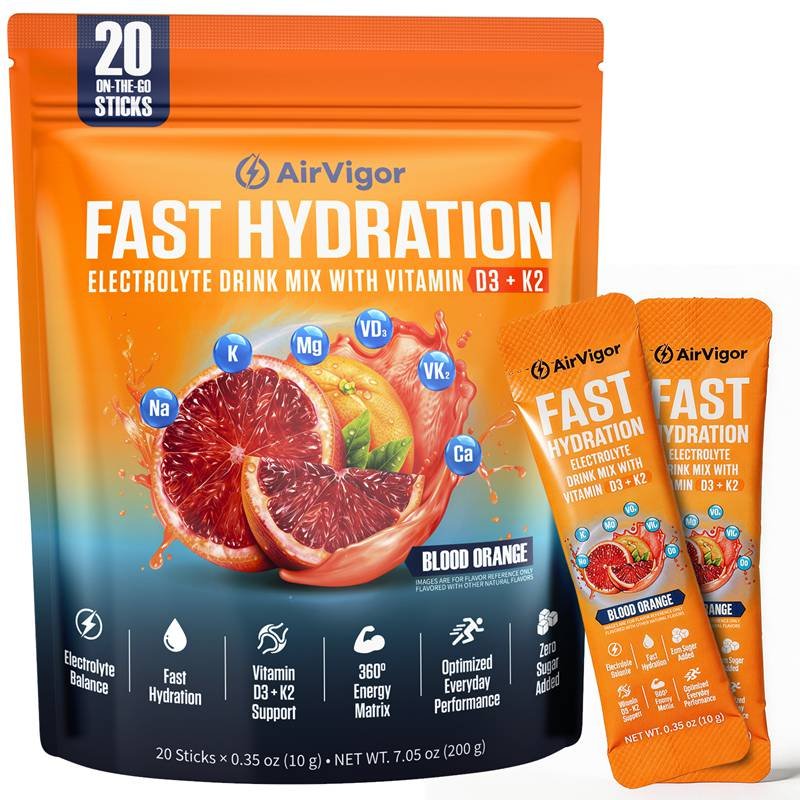
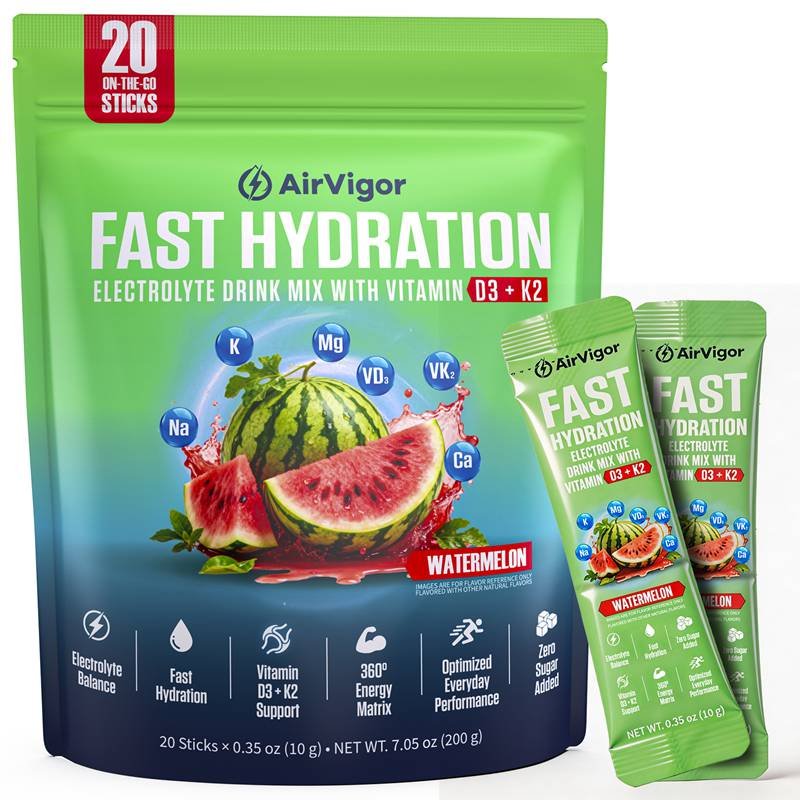
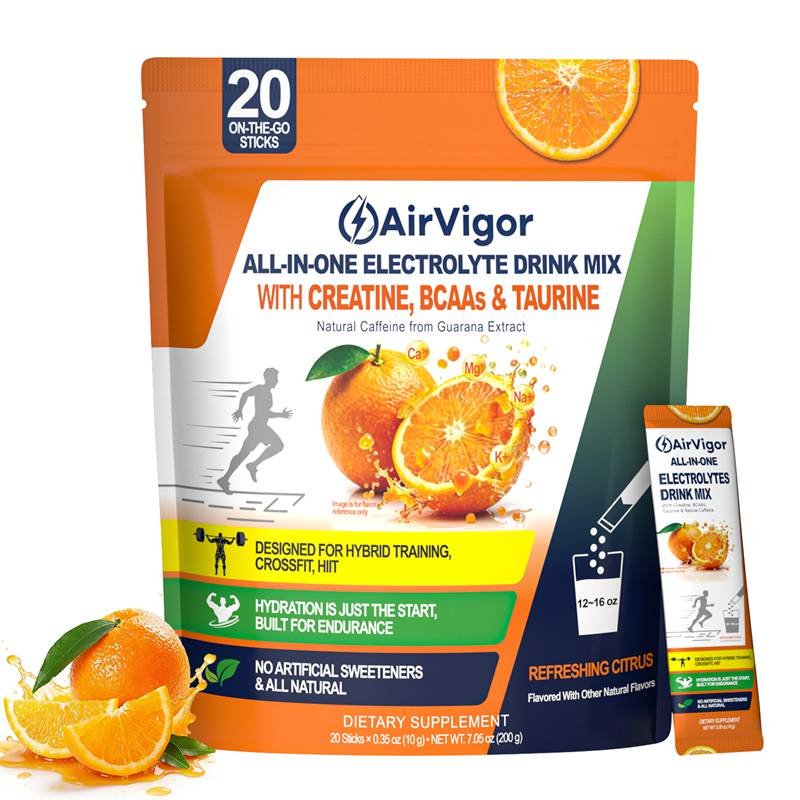
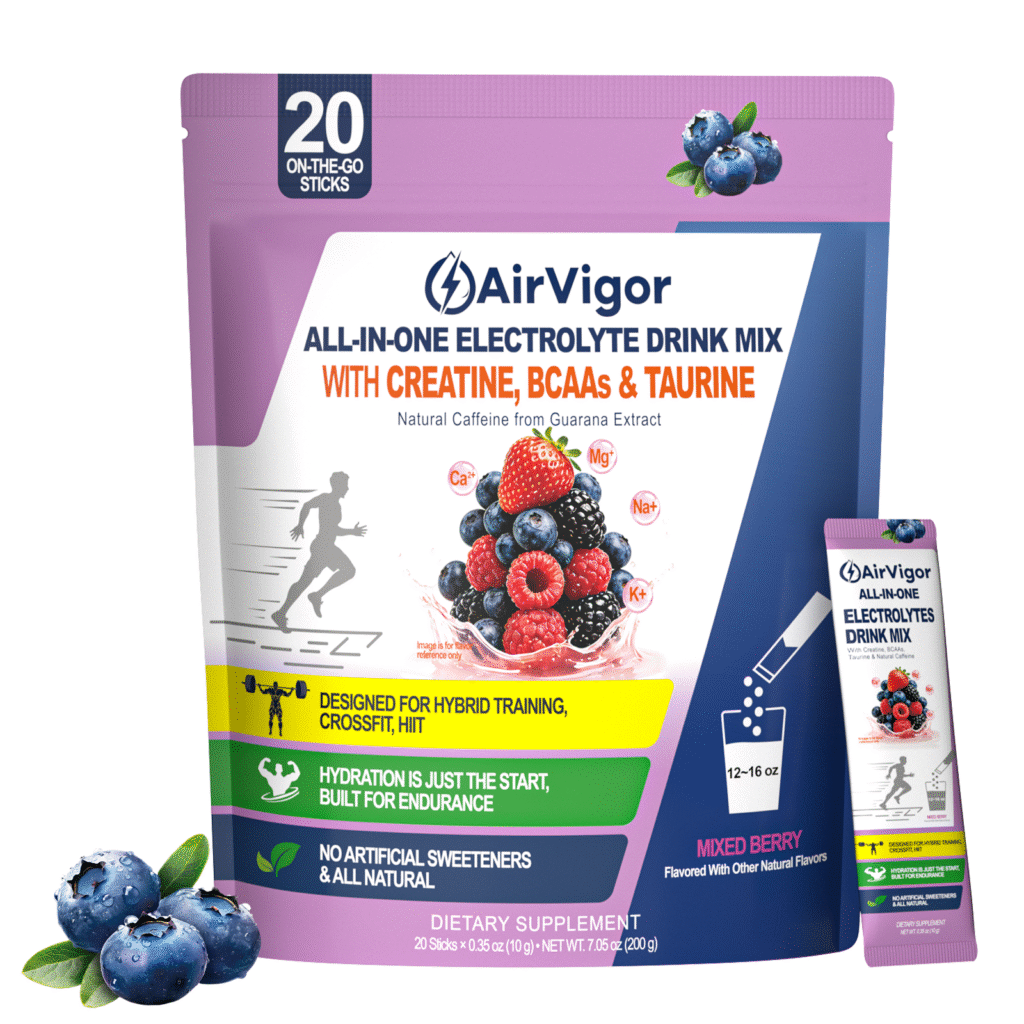
| Electrolyte powders (e.g., AirVigor) | Adequate | Balanced | High & consistent |
Formulated electrolyte drinks contain intentional sodium levels, which is the key difference. This is why professional hydration products consistently outperform juices, lemonades, and flavored waters in real-world use.
Do all electrolyte drinks work the same way?
No—and this is where many consumers get misled.
Some drinks market themselves as “electrolyte” beverages because they contain potassium or trace minerals, but lack sufficient sodium. Others rely heavily on sugar to improve taste, which can slow gastric emptying and cause stomach discomfort.
High-quality electrolyte drinks—like those developed by AirVigor—focus on:
- Correct electrolyte ratios, not just ingredient presence
- Rapid solubility and absorption
- Minimal sugar or sugar-free formulations
- Consistent performance across different activity levels
The result is hydration that feels stable, not temporary.
How electrolyte drinks fit into daily life
Electrolyte drinks are not only for athletes. They are useful whenever fluid balance is stressed, including:
- Long hours at a desk with caffeine intake
- Hot or dry environments
- Frequent travel or flying
- High mental workload and fatigue
- Light-to-moderate daily exercise
In these scenarios, electrolyte drinks support hydration efficiency without requiring excessive fluid intake.
Electrolytes in drinks are not about flavor—they are about function. A drink only becomes an electrolyte drink when it delivers the right minerals, in the right balance, to support fluid absorption and retention. Lemonade and juices may contain trace electrolytes, but only structured electrolyte formulations consistently meet the body’s real hydration needs.
Does Lemonade Have Electrolytes?
Yes, lemonade contains small amounts of electrolytes, mainly potassium from lemon juice. However, it contains little to no sodium and lacks the balanced electrolyte profile needed for effective hydration. As a result, lemonade does not function as a true electrolyte drink and cannot reliably replace electrolytes lost through sweat, exercise, or heat exposure.
Which electrolytes are naturally present in lemonade?
Lemonade’s electrolyte content comes almost entirely from lemon juice, not from sugar or water. The primary electrolyte present is potassium, with trace amounts of calcium and magnesium. These minerals exist naturally in citrus fruit, but their concentrations are relatively low once lemon juice is diluted with water to make lemonade.
What lemonade does not naturally contain is just as important:
- Sodium is virtually absent
- Chloride is minimal unless salt is added
Because sodium is the key electrolyte responsible for fluid retention and blood volume regulation, its absence is the main reason lemonade cannot perform as a functional electrolyte drink.
How much potassium is actually in lemonade?
A typical cup (240 ml) of lemonade provides approximately 20–40 mg of potassium, depending on how much real lemon juice is used. For context:
- Light sweating can result in 200–400 mg of potassium loss
- Prolonged or intense exercise can push losses much higher
This means lemonade replaces only a small fraction of potassium lost during physical activity. While potassium is essential for muscle contraction and nerve signaling, replacing potassium alone—without sodium—does not restore hydration balance.
Does lemonade work as an electrolyte drink?
Functionally, no.
To qualify as an electrolyte drink, a beverage must:
- Replace both water and electrolytes
- Contain sufficient sodium to support fluid absorption
- Provide minerals in a balanced ratio
Lemonade meets only the first condition. It helps you drink fluids, but it does not help your body retain those fluids effectively. This is why people often report that lemonade “goes right through them” or leaves them thirsty again shortly after drinking it.
Why lemonade feels refreshing but still falls short
Lemonade’s refreshing sensation comes from:
- Acidity stimulating saliva production
- Sugar improving palatability
- Cool temperature encouraging intake
These factors improve perceived hydration, not actual electrolyte restoration. In situations where sweat loss is minimal, this distinction may not matter. But during exercise, heat exposure, or long active days, the gap between perception and physiology becomes obvious.
How lemonade compares to true electrolyte drinks
Below is a simplified comparison focused on hydration function rather than marketing claims:
| Drink | Sodium | Potassium | Hydration Function |
|---|---|---|---|
| Lemonade | Very low | Low | Basic fluid intake |
| Fruit juice | Very low | Moderate | Incomplete hydration |
| Coconut water | Low | High | Limited for sweat loss |
| Sports drinks | Moderate | Moderate | Variable effectiveness |
| Electrolyte powders (AirVigor) | Adequate | Balanced | Consistent hydration support |
Electrolyte formulas like AirVigor are designed specifically to address the mineral losses lemonade cannot.
When lemonade can still make sense
Lemonade is not useless—it’s just context-dependent.
It can be reasonable when:
- Activity level is low
- Sweat loss is minimal
- The goal is simply to increase fluid intake
- Taste encourages better hydration habits
However, once hydration becomes a performance or recovery issue, lemonade stops being enough.
Lemonade does contain electrolytes, but only in small, incomplete amounts. It provides potassium but lacks sodium, making it unsuitable as a true electrolyte drink. Lemonade can support casual hydration, but it cannot replace electrolytes lost through sweat, exercise, or heat. For those needs, a properly formulated electrolyte drink delivers far more reliable results.

How Is Lemonade Different From Electrolyte Drinks?
Lemonade differs from electrolyte drinks in purpose, composition, and hydration effectiveness. Lemonade is designed for flavor and refreshment, providing fluid and small amounts of potassium, but little to no sodium. Electrolyte drinks are formulated to replace minerals lost through sweat, especially sodium, and to improve fluid absorption and retention during exercise, heat, or dehydration.
Different goals: refreshment vs functional hydration
The most important difference is intent.
Lemonade exists to be refreshing. Its primary goals are taste, acidity balance, and drinkability. Any electrolytes present are incidental—naturally occurring from lemon juice rather than intentionally added.
Electrolyte drinks, by contrast, are built for physiological function. Their goal is not just to quench thirst but to:
- Replace minerals lost through sweat
- Maintain blood volume
- Support muscle and nerve function
- Reduce dehydration-related fatigue and cramping
Because the goals differ, the formulations differ from the ground up.
Electrolyte composition and balance
Electrolyte drinks focus on sodium first, followed by potassium and sometimes magnesium or calcium. This is because sodium loss through sweat is far greater than any other mineral loss.
Lemonade typically contains:
- Potassium: low amounts
- Sodium: near zero
- Magnesium & calcium: trace only
Electrolyte drinks are intentionally designed to provide:
- Enough sodium to support fluid retention
- Balanced potassium to support muscle function
- Predictable mineral intake per serving
Without sodium, a drink cannot reliably function as an electrolyte replacement, no matter how natural or refreshing it tastes.
Sugar and absorption differences
Sugar plays very different roles in lemonade and electrolyte drinks.
In lemonade, sugar is added primarily for flavor. Levels are often high, especially in bottled versions, which can:
- Slow gastric emptying
- Increase blood sugar spikes
- Lead to stomach discomfort during activity
Electrolyte drinks may include small amounts of carbohydrates, but only when they enhance absorption rather than overwhelm it. Many modern formulas—such as those from AirVigor—are low-sugar or sugar-free, prioritizing mineral-driven hydration instead of sweetness-driven consumption.
Hydration performance in real-world scenarios
The practical difference becomes obvious under stress:
- During light daily activity, lemonade may feel “good enough”
- During workouts, heat exposure, or long days, lemonade often fails
People frequently report drinking lemonade during exercise and still feeling:
- Thirsty shortly afterward
- Light-headed or fatigued
- Prone to cramps or heavy legs
This happens because fluid intake without mineral replacement leads to rapid excretion rather than sustained hydration. Electrolyte drinks are built to prevent this exact problem.
What juice is good for electrolytes—and why juice still falls short
Fruit juices, including orange juice and watermelon juice, are often assumed to be electrolyte-rich. In reality, they are:
- High in potassium
- Very low in sodium
This makes juice marginally better than lemonade in potassium content, but still incomplete for hydration. Like lemonade, juices lack the sodium required for effective fluid retention, especially when sweating is involved.
A functional comparison
| Feature | Lemonade | Electrolyte Drinks |
|---|---|---|
| Primary purpose | Taste & refreshment | Hydration & recovery |
| Sodium content | Minimal | Adequate |
| Potassium content | Low | Balanced |
| Sugar role | Flavor-driven | Functional or optional |
| Sweat replacement | Poor | Effective |
| Best use case | Casual hydration | Exercise, heat, recovery |
Lemonade and electrolyte drinks are not interchangeable. Lemonade supports enjoyment and basic fluid intake, but electrolyte drinks are engineered for hydration efficiency and mineral replacement. When hydration demands are low, lemonade may suffice. When performance, recovery, or heat stress matters, electrolyte drinks provide the structure and reliability lemonade simply does not.
Is Lemonade Good for Hydration?
Lemonade can support basic hydration by encouraging fluid intake, but it is not ideal for effective hydration when electrolyte loss is involved. Because lemonade contains little to no sodium and an unbalanced mineral profile, it cannot reliably maintain fluid balance during exercise, sweating, heat exposure, or dehydration recovery. It hydrates better than nothing, but less effectively than electrolyte-formulated drinks.
Does lemonade hydrate better than water?
From a behavioral perspective, lemonade can hydrate better than water for some people. Taste matters. If someone dislikes plain water, lemonade may help them drink more total fluid throughout the day, which can improve hydration status in low-demand situations.
From a physiological perspective, however, lemonade does not hydrate better than water. Without sodium, both lemonade and plain water are absorbed and excreted quickly. The body does not retain the fluid efficiently, especially once sweating begins. In short, lemonade may increase intake, but it does not improve hydration mechanics.
Can lemonade help with dehydration?
Lemonade can help with mild dehydration caused by insufficient fluid intake, such as during travel, long meetings, or sedentary days. In these cases, dehydration is primarily a volume problem, not an electrolyte problem.
However, dehydration from:
- Exercise
- Heat exposure
- Prolonged sweating
- Illness involving fluid loss
is fundamentally different. These scenarios involve significant electrolyte depletion, particularly sodium. Lemonade does not replace these minerals, meaning dehydration symptoms may persist even if fluid intake increases. This is why people often feel temporarily refreshed but not fully recovered.
Why lemonade fails during sweating and exercise
Sweat is not just water—it contains sodium, chloride, and potassium. When you sweat, you lose:
- Plasma volume
- Electrolytes that regulate muscle and nerve function
Drinking lemonade replaces water but leaves electrolyte losses unaddressed. Over time, this imbalance can lead to:
- Persistent thirst
- Fatigue
- Headaches
- Muscle tightness or cramping
Electrolyte drinks are specifically designed to prevent these outcomes by restoring both fluid and minerals simultaneously.
The sugar–hydration tradeoff
Many lemonades—especially bottled or store-bought versions—contain significant amounts of sugar. While sugar can improve taste, excessive sugar:
- Slows gastric emptying
- Increases stomach discomfort during activity
- Can worsen dehydration symptoms in some people
In contrast, modern electrolyte formulas often limit sugar or remove it entirely, focusing instead on mineral-driven hydration. AirVigor electrolyte powders, for example, are designed to hydrate efficiently without relying on high sugar content to make the drink palatable.
When lemonade can make sense for hydration
Lemonade may be reasonable when:
- Activity level is low
- Sweat loss is minimal
- The primary goal is enjoying fluids
- Hydration demands are casual, not performance-driven
In these contexts, lemonade is better than skipping fluids altogether. The key is understanding its limits.
When lemonade is not enough
Lemonade becomes insufficient when hydration is tied to:
- Physical performance
- Recovery
- Long work shifts
- Hot or humid environments
- Frequent travel or flying
In these cases, relying on lemonade often leads to under-hydration masked by temporary refreshment.
Lemonade can contribute to hydration by increasing fluid intake, but it does not provide the electrolytes required for efficient hydration under stress. It works for light, everyday hydration but fails when sweating, exercise, or heat increases mineral loss. For reliable hydration in demanding situations, electrolyte-formulated drinks deliver more consistent and measurable results.
How Can Lemonade Be Turned Into an Electrolyte Drink?
Lemonade can be turned into a basic electrolyte drink by adding sodium and, optionally, potassium or magnesium. However, homemade electrolyte lemonade is difficult to balance accurately and often lacks consistency, absorption efficiency, and tolerance testing. While it may help in low-demand situations, it cannot reliably match the effectiveness of professionally formulated electrolyte drinks.
Why lemonade needs modification to work as an electrolyte drink
On its own, lemonade provides fluid and a small amount of potassium, but almost no sodium. From a hydration standpoint, this creates a structural gap: water enters the body, but is not efficiently retained.
To function as an electrolyte drink, lemonade must achieve three goals:
- Improve water absorption in the gut
- Support fluid retention in the bloodstream
- Replace minerals lost through sweat
Sodium is essential for all three. Without it, lemonade remains a flavored beverage—not a functional hydration solution.
What must be added to lemonade to create electrolytes
The table below shows what lemonade lacks, what can be added, and the real-world limitations of doing so at home:
| Component | Role in Hydration | Present in Lemonade? | DIY Addition Issues |
|---|---|---|---|
| Sodium | Fluid retention, absorption | Not present | Easy to misdose, taste issues |
| Chloride | Works with sodium | Not present | Depends on salt type |
| Potassium | Muscle & nerve function | Present in small amounts | Often under-dosed |
| Magnesium | Muscle relaxation | Not present | GI discomfort risk |
| Sugar | Absorption support (limited) | Present (often excessive) | Excess slows hydration |
This highlights why lemonade must be actively modified—and why doing so correctly is harder than it seems.
Should salt be added to lemonade?
Yes. Sodium is non-negotiable for turning lemonade into an electrolyte drink.
A small amount of salt can significantly improve hydration efficiency, but precision matters:
- Too little salt → no meaningful hydration benefit
- Too much salt → unpleasant taste, stomach irritation
Because sweat sodium loss varies widely between individuals, DIY salt additions rarely match real needs. This inconsistency is a major weakness of homemade electrolyte lemonade.
Can potassium or magnesium be added safely?
Potassium and magnesium can be added, but both introduce risks when used without formulation guidance.
| Mineral | Benefit | Common DIY Risk |
|---|---|---|
| Potassium | Supports muscle contraction | Overuse → GI or cardiac stress |
| Magnesium | Aids relaxation & recovery | Laxative effect at higher doses |
Choosing the wrong compound, dose, or ratio often leads to discomfort rather than better hydration.
Does sugar help or hurt electrolyte lemonade?
Sugar can assist sodium absorption only within a narrow concentration range. In homemade lemonade:
- Sugar is usually added for taste, not function
- Levels are often too high
- Excess sugar slows gastric emptying and causes bloating
This is why many modern electrolyte formulas—including AirVigor—use low-sugar or sugar-free designs, prioritizing mineral balance over sweetness.
Homemade electrolyte lemonade vs formulated electrolyte drinks
| Factor | DIY Electrolyte Lemonade | Formulated Electrolyte Drinks |
|---|---|---|
| Electrolyte balance | Inconsistent | Precisely controlled |
| Sodium accuracy | Guess-based | Sweat-aligned |
| Absorption efficiency | Variable | Tested & optimized |
| GI tolerance | Unpredictable | Formulation-tested |
| Repeatability | Low | High |
This consistency gap is the main reason DIY solutions struggle under real hydration demands.
Lemonade can be modified into a basic electrolyte drink by adding sodium and other minerals, but homemade versions are difficult to balance and inconsistent in performance. Tables make it clear: lemonade lacks key electrolytes, and DIY fixes introduce variability and risk. For reliable hydration—especially during exercise, heat, or recovery—professionally formulated electrolyte drinks provide safer and more predictable results.

Who Should Use Electrolyte Powders Instead?
Electrolyte powders are best for people who regularly lose electrolytes through sweat, stress, or physical output, or who need consistent hydration support. This includes athletes, outdoor workers, frequent travelers, and individuals experiencing fatigue, cramps, or poor recovery despite drinking enough fluids. In these cases, lemonade and juice are insufficient because they lack sodium and balanced electrolytes.
Do athletes and fitness-focused users need electrolyte powders?
Yes—this is the clearest use case.
Athletes lose significant amounts of sodium and potassium through sweat, often far more than they realize. Even moderate workouts can result in hundreds to over a thousand milligrams of sodium loss per hour, depending on sweat rate and climate.
Electrolyte powders are designed to:
- Replace minerals lost during training
- Maintain blood volume and circulation
- Reduce cramping, dizziness, and early fatigue
- Support consistent performance across sessions
Relying on lemonade or juice in these scenarios often leads to under-hydration masked by temporary refreshment. This is why structured electrolyte products are standard in endurance sports, strength training, CrossFit, and outdoor fitness.
Are daily lifestyle users under-supported by lemonade?
Many non-athletes still benefit from electrolyte powders.
Office workers, students, and professionals often experience chronic mild dehydration due to:
- Long screen time and low thirst awareness
- High caffeine intake
- Stress-related fluid shifts
- Air-conditioned or dry environments
In these cases, drinking more water or lemonade may not resolve symptoms like brain fog, headaches, or afternoon fatigue. A low-dose electrolyte powder provides minerals—especially sodium—that help the body actually retain and use the fluids consumed.
Why travelers and frequent flyers benefit from electrolytes
Travel is a hidden dehydration trigger.
Cabin air is extremely dry, and long flights reduce normal drinking and movement patterns. Many travelers rely on coffee, alcohol, or juice, which further disrupt fluid balance.
Electrolyte powders are effective for travelers because they:
- Improve hydration with smaller fluid volumes
- Reduce travel-related fatigue and headaches
- Support circulation during long periods of sitting
Lemonade and juice may taste good during travel, but they do not address electrolyte depletion or fluid retention efficiently.
Do people in hot or physically demanding jobs need more electrolytes?
Yes. Outdoor workers, delivery drivers, warehouse staff, and anyone working in heat face continuous electrolyte loss even without “exercise.”
Sweat-driven sodium loss accumulates across the day. Drinking only water or flavored beverages can gradually dilute electrolytes, increasing the risk of:
- Weakness
- Dizziness
- Reduced concentration
- Heat-related illness
Electrolyte powders offer a practical, portable way to maintain hydration without excessive fluid intake or sugar.
Who may not need electrolyte powders regularly?
Electrolyte powders are not mandatory for everyone.
People who:
- Are mostly sedentary
- Live in mild climates
- Sweat very little
- Eat balanced, mineral-rich diets
may only need electrolyte support occasionally. For them, lemonade can serve as a pleasant hydration aid—but it should not be mistaken for a functional electrolyte solution when demands increase.
Decision guide: lemonade vs electrolyte powder
| Situation | Lemonade | Electrolyte Powder |
|---|---|---|
| Light daily hydration | Acceptable | Optional |
| Exercise or training | Insufficient | Recommended |
| Heavy sweating / heat | Poor choice | Strongly recommended |
| Travel / flying | Limited benefit | Effective |
| Cramping or fatigue | Unreliable | Consistent support |
Why structured electrolyte powders work better
Professionally formulated electrolyte powders—such as those developed by AirVigor—are designed with:
- Sweat-aligned sodium levels
- Balanced potassium and magnesium
- Fast solubility and absorption
- Clear, repeatable dosing
Instead of guessing with DIY drinks or relying on juice-based hydration, users get predictable results across different situations.
Electrolyte powders are best for anyone whose hydration needs go beyond casual fluid intake. If you sweat, train, travel frequently, work in heat, or feel dehydrated despite drinking enough fluids, lemonade is not enough. Structured electrolyte powders provide consistent mineral replacement and more reliable hydration support in real-world conditions.
Who Should Use Electrolyte Powders Instead?
Electrolyte powders are best for people whose hydration needs involve electrolyte loss, not just fluid loss. This includes athletes, people who sweat frequently, those exposed to heat or long work hours, frequent travelers, and individuals who feel fatigued or cramp-prone despite drinking enough fluids. In these situations, lemonade and juice lack sufficient sodium and balanced minerals to maintain hydration effectively.
1. Athletes and regular exercisers
This is the most obvious—and most researched—group.
During exercise, the body loses both water and electrolytes, primarily sodium. Sweat sodium loss can range from 500 to over 1,500 mg per hour, depending on genetics, climate, and intensity. Lemonade may replace fluid, but it replaces almost none of this sodium.
Electrolyte powders are designed to:
- Replace sodium in amounts aligned with sweat loss
- Support muscle contraction and nerve signaling
- Maintain blood volume and cardiovascular stability
- Reduce early fatigue, dizziness, and post-workout crashes
This is why electrolyte powders are standard tools in endurance sports, strength training, CrossFit, HIIT, and outdoor fitness—while lemonade is not.
2. People who sweat easily or live in hot climates
Not all electrolyte loss comes from exercise.
People who:
- Live in hot or humid regions
- Sweat heavily at rest
- Spend time outdoors
- Work in non–air-conditioned environments
can lose significant electrolytes throughout the day without realizing it. This slow, cumulative loss often leads to symptoms like persistent thirst, weakness, headaches, or poor concentration.
Lemonade and juice may feel refreshing, but without sodium, they do not stop this gradual electrolyte depletion. Electrolyte powders provide a practical way to stabilize hydration across long, hot days.
3. Physically demanding or long-hour jobs
Hydration needs increase in jobs that involve:
- Prolonged standing or movement
- Repetitive physical tasks
- Protective clothing or equipment
- Limited access to regular meals
Examples include warehouse workers, construction workers, delivery drivers, healthcare staff, factory workers, and hospitality workers.
In these settings, people often drink water or sweet beverages but still feel drained. The issue is not fluid intake—it’s electrolyte replacement. Electrolyte powders allow hydration to be efficient without excessive drinking or sugar intake.
4. Frequent travelers and flyers
Travel is one of the most underestimated dehydration triggers.
Airplane cabins have extremely low humidity. Combined with:
- Reduced fluid intake
- Increased caffeine or alcohol consumption
- Long periods of sitting
this leads to dehydration that water or juice does not fully correct. Lemonade may taste pleasant, but it does not support fluid retention or circulation effectively during travel.
Electrolyte powders are ideal for travel because they:
- Improve hydration with smaller fluid volumes
- Reduce travel-related headaches and fatigue
- Are portable and easy to dose consistently
This is why many frequent flyers rely on electrolyte powders rather than juice or soda.
5. People with fatigue, cramps, or “low energy” despite drinking enough
One of the most common hydration misconceptions is:
“I drink plenty of fluids, so hydration can’t be the problem.”
In reality, many people experience electrolyte imbalance, not dehydration by volume. Common signs include:
- Afternoon energy crashes
- Muscle tightness or cramps
- Headaches
- Brain fog
- Feeling thirsty shortly after drinking
Lemonade does not correct this imbalance because it lacks sodium and mineral structure. Electrolyte powders address the underlying issue by restoring electrolyte balance rather than just adding fluid.
6. Lifestyle users under stress or high cognitive load
Stress affects hydration more than most people realize.
High mental workload, long screen time, and chronic stress influence:
- Hormonal fluid regulation
- Electrolyte distribution
- Thirst signaling
Office workers, students, and high-responsibility professionals often benefit from low-dose electrolyte support, even without heavy physical activity. Lemonade may improve fluid intake, but it does not support the mineral balance required for sustained mental clarity and focus.
7. Who usually does not need electrolyte powders daily
Electrolyte powders are tools, not necessities for everyone.
People who:
- Are mostly sedentary
- Sweat very little
- Live in mild climates
- Eat mineral-rich diets
may only need electrolytes occasionally. In these cases, lemonade can be a pleasant hydration option—but only within low-demand contexts.
Decision Matrix: Lemonade vs Electrolyte Powders
| Situation | Lemonade | Electrolyte Powder |
|---|---|---|
| Light daily hydration | Acceptable | Optional |
| Regular exercise | Insufficient | Recommended |
| Heavy sweating / heat | Poor choice | Strongly recommended |
| Travel / flying | Limited | Effective |
| Fatigue or cramps | Unreliable | Consistent |
| Long work shifts | Weak support | Practical solution |
Why structured electrolyte powders perform better
Professionally formulated electrolyte powders—such as those developed by AirVigor—are built around:
- Sweat-aligned sodium levels
- Balanced potassium and magnesium
- High solubility and fast absorption
- Clear, repeatable dosing
Instead of guessing with lemonade, juice, or DIY mixes, users get predictable hydration outcomes across training, work, travel, and daily life.
Electrolyte powders are not just for athletes—they are for anyone whose hydration needs involve electrolyte loss rather than simple thirst. If you sweat, work long hours, travel frequently, feel fatigued despite drinking fluids, or live in heat, lemonade is not enough. Electrolyte powders provide structured, reliable hydration support where flavored drinks fall short.
Does Lemonade Really Have Electrolytes?
Yes, lemonade contains small amounts of electrolytes, mainly potassium from lemon juice. However, it lacks sufficient sodium and a balanced electrolyte profile, so it does not function as a true electrolyte drink. Lemonade can support basic fluid intake but cannot reliably replace electrolytes lost through sweat, exercise, heat, or dehydration. For those needs, formulated electrolyte drinks are significantly more effective.
What lemonade actually provides
Lemonade is not electrolyte-free—it is simply electrolyte-limited.
What lemonade does provide:
- Water, which contributes to fluid intake
- Small amounts of potassium, depending on lemon juice content
- Palatability, which may encourage drinking more fluids
For light, everyday hydration—such as during sedentary work, casual meals, or mild thirst—these factors can be helpful. In low-demand situations, lemonade can play a positive role by making hydration more enjoyable.
However, this benefit is often overgeneralized far beyond lemonade’s actual physiological capabilities.
What lemonade does not provide—and why that matters
Lemonade does not provide:
- Meaningful sodium, the primary electrolyte lost in sweat
- Consistent electrolyte ratios required for fluid retention
- Predictable hydration support under stress
This matters because hydration is not just about drinking fluid—it is about maintaining electrolyte balance so that fluid stays in circulation and inside cells. Without sodium, fluids are excreted more quickly, leading to persistent thirst, fatigue, or weakness even when intake is high.
This is the core reason lemonade fails as an electrolyte drink in athletic, hot, or physically demanding contexts.
Why lemonade is often misunderstood as an electrolyte drink
Lemonade is commonly assumed to be “hydrating” because:
- It contains real fruit
- It tastes refreshing
- It is often compared to soda rather than water
But refreshment is not the same as hydration efficiency. Lemonade feels good temporarily, especially when cold, but sensation does not equal electrolyte restoration. This distinction becomes obvious only when hydration demands increase—during workouts, long workdays, travel, or heat exposure.
Lemonade vs true electrolyte drinks
| Factor | Lemonade | Electrolyte Drinks |
|---|---|---|
| Electrolytes present | Limited | Purposefully formulated |
| Sodium content | Minimal | Adequate |
| Fluid retention | Low | High |
| Sweat replacement | Ineffective | Effective |
| Best use case | Casual hydration | Exercise, heat, recovery |
When lemonade is enough—and when it isn’t
Lemonade may be enough when:
- Activity level is low
- Sweat loss is minimal
- Hydration needs are casual
Lemonade is not enough when:
- You sweat regularly
- You exercise or train
- You work long hours or in heat
- You travel frequently
- You experience fatigue or cramps despite drinking fluids
In these scenarios, electrolyte imbalance—not thirst—is the limiting factor.
If you enjoy lemonade, there is no need to avoid it. Just use it for what it is, not for what it is often assumed to be.
- Lemonade = a refreshing beverage with minor electrolyte content
- Electrolyte drinks = functional hydration tools
When hydration performance matters, relying on lemonade leads to inconsistent results. This is where structured electrolyte solutions, such as those developed by AirVigor, provide measurable advantages through balanced minerals, clear dosing, and reliable absorption.
Conclusion
Lemonade does contain small amounts of electrolytes, but it is not designed to meet real hydration demands. It works as a refreshing beverage and can support basic fluid intake, yet it falls short when electrolytes are actually being lost—during exercise, sweating, travel, heat exposure, or long, demanding days. In those situations, hydration is no longer about taste; it is about mineral balance and fluid retention.
This is where a proper electrolyte formula makes a measurable difference. Instead of relying on guesswork or DIY solutions, structured electrolyte powders provide consistent sodium and mineral support, helping the body absorb and retain fluids more effectively. For users who want reliable hydration without excess sugar or unnecessary complexity, ready-made electrolyte powders are the most practical option.
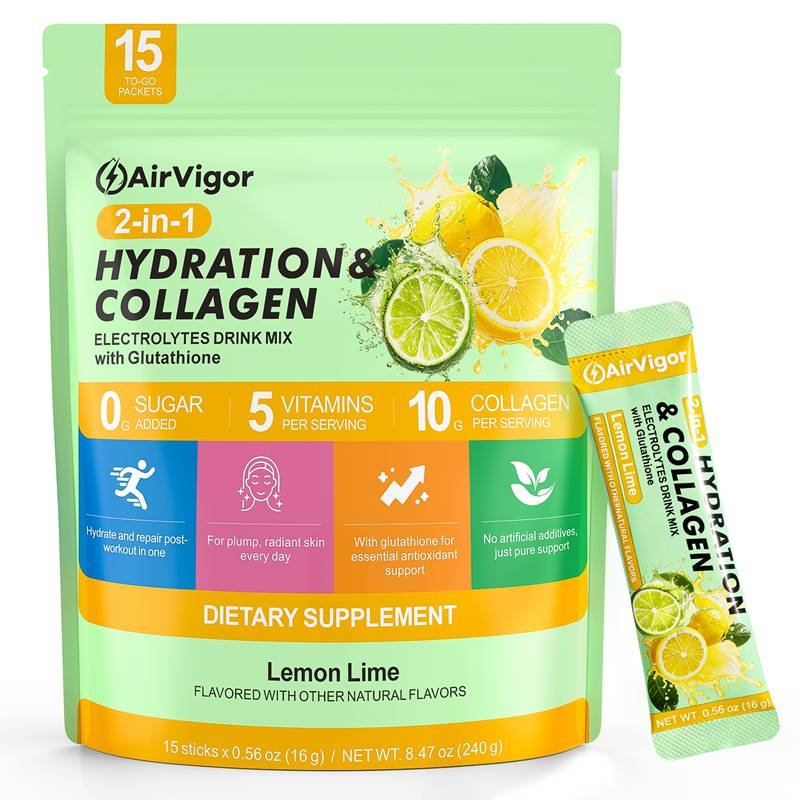
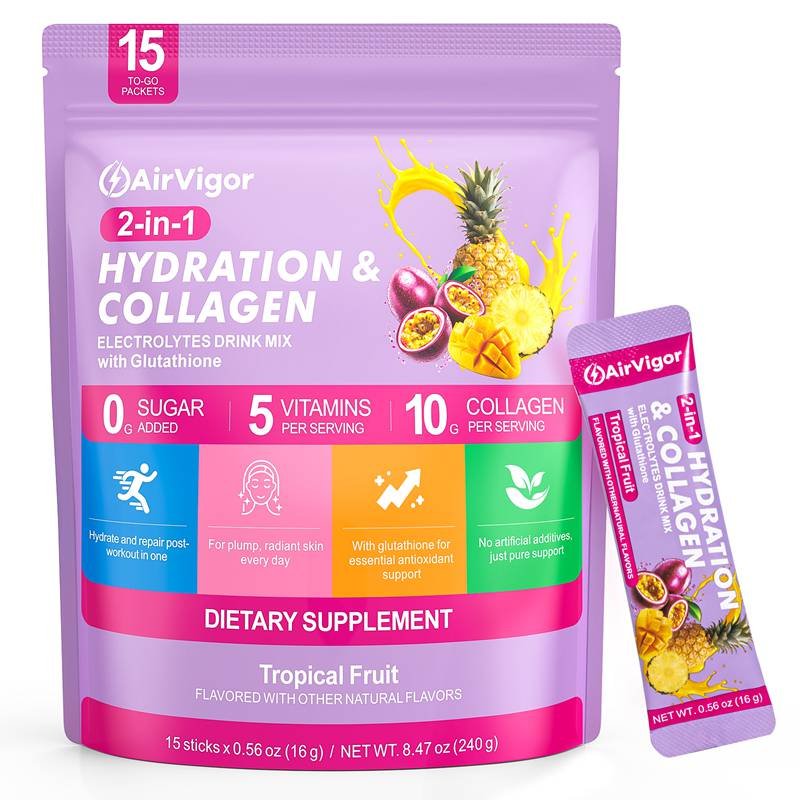
AirVigor electrolyte powders are available as in-stock products on major platforms, making it easy to upgrade hydration without changing daily routines. For most users, choosing a proven, ready-to-use formula is the simplest and most effective way to hydrate smarter.
For brands or organizations with specific needs, AirVigor also offers custom electrolyte formulation and manufacturing support—but for everyday hydration, starting with a trusted, readily available product is usually the right move.
Understanding where lemonade fits—and where it doesn’t—allows you to choose hydration tools based on function, not assumptions.
Share:
Contact Expert Team
At AirVigor, performance becomes effortless. We transform advanced nutrition science into clean, effective supplements that help you hydrate, recover, and feel stronger every day. Shop AirVigor on Amazon and experience athlete-trusted formulas—backed by real science and supported by our world-class R&D and production capabilities.
Trust AirVigor
At AirVigor, turning your performance goals into reality is no longer a struggle—it’s a science-driven journey we build together. Whether you’re a runner, lifter, cyclist, yogi, outdoor athlete, or someone simply seeking better daily energy, AirVigor transforms advanced nutrition research into clean, effective, and trustworthy supplements you can feel.
Backed by our U.S. scientific team, global certifications, and world-class production standards, every formula is engineered to deliver real hydration, real recovery, and real performance. And when you’re ready to experience the difference, you’ll find AirVigor products available on Amazon and other major platforms—fast shipping, consistent quality, and a community of athletes already seeing results.
Behind the scenes, our R&D and manufacturing ecosystem also supports specialized formulation development, ensuring AirVigor continues to lead with innovation while keeping quality and safety uncompromised. But at the core, everything we create is built for you—your health, your performance, your momentum.
Choose AirVigor. Feel the science. Elevate your every day.


Subscribe to our newsletter
Sign up to our newsletter and we’ll keep you up to date with the latest arrivals.