Skip to content
What Do Electrolytes Do During Workouts:A Complete Guide

Electrolytes are frequently mentioned in sports drinks and hydration powders, yet they’re still widely misunderstood. Some people treat them as optional add-ons, others consume them constantly without knowing whether they’re needed. The truth sits somewhere in between. During exercise, electrolytes play a quiet but essential role in keeping your internal systems coordinated while your body temperature rises, sweat rate increases, and energy demand spikes.
How Should You Use Electrolyte Powder for Daily Hydration: A Comprehensive Guide

Electrolyte powder can support daily hydration, but it is not something everyone automatically needs every day. It usually makes more sense when your routine includes heat, heavy sweating, illness, long active hours, or another reason your body may be losing both fluid and minerals instead of fluid alone. MD Anderson highlights exactly those situations, including vomiting, diarrhea, prolonged sweating, and extended heat exposure. On many ordinary days, water and a balanced diet are enough. That is why smart daily use is really about context, serving size, and formula fit, not about turning every bottle of water into a sports drink.
How Do You Use Electrolyte Powder Properly: A Complete Guide

The right way to use electrolyte powder is to treat it like a situational hydration tool, not a default beverage. Start with the serving size and water amount printed on the label, because formulas vary widely in sodium, potassium, sugar, and sweetness. On ordinary days, water is often enough. Electrolyte powder becomes more useful when your body is losing both fluid and minerals, not just fluid alone.
Should You Drink Electrolytes While Traveling: What to Know

Travel changes hydration in ways people often underestimate. A trip can look relaxing on paper and still leave the body feeling flat, dry, heavy, and under-hydrated. Airports mean long hours without a normal routine. Hot destinations mean more sweating than expected. Stomach issues can drain both water and minerals quickly. Even sightseeing can turn into a full day of walking, sun, and delayed meals. That is why electrolytes have moved beyond the gym bag and into carry-ons, backpacks, and hotel rooms. CDC travel guidance points most clearly to heat strain and traveler’s diarrhea as situations where stronger rehydration support can matter, while the Cleveland Clinic also notes that oral rehydration solutions and certain sports drinks can help with hydration during traveler’s diarrhea.
How to Travel with Electrolytes: Smart Hydration Guide

Travel can dehydrate the body faster than most people expect. A normal travel day often includes dry airplane air, airport coffee, salty snacks, long sitting time, reduced water intake, poor sleep, alcohol, heat, and thousands of extra steps. Even if someone drinks water, they may still arrive feeling tired, dry, foggy, or slightly headachy because travel does not only reduce fluid levels. It can also disturb the body’s mineral balance.
Are Electrolyte Powders Necessary: A Practical Guide

A lot of people do not ask whether electrolyte powders are necessary because they suddenly became interested in minerals. They ask because something in daily life or training does not feel quite right. They may be drinking water all day and still feel flat by late afternoon. They may finish a workout and notice that recovery feels slower than expected. Some people feel heavy fatigue after sweating, while others get headaches, muscle tightness, or that drained feeling that plain water does not seem to fix.
Why Do Some Recovery Drinks Add Glutathione: A Complete Guide
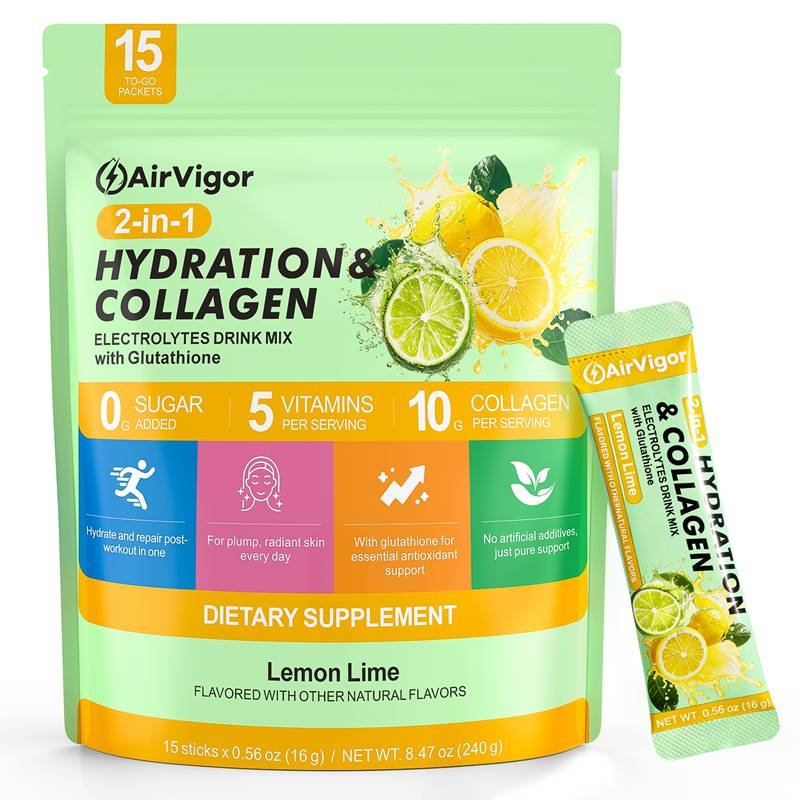
Glutathione is added to some recovery drinks to help the body manage internal stress that remains after hydration and energy recovery. It supports balance at the cellular level, where fatigue, oxidative load, and training stress accumulate. Rather than boosting energy, glutathione helps recovery feel more complete, especially for frequent training and high-demand lifestyles.