Skip to content
How Electrolytes Support Daily Hydration and Fluid Balance

Most people do not wake up thinking about electrolyte balance. They think about feeling tired, dry, flat, puffy, foggy, or strangely thirsty even after drinking water. That is why daily hydration has become a much more interesting topic than it used to be.
What Happens When You Lack Electrolytes: A Complete Guide
What Do Amino Acids in Electrolyte Powder Do:What Research Really Says

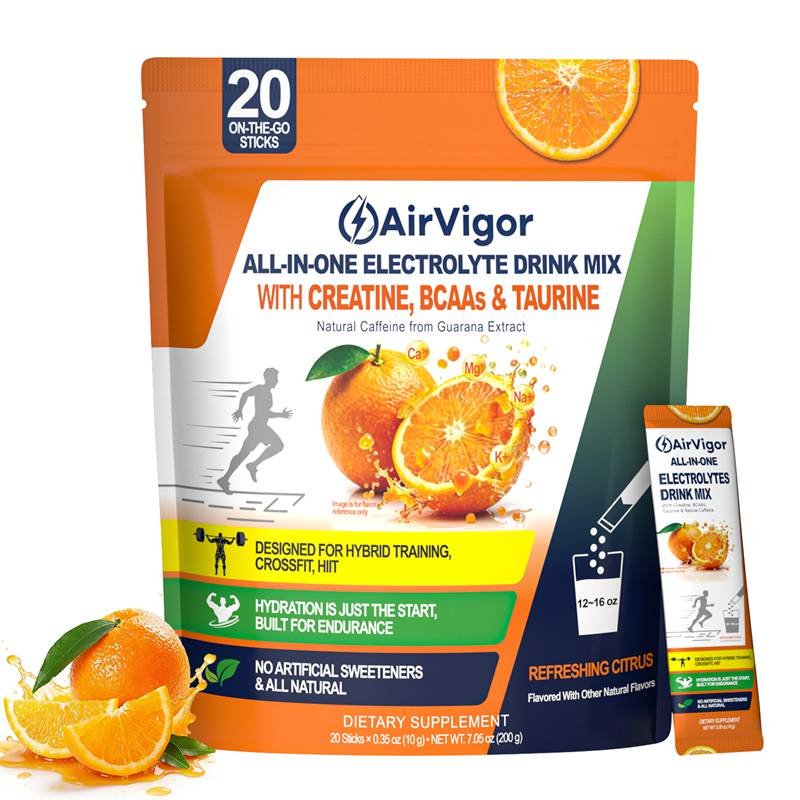
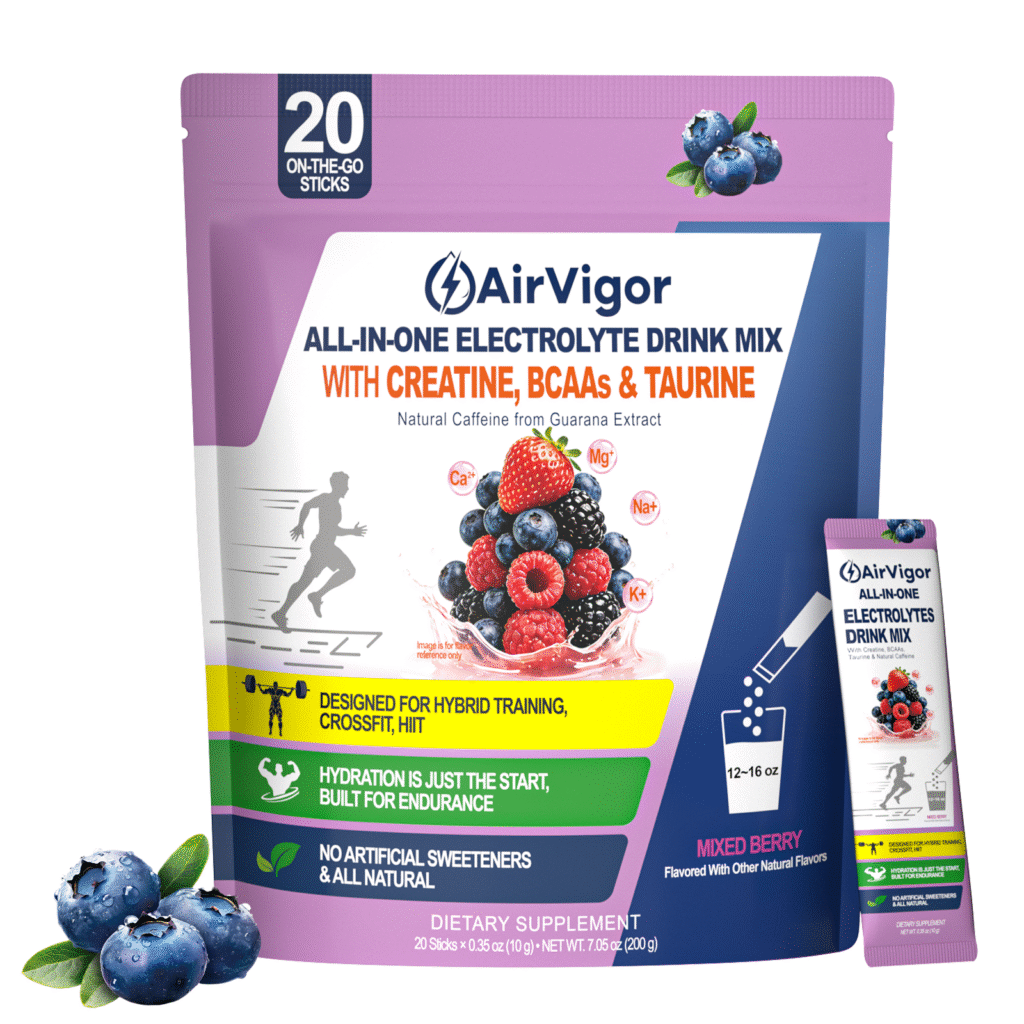
Most hydration products focus on replacing fluids and minerals, but real performance doesn’t depend on hydration alone. During exercise or busy days, your body is also dealing with muscle fatigue, energy decline, and slower recovery. That’s why many people still feel “off” even when they’re drinking enough water or using electrolytes.
Electrolytes and Hydration Explained for Real Life

Hydration sounds easy until your body starts giving mixed signals. You drink plenty of water, but still feel drained after a workout. You travel for half a day and end up tired, bloated, and thirsty at the same time. You sweat heavily in hot weather and notice that plain water helps, but not quite enough.
What Makes a Good Electrolyte Powder for Hydration

The electrolyte powder aisle looks easy until someone actually compares products carefully. One formula is built around sodium. Another leans on a broader mineral panel. One is clearly made for long, sweaty training. Another is sold as an all-day lifestyle drink. Some taste good but look weak on the label. Others look impressive on paper but turn out to be too salty, too sweet, too chalky, or too hard to drink consistently.
Can You Drink Electrolytes Every Day: Science Guide

A lot of people used to think hydration was simple: drink more water and you will be fine. That advice sounds easy, but real life is not always that simple. Many people sweat during workouts, walk around in hot weather, spend long hours under air conditioning, drink coffee instead of water, travel often, or eat in a way that does not always support proper mineral balance.
What Is Electrolyte Imbalance: A Complete Guide
Electrolyte imbalance means the level of one or more key electrolytes in the body is too low or too high. That imbalance can affect how water moves through the body, how muscles contract, how nerves send signals, and how steady your energy feels. It can happen from sweating, illness, low food intake, drinking only water, or simply going through a demanding day without replacing what your body has lost.
How to Use Electrolytes Correctly for Hydration and Exercise

A lot of people now buy electrolyte products for reasons that sound sensible on the surface. They feel tired during workouts. They sweat more in summer. They travel often. They sit in air conditioning all day and feel flat by the afternoon. They hear that electrolytes help hydration, so they assume more must be better.
Common Hydration Mistakes: What Most People Get Wrong

Most people do not have a hydration knowledge problem. They have a hydration execution problem. They know water matters, they know sweating changes fluid needs, and they know sports drinks or electrolyte products exist. But daily life makes hydration messy. Coffee replaces water. Meetings replace breaks.
Electrolytes vs Sports Drinks: Which One Should You Choose?
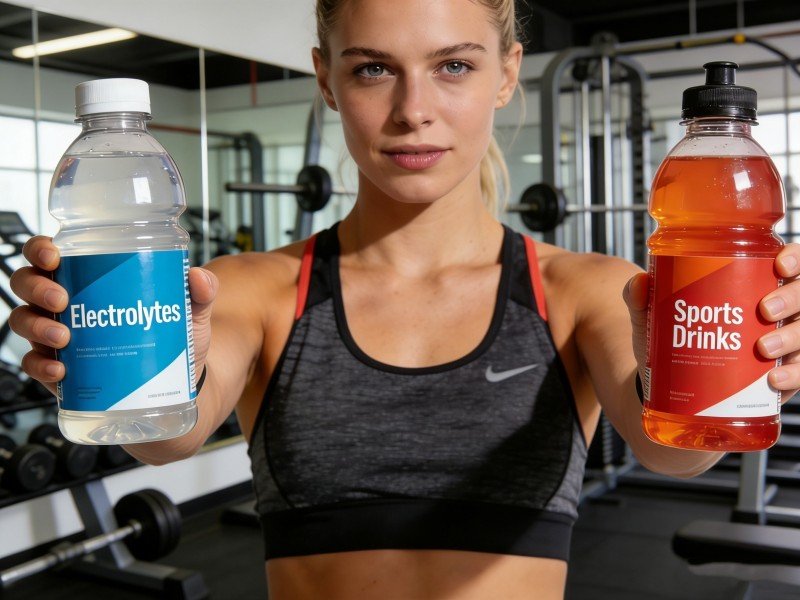
Most people do not actually need a more complicated drink. They need a better decision. That is why the comparison between electrolytes and sports drinks matters so much. A short treadmill session, a two-hour summer run, a sweaty warehouse shift, and a normal office day do not ask the body for the same thing.
What Is an Electrolyte Powder Stick Pack: A Complete Guide

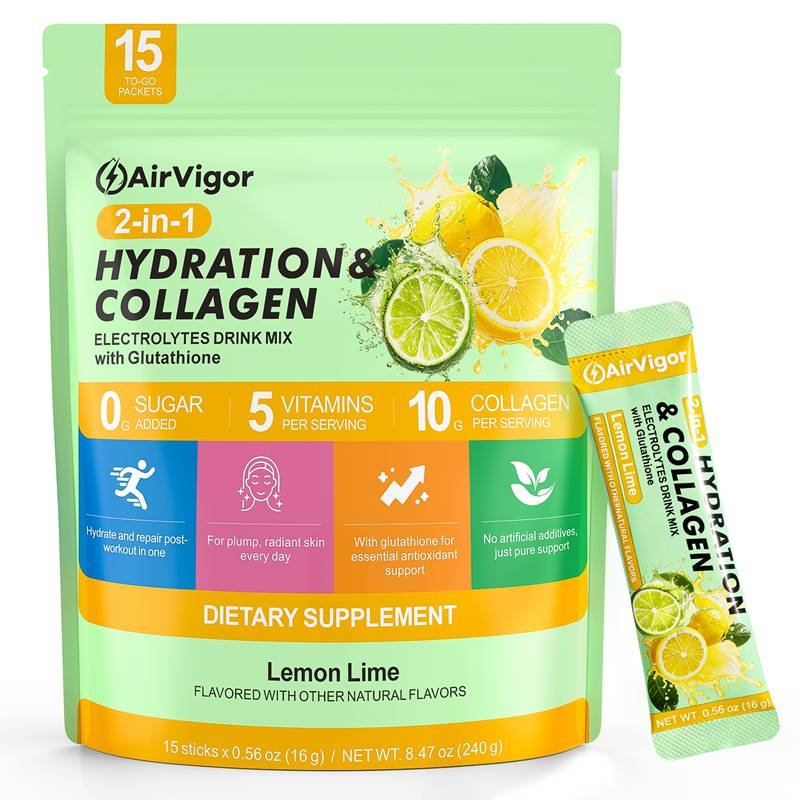
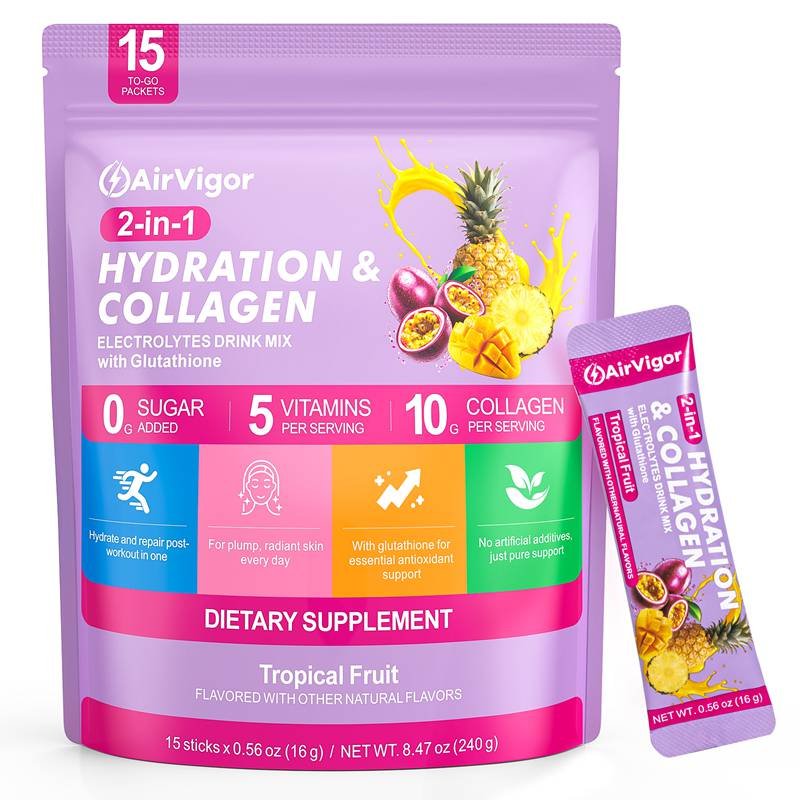
An electrolyte powder stick pack is a single-serve powdered formula designed to be mixed with water. It usually contains key electrolytes such as sodium and potassium, and depending on the product, it may also include magnesium, calcium, vitamins, amino acids, protein, creatine, taurine, collagen, or other functional ingredients.
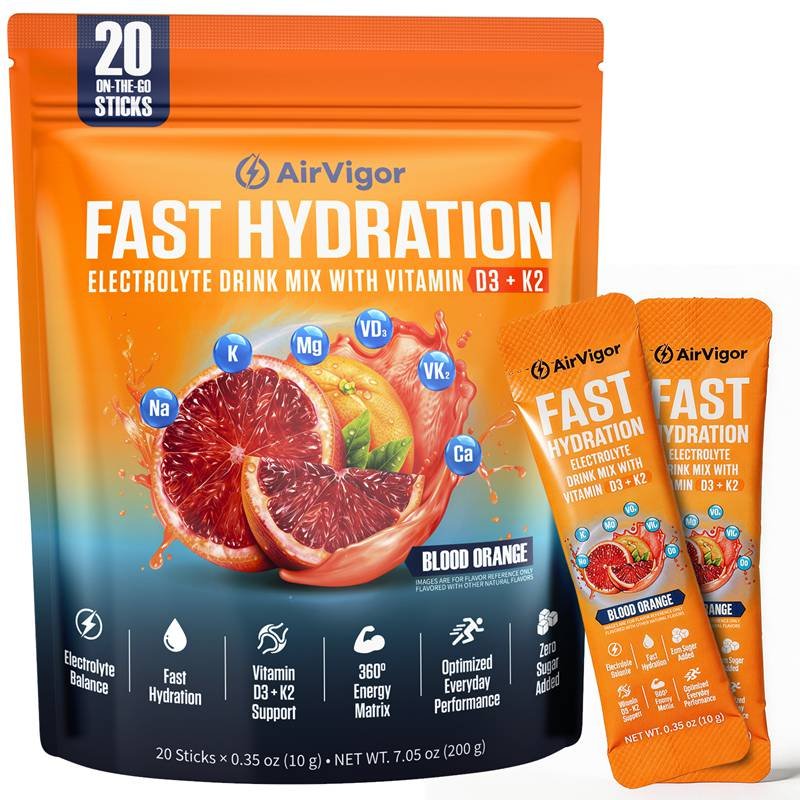
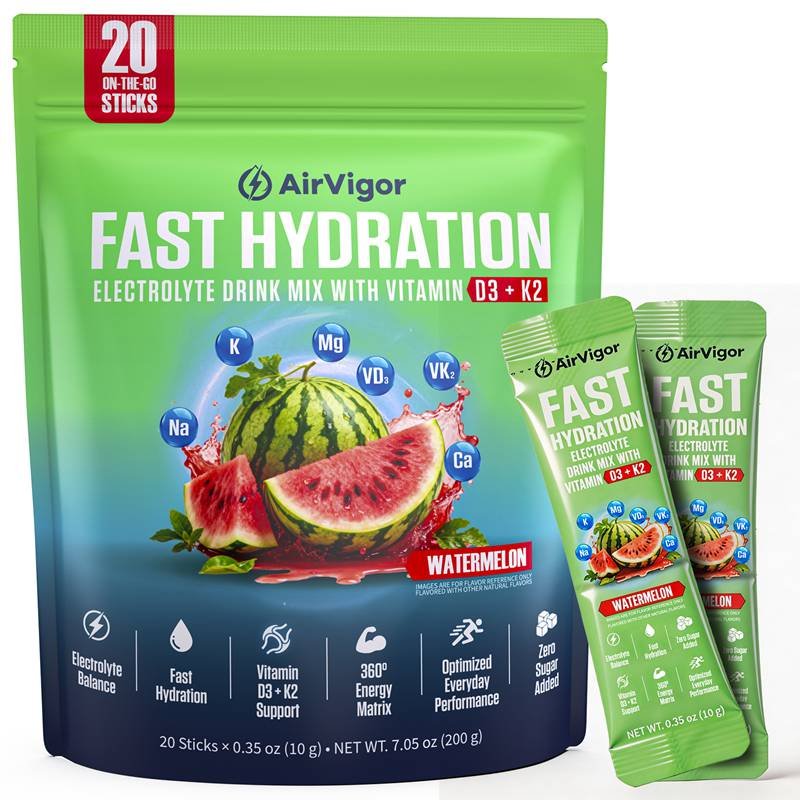
Recovery Electrolyte with D3K2 Ingredient Breakdown: Vitamin K2
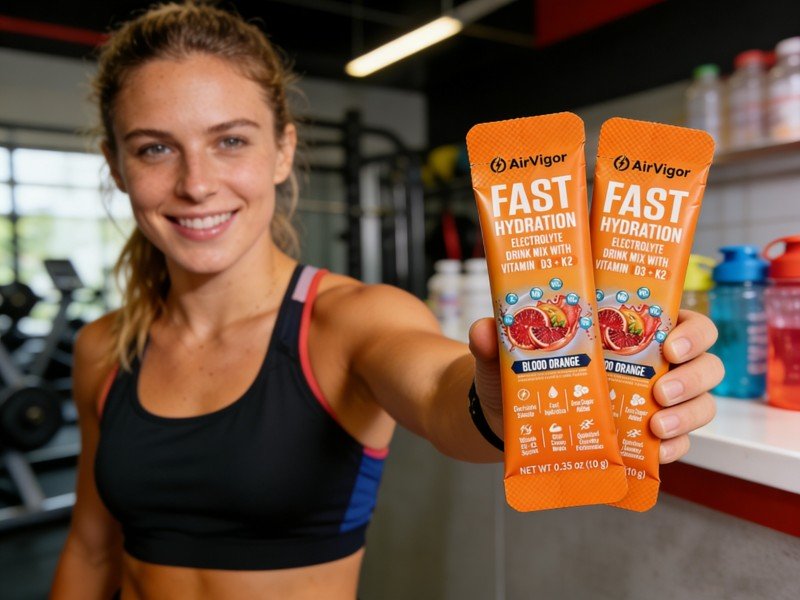
When people read an electrolyte label, they usually know why sodium is there. Sodium helps explain hydration fast. Vitamin K2 is different. It is not a sweat mineral, it is not a quick energy ingredient, and it does not create an immediate “I feel it” effect after one serving. That is exactly why it deserves a clearer explanation. In a formula like Recovery Electrolyte with D3K2, Vitamin K2 is there because many active adults want more than simple rehydration.