Skip to content

A lot of people used to think hydration was simple: drink more water and you will be fine. That advice sounds easy, but real life is not always that simple. Many people sweat during workouts, walk around in hot weather, spend long hours under air conditioning, drink coffee instead of water, travel often, or eat in a way that does not always support proper mineral balance. In those situations, water alone may not fully solve the problem. You may still feel tired, heavy, thirsty, or mentally foggy even after drinking several glasses.
The direct answer is yes, many people can drink electrolytes every day. Daily electrolyte use is generally reasonable when it matches real fluid and mineral loss from exercise, heat, travel, long workdays, or inconsistent hydration habits. The main point is not to drink the most electrolytes possible. The goal is to replace what your body actually uses, in the right amount, on the right days.
This is where many customers get confused. They hear that electrolytes are helpful, then assume more must be better. But daily hydration is not about extremes. It is about balance. One person may feel more stable and energized from one serving a day, while another may need it only on training days. The real value comes from knowing when your body needs support and when plain water is enough. Once people understand that difference, electrolytes stop feeling like a fitness trend and start becoming a practical part of daily routine.
What Do Electrolytes Do Every Day?
Electrolytes regulate fluid balance, support muscle contraction, and maintain nerve signaling throughout the day. They help your body retain and distribute water effectively rather than losing it too quickly. When daily electrolyte levels are insufficient, even normal hydration can feel ineffective, leading to fatigue, headaches, and reduced physical or mental performance.
What Do Electrolytes Do in Your Body Daily?
Electrolytes are involved in almost every basic physiological process, even when you are not exercising. Sodium, potassium, and magnesium continuously work together to maintain internal stability across cells, tissues, and circulation.
One of their most important roles is controlling how water moves inside the body. Sodium helps regulate fluid outside cells, while potassium manages fluid inside cells. This balance determines whether water stays where it is needed or is quickly excreted.
On a typical day, the body loses electrolytes through multiple pathways:
| Source of Loss | Estimated Daily Impact |
|---|---|
| Urine | 500–1,000 mg sodium |
| Sweat (light activity) | 200–800 mg sodium |
| Breathing and metabolism | Smaller but continuous loss |
Even without intense exercise, total daily sodium loss can exceed 1,000 mg, especially in warm environments or active routines.
Electrolytes also directly influence muscle function. Every muscle contraction depends on the movement of sodium and potassium across cell membranes. When levels are low, signals become less efficient, which can result in:
- early muscle fatigue
- reduced strength output
- mild cramping or tightness
Nerve signaling is another critical function. Electrolytes allow electrical impulses to travel between cells. This affects coordination, reaction time, and mental clarity. When electrolyte balance is slightly off, people often notice:
- slower response during workouts
- difficulty concentrating
- a general feeling of low energy
For most customers, these effects are not dramatic, but they accumulate. Over several days, small imbalances can lead to noticeable declines in performance and comfort.
How Do Daily Electrolytes Affect Energy and Hydration?
Electrolytes do not provide energy in the way calories or stimulants do, but they play a central role in how energy is sustained throughout the day.
Hydration directly affects blood volume. When fluid and electrolyte levels are balanced, circulation remains stable, allowing oxygen and nutrients to reach muscles and the brain efficiently. When balance is off, even slightly, the body compensates by reducing efficiency.
Research shows that a fluid loss of just 1%–2% of body weight can reduce physical performance and impair cognitive function. In practical terms, this level of loss can occur through:
- a moderate workout
- several hours in a warm environment
- a long day with limited fluid intake
Electrolytes improve hydration efficiency by supporting fluid absorption and retention. Sodium enhances the uptake of water in the small intestine, while potassium helps maintain intracellular hydration.
The difference can be observed in daily situations:
| Condition | Without Electrolytes | With Balanced Electrolytes |
|---|---|---|
| Afternoon work hours | Energy dips, reduced focus | More stable concentration |
| Moderate exercise | Early fatigue | Sustained output |
| Hot environments | Frequent thirst | More consistent hydration |
Many customers report that the main benefit is not a sudden boost, but a reduction in fluctuations. Instead of experiencing sharp drops in energy or performance, they feel more consistent throughout the day.
Are Daily Electrolytes Noticeable Over Time?
The effects of electrolytes are often subtle at first but become more evident with consistent use, especially in individuals with higher daily demands.
In the short term, within a few days, changes may include:
- improved hydration response after drinking
- reduced frequency of thirst
- less post-activity fatigue
Over one to three weeks, patterns become clearer:
- fewer muscle cramps or tightness
- more stable energy levels during the day
- improved tolerance to heat or long activity periods
Longer-term consistency supports more predictable daily performance. This is particularly relevant for individuals who:
- exercise multiple times per week
- work long or irregular hours
- travel frequently
- experience repeated mild dehydration
The table below summarizes typical customer observations over time:
| Time Period | Common Observations |
|---|---|
| 1–3 days | Faster rehydration, less thirst |
| 1–2 weeks | Improved energy stability, reduced fatigue |
| 3–8 weeks | Better routine consistency, improved recovery patterns |
It is important to note that results vary depending on baseline hydration habits, diet, and activity level. Individuals with minimal electrolyte loss may notice only small changes, while those with higher demands often experience more meaningful improvements.
Overall, electrolytes function as a support system for daily balance rather than a quick fix. Their value becomes most apparent when they are used consistently in alignment with real lifestyle needs.
How Much Electrolytes Per Day?
Most people do not need an exact number of electrolytes every day, but they do need a practical range that reflects how much fluid and minerals their body actually loses. Daily electrolyte needs vary based on activity level, sweat rate, diet, and environment. For many adults, total intake from food and supplements typically falls within: sodium 1,500–3,500 mg, potassium 2,000–3,500 mg, and magnesium 200–400 mg. The goal is to replace what is lost without creating excess.
How Much Sodium in Daily Electrolytes?
Sodium has the strongest impact on hydration because it controls how well the body retains water and maintains blood volume. Many people already consume sodium through food, but intake is not evenly distributed throughout the day, and it often does not align with periods of fluid loss.
A useful way to understand sodium needs is to look at how they change with lifestyle:
| Lifestyle or Condition | Estimated Daily Sodium Need |
|---|---|
| Low activity, mostly indoors | 1,500–2,000 mg |
| Light movement (walking, errands) | 2,000–2,800 mg |
| Moderate exercise (gym, short sessions) | 2,500–3,500 mg |
| High sweat (intense training, outdoor work) | 3,500–6,000 mg |
Sweat is the main factor that increases sodium demand. On average:
- 1 liter of sweat contains about 800–1,200 mg of sodium
- A 45–60 minute workout can produce 0.5–1.5 liters of sweat
- In hot conditions, losses can exceed 2 liters per hour
This means a single training session may create a sodium gap of 400–1,500 mg. When that gap is not replaced, people often experience:
- early fatigue during exercise
- reduced endurance
- lightheadedness or dizziness
- difficulty maintaining intensity
In these situations, drinking only water can dilute remaining sodium levels, which may make symptoms more noticeable rather than less.
For daily use, many electrolyte products provide 300–800 mg of sodium per serving. This range is generally suitable for supporting hydration without pushing intake too high for most individuals.
The key point is not to minimize sodium completely, but to align intake with actual loss. People who sweat regularly or live in warm environments often need more than they expect.
How Much Potassium and Magnesium Daily?
Potassium and magnesium play a supporting role, but their impact on daily comfort and performance is significant.
Potassium helps balance sodium and supports fluid distribution inside cells. When potassium intake is too low relative to sodium, hydration can feel uneven. This may show up as:
- muscle tightness
- reduced stamina
- a feeling of heaviness during activity
Typical daily potassium needs range from 2,000 to 3,500 mg. While some of this comes from food, intake is often inconsistent, especially in diets low in fruits and vegetables.
Magnesium is involved in muscle relaxation and nerve function. It becomes more important when physical or mental stress increases. Daily needs generally fall between 200 and 400 mg.
People who may benefit from consistent magnesium intake include those who:
- exercise frequently
- experience muscle tightness or cramping
- have high stress levels
- have irregular sleep patterns
Here is a simplified comparison:
| Electrolyte | Daily Range | Practical Benefit |
|---|---|---|
| Potassium | 2,000–3,500 mg | Supports muscle function and fluid balance |
| Magnesium | 200–400 mg | Helps with muscle relaxation and recovery |
Unlike sodium, potassium and magnesium are less likely to be overconsumed through electrolyte drinks alone. However, they are often under-consumed through diet, which is why balanced electrolyte formulas include them.
For customers, the main takeaway is that hydration is not only about sodium. A combination of sodium, potassium, and magnesium supports a more stable and comfortable daily experience.
How Do You Know Your Electrolytes Limit?
There is no single daily number that works for everyone. The most practical way to determine the right amount is to observe how your body responds under different conditions.
Signs that intake may be too low include:
- feeling thirsty even after drinking water
- fatigue during workouts or long days
- headaches, especially in warm environments
- muscle cramps or tightness
- reduced endurance
Signs that intake may be too high include:
- bloating or water retention
- feeling overly full after drinking
- increased thirst without clear reason
- mild digestive discomfort
A simple way to adjust intake is to match it with the type of day you are having:
| Day Type | Suggested Electrolyte Use |
|---|---|
| Low activity, minimal sweating | None or optional |
| Light movement | 0–1 serving |
| Moderate exercise | 1 serving |
| High sweat or long duration activity | 1–2 servings |
This approach works because electrolyte needs are not constant. They increase with sweat, heat, and activity, and decrease on rest days.
Another factor to consider is total fluid intake. People who drink large amounts of water without adjusting electrolyte intake may experience dilution effects, which can lead to persistent thirst or low energy.
In practice, most individuals benefit from a flexible approach:
- use electrolytes when fluid loss increases
- reduce intake when demand is low
- pay attention to how the body responds rather than following a fixed number
This makes it easier to maintain balance over time without overcomplicating daily routines.
Who Needs Electrolytes Every Day?
Not everyone needs electrolytes every day, but a large number of people benefit from them more than they expect. The need is usually determined by daily habits rather than fitness level alone. Any routine that increases fluid loss, reduces consistent hydration, or creates mineral imbalance can make electrolytes more useful.
A practical way to understand this is to look at how often your body is pushed out of balance. If that happens frequently, daily electrolyte support becomes more relevant.
Do Active People Need Daily Electrolytes?
People who exercise regularly are the most direct group that benefits from consistent electrolyte intake. During physical activity, the body loses both water and minerals through sweat. If only water is replaced, the internal balance becomes diluted, which can reduce performance.
Sweat loss varies, but typical ranges look like this:
| Activity Type | Sweat Loss per Hour | Sodium Loss per Hour |
|---|---|---|
| Light activity | 0.5–0.8 liters | 400–800 mg |
| Moderate training | 0.8–1.2 liters | 600–1,200 mg |
| High intensity or heat | 1.2–2.0 liters | 1,000–2,000 mg |
This explains why many people feel strong at the beginning of a workout but lose energy midway. The issue is often not lack of effort, but loss of fluid and sodium.
When electrolytes are replaced more consistently, people often notice:
- more stable endurance during training
- less sudden drop in strength or pace
- reduced post-exercise fatigue
- fewer muscle cramps
For individuals training multiple times per week, these small improvements add up. Instead of having unpredictable workouts, performance becomes more consistent from session to session.
Even moderate exercise, such as 30–45 minutes of gym activity or running, can create enough loss to justify regular electrolyte intake, especially in warm environments.
Do Busy People Need Electrolytes Daily?
A less obvious group includes people with demanding schedules. Many customers in this category do not consider themselves active, but their daily routines still create hydration challenges.
Common patterns include:
- long periods without drinking water
- frequent consumption of coffee or tea
- irregular meal timing
- extended time in air-conditioned or heated indoor spaces
These habits can lead to low-level dehydration that is not severe enough to be obvious but still affects daily function.
Typical symptoms include:
- difficulty concentrating
- low energy in the afternoon
- mild headaches
- a general feeling of fatigue
In these situations, electrolytes can help improve how efficiently the body uses the water that is consumed. Instead of increasing total fluid intake, the focus shifts to improving hydration quality.
For example, adding one electrolyte drink during a workday may help:
- maintain more stable energy levels
- reduce reliance on caffeine
- support mental clarity during long tasks
This is particularly relevant for:
- office workers
- shift workers
- people with long commutes
- individuals managing high workloads
The benefit here is not performance in the athletic sense, but maintaining consistent function throughout the day.
Do Travelers and Frequent Flyers Need Electrolytes?
Travel is one of the most common situations where electrolyte balance is disrupted.
During flights, cabin humidity is often below 20%, which accelerates fluid loss through breathing and skin. At the same time, access to water may be limited, and people often consume coffee, alcohol, or processed meals.
Typical effects of travel-related dehydration include:
- fatigue upon arrival
- dry mouth and skin
- reduced focus
- slower recovery from jet lag
Electrolytes can help by improving fluid retention and reducing the impact of dry environments.
For example:
| Travel Condition | Common Effect | Role of Electrolytes |
|---|---|---|
| Long flights | Dehydration, fatigue | Support fluid retention |
| Time zone changes | Disrupted routines | Help maintain hydration consistency |
| Hotel environments | Dry air, low activity | Improve hydration efficiency |
Many frequent travelers find that using electrolytes before, during, or after flights helps them feel more stable and reduces the “drained” feeling that often follows travel.
Do People in Hot or Dry Climates Need Daily Electrolytes?
Environmental conditions play a major role in electrolyte needs. People living in hot, humid, or very dry climates often lose more fluid than they realize, even without formal exercise.
In hot weather:
- sweat rates increase significantly
- fluid loss continues throughout the day
- sodium loss accumulates even with light activity
In dry climates:
- water loss through breathing increases
- skin loses moisture more quickly
- thirst may not fully reflect actual fluid needs
These conditions can lead to ongoing low-level dehydration.
Daily electrolyte intake can help by:
- supporting consistent hydration throughout the day
- reducing fatigue related to heat exposure
- improving tolerance to outdoor activity
For example, someone working outdoors or spending several hours in the heat may lose over 1 liter of fluid without noticing it immediately.
In these cases, electrolytes are not just for workouts—they support basic daily comfort and stability.
Who Does Not Need Electrolytes Every Day?
While many people benefit from electrolytes, they are not necessary for everyone.
Individuals who may not need daily supplementation include:
- those with very low physical activity
- people who already consume high amounts of sodium through diet
- individuals who remain well-hydrated with balanced meals
In these situations, adding electrolytes may not provide noticeable benefits and can sometimes lead to unnecessary intake.
Another important factor is product selection. Some electrolyte drinks are designed for extreme endurance situations and may contain:
- high sugar levels
- excessive sodium
- unbalanced mineral ratios
These products are not always suitable for daily use.
For everyday routines, customers generally prefer options that are:
- moderate in sodium
- balanced with potassium and magnesium
- low in sugar
- easy to consume consistently
Practical Summary
Electrolytes are most useful for people whose daily routines create regular fluid or mineral loss. This includes:
- individuals who exercise frequently
- people with physically demanding jobs
- busy professionals with inconsistent hydration habits
- travelers and frequent flyers
- those living in hot or dry environments
For these groups, daily electrolyte use can support more stable energy, better hydration, and improved recovery.
For others with lower demand, occasional use may be sufficient.
The most effective approach is to match intake with lifestyle. Electrolytes are not required by default, but when used appropriately, they help maintain balance in situations where water alone is not always enough.

Electrolytes vs Water Daily
Water keeps you alive; electrolytes determine how well that water works. Plain water restores fluid volume, but electrolytes—especially sodium, potassium, and magnesium—help your body absorb, retain, and distribute that fluid. When losses from sweat, heat, travel, or long workdays increase, adding electrolytes often leads to more stable hydration, fewer energy dips, and better physical comfort.
Are Electrolytes Better Than Water Daily?
Electrolytes are not automatically better than water, but they become more effective when mineral loss is present. After you drink water, absorption is relatively fast, and excess fluid is cleared quickly through urine. Without adequate sodium, the body has less ability to hold onto that fluid, so hydration can feel short-lived.
Sodium enhances water uptake in the small intestine and supports blood volume. Potassium helps maintain fluid inside cells, while magnesium supports muscle and nerve function. Together, they improve how long fluid stays available where it is needed.
A practical comparison:
| Hydration Method | What You Gain | Where It Falls Short |
|---|---|---|
| Water only | Replaces fluid volume quickly | May not sustain hydration if minerals are low |
| Water + electrolytes | Better absorption and retention | Unnecessary when losses are minimal |
In everyday terms, this is why one bottle of electrolyte water can feel more effective than several glasses of plain water after sweating or long periods without drinking.
When Are Electrolytes More Effective Than Water?
Electrolytes provide the most value when the body is losing both fluid and minerals or when intake patterns are inconsistent.
Typical loss scenarios:
| Situation | Fluid Loss | Sodium Loss | What People Often Feel Without Replacement |
|---|---|---|---|
| 45–60 min workout | 0.5–1.5 L | 400–1,200 mg | Early fatigue, drop in output |
| High-intensity training or heat | 1.2–2.0 L | 1,000–2,000 mg | Headache, reduced endurance |
| Hot outdoor day (non-exercise) | 0.5–1.0 L+ | 400–1,000 mg | Persistent thirst, low energy |
| Long travel day (flight + transit) | Ongoing | Moderate | Dryness, sluggishness |
If only water is consumed in these situations, the remaining electrolyte concentration can be diluted. That can make symptoms more noticeable rather than less, even though total fluid intake increases.
Adding electrolytes helps restore both sides of the equation:
- improves fluid absorption in the gut
- supports stable blood volume
- maintains intracellular hydration
Customers commonly report:
- more consistent energy during workouts
- less post-activity fatigue
- fewer cramps or muscle tightness
- better tolerance to heat and long days
These are not “boost” effects; they reflect fewer hydration-related drops.
When Is Water Enough Without Electrolytes?
Water alone is sufficient when daily losses are low and diet already provides adequate minerals.
Common situations:
- low-activity days with minimal sweating
- climate-controlled indoor environments
- short-duration exercise (under 30 minutes)
- balanced meals with regular intake of sodium, potassium, and magnesium
In these cases, adding electrolytes may not provide noticeable benefit.
Using electrolytes without need can lead to:
- mild bloating or a “full” feeling
- higher-than-needed sodium intake
- unnecessary cost without added value
A simple decision guide:
| Daily Condition | Practical Choice |
|---|---|
| Low activity, cool environment | Water only |
| Moderate activity | Water; optional electrolytes |
| High sweat, heat, or long day | Water + electrolytes |
This approach keeps intake aligned with actual demand instead of following a fixed rule.
What Customers Often Miss About Daily Hydration
Two factors are often overlooked: timing and distribution.
- Timing matters Large amounts of water consumed at once are more likely to be excreted quickly. Smaller, spaced intake—especially when paired with electrolytes during higher-loss periods—tends to be more effective.
- Distribution matters Total daily intake may look adequate on paper, but long gaps without fluid can still lead to dips in hydration. Electrolytes can help stabilize those gaps by improving how efficiently each serving is used.
- “More water” is not always better Very high water intake without adequate electrolytes can dilute sodium levels. In some cases, this leads to persistent thirst, fatigue, or headaches despite high fluid consumption.
Practical Takeaway
Water and electrolytes are not competing choices. They serve different roles:
- water provides the base level of hydration
- electrolytes help that hydration last and function properly
A simple, workable routine for most people:
- use water as the default throughout the day
- add one serving of electrolytes during higher-demand periods (workouts, heat, long work sessions, travel)
- increase to one or two servings on high-sweat days
- reduce or skip on low-demand days
Matching intake to real conditions is what makes hydration feel consistent. For many people, that shift—from drinking more to using fluid more effectively—is where the biggest improvement occurs.
How to Drink Electrolytes Daily
Use electrolytes to support hydration when your body needs it most, not as a fixed all-day habit. For most adults, 1 serving per day is enough on normal days, with 1–2 servings on higher-demand days such as workouts, heat exposure, travel, or long work periods. Choose balanced formulas and time intake around periods of fluid loss to improve absorption and reduce unnecessary intake.
When to Drink Electrolytes During the Day
Hydration demand is not constant. It rises and falls with sleep, activity, environment, and work patterns. Placing electrolytes at the right times is more effective than increasing total servings.
Morning (after waking)
After 6–8 hours without fluids, mild dehydration is common. Starting the day with 300–600 ml of water plus a light electrolyte serving helps restore fluid balance more quickly than water alone, especially if the previous day included exercise or alcohol.
Before and during exercise
For sessions longer than 30–45 minutes, begin with fluids 20–30 minutes before activity and continue small sips during training. A typical approach is 400–800 ml per hour, adjusted for sweat rate and temperature.
After exercise
Rehydration is more effective when fluid and sodium are replaced together. A practical target is to replace about 120–150% of the fluid lost over the next 2–4 hours. If you lose 1 liter of sweat, aim for 1.2–1.5 liters of fluid with electrolytes spread over time.
Afternoon or long work blocks
Energy dips are often linked to low hydration quality. One serving during a 2–4 hour focused work period can help maintain steadier concentration, especially if caffeine intake is high.
A simple timing guide:
| Time Window | Purpose | Typical Volume |
|---|---|---|
| Morning | Rehydrate after sleep | 300–600 ml |
| Pre/during workout | Maintain performance | 400–800 ml/hour |
| Post-workout | Restore fluid and sodium | 500–1,000 ml |
| Afternoon | Stabilize energy | 300–600 ml |
How Much to Use Based on Your Day
Electrolyte needs change with sweat, temperature, and workload. Using a fixed amount every day often leads to either underuse or excess.
Estimate sweat loss with a simple check
Weigh yourself before and after a workout (no clothes, dry towel). Each 1 lb (0.45 kg) lost is roughly 0.5 liters of fluid. Use this to guide rehydration.
Match servings to demand
| Day Type | Conditions | Suggested Use |
|---|---|---|
| Low activity | Indoors, minimal sweating | 0–1 serving |
| Moderate activity | Short workout or active day | 1 serving |
| High activity | Long workout or multiple sessions | 1–2 servings |
| Heat exposure | Outdoor work or hot climate | 1–2 servings |
Sodium per serving
For daily use, many people do well with 300–800 mg sodium per serving. Heavier sweaters may need the upper end of that range, especially during or after training.
How to Choose an Electrolyte for Daily Use
Products designed for extreme endurance are not always suitable for everyday routines. For daily use, look for balance and consistency.
| Feature | Practical Range | Why It Matters |
|---|---|---|
| Sodium | 300–800 mg/serving | Supports fluid retention without excess |
| Potassium | 100–300 mg | Balances sodium, supports muscle function |
| Magnesium | 50–150 mg | Aids relaxation and recovery |
| Sugar | 0–6 g | Lower sugar is easier to use daily |
| Label clarity | Clear amounts listed | Helps adjust intake precisely |
Taste and mixability matter more than expected. If a product is too sweet, too salty, or leaves residue, it is less likely to be used consistently, which reduces real-world benefit.
How to Integrate Electrolytes into a Simple Routine
Consistency comes from simplicity. Most people benefit from a routine that requires minimal planning.
A practical weekly pattern
- Office or low-activity days: water as the base, optional 1 serving
- Workout days: 1 serving during or after training
- Hot or travel days: 1–2 servings spaced across the day
Keep distribution steady
Rather than drinking a large amount at once, spread intake across the period of need. Smaller, repeated sips improve absorption and reduce the chance of discomfort.
Combine with normal meals
Electrolytes work alongside dietary intake. Salty meals, fruits, and vegetables contribute to total sodium and potassium. Adjust drink intake if meals are already high in sodium.
Common Mistakes to Avoid
Using the same amount every day
Needs change with activity and environment. Adjust up on high-sweat days and down on low-demand days.
Relying on water only during heavy sweating
High fluid intake without electrolytes can dilute sodium levels, leading to persistent thirst or fatigue.
Choosing high-sugar formulas for daily use
These may be useful for long endurance sessions but are less suitable for everyday routines.
Drinking large volumes quickly
Fast intake is more likely to be excreted. Steady intake improves retention.
Ignoring personal response
If you notice bloating, unusual thirst, or stomach discomfort, reduce serving size or frequency.

Are Daily Electrolytes Safe?
For most healthy adults, daily electrolytes are safe when intake matches actual fluid and mineral loss. Issues usually come from taking more than needed or choosing products with unbalanced formulas. A practical range for daily use is one serving on normal days and one to two servings on high-demand days, with sodium per serving around 300–800 mg. Adjust based on activity, heat, and how your body responds.
Are Electrolytes Safe for Daily Use?
Electrolytes are essential nutrients your body uses continuously. Daily use is generally appropriate when it reflects real conditions such as exercise, heat exposure, travel, or long workdays with inconsistent hydration.
Safety depends on three factors:
- Total intake across the day (food + drinks)
- Timing relative to fluid loss (workouts, heat, long gaps without drinking)
- Formula balance (sodium with potassium and magnesium)
Typical daily intake ranges for adults:
| Nutrient | Common Daily Range | Notes |
|---|---|---|
| Sodium | 1,500–3,500 mg (can be higher with heavy sweating) | Increases with sweat rate and heat |
| Potassium | 2,000–3,500 mg | Often under-consumed in low-produce diets |
| Magnesium | 200–400 mg | Supports muscle and nerve function |
Electrolyte drinks usually contribute a portion of these totals. For example, one serving with 300–800 mg sodium can cover losses from a moderate workout or a warm day without pushing intake too high for most people.
Two simple checks help keep use appropriate:
- Match intake to loss: more on high-sweat days, less on low-activity days
- Keep totals in view: include dietary sodium from meals when deciding how much to add from drinks
Can Daily Electrolytes Cause Side Effects?
Side effects are usually linked to excess intake or product composition rather than electrolytes themselves.
Common issues and likely causes:
| Symptom | Likely Cause | Practical Adjustment |
|---|---|---|
| Bloating or “full” feeling | High sodium per serving or multiple servings close together | Reduce serving size or space intake |
| Persistent thirst | Intake not matched to needs or very high sodium without enough water | Pair electrolytes with adequate fluid |
| Stomach discomfort | Sweeteners, sugar alcohols, or flavor additives | Switch to simpler formulas |
| Puffy feeling or water retention | Sodium intake higher than current loss | Lower frequency on low-activity days |
For daily use, products with moderate sodium (300–800 mg), balanced potassium, and some magnesium tend to be better tolerated than high-sugar or very high-sodium formulas.
Spacing intake also matters. Smaller, repeated amounts during periods of need are easier on the body than large volumes at once.
What Are Signs of Too Many Electrolytes?
Your body typically signals when intake is higher than needed. Pay attention to patterns rather than single events.
Common signs:
- ongoing thirst despite drinking
- noticeable bloating or tightness in the abdomen
- swelling in hands or feet by the end of the day
- mild digestive discomfort
- unusual fatigue not explained by activity
A quick way to respond:
- Reduce to one serving or skip on low-demand days
- Increase plain water intake during the same period
- Review recent meals (high-sodium foods can raise totals)
- Reintroduce electrolytes only when demand rises (workout, heat, long travel day)
Most mild symptoms resolve within a day after adjusting intake.
Who Should Be More Careful with Daily Use?
Some individuals should use electrolytes more selectively or consult a professional:
- people with conditions requiring controlled sodium intake
- those with kidney or fluid balance concerns
- individuals on medications that affect fluid or electrolytes
- people with consistently high-sodium diets
For these groups, focusing on timing (only when needed) and lower-sodium options is more appropriate than daily routine use.
Daily electrolytes are safe when they reflect real demand. Use water as your baseline and add electrolytes around periods of higher loss. Keep sodium per serving moderate, include potassium and magnesium for balance, and adjust frequency based on activity, heat, and how you feel. The most reliable approach is not a fixed number, but a consistent habit of matching intake to your day.
Conclusion:
Electrolytes are not necessary for everyone every day, but they are useful for more people than most expect.
If your daily routine includes:
- regular exercise
- long work hours
- frequent travel
- exposure to heat
- inconsistent hydration habits
then electrolytes can help support a more stable and consistent state throughout the day.
The most effective approach is not to treat electrolytes as a trend, but as a practical tool:
- use them when your body needs support
- adjust intake based on your day
- keep the routine simple and consistent
Looking for a Daily Electrolyte Product or Custom Solution?
If you are building a hydration routine, choosing the right product matters just as much as deciding when to use it.
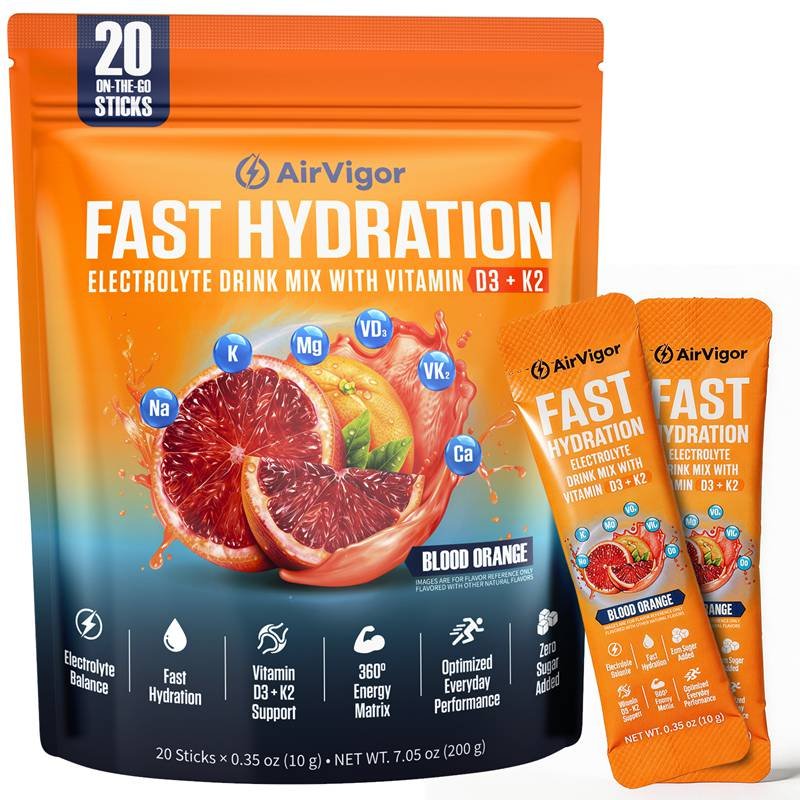
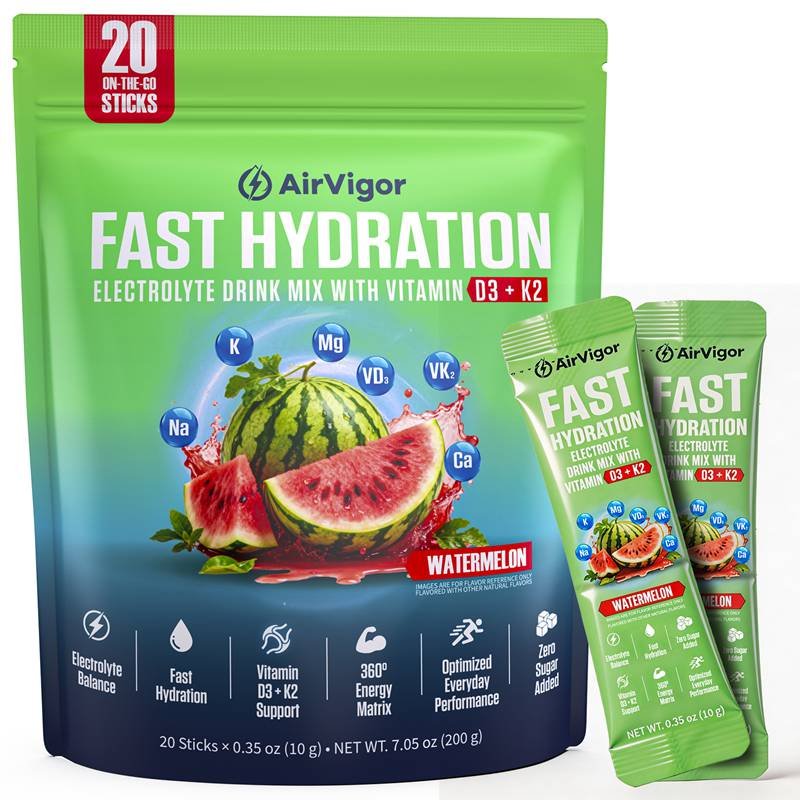
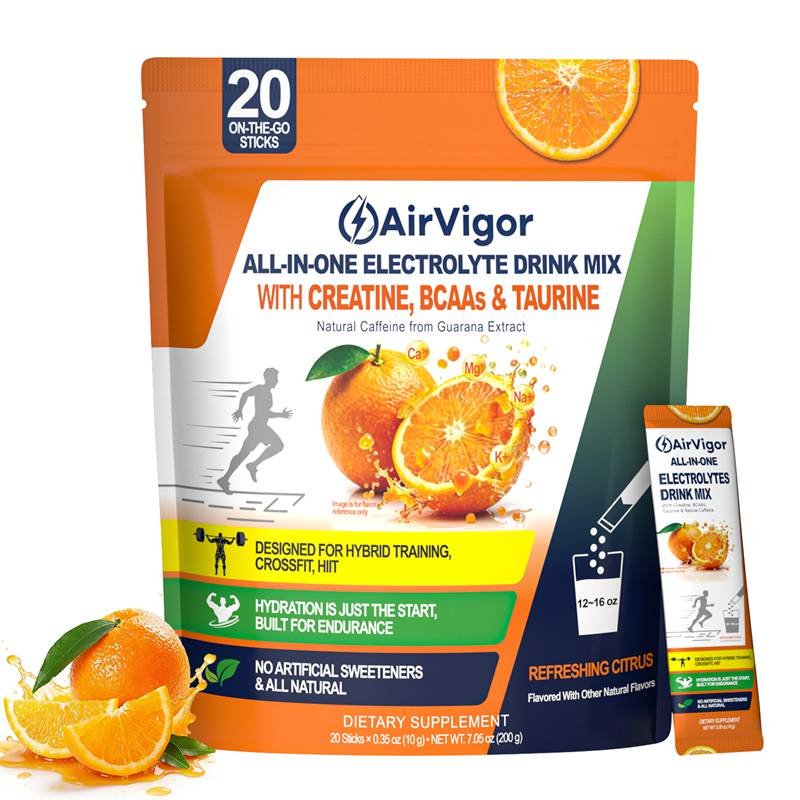
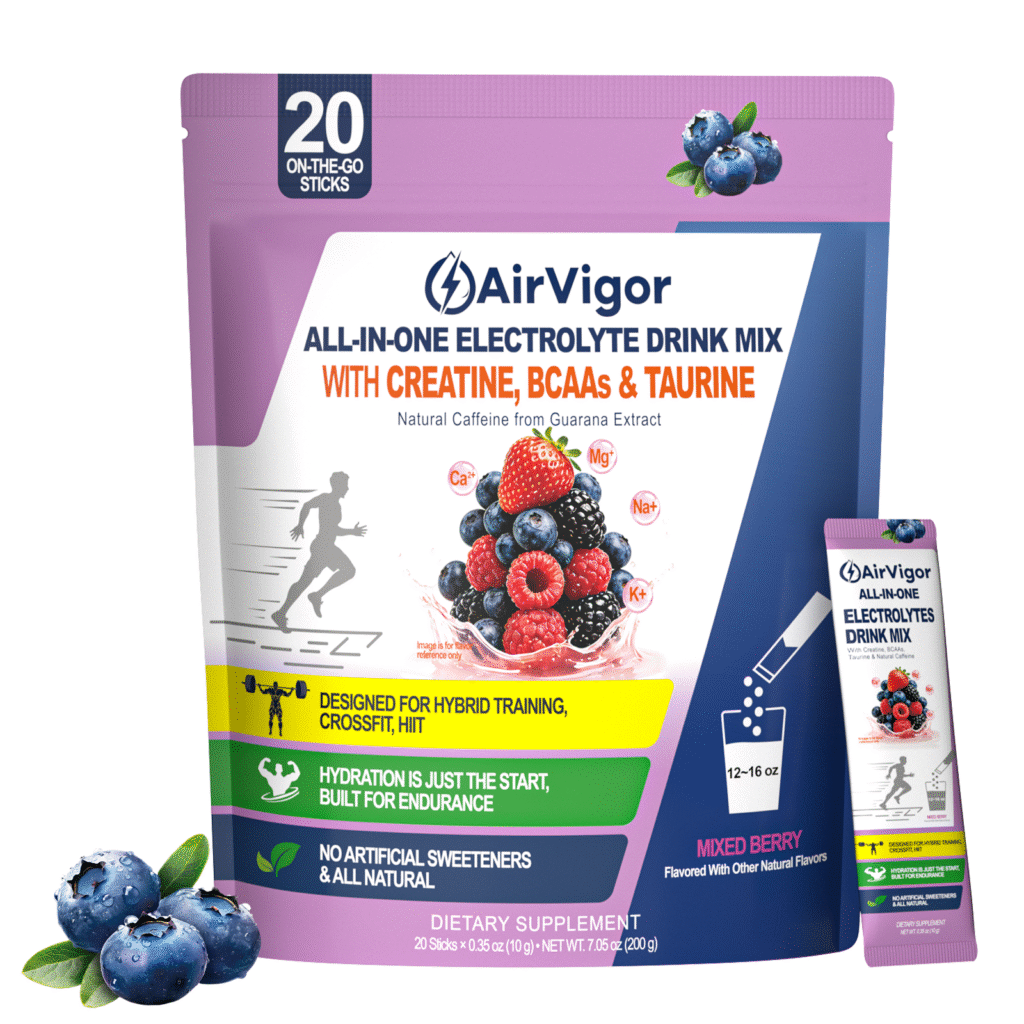
AirVigor focuses on electrolyte formulations designed for real daily use:
- balanced mineral ratios
- clear ingredient structure
- convenient formats for consistent intake
- stable production and quality control systems
Whether you are:
- sourcing a ready-to-sell product
- developing your own supplement brand
- or looking for customized formulations
AirVigor supports both direct purchase and product development needs.
You can explore:
- sample requests
- formulation adjustments
- packaging options
- bulk supply and pricing
A well-designed electrolyte product should not just work in theory. It should fit into how people actually live, work, and stay active every day.