Skip to content
Does Vitamin Water Have Electrolytes: Hydration Explained
# Your Trusted Dietary Supplement Brand In US
- Emily

Table of Contents
Walk down any grocery aisle, and you’ll see shelves lined with brightly colored bottles promising hydration, vitamins, and energy—all in one. Among them, Vitamin Water stands out as a product many people assume is a “healthier” alternative to sports drinks. It contains vitamins, tastes lighter than soda, and is often marketed as a functional beverage. But one question keeps coming up in Google searches, Reddit threads, and AI-driven Q&A tools: does Vitamin Water actually have electrolytes—and is it enough to hydrate you when it matters?
This question isn’t just academic. People reach for Vitamin Water after workouts, during travel, on hot days, or when they feel run-down. They’re often trying to solve a real problem: dehydration, fatigue, or electrolyte loss. The confusion comes from the overlap of terms like vitamins, electrolytes, hydration, and energy, which are frequently used interchangeably in marketing—but mean very different things physiologically.
Vitamin Water does contain small amounts of electrolytes, usually potassium and sometimes magnesium, but it is not formulated as a true electrolyte replacement drink. Its electrolyte levels are significantly lower than sports drinks or electrolyte powders, and sodium—the key hydration mineral—is often minimal or absent. Vitamin Water may support casual hydration, but it is usually insufficient for dehydration, heavy sweating, or athletic recovery.
Understanding the difference between “having electrolytes” and “being effective for hydration” is critical. In the sections below, we’ll break down what electrolytes actually do, what Vitamin Water really contains, and how it compares to drinks like Gatorade or professional electrolyte formulas—so you can choose what actually fits your body and lifestyle.
What Are Electrolytes and Why Do They Matter?
Electrolytes are minerals that carry an electrical charge in water and are essential for hydration, muscle contraction, nerve signaling, and fluid balance. Key electrolytes—such as sodium, potassium, magnesium, calcium, and chloride—control how water moves in and out of cells. Without adequate electrolytes, drinking water alone may not prevent dehydration, fatigue, cramps, or performance decline.
Understanding the Role of Electrolytes in the Human Body
Electrolytes are often mentioned in hydration conversations, but their real physiological importance is frequently underestimated. They are not optional “extras” in drinks—they are active regulators that determine whether hydration actually works.
At a biological level, electrolytes exist as charged ions when dissolved in fluids like blood, sweat, and intracellular water. These charges allow cells to communicate, muscles to contract, and nerves to transmit signals. More importantly, electrolytes determine where water goes, how long it stays there, and how effectively it supports bodily functions.
What counts as an electrolyte—and which ones matter most?
Not all minerals are electrolytes, and not all electrolytes play the same role. The primary electrolytes involved in hydration include:
- Sodium (Na⁺) – Maintains blood volume, supports fluid retention, and enables nerve impulses
- Potassium (K⁺) – Regulates fluid inside cells and supports muscle and heart function
- Magnesium (Mg²⁺) – Stabilizes nerves, supports muscle relaxation, and aids energy metabolism
- Calcium (Ca²⁺) – Enables muscle contraction and nerve signaling
- Chloride (Cl⁻) – Works with sodium to maintain fluid balance and digestive function
Among these, sodium and potassium are the most critical for hydration. Magnesium and calcium play supportive roles but are less directly involved in fluid retention.
This is why many drinks that contain vitamins or trace minerals still fail to hydrate effectively—they may lack the electrolytes that actually drive water balance.
Why Hydration Depends on Electrolytes — Not Just Water
Hydration is often misunderstood as simply “drinking enough water.” In reality, hydration is a physiological process involving three tightly regulated steps: water absorption, fluid distribution, and fluid retention. Electrolytes—especially sodium—are the regulators that make all three steps possible.
When you drink plain water, it does enter the bloodstream. However, without sufficient electrolytes, particularly sodium, the water cannot be effectively retained or directed into cells. Instead, the body quickly recognizes the dilution of blood sodium levels and responds by increasing urine output to restore balance. This is why people can consume large volumes of water yet still experience thirst, fatigue, headaches, or lightheadedness.
What Happens When You Drink Plain Water Without Electrolytes?
| Step | What the Body Does | Why Hydration Falls Short |
|---|---|---|
| Water intake | Water enters the bloodstream | No minerals to anchor fluid |
| Electrolyte dilution | Sodium concentration drops | Triggers hormonal response |
| Urine excretion | Kidneys flush excess water | Hydration is short-lived |
| Cellular hydration | Minimal water enters cells | Cells remain underhydrated |
This process explains a common paradox: overhydration without proper electrolyte intake can actually worsen hydration status. The issue is not water availability, but water usability.
Electrolytes Control Where Water Goes
Electrolytes create osmotic gradients—differences in mineral concentration across cell membranes—that actively pull water into tissues and cells. Sodium keeps water in the bloodstream, potassium helps move it into cells, and magnesium supports neuromuscular balance once hydration is achieved.
Without these gradients, water lacks direction. It circulates briefly, then exits the body.
| Electrolyte | Primary Hydration Role | What Happens If It’s Missing |
|---|---|---|
| Sodium | Retains fluid in blood | Rapid water loss via urine |
| Potassium | Moves water into cells | Poor cellular hydration |
| Magnesium | Supports muscle & nerve balance | Cramping, fatigue |
| Chloride | Maintains fluid equilibrium | Inefficient rehydration |
Why Thirst Isn’t Always About Water?
Thirst is commonly understood as a simple cue to “drink more water.” In reality, thirst is primarily a response to changes in blood osmolality—the concentration of electrolytes, especially sodium, in the bloodstream.
When sodium levels fall too low, the body faces a critical problem: retaining water would further dilute electrolytes and disrupt nerve signaling, muscle contraction, and blood pressure regulation. As a protective response, the body may increase urine output, even when total fluid intake is high.
This explains a paradox many people experience:
drinking more water, yet feeling increasingly thirsty, fatigued, or lightheaded.
The Role of Sodium in Thirst Regulation
Sodium is the main driver of extracellular fluid balance. Specialized receptors in the hypothalamus continuously monitor sodium concentration and blood volume. When sodium drops:
- The thirst signal may persist or intensify
- Water absorption efficiency decreases
- The kidneys reduce water retention
- Blood volume may fall despite high fluid intake
In other words, low sodium overrides the “more water” signal.
This is why thirst is not just a hydration cue—it’s a mineral balance alarm.
Why Water Alone Can Make Thirst Worse?
Under certain conditions, drinking plain water can actually prolong or worsen thirst:
| Situation | What Happens Physiologically |
|---|---|
| Heavy sweating | Sodium is lost faster than water |
| Drinking only water | Blood sodium becomes diluted |
| Diluted sodium levels | Kidneys excrete excess water |
| Increased urine output | Thirst returns quickly |
This cycle explains why people may drink repeatedly without feeling satisfied, especially during heat, exercise, or stress.
Who Is Most Affected by Electrolyte-Driven Thirst?
Persistent thirst despite drinking water is especially common in:
- Endurance athletes (running, cycling, HIIT, CrossFit)
- People in hot or humid climates
- Travelers, especially during flights or time-zone changes
- Individuals under prolonged mental or physical stress
- People who sweat heavily or have high sodium loss
In these situations, water loss is rarely isolated. Electrolyte loss—particularly sodium—is the limiting factor in hydration.
Hormones, Stress, and “False Thirst”
Stress adds another layer to the equation. Elevated cortisol and adrenaline affect fluid distribution and increase urinary output. At the same time, stress can blunt hunger cues while exaggerating thirst sensations, leading people to overconsume water without replacing electrolytes.
This is why people under long workdays, high cognitive load, or frequent travel often report:
- Dry mouth despite drinking
- Headaches that improve with electrolytes
- Fatigue that doesn’t resolve with water alone
The Key Insight
Thirst is not always a request for more fluid—it is often a signal that the fluid you’re drinking lacks the minerals needed to be retained.
True hydration requires both:
- Water, to restore volume
- Electrolytes, to hold that water where it’s needed
Without electrolytes—especially sodium—hydration remains incomplete, no matter how much water is consumed.
Thirst is driven more by electrolyte balance—especially sodium—than by water volume alone, which is why drinking plain water without electrolytes can fail to resolve dehydration.
The Bottom Line for Real Hydration
True hydration is not about how much water you drink—it’s about how well your body can use that water. Electrolytes determine whether water stays in circulation, enters cells, and supports physical and cognitive performance.
Without electrolytes, water is temporary.
With electrolytes, hydration becomes stable, functional, and sustainable.
How sweating, exercise, and heat disrupt electrolyte balance
Sweat is not just water—it is rich in electrolytes, particularly sodium and chloride. During exercise, heat exposure, or prolonged physical activity, electrolyte loss accelerates.
Common situations that increase electrolyte depletion include:
- Intense workouts or endurance sports
- Hot or humid environments
- Sauna use or hot yoga
- Long workdays with frequent sweating
- Travel, especially flying
Replacing water without electrolytes during these conditions can worsen the imbalance, leading to symptoms such as:
- Muscle cramps
- Headaches
- Fatigue
- Dizziness
- Reduced performance
This is why athletes and physically active individuals require electrolyte replenishment—not just fluid intake.
How electrolytes affect energy, focus, and muscle function?
Electrolytes directly influence neuromuscular performance and cognitive clarity. Sodium and potassium enable nerve impulses that control muscle contractions and reflexes. Magnesium helps muscles relax after contraction and supports ATP (energy) production.
When electrolyte levels drop:
- Muscles fatigue faster
- Coordination declines
- Reaction time slows
- Mental focus decreases
This explains why dehydration and electrolyte imbalance often feel like “low energy” or “brain fog,” even before thirst becomes noticeable.
Hydration is not just about comfort—it’s about maintaining functional performance across physical and mental tasks.
Why electrolyte balance matters more than “more electrolytes.”?
More electrolytes are not always better. Balance is key.
Excessive intake—especially of sodium—without adequate water can cause gastrointestinal discomfort or bloating. Conversely, consuming potassium-heavy drinks without sodium may not improve hydration at all.
Effective hydration depends on:
- Correct electrolyte ratios
- Appropriate concentration
- Consistent intake over time
This is why professionally formulated electrolyte products often outperform casual beverages: they are designed around physiological needs rather than flavor or marketing appeal.
Electrolytes are not optional additives—they are the foundation of effective hydration. They regulate fluid balance, muscle function, nerve signaling, and overall performance. Without sufficient electrolytes, water alone cannot hydrate the body properly, especially during exercise, heat, or high-demand lifestyles.
Understanding electrolytes is the first step toward choosing drinks that actually support your body—rather than just tasting refreshing.
Does Vitamin Water Have Electrolytes?
Yes, Vitamin Water does contain electrolytes, but typically in small and hydration-insufficient amounts. Most varieties include trace levels of potassium and sometimes calcium or magnesium, while sodium—the key electrolyte for fluid retention—is often very low or absent. As a result, Vitamin Water may offer light refreshment but is generally not effective for replacing electrolytes lost through sweat, exercise, or dehydration.
What Vitamin Water Really Provides?
Vitamin Water is widely perceived as a “hydration drink,” largely because of its name and vitamin-focused marketing. However, when evaluated through a physiological and hydration science lens, its electrolyte profile tells a very different story.
To understand whether Vitamin Water truly supports hydration, we need to look beyond branding and examine what electrolytes are present, in what quantities, and how they function in the body.
Which electrolytes are usually listed on Vitamin Water labels?
Most Vitamin Water formulations include:
- Potassium (often as potassium phosphate)
- Calcium (in some variants)
- Magnesium (occasionally, in small doses)
However, the amounts are typically minimal, often contributing only 2–4% of the daily value per bottle.
Crucially, sodium is either absent or present in extremely low amounts in many Vitamin Water products. From a hydration standpoint, this is a significant limitation because sodium is the primary electrolyte responsible for maintaining blood volume and preventing rapid fluid loss.
In other words, while Vitamin Water technically “contains electrolytes,” it lacks the electrolyte structure required for meaningful hydration.
How much electrolyte is “enough” to matter for hydration?
Electrolytes only support hydration when they reach functional thresholds. Below those levels, their impact is largely negligible.
For example, in hydration science:
- Sodium is typically needed in hundreds of milligrams per liter to meaningfully improve fluid retention.
- Potassium plays a supportive role but cannot replace sodium’s function.
- Magnesium and calcium assist neuromuscular stability but do not drive hydration on their own.
Most Vitamin Water products provide:
- Low potassium
- Minimal or no sodium
- Electrolytes were added more for labeling appeal than for physiological effect
As a result, drinking Vitamin Water after sweating heavily may feel refreshing—but it does not reliably restore electrolyte balance.
How Can You Spot Electrolytes on the Ingredient List?
When evaluating whether a drink truly contains effective electrolytes, it’s essential to carefully review both the Nutrition Facts panel and the ingredient list. This will not only inform you about the presence of electrolytes but also their amounts and relative importance compared to other ingredients.

Signals to Look for:
- Sodium:
- Sodium is one of the primary electrolytes lost through sweat, so it should be listed in a meaningful milligram amount (e.g., 100 mg, 200 mg, or more per serving).
- Common sources of sodium include:
- Sodium chloride (common table salt)
- Sodium citrate (a form of sodium commonly used in electrolyte drinks)
- Sodium bicarbonate (baking soda, though used less frequently in drinks)
- If the sodium is listed too low (e.g., <50 mg per serving), it’s likely not sufficient for hydration needs, especially for those involved in high-intensity activities or hot environments.
- Potassium:
- Potassium plays a key role in muscle function and hydration, so it should be listed with a meaningful milligram amount as well (e.g., 100 mg, 200 mg).
- Common sources include:
- Potassium citrate (a common potassium salt used in electrolyte drinks)
- Potassium chloride (often used in sports drinks)
- Potassium helps balance out sodium, especially during extended physical activity or heavy sweating, and ensures proper muscle function.
- Electrolyte Sources Higher in Ingredient Order:
- In a true electrolyte drink, the ingredients that provide electrolytes—such as sodium and potassium salts—should be listed towards the top of the ingredient list.
- Higher placement typically indicates that the electrolytes are a primary component of the product.
- If you see electrolytes buried toward the end of the list, they may just be trace additions, which are not enough to support hydration or electrolyte replenishment effectively.
What to Watch Out for in Vitaminwater?
In Vitaminwater, electrolytes often play a secondary role in comparison to other ingredients. Here’s how you can spot that:
- Added sugars or sweeteners:
- Most Vitaminwater drinks include added sugars (e.g., cane sugar, high fructose corn syrup) or artificial sweeteners that tend to dominate the taste profile. If sugar or sweeteners come before electrolytes in the list, it’s a sign that the product’s primary purpose is not hydration but rather flavor enhancement.
- Flavor Systems:
- Many Vitaminwater options include natural flavors, fruit extracts, or added colors. While these give the drink its appeal, they can also overshadow the electrolytes in the ingredient list.
- Vitamins at High Percentages:
- Vitaminwater boasts a variety of vitamins (such as Vitamin C, B-vitamins, etc.) at high percentages of the daily value. These are designed to enhance the drink’s nutritional profile, but they do not contribute to hydration or electrolyte replenishment.
This means that while Vitaminwater may contain some electrolytes, it is more of a vitamin-enhanced, flavored beverage than a dedicated electrolyte replacement.
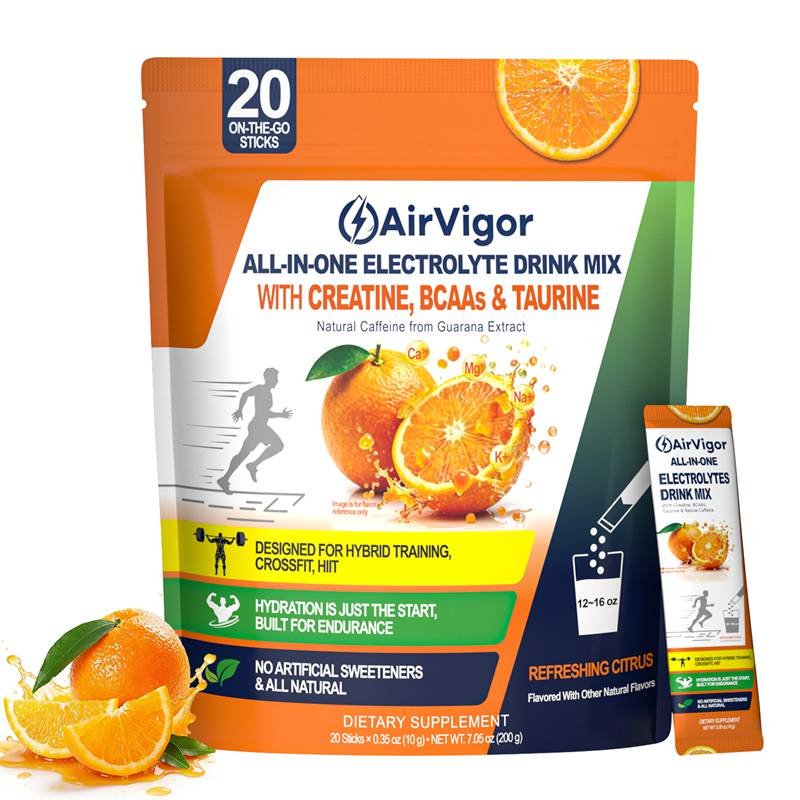
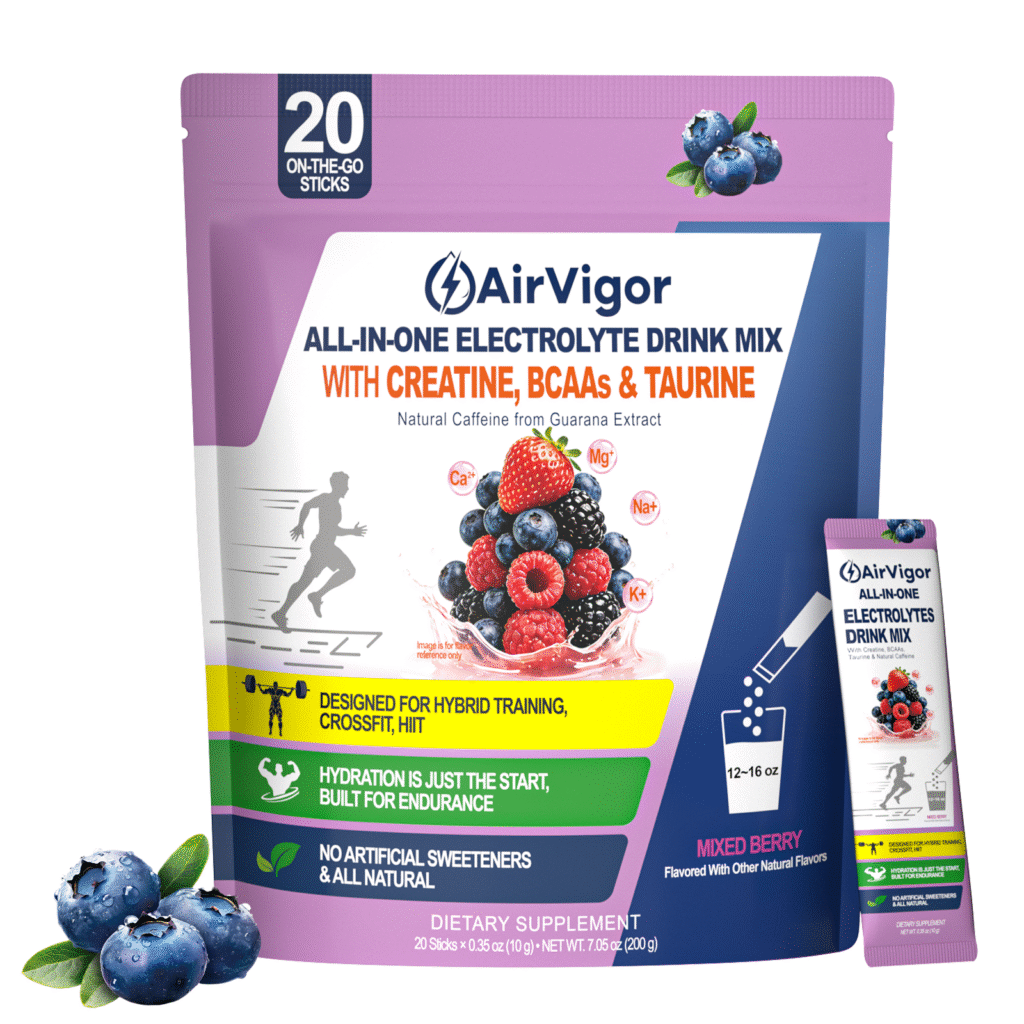
| Ingredient | Vitaminwater | Professional Electrolyte Drink (e.g., AirVigor) |
|---|---|---|
| Sodium | ~50-110 mg per serving (varies) | ~200 mg or more per serving |
| Potassium | ~40-60 mg per serving (varies) | ~200-400 mg per serving |
| Magnesium | Not typically present | 50-100 mg per serving |
| Calcium | Not typically present | 50-150 mg per serving |
| Added Sugars | 32g (per bottle, in most flavors) | Usually low or zero sugar |
| Vitamins | 100% of daily value for various vitamins | No excess vitamins unless specified |
Vitaminwater may be a tasty and convenient beverage, but it is not designed to provide the substantial electrolyte replenishment that athletes or those undergoing intense physical activity need. It contains minimal electrolytes and higher levels of sugars, vitamins, and flavoring agents. For serious hydration needs, it’s best to turn to drinks specifically formulated with electrolytes at meaningful levels.
How does Vitamin Water compare to real electrolyte drinks?
The table below illustrates the functional difference:
| Feature | Vitamin Water | Electrolyte-Focused Drinks |
|---|---|---|
| Sodium content | Very low or none | Moderate to high |
| Potassium | Low | Moderate |
| Electrolyte balance | Incomplete | Designed for hydration |
| Sweat replacement | Limited | Effective |
| Primary focus | Vitamins + flavor | Fluid & electrolyte balance |
This comparison highlights why Vitamin Water may be suitable for casual sipping, but not for post-workout recovery, heat exposure, or dehydration scenarios.
Why Vitamin Water is often misunderstood as a hydration solution?
Vitamin Water benefits from a strong halo effect:
- The word “vitamin” implies health
- Clear bottles suggest purity
- Light flavor feels refreshing
However, hydration effectiveness depends on electrolyte composition, not vitamin density.
Vitamins support metabolism and long-term health, but they do not regulate fluid balance. Without sufficient electrolytes—especially sodium—hydration remains incomplete.
This disconnect between perception and physiology explains why many people still feel thirsty, fatigued, or cramp-prone after drinking Vitamin Water during active or hot conditions.
Vitamin Water does contain electrolytes, but only in trace amounts that are unlikely to support real hydration needs. Its low sodium content makes it ineffective for replacing electrolytes lost through sweat, exercise, or dehydration. For situations that demand true hydration support, drinks formulated with balanced electrolytes—not just vitamins—are a more reliable choice.
Is Vitamin Water Good for Hydration or Dehydration?
Vitamin Water can contribute to light, everyday hydration, but it is not ideal for treating dehydration. Its low sodium content limits fluid retention, especially after sweating, exercise, or exposure to heat. While it hydrates better than plain water in some cases, it falls short compared to electrolyte-focused drinks designed to restore fluid and mineral balance.
Hydration exists on a spectrum. On one end is casual fluid intake during sedentary activities; on the other is true rehydration after fluid and electrolyte loss. Understanding where Vitamin Water fits on this spectrum is essential for making informed choices.
Vitamin Water sits somewhere in the middle—it is not useless, but it is often overestimated.
Does Vitamin Water hydrate better than plain water?
In low-demand situations, Vitamin Water may feel more hydrating than plain water. The presence of flavor, mild sweetness, and small amounts of potassium can encourage higher fluid intake, which indirectly supports hydration.
For people who:
- Struggle to drink enough water
- Prefer lightly flavored beverages
- Are sedentary or lightly active
Vitamin Water can help increase total daily fluid consumption.
However, this benefit comes primarily from palatability, not from a superior hydration mechanism. Physiologically, its low sodium content means the body may still excrete much of the consumed fluid quickly.
In short: Vitamin Water may help you drink more—but it does not significantly improve how well your body retains that water.
Is Vitamin Water good when you’re actually dehydrated?
True dehydration involves both water loss and electrolyte depletion, particularly sodium. Common dehydration scenarios include:
- Intense workouts
- Prolonged sweating
- Hot or humid environments
- Travel and flying
- Illness-related fluid loss
In these cases, Vitamin Water is usually insufficient. Without adequate sodium, the drink cannot effectively restore blood volume or maintain plasma osmolality—the key drivers of rehydration.
This is why people often report that:
- They still feel thirsty after drinking Vitamin Water
- Fatigue or dizziness persists
- Muscle cramps are not relieved
Vitamin Water lacks the electrolyte concentration required to reverse dehydration efficiently.
How sugar and calories affect hydration outcomes?
Many Vitamin Water varieties contain added sugars, while others rely on non-nutritive sweeteners.
Sugar plays a complex role in hydration:
- Small amounts can enhance sodium absorption in the gut
- Excessive sugar slows gastric emptying and can cause GI discomfort
Most Vitamin Water products contain more sugar than necessary for hydration, but still lack sufficient sodium to take advantage of sugar’s absorption benefits.
As a result, the sugar contributes calories and flavor—but not proportional hydration value.
This imbalance is one reason Vitamin Water is often categorized closer to a functional beverage than a true hydration solution.
How Vitamin Water compares in real hydration scenarios?
| Scenario | Vitamin Water | Electrolyte-Focused Drink |
|---|---|---|
| Sitting at a desk | ✅ Acceptable | ✅ Acceptable |
| Light daily hydration | ⚠️ Limited benefit | ✅ Effective |
| Post-workout recovery | ❌ Not sufficient | ✅ Recommended |
| Heavy sweating / heat | ❌ Not effective | ✅ Necessary |
| Cramp prevention | ❌ Unreliable | ✅ More consistent |
This comparison highlights that Vitamin Water’s usefulness depends heavily on context.
Why do People Often Think Vitamin Water Works Better Than It Does?
Vitamin Water’s popularity is not accidental. It benefits from a powerful combination of psychological cues that strongly influence how people perceive hydration—even when physiological outcomes don’t fully support that perception.
These cues include:
- Clear or lightly tinted packaging, which visually signals “purity” and “water-like” hydration
- Health-forward branding, emphasizing vitamins, antioxidants, and wellness language
- Light, refreshing taste, which reduces drinking resistance compared to thick or salty sports drinks
Together, these elements create a cognitive shortcut: if a drink looks clean, tastes easy, and sounds healthy, the brain assumes it must be hydrating effectively.
From a behavioral standpoint, Vitamin Water performs well. People are more likely to sip it throughout the day than plain water, especially if they dislike water’s taste. That alone can improve total fluid intake, which is nothing.
However, hydration is not just about volume consumed. It’s about what happens after the liquid enters the body.
Here’s where the mismatch appears:
| What the Consumer Feels | What the Body Actually Needs |
|---|---|
| “It tastes refreshing” | Sodium to retain fluid |
| “It has vitamins, so it’s healthy” | Electrolytes to direct water |
| “I’m drinking more” | Balanced mineral replacement |
| “I feel temporarily refreshed” | Sustained cellular hydration |
Vitamin Water often satisfies sensory expectations, but not physiological requirements—especially under conditions of sweat loss or stress.
Why the Effect Feels Real?
The initial positive impression isn’t imagined. Vitamin Water can:
- Encourage more frequent sipping
- Reduce mild thirst temporarily
- Provide a short-lived “refresh” sensation
But because its sodium content is typically low, the water consumed is not efficiently retained. As blood electrolyte concentration drops, the kidneys increase urine output to restore balance—leading to the familiar cycle of drinking, urinating, and feeling thirsty again.
This explains why many people report that Vitamin Water:
- “Goes right through me”
- “Doesn’t last.”
- “Feels fine, but I’m still tired later.”
Why Active Individuals Eventually Move On?
As people become more physically active—or more attentive to recovery—they begin to notice patterns:
- Cramps after workouts
- Headaches during heat or long days
- Fatigue despite drinking plenty of fluids
At that point, perception gives way to outcome. Performance-oriented users start prioritizing drinks that:
- Replace sodium lost through sweat
- Maintain blood volume
- Support muscle and nerve function
This is why runners, cyclists, gym-goers, outdoor workers, and frequent travelers often transition from vitamin-enhanced waters to electrolyte powders or sports hydration formulas. The shift isn’t ideological—it’s experiential.
Vitamin Water can play a role in casual, low-demand hydration, especially for individuals who struggle to drink plain water. It may help increase fluid intake during sedentary daily activities.
However, it is not a reliable solution for:
- Dehydration
- Exercise recovery
- Heavy sweating
- Heat exposure
- Sustained physical or cognitive performance
Its low sodium content limits fluid retention, meaning much of the water consumed is not held long enough to support true hydration.
When hydration genuinely matters—during training, recovery, travel, or heat—electrolyte-focused drinks are the more effective choice, because they are designed around how the body actually manages water.
Conclusion
In conclusion, while Vitamin Water offers a refreshing and lightly flavored alternative to plain water, it falls short as an effective hydration solution, especially in situations that demand electrolyte replenishment. Despite containing small amounts of potassium and occasionally magnesium, its low sodium content means it cannot adequately replace the electrolytes lost during physical activity, sweating, or heat exposure.
For casual hydration and mild fluid intake, Vitamin Water may offer some benefits, primarily by encouraging higher fluid consumption due to its pleasant taste. However, it is not designed to support the body’s critical electrolyte balance, which is essential for muscle function, nerve signaling, and proper hydration.
For more effective hydration, especially during intense exercise, hot weather, or recovery, it’s important to turn to drinks specifically formulated with balanced electrolytes. These drinks are designed to replenish sodium, potassium, and magnesium in the right proportions, ensuring better fluid retention and overall hydration.
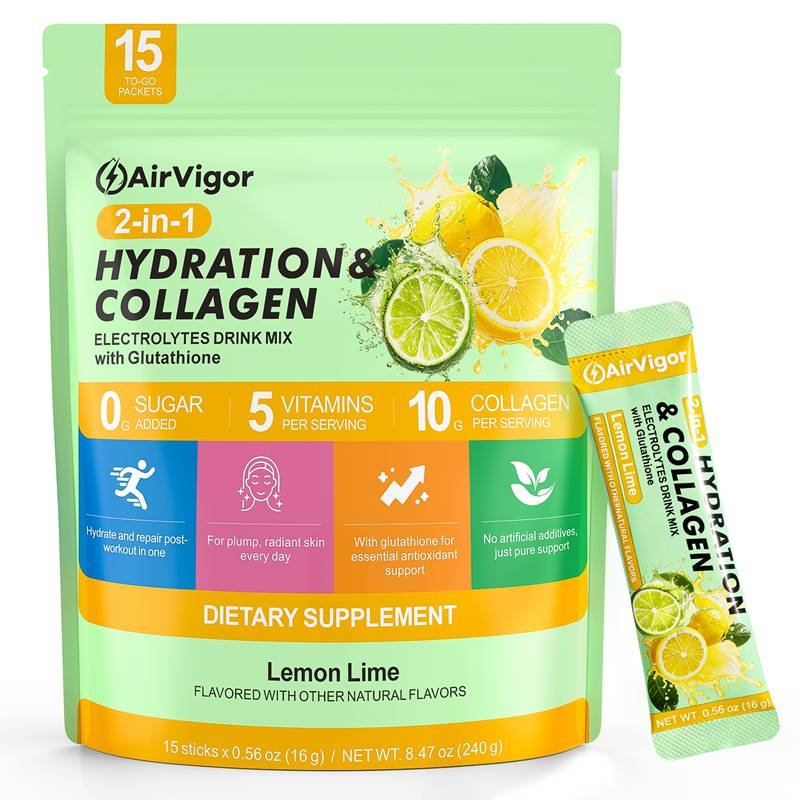
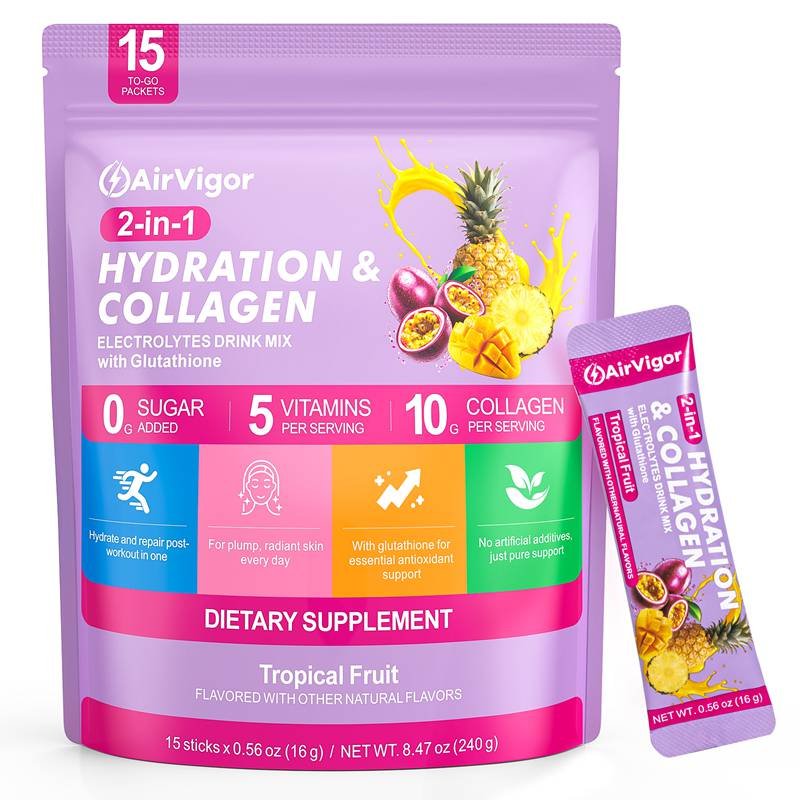
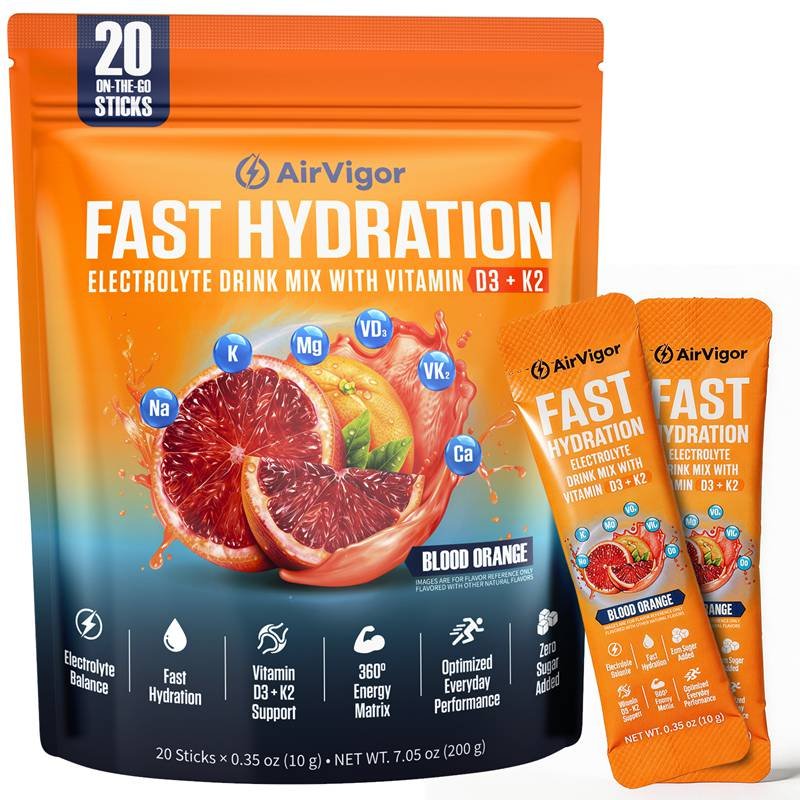
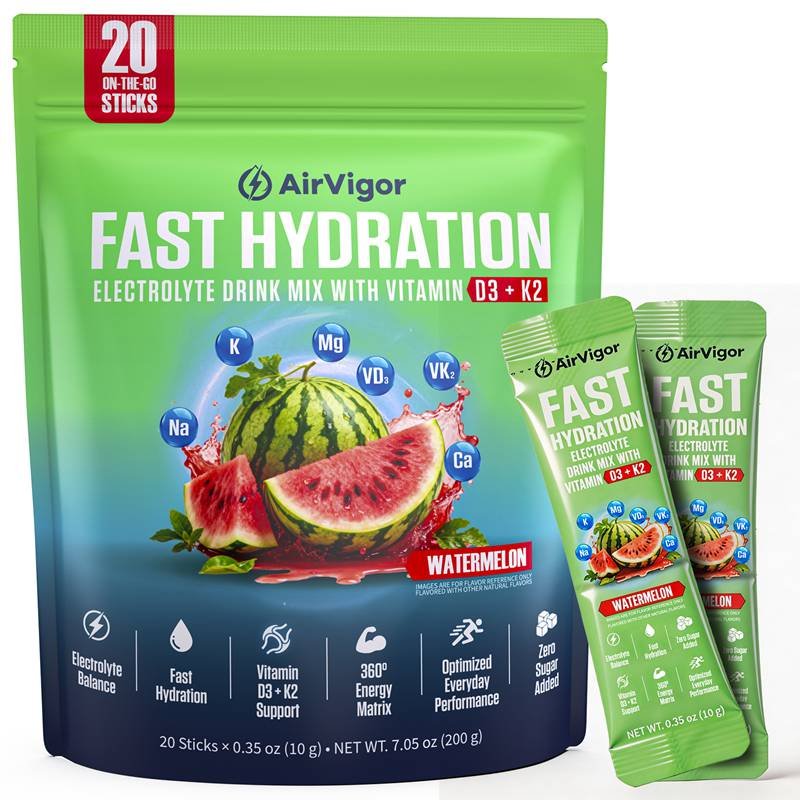
If you’re looking for optimal hydration solutions that truly support your body’s needs, AirVigor’s electrolyte powders provide a scientifically-backed formula to help you stay hydrated and perform at your best. Visit our Amazon store or contact us for more information on the best hydration options for your lifestyle.
Share:
Contact Expert Team
At AirVigor, performance becomes effortless. We transform advanced nutrition science into clean, effective supplements that help you hydrate, recover, and feel stronger every day. Shop AirVigor on Amazon and experience athlete-trusted formulas—backed by real science and supported by our world-class R&D and production capabilities.
Trust AirVigor
At AirVigor, turning your performance goals into reality is no longer a struggle—it’s a science-driven journey we build together. Whether you’re a runner, lifter, cyclist, yogi, outdoor athlete, or someone simply seeking better daily energy, AirVigor transforms advanced nutrition research into clean, effective, and trustworthy supplements you can feel.
Backed by our U.S. scientific team, global certifications, and world-class production standards, every formula is engineered to deliver real hydration, real recovery, and real performance. And when you’re ready to experience the difference, you’ll find AirVigor products available on Amazon and other major platforms—fast shipping, consistent quality, and a community of athletes already seeing results.
Behind the scenes, our R&D and manufacturing ecosystem also supports specialized formulation development, ensuring AirVigor continues to lead with innovation while keeping quality and safety uncompromised. But at the core, everything we create is built for you—your health, your performance, your momentum.
Choose AirVigor. Feel the science. Elevate your every day.


Subscribe to our newsletter
Sign up to our newsletter and we’ll keep you up to date with the latest arrivals.