Skip to content
Why Do You Need Electrolytes After Sweating : A Complete Guide
# Your Trusted Dietary Supplement Brand In US
- Emily

Table of Contents
Sweating is visible, but electrolyte loss is often less obvious. After a workout, sauna session, hot yoga class, summer hike, or outdoor work shift, most people notice wet clothing, thirst, and fatigue first. Water is essential, but sweat removes more than fluid. It also carries away minerals that help the body regulate fluid balance, support muscle contraction, send nerve signals, and maintain steady physical function after heat or exercise stress.
Electrolytes are important after sweating because sweat removes both water and key minerals, especially sodium, potassium, magnesium, and calcium. Light sweating can often be managed with water and regular meals. Heavy, repeated, salty, or heat-related sweating may require electrolyte replacement to support rehydration, muscle function, and recovery when plain water alone does not feel sufficient.
This is why some people drink water after sweating but still feel tired, thirsty, headachy, or slow to recover. A runner finishing a humid 6-mile route, a warehouse worker sweating through an afternoon shift, or a gym user leaving a HIIT class with a soaked shirt may need more than fluid alone. Their recovery needs are often simple: water, minerals, and a convenient routine they can repeat consistently.
What Happens When You Sweat?
Sweating is the body’s cooling system, but it also changes hydration balance. As sweat leaves the skin, the body loses water along with electrolytes such as sodium, potassium, magnesium, and calcium. These minerals help regulate fluid movement, muscle contraction, nerve signaling, and normal physical function after heat or exercise stress. When sweat loss is light, water and regular meals are usually enough to restore balance. When sweating is heavy, repeated, salty, or heat-related, electrolyte loss can become large enough to affect how the body feels during recovery.
The amount of sweat a person loses can vary widely. A light indoor workout may cause only mild fluid loss, while running, cycling, hot yoga, sauna use, hiking, or outdoor labor in summer can produce much higher sweat volume. Some people lose less than 0.5 liter of sweat per hour during moderate activity, while heavy sweaters in hot conditions may lose 1–2 liters per hour or more. That difference matters because electrolyte loss increases as sweat volume rises. A person who finishes a workout with lightly damp clothing does not have the same recovery need as someone whose shirt, hat, or towel is soaked.
What Do You Lose in Sweat?
Sweat is mostly water, but the minerals inside it have an outsized role in hydration and recovery. Sodium is usually the main electrolyte lost through sweat, and it is especially important because it helps the body maintain fluid balance and supports normal nerve and muscle function. Potassium, magnesium, and calcium are lost in smaller amounts, but they still contribute to muscle contraction, nerve communication, and overall recovery comfort.
| Electrolyte | Common Sweat Loss Per Liter | Why It Matters After Sweating |
|---|---|---|
| Sodium | About 500–2,000 mg | Helps maintain fluid balance, supports nerve signals, and helps the body retain water after sweating |
| Potassium | About 150–400 mg | Supports muscle function, nerve communication, and fluid balance inside cells |
| Magnesium | About 5–20 mg | Supports normal muscle and nerve function and energy-related body processes |
| Calcium | About 10–30 mg | Supports muscle contraction, nerve signaling, and cellular communication |
These ranges explain why two people can complete the same workout and feel very different afterward. One person may lose a modest amount of fluid and recover comfortably with water and a meal. Another person may lose far more sodium through sweat and continue feeling thirsty, heavy, or low in energy even after drinking water. Visible salt marks on dark clothing, hats, sports bras, backpack straps, or towels are often a sign of meaningful sodium loss. Sweat that tastes very salty or stings the eyes strongly can also suggest higher salt concentration.
For everyday users, the key is not to treat every sweat session as a serious depletion event. Light sweat from a short walk, gentle stretching session, or mild indoor workout rarely requires a dedicated electrolyte drink. The need becomes more relevant when sweat loss is heavy, clothing is soaked, the environment is hot or humid, meals are delayed, or fatigue continues after drinking water. A well-designed electrolyte powder should help make that decision easier by clearly showing sodium, potassium, magnesium, calcium, serving size, sugar content, and intended use.
Why Does Sweating Feel Draining?
Sweating can feel draining because the body is managing several physical demands at once. During exercise or heat exposure, blood flow shifts toward the skin to help release heat, sweat glands produce fluid for cooling, and muscles continue using energy and minerals for movement. When this process continues for a long time or happens in a hot environment, fluid and electrolyte loss can begin to affect perceived energy, muscle comfort, and recovery speed.
This drained feeling often appears after situations that create high sweat pressure: a humid run, an intense HIIT class, a long cycling session, a hot yoga class, sauna use, yard work, delivery work, warehouse shifts, or outdoor training in summer. Customers may describe it as lingering fatigue, headache, heavy legs, muscle tightness, strong thirst, salt cravings, or feeling less steady than usual after activity. These signs do not always mean electrolyte loss is the only cause, since sleep, food intake, training load, alcohol, stress, and illness can also affect recovery. But when these feelings appear after clear sweat loss, hydration should be evaluated beyond water volume alone.
Heat and humidity make this more noticeable. In hot weather, the body sweats more aggressively to control temperature. In humid weather, sweat evaporates less efficiently, which means cooling becomes less effective and sweat may continue longer. The result is often a higher total loss of fluid and sodium. Workout style also matters. Thirty minutes of light strength training in an air-conditioned gym may not require much electrolyte support, while thirty minutes of hot yoga or high-intensity intervals can leave some people with a soaked shirt and a much greater recovery need.
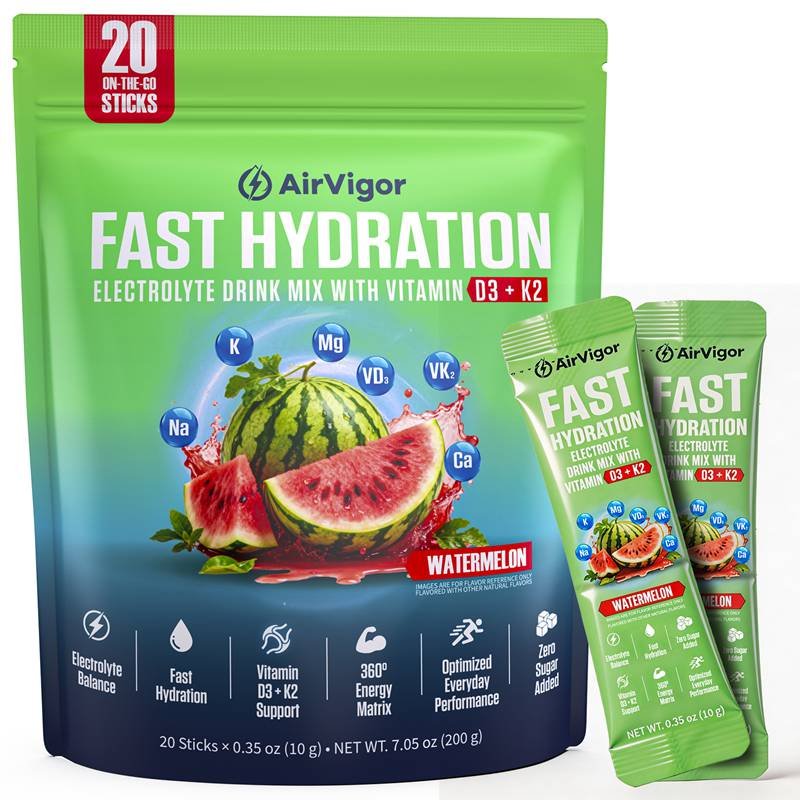
This is why electrolyte support should be tied to real conditions rather than used randomly. If a person sweats lightly and feels normal after water, a regular meal may be enough. If a person sweats heavily, notices salt marks, feels unusually thirsty, or does not recover well after water, electrolytes become more relevant. AirVigor fits this use case by giving customers a simple way to add mineral support to water after workouts, heat exposure, sauna use, travel, and active daily routines without relying on sugary sports drinks.
Is Sweat Only Water?
Sweat is not only water. It contains water, sodium, potassium, chloride, magnesium, calcium, and small amounts of other compounds. Water makes up the largest share, but the electrolyte portion explains why heavy sweating can affect the body even after a person drinks plain water. Thirst may improve quickly after drinking, yet recovery can still feel incomplete if sodium and other minerals have not been replaced adequately.
The difference between fluid loss and electrolyte loss is important. Water loss mainly affects thirst, temperature regulation, and overall fluid volume. Sodium loss affects the body’s ability to maintain fluid balance and support normal nerve signaling. Potassium supports fluid balance inside cells and helps muscles function normally. Magnesium and calcium contribute to muscle and nerve activity, even though they are usually lost in smaller amounts. This combination is why a person may experience thirst, headache, muscle tightness, salt cravings, or prolonged fatigue after heavy sweating.
Sweat patterns are also personal. Some people are naturally heavy sweaters, while others lose a higher amount of sodium even with moderate sweat volume. Fitness level, heat adaptation, diet, body size, clothing, and environment all influence sweat response. A runner who trains outdoors all summer may handle heat differently from someone doing their first hot-weather workout. A warehouse worker sweating for several hours may have a different need from a gym user who sweats heavily for 45 minutes. The best hydration strategy should respect these differences instead of offering one generic answer for every person.
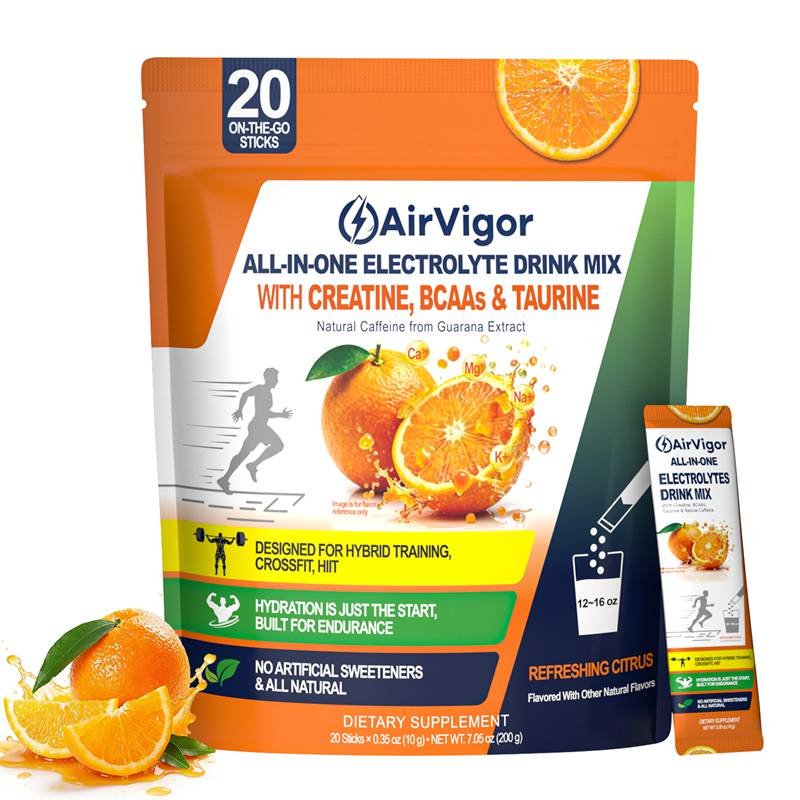
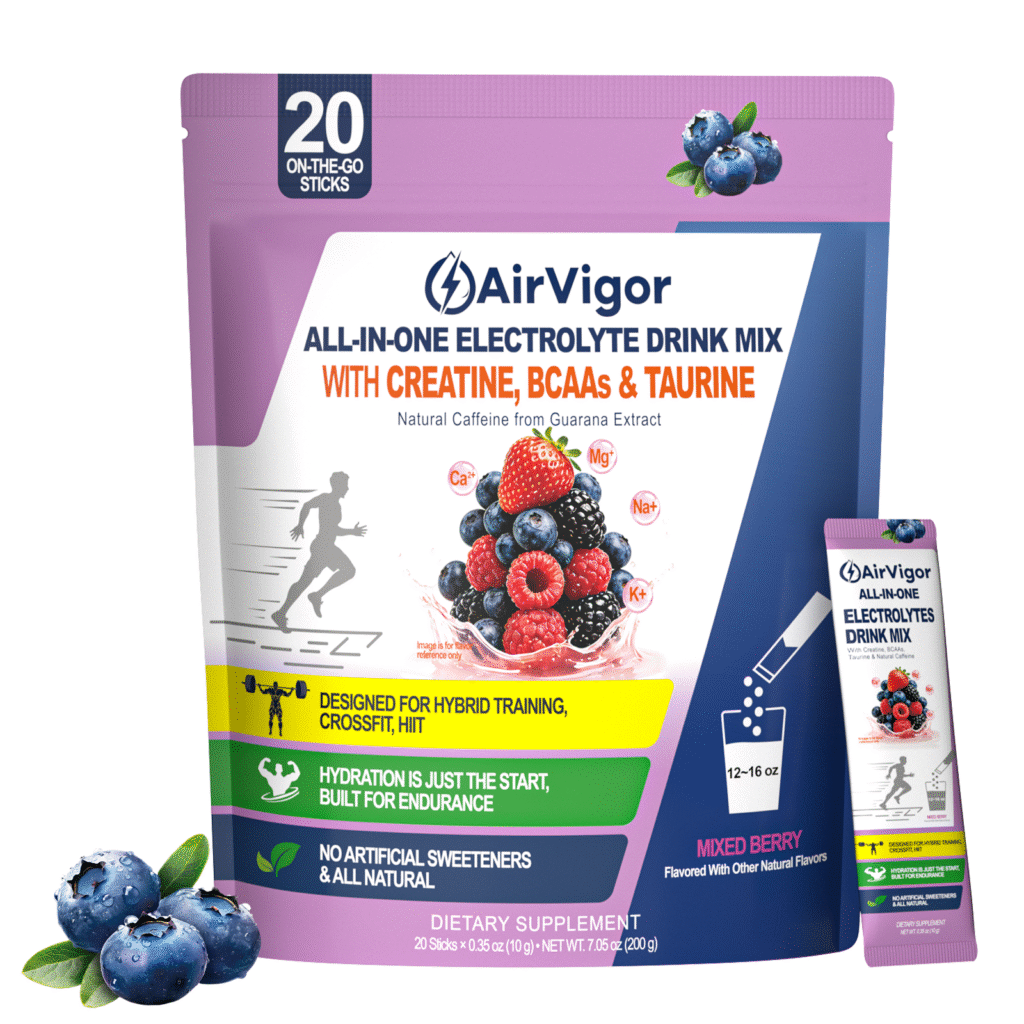
For product selection, customers should look beyond taste and basic “hydration” claims. A credible electrolyte powder should clearly communicate what minerals are included, how much sodium is provided, whether the product is zero sugar, how easy it is to mix, and which situations it is designed for. AirVigor’s stick-pack format supports this type of post-sweat routine because it is portable, pre-measured, and easy to use when sweat loss is more than light. For custom electrolyte powder projects, the same principle applies: the formula should be built around the target user’s sweat pattern, mineral needs, flavor preference, serving size, and daily use scenario.
Is Water Enough After Sweating?
Water is always the starting point after sweating, but it is not always the full solution. Sweat removes fluid along with electrolytes such as sodium, potassium, magnesium, and calcium. When sweat loss is light, water and regular meals are usually enough to restore normal hydration. When sweating is heavy, repeated, salty, or caused by heat, water alone may reduce thirst without fully replacing the minerals needed for fluid balance, muscle function, and steady recovery.
The difference comes down to sweat volume, sweat duration, and the conditions around the activity. A short walk in cool weather does not place the same demand on the body as a humid run, a hot yoga session, a sauna routine, or several hours of outdoor work. Many people drink water after sweating and still feel tired, thirsty, headachy, or physically heavy because fluid was replaced but electrolyte balance was not fully supported. This is especially common when meals are delayed, sodium intake is low, or sweating happens more than once in the same day.
When Is Plain Water Enough?
Plain water is usually enough when sweat loss is mild and the body has access to normal meals throughout the day. A short walk, light stretching session, easy indoor workout, or casual bike ride usually causes limited electrolyte loss. In these situations, water restores fluid, while food later in the day can provide sodium, potassium, magnesium, and calcium. Common meals already contain meaningful electrolyte sources: sodium from soups, breads, sauces, and salted foods; potassium from potatoes, bananas, beans, yogurt, and leafy greens; magnesium from nuts, seeds, whole grains, and legumes; and calcium from dairy, fortified drinks, tofu, and certain greens.
The need for electrolytes becomes less clear during moderate sweat. A person may not need a full-strength sports hydration product after every workout, but water may also feel incomplete if fatigue, thirst, or muscle tightness continues. This middle zone is common for gym users, indoor cyclists, weekend hikers, and people exercising in warm rooms. Instead of treating electrolytes as necessary for every small sweat moment, it is more useful to judge the response after hydration: if water and the next meal restore energy and comfort, plain water was likely enough; if thirst returns quickly or recovery feels slower than normal, electrolyte support may be worth adding.
| Sweat Level | Common Situation | Water Alone May Be Enough When | Electrolytes Become More Useful When |
|---|---|---|---|
| Light sweat | Short walk, light stretching, mild indoor exercise | Meals are regular and energy feels normal | Usually not needed unless heat or illness is involved |
| Moderate sweat | Gym session, indoor cycling, warm-weather walk | Thirst improves and recovery feels normal | Thirst, fatigue, or muscle tightness lingers |
| Heavy sweat | Long run, HIIT, hot yoga, sauna, outdoor work | Rarely enough by itself if sweating is prolonged | Clothing is soaked, salt marks appear, or recovery feels incomplete |
| Repeated sweat | Two workouts, long work shift, hot travel day | Only if food and fluid intake stay consistent | Sweat builds over hours and meals are delayed |
When Do You Need Electrolytes?
Electrolytes become more important when sweating is intense enough to create a noticeable recovery gap. This often happens during workouts lasting around an hour or more, high-intensity sessions, long runs, cycling, hiking, hot yoga, sauna use, outdoor labor, summer travel, or any situation where sweat continues for an extended period. Time is useful as a guide, but it is not the only factor. A 35-minute HIIT class in a hot room can create more sweat loss than a 60-minute easy walk in cool weather.
The clearest signs are usually practical rather than technical. Soaked clothing, white salt marks, sweat that stings the eyes, strong salt cravings, headache after heat exposure, unusual thirst after drinking water, heavy legs, muscle tightness, or slow recovery can all suggest that water alone did not fully address the sweat loss. These signs are not medical diagnoses, and they can overlap with poor sleep, low food intake, overtraining, alcohol, or illness. Still, when they appear after obvious sweating, electrolytes should be considered as part of the recovery routine.
Sodium is the main reason electrolyte support matters after heavy sweating. It helps the body maintain fluid balance and supports the movement of water through the body. Potassium contributes to muscle and nerve function, while magnesium and calcium support normal muscle contraction and nerve communication. A balanced electrolyte product does not need to be extreme; it should provide clear mineral support that matches the sweating situation. For daily users, zero sugar can also be important because many sweat moments do not require added carbohydrates, especially after gym sessions, sauna use, hot yoga, travel, or workday heat exposure.
AirVigor fits these real-life use cases by making electrolyte replacement easier to repeat. Stick packs remove the need for scoops, bulky bottles, or measuring, which matters when hydration needs happen outside the kitchen. A packet can stay in a gym bag, office drawer, backpack, carry-on, car, or locker. For active customers, that convenience can be the difference between knowing electrolytes are useful and actually using them at the right time.
Can Water Alone Be Misleading?
Water alone can be misleading after heavy sweating because it may reduce thirst quickly without fully restoring the body’s fluid and electrolyte balance. A cold bottle of water after exercise or heat exposure can feel effective within minutes, but the body may still need sodium and other minerals to hold fluid more effectively and support normal muscle and nerve function. This is why some people drink plenty of water but feel thirsty again soon afterward, develop a headache later in the day, or feel physically flat despite “hydrating.”
This issue becomes more relevant when someone drinks large amounts of plain water after prolonged sweating while sodium loss remains high. In everyday situations, the result may simply be incomplete recovery or frequent urination. In long endurance events or extreme heat, excessive water intake without enough electrolytes can become more serious because blood sodium may become diluted. Most casual users do not need to worry about this from normal water intake, but the principle is useful: better hydration is not always about drinking more. It is about replacing fluid in a way the body can use and retain.
A stronger post-sweat routine is steady rather than extreme. Drink water soon after sweating, include electrolytes when sweat loss is heavy or repeated, and avoid waiting until fatigue or cramping appears before taking action. Meals also matter. Someone who sweats heavily and then delays food for several hours may benefit more from an electrolyte drink than someone who eats a balanced meal shortly after activity. Hydration works best when fluid, minerals, timing, and daily routine support one another.
AirVigor’s role is to make this process simple. Instead of asking users to choose between plain water and sugary sports drinks, a zero-sugar electrolyte powder gives them a middle path: water plus targeted mineral support. That makes sense for workouts, sauna sessions, hot-weather routines, travel days, and physically demanding schedules where sweat loss is real but extra sugar is not always needed.

Which Electrolytes Matter Most?
Electrolytes are minerals that carry electrical charges and play critical roles in hydration, muscle function, and nerve signaling. During sweating, the primary electrolytes lost are sodium, potassium, magnesium, and calcium. Sodium is typically lost in the greatest quantity and is essential for fluid retention and normal nerve and muscle function. Potassium helps regulate fluid within cells and supports consistent muscle contractions, while magnesium contributes to enzymatic processes and muscle relaxation. Calcium is essential for muscle contraction and cellular communication. Losing these minerals without replacement can reduce energy, impair recovery, and increase the risk of cramping, even when water intake is sufficient.
The amounts of electrolytes lost vary depending on activity type, intensity, duration, individual physiology, and environmental conditions. Light indoor exercise may result in minimal losses, while long runs, cycling, hot yoga, sauna sessions, or outdoor labor in heat can result in substantial depletion. While sodium loss generally dominates, smaller losses of potassium, magnesium, and calcium still have meaningful effects on recovery and physical performance. A proper understanding of which electrolytes are most critical helps consumers select the right hydration strategy and ensures that fluid replacement effectively supports the body after sweating.
Why Is Sodium Important?
Sodium is the most abundant electrolyte lost in sweat and is crucial for maintaining fluid balance and supporting proper nerve signaling. Typical sodium loss ranges from 500 to 2,000 milligrams per liter of sweat, depending on the intensity of activity and environmental conditions. Sodium loss affects water retention, blood volume, and the body’s ability to transport nutrients efficiently. Insufficient sodium replacement can result in fatigue, dizziness, reduced endurance, and slower recovery. In addition, sodium works in tandem with other electrolytes: without adequate sodium, potassium and magnesium cannot effectively support intracellular hydration and muscle function. This interdependence underscores why sodium replacement is a priority in situations with heavy or prolonged sweating.
What Does Potassium Do?
Potassium complements sodium by regulating fluid inside cells and supporting normal muscle contractions. Average potassium loss through sweat ranges from 150 to 400 milligrams per liter. Potassium helps maintain heart rhythm, muscle strength, and neuromuscular coordination. While sodium is critical for extracellular fluid, potassium ensures that the balance inside cells is maintained. Without sufficient potassium, muscles may feel fatigued, weak, or tight, particularly after repeated or prolonged sweat events. Natural dietary sources such as bananas, potatoes, beans, leafy greens, and yogurt can help replace potassium, but supplemental intake may be necessary when sweat loss is significant or recovery is a priority.
How Do Magnesium and Calcium Help?
Magnesium and calcium are lost in smaller quantities, generally 5–20 milligrams and 10–30 milligrams per liter of sweat, respectively. Magnesium supports muscle relaxation, nerve function, and energy-related enzyme activity, while calcium is critical for muscle contraction and cellular signaling. Even minor reductions in these minerals can influence recovery and muscle performance. Including magnesium and calcium in a post-sweat hydration plan enhances neuromuscular stability and helps maintain comfort and endurance between activity sessions.
A balanced electrolyte formula considers all four minerals. Sodium addresses the largest fluid loss, potassium maintains intracellular hydration and muscle function, and magnesium and calcium support recovery comfort and neuromuscular stability. Combining these minerals ensures hydration goes beyond replacing water—it restores the body’s mineral environment necessary for optimal performance and recovery.
| Electrolyte | Typical Loss Per Liter of Sweat | Key Function |
|---|---|---|
| Sodium | 500–2,000 mg | Fluid balance, water retention, nerve signaling |
| Potassium | 150–400 mg | Muscle contraction, intracellular fluid balance |
| Magnesium | 5–20 mg | Muscle relaxation, nerve function, enzymatic support |
| Calcium | 10–30 mg | Muscle contraction, cellular signaling |
By understanding which electrolytes are lost and how each contributes to recovery, individuals can select hydration products that match their specific sweat profile and activity demands. Well-formulated products help maintain energy, muscle performance, and overall recovery without relying solely on water replacement, supporting both short-term exercise and longer-term daily activity.
How Do You Replenish Electrolytes?
Replenishing electrolytes after sweating involves replacing both fluid and minerals that the body has lost. The process should be tailored to the intensity and duration of the activity, environmental conditions, and individual sweat rate. For light sweating or short-duration activity, water combined with a regular meal often suffices. For heavier or prolonged sweating, targeted electrolyte replacement is necessary to maintain fluid balance, support nerve and muscle function, and prevent fatigue or cramping. The goal is to restore the body’s mineral environment efficiently, not simply to drink more fluid.
Timing and quantity are important. Electrolytes are most effective when replaced soon after or during activity, particularly in scenarios of sustained sweating. Waiting until fatigue or cramping appears reduces the effectiveness of rehydration. Rapid replenishment helps the body retain water and minerals, sustaining energy levels and supporting recovery. For repeated or prolonged sweating, it may be necessary to replace electrolytes throughout the day rather than relying solely on a single post-activity dose.
How Soon Should You Rehydrate?
Hydration should begin as soon as possible after significant sweating. For light sweat, rehydration may occur naturally through water and regular meals. Moderate or heavy sweat requires a combination of water and electrolytes within the first hour following activity. Early replenishment helps restore blood volume, supports cellular function, and accelerates recovery. Delayed replacement increases the risk of lingering fatigue, cramping, and diminished performance.
Individual factors such as body size, sweat rate, diet, and prior hydration also affect timing. People who sweat heavily in heat, during high-intensity exercise, or across multiple sessions per day may benefit from continuous rehydration strategies rather than single post-activity drinks. Monitoring urine color, thirst, and physical signs such as muscle tightness can help gauge the need for supplemental electrolytes.
Which Product Format Works Best?
The choice of electrolyte product depends on usability, convenience, and situational needs. Popular formats include ready-to-drink bottles, powders, effervescent tablets, and stick packs. Each format has advantages and limitations depending on the context of sweat and recovery. Ready-to-drink bottles are convenient but often bulkier and sometimes contain sugar. Powder tubs are economical but less portable. Effervescent tablets are compact but may vary in taste or dissolve rate. Stick packs are pre-measured, portable, and easy to mix with water, making them suitable for gym bags, office desks, backpacks, travel, and outdoor activity.
Stick packs are particularly effective for repeated use because they reduce the need to measure servings and allow precise dosing. They are lightweight and easy to carry, which increases the likelihood of consistent use in real-life scenarios. Products designed with clear labeling of sodium, potassium, magnesium, and calcium content ensure that the customer knows exactly what minerals are being replaced.
What Should You Check on the Label?
When selecting an electrolyte product, it is essential to verify the type and amount of minerals included. Sodium should match the expected sweat loss, as it is typically the most depleted mineral. Potassium, magnesium, and calcium should be included in amounts that support muscle and nerve function without overwhelming flavor or solubility. Sugar content, serving size, and instructions for use are also important. Zero-sugar or low-sugar products are preferable for most daily hydration scenarios because they provide mineral support without unnecessary calories. Clear labels help customers make informed choices and ensure that hydration meets their specific needs.
A well-formulated electrolyte product supports recovery, maintains energy, and prevents cramping without requiring additional supplements. It should fit seamlessly into the user’s routine, whether after workouts, outdoor labor, sauna use, hot yoga, travel, or repeated daily sweat events. Products that combine proper mineral content, ease of use, and practical serving size improve adherence and provide measurable benefits.
Balancing Minerals and Fluids
Effective electrolyte replenishment restores the balance of minerals in relation to water. Sodium replacement is critical to maintain fluid retention, while potassium ensures intracellular hydration. Magnesium and calcium enhance muscle recovery and nerve signaling. A carefully balanced formula allows the body to use water efficiently and supports both short-term recovery and ongoing physical performance. Overconsumption of any single mineral can cause digestive discomfort or taste issues, so products should prioritize practical levels for repeat use.
By considering sweat volume, activity intensity, and environmental factors, individuals can determine when water alone is sufficient and when additional electrolyte support is required. Using a product that matches these real-life conditions ensures that rehydration is effective, recovery is optimized, and performance remains consistent throughout subsequent activities.

Why Choose AirVigor After Sweating?
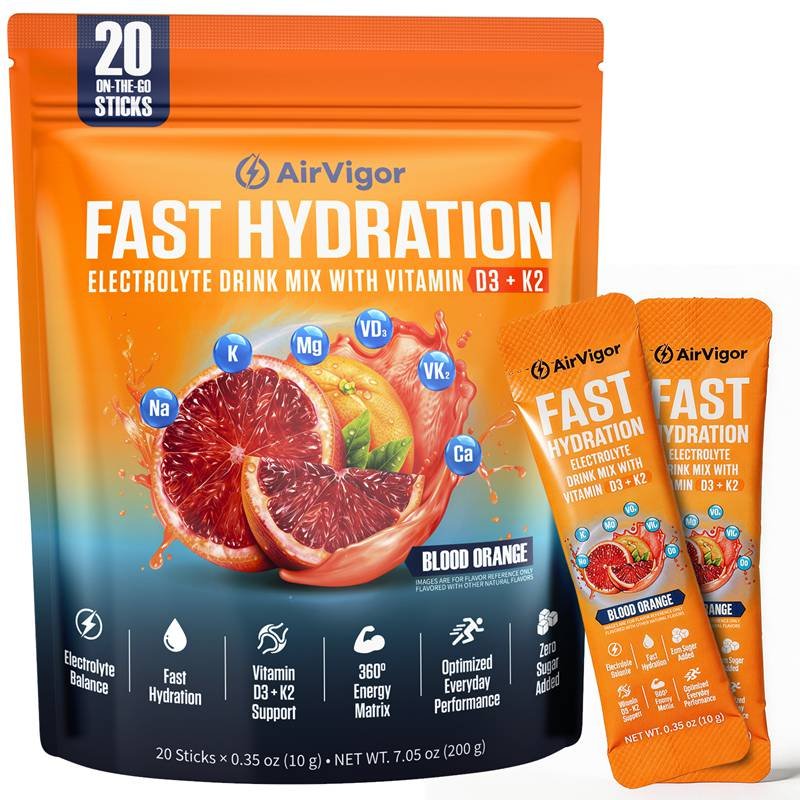
AirVigor is designed for people who need a more complete hydration routine after sweating, not simply a flavored hydration product. After exercise, hot weather exposure, sauna use, hot yoga, travel, or physically demanding work, the body may need water along with electrolytes such as sodium, potassium, magnesium, and calcium. AirVigor electrolyte stick packs help support this routine through portable packaging, clear mineral support, zero sugar, and a serving format that fits common post-sweat situations.
The value of AirVigor starts with consistency. Many people understand that electrolytes can help after heavy sweating, but they do not always use them at the right time. Large tubs are less convenient outside the home, ready-to-drink bottles are bulky to store and carry, and tablets may not match every customer’s taste or texture preference. A stick pack removes several of these barriers. It is pre-measured, lightweight, easy to mix with water, and simple to keep in a gym bag, office drawer, backpack, carry-on, car, locker, or kitchen cabinet. When a product is easier to use in the places where sweating happens, it is more likely to become part of a repeated hydration routine.
AirVigor also fits the growing demand for lower-sugar hydration options. Many sweat moments do not require added sugar. A gym session, sauna routine, hot yoga class, hot-weather commute, travel day, or active work shift may call for mineral support without extra calories or heavy sweetness. A zero-sugar electrolyte powder gives users a cleaner option for repeated use, especially for low-sugar, low-carb, keto, calorie-conscious, and general wellness routines. This does not mean carbohydrates are never useful; long endurance events may require carbohydrate fueling. AirVigor is better positioned for customers who want hydration support from minerals rather than a high-sugar beverage habit.
The product also has strong value for supplement brands, Amazon sellers, gyms, wellness studios, and distributors that want to enter the electrolyte category with a clear use case. Electrolyte powders now serve more than traditional sports performance. The category also connects with travel hydration, workplace hydration, sauna recovery, hot yoga, outdoor activity, keto routines, beauty hydration, and daily wellness. A runner may need stronger sodium support, while a wellness customer may prefer a lighter daily formula. A beauty hydration product may combine electrolytes with collagen, vitamin C, or hyaluronic acid. A gym retail product may focus on zero sugar, fast mixing, and single-serve convenience. AirVigor can support both ready-to-order branded products and custom electrolyte powder projects built around these different market needs.
What Makes AirVigor Easy to Use?
AirVigor is easy to use because the stick-pack format reduces the common friction points that prevent consistent electrolyte use. Each serving is pre-measured, so users do not need to scoop powder, estimate dosage, or worry about uneven taste from serving to serving. The packet can be opened, mixed with water, and used after workouts, heat exposure, sauna sessions, travel, or active workdays without requiring a full supplement setup.
This matters because post-sweat hydration often happens away from the kitchen. A gym user may need something that works in a locker room. A traveler may need a packet that fits into a carry-on. A hiker, runner, or cyclist may prefer a serving that fits into a small pocket or hydration pack. A warehouse worker or delivery driver may need a product that can stay in a work bag, vehicle, or lunch box. These situations make convenience part of product performance, not just a packaging detail.
Several details make the format suitable for repeated use:
- Single-serve packets help reduce measuring mistakes and powder mess.
- Portable packaging supports gym, work, travel, outdoor, and office routines.
- Consistent serving size helps maintain predictable taste and mineral intake.
- Powder format avoids the storage and shipping weight of ready-to-drink bottles.
- Zero sugar supports daily hydration without adding unnecessary calories.
For retail and e-commerce channels, this format also improves product communication. Usage instructions are easier to show in images, sampling is easier for gyms and wellness studios, and customers can understand the product’s role quickly: one packet mixed with water after sweating. That clarity supports both first-time purchase confidence and repeat use.
Why Does Zero Sugar Matter?
Zero sugar matters because many post-sweat hydration occasions require mineral replacement more than carbohydrate intake. Traditional sports drinks were often built around endurance activity, quick energy, and mass-market sweetness. Those products can be useful during long events or extended training sessions where carbohydrate intake is part of the fueling strategy. However, many people using electrolyte powders today are not fueling a marathon every time they sweat. They may be training at the gym, using a sauna, attending a hot yoga class, working outdoors, traveling, or trying to maintain hydration during a demanding daily routine.
In these situations, added sugar may not match the customer’s goal. A drink with 15–30 grams of sugar can feel inconsistent with low-calorie fitness plans, low-carb diets, weight-management routines, or wellness-focused hydration habits. AirVigor’s zero-sugar formula allows users to add electrolytes to water after sweating without turning hydration into a sweetened calorie source. This makes the product easier to use repeatedly across the week, especially when the goal is hydration support rather than energy fueling.
The zero-sugar position also broadens the product’s audience. Fitness users can support hydration without disrupting macro goals. Keto and low-carb users can focus on sodium, potassium, and magnesium support without sugar. Sauna and hot yoga users can replace minerals after heat-driven sweating without heavy sweetness. Travelers and office professionals can use electrolyte support during dry-air exposure, irregular schedules, or busy days without relying on sugary drinks. The strongest message is not that sugar is always unnecessary, but that many everyday sweat moments need electrolytes more than added carbohydrates.
For custom product development, zero sugar also gives brands more flexibility. AirVigor can help adjust sweetness level, flavor direction, mineral targets, serving size, and packaging format based on the customer group. A light daily hydration stick, heavy-sweat sports formula, keto electrolyte blend, beauty hydration powder, or sauna recovery product may each require a different formula logic. Starting with a clear sugar position helps the product feel more intentional.
Who Is AirVigor Best For?
AirVigor is best suited for people who sweat enough that plain water does not always feel complete. This includes gym users, runners, cyclists, hikers, hot-yoga participants, sauna users, outdoor workers, delivery drivers, warehouse staff, travelers, frequent flyers, and wellness-focused users who want a more reliable hydration routine. These groups have different lifestyles, but they share a similar need: after significant sweat loss, fluid replacement may work better when electrolytes are included.
The product also fits businesses looking for a hydration item with clear positioning. Supplement brands, Amazon sellers, gyms, wellness studios, distributors, and private-label companies can build electrolyte products around specific customer routines rather than selling a generic powder. This matters in a crowded category. Products with a defined audience, clear use case, transparent mineral support, and convenient packaging are easier to explain on product pages, social content, retail displays, and AI-driven search results.
| Target User or Business | Main Need | AirVigor Fit |
|---|---|---|
| Gym users | Hydration after intense training | Zero-sugar electrolyte stick packs for post-workout routines |
| Runners and cyclists | Sweat loss during longer sessions | Portable packets for outdoor and endurance use |
| Hot yoga and sauna users | Heat-driven sweat recovery | Mineral support without added sugar |
| Outdoor workers | Repeated sweat across hot workdays | Easy-to-carry hydration support for daily use |
| Travelers | Dry air, irregular meals, inconsistent water intake | Lightweight packets for carry-on and hotel routines |
| Wellness brands | Differentiated hydration products | Custom formulas, flavors, and packaging options |
| Gyms and studios | Retail or member recovery products | Stick packs suitable for sampling, bundles, and subscriptions |
| Amazon sellers | Clear category positioning | Zero-sugar, portable, use-case-driven electrolyte products |
For ready-to-order branded products, AirVigor gives end users a convenient way to support hydration after sweating. For custom projects, AirVigor can help develop formulas around mineral levels, flavor direction, sweetness preference, serving size, packaging, labeling needs, and sales channel. This flexibility is valuable because the electrolyte market is no longer one-size-fits-all. A product made for endurance athletes should not read the same as one designed for daily hydration, sauna recovery, beauty wellness, or travel routines.
AirVigor’s strongest role is to make post-sweat hydration easier to understand and easier to use. Users do not need a complicated recovery system every time they sweat. They need a product that replaces key minerals, mixes easily, tastes suitable for repeated use, and fits the situations where hydration support is most needed. That combination helps electrolyte powder become more than a one-time purchase; it becomes part of a routine.
Conclusion
Sweating is a normal and necessary physiological process, but it causes the loss of both water and essential electrolytes, including sodium, potassium, magnesium, and calcium. These minerals are critical for maintaining fluid balance, supporting muscle contraction, facilitating nerve signaling, and enabling faster recovery after physical activity or heat exposure. While water alone can address mild sweat loss, moderate to heavy sweating requires targeted electrolyte replenishment to fully restore balance and prevent lingering fatigue, muscle cramps, or delayed recovery.
AirVigor delivers zero-sugar electrolyte stick packs that provide precise, consistent mineral support in a convenient format. These stick packs are ideal for post-workout hydration, outdoor activity, sauna use, hot yoga sessions, travel, or any situation where sweat loss is significant. By combining portability, clear labeling, and pre-measured servings, AirVigor ensures that consumers can restore hydration effectively, comfortably, and reliably, without adding unnecessary sugar or calories.
For brands and business customers, AirVigor offers the flexibility to develop custom electrolyte formulas tailored to different audiences and use cases. Whether designing a high-sodium endurance formula, a daily wellness hydration product, a beauty-focused collagen blend, or a zero-sugar solution for hot-weather labor, AirVigor can accommodate varying mineral profiles, flavors, serving sizes, and packaging formats. This allows businesses to create differentiated products that meet real user needs while maintaining consistent quality and convenience.
To order ready-to-use AirVigor electrolyte products or request a custom formulation, contact the team with details about your target market, preferred flavor, serving size, packaging, and expected order volume. With the right combination of minerals, convenience, and tailored formulation, rehydration after sweating becomes simple, effective, and aligned with real-life routines.
Share:
Contact Expert Team
At AirVigor, performance becomes effortless. We transform advanced nutrition science into clean, effective supplements that help you hydrate, recover, and feel stronger every day. Shop AirVigor Supplements on Amazon and experience athlete-trusted formulas—backed by real science and supported by our world-class R&D and production capabilities.
Trust AirVigor
At AirVigor, turning your performance goals into reality is no longer a struggle—it’s a science-driven journey we build together. Whether you’re a runner, lifter, cyclist, yogi, outdoor athlete, or someone simply seeking better daily energy, AirVigor transforms advanced nutrition research into clean, effective, and trustworthy supplements you can feel.
Backed by our U.S. scientific team, global certifications, and world-class production standards, every formula is engineered to deliver real hydration, real recovery, and real performance. And when you’re ready to experience the difference, you’ll find AirVigor products available on Amazon and other major platforms—fast shipping, consistent quality, and a community of athletes already seeing results.
Behind the scenes, our R&D and manufacturing ecosystem also supports specialized formulation development, ensuring AirVigor continues to lead with innovation while keeping quality and safety uncompromised. But at the core, everything we create is built for you—your health, your performance, your momentum.
Choose AirVigor. Feel the science. Elevate your every day.


Subscribe to our newsletter
Sign up to our newsletter and we’ll keep you up to date with the latest arrivals.