Skip to content
Why Sodium Helps Hydration After Sweating, Workouts, and Heat: A Clear Explained
# Your Trusted Dietary Supplement Brand In US
- Emily

Table of Contents
Most people think better hydration means drinking more water, but that is only part of the story. If you have ever finished a sweaty workout, spent hours outside in hot weather, or taken a long flight and still felt thirsty after drinking water, sodium may be the missing piece. Sodium is one of the key electrolytes that helps the body absorb, move, and retain water more effectively.
Sodium helps hydration by supporting fluid balance and replacing sodium lost through sweat. Plain water works well for normal daily hydration, but during heavy sweating, long workouts, hot weather, outdoor activity, or travel, the body may need both water and electrolytes. That is why sodium is commonly used in electrolyte powders, sports hydration products, and active lifestyle drink mixes.
The important question is not “Is sodium better than water?” but “When does your body need sodium with water?” This guide explains how sodium helps hydration, when sodium electrolytes are most useful, and how AirVigor supports clearer, more practical hydration formulas for workouts, heat, travel, and daily active routines.
What Is Sodium Hydration?
Sodium hydration means using sodium to help the body absorb, move, and retain water more effectively, especially when sweat, heat, exercise, or long activity increases fluid loss. It is not about adding more salt randomly. It is about replacing what the body actually loses.
Sodium Hydration Basics
Sodium hydration starts with the relationship between water and electrolytes. Water supplies fluid, while sodium helps guide how that fluid is used inside the body.
Sodium is one of the body’s most important electrolytes. It helps maintain the fluid outside your cells, supports normal nerve signals, and helps muscles work properly. When people talk about “hydration,” they often focus only on how much water they drink. But the body does not use water by itself. It relies on electrolytes to help manage fluid balance.
For everyday life, plain water is often enough. If someone works indoors, eats regular meals, and does not sweat much, extra sodium may not be needed. But once sweating increases, the situation changes. Sweat contains both water and sodium. If you replace only the water but ignore the sodium loss, hydration may feel incomplete.
This is why some people say, “I drank a lot of water, but I still felt thirsty.” It does not always mean they need more water. Sometimes, especially after sweating, they may need a better balance of water and electrolytes.
| Hydration Situation | What the Body Mainly Needs | Is Sodium Important? |
|---|---|---|
| Normal office day | Water from drinks and food | Usually low |
| Light walk | Basic fluid intake | Usually low |
| Short workout with little sweat | Water and normal meals | Low to moderate |
| Hot yoga class | Water plus electrolyte replacement | High |
| Long gym session | Fluid and sodium support | Moderate to high |
| Outdoor summer work | Ongoing water and sodium replacement | High |
| Long-distance running or cycling | Planned hydration and electrolytes | High |
| Travel day with low water intake | Steady fluid support | Moderate |
The key is not to treat sodium hydration as something everyone needs all the time. It is most useful when the body is losing more fluid and sodium than usual.
Why Sodium Matters
Sodium matters because it helps the body keep water in the right places. Without enough sodium in the right situation, water may not feel as effective.
Many customers understand thirst, but they do not always understand fluid balance. They may drink water after sweating and expect to feel better quickly. Sometimes they do. Other times, they still feel dry, tired, or flat. This is where sodium can make a practical difference.
Sodium helps the body maintain the fluid outside cells. This matters for circulation, temperature control, muscle function, and general physical comfort. During heavy sweating, sodium leaves the body through sweat. If that loss is not replaced, the person may continue feeling off even after drinking water.
This does not mean sodium should be overused. Many people already get enough sodium from food. But in high-sweat situations, sodium becomes more useful because it helps replace something the body has actually lost.
For customers, the signs are usually simple and familiar:
| Customer Experience | What It May Suggest | Sodium Hydration Relevance |
|---|---|---|
| “I drink water but still feel thirsty.” | Water may not be retained well after sweat loss | Sodium may help support fluid balance |
| “My shirt has white marks after training.” | Sodium is leaving through sweat | Electrolyte replacement may be useful |
| “I feel drained after hot weather.” | Heat may increase fluid and electrolyte loss | Sodium may support rehydration |
| “I get tired late in long workouts.” | Hydration may be falling behind | Sodium may help during longer sessions |
| “Plain water feels like it goes right through me.” | Fluid may not be held effectively | Sodium may help retain water |
| “I crave salty food after sweating.” | The body may be responding to sodium loss | Sodium intake may need attention |
These signs are not medical diagnoses. They are daily clues. They help customers understand when a sodium electrolyte drink may be more practical than plain water alone.
Sodium and Water Balance
Sodium and water work together. Water provides the fluid, while sodium helps control where that fluid moves and how well it stays available.
A simple way to explain this is: water fills the body’s fluid system, and sodium helps manage the flow. When sodium levels are balanced, the body can better maintain fluid outside cells and support normal body functions. When sodium is lost through sweat, plain water may still help, but it may not fully replace what was lost.
This is why sodium hydration is especially important in sweat-heavy routines. A person may lose a noticeable amount of sodium during a hot workout, long hike, or outdoor work shift. If they only drink water, they replace fluid but not electrolytes. For light activity, this may not matter much. For heavy sweat, it can matter more.
| Water Balance Factor | Role of Sodium | Customer Benefit |
|---|---|---|
| Fluid movement | Helps guide water between body fluid spaces | Supports more effective hydration |
| Fluid retention | Helps the body hold water after sweat loss | Reduces the “drink and flush” feeling |
| Sweat replacement | Replaces sodium lost through sweating | Supports recovery after activity |
| Muscle function | Supports normal muscle signaling | Helpful for active users |
| Heat response | Supports hydration during higher sweat output | Useful in hot weather |
| Long activity | Helps maintain hydration over time | Better fit for endurance or outdoor use |
For a hydration product, this is why sodium should be clearly shown on the label. Customers want to know what they are drinking. They want to compare products. They want to understand whether the formula is light, moderate, or designed for heavier sweat support.
How Sodium Helps Hydration
Sodium helps hydration by supporting water absorption, helping the body hold fluid, and replacing sodium lost through sweat. It is especially useful after heavy sweating, long workouts, heat exposure, or outdoor activity when plain water may not fully restore fluid and electrolyte balance.
Sodium Helps Absorb Water
Sodium helps the body absorb water more efficiently, especially when fluid loss has already happened. This is one reason sodium is a core electrolyte in many hydration products.
When you drink water, it does not instantly become useful hydration. It first needs to move through the digestive system and enter the bloodstream. Sodium helps support this process because water movement in the body is closely connected to electrolyte movement.
For everyday customers, this is the simple version: sodium helps water get from your drink into your body’s fluid system. That matters most when your body is already under hydration stress, such as after sweating, heat exposure, exercise, or long periods without enough fluids.
This is also why some people feel that plain water does not always “hit” the same way after a sweaty workout. Water is still necessary, but after sodium loss, the body may benefit from a drink that includes electrolytes.
| Hydration Situation | What Plain Water Does | What Sodium Adds |
|---|---|---|
| Normal daily drinking | Provides basic fluid | Usually not needed in extra amounts |
| After light activity | Replaces small fluid loss | Optional if sweat is low |
| After heavy sweating | Replaces water only | Helps replace sodium and support absorption |
| During long workouts | May help thirst temporarily | Supports steadier hydration over time |
| Hot weather exposure | Provides needed fluid | Helps match sweat-related electrolyte loss |
| Travel or dry air | Helps reduce dryness | Supports a more complete hydration routine |
A good electrolyte drink should not make customers feel like water is useless. Water is always the foundation. Sodium simply helps water work better in situations where the body has lost electrolytes.
For AirVigor, this is why formula clarity matters. Customers should be able to see sodium on the label and understand why it is there. A sodium hydration formula should not rely on vague “advanced hydration” claims. It should clearly explain that sodium supports water absorption and fluid balance when the body needs electrolyte replacement.
Sodium Helps Hold Fluid
Sodium helps the body hold fluid more effectively after sweating. This is important because hydration is not only about drinking water. It is also about keeping enough fluid available for the body to use.
Many people have experienced this: they drink a large bottle of water, then soon need to urinate, but still do not feel fully refreshed. This can happen for different reasons, but after heavy sweating, one possible reason is that the body needs electrolytes along with water.
Sodium helps maintain fluid outside the cells, including in the bloodstream. When sodium and water are replaced together, fluid may be more useful for the body after sweat loss. This is why sodium-based hydration can feel more complete than plain water in certain situations.
Customers often describe the difference in very practical words:
- “Water goes right through me.”
- “I drink a lot, but I still feel dry.”
- “After sweating, I need something more than water.”
- “Electrolytes feel better after a hard workout.”
- “I feel less flat when I use electrolytes after training.”
These comments are not medical proof, but they reflect real consumer experiences. They also show why sodium hydration has become such a strong search topic.
| Customer Feeling | Possible Hydration Issue | Why Sodium May Help |
|---|---|---|
| Thirst returns quickly | Fluid may not be retained well | Sodium supports fluid balance |
| Frequent urination after water | Water may pass through quickly | Sodium can help hold fluid after sweat loss |
| Dry mouth after drinking | Fluid replacement may be incomplete | Electrolytes may support better hydration feel |
| Low energy after sweating | Fluid and electrolyte loss may be involved | Sodium helps replace sweat loss |
| Heavy thirst after heat | Heat increases sweat output | Sodium supports rehydration after heat exposure |
This is one of the biggest reasons customers choose electrolyte powders instead of only plain water. They want hydration that feels more stable and useful, especially after sweat-heavy activity.
For product development, this means sodium level matters. A formula that is too low may not feel useful for heavy sweaters. A formula that is too high may not fit daily hydration users. AirVigor can support different product directions based on use case, such as daily hydration, active hydration, hot-weather hydration, recovery hydration, or endurance hydration.
Sodium Replaces Sweat Loss
Sweat contains water and electrolytes, and sodium is one of the main electrolytes lost through sweat. When sweating is light, normal meals and water may be enough. When sweating is heavy or repeated, sodium replacement becomes more important.
This is the part many customers understand once it is explained clearly. If sweat tastes salty, leaves white marks, or stings the eyes, that means sodium is leaving the body. Replacing only water may not fully match what was lost.
Sodium loss varies from person to person. Some people naturally lose more salt in sweat. Others lose more because they exercise longer, train harder, work in heat, or wear heavy clothing. This is why two people can do the same workout and feel very different afterward.
| Sweat Sign | What Customers Notice | Sodium Hydration Meaning |
|---|---|---|
| Salty skin | Skin tastes salty after training | Sodium is leaving through sweat |
| White marks on shirt | Salt residue after sweat dries | Sodium loss may be noticeable |
| Sweat stings eyes | Sweat feels sharp or salty | Sweat sodium may be higher |
| Soaked clothes | Large fluid loss | Water and sodium may both need replacement |
| Heavy fatigue after sweating | Body feels drained | Electrolyte loss may be part of the issue |
| Craving salty foods | Body wants salt after activity | Sodium intake may need attention |
Sodium replacement matters most when sweat loss is high. Examples include:
- Running in hot weather
- Cycling for more than one hour
- HIIT or CrossFit sessions
- Hot yoga or sauna use
- Outdoor work in summer
- Hiking or camping
- Long sports practices
- Warehouse or delivery work in warm environments
- Travel days with heat and walking
For these situations, sodium hydration can be much more practical than simply drinking more and more plain water. It helps replace one of the key minerals the body is losing.
This is also where AirVigor can speak directly to customers. A well-designed sodium hydration product should help them understand when to use it:
| Use Timing | Best Fit | Customer Benefit |
|---|---|---|
| Before activity | Hot weather, long workouts, heavy sweaters | Starts hydration earlier |
| During activity | Endurance sports, outdoor work, long hikes | Supports ongoing fluid replacement |
| After activity | Gym sessions, hot yoga, sweating, travel | Helps restore fluid and sodium balance |
| As needed | Busy days, summer routines, active travel | Adds convenience when hydration is harder |
Clear usage timing makes the product easier to trust. Customers do not want to guess whether they should use electrolytes before, during, or after activity. They want simple, honest guidance that fits their routine.
When Sodium Helps Most
Sodium helps most when the body is losing more fluid and electrolytes than usual. This usually happens during heavy sweating, hot weather, long workouts, outdoor labor, sauna use, travel, and endurance activity. In these situations, sodium helps replace what sweat removes and makes hydration feel more complete than plain water alone.
Sodium for Workouts
Sodium becomes more useful when workouts are long, intense, hot, or sweat-heavy. It helps replace sodium lost through sweat and supports fluid balance during training recovery.
Many customers only think about protein, creatine, or pre-workout when building a fitness routine. Hydration often becomes an afterthought until something feels wrong: energy drops halfway through a session, thirst comes back quickly, or the body feels unusually heavy after training. In many cases, the issue is not only effort. It may be that fluid and electrolyte loss are starting to affect how the workout feels.
For short and light activity, water is usually enough. For example, a 20-minute walk, a gentle stretch session, or a low-sweat strength workout does not usually require extra sodium. But as workout length, temperature, and sweat level increase, sodium becomes more relevant.
| Workout Type | Sweat Level | Sodium Need | Best Use Timing |
|---|---|---|---|
| Light stretching | Low | Low | Water is usually enough |
| Easy strength training | Low to moderate | Optional | After training if needed |
| HIIT class | Moderate to high | Moderate | Before or after |
| CrossFit session | High | Moderate to high | Before and after |
| Indoor cycling | High | High | During or after |
| Hot yoga | High | High | After class |
| Long run | High | High | Before, during, after |
| Outdoor bootcamp | High | High | Before and after |
Sodium is especially helpful for people who finish workouts with obvious signs of sweat loss:
- Clothes are soaked
- Skin tastes salty
- Sweat stings the eyes
- White salt marks appear on shirts, hats, or headbands
- Thirst returns soon after drinking water
- The second half of training feels much harder than expected
- Recovery feels slow after hot or intense sessions
This is where a sodium electrolyte drink can be more useful than simply drinking more plain water. Plain water helps replace fluid, but it does not replace the sodium lost in sweat. For sweat-heavy training, sodium helps complete the hydration picture.
For AirVigor customers, workout hydration should feel simple. A useful electrolyte product should mix quickly, taste clean, and fit easily into a gym bag. It should also explain when to use it. Customers should not need to guess whether it is meant for pre-workout, intra-workout, post-workout, or daily use.
A practical workout hydration routine may look like this:
| Training Situation | Simple Hydration Strategy |
|---|---|
| Light workout under 30 minutes | Drink water before and after |
| Moderate workout with some sweat | Water plus electrolytes if needed |
| Heavy sweat session | Use sodium electrolytes before or after |
| Long workout over 60 minutes | Consider electrolytes during activity |
| Hot workout environment | Start hydration earlier |
| Repeated training days | Replace fluids and electrolytes consistently |
For product positioning, this matters because fitness customers are highly practical. They do not only buy ingredients. They buy routines. If an electrolyte powder helps them prepare faster, drink more comfortably, and recover their hydration routine more easily, they are more likely to reorder.
Sodium for Hot Weather
Sodium helps more in hot weather because heat increases sweating. When sweat loss rises, the body loses more water and sodium, making electrolyte replacement more useful.
Hot weather changes hydration needs quickly. A person may drink the same amount of water they usually drink, but still feel tired, thirsty, or dried out because the environment is causing more fluid loss. Heat makes the body work harder to cool itself, and sweating is one of the main cooling tools.
Humidity can make this even harder. In dry heat, sweat may evaporate quickly, so people may not realize how much fluid they are losing. In humid heat, sweat stays on the skin and clothing, making people feel drenched without cooling as efficiently. In both situations, sodium loss can build over time.
Sodium hydration is especially relevant for:
| Hot Weather Scenario | Why Sodium Helps |
|---|---|
| Outdoor work | Sweat loss continues for hours |
| Summer running | Fluid loss rises quickly |
| Hiking | Long duration and limited water access |
| Beach days | Heat, sun, walking, and irregular meals |
| Festivals | Long outdoor exposure and sweating |
| Delivery work | Repeated heat exposure throughout the day |
| Yard work | Sweat loss may be underestimated |
| Travel to hot climates | Body may not be adapted to the heat |
Many customers do not think of hot-weather hydration until they feel the effects. They may notice a headache after being outside, dry mouth even after drinking, heavy fatigue in the afternoon, or salty sweat on their face. These are moments where plain water is still important, but a sodium electrolyte product may better match the body’s losses.
| Customer Feeling in Heat | Possible Cause | Sodium Hydration Fit |
|---|---|---|
| “I drank water but still feel drained.” | Fluid and sodium loss from sweating | High |
| “My head feels heavy after being outside.” | Heat and hydration stress | Moderate to high |
| “I keep sweating through my clothes.” | High fluid loss | High |
| “Water helps for a few minutes only.” | Fluid may not be retained well | Moderate to high |
| “I crave salty food after being outside.” | Sodium loss may be involved | Moderate |
| “I barely sweat and feel fine.” | Low loss or indoor setting | Low |
For AirVigor, hot-weather hydration is a strong customer-centered category because it is not limited to athletes. Outdoor workers, travelers, parents, hikers, summer festival users, and everyday consumers may all need practical hydration support. This creates a much broader product opportunity than sports-only positioning.
A hot-weather sodium hydration formula should focus on drinkability. People in heat usually do not want a heavy, syrupy, overly sweet drink. They want something light, refreshing, and easy to finish. Flavor matters because a customer will not keep drinking a product that feels too salty or too strong.
Good hot-weather product features include:
- Light fruit flavor
- Clear sodium amount
- Fast mixing in cold water
- Portable stick pack format
- Low or moderate sweetness
- Moisture-resistant packaging
- Easy use instructions
- Clear heat and sweat-related positioning
For custom electrolyte development, hot-weather hydration can be built for different users:
| Product Concept | Target Customer | Formula Direction |
|---|---|---|
| Summer hydration sticks | Everyday outdoor users | Light sodium, refreshing taste |
| Outdoor work hydration | High-sweat workers | Stronger sodium and electrolyte support |
| Travel hydration packets | Frequent travelers | Gentle flavor, portable format |
| Fitness heat formula | Athletes training in heat | Sodium plus potassium and magnesium |
| Family summer hydration | Household users | Mild flavor and clear serving guidance |
This is where AirVigor’s formula and packaging flexibility can support both branded product orders and private label projects. A hydration product should match the customer’s environment, not force every user into the same formula.
Sodium for Heavy Sweat
Sodium helps heavy sweaters because heavy sweat usually means higher water loss and greater sodium loss. If sweat is salty, leaves white marks, or soaks clothing quickly, sodium hydration may be more useful than water alone.
Heavy sweating is personal. Two people can take the same class, in the same room, for the same amount of time, and sweat completely differently. One person may look barely damp. Another may have a soaked shirt and salt marks on their hat. That difference affects hydration needs.
Heavy sweat can be influenced by:
- Genetics
- Body size
- Fitness level
- Training intensity
- Temperature
- Humidity
- Clothing
- Heat adaptation
- Caffeine intake
- Length of activity
For heavy sweaters, sodium hydration is not just a sports trend. It can be a practical routine. These customers often feel the value of electrolytes more clearly because their sweat loss is easier to notice.
| Heavy Sweat Sign | What Customers See | Why Sodium Matters |
|---|---|---|
| White salt marks | Dried sweat leaves residue | Sodium is being lost through sweat |
| Sweat stings eyes | Sweat feels salty and sharp | Sodium concentration may be noticeable |
| Clothes soak quickly | High fluid output | Water and sodium both need attention |
| Strong thirst after activity | Fluid replacement may be incomplete | Sodium may support fluid retention |
| Fatigue after sweating | Body feels depleted | Electrolyte loss may be involved |
| Salt cravings | Desire for salty food after sweat | Sodium replacement may be useful |
Heavy sweaters often become loyal electrolyte users because the product solves a repeat problem. They do not need to be convinced that sweat loss exists. They experience it every week. What they need is a formula that is easy to use, easy to understand, and comfortable to drink.
For this customer group, several product details matter:
| Product Feature | Why Heavy Sweaters Care |
|---|---|
| Clear sodium amount | They want to know if the product is strong enough |
| Balanced taste | Too salty or too sweet can be hard to drink |
| Fast dissolving powder | They often mix on the go |
| Stick pack option | Easy for gym bags and outdoor use |
| Larger pouch or tub | Better value for frequent users |
| Low sugar option | More comfortable for daily or frequent use |
| Clear use timing | Helps them know when to take it |
AirVigor can support heavy-sweat hydration by developing formulas for real use frequency. Some customers may only need electrolytes occasionally, but heavy sweaters may use them multiple times per week. This makes taste, packaging, and serving cost especially important.
A heavy-sweat hydration product should not be too complicated. It should answer three questions quickly:
- Is there enough sodium for sweat replacement?
- Will it taste good when I am hot and tired?
- Can I use it consistently without hassle?
When a product answers these clearly, it becomes easier for customers to trust and repeat.

Is Sodium Better Than Water?
Sodium is not better than water for every situation. Plain water is still the foundation of daily hydration. Sodium becomes more useful when the body loses electrolytes through sweat, heat, long activity, or repeated physical work. The smartest choice is not water or sodium. It is water with the right electrolyte support when your body actually needs it.
Sodium vs Plain Water
Plain water is usually enough for normal daily hydration, light activity, and low-sweat routines. Sodium becomes more useful when sweating, heat, or long activity changes the body’s fluid balance.
Water should always be the starting point. Your body needs water every day for digestion, circulation, temperature control, joint comfort, skin moisture, and normal physical function. For many people, drinking water regularly and eating normal meals can support basic daily hydration without needing extra electrolytes.
But the situation changes when sweat loss increases. Sweat contains water and sodium. If you replace only the water but not the sodium, hydration may feel incomplete. This is why some people drink a large bottle of water after exercise but still feel thirsty, flat, or slow to recover.
| Daily Situation | Plain Water Fit | Sodium Electrolyte Fit | Better Choice |
|---|---|---|---|
| Waking up in the morning | High | Low | Water |
| Eating regular meals | High | Low | Water |
| Sitting at a desk | High | Low | Water |
| Short walk | High | Low | Water |
| Light gym session | High | Low to moderate | Mostly water |
| Sweaty workout | Moderate | High | Water + sodium electrolytes |
| Hot yoga | Moderate | High | Water + sodium electrolytes |
| Long run or ride | Moderate | High | Planned hydration with sodium |
| Outdoor work in heat | Moderate | High | Water + sodium electrolytes |
| Travel in hot climates | Moderate | Moderate to high | Water + electrolytes as needed |
For customers, the easiest way to think about it is this: water hydrates, sodium helps hydration work better when electrolyte loss has happened. Sodium does not replace water. It helps water become more useful in specific situations.
This matters for product education. A trustworthy electrolyte brand should not tell customers that plain water is useless. That sounds exaggerated and creates doubt. A better message is that plain water works well for everyday hydration, while sodium-based electrolytes are more useful during sweat-heavy or heat-heavy moments.
Sodium After Exercise
Sodium can be more useful than plain water after exercise when the workout causes noticeable sweat loss. It helps replace sodium lost through sweat and supports post-workout fluid balance.
After exercise, the body may need several things: water, electrolytes, food, rest, and time. Sodium focuses mainly on the hydration part of recovery. It does not replace protein for muscle repair. It does not replace carbohydrates for energy replenishment. It does not replace sleep. But it can help replace electrolyte loss from sweating.
For light exercise, a normal meal and water are often enough. But after longer or hotter sessions, sodium electrolytes may help customers feel more balanced.
| Workout Situation | Water Only | Sodium Electrolytes |
|---|---|---|
| 20-minute light walk | Usually enough | Usually not needed |
| 30-minute light strength session | Usually enough | Optional |
| 45-minute sweaty HIIT class | Helps fluid | More useful |
| 60-minute hot yoga class | May feel incomplete | Strong fit |
| 75-minute cycling session | May not replace sodium loss | Strong fit |
| Long run in warm weather | Needs planning | Strong fit |
| Outdoor sports practice | May fall short | Strong fit |
Customers often describe post-workout hydration in feeling-based language. They may not say “I need sodium.” They say:
- “I feel dry after training.”
- “My legs feel heavy.”
- “I’m thirsty again after drinking water.”
- “I feel wiped out after sweating.”
- “I get salt stains on my shirt.”
- “I need something lighter than a sports drink.”
These are useful product insights. A good sodium hydration formula should answer those concerns with a clean, easy-to-use solution.
For AirVigor, the post-workout use case can be communicated clearly:
| Customer Need | AirVigor Product Direction |
|---|---|
| Quick hydration after training | Fast-dissolving powder |
| Less sugary than sports drinks | Low-sugar or sugar-free options |
| Easy to carry | Stick pack format |
| Clear electrolyte support | Transparent sodium and mineral amounts |
| Better repeat use | Light, drinkable flavor |
| Simple routine | Easy directions on label |
This is especially important for Amazon, Shopify, and WordPress product pages. Customers do not only search for “sodium hydration.” They search for solutions after feeling something during or after exercise. The content should connect sodium to those real moments.
Sodium During Long Activity
Sodium becomes more useful during long activity because sweat loss continues over time. The longer the activity lasts, the more important it becomes to replace both water and electrolytes.
Short activity usually does not require much planning. But long activity is different. A person may begin well-hydrated, but after 60, 90, or 120 minutes of sweating, the body’s fluid and sodium balance can shift. This is why endurance athletes, hikers, cyclists, and outdoor workers often think more carefully about electrolytes.
Long activity can include:
- Long runs
- Long bike rides
- Hiking
- Camping days
- Outdoor work shifts
- Sports tournaments
- Fitness competitions
- Theme park days in summer
- Festival days
- Long travel walking days
| Activity Duration | Hydration Focus | Sodium Role |
|---|---|---|
| Under 30 minutes | Drink water as needed | Usually low |
| 30–60 minutes | Water before and after | Optional if sweating |
| 60–90 minutes | Start planning fluid intake | Sodium becomes more useful |
| 90–120 minutes | Replace fluid steadily | Sodium often helpful |
| 2+ hours | Hydration strategy matters | Sodium becomes important |
| Multi-hour heat exposure | Avoid falling behind | Water and sodium both needed |
During long activity, customers often want hydration that is easy to drink repeatedly. Taste becomes extremely important. A flavor that seems good in a small sample may feel too sweet after an hour of hiking. A formula that tastes too salty may be hard to finish. A powder that clumps in cold water can frustrate users during outdoor activity.
This is why product experience should be designed around actual use:
| Product Detail | Why It Matters During Long Activity |
|---|---|
| Light flavor | Easier to drink repeatedly |
| Moderate sweetness | Avoids heavy or sticky feeling |
| Clear sodium level | Customers can plan intake |
| Fast dissolving | Easier to mix in bottles |
| Portable packaging | Works for outdoor and travel use |
| Moisture-resistant pack | Better for heat and bags |
| Simple directions | Reduces guessing during activity |
AirVigor can support long-activity hydration by developing formulas that feel practical in real settings, not just in a product sample. For runners, cyclists, hikers, and outdoor users, usability can decide whether a product becomes part of the routine.
Are Sodium Electrolytes Safe?
Sodium electrolytes are generally safe for many healthy adults when used according to the label and matched to real sweat loss. They are most useful after heat, long workouts, or heavy sweating. People with sodium restrictions, kidney issues, heart conditions, or high blood pressure should ask a healthcare professional first.
How Much Sodium Is Too Much?
Too much sodium depends on total daily intake, personal health status, and activity level. Sodium from electrolyte drinks still counts toward daily sodium intake.
Many customers only look at sodium from electrolyte powders, but the larger issue is total sodium intake across the whole day. A person may get sodium from breakfast, lunch, dinner, snacks, sauces, packaged foods, sports drinks, and then an electrolyte powder. Even if each source seems small, the total can add up.
This is especially important for customers who use electrolyte drinks every day. If they sweat heavily, daily use may make sense. If they do not sweat much, daily sodium electrolytes may be unnecessary.
| Sodium Source | Why Customers Often Miss It |
|---|---|
| Restaurant meals | Large portions and sauces can contain a lot of sodium |
| Bread and sandwiches | Sodium can appear in everyday staple foods |
| Soups and broths | Liquid foods may be high in sodium |
| Deli meats and cheese | Common lunch foods can add sodium quickly |
| Packaged snacks | Chips, crackers, jerky, and bars may add up |
| Frozen meals | Convenient foods often contain added sodium |
| Condiments | Soy sauce, dressing, ketchup, and seasoning blends can be high |
| Sports drinks and electrolyte powders | Customers may focus on sugar and ignore sodium |
A sodium electrolyte product should clearly show the amount per serving. Customers should not need to guess whether the product is light, moderate, or sweat-focused.
| Product Sodium Level | Best Fit | Customer Note |
|---|---|---|
| Low sodium | Light daily hydration | Better for casual use, less targeted for heavy sweat |
| Moderate sodium | Workouts, travel, warm weather | Flexible for active lifestyle users |
| Higher sodium | Heavy sweating, endurance, outdoor work | Better for high-loss situations, not for everyone |
| Very high sodium | Specialized performance or medical-style rehydration contexts | Should be used carefully and only when appropriate |
For AirVigor, sodium level should always match product positioning. A daily hydration formula should not be confused with a heavy-sweat performance formula. A travel electrolyte stick should not automatically copy an endurance sports formula. Different customers need different sodium levels, and that difference should be clear on the label and product page.
Can You Drink Sodium Electrolytes Every Day?
Some people can use sodium electrolytes daily, but not everyone needs them daily. Daily use makes more sense for people who sweat often, train regularly, work outdoors, or live in hot climates.
This is one of the most common customer questions. The answer should feel practical, not scary. If a healthy adult sweats heavily most days, an electrolyte drink may fit their routine. If someone does not sweat much and already eats a sodium-rich diet, daily sodium electrolytes may not be needed.
Daily use should be based on lifestyle, not trend.
| Lifestyle | Daily Electrolyte Need | Better Routine |
|---|---|---|
| Indoor office worker | Low | Water daily, electrolytes as needed |
| Light exerciser | Low to moderate | Use after sweaty sessions only |
| Gym user 3–5 times per week | Moderate | Use around harder training days |
| Runner or cyclist | Moderate to high | Use for longer or hotter sessions |
| Hot yoga user | Moderate to high | Use after heated classes |
| Outdoor worker | High on hot days | Use during or after sweat-heavy shifts |
| Frequent traveler | Occasional to moderate | Use during long travel or hot destinations |
| Heavy sweater | Moderate to high | Use when sweat loss is noticeable |
For customers, a flexible rule works well:
Use plain water as your daily base. Add sodium electrolytes when your day includes heavy sweat, long activity, heat, travel, or poor hydration access.
This type of guidance helps customers avoid overuse while still recognizing when electrolytes are useful. It also helps build trust because the brand is not telling everyone to use the product constantly.
AirVigor can support daily-use customers by offering formulas with clear serving directions, balanced taste, and different product strengths. A light daily electrolyte formula may serve one customer group, while a sweat-focused formula may serve gym users, outdoor workers, and endurance athletes.
What Are Signs You May Need Electrolytes?
You may need electrolytes when sweating is heavy, activity is long, heat exposure is high, or plain water does not feel like enough. Sodium is especially relevant when sweat tastes salty or leaves white marks.
Customers usually do not think in scientific terms. They notice how they feel. Good content should translate common experiences into practical hydration decisions.
| Customer Sign | What It May Mean | Sodium Electrolyte Fit |
|---|---|---|
| White salt marks on clothing | Sodium loss through sweat | High |
| Salty skin after training | Sweat contains noticeable sodium | High |
| Heavy thirst after water | Hydration may feel incomplete | Moderate to high |
| Sweat-soaked clothes | High fluid loss | High |
| Headache after heat | Heat and hydration stress may be involved | Moderate |
| Strong fatigue after sweating | Fluid and electrolyte loss may contribute | Moderate to high |
| Craving salty foods after workouts | Body may be responding to sodium loss | Moderate |
| Frequent urination after lots of water | Water may not be retained well | Moderate |
These signs are not medical diagnoses. They are hydration clues. If symptoms are severe, repeated, or unusual, customers should seek professional help. But for everyday active users, these signs can help decide when sodium electrolytes are worth using.
A practical checklist can help:
- Did you sweat heavily?
- Did the activity last longer than 60 minutes?
- Was the weather hot or humid?
- Did you see salt marks on clothing?
- Did plain water feel incomplete?
- Are you doing another workout soon?
- Did you eat lightly or skip meals?
- Are you traveling or outdoors for many hours?
If several answers are yes, sodium electrolytes may be a good fit.
AirVigor can use this kind of customer-first guidance on product pages, blog content, Amazon A+ content, and FAQ sections. It helps customers see themselves in the product use case without overpromising.

Why Choose AirVigor?
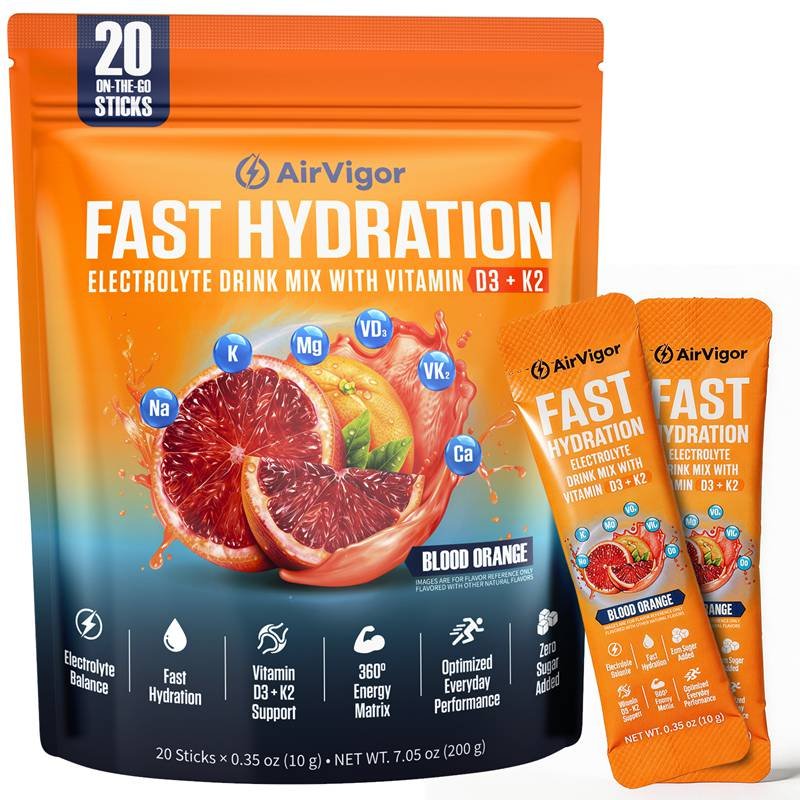
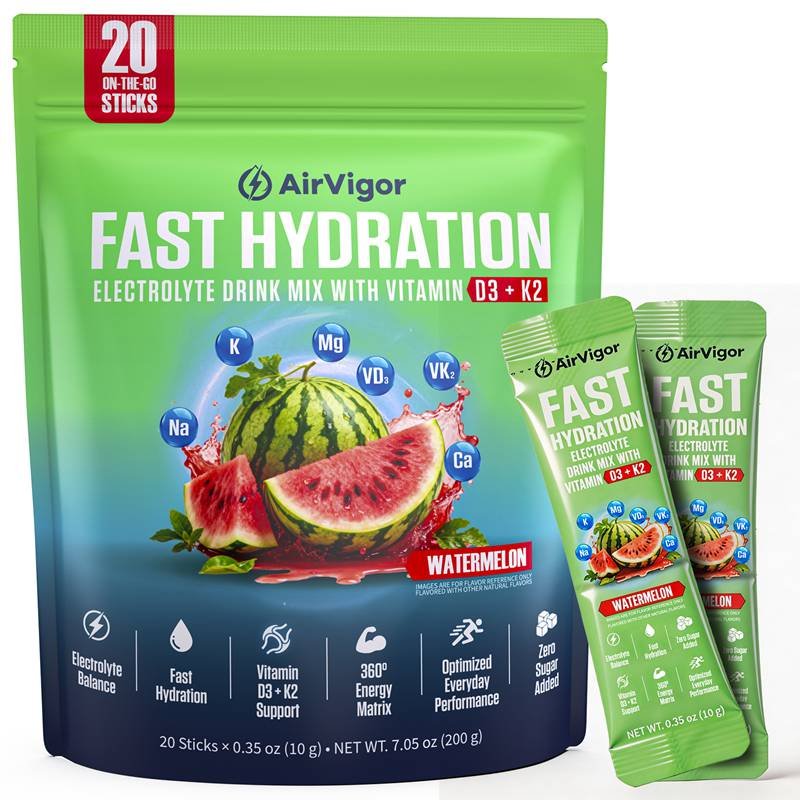
AirVigor is built for customers who want hydration products that are clear, practical, and easy to trust. From sodium electrolyte formulas to custom supplement development, AirVigor focuses on real ingredient addition, transparent labels, stable production, and products that fit real daily use.
AirVigor Formula Clarity
AirVigor focuses on clear formula expression, so customers can understand what is inside the product, why it is included, and when it should be used.
In the electrolyte market, many customers feel confused before buying. One product says “advanced hydration.” Another says “complete electrolytes.” Another hides important minerals inside a broad blend. But the customer still needs simple answers: How much sodium is included? Is this for daily hydration or heavy sweating? Does it contain sugar? Can I use it after workouts? Is it suitable for hot weather?
AirVigor’s product philosophy is built around reducing that confusion. A sodium hydration product should clearly show the key electrolytes and explain the real use case. Sodium should not appear on the label just because it sounds functional. It should be included with a clear purpose: helping support fluid balance and sweat-loss replacement when the body needs it.
| Customer Question | What AirVigor Aims to Make Clear |
|---|---|
| How much sodium is in each serving? | Clear electrolyte amount on the label |
| When should I use it? | Workout, heat, travel, outdoor, or daily-use guidance |
| Is this only for athletes? | Clear lifestyle-based usage scenes |
| Is it too sweet? | Flavor and sweetness direction based on target user |
| Can I carry it easily? | Stick pack, pouch, bottle, or other suitable packaging |
| Does the formula make sense? | Ingredients selected for practical use, not decoration |
| Can I compare it with other products? | Transparent formula structure and clear serving size |
This matters because modern supplement customers do research before buying. They read product pages, compare labels, check reviews, search Google, and ask AI tools for explanations. If a product is unclear, they may not trust it enough to purchase. If a product explains itself well, it lowers the buying barrier.
For AirVigor, formula clarity is not only about marketing. It is part of the customer experience. A customer should be able to open the product, read the label, mix the serving, and understand how it fits into their routine without needing a long explanation.
Sodium With Real Purpose
AirVigor treats sodium as a functional hydration ingredient, not a trend word. Sodium is included when it supports the product’s real use case, such as sweat replacement, workout hydration, hot weather, travel, or outdoor activity.
A strong sodium hydration formula starts with the customer’s situation. A runner training in summer does not need the same product as someone who wants a light daily hydration drink at the office. A hot yoga user may care about post-class rehydration. An outdoor worker may need more practical sweat-loss support during a long day. A traveler may want a gentle, portable electrolyte option that is easy to carry.
AirVigor can support different sodium hydration directions instead of forcing one formula to fit every customer.
| Product Direction | Main Customer Need | Sodium Role |
|---|---|---|
| Daily hydration | Light, easy hydration support | Moderate, lifestyle-friendly support |
| Workout hydration | Support after sweat-heavy training | Replaces sodium lost through sweat |
| Hot weather hydration | Helps during summer heat and humidity | Supports fluid balance in high-sweat conditions |
| Outdoor work hydration | Practical support for long work shifts | Stronger sweat-loss replacement focus |
| Travel hydration | Easy hydration during disrupted routines | Light to moderate electrolyte support |
| Recovery hydration | Post-workout fluid support | Helps replace sweat sodium after activity |
| Heavy sweater formula | More targeted electrolyte replacement | Clear sodium-focused positioning |
| Endurance hydration | Longer activity support | Planned sodium and fluid strategy |
This customer-first formula logic makes the product easier to understand and easier to sell. Instead of saying “electrolytes for everyone,” AirVigor can help position sodium hydration around real needs.
For example, an AirVigor-style workout formula may focus on sodium, potassium, magnesium, clean flavor, and quick mixing. A travel hydration stick may use a lighter profile with easy portability and gentle taste. A hot-weather formula may focus on refreshing flavor and sweat-related sodium support.
That difference matters. Customers are more likely to reorder when the formula matches their actual lifestyle. Business clients are more likely to succeed when the product has a clear audience, clear benefit structure, and clear product page message.
Better Daily Use Experience
AirVigor designs hydration products around real-life use, not just ingredient lists. Taste, mixability, portability, serving size, and packaging all affect whether customers keep using the product.
A sodium electrolyte formula can look good on paper but fail in daily use. If it tastes too salty, customers stop drinking it. If it is too sweet, it may feel heavy during workouts. If it clumps in cold water, people get annoyed. If the serving instructions are unclear, customers may use it incorrectly or not at all.
AirVigor pays attention to the full customer routine. Hydration products are often used in fast, practical moments: before the gym, after hot yoga, during a hike, at the office, in an airport, or after outdoor work. The product needs to be simple enough for these moments.
| Use Detail | Why Customers Care | AirVigor Product Direction |
|---|---|---|
| Taste | Customers need to drink it repeatedly | Light, clean, easy-to-finish flavor |
| Mixability | Nobody wants clumps in a bottle | Powder designed for practical mixing |
| Portability | Customers use electrolytes outside the home | Stick packs, pouches, or compact formats |
| Serving clarity | Prevents confusion and overuse | Simple directions and visible serving size |
| Sweetness level | Too much sweetness can feel heavy | Formula adjusted by target audience |
| Packaging protection | Powder should stay stable | Moisture-conscious packaging choices |
| Label readability | Customers want fast answers | Clear ingredient and use information |
This kind of experience matters for repeat purchase. Many customers try an electrolyte product once, but only continue if it fits their routine. The product has to taste good enough, dissolve well enough, and feel convenient enough to become a habit.
For AirVigor, this creates stronger long-term value. A sodium hydration product is not only about one order. It is about helping customers build a routine they can repeat during workouts, travel, summer days, outdoor activity, or busy schedules.
Quality You Can Track
AirVigor emphasizes stable quality management, from raw material selection to production review, label checking, packaging suitability, and finished product confirmation.
In the supplement industry, customers cannot see everything that happens before a product reaches them. They cannot watch ingredient sourcing, production, testing, packaging, or storage. That means trust depends on the brand’s systems. AirVigor builds that trust through controlled production steps and clear quality management.
The company works within manufacturing frameworks that include GMP, HACCP, ISO systems, FSSC22000, and FDA registration-related requirements. These systems help support more consistent production, cleaner process control, and better product documentation.
| Quality Step | What It Helps Control | Customer Benefit |
|---|---|---|
| Raw material review | Ingredient identity and suitability | More reliable formula execution |
| Formula confirmation | Ingredient amounts and blend logic | Better consistency between label and product |
| Production process control | Mixing, filling, batch handling | More stable product experience |
| Packaging check | Moisture, sealing, transport fit | Better powder condition after delivery |
| Label review | Ingredient, serving, and usage accuracy | Easier customer understanding |
| Finished product confirmation | Batch release and quality review | Stronger confidence before sale |
| Documentation support | COA, MSDS, and related files | Useful for partners and market entry |
For sodium hydration products, quality tracking is especially important because customers care about consistency. If one batch tastes light and another tastes too salty, they notice. If one batch mixes well and another clumps, they notice. If the label is unclear, they hesitate.
AirVigor’s approach helps reduce these problems by treating product development, production, packaging, and labeling as one connected system. This matters for direct customers and even more for business clients who need repeatable product quality across different channels and markets.
Packaging That Fits Real Life
AirVigor considers packaging part of the product experience. A good sodium hydration product should be easy to carry, easy to open, easy to store, and suitable for the way customers actually use it.
Packaging is not only about appearance. For electrolyte powders, packaging affects freshness, convenience, shipping, storage, and repeat use. A customer who uses electrolytes at the gym may prefer stick packs. A family using hydration powder at home may prefer a pouch or tub. A heavy sweater who uses the product several times per week may want a larger format for better value.
AirVigor can support multiple packaging directions based on product use.
| Packaging Format | Best For | Customer Advantage |
|---|---|---|
| Stick packs | Travel, gym, outdoor use | Portable and pre-measured |
| Pouches | Refill or home use | Flexible, lighter shipping |
| Tubs | Frequent use | Good value and easy scooping |
| Bottles | Capsules, tablets, gummies, drops | Familiar supplement format |
| Multi-pack boxes | Retail and gifting | Organized and shelf-friendly |
| Bulk formats | High-frequency or team use | Better for larger consumption needs |
For sodium hydration products, stick packs are especially useful because customers often need electrolytes outside the home. They can place a few servings in a gym bag, backpack, desk drawer, purse, car, or travel kit. This makes the product easier to use at the moment of need.
Packaging also affects product stability. Electrolyte powders can be sensitive to moisture, clumping, temperature changes, and transportation conditions. AirVigor’s packaging process considers sealing, moisture resistance, transport suitability, and storage needs, helping the product maintain a better condition from production to customer use.
For business clients, packaging flexibility also supports market positioning. A premium daily hydration product may need a clean pouch and elegant label. A sports hydration product may need strong visual energy and stick packs. A travel product may need slim packets and compact cartons. AirVigor can help match packaging with the customer group and sales channel.
Conclusion
Sodium helps hydration because it supports water absorption, fluid balance, and sweat-loss replacement. Plain water is enough for many normal days, but when sweating, heat, workouts, travel, or long outdoor activity increases fluid loss, sodium electrolytes can make hydration feel more complete and practical.
AirVigor focuses on clear sodium hydration formulas, real ingredient addition, stable quality control, and user-friendly packaging, helping customers choose electrolyte support that fits real life instead of guessing. For branded product orders, private label electrolyte powder, or custom sodium hydration formulas, AirVigor can support product development from formula direction to packaging and production.
Share:
Contact Expert Team
At AirVigor, performance becomes effortless. We transform advanced nutrition science into clean, effective supplements that help you hydrate, recover, and feel stronger every day. Shop AirVigor Supplements on Amazon and experience athlete-trusted formulas—backed by real science and supported by our world-class R&D and production capabilities.
Trust AirVigor
At AirVigor, turning your performance goals into reality is no longer a struggle—it’s a science-driven journey we build together. Whether you’re a runner, lifter, cyclist, yogi, outdoor athlete, or someone simply seeking better daily energy, AirVigor transforms advanced nutrition research into clean, effective, and trustworthy supplements you can feel.
Backed by our U.S. scientific team, global certifications, and world-class production standards, every formula is engineered to deliver real hydration, real recovery, and real performance. And when you’re ready to experience the difference, you’ll find AirVigor products available on Amazon and other major platforms—fast shipping, consistent quality, and a community of athletes already seeing results.
Behind the scenes, our R&D and manufacturing ecosystem also supports specialized formulation development, ensuring AirVigor continues to lead with innovation while keeping quality and safety uncompromised. But at the core, everything we create is built for you—your health, your performance, your momentum.
Choose AirVigor. Feel the science. Elevate your every day.


Subscribe to our newsletter
Sign up to our newsletter and we’ll keep you up to date with the latest arrivals.