Skip to content
Why Are More People Switching to Electrolyte Powders : A Deep Dive Guide
# Your Trusted Dietary Supplement Brand In US
- Emily

Table of Contents
A few years ago, hydration usually meant grabbing a bottle from a fridge shelf. Today, more people are carrying stick packs in gym bags, desk drawers, handbags, travel pouches, glove compartments, and backpack pockets instead. That shift is not happening because people suddenly stopped liking bottled drinks. It is happening because powders solve several small but frustrating problems at the same time. Bottles take up space. Bottles are heavy. Bottles force a fixed serving size. Bottles often feel too sugary or too bulky for people who want hydration support without carrying liquid everywhere.
Electrolyte powders are becoming more popular because they make hydration more flexible. People can mix them only when needed, carry them more easily, choose lighter or stronger routine use more intentionally, and often find formulas that fit exercise, travel, hot weather, and busy daily schedules better than traditional ready-to-drink options. The appeal is not only the electrolyte formula itself. It is also the format.
That difference matters because hydration is no longer viewed only as a sports category. It now sits inside much wider routines: commuting, flying, working long hours, training after work, spending time outdoors, and trying to reduce clutter while staying prepared. Once hydration becomes part of real daily life instead of a one-time purchase, format starts mattering almost as much as formula. That is exactly where powders have started to win attention.
What Makes Electrolyte Powders Different?
Electrolyte powders are different because they turn hydration into a mix-on-demand format. Instead of buying a finished drink every time, the user adds a measured formula to water only when needed. That changes storage, portability, serving flexibility, and how the product fits into real routines.
What do electrolyte powders add to water?
Electrolyte powders add more than flavor. Their main purpose is to turn plain water into a more targeted hydration drink by supplying minerals such as sodium, potassium, magnesium, and sometimes calcium. In some formulas, they may also include sweeteners, flavor systems, vitamins, or small amounts of carbohydrate, depending on the product’s use case.
What makes this important for customers is not just the ingredient list. It is the fact that water stays at the center of the routine. The powder does not replace water as the base. It upgrades water for situations where plain fluid may not feel like the full answer, such as exercise, heat exposure, travel, or days with heavier sweating. That makes powders feel more modular than bottled drinks. Instead of carrying a finished hydration beverage all day, the user carries a dry support format and decides later whether the moment truly needs it.
A simple comparison helps:
| Hydration option | Main role | Best fit |
|---|---|---|
| Plain water | Basic fluid replacement | Daily hydration, lighter routines |
| Ready-to-drink electrolyte beverage | Pre-mixed fluid plus electrolytes | Immediate use, fixed serving |
| Electrolyte powder | Water plus electrolytes when needed | Flexible hydration across different situations |
That difference is small on paper, but in daily life it changes how people actually use the category.
How are powders different from ready-to-drink options?
The biggest difference is control. A bottled drink is already mixed, already flavored, already portioned, and already taking up space. A powder is dry, compact, and only becomes a beverage when the user decides it should. That changes the product experience in several useful ways.
First, powders reduce carrying weight because you are not hauling liquid until you are ready to drink it. Second, they reduce storage pressure because packets or tubs take up far less room than multiple bottles. Third, they make the routine feel more selective. A bottled drink often gets consumed because it is already open, already cold, or already there. A powder usually gets mixed because the user has made a more intentional choice to use hydration support at that moment.
That is why many people no longer compare powders and bottled drinks only by taste. They compare them by how annoying or how easy they are to live with. Once hydration moves from an occasional purchase to a repeated habit, that difference becomes much more important.
A practical format table helps:
| Feature | Ready-to-drink | Powder |
|---|---|---|
| Carrying convenience | Lower | Higher |
| Storage efficiency | Lower | Higher |
| Immediate use with no prep | Higher | Lower |
| Serving flexibility | Lower | Higher |
| Travel friendliness | Lower | Higher |
For many customers, the switch starts right there.
Why do powders fit modern routines more easily?
Powders fit modern routines more easily because they match the way people move now. Many people no longer live in one hydration environment from morning to night. A single day may include commuting, desk work, workouts, errands, heat exposure, long drives, flights, and unpredictable meal timing. A hydration product that works well in that kind of schedule needs to be compact, portable, and easy to keep nearby without taking over physical space.
That is where powders feel modern. They are easy to leave in multiple places at once. A few stick packs can sit in a backpack, car, desk, suitcase, or gym bag without creating clutter. That changes how available hydration support feels. And availability matters. Many products fail not because people dislike them, but because they are inconvenient enough to be forgotten when the right moment arrives.
Powders also fit better into selective-use routines. A person may not want a hydration drink every day, but they may want one on hot afternoons, workout days, travel days, or long outdoor events. Powders make that pattern easy. The product can stay close without demanding to be consumed.
A practical routine-fit guide helps:
| Routine need | Why powders often fit well |
|---|---|
| Travel | Easy to pack without liquid weight |
| Work or commuting | Simple to store in small spaces |
| Gym use | Easy to carry in stick-pack form |
| Unpredictable days | Mix only when the need becomes real |
That is why powders often feel less like a beverage purchase and more like a routine tool.
Why Do People Switch from Drinks to Powders?
People switch from bottled drinks to powders because powders solve several practical frustrations at once. The main reasons are usually portability, storage, serving control, lighter routine fit, and better alignment with lower-sugar or more selective hydration habits.
Why do people prefer powders over bottled drinks?
Many people prefer powders because powders reduce friction. Bottled hydration can work well in the moment, but it creates ongoing inconvenience. Bottles are bulky to store, heavier to carry, harder to keep in multiple places, and tied to a fixed serving size, whether the user wants that exact amount or not.
Powders remove much of that friction. A small packet can do the job of a much larger item until water is added. That changes how practical the category feels. A person is much more likely to keep several packets within reach than to keep several ready-to-drink bottles nearby at all times. Over time, that convenience changes behavior. Hydration support becomes something people can keep on standby rather than something they must plan around physically.
There is also a psychological advantage. Powders feel less committing. A bottle suggests immediate consumption. A powder suggests optional use. That difference may sound minor, but it matters in daily life. Products that feel optional often get used more intelligently and more consistently because they are reserved for the moments that justify them.
A practical comparison helps:
| Common frustration with bottled drinks | Why powders often feel better |
|---|---|
| Bulky to store | Smaller format |
| Heavy to carry | Lightweight packets or tubs |
| Fixed serving size | More flexible use pattern |
| Hard to keep everywhere | Easy to stash in multiple places |
That is why many switches happen gradually. People do not always reject bottled drinks all at once. They simply start finding powders easier to live with.
Which convenience benefits matter most?
The three convenience benefits that matter most are portability, storage efficiency, and mix-on-demand use.
Portability matters because hydration support is only useful if it is present when the need shows up. A packet in a bag is easier to keep around than a bottle that adds size and weight. Storage efficiency matters because powders reduce the clutter problem. People can keep more servings in less space, which makes the product easier to maintain at home and easier to distribute across work, travel, and exercise settings. Mix-on-demand use matters because it gives the user more choice. Instead of drinking a finished beverage simply because it is already there, the user chooses when to turn water into a hydration product.
For many customers, these benefits are not abstract. They show up in very ordinary decisions. Can I fit this in my carry-on? Can I keep some at my desk without making a mess? Can I bring hydration support without carrying extra liquid? Can I stay prepared without filling my car or pantry with bottles? Powders answer those questions more cleanly than ready-to-drink options.
A practical convenience guide helps:
| Convenience factor | Why it matters |
|---|---|
| Portability | Easier for gym, commuting, and travel |
| Storage efficiency | Easier to keep at home and on the go |
| Mix-on-demand use | Better for variable hydration needs |
| Lower carrying burden | More practical than bottled liquid |
That is why convenience is not a side benefit in this category. For many users, it is the main reason they change format.
How do sugar and formula choices affect the switch?
Sugar and formula design now influence the category much more than they did before. Many traditional bottled sports drinks built their identity around strong sweetness, bright flavor, and an obvious “sports drink” experience. That worked well for certain exercise occasions, but it does not fit every modern hydration need.
Today, many customers want something lighter. They still want hydration support, but they do not always want the taste profile, calorie feel, or routine heaviness of older bottled options. This is where powders often become attractive. The format has become closely associated with sugar-free, lower-sugar, lighter-feeling, and more occasion-specific formulas. That does not mean every powder is automatically cleaner or better. It means powders are often where modern formula expectations show up fastest.
This matters because many people are no longer using hydration products only for hard training. They may want them for travel, hot weather, commuting, long workdays, or selective routine support. In those moments, a sweeter bottled drink can feel too heavy for the job. Powders are often chosen because they feel easier to match to newer expectations: less sugar, less bulk, more control, and a format that feels more intentional.
A practical formula comparison helps:
| Concern | Why powders attract attention |
|---|---|
| Too much sugar in bottled drinks | More lower-sugar and sugar-free options |
| Heavy “sports drink” feel | Lighter routine fit |
| Limited formula choice by use occasion | More targeted positioning |
| Daily-use mismatch | Easier to reserve for specific needs |
That is why the switch to powders is often partly about convenience and partly about wanting a formula that feels more aligned with current routines.

Are Electrolyte Powders Better for Exercise or Daily Use?
Electrolyte powders are not limited to one role. Some people use them mainly for workouts. Others use them for travel, heat exposure, busy workdays, long commutes, or routines where plain water sometimes feels incomplete. That is one of the biggest reasons powders are growing: the same format can move across multiple use situations more easily than a ready-to-drink bottle.
Do powders make more sense during workouts?
For many active users, yes. Powders often make more sense during workouts because they are easier to carry, easier to keep on hand, and easier to match to different training sessions. A person can keep several stick packs in a gym bag without adding much weight or clutter. That alone makes powders more practical than bottles for people who train regularly.
What really matters, though, is not only portability. It is workout adaptability. Not every training session creates the same hydration need. A short indoor lift, a long run, a hot class, and a heavy-sweat outdoor practice do not ask the same thing from the body. A bottled drink locks the user into one ready-made serving and one ready-made strength. A powder gives more room to fit hydration support to the session. That makes the format feel more useful for people who train under changing conditions.
A practical workout-use guide helps:
| Workout situation | Why powders often fit well |
|---|---|
| Standard gym workout | Easy to keep packets in a gym bag |
| Long endurance session | Easier to plan structured hydration support |
| Hot or humid training | More useful when electrolyte loss matters more |
| Mixed weekly routine | Easier to match use to session demand |
That is why many active users are not switching, only because powders are trendy. They are switching because powders make workout hydration feel easier to manage across real, inconsistent schedules.
Are powders useful for heat, travel, or busy days?
Yes, and this is one of the strongest reasons powders are moving beyond sports-only positioning. A bottle is useful when you have already decided in advance that you want that drink. A powder is useful when you want to stay prepared without carrying liquid all day.
That difference matters most on uncertain hydration days. Travel, outdoor errands, summer commutes, job-site work, long meetings, delayed meals, and hot afternoons do not always justify a full sports-drink routine, but they may still create moments when a hydration-support product feels helpful. Powders fit these moments better because they can stay nearby without being physically intrusive. They do not need fridge space. They do not add much weight. They do not force the user to commit until the need actually becomes real.
A practical daily-use guide helps:
| Daily situation | Why powders may feel more practical |
|---|---|
| Travel day | Easier to pack than multiple bottles |
| Hot commute or outdoor errands | Easy to keep on hand without bulk |
| Busy workday | Simple to keep in a drawer or bag |
| Heat exposure or heavier sweating | Easier to use only when needed |
This is one of the clearest reasons powders keep expanding into mainstream routines. They fit the kind of days people actually live now, not only the kind of workouts brands used to advertise.
Which situations make powders more practical than liquids?
Powders are more practical than liquids when space, carrying weight, storage efficiency, or routine flexibility matter more than instant, ready-to-drink convenience.
This matters because many products lose repeat use, not because the formula is bad, but because the format is inconvenient. A person may agree that hydration support would be useful during certain workouts or on certain hot days, but if the product is bulky, heavy, or annoying to keep nearby, it tends to disappear from the routine. Powders reduce that friction. A few packets can sit almost anywhere without getting in the way. That makes the category feel more available and less demanding.
At the same time, bottles still have one obvious strength: zero preparation. So the comparison is not about declaring one format universally better. It is about understanding where each one fits.
A practical format comparison helps:
| Need | Powders | Bottled drinks |
|---|---|---|
| Easy travel carry | Stronger fit | Weaker fit |
| At-home storage | Stronger fit | Weaker fit |
| Immediate use with no mixing | Weaker fit | Stronger fit |
| Flexible use only when needed | Stronger fit | Weaker fit |
That is why powders often win on routine fit, even when bottles still win on instant convenience.
How Do Cost and Control Influence the Decision?
Cost and control are two of the strongest reasons people move from bottled drinks to powders. The switch is not only about carrying less weight. It is also about having more say over when the product is used, how often it is used, and whether the routine feels too heavy, too sugary, or too expensive for everyday life.
Are powders more flexible to use?
Yes. Powders are more flexible because the user is not locked into one bottle, one serving event, or one purchase pattern. A powder can stay dry and unused until the moment it is actually called for. That changes how the product behaves in real routines.
This matters because hydration needs are not the same every day. Some days need nothing beyond plain water. Some days need a stronger support option because of heat, exercise, travel, or repeated sweating. A bottled drink asks the user to commit in advance. A powder lets the user decide later. That makes the product feel more selective and more intentional. It also reduces the feeling that hydration support must be “consumed just because it is there.”
A practical flexibility guide helps:
| Format advantage | Why users care |
|---|---|
| Dry storage | Easier to keep as backup |
| Use only when needed | Better fit for variable routines |
| Packet or tub choice | Easier to match home use or travel use |
| Mix into available water | More adaptable than fixed bottles |
That is why powders often feel more modern. They are not only portable. They are easier to fit into decision-based routines instead of fixed beverage habits.
How does serving control change the experience?
Serving control changes the experience because it gives people a stronger sense that the product fits their routine, not just the category’s default use case.
Many hydration frustrations are really dose frustrations. Bottled drinks can feel too large, too sweet, too committed, or too fixed for the moment. Powders often reduce that feeling. Even when a powder comes in a standard single-serve stick pack, the mix-it-yourself format still feels more controlled because the user chooses when the packet becomes a drink. That feels different from pulling a bottle out of a cooler and feeling like the whole serving now needs to be consumed.
This matters especially for people who do not want hydration support all the time. They want it in certain situations. Powders fit that mindset well because they naturally support selective use.
A practical control table helps:
| User concern | Why serving control matters |
|---|---|
| “I do not need this every day” | Easier to reserve for higher-need moments |
| “I want something that fits different routines” | Packets and tubs create more use options |
| “I do not want to carry bottles around” | Powders reduce storage and transport burden |
| “I want less routine friction” | The product feels easier to use intentionally |
That is why powders often feel more personal than bottled drinks, even when the core hydration purpose is similar.
Which users care most about the mix of strength and routine fit?
The users who care most are usually people with variable routines: travelers, commuters, people in hot climates, active users with mixed training schedules, outdoor workers, and people who want hydration support without turning every day into a sports-drink day.
This matters because routine fit is where powders often win permanently. People with very predictable, low-sweat, low-travel routines may not care much about format. But people whose needs change from one day to the next care a lot. They want something that can sit quietly in a bag, desk, suitcase, or car and become useful only when needed. That is why powders are especially attractive for consumers who want to feel prepared without surrounding themselves with bottles.
A practical user-fit guide helps:
| User type | Why powders often appeal |
|---|---|
| Frequent traveler | Easier to pack and keep on hand |
| Active person with mixed training | Easier to match different sessions |
| Hot-climate user | Easier to reserve for harder days |
| Busy professional | Easier to keep nearby without clutter |
That is why powders are not only a sports format. They are increasingly a routine-flexibility format.
Which Concerns Make People Reconsider Bottled Options?
Bottled electrolyte drinks are convenient in one very obvious way: they are ready to open and drink. But over time, many people start noticing the trade-offs that come with that convenience. The problem is usually not that bottled products stop working. The problem is that they start feeling less aligned with how people actually want hydration to fit into daily life. For some users, the issue is sugar. For others, it is carrying weight, storage clutter, fixed serving size, or the feeling that a full bottle is too much for the situation. Once hydration becomes part of travel, commuting, gym routines, hot-weather days, and selective daily use, those small frustrations become more visible.
Are bottled drinks too sugary for some users?
For many people, yes. One of the biggest reasons consumers begin looking at powders is that traditional bottled hydration drinks can feel too sweet for repeat use. That sweetness may feel acceptable after a long, hard workout, but it often feels unnecessary on a travel day, at the office, during a short gym session, or on a moderately hot afternoon. In those moments, the product may seem designed for a bigger hydration problem than the one the user is actually facing.
This matters because many people are no longer using hydration products only for intense sports. They are using them in more ordinary settings where a lighter formula feels more appropriate. A bottled drink that tastes strong, sugary, or heavy can make the category feel less usable in everyday life. Powders often become attractive at that moment because they are more frequently associated with lighter formulas, lower-sugar positioning, and more modern routine use. Even when the ingredient difference is not dramatic, the format itself changes how the product is perceived. A packet mixed into water feels more selective and less like a full “sports drink event.”
A practical comparison helps:
| User reaction to bottled drinks | Why powders start looking better |
|---|---|
| “This tastes too sweet for a normal day” | Powders often feel lighter and more selective |
| “I do not want a full sports drink every time” | Powders fit smaller, more intentional hydration moments |
| “This feels too heavy for travel or work” | Powders often match routine use better |
That is why sugar is not only a nutritional issue. It is also a routine-fit issue.
Which ingredients do people try to avoid now?
Many shoppers now pay closer attention to what the formula feels like in real life, not just what the front label promises. The most common concerns are high sugar, overly heavy sodium levels for light-use situations, and formulas that feel built for extreme sports, even when the customer is looking for something more flexible. People increasingly want hydration products that feel more targeted, more transparent, and better matched to how they actually live.
This matters because the hydration category has expanded far beyond its original “athlete only” image. A modern user may want support for travel, hot weather, long workdays, or occasional exercise. In those situations, a formula that feels too aggressive can make the whole category feel mismatched. Powders appeal because they often look and feel more intentional. The user expects the formula to have a reason for existing. They want to know whether it is built for long training, daily carry, hot climates, or occasional support. That expectation has changed the way people evaluate products. They are not only asking whether a drink hydrates. They are asking whether the formula makes sense for the moment they want to use it.
A practical ingredient-focused table helps:
| Formula concern | Why people pay attention now |
|---|---|
| Too much sugar | Feels too heavy for routine or repeat use |
| Too much sodium for mild situations | May feel excessive outside harder conditions |
| One-size-fits-all formula design | Does not match modern variable routines |
| Strong “sports drink” taste profile | Can feel out of place in non-sport settings |
That is why many people are not simply leaving bottled drinks. They are moving toward formats and formulas that feel more precise.
How does portability affect repeat use?
Portability has a much bigger effect on repeat use than most people expect. A product can be effective, well-formulated, and well-liked, but if it is inconvenient to carry or store, people use it less often. Bottles are heavy, bulky, and limited by their physical format. Powders solve that by letting hydration support stay present without demanding space until the moment of use.
This matters because repeat use is often shaped more by access than by intention. A person may fully agree that hydration support would help on certain days, but if they do not want to carry bottles to work, pack them for flights, store them in the car, or keep them in multiple rooms, the habit usually fades. Powders lower that barrier. A few stick packs can sit almost anywhere. That changes the product from something people buy when they are already thirsty into something they keep available before the need appears.
A practical portability guide helps:
| Routine need | Why powders often win |
|---|---|
| Travel | Easier to pack than multiple bottles |
| Work or commuting | Easy to keep in a bag or drawer |
| Gym use | Lightweight and simple to carry |
| Backup for hot or busy days | Takes almost no space |
That is why portability is not just a convenience feature. For many people, it is the main reason hydration support becomes a real habit instead of an occasional purchase.

How Can You Choose the Right Electrolyte Powder?
Choosing the right electrolyte powder is not about finding the strongest-sounding product. It is about finding one that fits the actual conditions in which it will be used. That means looking at routine, environment, activity level, taste preference, and how often the product will realistically appear in daily life. A good powder does not just promise hydration. It fits naturally into the moments when hydration support actually makes sense.
What should you look for in a formula?
A strong formula usually has three things: a clear hydration purpose, a believable ingredient profile, and a taste or sweetness level that matches how often the user wants to reach for it. Many customers make the mistake of choosing by flavor first and use case second. In practice, the opposite is more useful. Start by deciding why the product is needed. Is it for long workouts, heat, travel, outdoor work, or general backup support? Then check whether the formula seems designed for that situation.
This matters because not every electrolyte powder should be judged by the same standard. A formula designed for long, sweat-heavy exercise may rightly be stronger than one intended for light routine support. A travel-focused or daily-carry powder may need to feel lighter, easier to sip, and less intense overall. What customers usually want is not simply “more electrolytes.” They want a formula that feels coherent. The product should make sense as a complete idea, not just as a long ingredient list.
A practical formula table helps:
| What to check | Why it matters |
|---|---|
| Sodium level | Shows how serious the hydration support is meant to be |
| Sugar or carbohydrate level | Helps match the product to workout use or lighter daily use |
| Taste intensity | Affects whether the product feels repeatable |
| Clear use case | Makes the product easier to trust |
That is why a good powder is not only well formulated. It is easy to understand.
Which routine needs a lighter or stronger profile?
A lighter profile usually fits travel, commuting, hot daily routines, light routine support, and people who want hydration help without the feeling of a full sports drink. A stronger profile makes more sense for long workouts, very sweaty sessions, hot climates, or repeated heat exposure where fluid loss is clearly more meaningful. The key is not to assume that stronger always means better. Stronger only means better when the situation truly requires more support.
This matters because many people end up disappointed with the category, not because hydration products do not work, but because they pick the wrong strength for the wrong moment. A high-intensity formula may feel excessive on a normal office day. A very light daily-support powder may feel underpowered in a long, hot training session. Once customers start choosing by routine instead of by label excitement, the category becomes much easier to navigate and much more satisfying to use.
A practical routine-fit guide helps:
| Routine type | Better profile |
|---|---|
| Daily carry, travel, light support | Lighter profile |
| Heat-heavy days or sweat-heavy exercise | Stronger profile |
| Mixed routine with occasional harder days | Balanced middle profile |
That is why choosing well usually means being realistic about the day, not just optimistic about the product.
How can AirVigor fit into a better hydration plan?
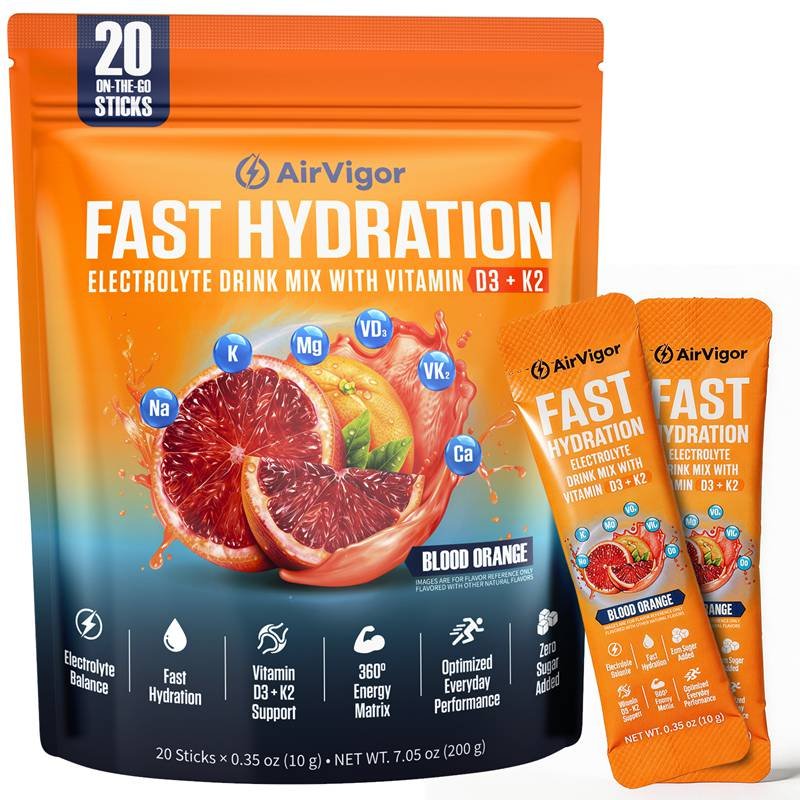
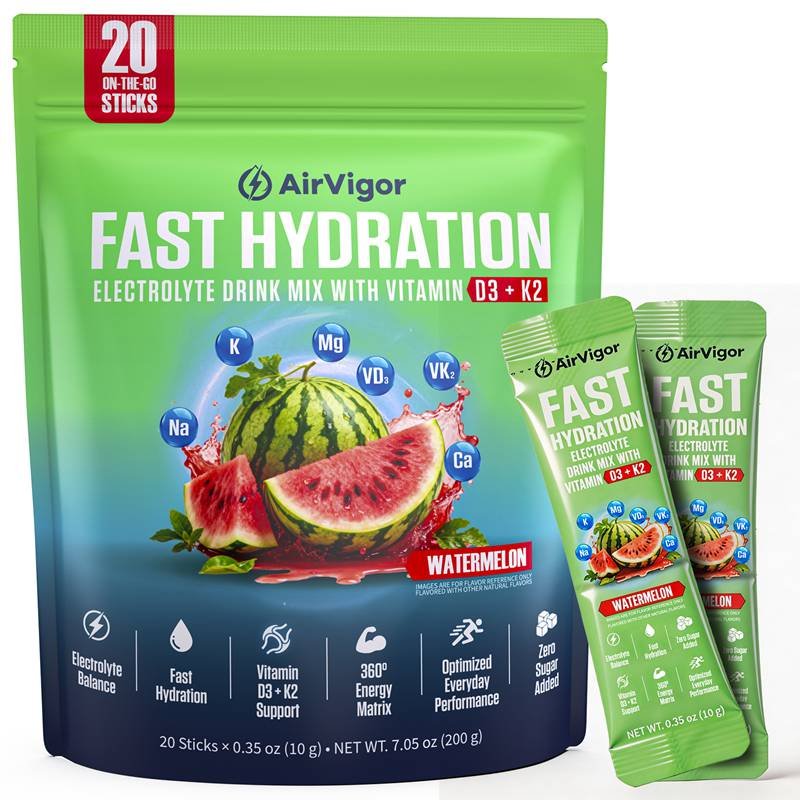
AirVigor fits best when hydration is treated as a real routine decision rather than a generic trend. The strongest positioning is not “hydration for every moment.” The stronger position is hydration support for the moments that actually demand more than plain water alone. That includes hotter days, busier days, travel, longer workouts, outdoor exposure, and sessions where people want something more structured than water but more flexible than a bulky ready-to-drink bottle.
This matters because the strongest product story is usually the clearest one. AirVigor does not need to compete by sounding louder than every sports drink on the shelf. A more believable advantage is that the powder format makes hydration easier to carry, easier to store, easier to reserve for the right moments, and easier to position around real-life use cases. For direct customers, that means a smoother routine. For OEM and ODM customers, it means a stronger market story and clearer product segmentation.
A practical brand-fit guide helps:
| Need | Where AirVigor can fit |
|---|---|
| Portable hydration support | Travel, commuting, gym, hot days |
| Smarter routine use | Hydration support only when needed |
| Clearer formula positioning | Lighter or stronger profiles matched to use case |
| Product development opportunity | OEM and ODM concepts with clearer market fit |
That is where a powder brand stops feeling like just another hydration label and starts feeling like a better solution for modern routines.
Final Thoughts
People are switching to electrolyte powders for more than one reason. The shift is about portability, storage, sugar awareness, serving flexibility, and the growing expectation that hydration should fit real routines instead of forcing people to carry bottles everywhere. At the same time, good hydration logic still matters. Not every day needs electrolyte support. The strongest products are the ones that match real conditions, such as heat, travel, long workouts, or meaningful sweat loss.
That is why the powder format is growing. It solves multiple small problems at once while giving users more control over when hydration support actually makes sense. For a brand like AirVigor, that creates a strong opportunity: not just to offer a powder, but to offer a better hydration format for the routines where bottled options start feeling too sweet, too bulky, or too rigid.
Looking to Source a Better Electrolyte Powder or Build Your Own?
If you are looking for a portable electrolyte powder for travel, exercise, or hot-weather routines, a more balanced alternative to bulky ready-to-drink hydration products, a lighter or stronger formula matched to specific use cases, or an OEM or ODM partner for custom electrolyte powder development, AirVigor can support both finished branded products and private-label or custom formulation projects.
The strongest products in this category are the ones that solve a real routine problem clearly. That is exactly where a well-positioned, balanced powder can stand out.
Share:
Contact Expert Team
At AirVigor, performance becomes effortless. We transform advanced nutrition science into clean, effective supplements that help you hydrate, recover, and feel stronger every day. Shop AirVigor Supplements on Amazon and experience athlete-trusted formulas—backed by real science and supported by our world-class R&D and production capabilities.
Trust AirVigor
At AirVigor, turning your performance goals into reality is no longer a struggle—it’s a science-driven journey we build together. Whether you’re a runner, lifter, cyclist, yogi, outdoor athlete, or someone simply seeking better daily energy, AirVigor transforms advanced nutrition research into clean, effective, and trustworthy supplements you can feel.
Backed by our U.S. scientific team, global certifications, and world-class production standards, every formula is engineered to deliver real hydration, real recovery, and real performance. And when you’re ready to experience the difference, you’ll find AirVigor products available on Amazon and other major platforms—fast shipping, consistent quality, and a community of athletes already seeing results.
Behind the scenes, our R&D and manufacturing ecosystem also supports specialized formulation development, ensuring AirVigor continues to lead with innovation while keeping quality and safety uncompromised. But at the core, everything we create is built for you—your health, your performance, your momentum.
Choose AirVigor. Feel the science. Elevate your every day.


Subscribe to our newsletter
Sign up to our newsletter and we’ll keep you up to date with the latest arrivals.