Skip to content
Why Electrolytes Don’t Fix Every Cramp:Science Breakdown
# Your Trusted Dietary Supplement Brand In US
- Emily

Table of Contents
If you have ever taken electrolytes, magnesium, or a sports drink and still ended up with a painful calf cramp, you are not alone. Many people assume muscle cramps always mean dehydration or low minerals, but the real cause is often more complicated. Cramps can happen during workouts, hot weather, sleep, travel, or long workdays, and the same solution does not work for every situation.
Electrolytes can support hydration, fluid balance, nerve signals, and normal muscle function, especially when sweating, heat, or poor fluid intake is part of the problem. But electrolytes do not always fix cramps because many cramps are also caused by muscle fatigue, overuse, poor mobility, skipped meals, tight muscles, heat stress, medication effects, or repeated movement patterns.
That is why the better question is not only “Which electrolyte stops cramps?” but “Why is this muscle cramping in the first place?” In this guide, we will break down when electrolytes help, why cramps still happen, what customers should check first, and how AirVigor can support smarter hydration habits without making unrealistic promises.
What Are Muscle Cramps?
Muscle cramps are sudden, involuntary muscle contractions that can feel tight, sharp, painful, or locked in place. They often happen in the calves, feet, thighs, hamstrings, or hands, especially after repeated movement, sweating, long standing, poor recovery, or sudden increases in activity.
What Does a Muscle Cramp Feel Like?
A muscle cramp usually feels like a sudden tightening or locking sensation. Unlike normal soreness, it can appear quickly, stop movement immediately, and make the muscle feel hard, knotted, or difficult to relax.
A muscle cramp is not the same as feeling tired after exercise. Muscle fatigue may feel heavy, slow, or weak. Muscle soreness may appear several hours later and feel tender when touched. A cramp feels more immediate. The muscle contracts without permission and may stay tight for a few seconds or several minutes.
For many people, the most memorable part is the loss of control. A runner may suddenly stop because the calf will not release. Someone sleeping may wake up because the foot or calf pulls into a painful position. A gym user may feel the hamstring tighten during a set and immediately reduce the load. A person standing at work may feel the arch of the foot curl and tighten after hours on hard flooring.
The pain level can vary. Some cramps are mild and pass quickly. Others are intense enough to leave the muscle sore the next day. This after-soreness happens because the muscle contracted forcefully and may have irritated the surrounding tissue.
| Feeling | What It Usually Means |
|---|---|
| Sharp tightening | The muscle contracts suddenly and strongly |
| Hard knot under the skin | The cramped muscle fibers are staying contracted |
| Pulling or curling sensation | The muscle is shortening and resisting relaxation |
| Temporary loss of movement | The muscle cannot smoothly lengthen during the cramp |
| Soreness afterward | The cramp was strong enough to irritate the muscle |
This is one reason people often search for quick fixes such as electrolytes, magnesium, potassium, or hydration drinks. The discomfort feels urgent. But the feeling itself does not prove the cause. A cramp can feel the same whether the trigger is sweating, fatigue, overuse, poor mobility, or long periods in one position.
Which Muscles Cramp Most Often?
Cramps often happen in muscles that work hard, repeat the same movement, or stay shortened for too long. The calves, feet, hamstrings, quadriceps, and hands are common because they carry daily movement and exercise stress.
The calves are one of the most common cramp areas. They help with walking, running, jumping, climbing stairs, balancing, and standing. Because they are used so often, they can become overloaded before a person notices obvious fatigue. This is why calf cramps are common during running, hiking, cycling, hot-weather activity, and nighttime recovery after a long day.
Feet and toes may cramp during yoga, swimming, long flights, tight footwear, or standing work. These cramps are not always about dehydration. Sometimes the small muscles of the foot are gripping, compensating, or staying tense for too long.
Hamstring and quadriceps cramps are often linked to higher-intensity movement. Sprinting, squats, lunges, cycling, hill climbing, and long endurance sessions can push these large muscle groups close to fatigue. When the workload exceeds what the muscle is prepared for, cramps may appear even if the person has already consumed electrolytes.
| Cramp Area | Common Situation | What Customers Should Notice |
|---|---|---|
| Calves | Running, hiking, standing, sleeping | Often linked to repeated loading, sweat, fatigue, or tight ankles |
| Feet/toes | Yoga, swimming, tight shoes, travel | May involve foot tension, footwear, posture, or hydration |
| Hamstrings | Sprinting, deadlifts, running, sports | Often appears when intensity or speed increases |
| Quadriceps | Cycling, hiking downhill, squats | Common after long load or poor pacing |
| Hands | Manual work, gripping, tools, sports | Often linked to repetitive tension or local fatigue |
| Back/side muscles | Twisting, lifting, sudden movement | May involve posture, strain, or poor warm-up |
Cramp location gives useful clues. If the same muscle cramps repeatedly, the issue may not be “not enough electrolytes.” It may be a pattern: one muscle is doing too much work, moving through poor mechanics, or lacking recovery.
Why Do Muscle Cramps Happen Suddenly?
Cramps often happen suddenly because the muscle and nervous system temporarily lose smooth control over contraction and relaxation. This may happen when the muscle is tired, overheated, under-fueled, dehydrated, repeatedly loaded, or held in a shortened position.
A cramp can feel random, but there is usually a buildup before it happens. The body may have been giving smaller signals first: tightness, twitching, heaviness, early fatigue, reduced coordination, or a feeling that the muscle is “about to grab.” Many people ignore these signs because they want to finish a workout, continue a hike, complete a work shift, or sleep through the discomfort.
Electrolytes are part of this conversation because minerals help support normal nerve and muscle function. But the muscle does not cramp only because one mineral is missing. A cramp may occur when several stressors overlap at the same time.
For example, a person may be slightly dehydrated, sweating more than usual, running faster than normal, and using tired calves after poor sleep. In that case, an electrolyte drink may help one part of the problem, but it may not fully prevent the cramp because fatigue and overload are also involved.
| Before the Cramp | What May Be Happening |
|---|---|
| Muscle twitching | Nerve-muscle signaling may be irritated |
| Increasing tightness | The muscle is struggling to relax fully |
| Heavy legs | Fatigue is building |
| Heat and heavy sweating | Fluid and sodium loss may be rising |
| Repeating the same movement | Local muscle overload may be increasing |
| Cramp always in same area | Mobility, strength, or movement pattern may be involved |
This is why the best cramp prevention plan is rarely one-dimensional. Hydration matters. Electrolytes matter. But pacing, conditioning, mobility, recovery, footwear, food intake, and heat exposure can matter just as much.
When Should Muscle Cramps Be Taken More Seriously?
Most cramps are short-term and improve with rest, gentle stretching, massage, hydration, and better recovery. However, frequent, severe, unexplained, or worsening cramps should be taken more seriously, especially if they occur with weakness, numbness, swelling, or major fatigue.
Customers often want reassurance, but they also need practical boundaries. A cramp after a hard summer workout is usually different from cramps that wake someone up many nights per week. A mild foot cramp after yoga is usually different from cramping with numbness or muscle weakness. When cramps become frequent or unusual, it is not smart to keep increasing electrolyte intake without asking why.
A more careful approach is especially important for people who are pregnant, older adults, people taking medications, or people with kidney, nerve, circulation, thyroid, or blood sugar concerns. Electrolyte products are designed to support hydration and mineral intake; they are not a substitute for medical evaluation when symptoms suggest something more complex.
| More Ordinary Pattern | More Concerning Pattern |
|---|---|
| Happens after hard exercise | Happens without clear trigger |
| Improves with stretching and rest | Keeps returning frequently |
| Linked to heat or heavy sweating | Occurs with numbness or weakness |
| Short duration | Severe pain or long-lasting tightness |
| Same day as unusual activity | Worsens over time |
| Better with hydration and recovery | Does not improve after habit changes |
A useful customer rule is this: if cramps are occasional and clearly linked to activity, heat, sweat, or long standing, lifestyle adjustments may help. If cramps are frequent, severe, one-sided, unexplained, or paired with other symptoms, it is time to look beyond supplements.
This honest guidance builds trust. It shows that AirVigor is not trying to make every cramp sound like a product problem. Instead, the brand helps customers understand when electrolyte support makes sense and when the body may be asking for a deeper review.
Do Electrolytes Stop Cramps?
Electrolytes can help when cramps are linked to sweat loss, heat, dehydration, or low mineral intake, but they do not stop every cramp. If the real trigger is muscle fatigue, overuse, poor mobility, or nerve sensitivity, electrolytes may support hydration but may not fully prevent cramping.
Do Electrolytes Help Every Cramp?
Electrolytes do not help every cramp because not every cramp is caused by electrolyte loss. They are most useful when sweating, heat, low fluid intake, or poor mineral intake is part of the problem.
Many people buy electrolyte powder because they want a simple answer: “I cramp, so I need electrolytes.” That answer is sometimes correct, but not always. Electrolytes are important for normal muscle function, but cramps are rarely caused by one single factor. A person may be low on fluids, but they may also be tired, under-fueled, poorly recovered, or pushing a muscle beyond its current limit.
For example, a hot yoga user who sweats heavily and feels weak after class may benefit from electrolyte support. A runner training in summer heat may also need sodium and fluid replacement. But a person whose foot cramps because of tight shoes, poor foot strength, or toe gripping during Pilates may not get much relief from electrolytes alone.
This is where customer expectations matter. Electrolytes are not a “cramp switch.” They do not automatically turn off every spasm. They support the body conditions that muscles need to work properly, especially when fluid and mineral balance are under stress.
| Cramp Situation | Are Electrolytes Likely to Help? | Why |
|---|---|---|
| Heavy sweating during exercise | More likely | Sodium and fluid loss may be part of the trigger |
| Hot-weather outdoor activity | More likely | Heat increases sweat and hydration demand |
| Long workouts over 60 minutes | Often useful | Fluid, sodium, and fatigue may build together |
| Night cramps after normal day | Sometimes | May involve hydration, but also other factors |
| Same muscle cramps every workout | Sometimes | Could be overuse, weakness, or movement pattern |
| Foot cramps from tight shoes | Less likely | Mechanical pressure may be the main issue |
| Cramps with numbness or weakness | Not enough alone | Needs deeper evaluation |
For AirVigor customers, the best message is balanced: electrolyte support can be useful, but it works best when the cramp pattern actually involves hydration stress, sweat loss, or inconsistent mineral intake.
Which Electrolytes Matter Most?
The main electrolytes involved in muscle function include sodium, potassium, magnesium, calcium, and chloride. Each one supports fluid balance, nerve communication, or contraction control, but none works alone as a guaranteed cramp solution.
Sodium is often the most important electrolyte during heavy sweating. Many customers focus on magnesium first, but sweat usually contains much more sodium than magnesium. That is why people who exercise in heat, sweat heavily, or see white salt marks on clothing may need to pay attention to sodium replacement, not just magnesium.
Potassium works closely with sodium to support normal cell function and fluid balance. It is commonly associated with bananas, but potassium intake is also affected by overall diet quality. People who eat very few fruits, vegetables, beans, potatoes, or balanced meals may have inconsistent potassium intake.
Magnesium is popular for muscle support because it plays a role in normal nerve and muscle function. However, magnesium is not a guaranteed solution for every cramp. Some people may benefit when their intake is low, but others may continue cramping if the real cause is fatigue, training load, or repeated strain.
Calcium is involved in muscle contraction and relaxation signaling. Chloride works with sodium to support fluid balance. Together, these minerals help create the environment muscles need, but they cannot replace good training, movement quality, recovery, and hydration timing.
| Electrolyte | Main Role | Customer Reality |
|---|---|---|
| Sodium | Supports fluid balance and replaces sweat sodium | Very important for heavy sweaters and hot-weather activity |
| Potassium | Helps normal cell and muscle function | Often depends on fruit, vegetable, and whole-food intake |
| Magnesium | Supports normal muscle and nerve function | Helpful for some people, but not a universal cramp fix |
| Calcium | Supports contraction and relaxation signaling | Important, but more is not always better |
| Chloride | Helps maintain fluid and acid-base balance | Usually paired with sodium in hydration support |
A strong electrolyte product should not rely only on a trendy ingredient. It should make the full mineral structure clear, show serving amounts, and explain when the product fits real-life use.
When Can Electrolytes Reduce Cramp Risk?
Electrolytes are most useful when the body is losing fluids and minerals faster than normal. This often happens during heat, sweating, endurance exercise, long work shifts, travel, or irregular eating and drinking.
The clearest use case is heavy sweating. Sweat contains water and electrolytes, especially sodium. When someone sweats for a long time and only drinks plain water, they may not fully replace what was lost. That does not mean every person needs a high-electrolyte formula every day. It means hydration needs should match activity and environment.
Electrolytes may also help people who struggle to drink enough fluid. A lightly flavored electrolyte powder can make water easier to drink, especially during workouts, summer errands, hiking, or busy workdays. For many customers, the biggest benefit is habit formation. They drink more consistently when the product is convenient, tastes clean, and feels purposeful.
Situations where electrolyte support is often more useful include:
- Hot-weather workouts
- Long runs, rides, hikes, or sports sessions
- Heavy sweating during gym training
- Hot yoga or sauna-style classes
- Outdoor work in summer
- Long travel days with irregular fluid intake
- Low appetite during active days
- Repeated training sessions with short recovery windows
| Use Scenario | Why Electrolytes May Help | Best Timing |
|---|---|---|
| Summer running | Sweat and sodium loss rise quickly | Before and during longer runs |
| Indoor cycling | Heavy sweat can happen even indoors | During or after class |
| Hot yoga | Fluid loss can be high in short time | Before and after class |
| Hiking | Long duration plus heat exposure | During the activity |
| Outdoor labor | Repeated sweat loss through the day | Split across the work period |
| Travel | Low fluid intake and irregular meals | During travel day |
| Post-workout recovery | Rehydration after sweat loss | After training |
This is where AirVigor can be positioned in a practical way. Customers do not only need minerals; they need a product that fits real routines. Clear serving guidance, smooth mixing, portable packaging, and an easy-drinking flavor can make electrolyte support easier to use consistently.
Why Do Cramps Still Happen After Electrolytes?
Cramps can still happen after electrolytes because the main trigger may not be electrolyte loss. The muscle may be tired, overloaded, tight, under-recovered, or repeatedly stressed beyond its current ability.
This is one of the most common customer frustrations. They drink electrolyte water before a workout and still cramp. They take magnesium at night and still wake up with calf pain. They use a sports drink during a long ride and still feel their quads lock up near the end.
In these cases, the product may not be the only problem. The muscle may have been under too much stress.
A cramp after electrolytes may happen because:
- The workout was longer or harder than usual
- The person increased training too quickly
- The same muscle group was overloaded repeatedly
- The warm-up was too short
- The person did not eat enough before training
- Sleep quality was poor
- The weather was hotter than expected
- The person was already dehydrated before using electrolytes
- The formula did not match sweat level or duration
- The cramp was related to posture, footwear, or movement pattern
A simple example: a runner drinks electrolytes before a long run but starts too fast, runs in heat, and has not trained that distance for weeks. If the calves cramp, it may not mean electrolytes did nothing. It may mean electrolyte support was only one piece of a much larger problem.
| Customer Complaint | Possible Explanation |
|---|---|
| “I drank electrolytes and still cramped.” | The main trigger may have been fatigue or overuse |
| “Magnesium did not stop my cramps.” | The cramp may not be due to low magnesium |
| “I cramp only during long workouts.” | Training load and pacing may be the main issue |
| “The same calf cramps every time.” | Mobility, strength, or running mechanics may matter |
| “I cramp at night after work.” | Long standing, footwear, and daily fluid intake may contribute |
For customers, this explanation is helpful because it removes the guesswork. Instead of switching products endlessly, they can review the full situation and use electrolytes where they make sense.

Why Cramps Still Happen
Cramps can still happen even after drinking electrolytes because the real trigger may be fatigue, overuse, poor pacing, tight muscles, skipped meals, heat stress, or a repeated movement pattern. Electrolytes support hydration, but they cannot always correct the physical stress that causes a muscle to lock up.
Muscle Fatigue
Muscle fatigue can make cramps more likely because tired muscles become harder to control. When a muscle is pushed past its current limit, the nerve-muscle signal may become less stable, causing sudden tightening or locking.
Many customers assume cramps mean something is “missing” from the body. Sometimes that is true. But in many exercise-related cramps, the bigger issue is that the muscle has done more work than it was ready to handle.
This is why cramps often happen near the end of a workout, not at the beginning. A runner may feel fine for the first few miles, then suddenly get calf cramps late in the session. A cyclist may climb several hills before the quads start locking. A lifter may cramp during the last few sets, when the muscle has already been stressed repeatedly.
Electrolytes can support fluid and mineral balance, especially if sweating is heavy. But if the muscle is already exhausted, electrolytes alone may not stop the cramp. The body may also need slower pacing, better conditioning, more recovery, and better warm-up.
| Customer Situation | Why Cramps Still Happen | What to Adjust |
|---|---|---|
| Cramp appears late in a run | Calves are fatigued from repeated impact | Reduce pace, build mileage gradually |
| Cramp appears during heavy leg training | Muscle is overloaded by repeated sets | Lower volume, improve warm-up |
| Cramp appears after cycling hills | Quads and calves are under long load | Pace climbs, improve strength |
| Cramp appears after hot yoga | Sweat loss plus muscle fatigue builds quickly | Hydrate earlier, reduce intensity if needed |
| Cramp appears after long standing | Calves and feet stay active for hours | Move more often, stretch, review footwear |
For AirVigor customers, this means electrolyte use should be part of a bigger routine. A hydration powder can support the body during demanding conditions, but muscles also need training progression and recovery time.
Training Too Hard
Training too hard too quickly is one of the most common reasons cramps continue. The body adapts gradually. When intensity, duration, or frequency rises too fast, the muscles may respond with tightness, twitching, or cramping.
This often happens when someone feels motivated and pushes hard before the body is prepared. A person may start a new running plan, join a HIIT class, return to the gym after a break, or hike longer than usual on the weekend. They may drink electrolytes and still cramp because the total workload is beyond their current conditioning.
The issue is not that electrolytes are useless. The issue is that electrolytes cannot replace physical adaptation. Muscles need time to handle longer distance, heavier resistance, faster pace, hotter weather, or repeated training days.
A useful way to think about it: hydration supports performance, but conditioning builds capacity.
| Training Change | Cramp Risk Increases Because | Better Plan |
|---|---|---|
| Running distance jumps from 3 miles to 7 miles | Calves and hamstrings are not adapted | Increase distance slowly |
| HIIT frequency increases from 1 to 4 days weekly | Recovery time becomes too short | Add rest days |
| Heavy squats added suddenly | Quads, glutes, and hamstrings face new load | Start lighter and progress |
| Summer training starts suddenly | Heat and sweat demand rise | Build heat tolerance gradually |
| Long hike after a quiet week | Feet and calves face hours of load | Pace early and hydrate consistently |
Customers should watch for early warning signs before a full cramp happens. These include twitching, unusual tightness, heaviness, reduced coordination, or a feeling that the muscle is about to grab. At that point, slowing down may be more effective than waiting for a painful cramp.
Poor Hydration Timing
Cramps may still happen because electrolytes are taken too late. If someone waits until the muscle is already tight, hot, tired, and dehydrated, an electrolyte drink may support recovery but may not stop the immediate cramp.
Many customers use electrolytes reactively. They drink them after feeling weak, after sweating heavily, or after a cramp begins. But hydration works better when it is planned around the activity.
For short, low-sweat activity, water and normal meals may be enough. For long workouts, hot weather, heavy sweating, travel, or outdoor labor, earlier electrolyte use may be more practical.
| Timing Pattern | Why It May Fail | Better Use |
|---|---|---|
| Only drink electrolytes after cramping | Muscle may already be overloaded | Use earlier on high-sweat days |
| Drink plain water all day before hot exercise | Sodium may not match sweat loss | Add electrolytes before/during activity |
| Start hydrating only during the workout | Body may begin already under-hydrated | Drink steadily before training |
| Use electrolytes after a long travel day | Fluid intake may have been low for hours | Use during travel |
| Take electrolytes randomly | Intake does not match demand | Match use to sweat, heat, and duration |
A simple customer rule is this: if the day will involve heavy sweat, heat, long activity, or irregular meals, hydration should begin before the body feels stressed.
AirVigor electrolyte products can fit naturally into this habit because convenience matters. If a product is easy to mix, easy to carry, and pleasant to drink, customers are more likely to use it before the problem starts.
What Causes Cramps?
Cramps can be caused by sweat loss, dehydration, low mineral intake, muscle fatigue, overuse, poor mobility, skipped meals, heat stress, long sitting, long standing, medication effects, or health conditions. Electrolytes may help in some cases, but the real cause often depends on timing, activity, lifestyle, and repeated patterns.
Fluid Loss
Fluid loss can increase cramp risk when the body loses more water than it replaces. This often happens during hot weather, heavy sweating, long workouts, outdoor labor, travel, or busy days when people forget to drink enough.
Dehydration is one of the most familiar cramp explanations, and it can matter. When fluid levels drop, the body may struggle to maintain normal circulation, temperature control, and muscle function. The muscles may feel heavier, tighter, or less responsive. Some people also notice headaches, dry mouth, dizziness, dark urine, or unusual fatigue before cramps happen.
However, fluid loss is not always obvious. A person does not need to be dripping with sweat to fall behind on hydration. Long flights, office air conditioning, coffee-heavy routines, low appetite, summer errands, and physically active workdays can all reduce fluid intake or increase fluid loss.
The key customer point is this: dehydration-related cramps usually have context. They often appear after a day of poor fluid intake, during heat exposure, after heavy sweating, or after long activity without enough drinking.
| Situation | Why Fluid Loss May Build Up | What Customers May Notice |
|---|---|---|
| Hot-weather exercise | Sweat rate rises quickly | Thirst, headache, calf tightness |
| Long work shift | Drinking is delayed for hours | Foot or leg cramps later |
| Travel day | People drink less to avoid bathroom breaks | Dry mouth, fatigue, leg tightness |
| Outdoor labor | Sweat loss repeats across the day | Salt stains, heavy legs, low energy |
| Hot yoga or indoor cycling | High sweat in a short session | Lightheadedness, muscle tightness |
| Busy office day | Coffee replaces water | Afternoon fatigue, nighttime cramps |
For AirVigor customers, this is one of the clearest moments where electrolyte support may fit. If cramps happen during or after fluid loss, a portable electrolyte powder can help make hydration more structured and easier to repeat.
Sodium Loss
Sodium loss is especially important during sweating. Many customers think first about magnesium or potassium, but sodium is usually the main electrolyte lost in sweat and can become highly relevant during hot, long, or high-sweat activity.
Sodium helps the body hold fluid and supports normal nerve and muscle function. When people sweat heavily and replace losses only with plain water, they may not fully support fluid balance. This is especially true for endurance athletes, outdoor workers, hot-weather hikers, runners, cyclists, and people who sweat heavily even during indoor workouts.
Some people are naturally “salty sweaters.” They may notice white marks on shirts, hats, or skin after exercise. Their sweat may sting the eyes. They may feel unusually drained after hot workouts. These signs do not prove sodium loss is the only cramp cause, but they make sodium worth paying attention to.
| Customer Clue | What It May Suggest |
|---|---|
| White salt marks on clothing | Higher sweat sodium loss |
| Sweat stings eyes strongly | Salty sweat may be noticeable |
| Heavy sweat during short workouts | Fluid and sodium demand may rise fast |
| Headache after hot exercise | Hydration and sodium may need review |
| Cramps during long summer training | Sodium loss may combine with fatigue |
| Drinking lots of water but still feeling depleted | Plain water may not be enough for that situation |
This is why not all electrolyte products feel the same in real use. Some formulas are very light and designed for casual hydration. Others are more suitable for heavy sweat situations. Customers should not only look for the word “electrolytes.” They should look at the full mineral profile, serving direction, taste, and intended use.
AirVigor should explain this clearly. A good electrolyte product is not about chasing the highest number on the label. It is about matching the formula to the customer’s real routine: gym, travel, summer activity, outdoor work, hiking, cycling, or daily hydration.
Medication and Health Factors
Some cramps are linked to medication use, health conditions, pregnancy, circulation changes, nerve irritation, kidney function, thyroid function, or blood sugar issues. These cramps may not respond well to electrolyte use alone.
This does not mean most cramps are serious. Many are ordinary and temporary. But customers should know when not to ignore them. If cramps happen often, become more painful, appear without clear activity, or come with unusual symptoms, the cause may require more than a supplement routine.
More concerning signs include:
- Frequent cramps with no clear trigger
- Cramps with numbness or tingling
- Cramps with muscle weakness
- Swelling, redness, or skin color changes
- Cramps after starting a new medication
- Severe nighttime cramps that disrupt sleep often
- Cramps in people with kidney, nerve, circulation, or metabolic concerns
- Cramps that do not improve after hydration, food, rest, and movement changes
| Pattern | Why It Matters |
|---|---|
| Started after medication change | Some medications may affect fluids, minerals, or muscles |
| Happens without exercise | May not be sweat-related |
| Comes with numbness | Nerve involvement may need review |
| Comes with swelling | Circulation or inflammation may be involved |
| Happens often at night | Needs broader daily and health review |
| Does not improve with habit changes | Product use alone may not be enough |
For AirVigor, the best approach is responsible and clear. Electrolyte products can support hydration and mineral intake, but they are not designed to diagnose, treat, or cure medical causes of cramps. This kind of honest wording protects customer trust and keeps the article credible.
How to Ease Cramps
To ease cramps, first stop the triggering movement, gently stretch the cramped muscle, breathe slowly, and massage the tight area. After the muscle releases, review hydration, electrolytes, food intake, heat exposure, training load, and recovery so the same cramp is less likely to return.
Stop and Release
When a cramp starts, the first goal is to stop the muscle from fighting harder. Pause the activity, avoid sudden force, and place the muscle in a safe position where it can slowly relax.
A cramp often feels urgent, so many people react too aggressively. They jump up, force the stretch, shake the leg hard, or try to “push through” the workout. That can make the muscle feel more irritated afterward. The better first step is to stop the movement that triggered the cramp and give the muscle a chance to calm down.
If the cramp happens during running, slow to a walk or stop completely. If it happens during lifting, put the weight down safely. If it happens during sleep, avoid jerking the leg suddenly. The muscle is already contracting too strongly, so the response should be controlled, not forceful.
| Cramp Situation | First Action | What to Avoid |
|---|---|---|
| Calf cramp during running | Stop, stand carefully, gently lengthen the calf | Sprinting through it |
| Hamstring cramp during lifting | Stop the set, reduce load, slowly straighten the leg | Forcing another rep |
| Foot cramp during yoga | Relax the toes, gently move the foot | Gripping harder into the mat |
| Night calf cramp | Sit up slowly, flex the foot gently | Sudden kicking or pulling |
| Hand cramp during work | Open the hand and rest the grip | Continuing repetitive gripping |
Once the cramp begins to release, move slowly. If the muscle feels sore, tight, or unstable, do not immediately return to full intensity. The cramp may be a warning that the muscle is already fatigued, dehydrated, under-fueled, or overloaded.
Gentle Stretching
Gentle stretching can help ease cramps because it lengthens the contracted muscle and may reduce the nerve-muscle signal that keeps the muscle locked. The stretch should feel controlled, not sharp or forced.
Stretching is often one of the fastest ways to reduce a cramp. This does not mean the cramp was caused only by tightness. It means that changing muscle length can help the muscle exit the contracted state.
For a calf cramp, gently pull the toes toward the shin or place the heel on the ground and lean forward slowly. For a hamstring cramp, slowly straighten the knee while keeping the movement comfortable. For a foot cramp, gently spread the toes and relax the arch. For a quad cramp, carefully bend the knee and bring the heel toward the glutes only if it does not increase pain.
| Cramp Area | Gentle Stretch | Useful Tip |
|---|---|---|
| Calf | Pull toes upward toward the shin | Keep the heel down and avoid bouncing |
| Foot/toes | Spread toes and gently flex the foot | Relax the arch instead of curling the toes |
| Hamstring | Slowly straighten the leg | Do not force the knee locked if pain increases |
| Quadriceps | Bend the knee gently | Support balance to avoid falling |
| Hand | Open palm and extend fingers | Relax the wrist and forearm too |
| Hip/side | Slowly lengthen the torso or hip | Breathe deeply and avoid twisting hard |
A good stretch usually needs time. Hold the position gently for 15–30 seconds, then release slowly. If the cramp returns, repeat carefully. If pain becomes sharp, stop. The goal is not to “win” against the muscle. The goal is to help it release.
After the cramp stops, light movement may help. Walking slowly, moving the ankle, or gently bending and straightening the joint can restore comfort. But if the muscle feels damaged, weak, or unusually painful, rest is better than rushing back.
Massage and Warmth
Massage can help ease cramps by reducing local tension and improving comfort around the tightened muscle. Warmth may also help when the muscle feels stiff, while cooling may feel better if the cramp followed intense exercise or heat exposure.
Many customers instinctively rub the cramped area, and that can be useful. Light massage encourages the person to slow down, breathe, and relax the surrounding muscles. The pressure should be comfortable. Deep, aggressive massage during an active cramp may increase soreness, especially if the muscle is already irritated.
Warmth is often helpful for cramps linked to stiffness, cold muscles, or nighttime tightness. A warm towel, warm shower, or heating pad used carefully may help the muscle relax. For cramps after intense training, some people prefer light cooling if the area feels inflamed or very sore.
| Method | Best For | How to Use |
|---|---|---|
| Light massage | Active tightness or post-cramp soreness | Rub slowly along the muscle, not aggressively |
| Warm towel | Stiff or nighttime cramps | Apply gentle warmth after the cramp begins easing |
| Warm shower | General muscle tightness | Let warm water relax the area |
| Slow walking | Calf or foot cramps after release | Move lightly to restore comfort |
| Gentle foam rolling | Post-cramp tightness, not intense pain | Use light pressure after the cramp has passed |
Massage and warmth are not replacements for hydration, electrolytes, nutrition, or recovery. They are immediate comfort tools. If the same muscle cramps often, the longer-term issue may still be training load, mobility, footwear, sweat loss, or repeated strain.

Why AirVigor Helps Support Cramps
AirVigor can support cramp-related routines by helping customers manage hydration, electrolyte intake, and daily mineral support in real-life situations such as sweating, heat, workouts, travel, and long workdays. It is not positioned as a medical cramp cure, but as practical support for better hydration habits.
Hydration Support
AirVigor helps support hydration when customers lose fluids through sweat, heat, activity, or irregular daily routines. Better hydration may reduce one common stress factor that can make muscles feel tight, heavy, or more prone to cramping.
Many customers only think about hydration after discomfort starts. They feel a calf tighten during a run, wake up with a leg cramp at night, or feel their feet cramp after standing all day. At that moment, they may reach for water or electrolytes. But hydration support works better when it becomes part of the day, not only a reaction after the muscle has already locked up.
AirVigor’s value is in making hydration easier to repeat. A good electrolyte product should not feel like a complicated supplement routine. It should be easy to mix, easy to carry, easy to understand, and easy to use before or after common high-sweat situations.
For customers who sweat heavily, work outdoors, train in warm weather, travel often, or forget to drink enough during busy days, electrolyte support can be a practical way to keep hydration more consistent.
| Customer Situation | Why Hydration Support Matters | How AirVigor Fits |
|---|---|---|
| Hot-weather workouts | Sweat loss increases fluid demand | Supports planned hydration before and after activity |
| Long gym sessions | Fluid and mineral loss can build gradually | Helps customers create a repeatable hydration routine |
| Outdoor labor | Sweating may continue for hours | Easy support during high-demand workdays |
| Travel days | Water intake and meals are often irregular | Portable hydration option for bags or luggage |
| Busy office days | People may drink coffee but little water | Helps make water intake more intentional |
| Hot yoga or indoor cycling | Heavy sweat can happen in a short time | Supports rehydration around class timing |
The key point is simple: AirVigor is useful when hydration is part of the cramp story. If the cramp is mainly caused by tight shoes, sudden overtraining, poor mobility, or a health factor, hydration alone may not solve it. But when sweat, heat, travel, or low fluid intake are involved, AirVigor gives customers a more structured way to support the body.
Electrolyte Balance
AirVigor electrolyte products are designed to support normal fluid and mineral balance. Sodium, potassium, magnesium, calcium, and chloride each play different roles in hydration, nerve signals, and muscle function.
Customers often focus on only one mineral. Some people think every cramp means they need magnesium. Others reach for potassium because they have heard bananas help cramps. Some drink plain water all day but still feel depleted after sweating. The better approach is to understand that electrolytes work together.
Muscle function depends on a balance of fluids and minerals. When the body sweats, it loses water and electrolytes, especially sodium. During long activity, hot conditions, or repeated sweating, mineral support may become more important than customers realize.
| Electrolyte | Why Customers Care | Practical AirVigor Relevance |
|---|---|---|
| Sodium | Helps support fluid balance during sweat loss | Important for heavy sweaters and hot-weather activity |
| Potassium | Supports normal cell and muscle function | Useful in a balanced electrolyte routine |
| Magnesium | Supports normal nerve and muscle function | Helpful as part of broader mineral support |
| Calcium | Involved in muscle contraction signaling | Supports normal muscle function |
| Chloride | Works with sodium for fluid balance | Helps complete hydration support |
AirVigor’s approach should not be described as “more minerals automatically means fewer cramps.” That would be too simple. The better message is that AirVigor helps customers support the hydration environment muscles need, especially when daily conditions increase fluid and mineral demand.
This is also why clear formula expression matters. Customers want to know what they are taking and why. A product that simply says “electrolytes” is less convincing than one that clearly presents the mineral structure, serving direction, and best-use scenarios.
Clear Formula
Clear formula expression is one of AirVigor’s strongest advantages. Customers want to see what is inside the product, how much they are taking, and how it supports their routine. This is especially important in the electrolyte category, where formulas can vary widely.
Some electrolyte products are mainly flavored water powders with very low mineral content. Some are high-sodium formulas for heavy sweat. Some focus on magnesium. Some include sugar, while others are low-sugar or sugar-free. Without clear labeling, customers may not know whether the product matches their needs.
AirVigor’s product philosophy focuses on real ingredient addition, clear formula expression, and stable quality control. For cramp-related support, that matters because customers need to understand whether the formula is designed for daily hydration, workout support, hot weather, recovery, travel, or heavier sweat conditions.
| Formula Detail Customers Look For | Why It Matters |
|---|---|
| Electrolyte types | Shows which minerals are included |
| Amount per serving | Helps customers compare products more fairly |
| Serving direction | Reduces confusion about when and how to use it |
| Flavor profile | Affects whether customers will drink it consistently |
| Sweetness level | Important for daily-use comfort |
| Mixing performance | Poor solubility reduces repeat use |
| Packaging format | Stick packs, jars, or pouches fit different routines |
| Storage guidance | Helps protect powder quality after opening |
A clear formula does more than satisfy curiosity. It builds confidence. Customers are more likely to trust a product when they can quickly understand its purpose. They are also more likely to use it correctly, which improves the chance of a better experience.
For AirVigor, formula clarity should always connect back to customer life. The point is not only “we use real ingredients.” The point is “customers can understand what they are drinking and why it fits their situation.”
Conclusion
Electrolytes are important, but they do not fix every cramp. Muscle cramps may come from sweat loss, dehydration, or low mineral intake, but they can also be caused by fatigue, overuse, tight muscles, poor mobility, skipped meals, heat stress, or repeated strain. The best approach is to understand the pattern behind the cramp instead of assuming one drink can solve every cause.
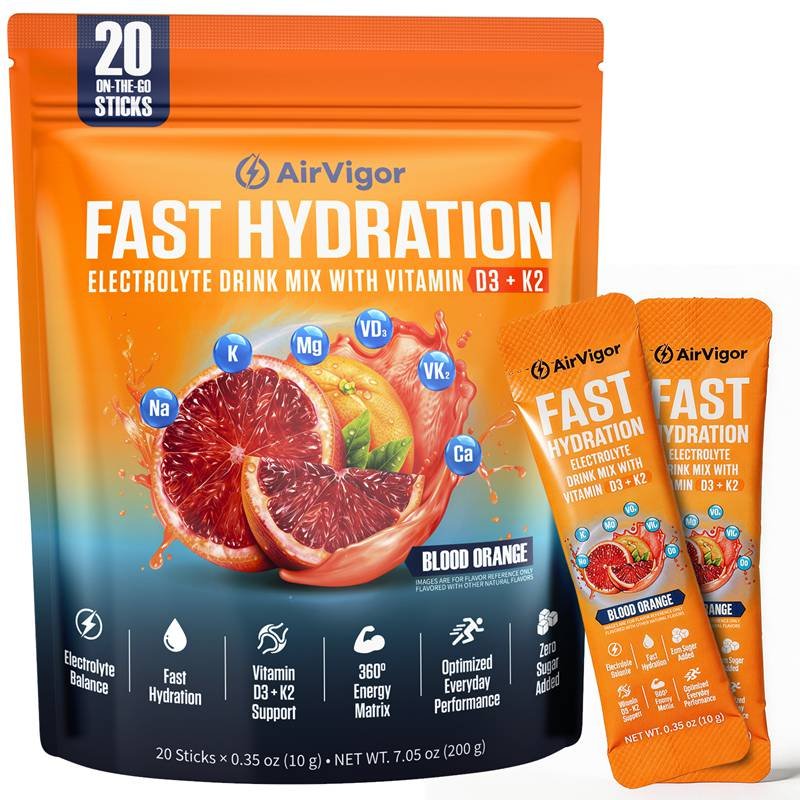
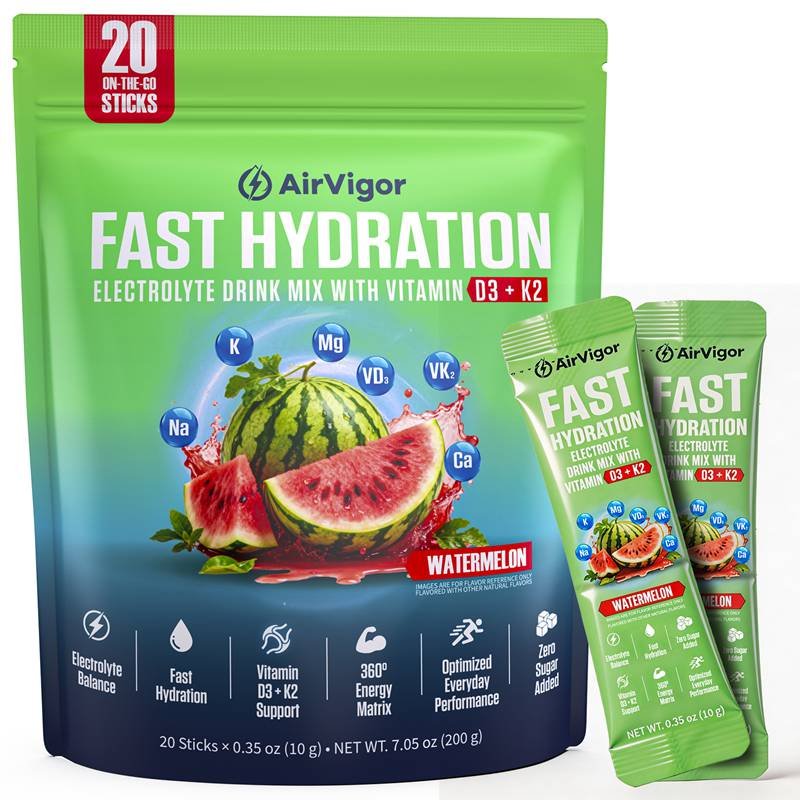
AirVigor supports customers with clear, practical electrolyte and hydration products designed for real-life use—workouts, hot weather, travel, long workdays, outdoor activity, and daily wellness routines. With real ingredient addition, clear formula expression, stable quality management, and user-friendly product formats, AirVigor helps make hydration support easier to understand and easier to repeat.
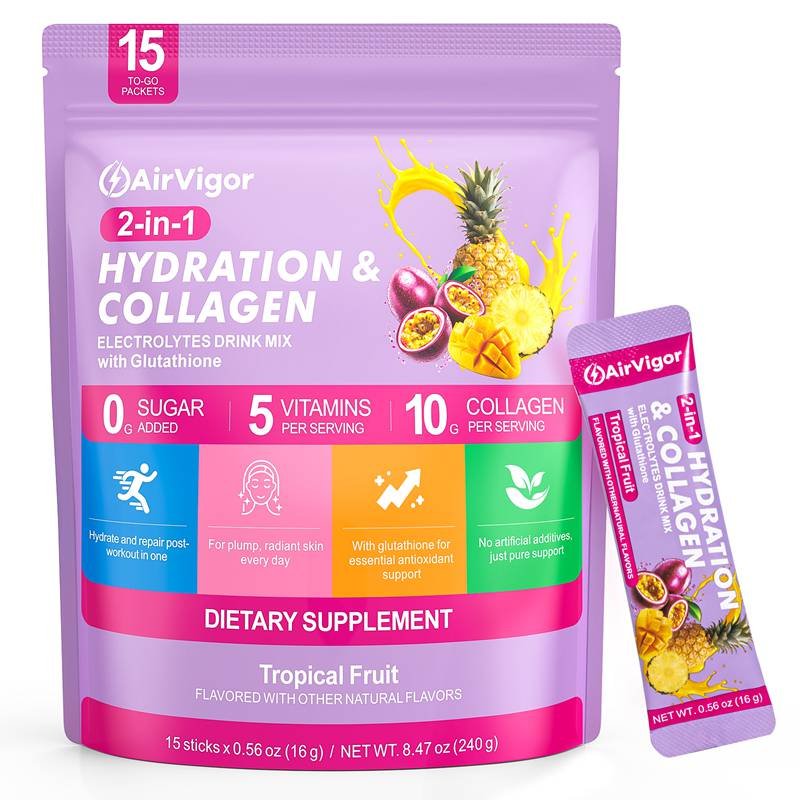
For branded product orders or custom supplement inquiries, AirVigor can support electrolyte powders, hydration blends, collagen electrolyte formulas, creatine electrolyte stacks, protein nutrition products, vitamins, minerals, probiotics, and other dietary supplement solutions from concept to production.
Share:
Contact Expert Team
At AirVigor, performance becomes effortless. We transform advanced nutrition science into clean, effective supplements that help you hydrate, recover, and feel stronger every day. Shop AirVigor Supplements on Amazon and experience athlete-trusted formulas—backed by real science and supported by our world-class R&D and production capabilities.
Trust AirVigor
At AirVigor, turning your performance goals into reality is no longer a struggle—it’s a science-driven journey we build together. Whether you’re a runner, lifter, cyclist, yogi, outdoor athlete, or someone simply seeking better daily energy, AirVigor transforms advanced nutrition research into clean, effective, and trustworthy supplements you can feel.
Backed by our U.S. scientific team, global certifications, and world-class production standards, every formula is engineered to deliver real hydration, real recovery, and real performance. And when you’re ready to experience the difference, you’ll find AirVigor products available on Amazon and other major platforms—fast shipping, consistent quality, and a community of athletes already seeing results.
Behind the scenes, our R&D and manufacturing ecosystem also supports specialized formulation development, ensuring AirVigor continues to lead with innovation while keeping quality and safety uncompromised. But at the core, everything we create is built for you—your health, your performance, your momentum.
Choose AirVigor. Feel the science. Elevate your every day.


Subscribe to our newsletter
Sign up to our newsletter and we’ll keep you up to date with the latest arrivals.