Skip to content
Why Are Electrolyte Powders So Popular Today
# Your Trusted Dietary Supplement Brand In US
- Emily

Table of Contents
Electrolyte powders have moved far beyond gyms, marathon events, and sports sidelines. Today, they appear in office drawers, travel bags, kitchen cabinets, fitness studios, wellness routines, and outdoor activity kits. The reason is simple: many people are starting to realize that hydration is not only about drinking more water. It is about helping the body maintain the right balance of water and minerals during real daily conditions such as sweating, heat exposure, travel, caffeine use, long workdays, and repeated exercise.
Electrolyte powders are popular because they make hydration more practical, portable, and functional. They help replace key minerals lost through sweat, support fluid balance, and offer a convenient alternative to sugary sports drinks. Their growth is also driven by sugar-free formulas, single-serve stick packs, better flavors, fitness culture, travel habits, and rising consumer interest in daily wellness products.
This shift is easy to understand when looking at how modern consumers live. A person may drink coffee in the morning, sit in dry indoor air for hours, exercise after work, eat irregular meals, and travel frequently. Another person may sweat heavily during hot yoga, cycling, warehouse work, hiking, or outdoor sports. In both cases, plain water may help, but it does not always feel complete. That gap is where electrolyte powders became interesting. They are small, easy to carry, simple to mix, and flexible enough for different routines. For supplement brands, this has turned hydration into one of the most practical and repeatable product categories in the wellness market.
What Are Electrolyte Powders?
Electrolyte powders are powdered drink mixes made with minerals such as sodium, potassium, magnesium, calcium, and sometimes chloride or trace minerals. After being mixed with water, they become a hydration drink that helps support fluid balance, muscle function, nerve communication, and mineral replacement during sweating, exercise, heat exposure, travel, or busy daily routines.
The appeal is easy to understand in real life. Many people do not always want to carry bottled sports drinks, and plain water does not always feel satisfying after a sweaty workout, a long flight, a hot outdoor walk, or several cups of coffee. Electrolyte powders fill that gap by turning water into a more functional drink while still keeping the routine simple.
The format is one of the biggest reasons this category has grown so quickly. A stick pack can fit into a gym bag, suitcase, office drawer, handbag, car console, cycling pouch, or hiking backpack. Compared with ready-to-drink beverages, powders are lighter, easier to store, more flexible for flavor development, and better suited for modern on-the-go lifestyles.
Not all electrolyte powders are designed for the same type of user. A daily hydration powder usually needs a lighter mineral profile and smooth taste. A sports hydration formula may need more sodium for sweat replacement. A collagen electrolyte powder has to balance minerals with beauty-focused ingredients and good mouthfeel. A keto electrolyte powder usually focuses on sugar-free minerals that fit low-carb routines. The category is popular because it can be shaped around different lifestyles instead of being limited to one sports-drink model.
| Electrolyte Powder Type | Main User Need | Common Formula Direction | Best Use Scenario |
|---|---|---|---|
| Daily hydration powder | Easier water intake | Moderate electrolytes, low sugar, light flavor | Workdays, morning routines, general wellness |
| Sports electrolyte powder | Sweat and mineral replacement | Higher sodium, potassium, magnesium | Gym, running, cycling, outdoor training |
| Sugar-free electrolyte powder | Hydration without added sugar | Zero sugar, low calories, clean sweetness | Low-carb, keto, office, fitness routines |
| Collagen electrolyte powder | Hydration plus beauty wellness | Collagen peptides, vitamin C, electrolytes | Women’s wellness, active aging, daily beauty routines |
| Travel electrolyte sticks | Portable hydration support | Fast-mixing powder, clean taste, stick packs | Flights, road trips, hotels, outdoor events |
| Amino acid electrolyte powder | Hydration plus fitness positioning | Electrolytes with BCAAs, EAAs, or recovery ingredients | Post-workout, gym users, active lifestyles |
What Do Electrolytes Actually Do?
Electrolytes help the body manage fluid movement, muscle contraction, nerve signals, and normal cellular activity. These functions happen every day, even when people are not exercising. That is why electrolyte balance matters not only for athletes, but also for travelers, outdoor workers, gym users, busy professionals, and anyone who sweats or struggles with consistent hydration.
Sodium is usually the most important electrolyte in hydration formulas because it helps the body retain and distribute fluid. It is also the main mineral lost through sweat. A person who sweats heavily during running, hot yoga, tennis, warehouse work, hiking, cycling, or summer outdoor activity may need more sodium support than someone sitting indoors most of the day.
Potassium works closely with sodium and supports normal muscle and cellular function. Magnesium is often included because many consumers associate it with muscle comfort, recovery, and daily wellness. Calcium supports muscle contraction and nerve activity. Chloride is commonly paired with sodium or potassium and helps maintain fluid and acid-base balance.
Electrolytes are not simply “extra minerals” added to make a label look complete. They help water function more effectively in certain situations. A person may drink a large amount of plain water after heavy sweating but still feel thirsty, weak, or drained if mineral loss has not been addressed. A well-balanced electrolyte powder is designed to support that water-and-mineral relationship in a practical way.
| Electrolyte | What It Supports | Why It Matters in Powder Formulas |
|---|---|---|
| Sodium | Fluid balance, nerve signals, sweat replacement | Important for workouts, heat, outdoor activity, and heavy sweating |
| Potassium | Muscle function, cellular balance | Helps create a more complete hydration profile |
| Magnesium | Muscle function, energy metabolism, wellness support | Popular in recovery and daily wellness formulas |
| Calcium | Muscle contraction, nerve signaling | Adds mineral balance, especially in sports formulas |
| Chloride | Fluid balance and acid-base balance | Often included naturally through sodium chloride or potassium chloride |
A strong electrolyte formula should be built around the actual drinking moment, not around a random list of minerals. A daily hydration drink should not taste like a salty endurance formula. A sports electrolyte product should not be too weak for people who sweat heavily. A collagen electrolyte powder must balance minerals with taste, texture, and solubility. The best formulas feel practical because the mineral profile matches how people actually use the product.
How Do Electrolyte Powders Work?
When electrolyte powder is mixed into water, it turns a plain drink into a mineral-supported hydration option. After drinking it, the body absorbs both the water and the dissolved electrolytes through the digestive system. These minerals then help support fluid balance, nerve communication, and normal muscle activity.
The benefit becomes easier to understand when looking at common daily situations. Someone may sweat during a workout, sit through a long flight, drink coffee all morning, spend hours outdoors in summer heat, or skip meals during a busy day. These moments can make hydration feel less stable. Electrolyte powders help because they combine water, minerals, and flavor in a format that is easy to repeat.
There is also a habit side to the product. Many people do not drink enough plain water because it feels boring or because they forget. A flavored electrolyte drink can make water more appealing and easier to finish. That small change can matter because hydration only works when people can keep doing it consistently.
Good electrolyte powders usually need to perform well in four practical areas:
- They dissolve quickly without leaving heavy powder residue.
- They taste refreshing without being too salty, too sweet, or artificial.
- They provide a mineral profile that matches the intended use.
- They come in packaging that makes repeat use easy.
Formula quality becomes obvious the moment the powder touches water. Sodium can taste salty. Magnesium and potassium can create bitter or mineral notes. Collagen, amino acids, vitamins, and trace minerals may add extra taste or texture challenges. A formula may look strong on a supplement facts panel, but if the drink tastes harsh, clumps in cold water, or leaves residue at the bottom of the bottle, customers may not use it again.
In real product development, the ingredient list is only one part of the decision. Taste, solubility, serving size, sweetness, packaging, and storage stability often decide whether people keep using the product.
| What to Check Before Launching or Buying | Why It Matters |
|---|---|
| Does it mix well in cold water? | Most people use bottled water, shaker bottles, or office cups outside the home. |
| Does it taste good at the recommended water volume? | Flavor can change noticeably between 12 oz, 16 oz, and 20 oz of water. |
| Is the sodium level suitable for the use case? | Daily users and endurance athletes often need different mineral profiles. |
| Does the sweetness match the audience? | Some users prefer clean, light sweetness; others expect stronger fruit flavor. |
| Can the powder stay stable in stick packs? | Moisture control is important because electrolyte powders may clump. |
| Is the serving size convenient? | Oversized servings may feel heavy, expensive, or harder to finish. |
When these details are handled well, electrolyte powders become more than a supplement. They become a simple hydration habit that people can use after workouts, during travel, in hot weather, or throughout busy weeks.
Are Electrolyte Powders Better Than Sports Drinks?
Electrolyte powders can be a better choice than traditional sports drinks for people who want lower sugar, easier portability, more formula variety, and a lighter daily-use experience. Sports drinks still have a place in long or intense exercise, especially when carbohydrates are needed, but electrolyte powders fit a wider range of modern hydration needs.
Many traditional sports drinks were designed for athletes who need fluid, electrolytes, and carbohydrates during activity. That can be useful during endurance sports or long training sessions. But many people now use hydration products in very different situations. They may want something for the office, gym, travel, hot weather, walking, yoga, hiking, or daily wellness. In those cases, a high-sugar bottled drink may feel unnecessary.
Electrolyte powders give users more control. A person can choose sugar-free, low-sugar, higher-sodium, collagen-added, vitamin-added, or amino acid-enhanced formulas. They can also adjust the water volume based on taste preference. This flexibility is difficult to achieve with bottled sports drinks, where the flavor, sweetness, sugar level, and serving size are already fixed.
Portability is another major advantage. A 30-serving box of electrolyte stick packs is much easier to store and carry than 30 bottles of sports drinks. Travelers, office workers, hikers, and gym users can carry several servings without adding much weight or space. The same advantage also makes powders practical for e-commerce, subscription boxes, sampling, and private label product launches.
| Comparison Point | Electrolyte Powders | Traditional Sports Drinks |
|---|---|---|
| Sugar options | Can be sugar-free, low sugar, or carb-based | Often contains added sugar |
| Portability | Stick packs and tubs are easy to carry | Bottles are heavier and take more space |
| Formula variety | Easy to add collagen, vitamins, amino acids, or trace minerals | Usually less flexible |
| Daily use | Suitable for work, travel, gym, and wellness routines | Often feels more sports-specific |
| Shipping and storage | Lightweight and e-commerce friendly | Higher storage and shipping burden |
| Flavor control | Can be mixed with different water volumes | Fixed taste and concentration |
| Customization options | Strong for tailored formulas and packaging | More complex beverage manufacturing |
The better choice depends on the user’s routine. A long-distance cyclist may still want carbohydrates during a multi-hour ride. A casual gym user may prefer a sugar-free electrolyte powder after training. A frequent traveler may choose stick packs for convenience. A wellness customer may prefer collagen electrolytes as a more functional daily drink.
Electrolyte powders should not be treated as simply “sports drinks in powder form.” They are more flexible than that. They can be developed as daily hydration products, travel essentials, fitness recovery drinks, sugar-free wellness beverages, collagen beauty powders, keto electrolyte blends, or outdoor hydration sticks. That wider range of use cases is one of the main reasons the category keeps growing.
Why Do People Use Electrolyte Powders Daily?
People use electrolyte powders daily because hydration challenges do not only happen during intense workouts. Coffee, long work hours, air conditioning, hot weather, travel, sweating, irregular meals, and repeated exercise can all make hydration harder to maintain. Electrolyte powders make water easier to drink while adding minerals that support fluid balance, muscle function, and daily hydration comfort.
Daily electrolyte use often starts with a familiar feeling: plain water helps, but it does not always feel complete. Someone may drink water after training and still feel drained. An office worker may realize by mid-afternoon that coffee has replaced most of their water intake. A traveler may spend several hours on a plane or in a car and arrive feeling dry, tired, or heavy. In these situations, electrolyte powder feels useful because it is quick to prepare, easy to carry, and more appealing than plain water.
The habit also fits the way people now approach wellness. Many shoppers are not waiting until they feel unwell before looking for support. They want small routines that are easy to repeat during normal life. Electrolyte powders work well because they attach to something people already do: drinking water. One bottle of water and one serving of powder can turn hydration into a more intentional routine without adding much effort.
In daily life, electrolyte powders often replace the drinks people already reach for when they feel thirsty, tired, or low on energy: sports drinks, flavored waters, soda, juice, energy drinks, or another cup of coffee. For people trying to reduce sugar while still wanting flavor and function, electrolyte powders feel like a practical middle ground. They are more purposeful than plain water, but lighter than many traditional bottled beverages.
Daily-use electrolyte powders are especially valuable in the market because they can become part of a weekly routine instead of an occasional emergency product. A person may use them after workouts, during travel, on hot days, or several times per week at work. That repeat use only happens when the product feels comfortable. The mineral level must make sense, the taste must be clean, the serving size must be easy to finish, and the packaging must fit real life.
| Daily Use Situation | Common User Problem | Why Electrolyte Powder Fits |
|---|---|---|
| Morning routine | Waking up thirsty or wanting a better start than coffee alone | Light flavor helps make water intake easier |
| Office work | Coffee intake, dry air, forgotten water habits | Desk-friendly stick packs create a simple reminder |
| Workouts | Sweat and mineral loss | Supports hydration before, during, or after exercise |
| Travel | Low water intake, long flights, irregular meals | Portable sticks mix easily with bottled water |
| Hot weather | More sweating and thirst | Adds minerals commonly lost through sweat |
| Outdoor activity | Hiking, sports, beach days, walking | Easy to carry without heavy bottled drinks |
| Low-sugar lifestyle | Avoiding soda, juice, or sugary sports drinks | Sugar-free formulas provide a lighter option |
Do Electrolytes Help With Hydration?
Electrolytes help with hydration because the body needs both water and minerals to maintain fluid balance. Sodium, potassium, magnesium, and calcium help support how fluids move through the body, how muscles function, and how nerves communicate. Electrolyte support becomes more relevant when the body loses fluid through sweat, heat, exercise, travel, or long busy days.
For many daily users, the issue is not severe dehydration. It is the smaller pattern that appears again and again. They feel thirsty even after drinking water. Their mouth feels dry during travel. Their body feels heavy after sweating. A workout feels harder than expected. Afternoon tiredness appears after coffee and low water intake. These are the real-life moments that often lead people to search for electrolyte powders.
Water is still the foundation of hydration, but minerals can help hydration feel more complete in certain situations. Sodium is especially important because it helps the body retain and distribute fluid. Potassium supports cellular balance. Magnesium and calcium support normal muscle and nerve function. When sweating increases, the body loses both water and minerals, so replacing only water may not always feel satisfying after heavy or repeated sweating.
Daily electrolyte use usually makes the most sense when it solves a practical problem:
- Plain water feels boring, so intake stays inconsistent.
- Workouts or hot weather cause noticeable sweating.
- Coffee intake is high, but water intake is low.
- Travel days leave the body feeling dry or tired.
- Sugary sports drinks feel too heavy for regular use.
- A person wants hydration support that fits an active routine.
Electrolyte powders are most convincing when they are explained as a practical hydration tool, not a miracle solution. The strongest message is simple: they help make hydration easier during the moments when water intake, sweat loss, and mineral balance become harder to manage.
Why Are Electrolytes Popular During Workouts?
Electrolytes are popular during workouts because exercise increases sweat loss, and sweat contains both water and minerals. Sodium is the main electrolyte lost through sweat, while potassium, magnesium, and calcium support normal muscle and nerve function. For active people, electrolyte powders offer a convenient way to support hydration before, during, or after training.
Workout hydration has become more diverse because fitness habits have changed. People are not only running marathons or playing competitive sports. They are lifting weights, doing Pilates, cycling indoors, taking hot yoga classes, joining HIIT sessions, hiking, playing tennis, playing pickleball, and doing home workouts. Some sessions are short and light. Others are long, hot, and sweaty. Different workouts create different hydration needs.
A person doing a 30-minute light workout may want a refreshing low-sugar electrolyte drink that does not feel heavy. A runner training outdoors in summer may need a stronger sodium profile. A hot yoga user may want a formula that tastes clean after heavy sweating. A gym user may prefer electrolytes combined with amino acids or recovery-support ingredients. The strongest workout formulas usually start with the activity itself: how long people train, how much they sweat, and whether they want light daily hydration or heavier sweat replacement.
| Workout Type | What Users Usually Want | Formula Direction |
|---|---|---|
| Strength training | Light hydration without excess sugar | Low-sugar electrolyte blend |
| Hot yoga | Sweat support and refreshing taste | Sodium, potassium, magnesium, clean fruit flavor |
| Running | More mineral support after sweating | Higher sodium sports hydration |
| Cycling | Hydration for longer sessions | Electrolytes with optional carbohydrate support |
| Hiking | Portable hydration outdoors | Stick packs with balanced minerals |
| HIIT | Fast, convenient post-workout hydration | Easy-mix electrolyte powder |
| Pilates or barre | Light wellness hydration | Sugar-free, mild flavor, low calories |
The biggest concern in workout hydration is often how the drink feels. If it tastes too salty, too sweet, or artificial, people may not want it after training. If it mixes quickly, tastes refreshing, and feels comfortable after exercise, it has a much better chance of becoming part of the routine.
Workout formulas should match the intended user. An endurance hydration powder can be stronger and more sodium-forward. A daily fitness hydration powder usually needs to be smoother, lighter, and easier to drink several times per week. Without that distinction, a product can end up too weak for heavy sweaters or too intense for everyday gym users.
Can Electrolytes Help During Travel and Busy Days?
Electrolytes can help during travel and busy days by making hydration easier when normal routines are disrupted. Flights, long drives, dry indoor air, coffee, irregular meals, walking, heat, and tight schedules can all reduce water intake or increase hydration discomfort. Electrolyte powders are useful because they are portable, pre-measured, and easy to mix with bottled water.
Travel is one of the most natural use cases for electrolyte stick packs. Many people drink less water when they travel because they are moving through airports, sitting in meetings, driving for hours, or trying to avoid too many restroom stops. At the same time, travel often includes more coffee, salty restaurant meals, alcohol, late nights, and long periods in air-conditioned spaces. These small factors can add up and leave people feeling dry, tired, or less refreshed.
Busy workdays create a similar pattern. A person may start the morning with coffee, skip breakfast, sit in dry office air, and forget to drink water until the afternoon. By then, tiredness, thirst, or lack of focus may already appear. Electrolyte powder does not replace sleep or food, but it can make water more appealing and help people build a steadier hydration habit during the day.
Stick packs are especially effective for travel and busy schedules because they remove preparation barriers:
- No scoop is needed.
- No large tub has to be carried.
- One serving fits easily into a bag or pocket.
- The product can be mixed with bottled water almost anywhere.
- Several servings can be kept in different places.
- Variety packs make trial and sharing easier.
Travel hydration is a strong product direction because the use case is easy to picture. A person can imagine one stick pack in an airport bag, one in a hotel room, one in a gym pouch, and one in an office drawer. The benefit feels practical before the customer even reads a long ingredient explanation.
| Busy-Day Scenario | Hydration Challenge | Why Stick Packs Work |
|---|---|---|
| Flight day | Dry cabin air, low water intake | Easy to mix after security or on arrival |
| Office day | Coffee, meetings, forgotten water | Fits in desk drawers and work bags |
| Road trip | Long sitting, salty snacks | Works with bottled water at stops |
| Hotel stay | Routine disruption | Easy to pack and use in the morning |
| Outdoor event | Heat and walking | Lightweight compared with bottled drinks |
| Family outing | Multiple people need convenient drinks | Easy to share individual servings |
Are Electrolytes Popular for Wellness Routines?
Electrolytes are popular in wellness routines because people now connect hydration with daily energy, workout consistency, travel comfort, low-sugar beverage choices, skin-focused routines, and overall lifestyle balance. Many use electrolyte powders in the morning, during work, after sweating, or while traveling because the habit feels simple and useful.
This wellness shift explains why electrolyte powders have grown beyond traditional sports nutrition. A person does not need to identify as an athlete to care about hydration. They may simply want to drink more water, reduce sugary beverages, feel better during busy days, or create a healthier morning routine. Electrolyte powders fit that mindset because they are easy to understand and easy to use.
The wellness market has also created demand for more specialized electrolyte products. Some people want sugar-free hydration for everyday use. Some want collagen electrolytes for beauty and active aging routines. Others look for vitamin-enhanced electrolyte powders, magnesium blends, caffeine-free formulas, or products without artificial colors and heavy sweetness. The same electrolyte foundation can become very different products depending on the lifestyle it is built for.
Wellness-focused electrolyte powders usually perform best when they combine function with comfort. The drink should taste light, mix cleanly, and feel suitable for regular use. Many daily users avoid products that taste medicinal, feel too salty, or look like hardcore sports supplements. A daily wellness hydration product should feel refreshing, approachable, and easy to repeat.
Common wellness product directions include:
- Sugar-free daily hydration powders
- Collagen electrolyte blends
- Vitamin C electrolyte drinks
- Electrolytes with magnesium
- Low-calorie fruit-flavored hydration sticks
- Caffeine-free hydration powders
- Women’s wellness electrolyte formulas
- Travel and lifestyle hydration packs
This is where product positioning becomes important. A collagen electrolyte powder may focus on beauty and hydration. A magnesium electrolyte blend may focus on active lifestyle and muscle support. A sugar-free stick pack may focus on office, gym, and travel convenience. A sports formula may focus on sweat and performance.

Which Electrolyte Powders Are Most Popular?
The most popular electrolyte powders are usually the ones that fit a clear daily drinking moment: sugar-free hydration, workout recovery, travel convenience, hot-weather support, keto or low-carb routines, collagen wellness, and portable stick pack use. Daily users, gym users, travelers, outdoor users, and wellness shoppers are no longer choosing electrolyte powders only by sodium or potassium numbers. They also compare taste, sugar content, mixability, serving size, ingredient transparency, packaging, and whether the product feels easy to use repeatedly.
The category has become much broader than traditional sports hydration. A runner training outdoors in summer may want a higher-sodium formula. A gym user may prefer low sugar with magnesium and potassium. A frequent traveler may care most about stick packs that dissolve quickly in bottled water. A beauty-focused user may look for collagen, vitamin C, light fruit flavors, and low calories. A keto customer may focus on sodium, magnesium, potassium, and zero sugar.
Popularity is not decided by the formula alone. A product becomes easier to understand when people can quickly see where it fits: after workouts, during travel, in hot weather, at the office, during low-carb routines, or as a lighter alternative to sugary drinks. A powder can have a strong mineral profile, but if the use case is unclear, it may feel generic on the shelf or product page.
In this category, the second purchase is usually won by taste, mixability, and convenience rather than by the ingredient list alone. Many people may try an electrolyte powder because of the formula, packaging, search ranking, or product images, but they usually reorder because the drink tastes clean, mixes smoothly, and feels easy to use several times per week. If a formula tastes too salty, too sweet, bitter, chalky, or artificial, repeat use becomes difficult even when the supplement facts panel looks impressive.
Popular electrolyte powders often share several practical features:
- A clear use case, such as daily hydration, workouts, travel, keto, beauty, or outdoor activity
- Low-sugar or sugar-free positioning for modern beverage preferences
- A balanced electrolyte profile with sodium, potassium, magnesium, and sometimes calcium
- Convenient packaging, especially stick packs for on-the-go use
- Light, refreshing flavors that people can drink repeatedly
- Good solubility with minimal powder residue
- Simple directions that match common bottle sizes
- Ingredient transparency that helps users compare products quickly
A stronger product usually starts with a simple question: what real hydration problem does this powder solve? Once the use case is clear, the formula, flavor, serving size, packaging, and product message become easier to shape. A travel hydration stick should not feel the same as an endurance sports formula. A collagen electrolyte drink should not taste like a salty workout powder. A daily hydration product should feel light enough to drink often.
| Popular Electrolyte Powder Type | Main User Need | What Usually Stands Out | Best Use Scenario |
|---|---|---|---|
| Sugar-free electrolyte powder | Hydration without added sugar | Zero sugar, low calories, light sweetness | Office, gym, keto, daily wellness |
| Sports electrolyte powder | Sweat and mineral replacement | Higher sodium, potassium, magnesium | Running, cycling, team sports, hot workouts |
| Stick pack electrolyte powder | Portable hydration | Single-serve sachets, fast mixing | Travel, gym bags, offices, outdoor activities |
| Collagen electrolyte powder | Hydration plus beauty wellness | Collagen peptides, vitamin C, minerals | Women’s wellness, active aging, daily routines |
| Keto electrolyte powder | Low-carb mineral support | Sodium, magnesium, potassium, zero sugar | Keto, fasting, low-carb lifestyles |
| Travel hydration powder | Convenience during disrupted routines | Stick packs, clean flavor, easy mixing | Flights, road trips, hotel stays |
| Daily hydration powder | Better water intake | Moderate minerals, mild flavor, low sugar | Morning routines, workdays, general wellness |
| Amino acid electrolyte powder | Hydration plus fitness positioning | Electrolytes with EAAs, BCAAs, or recovery ingredients | Gym users, post-workout routines |
Are Sugar-Free Electrolyte Powders Better?
Sugar-free electrolyte powders are popular because many people want hydration support without extra sugar, unnecessary calories, or the heavy sweetness often found in traditional sports drinks. They are especially attractive for daily hydration, fitness routines, office use, travel, keto diets, fasting windows, and low-carb lifestyles. Sugar-free is not automatically better for every situation, but it fits many modern hydration occasions where people want minerals and flavor without a sugary beverage.
For daily users, sugar-free electrolyte powders often make more sense than traditional sports drinks. Someone sitting at a desk, doing a short gym session, walking outdoors, or traveling by plane may not need a carbohydrate-based drink. They may simply want water that tastes better and provides minerals associated with hydration. In that situation, a sugar-free powder can feel lighter, cleaner, and easier to use several times per week.
Endurance exercise is different. During long-distance running, cycling, or extended outdoor training, some people may benefit from carbohydrates along with electrolytes. That is why sugar-free formulas should be matched to the right use case instead of being treated as the only smart option. Daily hydration, low-sugar wellness, short to moderate workouts, travel, and low-carb routines are usually stronger fits for sugar-free electrolyte powders.
Taste is the biggest challenge. Sugar helps cover saltiness, bitterness, and mineral notes. Once sugar is removed, sodium can taste sharper, magnesium can taste bitter, potassium can create a mineral aftertaste, and some vitamins or amino acids can add sour or lingering notes. A strong sugar-free powder needs careful flavor balancing, sweetener selection, and acid control.
Common sweetener choices include stevia, monk fruit, sucralose, erythritol, and blended sweetener systems. Stevia and monk fruit are often used in natural-positioned products, but they can leave an aftertaste if not balanced well. Sucralose can deliver a clean sweetness profile, but some shoppers prefer plant-based sweeteners. Erythritol can improve mouthfeel, although it may not suit every formula or market.
| Sugar-Free Formula Direction | Best User Fit | What Users Usually Care About | What Needs Careful Handling |
|---|---|---|---|
| Daily sugar-free hydration | Office workers, busy adults, wellness users | Light taste, low calories, easy routine | Avoiding salty or artificial taste |
| Keto electrolyte powder | Keto and low-carb users | Sodium, magnesium, potassium, zero sugar | Clear carb and sugar claims |
| Sugar-free sports hydration | Gym users and recreational athletes | Sweat support without heavy calories | Enough electrolytes without harsh taste |
| Travel hydration sticks | Frequent travelers | Portability, fast mixing, clean flavor | Moisture control and stick pack stability |
| Beauty sugar-free electrolytes | Wellness and beauty users | Collagen, vitamin C, low sugar | Texture and flavor masking |
Sugar-free products can perform well when the drinking experience is strong. Many shoppers may search for zero sugar, but they reorder because the product tastes refreshing and fits their routine. A powder that is technically sugar-free but unpleasant to drink will struggle to become a daily habit.
Why Are Stick Packs So Popular?
Stick packs are popular because they make electrolyte powders more convenient, portable, and consistent. Each stick contains a pre-measured serving, so users do not need to carry a tub, use a scoop, or guess the serving size. They can tear open one pack, pour it into water, shake, and drink. This format fits travel, gym bags, offices, cars, backpacks, sports lockers, and outdoor activities.
The popularity of stick packs is closely tied to modern behavior. People want products that work outside the kitchen. A large tub may be fine at home, but it is less convenient during flights, workdays, hikes, road trips, gym sessions, or outdoor events. A stick pack solves that problem because it is clean, lightweight, and easy to carry.
Stick packs also create a more consistent drinking experience. Every serving is measured, which helps people avoid using too much or too little powder. This matters because serving size affects both taste and mineral intake. Too much powder can make the drink salty or overly sweet. Too little powder can make the flavor weak and reduce the intended electrolyte level. Pre-measured sticks reduce that guesswork.
They also support product trial and flavor discovery. Variety packs, sample packs, travel packs, trial kits, subscription boxes, and Amazon-ready retail boxes all work naturally with stick packs. A box of 20, 30, or 40 sticks looks clean and organized on a product page and helps shoppers understand exactly how many servings they are buying.
Stick packs are especially useful because electrolyte powders are often used in different locations:
- At the gym after training
- In an office drawer during long workdays
- In a suitcase during travel
- In a backpack during hiking or outdoor sports
- In a car during road trips
- In a beach bag during summer activities
- In a hotel room before a busy day
- In a sports bag for team practices or tournaments
The format looks simple, but production details matter. Electrolyte powders can absorb moisture, clump, or flow poorly if the formula is not designed correctly. Minerals, acids, sweeteners, collagen, amino acids, and flavors can all affect powder flow and stability. A product may taste good in a small sample but behave differently during large-scale stick pack filling.
| Stick Pack Factor | Why It Matters | User Impact |
|---|---|---|
| Film moisture barrier | Electrolyte powders may absorb moisture | Helps prevent clumping and hardening |
| Fill weight accuracy | Each serving must be consistent | Better taste and reliable usage |
| Powder flow | Formula must run smoothly during packing | Reduces production issues |
| Seal strength | Sticks must stay closed during shipping | Protects product quality |
| Tear quality | Pack should open cleanly | Improves daily use experience |
| Serving size | Must fit common water bottles | Easier mixing and better taste |
| Box count | Affects price and repeat purchase | Helps match usage frequency |
Many modern electrolyte launches choose stick packs first because they support portability, trial, flavor variety, and repeat use. When combined with a good formula and strong flavor system, stick packs can help turn electrolyte powder from an occasional supplement into a daily or weekly hydration habit.
Which Ingredients Do Consumers Look For?
People usually look for sodium, potassium, magnesium, and calcium in electrolyte powders, but they also pay close attention to sugar content, calories, flavor quality, sweeteners, vitamins, collagen, amino acids, trace minerals, and coconut water powder. The most important ingredients depend on the purpose of the product. A sports hydration powder, daily hydration powder, collagen electrolyte blend, and keto electrolyte product should not follow the exact same formula logic.
Sodium is one of the most important ingredients in electrolyte powders because it plays a major role in fluid balance and is the main electrolyte lost through sweat. At the same time, sodium levels can be confusing. Some people assume lower sodium is always better, while others believe higher sodium automatically means stronger hydration. The better answer depends on the use case. Someone sweating heavily during long outdoor workouts may need a different sodium level than someone using a light hydration powder at work.
Potassium is commonly included because it supports cellular function and works closely with sodium. Magnesium is popular because many users associate it with muscle function, recovery, and wellness support. Calcium helps support muscle contraction and nerve signaling. Chloride may appear naturally through sodium chloride or potassium chloride and supports fluid balance.
Many newer formulas include additional functional ingredients to create a more specific product story. Vitamin C works well in wellness and collagen formulas. B vitamins are often used in active lifestyle products. Collagen peptides are popular for beauty hydration and active aging. Amino acids can support fitness positioning. Coconut water powder can create a natural hydration image, although the actual formula should still provide clear electrolyte amounts.
The best formulas do not add ingredients only because they are popular. Too many ingredients can create taste problems, increase cost, complicate claims, and confuse users. A focused formula with a clear purpose is often stronger than a crowded formula with no obvious direction.
| Ingredient | Why People Notice It | Best Use Case | Formula Detail to Watch |
|---|---|---|---|
| Sodium | Sweat and fluid balance | Sports, heat, outdoor activity | Can taste salty at higher levels |
| Potassium | Cellular and muscle support | Daily hydration, sports, keto | Needs balance with sodium |
| Magnesium | Muscle and wellness appeal | Fitness, recovery, keto, wellness | Can taste bitter or affect tolerance |
| Calcium | Muscle contraction and nerve support | Balanced hydration formulas | Solubility and taste need attention |
| Vitamin C | Wellness and collagen support | Beauty hydration, daily wellness | Pairs well with citrus and berry flavors |
| B vitamins | Active lifestyle positioning | Fitness and daily energy-support formulas | May affect taste and color |
| Collagen peptides | Skin, beauty, and active aging appeal | Women’s wellness, beauty hydration | Requires texture and flavor masking |
| Amino acids | Fitness and recovery positioning | Gym and post-workout products | Can create bitterness |
| Coconut water powder | Natural hydration appeal | Lifestyle and clean-label products | Cost and taste can vary |
| Trace minerals | Mineral-complex positioning | Premium wellness formulas | May add mineral aftertaste |
Ingredient selection should start with the drinking scenario. If the product is for runners, sodium and sweat replacement may be the priority. If it is for daily office hydration, low sugar, taste, and mild electrolytes may matter more. If it is for beauty wellness, collagen, vitamin C, and flavor smoothness become more important. If it is for keto users, zero sugar and mineral strength are central.
A clear ingredient strategy also improves the product message. People should be able to understand the formula in a few seconds. If they have to work too hard to understand why the product exists, the formula may be too complicated.
Do Flavors Affect Buying Decisions?
Flavors have a major effect on buying decisions because electrolyte powders are repeat-use drinks. People may place the first order because of ingredients, price, packaging, or product images, but they usually reorder because the drink tastes good, mixes well, and feels enjoyable enough to use regularly. In this category, taste is not a small detail. It directly affects reviews, repeat purchase, subscriptions, and word-of-mouth.
Electrolyte powders are more taste-sensitive than many supplements because the user drinks a full serving mixed in water. They experience the aroma, sweetness, saltiness, acidity, mouthfeel, aftertaste, and powder residue. If the drink tastes medicinal, too salty, too sweet, chalky, bitter, or artificial, the box may sit unfinished. If it tastes refreshing and clean, the product becomes much easier to use every week.
Flavor development is difficult because electrolyte ingredients are not neutral. Sodium brings saltiness. Potassium can taste mineral-like. Magnesium may be bitter. Amino acids can create a sharp or lingering aftertaste. Collagen can add body, texture, and protein notes. Vitamins and acids can change the flavor profile. Sugar-free sweeteners require especially careful balancing because there is no sugar to cover unpleasant notes.
Popular electrolyte flavors often work because they match hydration occasions. Lemon lime feels classic and refreshing. Orange feels familiar. Berry works well for wellness positioning. Watermelon fits summer and fitness. Peach mango feels softer and more lifestyle-oriented. Tropical fruit supports travel and outdoor themes. Raspberry lemonade works well for sugar-free positioning because acidity can help balance sweetness and minerals.
| Flavor Direction | Best Use Case | Why It Works |
|---|---|---|
| Lemon lime | Sports and daily hydration | Clean, refreshing, familiar |
| Orange | General hydration and family use | Easy to understand and widely accepted |
| Berry | Wellness and daily use | Smooth, approachable, flexible |
| Watermelon | Fitness and summer hydration | Light, refreshing, seasonal appeal |
| Peach mango | Women’s wellness and lifestyle hydration | Softer, modern flavor profile |
| Tropical fruit | Travel and outdoor hydration | Connects well with heat and activity |
| Raspberry lemonade | Sugar-free hydration | Acidity helps balance sweetness |
| Grape or fruit punch | Sports positioning | Familiar to traditional sports drink users |
Flavor strategy should follow the target routine. A high-sodium sports formula may need bolder flavors and stronger acid balance. A daily hydration powder should taste lighter and less aggressive. A collagen electrolyte powder needs flavor systems that can mask protein notes without becoming too sweet. A keto electrolyte formula needs strong mineral support but must avoid tasting harsh.
Flavor variety can also improve conversion. Many people hesitate to buy a full-size product if they are unsure about taste. Variety packs reduce that risk and help users find their preferred flavor. They can also increase average order value and support repeat purchase when someone returns for a favorite flavor.
The most important point is that flavor is part of the product’s function. If a drink tastes good, people drink it more consistently. If they drink it more consistently, the product becomes more useful. Successful electrolyte powder products treat flavor, sweetness, solubility, and mouthfeel as core development priorities, not final finishing touches.
How Has the Electrolyte Market Changed?
Electrolyte products used to sit mostly in the sports aisle. Today, electrolyte powders are showing up in office drawers, travel bags, gym lockers, wellness cabinets, hotel rooms, hiking packs, and morning routines. The category has moved from “sports recovery” into a much wider hydration market that includes daily wellness, low-sugar beverages, travel convenience, beauty hydration, keto lifestyles, and customized supplement products.
The change is easy to see in how people use these products. A runner may still drink electrolytes after sweating heavily, but an office worker may use a light sugar-free stick pack after several cups of coffee. A traveler may pack electrolyte sticks for a long flight. A hot yoga user may want mineral support after a sweaty class. A beauty-focused user may choose collagen electrolytes as part of a daily wellness routine. These are very different needs, but they all connect to the same basic idea: people want hydration that fits real life.
Hydration became a bigger lifestyle topic because people started noticing how often daily routines leave them feeling dry, tired, thirsty, or slow to recover. Long work hours, air conditioning, caffeine, summer heat, irregular meals, workouts, and travel can all affect how hydrated people feel. Electrolyte powders became popular because they make hydration easier to carry, easier to prepare, and more enjoyable to drink.
The move away from high-sugar beverages also pushed the category forward. Traditional sports drinks still make sense for certain long or intense exercise situations, especially when carbohydrates are useful. But many people now want hydration products for work, travel, daily routines, or short workouts where a sugary drink may feel unnecessary. This has created strong demand for sugar-free electrolyte powders, low-calorie hydration sticks, and lighter fruit-flavored formulas.
The market is now more segmented than before. Instead of one broad “sports hydration” product, shoppers can find daily hydration powders, keto electrolyte blends, collagen electrolyte powders, amino acid electrolyte formulas, vitamin electrolyte drinks, travel hydration sticks, outdoor hydration powders, and high-sodium sports formulas. That gives people more choice, but it also raises expectations. A product now needs to make its use case clear. Is it for daily sipping, sweat replacement, travel, beauty wellness, keto routines, or outdoor heat? The clearer the answer, the easier the product is to understand.
| What Changed in the Market | What It Means | What People Look For Now |
|---|---|---|
| Sports hydration became daily hydration | Electrolytes are no longer only for athletes | Products for workdays, travel, heat, and regular routines |
| Bottled drinks shifted toward powders | Stick packs and tubs became more common | Portability, easy storage, and lower shipping weight |
| High-sugar drinks lost some appeal | More shoppers want lighter beverage options | Sugar-free or low-calorie hydration products |
| Generic formulas became less competitive | Different users expect different formulas | Clear positioning for sports, keto, beauty, travel, or daily use |
| Flavor became more important | Taste affects repeat purchase | Clean, refreshing flavors and variety packs |
| Occasional use became routine use | Electrolytes are now part of weekly habits | Better mixability, serving convenience, and smooth taste |
Why Is Hydration No Longer Just for Athletes?
Hydration is no longer just for athletes because everyday routines can create many small hydration challenges. Coffee, long work hours, air conditioning, travel, summer heat, outdoor activity, low-carb diets, hot yoga, sauna use, and irregular meals can all affect how hydrated people feel. Electrolyte powders fit these situations because they do not require a serious sports routine to feel useful.
The old hydration message was built around sweat: train hard, lose fluids, drink a sports beverage. That message still works for runners, cyclists, team sports players, and endurance athletes. But the electrolyte customer has become much broader. Someone working at a desk may want a low-sugar drink after too much coffee. A traveler may carry stick packs to avoid feeling dry after a flight. A hot yoga user may want a refreshing drink after heavy sweating. A wellness shopper may want a morning hydration habit that feels more useful than plain water.
This wider audience also expects a different product experience. Many daily users do not want a drink that tastes like a salty endurance formula. They want something light, refreshing, easy to mix, and comfortable enough to drink several times per week. That is why modern electrolyte powders often use fruit flavors, low-calorie sweetener systems, clean packaging, and single-serve stick packs.
The product also needs to feel familiar. Workdays, flights, gym sessions, road trips, beach days, hikes, and hot weather are easier for people to understand than abstract hydration science. When a person can quickly imagine where the powder fits into their day, the product becomes easier to buy and easier to repeat.
| User Group | Why They Use Electrolytes | Product Style That Works |
|---|---|---|
| Office workers | Coffee intake, dry air, forgotten water habits | Light sugar-free hydration powder |
| Gym users | Sweat and post-workout thirst | Low-sugar sports electrolyte blend |
| Travelers | Flights, long drives, disrupted routines | Stick packs with fast mixing |
| Hot yoga users | Heavy sweating in short sessions | Refreshing sodium-potassium-magnesium formula |
| Outdoor users | Heat, hiking, sports, beach activity | Portable hydration sticks |
| Wellness users | Better daily water routine | Mild flavor, low calories, clean label |
| Keto users | Low-carb mineral support | Zero-sugar electrolyte blend |
How Does Social Media Shape Hydration Trends?
Social media made electrolyte powders easier to understand because people could actually see how they were used: one stick pack in a gym bottle, one in a carry-on bag, one in a morning routine, or one after hot yoga. Instead of reading a technical explanation first, shoppers often see the product used in a normal moment and immediately understand the convenience.
That visual habit-building matters. A short video of someone mixing electrolyte powder before a workout, packing sticks for a flight, or adding a hydration packet to a large water bottle makes the product feel simple. It also removes the old idea that electrolytes are only for athletes or illness recovery. The product starts to look like part of everyday wellness.
Search behavior often follows social discovery. Someone may first see electrolyte sticks in a travel video or fitness routine, then search for phrases like “best electrolyte powder for daily use,” “sugar-free electrolyte powder,” “electrolyte sticks for travel,” “electrolytes after workout,” or “electrolytes for hot weather.” This is why strong website content should answer practical questions instead of only listing ingredients.
At the same time, social media can oversimplify hydration. Some content makes electrolytes sound necessary for everyone all day, which is not a balanced message. Plain water is enough in many low-activity situations. Electrolytes become more relevant when sweating, heat, travel, exercise, low water intake, or certain lifestyle patterns increase hydration demand. A credible hydration product should help people understand when the formula makes sense.
Useful content around electrolyte powders often answers questions like:
- When should you drink electrolytes during a normal week?
- Are sugar-free electrolyte powders better than sports drinks?
- Why are stick packs useful for travel and gym bags?
- What do sodium, potassium, and magnesium do in hydration?
- How do daily hydration formulas differ from sports hydration formulas?
- Why do flavor and mixability affect whether people keep using the product?
Social media can bring the first order, but product quality brings the second. Taste, solubility, packaging convenience, serving size, and clear usage guidance decide whether a hydration powder becomes a real habit or just another product sitting unfinished in the pantry.
Are Consumers Replacing Traditional Sports Drinks?
Many people are replacing traditional sports drinks with electrolyte powders because powders can offer lower sugar, better portability, more flavor variety, and more flexible formula options. Sports drinks still have value during long or intense exercise, especially when carbohydrates are useful, but electrolyte powders fit more daily situations.
The smarter comparison is not simply “powders versus sports drinks.” It is about which format fits the moment better. A bottled sports drink may make sense during a long game, endurance workout, or hot outdoor event. But for an office day, short gym session, flight, walk, yoga class, or low-sugar routine, many people want something lighter and easier to carry.
Electrolyte powders give users more control. They can choose sugar-free, low-calorie, higher-mineral, collagen-added, vitamin-added, or amino acid-enhanced options. They can also adjust the water amount depending on taste preference. That flexibility is hard to get from a ready-to-drink sports beverage with a fixed sweetness, flavor, and serving size.
The powder format also solves a practical storage problem. A 30-serving box of stick packs is easier to store than 30 bottles. It fits in a drawer, suitcase, gym bag, pantry, or office cabinet. That makes powders especially attractive for online sales, subscription boxes, sampling, bundles, and on-the-go use.
| Traditional Sports Drinks | Electrolyte Powders |
|---|---|
| Often sold as ready-to-drink bottles | Sold as stick packs, tubs, jars, or sachets |
| Commonly associated with sports and endurance | Used for sports, travel, workdays, wellness, and outdoor activity |
| Often contain added sugar | Can be sugar-free, low sugar, or carb-based |
| Fixed flavor and concentration | Water volume can be adjusted by preference |
| Heavier to ship and store | Lightweight and easier for e-commerce |
| Less formula flexibility | Can include collagen, vitamins, amino acids, or trace minerals |
Sports drinks are not disappearing. The market is becoming more specific. Some athletes still want carbohydrates during long exercise. Some daily users want electrolytes without sugar. Some travelers want hydration sticks. Some wellness shoppers want collagen electrolytes. Some keto users want sodium, magnesium, and potassium with zero sugar. Electrolyte powders grew because they can be shaped around all of these different needs.
Why Are Private Label Electrolyte Powders Growing?
Private label electrolyte powders are growing because hydration is easy to understand, the product can be used repeatedly, and the format allows many different formulas and packaging styles. A brand can build an electrolyte powder for sports, daily wellness, travel, keto, beauty, outdoor activity, low-sugar routines, or stick pack convenience without needing to develop a ready-to-drink beverage line.
The category works well because the basic customer need is clear. People already understand water, sweat, thirst, heat, workouts, and travel fatigue. The product does not require the same level of education as a complicated supplement. The real challenge is showing why this specific powder fits the customer’s routine better than plain water, bottled sports drinks, or another electrolyte product.
Different product directions can sit inside the same category. A sports brand may choose a higher-sodium formula for heavy sweating. A wellness brand may prefer sugar-free daily hydration. A beauty brand may develop collagen electrolytes with vitamin C. A keto brand may focus on sodium, magnesium, potassium, and zero sugar. A travel brand may choose single-serve sticks with clean fruit flavors. Each direction creates a different reason to buy.
The format also supports flexible selling. Stick packs work well for Amazon, DTC websites, subscription boxes, influencer sampling, travel kits, gyms, clinics, outdoor shops, and wellness bundles. Tubs and jars may suit high-frequency home users who want better value per serving. Variety packs help new customers test flavors before committing to one option.
Before launching an electrolyte powder, several practical choices usually shape the final product:
- Mineral profile: sodium, potassium, magnesium, calcium, chloride
- Sugar direction: sugar-free, low sugar, or carbohydrate-supported
- Functional additions: collagen, vitamin C, B vitamins, amino acids, trace minerals
- Flavor system: citrus, berry, watermelon, peach mango, tropical, fruit punch
- Packaging: stick packs, sachets, tubs, jars, or variety boxes
- Serving size: suitable for 12 oz, 16 oz, 20 oz, or larger bottles
- Market positioning: sports, travel, daily hydration, keto, beauty, outdoor activity
- Selling channel: Amazon, WordPress/DTC website, retail, gym, clinic, wholesale
| Product Type | Target Use Case | What Matters Most |
|---|---|---|
| Daily hydration sticks | Workdays and regular water intake | Light flavor, low sugar, easy use |
| Sports hydration powder | Sweat-heavy workouts | Sodium level, taste, fast mixing |
| Collagen electrolytes | Beauty and wellness routines | Collagen quality, vitamin C, smooth texture |
| Keto electrolytes | Low-carb lifestyles | Zero sugar, sodium, magnesium, potassium |
| Travel hydration sticks | Flights and busy schedules | Portability, clean flavor, moisture stability |
| Outdoor hydration powder | Heat, hiking, sports, beach use | Mineral balance, convenience, refreshing taste |
| Amino acid electrolytes | Fitness and recovery positioning | Taste masking, recovery-focused formula story |
Copying a popular formula is rarely enough now. The market already has many basic electrolyte powders. A new product needs a clear reason to exist: better taste, cleaner sweetness, stronger sports positioning, collagen support, travel convenience, keto focus, variety packs, or packaging that fits a specific sales channel.

Are Electrolyte Powders Worth Trying?
Electrolyte powders are worth trying for people who sweat frequently, exercise regularly, travel often, spend time in hot weather, drink coffee throughout the day, or struggle to drink enough plain water. They are not a replacement for meals, sleep, or medical care, but they can make hydration more consistent, convenient, and enjoyable when the formula matches the user’s lifestyle.
Many people notice subtle benefits. For example, a traveler may drink enough water during a flight but still feel dry or tired upon arrival. Someone working in a hot office or walking outdoors may feel heavy or sluggish despite drinking water. After short but sweaty workouts, many users report that water alone does not fully restore energy or comfort. Electrolyte powders help replace minerals like sodium, potassium, magnesium, and calcium that are lost through daily activity, exercise, or sweating, improving both perceived and actual hydration.
Convenience also plays a key role. Unlike bottled sports drinks, powders are lightweight, easy to carry, and flexible in serving size. A single stick pack can be mixed into a standard water bottle, allowing the user to adjust concentration and flavor. This portability is especially valuable for travelers, outdoor enthusiasts, office workers, and gym-goers. Products that fit naturally into routines are more likely to be used consistently.
Electrolyte powders are most useful when they address repeated hydration challenges rather than one-off occasions. If someone often feels drained after workouts, thirsty during hot weather, dry during travel, or inconsistent with water intake, a powder may make hydration easier to maintain. For individuals who already drink enough water, eat a balanced diet, and do not sweat heavily, electrolyte powders may only be needed occasionally.
| Daily Scenario | Common Hydration Challenge | How Electrolyte Powder Helps |
|---|---|---|
| Morning routine | Thirst, sluggishness, coffee replacement | Adds minerals, improves water appeal, supports focus |
| Office desk | Coffee intake, dry indoor air | Supports consistent hydration, encourages water intake |
| Short workouts | Sweat and fluid loss | Replaces sodium, potassium, magnesium, and calcium for muscles and nerves |
| Travel | Low water intake, fatigue | Stick packs provide convenient, portable hydration |
| Outdoor activity | Heat, sun exposure, sweating | Minerals replace losses, support sustained hydration |
| Low-sugar lifestyle | Avoiding sugary beverages | Hydration without added sugar or calories |
Who Benefits Most From Electrolytes?
People who benefit most include athletes, gym users, runners, cyclists, hikers, outdoor workers, frequent travelers, sauna users, busy professionals, and wellness-focused individuals. Many everyday users also experience repeated hydration stress: they may not run marathons, but they sweat during summer errands, outdoor activities, hot yoga, or workouts several times a week. Even mild, consistent hydration support can improve energy levels, focus, and general comfort.
| Customer Type | Typical Hydration Challenge | Recommended Product Style |
|---|---|---|
| Gym users | Sweating during repeated workouts | Low-sugar electrolyte powder with balanced minerals |
| Runners & cyclists | Longer sweat duration and higher sodium loss | Sports hydration formula with stronger sodium support |
| Hot yoga & sauna users | Heavy sweating in short sessions | Refreshing formula with sodium, potassium, magnesium |
| Travelers | Dryness, low water intake, disrupted routines | Stick packs with fast mixing and clean flavor |
| Office workers | Coffee intake and inconsistent water | Light daily hydration powder |
| Outdoor users | Heat, walking, hiking, sun exposure | Portable electrolyte sticks with practical mineral support |
| Beauty wellness consumers | Hydration plus skin & lifestyle needs | Collagen electrolyte powder with vitamin C |
| Keto or low-carb users | Mineral balance during low-carb routines | Sugar-free electrolyte blend with sodium and magnesium |
How Often Should You Drink Electrolytes?
Frequency depends on activity level, sweat rate, climate, diet, caffeine intake, and personal hydration habits. Some people use powders only after workouts or travel, while others may use lighter formulas several times per week. Stronger formulas should match actual fluid and mineral loss.
A practical approach is to tie electrolyte use to hydration stress. On low-activity days, water and meals may suffice. During workouts, hot weather, travel, or high caffeine intake, an electrolyte drink may be more helpful. The goal is to support hydration without overconsumption.
| Situation | Suggested Product Style | How to Use |
|---|---|---|
| Normal workday | Light daily hydration powder | Drink with morning water and refill as needed |
| Short indoor workout | Low-sugar electrolyte blend | Consume pre- or post-session |
| Hot outdoor workout | Higher sodium sports formula | Drink during or immediately after exercise |
| Long travel day | Stick pack electrolyte powder | Mix with bottled water, adjust concentration |
| Sauna or hot yoga | Balanced mineral formula | Consume immediately after sweating |
| Beauty routine | Collagen electrolyte blend | Daily morning or evening hydration |
| Keto routine | Sugar-free mineral formula | Use as part of low-carb hydration strategy |
What Should You Look For Before Buying?
Before purchasing, check electrolyte levels, sugar content, calories, ingredient transparency, flavor, serving size, mixability, packaging format, and intended use. A product should clearly show who it is for, when to use it, and why it differs from plain water or a sports drink.
- Electrolyte content: Sodium, potassium, magnesium, and calcium should match your needs.
- Sugar level: Choose sugar-free or low-sugar formulas for low-calorie or keto routines.
- Flavor & mixability: The product should dissolve easily and taste pleasant enough for repeated use.
- Packaging: Stick packs for travel and daily routines; tubs for home or high-frequency use.
- Functional additions: Collagen, vitamins, or amino acids may enhance wellness benefits if relevant to your goals.
Why Are Electrolyte Powders Expected to Keep Growing?
Electrolyte powders are likely to keep growing because they meet multiple consumer needs: daily wellness, sugar-free hydration, workout recovery, travel convenience, beauty support, keto or low-carb routines, and portable supplementation. They are easy to use, flexible, and support repeatable habits.
They provide a practical, functional solution in real-life scenarios such as office work, workouts, travel, hot weather, or wellness routines. They help people maintain hydration, reduce fatigue, support muscle function, and make drinking water more enjoyable. This combination of convenience, effectiveness, and repeatable use explains why electrolyte powders have become a staple in modern hydration habits and continue to expand in the market.
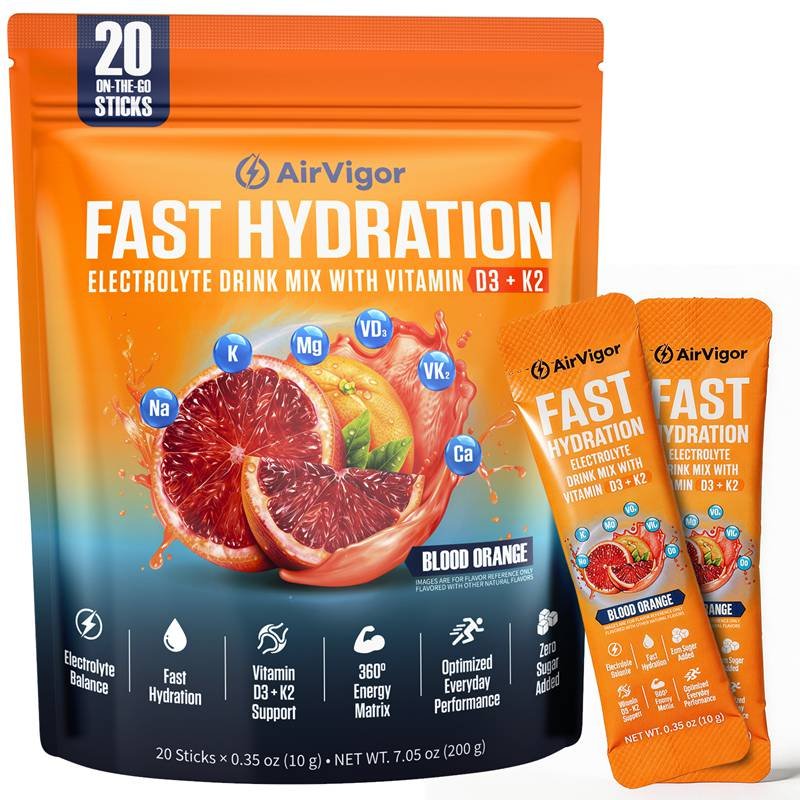
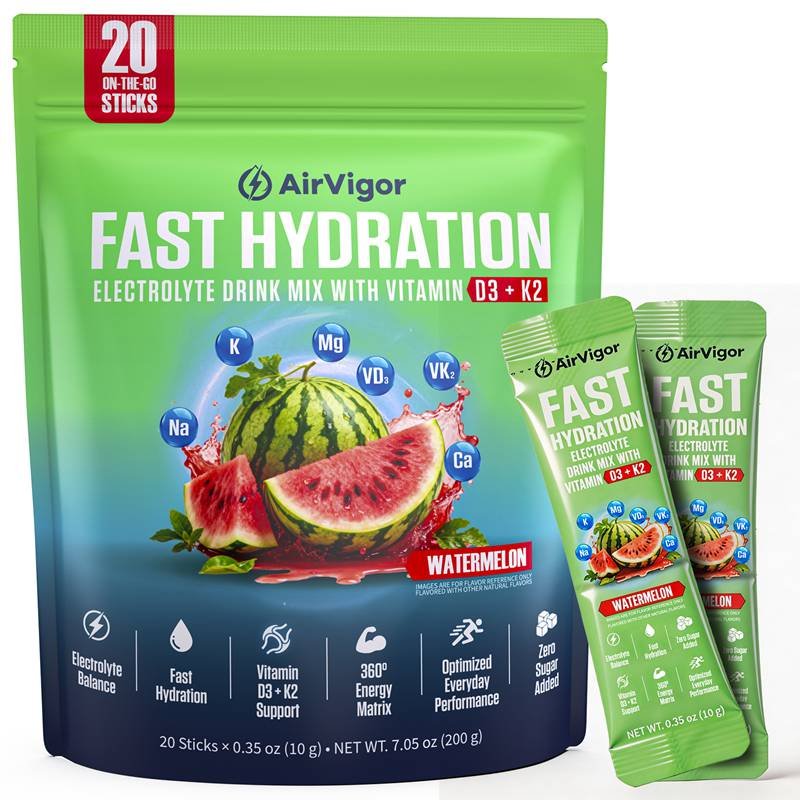
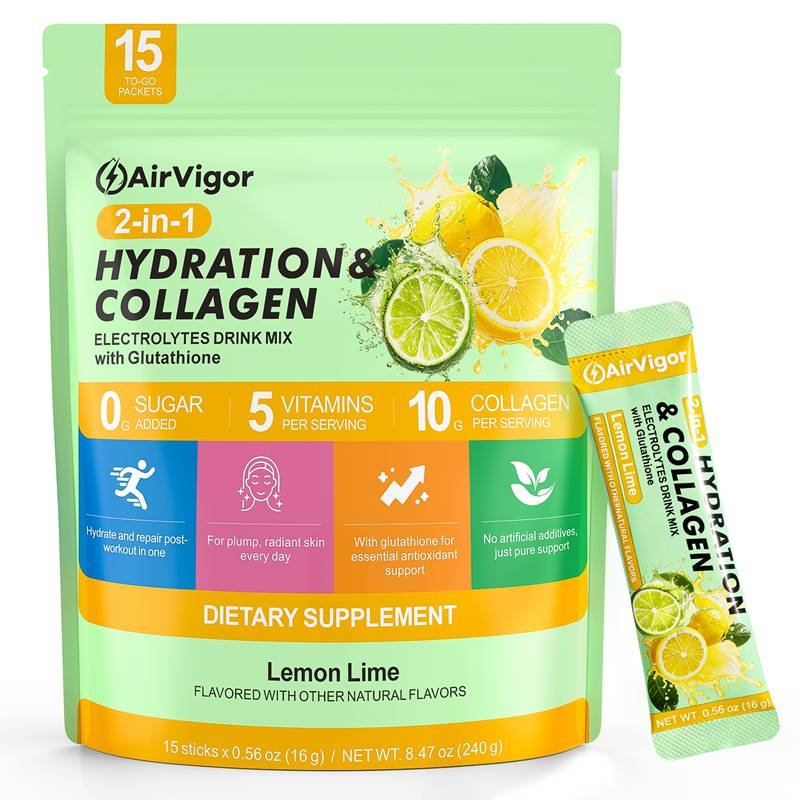
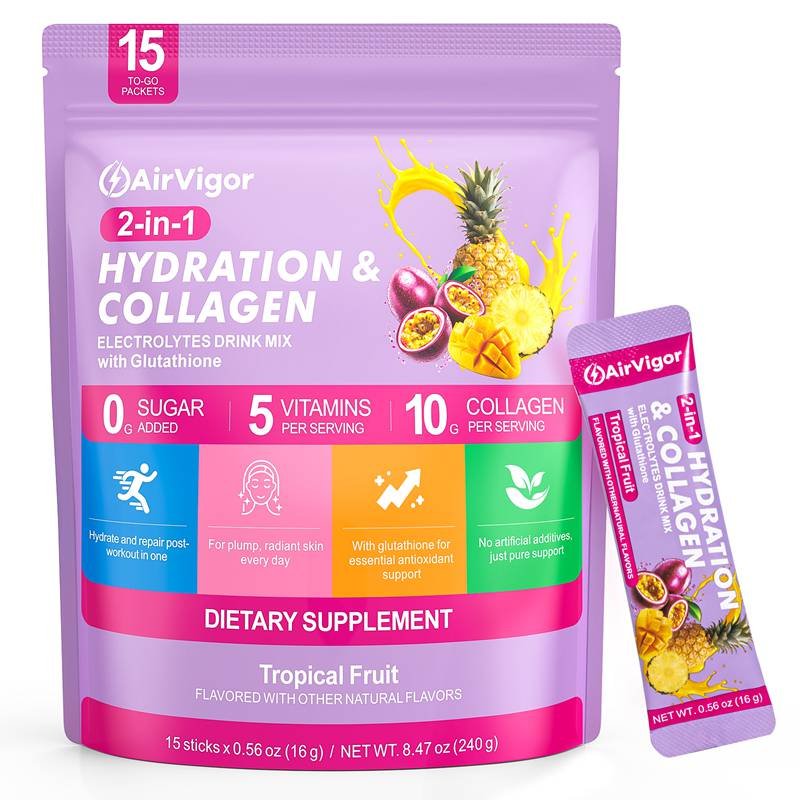
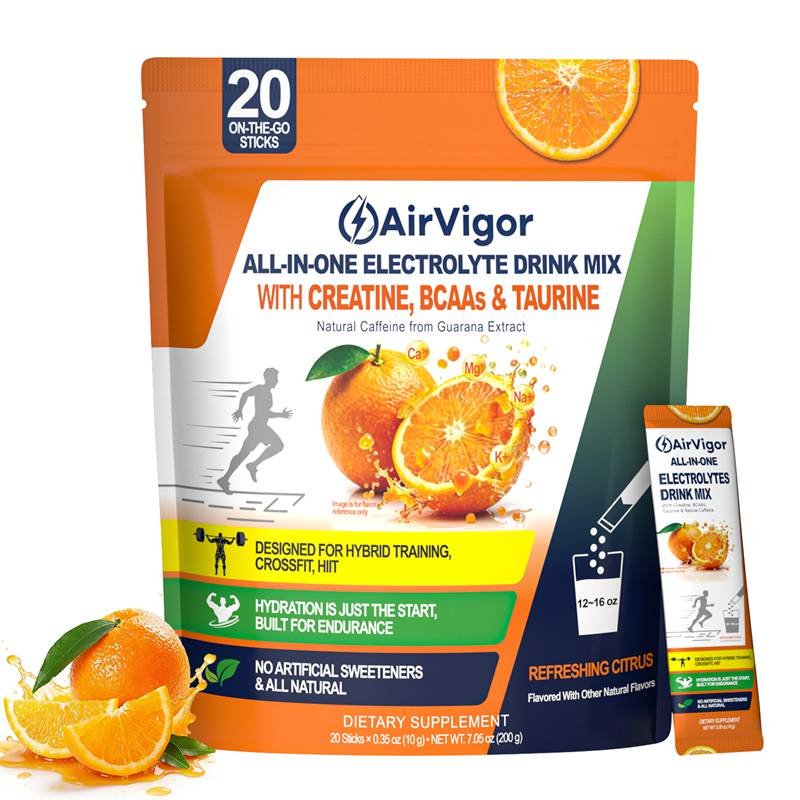
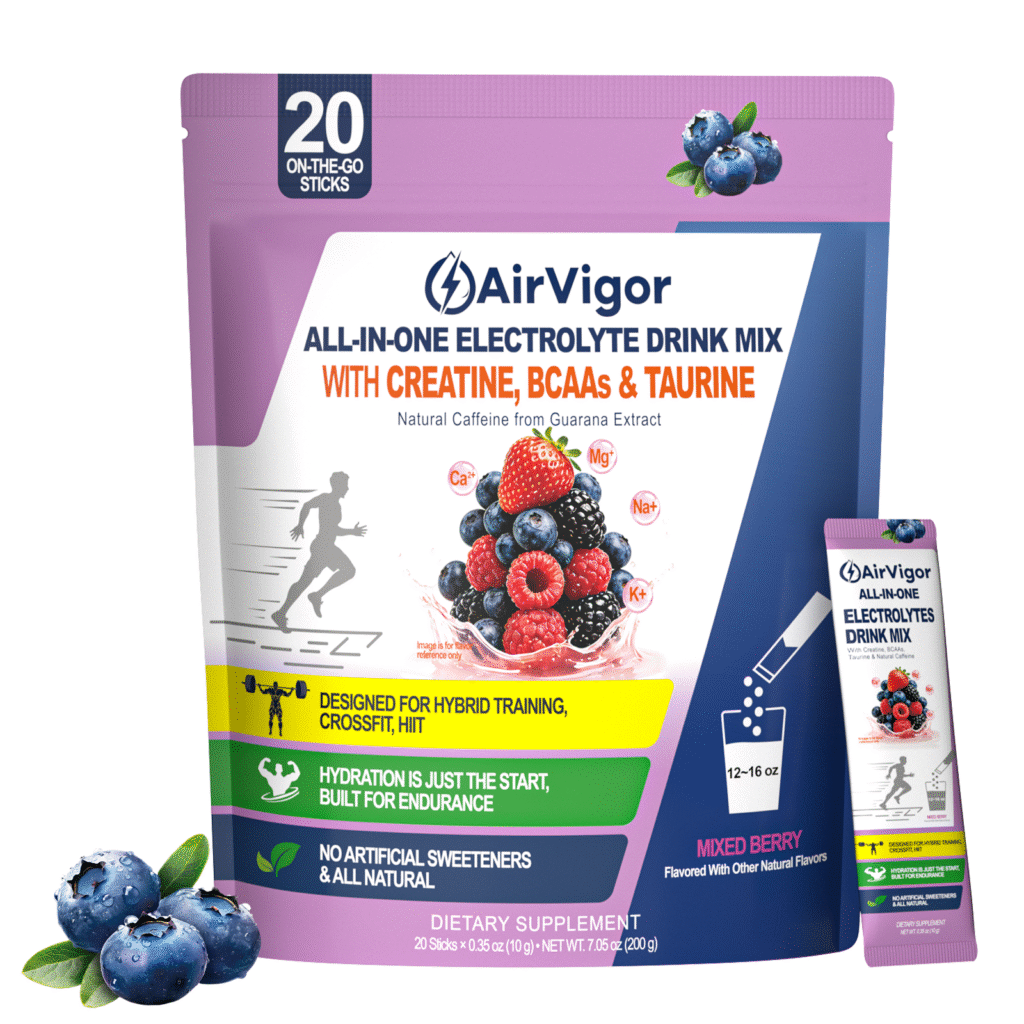
AirVigor can support companies developing customized electrolyte powders, including sugar-free hydration, collagen blends, sports formulas, amino acid drinks, vitamin-enriched powders, and private label OEM/ODM production. Support includes formula design, flavor matching, packaging selection, and product positioning, helping new hydration products fit real-life consumer habits and achieve consistent use.
Conclusion
Electrolyte powders have become popular because they fit modern lifestyles. Hydration is no longer just about sports. People use these products during workouts, travel, long workdays, hot weather, outdoor activities, low-sugar routines, beauty wellness, and daily habits. Consumers want powders that are easy to carry, simple to mix, pleasant to drink, and effective in situations where plain water may not be enough.
The most successful electrolyte powders combine function with convenience. Minerals like sodium, potassium, magnesium, and calcium provide the foundation, but repeat use depends on taste, sweetness, solubility, serving size, packaging, usage instructions, and how well the product fits daily routines.
For supplement brands, this market offers real opportunities. The category is growing and diversifying. A strong product should meet a clear need, such as daily hydration, post-workout recovery, sugar-free wellness, travel convenience, collagen support, keto hydration, outdoor activity, or portable stick packs. Simply copying an existing formula is not enough.
AirVigor helps brands bring modern electrolyte powders to market. Options include electrolyte stick packs, sugar-free powders, collagen blends, sports hydration formulas, amino acid drinks, vitamin-enriched powders, keto formulations, and fully customized OEM/ODM solutions. Support covers formula development, flavor matching, ingredient selection, packaging design, private label production, and product planning.
Whether launching a new hydration brand, expanding an existing line, or testing a niche electrolyte formula for Amazon, DTC, retail, or wellness channels, AirVigor can help create a product that meets current consumer expectations. To start a custom electrolyte powder project, you can request product samples, discuss formula options, compare packaging formats, or receive a personalized quotation based on target market, flavor profile, serving size, and production plan.
Share:
Contact Expert Team
At AirVigor, performance becomes effortless. We transform advanced nutrition science into clean, effective supplements that help you hydrate, recover, and feel stronger every day. Shop AirVigor Supplements on Amazon and experience athlete-trusted formulas—backed by real science and supported by our world-class R&D and production capabilities.
Trust AirVigor
At AirVigor, turning your performance goals into reality is no longer a struggle—it’s a science-driven journey we build together. Whether you’re a runner, lifter, cyclist, yogi, outdoor athlete, or someone simply seeking better daily energy, AirVigor transforms advanced nutrition research into clean, effective, and trustworthy supplements you can feel.
Backed by our U.S. scientific team, global certifications, and world-class production standards, every formula is engineered to deliver real hydration, real recovery, and real performance. And when you’re ready to experience the difference, you’ll find AirVigor products available on Amazon and other major platforms—fast shipping, consistent quality, and a community of athletes already seeing results.
Behind the scenes, our R&D and manufacturing ecosystem also supports specialized formulation development, ensuring AirVigor continues to lead with innovation while keeping quality and safety uncompromised. But at the core, everything we create is built for you—your health, your performance, your momentum.
Choose AirVigor. Feel the science. Elevate your every day.


Subscribe to our newsletter
Sign up to our newsletter and we’ll keep you up to date with the latest arrivals.