Skip to content

Modern active lifestyles place more pressure on the body than most people realize. Many adults today are balancing workouts, long work hours, poor sleep, travel, screen exposure, inconsistent eating habits, and constant mental stress at the same time. Even people who exercise regularly often underestimate how much recovery depends on basic nutritional support rather than workout intensity alone.
This shift is changing how consumers think about supplements. A few years ago, many active lifestyle products focused heavily on energy, stimulation, or extreme performance claims. Today, more people are looking for stability instead of intensity. They want to recover better, maintain healthier routines, support immunity, and feel more consistent throughout the week without relying only on caffeine or high-stimulant products.
Vitamin C for active lifestyle refers to using vitamin C consistently to support antioxidant balance, collagen production, normal immune function, and daily recovery support. Active individuals often experience higher physical and lifestyle stress from workouts, travel, busy schedules, and inconsistent nutrition, making regular vitamin C intake an important part of long-term wellness routines.
A common example is someone who works a full office schedule, trains three or four evenings per week, sleeps six hours a night, and frequently eats meals on the go. They may drink enough water and take protein powder, yet still feel physically drained by the end of the week. In many cases, the issue is not a lack of motivation. It is the accumulation of small recovery gaps over time. This is one reason foundational nutrients like vitamin C continue becoming more important in modern wellness routines.
What Is Vitamin C for Active Lifestyle?
Vitamin C for active lifestyle means using vitamin C as part of a daily wellness routine to support antioxidant protection, collagen formation, recovery balance, and normal immune function. It is especially relevant for people with active schedules, frequent workouts, travel routines, or inconsistent eating habits.
Why Is Vitamin C Important?
Vitamin C is often associated with immune support, but its role extends far beyond seasonal wellness routines. It participates in antioxidant activity, collagen production, iron absorption, and several recovery-related functions connected to modern active living.
For many adults, lifestyle pressure is now constant rather than occasional. A typical week may include intense workouts, long office hours, poor sleep, commuting stress, travel, skipped meals, and heavy screen exposure all at the same time. Over time, these habits can gradually affect recovery consistency and overall wellness balance.
This is one reason vitamin C remains widely used across multiple supplement categories, including sports nutrition, hydration products, collagen formulas, beauty wellness, recovery support, and daily multivitamins.
Many active adults also choose vitamin C because it fits easily into realistic daily routines without requiring highly specialized supplement systems.
Common situations where consumers prioritize vitamin C include:
- High-frequency workout schedules
- Busy work and travel routines
- Low fruit and vegetable intake
- Recovery-focused wellness habits
- Long-term healthy aging goals
| Lifestyle Factor | Why Vitamin C Matters |
|---|---|
| Frequent workouts | Supports antioxidant balance |
| Busy schedules | Helps maintain nutrition consistency |
| Poor sleep habits | Supports overall wellness maintenance |
| Active aging goals | Supports collagen formation |
| Frequent travel | Helps support daily wellness routines |
| Plant-forward diets | Supports iron absorption |
Another important reason vitamin C remains popular is simplicity. Consumers today are increasingly moving away from complicated supplement stacks involving many separate products. Instead, they prefer foundational nutrients that fit naturally into hydration routines, breakfast habits, gym schedules, or travel routines without adding unnecessary complexity.
This shift is especially visible among younger professionals and active adults in their 30s and 40s. Many are no longer looking only for short-term performance products. They are trying to build stable routines they can maintain consistently for years.
Vitamin C also works well across different supplement formats, which makes it easier for consumers to match products to their lifestyles. Some people prefer capsules because they are quick and convenient, while others choose powder sticks or hydration blends that combine wellness support with daily water intake.
| Supplement Format | Why Consumers Like It |
|---|---|
| Capsules | Fast and simple daily use |
| Gummies | Easier routine consistency |
| Powder sticks | Portable for travel or gym use |
| Drink mixes | Combines hydration and wellness |
Modern consumers are also paying closer attention to ingredient transparency and manufacturing quality than in previous years. Many now compare labels carefully before purchasing and often prefer products with clearer dosage structures, practical serving formats, and simpler ingredient systems.
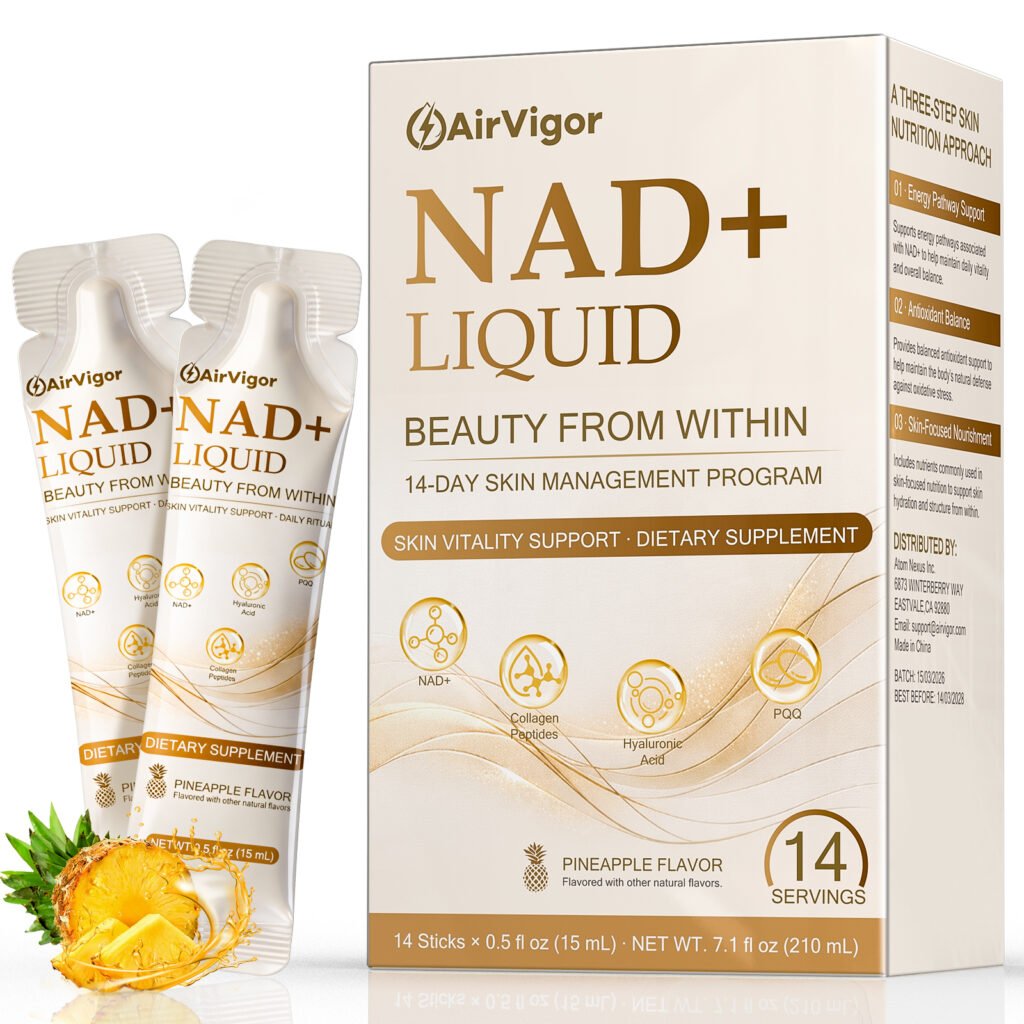
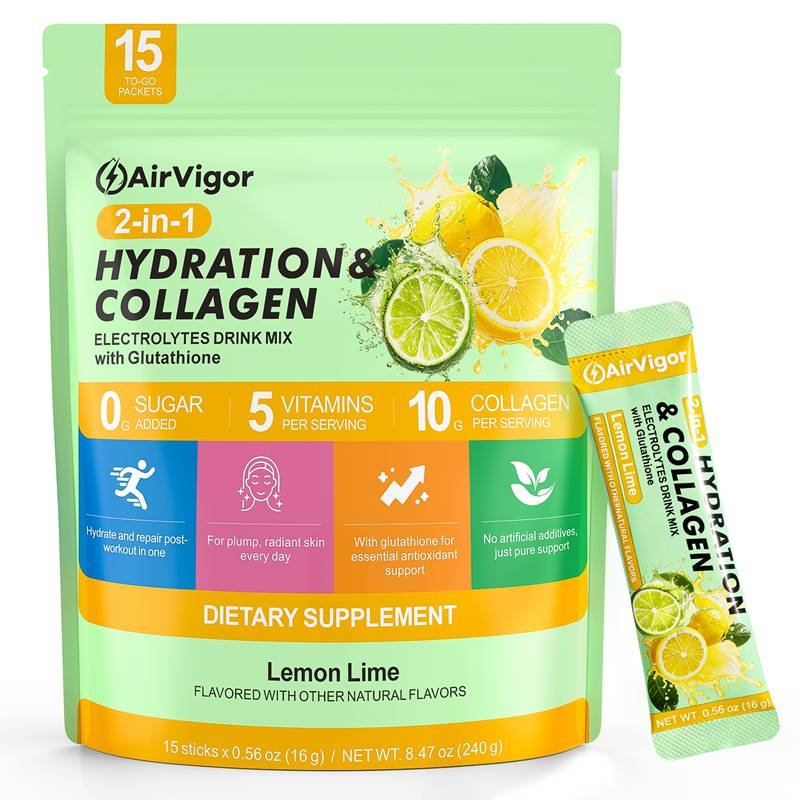
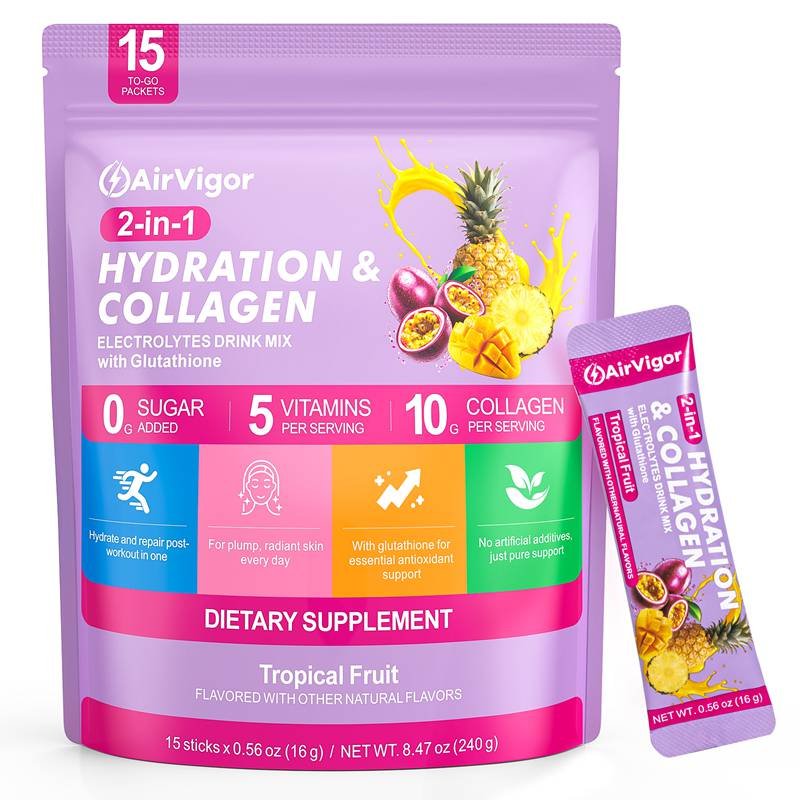
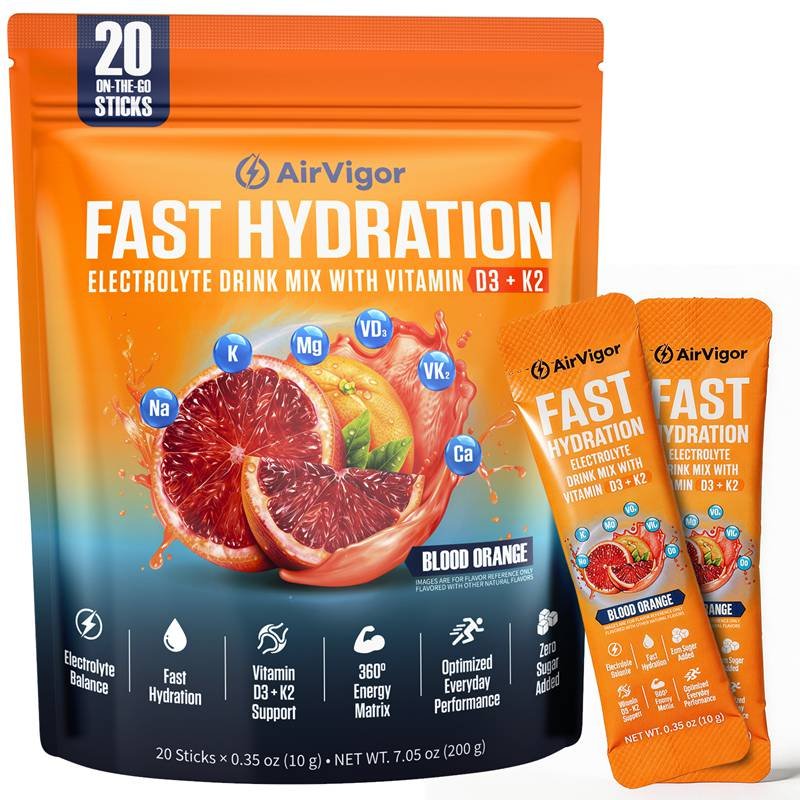
This is one reason brands like AirVigor place strong attention on ingredient sourcing, manufacturing consistency, packaging usability, and transparent formula expression rather than relying heavily on trend-driven marketing language.
How Does Vitamin C Work?
Vitamin C mainly works as an antioxidant and nutritional support nutrient inside the body. It helps support several normal processes connected to recovery, connective tissue maintenance, and daily wellness balance.
One of its most recognized roles is helping the body manage oxidative stress generated during workouts, mental stress, poor sleep, environmental exposure, and busy daily routines. Physical activity naturally increases stress on the body, which makes recovery support increasingly important for active individuals.
Vitamin C also plays an important role in collagen synthesis. The body requires vitamin C during the formation and stabilization of collagen fibers, which is one reason it is commonly included in beauty, joint-support, and active wellness products.
Another important function involves iron absorption. Vitamin C helps improve absorption of non-heme iron from plant foods, making it useful for consumers following lower-meat or more plant-focused diets.
| Vitamin C Function | Practical Benefit |
|---|---|
| Antioxidant support | Helps support recovery from lifestyle stress |
| Collagen synthesis | Supports connective tissue structure |
| Immune support | Helps maintain normal immune function |
| Iron absorption | Supports nutrient utilization |
| Daily wellness support | Helps maintain nutrition consistency |
Consumers today also understand that supplements work best when combined with larger wellness habits such as hydration, sleep, balanced meals, and recovery management rather than treated as quick fixes.
Is Vitamin C Needed Daily?
For most active adults, daily vitamin C intake makes more sense than occasional high intake. Since vitamin C is water-soluble, the body does not store large reserves for long periods, making consistent intake more useful for long-term routines.
Standard daily intake recommendations remain relatively moderate, but modern lifestyles can increase nutritional pressure. Busy work schedules, irregular meals, travel, heavy exercise, and poor sleep often make consistent nutrition harder to maintain.
Many consumers therefore prefer vitamin C supplements that provide balanced daily support rather than extremely high doses. Long-term usability usually matters more than aggressive formulations that feel difficult to maintain consistently.
Daily consistency becomes especially important for people who:
- Train several times per week
- Travel frequently for work
- Sleep inconsistently
- Eat low amounts of fruits and vegetables
- Follow highly demanding schedules
| Group | Recommended Daily Intake |
|---|---|
| Adult women | 75 mg |
| Adult men | 90 mg |
| Smokers | Often require higher intake |
| Active adults | Needs may vary based on lifestyle stress |
Convenience also strongly affects consistency. Many active consumers prefer formats that fit naturally into existing routines, such as capsules, powder sticks, hydration blends, gummies, or portable daily wellness packets.
This is one reason supplement brands like AirVigor focus heavily on ingredient transparency, practical serving structures, portability, and stable manufacturing quality rather than relying only on high-stimulation marketing approaches.
How Does Vitamin C for Active Lifestyle Help?
Vitamin C for active lifestyle helps support recovery balance, collagen production, antioxidant protection, and normal immune function during physically and mentally demanding routines. Its value is less about short-term stimulation and more about helping active people maintain stable wellness habits over time.
Does Vitamin C Support Recovery?
Recovery involves more than muscle soreness after workouts. It also includes hydration balance, tissue repair, sleep quality, immune support, and the body’s ability to adapt to repeated physical stress.
Exercise naturally increases oxidative stress because the body produces more energy during activity. Recovery often becomes harder when workouts are combined with poor sleep, stress, travel, or inconsistent eating habits.
Many active adults gradually notice recovery challenges such as:
- Feeling physically drained late in the week
- Slower recovery between workouts
- Increased stiffness or tightness
- Lower workout consistency
- Feeling more run down during stressful periods
Vitamin C helps support antioxidant balance during these periods while also contributing to collagen formation in connective tissues. This makes it increasingly relevant for active adults focused on long-term movement quality and sustainable wellness routines.
Recovery support also becomes more important as lifestyles become busier. Many people are balancing demanding work schedules with regular training, which can make overall recovery feel less stable even when workouts themselves are well planned.
| Recovery Factor | Why Vitamin C Helps |
|---|---|
| Exercise stress | Supports antioxidant defense |
| Connective tissue strain | Supports collagen formation |
| Busy schedules | Helps support nutrition consistency |
| Irregular meals | Helps fill common nutrition gaps |
| Active lifestyles | Supports overall wellness maintenance |
Modern consumers also prefer supplements that simplify routines instead of adding unnecessary complexity. This is one reason vitamin C is commonly combined with collagen, electrolytes, magnesium, and hydration-focused wellness products.
Does Vitamin C Help Collagen?
Vitamin C plays an important role in collagen formation because the body requires it during collagen synthesis. Without enough vitamin C, collagen production becomes less efficient. This matters because collagen supports not only skin structure, but also tendons, ligaments, cartilage, and connective tissues throughout the body.
For active adults, connective tissue support becomes increasingly important over time. Running, strength training, cycling, hiking, repetitive movement, and even long hours sitting at a desk can all place stress on joints and movement patterns.
This is one reason collagen supplements have expanded beyond beauty-focused categories into broader active wellness and recovery markets. Many consumers now combine collagen with vitamin C because they want support that fits both appearance goals and long-term movement quality.
People often become more interested in collagen-related support when they notice:
- Increased stiffness after workouts
- Slower recovery between training sessions
- Greater focus on mobility and flexibility
- Interest in active aging support
- Desire for easier long-term wellness routines
Another reason vitamin C and collagen work well together is convenience. Many active adults no longer want complicated supplement stacks involving multiple separate products every day. They prefer practical routines that feel easier to maintain consistently.
| Combination | Why Consumers Use It |
|---|---|
| Collagen + Vitamin C | Connective tissue and skin support |
| Vitamin C + Electrolytes | Hydration-focused wellness |
| Vitamin C + Zinc | Daily immune support |
| Vitamin C + Magnesium | Recovery and relaxation support |
Modern consumers also pay closer attention to taste, dissolvability, portability, and packaging usability. A supplement may contain strong ingredients, but if it feels inconvenient or unpleasant to use daily, long-term consistency often declines.
This shift strongly supports AirVigor’s product philosophy, which focuses not only on ingredients, but also on how products realistically fit into gym routines, office schedules, travel situations, and everyday wellness habits.
Does Vitamin C Support Immunity During Busy Lifestyles?
Immune support is still one of the main reasons consumers purchase vitamin C products, especially during periods of stress, travel, seasonal changes, or physically demanding schedules.
Modern active lifestyles can place continuous pressure on recovery and overall wellness. Long work hours, crowded environments, lack of sleep, frequent flights, and repeated high-intensity training sessions may gradually affect how stable people feel throughout the week.
Many adults notice that periods of heavy stress often overlap with:
- Poor sleep quality
- Lower workout consistency
- Increased fatigue
- Irregular eating habits
- More difficulty maintaining healthy routines
Vitamin C helps support normal immune function as part of broader wellness management. This is one reason it remains one of the most widely used foundational nutrients worldwide.
Consumers today are also more realistic about immunity support than in previous years. Most people no longer expect one supplement to “solve everything.” Instead, they are looking for practical support that fits into daily wellness habits alongside hydration, sleep, balanced meals, and exercise recovery.
| Lifestyle Pressure | Why Consumers Use Vitamin C |
|---|---|
| Frequent travel | Supports daily wellness routines |
| Poor sleep schedules | Helps maintain nutritional consistency |
| Intense work periods | Supports overall wellness balance |
| Seasonal routine changes | Common immune-support usage period |
| Heavy training schedules | Supports recovery-focused wellness |
This broader wellness mindset is changing the supplement industry itself. Consumers increasingly want products that feel sustainable and easy to maintain rather than short-term “quick fix” solutions.
Does Vitamin C Help Daily Energy and Wellness?
Vitamin C is not a stimulant like caffeine or pre-workout products, but many active consumers still include it in energy-support wellness routines because of its broader role in recovery, nutritional balance, and daily consistency.
Many people today feel physically tired not because they completely lack motivation, but because recovery habits become inconsistent over time. Busy schedules, poor hydration, skipped meals, stress, and lack of sleep can gradually affect how stable energy levels feel throughout the day.
This is especially common among:
- Office workers balancing training and long work hours
- Parents managing physically demanding schedules
- Frequent travelers adjusting to changing routines
- Adults trying to maintain regular exercise habits
Consumers increasingly prefer wellness products that support stable daily routines rather than products built entirely around high stimulation.
Another important factor is routine simplicity. Many people stop using supplements consistently when routines become too complicated. This is one reason portable vitamin C products continue growing in popularity across active lifestyle categories.
| Product Format | Why Consumers Like It |
|---|---|
| Capsules | Fast and simple daily use |
| Gummies | Easier habit consistency |
| Powder sticks | Portable for gym or travel |
| Drink mixes | Combines hydration and wellness |
AirVigor’s approach aligns closely with these changing consumer habits by focusing on ingredient transparency, practical portability, stable quality systems, and supplement formats designed for real-world daily use rather than short-term marketing trends.
Who Needs Vitamin C for Active Lifestyle?
Vitamin C for active lifestyle is commonly used by gym users, runners, busy professionals, travelers, and wellness-focused adults. While most people can benefit from stable vitamin C intake, some lifestyles place greater pressure on recovery, hydration, and overall nutritional consistency.
Do Gym Users Need Vitamin C?
Gym users often focus heavily on protein powders, creatine, pre-workouts, and hydration products, but foundational nutrition still plays a major role in long-term recovery and workout consistency.
Training naturally increases physical stress, especially during high-frequency or high-intensity exercise routines. This is not harmful by itself. Physical stress is part of how the body adapts and improves. The challenge is that many people combine workouts with poor sleep, inconsistent meals, heavy caffeine intake, or demanding work schedules.
Over time, this combination can make recovery feel less stable even when training programs are well designed.
Many gym users gradually notice issues such as:
- Feeling physically exhausted by the end of the week
- Slower recovery between training sessions
- More stiffness after workouts
- Lower training consistency during stressful periods
- Difficulty balancing energy and recovery
Vitamin C supports antioxidant activity and collagen formation, making it useful as part of broader recovery-focused wellness routines. Many active adults are now less interested in extreme performance products and more focused on building sustainable habits they can maintain long term.
| Gym Lifestyle Factor | Why Vitamin C Matters |
|---|---|
| Frequent workouts | Supports antioxidant balance |
| Heavy lifting | Supports connective tissue health |
| Intense schedules | Helps maintain nutrition consistency |
| Irregular meals | Helps support daily wellness routines |
| Recovery-focused training | Supports long-term wellness habits |
This shift is also changing the supplement industry itself. Modern consumers increasingly prefer balanced products that feel practical, portable, and easier to use consistently rather than overly aggressive formulas designed only for short-term intensity.
Do Runners Need Vitamin C?
Runners and endurance-focused consumers often pay close attention to hydration and electrolytes, but nutritional consistency becomes equally important during long-term training routines.
Running increases sweat loss and oxidative stress, especially during long-distance sessions, repeated weekly mileage, or hot weather conditions. Outdoor runners may also experience additional physical stress from heat exposure, dehydration, pollution, and changing environments.
Many runners eventually realize that hydration alone is not always enough. Recovery can become more difficult when higher training volume is combined with inconsistent meals, travel, or poor sleep quality.
Vitamin C supports broader wellness routines connected to:
- Antioxidant support
- Recovery consistency
- Connective tissue maintenance
- Long-term active wellness habits
This becomes especially important because repetitive impact places continuous stress on joints, tendons, ligaments, and movement patterns over time.
Another major trend among endurance consumers is the move away from extremely sugary sports drinks. Many runners now prefer lighter wellness formulas with simpler ingredient structures and cleaner labels.
| Consumer Preference | Why It Matters |
|---|---|
| Lower sugar products | Easier during long workouts |
| Portable powder sticks | Better for races and travel |
| Hydration blends | Simpler workout integration |
| Collagen + vitamin C | Supports recovery-focused routines |
Consumers increasingly want products that fit naturally into real training schedules rather than supplements designed only around high-intensity marketing.
Do Busy Adults Need Vitamin C?
Busy professionals have become one of the fastest-growing supplement consumer groups globally. Long work hours, screen fatigue, poor hydration habits, irregular meals, and constant mental stress often make nutritional consistency difficult to maintain.
Many office workers do not consider themselves “active,” yet their lifestyles still place considerable pressure on recovery and overall wellness balance.
In many cases, the issue is not one major health problem. Instead, it is the accumulation of smaller daily habits such as:
- Low fruit and vegetable intake
- Long hours indoors
- Heavy caffeine consumption
- Poor sleep routines
- Frequent meal skipping
- Constant schedule pressure
This is one reason wellness supplementation has expanded far beyond traditional sports nutrition audiences. Consumers increasingly view foundational nutrients like vitamin C as part of broader lifestyle management instead of only workout support.
Convenience is especially important for this group. If a supplement feels too complicated, many people stop using it consistently after a short period of time.
| Format | Why Busy Adults Prefer It |
|---|---|
| Capsules | Fast and convenient |
| Gummies | Easier daily habit consistency |
| Powder sticks | Portable for office or travel use |
| Drink mixes | Combines hydration and wellness |
AirVigor’s product structure aligns closely with these modern habits because the brand focuses heavily on portability, ingredient transparency, packaging usability, and practical daily wellness support.
Do Travelers Need Vitamin C?
Frequent travelers often deal with disrupted routines, inconsistent meals, dehydration, poor sleep quality, and physical fatigue from transportation schedules. Business travelers, flight crews, digital nomads, and international workers commonly experience changing schedules that make nutritional consistency harder to maintain over time.
Many travelers gradually notice issues such as:
- Jet lag and sleep disruption
- Irregular hydration habits
- Limited healthy food options
- Dry cabin air exposure
- Increased physical fatigue during travel periods
- Difficulty maintaining stable wellness routines
These factors are one reason vitamin C products remain popular among travel-focused consumers. They are relatively simple, portable, and easy to combine with hydration habits during flights, hotel stays, commuting, and busy work schedules.
Convenience also plays a major role in purchasing decisions. Modern consumers increasingly prefer lightweight products with clear labels, portable stick packs, easy-mixing formats, and multi-function wellness support that can fit naturally into travel routines without adding unnecessary complexity.
This is especially important for global supplement brands. Consumers want products that remain easy to understand and convenient to use across different countries and travel environments.
AirVigor’s international packaging systems, portable supplement formats, and global market adaptation capabilities support this growing demand for practical travel-friendly wellness products.

How Much Vitamin C for Active Lifestyle?
Most active adults benefit more from consistent daily vitamin C intake than from occasional extremely high doses. The ideal amount depends on diet quality, activity level, recovery habits, stress exposure, sleep quality, and overall lifestyle demands.
How Much Is Enough?
One of the most common questions consumers ask is how much vitamin C they actually need each day. While standard nutritional recommendations provide a baseline, modern lifestyles often increase the importance of maintaining more consistent intake habits.
General daily recommendations include:
| Group | Recommended Daily Intake |
|---|---|
| Adult women | 75 mg |
| Adult men | 90 mg |
| Smokers | Often require higher intake |
| Active adults | Needs may vary depending on lifestyle stress |
However, these recommendations are designed mainly to help prevent deficiency, not necessarily to reflect the demands of modern active lifestyles. Many adults today deal with repeated physical and mental stress that can gradually make nutrition consistency harder to maintain.
For example, someone who trains four or five times per week, sleeps six hours per night, travels regularly for work, eats most meals outside the home, and relies heavily on caffeine may place greater pressure on recovery and daily wellness routines than someone with a lower-stress lifestyle.
This is one reason many active consumers choose daily vitamin C supplements even when they are not “deficient” in the traditional sense. The goal is usually not extreme intake. It is maintaining more stable nutritional support over time.
Many consumers also underestimate how inconsistent daily food intake can become. Fruits and vegetables remain the best natural vitamin C sources, but real-world eating habits are often less balanced than people assume.
| Food Source | Approximate Vitamin C Content |
|---|---|
| Red bell pepper | 150–190 mg per cup |
| Kiwi | 60–70 mg each |
| Orange | 70–90 mg each |
| Strawberries | 80–90 mg per cup |
| Broccoli | 70–100 mg per cup |
The issue is not whether healthy foods contain vitamin C. The issue is that many people do not eat these foods consistently every day, especially during stressful or busy periods.
Another growing trend is moderate-dose supplementation. Many consumers now prefer formulas that provide practical daily support rather than extremely high numbers that feel unnecessary for long-term use.
Products in the 250–1000 mg range are increasingly common in active lifestyle categories because they fit more naturally into everyday wellness routines while remaining easy to combine with hydration products, collagen formulas, or multivitamin systems.
Is More Better?
Many consumers assume that taking very large amounts of vitamin C automatically creates better results. This belief became popular through internet wellness culture, fitness communities, and aggressive supplement marketing over the years.
In reality, vitamin C is water-soluble, which means the body only absorbs and utilizes a certain amount efficiently at one time. Excess amounts are generally excreted rather than stored for long periods.
This does not mean higher-dose products are always unnecessary. Some active adults temporarily increase intake during intense training periods, heavy travel schedules, seasonal changes, long work weeks, or poor sleep cycles.
However, most consumers today are moving away from the idea that “more is always better.” Long-term consistency is usually viewed as more important than occasional megadosing.
Digestive comfort is another reason for this shift. Extremely high vitamin C intake may cause stomach discomfort, bloating, or loose stools for some individuals, especially when taken without food or combined with multiple supplements.
Many modern supplement users now prioritize:
- Balanced formulas
- Easier daily usability
- Moderate serving sizes
- Better long-term consistency
- Simpler supplement routines
| Older Trend | Current Consumer Preference |
|---|---|
| Extremely high doses | Moderate daily support |
| Complicated supplement stacks | Simpler wellness systems |
| Short-term intensity | Sustainable daily habits |
| Aggressive marketing | Transparent formulations |
Another major change in the supplement industry is that consumers are becoming more skeptical of “miracle” positioning. Many people now prefer realistic wellness support over exaggerated claims.
This shift benefits brands focused on transparency, ingredient quality, portability, and practical daily use rather than extreme performance messaging.
Can You Take Too Much?
Most healthy adults tolerate moderate vitamin C supplementation very well, especially when taken consistently as part of balanced wellness habits. However, excessively large amounts may increase the chance of digestive discomfort for some individuals.
Potential issues with very high intake may include:
- Stomach irritation
- Bloating
- Loose stools
- Digestive discomfort
This is one reason many active consumers prefer spreading intake across daily routines rather than taking unusually large amounts at once.
Consumers also increasingly understand that vitamin C works best alongside foundational wellness habits rather than replacing them entirely. Sleep quality, hydration, balanced meals, protein intake, and recovery management still play a much larger role in long-term wellness outcomes.
Another important factor is supplement usability. A product may look impressive on paper, but if it feels inconvenient or unpleasant to use daily, consistency usually declines over time.
| Product Format | Why Consumers Prefer It |
|---|---|
| Capsules | Fast and convenient |
| Gummies | Easier daily habit consistency |
| Powder sticks | Portable for gym and travel |
| Drink mixes | Combines hydration and wellness |
This usability-focused approach is becoming increasingly important across the supplement industry because consumers now prioritize routines they can realistically maintain for months or years instead of short-term supplement trends.
AirVigor’s product philosophy reflects this shift through practical serving structures, portable packaging systems, transparent formulations, and supplement formats designed around long-term active lifestyle compatibility.

How to Choose Vitamin C for Active Lifestyle?
The best vitamin C supplement for active lifestyle depends on daily routine, convenience preference, ingredient quality, dosage clarity, and long-term consistency. Modern consumers increasingly choose products that fit naturally into real schedules rather than supplements that feel overly complicated or difficult to maintain.
Which Vitamin C Form Is Best?
There is no single perfect vitamin C format for every consumer. The best choice usually depends on how someone lives, travels, works, and manages daily wellness habits.
Capsules remain popular because they are simple, lightweight, and easy to use consistently. Gummies attract consumers who prefer easier routine adherence and better taste experiences. Powder sticks and drink mixes continue growing because they combine hydration habits with nutritional supplementation.
The most important factor is often not the format itself, but whether the product realistically fits daily routines.
For example:
| Customer Type | Common Preference |
|---|---|
| Office workers | Capsules or gummies |
| Gym users | Powder sticks |
| Travelers | Portable stick packs |
| Hydration-focused users | Drink mixes |
| Minimalist users | Multi-support formulas |
Modern consumers increasingly prefer supplements that integrate naturally into habits they already have instead of requiring complicated preparation or strict timing schedules.
This is one reason powder-stick wellness products continue becoming more popular in active lifestyle categories. Many people already carry water bottles throughout the day, making hydration-focused vitamin C products feel easier to maintain consistently.
AirVigor’s product flexibility supports multiple supplement formats including capsules, gummies, powder sticks, hydration blends, sachets, and multi-ingredient wellness systems designed around different consumer lifestyles.
Which Ingredients Work Well?
Vitamin C is increasingly combined with other ingredients that support recovery, hydration, beauty wellness, and long-term active lifestyle management.
Consumers today often prefer broader wellness support instead of highly isolated single-purpose products. This is especially true for people trying to simplify supplement routines while still supporting multiple goals.
Popular combinations include:
| Ingredient | Why Consumers Use It |
|---|---|
| Collagen | Skin and connective tissue support |
| Electrolytes | Hydration-focused wellness |
| Zinc | Daily immune support |
| Magnesium | Recovery and relaxation support |
| B vitamins | Daily energy metabolism support |
| Hyaluronic acid | Skin hydration support |
Combination products are especially attractive because they reduce supplement clutter. Many consumers already feel overwhelmed managing several separate products every day.
For example, a gym user may prefer hydration plus vitamin C support in one product, while a traveler may prefer immune and electrolyte support combined into a portable stick pack.
Modern customers also pay far closer attention to ingredient quality than in previous years. Many actively avoid products that are:
- Extremely sugary
- Artificial tasting
- Difficult to dissolve
- Poorly labeled
- Overly complicated
This shift strongly supports brands focused on ingredient transparency and practical usability rather than aggressive marketing alone.
AirVigor emphasizes high-purity raw materials, clear formula expression, stable manufacturing standards, and practical product design that fits naturally into modern wellness routines.
How Do You Read Labels?
Today’s supplement consumers are much more label-aware than before. Instead of looking only at front-label marketing claims, many buyers now compare dosage levels, ingredient transparency, sugar content, serving structures, and packaging quality before purchasing.
This shift has accelerated because wellness information is now widely shared across social media, Reddit discussions, YouTube reviews, blogs, and AI-driven search tools.
Customers increasingly look for products that clearly explain:
- Vitamin C amount per serving
- Serving size instructions
- Added ingredients
- Sugar levels
- Flavor systems
- Manufacturing standards
- Portability and storage information
A confusing label often reduces trust immediately, especially in the supplement category where consumers already compare many similar-looking products.
| Label Element | Why It Matters |
|---|---|
| Dosage clarity | Easier product comparison |
| Ingredient transparency | Builds consumer trust |
| Serving instructions | Simpler daily use |
| Sugar content | Supports informed decisions |
| Packaging quality | Improves portability and storage |
Modern supplement buyers increasingly prefer brands that feel transparent, straightforward, and easy to understand rather than overly technical or marketing-heavy.
This is one reason AirVigor places strong attention on label clarity, ingredient transparency, serving practicality, and packaging usability across different international markets.
Why Choose AirVigor Vitamin C?
Consumers today increasingly choose supplement brands based on trust, consistency, ingredient quality, and long-term usability rather than aggressive advertising alone.
AirVigor focuses on practical wellness support through transparent formulations, stable manufacturing systems, and product designs built around real-world active lifestyles.
Key strengths include:
| AirVigor Advantage | Customer Benefit |
|---|---|
| Transparent formulas | Easier purchasing confidence |
| High-purity ingredients | Better consistency standards |
| GMP & HACCP systems | Structured quality management |
| Multiple supplement formats | Better lifestyle compatibility |
| Portable packaging systems | Easier travel and daily use |
| Global supply capability | Reliable long-term purchasing |
AirVigor also operates with strong production and quality management infrastructure, including:
- 30,000+ square meter production facilities
- 100,000-level clean workshops
- 1,000+ manufacturing personnel
- 25+ nutrition and food science researchers
- 30+ quality inspection staff
- 20,000+ formulation models developed
- 300+ nutrition-related technical patents
These capabilities allow the company to support both ready-to-sell branded products and OEM/ODM customized supplement development for global markets.
Modern consumers increasingly want products that feel stable, trustworthy, and easy to maintain within everyday routines. AirVigor’s product philosophy reflects this shift by emphasizing ingredient clarity, packaging practicality, portability, and long-term wellness usability instead of relying heavily on trend-driven marketing.
Conclusion
Vitamin C for active lifestyle has become an important part of modern daily wellness routines. Many consumers now look for supplements that support recovery balance, nutritional consistency, hydration habits, and long-term active living without adding unnecessary complexity to everyday schedules.
As active lifestyles become busier and more demanding, people increasingly prefer products with transparent ingredients, convenient formats, stable quality standards, and practical daily usability. Long-term consistency now matters more than short-term intensity for many wellness-focused consumers.
AirVigor continues developing vitamin C and active wellness supplements around these changing consumer needs through transparent formulations, high-purity ingredients, stable manufacturing systems, and globally adaptable packaging standards.
For consumers, retailers, and distributors looking for ready-to-sell vitamin C wellness products, AirVigor offers multiple supplement formats designed for modern active lifestyles, including capsules, gummies, powder sticks, hydration blends, and portable wellness systems. OEM and ODM customization support is also available for businesses with specialized product requirements.