Skip to content
Should You Take Electrolytes on Rest Days: A Science Guide
# Your Trusted Dietary Supplement Brand In US
- Emily

Table of Contents
Most people only think about electrolytes when they are sweating. After a hard workout, a long run, a hot yoga class, or an outdoor hike, drinking electrolytes feels logical. But rest days are more confusing. You are not training, you may not be sweating much, and you may wonder whether an electrolyte drink is helpful or just unnecessary.
The better question is not simply “Did I work out today?” The better question is “Is my body still trying to restore fluid balance from yesterday, this week, or my current lifestyle?” A rest day does not always mean the body is fully recovered. Muscles may still be repairing. Sweat loss from the previous day may not be fully replaced. Sodium, potassium, and magnesium levels may still affect how hydrated, clear, and comfortable you feel.
You do not need electrolytes on every rest day. If you are eating well, drinking enough water, not sweating much, and feeling normal, plain water is usually enough. But electrolytes can be useful on rest days after heavy sweating, intense training, hot weather, travel, low appetite, poor sleep, alcohol intake, or signs such as fatigue, headache, dry mouth, muscle tightness, or cramps.
Think of it this way: rest days are not “off days” for your body. They are repair days. If hydration is part of what your body needs to repair well, then the right electrolyte support can make the day feel smoother, lighter, and more productive.
What Are Electrolytes on Rest Days?
Electrolytes on rest days are essential minerals that help the body manage water, muscle function, nerve signals, and recovery even when you are not exercising. They are most useful when your body is still recovering from sweat loss, heat, stress, travel, or an intense workout from the previous day.
What Do Electrolytes Do on Rest Days?
Electrolytes are minerals that carry an electrical charge in body fluids. The main electrolytes people usually care about for hydration are sodium, potassium, magnesium, calcium, chloride, and phosphate. On workout days, they help replace what is lost through sweat. On rest days, they help the body continue normal internal balance.
This matters because recovery is not just about lying down or skipping the gym. During rest, your body is still moving fluid between cells, supporting blood volume, helping muscles relax, and maintaining normal nerve communication. If fluid balance is slightly off, you may feel it as low energy, thirst, head heaviness, muscle tightness, or a general “not fully recovered” feeling.
Sodium helps the body hold and distribute fluid. Potassium supports fluid balance inside cells. Magnesium supports muscle relaxation and normal nerve function. Calcium also plays a role in muscle contraction and signaling, although it is usually not the main electrolyte people lose in sweat.
A practical way to understand electrolytes on rest days is to look at what each mineral is doing when you are not training.
| Electrolyte | Main Rest Day Role | What Users May Notice When Intake Is Low |
|---|---|---|
| Sodium | Helps retain and distribute fluid | Thirst, headache, weak hydration feeling |
| Potassium | Supports cell fluid balance | Low energy, heaviness, muscle weakness |
| Magnesium | Supports muscle relaxation | Tightness, cramps, poor relaxation |
| Calcium | Supports muscle and nerve signaling | Muscle discomfort, poor contraction rhythm |
| Chloride | Works with sodium for fluid balance | General hydration imbalance |
The key is balance. A rest day formula does not need to be extremely strong. In many cases, a moderate electrolyte drink is more suitable than a high-sodium endurance formula designed for long races or heavy sweat sessions.
Why Do Electrolytes Still Matter on Rest Days?
The biggest misunderstanding is that hydration resets overnight. In real life, it often does not.
If someone trains hard in the evening, sweats heavily, drinks only plain water, eats a light dinner, and sleeps six hours, they may wake up technically “resting” but still not fully rehydrated. The body may still need minerals to help restore fluid balance and support normal muscle function.
This is common in several situations:
| Situation | Why Rest Day Electrolytes May Help |
|---|---|
| Heavy workout yesterday | Sweat loss may not be fully replaced |
| Hot weather | Fluid loss continues even without exercise |
| Low-carb dieting | Water and sodium loss may increase |
| High caffeine intake | Fluid intake may be inconsistent |
| Travel or flights | Dry cabin air and low water intake affect hydration |
| Poor sleep | Recovery and fluid regulation may feel worse |
| Low appetite | Mineral intake from food may drop |
For example, someone who does HIIT on Friday and rests Saturday may still feel tired or tight on Saturday morning. That does not always mean they need more caffeine or another workout. It may mean they need better recovery hydration.
This is especially important for users who train several times per week. If hydration is incomplete on rest days, the next workout can start from a lower baseline. Over time, this may show up as slower warm-ups, earlier fatigue, more muscle tightness, or a harder time maintaining consistency.
Rest days are also when many people accidentally under-hydrate. Workout days often have a clear routine: bottle, gym bag, shaker, supplement. Rest days are less structured. People wake up late, drink coffee, skip breakfast, run errands, and suddenly realize in the afternoon that they have barely had water. In that situation, electrolytes can help make hydration feel more effective.
Which Electrolytes Matter Most on Rest Days?
For most rest day users, the three most important electrolytes are sodium, potassium, and magnesium. They work differently, so a good formula should not focus on only one mineral while ignoring the others.
Sodium is often misunderstood. Many people think sodium is always bad, but for hydration, sodium is important because it helps the body retain fluid. The problem is not sodium itself. The problem is using too much sodium when the body does not need it. A formula designed for long-distance endurance events may be too strong for a quiet rest day.
Potassium is important because it helps balance fluid inside cells. Many users do not consume enough potassium-rich foods consistently, especially if their diet is low in fruits, vegetables, beans, yogurt, or potatoes. On rest days, potassium helps support a more complete hydration picture instead of relying only on water and sodium.
Magnesium matters because many people associate rest days with muscle relaxation. If the body feels tense, tight, or prone to mild cramping, magnesium can be a useful part of a recovery-focused electrolyte routine. It should not be treated as a magic cramp solution, but it can support normal muscle and nerve function.
A simple rest day formula direction may look like this:
| Rest Day Goal | More Important Electrolytes | Formula Style |
|---|---|---|
| Basic hydration | Sodium + potassium | Light daily electrolyte |
| Recovery after training | Sodium + potassium + magnesium | Balanced recovery formula |
| Muscle tightness | Magnesium + potassium | Recovery-focused electrolyte |
| Hot weather support | Sodium + potassium | Moderate sodium formula |
| Low-sweat day | Lower sodium | Gentle daily formula |
For AirVigor-style product development, this is where formula clarity matters. Customers do not just want a long ingredient list. They want to know why each mineral is included, how much they are taking, and whether the product fits their real day.
A rest day electrolyte powder should feel easy to use, not like a medical protocol. It should mix quickly, taste clean, avoid unnecessary sugar overload, and provide a mineral balance that supports daily hydration without pushing users into excessive intake.
Do You Need Electrolytes on Rest Days?
You may need electrolytes on rest days if your body is still recovering from sweat, heat, travel, poor hydration, or intense training. If you feel normal, eat balanced meals, and drink enough water, you may not need them. The best approach is to match electrolyte intake to your body’s signals.
Do You Need Electrolytes Every Rest Day?
Most people do not need a full-strength electrolyte drink every single rest day. The body can get electrolytes from food, especially if the diet includes vegetables, fruits, dairy, soups, mineral-rich foods, and enough salt from meals.
But many modern routines are not ideal. A person may drink coffee in the morning, skip breakfast, eat a quick lunch, sit in an air-conditioned office, and forget water until late afternoon. Another person may follow a low-carb diet, sweat during errands, or feel dried out after a poor night of sleep. In those cases, electrolytes may be useful even without exercise.
The better approach is not “daily or never.” A more practical approach is conditional use.
| Rest Day Condition | Do You Need Electrolytes? | Suggested Approach |
|---|---|---|
| Normal energy, normal thirst | Usually no | Water and meals are enough |
| Mild fatigue or dry mouth | Maybe | Try a light serving |
| Muscle tightness after training | Often helpful | Use balanced electrolytes |
| Hot weather or sweating | Often helpful | Use moderate electrolytes |
| Travel or long flight | Often helpful | Use electrolytes with water |
| High blood pressure or sodium restriction | Ask a professional | Avoid high-sodium formulas |
This kind of decision model is easier for customers than a strict rule. It also builds trust because it does not tell every person to use electrolytes every day whether they need them or not.
For a wellness brand, this matters. Consumers are becoming more careful. They compare labels. They ask AI tools questions. They search whether daily electrolytes are necessary. A clear, honest explanation is more persuasive than overpromising.
Are Electrolytes Needed Without Exercise?
Yes, electrolytes can be needed without exercise, but not always. Exercise is only one reason the body loses fluid and minerals.
Heat exposure is one of the biggest non-exercise reasons. A person can lose fluid while walking outside, working in a warm room, doing housework, cooking in a hot kitchen, or sitting in the sun. Even if they do not think of it as exercise, sweat still contains electrolytes.
Travel is another common reason. Flights can leave people feeling dry because cabin air is low in humidity. People also drink less water during travel to avoid bathroom breaks. Add coffee, salty airport food, and schedule changes, and hydration can feel noticeably worse.
Illness can also increase electrolyte needs, especially when fluid loss occurs through vomiting, diarrhea, fever, or poor intake. In those cases, electrolyte replacement can become more important, although people with medical conditions should follow professional advice.
There are also lifestyle factors:
| Lifestyle Factor | Why It Affects Electrolytes |
|---|---|
| High caffeine intake | May replace water intake and increase bathroom trips |
| Low-carb diet | Can increase sodium and water loss early on |
| Intermittent fasting | May reduce mineral intake from meals |
| Alcohol intake | Can worsen dehydration feelings |
| Busy workdays | Often reduce water and food consistency |
So the question is not whether you exercised. The question is whether your current day created a reason for your body to need more than plain water.
This is why rest day electrolyte content is valuable for both fitness users and daily wellness users. It helps people understand hydration as a whole-life issue, not just a gym issue.
Is Water Enough on Rest Days?
Water is enough on many rest days. If you are not sweating, eating normally, and feeling good, there is no need to force electrolytes.
But water alone may not feel enough when the body is missing minerals needed to hold and use that water. Some people drink a full bottle of water and still feel thirsty 30 minutes later. Others urinate frequently but still feel dry. This can happen when fluid intake is not supported by enough electrolytes, especially sodium and potassium.
A useful comparison:
| Situation | Water Alone | Water + Electrolytes |
|---|---|---|
| Normal rest day | Usually enough | Optional |
| After heavy sweat day | May not fully restore balance | Often more effective |
| Hot climate | May pass through quickly | Helps fluid retention |
| Muscle tightness | Limited support | May support relaxation if balanced |
| Travel dehydration | Helps, but may be slow | Often feels more complete |
The goal is not to replace water with electrolyte drinks. The goal is to make water work better when your body needs mineral support.
A practical routine could be simple:
Drink plain water through most of the day. Use electrolytes when there is a reason: morning dryness, previous heavy workout, heat exposure, low appetite, or a clear feeling that water is not enough.
For AirVigor users, this is where convenient packaging matters. Stick packs or easy-mixing powder can make the difference between “I should hydrate better” and actually doing it. A good rest day hydration product should not require measuring multiple scoops, carrying several bottles, or guessing mineral ratios. It should be simple enough to use at home, at work, after travel, or on a low-activity recovery day.

How Much Electrolytes on Rest Days?
On rest days, electrolyte intake should be lower than workout days, but it should still match what your body is trying to recover. The key difference is that you are no longer replacing active sweat loss, but rather completing recovery from previous fluid shifts, daily habits, and environmental factors. For most users, the goal is to maintain hydration efficiency, not to push intake higher.
In real life, hydration does not reset overnight. If you trained hard the day before, slept less than usual, or had inconsistent fluid intake, your body may still be slightly behind in fluid and mineral balance. This is why some people wake up on a rest day feeling dry, heavy, or slightly fatigued even though they are not exercising. In these cases, a moderate electrolyte intake can help bring hydration back to a stable level more efficiently than water alone.
How Much Electrolytes Do You Need on Rest Days?
There is no fixed universal dosage, but consistent patterns appear when looking at real user behavior. Instead of thinking in exact numbers, it is more practical to think in ranges that align with how the body responds.
A general intake reference based on common scenarios is shown below:
| Condition | Suggested Intake | What Users Typically Experience |
|---|---|---|
| No sweat, normal day | 0–200 mg sodium | Water feels sufficient, no noticeable dehydration |
| Mild fatigue or dryness | 200–400 mg sodium | Thirst becomes easier to manage within an hour |
| Day after intense workout | 400–700 mg sodium | Reduced heaviness, more stable energy |
| Hot weather or light sweating | 400–600 mg sodium | Less frequent thirst, better fluid retention |
| Travel or dehydration | 500–700 mg sodium | Faster recovery from dry or “flat” feeling |
For most users, rest day intake is roughly 30–60% of what they would use on a training day. This range works well because it provides enough support without introducing excess sodium that the body does not need.
What matters more than hitting a specific number is how hydration feels after intake. When the amount is appropriate, users often notice that water feels more “effective,” meaning they do not need to keep drinking repeatedly to feel hydrated. Energy also tends to feel more stable rather than fluctuating throughout the day.
Another useful detail is intake distribution. On rest days, spreading electrolytes across the day often works better than taking a full serving at once. For example, using half a serving in the morning and another half later in the day allows the body to absorb and utilize fluids more gradually. This approach reduces the chance of feeling overly full or retaining excess fluid.
Can You Take Too Many Electrolytes?
Yes, and this happens more often than people expect, especially when using products designed for high-intensity training.
Many electrolyte drinks on the market are formulated for endurance athletes and contain 800–1200 mg of sodium per serving. While this level is appropriate during prolonged sweating, it can be excessive on a rest day when fluid loss is minimal. In these situations, higher intake does not improve hydration. Instead, it can create a mismatch between intake and actual need.
Users who consume too many electrolytes on rest days often report subtle but noticeable effects. These are not extreme symptoms, but they affect how the body feels throughout the day:
- A heavier or slightly “puffy” feeling, especially in the hands or face
- Increased thirst even after drinking
- A sense that water is not being absorbed properly
- Mild stomach discomfort or fullness
These effects are usually temporary and resolve once intake is adjusted, but they highlight an important point: more electrolytes do not automatically mean better hydration.
A clearer comparison of product types helps explain this:
| Product Type | Typical Sodium per Serving | Rest Day Suitability |
|---|---|---|
| Endurance sports drink | 800–1200 mg | Often too high unless recovering from heavy sweat |
| Standard electrolyte powder | 400–700 mg | Suitable with portion control |
| Daily hydration formula | 200–500 mg | More aligned with rest day needs |
The main issue is not the product itself, but how it is used. A formula designed for long-duration training can still be used on rest days, but usually at a reduced serving size.
How to Adjust Electrolytes Intake on Rest Days?
The most reliable way to manage electrolyte intake is to adjust based on how your body feels rather than following a fixed daily habit. This approach works better because rest days vary. Some are true recovery days after intense activity, while others are simply low-activity days without any physical strain.
Several common signals can help guide intake decisions:
| Body Signal | What It May Indicate | Practical Adjustment |
|---|---|---|
| Persistent thirst after drinking water | Fluid not being retained efficiently | Add a light electrolyte serving |
| Dry mouth or skin | Mild dehydration or low fluid balance | Use half serving and reassess |
| Muscle tightness or stiffness | Possible mineral imbalance | Choose formula with magnesium |
| Low energy or “flat” feeling | Incomplete recovery from prior day | Moderate electrolyte intake |
| No noticeable symptoms | Balanced hydration state | Water is usually sufficient |
Timing also plays a role in how effective electrolyte intake feels. Many users find that taking electrolytes in the morning works well, especially if they wake up slightly dehydrated. This is common after sleep, as the body goes several hours without fluid intake. A light electrolyte drink in the morning can improve how hydration feels throughout the day.
Midday intake can be useful for maintaining stable energy, particularly for people who drink coffee in the morning and delay water intake. In the evening, lighter intake is generally better. Large volumes of fluid or high sodium intake too close to bedtime can increase the likelihood of waking during the night.
Most users notice that when electrolyte intake matches their needs, the effect becomes clear within 30 to 60 minutes. Hydration feels more complete, thirst stabilizes, and overall comfort improves. When intake does not match needs, either too low or too high, these benefits are less noticeable.
Another factor that often gets overlooked is total daily fluid intake. Electrolytes do not replace water. They help the body use water more effectively. On rest days, most people benefit from a total fluid intake of around 2.0 to 3.0 liters, depending on body size, environment, and daily activity. Within that range, electrolyte drinks should act as a supportive portion rather than the primary source of hydration.
A simple structure that works well for many users is:
| Daily Hydration Component | Typical Amount |
|---|---|
| Total fluid intake | 2.0–3.0 liters |
| Electrolyte drink | 300–600 ml |
| Plain water | Remaining intake |
This keeps hydration balanced while avoiding excessive reliance on electrolyte products.
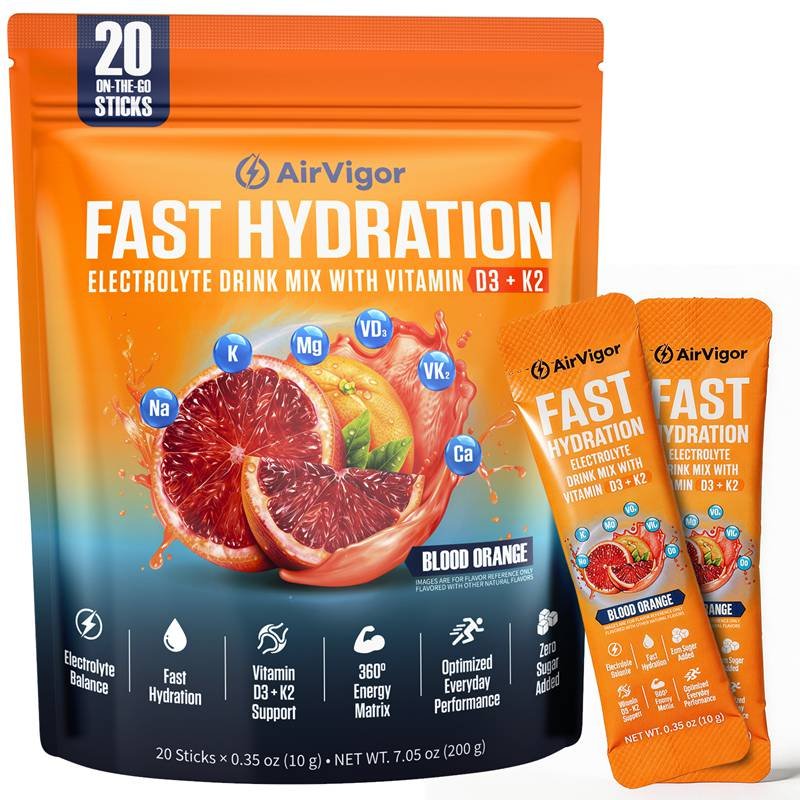
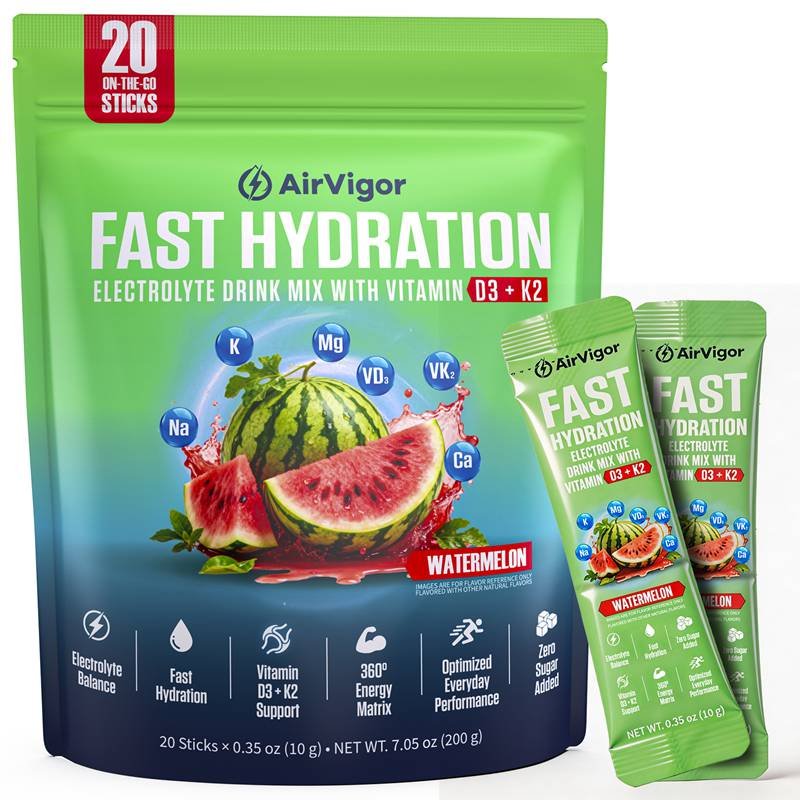
From a product perspective, this is why rest day formulas should focus on moderate sodium levels, balanced minerals, and ease of use. AirVigor’s approach follows this direction by emphasizing controlled dosage and clear formulation structure. Instead of encouraging high intake, the goal is to make each serving align with real daily needs. This allows users to adjust naturally between workout days and rest days without needing multiple products or complicated routines.
In practical terms, the right amount of electrolytes on rest days is the amount that makes hydration feel normal again. Not heavier, not forced, and not excessive. When intake is aligned with your body’s condition, the effect is subtle but noticeable, and it supports a more stable and consistent daily routine.
How to Choose Electrolytes for Rest Days?
The best electrolytes for rest days are not the strongest formulas on the shelf. They are the ones that match how people actually live on non-training days. On a rest day, the body is not losing large amounts of sodium through sweat, so the goal shifts from replacement to balance. A suitable product should help water absorb more effectively, support recovery from previous days, and feel light enough to use without hesitation.
Many users do not stop using electrolyte products because they do not work. They stop because the experience does not fit into daily life. A drink that is too salty, too sweet, or too heavy can feel fine during a hard workout, but it quickly becomes difficult to use on a normal day at work, during travel, or at home. Over time, this inconsistency reduces actual usage, which is why a balanced, easy-to-use formula tends to perform better in real conditions.
How to Choose Electrolytes on Rest Days?
Choosing electrolytes for rest days should focus on usability and comfort over intensity. In practice, most users want something they can mix quickly, drink without thinking too much about it, and feel better within a short period of time. This is especially true for people with busy routines, where hydration is often inconsistent rather than structured.
One of the most important factors is taste profile. Many electrolyte powders are designed for performance situations and use higher levels of flavoring and sweeteners to mask strong mineral content. On rest days, these products can feel overly sweet or artificial, especially when you are not physically depleted. A cleaner, lighter taste tends to encourage more consistent use.
Solubility is another detail that directly affects daily experience. A product that dissolves completely within a few seconds in water is much more likely to be used regularly than one that leaves residue or requires shaking multiple times. This may seem like a small detail, but over weeks and months, convenience determines whether a routine is maintained.
Packaging also plays a role. Single-serve stick packs or pre-measured servings are often more practical for rest days because they remove the need to measure powder. This becomes especially useful in office settings, during travel, or when users do not want to carry larger containers.
From a functional standpoint, the product should feel light after consumption. If a drink leaves a heavy feeling in the stomach or creates a sensation of overhydration, users tend to reduce or stop usage. On rest days, hydration should feel smooth and natural rather than noticeable or forced.
Which Ingredients Matter on Rest Days?
On rest days, ingredient balance matters more than total strength. A well-designed formula should provide enough minerals to support fluid balance without exceeding what the body actually needs.
A practical composition for rest day use is shown below:
| Ingredient | Recommended Range | Why It Matters in Daily Use |
|---|---|---|
| Sodium | 200–500 mg | Helps the body retain fluid without causing heaviness |
| Potassium | 100–300 mg | Supports fluid balance inside cells |
| Magnesium | 50–150 mg | Helps muscles relax and reduces tightness |
| Sugar | Low or none | Keeps the formula light and suitable for daily use |
Sodium remains the most important electrolyte for hydration, but its level should be controlled. On rest days, very high sodium intake is rarely necessary unless the user is recovering from heavy sweating. A moderate amount helps water stay in the body longer without creating the “puffy” feeling that some people notice with stronger formulas.
Potassium works alongside sodium to balance fluids inside and outside cells. Many users do not get consistent potassium intake from food, especially if their diet lacks fruits and vegetables. Including potassium in an electrolyte formula improves overall hydration efficiency rather than relying on sodium alone.
Magnesium becomes more relevant on rest days because of its role in muscle relaxation. After training, muscles often remain slightly tense. A moderate amount of magnesium can help reduce that tension, especially for users who experience stiffness or minor cramping the day after workouts.
Sugar content is another key consideration. High-sugar sports drinks are designed for energy during long-duration exercise. On rest days, they often add unnecessary calories without improving hydration quality. This is why many users prefer low-sugar or sugar-free options for daily use.
Some formulas also include additional ingredients such as amino acids or vitamin C. These can provide mild support, but they are not essential for hydration. In many cases, a simpler formula with clear mineral content is easier for users to understand and trust.
What tends to create problems is not the presence of ingredients, but lack of clarity. Products that use proprietary blends without showing exact amounts make it difficult for users to adjust intake. On rest days, where dosage matters more, transparent labeling becomes especially important.
How Does AirVigor Electrolytes Fit Rest Days?
AirVigor electrolyte products are developed with the understanding that most users are not training all the time. They need a solution that works across different types of days, including workouts, recovery days, travel, and normal daily routines.
Instead of focusing only on high-intensity performance, AirVigor formulations emphasize controlled mineral levels and balance. This allows the same product to be used in multiple scenarios without requiring constant adjustment or switching between different formulas.
From a formulation perspective, this approach includes:
- Sodium levels that support hydration without exceeding what is needed on low-activity days
- Inclusion of potassium and magnesium to create a more complete mineral profile
- Use of high-quality raw materials to maintain consistent taste and solubility
- Clear labeling so users know exactly how much of each mineral they are consuming
For users, this translates into a simpler routine. A product that feels appropriate on both workout and rest days reduces decision fatigue. Instead of asking “Should I use this today?” the user can adjust serving size slightly and continue using the same product.
For example, a full serving may be used on training days, while a half serving is used on rest days. This flexibility is more practical than maintaining multiple products with different formulations.
From a business and product development perspective, this direction also reflects how the market is changing. Hydration is no longer limited to athletes. It now includes office workers, frequent travelers, and people managing daily energy and recovery. These users are not looking for extreme formulas. They are looking for consistency and ease of use.
AirVigor supports this shift by offering:
- Custom formulation options tailored to different user groups
- Flexible adjustment of sodium, potassium, and magnesium ratios
- OEM and ODM services for brands entering the hydration category
- Production systems that maintain consistent quality across batches
This combination allows brands to create products that fit real usage patterns rather than theoretical performance scenarios.
The best electrolyte for rest days is one that users do not have to think too much about. It should fit naturally into a glass of water, into a workday, into a travel routine, or into a quiet recovery day at home. When a product reaches that level of simplicity and consistency, it becomes part of a habit rather than an occasional tool.
Conclusion
Electrolytes on rest days are not about following a fixed rule. They are about understanding what your body actually needs when it is not actively training but still actively recovering.
For most people, the decision comes down to one simple principle: match your intake to your condition, not your schedule.
If your rest day is truly light—no sweating, balanced meals, stable energy, and normal hydration—then water is usually enough. There is no need to force electrolyte intake just for the sake of routine. Overuse, especially with high-sodium formulas, can lead to unnecessary fluid retention, discomfort, and even reduced hydration efficiency.
Instead of designing products only for peak performance moments, AirVigor builds formulations that support real daily routines—including rest days, recovery phases, travel, and work-life balance. The emphasis on high-quality raw materials, clear formulation structure, and stable production systems ensures that users can rely on consistent performance without overcomplication.
For brands, retailers, and partners, this also creates an opportunity. The market is shifting from “sports-only hydration” to everyday hydration solutions. Consumers are no longer just athletes. They are office workers, travelers, busy professionals, and lifestyle users who want simple, effective, and reliable hydration support.
If you are looking to develop or source electrolyte products that fit this growing demand, AirVigor provides:
- Custom formulation development based on real user scenarios
- OEM / ODM services for brand expansion
- Flexible dosage and ingredient design
- Scalable manufacturing backed by established quality systems
Whether you are an individual user looking for a more consistent hydration routine, or a business exploring new product opportunities, the key takeaway remains the same:
Electrolytes on rest days are not necessary for everyone—but when used correctly, they can make recovery more complete, hydration more effective, and daily performance more stable.
Building better hydration is not about doing more. It is about doing what works, consistently.
Share:
Contact Expert Team
At AirVigor, performance becomes effortless. We transform advanced nutrition science into clean, effective supplements that help you hydrate, recover, and feel stronger every day. Shop AirVigor Supplements on Amazon and experience athlete-trusted formulas—backed by real science and supported by our world-class R&D and production capabilities.
Trust AirVigor
At AirVigor, turning your performance goals into reality is no longer a struggle—it’s a science-driven journey we build together. Whether you’re a runner, lifter, cyclist, yogi, outdoor athlete, or someone simply seeking better daily energy, AirVigor transforms advanced nutrition research into clean, effective, and trustworthy supplements you can feel.
Backed by our U.S. scientific team, global certifications, and world-class production standards, every formula is engineered to deliver real hydration, real recovery, and real performance. And when you’re ready to experience the difference, you’ll find AirVigor products available on Amazon and other major platforms—fast shipping, consistent quality, and a community of athletes already seeing results.
Behind the scenes, our R&D and manufacturing ecosystem also supports specialized formulation development, ensuring AirVigor continues to lead with innovation while keeping quality and safety uncompromised. But at the core, everything we create is built for you—your health, your performance, your momentum.
Choose AirVigor. Feel the science. Elevate your every day.


Subscribe to our newsletter
Sign up to our newsletter and we’ll keep you up to date with the latest arrivals.