Skip to content
Should You Choose Electrolytes or Isotonic Drinks for Hydration: Recovery Guide
# Your Trusted Dietary Supplement Brand In US
- Emily

Table of Contents
Hydration has become much more than simply drinking water. Today’s consumers are paying closer attention to energy levels, workout recovery, sugar intake, travel fatigue, and daily performance, which is why searches for “electrolytes vs isotonic drinks” continue growing across Google and fitness communities. Many people now realize that the right hydration product can affect how they feel during workouts, long workdays, hot weather, and even air travel.
Electrolytes and isotonic drinks are both designed to support hydration, but they work differently. Electrolytes mainly focus on replacing minerals like sodium and potassium to help maintain fluid balance, while isotonic drinks combine hydration with carbohydrates for longer or higher-intensity exercise. For many everyday situations, consumers now prefer lower-sugar electrolyte products because they feel lighter, easier to drink regularly, and more suitable for modern lifestyles.
The challenge is that many people still use hydration products designed for endurance athletes even when their daily routine does not require that level of carbohydrate intake. Understanding the real difference between electrolytes and isotonic drinks can help consumers choose hydration products that better match their workouts, recovery needs, travel habits, and long-term wellness goals.
What Are Electrolytes?
Electrolytes are essential minerals that help the body maintain hydration, muscle function, nerve signaling, and fluid balance. They become especially important during sweating, exercise, travel, heat exposure, dehydration, and physically demanding daily routines.
How Do Electrolytes Work?
Electrolytes help the body absorb, distribute, and retain fluids more effectively than water alone, especially when sweating, exercising, or losing fluids through heat and daily activity.
Many people think hydration only means drinking more water. In reality, the body also depends on minerals to properly manage that water. Electrolytes carry electrical charges that help move fluids in and out of cells, support nerve communication, and maintain muscle contractions.
When the body loses fluids through sweat, it does not only lose water. It also loses minerals, especially sodium. If those minerals are not replaced, hydration may become less effective, even when water intake looks adequate.
This is why some people experience symptoms like:
- Dry mouth even after drinking water
- Muscle tightness after workouts
- Heavy fatigue during hot weather
- Headaches after flights or long workdays
- Feeling physically drained after sweating
The body uses electrolytes constantly throughout the day.
| Electrolyte Function | Why It Matters Daily |
|---|---|
| Fluid balance | Helps the body retain usable hydration |
| Muscle contractions | Supports movement and physical activity |
| Nerve signaling | Helps communication between nerves and muscles |
| Temperature regulation | Supports sweating and cooling systems |
| Cellular hydration | Helps move fluids into cells |
Electrolytes become even more important during situations involving heavy sweating or dehydration risk.
| Situation | Why Electrolytes Matter |
|---|---|
| Gym training | Sweat increases mineral loss |
| Summer heat | Fluid turnover rises quickly |
| Air travel | Dry cabin air reduces hydration |
| Outdoor work | Heat exposure increases sodium loss |
| Long-distance running | Continuous sweating depletes minerals |
| Illness or fever | Fluid loss may increase |
This is one reason hydration products have become popular outside sports nutrition. Many consumers now use electrolyte drinks during ordinary daily life, not only after extreme exercise.
Which Electrolytes Matter Most?
Sodium, potassium, magnesium, and calcium are the most important electrolytes for hydration, muscle support, and maintaining normal physical function during activity and recovery.
Each electrolyte plays a different role inside the body. A balanced hydration formula usually works better than focusing on only one mineral.
| Electrolyte | Main Function | Common Consumer Concern |
|---|---|---|
| Sodium | Helps retain fluids and replace sweat loss | “I drink water but still feel dehydrated.” |
| Potassium | Supports cellular fluid balance | “I feel drained after workouts.” |
| Magnesium | Supports muscle and nerve function | “My muscles feel tight or cramp easily.” |
| Calcium | Supports muscle contractions | “I want better workout recovery support.” |
Sodium is usually the largest mineral lost through sweat. That is why sodium plays such a major role in hydration products. However, balance is important. A product with extremely high sodium may feel overly salty or difficult for casual users to drink regularly.
Potassium helps support hydration inside cells rather than only outside them. Magnesium is increasingly popular because many consumers associate it with muscle comfort and post-workout recovery. Calcium supports normal muscle movement and signaling.
Different activities can also influence which electrolytes become more important.
| Activity Type | Electrolyte Priority |
|---|---|
| Heavy sweating | Sodium |
| Long endurance workouts | Sodium + potassium |
| Recovery support | Magnesium |
| Daily hydration | Balanced mineral system |
| Hot-weather activity | Sodium + potassium |
Many consumers today prefer hydration products that combine multiple electrolytes in moderate, practical amounts rather than extremely aggressive formulas designed only for elite athletes.
Are Electrolytes Only for Athletes?
No. Modern lifestyles cause fluid and mineral loss far more often than many people realize, even for people who rarely play sports.
Electrolytes are now commonly used by:
- Office workers
- Travelers
- Gym users
- Outdoor workers
- Parents with busy schedules
- Frequent coffee drinkers
- People living in hot climates
For example, air-conditioned offices can contribute to mild dehydration over long workdays. Frequent caffeine intake may also increase fluid loss for some individuals. Travelers often experience dehydration during flights because cabin humidity is much lower than normal indoor environments.
Many consumers also underestimate how much sweat they lose during moderate exercise.
| Activity | Average Sweat Loss Per Hour |
|---|---|
| Light gym session | 0.5–1 liter |
| Running in heat | 1–2 liters |
| Cycling outdoors | 1–2.5 liters |
| Hot yoga | 1–3 liters |
| Outdoor labor | 1–2 liters |
Even relatively small fluid losses may affect comfort, energy, and workout feel.
Consumers often notice:
- Lower workout stamina
- Increased thirst
- Muscle tightness
- Afternoon fatigue
- Slower recovery after sweating
This broader awareness is one reason the hydration market has expanded rapidly over the last few years.
Today’s consumers increasingly want hydration products that:
| Consumer Preference | Why It Matters |
|---|---|
| Lower sugar | Easier daily use |
| Portable packaging | Fits travel and work routines |
| Cleaner labels | Easier ingredient understanding |
| Better flavor balance | Reduces flavor fatigue |
| Faster mixing | More convenient during busy schedules |
Hydration products are no longer viewed only as sports supplements. Many people now see electrolyte support as part of a broader wellness routine alongside sleep, recovery, nutrition, and daily energy management.
Are Electrolytes Better Than Water Alone?
Water is still essential, but during sweating, exercise, heat exposure, or dehydration, electrolytes often help the body maintain hydration more effectively than plain water alone.
Plain water works well for ordinary hydration under normal conditions. However, during situations involving significant sweat loss, the body also loses minerals.
When only water is replaced after heavy sweating, some people may still feel:
- Thirsty
- Weak
- Heavy
- Mentally sluggish
- Cramp-prone
Electrolytes help improve hydration efficiency by supporting how fluids are retained and distributed throughout the body.
| Hydration Option | Best Use Case |
|---|---|
| Plain water | Basic daily hydration |
| Electrolytes | Sweating, heat, workouts, recovery |
| Isotonic drinks | Long endurance exercise with energy demands |
One reason many modern consumers prefer electrolyte powders over sugary sports drinks is that they can support hydration without excessive sweetness or unnecessary calories.
This is especially important for people who want hydration support several times per week.
Many users now want products that:
- Feel light during workouts
- Do not upset digestion
- Mix quickly
- Travel easily
- Fit daily wellness routines
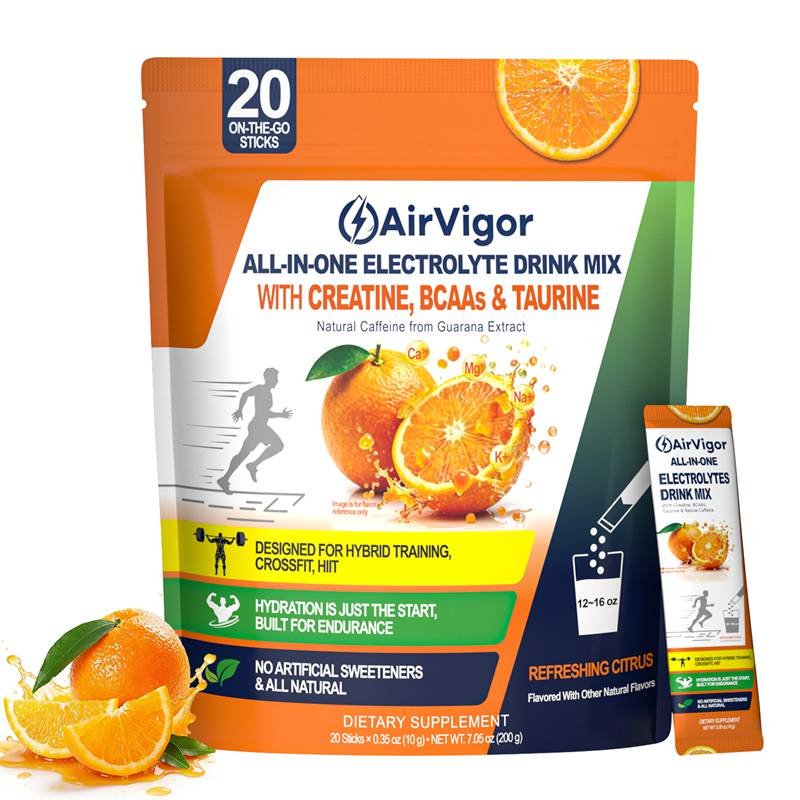
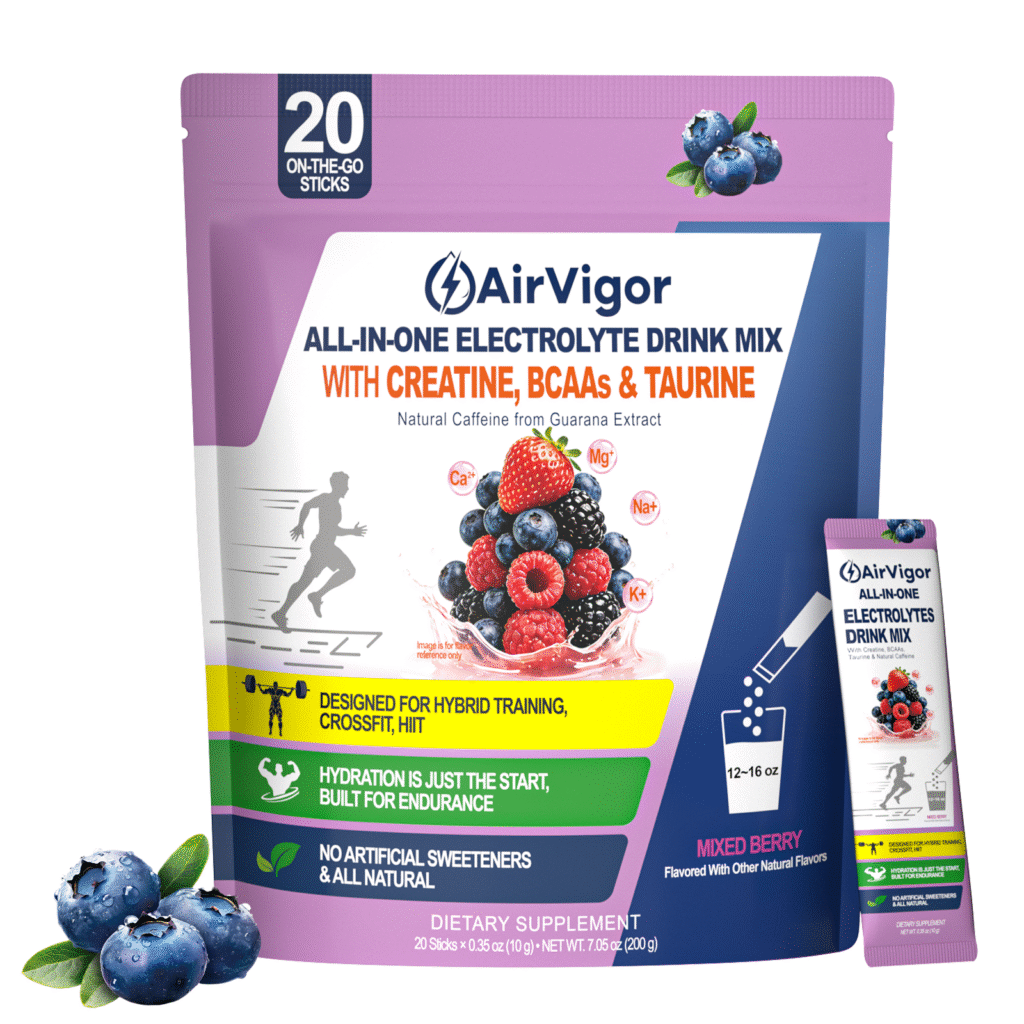
At AirVigor, hydration product development focuses heavily on these real-world usage habits. Ingredient balance, solubility, portability, flavor comfort, and long-term usability all play important roles in creating electrolyte systems designed for modern lifestyles instead of only extreme sports situations.
What Are Isotonic Drinks?
Isotonic drinks are hydration beverages designed to replace both fluids and energy during physical activity. They usually contain water, electrolytes, and carbohydrates, making them especially popular for endurance sports, long workouts, and high-sweat training sessions.
How Do Isotonic Drinks Work?
Isotonic drinks help the body replace water, sodium, and carbohydrates at the same time, which can support hydration and energy during long or intense exercise sessions.
The word “isotonic” refers to the concentration of dissolved particles inside the drink. An isotonic beverage is formulated to have a similar concentration to human body fluids, helping the drink move through the stomach and absorb relatively efficiently during exercise.
Most isotonic drinks contain three main components:
| Component | Purpose |
|---|---|
| Water | Replaces fluid loss from sweating |
| Electrolytes | Helps support hydration balance |
| Carbohydrates | Provides quick energy during exercise |
The biggest difference between isotonic drinks and standard electrolyte drinks is the carbohydrate content. Electrolyte powders often focus mainly on hydration support. Isotonic drinks combine hydration with fast fuel replacement.
This can be useful during activities where the body burns significant amounts of stored carbohydrates.
| Activity Type | Why Isotonic Drinks May Help |
|---|---|
| Marathon running | Ongoing energy replacement |
| Long-distance cycling | Continuous sweat and glycogen loss |
| Soccer or basketball | Repeated high-intensity movement |
| Tennis tournaments | Extended activity duration |
| Outdoor endurance events | Combined fluid and calorie needs |
For example, a cyclist riding for two to three hours may lose large amounts of fluid while also burning substantial energy. In this situation, an isotonic drink may help maintain performance more effectively than plain water alone.
However, for shorter workouts or ordinary daily hydration, many people may not actually need the extra carbohydrates.
Why Do Isotonic Drinks Contain Sugar?
Sugar in isotonic drinks mainly serves as a fast carbohydrate source to help support energy during prolonged physical activity.
During exercise, the body uses glycogen stored in muscles and the liver for fuel. Over time, especially during endurance exercise, glycogen stores begin to decrease. Carbohydrates in isotonic drinks help replace part of that energy.
This is why isotonic drinks became widely used in endurance sports.
| Exercise Duration | Carbohydrate Need |
|---|---|
| Under 45 minutes | Usually low |
| 45–90 minutes | Moderate |
| Over 90 minutes | Often higher |
Many traditional isotonic drinks contain between 18–35 grams of carbohydrates per serving, depending on the formula.
| Drink Type | Average Sugar Content |
|---|---|
| Traditional isotonic drink | 18–35g |
| Low-sugar electrolyte drink | 0–5g |
| Water | 0g |
The issue is not that sugar is automatically “bad.” The real question is whether the activity level justifies the carbohydrate intake.
For endurance athletes, sugar can play an important role in maintaining performance. But many consumers today drink isotonic beverages during:
- Office work
- Short gym sessions
- Casual walking
- Daily errands
- Light exercise
In these situations, the carbohydrate load may simply be unnecessary.
This is one reason many consumers now prefer electrolyte products for ordinary hydration. They want hydration support without drinking large amounts of sugar every day.
What Ingredients Are Usually Found in Isotonic Drinks?
Most isotonic drinks contain a combination of fluids, electrolytes, carbohydrates, flavor systems, and sometimes vitamins or recovery ingredients.
The exact formula depends on the product type and intended use.
| Ingredient | Common Purpose |
|---|---|
| Water | Base hydration |
| Sodium | Replaces sweat losses |
| Potassium | Supports fluid balance |
| Sugar or glucose | Fast energy source |
| Citric acid | Flavor balance |
| Flavoring | Improves drinkability |
| Vitamins | Added wellness positioning |
Some modern isotonic products also include:
- Magnesium
- Calcium
- B vitamins
- Coconut water powder
- Amino acids
- Recovery blends
Over the last few years, consumers have become more selective about isotonic drink formulas. Many now compare:
| Consumer Focus | Why It Matters |
|---|---|
| Sugar levels | Daily usability |
| Artificial colors | Ingredient preference |
| Sodium content | Hydration effectiveness |
| Calories | Lifestyle goals |
| Flavor intensity | Repeat drinkability |
| Mixing quality | Convenience |
This change in buying behavior has pushed many brands to develop cleaner, lighter, and lower-sugar hydration systems.
A common complaint about older sports drinks is that they can feel:
- Too sweet
- Heavy during workouts
- Sticky after drinking
- Difficult to consume repeatedly
- Artificial tasting
Modern consumers increasingly prefer hydration products that feel more natural and easier to use consistently.
Are Isotonic Drinks Good for Daily Hydration?
For most people, isotonic drinks are usually more useful during exercise than during ordinary daily hydration.
They work best in situations involving:
- Long-duration activity
- High sweat loss
- Significant energy expenditure
- Competitive sports
- Outdoor endurance exercise
For normal office work, travel, short workouts, or basic hydration routines, many people now prefer lower-sugar electrolyte products.
| Situation | Better Option |
|---|---|
| Marathon training | Isotonic drinks |
| Long cycling sessions | Isotonic drinks |
| Team sports tournaments | Isotonic drinks |
| Daily office hydration | Electrolytes |
| Air travel | Electrolytes |
| Hot-weather hydration | Electrolytes |
| 45-minute gym workout | Electrolytes |
This does not mean isotonic drinks are unhealthy. It simply means they are designed for more specific hydration situations.
Consumers increasingly look for hydration systems that match their actual lifestyle rather than using one drink for every situation.
This is why hydration habits have become more personalized.
For example:
| User Type | Common Hydration Preference |
|---|---|
| Endurance athletes | Isotonic drinks during long training |
| Strength trainers | Electrolytes |
| Travelers | Portable electrolyte sticks |
| Wellness consumers | Low-sugar hydration |
| Outdoor workers | Electrolytes with sodium support |
Many consumers today want hydration products they can comfortably use several times per week without excessive sugar intake or flavor fatigue.
Why Are Isotonic Drinks Popular in Sports?
Isotonic drinks became popular because they provide both hydration and quick energy support during demanding physical activity.
In endurance sports, athletes may experience:
- Heavy sweating
- Sodium loss
- Reduced glycogen stores
- Falling energy levels
- Fatigue during prolonged activity
Isotonic drinks were designed to address multiple issues at once.
| Sports Need | How Isotonic Drinks Help |
|---|---|
| Fluid loss | Replaces water |
| Electrolyte depletion | Replaces sodium and potassium |
| Energy demand | Supplies carbohydrates |
| Extended exercise | Supports sustained performance |
This made isotonic drinks extremely popular in:
- Marathon running
- Soccer
- Cycling
- Tennis
- Basketball
- Triathlon
- Outdoor endurance sports
However, hydration trends are changing.
Modern consumers increasingly want hydration products that fit not only sports performance but also broader wellness routines.
Today, many people prioritize:
| Modern Hydration Preference | Consumer Goal |
|---|---|
| Lower sugar | Easier long-term use |
| Cleaner formulas | Better ingredient transparency |
| Portable packaging | Convenience |
| Better taste balance | Reduced sweetness fatigue |
| Flexible usage | Daily hydration support |
At AirVigor, hydration product development reflects these modern expectations. Hydration systems are designed not only around exercise performance, but also around practical daily usability, ingredient clarity, portability, and long-term consistency across real-world lifestyles.
Electrolytes vs Isotonic Drinks for Hydration
Electrolytes and isotonic drinks both help support hydration, but they are designed for different purposes. Electrolytes mainly focus on replacing minerals lost through sweat and supporting fluid balance, while isotonic drinks combine hydration with carbohydrates to support longer or more demanding physical activity.
Which Hydrates Faster?
Electrolyte drinks often feel faster and lighter for everyday hydration because they focus directly on fluid and mineral replacement without adding large amounts of sugar. Many consumers notice this difference most clearly during hot weather, workouts, travel, or long workdays when they want hydration support without a heavy or overly sweet drink.
Traditional isotonic drinks were originally designed for endurance sports where athletes needed both hydration and fast energy. In those situations, carbohydrates can be useful because the body burns through stored glycogen during prolonged exercise. However, most people today are not training for multi-hour endurance events. They are using hydration products during gym sessions, office work, commuting, outdoor activities, and busy schedules.
This difference changes how the drinks feel in real use. Highly sugary sports drinks can sometimes feel thick, overly sweet, or difficult to finish during heat or exercise. Electrolyte drinks are usually easier to sip consistently because they are lighter and less filling.
| Hydration Type | Main Purpose | Typical User Situation |
|---|---|---|
| Electrolytes | Mineral and fluid balance | Daily hydration, gym use, travel |
| Isotonic drinks | Hydration + energy replacement | Endurance sports and long activity |
Consumers today increasingly value hydration products that feel refreshing rather than heavy. Many now describe good hydration as something that helps them feel stable, comfortable, and less drained throughout the day rather than creating a short burst of energy followed by fatigue.
Which Lasts Longer?
Many people now care less about instant thirst relief and more about how long hydration actually feels effective afterward. This is where electrolytes often perform well because minerals like sodium and potassium help the body retain and distribute fluids more efficiently.
Hydration is not only about drinking water quickly. The body also needs to maintain fluid balance over time. This becomes especially important during situations involving repeated sweating, long work hours, dry environments, or frequent travel. A person may drink several bottles of water during a flight and still feel dehydrated afterward because fluid balance depends on more than water intake alone.
Electrolytes help support longer-lasting hydration in situations such as summer heat, physically demanding work, repeated gym sessions, and travel. This is one reason electrolyte powders and stick packs have become increasingly popular among people who are not professional athletes. Consumers often want something portable and easy to use that fits naturally into daily routines.
| Situation | Why Hydration Drops Faster |
|---|---|
| Air travel | Dry cabin air increases fluid loss |
| Outdoor activity | Sweating increases sodium loss |
| Office work | Coffee and low water intake affect hydration |
| Hot weather | Higher temperatures increase sweat rate |
Modern hydration habits are becoming more flexible and practical. Some people may still use isotonic drinks during long cycling sessions or endurance races, but rely on electrolytes during normal daily life because they feel lighter and easier to use regularly.
Which Causes Less Bloating?
Electrolyte drinks usually cause less bloating because they often contain lower sugar levels and lighter ingredient systems. This is one of the main reasons many consumers move away from traditional sports drinks after using them for a period of time.
Highly sugary drinks can sometimes create stomach heaviness, especially during workouts or hot weather. During cardio sessions, running, or intense exercise, some people find that very sweet drinks become difficult to tolerate. Others feel full too quickly or simply lose interest in drinking because the flavor becomes tiring over time.
Lower-sugar electrolyte drinks often feel more comfortable because they focus more directly on hydration rather than calorie delivery. Many consumers describe them as cleaner, smoother, and easier to drink repeatedly throughout the day.
| Common Consumer Complaint | More Common With |
|---|---|
| Overly sweet taste | Isotonic drinks |
| Heavy stomach feeling | Isotonic drinks |
| Easier repeated drinking | Electrolytes |
| Lighter mouthfeel | Electrolytes |
This shift in preference reflects broader changes in the wellness market. Consumers increasingly want products that fit long-term habits rather than products designed only for intense sports performance. Hydration products are now expected to support travel, work, exercise, and recovery without feeling overly aggressive or difficult to use regularly.

Electrolytes vs Isotonic Drinks for Workouts
Electrolytes and isotonic drinks can both support workout hydration, but the better choice depends on workout length, intensity, sweat loss, and energy demand. Electrolytes are often preferred for daily gym training, while isotonic drinks are more commonly used during prolonged endurance exercise.
Which Is Better for Gym Training?
Electrolytes are usually the better option for standard gym workouts because most training sessions involve sweat loss without requiring large amounts of carbohydrate replacement.
A large percentage of gym users today focus on workouts lasting between 45 and 90 minutes. These sessions may include strength training, treadmill cardio, HIIT, CrossFit, Pilates, yoga, or machine circuits. In these situations, hydration and mineral replacement are often more important than consuming extra sugar.
Many consumers now avoid traditional sports drinks during gym sessions because they feel too sweet or heavy during exercise. This becomes especially noticeable during intense training where breathing rate increases and stomach comfort matters more.
Electrolyte drinks are often preferred because they feel lighter and easier to consume throughout a workout. Consumers commonly report that lower-sugar hydration feels more comfortable during squats, cardio intervals, or fast-paced circuit training.
| Workout Type | Common Hydration Preference |
|---|---|
| Strength training | Electrolytes |
| HIIT workouts | Electrolytes |
| Pilates | Electrolytes |
| Yoga | Electrolytes |
| CrossFit | Electrolytes |
| Short cardio sessions | Electrolytes |
Modern gym users are also more ingredient-conscious than before. Many now compare products based on sugar levels, sodium balance, portability, and daily usability instead of simply buying the most colorful sports drink on the shelf.
Another major factor is workout frequency. Someone training five days a week may not want to consume large amounts of sugar after every workout. Electrolyte powders and hydration sticks fit better into long-term fitness routines because they support hydration without significantly increasing calorie intake.
Which Is Better for Running?
Running creates very different hydration needs depending on distance, climate, and training intensity. Short runs and moderate training sessions are often well-supported by electrolytes, while long endurance runs may benefit more from isotonic drinks because of the added carbohydrate support.
For casual runners or people training for shorter distances, hydration is usually the primary concern. Sweat loss can become significant during outdoor running, especially during summer months, but carbohydrate depletion may still remain relatively moderate during shorter sessions.
| Running Type | Better Hydration Fit |
|---|---|
| Casual jogging | Electrolytes |
| Treadmill running | Electrolytes |
| 5K training | Electrolytes |
| Hot-weather running | Electrolytes |
| Half marathon training | Depends on duration |
| Marathon running | Isotonic drinks |
Long-distance runners often use isotonic drinks during extended sessions because the body gradually burns through stored glycogen over time. Carbohydrates in isotonic drinks can help maintain energy output during prolonged endurance exercise.
However, many runners today still combine hydration strategies. Some use electrolytes before or after runs and isotonic drinks only during very long sessions.
Environmental conditions also change hydration needs significantly.
| Condition | Workout Hydration Impact |
|---|---|
| High heat | Faster sweat loss |
| Humidity | Increased sodium depletion |
| Cold weather | Reduced thirst awareness |
| Altitude | Faster fluid turnover |
This is why hydration routines are becoming more personalized. Consumers increasingly adjust hydration products based on how they actually train rather than using one drink for every workout.
Which Helps Workout Recovery More?
Electrolytes are often preferred for workout recovery because they help replace minerals lost through sweat without creating excessive heaviness after training.
Recovery hydration has become one of the biggest trends in modern sports nutrition. Many consumers are no longer focused only on workout intensity. They also care about how they feel afterward and how quickly they can return to normal daily activity.
People often notice poor recovery through symptoms such as:
- Heavy fatigue
- Muscle tightness
- Dry mouth
- Headaches
- Reduced energy later in the day
- Feeling physically drained after sweating
Electrolytes help support post-workout fluid balance, especially after high-sweat training sessions.
| Recovery Need | Why Electrolytes Help |
|---|---|
| Sweat replacement | Replenishes sodium and potassium |
| Fluid balance | Supports hydration retention |
| Muscle comfort | Magnesium supports muscle function |
| Heat recovery | Helps restore hydration stability |
Many gym users now prefer electrolyte recovery drinks because they feel easier on digestion after workouts compared to highly sugary sports drinks.
This shift is especially visible among consumers who train regularly but are not endurance athletes. Office workers, parents, wellness consumers, and active lifestyle users increasingly want hydration products that support recovery without feeling like a heavy energy drink.
Consumers today often describe good recovery hydration in practical terms:
- Feeling less exhausted after training
- Recovering more smoothly in hot weather
- Avoiding afternoon energy crashes
- Feeling less sore the next day
- Returning to work or daily routines comfortably
This is one reason recovery electrolyte powders have grown rapidly in popularity across fitness communities.
Electrolytes vs Isotonic Drinks for Daily Use
For daily hydration, electrolytes are usually the more practical choice because they help support fluid balance without the high sugar levels commonly found in isotonic drinks. Many consumers now use electrolytes during work, travel, workouts, and hot weather as part of regular wellness routines.
Are Electrolytes Better for Everyday Hydration?
Electrolytes are often better for daily hydration because they support fluid balance while remaining lighter, lower in sugar, and easier to use regularly throughout the week.
Daily hydration needs are very different from endurance sports nutrition. Most consumers are not running marathons every day. Instead, they are dealing with long work hours, coffee intake, dry indoor environments, commuting, moderate workouts, and irregular hydration habits.
This is one reason electrolyte powders and hydration sticks have become increasingly common outside sports communities. Many people now keep electrolyte products at work, in cars, in gym bags, or while traveling because they are easier to fit into normal routines.
Consumers often choose electrolytes for practical reasons rather than extreme performance goals. Common situations include:
| Daily Situation | Why Consumers Use Electrolytes |
|---|---|
| Office work | Reduce dryness and fatigue during long desk hours |
| Air travel | Support hydration during flights |
| Warm weather | Replace sweat-related mineral loss |
| Moderate exercise | Support hydration without excess sugar |
| Busy schedules | Encourage more consistent fluid intake |
Many people also find electrolyte drinks easier to consume repeatedly compared to sugary sports beverages. Lower sweetness levels and lighter flavor systems often feel more refreshing throughout the day.
Modern hydration habits are shifting toward products that feel sustainable for long-term use rather than drinks designed only for intense athletic performance.
Do Isotonic Drinks Contain Too Much Sugar for Daily Use?
For many consumers, isotonic drinks may contain more sugar than necessary for ordinary daily hydration, especially when physical activity levels are moderate.
Traditional isotonic drinks were originally developed for endurance sports where athletes needed both hydration and fast carbohydrates. During long-duration exercise, sugar helps replace glycogen and maintain energy output.
The problem is that many consumers now drink isotonic beverages during situations that do not require large amounts of carbohydrate replacement.
| Situation | Is Extra Sugar Usually Needed? |
|---|---|
| Marathon training | Yes |
| Long-distance cycling | Yes |
| Competitive sports | Sometimes |
| Office hydration | Usually no |
| Daily errands | Usually no |
| Light gym workout | Often unnecessary |
A traditional isotonic drink may contain 18–35 grams of sugar per serving depending on the brand and formula.
| Drink Type | Typical Sugar Content |
|---|---|
| Traditional isotonic drink | 18–35g |
| Low-sugar electrolyte drink | 0–5g |
| Water | 0g |
Consumers increasingly pay attention to this because hydration products are no longer used occasionally. Many people now drink hydration beverages several times per week.
Excessively sweet drinks can also create issues such as:
- Flavor fatigue
- Heavy mouthfeel
- Unnecessary calorie intake
- Stomach discomfort during heat
- Difficulty drinking consistently
This is one reason low-sugar hydration systems continue growing rapidly in the wellness and fitness markets.
Which Is Better for Office Workers and Busy Lifestyles?
Electrolytes are often more suitable for office workers and busy daily routines because they support hydration without feeling overly heavy or sugary during long workdays.
Modern office environments can quietly contribute to dehydration. Air conditioning, long desk hours, low water intake, repeated coffee consumption, and mentally demanding schedules all affect hydration habits.
Many office workers experience symptoms such as:
- Afternoon fatigue
- Dry mouth
- Headaches
- Reduced focus
- Low energy during long meetings
- Feeling drained after commuting
Hydration products are increasingly used as part of daily routine management rather than only sports recovery.
| Workplace Factor | Hydration Impact |
|---|---|
| Coffee intake | Increased fluid turnover |
| Air conditioning | Dry indoor air |
| Long meetings | Reduced water intake |
| Stress and workload | Irregular hydration habits |
| Commuting | Delayed fluid intake |
Electrolyte stick packs are especially popular among professionals because they are portable and easy to use without requiring refrigeration or bulky bottles.
Consumers also increasingly prefer hydration products that fit naturally into wellness-focused lifestyles. Products that feel too sugary or overly sports-oriented may not appeal to people looking for simple daily hydration support.
This shift explains why modern electrolyte formulas often emphasize:
- Lower sugar
- Cleaner taste
- Easy portability
- Faster mixing
- More balanced flavor systems
At AirVigor, hydration products are designed around these everyday usability habits. The goal is to support hydration routines that people can realistically maintain long term across work, exercise, travel, and daily life.
Which Is Better for Travel and Hot Weather?
Electrolytes are usually the better choice for travel and hot-weather hydration because they replace minerals lost through dehydration without adding unnecessary heaviness or excessive sugar.
Travel is one of the most overlooked causes of dehydration. Long flights, airport walking, schedule disruption, low cabin humidity, and irregular eating patterns all affect hydration status.
Many travelers report symptoms such as:
- Dry skin
- Fatigue
- Headaches
- Low energy after flights
- Feeling thirsty even after drinking water
Electrolytes help support hydration during these situations because they assist with fluid retention and mineral balance.
| Travel Situation | Why Electrolytes Help |
|---|---|
| Long flights | Cabin air reduces hydration |
| Hot climates | Sweat loss increases |
| Walking-heavy trips | Higher fluid turnover |
| Jet lag recovery | Hydration supports physical recovery |
Hot weather also changes hydration needs dramatically. Sweat loss increases quickly during summer months, outdoor work, hiking, festivals, beach trips, or exercise in humid environments.
| Activity in Heat | Estimated Sweat Loss Per Hour |
|---|---|
| Walking outdoors | 0.5–1 liter |
| Outdoor gym session | 1–2 liters |
| Hiking | 1–2 liters |
| Running in heat | 1–2.5 liters |
This is why many consumers now carry portable electrolyte sticks during summer activities instead of relying only on bottled sports drinks.
Lower-sugar electrolyte products are often preferred in heat because they feel lighter and easier to drink repeatedly throughout the day.
Which Is Easier to Maintain Long Term?
Electrolytes are often easier to maintain as a long-term hydration habit because they fit more naturally into everyday wellness routines.
Consumers today increasingly want hydration systems that feel practical rather than extreme. A product may perform well during one workout, but if it tastes too sweet or feels heavy every day, many people stop using it consistently.
This is one reason hydration preferences have shifted toward:
| Consumer Preference | Why It Matters |
|---|---|
| Lower sugar formulas | Better long-term usability |
| Portable formats | Easier daily convenience |
| Cleaner taste | Reduced flavor fatigue |
| Flexible serving options | Different hydration needs |
| Easy mixing | Faster preparation |
Electrolyte powders, stick packs, and ready-to-drink hydration systems fit well into modern routines because they are easy to carry and simple to use repeatedly.
Consumers increasingly describe good hydration products as ones that:
- Feel refreshing rather than intense
- Fit daily schedules naturally
- Support energy consistency
- Reduce dehydration discomfort
- Work across travel, exercise, and work life
At AirVigor, hydration product development reflects these long-term lifestyle trends. Formula balance, ingredient clarity, portability, flavor comfort, and stable quality systems are all prioritized because modern consumers increasingly want hydration products they can trust and continue using comfortably over time.
Why Choose AirVigor Electrolytes?
AirVigor electrolytes are designed around modern hydration habits, combining balanced mineral systems, practical portability, stable manufacturing standards, and long-term daily usability. The products are developed to support hydration during workouts, travel, hot weather, recovery, and busy everyday routines.
Why Do Consumers Care About Formula Transparency?
Consumers today are far more careful about hydration products than they were a few years ago. Many people no longer buy sports drinks simply because of branding or colorful packaging. They now check sodium levels, sugar content, ingredient lists, and serving sizes before making a purchase.
One major reason for this shift is that hydration products are no longer used only by athletes. Office workers, travelers, gym users, and wellness-focused consumers now use hydration products several times per week, so long-term usability matters much more.
AirVigor focuses heavily on formula clarity because consumers increasingly want products that feel easy to understand and easy to use consistently. Instead of creating formulas overloaded with unnecessary ingredients, the goal is to maintain practical hydration support that fits real-world lifestyles.
| Formula Feature | Why Consumers Care |
|---|---|
| Balanced electrolyte levels | Better hydration comfort |
| Lower sugar direction | Easier repeated use |
| Clear ingredient labels | More trust and easier comparison |
| Practical serving systems | Fits daily routines better |
Consumers also tend to stop using hydration products that become too sweet or tiring after repeated use. This is why flavor balance and drinkability play an important role in AirVigor’s product development process.
How Does AirVigor Maintain Product Quality?
Hydration products are highly sensitive to ingredient quality, moisture exposure, flavor stability, and packaging performance. Even small inconsistencies can affect how a product tastes, dissolves, and performs during regular use.
AirVigor manages quality through multiple production and inspection stages, including raw material review, formula verification, production control, packaging evaluation, and finished product inspection.
| Quality Area | AirVigor Approach |
|---|---|
| Raw materials | Multi-stage supplier screening |
| Production systems | GMP, HACCP, ISO, FSSC22000, FDA registration |
| Product inspection | Ongoing batch quality review |
| Packaging stability | Moisture and transport testing |
The company also maintains a dedicated quality inspection team that helps oversee product consistency before products enter the market.
Packaging is another important factor because hydration products are commonly carried in gym bags, backpacks, luggage, and cars. AirVigor evaluates packaging for portability, sealing performance, and storage stability so products remain suitable for real daily use.
Why Are AirVigor Electrolytes Designed for Everyday Life?
Most hydration consumers today are not endurance athletes. They are people trying to stay hydrated during work, exercise, commuting, travel, and long busy days.
This changes what consumers expect from hydration products. Instead of looking only for aggressive sports performance formulas, many people now prefer hydration systems that feel lighter, easier to carry, and easier to drink regularly.
AirVigor develops hydration products around these modern daily habits. The products are designed to work across multiple situations rather than only one extreme sports environment.
| Daily Situation | Why Consumers Use Electrolytes |
|---|---|
| Office work | Long desk hours and coffee intake |
| Gym sessions | Sweat-related mineral loss |
| Travel | Dry environments and irregular routines |
| Summer weather | Increased fluid and sodium loss |
Consumers also increasingly prefer hydration products that mix quickly and do not feel overly heavy during use. This is one reason portable stick packs and lower-sugar hydration systems continue growing in popularity.
At AirVigor, long-term drinkability is treated as an important part of product development because hydration products are often used repeatedly throughout the week. A formula that feels too sweet or uncomfortable after repeated use usually does not fit long-term wellness routines.
How Does AirVigor Support Global Hydration Needs?
AirVigor products are developed for consumers across multiple international markets including North America, Europe, Japan, Korea, Australia, and Southeast Asia.
Different regions often have different hydration preferences. Some markets prefer lighter flavors and lower sweetness levels, while others prioritize portability, recovery support, or workout hydration.
AirVigor adapts packaging, labeling, and product presentation according to regional market requirements and consumer habits.
| Manufacturing Capability | Details |
|---|---|
| Factory size | 30,000+ square meters |
| Clean production workshop | 100,000-level clean environment |
| R&D personnel | 25+ specialists |
| Formula models optimized | 20,000+ |
| Nutrition-related patents | 300+ |
This infrastructure allows the company to support both branded hydration products and OEM/ODM customization projects for global supplement businesses.
Why Do Many Consumers Continue Choosing AirVigor?
Consumers increasingly stay loyal to hydration products that feel practical and easy to integrate into daily life. Many people are no longer searching for extreme hydration claims. They simply want products that help them feel more stable, hydrated, and comfortable during normal routines.
AirVigor products are developed around repeat usability because long-term consistency matters more than short-term marketing trends.
| Consumer Concern | AirVigor Focus |
|---|---|
| Overly sweet drinks | Balanced flavor systems |
| Poor portability | Compact packaging formats |
| Difficult mixing | Solubility evaluation |
| Heavy workout drinks | Lighter hydration direction |
For many consumers, effective hydration is not about dramatic stimulation. It is about maintaining steadier energy, recovering more comfortably after sweating, and building hydration habits that fit naturally into work, fitness, travel, and everyday wellness routines.
Can Businesses Customize Hydration Products with AirVigor?
AirVigor also supports OEM and ODM hydration product development for supplement brands, retailers, fitness businesses, and wellness companies.
The company supports customization across formulas, flavors, packaging systems, and market-specific labeling.
| Customization Area | Support Available |
|---|---|
| Formula development | Electrolytes and recovery hydration |
| Packaging formats | Stick packs, tubs, bottles |
| Flavor systems | Multiple flavor directions |
| Documentation support | COA, MSDS, related compliance files |
Typical sample development timelines range from 3–7 days for standard projects, while more customized hydration systems may require additional development time depending on ingredient sourcing and formula complexity.
As hydration continues becoming part of broader wellness lifestyles, many businesses now look for manufacturing partners capable of supporting both product quality and scalable long-term production. AirVigor’s manufacturing systems, formulation experience, and global market focus are designed to support those growing hydration market demands.

Conclusion
Choosing between electrolytes and isotonic drinks depends on your lifestyle, workout intensity, hydration habits, and daily routine. Isotonic drinks can work well during long endurance exercise where both hydration and energy replacement matter, while electrolyte products are often the more practical choice for everyday hydration, gym training, travel, recovery, and hot-weather support.
As consumers become more focused on ingredient clarity, lower sugar intake, portability, and long-term usability, hydration products are also evolving toward cleaner and more balanced daily solutions.
At AirVigor, hydration formulas are developed around these modern needs, combining practical electrolyte balance, stable quality management, and convenient everyday usability to support active lifestyles across workouts, workdays, travel, and recovery routines.
Share:
Contact Expert Team
At AirVigor, performance becomes effortless. We transform advanced nutrition science into clean, effective supplements that help you hydrate, recover, and feel stronger every day. Shop AirVigor Supplements on Amazon and experience athlete-trusted formulas—backed by real science and supported by our world-class R&D and production capabilities.
Trust AirVigor
At AirVigor, turning your performance goals into reality is no longer a struggle—it’s a science-driven journey we build together. Whether you’re a runner, lifter, cyclist, yogi, outdoor athlete, or someone simply seeking better daily energy, AirVigor transforms advanced nutrition research into clean, effective, and trustworthy supplements you can feel.
Backed by our U.S. scientific team, global certifications, and world-class production standards, every formula is engineered to deliver real hydration, real recovery, and real performance. And when you’re ready to experience the difference, you’ll find AirVigor products available on Amazon and other major platforms—fast shipping, consistent quality, and a community of athletes already seeing results.
Behind the scenes, our R&D and manufacturing ecosystem also supports specialized formulation development, ensuring AirVigor continues to lead with innovation while keeping quality and safety uncompromised. But at the core, everything we create is built for you—your health, your performance, your momentum.
Choose AirVigor. Feel the science. Elevate your every day.


Subscribe to our newsletter
Sign up to our newsletter and we’ll keep you up to date with the latest arrivals.