Skip to content
Is Vitamin C Good for Immune Support in Athletes: A Complete Guide
# Your Trusted Dietary Supplement Brand In US
- Emily

Table of Contents
Athletes usually pay close attention to training plans, protein intake, hydration, sleep, and recovery tools. But immune support is often ignored until it starts affecting real results. A runner may miss several key training days because of a cold. A gym user may feel strong for weeks, then suddenly feel drained after combining hard workouts with poor sleep and work stress. A cyclist, CrossFit athlete, or weekend hiker may notice that recovery becomes harder during travel, hot weather, or high-volume training periods.
Vitamin C is useful for athletes because it supports normal immune function, helps the body handle exercise-related oxidative stress, and plays a role in daily recovery balance. It does not replace sleep, hydration, protein, or a balanced diet, but it can be a practical part of a consistent athlete wellness routine, especially during heavy training, travel, seasonal changes, or physically demanding schedules.
For many active consumers, the real question is not whether vitamin C is “good” in a general sense. The better question is whether it helps support the kind of routine they are trying to maintain. Most athletes are not looking for a magic ingredient. They want fewer interruptions, steadier recovery, and supplements that are easy to use every day. That is why vitamin C remains one of the most familiar and practical nutrients in sports nutrition, especially for people who train regularly while also managing work, travel, stress, and everyday life.
What Is Vitamin C for Immune Support in Athletes?
Vitamin C for immune support in athletes means using vitamin C as part of a daily nutrition routine that helps support immune function, antioxidant protection, and recovery stability during regular training. It is not a quick fix for poor sleep, low calorie intake, or overtraining, but it can help active people maintain better consistency when workouts, travel, heat, stress, and busy schedules increase physical demand.
How Does Vitamin C Support Immunity?
Vitamin C supports several important functions that become more relevant when athletes train consistently. During exercise, the body increases oxygen use, energy production, and metabolic activity. This naturally increases oxidative stress, especially during repeated high-intensity sessions or long endurance workouts. In small amounts, this stress is normal and necessary for adaptation. The problem begins when recovery habits cannot keep up with training demand.
Athletes often notice this during periods such as marathon preparation, double training days, summer outdoor workouts, competition season, or stressful work periods combined with heavy exercise. A runner may suddenly feel unusually fatigued during sessions that normally feel manageable. A gym athlete may recover more slowly between workouts even though training volume has not changed. In many cases, the issue is not a lack of motivation. The body is simply carrying too much total stress at the same time.
Vitamin C helps support the body during these periods because it contributes to normal immune cell activity and antioxidant protection. It also supports collagen formation, which is important for connective tissue, joints, tendons, and overall recovery support.
| Training Situation | What the Body Experiences | Why Vitamin C Is Often Used |
|---|---|---|
| Long-distance running | Higher oxidative stress and sweat loss | Supports antioxidant balance |
| HIIT or CrossFit | Repeated high-intensity fatigue | Helps support recovery routines |
| Heavy lifting cycles | Increased muscle and connective tissue stress | Supports collagen production |
| Hot-weather training | Higher hydration demand | Fits hydration and recovery support |
| Frequent travel | Poor sleep and irregular meals | Helps maintain daily nutrient intake |
Many athletes also use vitamin C because modern training stress rarely comes from workouts alone. Someone may train hard while also sleeping less, working long hours, traveling frequently, and eating inconsistent meals. These overlapping pressures can gradually reduce recovery quality over several weeks.
This is why immune support has become more important in sports nutrition over the past few years. Athletes are paying more attention to recovery stability rather than focusing only on workout intensity.
Why Do Athletes Use Vitamin C?
Most athletes use vitamin C for practical reasons rather than dramatic performance expectations. They are usually looking for supplements that are easy to use consistently and fit naturally into existing routines.
For example, many active people begin searching for vitamin C after noticing patterns such as:
- Feeling run down during heavy training weeks
- Getting sick before races or events
- Recovering more slowly during stressful periods
- Feeling more fatigued during travel-heavy schedules
- Struggling to maintain training consistency during winter
These problems are extremely common among both competitive and recreational athletes. In fact, many active adults experience recovery stress not because they train like professionals, but because they combine moderate-to-heavy training with demanding lifestyles.
A person may work full time, sleep six hours nightly, commute long distances, and still attempt five gym sessions weekly. Another person may train for a marathon while also traveling for work every month. Over time, recovery quality often becomes less stable.
| Athlete Type | Common Recovery Challenge |
|---|---|
| Runners | High mileage and repeated fatigue |
| Gym athletes | Heavy lifting plus work stress |
| Cyclists | Long outdoor sessions and dehydration |
| HIIT athletes | Fast fatigue accumulation |
| Busy professionals | Poor sleep and inconsistent meals |
| Recreational athletes | Difficulty maintaining recovery consistency |
Another reason vitamin C remains popular is simplicity. Compared with highly technical sports supplements, vitamin C feels familiar and easy to understand. Most consumers already know what it is, which lowers the barrier to long-term use.
This matters because consistency is one of the biggest factors in successful supplement routines. Products that are difficult to prepare, unpleasant to drink, or overly complicated often disappear from people’s schedules within a few weeks. Vitamin C works well in capsules, powders, hydration drinks, gummies, and stick packs, making it easier for athletes to maintain daily use during work, travel, and training.
Is Vitamin C Only for Cold Season?
One of the biggest misconceptions about vitamin C is that it only matters during winter. In reality, athletes experience recovery and immune stress throughout the year.
Summer training can actually place very high stress on the body. Outdoor runners, cyclists, hikers, and team sport athletes may train for hours in heat while losing large amounts of fluids and electrolytes. Even indoor gym users often experience recovery issues during periods of poor hydration or aggressive training cycles.
Travel is another major factor. Many athletes experience disrupted sleep, dry airplane environments, irregular meals, dehydration, and schedule changes during trips. Even short travel periods can affect recovery quality more than people expect.
Vitamin C is commonly used during periods such as:
- Marathon or race preparation
- Competition travel
- Summer outdoor training
- High-volume gym cycles
- Long workweeks with poor sleep
- Calorie-cutting phases
- Seasonal weather changes
| High-Stress Period | Why Athletes Often Increase Recovery Support |
|---|---|
| Peak training blocks | Recovery demand increases significantly |
| Summer workouts | Higher sweat and hydration loss |
| Travel periods | Sleep and meals become inconsistent |
| Competition season | Physical and mental stress rise together |
| Dieting phases | Nutrient intake may decrease |
The more practical way to view vitamin C is not as an “emergency immune supplement,” but as part of a consistent daily wellness routine that supports athletes during physically demanding periods.
This is also why modern vitamin C products increasingly appear in hydration blends, recovery formulas, daily wellness powders, and portable stick packs rather than only traditional tablets. Athletes want products that fit real life, not products that create more complexity.
Why Is Immune Support Important for Athletes?
Immune support is important for athletes because training consistency depends on more than strength, endurance, and motivation. Hard workouts, poor sleep, stress, travel, dehydration, and low nutrient intake can all affect recovery. When recovery falls behind training demand, athletes may feel tired more often, recover more slowly, or miss workouts because the body feels run down.
Does Hard Training Affect Immunity?
Hard training can affect immune balance when physical stress continues increasing while recovery quality stays the same or becomes worse. Exercise itself is healthy, and moderate training is associated with long-term health benefits. The problem usually appears when athletes repeatedly push training intensity higher without improving sleep, hydration, calorie intake, or recovery time.
During hard workouts, the body experiences:
- Higher oxygen use
- Increased fluid and electrolyte loss
- Temporary inflammation
- Muscle tissue breakdown
- Greater energy demand
These responses are normal and part of athletic adaptation. The body becomes stronger by recovering from controlled stress. However, when recovery cannot keep up, fatigue often begins building faster than athletes expect.
This is extremely common during periods such as:
| High-Stress Training Phase | What Athletes Often Notice |
|---|---|
| Marathon preparation | Heavy legs and slower recovery |
| Two-a-day training | Persistent fatigue |
| High-frequency HIIT | Energy crashes and soreness |
| Calorie-cutting phases | Lower training performance |
| Summer outdoor training | Increased dehydration and exhaustion |
| Competition season | Poor sleep and elevated stress |
Many athletes underestimate how much non-training stress also affects recovery. A person may train five evenings per week while also working 10-hour days, sleeping only six hours, commuting long distances, and relying heavily on caffeine. Another athlete may travel frequently for work while trying to maintain intense gym sessions and strict calorie control.
Over time, these overlapping pressures often create a pattern where athletes feel:
- More exhausted after normal workouts
- Less motivated to train
- Slower between-session recovery
- More physically drained during busy weeks
- More vulnerable during stressful periods
A common mistake is assuming this means the training program is bad. In many cases, the actual issue is recovery imbalance. The body is carrying more total stress than it can comfortably manage.
This is why experienced athletes increasingly pay attention to recovery support instead of only adding harder workouts. Better sleep, hydration, electrolyte intake, calorie balance, and daily nutrient consistency often improve training stability more effectively than simply increasing intensity again.
Vitamin C fits into this recovery picture because it supports antioxidant protection and normal immune function during periods of repeated physical stress. It is not meant to replace proper recovery habits, but it can help support athletes who place regular demand on their bodies.
Can Athletes Get Sick More Easily?
Athletes are not automatically unhealthy, but certain types of training and lifestyle pressure can temporarily make recovery and immune balance harder to maintain. This is especially noticeable when hard training combines with poor sleep, stress, travel, or aggressive dieting.
Endurance athletes often experience this first. During peak marathon training, runners may increase mileage for several weeks in a row while also balancing work, family responsibilities, and daily life. Many notice that during these periods, the body feels more sensitive to fatigue and recovery interruptions.
Gym athletes experience similar problems during cutting phases or very high training frequency periods. Someone lifting heavily six days per week while reducing calories may eventually feel physically depleted even if workouts are still being completed.
Higher-risk situations often include:
| Athlete Situation | Why Recovery Pressure Increases |
|---|---|
| Marathon buildup | Repeated endurance fatigue |
| HIIT-heavy schedules | Constant high-intensity stress |
| Long-distance travel | Poor sleep and hydration |
| Aggressive dieting | Lower nutrient intake |
| Double training days | Reduced recovery time |
| Stressful work periods | Mental and physical fatigue overlap |
One reason this topic matters so much today is because many active consumers are not full-time athletes. They train seriously while also living demanding lifestyles.
For example:
- A parent may wake up early to train before work
- A business traveler may workout after long flights
- A nurse or shift worker may train despite irregular sleep
- An office worker may rely on caffeine to push through evening gym sessions
These situations are extremely common, and they increase total recovery pressure even if the workouts themselves are not extreme.
Athletes often notice early warning signs before bigger problems appear:
- Warm-ups feel unusually difficult
- Legs feel heavy for several days
- Recovery days no longer feel restorative
- Sleep quality drops
- Minor illnesses interrupt routines
- Training motivation becomes inconsistent
This does not mean athletes should stop training. The real solution is building stronger recovery support around training itself.
That usually includes:
- Better sleep consistency
- More balanced calorie intake
- Hydration and electrolyte support
- Recovery-focused nutrition
- Stress management
- Simpler daily wellness routines
Vitamin C remains popular because it is easy to use consistently and fits naturally into these broader recovery habits.
How Does Recovery Impact Immune Support?
Recovery directly affects immune support because the body performs repair, regulation, and adaptation during periods of rest. Training creates the stress signal, but recovery is where progress actually happens.
Many athletes focus heavily on workout intensity while underestimating how strongly recovery quality affects long-term performance. A person can follow a perfectly designed training plan and still struggle if sleep, hydration, and nutrient intake remain inconsistent.
Recovery is not only about muscle soreness. It also includes:
| Recovery Area | Why It Matters |
|---|---|
| Sleep quality | Supports nervous system and recovery regulation |
| Hydration | Helps circulation and temperature control |
| Electrolyte balance | Supports fluid balance and muscle function |
| Protein intake | Supports tissue repair |
| Carbohydrate intake | Restores workout energy stores |
| Micronutrient intake | Supports daily recovery processes |
| Stress management | Reduces overall fatigue load |
This is why athletes with similar training programs often experience very different results. One person may recover quickly because meals, hydration, and sleep are stable. Another person may feel constantly exhausted despite doing similar workouts because recovery quality is inconsistent.
For example, runners training during summer often experience a combination of:
- High sweat loss
- Elevated hydration demand
- Long outdoor exposure
- Increased oxidative stress
- Reduced appetite after long sessions
If recovery habits do not improve alongside training load, fatigue usually accumulates faster.
Gym athletes experience similar issues during heavy lifting phases. Someone training intensely while reducing calories may unintentionally lower vitamin and mineral intake at the same time. Recovery can gradually become less stable even though training effort remains high.
This is one reason recovery-focused supplements have become much more popular across sports nutrition. Athletes increasingly want products that support:
- Daily wellness consistency
- Simpler routines
- Convenient recovery habits
- Hydration support
- Portable use during travel and work schedules
Vitamin C fits naturally into this type of recovery routine because it is familiar, easy to use, and compatible with many active lifestyles. For most athletes, the goal is not chasing dramatic short-term effects. The goal is maintaining stronger recovery stability over time so training routines become easier to sustain consistently.

How Much Vitamin C for Immune Support in Athletes?
Most active people are not trying to take the highest possible dose. They simply want enough daily support to help maintain recovery consistency, especially during demanding training periods, travel, or seasonal stress.
What Is a Good Daily Amount?
There is no single vitamin C intake that works perfectly for every athlete. The amount that feels reasonable for a recreational gym user may be very different from what an endurance athlete uses during peak training season.
For most active adults, vitamin C intake usually falls into practical daily ranges like these:
| Training or Lifestyle Situation | Common Daily Vitamin C Intake |
|---|---|
| General wellness support | 250–500 mg |
| Regular gym training | 500–1000 mg |
| High-volume endurance training | 1000 mg+ |
| Travel-heavy schedules | Often temporarily increased |
| Low fruit and vegetable intake | Often supplemented daily |
Food intake matters more than many athletes realize. Someone regularly eating fruit, vegetables, potatoes, berries, citrus, and peppers may already get a decent amount of vitamin C through meals. However, many active people do not eat consistently during stressful periods.
This becomes especially common during:
- Marathon preparation
- Cutting or dieting phases
- Busy work seasons
- Frequent travel
- Summer training
- Competition weeks
For example, a runner increasing mileage may burn significantly more calories while also sweating heavily several days per week. If meals become rushed or repetitive, overall micronutrient intake may gradually become less balanced.
A gym athlete cutting calories for body composition goals may experience a similar issue. Protein intake often stays high during cutting phases, but fruits and vegetables sometimes decrease because total food intake becomes more restrictive.
Many athletes also underestimate how much lifestyle stress changes nutritional demand. A person sleeping six hours nightly while training hard may feel much more physically drained than someone following the same workout plan with stronger recovery habits.
This is why many active consumers focus on moderate but consistent supplementation instead of occasional very high doses.
A practical vitamin C routine often works best when combined with:
| Recovery Habit | Why It Matters |
|---|---|
| Adequate protein intake | Supports tissue recovery |
| Hydration support | Helps recovery after sweat loss |
| Electrolytes | Supports fluid balance |
| Balanced meals | Helps overall nutrient intake |
| Sleep consistency | Improves recovery quality |
| Daily supplement consistency | Easier long-term routine stability |
Most experienced athletes eventually realize that recovery works better when small supportive habits are repeated consistently instead of relying on aggressive short-term fixes.
Can Athletes Take Too Much Vitamin C?
More vitamin C is not always better. This is one of the biggest misunderstandings in sports supplementation.
Vitamin C is water-soluble, meaning the body does not store large amounts efficiently over long periods. Extremely high intake does not necessarily create better recovery or stronger immune support. In some people, very large servings may simply increase digestive discomfort without improving results.
Possible issues from excessive intake may include:
- Stomach discomfort
- Digestive irritation
- Loose stools
- Nausea in sensitive individuals
This is especially common when athletes take very large doses all at once on an empty stomach.
Another important point is that supplements cannot compensate for major recovery problems.
For example:
| Recovery Problem | Can Vitamin C Fully Fix It? |
|---|---|
| Sleeping 5 hours nightly | No |
| Severe dehydration | No |
| Chronic overtraining | No |
| Very low calorie intake | No |
| High daily stress | No |
| Lack of rest days | No |
This is where many athletes make mistakes. They continue increasing supplement intake while ignoring the bigger issue: the body is under too much total stress.
For example, a person may:
- Train intensely six days per week
- Work long office hours
- Sleep poorly
- Depend heavily on stimulants
- Eat inconsistently
- Still expect stable recovery
In this situation, adding more vitamin C alone will not fully solve the problem.
Most experienced athletes eventually move toward a more balanced recovery strategy focused on:
- Better sleep quality
- More stable hydration
- Smarter training volume
- Improved meal consistency
- Sustainable supplement habits
This is one reason many active consumers now prefer simpler supplement routines instead of extremely complicated “performance stacks.”
Portable daily products such as capsules, powder sticks, hydration blends, and ready-to-mix formulas continue growing because they fit more naturally into busy schedules.
When Should Athletes Take Vitamin C?
For most people, timing matters less than consistency. Taking vitamin C regularly is usually far more important than trying to find the “perfect” timing window.
That said, athletes often naturally use vitamin C during periods connected to recovery support and daily wellness maintenance.
Common timing choices include:
| Timing Strategy | Why Athletes Prefer It |
|---|---|
| With breakfast | Easy daily consistency |
| After workouts | Fits recovery routines |
| During travel | Helps maintain routines away from home |
| During heavy training weeks | Supports higher recovery demand |
| During seasonal changes | Added daily wellness support |
Many athletes prefer taking vitamin C with meals because it feels easier on the stomach and improves routine consistency. Others combine it with hydration products after training because workouts increase sweat loss and overall physical stress.
For example, an athlete finishing a long summer run may already be using:
- Electrolytes
- Water
- Recovery carbohydrates
- Protein intake
Adding vitamin C into that routine often feels simple and practical rather than creating another complicated step.
This matters because most active people are balancing much more than training itself. Many consumers are also managing:
- Full-time work
- Parenting responsibilities
- Frequent travel
- Long commutes
- Irregular schedules
- Late-night workouts
Complicated supplement timing often fails under real-world conditions. A routine that looks perfect on paper but feels difficult during busy weeks usually becomes inconsistent very quickly.
This is one reason portable supplement formats have become much more popular among athletes. Powder sticks, capsules, hydration packets, and travel-friendly products reduce preparation time and make routines easier to maintain consistently.
For most athletes, the best vitamin C routine is usually the one that:
- Feels realistic long term
- Fits naturally into daily habits
- Works during busy schedules
- Remains convenient during travel
- Supports consistency instead of complexity
Over time, consistency usually matters more than perfection.
Which Athletes Need Vitamin C for Immune Support?
Not every athlete experiences the same recovery demands, but certain training styles and lifestyles place more pressure on recovery balance and immune stability. Athletes with frequent training schedules, endurance workloads, travel-heavy routines, poor sleep, or high stress levels often pay closer attention to vitamin C and overall recovery nutrition.
Do Runners Need More Vitamin C?
Runners are among the athletes most likely to focus on immune support because endurance training places repeated stress on the body over long periods of time. Long-distance running increases oxygen use, sweat loss, muscle fatigue, and overall recovery demand, especially during marathon or half-marathon preparation.
A recreational runner training three times per week may recover fairly well with balanced meals and proper sleep. But many runners gradually increase mileage, frequency, and intensity while still trying to manage work schedules, commuting, and family responsibilities. This is when recovery often becomes less stable.
Common challenges runners experience include:
| Running Situation | Common Recovery Problem |
|---|---|
| Peak mileage weeks | Heavy legs and slower recovery |
| Summer running | Higher sweat and electrolyte loss |
| Early morning runs | Reduced sleep duration |
| Consecutive hard sessions | Fatigue accumulation |
| Race travel | Poor hydration and irregular meals |
| Long outdoor runs | Increased oxidative stress |
For example, a runner preparing for a marathon may spend 8–12 weeks gradually increasing training volume. During peak periods, weekly mileage can rise significantly while recovery time becomes tighter. If sleep quality drops or hydration habits become inconsistent, fatigue often builds quickly.
Many runners notice early warning signs such as:
- Legs feeling unusually heavy
- Recovery runs feeling harder than expected
- Increased soreness after normal sessions
- Feeling physically drained during workdays
- More frequent interruptions during training blocks
Vitamin C is popular among runners because it is simple and easy to maintain during long training cycles. It also fits naturally alongside other recovery habits such as hydration, electrolytes, carbohydrate intake, and sleep management.
Portable supplement formats are especially useful for runners because many train outdoors, travel for races, or need convenient products before or after workouts.
Is Vitamin C Good for Gym Athletes?
Gym athletes may not deal with the same endurance stress as runners, but strength training still creates major recovery demands, especially when workouts are frequent and intense.
This becomes even more noticeable when gym users combine:
- Heavy lifting
- HIIT sessions
- Cardio training
- Calorie restriction
- Long work hours
- High caffeine intake
Many people underestimate how physically demanding modern gym lifestyles have become. A person may train five or six days per week while also sitting at a desk for long hours, sleeping inconsistently, and relying heavily on stimulants to maintain energy.
Over time, recovery pressure often increases faster than expected.
| Gym Training Habit | Why Recovery Gets Harder |
|---|---|
| Heavy compound lifting | Increased muscle fatigue |
| High-frequency training | Less recovery time |
| Cutting calories | Reduced recovery resources |
| Two-a-day workouts | Greater total physical stress |
| Poor sleep | Lower recovery quality |
| Excessive caffeine | Energy swings and fatigue |
This is especially common during body composition phases. Many gym athletes lower calories aggressively while increasing cardio volume and maintaining heavy strength training. Protein intake usually stays high, but overall food variety may decrease, which can affect vitamin and mineral intake over time.
For example, a gym athlete preparing for summer may:
- Train six days weekly
- Reduce calories significantly
- Add extra cardio sessions
- Sleep less because of work stress
- Still expect stable performance
In these situations, athletes often begin searching for simple wellness support that helps them maintain consistency rather than chasing another aggressive pre-workout product.
Vitamin C remains popular because it feels practical and familiar. Most gym athletes are not looking for complicated medical-style supplement routines. They want products that are:
- Easy to use daily
- Convenient during work schedules
- Simple to carry to the gym
- Compatible with hydration and protein routines
- Realistic to maintain long term
This is one reason clean-label powders, stick packs, hydration blends, and simple capsule formats continue growing in the fitness market.
Can Travel Increase Immune Stress?
Travel is one of the most underestimated recovery stressors for athletes and active consumers. Even short trips can disrupt sleep, hydration, meal timing, and recovery quality more than people expect.
Air travel alone often creates several problems at the same time:
| Travel Factor | Common Athlete Effect |
|---|---|
| Dry airplane cabins | Increased dehydration |
| Time-zone changes | Sleep disruption |
| Airport meals | Lower food quality |
| Long sitting periods | Increased fatigue and stiffness |
| Irregular schedules | Less recovery consistency |
| Hotel stays | Disrupted training routines |
This becomes especially noticeable for athletes who travel frequently for:
- Competitions
- Training camps
- Business trips
- Outdoor events
- Weekend races
- Cross-country schedules
For example, a person may wake up early for a flight, sit for several hours, eat irregular meals, sleep poorly in a hotel, and still attempt to train normally the next day. Even if the workout itself is not extreme, total physical stress can still become very high.
Many active consumers notice that travel weeks often lead to:
- Heavier fatigue
- Poorer workouts
- Slower recovery
- Less stable hydration
- Lower energy during training
- Greater difficulty maintaining routines
Business professionals who train regularly often experience the same pattern. Someone traveling twice per month for work while maintaining gym sessions may carry significant recovery pressure even without formal athletic competition.
This is one reason portable wellness products have become much more popular in recent years. Active consumers increasingly prefer supplements that are easy to carry during travel, simple to mix quickly in airports or hotels, and convenient enough to maintain during long workdays or irregular schedules. For many people, the easier a supplement fits into daily routines, the more likely they are to use it consistently over time.
Vitamin C works well in these situations because it is lightweight, familiar, and easy to combine with hydration products, electrolyte packets, protein intake, and general wellness routines. For many athletes, the value is not dramatic short-term changes. The real benefit is supporting more stable recovery habits when normal routines become harder to maintain.

Is AirVigor Vitamin C for Immune Support in Athletes Worth Trying?
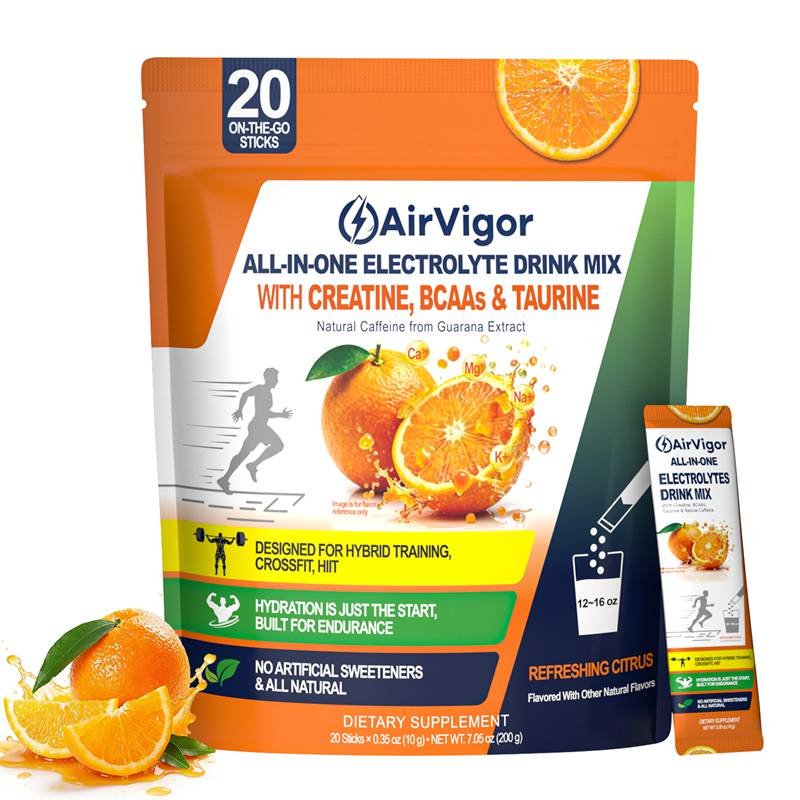
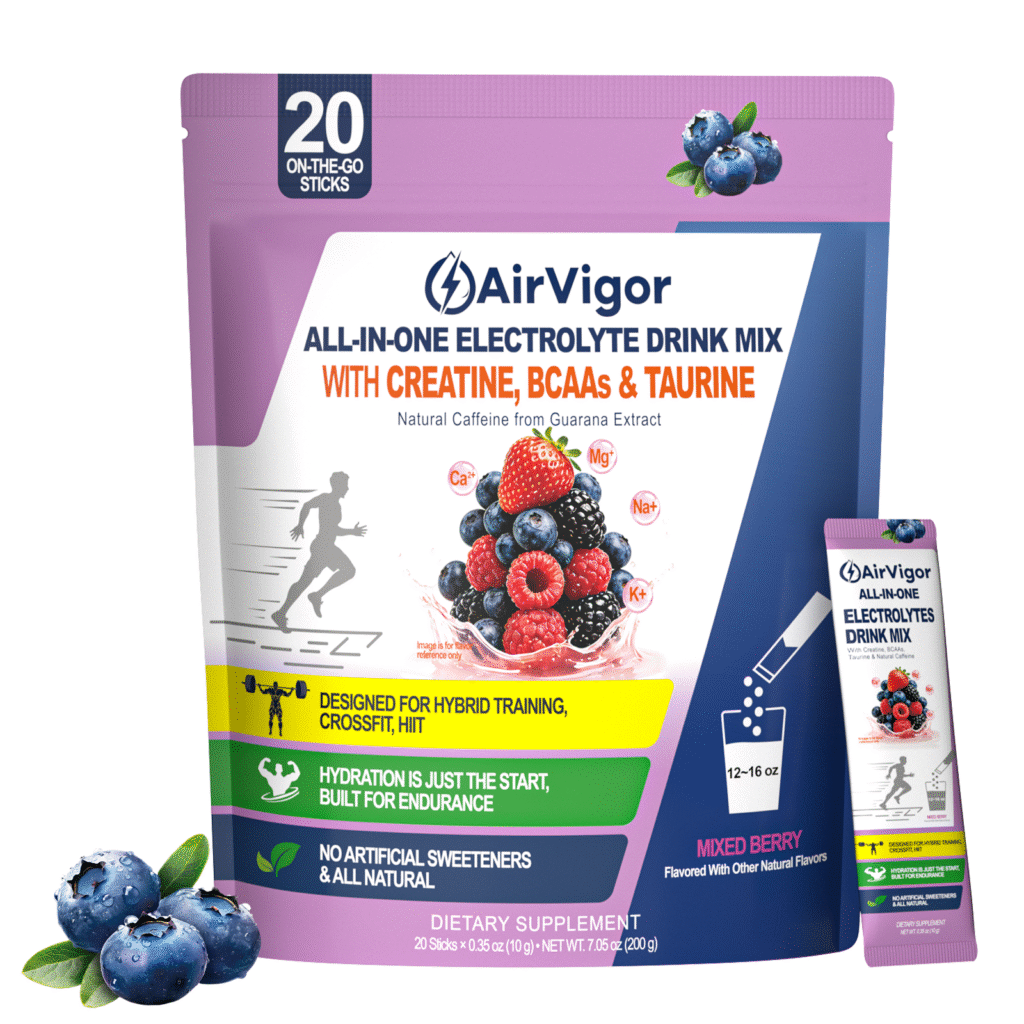
AirVigor vitamin C products are designed for active consumers who want clear ingredient formulas, practical daily use, and reliable quality standards rather than overly complicated supplement marketing. For athletes and busy lifestyle users, consistency, convenience, and transparent formulation often matter just as much as the ingredient itself.
What Makes AirVigor Different?
Many athletes eventually realize that the biggest problem with supplements is not always the ingredient itself. The real issue is often inconsistency. Some products taste too strong to use every day. Others contain unclear dosages, overly complicated blends, or labels that make it difficult to understand what the body is actually getting.
AirVigor focuses more heavily on long-term usability and formula clarity rather than relying only on aggressive marketing language.
The brand emphasizes areas that active consumers now pay much closer attention to:
| What Active Consumers Care About | How AirVigor Approaches It |
|---|---|
| Ingredient transparency | Clear formula presentation |
| Consistent product quality | Structured quality management systems |
| Daily usability | Convenient supplement formats |
| Portability | Travel-friendly packaging options |
| Long-term routine support | Products designed for repeat daily use |
This matters because most athletes are not using supplements for one week. Many people want products that fit naturally into routines for months at a time.
For example:
- A runner may need portable stick packs during marathon preparation
- A gym athlete may want something simple after evening workouts
- A traveler may need products that fit easily into carry-on luggage
- A busy office worker may prefer quick daily supplementation before work
AirVigor products are developed around these types of real-world situations rather than only focusing on extreme sports marketing.
The company also operates within broader manufacturing and quality management systems that include:
- Ingredient review procedures
- Formula verification
- Batch management systems
- Packaging inspection
- Stability-focused quality controls
AirVigor’s manufacturing structure includes GMP, HACCP, ISO, FSSC22000, and FDA registration-related operational frameworks. For many consumers, these standards matter because they suggest more organized production oversight and stronger long-term consistency.
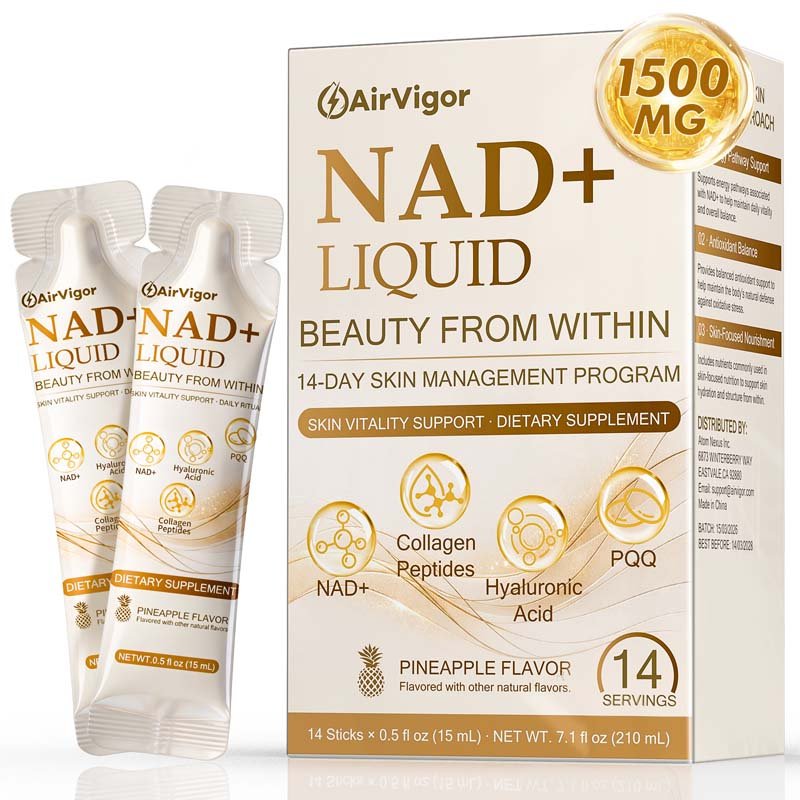
The brand also supports multiple supplement categories beyond vitamin products alone.
| Product Category | Common Active Lifestyle Use |
|---|---|
| Vitamin supplements | Daily wellness support |
| Electrolyte powders | Hydration and recovery |
| Protein nutrition | Post-workout support |
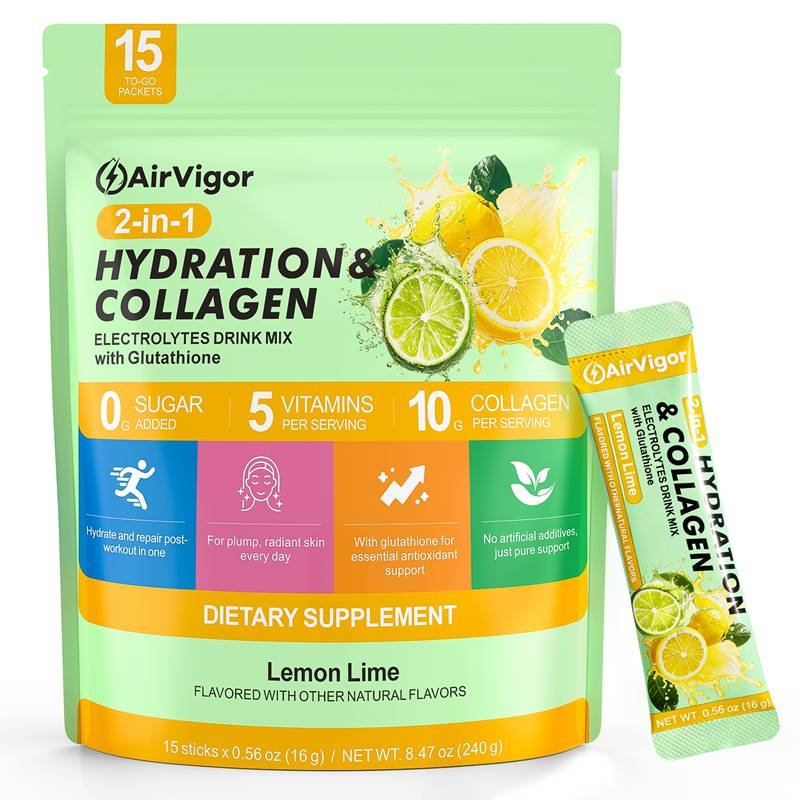
| Collagen supplements | Recovery and beauty routines |
| Mineral supplements | Daily nutrient balance |
| Functional wellness blends | Multi-purpose active lifestyle support |
This broader product ecosystem is useful because many athletes no longer rely on a single supplement type. Someone training regularly may combine hydration products, protein intake, vitamins, and recovery support together as part of one consistent routine.
Why Do Athletes Prefer Simple Formulas?
Many active consumers are moving away from extremely complicated supplement stacks. After years of trying highly stimulating pre-workouts, oversized ingredient lists, and difficult timing schedules, many athletes now prefer products that feel simpler and easier to maintain consistently.
This shift is happening partly because modern lifestyles are already physically demanding.
A typical active adult today may be balancing:
- Full-time work
- Family responsibilities
- Long commutes
- Frequent travel
- Evening gym sessions
- Limited sleep
Under these conditions, complicated supplement routines often become unrealistic very quickly.
This is why many athletes now prefer:
| Preferred Product Feature | Why It Matters |
|---|---|
| Simple labels | Easier daily understanding |
| Moderate flavors | Easier long-term use |
| Portable stick packs | Convenient for travel and gym bags |
| Fast-mixing powders | Less preparation time |
| Straightforward serving sizes | Easier consistency |
For example, someone leaving home early for work and training after office hours is much more likely to continue using a supplement that takes less than one minute to prepare. Products requiring multiple servings, complicated measuring systems, or excessive preparation often become inconsistent during busy weeks.
This is one reason stick packs, hydration blends, and portable wellness powders continue growing rapidly across sports nutrition categories.
AirVigor’s product direction aligns with this trend by focusing more heavily on:
- Practical daily use
- Portable supplement formats
- Clear ingredient presentation
- Simpler wellness routines
- Long-term consistency
The company also places strong attention on packaging usability. Athletes increasingly care about whether products:
- Fit inside gym bags
- Travel easily
- Mix smoothly
- Store well during busy schedules
- Feel realistic to use daily
These details may sound small, but they strongly influence whether consumers actually continue using supplements over time.
How Does AirVigor Fit Active Lifestyles?
One of the main reasons supplement routines fail is not because the ingredients are ineffective. The bigger issue is usually convenience. Products that are difficult to carry, unpleasant to drink, or too complicated to prepare often disappear from daily routines after a short period of time.
AirVigor focuses heavily on making products easier to integrate into active lifestyles.
This includes attention to:
| Product Experience Area | Why It Matters for Athletes |
|---|---|
| Portable packaging | Easier travel and gym use |
| Mixing performance | Faster preparation |
| Flavor balance | Better long-term consistency |
| Label clarity | Easier product understanding |
| Daily usability | Fits busy schedules |
For example, an athlete traveling for work may need products that:
- Fit inside carry-on luggage
- Can be mixed quickly at airports or hotels
- Do not require complicated preparation
- Remain convenient during long workdays
Similarly, a gym user training after work may prioritize products that mix quickly in a shaker bottle without creating heavy residue or overly sweet flavor fatigue.
Many consumers underestimate how important convenience becomes after several months of supplementation. Products that seem exciting at first often become frustrating if they are difficult to maintain consistently.
AirVigor also supports global distribution across multiple international markets including North America, Europe, Asia, Australia, and other regions. This broader logistics structure helps support:
- Faster delivery options
- More stable product availability
- Better regional accessibility
- More reliable supply consistency
The company’s quality management structure also includes multiple operational layers involving:
| Quality Management Area | Purpose |
|---|---|
| Ingredient verification | Helps confirm formula consistency |
| Batch inspection | Supports product uniformity |
| Packaging review | Helps maintain labeling accuracy |
| Stability review | Supports product storage consistency |
| Production oversight | Helps maintain manufacturing standards |
For many athletes today, trust increasingly comes from product clarity, routine usability, and long-term consistency rather than exaggerated promises.
This is especially true among athletes and active consumers who increasingly prioritize stable routines, clear ingredient formulas, convenient daily use, reliable product quality, and wellness products that realistically fit long-term active lifestyles.
Conclusion
Vitamin C continues to be one of the most practical and widely used supplements for athletes and active consumers because immune support, recovery stability, and daily wellness all play an important role in long-term training consistency. Intense workouts, travel, poor sleep, busy schedules, and physical stress can gradually affect recovery quality, which is why many people now include vitamin C as part of a more balanced daily routine.
For today’s consumers, supplement choices are no longer only about marketing claims. People increasingly prefer products with clear ingredient labels, reliable manufacturing standards, convenient daily use, and consistent quality. This is where AirVigor focuses its long-term product direction.
AirVigor provides ready-to-purchase vitamin and wellness supplements designed for active lifestyles, with an emphasis on transparent formulas, stable quality management, and practical packaging that fits modern daily routines. For businesses and brands with larger requirements, OEM and ODM customization support is also available.
As more consumers prioritize long-term wellness, recovery support, and sustainable supplement habits, products that combine simplicity, convenience, and trustworthy formulation standards are becoming increasingly important across the global sports nutrition market.
Share:
Contact Expert Team
At AirVigor, performance becomes effortless. We transform advanced nutrition science into clean, effective supplements that help you hydrate, recover, and feel stronger every day. Shop AirVigor Supplements on Amazon and experience athlete-trusted formulas—backed by real science and supported by our world-class R&D and production capabilities.
Trust AirVigor
At AirVigor, turning your performance goals into reality is no longer a struggle—it’s a science-driven journey we build together. Whether you’re a runner, lifter, cyclist, yogi, outdoor athlete, or someone simply seeking better daily energy, AirVigor transforms advanced nutrition research into clean, effective, and trustworthy supplements you can feel.
Backed by our U.S. scientific team, global certifications, and world-class production standards, every formula is engineered to deliver real hydration, real recovery, and real performance. And when you’re ready to experience the difference, you’ll find AirVigor products available on Amazon and other major platforms—fast shipping, consistent quality, and a community of athletes already seeing results.
Behind the scenes, our R&D and manufacturing ecosystem also supports specialized formulation development, ensuring AirVigor continues to lead with innovation while keeping quality and safety uncompromised. But at the core, everything we create is built for you—your health, your performance, your momentum.
Choose AirVigor. Feel the science. Elevate your every day.


Subscribe to our newsletter
Sign up to our newsletter and we’ll keep you up to date with the latest arrivals.