Skip to content
How Do You Stay Hydrated During Exercise : A Complete Guide
# Your Trusted Dietary Supplement Brand In US
- Emily

Table of Contents
Hydration during exercise sounds simple until the workout gets longer, hotter, or sweatier than expected. A short indoor session may feel perfectly manageable with plain water, while a longer run, a hard interval workout, or a summer training block can suddenly leave you feeling flat, heavy, or lightheaded halfway through. Mayo Clinic says water is generally the best way to replace lost fluids, but it also notes that when exercise lasts more than 60 minutes, a sports drink can help support electrolyte balance and provide carbohydrates. That distinction is important because it shows that workout hydration is not one-size-fits-all.
A better during-exercise hydration plan usually depends on three things: how long the session lasts, how much you sweat, and whether heat is pushing fluid loss higher than normal. ACSM says athletes who sweat heavily may lose about 500 to 700 milligrams of sodium in an hour of vigorous exercise. That is why water is often enough for shorter and easier workouts, while longer, hotter, or more vigorous sessions may need a more structured plan.
That matters because most people are not really asking whether hydration is important. They are asking something much more practical: what should I drink while I am moving so I can finish the workout feeling steady instead of fading early? Once you frame it that way, the answer gets clearer. Good workout hydration is not about making every bottle more complicated. It is about matching the drink to the real cost of the session.
What Happens to the Body During Exercise?
During exercise, the body loses fluid through sweat, burns stored energy, and works harder to control temperature. If fluid loss rises faster than fluid intake, performance, comfort, and recovery can all start slipping before the workout is over. ACSM’s hydration guidance explains that during vigorous exercise, sweat can also carry meaningful sodium loss, which is one reason hydration becomes more than a “drink when thirsty” issue in harder sessions. That is where a smarter during-workout plan starts to matter.
What do you lose when you sweat?
Sweat is not just water leaving the body. It also carries electrolytes, especially sodium and chloride. ACSM says athletes who sweat heavily may lose around 500 to 700 milligrams of sodium in an hour of vigorous exercise. That number matters because it explains why two sweaty workouts can feel very different afterward. A short, moderate session may mostly be a fluid-replacement issue. A long, hot, vigorous session can become a fluid-plus-sodium issue.
For readers, this is one of the most useful hydration ideas to understand early. Many people think of sweat as a single category: “I sweat a lot” or “I do not sweat much.” But sweat loss is not only about quantity. It is also about time, temperature, and intensity. A 30-minute indoor workout and a 90-minute outdoor workout may both leave your shirt wet, but they do not leave the same replacement need behind. The longer sweating lasts, the more likely plain water alone may stop feeling like the full answer.
A practical comparison helps:
| Workout condition | What you are more likely losing | Hydration challenge |
|---|---|---|
| Short easy workout | Mostly fluid | Lower |
| Moderate session with some sweat | Fluid plus small electrolyte loss | Medium |
| Vigorous or long workout | More fluid plus more sodium loss | Higher |
| Hot, sweat-heavy session | Substantial fluid and sodium loss | Highest |
This is why the best workout hydration plans pay attention not just to sweat itself, but to the kind of session that is producing it.
How does dehydration affect performance?
Dehydration affects more than comfort. It can reduce performance, increase strain, and make the workout feel harder than it should. ACSM’s position stand says the goal of drinking during exercise is to prevent excessive dehydration, especially body-mass losses greater than about 2% from water deficit. Once hydration falls behind, the body usually has to work harder to maintain pace, manage temperature, and keep effort feeling controlled.
This matters because many exercisers wait for dramatic thirst before changing anything. In real life, performance usually starts drifting before the situation feels severe. Pace starts feeling heavier. Heart rate feels harder to manage. Intervals feel longer than usual. The session becomes mentally harder to hold together. That is why hydration during exercise is not only about avoiding a bad outcome at the end. It is about keeping the quality of the session steadier while it is happening.
A useful performance table helps:
| Hydration status during exercise | More likely outcome |
|---|---|
| Well-hydrated | Better comfort and steadier performance |
| Slightly behind on fluids | Heavier effort and more energy drift |
| Clearly dehydrated | Lower performance and higher strain |
| Dehydrated in heat | Higher risk of heat-related symptoms |
That is also why a better hydration plan is often one of the easiest ways to improve the overall feel of training without changing the training plan itself.
Which signs suggest you are falling behind on fluids?
The body usually gives warning signs before dehydration becomes severe. MedlinePlus lists extreme thirst, dry mouth, darker urine, dizziness, tiredness, and urinating less often than usual among common dehydration symptoms. During exercise, the Cleveland Clinic also highlights signs such as headache, fatigue, dizziness, muscle cramps, a racing heart, and dark-colored urine afterward. Those warning patterns matter because they usually show up before the workout fully falls apart.
This is useful because many people rely on just one signal, usually thirst. But a better workout check looks at a group of signs instead of a single one. If the session includes heat, heavy sweating, rising fatigue, headache, lightheadedness, or cramps, hydration may already be slipping. The goal is not to wait until symptoms feel dramatic. The goal is to catch the smaller changes early enough that the session can still be stabilized.
A practical warning guide helps:
| Sign during or after exercise | What it may suggest |
|---|---|
| Thirst and dry mouth | Early fluid deficit |
| Headache or dizziness | Hydration may be falling behind |
| Muscle cramps | Fluid and electrolyte issue may be developing |
| Dark urine afterward | Recovery hydration likely needs more attention |
| Racing heart and unusual fatigue | Strain may be rising too quickly |
That is why strong during-workout hydration is often about recognizing drift early, not fixing a bigger problem late.
Is Water Enough During Exercise?
For many workouts, yes. Water is often enough for shorter, easier, or moderate sessions, especially in mild conditions. Mayo Clinic keeps water as the baseline and says sports drinks become more useful once exercise lasts more than 60 minutes. That is one of the clearest practical rules available because it gives people a simple starting point before hydration needs become more session-specific.
Is water enough for most workouts?
For many people, water is enough for a large share of normal workouts. A short lift, moderate treadmill session, regular fitness class, or easy run in mild weather often does not need a specialized drink to go well. Mayo Clinic’s exercise guidance supports exactly that approach by keeping water as the default and only shifting toward sports drinks for longer training.
This matters because many exercisers overcomplicate hydration too early. If the session is brief and the sweat loss is modest, a specialized drink may not add much beyond taste. Water works well precisely because it is simple, easy to tolerate, and easy to carry into a repeat routine. The mistake is not choosing water. The mistake is assuming that water must handle every possible session equally well, even when heat, time, and sweat clearly rise. A strong hydration strategy starts simple and becomes more specific only when the workout earns it.
A practical comparison helps:
| Workout type | Is water often enough? |
|---|---|
| Short easy workout | Usually yes |
| Moderate indoor session | Often yes |
| Workout under 60 minutes in mild conditions | Often yes |
| Long or very sweaty session | Sometimes not |
That is why the smartest hydration plan is not always the most complex one. It is the one that starts with the simplest, most effective choice.
When do electrolytes make more sense?
Electrolytes make more sense when the workout goes longer, gets hotter, or produces enough sweating that sodium loss becomes more relevant. Mayo Clinic says that after more than 60 minutes of exercise or training, a sports drink can help maintain electrolyte balance and provide carbohydrates. ACSM adds that heavy sweaters in vigorous exercise may lose 500 to 700 milligrams of sodium per hour. Put together, those two points give a very practical rule: electrolytes become easier to justify when the session is no longer only a thirst problem.
This matters because many people ask the hydration question the wrong way. Instead of asking “Are electrolytes good?”, the better question is “What kind of workout am I doing, how much am I sweating, and how long is this going to last?” That is the point where an electrolyte powder or a sports drink starts becoming more purposeful. On easy sessions, it may be unnecessary. On long, hot, or high-sweat sessions, it becomes easier to justify because the hydration challenge is no longer just fluid volume. It is sustained fluid-plus-sodium loss over time.
A practical guide helps:
| During-workout condition | Are electrolytes more understandable? |
|---|---|
| Easy workout in cool conditions | Often not necessary |
| Standard gym session | Sometimes, but often not required |
| Workout beyond 60 minutes | More understandable |
| Vigorous or heat-heavy training | Often more useful |
That is why electrolyte use works best when it follows duration and sweat, not trend.
Which workouts increase fluid and sodium loss?
The workouts most likely to raise fluid and sodium loss are the ones that are longer, hotter, or more vigorous. ACSM’s sodium-loss guidance is tied specifically to vigorous exercise, and Mayo Clinic’s sports-drink threshold is tied to sessions beyond 60 minutes. Heat makes that even more important because sweat rates often climb as temperature rises.
This matters because not every workout deserves the same hydration plan. A short indoor lift and a 90-minute summer run should not be hydrated the same way. A beginner cardio session in a cool room may need nothing beyond water, while a hard interval workout in heat may need a more intentional plan from the first half of the session onward. The more a workout combines time, intensity, and heat, the more likely hydration needs move beyond plain water.
A useful workout comparison helps:
| Workout | Fluid-loss risk | Sodium-loss concern |
|---|---|---|
| Easy walk or short lift | Lower | Lower |
| Moderate indoor workout | Moderate | Lower to moderate |
| Long run or ride | High | Higher |
| Vigorous training in heat | Very high | Highest |
That is why the better hydration question is not just “What do I drink?” It is “What kind of session am I asking my body to get through?”
How Much Should You Drink During Exercise?
There is no single fluid number that fits every workout, every body size, and every climate. During-exercise hydration should match session length, exercise intensity, body size, weather, and sweat loss. Mayo Clinic’s exercise guidance gives a practical baseline: drink about 1/2 to 1 cup (118 to 237 mL) every 15 to 20 minutes during your workout, and adjust that amount based on body size and the weather. ACSM adds an equally important performance point: during exercise, the goal is to prevent excessive dehydration, especially body-mass losses greater than about 2% from water deficit.
How much should you drink during a workout?
For most people, the best starting rule is small, regular drinking instead of waiting until the workout feels difficult. Mayo Clinic’s 1/2 to 1 cup every 15 to 20 minutes works well because it is practical enough to remember and flexible enough to adjust. It does not require complicated calculations, but it gives enough structure to help people avoid falling too far behind.
This matters because many exercisers handle fluid in two weak ways. They either sip too little and hope the workout stays comfortable, or they wait until they feel thirsty and then try to catch up with large amounts at once. Both approaches usually work worse than steady intake. Smaller, repeated drinking is easier to tolerate during movement and easier to fit into a real session. A cooler, shorter, lower-sweat workout may sit near the lower end of the range. A longer, warmer, higher-sweat session may need more attention and more consistency. The point is not to chase a perfect number. The point is to avoid letting the session slowly push you into a fluid deficit you could have prevented.
A practical guide helps:
| Workout condition | During-workout drinking approach |
|---|---|
| Short easy indoor session | Smaller regular sips may be enough |
| Standard moderate workout | Use the 1/2 to 1 cup every 15–20 minutes range |
| Long session | More attention to steady intake |
| Hot or sweat-heavy session | More careful, more consistent intake matters |
That is why the strictest during-workout rule is not “drink a lot.” It is “drink enough, early enough, and steadily enough.”
Should you drink to thirst or follow a plan?
For most real-world workouts, the most practical answer is to use thirst inside a simple plan. Mayo Clinic Sports Medicine says people should generally drink to thirst when exercising, but its broader exercise guidance also gives a during-workout drinking range. Put together, those two points support a middle-ground approach: let thirst help guide you, but do not walk into a long, hot, or vigorous session with no structure at all.
This matters because both extremes can fail. A pure “drink only when I finally feel thirsty” approach may be enough for shorter and easier sessions, but it can be too loose for longer, hotter, or sweatier training. At the other extreme, following a rigid schedule without listening to the body can also create problems, especially in long sessions where overdrinking becomes a risk. Mayo Clinic Sports Medicine explicitly warns that taking in too much water can contribute to exercise-associated hyponatremia. The better approach is to decide how much structure the session deserves. A 30-minute lift in mild conditions may need very little structure. A long summer ride needs more.
A practical comparison helps:
| Approach | When it works best |
|---|---|
| Pure drink-to-thirst approach | Shorter, easier, lower-risk sessions |
| Fixed plan only | More useful for long, hot, or highly structured endurance work |
| Thirst plus a basic plan | Best fit for most real-world workouts |
That is why the better question is not “thirst or plan?” It is “how much structure does this workout need?”
How does heat change hydration needs?
Heat changes hydration needs a lot because it usually raises sweat loss and makes temperature control more demanding. Mayo Clinic explicitly says that during-workout drinking amounts should change with the weather. ACSM adds that athletes who sweat heavily may lose about 500 to 700 mg of sodium in an hour of vigorous exercise, which means heat can turn a simple water-replacement problem into a water-plus-sodium problem more quickly.
This matters because many people use the same hydration habits in very different environments. They bring the same bottle to a cool indoor workout and a hot outdoor session, then wonder why one feels fine and the other starts falling apart. Heat is not just “the same workout but warmer.” It often changes how fast fluid is lost, how hard the session feels, and how quickly electrolytes start to matter. That is why the strongest heat plan is proactive. It does not wait for the body to complain loudly before adjusting. It assumes the session has become more demanding and treats hydration that way from the start.
A practical heat guide helps:
| Condition | Hydration demand |
|---|---|
| Cool indoor workout | Lower |
| Mild outdoor session | Moderate |
| Long warm-weather session | Higher |
| Vigorous training in heat | Highest |
That is why the smartest during-workout hydration plans are often the ones that adjust for weather early instead of regretting it later.

What Should You Drink During Different Types of Workouts?
The best drink during exercise depends on the actual session. Water is often enough for shorter and easier workouts. Electrolytes and carbohydrate-containing drinks become more understandable as sessions get longer, hotter, or more demanding. Mayo Clinic’s rule is especially useful because it is simple: water is generally the best way to replace lost fluids, but if exercise lasts more than 60 minutes, a sports drink can help support electrolyte balance and provide carbohydrates.
What should you drink during short workouts?
For most short workouts, plain water is enough. That is the clearest practical reading of Mayo Clinic guidance. A short strength session, moderate cardio workout, easy run, or standard indoor class in mild conditions often does not need a specialized drink to go well. Water works because the session is not usually long enough or sweat-heavy enough to create a larger fueling-and-electrolyte problem.
This matters because many exercisers overcomplicate hydration before the session actually demands it. If the workout is brief and the sweat loss is modest, a more complex drink may not add much beyond taste. That does not make electrolyte products bad. It just means the session has not created a large enough problem for them to solve. The stronger habit is to let the workout earn the complexity instead of assuming every bottle needs to be optimized like a race-day formula. Water is still the best default for a large share of normal exercise.
A practical short-workout guide helps:
| Short workout type | Better during-workout drink |
|---|---|
| Easy walk or light cardio | Water |
| Standard gym session | Water |
| Short strength workout | Water |
| Short indoor class | Water |
That is why short-workout hydration usually improves more from consistency than from product complexity.
What should you drink during long workouts?
For longer workouts, especially those extending beyond 60 minutes, a drink with electrolytes and carbohydrates often makes more sense than plain water alone. Mayo Clinic says sports drinks can help maintain electrolyte balance and provide carbohydrates once exercise or training lasts longer than an hour. That is one of the clearest thresholds available because it ties the drink choice to workout duration instead of vague product language.
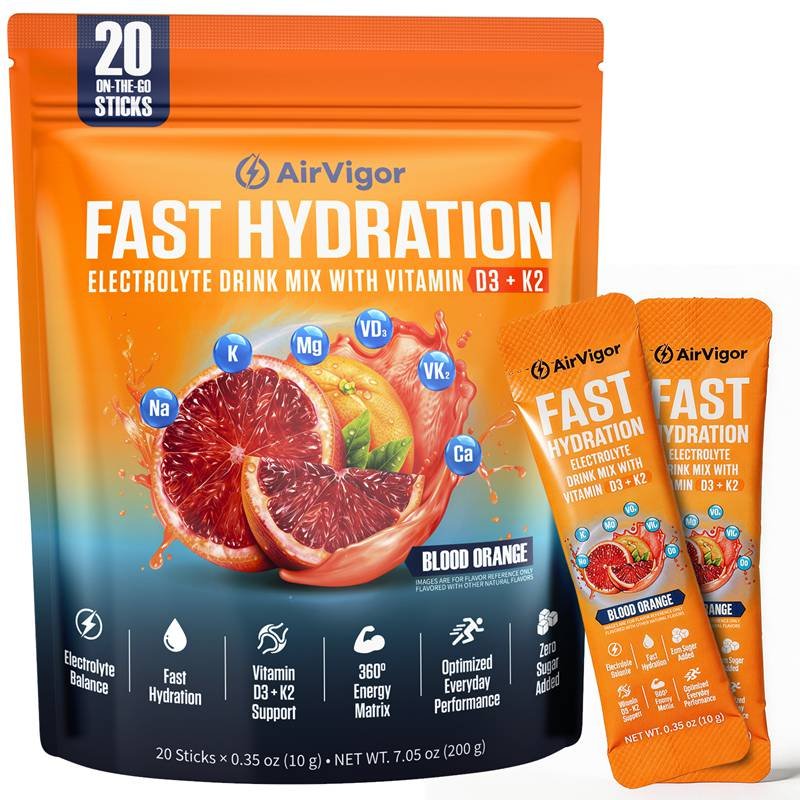
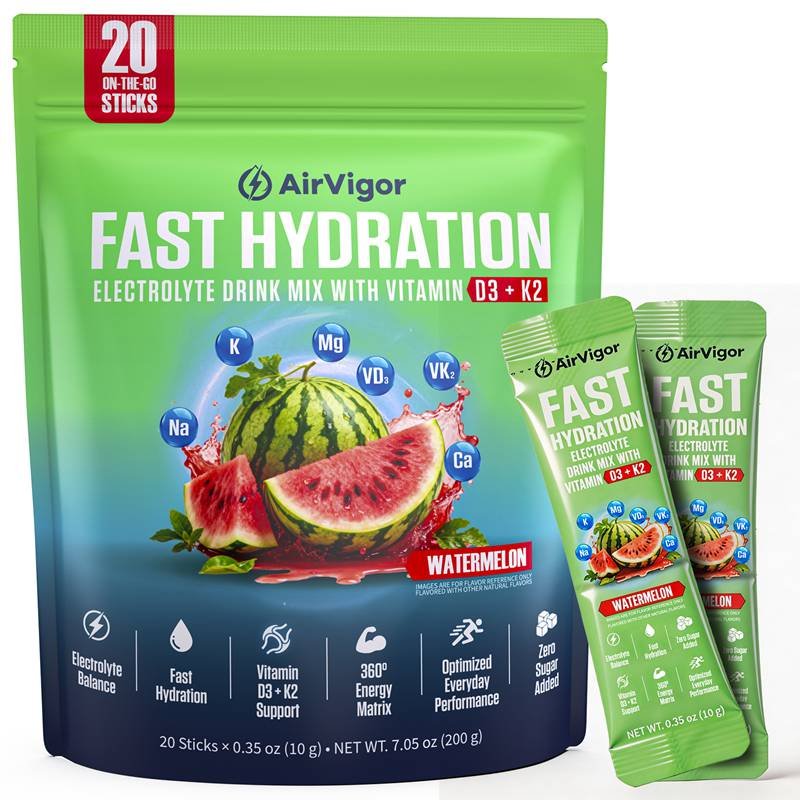
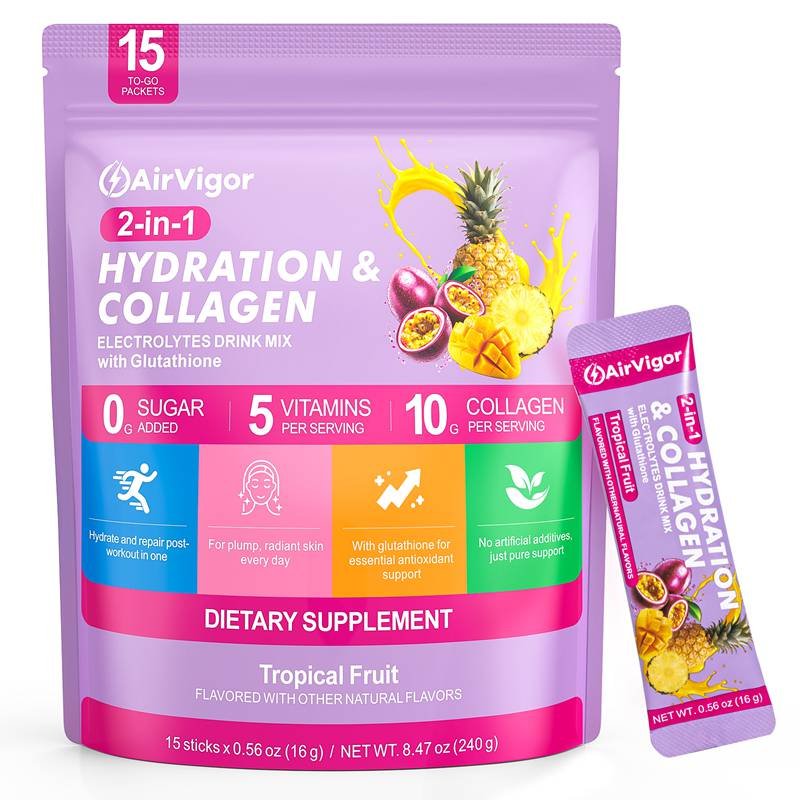
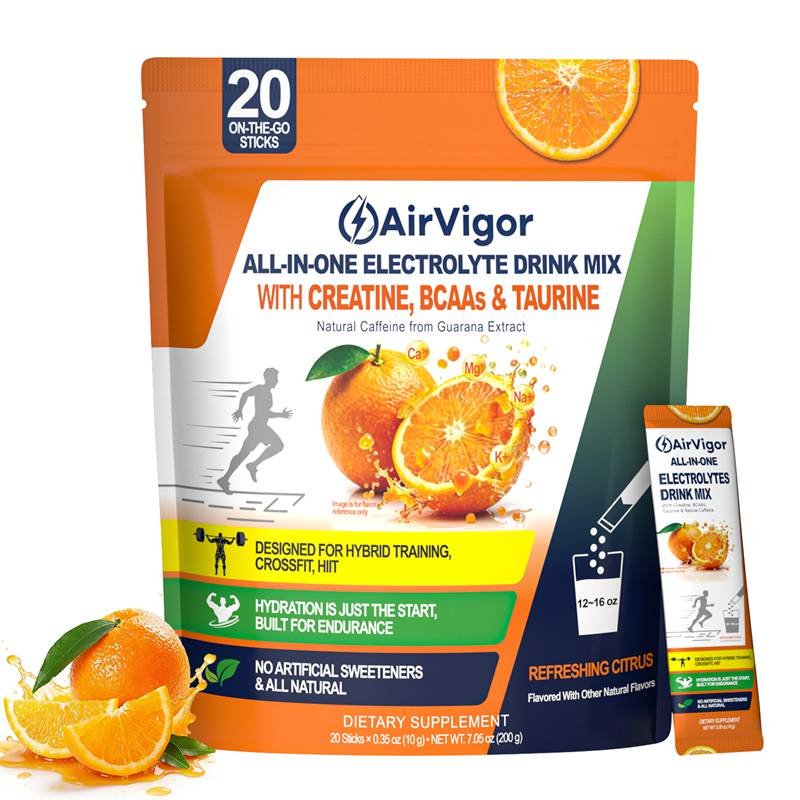
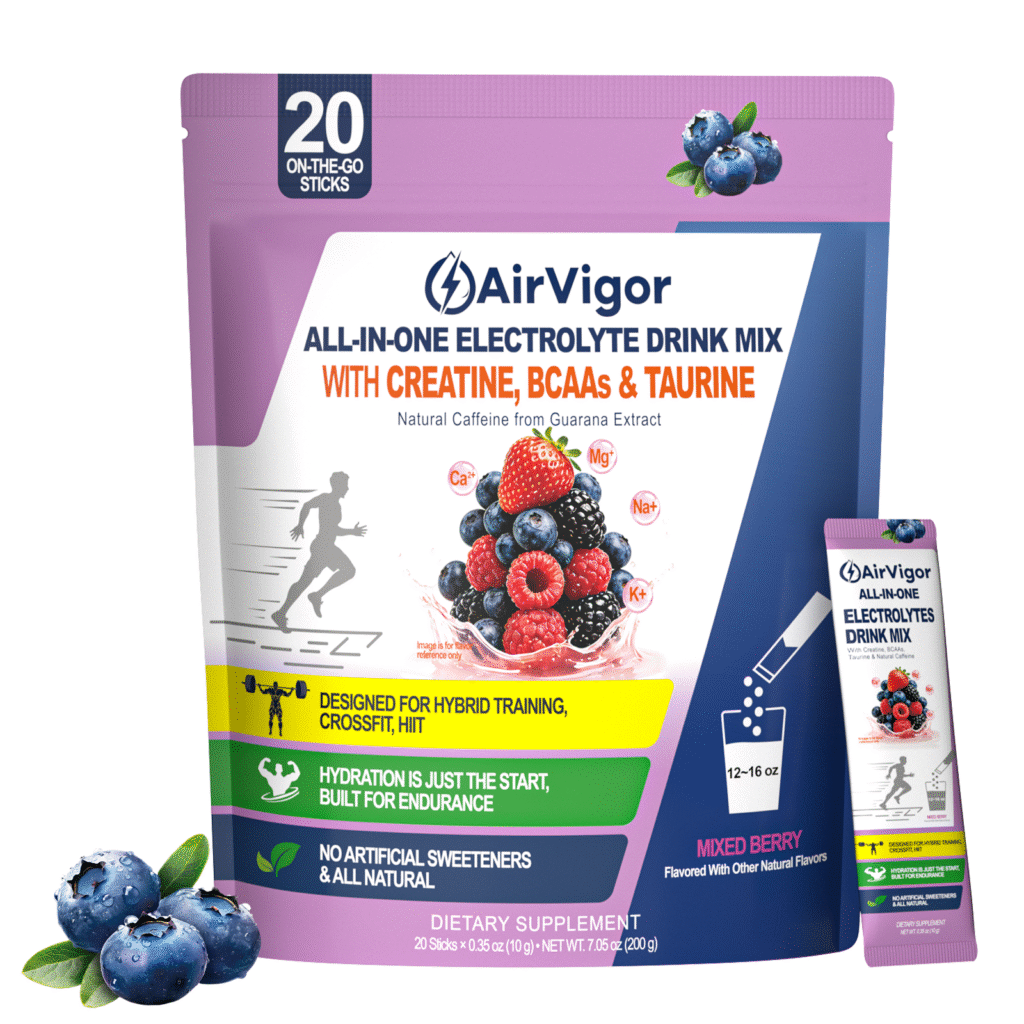
This matters because longer sessions create a different hydration problem than shorter ones. Once exercise keeps going, hydration is no longer only about thirst. It also becomes about keeping energy steadier and preventing a growing fluid deficit from turning into a larger performance drop. Longer workouts often reward more structure: more regular drinking, more awareness of how much is being lost, and a drink choice that better matches the duration. That is also where a more balanced electrolyte product like AirVigor can fit more naturally into a routine — not as a replacement for water on every session, but as a stronger match for sessions that clearly outgrow plain water alone.
A practical long-workout guide helps:
| Long workout type | Better during-workout drink |
|---|---|
| Long steady-state cardio | Water plus more structured intake; electrolytes may make more sense |
| Workout over 60 minutes | Electrolyte-containing beverage becomes more understandable |
| Long endurance session | Electrolytes and carbs often make more sense |
That is why longer sessions usually need a more deliberate drink choice, not just more of the same habit.
What should you drink during hot or sweat-heavy sessions?
During hot or very sweat-heavy sessions, electrolyte-containing drinks become much easier to justify. ACSM says heavy sweaters may lose 500 to 700 mg of sodium in an hour of vigorous exercise. Mayo Clinic Sports Medicine also notes that when you sweat, you lose fluid along with electrolytes such as sodium and chloride, which is one reason electrolyte-containing beverages can help rehydration in harder conditions.
This matters because hot-weather or high-sweat sessions are often where hydration mistakes become most obvious. Water may still be part of the solution, but the session may start demanding more structure than water alone provides. This is one of the clearest places where an electrolyte powder such as AirVigor can fit naturally into a workout plan: not as something every easy session needs, but as a more purposeful option when the workout is long enough, hot enough, or sweaty enough that sodium loss becomes harder to ignore. A better hydration strategy here does not need to be dramatic. It simply needs to reflect the real cost of the session.
A practical sweat-heavy guide helps:
| Session type | Better during-workout drink |
|---|---|
| Hot outdoor training | Electrolytes become more understandable |
| Vigorous session with heavy sweating | Stronger case for electrolytes |
| Mild session with low sweat | Water often still enough |
| Long summer workout | Electrolytes and a plan matter more |
That is why the best during-workout drink is not always the strongest one. It is the one that fits the actual session.
Which Hydration Mistakes Should You Avoid?
The most common during-workout hydration mistake is treating every session the same. Water is often enough for shorter and easier workouts, but longer, hotter, or sweatier sessions can create a very different fluid problem. Mayo Clinic keeps water as the baseline and says sports drinks become more useful once exercise goes beyond about 60 minutes, while ACSM warns that vigorous exercise can produce meaningful sodium losses in sweat. That means the smartest hydration routine is not the strongest one. It is the one that matches duration, heat, sweat rate, and workout demand.
Can you drink too little during exercise?
Yes, and this is still the most common hydration mistake for many exercisers. ACSM’s position stand says the goal of drinking during exercise is to prevent excessive dehydration, especially body-mass losses above about 2% from water deficit. When fluid intake falls behind, the workout usually gets harder before the athlete fully realizes why.
This matters because underdrinking often builds quietly. It does not always begin with dramatic thirst. Instead, pace starts feeling heavier, intervals feel longer, focus slips, and effort climbs faster than expected. MedlinePlus lists symptoms such as very thirsty, dry mouth, darker urine, tiredness, and dizziness, while the Cleveland Clinic adds headache, fatigue, muscle cramps, and a racing heart. These are not small details. They are the body’s way of saying the session is getting ahead of the hydration plan.
A practical underdrinking checklist helps:
| Sign during or after exercise | What it may suggest |
|---|---|
| Dry mouth and rising thirst | Fluid intake may be falling behind |
| Heavy effort at a familiar pace | Hydration strain may be increasing |
| Headache, dizziness, or cramps | More than ordinary thirst may be developing |
| Dark urine after the session | Recovery hydration likely needs more attention |
That is why strong during-workout hydration is often about catching the drift early, not fixing a bigger problem late.
Can you drink too much water?
Yes. Mayo Clinic Sports Medicine says you can become dehydrated by drinking too little, but you can also create problems, such as exercise-associated hyponatremia if you take in too much. MedlinePlus explains that low sodium can happen when too much water dilutes sodium levels outside cells, and ACSM’s fluid-replacement guidance also warns against overdrinking.
This matters because many exercisers only hear one half of the hydration message: “drink more.” But during long events or very structured endurance sessions, drinking large amounts of plain water without enough regard for sodium loss can become a real issue. The better goal is not maximum intake. It is balance. That is why Mayo’s “drink to thirst” message is useful when combined with a simple session plan. It keeps hydration practical without turning it into a volume contest.
A practical overdrinking guide helps:
| Pattern | Why it can become a problem |
|---|---|
| Drinking very large amounts regardless of conditions | May overshoot actual fluid need |
| Long endurance work with only plain water | Can raise dilution risk if sodium losses are high |
| Ignoring fullness and body feedback | Makes fluid balance less accurate |
That is why smarter hydration is not about always drinking more. It is about drinking well enough.
Which drink choices can slow you down?
The wrong drink is usually not “bad” on its own. It is simply a poor fit for the session. Mayo Clinic keeps water as the best default for many workouts and shifts toward sports drinks when exercise extends beyond about an hour. Cleveland Clinic also describes sports drinks as specialty drinks rather than something to grab whenever you are simply thirsty.
This matters because a drink that is too heavy, too sweet, or unnecessarily intense can become part of the problem instead of the solution. A short, easy gym session usually does not need more complexity than water. But a long, hot, or sweat-heavy session may outgrow plain water alone. The stronger question is not “Which drink sounds most advanced?” It is “Which drink actually fits what this session is taking out of me?” That is one reason balanced products tend to work better than extreme ones in real routines: they solve a clear problem without making every workout feel like a fueling event.
A simple drink-choice guide helps:
| Workout type | Better during-workout drink choice |
|---|---|
| Short easy workout | Water |
| Standard moderate session | Usually water |
| Workout beyond 60 minutes | Stronger case for electrolytes and carbs |
| Hot or sweat-heavy session | Electrolytes become more understandable |
That is why drink choice should follow session demand, not just product habit.
How Can You Build a Better During-Workout Hydration Plan?
A better hydration plan does not need to be complicated. It only needs to answer a few questions clearly: how long is the session, how hot is it, how much do you usually sweat, and is water enough for this workout or does it justify more structure? Mayo Clinic’s practical drinking range, combined with ACSM’s emphasis on sodium losses in vigorous exercise, makes it clear that the best plan is the one that matches the session instead of treating all workouts like one category.
What should a simple hydration plan include?
A simple during-workout hydration plan usually needs four parts:
- A base drinking rhythm
- A heat adjustment
- A duration adjustment
- A way to check how the body is responding
Mayo Clinic’s recommendation of about 1/2 to 1 cup every 15 to 20 minutes gives most exercisers a useful starting structure. That is enough detail to make the plan real, but not so much that it becomes difficult to follow mid-workout.
This matters because hydration plans fail most often when they are either too vague or too rigid. “Just sip whenever” is often too loose for long or hot sessions. But a highly technical plan with too many numbers can be hard to use during real movement. A better plan is simple enough to remember and flexible enough to adjust. It should work on treadmills, roads, trails, courts, and job sites, not only in theory.
A practical plan template helps:
| Plan element | Simple version |
|---|---|
| Base drinking rhythm | Small regular sips or 1/2 to 1 cup every 15–20 minutes |
| Heat adjustment | Drink more consistently in hotter conditions |
| Long-session adjustment | Consider electrolytes and carbs after about 60 minutes |
| Body check | Watch thirst, effort drift, dizziness, cramps, and recovery signs |
That level of structure is usually enough to improve during-workout hydration without making it feel overengineered.
How do you match hydration to sweat loss?
The most useful way to match hydration to sweat loss is to stop treating all exercise like one single category. ACSM notes that heavy sweaters in vigorous exercise may lose about 500 to 700 mg of sodium per hour, while Mayo Clinic recommends water as the default for many shorter workouts. Taken together, those points create a strong practical rule: the more the session combines time, heat, and sweat, the more hydration usually needs structure.
This matters because many exercisers repeat the same drinking pattern regardless of the session. They bring the same bottle to a short lift and a 90-minute summer run, then wonder why one feels fine and the other starts falling apart. Matching hydration to sweat loss does not require a lab. It starts with practical clues: Are you a heavy sweater? Is the workout longer than an hour? Is the weather hot? Do you finish with a headache, cramps, or very dark urine? Those signals are enough to improve most people’s hydration strategy significantly.
A practical sweat-loss guide helps:
| Workout condition | Hydration plan needs |
|---|---|
| Short, cool, low-sweat session | Low structure |
| Moderate indoor session | Moderate structure |
| Long or vigorous session | More structure |
| Hot, sweat-heavy workout | Highest structure, electrolytes more understandable |
That is why the better hydration question is not only “How much should I drink?” It is also “How much is this workout likely to take out of me?”
How can AirVigor fit into a smarter workout routine?
AirVigor fits most naturally into the sessions where hydration is clearly doing more work than usual: longer workouts, hotter workouts, and sweatier workouts. Mayo Clinic’s beyond-60-minute guidance and ACSM’s sodium-loss guidance create a very practical space for a balanced electrolyte product. The strongest message is not that every workout needs electrolyte powder. The stronger message is that some workouts clearly outgrow plain water alone.
This matters because the most believable hydration products are the ones that do not try to claim every use case. A smarter AirVigor position is not “replace water.” It is “support the workouts where fluid and sodium loss are more meaningful.” That makes the product easier to trust and easier to fit into a real routine. It also aligns with what many exercisers actually need: not more drink complexity every day, but a better option when the session is long enough, hot enough, or sweaty enough that the hydration job changes.
A practical fit guide helps:
| Workout situation | Where AirVigor fits best |
|---|---|
| Short easy session | May not be necessary |
| Moderate session with light sweat | Sometimes useful |
| Workout beyond 60 minutes | Stronger fit |
| Vigorous or heat-heavy training | More understandable as structured hydration support |
That is where a during-workout hydration product feels purposeful instead of generic.
Final Thoughts
Staying hydrated during exercise usually does not require a complicated system. It requires matching the drink to the session. Water is often enough for shorter and easier workouts. Electrolytes become more useful as workouts get longer, hotter, or sweatier, and drinking too little or too much can both create problems. Mayo Clinic, ACSM, MedlinePlus, and Cleveland Clinic all point toward that same practical middle-ground approach.
That is why the best hydration routine is usually not the most aggressive one. It is the one that feels simple, repeatable, and matched to the actual cost of the session. For a brand like AirVigor, that creates a strong opportunity: not to replace basic hydration habits, but to support the workouts where hydration genuinely becomes more demanding than plain water alone.
Looking to Source a Better Workout Hydration Formula or Build Your Own?
If you are looking for:
- a hydration product for longer or sweatier workouts
- a more balanced alternative to generic sports drinks
- a formula that fits structured hydration in heat or endurance sessions
- an OEM or ODM partner for custom during-workout hydration development
AirVigor can support both finished branded products and private-label or custom formulation projects. The strongest during-workout products are the ones that solve a real hydration problem clearly, and that is exactly where a well-positioned, balanced exercise hydration formula can win.
Share:
Contact Expert Team
At AirVigor, performance becomes effortless. We transform advanced nutrition science into clean, effective supplements that help you hydrate, recover, and feel stronger every day. Shop AirVigor Supplements on Amazon and experience athlete-trusted formulas—backed by real science and supported by our world-class R&D and production capabilities.
Trust AirVigor
At AirVigor, turning your performance goals into reality is no longer a struggle—it’s a science-driven journey we build together. Whether you’re a runner, lifter, cyclist, yogi, outdoor athlete, or someone simply seeking better daily energy, AirVigor transforms advanced nutrition research into clean, effective, and trustworthy supplements you can feel.
Backed by our U.S. scientific team, global certifications, and world-class production standards, every formula is engineered to deliver real hydration, real recovery, and real performance. And when you’re ready to experience the difference, you’ll find AirVigor products available on Amazon and other major platforms—fast shipping, consistent quality, and a community of athletes already seeing results.
Behind the scenes, our R&D and manufacturing ecosystem also supports specialized formulation development, ensuring AirVigor continues to lead with innovation while keeping quality and safety uncompromised. But at the core, everything we create is built for you—your health, your performance, your momentum.
Choose AirVigor. Feel the science. Elevate your every day.


Subscribe to our newsletter
Sign up to our newsletter and we’ll keep you up to date with the latest arrivals.