Skip to content
How to Mix Electrolyte Powder Correctly: A Complete Guide
# Your Trusted Dietary Supplement Brand In US
- Emily

Table of Contents
Electrolyte powder seems easy to use. Open the stick pack, pour it into water, shake, and drink. But many people still end up with a hydration drink that tastes too salty, too sweet, too weak, or difficult to finish. Others drink electrolytes every day but still feel tired after workouts, thirsty during travel, or sluggish in hot weather. In many cases, the problem is not the product itself. It is the mixing ratio, water amount, timing, or the way the formula is being used in daily life.
For most people, electrolyte powder should be mixed with 16–24 oz (500–700 mL) of water, depending on sweat loss, activity level, climate, and hydration needs. A lighter mix usually works better for office use, travel, and daily hydration, while a stronger mix may help after intense exercise, outdoor training, or heavy sweating. Proper mixing improves hydration balance, taste, and overall drinking comfort.
Hydration is no longer only a sports topic. Today’s consumers use electrolyte powders during gym sessions, workdays, flights, outdoor activities, long drives, and busy schedules where energy and recovery start feeling inconsistent. This is why more people are realizing that the effectiveness of an electrolyte drink depends not only on the ingredients inside the formula, but also on how the powder is prepared, mixed, and used throughout real daily routines.
What Is the Correct Way to Mix Electrolyte Powder?
The correct way to mix electrolyte powder is to use the recommended serving size, combine it with enough water for comfortable drinking, and adjust the concentration based on activity level, sweat loss, climate, and hydration goals. For most consumers, mixing one serving with 16–24 oz (500–700 mL) of water creates the best balance between taste, hydration support, and drinking comfort.
Many people expect electrolyte powder to work like ordinary flavored water, but hydration depends heavily on concentration. A drink that is mixed too strong often tastes overly salty or sweet, feels heavy in the stomach, and becomes difficult to finish consistently. At the same time, a drink that is too diluted may not provide enough sodium or minerals to noticeably support hydration after sweating, exercise, heat exposure, or long travel days. This is why some consumers say they drink electrolyte products regularly but still feel thirsty, fatigued, or poorly recovered later in the day.
The ideal mixing ratio also changes depending on lifestyle and usage conditions. Someone sitting in an office with minimal sweat loss usually needs a lighter hydration drink than a runner training outdoors in summer heat. A traveler spending hours on flights and walking through airports may prefer a lighter mix that can be sipped gradually throughout the day, while gym users often prefer slightly stronger hydration after intense workouts. In real life, hydration is rarely static. Weather, activity level, sleep quality, caffeine intake, and daily routine all influence how much fluid and sodium the body actually needs.
| Situation | Recommended Water Amount | Why Consumers Prefer It |
|---|---|---|
| Daily hydration | 600–750 mL | Lighter and easier to drink repeatedly |
| Gym workouts | 500–650 mL | Better hydration balance after sweating |
| Outdoor training | 400–600 mL | Stronger electrolyte replacement |
| Travel & flights | 650–750 mL | More comfortable for gradual sipping |
| Hot weather | 500–650 mL | Helps replace sweat-related fluid loss |
One of the biggest mistakes consumers make is assuming stronger always means better. In reality, an overly concentrated electrolyte drink often reduces long-term consistency because the flavor becomes tiring after repeated use. This is one reason many modern hydration brands are moving away from extremely salty formulas and focusing more on drinkability. Consumers today want hydration products that feel refreshing enough to use several times per week, not only during extreme athletic situations.
Another important factor is drinking speed. After workouts or heat exposure, many people drink electrolyte beverages very quickly because they already feel dehydrated. However, highly concentrated formulas consumed too fast can sometimes create stomach discomfort or bloating, especially for consumers sensitive to magnesium or strong sodium levels. Many active users find that sipping electrolytes gradually over 20–45 minutes feels smoother and supports more stable hydration throughout recovery.
Consumers are also paying much closer attention to ingredient quality than they did several years ago. Older sports drinks often relied heavily on sugar to improve flavor, but modern hydration buyers increasingly prefer lower-sugar formulas, lighter flavor systems, portable stick packs, and cleaner ingredient labels that fit naturally into workdays, gym routines, travel schedules, and general wellness habits. This shift is one reason electrolyte powders have expanded far beyond traditional sports nutrition and become part of mainstream daily hydration routines.
How Much Water for Electrolyte Powder?
Most electrolyte powders are designed to work best with approximately 16–24 oz (500–700 mL) of water. This range gives enough fluid volume for hydration while keeping the flavor and mineral concentration balanced for most users.
However, water needs can change significantly depending on sweating conditions. Research shows that active individuals may lose anywhere from 0.5 to more than 2 liters of fluid per hour during intense exercise or heat exposure. Sodium losses also vary widely. Some people lose less than 500 mg of sodium per liter of sweat, while heavy sweaters may lose more than 1,500 mg. This explains why hydration needs feel very different from person to person even during the same workout.
| Activity Type | Estimated Fluid Loss Per Hour |
|---|---|
| Walking indoors | 0.3–0.7 L |
| Casual gym session | 0.5–1.0 L |
| Running outdoors | 1.0–2.0 L |
| Cycling in heat | 1.0–2.5 L |
| Outdoor labor | 1.5–3.0 L |
For many consumers, taste becomes the easiest practical guide. If the drink tastes sharply salty or excessively sweet, adding slightly more water often improves the experience. If the flavor feels too weak after heavy sweating, reducing the water amount slightly may create a more satisfying hydration effect. The most effective hydration routine is usually the one consumers can maintain comfortably over time rather than the strongest formula possible.
Should Electrolyte Powder Be Shaken?
Electrolyte powder generally mixes more evenly when shaken rather than stirred, especially in modern formulas that contain magnesium, collagen peptides, amino acids, coconut water powder, vitamins, or sugar-free sweeteners. Stirring may work for very simple formulas, but many consumers notice powder settling at the bottom of the cup or uneven flavor from the first sip to the last.
This becomes especially noticeable in collagen electrolyte products because collagen can slightly change the texture of the drink if not dispersed properly. Poor mixing often creates a grainy mouthfeel or concentrated flavor pockets that reduce overall drinking comfort. Even when the formula itself is high quality, inconsistent dissolving can make consumers perceive the product as lower quality.
Shaker bottles have become increasingly popular because they improve convenience while helping the powder distribute more evenly throughout the liquid. This matters in real-world situations where consumers are preparing drinks quickly at gyms, offices, airports, hotels, or inside cars between activities.
| Mixing Method | Common User Experience |
|---|---|
| Spoon stirring | May leave sediment at the bottom |
| Bottle shaking | More even flavor distribution |
| Warm water + shaking | Faster dissolving |
| Collagen formulas | Usually mix better with vigorous shaking |
A simple habit such as adding water before powder can also improve mixability significantly because it reduces powder sticking to the bottom or sides of the bottle. Small details like this strongly affect repeat purchase behavior in hydration products because consumers expect convenience, especially from stick pack formats designed for fast daily use.
Can Electrolyte Powder Mix in Warm Water?
Electrolyte powder can usually be mixed in warm water, although cold or room-temperature water remains the preferred option for most consumers because it creates a cleaner and more refreshing taste experience. Warm water may help some minerals dissolve faster, but it can also make salty, sour, or sweet flavor notes feel stronger.
This is particularly noticeable in citrus flavors, berry blends, high-sodium formulas, and sugar-free products. A formula that tastes smooth in cold water may suddenly feel much saltier when mixed warm, even though the ingredient profile has not changed.
Still, warm-water usage has become more common in wellness-focused hydration routines. Some consumers prefer warm hydration drinks during colder seasons, morning routines, or beauty-focused wellness habits where collagen electrolyte powders are used more like daily functional beverages rather than sports drinks.
| Water Temperature | Most Common Consumer Feedback |
|---|---|
| Cold water | Most refreshing during workouts |
| Room temperature | Convenient for travel and office use |
| Warm water | Comfortable for mornings or winter |
| Very hot water | May affect flavor quality |
Very hot water is generally less ideal because excessive heat may affect flavor systems and certain sensitive ingredients such as vitamins or natural aroma compounds. Most premium hydration brands now test formulas across multiple water temperatures because consumers increasingly use electrolyte products in a wide range of daily situations beyond sports alone.
Why Does Electrolyte Powder Clump?
Electrolyte powder clumps because mineral ingredients naturally attract moisture from the air. Sodium, potassium, magnesium, fruit powders, and natural flavor systems are all sensitive to humidity, especially once the packaging has been opened repeatedly. When moisture enters the container, powder particles begin sticking together and forming clumps.
Small clumps are usually normal in mineral-rich products and do not automatically mean the formula is damaged. However, severe clumping can affect dissolving speed, texture consistency, flavor balance, and overall consumer confidence in product quality.
Humidity exposure becomes much more common during summer months, in tropical climates, inside gym bags, or when containers are frequently opened in bathrooms, kitchens, or cars. This is one reason stick pack electrolyte powders have become so popular. Individually sealed servings reduce repeated air exposure while improving portability and convenience for travel, office use, and workouts.
| Main Cause | Effect on Powder |
|---|---|
| Humidity | Moisture absorption and sticking |
| Frequent opening | Faster texture breakdown |
| Heat exposure | Reduced powder stability |
| Weak packaging barrier | Shorter shelf consistency |
For consumers, proper storage can significantly improve product stability. Electrolyte powders generally perform best when stored in cool, dry environments away from direct sunlight or heat. For brands, packaging quality has become almost as important as formulation quality because moisture control strongly affects user experience, shipping performance, and repeat purchase rates in the hydration category.
How Much Electrolyte Powder Should You Use?
The right amount of electrolyte powder depends on how much fluid and minerals the body is actually losing throughout the day. Sweat level, workout intensity, climate, travel frequency, caffeine intake, sleep quality, and daily routine all influence hydration demand more than many consumers realize. For most people, the goal is not to use the strongest electrolyte formula possible. The goal is to maintain stable hydration in a way that feels comfortable, sustainable, and easy to repeat consistently throughout the week.
Many consumers first begin using electrolyte powders after noticing recurring problems such as headaches after workouts, unusual fatigue in hot weather, dry mouth during travel, or sluggish recovery despite drinking large amounts of water. In many of these situations, the issue is not simply low water intake. The body may also be struggling to maintain proper sodium and mineral balance after sweating, heat exposure, or long periods of physical activity. At the same time, using excessively concentrated electrolyte drinks is not automatically better. Drinks that taste aggressively salty or overly sweet often become difficult to finish regularly, which is one reason many people stop using hydration products after only a few weeks. Long-term consistency usually matters more than occasional extremely high sodium intake, especially for consumers using electrolytes as part of daily wellness, gym, travel, or recovery routines rather than only during endurance sports.
| User Type | Typical Hydration Demand | Most Comfortable Formula Style |
|---|---|---|
| Office worker | Low to moderate | Light daily hydration |
| Casual gym user | Moderate | Balanced electrolyte formula |
| Frequent traveler | Moderate | Easy-to-sip hydration |
| Outdoor worker | High | Higher sodium support |
| Endurance athlete | Very high | Strong electrolyte replacement |
Hydration demand also changes significantly throughout the week. A consumer who normally prefers a lighter electrolyte formula may need stronger hydration support after long outdoor workouts, repeated sweating, flights, poor sleep, summer heat exposure, or multiple gym sessions within a short period of time. This flexibility is one reason experienced users often adjust their water amount and electrolyte concentration based on how the body feels rather than following exactly the same hydration routine every day.
Is More Electrolyte Powder Better?
More electrolyte powder is only beneficial when the body is losing larger amounts of fluids and minerals. For consumers with low sweat loss or relatively sedentary routines, using double servings may provide little noticeable benefit while making the drink taste heavier or more difficult to consume consistently.
One important reason hydration needs vary so much is because sweat composition differs dramatically between individuals. Research shows that sodium loss through sweat may range from less than 500 mg to more than 1,800 mg per liter depending on genetics, climate, training intensity, and heat adaptation. This explains why two people can complete the same workout but experience completely different hydration outcomes afterward. Some individuals recover comfortably with plain water, while others experience headaches, fatigue, muscle tightness, or strong thirst even after drinking large amounts of fluids.
Consumers with higher sodium sweat loss often notice white salt stains on clothing, stronger thirst after exercise, quicker fatigue in hot weather, or reduced workout consistency during repeated training sessions. Heat exposure also changes hydration demand rapidly. Outdoor workouts, physically demanding jobs, humid climates, and summer travel can all increase sweat loss significantly compared to cooler indoor environments.
| Activity or Environment | Estimated Sweat Loss Per Hour |
|---|---|
| Light indoor activity | 0.3–0.7 L |
| Moderate gym workout | 0.5–1.0 L |
| Running outdoors | 1.0–2.0 L |
| Intense cycling | 1.0–2.5 L |
| Outdoor labor in heat | 1.5–3.0 L |
This is why hydration products designed for marathon runners are not always ideal for general wellness consumers. Extremely high-sodium formulas may work well during endurance competitions but feel unpleasant for office workers, casual gym users, or consumers looking for lighter daily hydration support. Many modern hydration brands are now moving toward more balanced formulas because consumers increasingly want products they can comfortably use multiple times per week without flavor fatigue.
How Strong Should Electrolyte Powder Be?
A good electrolyte drink should feel refreshing and easy to finish rather than overwhelmingly salty, syrupy, or heavy in the stomach. The ideal concentration depends on how much fluid the body is losing, but for most consumers, moderate-strength formulas are easier to maintain consistently than highly concentrated hydration products.
This shift reflects a larger change happening across the hydration market. Traditional sports drinks were originally designed for endurance athletics where carbohydrate intake and aggressive electrolyte replacement were more important. Today, many consumers use electrolyte powders during workdays, travel, gym sessions, outdoor activities, wellness routines, and recovery periods where lighter hydration support often feels more practical. As a result, consumers are paying much closer attention to flavor balance, sugar levels, ingredient quality, and overall drinkability rather than only looking for the highest sodium number on the label.
| Sodium Per Serving | Most Suitable Situation |
|---|---|
| 100–250 mg | Light hydration support |
| 250–500 mg | Daily workouts and fitness |
| 500–800 mg | Heavy sweating and heat |
| 800–1,200 mg | Endurance sports |
Many consumers eventually realize that the “best” electrolyte formula is often the one they actually enjoy drinking consistently. If the product feels too intense, too artificial, or difficult to finish, long-term hydration habits become harder to maintain. This is one reason lower-sugar formulas, lighter flavor systems, and stick pack hydration products have grown rapidly in recent years. Consumers increasingly want hydration products that fit naturally into daily routines rather than products designed only for extreme athletic situations.
Which Electrolyte Ratio Works Best?
A balanced electrolyte formula usually focuses on sodium first because sodium plays the biggest role in helping the body retain and utilize fluids efficiently. However, hydration works best when sodium is supported by potassium, magnesium, and calcium rather than acting alone. Each electrolyte contributes differently to hydration balance, muscle function, and physical performance, which is why modern formulas are increasingly designed around overall balance instead of relying entirely on sodium concentration.
| Electrolyte | Primary Function |
|---|---|
| Sodium | Fluid retention and hydration balance |
| Potassium | Muscle and nerve support |
| Magnesium | Muscle relaxation and recovery |
| Calcium | Muscle contraction support |
Consumers today also pay closer attention to sugar levels, artificial sweeteners, natural flavor systems, serving size transparency, portability, and mixability when choosing hydration products. This is one reason stick pack electrolyte powders continue growing quickly across sports nutrition and wellness categories. Portable formats make hydration easier during work, travel, workouts, commuting, and outdoor activities, while individually sealed servings help maintain freshness and reduce moisture exposure.
Another major trend is multifunctional hydration. Many consumers no longer want separate products for hydration, recovery, beauty wellness, and general daily support. This has increased demand for electrolyte powders that also include collagen peptides, vitamin blends, amino acids, coconut water powder, or other functional ingredients. However, adding more ingredients does not automatically improve the product. The formulas that perform best long term are usually the ones that remain easy to mix, smooth to drink, and comfortable to use repeatedly throughout real daily routines.
Do Sweat Levels Change Electrolyte Needs?
Yes. Sweat rate is one of the biggest factors affecting how much electrolyte powder someone may need. Two people can perform the exact same workout in the same environment but lose very different amounts of fluid and sodium depending on genetics, body size, workout intensity, temperature, humidity, clothing, and heat adaptation.
One reason dehydration is often underestimated is because the symptoms do not always appear immediately during activity itself. Many consumers feel relatively normal during workouts or travel, then notice problems later in the day or the next morning. Common signs include unusual fatigue, headaches, dry mouth, muscle tightness, reduced workout performance, sluggish recovery, or feeling thirsty despite drinking water regularly.
Lifestyle habits also influence hydration demand more than many people expect. Long flights, air-conditioned environments, caffeine intake, poor sleep, alcohol consumption, repeated workouts, and busy schedules can all gradually increase fluid and electrolyte needs across the week. This broader lifestyle demand is one reason electrolyte powders have expanded far beyond traditional sports nutrition categories and become part of mainstream wellness routines.
For many consumers today, hydration is no longer only about athletic performance. It is also connected to energy levels, work productivity, recovery comfort, travel experience, and maintaining more stable daily routines. This shift is creating strong demand for hydration products designed around real consumer lifestyles rather than only extreme sports performance.

Can You Mix Electrolyte Powder With Other Drinks?
Electrolyte powder can be mixed with many different beverages, but the results depend heavily on the ingredients inside both the electrolyte formula and the drink itself. Some combinations improve convenience, recovery, and hydration comfort, while others create excessive sweetness, bloating, stomach heaviness, or flavor fatigue that makes the product difficult to use consistently. As electrolyte powders become more integrated into daily wellness routines, consumers are no longer using them only with plain water after workouts. Many people now combine electrolytes with protein shakes, juice, smoothies, coconut water, collagen drinks, and other functional beverages because they want hydration products that fit naturally into busy schedules rather than managing several separate supplements throughout the day.
Hydration performance changes significantly depending on sugar concentration, sodium level, caffeine content, drink thickness, and total fluid volume. A beverage that tastes good for the first few sips may still feel too heavy during workouts or too sweet for repeated daily use. This is one reason modern hydration products are gradually moving toward lighter flavor systems and lower sugar formulations. Consumers increasingly want drinks that feel refreshing enough to use during office hours, travel, gym sessions, outdoor activities, and long summer days instead of products designed only for extreme endurance athletes.
| Beverage Type | Compatibility With Electrolytes | Most Common Use |
|---|---|---|
| Water | Excellent | Daily hydration |
| Coconut water | Very good | Recovery and travel |
| Protein shakes | Very good | Post-workout recovery |
| Juice | Good in moderation | Flavor improvement |
| Smoothies | Moderate | Meal replacement support |
| Coffee | Moderate | Hydration balance support |
| Soda | Poor | Usually too sugary |
| Alcohol | Poor | Does not fully prevent dehydration |
Another reason consumers experiment with different drink combinations is because hydration needs now extend far beyond sports. Office workers often use electrolytes during long workdays, travelers use them during flights and hotel stays, gym users combine them with recovery drinks, and wellness-focused consumers increasingly prefer hydration products that support energy, recovery, beauty wellness, and general daily comfort at the same time.
Can Electrolyte Powder Mix With Protein?
Electrolyte powder can usually be mixed safely with protein shakes, and this combination has become increasingly common among active consumers who want both hydration and recovery support after exercise. Protein helps support muscle repair, while electrolytes help restore fluid balance and replace minerals lost through sweating. Many gym users eventually realize that post-workout fatigue is not only about muscle soreness. Hydration status strongly affects recovery comfort, appetite, energy levels, and how the body feels later in the day, especially after repeated training sessions or workouts performed in hot environments.
Consumers often combine protein and electrolytes after strength training, CrossFit sessions, outdoor running, cycling workouts, physically demanding jobs, or long gym sessions where both fluid loss and muscle fatigue become more noticeable. One reason this combination has become so popular is convenience. Many people prefer carrying one recovery drink instead of preparing separate hydration and protein products throughout the day.
| Combination | Most Common Consumer Experience |
|---|---|
| Protein + water | Basic recovery support |
| Electrolytes + water | Hydration-focused |
| Protein + electrolytes | Combined recovery support |
| Collagen + electrolytes | Lighter wellness-style hydration |
The overall texture of the drink matters more than many consumers expect. Thick protein shakes combined with highly concentrated electrolyte formulas can feel overly heavy during hot weather or immediately after intense exercise. Drinks containing large amounts of sodium plus dense protein blends may slow comfortable drinking speed, which can reduce total fluid intake during recovery. This is one reason collagen electrolyte powders have grown rapidly in recent years. Many consumers want recovery support and hydration benefits without the heaviness associated with traditional bodybuilding-style protein shakes.
Flavor pairing also affects long-term consistency. Chocolate protein combined with citrus electrolytes often creates an unpleasant taste profile, while vanilla, berry, or tropical flavors usually blend more naturally. In hydration products, flavor experience strongly influences repeat usage because consumers rarely maintain routines that feel inconvenient or difficult to enjoy several times throughout the week.
Can Electrolyte Powder Mix With Juice?
Electrolyte powder can mix well with juice when the goal is to improve flavor or make hydration drinks easier to consume consistently. Many consumers who dislike salty hydration products find that fruit juice softens mineral taste while making the drink feel smoother and more refreshing. However, moderation matters because juice already contains natural sugars and fruit acids. Adding electrolyte powder to full-strength juice may create a drink that feels too sweet or heavy, especially during workouts, summer heat, or situations where consumers are already drinking fluids quickly.
For this reason, many experienced users dilute juice before adding electrolytes. A lighter mixture often feels much more comfortable than combining concentrated juice and concentrated electrolytes together in the same bottle.
| Juice Type | Why Consumers Use It |
|---|---|
| Orange juice | Citrus flavor and vitamin C |
| Coconut water | Natural potassium source |
| Watermelon juice | Lighter sweetness |
| Lemon water | Cleaner taste profile |
| Berry blends | Flavor variety |
The amount of sugar inside the beverage becomes especially important during exercise. High-sugar drinks may feel heavier during running, cycling, or long gym sessions because the body often tolerates lighter hydration drinks more comfortably during physical activity. This is one reason the hydration market has shifted strongly toward lower-sugar formulas, lighter flavor systems, and cleaner ingredient labels over the past several years. Consumers increasingly want hydration products that work not only during sports, but also during workdays, travel, outdoor activities, recovery periods, and general daily wellness routines.
Can Coffee Affect Electrolyte Powder?
Coffee does not automatically “cancel out” hydration, but heavy caffeine intake combined with poor fluid intake, travel, exercise, heat exposure, or insufficient sleep can gradually increase dehydration risk throughout the day. This pattern has become extremely common in modern lifestyles where many consumers rely heavily on coffee while simultaneously working long hours, sleeping less, exercising regularly, and drinking less water than expected.
As a result, many people experience recurring symptoms such as dry mouth, headaches, afternoon fatigue, brain fog, or sluggish recovery without immediately realizing hydration may be contributing to the problem. In many office environments, people may drink several cups of coffee while sitting in air-conditioned spaces for long periods of time, which can make hydration habits even more inconsistent throughout the week.
Most consumers do not directly mix electrolyte powder into hot coffee because the flavor combination usually feels unpleasant. Salty minerals tend to amplify coffee bitterness and acidity, creating a drink that feels difficult to finish consistently. Instead, many people alternate between coffee and electrolyte beverages throughout the day, especially during travel, long office hours, workouts, or periods of heavy caffeine intake where hydration habits become less stable.
| Daily Situation | Common Hydration Pattern |
|---|---|
| Morning coffee | Water + moderate caffeine |
| Afternoon fatigue | Electrolyte drink |
| Post-workout | Electrolyte recovery |
| Long office hours | Gradual hydration support |
| Travel days | Electrolytes between caffeine intake |
One reason electrolyte products are expanding beyond sports nutrition is because hydration problems increasingly affect non-athletic lifestyles as well. Office workers, entrepreneurs, gamers, travelers, and shift workers often experience low-level dehydration patterns caused by caffeine-heavy routines, inconsistent water intake, long indoor work hours, and irregular sleep schedules.
Which Drinks Do Not Mix Well With Electrolyte Powder?
Some beverages reduce the comfort or practicality of electrolyte drinks because they already contain high sugar levels, carbonation, alcohol, or strong acidity. The most problematic combinations usually involve soda, strong alcohol, highly carbonated beverages, or ultra-sugary energy drinks that already place additional stress on hydration balance.
For example, soda mixed with electrolyte powder often becomes excessively sweet and may create bloating because carbonation combined with concentrated minerals can feel uncomfortable in the stomach. Similarly, alcohol already contributes to fluid imbalance, and while electrolytes may support hydration to some extent, they do not fully eliminate alcohol-related dehydration. Many consumers notice this most clearly during vacations, nightlife, summer travel, festivals, or long flights where alcohol intake combines with heat exposure, poor sleep, and irregular hydration habits.
| Beverage | Common Issue When Combined With Electrolytes |
|---|---|
| Soda | Excessive sweetness and bloating |
| Alcohol | Does not fully restore hydration |
| Energy drinks | Too much caffeine and sugar |
| Carbonated drinks | Stomach discomfort during activity |
Consumers today are gradually moving toward simpler hydration routines because they want products that mix easily, taste clean, feel lighter during daily use, and fit naturally into work, travel, fitness, and wellness lifestyles. This shift is one reason stick pack electrolyte powders continue growing rapidly across hydration, beauty wellness, sports recovery, and functional supplement categories.
When Should You Drink Electrolyte Powder?
The best time to drink electrolyte powder depends on how much fluid and minerals the body is losing throughout the day. Activity level, sweat rate, climate, travel, caffeine intake, sleep quality, and workout frequency all affect hydration demand more than many consumers expect. Many people assume electrolytes are only useful during intense sports, but dehydration often develops gradually during normal daily routines long before strong thirst appears. Office workers may go hours without drinking enough fluids, travelers often experience dry cabin air and irregular hydration during flights, and gym users commonly underestimate how much sodium and water they lose during repeated workouts throughout the week.
This is one reason electrolyte powders are no longer used only by endurance athletes. Many consumers now use them during long workdays, outdoor activities, travel, summer heat, recovery periods, and physically demanding schedules where hydration habits become inconsistent. In many cases, people first start paying attention to electrolytes after repeatedly experiencing headaches, dry mouth, unusual fatigue, heavy workouts, or sluggish recovery despite drinking what seemed like enough water.
| Situation | Most Common Hydration Challenge |
|---|---|
| Morning workouts | Starting exercise partially dehydrated |
| Long office hours | Low fluid intake during work |
| Air travel | Dry cabin air and inconsistent hydration |
| Summer heat | Increased sweat loss |
| Repeated workouts | Ongoing fluid and sodium depletion |
| Poor sleep | Reduced recovery quality |
Hydration timing matters because the body continuously loses fluids throughout the day through sweating, breathing, physical activity, heat exposure, and normal metabolism. In many situations, consumers do not realize hydration is becoming an issue until energy levels begin dropping later in the afternoon or recovery starts feeling less consistent after workouts. This gradual pattern is one reason electrolyte powders have become part of mainstream wellness routines rather than remaining only in sports nutrition categories.
Is Electrolyte Powder Better Before Workouts?
For many active consumers, drinking electrolytes before exercise helps support more stable hydration during training, especially during heat exposure, outdoor workouts, long gym sessions, or repeated exercise throughout the week. One of the biggest hydration mistakes people make is beginning workouts already partially dehydrated because of poor morning hydration habits, caffeine intake, previous training sessions, or long periods without fluids during busy schedules.
Research shows that losing as little as 1–2% of body weight through sweat may reduce exercise performance and increase perceived fatigue during workouts. This becomes much more noticeable during hot weather, endurance exercise, outdoor running, or high-intensity gym sessions where sweat loss increases rapidly.
| Workout Type | Typical Pre-Workout Hydration Need |
|---|---|
| Casual gym session | Low to moderate |
| Strength training | Moderate |
| Outdoor running | High |
| Long cycling sessions | High |
| Hot-weather workouts | Very high |
Many consumers feel more comfortable sipping electrolytes gradually 30–60 minutes before exercise instead of drinking a large amount immediately before movement begins. Lighter electrolyte mixtures are often easier to tolerate than extremely concentrated formulas, especially during summer workouts or intense training sessions where stomach comfort matters. Morning exercisers also tend to benefit more from pre-workout hydration because the body naturally loses water overnight through breathing and normal metabolic activity. Consumers who train early in the morning after coffee or without breakfast often notice improved workout comfort once hydration is addressed before training starts.
Should You Drink Electrolyte Powder After Exercise?
Yes. Post-workout hydration is one of the most common and effective uses for electrolyte powder because exercise increases both fluid loss and electrolyte depletion. Even moderate sweating can affect recovery comfort later in the day, especially when workouts are repeated several times throughout the week or performed in hot environments.
Many consumers focus heavily on protein intake after exercise but underestimate how strongly hydration status affects recovery quality. Fluid and sodium replacement influence muscle function, headache risk, energy levels, recovery comfort, and how prepared the body feels for the next workout. Consumers often notice hydration problems after training when they experience unusually heavy legs, dry mouth, headaches, sluggish recovery, or reduced motivation for the following workout session.
| Recovery Factor | Why It Matters |
|---|---|
| Water intake | Restores fluid balance |
| Sodium replacement | Supports fluid retention |
| Potassium intake | Supports muscle function |
| Magnesium | Helps muscle relaxation |
| Protein intake | Supports muscle repair |
This becomes especially important during outdoor sports, summer workouts, endurance training, physically demanding jobs, or situations where consumers sweat repeatedly throughout the day. Many active consumers now combine electrolytes with collagen peptides, amino acids, or protein products because they want recovery routines that feel simpler and easier to maintain consistently rather than carrying multiple separate supplements.
Timing also matters more than many people expect. Consumers who wait several hours after sweating heavily often report stronger fatigue later in the evening compared to those who begin replacing fluids shortly after exercise. This does not mean every workout requires an extremely concentrated hydration formula, but replacing fluids and sodium relatively early usually improves overall recovery comfort.
Can You Drink Electrolyte Powder Every Day?
Many consumers can safely drink electrolyte powder daily, especially when exercise, travel, heat exposure, caffeine intake, or physically demanding schedules increase hydration demand throughout the week. Daily use has become increasingly common not only among athletes, but also among office workers, travelers, outdoor workers, gym members, and wellness-focused consumers trying to maintain more stable hydration habits during busy routines.
The most effective daily hydration products are usually balanced formulas that feel comfortable for repeated use rather than aggressive endurance formulas designed only for elite athletes. Drinks that are excessively salty or heavily sweetened often become difficult to maintain long term because consumers eventually experience flavor fatigue.
| Daily Lifestyle | Common Reason for Electrolyte Use |
|---|---|
| Office work | Low water intake during long work hours |
| Frequent travel | Dry environments and fatigue |
| Regular workouts | Sweat replacement |
| Outdoor work | Heat exposure |
| Hot climates | Increased fluid loss |
Consumers today increasingly prefer lower-sugar formulas, lighter flavor systems, portable stick packs, and moderate sodium levels that fit naturally into workdays, commuting, gym sessions, travel schedules, and recovery routines. One reason stick pack electrolytes have grown rapidly is because they remove friction from hydration habits. Consumers can carry them easily during flights, workouts, road trips, office hours, or outdoor activities without needing large tubs or measuring scoops.
For many people, the most effective hydration strategy is not aggressive electrolyte loading. It is maintaining more stable hydration habits consistently throughout the week.
Is Electrolyte Powder Good for Travel and Heat?
Yes. Travel and heat exposure are two of the most common causes of gradual dehydration because they combine multiple hydration stress factors at the same time. Long flights, hotel stays, summer weather, outdoor walking, irregular meals, poor sleep, alcohol intake, and increased caffeine consumption can all contribute to fluid and sodium loss without consumers fully realizing it.
Many travelers notice hydration problems after flights or long travel days when they experience headaches, dry mouth, swollen feet, sluggish mornings, unusual fatigue, poor workout recovery, or low energy during sightseeing and work trips. Air travel is especially dehydrating because airplane cabins usually maintain very low humidity levels, often below 20%, which increases water loss through breathing during long flights.
| Travel Situation | Most Common Hydration Problem |
|---|---|
| Long flights | Dry cabin air |
| Summer vacations | Increased sweating |
| Hotel stays | Inconsistent hydration habits |
| Outdoor tourism | Heat exposure and long walking |
| Business travel | More caffeine and poor sleep |
Electrolyte stick packs have become especially popular during travel because they are lightweight, portable, and easy to prepare almost anywhere. Many consumers now carry electrolyte packets during flights, road trips, festivals, hiking trips, outdoor work, or long summer days because hydration support often feels more practical than relying only on plain bottled water.
This broader lifestyle use is one reason electrolyte powders have expanded far beyond traditional sports nutrition categories. Consumers increasingly view hydration as part of energy management, recovery comfort, travel wellness, and maintaining more stable daily performance rather than only athletic performance alone.

Which Electrolyte Powder Is Best for Hydration?
The best electrolyte powder is usually not the product with the highest sodium number or the longest ingredient label. In real daily life, the best hydration formula is often the one consumers can comfortably use several times per week without getting tired of the flavor, feeling heavy after drinking it, or struggling with complicated preparation. Hydration habits only become effective when the product feels easy to mix, easy to carry, and pleasant enough to fit naturally into workouts, office routines, travel schedules, outdoor activities, and busy days where water intake becomes inconsistent.
Many consumers first start looking for electrolyte powders after becoming frustrated with traditional sports drinks that feel too sugary, too artificial, or too heavy for regular use. Older hydration beverages were largely designed around endurance athletics where large amounts of sugar and aggressive electrolyte replacement were more common. Today, hydration needs are much broader. Office workers use electrolytes during long workdays, travelers carry them during flights, gym users drink them after repeated workouts, and wellness-focused consumers increasingly prefer hydration products that support recovery, energy balance, and overall daily comfort rather than only sports performance.
This shift has changed how consumers evaluate hydration products. Instead of focusing only on sodium levels, many people now pay closer attention to sugar content, flavor strength, ingredient quality, mixability, portability, and how realistic the product feels for repeated weekly use. Drinks that feel overly sweet or syrupy may taste acceptable for the first few servings but often become difficult to consume consistently, especially during hot weather, long office hours, or situations where consumers need hydration support several times throughout the week.
| Product Style | Common Consumer Preference |
|---|---|
| High-sugar sports drinks | Less popular for daily hydration |
| Low-sugar electrolytes | Strong long-term usage appeal |
| Sugar-free stick packs | Growing rapidly |
| Collagen electrolyte blends | Popular in wellness routines |
| Multifunction hydration powders | Increasingly preferred |
One common pattern many consumers notice is that hydration products succeed or fail based on drinkability more than marketing claims. A formula may appear powerful on paper, but if the taste becomes exhausting after several days, long-term consistency usually declines quickly. This is one reason lighter flavor systems and lower-sugar hydration products have expanded rapidly in recent years. Consumers increasingly want hydration drinks that feel refreshing enough to use repeatedly rather than products designed only for extreme athletic situations.
What Ingredients Matter Most in Electrolyte Powder?
A good electrolyte formula should support hydration without overwhelming the consumer with excessive sugar, extremely salty flavor, or unnecessary ingredients that make the drink difficult to enjoy regularly. Sodium remains the most important electrolyte because it helps the body retain and utilize fluids more effectively, especially during sweating, heat exposure, and physically demanding activity. However, hydration works best when sodium is supported by potassium, magnesium, and calcium rather than acting alone.
| Electrolyte | Primary Function |
|---|---|
| Sodium | Fluid retention and hydration balance |
| Potassium | Muscle and nerve support |
| Magnesium | Muscle relaxation and recovery |
| Calcium | Muscle contraction support |
The amount of sodium consumers need varies dramatically depending on lifestyle and environment. Someone working in an air-conditioned office with light activity levels usually does not require the same sodium concentration as an outdoor worker, runner, or endurance athlete training in summer heat. This is why many successful hydration brands now create lighter daily hydration formulas alongside stronger workout-focused products.
Consumers today also pay much closer attention to ingredient quality than they did several years ago. Many people now prefer hydration products with lower sugar levels, cleaner ingredient labels, smoother flavor systems, and easier mixability because heavily sweetened or artificially flavored beverages often become difficult to drink consistently over time. This is especially noticeable among consumers using electrolyte powders during workdays, travel, recovery routines, and general wellness habits rather than only during sports.
Another reason the hydration category has expanded rapidly is because consumers increasingly prefer multifunctional products that support several goals at once. Many electrolyte powders now include collagen peptides, vitamin blends, coconut water powder, amino acids, or recovery-focused ingredients because consumers want fewer products supporting hydration, recovery, beauty wellness, and daily energy routines simultaneously. However, formulas overloaded with too many ingredients can become thick, difficult to dissolve, or unpleasant to drink repeatedly. The products that usually perform best long term are the ones that remain smooth, refreshing, and easy to use consistently throughout real daily routines.
Is Sugar-Free Electrolyte Powder Better?
Sugar-free electrolyte powders have become increasingly popular because many consumers want hydration support without excessive calorie intake or heavily sweetened flavor systems. This trend is especially strong among office workers, gym users, travelers, and wellness-focused consumers who use hydration products regularly throughout the week instead of only during long endurance events.
Traditional sports drinks often relied heavily on sugar because they were originally designed for prolonged exercise where carbohydrate intake was more important. However, most modern consumers are not training for multi-hour endurance events every day. Many people now use electrolyte powders during commuting, casual workouts, office hours, travel, outdoor activities, recovery routines, and hot weather where lighter hydration feels more comfortable.
| Formula Type | Typical Consumer Feedback |
|---|---|
| High-sugar drinks | Too heavy for repeated use |
| Low-sugar formulas | Easier daily hydration |
| Sugar-free electrolytes | Cleaner and lighter taste |
| Artificially sweetened products | Flavor quality varies significantly |
One important detail many consumers eventually notice is that reducing sugar alone does not guarantee a better product. Some sugar-free formulas create strong artificial aftertaste that becomes unpleasant after repeated use. This is why flavor development has become one of the most important areas of modern hydration product design. Consumers increasingly prefer drinks that feel clean, smooth, refreshing, and easy to finish during workouts, travel, office use, or hot summer days where hydration support may be needed multiple times throughout the week.
Why Are Stick Pack Electrolytes So Popular?
Stick pack electrolyte powders have grown rapidly because they fit modern consumer routines much more naturally than large hydration tubs. Convenience strongly affects supplement consistency. Many people do not stop using hydration products because the formula is ineffective. They stop because the routine becomes inconvenient, messy, or difficult to maintain during busy schedules.
Large tubs may work well at home, but they are often less practical during commuting, flights, gym sessions, office work, outdoor events, hiking trips, or travel where consumers want quick hydration without carrying measuring scoops or bulky containers.
| Consumer Need | Why Stick Packs Work Well |
|---|---|
| Travel convenience | Lightweight and portable |
| Gym use | Fast shaker preparation |
| Office hydration | Easy during work hours |
| Portion control | Consistent serving size |
| Product freshness | Less humidity exposure |
Another major advantage is moisture protection. Electrolyte minerals naturally attract humidity from the air, which can cause clumping once large tubs are repeatedly opened in kitchens, bathrooms, gyms, or hot environments. Individually sealed stick packs reduce repeated moisture exposure and often improve long-term powder stability, especially during travel or summer weather.
This format has become especially popular in hydration categories connected to wellness, beauty-from-within routines, sports recovery, and travel support because consumers increasingly want products that feel practical in real daily situations rather than supplements designed only for specialized athletic environments.
How Should You Choose an Electrolyte Powder?
Choosing the right electrolyte powder usually depends less on marketing claims and more on how realistically the product fits into everyday life. A formula that looks impressive on paper may still fail if it tastes unpleasant, mixes poorly, feels too heavy during workouts, or becomes difficult to use consistently throughout the week.
Many consumers eventually continue using hydration products that feel refreshing, practical, easy to carry, smooth to drink, and comfortable on the stomach during repeated use.
| Buying Factor | Why Consumers Care |
|---|---|
| Taste | Strongly affects long-term consistency |
| Sodium balance | Supports hydration effectiveness |
| Sugar level | Impacts daily drinkability |
| Mixability | Improves overall experience |
| Packaging | Affects portability and convenience |
| Ingredient quality | Builds trust and repeat usage |
Hydration products are increasingly becoming part of broader wellness lifestyles rather than isolated sports supplements. Many consumers now want electrolyte powders that support energy balance, travel comfort, workout recovery, beauty wellness, and more stable hydration habits throughout normal daily routines. This broader demand is one reason collagen electrolyte powders, multifunction hydration formulas, and portable stick pack products continue expanding rapidly across both wellness and sports nutrition markets.
Conclusion
Learning how to mix electrolyte powder correctly is not really about following a perfect formula or memorizing exact measurements. For most consumers, it is about building a hydration routine that feels practical enough to maintain during real daily life. Hydration problems rarely come from one dramatic moment. More often, they develop gradually through long work hours, repeated workouts, summer heat, travel, caffeine intake, inconsistent water consumption, poor sleep, and busy schedules where recovery slowly becomes less stable over time.
This is one reason electrolyte powders are no longer used only by endurance athletes. Many people now rely on hydration products during office hours, flights, gym sessions, outdoor activities, recovery periods, and physically demanding routines where energy, focus, and overall physical comfort can fluctuate throughout the week. In many cases, consumers are not looking for the strongest hydration formula possible. They are looking for products that feel refreshing, easy to drink consistently, convenient to carry, and realistic for modern lifestyles.
The hydration market has also changed significantly over the past several years. Consumers increasingly prefer lower-sugar formulas, lighter flavor systems, portable stick packs, and multifunction hydration products that support recovery, wellness, beauty, fitness, and travel routines at the same time. Products that taste too heavy, mix poorly, or feel difficult to use repeatedly often struggle long term, even when the ingredient label appears impressive on paper. In real-world hydration habits, consistency and drinkability usually matter more than extreme formulations.
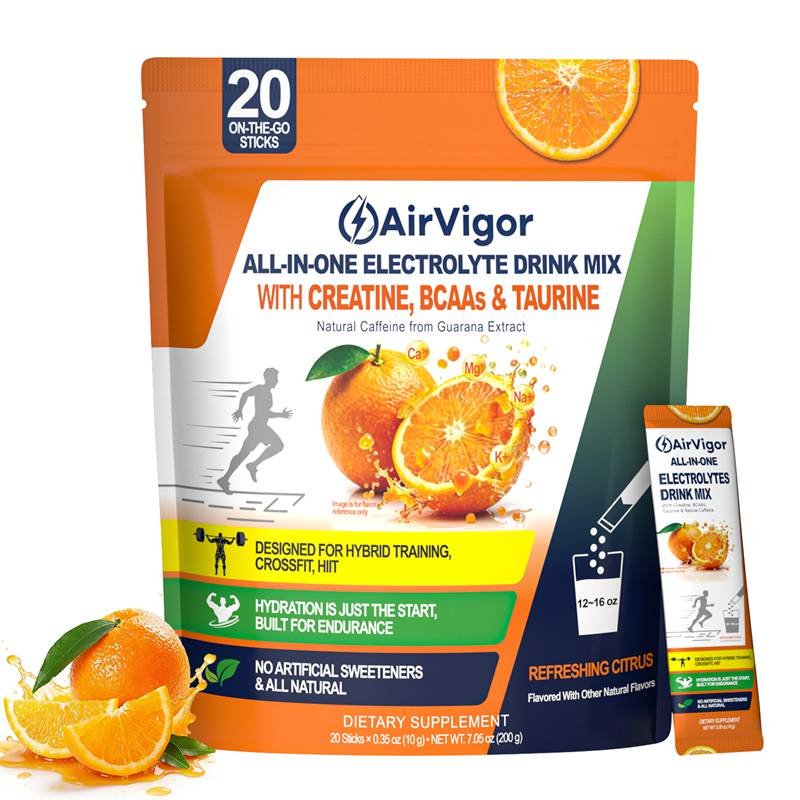
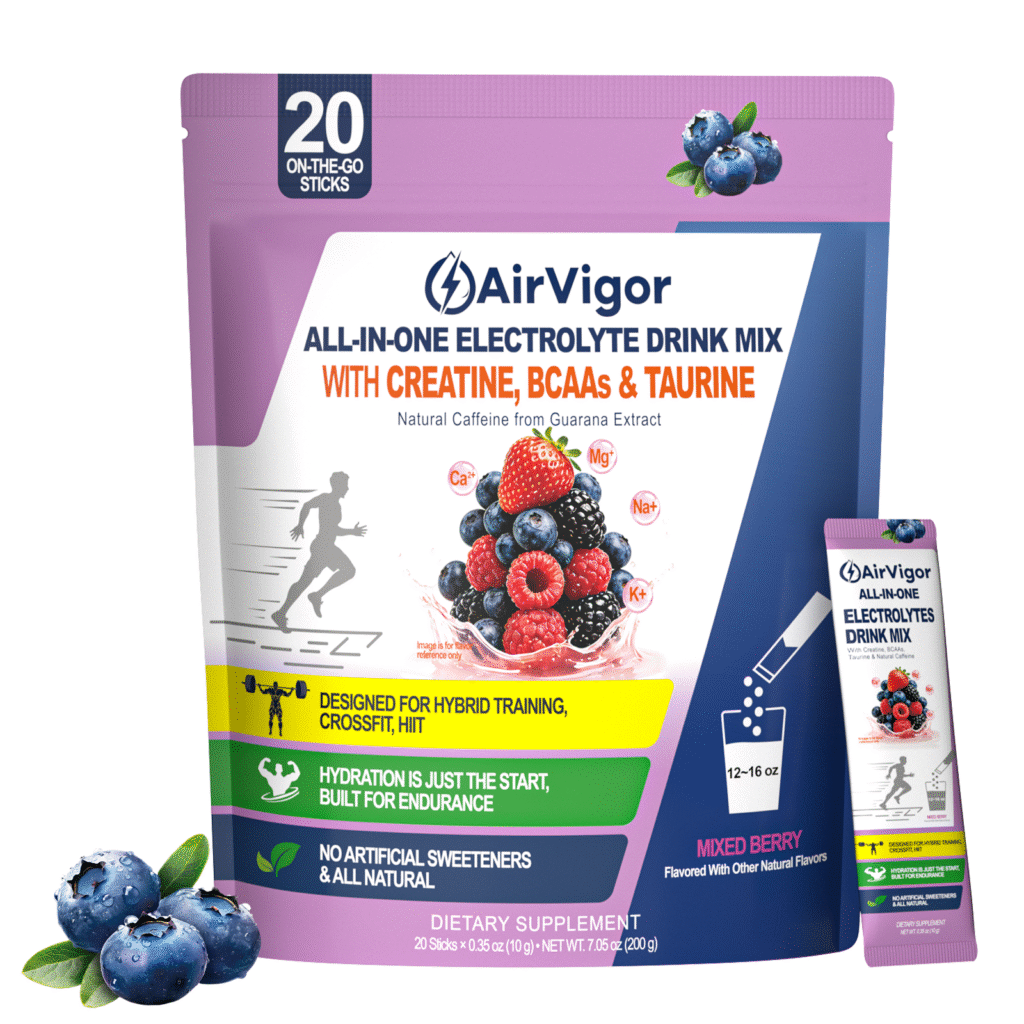
At AirVigor, we help brands develop hydration products designed around how consumers actually use electrolyte powders today. From electrolyte stick packs and collagen hydration blends to sports recovery formulas and customized OEM/ODM supplement manufacturing, our team supports brands with formulation development, flavor optimization, packaging solutions, and scalable private label production for modern wellness markets.
As hydration continues expanding across sports nutrition, wellness, beauty-from-within, recovery, and travel categories, consumers increasingly expect products that combine convenience, functionality, and enjoyable daily usability. For brands entering the hydration category, long-term success often comes from creating products consumers genuinely enjoy using repeatedly as part of everyday life.
If you are planning to launch a hydration supplement brand or develop customized electrolyte products for modern consumers, AirVigor can help support your product development from concept to production.
Share:
Contact Expert Team
At AirVigor, performance becomes effortless. We transform advanced nutrition science into clean, effective supplements that help you hydrate, recover, and feel stronger every day. Shop AirVigor Supplements on Amazon and experience athlete-trusted formulas—backed by real science and supported by our world-class R&D and production capabilities.
Trust AirVigor
At AirVigor, turning your performance goals into reality is no longer a struggle—it’s a science-driven journey we build together. Whether you’re a runner, lifter, cyclist, yogi, outdoor athlete, or someone simply seeking better daily energy, AirVigor transforms advanced nutrition research into clean, effective, and trustworthy supplements you can feel.
Backed by our U.S. scientific team, global certifications, and world-class production standards, every formula is engineered to deliver real hydration, real recovery, and real performance. And when you’re ready to experience the difference, you’ll find AirVigor products available on Amazon and other major platforms—fast shipping, consistent quality, and a community of athletes already seeing results.
Behind the scenes, our R&D and manufacturing ecosystem also supports specialized formulation development, ensuring AirVigor continues to lead with innovation while keeping quality and safety uncompromised. But at the core, everything we create is built for you—your health, your performance, your momentum.
Choose AirVigor. Feel the science. Elevate your every day.


Subscribe to our newsletter
Sign up to our newsletter and we’ll keep you up to date with the latest arrivals.