Skip to content
How Hydration Affects Energy Levels Throughout the Day : Real Science
# Your Trusted Dietary Supplement Brand In US
- Emily

Table of Contents
Most people blame low energy on poor sleep, stress, or busy schedules, but hydration is often one of the most overlooked reasons behind daily fatigue. Even mild dehydration may affect focus, workout performance, mood, recovery, and physical stamina long before strong thirst appears. Many people feel mentally slow, physically drained, or unusually tired simply because their fluid and electrolyte balance has been inconsistent throughout the day.
Hydration affects energy because water and electrolytes help support circulation, oxygen delivery, muscle function, temperature control, and brain performance. When hydration levels drop, the body may work harder to maintain normal performance, especially during workouts, travel, hot weather, long office hours, or high caffeine intake. This is why stable hydration habits often help people feel more consistent instead of relying only on caffeine or stimulants.
Modern lifestyles make hydration more difficult than many people realize. Long workdays, screen time, flights, workouts, poor sleep, and irregular meals all increase hydration demands. Understanding how hydration affects energy can help people build smarter routines that support better focus, endurance, recovery, and daily performance without making hydration feel complicated.
How Hydration Affects Energy Levels
Hydration affects energy levels by helping the body maintain blood circulation, oxygen delivery, temperature control, muscle activity, and mental focus. When fluid intake becomes too low, many people notice fatigue, headaches, poor concentration, slower workouts, and reduced daily stamina long before severe dehydration appears.
Why does hydration affect energy?
Even mild fluid loss can make normal daily activities feel harder. Water helps move oxygen and nutrients through the bloodstream, supports body temperature balance, and allows muscles and nerves to function normally. When hydration drops, the body may need to work harder to perform the same tasks.
Many people think “low energy” only comes from poor sleep or stress, but hydration is often part of the problem. A person who drinks several coffees, works indoors all day, trains after work, or travels frequently may gradually become dehydrated without noticing obvious thirst.
| Body Function | How Hydration Supports It | Common Signs When Low |
|---|---|---|
| Blood circulation | Helps transport oxygen and nutrients | Fatigue, low stamina |
| Brain performance | Supports focus and alertness | Brain fog, headaches |
| Muscle function | Supports contraction and recovery | Heavy legs, cramping |
| Temperature control | Helps regulate sweating and cooling | Feeling overheated |
| Recovery processes | Helps nutrient delivery | Slower recovery after activity |
A common example is the afternoon energy crash. Many office workers start the day with caffeine but very little water. By mid-afternoon, they feel mentally slow, tired, or irritated. In many cases, hydration is one of the overlooked reasons behind this pattern.
How does low hydration reduce energy?
Low hydration affects energy because the body becomes less efficient when fluid balance drops. Blood volume may decrease slightly, making circulation work harder. The heart often compensates by increasing effort, especially during exercise or heat exposure.
This is one reason workouts can suddenly feel more difficult even when training intensity has not changed. The muscles may not receive oxygen and nutrients as efficiently, and body temperature may rise faster during activity.
People commonly notice:
- Feeling tired faster during workouts
- Reduced motivation during the day
- Dizziness when standing quickly
- Dry mouth with low focus
- Muscle tightness after sweating
- Slower recovery after exercise
- Headaches during long workdays
Hydration problems are especially common in:
| Lifestyle Situation | Why Energy Often Drops |
|---|---|
| Office work | Low water intake during long screen time |
| Frequent travel | Dry cabin air and irregular routines |
| High caffeine intake | Poor hydration habits |
| Outdoor work | Heavy sweat loss |
| Gym training | Fluid and electrolyte depletion |
| Hot weather | Faster fluid turnover |
Another issue is that many people only drink water once they already feel exhausted or thirsty. At that point, hydration has often been low for several hours.
Can hydration improve daily energy?
Good hydration habits often help people feel more stable throughout the day instead of relying on repeated caffeine boosts. Proper hydration supports smoother circulation, better focus, more comfortable workouts, and easier recovery.
The biggest benefit for many customers is not a sudden “energy rush.” It is fewer energy crashes and better consistency from morning to evening.
People with better hydration habits often report:
| Improvement Area | What Customers Commonly Notice |
|---|---|
| Morning energy | Feeling less sluggish after waking |
| Work focus | Better concentration during long tasks |
| Gym performance | More stable endurance |
| Recovery | Less heavy or drained feeling afterward |
| Travel comfort | Less fatigue and headaches |
| Hot weather tolerance | Better comfort during heat exposure |
One important point is that hydration is not only about drinking more water. Electrolytes also matter, especially for people who sweat heavily or live active lifestyles.
Sodium helps the body retain and use fluids properly. Potassium supports muscle and nerve function. Magnesium supports muscle relaxation and recovery comfort. Without enough electrolytes, some people drink large amounts of water but still feel tired or depleted.
| Electrolyte | Main Role in Energy Support |
|---|---|
| Sodium | Helps maintain fluid balance |
| Potassium | Supports muscle and nerve activity |
| Magnesium | Supports muscle recovery and relaxation |
| Calcium | Supports normal muscle contraction |
Hydration routines work best when they are easy to maintain. This is why many consumers now prefer portable hydration products such as electrolyte stick packs or easy-mix powders. Convenience plays a major role in whether people actually stay consistent.
For example:
- Travelers often prefer single-serve packets during flights
- Gym users want quick-mixing hydration support
- Office workers prefer products that fit easily into bags or desks
- Outdoor workers need hydration support they can carry throughout the day
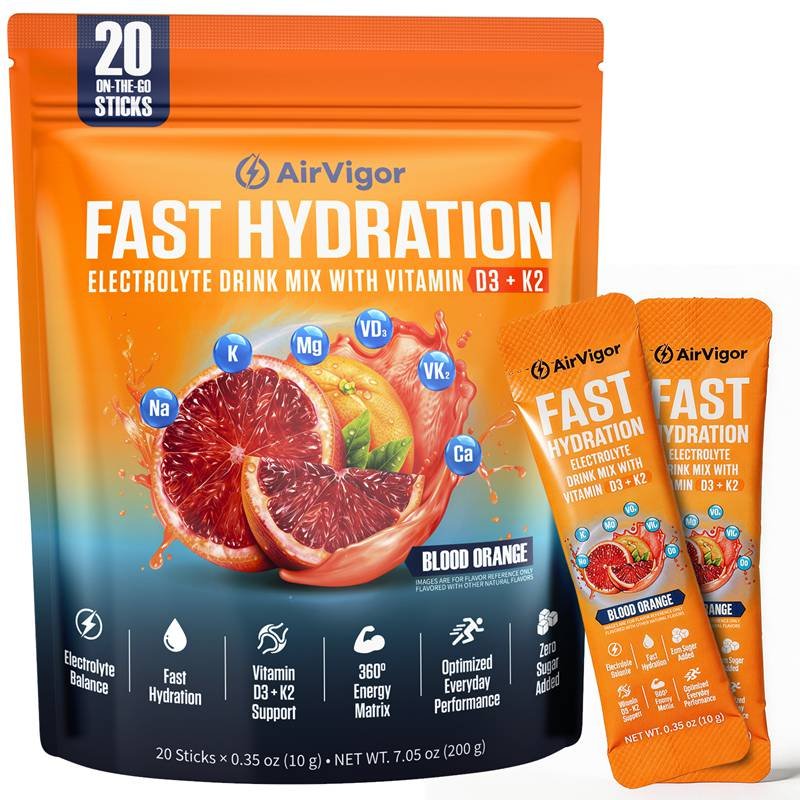
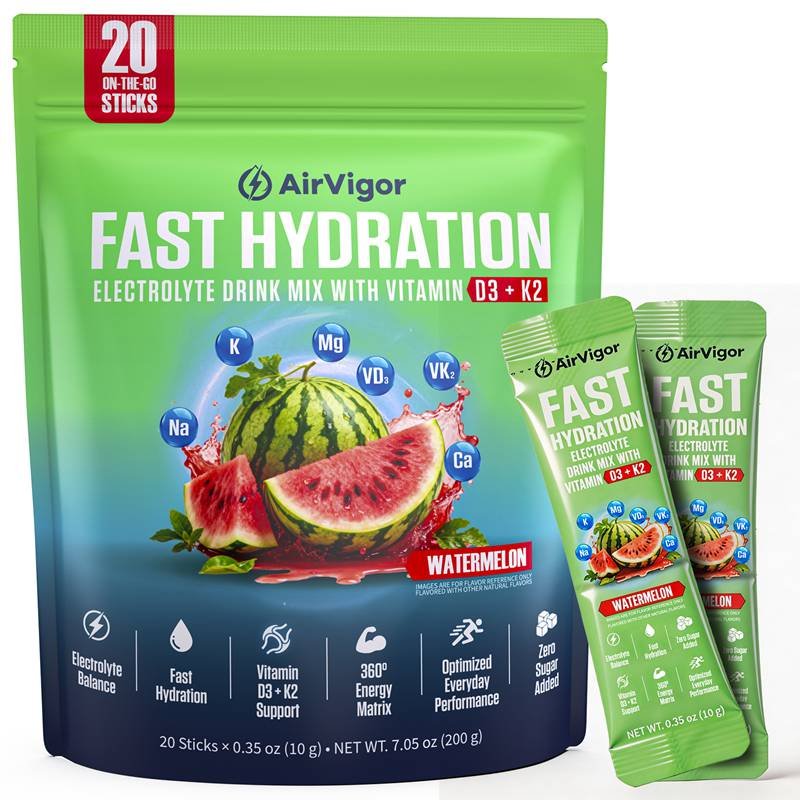
AirVigor focuses heavily on this real-life usability approach. The brand develops hydration products designed for daily routines instead of only extreme sports scenarios. Formula transparency, balanced taste, portability, and stable quality management are emphasized because long-term consistency matters more than short-term hype for most customers.
Another reason hydration affects energy so strongly is because modern lifestyles constantly increase fluid demands. Air conditioning, heating systems, long work hours, poor sleep, stress, caffeine, alcohol, travel, and exercise all place additional pressure on hydration balance.
| Modern Habit | Possible Hydration Impact |
|---|---|
| Drinking multiple coffees daily | Reduced hydration awareness |
| Long screen time | Forgetting to drink fluids |
| Frequent flights | Dry air exposure |
| High-intensity workouts | Sweat and electrolyte loss |
| Irregular eating | Lower fluid and mineral intake |
| Poor sleep | Greater fatigue sensitivity |
Many people try to solve energy problems only with stimulants, but hydration is one of the simplest foundational areas to improve first. Better hydration does not replace sleep, nutrition, or recovery, but it helps the body use those systems more effectively.
How Hydration Affects Brain Energy
Hydration affects brain energy by supporting blood flow, oxygen delivery, nerve signaling, and mental focus throughout the day. When hydration becomes too low, many people notice brain fog, headaches, slower thinking, poor concentration, irritability, and reduced productivity before they even feel very thirsty.
Does hydration affect focus?
The brain depends heavily on stable hydration because it constantly uses oxygen, glucose, minerals, and blood circulation to stay alert and responsive. Even small drops in fluid balance may affect concentration and mental stamina during work, study, driving, meetings, or long periods of screen time.
Many people experience this without realizing hydration is involved. They feel mentally tired, lose focus more easily, reread the same sentence several times, or struggle to stay productive in the afternoon.
A common daily pattern looks like this:
| Time of Day | Common Habit | What People Often Feel |
|---|---|---|
| Morning | Coffee before water | Fast alertness but dry mouth |
| Mid-morning | Long meetings with little water | Reduced concentration |
| Afternoon | Low hydration + screen fatigue | Brain fog, headaches |
| Evening | Workout after poor hydration | Mental and physical exhaustion |
Focus problems often become worse in environments where hydration is easy to ignore:
- Air-conditioned offices
- Long hours at a desk
- Frequent travel
- Hot climates
- High caffeine intake
- Poor sleep routines
The issue is not only “feeling thirsty.” Low hydration may reduce how efficiently blood and oxygen move through the body. When circulation becomes less efficient, the brain may feel slower and more fatigued during mental tasks.
People often try to solve this by drinking more caffeine, but caffeine without enough fluids sometimes creates a cycle where the person feels temporarily alert but crashes harder later in the day.
Can dehydration cause brain fog?
Brain fog is one of the most common complaints connected to poor hydration habits. Customers often describe brain fog as:
- Feeling mentally slow
- Trouble staying focused
- Forgetfulness during simple tasks
- Difficulty processing information
- Feeling disconnected or mentally “heavy”
- Low motivation despite enough sleep
Hydration affects brain fog because the brain relies on fluid and electrolyte balance for normal nerve communication. Sodium, potassium, magnesium, and calcium all help support electrical signaling between nerve cells.
When hydration and electrolyte balance become less stable, people may notice:
| Possible Hydration Issue | Common Mental Effect |
|---|---|
| Low fluid intake | Reduced attention |
| Heavy sweating | Mental fatigue |
| Too much caffeine | Jitters followed by crashes |
| Travel dehydration | Headaches and sluggishness |
| Poor electrolyte balance | Weak focus and irritability |
One important point customers care about is that brain fog usually builds gradually. A person may feel completely fine in the morning, then slowly become less sharp throughout the day.
For example:
- Office workers may lose focus after several hours of screen time
- Students may struggle during long study sessions
- Travelers may feel mentally drained after flights
- Gym users may notice poor concentration after hard training
This is why hydration habits are often more effective when maintained consistently instead of waiting until exhaustion appears.
Another major factor is heat. Warm environments increase sweat loss and body temperature, which may increase feelings of mental fatigue. Many people notice they become more impatient, slower, or mentally drained during hot weather even if they are not exercising heavily.
How does hydration support mental energy?
Mental energy is not only about “staying awake.” Most customers actually want stable thinking, smoother concentration, better mood, and fewer energy crashes throughout the day.
Hydration supports mental energy by helping the brain maintain a more stable working environment. Proper fluid balance supports circulation, oxygen delivery, temperature regulation, and nerve communication, all of which contribute to how mentally alert a person feels.
Customers who improve hydration habits often report benefits such as:
| Mental Performance Area | What Customers Often Notice |
|---|---|
| Focus | Easier concentration during work |
| Productivity | Better task completion |
| Mood | Less irritability |
| Afternoon energy | Fewer mental crashes |
| Workout mindset | Better motivation before training |
| Travel comfort | Reduced fatigue during trips |
Hydration also becomes more important during high-stress schedules. Stress increases physical and mental demands on the body, and many people under stress forget to hydrate regularly.
Modern lifestyles create several hidden hydration problems:
| Daily Habit | Why It Affects Mental Energy |
|---|---|
| Long screen exposure | Lower hydration awareness |
| Constant coffee intake | Fluids replaced with caffeine |
| Skipping meals | Lower fluid and mineral intake |
| Long commutes | Irregular hydration routines |
| Poor sleep | Higher fatigue sensitivity |
| Air travel | Dry cabin air and dehydration |
Electrolytes may also help support mental performance during demanding days. Many customers notice they feel mentally “flatter” after heavy sweating, long flights, or physically exhausting schedules. In these situations, water alone sometimes does not feel fully satisfying.
Sodium helps support fluid balance and circulation. Potassium supports nerve communication. Magnesium is often included in recovery-focused hydration routines because it supports normal muscle and nerve function.
| Electrolyte | Mental Energy Support Role |
|---|---|
| Sodium | Supports fluid balance and circulation |
| Potassium | Supports nerve signaling |
| Magnesium | Supports relaxation and recovery |
| Calcium | Supports nerve communication |
One reason portable hydration products have become popular is because they fit modern routines more easily. Busy customers often prefer:
- Single-serve stick packs
- Fast-mixing hydration powders
- Travel-friendly hydration products
- Lower-sugar electrolyte options
- Lighter flavors for daily use
AirVigor develops hydration products around this practical daily-use approach. The focus is not only sports performance, but also workdays, travel, recovery, long office hours, commuting, and general lifestyle support.
Customers today increasingly care about:
| What Customers Look For | Why It Matters |
|---|---|
| Clear ingredient labels | Easier understanding |
| Balanced taste | Better daily consistency |
| Portable packaging | Convenient use anywhere |
| Easy mixing | Faster daily preparation |
| Stable quality systems | Greater long-term trust |
For many people, better mental energy does not come from stronger stimulation. It comes from improving the small daily habits that help the brain and body work more smoothly throughout the day. Hydration is one of the most overlooked parts of that foundation.
How Hydration Affects Workout Energy
Hydration affects workout energy by supporting circulation, muscle contraction, temperature control, and endurance during physical activity. When fluid and electrolyte levels drop, workouts often feel harder, recovery may slow down, and performance can become inconsistent even if training intensity stays the same.
Why does sweating lower workout energy?
Sweating is necessary because it helps the body cool itself during exercise. The problem is that sweat removes both water and electrolytes, especially sodium. As sweat loss increases, the body may struggle to maintain circulation efficiency and muscle performance.
Many gym users notice this during long workouts or hot-weather training. At first, the session feels normal, but halfway through, energy suddenly drops. The body feels heavier, focus decreases, and simple movements require more effort.
This often happens because hydration losses build gradually during exercise.
| Sweat Loss Effect | What Happens During Training | Common Customer Experience |
|---|---|---|
| Lower blood volume | Harder circulation | Faster fatigue |
| Electrolyte depletion | Reduced muscle efficiency | Muscle tightness |
| Increased body temperature | Harder cooling process | Feeling overheated |
| Reduced fluid balance | Less endurance | Energy crash mid-workout |
The effect becomes stronger during:
- Outdoor running in summer
- High-intensity interval training (HIIT)
- Long cycling sessions
- Strength training in hot gyms
- Hot yoga
- Hiking and endurance activities
Sweat rate also varies greatly between people. Some individuals lose very high amounts of sodium during workouts. These “salty sweaters” often notice:
- White salt marks on clothing
- Burning sweat around the eyes
- Faster cramping
- Strong thirst after workouts
- Headaches after sweating
For these individuals, plain water alone may not fully replace what was lost during training.
Another important point customers often overlook is that dehydration can begin before the workout even starts. Someone who spends all day drinking coffee and very little water may already begin evening training in a partially dehydrated state.
Do electrolytes affect workout energy?
Electrolytes directly affect workout energy because muscles and nerves depend on them to function properly during movement. Water alone supports hydration, but electrolytes help the body actually retain and use fluids more efficiently during physical stress.
The most important workout electrolytes include:
| Electrolyte | Main Workout Function |
|---|---|
| Sodium | Supports hydration balance and endurance |
| Potassium | Supports muscle and nerve activity |
| Magnesium | Supports muscle relaxation and recovery |
| Calcium | Supports muscle contraction |
When electrolyte levels become too low during sweating, people may notice:
- Reduced endurance
- Muscle cramps
- Weakness during training
- Poor workout focus
- Heavy or tight muscles
- Slower recovery afterward
Sodium is especially important for people who sweat heavily. It helps maintain fluid balance and supports circulation during exercise. Without enough sodium, some people drink large amounts of water but still feel exhausted or lightheaded.
Magnesium is also popular among active customers because it supports muscle relaxation and recovery comfort. Many people who train frequently include magnesium-focused hydration products in their post-workout routine.
Potassium works closely with sodium to help maintain normal muscle and nerve function, especially during endurance exercise.
| Workout Type | Why Electrolytes Matter |
|---|---|
| Strength training | Muscle contraction support |
| Long-distance running | Sweat replacement |
| Cycling | Endurance hydration |
| HIIT workouts | Rapid fluid loss |
| Outdoor sports | Heat and sodium loss |
| CrossFit training | High sweat turnover |
Customers today are also more careful about ingredient quality than before. Many no longer want extremely sugary sports drinks or formulas overloaded with stimulants. Instead, they often prefer:
- Lower sugar hydration products
- Cleaner ingredient labels
- Portable stick packs
- Better flavor balance
- Easier daily use
- Fast-mixing powders
This is one reason electrolyte powders have become increasingly popular among both athletes and everyday gym users.
How does hydration support workout endurance?
Endurance is not only about cardiovascular fitness. Hydration plays a major role in how long the body can maintain stable performance during activity.
When hydration levels stay more stable, circulation works more efficiently, muscles receive oxygen more effectively, and body temperature is easier to regulate. This helps workouts feel smoother and more controlled.
Customers often describe better workout hydration as:
- “Not hitting the wall as fast”
- “Feeling more stable during long sessions”
- “Less drained halfway through training”
- “More comfortable recovery afterward”
Poor hydration often affects endurance gradually instead of instantly. Someone may complete the workout but feel noticeably slower, more exhausted, or mentally weaker near the end.
| Hydration Status | Common Workout Experience |
|---|---|
| Well hydrated | More stable energy |
| Mild dehydration | Faster fatigue |
| Low electrolyte balance | Muscle tightness |
| Heavy sweat loss | Lower endurance |
| Poor post-workout hydration | Next-day soreness and fatigue |
Heat makes endurance hydration even more important. During hot weather, the body works harder to cool itself, increasing both sweat loss and cardiovascular strain.
For endurance-focused customers such as runners, cyclists, hikers, and outdoor workers, hydration strategy often becomes part of overall performance planning.
Common endurance hydration habits include:
- Drinking fluids before training begins
- Using electrolytes during long sessions
- Rehydrating immediately after sweating
- Carrying portable hydration products outdoors
- Adjusting hydration based on weather conditions
Many customers also find that hydration affects mental endurance during workouts, not only physical endurance. Focus, motivation, and workout consistency often decline faster when hydration is poor.
How does hydration help workout recovery?
Recovery starts during the workout itself, not only after it ends. The body needs fluid to support circulation, temperature control, and nutrient transport during recovery periods.
After exercise, hydration helps:
| Recovery Area | Role of Hydration |
|---|---|
| Circulation | Supports nutrient movement |
| Cooling | Helps body temperature normalize |
| Muscles | Supports recovery comfort |
| Energy restoration | Helps reduce post-workout fatigue |
| Next-day readiness | Supports consistent training |
Many people notice recovery problems more than workout problems. They may finish training successfully but feel extremely drained later in the evening or the next morning.
Common signs of poor recovery hydration include:
- Headaches after workouts
- Feeling exhausted the next day
- Muscle tightness lasting longer than usual
- Low motivation before the next session
- Feeling physically “flat” after sweating heavily
This becomes especially important for people training multiple times per week. Consistency matters more than one perfect workout. Hydration helps support the ability to recover and repeat performance regularly.
Portable hydration support has become increasingly common because modern customers want products that fit realistic schedules. Many active consumers now use hydration products:
- Before commuting to the gym
- During office-to-workout transitions
- While traveling
- During outdoor training
- After evening workouts
AirVigor focuses heavily on this practical daily-use hydration approach. The brand develops hydration products designed not only for athletes, but also for busy professionals, travelers, outdoor users, and active lifestyles where consistency and convenience matter.
Customers increasingly care about products that are:
| Customer Priority | Why It Matters |
|---|---|
| Easy to carry | Better routine consistency |
| Fast mixing | Less preparation time |
| Balanced taste | Easier daily use |
| Clear ingredient structure | More confidence in formulas |
| Reliable quality systems | Better long-term trust |
Hydration is often one of the most overlooked parts of workout performance. Many people spend heavily on pre-workouts, stimulants, and recovery supplements while ignoring the fluid and electrolyte balance that supports nearly every part of training. Better hydration habits may not feel dramatic in one day, but over time they often help workouts feel more stable, repeatable, and less exhausting.

Which Drinks Help Hydration and Energy?
The best drinks for hydration and energy help replace fluids while supporting electrolyte balance, circulation, focus, and physical performance. Different situations require different hydration approaches. Water works well for basic daily hydration, while electrolytes may become more important during sweating, exercise, travel, heat exposure, or long workdays.
Is water enough for hydration and energy?
Water is the foundation of hydration and remains the most important daily fluid source for most people. However, many customers notice that drinking more water alone does not always fully solve fatigue, headaches, workout crashes, or heavy sweating recovery.
This usually happens because hydration is not only about fluid quantity. It also depends on how well the body can retain, distribute, and use that fluid.
For example:
| Situation | Water Alone May Work Well | Additional Electrolytes May Help |
|---|---|---|
| Light office work | Yes | Sometimes |
| Walking or light activity | Yes | Rarely needed |
| Long workouts | Sometimes not | Often helpful |
| Outdoor labor | Usually not enough | Often important |
| Hot climates | Sometimes not enough | Frequently helpful |
| Long-distance travel | Sometimes not enough | Helpful for many people |
A common customer experience is:
- Drinking large amounts of water but still feeling tired
- Feeling thirsty again shortly afterward
- Headaches after sweating
- Feeling weak after long workouts
- Frequent bathroom trips without feeling hydrated
This often happens when electrolytes are low, especially sodium.
Another issue is timing. Many people go several hours without fluids, then suddenly drink a large amount at once. Hydration generally works better when intake stays steady throughout the day.
Customers with demanding lifestyles often struggle most with hydration consistency:
| Lifestyle Factor | Why Hydration Becomes Harder |
|---|---|
| Long office hours | Forgetting to drink fluids |
| Frequent coffee intake | Replacing water with caffeine |
| Air travel | Dry cabin air |
| Intense workouts | Sweat and sodium loss |
| Outdoor work | Heat exposure |
| Poor sleep | Greater fatigue sensitivity |
This is why hydration products are increasingly designed around convenience and daily usability rather than only sports performance.
Which electrolytes support hydration?
Electrolytes help the body regulate fluids, muscles, and nerve communication. The most important hydration electrolytes are sodium, potassium, magnesium, and calcium.
Each mineral plays a different role:
| Electrolyte | Main Hydration Function | Common Customer Benefit |
|---|---|---|
| Sodium | Helps maintain fluid balance | Better hydration retention |
| Potassium | Supports muscle and nerve activity | Reduced muscle fatigue |
| Magnesium | Supports muscle relaxation | Recovery comfort |
| Calcium | Supports muscle contraction | Workout support |
Sodium is especially important during sweating because it helps the body hold and distribute fluids more effectively. This is one reason many athletes and outdoor workers prioritize sodium intake during hot-weather activity.
Potassium supports normal muscle and nerve signaling, especially during physical activity or after sweating.
Magnesium has become increasingly popular in hydration products because many customers associate it with recovery support, muscle comfort, and nighttime hydration routines.
Customers today are also much more ingredient-aware than before. Many actively compare labels and prefer products with:
- Transparent ingredient amounts
- Lower sugar content
- Cleaner flavor profiles
- Easier daily use
- Portable serving formats
- Better ingredient quality standards
This shift has changed the hydration category significantly. Traditional sports drinks were often designed mainly around sugar and quick carbohydrates. Modern consumers now often prefer hydration products that feel lighter, cleaner, and easier to use daily.
Are sports drinks good for energy?
Sports drinks can support hydration and energy during long or intense activity, but not every sports drink fits every customer or lifestyle.
Traditional sports beverages were originally designed for endurance athletes who needed rapid carbohydrate and electrolyte replacement during prolonged activity. These products can still work well during:
- Long-distance running
- Cycling sessions
- Extended outdoor sports
- High sweat-loss situations
- Long-duration training sessions
However, many customers now feel that some sports drinks are:
- Too sugary
- Too sweet for regular use
- Heavy during workouts
- High in artificial ingredients
- Less suitable for office or travel use
| Drink Type | Best Use Case | Common Limitation |
|---|---|---|
| Plain water | Basic hydration | No electrolyte support |
| Traditional sports drinks | Endurance sports | High sugar in some products |
| Electrolyte powders | Flexible daily hydration | Requires mixing |
| Coconut water | Light hydration support | Lower sodium levels |
| Energy drinks | Short-term stimulation | High caffeine and sugar |
Energy drinks are often confused with hydration drinks, but they work differently. Many energy drinks rely heavily on caffeine and stimulants instead of hydration support. Customers may feel temporarily energized but later experience stronger crashes if hydration remains poor.
This is one reason many active consumers now prefer hydration-focused products over highly caffeinated beverages for daily energy support.
How Hydration Affects Energy Every Day
Hydration affects everyday energy by supporting circulation, focus, muscle function, temperature balance, and recovery throughout normal daily routines. Many people become mildly dehydrated during work, commuting, travel, exercise, or hot weather without realizing it, which may lead to fatigue, headaches, brain fog, and lower productivity.
How much water supports daily energy?
Most customers want a simple answer for how much water they should drink daily, but hydration needs vary based on lifestyle, climate, activity level, body size, diet, caffeine intake, and sweat loss.
A person working indoors in cool weather may need much less fluid than someone training outdoors in summer heat. Instead of focusing only on a fixed number, many people get better results by paying attention to hydration consistency throughout the day.
One common problem is “backloading” hydration — drinking very little during the day and trying to drink large amounts at night. This often leads to poor energy earlier in the day and uncomfortable sleep later.
A more practical hydration pattern looks like this:
| Time of Day | Hydration Goal | Why It Matters |
|---|---|---|
| Morning | Replace overnight fluid loss | Helps reduce sluggishness |
| Midday | Maintain steady intake | Supports focus and mood |
| Before workouts | Prepare for sweat loss | Supports performance |
| After sweating | Rehydrate consistently | Supports recovery |
| Evening | Maintain balance without excess | Helps comfort overnight |
Customers commonly notice hydration-related energy problems during:
- Afternoon work crashes
- Long meetings
- Commutes in hot weather
- Flights and travel days
- Evening gym sessions
- Busy parenting schedules
- Outdoor activities
Another important factor is that thirst does not always appear early. Many people become slightly dehydrated before they consciously feel thirsty.
Common signs customers often notice include:
| Common Daily Sign | Possible Hydration Connection |
|---|---|
| Afternoon fatigue | Low fluid intake during work |
| Headaches | Poor hydration consistency |
| Dry mouth | Low overall fluid balance |
| Heavy workouts | Starting exercise dehydrated |
| Dark urine | Low hydration status |
| Feeling mentally slow | Reduced hydration and circulation |
Food also contributes to hydration. Fruits, vegetables, soups, yogurt, and balanced meals help support both fluid and electrolyte intake. Customers who skip meals, rely heavily on caffeine, or eat highly processed foods often struggle more with stable energy.
When should you drink electrolytes?
Electrolytes are most helpful during situations where the body loses more fluids and minerals than usual. Many people think electrolytes are only for athletes, but modern lifestyles create many everyday situations where hydration balance becomes harder to maintain.
Electrolytes may be especially useful during:
| Situation | Why Electrolytes May Help |
|---|---|
| Intense workouts | Sweat and sodium loss |
| Hot weather | Faster fluid turnover |
| Air travel | Dry cabin air and fatigue |
| Outdoor work | Heavy sweating |
| Long hikes or cycling | Endurance hydration |
| Busy workdays | Irregular meals and low fluid intake |
Sodium is particularly important because it helps the body maintain fluid balance more effectively. Customers who sweat heavily often notice they feel more stable when hydration includes electrolytes instead of water alone.
Potassium helps support muscle and nerve function, while magnesium is commonly associated with muscle comfort and recovery support.
Many customers now use electrolyte products during:
- Morning hydration routines
- Pre-workout preparation
- Post-workout recovery
- Flights and travel
- Long office days
- Outdoor summer activities
One reason portable hydration products have become so popular is because they fit easily into busy routines. People are more likely to stay hydrated when the process feels convenient instead of complicated.
What daily habits lower hydration levels?
Many modern lifestyle habits quietly increase dehydration risk without people realizing it.
One of the biggest factors is caffeine. Coffee itself is not “bad” for hydration, but many people drink several coffees while forgetting to increase water intake throughout the day.
Another major issue is long screen time. Office workers, gamers, students, and remote employees often become deeply focused on tasks and simply forget to drink fluids for several hours.
| Daily Habit | Why It May Affect Hydration |
|---|---|
| Multiple coffees daily | Replaces water intake |
| Long meetings | Delayed hydration |
| Air conditioning | Dry indoor air |
| Frequent flights | Low cabin humidity |
| Skipping meals | Lower fluid and electrolyte intake |
| Poor sleep | Greater fatigue sensitivity |
Travel is another major factor customers care about. Flights expose people to extremely dry air, irregular meals, lower sleep quality, and long sitting periods. Many travelers notice headaches, brain fog, or fatigue after flights partly because hydration routines become disrupted.
Exercise adds another layer. Someone may work all day with low fluid intake, then suddenly train hard in the evening while already dehydrated.
Many customers underestimate how quickly sweat loss can affect daily energy.
| Activity | Estimated Sweat Impact |
|---|---|
| Light gym workout | Mild fluid loss |
| Outdoor running in heat | Moderate to high sweat loss |
| HIIT training | Rapid fluid turnover |
| Hot yoga | Significant sweat loss |
| Outdoor labor | Continuous electrolyte depletion |
This is why hydration problems often build slowly across the entire day instead of appearing suddenly from one activity alone.
How do hydration habits improve daily performance?
Customers who improve hydration habits often describe feeling more stable rather than dramatically “energized.” The biggest difference is usually fewer crashes and better consistency throughout the day.
Common improvements customers report include:
| Daily Performance Area | What Customers Often Notice |
|---|---|
| Work focus | Better concentration |
| Mood | Less irritability |
| Workout consistency | More stable stamina |
| Recovery | Less evening exhaustion |
| Travel comfort | Fewer headaches and fatigue |
| Heat tolerance | Better comfort outdoors |
One important factor is routine simplicity. Hydration habits are easier to maintain when products are portable, easy to mix, and pleasant to drink regularly.
Customers increasingly prefer:
- Portable stick packs
- Lower-sugar hydration products
- Lighter flavor systems
- Easy-mix electrolyte powders
- Clear serving instructions
- Flexible use during work and travel
This shift is one reason hydration products are now widely used outside traditional sports environments. Office workers, travelers, healthcare staff, teachers, parents, and outdoor workers all use hydration products as part of their daily energy routines.
AirVigor focuses heavily on this practical daily-use approach. The brand develops hydration products designed for real schedules and long-term consistency rather than extreme performance marketing.
The company emphasizes:
| AirVigor Focus Area | Customer Benefit |
|---|---|
| Portable hydration formats | Easier everyday use |
| Clear ingredient labels | Better understanding |
| Balanced flavors | Comfortable long-term use |
| Easy-mix formulas | Faster preparation |
| Stable quality systems | Greater trust and consistency |
Behind the products is a broader quality and manufacturing system involving ingredient review procedures, formulation management, packaging testing, and production standards supported through GMP, HACCP, ISO, FSSC22000, and FDA registration-related frameworks.
Customers today increasingly care not only about ingredients, but also about whether products feel reliable, practical, and realistic for long-term use.
For most people, improving hydration does not require extreme changes. Small consistent habits — drinking earlier in the day, replacing fluids after sweating, carrying portable hydration products, and maintaining better electrolyte balance — often make daily energy feel smoother and more manageable over time.
Why Choose AirVigor for Hydration and Energy?
AirVigor develops hydration and energy support products around real daily lifestyles, not just extreme sports marketing. The brand focuses on ingredient transparency, practical hydration support, stable quality management, convenient packaging, and long-term usability for work, fitness, travel, recovery, and everyday energy routines.
How does AirVigor support hydration?
AirVigor approaches hydration as part of everyday wellness instead of treating it only as a workout category. Many people today struggle with energy and hydration because of long work hours, heavy sweating, travel, poor sleep, high caffeine intake, or irregular schedules. The goal is to create hydration products that fit naturally into these real situations.
Instead of relying heavily on excessive sugar or aggressive stimulant positioning, AirVigor focuses on balanced hydration support built around electrolytes, portability, and easier daily use.
Customers today commonly want hydration products that are:
| What Customers Want | Why It Matters |
|---|---|
| Easy to carry | Fits work, gym, and travel routines |
| Fast mixing | Saves time during busy days |
| Balanced taste | Easier to use consistently |
| Lower sugar options | More comfortable daily use |
| Clear ingredient labels | Easier understanding and trust |
| Flexible serving formats | Fits different lifestyles |
This is why AirVigor places strong attention on packaging usability. The company develops:
- Portable stick packs for travel and gym bags
- Bottled products for daily home use
- Refill pouches for repeat customers
- Larger packaging for high-frequency users
The packaging process is treated as part of the customer experience, not only visual design. Before products enter production, packaging systems are reviewed for:
| Packaging Focus | Why It Matters |
|---|---|
| Moisture protection | Supports product stability |
| Seal performance | Helps freshness during storage |
| Portability | Easier everyday carrying |
| Label readability | Faster product understanding |
| Temperature resistance | Better transport reliability |
Many customers stop using supplements not because formulas are bad, but because routines become inconvenient. AirVigor’s hydration direction focuses heavily on making hydration easier to maintain consistently.
Which AirVigor ingredients support energy?
AirVigor’s hydration and energy products are designed around practical ingredient combinations that support fluid balance, muscle function, nerve communication, and daily recovery support.
Electrolyte systems commonly include:
| Ingredient | Main Support Area |
|---|---|
| Sodium | Hydration balance and endurance |
| Potassium | Muscle and nerve function |
| Magnesium | Recovery and muscle comfort |
| Calcium | Muscle contraction support |
The company emphasizes ingredient transparency and real formulation structure rather than relying on unclear proprietary blends.
Customers increasingly compare labels before buying hydration products. Many now look for:
- Clearly listed ingredients
- Understandable serving amounts
- Better ingredient quality standards
- Stable manufacturing systems
- Easier long-term daily use
AirVigor’s broader supplement development system supports these goals through a large operational structure that includes:
| AirVigor Development Capability | Details |
|---|---|
| R&D specialists | 25+ professionals |
| Formula models developed | 20,000+ |
| Nutrition-related patents | 300+ |
| Quality management personnel | 30+ staff |
| Manufacturing facility size | 30,000+ square meters |
| Production workshop | 100,000-level clean environment |
The company’s development team includes specialists in:
- Nutrition biochemistry
- Food engineering
- Flavor optimization
- Stability testing
- Ingredient compatibility review
- Packaging adaptation systems
Customers today often care about whether a brand has real infrastructure behind the label. Stable operations help support better consistency across flavor, mixing performance, ingredient quality, and long-term product reliability.
How does AirVigor manage product quality?
Quality management has become one of the biggest concerns in the supplement industry. Customers increasingly want to know not only what ingredients are included, but also how products are manufactured, tested, packaged, and reviewed before reaching the market.
AirVigor operates within multiple manufacturing and quality management systems involving:
| Quality System | Main Purpose |
|---|---|
| GMP | Manufacturing process management |
| HACCP | Safety and process control |
| ISO systems | Operational consistency |
| FSSC22000 | Food safety framework |
| FDA registration-related systems | Regulatory production support |
The company also uses multi-stage review processes covering:
- Raw material screening
- Supplier qualification review
- Formula verification
- Production monitoring
- Packaging inspection
- Label accuracy review
- Finished product checks
Ingredient consistency is especially important for hydration products because flavor balance, solubility, and electrolyte stability directly affect customer experience.
Before products enter large-scale production, AirVigor evaluates:
| Product Evaluation Area | Why It Matters |
|---|---|
| Solubility testing | Better mixing performance |
| Flavor balance | Easier daily use |
| Stability testing | Supports shelf consistency |
| Packaging compatibility | Better storage protection |
| Label review | Clear customer understanding |
The company also supports global market adaptation across different countries and sales platforms. Labels, usage guidance, ingredient presentation, and packaging systems may be adjusted based on local regulations and language requirements.
This global operational structure supports distribution across:
- North America
- Europe
- Japan
- Korea
- Australia
- Southeast Asia
- South America
- Additional international markets
Customers increasingly value brands that appear stable, organized, and transparent rather than relying only on marketing claims.
Why do customers choose AirVigor daily?
Many customers choose AirVigor because the products are designed for realistic long-term use instead of short-term hype.
Modern consumers often want hydration support that fits into:
| Daily Situation | What Customers Usually Need |
|---|---|
| Office work | Convenient hydration support |
| Gym training | Sweat and recovery support |
| Frequent travel | Portable hydration solutions |
| Outdoor activity | Electrolyte replacement |
| Busy family schedules | Easy daily routines |
| Long commutes | Flexible hydration options |
One reason customers continue using hydration products is simplicity. Products that are difficult to prepare, overly sweet, hard to carry, or confusing to use often become inconsistent habits.
AirVigor focuses heavily on reducing that friction through:
- Portable serving formats
- Easier mixing systems
- Cleaner label presentation
- Balanced flavors
- Practical serving instructions
Customers also increasingly prefer brands that offer broader supplement ecosystems instead of only one category. AirVigor supports multiple supplement directions including:
| Supplement Category | Customer Focus |
|---|---|
| Electrolytes | Hydration and endurance |
| Protein nutrition | Recovery and daily nutrition |
| Creatine systems | Workout support |
| Vitamins and minerals | Daily wellness |
| Collagen products | Beauty and lifestyle support |
| Probiotics | Digestive balance |
| Plant extracts | Lifestyle-focused nutrition |
This allows customers to build more consistent wellness routines inside one brand system instead of constantly switching between unrelated products.
Another important factor is logistics and delivery reliability. AirVigor supports regional warehousing and distribution systems across multiple markets to improve delivery stability and customer convenience.
| Logistics Advantage | Customer Benefit |
|---|---|
| Regional warehouse support | Faster delivery |
| Multi-market distribution | Easier product access |
| Stable packaging systems | Better product condition |
| Cross-border logistics coordination | More reliable fulfillment |
Today’s hydration customers are often more educated and selective than before. They do not only look for “energy.” They look for products that feel trustworthy, practical, easy to understand, and realistic for long-term use.
For many people, the best hydration routine is not the most extreme one. It is the one they can comfortably maintain during real daily life — workdays, workouts, travel, recovery, and everything in between.

Conclusion
Hydration affects far more than thirst. It influences daily energy, focus, workout performance, recovery, and overall physical comfort throughout the day. Many people experience fatigue, brain fog, or unstable energy simply because fluid and electrolyte balance are not being maintained consistently.
Building better hydration habits does not need to be complicated. Consistent water intake, smarter electrolyte support, and practical daily routines often make a noticeable difference over time.
AirVigor focuses on hydration products designed for real daily life — from workouts and travel to office routines and recovery support. With clear ingredient formulas, portable formats, and stable quality systems, AirVigor helps make hydration easier to maintain every day.
Share:
Contact Expert Team
At AirVigor, performance becomes effortless. We transform advanced nutrition science into clean, effective supplements that help you hydrate, recover, and feel stronger every day. Shop AirVigor Supplements on Amazon and experience athlete-trusted formulas—backed by real science and supported by our world-class R&D and production capabilities.
Trust AirVigor
At AirVigor, turning your performance goals into reality is no longer a struggle—it’s a science-driven journey we build together. Whether you’re a runner, lifter, cyclist, yogi, outdoor athlete, or someone simply seeking better daily energy, AirVigor transforms advanced nutrition research into clean, effective, and trustworthy supplements you can feel.
Backed by our U.S. scientific team, global certifications, and world-class production standards, every formula is engineered to deliver real hydration, real recovery, and real performance. And when you’re ready to experience the difference, you’ll find AirVigor products available on Amazon and other major platforms—fast shipping, consistent quality, and a community of athletes already seeing results.
Behind the scenes, our R&D and manufacturing ecosystem also supports specialized formulation development, ensuring AirVigor continues to lead with innovation while keeping quality and safety uncompromised. But at the core, everything we create is built for you—your health, your performance, your momentum.
Choose AirVigor. Feel the science. Elevate your every day.


Subscribe to our newsletter
Sign up to our newsletter and we’ll keep you up to date with the latest arrivals.