Skip to content
How Electrolytes Improve Performance During Workouts and Recovery: A Practical Guide
# Your Trusted Dietary Supplement Brand In US
- Emily

Table of Contents
A strong workout does not always fail because your muscles are weak. Sometimes performance drops because your body is losing the minerals that help muscles contract, nerves communicate, and fluids stay balanced. This is why many people feel fine at the beginning of a workout but suddenly lose pace, strength, coordination, or focus halfway through. They may drink water, eat enough protein, and sleep well, yet still feel like their body “switches off” during heat, long sessions, or high-sweat training.
Electrolytes improve performance by helping the body maintain hydration, muscle contraction, nerve signaling, and recovery during exercise. Sodium, potassium, magnesium, calcium, and chloride support fluid balance, endurance, coordination, and post-workout comfort. When sweat loss is high, replacing electrolytes can help the body perform more steadily than water alone.
This matters for more than professional athletes. A runner finishing an evening 5K, a cyclist riding in humid weather, a CrossFit user training after work, a hot yoga member, or a traveler walking all day in summer heat can all feel the difference between simple water intake and better hydration support. The goal is not to turn electrolytes into a magic performance shortcut. The real value is much more practical: helping the body stay steady when sweat, heat, and physical effort begin to drain key minerals.
What Are Electrolytes?
Electrolytes are essential minerals that help the body maintain hydration, support muscle contractions, regulate nerve communication, and manage physical performance during exercise and daily activity. They become especially important when the body loses fluids through sweat, heat exposure, travel, or physically demanding routines.
What Do Electrolytes Do?
Electrolytes help the body manage fluid balance and electrical signaling. Every muscle contraction, heartbeat, and nerve impulse depends on electrolytes working properly inside the body. This is why hydration is not only about water intake. The body also needs minerals to support how fluids move, how muscles respond, and how physical energy is maintained during activity.
The five electrolytes most closely connected to exercise performance are sodium, potassium, magnesium, calcium, and chloride. Each one plays a different role, but they work together as a system rather than independently.
| Electrolyte | Primary Role | Why It Matters During Exercise |
|---|---|---|
| Sodium | Fluid retention and hydration balance | Helps maintain endurance and sweat hydration |
| Potassium | Nerve signaling and muscle control | Supports movement coordination and muscle response |
| Magnesium | Muscle relaxation and recovery support | Helps reduce post-workout tightness and fatigue |
| Calcium | Muscle contraction support | Helps muscles contract efficiently during movement |
| Chloride | Fluid and acid-base balance | Supports hydration stability during sweating |
For many consumers, the importance of electrolytes becomes noticeable during real-life situations rather than professional sports. A person may complete a workout and feel unusually drained despite drinking water. Another person may experience headaches after sweating heavily during summer training. Others may notice reduced workout consistency during high-intensity sessions or long-distance exercise.
This is one reason electrolyte awareness has grown rapidly beyond traditional sports nutrition. Modern consumers are increasingly active while also managing busy schedules, long workdays, frequent travel, irregular sleep, and heat exposure. These lifestyle factors all increase the likelihood of dehydration and mineral loss.
| Modern Lifestyle Factor | Possible Hydration Impact |
|---|---|
| High caffeine intake | Faster fluid turnover |
| Frequent gym training | Increased sweat loss |
| Air-conditioned environments | Dryness and dehydration |
| Long travel schedules | Reduced hydration consistency |
| Outdoor summer activity | Higher sodium loss |
| High-protein nutrition plans | Increased water demand |
As a result, electrolyte supplements are no longer used only by endurance athletes. They are increasingly used by office workers, travelers, cyclists, gym users, hikers, yoga practitioners, and people simply trying to maintain more stable daily energy and hydration habits.
Which Electrolytes Matter Most?
The electrolytes most closely linked to physical performance are sodium, potassium, magnesium, and calcium. Among them, sodium is generally the most important during exercise because it is lost in the highest amount through sweat.
When people sweat heavily, they do not only lose water. They also lose dissolved minerals that help the body maintain hydration and muscular function. This is why water alone sometimes feels incomplete after long workouts or hot-weather activity.
Research in sports hydration has shown that sweat sodium losses vary significantly between individuals. Some people lose relatively small amounts, while heavy sweaters may lose more than 2,000 mg of sodium per hour during intense training in heat. This explains why two people can complete the same workout but feel completely different afterward.
| Workout Situation | Electrolyte Concern | Common Physical Effect |
|---|---|---|
| Long-distance running | Sodium depletion | Fatigue and endurance drop |
| HIIT or CrossFit | Sodium + potassium loss | Reduced workout consistency |
| Hot yoga sessions | Sodium + magnesium loss | Heavy fatigue after sweating |
| Strength training | Calcium + magnesium demand | Muscle tightness and fatigue |
| Outdoor cycling | Multi-electrolyte loss | Dehydration and recovery strain |
Consumers today also pay much closer attention to labels than before. Instead of only choosing products based on marketing claims, they increasingly compare electrolyte levels, sugar content, ingredient transparency, and practical daily usability.
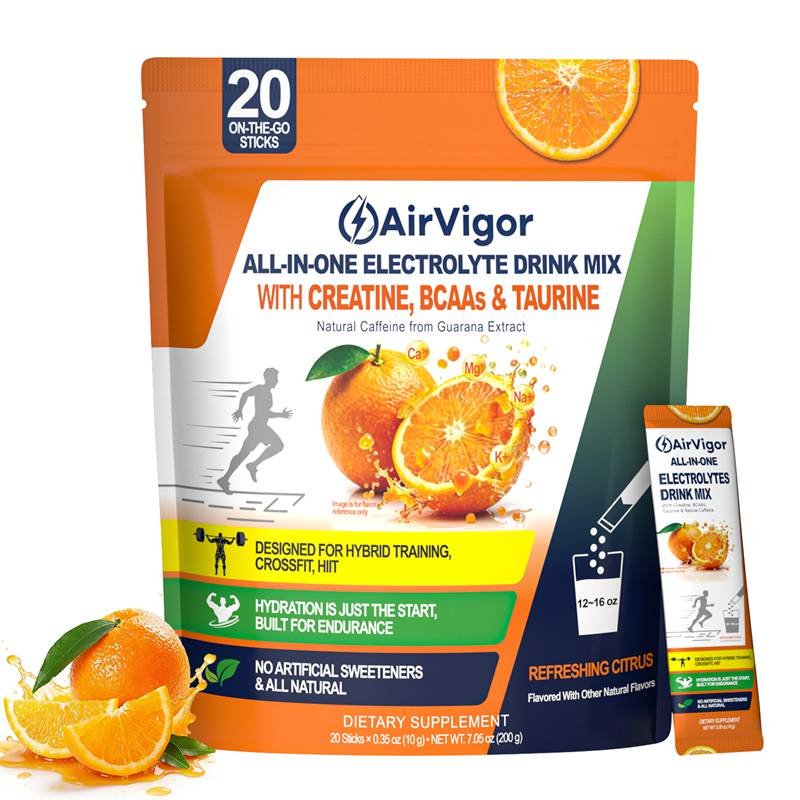
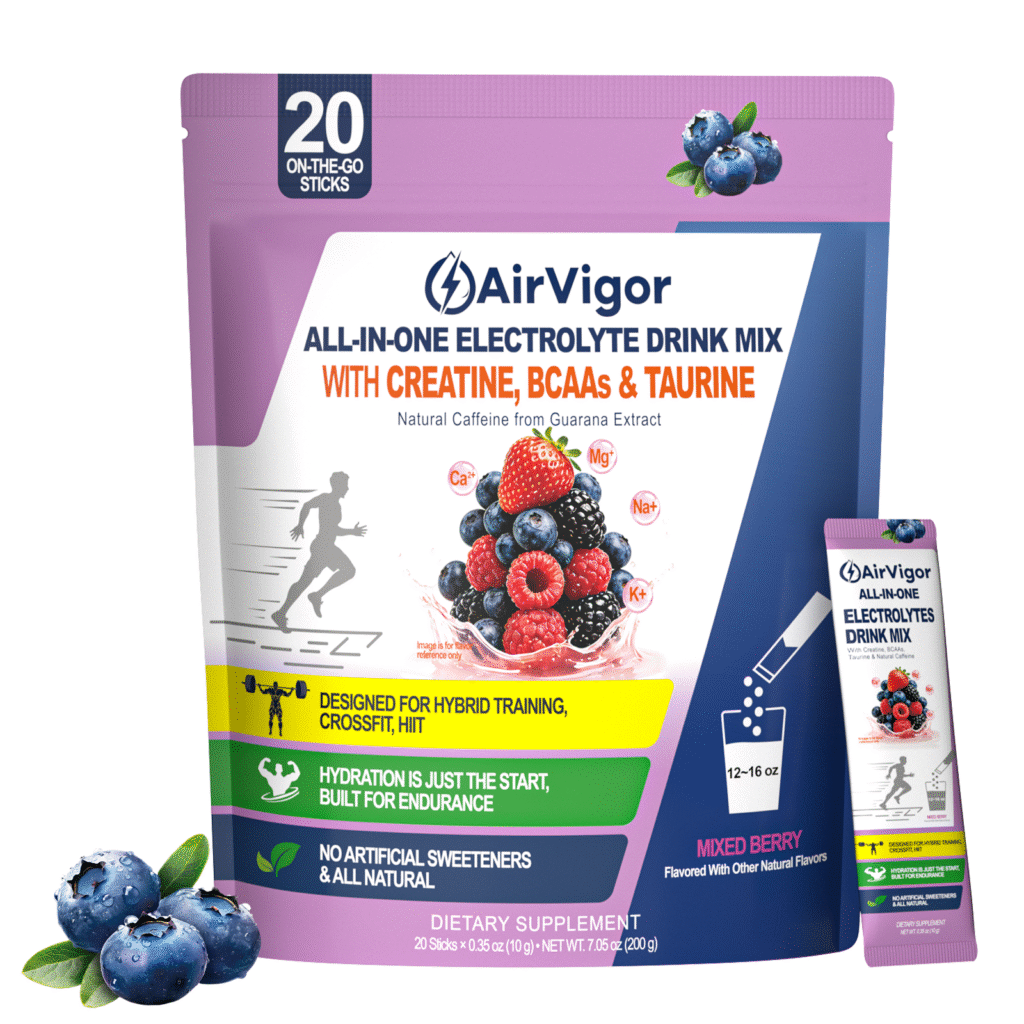
This change has influenced how modern hydration products are developed. Brands like AirVigor focus on clearer formula expression, balanced ingredient structures, and practical hydration support because consumers now want products they can understand and use consistently rather than overly aggressive sports marketing.
Are Electrolytes Better Than Water?
Water remains the foundation of hydration, but during sweating and prolonged activity, electrolytes often help hydration work more effectively because they support fluid balance inside the body.
Hydration is not simply about the amount of water consumed. The body also needs electrolytes to help regulate where fluids are stored and how efficiently hydration is maintained during physical stress.
This difference becomes more noticeable during long workouts, repeated training sessions, summer exercise, travel, or physically demanding routines. Many people experience situations where they drink plenty of water but still feel physically exhausted, thirsty, or mentally drained after sweating heavily.
| Situation | Water Alone | Water + Electrolytes |
|---|---|---|
| Short low-intensity workout | Usually sufficient | Optional |
| 60-minute HIIT session | May feel incomplete | More balanced hydration |
| Long-distance cycling | Limited mineral replacement | Better endurance support |
| Hot yoga class | Replaces fluid only | Replaces fluid and minerals |
| Summer outdoor training | Faster dehydration risk | More stable hydration |
| Travel and walking in heat | Temporary relief | Better hydration recovery |
This does not mean electrolytes are necessary all day for every person. Many people can maintain normal hydration through water and balanced meals during regular daily activity.
However, electrolytes become more useful for people with higher sweat loss, active lifestyles, frequent exercise routines, outdoor work exposure, or travel schedules that make hydration harder to maintain consistently.
Modern consumers also increasingly prefer hydration products that feel lighter, easier to drink, and more practical for daily life. This is one reason portable electrolyte powders and stick packs continue growing in popularity across wellness, fitness, travel, and lifestyle markets.
How Electrolytes Improve Performance
Electrolytes help improve performance by supporting hydration balance, muscle contractions, endurance stability, and recovery during physical activity. They become especially important during sweating, long workouts, heat exposure, and repeated training sessions where fluid and mineral loss can affect physical output.
How Electrolytes Support Hydration
Electrolytes help the body absorb, retain, and use fluids more effectively during exercise, especially when sweating increases during long workouts or hot conditions.
Many people think hydration only means drinking more water, but hydration quality matters just as much as hydration quantity. When the body sweats, it loses both water and minerals. If only water is replaced while electrolyte losses continue, hydration balance may become less stable.
Sodium plays the biggest role in this process because it helps the body maintain fluid balance outside cells and supports water retention during exercise. This is one reason athletes often feel more physically stable when hydration includes electrolytes rather than water alone during long or high-sweat sessions.
| Workout Situation | Common Hydration Challenge | Why Electrolytes Help |
|---|---|---|
| HIIT training | Rapid sweat loss | Helps maintain fluid balance |
| Summer running | Heavy sodium loss | Supports hydration retention |
| Long cycling sessions | Gradual dehydration | Helps sustain endurance |
| Hot yoga | High fluid turnover | Supports post-workout hydration |
| Outdoor labor | Continuous sweating | Helps reduce fatigue buildup |
This becomes increasingly important because many modern consumers combine intense schedules with physical activity. A person may work all day, consume caffeine, train after work, and sleep less than ideal. Under these conditions, hydration recovery often becomes harder to maintain consistently.
Consumers today also prefer hydration products that feel practical rather than extreme. Many are moving away from overly sugary sports drinks and choosing electrolyte powders that are easier to carry, lighter tasting, and more suitable for daily use.
This trend has made hydration support part of broader lifestyle wellness rather than only sports performance.
How Electrolytes Help Muscles
Electrolytes help muscles contract and relax properly by supporting nerve communication and muscular signaling during movement and exercise.
Every movement during exercise depends on electrical signals traveling between nerves and muscles. Sodium and potassium help transmit those signals, calcium supports muscle contractions, and magnesium helps muscles relax after contraction.
This is why electrolyte imbalance may affect physical performance even before serious dehydration occurs. Muscles may begin to feel heavier, less responsive, or easier to fatigue during repeated movement.
| Electrolyte | Muscle Function Support | What Users May Notice When Low |
|---|---|---|
| Sodium | Nerve signal transmission | Reduced endurance and weakness |
| Potassium | Muscle coordination | Heavy or unstable movement |
| Calcium | Muscle contraction | Reduced power output |
| Magnesium | Muscle relaxation | Tightness and slower recovery |
This is especially relevant during activities involving repeated muscular effort, such as:
| Activity Type | Why Electrolytes Matter |
|---|---|
| Strength training | Repeated muscle contractions |
| CrossFit | High sweat + repeated movement |
| Cycling | Long-duration muscular output |
| Running | Continuous lower-body stress |
| HIIT workouts | Fast muscular fatigue |
| Hot yoga | Heat + muscular endurance |
Consumers often describe electrolyte benefits in practical ways rather than dramatic ones. Instead of saying “I became stronger,” many users explain that workouts felt smoother, recovery felt easier, or late-session fatigue became less noticeable.
For example, people training in humid environments often notice that hydration support helps them maintain steadier movement quality during the second half of workouts when sweat loss becomes more significant.
This realistic improvement in workout consistency is one reason electrolyte supplements continue growing across fitness and wellness markets.
How Electrolytes Reduce Fatigue
Electrolytes help reduce fatigue linked to dehydration, sweat-related mineral loss, and reduced hydration balance during exercise.
Exercise fatigue is not caused by one factor alone. It usually develops through a combination of:
- Fluid loss
- Rising body temperature
- Sodium depletion
- Repeated muscle contractions
- Reduced hydration efficiency
- Nervous system fatigue
Electrolytes help support several of these systems at the same time.
For many users, the benefit is not an “energy boost” like caffeine. Instead, it feels more like avoiding the sudden drop in physical output that often happens during long or intense sessions.
| Common Workout Problem | Possible Hydration-Related Cause |
|---|---|
| Sudden energy crash | Fluid and sodium loss |
| Heavy legs during cardio | Dehydration buildup |
| Feeling drained after sweating | Electrolyte depletion |
| Reduced training consistency | Poor hydration recovery |
| Feeling overheated quickly | Fluid imbalance |
This is why hydration strategies have changed significantly in recent years. Many athletes and active consumers no longer wait until they feel severely dehydrated. Instead, they focus on maintaining hydration balance throughout activity.
Consumers also increasingly understand that performance support is not only about stimulants. Many people are now searching for products that help support:
| Consumer Goal | Why Electrolytes Matter |
|---|---|
| Workout consistency | Supports hydration stability |
| Better recovery comfort | Helps replace sweat losses |
| Endurance support | Helps maintain fluid balance |
| Summer training support | Helps manage sweat-related depletion |
| Active daily lifestyles | Easier hydration management |
This shift toward more sustainable wellness support is one reason electrolyte products have expanded beyond professional sports and into broader lifestyle markets.
How Electrolytes Support Endurance
Electrolytes help support endurance by maintaining hydration balance and muscle function during long periods of physical activity.
As exercise duration increases, sweat loss also increases. Over time, fluid and mineral depletion can affect pacing, muscular control, and overall physical comfort.
Endurance athletes often focus heavily on hydration because even mild dehydration may affect performance noticeably during longer sessions.
| Exercise Duration | Hydration Demand | Electrolyte Importance |
|---|---|---|
| Under 30 minutes | Lower | Usually optional |
| 30–60 minutes | Moderate | Helpful for heavy sweaters |
| 60–90 minutes | Higher | Often beneficial |
| 90+ minutes | Very high | Strongly recommended |
This is especially true during:
- Summer exercise
- Outdoor endurance sports
- Long cycling rides
- Distance running
- Hiking
- High-humidity conditions
Many endurance users report that electrolyte support helps workouts feel more stable rather than more intense. Common feedback includes:
| Common User Experience | What It Often Means |
|---|---|
| “I did not crash as hard.” | Better hydration stability |
| “The second half felt smoother.” | Improved fluid balance |
| “Recovery felt easier.” | Better sweat replacement |
| “I felt less drained afterward.” | Improved hydration recovery |
This type of practical benefit aligns closely with current consumer behavior. Modern customers increasingly value products that help them maintain routines consistently rather than products promising unrealistic transformation.
This is also why electrolyte powders continue growing across:
| Growing Electrolyte Markets | Why Demand Is Rising |
|---|---|
| Fitness supplements | Workout hydration support |
| Travel wellness | Heat and dehydration management |
| Outdoor recreation | Hiking and endurance activity |
| Office wellness | Daily hydration support |
| Functional nutrition | Lifestyle performance support |
AirVigor’s hydration product direction reflects these broader market changes by focusing on ingredient transparency, practical packaging, stable quality systems, and formulas designed for long-term daily usability across active lifestyles.

Why Electrolytes Matter During Workouts
Electrolytes matter during workouts because the body loses important minerals through sweat during physical activity. These minerals help support hydration, muscle contractions, endurance, coordination, and recovery, especially during intense exercise, long training sessions, or hot-weather workouts.
Why Sweat Drains Electrolytes
Sweating removes both water and minerals from the body, and heavy sweating during exercise can quickly reduce electrolyte levels if fluids and minerals are not replaced properly.
Sweat is the body’s cooling system. As body temperature rises during exercise, sweat helps release heat and prevent overheating. The problem is that sweat contains more than water. It also carries sodium, potassium, chloride, magnesium, and calcium out of the body.
Sodium is usually lost in the highest amount. During high-intensity or long-duration exercise, some athletes can lose over 1,000–2,000 mg of sodium per hour depending on heat, sweat rate, and training intensity.
| Workout Type | Average Sweat Loss Per Hour | Estimated Sodium Loss |
|---|---|---|
| Light gym workout | 0.3–0.7 liters | 200–500 mg |
| HIIT training | 0.6–1.2 liters | 500–1200 mg |
| Long-distance running | 1–2 liters | 800–2000 mg |
| Cycling in heat | 1–2.5 liters | 1000–2500 mg |
| Hot yoga | 0.8–1.5 liters | 700–1500 mg |
This explains why many people feel completely different after similar workouts. Some naturally sweat more. Others lose more sodium in sweat. Climate also changes hydration needs dramatically.
Customers often notice signs of higher sweat mineral loss through experiences like:
| Common Sign | What It May Suggest |
|---|---|
| White salt stains on clothing | Higher sodium loss |
| Feeling drained after sweating | Fluid and mineral depletion |
| Headaches after workouts | Hydration imbalance |
| Strong thirst during exercise | Fluid and sodium loss |
| Heavy fatigue in heat | Increased sweat depletion |
Modern lifestyles also increase electrolyte loss more than many people realize. Today, many active consumers combine:
- Daily workouts
- High caffeine intake
- Long work hours
- Heat exposure
- Air-conditioned environments
- Frequent travel
- Inconsistent hydration habits
These factors together can increase dehydration pressure throughout the week, not only during workouts. This is one reason electrolyte products are now used by much broader groups than traditional athletes alone.
Why Low Electrolytes Hurt Performance
Low electrolyte levels can reduce workout consistency by affecting hydration balance, muscular efficiency, and physical endurance during exercise.
Most people think performance decline only happens when dehydration becomes severe. In reality, even moderate electrolyte imbalance may begin affecting how the body feels during training.
The most common effect is not usually dramatic cramping. Instead, many users describe more subtle changes:
| Common Workout Feeling | Possible Hydration Connection |
|---|---|
| “My energy dropped suddenly.” | Fluid and sodium loss |
| “My legs felt heavy.” | Hydration imbalance |
| “The second half felt much harder.” | Sweat-related depletion |
| “I recovered slowly afterward.” | Electrolyte and fluid loss |
| “I felt weak despite drinking water.” | Mineral imbalance |
Electrolytes influence several important systems during exercise:
| System | Why Electrolytes Matter |
|---|---|
| Hydration balance | Helps maintain fluid stability |
| Muscle contractions | Supports repeated movement |
| Nerve signaling | Helps coordination and muscular response |
| Temperature regulation | Supports sweating efficiency |
| Recovery hydration | Helps replace sweat losses |
This becomes more noticeable during workouts involving repeated effort, such as:
- HIIT
- CrossFit
- Cycling
- Running
- Hot yoga
- Circuit training
- Outdoor summer workouts
For endurance athletes, hydration balance often determines whether pacing stays stable during later stages of exercise.
For gym users, electrolyte support may help workouts feel more consistent when training volume or sweat output increases.
For everyday active consumers, the goal is often simpler: avoiding the heavy, drained feeling that can follow hard workouts or hot-weather activity.
Consumers today also increasingly understand that hydration support is not about “magic energy.” Many prefer products that support steadier performance and more manageable recovery rather than extreme stimulation.
This realistic expectation is helping drive growth in cleaner hydration products with transparent ingredient structures and practical daily usability.
Why Athletes Need Electrolytes
Athletes lose more fluids and minerals because training places greater physical stress on hydration and muscular systems during repeated movement and sweating.
However, the meaning of “athlete” has expanded significantly in recent years.
Electrolyte users today include:
| Active Lifestyle Group | Why Electrolytes Matter |
|---|---|
| Gym users | Sweat replacement |
| Runners | Endurance hydration |
| Cyclists | Long-duration fluid support |
| CrossFit athletes | High sweat output |
| Hikers | Outdoor heat exposure |
| Yoga practitioners | Heated training environments |
| Outdoor workers | Daily sweat loss |
| Travelers | Dehydration during movement and heat |
One important reason electrolytes matter more today is because modern consumers live more physically demanding lifestyles while also managing higher overall fatigue loads.
A typical active adult may:
| Daily Habit | Possible Recovery Impact |
|---|---|
| Sit for long office hours | Reduced hydration awareness |
| Consume caffeine regularly | Increased fluid turnover |
| Exercise after work | Added sweat loss |
| Sleep inconsistently | Slower recovery support |
| Train multiple times weekly | Repeated hydration demand |
Over time, these factors may make hydration support more important even for recreational exercisers.
Real customer experiences often reflect this practical benefit rather than dramatic sports claims.
For example, many active users explain electrolyte benefits through comments like:
| Common User Feedback | Likely Benefit |
|---|---|
| “I felt more stable during training.” | Better hydration support |
| “I did not crash as hard.” | Improved fluid balance |
| “Recovery felt smoother.” | Better sweat replacement |
| “Hot workouts became easier to manage.” | Improved hydration consistency |
This reflects a major shift happening in sports nutrition.
Consumers increasingly prefer products that support:
- Workout consistency
- Practical hydration
- Daily recovery comfort
- Heat management
- Long-term active lifestyles
instead of products focused only on extreme sports marketing.
This is one reason electrolyte supplements continue expanding into:
| Growing Market | Why Demand Is Growing |
|---|---|
| Fitness hydration | Workout support |
| Travel wellness | Heat and dehydration management |
| Outdoor recreation | Hiking and endurance activity |
| Wellness nutrition | Daily hydration support |
| Functional beverages | Lifestyle hydration convenience |
AirVigor’s product philosophy aligns closely with this trend through a focus on clear formulas, stable quality systems, practical packaging formats, and hydration products designed for real-world daily use rather than exaggerated performance positioning.
When Should You Take Electrolytes?
Electrolytes can support hydration before, during, and after exercise depending on workout intensity, sweat level, climate, and activity duration. Proper timing helps maintain hydration balance, endurance, and recovery, especially during high-sweat or long-duration physical activity.
Electrolytes Before Exercise
Taking electrolytes before exercise may help support hydration balance and fluid retention, especially before long workouts, outdoor training, or high-sweat activity.
Many people begin workouts already underhydrated without realizing it. Busy schedules, caffeine intake, warm environments, and inconsistent water consumption can all reduce hydration levels before exercise even starts.
This becomes more noticeable during:
| Situation | Why Pre-Workout Electrolytes May Help |
|---|---|
| Morning workouts | Overnight fluid loss |
| Summer training | Heat-related sweating |
| Long-distance running | Early hydration support |
| HIIT sessions | Rapid sweat buildup |
| Outdoor cycling | Long-duration fluid loss |
| Double workout days | Ongoing hydration demand |
Pre-workout hydration matters because dehydration often affects performance gradually. A person may feel normal during the first 15–20 minutes of exercise, then suddenly notice:
| Common Mid-Workout Feeling | Possible Hydration Issue |
|---|---|
| Sudden fatigue | Fluid and sodium loss |
| Feeling overheated quickly | Poor hydration balance |
| Heavy legs early in training | Reduced fluid stability |
| Strong thirst during workouts | Starting underhydrated |
Electrolytes before exercise are especially useful for people who sweat heavily or train in warm climates. Sodium helps the body retain fluids more effectively, which may support better hydration during longer sessions.
However, not every workout requires electrolyte loading. For a short, low-intensity workout with minimal sweating, water is often enough.
A practical guide:
| Workout Type | Hydration Approach |
|---|---|
| Light gym session under 30 min | Water usually sufficient |
| Moderate workout 45–60 min | Water + optional electrolytes |
| Long endurance training | Electrolytes often beneficial |
| Heat or humidity training | Strongly helpful |
| Heavy sweat workouts | Often recommended |
Consumers today increasingly prefer hydration products that feel easy to use before training. Portable powders and stick packs are popular because they fit naturally into gym bags, office routines, and travel schedules without adding complexity.
Electrolytes During Exercise
Electrolytes during exercise help replace minerals lost through sweat and support hydration stability during longer or more intense workouts.
As exercise duration increases, sweat loss increases too. Water alone may not fully replace what the body loses during long or high-sweat activity.
This becomes especially important during:
| Activity Type | Why During-Workout Electrolytes Matter |
|---|---|
| Long-distance running | Continuous sodium loss |
| Cycling | Long hydration demand |
| HIIT | Rapid sweating |
| Outdoor sports | Heat-related fluid loss |
| Hiking | Long-duration exertion |
| Hot yoga | High sweat volume |
Many athletes now use electrolytes proactively rather than waiting until dehydration symptoms appear.
One reason is that hydration imbalance often affects performance before severe dehydration occurs. During workouts, users may notice:
| Mid-Workout Problem | Possible Electrolyte Connection |
|---|---|
| Sudden performance drop | Fluid and mineral depletion |
| Difficulty maintaining pace | Hydration imbalance |
| Feeling lightheaded | Sweat-related sodium loss |
| Increased fatigue in heat | Rapid fluid turnover |
This is one reason portable hydration products continue growing in popularity. Modern consumers want electrolyte support that works during real-world activity, not only professional sports.
Portable stick packs and powders are commonly used during:
- Gym sessions
- Cycling rides
- Hiking trips
- Outdoor festivals
- Long travel days
- Summer sports
- Team training sessions
Another major customer trend is lower sugar preference.
Traditional sports drinks were often designed around high sugar intake. Today, many consumers prefer lighter hydration products with:
| Modern Consumer Preference | Why It Matters |
|---|---|
| Lower sugar formulas | Easier daily use |
| Balanced electrolyte levels | Better hydration support |
| Moderate flavor | More comfortable drinking |
| Fast mixing powders | Practical convenience |
| Portable packaging | Easier active lifestyle use |
This shift has strongly influenced the electrolyte supplement market, especially among younger wellness-focused consumers.
Electrolytes After Exercise
Electrolytes after exercise help restore fluid and mineral balance following sweating and physical activity.
Post-workout hydration is important because sweat loss continues affecting the body after exercise ends. Many people focus heavily on protein recovery while underestimating hydration recovery.
After training, the body still needs to:
| Recovery Need | Why It Matters |
|---|---|
| Fluid replacement | Supports hydration balance |
| Sodium replacement | Helps retain fluids |
| Mineral recovery | Supports muscular function |
| Cooling recovery | Helps temperature regulation |
| Recovery hydration | Supports post-workout comfort |
This is especially important for people who:
- Train multiple times per week
- Exercise in heat
- Sweat heavily
- Combine workouts with busy schedules
- Perform endurance exercise
- Have physically demanding jobs
Many users notice hydration benefits later in the day rather than immediately after exercise.
Common experiences include:
| Post-Workout Feeling | Possible Hydration Connection |
|---|---|
| Feeling drained for hours | Fluid and electrolyte depletion |
| Heavy legs next morning | Incomplete hydration recovery |
| Lingering thirst | Sodium imbalance |
| Tight muscles after sweating | Poor recovery hydration |
Consumers increasingly value products that help workouts feel more manageable overall rather than simply increasing workout intensity.
This is why post-workout hydration products are becoming more lifestyle-oriented. Customers often want hydration support that fits naturally into:
| Lifestyle Situation | Why Recovery Hydration Matters |
|---|---|
| Evening workouts | Overnight recovery support |
| Busy workdays | Faster recovery comfort |
| Summer exercise | Heavy sweat replacement |
| Travel schedules | Easier hydration management |
| Repeated weekly training | Long-term workout consistency |
AirVigor’s product direction reflects this broader trend toward practical hydration support that works for daily active lifestyles instead of only elite sports environments.
Electrolytes for Hot Weather
Electrolytes become more important during hot weather because heat increases sweat loss, fluid turnover, and mineral depletion during physical activity.
Many people notice their workouts feel significantly harder in summer even when exercise intensity stays the same.
This happens because the body must manage:
| Heat Challenge | Physical Effect |
|---|---|
| Increased sweating | Faster fluid loss |
| Higher sodium depletion | Reduced hydration balance |
| Elevated body temperature | Faster fatigue buildup |
| Longer cooling demand | Increased hydration needs |
Hot-weather electrolyte support is especially useful during:
| Environment | Hydration Difficulty |
|---|---|
| Summer outdoor running | Very high |
| Humid climates | High |
| Outdoor sports | Moderate to high |
| Hiking and travel | High |
| Hot yoga | High |
| Outdoor labor | Very high |
Consumers often underestimate how quickly heat affects hydration. Even moderate sweating over several hours can significantly increase fluid and sodium loss.
This is why many people experience:
| Common Heat-Related Issue | Possible Cause |
|---|---|
| Feeling exhausted after outdoor activity | Heavy fluid loss |
| Headaches after summer workouts | Hydration imbalance |
| Reduced workout endurance | Sodium depletion |
| Feeling overheated quickly | Poor hydration stability |
Travel is another growing electrolyte use category.
Modern travelers often combine:
- Long walking distances
- Hot climates
- Dry airplane cabins
- Irregular hydration habits
- Alcohol or caffeine intake
- Poor sleep schedules
These factors together increase dehydration pressure significantly.
As a result, electrolyte powders are increasingly carried not only by athletes, but also by:
| Modern Consumer Group | Why Electrolytes Are Popular |
|---|---|
| Travelers | Heat and dehydration support |
| Outdoor workers | Sweat replacement |
| Festival attendees | Long outdoor exposure |
| Gym users | Workout hydration |
| Hikers | Endurance hydration |
| Busy professionals | Daily hydration convenience |
This broader demand is one reason the global electrolyte category continues expanding across wellness, fitness, travel, and lifestyle markets.
AirVigor’s hydration products align closely with these real-world consumer needs through practical packaging formats, ingredient transparency, stable quality systems, and formulas designed for easier daily hydration support across active lifestyles.
Which Electrolytes Are Best for Performance?
The best electrolytes for performance are sodium, potassium, magnesium, calcium, and chloride because they help support hydration balance, muscle contractions, endurance, and recovery during physical activity. The right electrolyte balance depends on sweat loss, workout intensity, climate, and daily lifestyle demands.
Sodium and Performance
Sodium is the most important electrolyte for hydration because it helps the body retain fluids and maintain hydration balance during sweating and exercise.
Among all electrolytes, sodium is usually lost in the highest amount through sweat. During long workouts or hot-weather training, sodium loss can increase very quickly, especially for heavy sweaters.
This is why many athletes and active consumers notice that water alone sometimes does not feel enough after intense exercise. The body may replace fluids temporarily, but hydration balance can still feel unstable when sodium losses are high.
Common signs linked with higher sodium loss include:
- Strong thirst during workouts
- Feeling drained during long sessions
- Headaches after heavy sweating
- White salt stains on workout clothing
- Faster fatigue in hot weather
Sodium becomes especially important during:
| Situation | Why Sodium Matters |
|---|---|
| Long-distance running | Supports endurance hydration |
| Cycling in heat | Helps maintain fluid balance |
| HIIT and CrossFit | Replaces sweat-related mineral loss |
| Outdoor work | Supports hydration during heat exposure |
| Travel in hot climates | Helps manage dehydration risk |
Modern consumers are also paying closer attention to sodium levels in hydration products. Many traditional sports drinks were high in sugar but relatively low in electrolyte density. Today’s customers increasingly prefer electrolyte powders with clearer sodium content, more balanced formulas, and lighter flavor profiles that are easier to use consistently.
Potassium and Performance
Potassium helps support muscle contractions and nerve communication, making it important for movement quality and endurance stability during exercise.
Potassium works together with sodium to help muscles and nerves communicate efficiently. While sodium mainly helps regulate fluids outside cells, potassium plays a major role inside cells, especially during repeated movement and endurance activity.
When potassium balance becomes less stable, workouts may begin to feel heavier or less controlled. Many people describe this as reduced movement quality rather than severe dehydration.
Common situations where potassium support becomes more important include:
- Long cardio sessions
- Outdoor endurance sports
- Repeated weekly training
- High-sweat exercise environments
- Heat exposure during workouts
People experiencing low potassium balance may notice:
| Common Workout Feeling | Possible Connection |
|---|---|
| Heavy legs during cardio | Reduced muscular efficiency |
| Faster muscular fatigue | Reduced nerve-muscle support |
| Reduced workout rhythm | Hydration imbalance |
| Less stable endurance | Electrolyte depletion |
Potassium is naturally found in foods such as bananas, potatoes, avocados, coconut water, and leafy greens. However, active consumers with high sweat output often prefer hydration products that include balanced potassium support alongside sodium and other electrolytes.
One important trend in the hydration market is that customers increasingly prefer balanced electrolyte formulas instead of products focused on a single ingredient alone.
Magnesium and Recovery
Magnesium helps support muscle relaxation, recovery comfort, and recovery balance after repeated physical activity.
Magnesium has become increasingly popular in electrolyte products because many active consumers associate it with smoother recovery and less muscular tightness after workouts.
Unlike caffeine or stimulants, magnesium does not create an immediate “energy” effect. Its value is usually noticed later, especially during recovery periods or repeated weekly training schedules.
Many users describe magnesium support in practical ways such as:
- Feeling less tight after workouts
- Recovering more comfortably
- Feeling less physically drained the next day
- Managing high-frequency training more easily
This is one reason magnesium is commonly included in hydration products designed for:
| Active Lifestyle | Why Magnesium Is Useful |
|---|---|
| HIIT training | Repeated muscular fatigue |
| Strength workouts | High contraction demand |
| Cycling | Long-duration muscular stress |
| Hot yoga | Sweat-related mineral depletion |
| Busy professionals who train | Combined stress and exercise load |
Modern lifestyles also contribute to growing magnesium interest. Many people today balance demanding schedules, exercise routines, travel, caffeine intake, and inconsistent sleep patterns at the same time. These factors together can increase overall physical fatigue and recovery pressure.
Consumers increasingly want hydration products that support both performance and recovery rather than products focused only on stimulation or energy boosts.
Calcium and Muscle Function
Calcium helps support muscle contractions and movement efficiency during exercise, making it important for strength, coordination, and repeated physical activity.
Most people connect calcium with bone health, but calcium also directly supports muscular movement. Every repetition during strength training, every sprint, and every cycling movement depends on proper muscle contraction signaling.
This makes calcium important for activities such as:
- Strength training
- Running
- Cycling
- Functional fitness
- HIIT workouts
- Repeated movement sports
When calcium support becomes less stable, people may notice reduced movement efficiency or faster muscular fatigue during repeated exercise.
| Activity Type | Why Calcium Matters |
|---|---|
| Strength training | Supports muscular contractions |
| Running | Helps repeated lower-body movement |
| Functional training | Supports coordination and movement control |
| HIIT sessions | Supports fast muscular response |
Another important shift in the electrolyte market is that consumers now understand hydration more broadly than before. Hydration is no longer viewed as simply “drinking water.” Customers increasingly want hydration products that support:
- Workout consistency
- Recovery comfort
- Daily active lifestyles
- Heat management
- Long-duration physical activity
This shift has increased demand for electrolyte products with:
| Modern Customer Preference | Why It Matters |
|---|---|
| Multi-electrolyte formulas | More balanced hydration support |
| Clear ingredient labels | Easier product understanding |
| Moderate flavor profiles | Better workout usability |
| Portable packaging | Easier lifestyle integration |
| Transparent formulas | Increased long-term trust |
This market direction aligns closely with AirVigor’s focus on practical hydration support, ingredient transparency, stable quality systems, and formulas designed for long-term active lifestyle use rather than overly aggressive sports marketing.
Why Choose AirVigor Electrolytes?
AirVigor electrolytes are designed for people who want clear formulas, practical hydration support, stable quality, and easy daily use. The brand focuses on real ingredient addition, clean product communication, and hydration products that fit workouts, travel, heat, and active lifestyles.
Real Electrolytes, Real Support
AirVigor focuses on real electrolyte support instead of vague hydration claims, helping users understand what they are taking and why it matters.
Many customers now check supplement labels more carefully than before. They want to know whether an electrolyte product actually contains meaningful minerals, whether the formula is easy to understand, and whether it fits their daily routine without unnecessary complexity.
AirVigor’s electrolyte product direction is built around practical hydration needs. The goal is not to create an overly complicated sports supplement, but to support common real-life situations where fluid and mineral loss may affect how people feel and perform.
These situations include gym training, running, cycling, hot yoga, hiking, outdoor work, long travel days, summer heat, and busy work schedules. In all of these cases, customers usually want the same thing: hydration that feels lighter, clearer, and easier to maintain.
| Customer Need | How AirVigor Responds |
|---|---|
| Clear hydration purpose | Electrolyte-focused formulas for sweat and active lifestyles |
| Easy product understanding | Ingredient information presented clearly on labels |
| Daily convenience | Portable formats suitable for gym, office, travel, and outdoor use |
| Long-term trust | Stable quality management from raw material review to finished product |
| Better user experience | Focus on taste, solubility, packaging, and serving clarity |
For end users, this means the product is easier to understand before purchase and easier to keep using after purchase. For business customers, it also means the product direction is easier to explain on Amazon listings, Shopify pages, retail shelves, gym channels, and wellness content pages.
Clean and Clear Formulas
AirVigor emphasizes clean and clear formula communication so customers can quickly understand the role of each ingredient and how the product fits their hydration routine.
In the electrolyte category, formula clarity is one of the strongest purchase drivers. Customers often compare sodium amount, potassium support, magnesium inclusion, sugar level, flavor strength, and serving size before deciding whether a product is worth trying.
A confusing label can reduce trust, even when the product itself is good. AirVigor pays attention to formula structure and product presentation because hydration products are often used repeatedly. If the label is hard to understand or the serving guidance feels unclear, customers are less likely to build a long-term habit.
AirVigor’s approach focuses on several details that matter to real users:
| Formula & Label Detail | Why Customers Care |
|---|---|
| Clear electrolyte listing | Helps users understand mineral support |
| Practical serving guidance | Makes daily use easier |
| Balanced taste direction | Reduces flavor fatigue over repeated use |
| Mixability focus | Improves drinking experience |
| Packaging clarity | Helps users know when and how to take it |
This is especially important for first-time electrolyte buyers. Many consumers are not sports nutrition experts. They may simply know that they sweat heavily, feel drained after workouts, or want a better hydration option than sugary drinks.
A clear formula gives them confidence. It helps answer basic questions quickly: What is this product for? When should I use it? Is it for workouts, travel, heat, or recovery? Does it fit my lifestyle?
For retailers and private label customers, this clarity also improves marketing efficiency. Clear formulas are easier to position, easier to explain, and easier to convert into product images, comparison charts, product detail pages, and educational blog content.
Easy Daily Electrolytes
AirVigor electrolytes are designed for daily practicality, making hydration support easier to use before workouts, after sweating, during travel, or throughout active routines.
A supplement only works well for customers if they are willing to use it consistently. This is why convenience matters so much in the electrolyte category. Many consumers stop using products not because they dislike the idea, but because the product is difficult to carry, too sweet, slow to mix, or inconvenient during busy days.
AirVigor considers the full user experience, not only the ingredient panel. Product development includes taste, solubility, packaging structure, storage stability, and serving clarity. These details directly affect repeat purchase behavior.
| Use Scenario | Customer Expectation | Product Design Focus |
|---|---|---|
| Gym bag use | Portable and quick to mix | Stick packs or easy-serving formats |
| Office hydration | Light taste and simple routine | Comfortable daily flavor profile |
| Travel | Easy to carry and store | Compact packaging and stable sealing |
| Outdoor activity | Reliable hydration support | Sweat-focused electrolyte structure |
| Post-workout recovery | Easy drinking after exercise | Smooth taste and good solubility |
Daily usability is also important because electrolyte users are no longer limited to professional athletes. Today’s customers may use hydration support after a lunch break workout, before a long commute, during summer travel, after hot yoga, or while managing a physically demanding workday.
AirVigor’s hydration products are designed for this wider lifestyle market. The product message can naturally connect with customers who want performance support, but also with people who simply want a cleaner and more practical way to stay hydrated during demanding days.
Why Customers Stay With AirVigor
Customers are more likely to stay with AirVigor because the brand focuses on practical use, clear communication, stable quality, and hydration products that fit real daily life.
In the supplement market, first purchase and repeat purchase are driven by different reasons. A customer may buy once because of a product image, ad, or recommendation. But they only buy again if the product feels useful, easy to drink, easy to understand, and reliable.
AirVigor pays attention to the details that influence repeat use:
| Repeat Purchase Factor | Why It Matters |
|---|---|
| Taste comfort | Customers can drink it regularly |
| Fast mixing | Easier use at gym, office, or travel |
| Clear serving instructions | Reduces confusion |
| Portable packaging | Fits active lifestyles |
| Stable product quality | Builds long-term confidence |
| Realistic product positioning | Creates trust instead of disappointment |
This customer-centered direction fits the way modern buyers choose supplements. They are not only looking for bold claims. They want products that feel believable, convenient, and consistent.
For consumers, AirVigor electrolytes can support hydration during workouts, travel, heat, and daily activity. For business clients, AirVigor offers a practical product category with strong market demand, flexible customization potential, and clear content opportunities for SEO, Amazon listings, social media, and educational marketing.
That combination makes AirVigor a strong choice for both end users and partners looking to build long-term value in the electrolyte supplement category.

Conclusion
Electrolytes play an important role in hydration, endurance, muscle function, and workout recovery, especially during high-sweat exercise, hot-weather activity, travel, and active daily routines. As more consumers focus on long-term wellness and practical performance support, electrolyte products are becoming part of everyday hydration habits rather than only sports nutrition.
AirVigor focuses on clear formulas, real ingredient support, stable quality systems, and hydration products designed for real-life use across fitness, travel, outdoor activity, and wellness lifestyles. Whether you are looking for daily electrolyte support or exploring OEM and private label hydration opportunities, AirVigor provides practical solutions built around consistency, usability, and long-term customer trust.
Share:
Contact Expert Team
At AirVigor, performance becomes effortless. We transform advanced nutrition science into clean, effective supplements that help you hydrate, recover, and feel stronger every day. Shop AirVigor Supplements on Amazon and experience athlete-trusted formulas—backed by real science and supported by our world-class R&D and production capabilities.
Trust AirVigor
At AirVigor, turning your performance goals into reality is no longer a struggle—it’s a science-driven journey we build together. Whether you’re a runner, lifter, cyclist, yogi, outdoor athlete, or someone simply seeking better daily energy, AirVigor transforms advanced nutrition research into clean, effective, and trustworthy supplements you can feel.
Backed by our U.S. scientific team, global certifications, and world-class production standards, every formula is engineered to deliver real hydration, real recovery, and real performance. And when you’re ready to experience the difference, you’ll find AirVigor products available on Amazon and other major platforms—fast shipping, consistent quality, and a community of athletes already seeing results.
Behind the scenes, our R&D and manufacturing ecosystem also supports specialized formulation development, ensuring AirVigor continues to lead with innovation while keeping quality and safety uncompromised. But at the core, everything we create is built for you—your health, your performance, your momentum.
Choose AirVigor. Feel the science. Elevate your every day.


Subscribe to our newsletter
Sign up to our newsletter and we’ll keep you up to date with the latest arrivals.