Skip to content
How Creatine and Hydration Work for Performance and Recovery: A Practical Guide
# Your Trusted Dietary Supplement Brand In US
- Emily

Table of Contents
Creatine and Hydration: What You Should Know
Most people treat creatine and hydration as separate topics—one for strength, the other for basic health. In real training, they work together. Many workouts don’t fail because of effort, but because the body cannot maintain energy output and fluid balance at the same time.
Creatine supports rapid energy regeneration for repeated effort, while hydration controls circulation, muscle contraction, and temperature. When either one is off, performance becomes unstable. This is why some sessions feel strong and controlled, while others feel heavy and inconsistent without a clear reason.
Understanding how creatine and hydration interact helps reduce that inconsistency. Instead of focusing on short-term performance spikes, this approach improves stability, endurance, and recovery—making training feel more predictable and easier to sustain over time.
What Is Creatine and Hydration?
Creatine and hydration describe how the body produces short-term energy and manages fluid balance. Creatine supports rapid energy output, while hydration maintains muscle function, circulation, and recovery. When both are properly managed, performance becomes more stable, fatigue is delayed, and training quality is easier to maintain over time.
What is creatine in simple terms?
Creatine is a compound stored in muscle that helps regenerate quick energy during high-intensity activity. It supports strength, repeated effort, and overall training performance when taken consistently.
Creatine works by increasing the availability of phosphocreatine in muscle, which helps restore ATP during short bursts of effort. This is especially important in activities like weight training, sprinting, and interval work where energy demand rises quickly.
From a user perspective, creatine does not usually create an immediate noticeable effect. Instead, its benefits build gradually. Most users begin to notice:
- More stable strength across sets
- Less drop-off in later repetitions
- Improved training consistency over time
Typical intake:
| Intake Type | Amount |
|---|---|
| Daily maintenance | 3–5 g |
| Loading phase (optional) | 15–20 g/day (split doses) |
Many users now skip loading because steady daily intake is easier to maintain and causes fewer discomfort issues.
What is hydration in the body?
Hydration refers to how the body absorbs, distributes, and retains fluids. It supports muscle contraction, blood flow, temperature control, and overall physical performance.
The body’s fluid system is divided into two main compartments:
| Fluid Location | Function |
|---|---|
| Intracellular | Supports muscle contraction and energy processes |
| Extracellular | Supports circulation and nutrient delivery |
During exercise, fluid loss through sweat can quickly affect performance. Even small losses can reduce output.
Examples of real-world impact:
- 1% body weight loss → noticeable fatigue increase
- 2% body weight loss → reduced endurance and coordination
- 3%+ loss → significant performance decline
For a 75 kg individual:
| Fluid Loss | Impact |
|---|---|
| 0.75 kg (~1%) | Early fatigue signs |
| 1.5 kg (~2%) | Reduced endurance |
| 2.2 kg (~3%) | Performance breakdown |
Many users do not realize this is happening because the decline is gradual rather than sudden.
Why combine creatine and hydration?
Creatine increases water inside muscle cells, while hydration ensures enough fluid is available. Together, they improve muscle function, energy use, and training stability.
When creatine is stored in muscle, it pulls water into the cell. This process supports the internal environment where muscle contraction and energy production occur.
When hydration is adequate, this leads to:
- Improved muscle contraction efficiency
- Better nutrient transport inside cells
- More stable training performance
However, if hydration is insufficient:
- Creatine uptake becomes less effective
- Muscle performance feels inconsistent
- Fatigue appears earlier
From a user perspective, this explains why creatine sometimes “works” and sometimes does not. The difference is often hydration quality, not the ingredient itself.
A more complete system looks like this:
| Element | Function | User Benefit |
|---|---|---|
| Creatine | Energy regeneration | Sustained strength |
| Hydration | Fluid balance | Better endurance |
| Electrolytes | Fluid regulation | Improved stability |
This combination helps reduce performance fluctuations and makes training feel more predictable over time.
How Creatine and Hydration Work
Creatine and hydration work together by supporting two key systems: rapid energy supply and fluid balance. Creatine helps muscles regenerate ATP for repeated effort, while hydration ensures proper circulation, muscle contraction, and temperature control. When both are aligned, users typically experience more stable strength, reduced fatigue, and better performance consistency throughout a workout.
How does creatine affect water in muscle?
Creatine increases water inside muscle cells, improving cellular hydration. This supports muscle contraction, nutrient delivery, and overall training performance.
When creatine is stored in muscle tissue, it binds with phosphates and draws water into the cell. This increases intracellular fluid volume, which directly affects how muscles function during training.
This shift in water distribution leads to several measurable effects:
| Effect | Practical Impact |
|---|---|
| Increased intracellular water | Better muscle contraction efficiency |
| Improved cell volume | Enhanced metabolic activity |
| Better nutrient transport | Supports recovery and growth |
Users often notice this as:
- A fuller muscle feel during training
- More stable strength across sets
- Less “flat” feeling in longer sessions
It is important to understand that this is not random water retention. The fluid is stored where it supports performance. However, this effect depends on overall hydration status. If daily fluid intake is low, the body cannot fully support this process, and results may feel inconsistent.
How does hydration support performance?
Hydration supports performance by maintaining blood volume, regulating temperature, and enabling efficient muscle function. It helps delay fatigue and improves overall training output.
During exercise, the body loses fluid through sweat, which reduces plasma volume and increases cardiovascular strain. As fluid levels drop, the heart works harder to deliver oxygen and nutrients.
Common performance impacts of poor hydration include:
| Issue | What Users Experience |
|---|---|
| Reduced blood volume | Faster fatigue, higher heart rate |
| Increased body temperature | Early exhaustion |
| Poor muscle function | Weak contractions, reduced strength |
| Slower recovery | Lingering fatigue after training |
Sweat rates vary depending on conditions:
| Training Condition | Average Sweat Loss |
|---|---|
| Light training | 0.5 L/hour |
| Moderate training | 1.0 L/hour |
| High intensity / heat | 1.5–2.5 L/hour |
Without proper fluid replacement, these losses accumulate quickly. Users often notice:
- Performance drops earlier than expected
- Effort feels higher for the same workload
- Recovery takes longer after sessions
Hydration is not only about drinking water but maintaining fluid balance during and after training.
Do creatine and hydration work together?
Creatine improves energy availability, while hydration ensures that energy can be used efficiently. Together, they support consistent performance and reduce mid-workout fatigue.
When creatine and hydration are combined properly, the body operates more efficiently under stress. Energy production and fluid balance work together rather than limiting each other.
This interaction can be understood as a system:
| Component | Role | Outcome |
|---|---|---|
| Creatine | ATP regeneration | Sustained strength output |
| Hydration | Fluid balance | Stable endurance |
| Electrolytes | Fluid control | Improved retention and muscle function |
If one part is missing:
- Creatine without hydration → reduced effectiveness
- Hydration without electrolytes → poor fluid retention
- Electrolytes without creatine → limited energy support
When all three are aligned, users typically experience:
- More consistent performance across sets
- Reduced fatigue during longer sessions
- Better recovery between workouts
From a practical standpoint, this is why some users feel that certain training days are “on” while others feel “off.” In many cases, the difference is not effort or strength, but how well energy and hydration systems are supported together.
Creatine and Hydration Myths
Many concerns about creatine and hydration come from misunderstanding how the body handles water and energy. Creatine does not inherently cause dehydration or harmful bloating when used correctly. Most negative experiences are linked to poor hydration habits, excessive dosing, or lack of electrolyte balance rather than the ingredient itself.
Does creatine cause dehydration?
Creatine does not cause dehydration when fluid intake is adequate. Most issues arise from insufficient water intake, high sweat loss, or ignoring electrolyte balance during training.
The confusion comes from the idea that creatine pulls water into muscle cells. Some users assume this reduces water elsewhere in the body. In practice, total body water often increases, not decreases.
What actually leads to dehydration symptoms:
- Low daily fluid intake
- High-intensity training without adjusting hydration
- Hot environments with high sweat rates
- No electrolyte replacement
Typical sweat-related fluid loss:
| Scenario | Fluid Loss |
|---|---|
| Light training | 0.5 L/hour |
| Moderate training | 1.0 L/hour |
| High intensity / heat | 1.5–2.5 L/hour |
If this loss is not replaced, users may feel:
- Dry mouth
- Heavy muscles
- Early fatigue
- Reduced endurance
These symptoms are often blamed on creatine, but they are more accurately linked to hydration strategy. When fluid intake and electrolyte balance are managed properly, these issues are rarely reported.
Does creatine cause bloating?
Creatine can increase water inside muscle cells, but this is not the same as uncomfortable bloating. Most users experience improved muscle fullness rather than visible swelling.
It is important to distinguish between two types of water retention:
| Type | Location | Effect |
|---|---|---|
| Intracellular | Inside muscle cells | Supports performance |
| Subcutaneous | Under the skin | May appear as bloating |
Creatine mainly increases intracellular water, which is beneficial. This supports:
- Muscle contraction efficiency
- Nutrient transport
- Training performance
Some users report discomfort during high-dose loading phases. This is usually caused by:
- Large doses taken at once
- Poor fluid intake
- Lack of electrolyte balance
A more stable approach is daily intake:
| Method | Effect |
|---|---|
| Loading (15–20 g/day) | Faster saturation, higher discomfort risk |
| Daily (3–5 g/day) | Slower saturation, better tolerance |
Most users prefer the daily method because it is easier to maintain and causes fewer issues.
Is more water always better?
Drinking more water does not always improve hydration. Without electrolytes, the body may not retain or use fluids efficiently, especially during exercise.
Many users increase water intake after starting creatine but still feel under-hydrated. This usually happens because fluid balance depends on both water and electrolytes.
Key electrolytes lost during sweat:
| Electrolyte | Function |
|---|---|
| Sodium | Maintains fluid balance and blood volume |
| Potassium | Supports cellular hydration |
| Magnesium | Helps muscle relaxation |
Sweat can remove:
- 500–1500 mg sodium per hour
- Significant fluid volume depending on conditions
If only water is replaced:
- Fluid retention decreases
- Urination increases
- Hydration feels incomplete
A more effective approach includes:
- Consistent daily water intake
- Electrolyte support during training
- Adjusting intake based on sweat and environment
For most users, hydration quality matters more than quantity. Proper balance improves performance stability and reduces the risk of fatigue, cramps, and inconsistent training output.

How to Balance Creatine and Hydration
Balancing creatine and hydration means aligning daily creatine intake with adequate fluids and appropriate electrolyte support. The goal is to improve absorption, maintain fluid balance, and support consistent performance rather than relying on isolated supplementation.
How much water with creatine?
Most users need 2.5–4.5 liters of water daily when using creatine, depending on body weight, activity level, and sweat rate. The focus should be steady intake throughout the day, not large amounts at once.
Water requirements vary, but a structured guideline helps maintain consistency:
| Body Weight | Daily Water Intake |
|---|---|
| 60–70 kg | 2.5–3.0 L |
| 70–85 kg | 3.0–3.5 L |
| 85–100 kg | 3.5–4.5 L |
Additional adjustments are often necessary:
- Add 500–1000 ml on training days
- Increase intake in hot or humid conditions
- Take each creatine dose with 250–400 ml water
Many users believe simply drinking more water will solve hydration issues. In practice, problems often remain because:
- Fluid is not retained efficiently
- Sweat losses are underestimated
- Electrolyte intake is too low
Common signs of imbalance include:
- Frequent urination with little hydration improvement
- Persistent thirst during workouts
- Early fatigue despite adequate water intake
For most users, consistency matters more than exact numbers. Maintaining a steady intake pattern across the day leads to better results than irregular high-volume drinking.
When to take creatine with fluids?
Creatine can be taken at any time, but pairing it with fluids around training or meals improves absorption and supports daily consistency. Regular timing is more important than precise timing.
Three common approaches:
| Timing | Practical Benefit |
|---|---|
| Pre-workout | Supports early hydration and muscle readiness |
| Post-workout | Helps recovery and fluid replenishment |
| Daily fixed time | Builds consistent habit |
In real-world use, users often see better results when they:
- Take creatine at the same time each day
- Combine it with a full serving of fluid
- Avoid skipping days
Inconsistent use leads to:
- Fluctuating muscle creatine levels
- Less noticeable performance benefits
- Reduced training stability
A simple routine improves adherence:
- Morning or pre-training intake
- Adequate fluid pairing
- Daily repetition without interruption
This approach reduces complexity and improves long-term effectiveness.
Do you need electrolytes with creatine?
Electrolytes are not required for basic creatine use, but they significantly improve hydration quality, especially for active individuals or those training in high-sweat conditions.
Electrolytes regulate how fluid moves within the body. Without them, water may not be effectively retained or distributed.
Key roles of electrolytes:
| Electrolyte | Function |
|---|---|
| Sodium | Maintains fluid balance and blood volume |
| Potassium | Supports intracellular hydration |
| Magnesium | Supports muscle relaxation and recovery |
| Calcium | Supports muscle contraction |
During training, electrolyte loss can be significant:
| Condition | Sodium Loss |
|---|---|
| Light exercise | 300–600 mg/hour |
| Moderate training | 600–1000 mg/hour |
| High intensity / heat | 1000–1500 mg/hour |
If these losses are not replaced, users may experience:
- Reduced endurance
- Muscle cramping
- Faster fatigue
- Difficulty maintaining performance
Water alone cannot replace these losses effectively.
A balanced approach includes:
- Daily fluid intake
- Electrolyte support during or after training
- Consistent creatine dosing
For many users, combining these elements into a single routine reduces errors and improves performance consistency over time.
Creatine and Hydration for Training
Creatine and hydration support training by maintaining energy supply, fluid balance, and muscle function. Together, they help reduce performance drop-off, delay fatigue, and improve consistency across full workout sessions, especially in high-intensity or longer-duration training.
Is creatine and hydration useful for workouts?
Creatine and hydration improve workout consistency by supporting energy and fluid balance. They help maintain strength across sets and reduce early fatigue during demanding training sessions.
During a typical workout, performance does not fail all at once. It declines gradually as energy stores decrease and fluid balance shifts. This is why many users feel strong early but struggle later.
When creatine and hydration are properly managed, users often experience:
- More stable strength across multiple sets
- Less drop in performance after the first 20–30 minutes
- Improved control during complex or high-intensity movements
This is especially noticeable in:
| Training Type | Benefit |
|---|---|
| Strength training | Maintains output across sets |
| Circuit training | Reduces mid-session fatigue |
| Functional fitness | Improves movement consistency |
For most users, the benefit is not a higher peak performance, but a more consistent performance throughout the entire session.
Does it help endurance and strength?
Creatine supports short-term strength, while hydration supports endurance. Together, they help maintain performance over time rather than producing short bursts followed by rapid fatigue.
These two systems affect performance differently:
| Factor | Without Proper Support | With Proper Support |
|---|---|---|
| Strength output | Drops quickly after initial sets | Maintains across sets |
| Endurance | Fatigue builds rapidly | Fatigue is delayed |
| Recovery between sets | Slower | More efficient |
Creatine improves ATP availability, which is critical for repeated efforts. Hydration ensures that muscles, nerves, and circulation can support that effort continuously.
This combination is particularly valuable for:
- HIIT sessions lasting 20–40 minutes
- Hybrid training combining strength and cardio
- Workouts exceeding 45–60 minutes
Users often report that sessions feel more “controlled” rather than exhausting too quickly.
What happens in heat and sweat?
In hot conditions or high-intensity training, fluid and electrolyte loss increases significantly. Without proper hydration support, performance declines faster and recovery becomes more difficult.
Sweat loss varies widely depending on conditions:
| Training Condition | Sweat Loss |
|---|---|
| Indoor light training | 0.5 L/hour |
| Moderate training | 1.0 L/hour |
| High intensity / heat | 1.5–2.5 L/hour |
With increased sweat loss, the body experiences:
- Reduced blood volume
- Higher core temperature
- Increased cardiovascular strain
Users often notice:
- Heavy or unresponsive muscles
- Reduced endurance
- Increased fatigue earlier in the session
Electrolyte loss also plays a key role:
| Electrolyte | Loss per Hour |
|---|---|
| Sodium | 500–1500 mg |
| Potassium | 200–400 mg |
Replacing only water is often not enough. Without electrolytes:
- Fluid is not retained efficiently
- Hydration feels incomplete
- Performance remains unstable
A more effective strategy includes:
- Fluid intake adjusted to sweat rate
- Electrolyte replacement during or after training
- Consistent creatine intake to support energy
For users training in heat or at high intensity, combining these elements helps maintain performance and reduces the likelihood of early fatigue or recovery issues.
Why Creatine and Hydration Should Be Used Together
Creatine and hydration should be used together because energy production and fluid balance are closely linked during training. Creatine supports short-term energy output, while hydration ensures that muscles, circulation, and temperature control function properly. When both are aligned, performance becomes more stable, fatigue is delayed, and recovery is easier to manage.
Why treating them separately often leads to poor results
Using creatine without proper hydration often reduces its effectiveness. Poor fluid intake and electrolyte imbalance can limit absorption, increase fatigue, and make training feel inconsistent.
Many users follow a fragmented routine:
- Creatine taken daily
- Water intake inconsistent
- Electrolytes ignored
This leads to common issues:
| Problem | What Users Experience |
|---|---|
| Low hydration | Early fatigue, heavy feeling |
| Poor fluid retention | Frequent thirst, unstable performance |
| Inconsistent creatine use | Limited noticeable benefits |
In these cases, creatine is often blamed, but the real issue is incomplete support around it.
From a practical standpoint, taking creatine without managing hydration is similar to fueling energy without maintaining the system that delivers it.
Why combining creatine, hydration, and electrolytes improves performance
Creatine, hydration, and electrolytes form a system that supports energy, fluid balance, and muscle function. When combined, they improve performance consistency rather than short-term peaks.
Each component plays a distinct role:
| Component | Function | Result |
|---|---|---|
| Creatine | ATP regeneration | Sustained strength output |
| Hydration | Fluid balance | Stable endurance |
| Electrolytes | Fluid regulation | Better fluid retention |
When all three are supported:
- Energy is available for repeated effort
- Fluids are properly distributed and retained
- Muscle contractions remain efficient
Users often notice:
- Less performance drop during workouts
- More stable pacing across sets
- Reduced fatigue in longer sessions
This combination is especially important in:
- High-intensity training
- Long-duration workouts
- Hot or humid environments
Why consistency matters more than complexity
A simple, repeatable routine is more effective than a complex system that is difficult to maintain. Most performance issues come from inconsistency, not lack of supplementation.
Common challenges include:
- Forgetting to take creatine regularly
- Drinking too much or too little water
- Skipping electrolyte intake during training
These small inconsistencies add up over time, leading to:
- Fluctuating performance
- Reduced training quality
- Difficulty tracking progress
A structured approach helps solve this:
| Routine Element | Benefit |
|---|---|
| Daily creatine intake | Maintains energy support |
| Consistent hydration | Stabilizes fluid balance |
| Electrolyte inclusion | Improves fluid efficiency |
For most users, the goal is not maximizing a single workout, but maintaining repeatable performance across multiple sessions.
Why integrated formulas are becoming more practical
Many users are moving toward combined creatine and hydration solutions because they reduce complexity and improve consistency in daily use.
Traditional setup:
- Creatine powder
- Separate electrolyte drink
- Manual hydration tracking
This often leads to:
- Missed steps
- Inconsistent intake
- Reduced effectiveness
An integrated approach simplifies the process:
- One product instead of multiple
- Clear dosing and usage
- Better routine adherence
From a user perspective, this provides:
- Easier daily execution
- Fewer mistakes
- More predictable results
This shift reflects a broader trend toward simplifying supplement routines while maintaining effectiveness.
What users notice when both are properly managed
When creatine and hydration are combined correctly, the most noticeable benefit is improved consistency rather than extreme changes in strength or endurance.
Users commonly report:
- Training feels more stable from start to finish
- Less sudden fatigue during sessions
- Better control during high-intensity efforts
- Smoother recovery between workouts
These changes are gradual but consistent.
Instead of:
- Strong start followed by rapid decline
Users experience:
- More even performance across the entire session
For individuals training regularly, this consistency becomes more valuable than short-term performance spikes.
Why this approach supports long-term training progress
Long-term progress depends on maintaining consistent training quality. Creatine and hydration together help support this by reducing variability in performance.
Over time, consistent support leads to:
- More effective training sessions
- Improved recovery patterns
- Better adaptation to training stress
This is particularly important for:
- Structured training programs
- Progressive overload routines
- Athletes with frequent training schedules
A stable system allows users to focus on training itself rather than constantly adjusting supplementation and hydration strategies.

Conclusion
Creatine and hydration are not separate decisions. They are part of the same system that supports energy, fluid balance, and consistent performance.
When both are managed properly, training becomes more stable, fatigue is delayed, and recovery feels more controlled. For most users, the real benefit is not higher peak performance, but fewer “off days” and more predictable results.
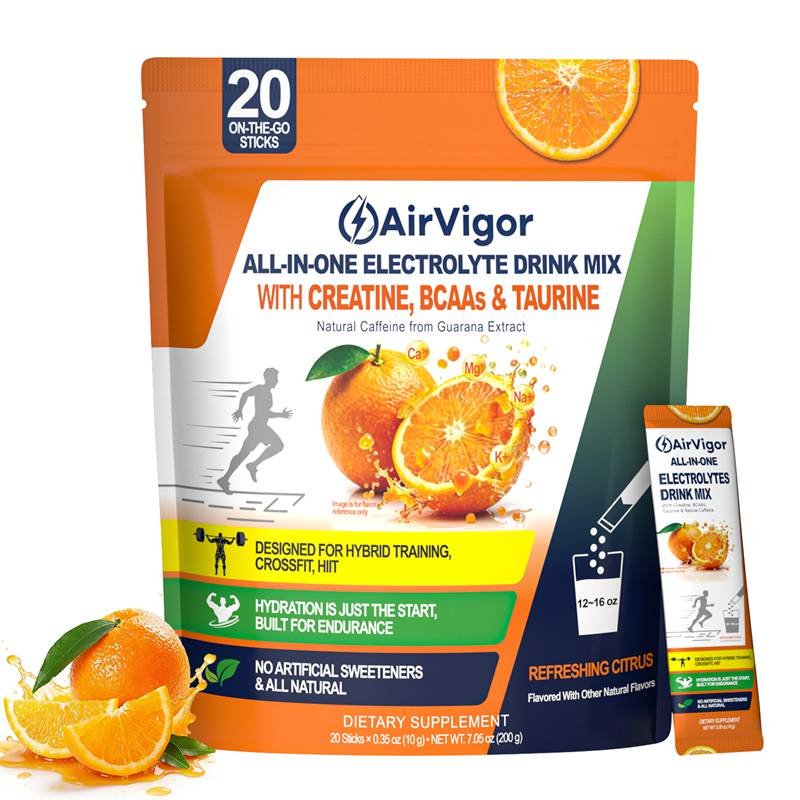
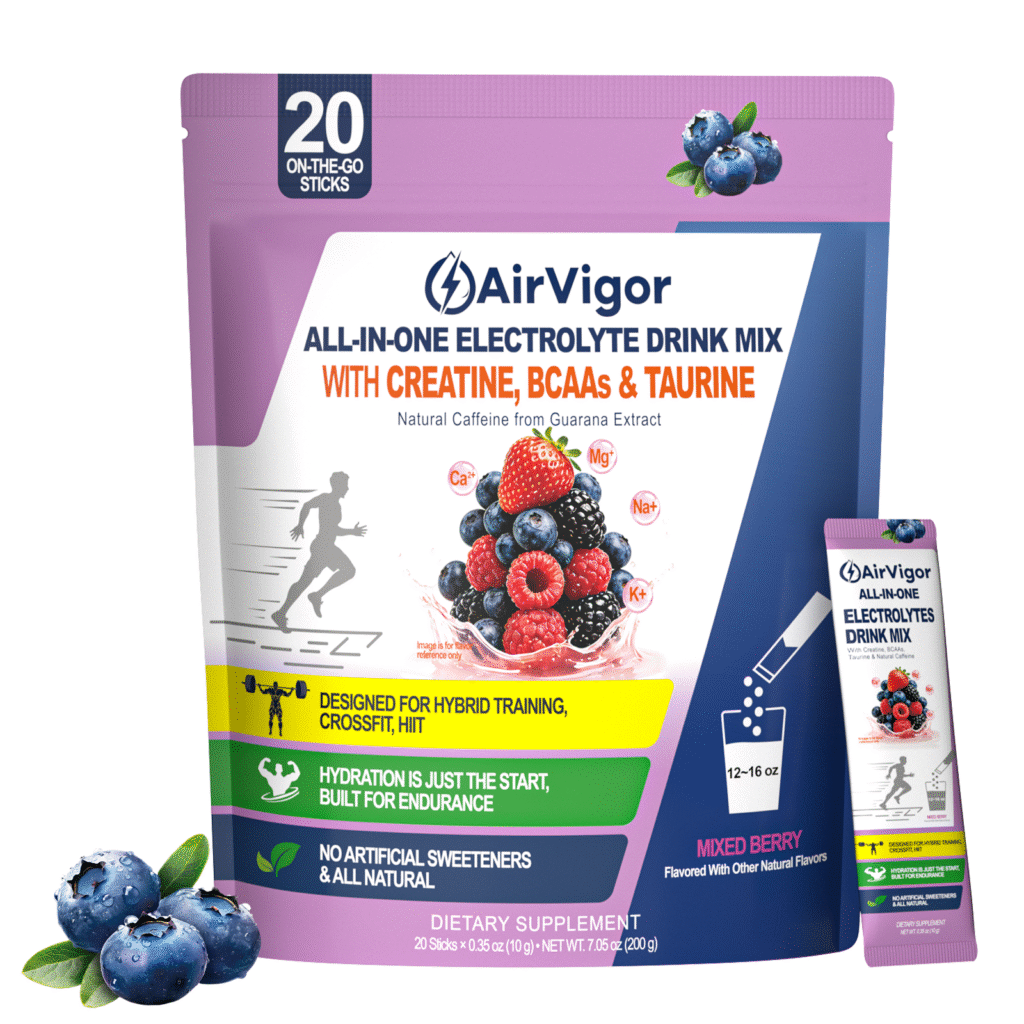
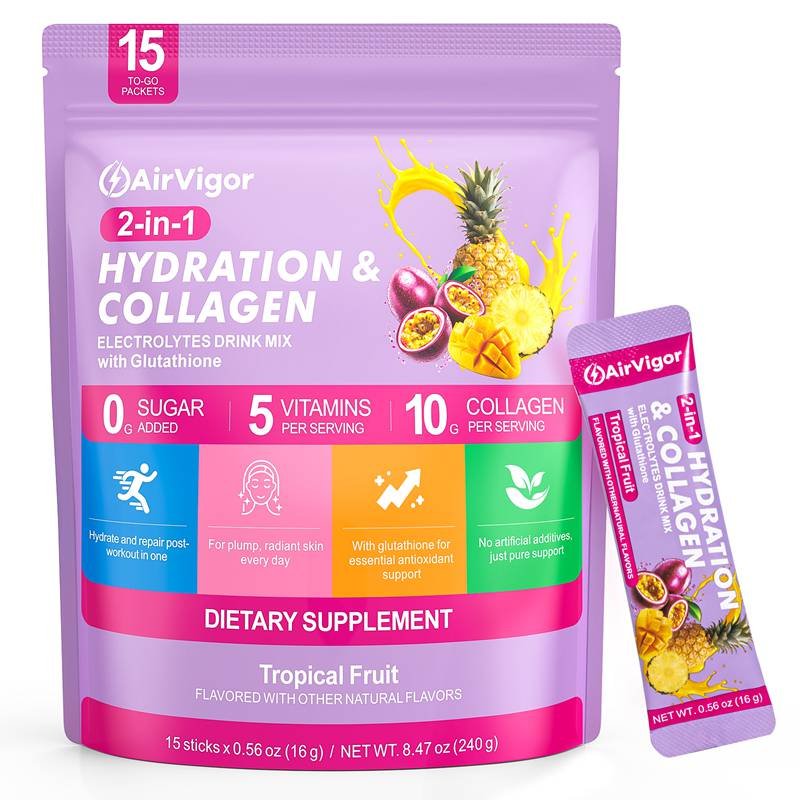
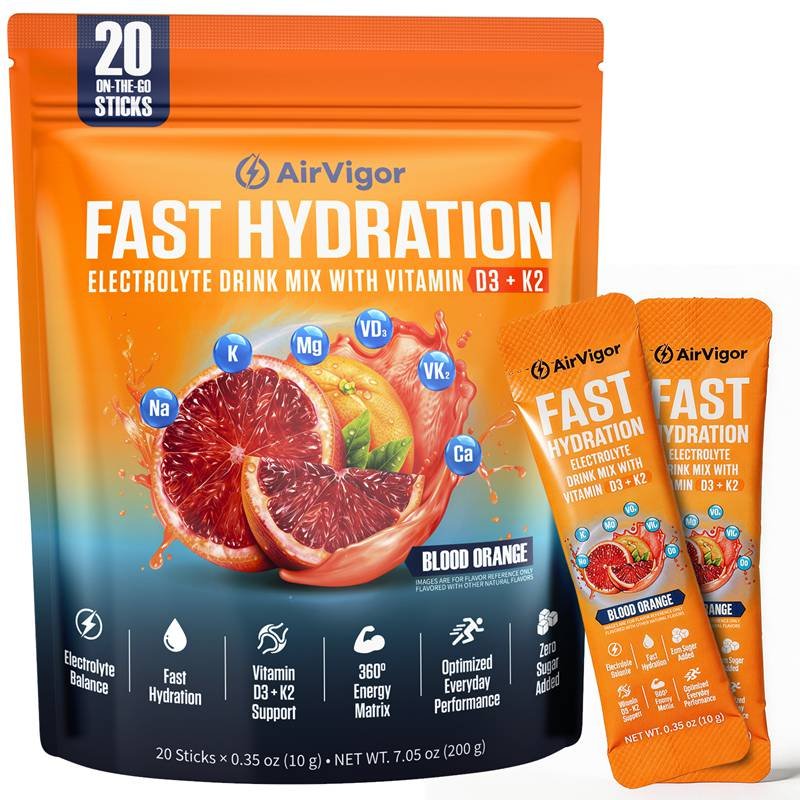
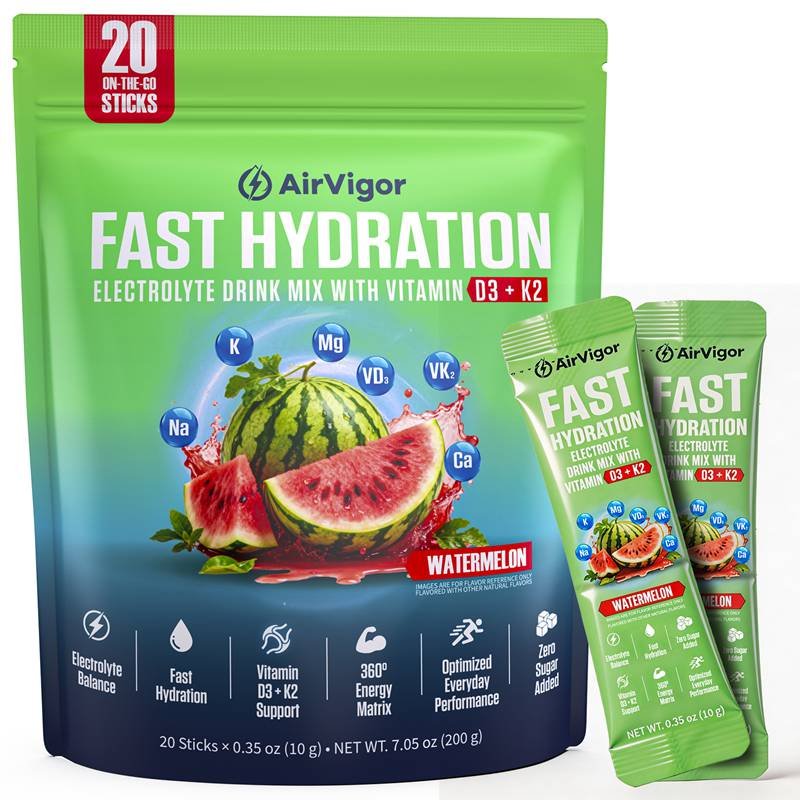
This is why more users are moving toward simplified solutions that combine creatine, hydration, and electrolyte support into one routine. AirVigor focuses on this approach by developing structured formulas designed for real training conditions, helping users reduce complexity and maintain consistent performance over time.
Share:
Contact Expert Team
At AirVigor, performance becomes effortless. We transform advanced nutrition science into clean, effective supplements that help you hydrate, recover, and feel stronger every day. Shop AirVigor Supplements on Amazon and experience athlete-trusted formulas—backed by real science and supported by our world-class R&D and production capabilities.
Trust AirVigor
At AirVigor, turning your performance goals into reality is no longer a struggle—it’s a science-driven journey we build together. Whether you’re a runner, lifter, cyclist, yogi, outdoor athlete, or someone simply seeking better daily energy, AirVigor transforms advanced nutrition research into clean, effective, and trustworthy supplements you can feel.
Backed by our U.S. scientific team, global certifications, and world-class production standards, every formula is engineered to deliver real hydration, real recovery, and real performance. And when you’re ready to experience the difference, you’ll find AirVigor products available on Amazon and other major platforms—fast shipping, consistent quality, and a community of athletes already seeing results.
Behind the scenes, our R&D and manufacturing ecosystem also supports specialized formulation development, ensuring AirVigor continues to lead with innovation while keeping quality and safety uncompromised. But at the core, everything we create is built for you—your health, your performance, your momentum.
Choose AirVigor. Feel the science. Elevate your every day.


Subscribe to our newsletter
Sign up to our newsletter and we’ll keep you up to date with the latest arrivals.