Skip to content
Electrolytes vs Hydration Packs : Which Is Better
# Your Trusted Dietary Supplement Brand In US
- Emily

Table of Contents
Most people know they should drink more water, but real hydration is not always that simple. A bottle of water may be enough for a quiet workday, but it may not feel like enough after a sweaty workout, a long flight, a hot summer walk, a sauna session, or several hours of outdoor work. That is why more people now compare electrolytes vs hydration packs before choosing a daily hydration product.
Electrolytes are minerals your body uses to support fluid balance, muscle function, and nerve signals, while hydration packs are convenient single-serving drink mixes that may contain electrolytes. A good hydration pack can make electrolyte intake easier, but not every packet has the same mineral level, sugar content, or purpose. The best choice depends on how much you sweat, how active you are, what you eat, and how you want to use the product.
Think about two people. One sits in an office and forgets to drink water until late afternoon. Another trains after work, sweats heavily, and feels drained on the drive home. Both may search for hydration support, but they probably do not need the exact same formula. This article explains how electrolytes vs hydration packs work, when each option makes sense, and how to choose a product that fits real life instead of just looking good on the label.
What Are Electrolytes vs Hydration Packs?
Many people use the terms electrolytes and hydration packs interchangeably, but they are not the same thing. Electrolytes are the minerals that help support hydration and normal body function, while hydration packs are the delivery format used to consume them. Understanding the difference makes it much easier to choose the right product for daily hydration, workouts, travel, or hot-weather activities.
What Do Electrolytes Actually Do?
Electrolytes are minerals that dissolve in body fluids and help regulate important processes related to hydration, muscle movement, and nerve communication. The most common electrolytes found in hydration products are sodium, potassium, magnesium, and calcium. These minerals are naturally present in the body and are continually lost through sweat, urine, and normal daily activity.
What surprises many consumers is how much electrolyte loss can vary from person to person. A lightly active office worker may lose relatively small amounts during a normal day, while someone training outdoors in summer heat can lose significantly more fluid and minerals in a single workout. Research on sweat composition shows that sodium is typically the electrolyte lost in the greatest quantity, which is why sodium is often the primary mineral featured in sports hydration products.
The role of electrolytes becomes easier to understand when looking at how they support hydration:
| Electrolyte | Primary Function | Common Sources |
|---|---|---|
| Sodium | Supports fluid balance and sweat replacement | Electrolyte drinks, salt, foods |
| Potassium | Works with sodium to support hydration balance | Fruits, vegetables, hydration products |
| Magnesium | Supports normal muscle and nerve function | Nuts, seeds, hydration formulas |
| Calcium | Supports normal muscle function | Dairy products, fortified foods |
Many people associate electrolytes only with athletes, but daily life can also increase demand. Long workdays, air travel, hot weather, physically demanding jobs, and frequent exercise can all influence hydration habits. This explains why electrolyte products have expanded beyond sports nutrition and are now widely used by travelers, office workers, hikers, and wellness-focused consumers.
What Are Hydration Packs?
Hydration packs refer to the product format rather than the active ingredients. Most hydration packs are single-serving stick packs, sachets, or portable powder packets designed to mix with water. Their main purpose is convenience.
The popularity of hydration packs has grown rapidly because modern consumers want products that fit into busy schedules. A large tub may work well at home, but it is not always practical for a commute, a business trip, a gym session, or a hiking trip. Hydration packs solve this problem by providing a pre-measured serving that can be carried almost anywhere.
For many consumers, portability is one of the biggest reasons they switch from traditional hydration products.
Consider a typical weekday:
| Time of Day | Situation | Why Hydration Packs Are Convenient |
|---|---|---|
| Morning commute | Traveling to work | Easy to keep in a backpack or car |
| Office hours | Long periods at a desk | Fits easily in a drawer |
| Lunch break workout | Limited preparation time | Quick mixing and simple dosing |
| Afternoon meetings | Low water intake | Encourages hydration habit |
| Travel day | Airport or flight | Lightweight and portable |
| Evening gym session | Post-workout hydration | Easy to carry in gym bag |
What many customers do not realize is that hydration packs can vary dramatically in formula quality. Two hydration products may look nearly identical on the outside but deliver very different amounts of electrolytes.
For example:
| Product Type | Sodium Level | Intended Use |
|---|---|---|
| Flavored hydration packet | Low | Water enhancement |
| Daily hydration formula | Moderate | Everyday hydration |
| Workout hydration pack | Higher | Sweat-related hydration support |
| Endurance hydration formula | Highest | Long-duration activity |
This is why the format alone does not tell the whole story. A hydration pack may contain meaningful electrolyte levels, or it may simply add flavor to water. The nutrition panel provides a much clearer picture than the front label.
Why Do People Confuse Them?
One reason consumers confuse electrolytes and hydration packs is because many products market both concepts together. Product packaging often highlights hydration benefits while simultaneously promoting electrolytes, making it easy to assume they mean the same thing.
A simple comparison helps clarify the relationship:
| Item | What It Is | Main Purpose |
|---|---|---|
| Electrolytes | Minerals | Support hydration-related body functions |
| Hydration Packs | Product format | Deliver hydration ingredients conveniently |
| Sports Drinks | Ready-to-drink beverages | Provide fluid and sometimes electrolytes |
| Water | Basic hydration source | Supports daily fluid intake |
A useful way to think about it is this:
Electrolytes are similar to the fuel inside a vehicle, while hydration packs are the container that delivers the fuel. One is the active component; the other is the delivery system.
This distinction becomes important when comparing products. Many consumers focus heavily on flavor, packaging design, or social media popularity while overlooking the actual formula. Yet formula quality is often what determines whether a product is suitable for workouts, travel, daily hydration, or heat exposure.
A hydration pack with very low electrolyte content may work perfectly for someone who simply wants more enjoyable water. The same product may be inadequate for a runner completing a long summer training session.
Understanding this difference helps consumers avoid purchasing products that do not match their needs.
Which One Matters More?
In reality, both matter.
A high-quality electrolyte formula is valuable only if people actually use it consistently. Likewise, an extremely convenient hydration pack provides limited benefit if the formula lacks meaningful electrolyte support.
The most successful hydration products combine both elements:
- A practical electrolyte profile
- Easy portability
- Good flavor balance
- Simple mixing
- Clear serving instructions
- Consistent quality
Consumer behavior studies repeatedly show that convenience strongly influences long-term product use. Even the most advanced formula has little value if it stays in a kitchen cabinet because it is inconvenient to carry or prepare.
This explains why stick-pack hydration products have become one of the fastest-growing formats in the supplement industry. They bridge the gap between functionality and usability.
The strongest hydration products are not necessarily those with the highest numbers on the label. They are the products that fit naturally into everyday life while still providing a formula appropriate for the intended use.
For customers comparing electrolytes vs hydration packs, the better question is not which one is superior. The better question is whether the hydration pack contains the right electrolyte profile for the situation. Once consumers start evaluating products through that lens, choosing the right hydration solution becomes much easier.
How Do Electrolytes vs Hydration Packs Work?
Electrolytes and hydration packs work together to support hydration, but they do so in different ways. Electrolytes are the minerals that help the body manage fluid balance, while hydration packs provide a convenient way to deliver those minerals. Understanding how they interact can help consumers choose products that match their activity level, environment, and daily routine.
How Electrolytes Support Hydration
Electrolytes help the body regulate where water goes and how it is used. When people sweat, they lose both fluid and minerals. Drinking water replaces fluid, but it does not automatically replace the minerals lost through sweating. This is why many active individuals notice that simply drinking more water does not always leave them feeling fully refreshed after intense exercise or prolonged heat exposure.
Among all electrolytes, sodium plays the largest role in hydration products because it is typically lost in the highest amount through sweat. Potassium works alongside sodium to support fluid distribution inside and outside cells. Magnesium and calcium contribute to normal muscle and nerve function, which is one reason they frequently appear in hydration formulas.
The amount of electrolyte loss can vary significantly depending on the activity and environment. A person sitting in an air-conditioned office may lose very little during the day, while a runner completing a summer training session may lose several pounds of fluid through sweat.
The table below illustrates how hydration demands often change across common activities:
| Activity | Sweat Level | Hydration Need |
|---|---|---|
| Office work | Low | Primarily water |
| Walking | Low to moderate | Water, occasional electrolyte support |
| Strength training | Moderate | Water plus hydration support |
| Running | Moderate to high | Electrolyte replacement often helpful |
| Cycling | High | Ongoing hydration and electrolytes |
| Hot yoga | High | Electrolytes commonly used |
| Outdoor labor | High | Consistent hydration support |
| Hiking in hot weather | High | Water and electrolyte replacement |
This is why many hydration experts focus less on total water consumption and more on matching hydration strategies to actual fluid loss. The body’s hydration needs are dynamic rather than fixed. What works on a cool day may feel very different during a hot summer workout.
Why Hydration Packs Have Become So Popular
Hydration packs solve a practical problem that many consumers face: consistency. Most people understand the importance of hydration, yet many struggle to drink enough water throughout the day. Busy schedules, travel, commuting, work meetings, and workouts often disrupt hydration habits.
Hydration packs simplify the process by providing a pre-measured serving that can be mixed with water almost anywhere. Instead of carrying large containers or measuring powders, users simply open a packet and add it to a bottle of water.
This convenience has made hydration packs one of the fastest-growing categories within sports nutrition and wellness supplements.
Many consumers now use hydration packs in situations that have little to do with traditional athletics:
| Situation | Common Reason for Use |
|---|---|
| Office work | Encourage more water intake |
| Business travel | Support hydration during flights |
| Long commutes | Convenient hydration solution |
| Weekend activities | Easy portability |
| Family outings | Simple hydration support |
| Gym sessions | Post-workout convenience |
| Outdoor recreation | Lightweight and compact format |
The growth of remote work and flexible lifestyles has also changed hydration habits. Consumers increasingly want products that move with them throughout the day. A hydration packet that fits into a backpack, purse, desk drawer, or gym bag often gets used more consistently than products requiring preparation at home.
The convenience factor may seem simple, but it directly influences long-term product usage. Even a well-formulated hydration product provides little value if consumers rarely use it.
Why Formula Quality Matters
Two hydration packs may look nearly identical on a store shelf while delivering completely different experiences.
Many consumers assume hydration products are interchangeable, but formula design can significantly affect performance, taste, and overall satisfaction.
A hydration formula is usually built around several key components:
| Formula Component | Purpose |
|---|---|
| Sodium | Replaces sweat-related mineral losses |
| Potassium | Supports hydration balance |
| Magnesium | Supports normal muscle function |
| Calcium | Supports normal muscle and nerve activity |
| Flavor System | Improves drinking experience |
| Sweeteners | Influence taste and calorie content |
| Additional Ingredients | May support specific product goals |
One major difference between products is their intended use.
For example:
| Product Category | Typical Consumer |
|---|---|
| Daily hydration formula | General wellness users |
| Workout hydration formula | Active individuals |
| Endurance hydration formula | Long-duration athletes |
| Travel hydration formula | Frequent travelers |
| Beauty hydration formula | Lifestyle and beauty consumers |
This is why reading the label matters more than reading the front of the package.
Two products may both advertise hydration support, but one may be optimized for daily hydration while another is designed for prolonged physical activity.
The strongest products usually communicate their purpose clearly rather than trying to appeal to every possible customer.
What Happens During Exercise?
Exercise creates one of the easiest situations to observe hydration in action. As body temperature rises, sweat production increases. Sweat helps cool the body, but it also removes water and minerals. The longer the activity continues, the greater the potential fluid loss.
The amount lost varies significantly between individuals.
Research on active populations has found that sweat rates commonly range between approximately 0.5 and 2.0 liters per hour depending on exercise intensity, environmental conditions, clothing, and personal physiology.
This means two people participating in the same workout may finish with very different hydration needs.
A practical example:
| Workout Type | Typical Duration | Potential Sweat Loss |
|---|---|---|
| Weight training | 45–60 min | Low to moderate |
| HIIT session | 30–45 min | Moderate to high |
| Outdoor running | 60+ min | Moderate to high |
| Cycling | 90+ min | High |
| Hot yoga | 60 min | High |
| Hiking | Several hours | Moderate to high |
For many consumers, hydration packs become most valuable during activities involving:
- Significant sweating
- Extended duration
- Heat exposure
- Repeated exercise sessions
The goal is not necessarily to consume large amounts of electrolytes. The goal is to support hydration in proportion to what is being lost.
This balanced approach often produces better long-term hydration habits than relying solely on either water or heavily concentrated sports drinks.
Which Is Better for Workouts?
For workouts, the answer is not simply electrolytes or hydration packs. The better choice depends on workout duration, sweat rate, training environment, and personal hydration habits. In most situations, the ideal solution is a hydration pack that contains a well-designed electrolyte formula, allowing both convenience and hydration support to work together.
Workout Intensity Changes Hydration Needs
A 30-minute walk, a one-hour strength session, and a two-hour cycling workout place very different demands on the body. Yet many people use the same hydration strategy regardless of activity level. This is one reason some athletes feel great during training while others feel drained despite drinking plenty of water.
During exercise, the body regulates temperature through sweating. As sweat production increases, fluid and mineral losses increase as well. The challenge is that many people underestimate how much fluid they lose during a workout.
The table below shows how hydration demands often change based on activity type:
| Activity Type | Average Duration | Sweat Demand | Hydration Priority |
|---|---|---|---|
| Walking | 20–45 min | Low | Water |
| Light gym session | 30–60 min | Low to moderate | Water or light hydration support |
| Strength training | 45–90 min | Moderate | Water plus electrolyte support |
| HIIT training | 20–45 min | Moderate to high | Electrolyte hydration often beneficial |
| Running | 60+ min | High | Electrolyte replacement becomes more important |
| Cycling | 90+ min | High | Consistent hydration support |
| Hot yoga | 60–90 min | High | Electrolytes commonly used |
| Outdoor sports | Variable | High | Water and electrolytes together |
One common misconception is that hydration only matters during endurance sports. In reality, short high-intensity workouts can also create significant sweat losses, especially in warm gyms or humid climates.
A practical way to evaluate your hydration needs is to look at how much you sweat. If clothing is lightly damp after training, water may be sufficient. If shirts become soaked and recovery feels noticeably harder afterward, electrolyte support often becomes more relevant.
Workout Duration Often Matters More Than Exercise Type
Many consumers focus on whether they are lifting weights, running, cycling, or playing sports. In practice, workout duration often has a larger impact on hydration needs than the specific activity itself.
A 30-minute gym session and a two-hour gym session can create very different hydration demands even if they involve similar exercises.
Consider the following comparison:
| Workout Duration | Common Hydration Approach |
|---|---|
| Under 45 minutes | Water is often sufficient |
| 45–75 minutes | Water plus optional electrolyte support |
| 75–120 minutes | Electrolyte hydration becomes increasingly useful |
| Over 2 hours | Consistent hydration planning often recommended |
This is especially noticeable during outdoor training.
For example, a runner completing a two-hour summer run may lose several pounds of body weight through sweat. A cyclist training outdoors for three hours may consume multiple bottles of fluid during a single session. Even recreational athletes can experience significant fluid loss during long-duration exercise.
The goal is not to replace every drop of sweat immediately. The goal is maintaining a hydration strategy that supports comfort, consistency, and recovery throughout the workout.
Hydration packs are popular in these situations because they eliminate preparation barriers. Instead of carrying large tubs or premixed beverages, athletes can carry multiple servings in a pocket, gym bag, or backpack.
Sweat Rate Is Different for Everyone
One reason hydration advice can feel confusing is that people sweat at very different rates.
Two individuals performing the same workout may lose dramatically different amounts of fluid. Factors such as body size, fitness level, clothing, genetics, humidity, temperature, and exercise intensity all influence sweat production.
Typical sweat rates often fall within the following ranges:
| Sweat Rate Category | Approximate Fluid Loss Per Hour |
|---|---|
| Light sweater | 0.5 liters or less |
| Moderate sweater | 0.5–1.0 liters |
| Heavy sweater | 1.0–1.5 liters |
| Very heavy sweater | 1.5–2.0+ liters |
This difference explains why some athletes rarely think about hydration while others constantly carry water bottles.
Heavy sweaters often notice:
- White salt marks on clothing
- Salt residue on skin
- Strong thirst after workouts
- Greater desire for salty foods
- Significant body weight changes after exercise
For these individuals, hydration packs containing electrolytes may feel noticeably more useful than plain water alone.
By contrast, someone performing moderate indoor exercise in a climate-controlled environment may experience very little electrolyte loss and may not require additional support every session.
This variability is why hydration should be individualized rather than treated as a universal formula.
What Active Consumers Usually Look For
The hydration category has evolved significantly over the last decade.
Consumers are no longer satisfied with products that simply contain sugar and artificial colors. Today’s buyers often compare formulas carefully before making a purchase.
The most common priorities include:
| Purchase Factor | Why It Matters |
|---|---|
| Electrolyte profile | Indicates hydration support level |
| Sugar content | Influences daily usability |
| Flavor quality | Affects repeat purchase behavior |
| Dissolvability | Impacts user experience |
| Serving count | Determines overall value |
| Portability | Supports routine use |
| Ingredient transparency | Builds trust |
| Price per serving | Helps compare products fairly |
Among active consumers, low-sugar and zero-sugar hydration products have become especially popular because they fit a wider range of lifestyles.
A product used after a morning workout may also be consumed during work, travel, or outdoor activities later in the week. This versatility increases perceived value and often improves customer retention.
Many athletes today are looking for hydration products that fit multiple scenarios rather than products designed for only one specific activity.

Are They Good for Daily Use?
Electrolytes and hydration packs are no longer used only by athletes. Today, many consumers use them during work, travel, commuting, outdoor activities, and general wellness routines. Whether daily use makes sense depends on lifestyle, climate, activity level, and overall hydration habits rather than fitness performance alone.
Do Most People Need Electrolytes Every Day?
One of the most common misconceptions in the hydration market is that everyone needs large amounts of electrolytes every day. In reality, hydration needs vary significantly between individuals.
For someone who spends most of the day indoors, eats balanced meals, drinks water regularly, and performs light activity, water and normal dietary intake often provide a large portion of daily hydration needs. Fruits, vegetables, dairy products, soups, and everyday foods naturally contain many minerals involved in hydration.
However, modern lifestyles are rarely ideal.
Many adults spend long hours in climate-controlled environments, consume multiple cups of coffee, skip meals, travel frequently, exercise several times per week, or live in regions with high temperatures for much of the year. These factors can make hydration more difficult to maintain consistently.
The table below illustrates how different lifestyles may influence hydration habits:
| Lifestyle Factor | Potential Hydration Challenge |
|---|---|
| Long office hours | Forgetting to drink water |
| Frequent air travel | Dry cabin air and irregular schedules |
| High coffee intake | Reduced attention to water consumption |
| Outdoor work | Increased fluid loss through sweating |
| Regular exercise | Greater hydration demands |
| Hot climates | Continuous fluid loss |
| Busy family schedules | Inconsistent hydration habits |
| Low-carb eating patterns | Increased focus on hydration balance |
This is why hydration products have expanded far beyond sports nutrition. Many consumers are not looking for performance enhancement. They are simply looking for a convenient way to stay consistent with hydration throughout the day.
The question is often less about needing electrolytes and more about whether a hydration product helps support a healthier hydration routine.
Why Daily Hydration Is Harder Than Most People Expect
Most people know they should drink more water, yet surveys consistently show that many adults struggle to meet their hydration goals.
The issue is usually not knowledge. It is behavior.
Hydration is easy to prioritize during a workout because the activity itself creates a reminder. During work, travel, parenting responsibilities, or long commutes, hydration often becomes an afterthought.
Consider a typical weekday schedule:
| Time | Common Situation |
|---|---|
| 7:00 AM | Coffee instead of water |
| 9:00 AM | Meetings begin |
| 12:00 PM | Lunch while working |
| 2:00 PM | Afternoon energy dip |
| 5:00 PM | Commute home |
| 7:00 PM | Exercise or family activities |
| 10:00 PM | Realizing little water was consumed |
This pattern is surprisingly common.
Many consumers report that hydration packets help simply because they create a hydration cue. Seeing a packet in a work bag, desk drawer, or water bottle often encourages people to drink more consistently.
The convenience factor matters.
Hydration products are not replacing water. They are often helping people remember to drink it.
This distinction is important because consistency is usually more valuable than occasional overcorrection. Drinking very little water all day and then consuming a large amount at night is rarely as effective as maintaining hydration throughout the day.
Which Daily Lifestyles Benefit Most?
Daily hydration products tend to be most popular among people whose routines create recurring hydration challenges.
While hydration needs remain individual, certain groups appear repeatedly among hydration product users.
| Consumer Group | Common Reason for Daily Use |
|---|---|
| Office professionals | Improve water consumption during work |
| Frequent travelers | Support hydration during flights and travel days |
| Active adults | Maintain hydration around workouts |
| Outdoor workers | Support hydration during heat exposure |
| Parents | Convenient wellness routines |
| Students | Long hours of study and activity |
| Older adults | Maintain hydration awareness |
| Wellness-focused consumers | Build consistent daily habits |
A traveler crossing multiple time zones experiences different hydration challenges than a construction worker in summer heat. Likewise, a gym member attending evening workouts has different needs than a remote worker sitting indoors.
Yet all of these groups share one common characteristic: hydration often becomes easier when it is convenient.
This is one reason hydration stick packs continue growing in popularity. They fit naturally into modern routines without requiring significant preparation.
Many consumers keep hydration packets in:
- Work bags
- Cars
- Gym bags
- Carry-on luggage
- Kitchen drawers
- Backpacks
This accessibility increases the likelihood of regular use.
How to Choose the Right One?
Choosing between electrolytes and hydration packs becomes much easier when you focus on how the product will actually be used. The best hydration product is not necessarily the one with the highest electrolyte numbers or the most marketing claims. It is the product that matches your lifestyle, hydration habits, activity level, and long-term routine.
Start With Your Daily Routine
Most hydration purchasing decisions should begin with a simple question: “What does a typical day look like?”
Many consumers immediately compare ingredient labels without considering how their daily habits influence hydration needs. A person working at a desk all day faces different hydration challenges than someone working outdoors or training for endurance events.
Understanding your routine helps narrow the options significantly.
The examples below illustrate how hydration needs often differ:
| Lifestyle | Typical Hydration Need |
|---|---|
| Office worker | Consistent daily hydration |
| Frequent traveler | Portable hydration support |
| Recreational exerciser | Workout-focused hydration |
| Outdoor worker | Ongoing hydration during heat exposure |
| Runner | Electrolyte replacement during training |
| Cyclist | Extended hydration support |
| Student | Improved daily water intake |
| Active retiree | Consistent hydration awareness |
For many consumers, hydration products are not replacing water. They are helping create a routine around water consumption.
This is why some people see greater value from portability and taste, while others prioritize electrolyte levels.
The right product depends heavily on when and where it will be used.
Understand What the Formula Is Designed For
Not all hydration products are built for the same purpose. Many consumers assume that hydration formulas are interchangeable, but there can be significant differences in formulation strategy.
Some products are designed primarily for:
- Daily hydration
- Sports performance
- Heat exposure
- Travel
- Recovery
- Active lifestyles
- Wellness-focused hydration
These different goals often result in different ingredient profiles.
A simple comparison illustrates the difference:
| Formula Type | Main Focus |
|---|---|
| Daily hydration formula | Consistent water intake |
| Workout hydration formula | Sweat-related hydration support |
| Endurance hydration formula | Long-duration activity |
| Travel hydration formula | Convenience and portability |
| Recovery hydration formula | Post-activity hydration |
| Lifestyle hydration formula | Everyday hydration support |
Consumers often make better decisions when they identify the intended use before comparing ingredient amounts.
For example, a marathon runner may prioritize electrolyte replacement, while an office worker may care more about flavor and ease of use.
The product should fit the situation rather than forcing the situation to fit the product.
Match the Product to Long-Term Use
Many hydration purchases are made with short-term thinking. A consumer may buy a product because of a marketing trend, influencer recommendation, or attractive packaging. However, long-term satisfaction usually comes from a different question: “Will I still enjoy using this product three months from now?”
Several factors influence long-term success:
| Factor | Long-Term Importance |
|---|---|
| Flavor | Very high |
| Convenience | Very high |
| Formula suitability | Very high |
| Cost per serving | High |
| Packaging format | High |
| Portability | Moderate to high |
| Brand trust | High |
The most successful hydration products are often those that integrate naturally into everyday life.
They taste good enough to use regularly, fit daily schedules, provide a practical formula, and remain affordable over time.
Ultimately, choosing the right hydration product is less about finding the strongest formula and more about finding the most suitable formula. A hydration solution that matches daily habits, activity level, climate, and personal preferences is far more likely to become part of a lasting hydration routine than one chosen solely because of marketing claims or ingredient numbers.

Why Choose AirVigor?
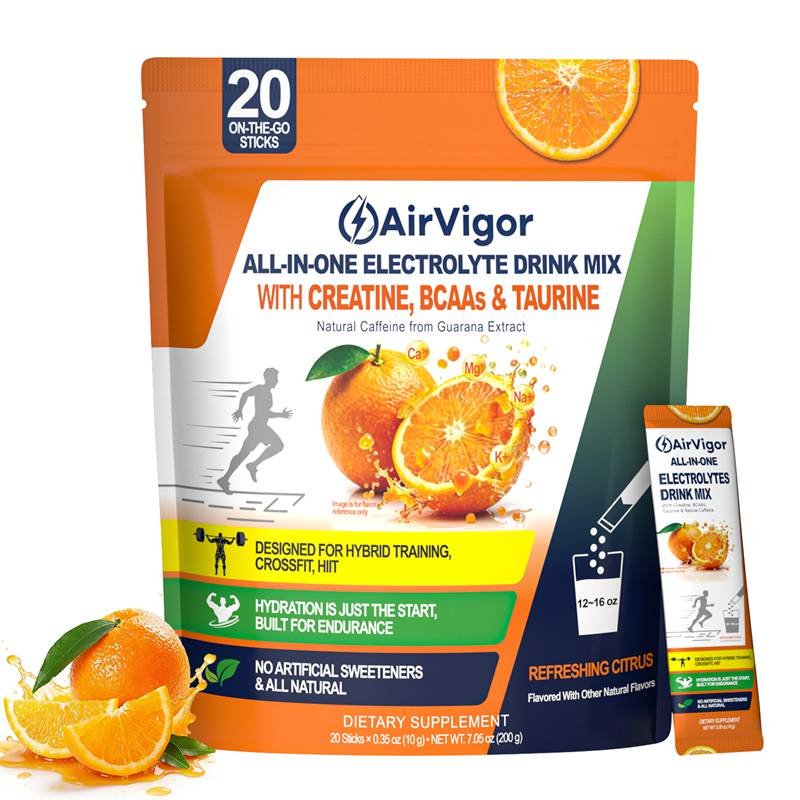
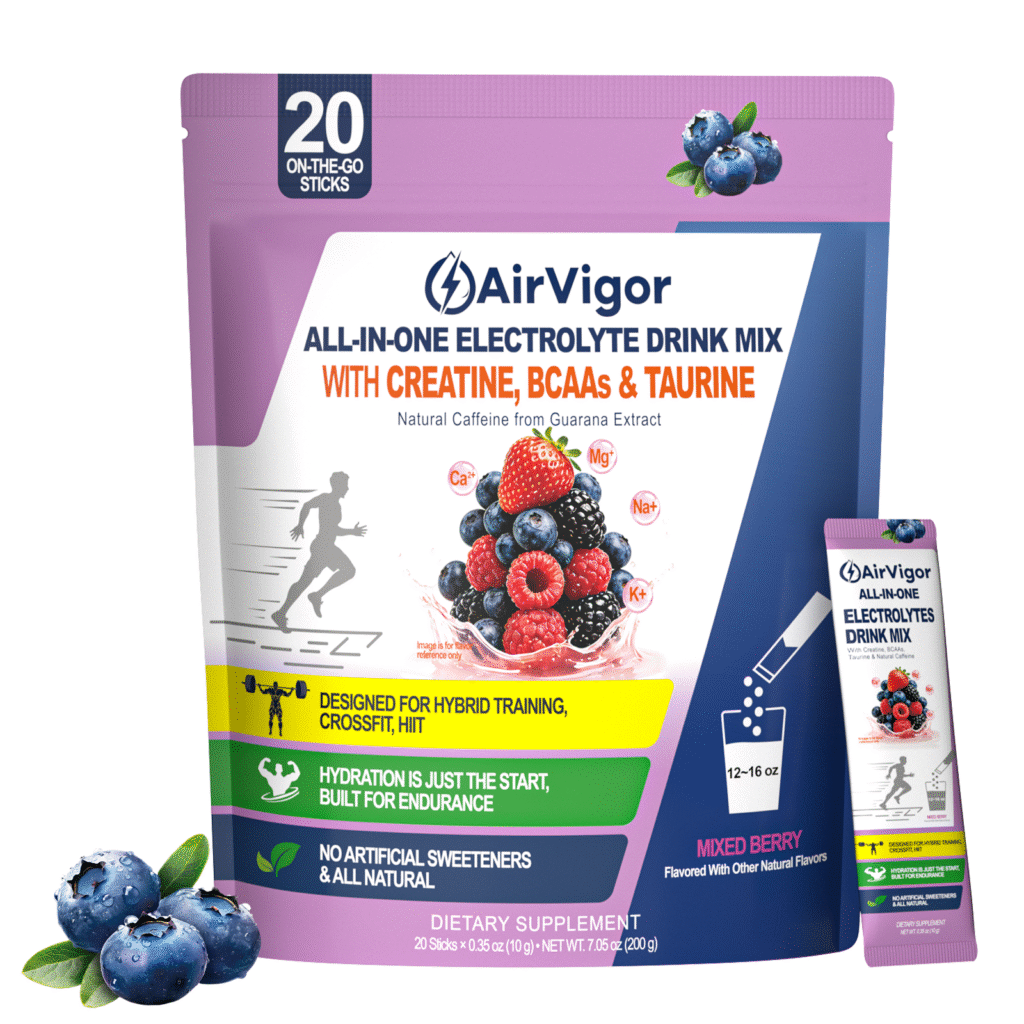
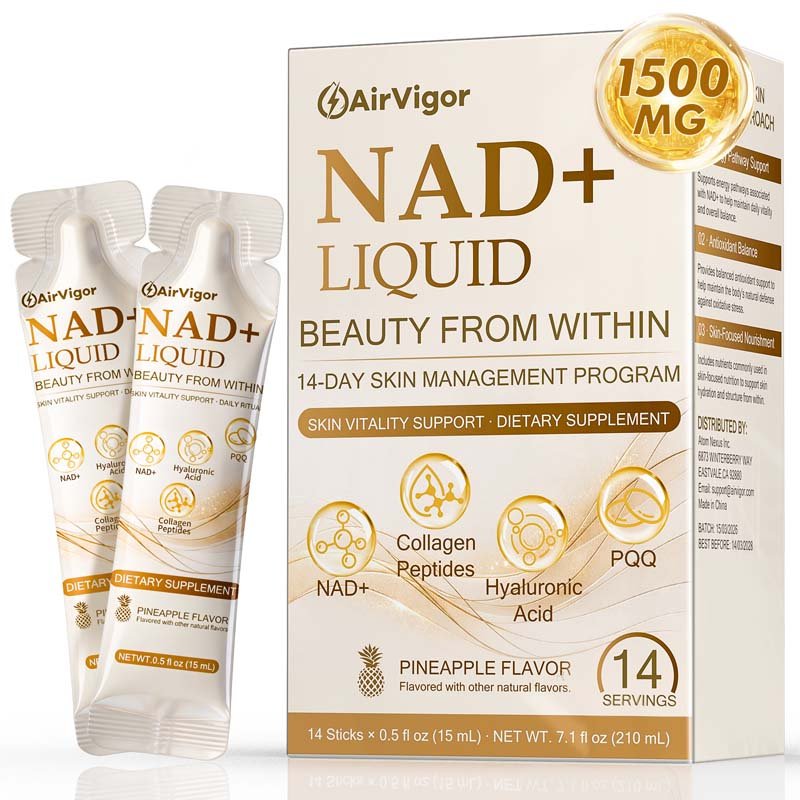
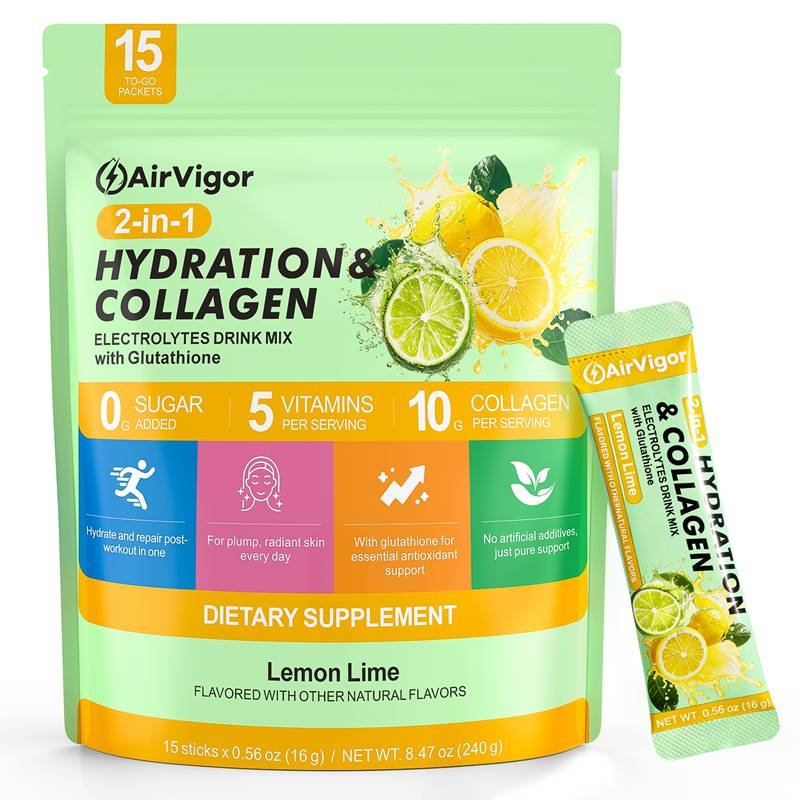
Hydration products are easy to find, but finding a brand that combines practical formulas, transparent ingredient levels, consistent quality management, and long-term product reliability is much harder. AirVigor focuses on building hydration solutions that fit real lifestyles while maintaining clear formulation standards and stable production quality.
Built Around Real Hydration Needs
Many hydration products are developed around trends. AirVigor takes a different approach by starting with how people actually use hydration products in daily life.
A hydration formula used by an office professional during a busy workday is very different from a formula used by a cyclist training for several hours. Likewise, a frequent traveler has different hydration priorities than someone attending a hot yoga class three times a week.
This is why AirVigor focuses on practical use scenarios rather than creating one formula for every possible customer.
Across the hydration category, consumers most commonly purchase products for the following situations:
| Common Use Scenario | Typical Consumer Goal |
|---|---|
| Daily hydration | Improve water intake habits |
| Gym training | Support hydration around workouts |
| Travel | Portable hydration support |
| Outdoor activities | Hydration during heat exposure |
| Running and cycling | Sweat-related hydration support |
| Office routines | Convenient hydration throughout the day |
| Wellness lifestyles | Consistent daily hydration habits |
By understanding these situations first, formulas can be designed around real-world usage rather than marketing language.
For many consumers, hydration success is not about finding the strongest formula. It is about finding a product that is easy to use consistently.
That philosophy influences every stage of AirVigor product development.
Transparent Formulas With Clear Ingredient Levels
One of the biggest frustrations consumers experience when shopping for supplements is unclear labeling.
Many products highlight ingredients on the front of the package but provide very little context about actual amounts. This makes it difficult to compare products or understand what the formula is intended to do.
AirVigor emphasizes clear formula expression and ingredient transparency.
Consumers should be able to quickly understand:
- What ingredients are included
- How much is included
- How the product is intended to be used
- Who the product is designed for
Clear formulas help consumers make better decisions and build greater confidence in the products they purchase.
This transparency becomes increasingly important as more consumers compare products across Amazon, Walmart, Shopify stores, health retailers, and AI-powered search platforms.
Modern consumers often spend significant time researching products before making a purchase.
Common purchasing considerations include:
| Consumer Question | Why It Matters |
|---|---|
| What ingredients are included? | Formula understanding |
| How much of each ingredient is present? | Product comparison |
| Is the formula easy to understand? | Trust and confidence |
| Does the product match my needs? | Better purchasing decisions |
| Can I use it consistently? | Long-term satisfaction |
By keeping formulas straightforward and clearly presented, AirVigor helps reduce confusion and makes product selection easier.
Consistent Quality From Raw Materials to Finished Products
Consumers rarely see the production process behind a hydration product, but they experience the results every time they open a packet.
Small quality issues become noticeable quickly.
Examples include:
| Quality Issue | Customer Experience |
|---|---|
| Poor sealing | Moisture exposure |
| Inconsistent flavor | Different taste between batches |
| Clumping | Difficult mixing |
| Poor solubility | Residue in bottles |
| Filling inconsistency | Uneven serving sizes |
Preventing these issues requires structured quality management throughout production.
AirVigor follows established manufacturing management systems including:
- Manufacturing Framework
- GMP
- HACCP
- ISO systems
- FSSC22000
- FDA registration-related management requirements
Product development and manufacturing involve multiple review stages:
| Stage | Focus Area |
|---|---|
| Raw material review | Ingredient suitability |
| Formula verification | Formula consistency |
| Production monitoring | Process control |
| Packaging evaluation | Product protection |
| Finished product review | Quality confirmation |
| Documentation management | Product traceability |
The goal is simple: deliver products that perform consistently from batch to batch.
Consumers may never see these processes directly, but they notice the results when products taste consistent, dissolve properly, and maintain quality over time.
Conclusion
When comparing electrolytes vs hydration packs, there is no single solution that fits everyone. The right choice depends on how you live, work, exercise, travel, and manage your daily hydration habits. Electrolytes provide the minerals that support hydration, while hydration packs offer a convenient way to consume them consistently.
For many people, the most practical option is a hydration pack with a well-balanced electrolyte formula that fits naturally into everyday routines. Whether your goal is supporting workouts, staying hydrated during travel, managing hot-weather activities, or simply drinking more water throughout the day, consistency matters more than complexity.
AirVigor focuses on creating hydration products with clear ingredient transparency, practical formulations, and convenient formats designed for real-world use. For consumers seeking reliable hydration support or businesses exploring custom hydration product development, AirVigor provides solutions built around quality, usability, and long-term customer satisfaction.
Share:
Contact Expert Team
At AirVigor, performance becomes effortless. We transform advanced nutrition science into clean, effective supplements that help you hydrate, recover, and feel stronger every day. Shop AirVigor Supplements on Amazon and experience athlete-trusted formulas—backed by real science and supported by our world-class R&D and production capabilities.
Trust AirVigor
At AirVigor, turning your performance goals into reality is no longer a struggle—it’s a science-driven journey we build together. Whether you’re a runner, lifter, cyclist, yogi, outdoor athlete, or someone simply seeking better daily energy, AirVigor transforms advanced nutrition research into clean, effective, and trustworthy supplements you can feel.
Backed by our U.S. scientific team, global certifications, and world-class production standards, every formula is engineered to deliver real hydration, real recovery, and real performance. And when you’re ready to experience the difference, you’ll find AirVigor products available on Amazon and other major platforms—fast shipping, consistent quality, and a community of athletes already seeing results.
Behind the scenes, our R&D and manufacturing ecosystem also supports specialized formulation development, ensuring AirVigor continues to lead with innovation while keeping quality and safety uncompromised. But at the core, everything we create is built for you—your health, your performance, your momentum.
Choose AirVigor. Feel the science. Elevate your every day.


Subscribe to our newsletter
Sign up to our newsletter and we’ll keep you up to date with the latest arrivals.