Skip to content

You can drink water all day and still feel like your skin looks tired, tight, or less fresh by afternoon. That is why more people are searching for the connection between electrolytes and skin hydration. The question is not whether water matters. It does. The better question is whether your body is actually holding and using that water well during hot weather, long workdays, workouts, travel, coffee-heavy mornings, and dry indoor air.
Electrolytes help support skin hydration by helping the body maintain fluid balance. They do not replace moisturizer, sunscreen, sleep, or a healthy diet, but they can make daily hydration work better when your body loses water and minerals through sweat, heat, low fluid intake, or busy routines. For people who often feel thirsty after drinking plain water, electrolytes may be a practical missing piece.
Think about a normal day: coffee before breakfast, several hours under air conditioning, a workout after work, then a quick shower and skincare at night. Skin may not look dull because one thing went wrong. It may be the result of small hydration gaps building up all day. This guide explains how electrolytes fit into a smarter skin hydration routine without exaggerated beauty claims.
What Are Electrolytes for Skin Hydration?
Electrolytes are minerals that help the body manage water balance. For skin hydration, they matter because tired, tight, or dull-looking skin often starts with daily hydration gaps, not just skincare mistakes. They support the inside part of a healthy hydration routine.
What Are Electrolytes?
Electrolytes are charged minerals found in body fluids. They help move water, support normal nerve signals, and keep muscles working properly during daily activity, heat, sweat, travel, and busy routines.
Electrolytes are not a beauty trend created for skincare marketing. They are basic minerals the body uses every day. The main electrolytes include sodium, potassium, magnesium, calcium, chloride, phosphate, and bicarbonate. Each one has a different job, but for hydration, sodium and potassium are usually the first two customers should understand.
Sodium helps the body retain fluid, especially after sweating. Potassium helps support fluid balance inside cells. Magnesium and calcium support normal muscle and nerve function, which is why they are commonly included in more complete electrolyte formulas.
For skin hydration customers, the key point is simple: electrolytes do not sit on the skin like a moisturizer. They support hydration from the inside. When the body loses water and minerals through sweat, heat, coffee-heavy mornings, travel, or low fluid intake, skin may feel less comfortable or look less fresh.
| Electrolyte | Main Body Role | Why Customers Care |
|---|---|---|
| Sodium | Helps maintain fluid balance | Useful after sweat, heat, sauna, or long active days |
| Potassium | Supports fluid balance inside cells | Helps balance hydration beyond plain water |
| Magnesium | Supports normal muscle and nerve function | Popular for active, busy, or recovery-focused routines |
| Calcium | Supports muscle, nerve, and cell function | Adds broader mineral support |
| Chloride | Works with sodium for fluid balance | Helps maintain normal body fluid balance |
A good electrolyte product should not hide behind vague terms like “hydration blend.” Customers should be able to read the label and clearly see what minerals are included and how much of each one they are drinking.
What Is Skin Hydration?
Skin hydration means the outer layer of the skin has enough water to feel smooth, comfortable, and flexible. When hydration is low, skin may feel tight, rough, dull, or less fresh.
Skin hydration is not only about applying face cream. Moisturizer helps reduce water loss from the skin surface, but the body also needs enough fluid inside. That is why some people use skincare every day and still feel dry, tight, or dull by afternoon.
A strong skin hydration routine usually has two sides. One side is external: cleanser, moisturizer, sunscreen, and barrier care. The other side is internal: water, electrolytes, balanced meals, and habits that reduce daily dehydration triggers.
| Hydration Side | What It Means | Daily Example |
|---|---|---|
| Internal hydration | Supports fluid balance inside the body | Water, electrolytes, fruits, vegetables, balanced meals |
| External hydration | Helps the skin hold water on the surface | Moisturizer, gentle cleanser, sunscreen, lip balm |
| Barrier support | Helps reduce water loss from skin | Creams with humectants, emollients, and occlusives |
| Lifestyle support | Reduces hydration stress | Sleep, less over-cleansing, less extreme heat exposure |
Many customers confuse dry skin and dehydrated skin. Dry skin usually means the skin lacks oil. Dehydrated skin usually means the skin lacks water. A person can have oily skin and still feel dehydrated. This is why someone may say, “My skin is shiny, but it still feels tight.”
Electrolytes are more connected to the internal hydration side. They do not replace moisturizer, but they can help support the body’s water balance when daily life makes hydration harder.
Why Does Hydration Affect Skin?
Hydration affects skin because skin is part of the body’s larger fluid system. When the body is low on water or losing minerals, skin may look dull, feel tight, or seem less comfortable.
Skin does not always show hydration problems first, but many people notice small changes during real daily situations. After a long flight, skin may feel tight. After hot yoga, the face may feel dry even after showering. After a full day in air conditioning, lips may feel cracked and makeup may sit unevenly.
These moments are not always caused by skincare products. They often come from daily hydration pressure building up over several hours.
| Daily Trigger | What Happens in Real Life | Possible Skin Feeling |
|---|---|---|
| Coffee before water | Fluid intake starts late | Dry lips, dull-looking skin |
| Air conditioning | Dry indoor air pulls moisture from skin | Tight or uncomfortable skin |
| Sweating | Water and electrolytes are lost | Skin feels flat, sticky, or dry after drying |
| Travel | Dry cabin air and irregular drinking | Tightness, dullness, tired look |
| Hot showers | Skin barrier may feel stripped | Roughness or dryness |
| Low water intake | Body fluid balance drops | Less fresh-looking skin |
Hydration is not the only factor behind skin appearance. Sleep, hormones, weather, age, diet, sun exposure, and skincare choices also matter. But hydration is one of the easiest daily habits to improve because customers can connect it to specific moments: morning coffee, afternoon slump, post-workout recovery, travel days, and hot weather.
This is where electrolytes become practical. They help customers build a hydration routine that responds to real life instead of simply telling them to “drink more water.”
How Are Electrolytes Linked to Skin?
Electrolytes are linked to skin through fluid balance. They help the body use water more effectively, especially when hydration loss comes from sweat, heat, travel, caffeine-heavy routines, or long workdays.
The connection is not that electrolytes directly “beautify” the skin. The better explanation is that skin hydration is influenced by the body’s overall hydration status. When the body is better supported with water and minerals, the skin may feel more comfortable as part of a complete routine.
Customers often notice the need for electrolytes when plain water does not feel like enough. For example, after a sweaty workout, a person may drink a full bottle of water but still feel thirsty. After a flight, someone may drink water but still feel dry and tired. These are moments where water loss, mineral loss, and environment may all be working together.
| Customer Situation | Common Complaint | Why Electrolytes May Help |
|---|---|---|
| After hot yoga | “My skin feels tight after class.” | Helps replace water and minerals lost through sweat |
| During office days | “My lips get dry by afternoon.” | Encourages steady water intake and hydration support |
| After travel | “My skin looks dull after flights.” | Makes hydration easier during dry, irregular routines |
| After coffee-heavy mornings | “I drink coffee but forget water.” | Helps create a better morning hydration habit |
| During summer heat | “I keep drinking water but still feel thirsty.” | Supports fluid balance after sweat and heat exposure |
| After light workouts | “I do not want a sugary sports drink.” | Offers a cleaner hydration option when properly formulated |
For customers, the most useful message is this: electrolytes are not only for athletes. They can also fit beauty, wellness, travel, office, hot weather, and light fitness routines.
A practical electrolyte routine works best when customers use it at the right time:
- after sweating from workouts, sauna, or hot yoga
- during hot weather or outdoor activity
- on long travel days
- when coffee replaces water in the morning
- during long office days with dry indoor air
- when plain water does not feel satisfying after fluid loss
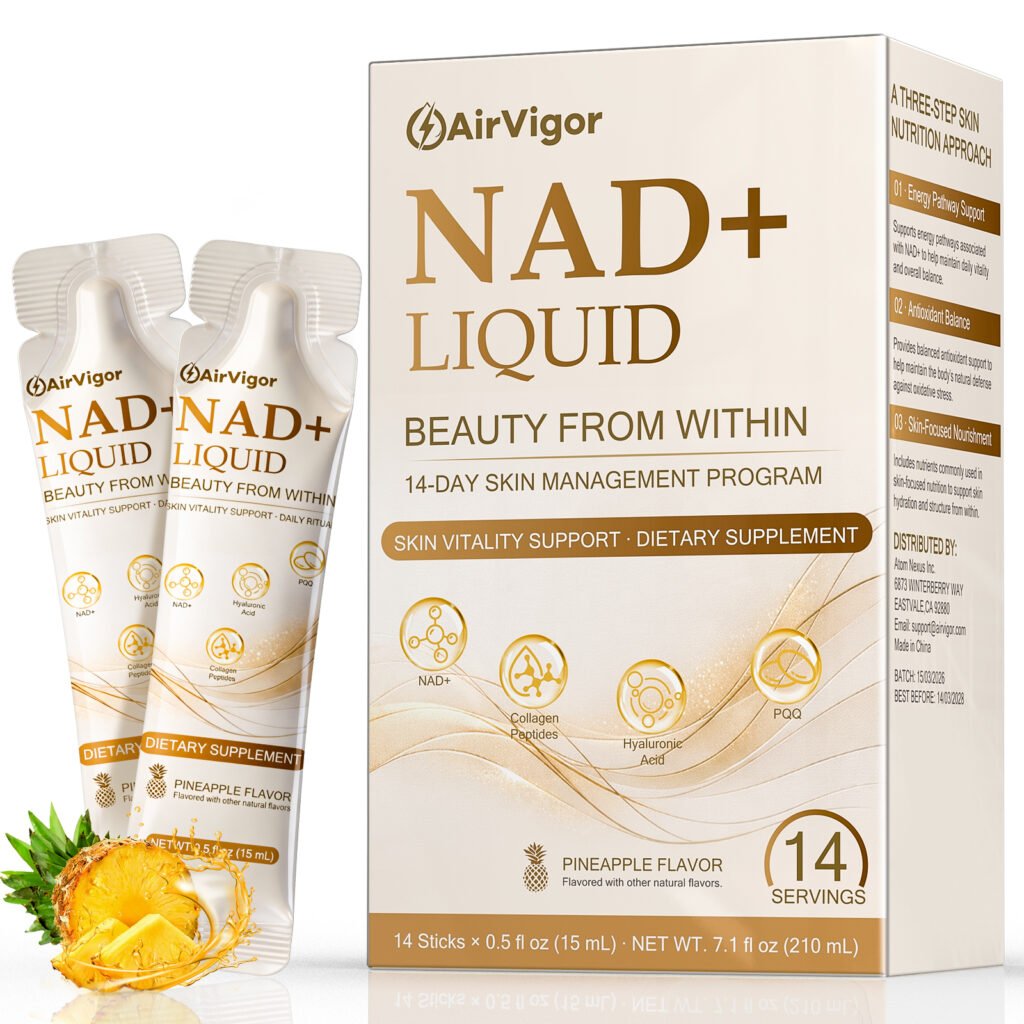
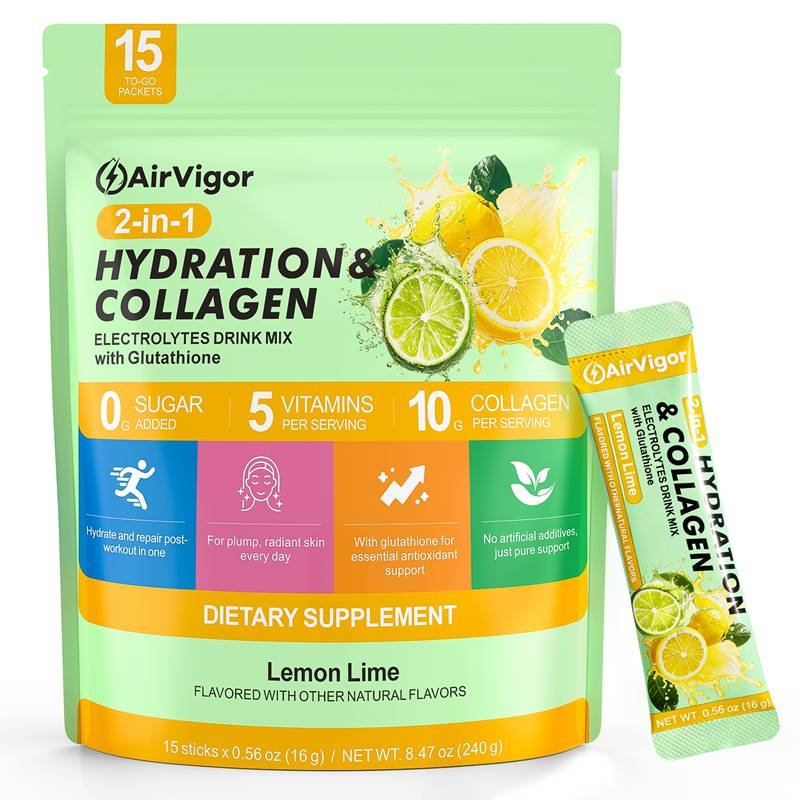
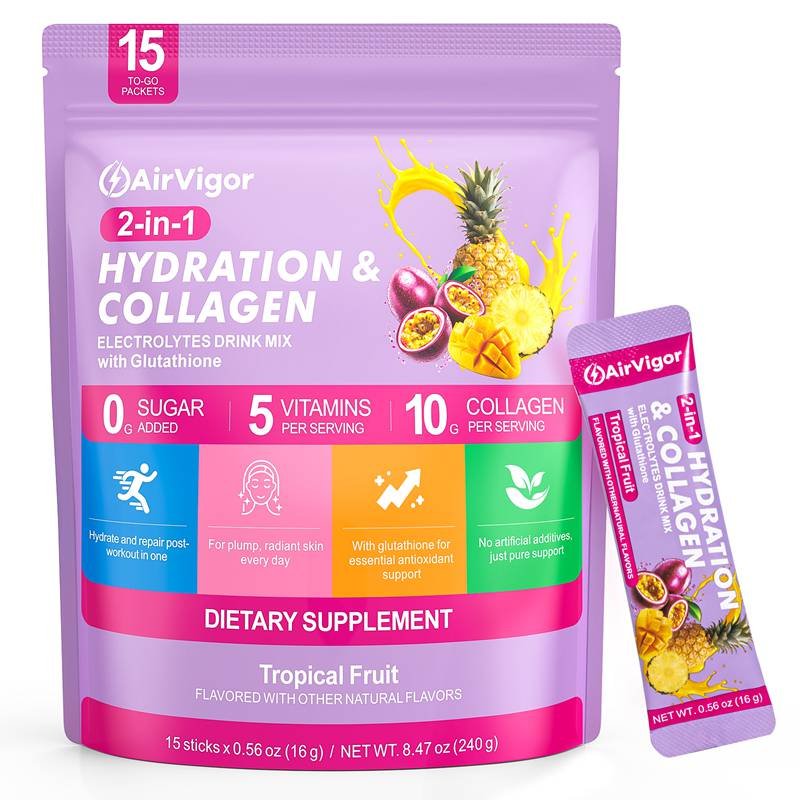
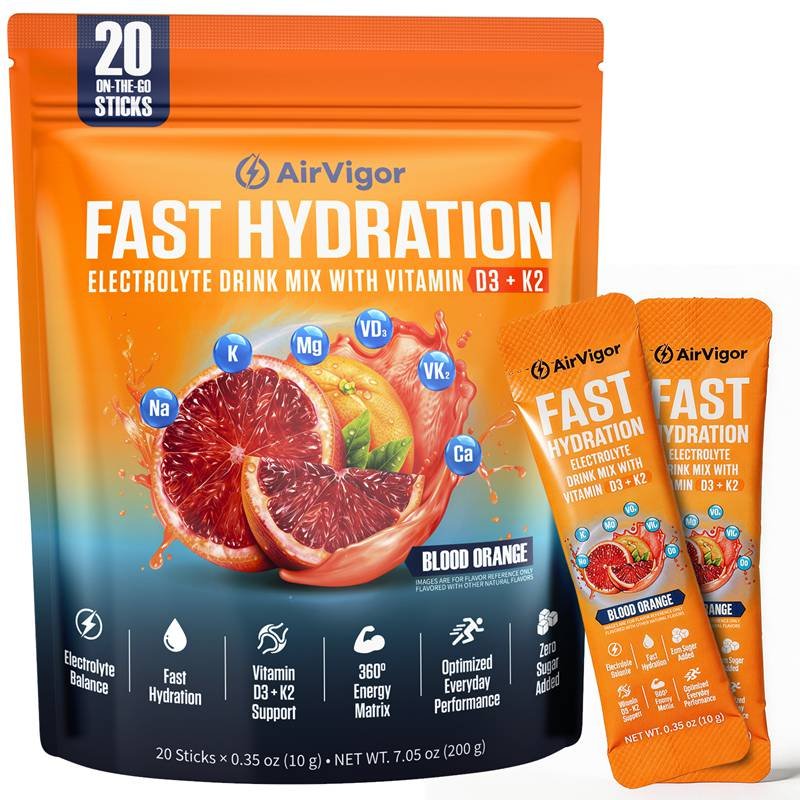
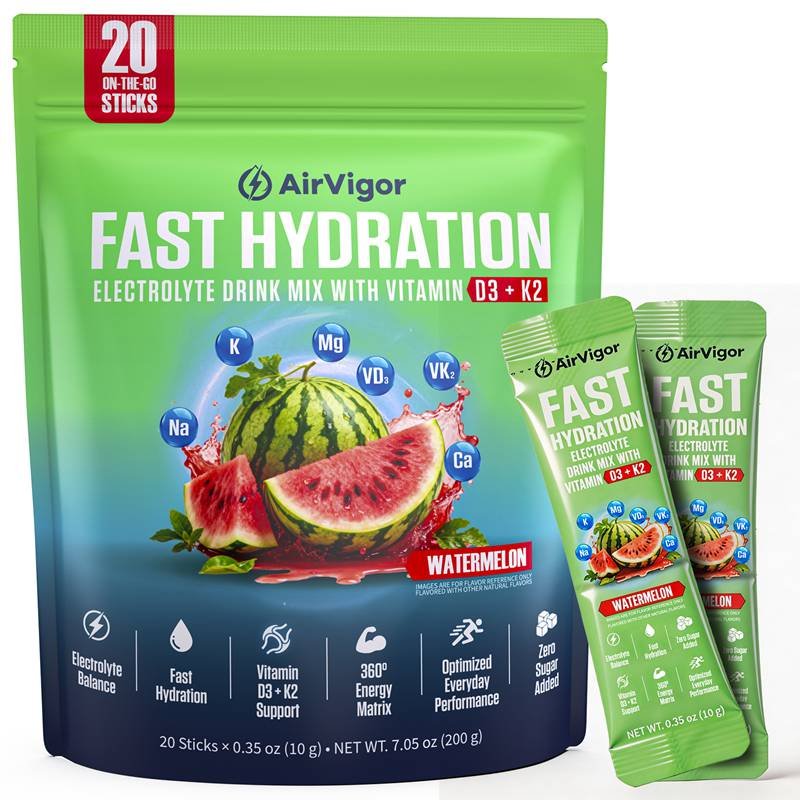
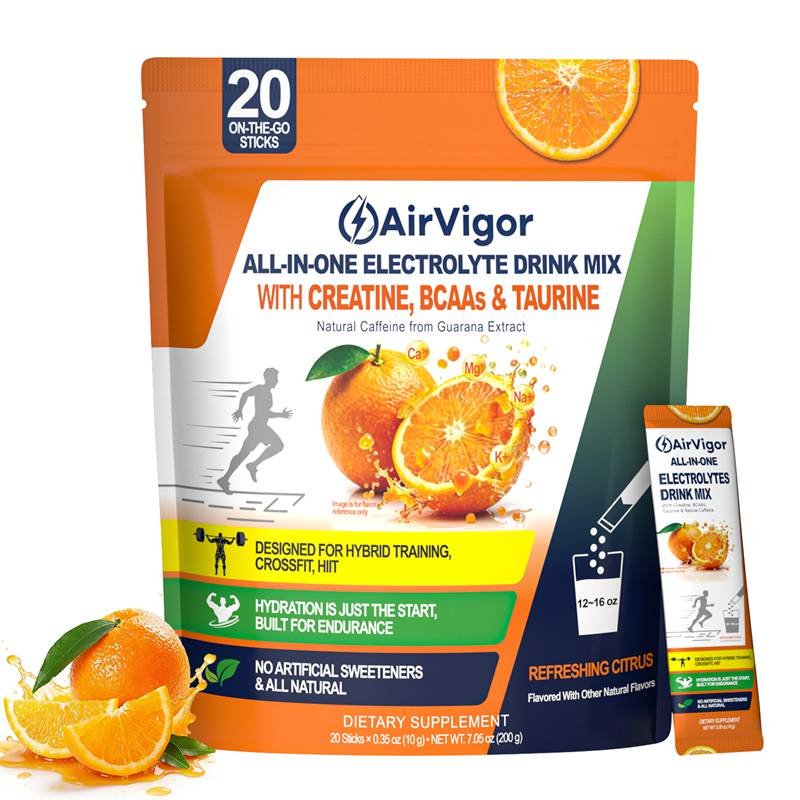
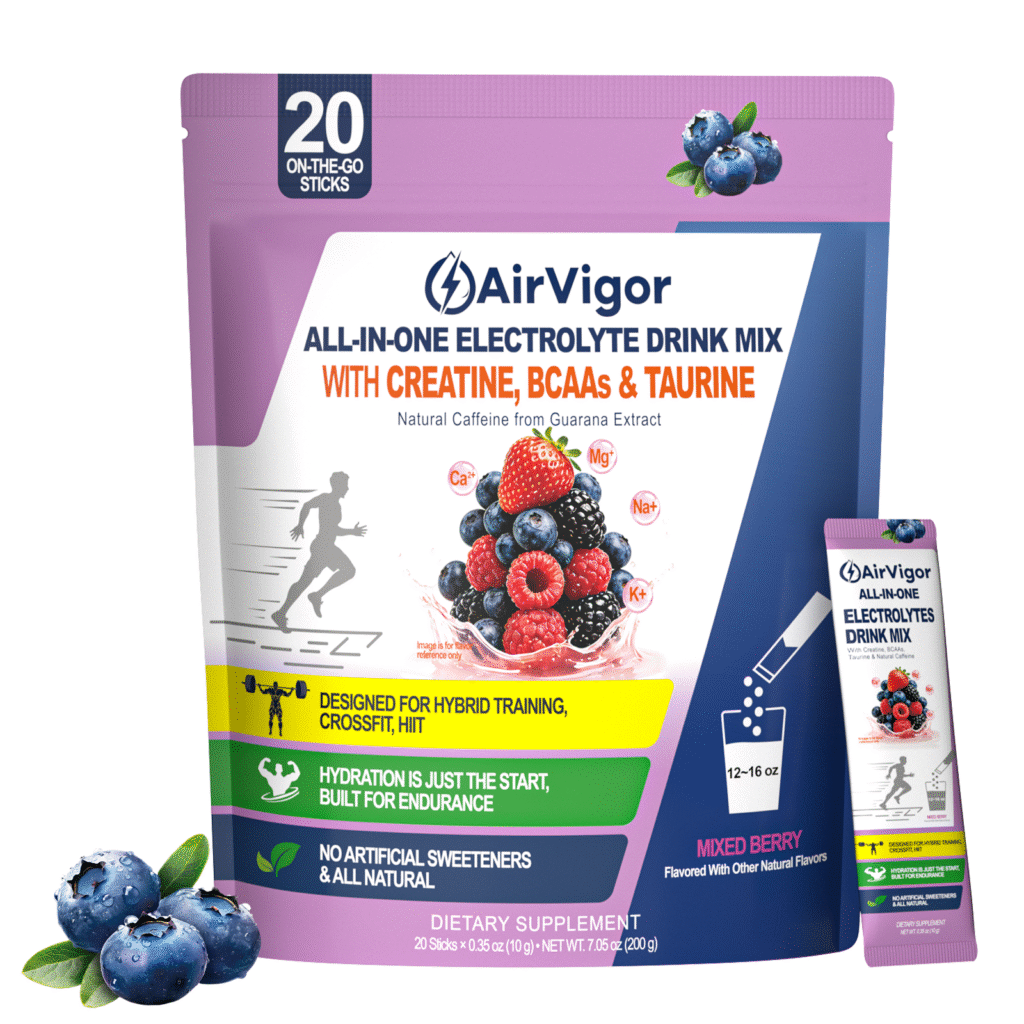
This is why AirVigor can fit naturally into skin hydration content. A portable electrolyte stick pack gives customers a simple way to support hydration when their day becomes busy, dry, hot, or active. It does not replace skincare, but it helps complete the inside part of a skin hydration routine.
Why Does Skin Lose Hydration?
Skin loses hydration when water loss becomes faster than water replacement. Sweat, dry air, hot showers, harsh cleansers, travel, coffee-heavy mornings, low water intake, and weak barrier care can all make skin feel tight, dull, rough, or less comfortable.
Is Skin Dehydrated?
Dehydrated skin means the skin may not have enough water. It can happen to dry, oily, or combination skin, which is why some people feel tightness even when their face looks shiny.
Many customers think skin dehydration only happens when the face is flaky. In real life, the signs can be much more subtle. Skin may feel tight after washing, makeup may sit unevenly, lips may dry out by midday, or fine lines may look more noticeable after a long day. These changes often appear after coffee-heavy mornings, air-conditioned offices, hot yoga, flights, or long hours without regular water breaks.
Dehydrated skin is not the same as a medical diagnosis. It is a common way customers describe skin that feels low in water. The important thing is to look at patterns. If skin feels worse after sweating, heat, travel, or low fluid intake, hydration habits may be part of the problem.
| Common Sign | What Customers Usually Notice | Possible Hydration Link |
|---|---|---|
| Tight feeling | Skin feels stretched after washing | Low water content or barrier stress |
| Dull look | Skin looks tired by afternoon | Low fluid intake, dry air, poor sleep |
| Dry lips | Lips feel cracked or rough | Low water intake, dry air, travel |
| Uneven makeup | Foundation clings or separates | Surface dryness or dehydration |
| Visible fine lines | Lines look stronger after long days | Temporary low skin hydration |
| Shiny but tight skin | Oily surface but uncomfortable feeling | Dehydrated skin can still produce oil |
For customers interested in electrolytes, the key question is not only “Do I drink water?” A better question is, “What is causing my body or skin to lose water during the day?”
Is Dry Skin Different?
Dry skin usually lacks oil, while dehydrated skin lacks water. A person can have dry skin, dehydrated skin, or both at the same time, so the right routine often needs both moisturizer and better hydration.
Dry skin is more connected to the skin barrier and natural oils. It often feels rough, flaky, itchy, or uncomfortable, especially in cold weather or after strong cleansers. Dehydrated skin is more connected to water balance. It may feel tight, dull, or less flexible even if the skin is not visibly flaky.
This difference matters because the solution changes. Dry skin often needs richer moisturizers, barrier-supporting creams, and gentler cleansing. Dehydrated skin often needs better water intake, smarter hydration timing, and fewer daily habits that pull water away from the body and skin.
| Skin Concern | More Likely Issue | What Helps Most |
|---|---|---|
| Flaky patches | Dry skin | Rich moisturizer, gentler cleanser |
| Tight but oily | Dehydrated skin | Water, electrolytes when needed, lightweight moisturizer |
| Rough after showering | Barrier stress | Shorter warm showers, body lotion |
| Dull after travel | Dehydration and dry air | Water, electrolytes, moisturizer, lip balm |
| Itchy winter skin | Dryness and barrier weakness | Fragrance-free cream, humidifier |
| Tight after sweating | Sweat residue and fluid loss | Rinse skin, rehydrate, moisturize |
Electrolytes fit the dehydrated skin side more than the dry skin side. They help support fluid balance inside the body, especially when sweat, heat, travel, or poor water intake are involved. They do not replace moisturizer, but they can make the internal hydration side of the routine more complete.
Can Sweat Affect Skin Hydration?
Sweat can reduce hydration because the body loses both water and electrolytes. After sweating, skin may also feel sticky, tight, or irritated when salt and sweat residue dry on the surface.
During exercise, sauna, hot yoga, outdoor work, or summer heat, the body uses sweat to cool itself. Sweat is mostly water, but it also contains electrolytes, especially sodium and chloride, with smaller amounts of potassium, magnesium, and calcium. Many adults may lose roughly 0.5 to 2.0 liters of sweat per hour during exercise or heat exposure, depending on body size, temperature, humidity, clothing, and intensity.
That fluid loss can show up in different ways. Some people feel thirsty. Some feel tired. Some get dry lips or headaches. Others notice their skin feels tight after showering, especially if they use a strong cleanser right after sweating.
| Sweat Situation | What Happens | Skin Hydration Concern |
|---|---|---|
| Hot yoga | Heavy sweat in a heated room | Skin may feel tight after class |
| Sauna | Fast sweat loss from heat exposure | Body may need water and minerals |
| Running | Repeated sweat loss over time | Salt residue may dry on skin |
| Gym training | Sweat plus indoor air | Skin may feel sticky or uncomfortable |
| Outdoor heat | Sweat evaporates faster | Thirst and dry lips may appear sooner |
A better post-sweat routine should handle both the body and the skin surface:
- Drink water with electrolytes after heavier sweating.
- Rinse sweat from the skin instead of letting it dry for hours.
- Use a gentle cleanser rather than an overly stripping one.
- Apply moisturizer while skin is still slightly damp.
- Reapply sunscreen after outdoor sweating.
This is one reason electrolyte stick packs are useful beyond sports. They are easy to carry to the gym, yoga studio, sauna, office, or travel bag, so rehydration does not depend on finding a sugary drink later.
Can Dry Air Lower Skin Hydration?
Dry air can pull water from the skin surface, especially in air-conditioned rooms, heated indoor spaces, airplanes, and low-humidity climates. This is why skin often feels tight even without sweating.
Many customers notice skin dehydration during office work. They may sit under air conditioning for 6 to 8 hours, drink coffee, forget water, and then wonder why their lips feel dry by afternoon. The same thing happens during winter heating or long flights. The body may not be sweating much, but the skin surface is still dealing with a dry environment.
Travel is one of the clearest examples. Airplane cabins are usually dry, water intake is irregular, meals may be salty, and sleep may be poor. After a flight, skin may look dull or feel tight because several hydration stressors happened at the same time.
| Environment | Why It Affects Skin | Helpful Routine |
|---|---|---|
| Air-conditioned office | Low humidity and long sitting hours | Keep water nearby, use electrolytes on busy days |
| Heated winter room | Warm dry air increases skin discomfort | Use moisturizer and indoor humidity support |
| Airplane cabin | Dry air plus irregular drinking | Carry stick packs and lip balm |
| Desert or dry climate | Faster surface water loss | Drink regularly and protect the skin barrier |
| Windy outdoor days | Wind can make skin feel stripped | Use moisturizer and sunscreen |
Electrolytes cannot humidify the air or seal the skin barrier. That is the job of environment control and skincare. But they can support the internal hydration side when dry air, low water intake, and travel routines make hydration harder to maintain.
Can Coffee Affect Hydration?
Coffee does not automatically ruin hydration, but coffee-heavy routines often delay water intake. When coffee replaces water for several hours, skin may feel less fresh by midday.
The issue is usually not one cup of coffee. The issue is the routine around it. Many people drink coffee first, skip breakfast, sit through meetings, and do not drink water until they already feel thirsty. If the same person is also in dry indoor air or commuting in heat, hydration pressure builds quickly.
Caffeine may increase urination in some people, especially at higher intakes or when someone is not used to it. But for most daily coffee drinkers, the bigger problem is habit. Coffee becomes the morning drink, and water becomes an afterthought.
| Morning Habit | What Often Happens | Better Hydration Move |
|---|---|---|
| Coffee before water | Day starts with low fluid intake | Drink water before or with coffee |
| Skipped breakfast | Fewer fluids and minerals from food | Add fruit, yogurt, or balanced breakfast |
| Back-to-back meetings | Water breaks disappear | Keep a bottle on the desk |
| Afternoon coffee | More caffeine, still low water | Pair coffee with water |
| Workout after coffee-heavy day | Sweat adds more fluid loss | Use electrolytes after sweating |
For customers who care about skin hydration, the goal is not to quit coffee. The goal is to stop letting coffee replace hydration. A simple electrolyte drink in the morning or afternoon can help turn hydration into an easier habit, especially on rushed days.

Which Electrolytes Support Skin Hydration?
The key electrolytes for skin hydration are sodium, potassium, magnesium, calcium, and chloride. They support fluid balance in different ways, especially after sweat, heat, travel, coffee-heavy mornings, or low water intake. A good formula should be balanced, clearly labeled, and easy to drink.
How Does Sodium Help Hydration?
Sodium helps the body retain fluid and support normal hydration balance. It becomes especially important after sweating, heat exposure, sauna, hot yoga, outdoor activity, or long days when plain water does not feel enough.
Sodium is the electrolyte most closely connected with sweat loss. When people sweat, they do not lose only water. They also lose sodium and chloride. This is why drinking plain water after heavy sweating may not always feel fully satisfying. Some people drink a large bottle of water and still feel thirsty, light, or tired afterward.
For skin hydration, sodium does not work like a face cream. It does not directly soften the skin surface. Its value is helping the body manage fluid balance from the inside. When hydration is more stable, skin may feel less tight or depleted, especially after sweat, heat, or travel.
The right sodium amount depends on the situation. A person doing a long outdoor run in summer may need more sodium than someone sitting in an office. A beauty hydration routine usually does not need an extreme endurance formula. It needs a practical level that supports daily hydration without feeling too salty or heavy.
| Daily Situation | Sodium Need | Customer-Friendly Explanation |
|---|---|---|
| Light office day | Low to moderate | Plain water and meals may be enough |
| Coffee-heavy morning | Moderate | Sodium may help support a more complete hydration routine |
| Hot yoga or sauna | Moderate to higher | Sweat can remove water and sodium quickly |
| Summer outdoor activity | Higher | Heat increases sweat and mineral loss |
| Long endurance training | Higher | More fluid and sodium may be lost over time |
| Travel day | Moderate | Dry air, irregular meals, and low water intake can stack up |
A useful daily electrolyte product should show sodium clearly on the label. Customers should not need to guess whether the product is light, moderate, or built for heavy sweat.
How Does Potassium Help Skin?
Potassium supports fluid balance inside cells. It works together with sodium, helping the body maintain a better hydration balance during daily routines, sweat recovery, travel, and low-intake days.
Potassium is often known through foods like bananas, avocados, potatoes, spinach, beans, and coconut water. In the body, it plays an important role in normal cell function and fluid balance. For skin hydration, potassium matters because skin is affected by the body’s overall hydration environment.
Many customers do not consistently eat potassium-rich foods every day. Busy work schedules, skipped meals, low-carb eating, travel food, dieting, or relying on coffee and snacks can reduce daily mineral intake. That does not mean an electrolyte drink should replace meals, but it can help support hydration when real life is not perfectly balanced.
Potassium also helps customers understand why hydration is not only about sodium. A formula that includes both sodium and potassium usually feels more complete than a drink that only adds salt and flavor.
| Potassium Source | Why It Helps Daily Nutrition | When Customers May Miss It |
|---|---|---|
| Banana | Easy fruit with potassium | Skipped breakfast or rushed mornings |
| Avocado | Popular in wellness diets | Irregular meals or travel days |
| Potato | Common food with strong potassium value | Low-carb eating or reduced starch intake |
| Spinach | Adds minerals and plant nutrients | Low vegetable intake |
| Beans | Mineral-rich and filling | Low fiber or low plant-food diets |
| Electrolyte drink | Convenient mineral support | Busy days, workouts, flights, heat |
For customers interested in skin hydration, the practical message is simple: potassium helps support the body’s internal hydration balance. It is not a “skin glow” shortcut, but it can be part of a daily routine that makes hydration feel more complete.
Why Does Magnesium Matter?
Magnesium supports normal muscle and nerve function, energy-related processes, and mineral balance. In a skin hydration routine, it adds broader wellness support, especially for people with active, stressful, or physically demanding days.
Magnesium is often discussed in sleep, stress, recovery, and muscle-support products. In electrolyte formulas, it helps create a more complete mineral profile. This matters because many customers looking for skin hydration also live active lives. They may do Pilates, hot yoga, gym training, walking, hiking, or long workdays at a desk.
For skin, magnesium should be explained with care. It does not directly hydrate the skin like hyaluronic acid in a serum. Its value is supporting body functions that sit behind a better hydration routine. When customers understand this, the claim feels more believable and less exaggerated.
Magnesium can be especially relevant when hydration issues show up together with physical tiredness, muscle tightness, or recovery needs. For example, someone may finish a hot yoga class feeling sweaty, tight, thirsty, and dry-skinned. In that moment, a formula with sodium, potassium, and magnesium may feel more useful than a sweet drink with very little mineral support.
| Customer Routine | Why Magnesium May Matter | Product Direction |
|---|---|---|
| Hot yoga | Supports normal muscle function after movement | Electrolytes after class |
| Pilates or light fitness | Fits beauty and movement routines | Light, clean hydration drink |
| Strength training | Supports active recovery habits | Broader mineral formula |
| Long desk work | Helps daily mineral support | Afternoon hydration routine |
| Travel | Meals and sleep may be irregular | Portable stick packs |
| Sauna use | Sweat and heat can increase hydration pressure | Rehydrate with water and minerals |
A well-designed formula should include magnesium in a practical amount. Too much can affect taste or digestive comfort for some people. For daily use, balance matters more than chasing the highest number.
Why Does Calcium Support Skin?
Calcium supports normal muscle function, nerve signaling, and cellular processes. In electrolyte formulas, it helps round out the mineral profile and supports a more balanced hydration routine.
Most customers connect calcium with bones, but calcium also plays a role in many normal body functions. In the skin conversation, it should not be marketed as a direct skin repair ingredient in an electrolyte drink. A more realistic way to explain it is that calcium supports the body’s normal mineral balance, which can be helpful in a complete hydration formula.
Calcium is especially useful for customers who want a formula that feels more complete than basic salt water. It makes the product easier to position for daily wellness, beauty routines, light fitness, travel, and general hydration support.
For example, a customer comparing electrolyte powders may see one product with only sodium, another with sodium and potassium, and another with sodium, potassium, magnesium, and calcium. The third product may feel more complete, as long as the amounts are clear and the taste remains easy to drink.
| Mineral Profile | What Customers May Think | Best Fit |
|---|---|---|
| Sodium only | Basic sweat replacement | Heavy sweat or simple hydration |
| Sodium + potassium | More balanced hydration | Daily use and light activity |
| Sodium + potassium + magnesium | Better active lifestyle support | Fitness, work stress, recovery |
| Sodium + potassium + magnesium + calcium | More complete electrolyte support | Beauty hydration, travel, daily wellness |
| Hidden blend | Hard to judge real value | Less ideal for informed customers |
Calcium is not the main reason someone buys an electrolyte powder for skin hydration, but it can help strengthen the formula story when included clearly and responsibly.
Why Does Chloride Matter?
Chloride works closely with sodium to support fluid balance. It is less talked about than sodium or potassium, but it is still an important electrolyte for daily hydration.
Chloride is often present when sodium is included as sodium chloride. Customers may not search for “chloride for skin hydration,” but it still matters in the body’s hydration system. It helps maintain fluid balance and supports normal acid-base balance.
For product education, chloride does not need to be overcomplicated. The customer only needs to understand that electrolytes work together. Sodium, potassium, magnesium, calcium, and chloride are not separate marketing decorations. They are part of a mineral system the body uses to manage fluids and normal function.
This is especially important after sweat. Sweat contains a mix of water and electrolytes, with sodium and chloride playing a major role. If someone sweats heavily and replaces only water, hydration may feel incomplete.
| Electrolyte | Easy Explanation | Why It Belongs in the Conversation |
|---|---|---|
| Sodium | Helps the body retain fluid | Key sweat-loss mineral |
| Potassium | Supports fluid balance inside cells | Balances sodium’s role |
| Magnesium | Supports muscle and nerve function | Helpful for active routines |
| Calcium | Supports nerve, muscle, and cell function | Adds complete mineral support |
| Chloride | Works with sodium for fluid balance | Important after sweat loss |
Chloride may not be the headline mineral, but it helps make the hydration story more accurate.
How Do Electrolytes Help Hydration?
Electrolytes help hydration by making water more useful inside the body. They support fluid balance, water retention, normal muscle function, and recovery after sweat, heat, travel, coffee-heavy routines, or low water intake. This is why electrolytes often feel more complete than plain water in high-loss situations.
Do Electrolytes Help the Body Use Water?
Electrolytes help the body move and balance water between blood, cells, and tissues. Water is essential, but minerals help guide where that water goes and how well it supports normal body function.
Many customers think hydration means drinking more water. That is only one part of the picture. If someone drinks water but loses minerals through sweat, heat, or long active days, hydration may still feel incomplete. This is why some people drink a full bottle of water after hot yoga, a sauna session, or a summer workout and still feel thirsty soon after.
Sodium and potassium are the two easiest electrolytes to understand in this process. Sodium helps support fluid outside cells and plays an important role in maintaining fluid balance. Potassium supports fluid balance inside cells. Together, they help the body manage water more effectively than water alone during higher-loss moments.
For skin hydration, this matters because the skin is affected by the body’s overall hydration state. If the body is running low on water and minerals, skin may feel tight, dull, or less comfortable, especially after sweat, travel, dry air, or long workdays.
| Hydration Factor | What It Means | Customer Experience |
|---|---|---|
| Water intake | How much fluid is consumed | Drinking enough water during the day |
| Electrolyte balance | Minerals that help manage fluid | Less “water goes right through me” feeling after sweat |
| Sweat loss | Water and minerals lost through sweating | Thirst, dry lips, tiredness, or tight skin after activity |
| Skin barrier | Outer layer that helps reduce water loss | Skin feels softer when moisturizer is used properly |
| Environment | Heat, dry air, flights, indoor air | Skin may feel dry even without visible sweating |
Electrolytes do not make water magical. They help make hydration more complete when the body has a real reason to need mineral support.
Do Electrolytes Help After Sweating?
Electrolytes are especially useful after sweating because sweat contains both water and minerals. When sweat loss is high, replacing only water may not fully support hydration.
Sweating happens during more than intense workouts. Hot yoga, Pilates in a warm room, sauna, hiking, summer commuting, outdoor work, cycling, running, and even long walks in humid weather can all increase fluid loss. Depending on heat, intensity, clothing, body size, and individual sweat rate, some adults may lose around 0.5 to 2 liters of sweat per hour during activity.
When sweat dries on the skin, it can also leave salt and residue behind. That is why skin may feel sticky, tight, or irritated after exercise. A strong post-sweat routine should support both the inside of the body and the skin surface.
| After-Sweat Need | What Happens | What Helps |
|---|---|---|
| Fluid replacement | Water is lost through sweat | Drink water after activity |
| Mineral replacement | Sodium and other electrolytes are lost | Use electrolytes when sweating is heavier |
| Skin comfort | Sweat and salt dry on the skin | Rinse or cleanse gently |
| Barrier support | Skin may feel tight after showering | Apply moisturizer after cleansing |
| Energy and recovery | Body may feel depleted | Eat balanced meals and hydrate early |
Electrolytes are not only for professional athletes. They are useful for ordinary people who sweat during real life. A person leaving a hot yoga class, walking home in summer heat, sitting in a sauna, or training after work may all benefit from a water-plus-electrolyte routine.
A practical after-sweat routine can be simple:
- Drink water with electrolytes within the first hour after heavier sweating.
- Rinse sweat from the skin instead of letting salt residue sit for hours.
- Use a gentle cleanser if needed, especially on the face, neck, chest, or back.
- Moisturize while skin is slightly damp to help reduce surface water loss.
This is where portable stick packs are helpful. A product like AirVigor can be kept in a gym bag, yoga tote, car, office drawer, or travel bag, making post-sweat hydration easier to follow.
Can Electrolytes Make Water Feel More Satisfying?
Electrolytes can make water feel more satisfying when thirst comes from fluid and mineral loss. Many people notice this after sweating, heat exposure, dry travel days, or long periods of low water intake.
Plain water is enough for many normal days. But there are moments when plain water may not feel complete. Customers often describe this in very simple ways: “I keep drinking, but I still feel thirsty,” “My mouth feels dry after a workout,” or “My skin feels flat after a flight.” These are not always solved by drinking more and more water. Sometimes the better answer is water with the right mineral support.
This is especially common in routines where hydration stress stacks up over the day.
| Routine Pattern | Why Water May Feel Incomplete | Why Electrolytes May Help |
|---|---|---|
| Coffee before water | Fluid intake starts late | Helps build a better morning hydration habit |
| Gym after work | Sweat follows a low-water day | Replaces water and minerals together |
| Flight travel | Dry air plus irregular drinking | Makes hydration easier and more structured |
| Summer errands | Heat increases sweat loss | Supports fluid balance after exposure |
| Low-carb eating | Some people lose more water and sodium | Supports mineral intake during transition |
| Busy office day | Water breaks are skipped | Encourages planned hydration |
This does not mean people should replace every glass of water with an electrolyte drink. A smart hydration routine uses plain water as the foundation and electrolytes when the day creates a stronger need.
For skin-focused customers, this is important because they often want a light, daily drink rather than a heavy sports formula. A good electrolyte product should taste clean, mix easily, and feel comfortable enough to use regularly.
Do Electrolytes Help Hydration Better Than Sports Drinks?
Electrolyte powders can support hydration without the extra sugar, calories, and bulk often found in many ready-to-drink sports beverages. The better choice depends on the user’s goal, sweat level, and daily routine.
Traditional sports drinks can be useful for certain situations, especially long activity where both carbohydrates and electrolytes are needed. But many people using electrolytes for skin hydration, office hydration, travel, hot yoga, or light fitness do not want a sugary drink. They want mineral support that feels clean and easy to use.
This is why electrolyte powders and stick packs have become popular. They let customers mix the drink with their preferred water amount, carry servings easily, and avoid storing heavy bottles.
| Option | Main Advantage | Possible Drawback | Best For |
|---|---|---|---|
| Plain water | Simple, no sugar, no calories | No electrolyte support | Normal low-sweat days |
| Sports drink | Ready to drink and familiar | Often higher sugar and calories | Long activity or quick energy needs |
| Electrolyte powder | Customizable water amount | Needs mixing | Daily hydration, sweat, travel |
| Stick pack | Portable and pre-measured | Needs water bottle | Work, gym, hot yoga, flights |
| Capsule electrolyte | Compact and flavorless | Does not encourage drinking water | Users who already drink enough fluids |
For customers focused on skin hydration, sugar content matters. A daily drink should not add unnecessary sugar if the goal is routine hydration. Low-sugar or zero-sugar electrolyte powders are usually easier to fit into beauty, wellness, fitness, and weight-conscious routines.
AirVigor’s stick pack direction fits this kind of customer because it supports repeat use. Customers can mix one serving into water when the day calls for extra hydration support instead of reaching for a sugary bottled drink.
When Do Electrolytes Matter Most?
Electrolytes matter most when the body loses water and minerals faster than usual. This happens during sweat, heat, travel, dry air exposure, low-carb eating, alcohol intake, or long workdays with poor fluid habits.
Customers do not need to overthink every sip of water. The easiest approach is to look for moments where hydration pressure is higher. These are the moments when electrolytes can make the most sense.
| High-Need Moment | Why It Matters | Practical Use |
|---|---|---|
| After hot yoga | Heavy sweat in a short time | Drink electrolytes after class |
| After sauna | Heat increases fluid loss | Rehydrate with water and minerals |
| During summer heat | Sweat loss rises quickly | Use electrolytes after outdoor time |
| During flights | Cabin air is dry and routines change | Carry stick packs for easy mixing |
| After intense workouts | Water and minerals are both lost | Use post-workout hydration support |
| During low-carb eating | Water and sodium loss may increase | Use electrolytes when needed |
| Coffee-heavy mornings | Water intake may be delayed | Pair coffee with water or electrolytes |
| Long office days | Dry air and skipped water breaks stack up | Use afternoon hydration support |
For skin hydration, the strongest moments are often the most ordinary ones: a dry office, a rushed morning, a sweaty workout, a flight, or a hot commute. These are the moments where skin may start to feel tight, lips may dry out, and plain water may not feel satisfying.
A simple routine works better than a strict rule:
- Use plain water for normal daily hydration.
- Use electrolytes after sweat, heat, travel, or low-water days.
- Choose low or zero sugar for daily wellness use.
- Read the label for sodium, potassium, magnesium, calcium, serving size, and caffeine.
- Pair internal hydration with moisturizer and sunscreen for better skin comfort.
The best hydration plan is the one customers can repeat without stress.
How to Use Electrolytes for Skin Hydration?
Electrolytes work best for skin hydration when they are used at the right time, mixed with enough water, and matched to real daily triggers like sweat, heat, travel, coffee, dry air, or low water intake.
When Should You Drink Electrolytes?
The best time to drink electrolytes is when your body is more likely to lose water and minerals. For skin hydration, timing matters more than drinking electrolytes randomly all day.
Many customers use electrolytes only after workouts, but skin hydration routines are often affected by more ordinary moments. A rushed morning, too much coffee, a dry office, a hot commute, a long flight, or a sauna session can all make hydration feel lower than usual. These are the moments when electrolytes can be more useful than another plain glass of water.
Morning use may help people who wake up with dry lips or drink coffee before water. Post-sweat use is helpful after hot yoga, Pilates, gym training, running, sauna, hiking, or outdoor heat. Afternoon use can fit office workers who sit in air conditioning and forget to drink water for hours. Travel use is practical because water intake, meals, and sleep are often disrupted.
| Best Time | Best For | Why It Helps Skin Hydration |
|---|---|---|
| Morning | Coffee drinkers, busy workers | Helps start hydration before the day becomes dry or rushed |
| After sweating | Gym, hot yoga, sauna, running | Replaces water and minerals lost through sweat |
| Afternoon | Office workers, dry indoor air | Helps support hydration when water intake drops |
| During travel | Flights, road trips, hotel stays | Makes hydration easier when routines change |
| Hot weather | Commuting, outdoor work, hiking | Supports fluid balance after heat and sweat exposure |
| After alcohol intake | Social nights or late events | Helps restore a more structured hydration routine |
A simple rule works well for most healthy adults: use electrolytes when your day creates a hydration gap. On a calm low-sweat day, plain water and balanced meals may be enough. On a hot, dry, sweaty, rushed, or travel-heavy day, electrolytes can make hydration feel more complete.
How Much Water Should You Mix?
Electrolyte powder should be mixed with enough water to support hydration and taste balance. If the drink tastes too salty, too sweet, or too strong, the water amount may be too low.
Water amount matters because electrolytes are not meant to be taken like dry powder or a flavor shot. They work as part of a fluid routine. A proper mix helps the minerals spread evenly, improves drinkability, and makes the serving easier to finish.
Most electrolyte powders are designed to be mixed into a full bottle or glass of water. The exact amount depends on the formula, but many daily hydration products work well with about 12–20 oz of water. Customers should always follow the product label because mineral strength, flavor intensity, and serving size can vary.
| Water Amount | Drink Strength | Best Fit |
|---|---|---|
| 8 oz | Stronger taste | Users who prefer bold flavor, but may feel too concentrated |
| 12 oz | Balanced taste | Common daily hydration use |
| 16 oz | Lighter taste | Office, travel, beauty hydration routines |
| 20 oz or more | Very light taste | Hot weather, workouts, longer sipping |
| Too little water | Overly strong | May taste salty or heavy |
| Too much water | Very diluted | May reduce flavor satisfaction |
For skin hydration customers, the most repeatable routine is usually a light, easy-to-drink mix. If the drink feels refreshing, customers are more likely to finish it and use it again. If it feels heavy, salty, or sticky, the routine usually stops after a few days.
A practical tip is to start with 16 oz of cold water, then adjust based on taste and use occasion. For hot yoga, sauna, or outdoor heat, a larger water bottle may feel better. For morning office use, a standard 12–16 oz bottle may be enough.
How Often Should You Use Electrolytes?
Electrolyte use should match sweat level, climate, activity, diet, and daily habits. For skin hydration, most customers need a practical routine, not the strongest formula taken every hour.
Some people may use electrolytes several times per week, while others may use them only during workouts, travel, hot weather, or coffee-heavy days. The right frequency depends on how often hydration pressure happens.
A daily beauty hydration customer may use electrolytes in the morning or afternoon when water intake is low. A hot yoga user may use them after class. A frequent traveler may keep stick packs in a carry-on. A runner or gym user may use them after training. The goal is to make hydration easier at the moments when skin and body feel most depleted.
| User Type | Suggested Use Pattern | Why It Fits |
|---|---|---|
| Office worker | 1 serving on dry, busy, coffee-heavy days | Helps support hydration when water intake is inconsistent |
| Hot yoga user | 1 serving after class | Replaces sweat-related fluid and minerals |
| Gym or Pilates user | 1 serving after training | Supports post-sweat hydration without a heavy drink |
| Frequent traveler | 1 serving during or after travel | Helps manage dry air and irregular routines |
| Outdoor worker | 1 serving during or after heat exposure | Supports hydration after higher sweat loss |
| Beauty routine user | 1 serving as needed in morning or afternoon | Builds a simple hydration habit |
A useful routine does not need to feel strict. Customers can look at their day and decide whether electrolytes make sense.
Use electrolytes more often when:
- you sweat heavily
- the weather is hot or humid
- you drink coffee before water
- your skin feels tight after travel
- you sit in dry indoor air for long hours
- plain water does not feel satisfying after activity
Use plain water as the main daily drink, and use electrolytes as targeted support when hydration needs are higher.
Who Needs Electrolytes More?
People who lose more water and minerals, drink less water, or live in dry or hot conditions may need electrolytes more often. This includes active users, travelers, office workers, sauna users, and beauty wellness customers.
Skin hydration customers are not always intense athletes. Many are busy women and men who want their skin to feel better during normal life. They may sit under air conditioning, drink coffee, skip water breaks, exercise after work, travel often, or spend time outdoors. Their hydration problem may come from routine gaps, not from extreme training.
Electrolytes may be especially useful for:
| Customer Group | Common Hydration Challenge | Why Electrolytes Fit |
|---|---|---|
| Busy professionals | Coffee, meetings, low water intake | Helps make hydration easier to remember |
| Hot yoga users | Heavy sweat in heated rooms | Replaces fluid and minerals after class |
| Frequent travelers | Dry air, irregular meals, less water | Portable support during flights and hotels |
| Active women | Pilates, running, gym, hiking | Supports post-sweat hydration |
| Low-carb users | Some people lose more water and sodium | Helps support mineral intake |
| Outdoor workers | Heat and sweat exposure | Supports rehydration during demanding days |
| Sauna users | Fast fluid loss from heat | Helps restore a more balanced routine |
| Beauty wellness users | Dull or tight skin after long days | Supports inside-out hydration habits |
The strongest message for customers is this: electrolytes are not only for sports. They are useful whenever life makes hydration harder. If skin often feels tight or dull after sweat, heat, flights, or coffee-heavy days, electrolytes may be a practical part of the routine.

Why Choose AirVigor Electrolytes?
AirVigor Electrolytes are made for people who want hydration support that fits real life: workdays, workouts, travel, hot weather, coffee-heavy mornings, and skin hydration routines. The focus is clear formula expression, easy use, quality control, and daily consistency.
Why AirVigor for Skin Hydration?
AirVigor supports the internal side of skin hydration by helping customers build a more complete water-and-mineral routine for dry offices, sweat, heat, flights, coffee, and busy schedules.
Many people care about skin hydration but only look at skincare products. They buy moisturizers, serums, facial mists, and lip balms, but still feel tightness after travel, dullness after long workdays, or dry lips after coffee-heavy mornings. AirVigor fits the part of the routine that skincare cannot fully cover: internal hydration habits.
Electrolytes do not replace moisturizer or sunscreen. AirVigor should not be seen as a cosmetic shortcut. Its value is more practical. It helps customers drink water with minerals when their day creates hydration stress. This is especially useful after sweating, during hot weather, after sauna, during flights, or when plain water does not feel satisfying.
For skin hydration customers, the product should feel light, easy, and repeatable. If a drink is too sugary, too salty, too heavy, or hard to mix, customers may stop using it after a few days. AirVigor’s electrolyte direction is built around a more everyday-friendly experience.
| Customer Problem | What They Usually Try | Where AirVigor Fits |
|---|---|---|
| Skin feels tight after travel | Face mist, moisturizer, lip balm | Helps support internal hydration during dry travel days |
| Lips get dry by afternoon | Lip balm only | Encourages water intake with electrolytes |
| Skin looks dull after workouts | Cleansing and skincare | Helps replace water and minerals lost through sweat |
| Coffee replaces morning water | More coffee or plain water later | Helps create an easier morning hydration habit |
| Plain water feels incomplete | Drinking more water without minerals | Supports fluid balance with electrolytes |
AirVigor is a good fit for customers who want a beauty hydration habit that feels realistic. It does not ask them to change their whole lifestyle. It gives them a simple way to support hydration during the moments when skin and body often feel depleted.
How Does AirVigor Support Hydration?
AirVigor supports hydration by focusing on practical electrolyte use: water, minerals, clear serving guidance, and a format customers can use during daily life instead of only during sports.
A good electrolyte product should help customers answer simple questions before they buy: What minerals are inside? Is it suitable for daily use? Does it contain sugar? How much water should I mix it with? Is it easy to carry? Can I use it after sweating, during travel, or at work?
AirVigor’s brand direction is based on clear formula expression and real ingredient addition. This matters because many hydration products use attractive front-label words but make the actual formula hard to understand. Customers should not have to guess whether a product contains meaningful sodium, potassium, magnesium, calcium, or only a small amount of minerals with flavoring.
For skin and hydration customers, the best formula is not always the strongest one. A product made for marathon racing may be too intense for daily beauty hydration. A product with very low minerals may taste nice but offer limited electrolyte support. AirVigor’s value is to offer hydration support that matches real use occasions.
| Hydration Need | What Customers Want | AirVigor Product Direction |
|---|---|---|
| Daily water support | Easy drink, not too heavy | Practical electrolyte routine |
| Sweat recovery | Mineral replacement after activity | Sodium, potassium, and supporting minerals |
| Beauty hydration | Low sugar, clean taste, daily fit | Skin hydration lifestyle positioning |
| Travel hydration | Portable servings | Stick pack convenience |
| Workday hydration | Desk-friendly routine | Easy mixing with water |
| Customer trust | Clear label, no confusing claims | Transparent formula expression |
Hydration is not only about how much water someone drinks. It is also about timing, minerals, taste, and whether the routine is easy enough to repeat. AirVigor is designed around that repeat-use reality.
What Makes AirVigor Easy to Use?
AirVigor is easy to use because stick packs remove the common problems of hydration products: measuring scoops, carrying tubs, buying bulky bottles, or forgetting to prepare drinks before leaving home.
Convenience matters more than many brands realize. A customer may understand electrolytes are useful, but if the product is difficult to carry or messy to use, it will not become part of daily life. Stick packs make electrolyte use easier because each serving is pre-measured and portable.
A customer can keep AirVigor in different places:
- one stick pack in a handbag for dry office days
- one in a gym bag for post-workout hydration
- one in a carry-on for flights
- one in a car for hot weather errands
- one at home for morning or afternoon hydration
This kind of convenience helps customers use electrolytes at the right time, not only when they remember at home.
| Format | Customer Experience | Best Use |
|---|---|---|
| AirVigor stick pack | Pre-measured, portable, easy to mix | Work, travel, gym, hot yoga, daily hydration |
| Large tub powder | Good value but less portable | Home use and high-frequency users |
| Bottled sports drink | Ready to drink but bulky | One-time convenience |
| Capsules | Compact but do not encourage water intake | Users who already drink enough fluids |
| Tablets | Portable but taste and texture vary | Light travel use |
For skin hydration customers, portability is especially important. Hydration gaps often happen outside the home: in the office, on a plane, after class, during errands, or after a long commute. AirVigor makes it easier to act at the moment the body actually needs support.
How Does AirVigor Fit Daily Routines?
AirVigor fits daily routines because it can be used at the moments when hydration is easiest to forget: morning coffee, dry office hours, post-workout recovery, hot weather, travel days, and evening wellness routines.
Most customers do not need a complicated hydration plan. They need a product that helps them do the right thing at the right time. AirVigor works well because the format is simple: open one stick pack, mix with water, and drink when hydration support is needed.
| Daily Moment | Common Hydration Issue | How AirVigor Fits |
|---|---|---|
| Morning | Coffee comes before water | Mix with water to start hydration earlier |
| Workday | Water breaks are skipped | Keep stick packs in a desk drawer |
| After workout | Sweat causes fluid and mineral loss | Use after training or hot yoga |
| Travel | Dry air and irregular meals | Carry in a handbag or carry-on |
| Hot weather | Sweat and thirst increase | Use after outdoor time |
| Beauty routine | Skin feels dull or tight after long days | Support internal hydration habits |
The strongest routine is simple and realistic:
- Use plain water as the daily foundation.
- Use AirVigor when sweat, heat, travel, coffee, or dry air creates a hydration gap.
- Pair electrolyte hydration with moisturizer, sunscreen, and balanced meals.
- Read the label and use the suggested water amount for best taste and routine fit.
This makes AirVigor easier to position for both wellness customers and beauty hydration customers. It is not just a gym product. It is a daily hydration product for people who want better routines without making life more complicated.
Why Is AirVigor Good for Brand Partners?
AirVigor is also suitable for distributors, wellness retailers, and supplement brands that want electrolyte products with clear positioning, flexible packaging, and quality-focused production support.
The electrolyte category is growing because customers now use hydration products in more than one setting. They use them for workouts, skin hydration, hot yoga, travel, office routines, low-carb diets, sauna, and hot weather. This creates more product opportunities for brands that want to enter the hydration and beauty wellness market.
AirVigor can support different product directions, including branded ready-to-sell products and customized supplement development. Depending on the project, this may include electrolyte powders, stick packs, beauty hydration formulas, collagen electrolyte concepts, vitamin-mineral hydration blends, or other daily wellness formats.
| Partner Need | AirVigor Support Direction |
|---|---|
| Ready-to-sell hydration products | Existing brand product supply |
| Custom electrolyte formula | OEM or ODM development support |
| Beauty hydration concept | Electrolyte plus lifestyle nutrition positioning |
| Stick pack packaging | Portable single-serving format |
| Label and packaging review | Product information consistency |
| Market-ready product planning | Support for Amazon, Shopify, retail, and distribution channels |
For business customers, AirVigor’s value is not only formula development. It is the full product path: formula direction, sampling, packaging, production coordination, quality documentation, and market-ready product presentation.
For direct customers, AirVigor offers an easier way to support daily hydration. For brand partners, AirVigor offers a practical route to build electrolyte products that match real customer needs in skin hydration, active lifestyle, travel, and daily wellness.
Conclusion
Electrolytes can support skin hydration by helping the body manage fluid balance, especially during sweat, heat, travel, dry indoor air, and busy routines. They do not replace skincare, but they can make hydration feel more complete when water alone is not enough.
AirVigor makes this routine easier with clear formula expression, practical electrolyte support, portable stick packs, and quality-focused production. Customers can choose AirVigor for daily hydration support, while brands and distributors can contact AirVigor for electrolyte powder, stick pack, beauty hydration, and custom supplement development.