Skip to content
Electrolytes Before or After a Workout: Which Timing Works Best?
# Your Trusted Dietary Supplement Brand In US
- Emily

Table of Contents
A lot of people start with a very simple question: Should I take electrolytes before or after my workout? But once you look at how people actually train, sweat, and recover, the answer gets more interesting. A 25-minute indoor lift, a 75-minute summer run, a sweaty spin class after work, and a weekend soccer practice do not create the same hydration problem. That is why one fixed answer never really works. According to the American College of Sports Medicine, hydration around exercise should be viewed as a full process: go into training with a good fluid status, support the body during longer or hotter sessions, and replace meaningful losses afterward. In other words, workout hydration is not only about what you drink, but also when and why you drink it.
Electrolytes before a workout can help prepare the body for sweat and fluid loss, especially in heat, longer sessions, or when you already know you tend to sweat heavily. Electrolytes after a workout help replace minerals lost in sweat and support rehydration and recovery. For short, cool, or low-sweat sessions, water is often enough. For longer, hotter, or more draining workouts, both timing points can matter.
That is why this topic matters so much for real customers. Most people are not trying to “optimize electrolyte strategy” in an abstract way. They want to know why they feel flat early in training, why plain water sometimes feels incomplete after sweating, and how to recover better without overcomplicating their routine. Once hydration timing is explained that way, the whole category becomes easier to understand and easier to trust.
What Do Electrolytes Do Before a Workout?
Electrolytes before a workout help the body start in a better hydration state. They matter most when the workout is long, hot, sweat-heavy, or likely to begin from an already underhydrated condition. For short or light sessions, water is often enough.
Why take electrolytes before a workout?
The biggest reason is preparation, not rescue.
According to the American College of Sports Medicine, hydration should begin before the session starts, and NATA hydration guidance recommends drinking in the hours before exercise and again shortly before activity. That advice is important because many people do not begin training fully hydrated. They may come into the session after a long workday, after too much coffee, after poor water intake, or after overnight fluid loss from sleep.
From a customer perspective, this changes the purpose of pre-workout electrolytes. The point is not to feel “amped up.” The point is to avoid starting the session behind. If someone begins training already a little dehydrated, the workout often feels harder earlier than expected. Sweat may feel more uncomfortable, performance may feel less steady, and fatigue may show up sooner.
A simple way to explain it is this:
- pre-workout electrolytes help support hydration readiness
- they may reduce the chance of fading too early
- they are most helpful when sweat loss is predictable
That is why people who train in heat, who sweat heavily, or who exercise early in the morning often notice a bigger difference from pre-workout hydration support than people doing shorter, easier, low-sweat sessions.
When do electrolytes before a workout help most?
They help most when the session is likely to create a meaningful hydration problem.
That usually includes:
- workouts longer than 60 minutes
- outdoor training in hot or humid weather
- heavy personal sweat rate
- low fluid intake earlier in the day
- early-morning sessions after limited overnight hydration
- double-session days or repeated hard training across the week
This is where many customers begin to see that hydration is not only about the workout itself. It is also about the condition the body is in before the workout begins.
For example, someone doing a long outdoor run in summer heat usually has a much stronger case for pre-workout electrolytes than someone doing a short indoor strength workout in mild temperatures. Both are “workouts,” but the hydration demands are completely different.
A practical comparison looks like this:
| Pre-Workout Situation | Is Water Often Enough? | Are Electrolytes Often Helpful? |
|---|---|---|
| Short indoor session | Usually yes | Sometimes optional |
| Easy cardio in cool weather | Usually yes | Sometimes optional |
| Morning workout after low fluid intake | Sometimes not | Often helpful |
| Hot-weather training | Sometimes not | Often helpful |
| Long endurance session | May be incomplete | Often more useful |
This kind of structure helps customers make smarter decisions because it turns a vague question into a real-life one: What kind of session am I about to do, and how likely is sweat loss to matter?
Is water enough before a workout?
In many situations, yes.
This is important to say clearly because workout hydration is often overcomplicated. For a lot of ordinary training, water still works perfectly well.
Water is often enough before:
- short indoor strength sessions
- easy cardio in cool conditions
- mobility or recovery work
- lower-sweat activity
- workouts that do not last long
That does not mean electrolytes are useless in those situations. It just means they may not be necessary.
A more useful framework is this:
- short + cool + low sweat = water is often enough
- long + hot + sweaty + underhydrated start = electrolytes are more useful
This is one reason cleaner electrolyte powders are appealing before training. Many customers want something supportive, but they do not want a very sugary, heavy drink before exercise. A lighter formula usually makes more sense in that moment.
What Do Electrolytes Do After a Workout?
Electrolytes after a workout help replace minerals lost in sweat and support rehydration and recovery. They matter most when the workout was long, hot, intense, or clearly sweat-heavy. For lighter sessions, water may still be enough.
Why take electrolytes after a workout?
After exercise, the body is dealing with what the session removed.
According to the Cleveland Clinic, sweating depletes electrolytes such as sodium chloride, potassium, magnesium, and calcium. MedlinePlus also explains that you lose electrolytes when you sweat and that water itself does not contain them. That is the clearest reason post-workout electrolytes matter: recovery is not only about getting fluid back in, but also about replacing at least part of the mineral loss.
Customers usually feel the need for post-workout electrolytes more clearly than the need for pre-workout ones. The signs are easier to notice:
- stronger thirst
- a depleted or heavy feeling
- salt marks on clothes or skin
- slower recovery than expected
- the sense that water helped, but not enough
This is why post-workout electrolyte products are often easier to understand from a customer perspective. The need is already visible, and the body is already asking for support.
How do electrolytes after a workout support recovery?
They support recovery by helping the body move from loss back toward balance.
That does not mean electrolytes replace food, protein, sleep, or rest. They do not. But they support one very important part of recovery: rehydration after sweat loss.
A practical way to explain it is:
- water helps restore fluid volume
- electrolytes help replace part of what is removed in sweat
- recovery often feels more complete when both are addressed
That is one reason many customers notice the difference most after:
- long runs
- hot-weather classes
- outdoor training
- repeated sweaty sessions
- longer sports practices
A good post-workout formula should also be easy to drink when the session is over. If the drink is too sweet, too heavy, or too much like an old-style sports beverage, repeat use often drops. That is why lighter, broader recovery-oriented formulas often feel more appealing after workouts.
When do electrolytes matter most after a workout?
They matter most when the workout clearly caused meaningful fluid and sweat loss.
The most common situations include:
- endurance sessions
- team sport practices
- outdoor training in the heat
- repeated workouts across the week
- high-intensity classes with heavy sweating
- customers who already know they are heavy sweaters
By contrast, not every short indoor session needs a post-workout electrolyte product. Water may still be enough after a lighter workout in cool conditions. That distinction matters because customers trust guidance more when it sounds realistic.
Here is a simple comparison:
| Post-Workout Situation | Is Water Often Enough? | Are Electrolytes Often Helpful? |
|---|---|---|
| Short light indoor session | Usually yes | Sometimes optional |
| Moderate workout with light sweat | Often yes | Sometimes helpful |
| Long workout with heavy sweat | May be incomplete | Often more useful |
| Outdoor training in heat | May be incomplete | Often more supportive |
| Repeated training days | Sometimes limited | Often helpful for recovery support |
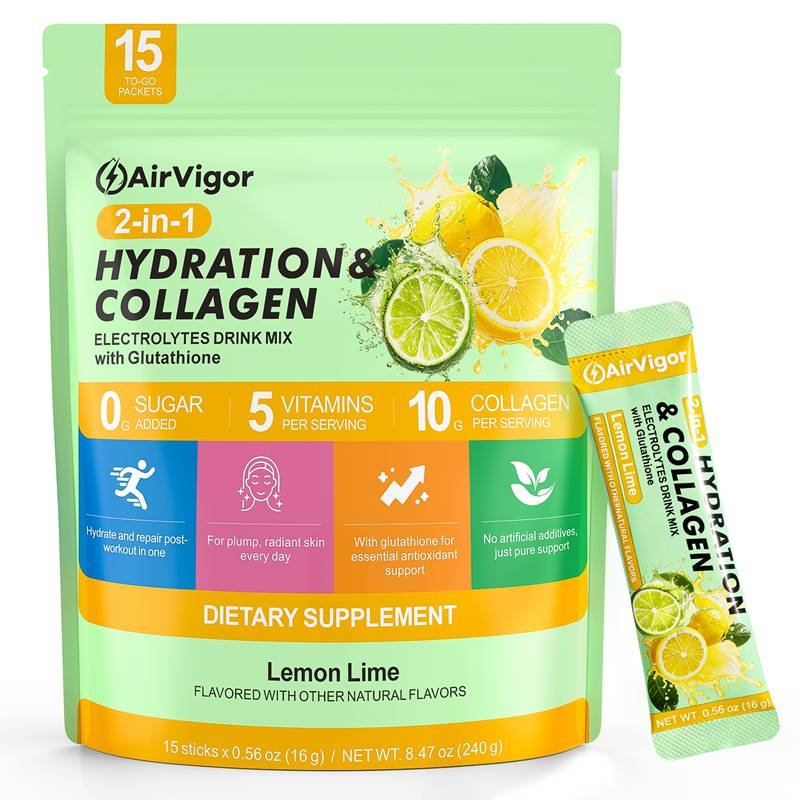
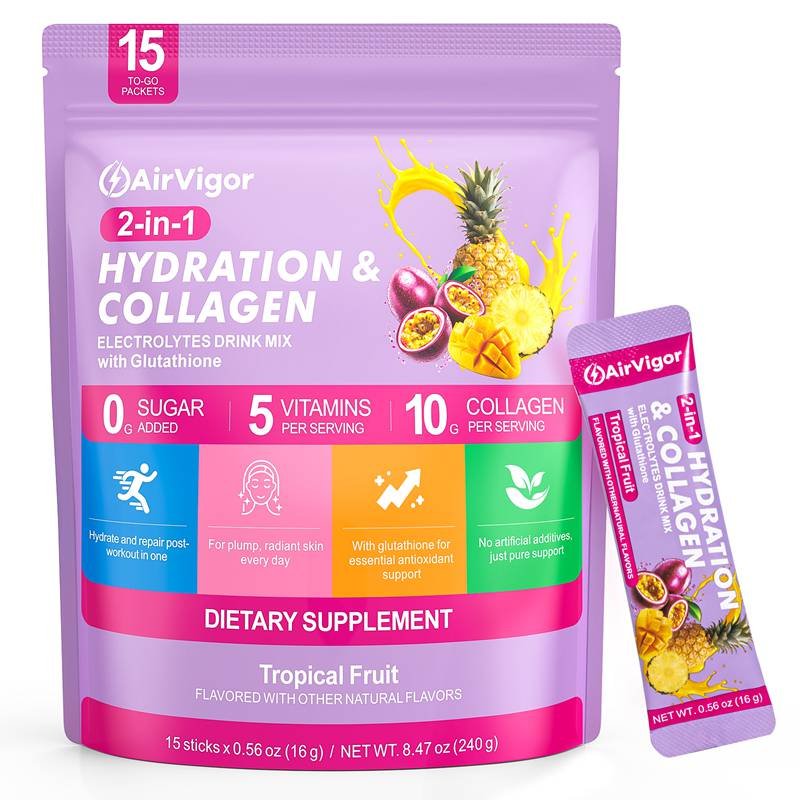
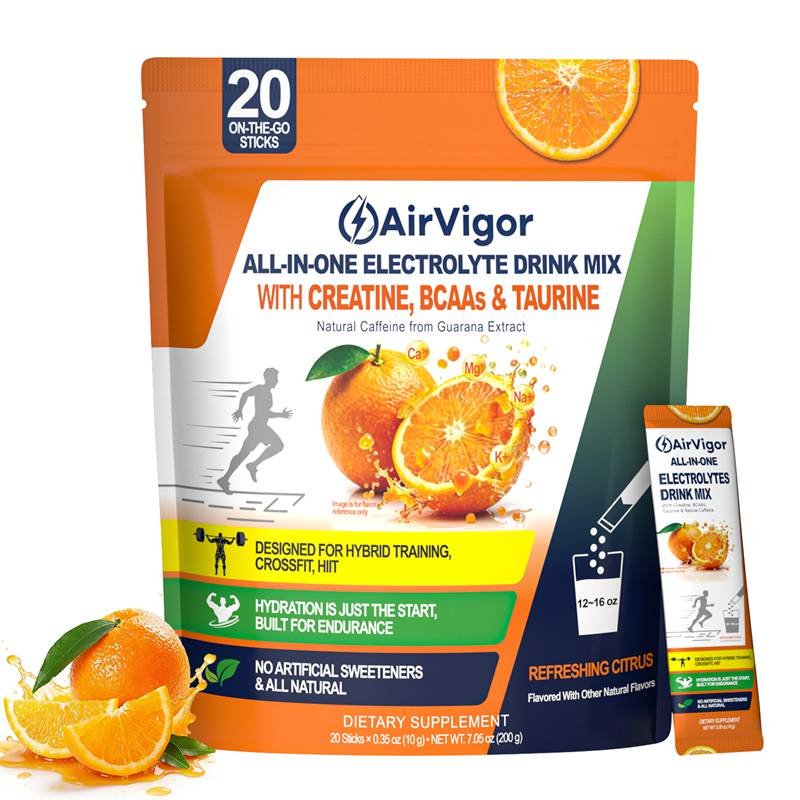
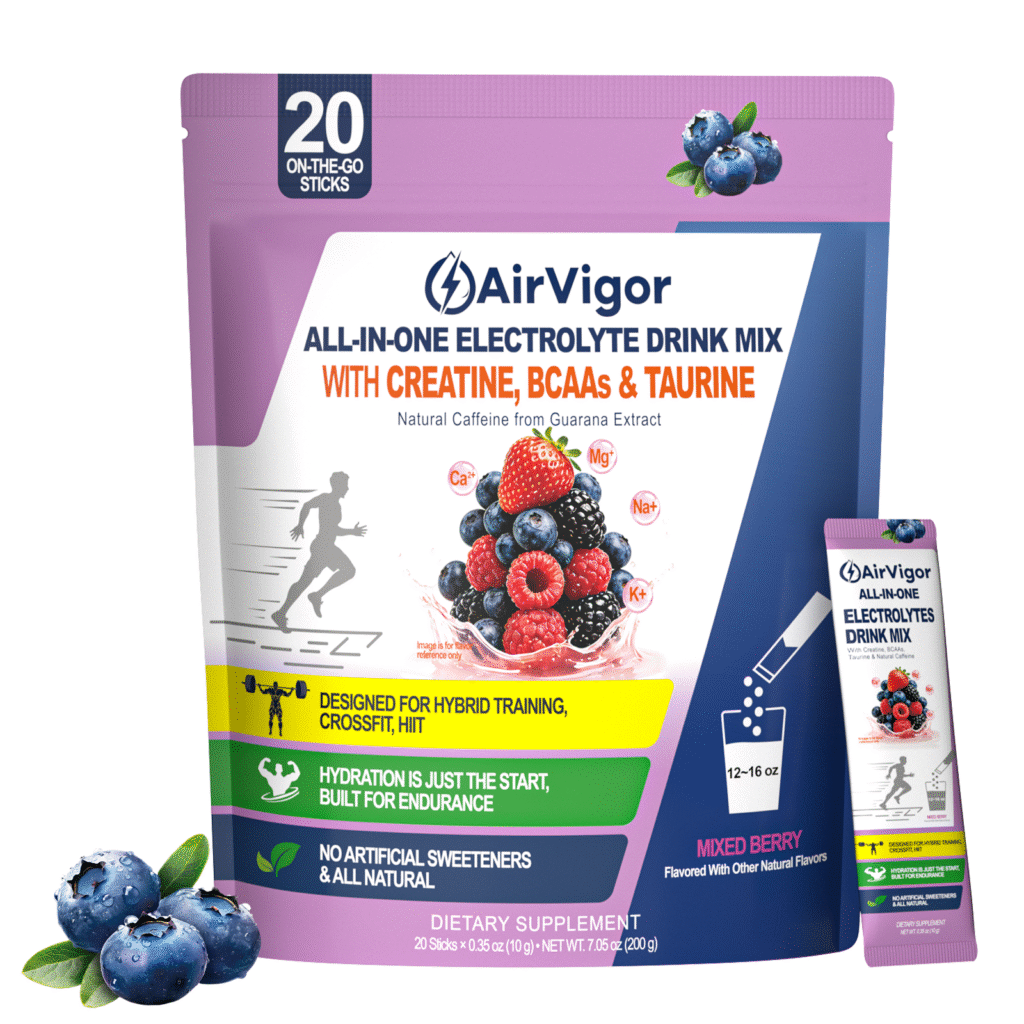
This is also where recovery-focused products like AirVigor’s can make sense more naturally. A broader mineral structure supports a stronger post-sweat recovery story than a very basic hydration mix.

Are Electrolytes Better Before or After a Workout?
Electrolytes are not automatically better before or after a workout in one fixed way. The better timing depends on session length, sweat level, heat, and how much support the body needs before and after the session. Before helps prepare. After helps restore. For some workouts, only one of those matters. For others, both do.
Which is better: electrolytes before or after a workout?
For most people, after a workout feels more important, while before a workout becomes more valuable when the risk is predictable.
That difference matters because the two timing points solve different problems.
- Before helps you avoid starting behind
- After helps you recover from what the workout already took out
Post-workout electrolytes often feel more important simply because the need is easier to notice. Customers already feel thirsty, drained, or flat. Pre-workout electrolytes can still be very useful, but the benefit is often less dramatic because it is preventive.
A practical way to look at it is this:
| Goal | Better Timing |
|---|---|
| Prepare for heat or long sweating | Before |
| Replace what was lost | After |
| Support both performance and recovery in a draining session | Before and After |
This explains why so many different answers exist online. People are often talking about completely different workouts.
Do you need electrolytes both before and after a workout?
Sometimes yes.
Not every workout needs electrolytes on both sides. But for long, hot, sweat-heavy, or repeated sessions, using them before and after can make a lot of sense.
This often applies when the workout includes:
- long duration
- high heat or humidity
- heavy sweating
- double sessions
- repeated hard training across the week
- recovery that already feels difficult
In these situations:
- before helps you avoid starting underprepared
- after helps you replace what was actually lost
That does not mean everyone needs a strong formula twice a day. It means some sessions create enough demand that support on both sides is reasonable.
How does workout length change electrolyte timing?
Workout length changes the answer more than most people realize.
A short workout creates a smaller hydration problem. A long workout creates a bigger one. As session length increases, electrolyte timing becomes more relevant because sweat loss accumulates.
A practical framework looks like this:
| Session Length | Before Workout | After Workout | Overall Need |
|---|---|---|---|
| Short | Often optional | Often optional | Water may be enough |
| Moderate | Sometimes helpful | Sometimes helpful | Depends on sweat and heat |
| Long | Often helpful | Often helpful | Both can matter |
| Very long or repeated | Often important | Often important | Hydration planning matters much more |
This is why better advice is not “electrolytes are always better before” or “always better after.” The more useful answer is: How much fluid and mineral loss is this session likely to create?
When Is Water Enough Without Electrolytes?
Water is enough for many workouts, especially when they are short, light to moderate, and done in mild conditions. Electrolytes become more useful when heat, longer duration, sweat loss, or repeated sessions make hydration more difficult than usual.
Is water enough for short workouts?
Very often, yes.
For many short sessions, especially indoors and in comfortable temperatures, water is still the simplest and best answer.
Water is often enough for:
- short strength workouts
- easy treadmill walking
- mobility sessions
- light cardio
- low-sweat activity
This matters because customers do not need to turn every workout into a complex fueling strategy.
At the same time, short does not always mean low hydration need. A short session in extreme heat or by someone who sweats heavily may still make electrolytes useful. That is why duration alone is not enough. Sweat level and environment matter too.
When are electrolytes better than water?
Electrolytes become the better choice when the workout creates more than ordinary thirst.
That usually means some combination of:
- longer duration
- hot environment
- heavy sweat loss
- repeated physical output
- strong post-workout depletion
- recovery that feels incomplete with water alone
Customers often describe this very simply:
- “Water wasn’t enough.”
- “I felt flat after training.”
- “I recover better with electrolytes in the heat.”
- “I sweat too much for water alone.”
A useful comparison looks like this:
| Situation | Water | Electrolytes |
|---|---|---|
| Easy short session | Usually enough | Often optional |
| Moderate sweat | Sometimes enough | Sometimes better |
| Long hot workout | May feel incomplete | Often better |
| Heavy sweater | May feel incomplete | Often better |
| Two hard sessions in one day | Sometimes limited | Often more useful |
Does sweat level matter more than workout type?
In many cases, yes.
People often focus too much on the label of the workout:
- lifting
- running
- cycling
- HIIT
- yoga
But the body does not respond to labels. It responds to actual physical demand, especially:
- how much you sweat
- how hot it is
- how long does the session last
- how depleted you feel afterward
That is why sweat level often matters more than workout category alone.
A short run in cool weather may create less hydration strain than a hot indoor class. A strength session in high heat may create more need for electrolytes than an easy bike ride in mild conditions. This is a much more useful framework for customers because it matches what the body is actually experiencing.
Who Needs Electrolytes Before vs After a Workout?
People who benefit most are usually the ones who lose enough fluid and minerals that plain water no longer feels complete. That often includes longer workouts, hot-weather training, heavy sweaters, repeated sessions, and non-athletes whose routines still involve real sweat loss.
Who benefits most from electrolytes before a workout?
Pre-workout electrolytes often help most for:
- heavy sweaters
- outdoor runners or cyclists
- morning exercisers
- longer than 60-minute sessions
- repeated same-day training
- customers who often feel flat early in a workout
These customers usually benefit from better readiness rather than a dramatic “boost.”
Who benefits most from electrolytes after a workout?
Post-workout electrolytes often help most for:
- endurance athletes
- outdoor sports participants
- high-intensity exercisers
- repeated training days
- heavy sweaters
- anyone who finishes training feeling clearly depleted
This is usually where customers feel the need most clearly, because the session has already made the demand obvious.
Are electrolytes useful for non-athletes too?
Yes.
They can also be useful for:
- hot yoga participants
- people doing outdoor work
- travelers in hot climates
- festival or event attendees
- people recovering after vomiting or diarrhea
- active adults who feel under-recovered after sweating
This matters because electrolyte products now fit a much broader real-life use case than traditional sports marketing suggests.
What Should You Look For in Workout Electrolytes?
A better workout electrolyte product should match sweat level, workout length, and recovery needs. The best formula is usually not the loudest one. It is the one that makes the most sense for how the customer actually trains.
Which minerals matter most in workout electrolytes?
Sodium usually matters most first because it is closely tied to sweat replacement. According to the American College of Sports Medicine, athletes who sweat heavily can lose roughly 500–700 mg of sodium per hour during vigorous exercise. Potassium, magnesium, calcium, and chloride widen the formula and make it feel more complete.
| Mineral | Main Role | Why It Matters Around Workouts |
|---|---|---|
| Sodium | Sweat replacement | Core hydration support |
| Potassium | Broader electrolyte balance | More balanced feel |
| Magnesium | Muscle and nerve support | Stronger recovery relevance |
| Calcium | Added mineral depth | More complete formula impression |
| Chloride | Works with sodium | Stronger hydration structure |
What makes a better before-or-after workout formula?
A better formula is one that matches the timing.
Before a workout, many customers want:
- something lighter
- something easy to drink
- not too much sugar
- hydration support without heaviness
After a workout, many customers want:
- something more recovery-oriented
- a broader mineral feel
- good drinkability even when tired
- support that feels more complete than plain water
This is why formula design matters so much. A product can have good ingredients on paper and still fail if it is too sweet, too heavy, or too narrow for the intended use.

How can AirVigor fit workout hydration and recovery?
This is where AirVigor fits naturally.
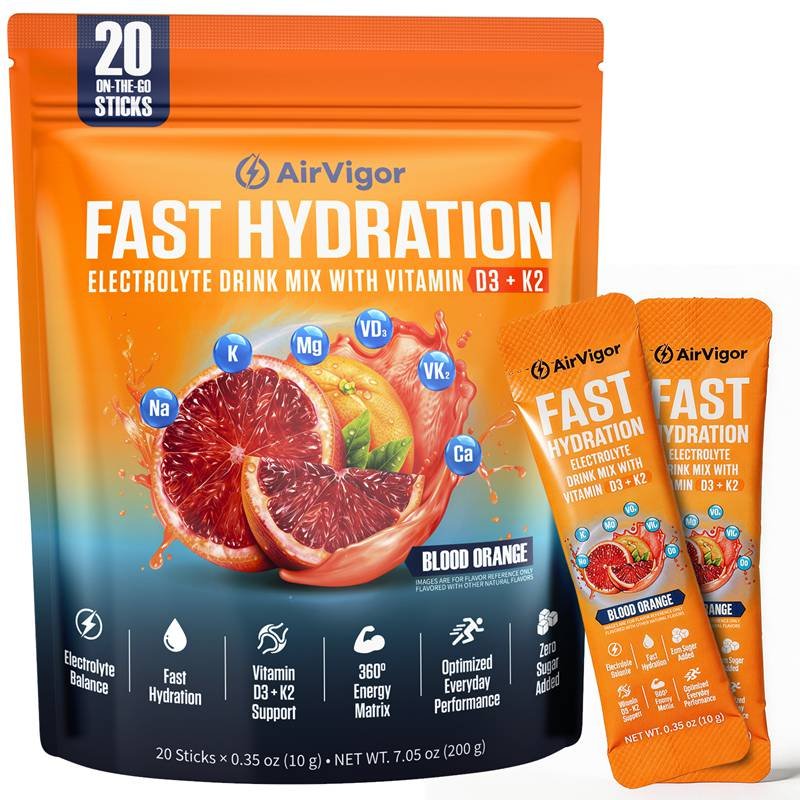
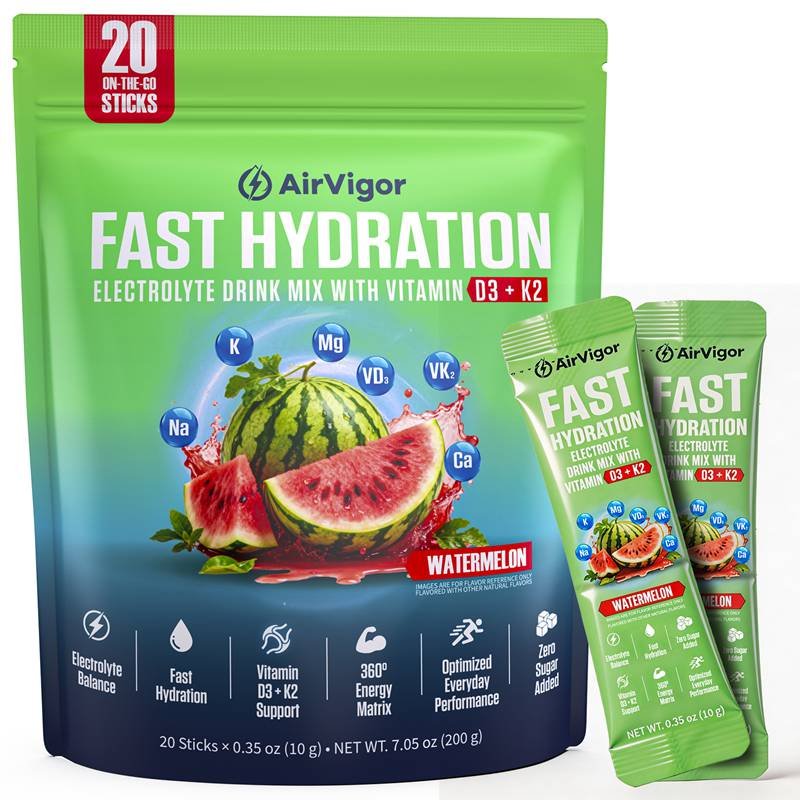
A formula like AirVigor’s can support a stronger story because it goes beyond a very basic hydration mix. With sodium, potassium, chloride, magnesium, and calcium, plus the broader D3 and K2 recovery angle in your concept, it can speak to:
- pre-workout hydration readiness
- post-workout recovery support
- broader mineral balance
- active daily use
That gives the formula stronger relevance than a one-dimensional sports drink substitute.
A simple workout label checklist
| What to Check | Why It Matters |
|---|---|
| Sodium level | Shows whether the formula is serious enough for sweat replacement |
| Broader mineral blend | Helps separate basic formulas from more complete ones |
| Sugar content | Helps match the product to pre-, post-, or longer-session use |
| Flavor profile | Strongly affects repeat use |
| Intended use | Helps avoid mismatch between formula and workout |
Final Thoughts
Electrolytes before and after a workout solve different parts of the same problem.
- Before helps prepare the body
- After helps restore what was lost
For many lighter workouts, water is still enough. For longer, hotter, or sweat-heavy sessions, both timing points can matter. That is why the most useful answer is not “before” or “after” alone. It is matching hydration support to the real workout.
That is also why broader formulas like AirVigor’s feel more relevant. A product built around a stronger mineral structure and a recovery-oriented concept is easier to position for real training, real sweat loss, and real recovery needs.
Looking to Source a Better Workout Electrolyte or Build Your Own?
If you are looking for:
- a more complete before-or-after workout electrolyte formula
- a recovery-focused electrolyte powder
- a broader mineral profile for active users
- a sugar-free or lower-sugar workout hydration product
- an OEM / ODM partner for custom sports or recovery formulas
AirVigor can support both:
- finished branded products
- private label and custom formulation projects
Whether your goal is a market-ready product or a more distinctive hydration formula for your own brand, the focus stays the same: build something that fits real training, real recovery, and real customer needs.
Share:
Contact Expert Team
At AirVigor, performance becomes effortless. We transform advanced nutrition science into clean, effective supplements that help you hydrate, recover, and feel stronger every day. Shop AirVigor Supplements on Amazon and experience athlete-trusted formulas—backed by real science and supported by our world-class R&D and production capabilities.
Trust AirVigor
At AirVigor, turning your performance goals into reality is no longer a struggle—it’s a science-driven journey we build together. Whether you’re a runner, lifter, cyclist, yogi, outdoor athlete, or someone simply seeking better daily energy, AirVigor transforms advanced nutrition research into clean, effective, and trustworthy supplements you can feel.
Backed by our U.S. scientific team, global certifications, and world-class production standards, every formula is engineered to deliver real hydration, real recovery, and real performance. And when you’re ready to experience the difference, you’ll find AirVigor products available on Amazon and other major platforms—fast shipping, consistent quality, and a community of athletes already seeing results.
Behind the scenes, our R&D and manufacturing ecosystem also supports specialized formulation development, ensuring AirVigor continues to lead with innovation while keeping quality and safety uncompromised. But at the core, everything we create is built for you—your health, your performance, your momentum.
Choose AirVigor. Feel the science. Elevate your every day.


Subscribe to our newsletter
Sign up to our newsletter and we’ll keep you up to date with the latest arrivals.