Skip to content
Do Women Need Electrolytes for Hormonal Balance Support : A Practical Breakdown
# Your Trusted Dietary Supplement Brand In US
- Emily

Table of Contents
Most women do not search for hormonal balance support because everything feels normal. They search because something feels different: the body feels puffy before a period, energy drops in the afternoon, cravings get stronger, workouts feel harder, or plain water does not seem to fully help. In these moments, it is easy to blame hormones alone. But the body rarely works through one single factor. Hydration, minerals, sleep, stress, caffeine, food choices, sweating, and cycle changes often overlap.
Electrolytes do not directly balance hormones. They are not estrogen, progesterone, cortisol, thyroid support, or medical treatment. Their value is more practical: they help the body support fluid balance, normal nerve signaling, muscle function, and hydration quality. For women, that can matter during period days, PMS routines, stressful workweeks, workouts, hot weather, sauna use, travel, and low-carb eating patterns.
A better way to look at electrolytes is this: they help build a steadier hydration foundation when the body feels less predictable. If a woman is already dealing with poor sleep, two coffees before lunch, salty snacks, bloating, and a long day at work, plain water alone may not always feel satisfying. A balanced electrolyte drink will not “fix hormones,” but it may help her stay better hydrated, replace minerals lost through sweat, and keep a simple wellness habit in place when her routine gets messy.
What Are Electrolytes?
Electrolytes are essential minerals that help the body manage hydration, fluid movement, nerve signals, and muscle function. For hormonal balance support, they do not change hormones directly, but they help women build a steadier hydration foundation during daily body changes.
What Do Electrolytes Support?
Electrolytes support how water works inside the body. They help move fluid, support normal muscle and nerve function, and make hydration more useful than simply drinking plain water without minerals.
Most people think hydration means “drink more water.” That is only part of the picture. Water is essential, but the body also needs minerals to help that water move where it is needed. Electrolytes are the minerals that help support this process.
When electrolytes dissolve in body fluids, they carry an electrical charge. This helps support nerve signals, muscle contractions, fluid balance, and normal body function. For women, this becomes especially relevant during days when the body feels less steady: before a period, during PMS, after sweating, in hot weather, after sauna, during travel, or during stressful workweeks.
A common customer problem is drinking water but still feeling thirsty, tired, puffy, or physically flat. This does not always mean the person has an electrolyte problem. But it may mean hydration is not matching the situation. For example, a woman who drinks coffee all morning, eats a salty lunch, sweats during an evening workout, and only drinks plain water afterward may still feel like something is missing.
Electrolytes help support the “quality” of hydration by adding minerals that the body uses for fluid balance and normal physical function. This is why electrolyte powders are not only useful for athletes. They can also fit daily wellness routines when the body is under more hydration pressure.
| Electrolyte Function | What It Means in Daily Life | Common Customer Situation |
|---|---|---|
| Fluid balance | Helps the body manage water inside and outside cells | Feeling thirsty after sweating or during hot weather |
| Nerve signaling | Supports normal communication between nerves and muscles | Feeling physically drained after long days or workouts |
| Muscle function | Supports normal contraction and relaxation | Muscle tightness after exercise, yoga, or long sitting |
| Sweat replacement | Helps replace minerals lost through sweat | Hot yoga, running, sauna, hiking, summer errands |
| Daily hydration support | Makes water intake more purposeful and consistent | Office days, travel, PMS week, low water intake |
For women searching for hormonal balance support, the important point is not that electrolytes “control hormones.” They do not. The more useful point is that hydration often affects how the body feels. If hydration is poor, normal monthly changes may feel harder to manage. If hydration is more consistent, the body has a better daily foundation.
This is where a clear electrolyte product becomes practical. Instead of guessing whether plain water is enough, customers can look at their day and decide based on real needs: Did I sweat? Did I drink enough water? Did I rely on coffee? Am I traveling? Is it hot? Am I in my PMS week? This makes electrolyte use more realistic and less confusing.
Are Electrolytes Hormonal?
Electrolytes are not hormones. They do not act like estrogen, progesterone, cortisol, insulin, or thyroid hormones. Their role is mineral support, not hormone correction or medical hormone treatment.
This distinction matters because “hormonal balance” is often used too loosely in wellness content. Many women search this topic because they feel bloated, tired, moody, crampy, thirsty, or uncomfortable before their period. It is natural to connect these feelings with hormones, but the full picture is usually broader.
Hormones can influence how the body feels across the month, but daily habits also matter. Sleep quality, caffeine intake, salty foods, stress, workouts, hydration, alcohol, and meal timing can all affect comfort. Electrolytes fit into this picture by supporting hydration and mineral intake, not by changing hormone levels.
A more honest way to understand electrolytes is this: they can support the environment around hormonal balance routines. They help the body maintain fluid balance and normal muscle and nerve function during days when women may already feel more sensitive to body changes.
| Common Search Question | Better Customer Answer |
|---|---|
| Do electrolytes balance hormones? | No. Electrolytes do not directly balance hormones. |
| Can electrolytes support hormonal balance routines? | Yes. They can support hydration and mineral intake as part of a daily wellness routine. |
| Can electrolytes help before my period? | They may help support hydration when PMS, bloating, sweat, caffeine, or low water intake are present. |
| Are electrolytes good for women? | They can be useful when matched to sweating, diet, travel, heat, workouts, and daily hydration needs. |
| Should I take electrolytes instead of water? | No. Electrolytes should be mixed with water and used when minerals are also helpful. |
| Are electrolytes a hormone supplement? | No. They are mineral-based hydration support. |
This kind of clear answer is more useful for customers than broad claims. A woman does not need a product that tells her it will “fix” her body. She needs to understand when the product makes sense.
For example, if she feels bloated before her period, drinks less water because of that bloating, then drinks extra coffee to get through work, she may feel worse by afternoon. In that case, a light electrolyte drink can help her keep hydration steady. It will not change her hormones, but it may make her hydration routine easier to maintain.
The same idea applies to stress-heavy weeks. A woman may have poor sleep, more caffeine, skipped meals, and long hours at a desk. She may describe the feeling as “hormonal,” but part of the issue may also be low fluid intake and inconsistent minerals. Electrolytes can support one controllable habit: drinking water with key minerals.
That is why responsible wording matters. AirVigor should not be positioned as a hormone product. It should be positioned as a clear, convenient electrolyte formula that helps support women’s hydration routines during the days when their body feels less predictable.
Why Does Balance Matter?
Balance matters because the body needs both water and minerals to support steady hydration. Too little fluid, too much plain water after heavy sweating, or poor mineral intake can all make the body feel less stable.
Many customers use hydration products incorrectly because they think in extremes. Some believe plain water is always enough. Others think the strongest electrolyte formula is always better. In reality, the best choice depends on the situation.
For women, this is especially important because daily needs can change. A calm office day is different from a hot yoga day. A normal week is different from a PMS week. A short walk is different from a sweaty outdoor workout. A home routine is different from travel, dry airplane air, airport food, and irregular sleep.
A balanced electrolyte routine should match the body’s real conditions, not just follow a fixed rule.
| Daily Situation | What May Happen | Electrolyte Support Level |
|---|---|---|
| Regular office day | Low sweating, normal meals, steady water intake | Plain water may be enough |
| Busy workday | Coffee replaces water, meals are rushed | Light electrolyte support may help |
| PMS week | Bloating, cravings, lower water intake | Steady hydration with balanced minerals may be useful |
| Period days | Fatigue, low appetite, discomfort | Easy-to-sip electrolyte water may fit better than heavy drinks |
| Hot yoga or sauna | Heavy sweat and mineral loss | Electrolytes are more useful after sweating |
| Summer outdoor activity | Heat increases sweat rate | Electrolytes can help replace lost minerals |
| Travel day | Dry air, salty food, poor sleep, less water | Portable electrolytes can support consistency |
| Low-carb diet | Fluid and sodium habits may shift | Sodium and potassium awareness becomes more important |
This is also why formula design matters. A daily electrolyte powder should not only look good on the front label. It should be clear enough for the customer to understand how to use it. Sodium should be listed. Potassium should be listed. Magnesium and calcium should be easy to see. Sugar content should be clear. Caffeine should never be hidden.
Customers usually want practical answers before they buy:
- Is this for daily use or only sports?
- Will it taste too salty?
- Does it have sugar?
- Does it contain caffeine?
- Can I use it during PMS or period days?
- Is it okay for travel?
- How much water should I mix it with?
A strong electrolyte product should make those answers easy. If the label is confusing, customers may not trust the product, even if the formula is good.
For AirVigor, balance means more than ingredient balance. It also means balancing formula clarity, taste, solubility, portability, and daily usability. A product that customers can understand and actually use is more valuable than a formula that only sounds impressive.
Electrolytes work best when they fit real life. That means they should be easy to carry, easy to mix, light enough to drink regularly, and transparent enough for customers to make confident choices.
Why Hormonal Balance Needs Hydration
Hormonal balance support needs hydration because fluid shifts, stress, sweating, caffeine, diet, and monthly cycle changes can all affect how steady the body feels. Water and electrolytes cannot change hormones directly, but they can support daily comfort, energy, and hydration consistency.
How Does Hydration Support Balance?
Hydration supports balance by helping the body move fluid, regulate temperature, support circulation, and maintain normal muscle and nerve function. When hydration drops, tiredness, thirst, tension, and discomfort can feel more noticeable.
Many women only think about hydration when they feel thirsty, but thirst is often a late signal. By the time the body feels dry, heavy, foggy, or tired, water intake may already be behind the day’s needs. This becomes more noticeable during busy workdays, workouts, hot weather, period days, or PMS weeks.
Hydration is not just about drinking more water. It is about drinking at the right moments and giving the body enough minerals when the situation calls for them. A woman who sits at a desk all day may need mostly consistent water. A woman who drinks coffee, skips lunch, sweats after work, and feels bloated before her period may need a more structured hydration routine.
Electrolytes help support hydration because they provide minerals the body uses for fluid balance, nerve signals, and muscle function. Sodium helps the body manage fluid. Potassium helps support cell fluid balance and normal muscle function. Magnesium supports normal muscle and nerve function. Calcium supports muscle contraction and nerve signaling.
| Daily Hydration Factor | What Often Happens | Why Electrolytes May Help |
|---|---|---|
| Morning coffee before water | The day starts with low fluid intake | Electrolyte water can help rebuild a hydration habit |
| Long office hours | Water is forgotten during meetings | A flavored electrolyte drink makes sipping easier |
| PMS bloating | Some women reduce water intake | Steady hydration may help support fluid balance |
| Period discomfort | Appetite and water intake may drop | Light electrolyte water can be easier to sip |
| Hot yoga or workouts | Sweat increases fluid and mineral loss | Electrolytes help replace minerals lost through sweat |
| Travel days | Dry air, salty meals, and poor sleep overlap | Stick packs make hydration more consistent outside home |
| Low-carb eating | Fluid and sodium patterns may shift | Sodium and potassium awareness becomes more important |
A better hydration routine should be easy to follow. It should not feel like another strict rule. For many women, the most useful approach is to connect hydration with daily anchor points: after waking, before coffee, during work, before workouts, after sweating, and during PMS or period days when water intake is usually lower.
A simple day may look like this:
| Time or Moment | Hydration Action | Customer Benefit |
|---|---|---|
| Morning | Drink water before coffee | Helps avoid starting the day behind |
| Midday | Keep water visible on the desk | Makes hydration easier to remember |
| Before workout | Drink water or electrolytes 20–45 minutes before activity | Supports preparation for sweat and movement |
| After sweating | Use electrolytes with water | Helps replace minerals lost through sweat |
| PMS or period days | Sip steadily instead of avoiding water | Supports a more consistent routine |
| Travel | Carry electrolyte stick packs | Makes hydration easier in airports, hotels, and flights |
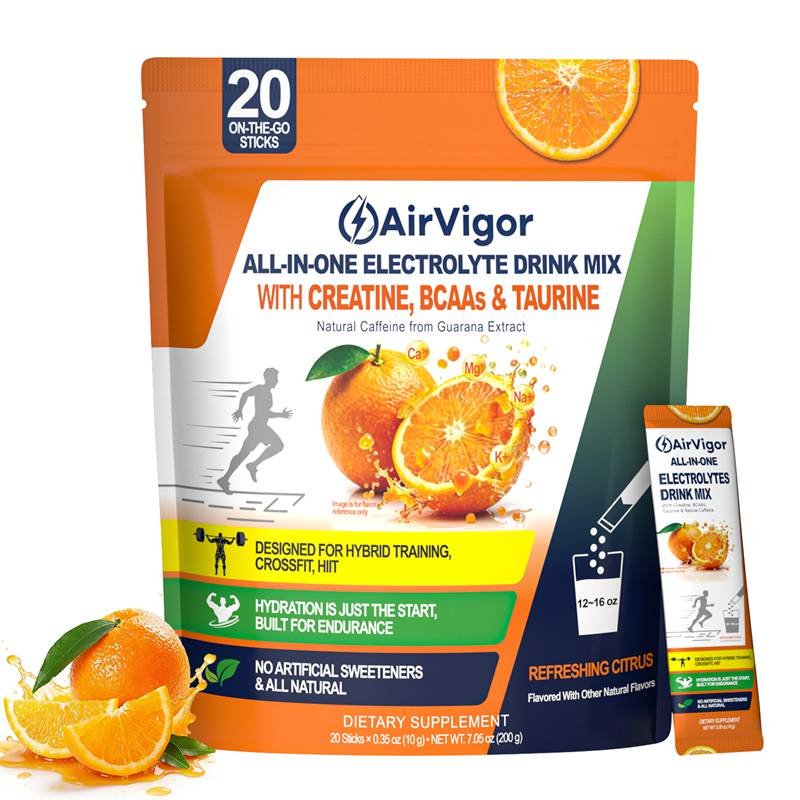
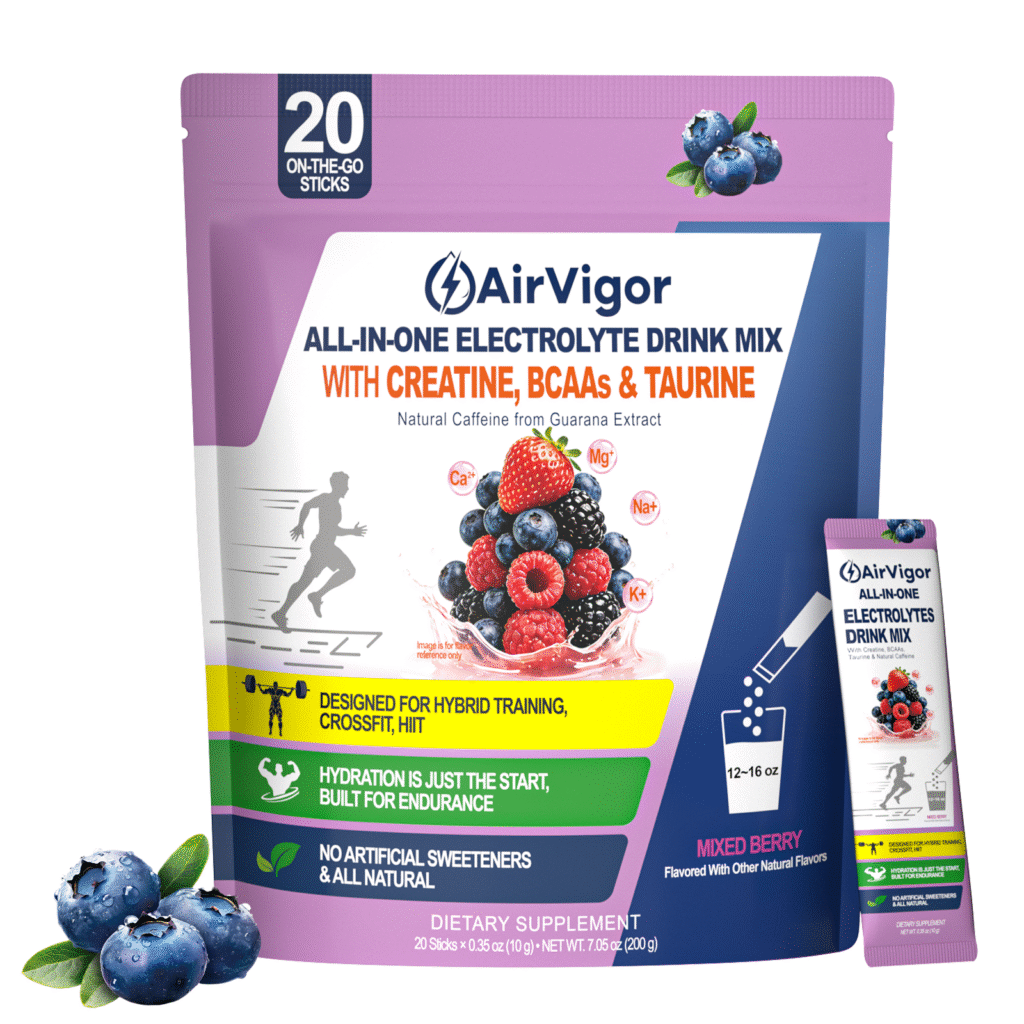
For AirVigor, this is where the product fits naturally. The goal is not to make hydration complicated. A pre-measured stick pack gives customers a simple option when plain water feels hard to finish or when sweat, heat, travel, PMS, or stress makes hydration more important.
Why Do Women Feel Changes?
Women feel changes because monthly cycle shifts, stress, sleep, food choices, movement, caffeine, and hydration all interact. The body may feel different before a period, during a busy week, or after poor sleep.
Many women notice that the same routine does not feel the same every day. One week, a workout feels smooth. Another week, the same workout feels heavier. Some days, rings feel tighter. The stomach feels puffy. Energy drops after lunch. Cravings become stronger. Sleep feels lighter. These changes can be frustrating because they are not always easy to explain.
Hormones can be part of the reason, especially around the menstrual cycle. But the daily details matter too. A woman may feel worse before her period not only because of hormone shifts, but also because she is sleeping less, eating more salty snacks, drinking more coffee, moving less, or forgetting water. When these factors stack together, the body can feel more uncomfortable.
| What Women Often Feel | Possible Daily Factor | Hydration Connection |
|---|---|---|
| Puffy or bloated | PMS, salty foods, lower movement | Cutting water may make the routine worse |
| Afternoon fatigue | Poor sleep, skipped meals, caffeine reliance | Water intake may be too low |
| Strong cravings | PMS, stress, irregular meals | Hydration can support better daily structure |
| Muscle tightness | Workouts, long sitting, stress | Magnesium and fluids may support normal muscle function |
| Headache-prone days | Dehydration, sleep loss, stress | Earlier hydration may help reduce dehydration-related strain |
| Harder workouts | Cycle timing, sweat, low fluids | Electrolytes may help after sweating |
| Dry mouth or thirst | Coffee, travel, heat, low water intake | Mineral water routine may feel more satisfying |
| Lower motivation | PMS, poor sleep, stress | Simple stick-pack routines are easier to keep |
The key is not to blame everything on hormones or everything on hydration. The body is more layered than that. A useful wellness routine looks at the full picture: meals, sleep, movement, stress, caffeine, water, and minerals.
For example, a customer may feel bloated three days before her period. She may drink less water because she thinks water is causing the bloating. Then she drinks more coffee to push through work, eats salty snacks because cravings are stronger, and skips her evening walk because she feels heavy. By night, she feels worse. In this case, the answer is not simply “take electrolytes.” The better approach is to keep hydration steady, reduce excess salty processed foods, eat balanced meals, move gently if comfortable, and use electrolytes when water intake or sweat loss makes them useful.
AirVigor can support this kind of realistic routine because it does not require a dramatic lifestyle change. It gives women one simple tool for the days when their body feels harder to manage.
What Can Affect Electrolytes?
Electrolyte balance can be affected by sweating, water intake, food choices, caffeine, alcohol, heat, travel, illness, medications, and exercise habits. These factors can change how much fluid and minerals the body needs.
Some electrolyte changes are obvious. If a woman sweats through a hot yoga class, sauna session, summer run, or long hike, she loses water and minerals. In this case, electrolytes are clearly useful. Other situations are less obvious. A woman may not sweat much, but she may still have poor hydration because she is drinking mostly coffee, eating irregularly, or traveling in dry air.
Diet plays a major role. Minerals such as potassium, magnesium, and calcium often come from foods like fruits, vegetables, legumes, nuts, seeds, dairy, and balanced meals. When meals are rushed or repetitive, mineral intake may become less consistent. Supplements should not replace food, but they can help support the routine when life is not perfect.
| Factor | How It May Affect Electrolytes | Practical Customer Tip |
|---|---|---|
| Heavy sweating | Increases loss of water and sodium | Use electrolytes after workouts, sauna, or heat exposure |
| High caffeine intake | May replace water in the daily routine | Drink water before the second coffee |
| Low-carb diet | May change fluid and sodium patterns | Pay attention to thirst, fatigue, and salt cravings |
| PMS cravings | Salty and sweet foods may increase | Keep fluids steady and avoid extreme restriction |
| Travel | Dry air, salty food, and poor sleep overlap | Carry stick packs and mix with bottled water |
| Hot weather | Sweat rate increases | Add electrolytes when sweating lasts longer |
| Irregular meals | Mineral intake from food may drop | Pair hydration with balanced meals when possible |
| Alcohol | May affect fluid balance and next-day thirst | Rehydrate with water and minerals as needed |
| Illness | Vomiting or diarrhea can reduce fluids and minerals | Seek medical guidance if symptoms are significant |
| Certain medications | May affect sodium, potassium, or fluid balance | Ask a healthcare professional before frequent use |
Customers should also know when to be careful. Electrolytes are useful, but they are still minerals. People with kidney disease, heart conditions, high blood pressure concerns, fluid restrictions, or medications that affect sodium, potassium, or water balance should ask a healthcare professional before using electrolyte supplements regularly.
This kind of caution helps customers make smarter decisions. It also makes the brand more trustworthy. A responsible electrolyte product should not make every person feel like they need minerals all day, every day. It should help people understand when electrolytes make sense.
In real life, electrolyte support is most useful when one or more of these situations appears:
- you sweat heavily or repeatedly
- you drink more coffee than water
- you feel thirsty after plain water
- you are traveling or flying
- you are in hot or humid weather
- your meals are irregular
- you are in PMS or period days and drinking less
- you use sauna, hot yoga, or outdoor training
- you want a low-sugar alternative to sports drinks
AirVigor is designed for this kind of flexible use. Customers can keep stick packs wherever hydration problems usually happen: desk drawer, gym bag, handbag, suitcase, car, or kitchen cabinet. The product does not need to be used every moment. It simply needs to be available when water and minerals matter more.
That is what makes electrolyte hydration practical for hormonal balance support. It is not about controlling hormones. It is about helping women stay more consistent with one of the most basic wellness habits: drinking enough water with the right mineral support when the body needs it.

Which Electrolytes Matter Most?
The electrolytes that matter most for hormonal balance support are sodium, potassium, magnesium, and calcium. They do not change hormone levels directly, but they support hydration, fluid balance, muscle function, nerve signaling, and daily comfort during period days, PMS routines, workouts, heat, travel, and stressful weeks.
How Does Sodium Support Balance?
Sodium helps the body manage fluid balance, nerve signals, and sweat replacement. It is not automatically bad, but the right amount depends on sweating, diet, health status, climate, and daily routine.
Sodium is the electrolyte many customers feel most confused about. On one side, women hear that too much sodium may make bloating worse. On the other side, sports hydration products often highlight sodium as one of the most important minerals for sweat replacement. Both ideas can be true depending on the situation.
The body needs sodium to help hold and move fluid properly. When a woman sweats during hot yoga, sauna, outdoor runs, hiking, summer errands, or intense training, sodium is one of the main electrolytes lost through sweat. If she only drinks plain water after heavy sweating, she may still feel thirsty, weak, or physically flat because water is being replaced but minerals are not.
However, sodium is not something to use blindly. A woman eating salty takeout, packaged snacks, instant meals, or restaurant food may already be getting a lot of sodium from her diet. If she is not sweating much, a very high-sodium electrolyte formula may not be necessary for daily use.
The key is matching sodium to the moment.
| Daily Situation | Sodium Need | What Customers Should Consider |
|---|---|---|
| Light office day | Low to moderate | Plain water may be enough if meals are balanced |
| PMS bloating days | Careful and moderate | Avoid excess salty foods, but do not stop drinking water |
| Hot yoga or sauna | Moderate to higher | Sodium replacement becomes more useful after heavy sweat |
| Long outdoor workout | Higher | Electrolytes may be more helpful than plain water alone |
| Summer travel | Moderate | Heat, walking, salty airport meals, and low water intake may overlap |
| Low-carb eating | Needs more attention | Some people notice more thirst, fatigue, or salt cravings |
| High blood pressure concern | Individualized | Regular electrolyte use should be discussed with a healthcare professional |
For women looking for hormonal balance support, sodium is most relevant when fluid balance feels unstable. Before a period, some women feel puffy or bloated and may assume they should avoid both water and sodium. But drinking less water can make the day feel worse, especially if coffee, stress, or sweat are also involved.
A more realistic routine is to reduce excess sodium from processed foods while keeping hydration steady. If sweating is involved, a balanced electrolyte drink may make sense. If the day is inactive and meals are salty, plain water and balanced food may be the better choice.
Customers can use a simple sodium check before choosing an electrolyte product:
- If the product is for daily office hydration, avoid extremely salty formulas.
- If the product is for heavy sweating, make sure sodium is clearly listed.
- If PMS bloating is the concern, focus on steady hydration rather than extreme restriction.
- If the customer has blood pressure, kidney, or heart concerns, professional guidance is important.
For AirVigor, sodium should be explained as a practical hydration mineral, not as a “more is better” ingredient. A clear sodium amount on the label helps customers decide whether the product fits light hydration, workout recovery, hot weather, travel, or heavier sweat replacement.
Why Does Potassium Matter?
Potassium supports normal muscle function, nerve function, and cellular fluid balance. It works closely with sodium, making it an important mineral for women who want balanced hydration rather than a sodium-only electrolyte drink.
Potassium is often less discussed than sodium, but it is just as important for a well-rounded electrolyte formula. While sodium is closely connected to fluid outside cells, potassium plays an important role in fluid balance inside cells. This relationship is one reason customers should not judge an electrolyte product by sodium alone.
Many women do not get consistent potassium from food every day. Potassium-rich foods include bananas, oranges, potatoes, sweet potatoes, avocado, spinach, beans, lentils, yogurt, coconut water, and many fruits and vegetables. These foods are simple in theory, but real life is not always consistent. Busy mornings, low appetite during period days, travel, dieting, low-carb routines, and rushed meals can all reduce potassium intake.
That does not mean an electrolyte powder should replace food. It means a clear potassium-containing formula can support a more reliable routine when meals are not perfect.
| Potassium Source | Why It Helps | Why Customers May Miss It |
|---|---|---|
| Banana | Easy fruit-based potassium source | Not enough by itself for active or sweaty days |
| Potato or sweet potato | Naturally rich in potassium | Often reduced in low-carb diets |
| Avocado | Potassium plus healthy fats | Not always eaten daily |
| Beans and lentils | Potassium plus fiber | Not common in every diet pattern |
| Leafy greens | Broad mineral support | Intake depends on meal habits |
| Yogurt | Potassium and calcium | Not suitable for all diets |
| Electrolyte powder | Convenient and measurable | Should clearly list potassium amount |
For hormonal balance support, potassium is useful because it supports the broader hydration picture. Some women feel heavy, puffy, or physically low during PMS week. Potassium will not solve PMS, but a formula that includes both sodium and potassium may feel more balanced than a product focused only on salt or flavor.
Potassium also matters for women who exercise. Muscle function depends on electrolyte activity, and potassium is part of that system. If a woman sweats during workouts, then goes back to work, parenting, errands, or travel, she may benefit from a hydration product that includes more than just water and flavor.
When customers compare labels, they should look for potassium because many products underdeliver here. Some hydration packets may use the word “electrolyte” but include only small mineral amounts. Others may provide sodium but very little potassium. A product for daily women’s hydration should be more complete.
| Product Type | Potassium Concern | Better Buying Tip |
|---|---|---|
| Basic flavored water packet | May contain very little potassium | Check Supplement Facts, not front label claims |
| Sports drink | May focus more on sugar and sodium | Compare potassium amount per serving |
| High-sodium powder | May be useful for heavy sweating | Make sure potassium is also included |
| Daily electrolyte powder | Should include balanced minerals | Look for sodium, potassium, magnesium, and calcium |
| Beauty hydration drink | May focus on collagen or flavor | Check whether electrolytes are present in meaningful amounts |
AirVigor can use potassium as part of its trust story. A clear potassium amount shows customers that the product is designed with formula logic, not just marketing language. It also helps position the product for daily hydration, women’s wellness, fitness, travel, and low-sugar routines.
What Does Magnesium Support?
Magnesium supports normal muscle function, nerve function, energy metabolism, and many enzyme-related processes. It is especially relevant for women searching for PMS routines, stress days, muscle tension, sleep support habits, and post-workout recovery.
Magnesium is one of the most searched minerals in women’s wellness, and for good reason. Customers often connect it with muscle tightness, cramps, stress-heavy weeks, sleep routines, PMS support, and recovery. For an electrolyte product, magnesium can make the formula feel more complete and more relevant to women’s daily needs.
Still, magnesium should not be overpromised. It does not directly balance estrogen, progesterone, cortisol, or thyroid hormones. It is not a PMS cure. It is not a replacement for sleep, food, stress management, or medical care. Its real value is that it supports normal body functions that matter when women feel physically tense, tired, or less steady.
A customer may notice magnesium relevance in situations like these:
| Customer Situation | Why Magnesium Feels Relevant | How to Explain It Responsibly |
|---|---|---|
| PMS muscle tension | Body may feel tighter or more uncomfortable | Magnesium supports normal muscle function |
| Stress-heavy workweek | Nerves and muscles may feel more tense | Magnesium supports normal nerve function |
| Evening workout recovery | Muscles may feel tired after training | Magnesium fits a recovery hydration routine |
| Long sitting | Neck, shoulders, or legs may feel tight | Hydration plus minerals may support comfort |
| Low appetite period days | Food mineral intake may drop | A balanced electrolyte drink can support mineral intake |
| Travel fatigue | Sleep, meals, and hydration become inconsistent | Portable electrolytes help keep a simple routine |
For daily-use electrolyte powders, magnesium amount matters. More is not always better. Some forms or higher amounts of supplemental magnesium may cause stomach discomfort or loose stools in sensitive users. This is why a women’s daily electrolyte product should use magnesium thoughtfully instead of trying to pack in the largest number possible.
Customers should ask:
- Is magnesium clearly listed on the label?
- Is the amount suitable for daily hydration or closer to a standalone magnesium supplement?
- Does the product explain the magnesium form?
- Does the formula also include sodium and potassium, or is it unbalanced?
- Is the product gentle enough for repeat use?
Magnesium is also important from a customer-experience perspective. Women who are already uncomfortable during PMS or period days may not want a heavy drink, gritty powder, or formula that upsets the stomach. The best electrolyte product should feel light, mix cleanly, and support routine use.
AirVigor should position magnesium as part of a balanced mineral system. That is more credible than making it the single “hero” that solves everything. A clear formula with sodium, potassium, magnesium, and calcium helps customers understand that the product supports hydration from multiple angles.
How Does Calcium Fit In?
Calcium supports muscle contraction, nerve signaling, and bone health. In electrolyte formulas, it adds another layer of mineral support, especially for women focused on long-term wellness, active lifestyles, and daily nutrition consistency.
Calcium is not always the first mineral customers think about when buying electrolytes. Sodium and potassium usually get more attention because of sweat and hydration. Magnesium gets attention because of stress and PMS searches. But calcium still matters, especially in women’s wellness.
Most people associate calcium with bones, and that is valid. Women often care about long-term bone health, especially as they think about age, activity, diet, and overall mineral intake. But calcium also plays a role in muscle contraction and nerve signaling, which makes it relevant in an electrolyte conversation.
In a hydration formula, calcium should not be presented as a full bone-health solution. The amount in an electrolyte serving is usually part of daily mineral support, not a replacement for a complete calcium strategy. Customers who need specific bone-health guidance should look at total diet, vitamin D, lifestyle, and healthcare advice.
Still, calcium can strengthen the formula story when used properly.
| Calcium Role | Why It Matters | Customer-Friendly Positioning |
|---|---|---|
| Muscle contraction | Muscles need calcium to contract properly | Supports normal physical function |
| Nerve signaling | Calcium helps with cell communication | Fits a complete electrolyte profile |
| Bone wellness | Calcium is a key bone mineral | Relevant for women’s long-term wellness |
| Daily mineral intake | Some diets may be inconsistent | Adds another layer of mineral support |
| Formula balance | Complements sodium, potassium, and magnesium | Makes the product feel more complete |
Women may have inconsistent calcium intake if they avoid dairy, eat irregular meals, follow restrictive diets, or do not include fortified foods. An electrolyte drink is not meant to replace these foods, but it can contribute to a more thoughtful mineral routine.
Calcium also supports product differentiation. Many low-cost electrolyte products focus only on sodium or sodium plus potassium. A formula that also includes magnesium and calcium can feel more complete for women’s hydration, wellness routines, and daily-use positioning.
For customers, the key is not to choose a product only because it has calcium. They should look at the full formula. A good electrolyte product should make sense as a system:
| Formula Question | Why It Matters |
|---|---|
| Does it include sodium for fluid balance? | Important for sweat and hydration support |
| Does it include potassium for cellular fluid balance? | Helps round out the formula |
| Does it include magnesium for muscle and nerve support? | Relevant to PMS, stress, and recovery routines |
| Does it include calcium for muscle and mineral support? | Adds women’s wellness relevance |
| Is sugar content clear? | Important for daily use |
| Is caffeine disclosed? | Important for timing and sensitivity |
| Is the serving size practical? | Supports safe and consistent use |
AirVigor can use calcium as part of its “complete daily hydration support” message. Not exaggerated, not medical, just clear: calcium is one of the minerals that helps the body function normally, and its presence makes the electrolyte profile more balanced for daily use.
How Electrolytes Support Women
Electrolytes support women by helping hydration feel more complete during period days, PMS routines, stressful workweeks, workouts, heat, and travel. They do not directly change hormones, but they can support fluid balance, muscle function, nerve function, and daily hydration consistency.
How Do Electrolytes Help Period Days?
Electrolytes may help period days by supporting steady hydration when appetite, energy, comfort, and water intake change. They can be useful when women drink less water, rely on coffee, sweat, or feel physically drained.
Period days are not the same for every woman. Some women feel almost normal, while others deal with cramps, low energy, bloating, headaches, digestive changes, back discomfort, lower appetite, or stronger cravings. Electrolytes cannot remove all of these symptoms, and they should not be presented as a period treatment. Their value is more practical: they can help women keep drinking water and maintain mineral support when the body feels harder to manage.
A common mistake during period days is drinking less water because of bloating. Many women feel puffy and assume that reducing fluids will help. But in real life, low fluid intake may make the day feel worse, especially if the customer is also drinking coffee, eating salty foods, working long hours, or exercising. A light electrolyte drink can make hydration easier to sip without feeling heavy.
| Period-Day Situation | What Often Happens | How Electrolytes May Support |
|---|---|---|
| Bloating | Some women reduce water intake | Helps make steady sipping easier |
| Low appetite | Meals and minerals may be inconsistent | Adds mineral support with water |
| Coffee-heavy morning | Water intake may drop | Encourages hydration before another coffee |
| Cramps or muscle tension | Body feels tight or uncomfortable | Magnesium and fluids support normal muscle function |
| Fatigue | User may reach for sugar or caffeine | Sugar-free electrolytes offer a lighter option |
| Workout during period | Sweat loss still occurs | Helps replace fluid and minerals after sweating |
| Headache-prone days | Hydration may be inconsistent | Earlier water intake may support comfort |
A simple period-day hydration routine should not feel strict. It should feel doable. Women are more likely to follow a routine when it works with their day instead of adding more pressure.
| Time or Moment | Easy Hydration Action | Why It Helps |
|---|---|---|
| Morning | Drink water before coffee | Starts the day with a better fluid base |
| Midday | Keep a bottle on the desk | Prevents long gaps without water |
| Afternoon | Use electrolytes if water intake has been low | Adds structure before fatigue builds |
| After sweating | Mix electrolytes with water | Replaces minerals lost through sweat |
| Evening | Choose a caffeine-free drink if needed | Supports hydration without affecting sleep |
For AirVigor, period-day positioning should stay realistic and customer-friendly. The product does not need to claim that it balances hormones or treats cramps. A better message is that AirVigor helps women maintain hydration and mineral intake during the days when drinking enough water may be harder.
That is a much more believable benefit. It also matches how customers actually use the product: one stick pack in a purse, desk drawer, gym bag, suitcase, or kitchen cabinet, ready when the day feels more difficult than usual.
Can Electrolytes Support PMS?
Electrolytes can support PMS routines by helping women keep hydration consistent when bloating, cravings, fatigue, mood shifts, sleep changes, or low motivation make healthy habits harder to follow.
PMS often creates a pattern that many women recognize. Sleep feels lighter. Cravings become stronger. Salty or sweet foods feel more tempting. Work feels more tiring. Exercise may feel harder. Water intake may drop because the body already feels bloated or uncomfortable. By the end of the day, the customer may feel heavy, foggy, and frustrated.
Electrolytes cannot solve PMS, but they can support one small habit that is easy to control: drinking enough water with useful minerals. This matters because many women do not want another complicated supplement routine during PMS week. They want something simple, light, and easy to repeat.
| PMS Pattern | What Customers Often Do | Better Hydration Approach |
|---|---|---|
| Bloating | Drink less water | Sip steadily and avoid extreme restriction |
| Salt cravings | Eat more chips, takeout, or packaged foods | Keep fluids steady and balance meals when possible |
| Sweet cravings | Choose sugary drinks or snacks | Use sugar-free electrolytes as a lighter drink option |
| Afternoon fatigue | Drink more coffee | Try water or electrolytes before another caffeine serving |
| Low motivation | Skip wellness habits | Use a quick stick-pack routine |
| Poor sleep | Feel more tired the next day | Start the morning with water before coffee |
| Workout feels harder | Skip hydration before exercise | Drink water or electrolytes before activity |
Sugar content is especially important during PMS. Many women already feel cravings during this time, so a high-sugar sports drink may not match their goals. A sugar-free electrolyte powder can make water taste better without adding a sugary drink habit.
That does not mean sugar is always bad. If a woman is doing long endurance training, carbohydrates may serve a purpose. But for PMS week, office hydration, light workouts, travel, or daily wellness, many customers prefer a zero-sugar or low-sugar option.
A practical PMS hydration plan can be simple:
- Drink water before coffee in the morning.
- Keep a bottle visible during work.
- Use electrolytes when plain water feels hard to finish.
- Choose sugar-free hydration if cravings are already strong.
- Add electrolytes after sweating, sauna, or hot yoga.
- Pair hydration with real meals instead of using drinks to replace food.
AirVigor fits this use case because it is portable and pre-measured. Customers do not need to scoop, weigh, or mix a complicated drink. They can add one stick pack to water and continue with their day. For PMS routines, that level of ease matters because the best habit is usually the one that requires the least effort.
The most persuasive message is not “electrolytes fix PMS.” It is: PMS can make normal routines harder, and AirVigor helps make hydration easier to keep.
Do Electrolytes Help Stress Days?
Electrolytes may help stress days by supporting hydration when work, poor sleep, caffeine, skipped meals, and long hours make water intake less consistent. They do not remove stress, but they support a simple physical reset.
Stress affects hydration more than many people realize. A busy woman may start the day with coffee, rush into meetings, forget breakfast, eat a salty lunch, drink another coffee in the afternoon, and then wonder why she feels dry, foggy, tense, or drained. In that situation, the issue may not be hormones alone. Hydration, food, sleep, and stress are all part of the picture.
Electrolytes can be useful because they turn hydration into a more intentional habit. Mixing a drink creates a small pause. The customer gets water, minerals, and a routine that feels easy enough to repeat even during a busy day.
| Stress-Day Habit | What It Can Lead To | Electrolyte Routine That Helps |
|---|---|---|
| Coffee before water | Dry mouth, thirst, energy swings | Drink water or electrolytes before the second coffee |
| Back-to-back meetings | Very low fluid intake | Keep a bottle visible on the desk |
| Skipped meals | Low energy and stronger cravings | Pair hydration with a simple meal or snack |
| Salty lunch | Thirst and puffiness | Drink water steadily after eating |
| Afternoon crash | More caffeine or sugar | Try sugar-free electrolytes first |
| Evening workout after work | Training feels heavier | Hydrate before and after exercise |
| Poor sleep | More caffeine the next day | Start with water before stimulants |
For women searching for hormonal balance support, this stress connection is important. Many people use the word “hormonal” to describe feeling off, but the root cause may be layered. It may involve cycle timing, stress hormones, caffeine intake, low water intake, food choices, and sleep patterns all at once.
A practical stress-day hydration structure may look like this:
| Time of Day | Simple Action | Customer Benefit |
|---|---|---|
| 7–9 a.m. | Drink water before coffee | Prevents starting the day dehydrated |
| 10–11 a.m. | Refill bottle | Keeps hydration visible |
| 1–2 p.m. | Drink water after lunch | Supports fluid balance after salty meals |
| 3–4 p.m. | Use electrolytes if energy feels low and water intake is poor | Offers a sugar-free hydration option |
| Before workout | Drink water or electrolytes | Supports movement after a long workday |
| Evening | Avoid caffeinated hydration products if sensitive | Protects sleep routine |
AirVigor is useful in this setting because it is simple. A customer can keep a few stick packs at work and use them when the day starts to get away from her. That makes the product feel less like a supplement task and more like a practical desk-drawer solution.
For website content, this point matters because women’s hydration is not only about gyms and sports. It is also about everyday work pressure, long screen time, commuting, travel, poor sleep, and real-life inconsistency.
Can Electrolytes Help Active Women?
Electrolytes can help active women by replacing minerals lost through sweat and supporting hydration before, during, or after movement. They are especially useful for hot yoga, running, gym workouts, hiking, cycling, Pilates, sauna, and outdoor summer activity.
Active women may not always think of themselves as athletes. Many are simply trying to stay consistent with workouts, walking, yoga, strength training, or weekend outdoor activities. But even moderate activity can increase sweat, especially in heat or humidity. When sweat increases, the body loses water and electrolytes, especially sodium.
Plain water is often enough for light activity, but it may not feel complete after heavier sweating. A balanced electrolyte drink can support fluid replacement and help women return to normal routines after exercise.
| Activity | Sweat Level | Electrolyte Use |
|---|---|---|
| Light Pilates | Low to moderate | Water may be enough, electrolytes optional |
| Hot yoga | Moderate to high | Electrolytes can be useful after class |
| Strength training | Moderate | Use if sweating or training in heat |
| Running | Moderate to high | Electrolytes may support longer or hotter sessions |
| Hiking | Variable, often high | Portable stick packs are useful |
| Indoor cycling | High | Replace fluids and minerals after class |
| Sauna | High | Electrolytes can help after heavy sweating |
| Summer errands outdoors | Moderate | Electrolytes may help if sweating lasts for hours |
The timing can be flexible:
| Timing | When It Makes Sense | Practical Tip |
|---|---|---|
| Before activity | Hot weather, long session, or known heavy sweating | Mix with water 20–45 minutes before |
| During activity | Longer workouts or high-heat settings | Sip slowly based on thirst and sweat level |
| After activity | Sweaty workouts, sauna, hot yoga, hiking | Replace water and minerals after finishing |
| Later in the day | Ongoing thirst or fatigue after sweating | Use a light serving with water if needed |
For women who train during PMS or period days, hydration may feel even more important. Some women notice that workouts feel harder at certain points in the cycle. Electrolytes will not change cycle biology, but they can remove one avoidable problem: going into movement underhydrated or failing to replace sweat loss afterward.
AirVigor’s stick-pack format works especially well for active women because it is easy to carry. A customer can keep it in a gym bag, yoga tote, running belt, hiking pack, locker, or car. The product does not need a shaker or scoop, and it is lighter than ready-to-drink bottles.
How to Choose Electrolytes
The best electrolytes for hormonal balance support should be clear, balanced, low in sugar, easy to mix, and suitable for real daily use. Customers should choose based on mineral amounts, sugar content, caffeine information, lifestyle needs, and how often they will actually use the product.
Which Electrolytes Are Best?
The best electrolytes are the ones that match the customer’s real hydration needs. A formula for heavy sweating is not always the best choice for light office hydration. A product for endurance sports may be too strong for period-week or travel use.
Many customers choose electrolyte products by flavor, packaging, influencer videos, or front-label claims. These details matter, but they should not be the main decision point. The real question is: does the formula match the way you plan to use it?
For hormonal balance support, most women are not looking for an extreme sports formula. They want something they can use during PMS week, period days, hot weather, long workdays, light workouts, yoga, travel, or low-sugar routines. That usually means a balanced electrolyte profile rather than the highest sodium product on the shelf.
A practical formula should include key minerals such as sodium, potassium, magnesium, and calcium. Each mineral has a different role, so the formula should not rely on only one ingredient.
| Electrolyte | Why It Matters | When It Becomes More Useful |
|---|---|---|
| Sodium | Supports fluid balance and sweat replacement | Hot weather, sauna, heavy sweating, long workouts |
| Potassium | Supports cell fluid balance, muscle function, and nerve function | Daily hydration, low produce intake, active days |
| Magnesium | Supports normal muscle and nerve function | PMS routines, stress-heavy weeks, muscle tension, recovery |
| Calcium | Supports muscle contraction, nerve signaling, and bone wellness | Women’s mineral support, active lifestyles, long-term wellness |
A stronger formula is not always better. If a woman is only using electrolytes at work, a very high-sodium formula may taste too salty and feel unnecessary. If she is doing hot yoga or hiking in summer, a very low-mineral flavored packet may not be enough. The best product fits the use case.
| Customer Goal | Better Formula Direction | What to Avoid |
|---|---|---|
| Daily work hydration | Moderate minerals, light flavor, low sugar | Very salty endurance formulas |
| PMS or period routine | Balanced electrolytes with magnesium | Products claiming to treat hormones or PMS |
| Hot yoga or sauna | Higher sweat-replacement support | Plain water only after heavy sweating |
| Travel hydration | Stick packs, clear serving size, easy mixing | Bulky bottles or unclear labels |
| Low-sugar lifestyle | Zero-sugar or low-sugar formula | Sugary sports drinks for casual hydration |
| Evening hydration | Caffeine-free electrolyte option | Hidden caffeine or stimulant blends |
| Heavy training | Higher sodium plus potassium support | Low-mineral flavor packets |
Customers should also think about taste and repeat use. A product can look strong on paper but fail in real life if it tastes harsh, leaves grit, or feels too sweet. For daily women’s hydration, the best electrolyte powder should be easy to finish, not something the customer has to force down.
A good decision rule is simple: choose the formula that fits your most common hydration problem. If the issue is sweat, look at sodium and potassium. If the issue is PMS routine or muscle tension, make sure magnesium is included. If the issue is daily low-sugar hydration, check sugar first. If the issue is travel, format matters as much as ingredients.
What Should the Label Show?
A trustworthy electrolyte label should clearly show serving size, sodium, potassium, magnesium, calcium, sugar, added sugar, caffeine, mixing directions, and suggested use. If customers cannot understand the label quickly, the product may not be the best choice for daily use.
The front of an electrolyte package is designed to attract attention. The back of the package is where the buying decision should happen. Customers should turn the product around and check the Supplement Facts panel before deciding whether it fits their routine.
A good label should answer practical questions without making the customer search elsewhere.
| Label Item | Why It Matters to Customers |
|---|---|
| Serving size | Shows how much product is used each time |
| Sodium amount | Helps judge whether the formula is light, moderate, or sweat-focused |
| Potassium amount | Shows whether the product has a more complete mineral profile |
| Magnesium amount | Important for women’s wellness, PMS routines, and muscle support |
| Calcium amount | Adds mineral support for muscle and women’s wellness positioning |
| Total sugar | Helps customers avoid unnecessary sugar intake |
| Added sugar | Important for low-sugar daily hydration |
| Caffeine amount | Helps avoid unwanted stimulation, especially at night |
| Water amount | Affects taste, concentration, and user experience |
| Suggested timing | Helps customers understand when to use it |
| Caution language | Supports safer use for people with health considerations |
Many electrolyte products look similar online, but their formulas can be very different. One product may contain a meaningful amount of minerals. Another may use the word “electrolytes” but include very small amounts. A third may contain caffeine, which may be useful before workouts but not suitable for evening hydration or caffeine-sensitive users.
Customers should be careful with vague ingredient blends. A label that says “hydration blend” without clear mineral amounts gives the customer less control. For daily use, people need to know what they are taking, especially if they already eat a salty diet, use other supplements, or are watching sugar and caffeine.
A clear electrolyte label should help customers avoid three common mistakes:
- buying a product that is mostly flavor with very little mineral support
- using a high-sodium formula for light daily hydration when it is not needed
- taking a caffeinated product too late in the day without realizing it
For a topic like hormonal balance support, label clarity is even more important. Customers may already feel confused by wellness claims. A good product should not promise to “fix hormones” or “erase PMS.” It should clearly explain hydration support, fluid balance, normal muscle function, normal nerve function, and sweat-related mineral replacement.
AirVigor’s value is strongest when the formula is easy to understand. Customers should be able to see what minerals are included, how the product should be mixed, and when it fits their day. That kind of clarity builds confidence before the first purchase and supports repeat buying after the product becomes part of a routine.
Are Sugar-Free Electrolytes Better?
Sugar-free electrolytes are often better for daily women’s hydration because they support fluid and mineral intake without adding extra sugar. They are especially useful for PMS routines, office hydration, travel, light workouts, hot weather, and low-sugar lifestyles.
Sugar is not always bad. During long endurance training, intense exercise, or extended physical activity, carbohydrates can be useful. But most daily electrolyte moments are not race-fueling moments. A woman sipping electrolytes at her desk, during PMS week, after Pilates, while traveling, or during a hot afternoon usually does not need a high-sugar sports drink.
Many customers looking for hormonal balance support also care about cravings, body composition, energy swings, skin goals, and daily wellness habits. A sugary drink may feel out of place in that routine. A sugar-free electrolyte product gives them flavor and minerals while keeping the drink lighter.
| Situation | Why Sugar-Free May Fit Better |
|---|---|
| PMS cravings | Helps avoid adding more sugar when cravings are already strong |
| Office hydration | Makes water more appealing without turning it into a sweet drink habit |
| Travel | Easier to sip during flights, hotels, and long days |
| Low-carb lifestyle | Fits lower-carb or keto-style routines |
| Evening hydration | Feels lighter than juice or sports drinks |
| Light workouts | Supports hydration without unnecessary carbohydrates |
| Hot weather | Easier to drink more often without heaviness |
| Weight management routine | Supports flavored hydration with fewer calories |
Still, sugar-free does not automatically mean high quality. Some sugar-free products have very little electrolyte content. Some taste artificial. Some are too salty. Some use strong sweeteners that customers may not enjoy. The best sugar-free electrolyte should still have a clear mineral profile and a taste customers can use repeatedly.
When comparing sugar-free products, customers should check:
| Question | Why It Matters |
|---|---|
| Does it clearly list sodium and potassium? | Shows whether the product has real hydration value |
| Does it include magnesium and calcium? | Adds broader women’s wellness relevance |
| Is total sugar 0g? | Helps confirm low-sugar positioning |
| Does it contain caffeine? | Important for timing and sensitivity |
| How much water does one serving need? | Affects taste and concentration |
| Does it dissolve cleanly? | Supports better repeat use |
| Is the flavor light enough for daily drinking? | Helps the habit last |
For AirVigor, sugar-free positioning works because it fits modern daily hydration habits. Customers want water to feel easier to drink, but they do not always want sugar, calories, or a heavy sports drink taste. A zero-sugar electrolyte powder can support hydration during work, workouts, travel, PMS week, and hot weather without forcing the customer into a narrow athletic use case.
The best message is not “sugar-free is always better.” The better message is: for most daily hydration moments, sugar-free electrolytes are often easier to use consistently.
Should You Check Caffeine?
Customers should check caffeine because some electrolyte products include caffeine for energy or workout support. Caffeine may be useful before training, but it may not fit evening hydration, PMS sensitivity, stress-heavy days, or people who already drink coffee.
Not all electrolyte products are caffeine-free. Some hydration powders include green tea extract, guarana, coffee fruit, yerba mate, or added caffeine. This can be helpful for pre-workout use or morning energy routines, but it can create problems if customers do not notice it.
A woman may buy an electrolyte powder for daily hydration and drink it at 7 p.m. without realizing it contains caffeine. If she is sensitive to stimulants, that could affect sleep. Another customer may already drink two coffees per day and may not want more caffeine from a hydration product. During PMS or stressful weeks, some women also feel more sensitive to caffeine, even if they usually tolerate it well.
| Use Situation | Caffeine-Free May Be Better | Caffeinated May Fit |
|---|---|---|
| Evening hydration | Yes | Usually not ideal |
| PMS week | Often better for sensitive users | Depends on tolerance |
| Office hydration | Often better for repeat sipping | May fit morning use |
| Pre-workout | Not always necessary | Can support energy routine |
| Travel | Better for flexible timing | May help morning travel fatigue |
| Stress-heavy days | Often better if caffeine intake is already high | Use carefully |
| Caffeine-sensitive users | Strongly preferred | Usually avoid |
Caffeine is not bad by itself. The issue is timing and total intake. A product should clearly state whether caffeine is included and how much is in each serving. Customers should not have to guess.
For hormonal balance support content, caffeine should be discussed because it is part of real women’s routines. Many customers drink coffee, tea, matcha, energy drinks, or pre-workout products. If an electrolyte powder also contains caffeine, the total daily intake can add up quickly.
A customer-friendly checklist:
- Use caffeine-free electrolytes for evening hydration.
- Check caffeine if using electrolytes during PMS week.
- Avoid stacking caffeinated electrolytes with coffee or pre-workout without thinking.
- Choose caffeinated formulas only when energy support is part of the goal.
- Always read the label before using a product daily.
AirVigor can build trust by making caffeine information clear. If a formula is caffeine-free, say so. If a formula includes natural caffeine, list the source and amount. Customers appreciate direct information because it helps them use the product at the right time.

Why Choose AirVigor Electrolytes?
AirVigor electrolytes are designed for people who want clear, practical hydration support without confusing wellness claims. For hormonal balance support routines, AirVigor focuses on transparent formula expression, sugar-free hydration, portable stick-pack use, stable quality management, and real-life daily use.
How Does AirVigor Support Balance?
AirVigor supports balance by helping women build a more consistent hydration routine. It does not work as a hormone supplement, but it can support fluid balance, mineral intake, and everyday hydration habits.
Many women do not struggle with hydration because they do not care about wellness. They struggle because real life gets in the way. Mornings start with coffee before water. Lunch is rushed. Meetings run long. Period days make the body feel heavy. PMS week makes cravings stronger. Workouts, hot yoga, sauna, summer heat, and travel all change fluid needs.
AirVigor is built for these moments. Instead of asking customers to measure powder from a large tub or carry a bulky bottle, the stick-pack format gives them a simple serving they can use anywhere. Mix one stick with water, drink it when the day calls for more hydration support, and move on.
| Daily Situation | Common Customer Problem | How AirVigor Fits |
|---|---|---|
| Busy morning | Coffee comes before water | Easy to mix before or after morning coffee |
| Office workday | Water intake drops during meetings | Stick packs can stay in a desk drawer |
| PMS week | Bloating, cravings, and fatigue make routines harder | Supports steady hydration without a complicated plan |
| Period days | Appetite and water intake may drop | Light drink format is easier to sip |
| Hot yoga or sauna | Sweat loss is higher | Helps replace water with key electrolytes |
| Summer errands | Heat increases thirst and sweating | Portable support for outdoor days |
| Travel | Dry air, salty meals, and schedule changes | Easy to carry in a handbag or carry-on |
| Low-sugar routine | Sugary sports drinks feel too heavy | Sugar-free hydration fits daily wellness goals |
The important point is consistency. A supplement only helps if customers actually use it. AirVigor’s stick packs reduce common barriers: no scoop, no measuring, no large container, no heavy ready-to-drink bottle, and no confusing preparation steps.
For women searching for hormonal balance support, this convenience matters. The product is not promising to change hormones. It is helping support one practical habit that often becomes inconsistent when the body feels less predictable: hydration.
AirVigor can fit into many daily routines:
- one stick in a work bag for long office days
- one stick after hot yoga, sauna, or a sweaty workout
- one stick during travel when plain water feels unsatisfying
- one stick during PMS week when water intake is lower
- one stick in summer when heat and sweating increase
- one stick as a sugar-free alternative to sweet sports drinks
That is the real value. AirVigor helps make hydration easier to repeat.
Why Is Formula Clarity Important?
Formula clarity matters because customers want to know what they are drinking. AirVigor focuses on clear ingredient expression, practical serving design, and honest hydration support instead of vague claims or hidden blends.
In the electrolyte category, many products look similar from the front. They may all say “hydration,” “daily balance,” “clean,” or “wellness.” But the real difference is usually on the back label. Customers need to know how much sodium, potassium, magnesium, and calcium they are getting. They also need to know whether the product contains sugar, added sugar, caffeine, or other ingredients that may affect when and how they use it.
AirVigor’s product philosophy is built around clear formula expression and real ingredient addition. For customers, this means the product should be easier to understand before purchase and easier to use correctly after purchase.
| What Customers Want to Know | Why It Matters | AirVigor Advantage |
|---|---|---|
| What minerals are included? | Helps customers understand formula purpose | Clear electrolyte-focused positioning |
| How much is in each serving? | Supports smarter product comparison | Serving-based formula expression |
| Is it sugar-free? | Important for daily wellness and PMS routines | Fits low-sugar hydration use |
| Does it contain caffeine? | Important for timing and sensitivity | Clear formula communication supports proper use |
| How should it be mixed? | Affects taste and user experience | Practical use instructions |
| Is it for athletes only? | Customers want daily use flexibility | Fits work, travel, heat, PMS, and workouts |
| Can it support hydration without hormone claims? | Builds trust in women’s wellness content | Focuses on fluid balance and mineral support |
For women’s wellness customers, formula clarity is especially important because the phrase “hormonal balance” is often overused. Many products make large promises but give little practical information. AirVigor should take the opposite approach: explain what the product does, what it does not do, and when it makes sense.
A clear formula supports better customer decisions. A woman can choose based on her real routine instead of guessing:
| Customer Routine | What She Should Check |
|---|---|
| Uses electrolytes at work | Moderate minerals, sugar-free, caffeine awareness |
| Uses electrolytes after workouts | Sodium and potassium levels |
| Uses electrolytes during PMS week | Magnesium inclusion, low sugar, easy taste |
| Uses electrolytes while traveling | Stick-pack format and clear mixing directions |
| Uses electrolytes in the evening | Caffeine-free or clearly disclosed caffeine |
| Uses other supplements | Avoid ingredient overlap and check serving size |
Formula clarity also supports repeat buying. If customers understand why the product works for their routine, they are more likely to keep using it. If the label feels confusing, they may try it once and move on.
For B2B customers, this clarity is also valuable. A product with clear formula logic is easier to list on Amazon, explain on Shopify, present in retail materials, include in influencer campaigns, and position for different consumer groups. AirVigor’s formula transparency can support both direct consumer trust and wholesale channel development.
Is AirVigor Easy to Use Daily?
AirVigor is easy to use daily because the stick-pack format is portable, pre-measured, simple to mix, and convenient for work, workouts, travel, PMS routines, period days, and hot weather.
Daily use does not mean every person must drink electrolytes every day. It means the product is easy enough to use whenever the situation calls for extra hydration support. That may be after sweating, during travel, on a hot day, during PMS week, after sauna, before a workout, or during a long work afternoon when water intake has been low.
The product format makes a big difference. Many customers stop using supplements not because the formula is bad, but because the product is inconvenient. A large tub may stay at home. Ready-to-drink bottles may be too bulky. Capsules may be portable, but they do not encourage drinking more water. Stick packs solve several daily-use problems at once.
| Format | Strength | Limitation |
|---|---|---|
| Stick pack powder | Portable, pre-measured, easy to carry, portion-controlled | Needs water |
| Large tub powder | Good for home use and frequent users | Requires scoop, less portable |
| Ready-to-drink bottle | No mixing needed | Heavy, bulky, harder to store |
| Capsule electrolytes | Very portable and flavorless | Does not help increase water intake |
| Tablets | Compact and easy to carry | May dissolve slowly or taste uneven |
| Liquid drops | Small format | Serving control and mineral amount may vary |
AirVigor’s stick-pack format fits modern women’s schedules because it can be stored in multiple places. Customers do not have to remember one product in one location. They can keep a few sticks wherever hydration issues usually happen.
| Where Customers Keep AirVigor | Why It Helps |
|---|---|
| Office drawer | Useful during long workdays and afternoon fatigue |
| Handbag | Ready for errands, PMS days, or commuting |
| Gym bag | Easy after workouts, Pilates, yoga, or strength training |
| Suitcase | Helps during flights, hotels, and time zone changes |
| Car | Useful after outdoor heat, errands, or road trips |
| Kitchen cabinet | Easy for morning or evening routines |
| Locker | Convenient for gym, studio, or workplace use |
| Travel pouch | Simple hydration support on the move |
Ease of use also depends on taste and mixing experience. If an electrolyte powder is too sweet, too salty, gritty, or slow to dissolve, customers may not continue using it. AirVigor’s product development direction focuses on practical drinking experience, including flavor performance, solubility, packaging stability, and clear instructions.
The goal is simple: make hydration easier, not more complicated.
Conclusion
Electrolytes can support hormonal balance routines, but they should be understood correctly. They do not balance hormones directly or replace medical care. Their real value is helping women support hydration, fluid balance, mineral intake, muscle function, nerve function, and daily consistency during period days, PMS routines, workouts, stress-heavy weeks, travel, heat, and busy schedules.
The best electrolyte product should be clear, sugar-free or low in sugar, easy to mix, portable, and honest about what it supports. AirVigor fits this need with transparent formula expression, practical stick-pack use, stable product quality, and a daily hydration format that works across real life.
For customers, AirVigor offers a simple way to make hydration easier. For brands, retailers, and distributors, AirVigor also supports stock product ordering and OEM/ODM customization. Contact AirVigor to request product availability, wholesale pricing, samples, or a tailored electrolyte formula for your market.
Share:
Contact Expert Team
At AirVigor, performance becomes effortless. We transform advanced nutrition science into clean, effective supplements that help you hydrate, recover, and feel stronger every day. Shop AirVigor Supplements on Amazon and experience athlete-trusted formulas—backed by real science and supported by our world-class R&D and production capabilities.
Trust AirVigor
At AirVigor, turning your performance goals into reality is no longer a struggle—it’s a science-driven journey we build together. Whether you’re a runner, lifter, cyclist, yogi, outdoor athlete, or someone simply seeking better daily energy, AirVigor transforms advanced nutrition research into clean, effective, and trustworthy supplements you can feel.
Backed by our U.S. scientific team, global certifications, and world-class production standards, every formula is engineered to deliver real hydration, real recovery, and real performance. And when you’re ready to experience the difference, you’ll find AirVigor products available on Amazon and other major platforms—fast shipping, consistent quality, and a community of athletes already seeing results.
Behind the scenes, our R&D and manufacturing ecosystem also supports specialized formulation development, ensuring AirVigor continues to lead with innovation while keeping quality and safety uncompromised. But at the core, everything we create is built for you—your health, your performance, your momentum.
Choose AirVigor. Feel the science. Elevate your every day.


Subscribe to our newsletter
Sign up to our newsletter and we’ll keep you up to date with the latest arrivals.