Skip to content
Why More Active Lifestyles Use an Electrolytes and Protein Stack: Real Hydration Facts
# Your Trusted Dietary Supplement Brand In US
- Emily

Table of Contents
Hydration and recovery are no longer separate conversations in modern sports nutrition. Many people today struggle less with motivation and more with recovery consistency. Long workdays, late workouts, heavy sweating, travel, poor hydration habits, and irregular meals can all make the body feel slower to recover. This is one reason searches for “electrolytes and protein stack” continue growing across Google, Amazon, and fitness communities. Consumers want recovery products that feel practical, easy to use, and suitable for real daily life.
An electrolytes and protein stack combines hydration-support minerals with recovery-focused protein nutrition. Electrolytes such as sodium, potassium, magnesium, and calcium help support fluid balance and muscle function, while protein provides amino acids that help support muscle recovery after training or physical stress. Together, they create a more complete recovery routine for workouts, outdoor activity, travel, busy schedules, and active lifestyles.
The biggest change in the supplement market is that customers are no longer looking only for “hardcore fitness” products. They want products that mix easily, taste clean, travel well, and fit naturally into everyday routines. Whether someone is finishing a gym session after work, recovering from a long run, dealing with dehydration during travel, or trying to stay consistent with healthy habits, a well-designed electrolytes and protein stack can help make recovery simpler and more sustainable.
What Is an Electrolytes and Protein Stack?
An electrolytes and protein stack combines hydration-support minerals with recovery-focused protein nutrition in one routine. Instead of treating hydration and recovery as separate problems, this approach supports fluid balance, muscle recovery, energy stability, and daily performance together in a more practical and sustainable way.
What Are Electrolytes?
Electrolytes are minerals that help regulate hydration, muscle contractions, nerve signaling, and fluid balance inside the body. The most common electrolytes used in hydration supplements include sodium, potassium, magnesium, calcium, and chloride. These minerals become especially important when the body loses fluids through sweating, heat exposure, exercise, travel, or long periods of physical activity.
Many people assume dehydration only affects athletes or marathon runners, but modern lifestyles create hydration problems much more often than expected. Long office hours, high caffeine intake, poor sleep, irregular meals, flights, hot weather, and repeated workouts can all gradually reduce hydration quality throughout the day. In many situations, people may drink enough water but still feel tired, mentally slow, or physically drained because the body is also missing electrolytes.
The role of each electrolyte is slightly different, which is why balanced formulas matter more than simply adding “more minerals” into a product.
| Electrolyte | Main Function | Common Real-World Use Scenario |
|---|---|---|
| Sodium | Helps maintain hydration balance and fluid retention | Heavy sweating, workouts, heat exposure |
| Potassium | Supports muscle and nerve function | Long training sessions, dehydration fatigue |
| Magnesium | Supports muscle relaxation and recovery comfort | Tight muscles, recovery support |
| Calcium | Helps support muscle contractions | Active lifestyles and repeated movement |
| Chloride | Helps regulate fluid balance | Daily hydration support |
Hydration products have changed significantly over the last few years. Older sports drinks were often built around very high sugar levels and strong artificial flavors. Today’s consumers are becoming more ingredient-aware and are increasingly searching for hydration products that feel lighter, cleaner, and easier to use daily. Many customers now compare sugar levels, sodium amounts, ingredient transparency, flavor quality, and portability before choosing an electrolyte product.
This shift is also connected to how electrolyte supplements are now used. They are no longer limited to competitive sports. Office workers use them during long workdays, travelers use them during flights, gym users use them after training, and outdoor consumers use them during hiking, cycling, or hot-weather activity. The category has expanded from “sports hydration” into a broader daily wellness and recovery market.
What Does Protein Do?
Protein provides amino acids that help support muscle repair, recovery, and normal body maintenance after physical stress. Although protein is commonly associated with bodybuilding, the reality is much broader. Many everyday activities increase recovery demands on the body, including strength training, running, cycling, HIIT workouts, physically demanding work, hiking, and even long active work shifts.
One reason protein has become more important in modern wellness is because many adults struggle with meal consistency. Busy schedules, commuting, work pressure, travel, and late-night workouts often lead to situations where people do not consume balanced nutrition after activity. Over time, inconsistent recovery nutrition may contribute to slower recovery, higher fatigue levels, and reduced workout consistency.
The modern protein market has also evolved beyond oversized shakes designed only for muscle gain. Today’s consumers increasingly prefer products that feel lighter, easier to digest, and more compatible with everyday routines.
| Consumer Preference | Why It Matters |
|---|---|
| Easier digestion | Heavy formulas reduce repeat use |
| Lower sugar | Better fit for daily routines |
| Portable formats | Useful during travel and workdays |
| Faster mixing | Convenience improves consistency |
| Balanced serving size | Easier long-term use |
| Cleaner labels | Builds customer trust |
This change is especially noticeable among adults over 30, women using active lifestyle supplements, busy professionals, and consumers who want recovery support without following extreme bodybuilding routines. Many people are no longer searching for the “largest” protein serving. Instead, they want a product that supports recovery while fitting naturally into daily life.
For example, a person finishing a workout after work may not want a thick 700-calorie shake late at night. A traveler may want a simple protein drink that fits into carry-on luggage. A casual gym user may want recovery support without feeling overly full afterward. These practical situations are shaping how modern protein products are formulated and packaged.
Why Stack Electrolytes and Protein?
Electrolytes and protein are often combined because hydration and recovery happen together inside the body. After physical activity, sweating, or long periods of stress, the body may need both fluid support and recovery nutrition at the same time. Using only electrolytes may help hydration but not provide amino acids for recovery. Using only protein may support muscle repair while leaving hydration needs partially unresolved.
This is why many consumers now prefer combined recovery routines instead of carrying several separate products.
The value of the stack becomes easier to understand when looking at real-life use scenarios:
| Situation | Common Recovery Problem | How the Stack Helps |
|---|---|---|
| Evening gym workouts | Sweating and delayed meals | Supports hydration and recovery together |
| Long-distance cycling | Fluid loss and muscle fatigue | Helps maintain recovery balance |
| Hot-weather activity | Heavy sweating and low energy | Supports hydration and recovery support |
| Business travel | Irregular meals and dehydration | Portable nutrition and hydration support |
| Busy work schedules | Poor hydration consistency | Easier daily recovery routine |
Another major reason this category continues growing is convenience. Modern consumers are becoming less interested in complicated supplement routines involving multiple tubs, oversized containers, and difficult timing schedules. They increasingly prefer products that are portable, quick to mix, easy to understand, and practical for repeated daily use.
This trend has pushed the market toward:
- Stick-pack hydration systems
- Lighter flavor profiles
- Lower sugar recovery products
- Multi-function supplement formulas
- More travel-friendly packaging
The modern recovery market is increasingly centered around sustainability rather than intensity alone. Customers want products they can realistically continue using during busy schedules, travel, workdays, and long-term fitness routines.
For AirVigor, this reflects one of the most important shifts happening across the supplement industry. A strong electrolytes and protein stack should not only contain effective ingredients. It should also deliver a smooth user experience through clear labeling, balanced flavor systems, good solubility, practical portability, and stable manufacturing quality. Consumers today expect supplements to fit naturally into their lives, not create more complexity.
How Does an Electrolytes and Protein Stack Work?
An electrolytes and protein stack works by supporting two recovery needs at the same time: hydration balance and muscle repair. Electrolytes help the body manage fluids and muscle function, while protein provides amino acids that support recovery after workouts, sweating, travel, or physically demanding days.
How Electrolytes Support Hydration
Electrolytes help the body absorb, distribute, and retain fluids more effectively. This matters because hydration is not only about how much water someone drinks, but also how well the body can use that water during activity, heat exposure, stress, and recovery.
Many customers experience “hidden dehydration” without noticing it immediately. They may drink coffee in the morning, work for several hours without water, train after work, sweat during exercise, and then wonder why they feel heavy, tired, or mentally slow even after drinking plain water. In many cases, the issue is not only fluid intake. It is also mineral balance.
Sodium plays a major role in helping the body retain fluid, while potassium supports normal muscle and nerve function. Magnesium and calcium are also important for muscle movement and recovery comfort. When these minerals are lost through sweat, the body may feel less efficient during and after physical activity.
| Hydration Factor | Why It Matters | Common Customer Experience |
|---|---|---|
| Water intake | Replaces lost fluid | “I drink water but still feel tired.” |
| Sodium | Helps retain fluid | “I sweat a lot and feel drained fast.” |
| Potassium | Supports muscle and nerve function | “My muscles feel weak after workouts.” |
| Magnesium | Supports muscle comfort | “My legs feel tight after training.” |
| Calcium | Supports muscle contraction | “I want better support after repeated activity.” |
This is why electrolyte products are increasingly used beyond sports. Travelers use them after flights, outdoor workers use them during hot shifts, office workers use them after caffeine-heavy days, and active adults use them to make hydration feel more consistent. For a stack product, the electrolyte side should feel useful, not overwhelming. The formula needs enough minerals to support hydration, but not so much sodium or sweetness that daily use becomes uncomfortable.
How Protein Supports Recovery
Protein supports recovery by providing amino acids, which the body uses to repair and maintain muscle tissue. After training or physical stress, the body enters a recovery period where amino acids become especially important. Without enough protein, recovery may feel slower and training consistency may become harder to maintain.
This does not only apply to bodybuilders. A person doing Pilates, running three times a week, cycling on weekends, lifting weights after work, or working a physically demanding job can all benefit from more consistent protein intake. The problem is that many people do not eat enough protein at the right time because daily life gets in the way.
After a workout, some people lose appetite. Others have to commute, attend meetings, take care of family, or travel. A full meal may be delayed for one or two hours. In that gap, a practical protein source can help users build a more reliable recovery routine.
| User Situation | Common Recovery Gap | Protein Role |
|---|---|---|
| Late-night gym session | Dinner is skipped or delayed | Supports post-workout recovery |
| Morning workout | Breakfast may be rushed | Adds convenient nutrition |
| Travel schedule | Meals are irregular | Helps maintain intake consistency |
| Outdoor activity | Recovery food is limited | Provides portable support |
| Busy workday | Protein intake is low | Helps fill daily nutrition gaps |
Modern customers are also paying more attention to how protein feels. A product may have an impressive protein number, but if it is too thick, chalky, overly sweet, or hard to digest, people will stop using it. For an electrolytes and protein stack, drinkability is especially important because the product needs to feel refreshing enough for hydration while still offering meaningful recovery support.
How the Stack Supports Performance
The stack supports performance by helping users recover more consistently between activities. It is not about creating a dramatic one-time effect. The real value comes from helping the body maintain a better foundation through hydration, mineral support, and recovery nutrition.
For most customers, performance means something practical. It may mean not feeling completely drained after a workout, recovering better before the next session, staying active during travel, or avoiding the cycle of training hard once and then feeling sore or tired for several days.
An electrolytes and protein stack can be especially useful when activity creates both sweat loss and muscle stress. This includes gym workouts, running, cycling, hot yoga, hiking, team sports, and long outdoor workdays.
| Activity | Main Challenge | Stack Benefit |
|---|---|---|
| Strength training | Muscle stress and delayed meals | Recovery nutrition with hydration support |
| Running | Sweat loss and leg fatigue | Fluid balance and muscle recovery support |
| Cycling | Long-duration mineral loss | Hydration support during recovery |
| Hot yoga | Heavy sweating | Electrolyte replacement and light recovery support |
| Hiking | Heat, sweat, and limited food access | Portable hydration and nutrition support |
This is also why convenience affects results. A complicated supplement routine may look good in theory, but most people will not follow it for long. A stack that mixes quickly, tastes light, and fits into a gym bag, office drawer, or travel kit can help users stay consistent.
For AirVigor, this is where formula design and user experience meet. A strong electrolytes and protein stack should offer clear ingredient amounts, balanced taste, smooth solubility, practical packaging, and stable quality from batch to batch. Customers are not only buying a formula. They are buying a routine that should be easy enough to repeat.
Who Needs an Electrolytes and Protein Stack?
An electrolytes and protein stack is designed for people whose daily routines regularly create hydration loss, physical fatigue, or inconsistent recovery habits. This includes athletes, gym users, active professionals, travelers, outdoor workers, and adults trying to maintain energy and recovery while balancing busy schedules and physical activity.
Electrolytes and Protein for Athletes
Athletes are one of the most common users of electrolyte and protein products because training places repeated pressure on both hydration and muscle recovery systems. During exercise, the body loses fluids and minerals through sweat while muscles also experience physical stress that increases recovery demands afterward.
In the past, sports nutrition products were often separated into categories. Electrolytes were mainly associated with endurance sports, while protein powders were linked to bodybuilding. Today, the market has shifted toward more integrated recovery systems because athletes increasingly realize that hydration and recovery directly affect each other.
For example, a runner who finishes a long training session dehydrated may also struggle with recovery nutrition if appetite drops afterward. A CrossFit athlete may sweat heavily during high-intensity circuits while also placing major stress on muscle recovery. In both cases, the body benefits from support that addresses hydration and recovery together rather than separately.
| Training Style | Common Recovery Challenge | Why the Stack Is Useful |
|---|---|---|
| Running | Sweat loss and muscle fatigue | Supports hydration and post-run recovery |
| Cycling | Long-duration fluid loss | Helps maintain recovery consistency |
| Strength training | Muscle stress after workouts | Adds convenient recovery nutrition |
| CrossFit | Heavy sweating and repeated intensity | Supports hydration and muscle recovery |
| Team sports | Repeated explosive movement | Helps restore fluid and recovery balance |
| Hot yoga | High sweat output | Replaces minerals while supporting recovery |
Another major change is that many athletes are becoming more practical about supplementation. Instead of extremely sugary sports drinks or oversized protein shakes, many now prefer products that feel lighter, easier to digest, and more realistic for repeated daily use.
This shift is especially noticeable among athletes balancing training with:
- Full-time work
- Travel schedules
- Family responsibilities
- Inconsistent sleep
- Limited meal preparation time
For these users, recovery products are no longer just about performance during one workout. They are about maintaining consistency over months and years of active living.
Electrolytes and Protein for Workouts
One of the fastest-growing customer groups for electrolyte and protein stacks is ordinary adults who train regularly but do not identify as professional athletes.
Modern workouts often involve:
- HIIT sessions
- Functional training
- Group fitness classes
- Pilates
- Home workouts
- Strength training after work
- Weekend races or outdoor activity
Although these activities may look less extreme than professional sports, they still create hydration and recovery demands. Many people finish workouts already dehydrated from long workdays, caffeine intake, commuting, or inconsistent meals.
A typical modern routine often looks like this:
| Daily Routine Pattern | Possible Recovery Impact |
|---|---|
| Coffee before water in the morning | Lower hydration baseline |
| Long office hours | Reduced water intake |
| Delayed lunch or skipped meals | Lower recovery nutrition |
| Evening training session | Sweat and muscle fatigue |
| Late dinner or takeout meal | Incomplete post-workout recovery |
| Poor sleep | Slower recovery between sessions |
Over time, these patterns can gradually make exercise feel more difficult to maintain. Many active adults describe:
- Feeling unusually tired after workouts
- Heavy legs or muscle tightness
- Lower workout consistency
- Slower recovery during busy weeks
- Difficulty maintaining energy
This is one reason combined recovery products continue growing rapidly. Many customers prefer a single routine that helps support both hydration and recovery rather than carrying several separate supplements.
Convenience has also become a major factor in repeat use. Customers increasingly look for products that:
- Mix quickly
- Travel easily
- Taste clean and light
- Do not feel overly heavy
- Fit naturally into work and workout schedules
The modern supplement market is becoming less focused on “hardcore fitness” and more focused on practical recovery support for everyday active lifestyles.
Electrolytes and Protein for Busy Lifestyles
The demand for electrolyte and protein stacks has expanded far beyond gyms because modern lifestyles themselves often create recovery challenges.
Many adults today deal with:
- Long work hours
- Frequent travel
- Irregular meals
- Poor hydration habits
- High caffeine intake
- Heat exposure
- Physically demanding jobs
- Limited recovery time
Even people who exercise only moderately may still experience fatigue and hydration issues because their schedules continuously place stress on the body.
For example, a business traveler may spend several hours in dry airplane cabins, sleep poorly, eat irregularly, and arrive dehydrated before even entering a workout. A nurse or warehouse employee may spend an entire shift walking, lifting, sweating, and missing regular meal timing. In these situations, hydration and recovery support become practical daily needs rather than “sports supplements.”
| Lifestyle Situation | Common Challenge | Why the Stack Fits |
|---|---|---|
| Business travel | Dehydration and missed meals | Portable hydration and recovery support |
| Long work shifts | Physical fatigue | Easier recovery routine |
| Outdoor jobs | Sweat and fluid loss | Supports hydration balance |
| Parenting and busy schedules | Irregular nutrition | Convenient recovery support |
| Shift work | Poor hydration habits | Helps support routine consistency |
This shift has strongly influenced how supplement products are now designed. Consumers increasingly prefer:
- Portable stick packs
- Lightweight drink mixes
- Faster dissolving powders
- Lower sugar formulas
- Simpler ingredient labels
- Products that fit everyday routines
The reason is simple: long-term consistency matters more than extreme short-term intensity.
A complicated supplement system may look impressive online, but most customers will not continue using it if it feels inconvenient during real life. Products that travel easily, store well, mix quickly, and feel comfortable daily are far more likely to become part of a sustainable recovery routine.
For AirVigor, this is one of the most important directions in product development. Recovery supplements should not only work well in theory. They should also fit naturally into modern lifestyles where customers are balancing work, fitness, travel, family responsibilities, and long-term wellness goals at the same time.

How to Use an Electrolytes and Protein Stack
An electrolytes and protein stack works best when it matches your activity level, sweat loss, meal timing, and daily schedule. Most people use electrolytes around sweating or dehydration risk, while protein is most useful when recovery meals are delayed or protein intake is inconsistent.
When to Take Electrolytes and Protein
Timing should follow real life, not a perfect fitness schedule. Electrolytes are most useful before, during, or after sweating, while protein is usually most helpful after activity or between meals when recovery nutrition is missing.
For many users, the best time to use an electrolytes and protein stack is after exercise. This is when the body often needs both fluid replacement and recovery nutrition. After a gym session, run, cycling workout, hot yoga class, or long outdoor activity, users may have lost water and minerals through sweat while also placing stress on muscles. A combined drink can make recovery easier than preparing two separate products.
However, post-workout is not the only useful timing. People who train in hot weather, sweat heavily, or start workouts already dehydrated may benefit from electrolytes before activity. Endurance users may also use electrolytes during longer sessions, while protein is usually better kept for after activity unless the formula is specifically designed to be light enough for use during exercise.
| Timing | Best Fit | Main Purpose |
|---|---|---|
| Before activity | Hot weather, heavy sweaters, morning workouts | Supports hydration before sweat loss |
| During activity | Long runs, cycling, hiking, team sports | Helps maintain fluid and mineral balance |
| After activity | Gym, running, HIIT, hot yoga, outdoor work | Supports rehydration and muscle recovery |
| Between meals | Busy workdays, travel, missed meals | Helps fill nutrition gaps |
| Evening use | Late workouts, delayed dinner | Supports recovery without a complicated routine |
A practical routine matters more than a strict clock. Someone who trains after work may use the stack immediately after exercise because dinner will be delayed. A traveler may use it after a flight because dry cabin air and irregular meals make hydration and recovery feel harder. A weekend cyclist may use electrolytes during the ride and protein afterward. The right timing depends on what problem the user is trying to solve.
How Much Electrolytes and Protein?
Serving size should match sweat level, activity duration, diet, body size, and product directions. More is not always better. A balanced serving that users can repeat comfortably is usually more valuable than an aggressive formula that feels too salty, too sweet, or too heavy.
Electrolyte needs vary widely. A person doing a 30-minute indoor workout may not need the same sodium level as someone cycling for two hours in summer heat. Likewise, protein needs vary depending on training intensity, total daily diet, body weight, and recovery goals. Many customers do not need an extreme protein serving every time; they need a practical amount that helps them stay consistent.
| User Type | Common Electrolyte Need | Common Protein Need | Practical Use Pattern |
|---|---|---|---|
| Light workout user | Moderate hydration support | Light to moderate recovery support | After workouts or busy days |
| Heavy sweater | Higher fluid and mineral support | Moderate recovery support | Before and after sweating |
| Strength trainer | Moderate electrolyte support | Higher recovery focus | After training |
| Endurance user | Higher electrolyte support | Moderate recovery support | Electrolytes during, protein after |
| Traveler | Mild to moderate hydration support | Convenient nutrition support | After flights or missed meals |
| Outdoor worker | Ongoing hydration support | Moderate recovery support | During or after long shifts |
The main mistake customers make is copying someone else’s supplement routine without considering their own schedule. A high-sodium electrolyte formula may make sense for a marathon runner but may not be necessary for a casual indoor gym user. A large protein shake may work for someone trying to gain muscle but may feel too heavy for someone who only needs light post-workout recovery.
For most customers, the better approach is to start with the recommended serving on the product label, pay attention to how the body feels, and adjust based on sweat, climate, activity intensity, and meal timing. Clear labels are especially important here because users should understand what they are taking without needing to decode a complicated formula.
Can You Use the Stack Daily?
Many active adults can use an electrolytes and protein stack daily when it fits their hydration needs, recovery goals, and normal diet. Daily use makes the most sense for people who sweat often, train regularly, travel frequently, work long shifts, or struggle with consistent meals.
Daily use does not mean every person needs the same serving every day. A rest day, office day, outdoor workday, and heavy training day may all require different support. The most sustainable routine is flexible. Some users may use the stack after every workout, while others may use it only on hot days, travel days, or when meals are delayed.
| Day Type | Stack Use | Reason |
|---|---|---|
| Heavy training day | Full serving after activity | Supports hydration and recovery together |
| Light workout day | Smaller or standard serving as needed | Helps maintain routine without excess |
| Rest day | Use only if meals or hydration are poor | Supports daily nutrition gaps |
| Travel day | Use when dehydrated or meals are irregular | Helps with portability and consistency |
| Hot weather day | Use around sweating | Supports fluid and mineral balance |
| Long work shift | Use during or after work | Helps support hydration and recovery |
The most important part of daily use is comfort. If a product is too sweet, too salty, too thick, or hard to mix, customers may stop using it even if the formula looks strong on paper. This is why taste, solubility, serving size, and packaging are not small details. They directly affect whether the product becomes a real habit.
For AirVigor, daily usability is a core part of product design. A well-built electrolytes and protein stack should be easy to carry, simple to mix, clear on the label, and comfortable enough for repeated use. Customers are not looking for a complicated supplement ritual. They want a reliable routine that helps them stay hydrated, recover better, and keep moving through busy days.
Is an Electrolytes and Protein Stack Safe?
For most healthy adults, an electrolytes and protein stack is generally safe when used according to product directions and matched to real activity levels. The key is choosing balanced formulas with clear ingredient labeling, reasonable serving sizes, and ingredients that fit long-term daily use.
Are Electrolytes and Protein Safe Together?
Electrolytes and protein are commonly used together because they support different parts of recovery. Electrolytes mainly help regulate hydration and muscle function, while protein provides amino acids that support muscle repair and recovery after physical activity.
Many customers become concerned about combining supplements because modern wellness routines are much more crowded than they were in the past. It is now common for consumers to use several categories at the same time, including hydration powders, protein products, creatine, vitamins, collagen, probiotics, and pre-workout formulas. Because of this, people increasingly pay attention to ingredient interactions, serving sizes, and long-term daily use.
In most situations, electrolytes and protein are not conflicting ingredients. In fact, they are often naturally connected in recovery routines because sweating and physical activity usually create both hydration loss and recovery demands at the same time.
The bigger issue is not whether the two categories can be combined, but whether the formula itself is balanced and practical for repeated use.
| Formula Factor | Why It Matters for Daily Use |
|---|---|
| Sodium level | Should match sweat level and activity |
| Protein source | Influences digestion and texture |
| Sugar content | High sugar may reduce daily comfort |
| Flavor system | Affects long-term repeat use |
| Solubility | Poor mixing reduces convenience |
| Ingredient transparency | Helps users understand intake clearly |
This is one reason the market has shifted away from extremely heavy sports nutrition products. Older formulas often relied on:
- Very high sugar content
- Artificial flavor overload
- Thick textures
- Oversized servings
- Excessive sodium
- Poor ingredient transparency
Today’s consumers are much more cautious. Many actively compare:
- Sugar levels
- Sodium amounts
- Protein source quality
- Artificial sweeteners
- Digestive comfort
- Ingredient labels
- Serving size realism
This trend is especially strong among adults using supplements daily rather than occasionally. A product that feels acceptable once or twice may become difficult to tolerate after several weeks if the formula is too sweet, too salty, or too heavy.
For most customers, the safest and most effective recovery products are the ones designed for consistency rather than intensity alone.
Who Should Be Careful?
Although many people tolerate electrolyte and protein products well, some individuals should pay closer attention to serving sizes, sodium intake, protein sources, and overall ingredient composition.
This does not mean electrolyte and protein stacks are unsafe. It simply means that nutritional needs vary significantly depending on health conditions, diet, medications, lifestyle, and activity level.
Customers who may benefit from additional caution include people with:
- Kidney-related conditions
- Sodium-restricted diets
- High blood pressure concerns
- Certain digestive sensitivities
- Dairy intolerance
- Sensitivity to artificial sweeteners
- Medical conditions affecting hydration balance
For example, some high-endurance electrolyte formulas contain very large sodium amounts because they are designed for marathon runners or heavy sweaters. These products may work well for athletes training for several hours in hot conditions, but they may not be ideal for casual users with low sweat loss.
Likewise, some protein products contain:
- Very high calorie loads
- Heavy creamers
- Thick texture systems
- Large serving sizes
- Multiple protein blends that are harder to digest
Many customers now prefer lighter and more moderate formulas because they fit everyday life better.
| Customer Concern | Why It Happens |
|---|---|
| Feeling bloated | Protein texture or sweetener sensitivity |
| Product feels too salty | Sodium level exceeds actual sweat loss |
| Digestive heaviness | Oversized servings or poor mixability |
| Flavor fatigue | Excessive sweetness during daily use |
| Stomach discomfort during workouts | Product too heavy before activity |
Another important shift is that consumers increasingly use supplements for wellness support rather than extreme sports performance. A casual gym user, office worker, traveler, or active adult often needs a much more balanced formula than a professional endurance athlete.
This is why many modern hydration and recovery brands now focus more heavily on:
- Moderate sweetness
- Simpler formulas
- Easier digestion
- Portable serving formats
- More realistic serving sizes
- Better daily usability
For long-term use, comfort and consistency matter more than extreme numbers on a label.
Do Electrolytes and Protein Cause Side Effects?
Most healthy adults can use balanced electrolyte and protein products without major issues, especially when products are used according to label directions. However, side effects may still happen depending on the formula, serving size, personal sensitivity, and how the product is used.
The most common complaints customers report are usually related to usability rather than serious safety concerns. These include:
- Overly sweet flavor
- Heavy texture
- Bloating
- Chalky mouthfeel
- Excessive saltiness
- Digestive discomfort
- Poor mixing
- Feeling too full after use
Interestingly, many of these problems come from products trying to do too much at once. Some formulas overload the serving with extremely high protein amounts, excessive sweeteners, or unnecessary ingredients in an attempt to appear “stronger” on paper.
But in real life, repeat use matters more than impressive label numbers.
| Product Problem | How It Affects Customers |
|---|---|
| Thick texture | Reduces repeat daily use |
| Extremely sweet flavor | Causes flavor fatigue |
| Poor solubility | Creates inconvenience |
| Heavy formula | Feels uncomfortable after workouts |
| Overly aggressive sodium levels | Not suitable for moderate activity users |
This is why the supplement market is gradually moving toward lighter, more practical recovery systems.
Customers increasingly prefer products that:
- Mix quickly
- Taste cleaner
- Feel lighter during digestion
- Fit into travel and work routines
- Support daily consistency
- Avoid unnecessary complexity
This shift is especially visible in hydration and recovery categories because these products are often used repeatedly throughout the week.
For AirVigor, product safety is closely connected to long-term usability. A well-designed electrolytes and protein stack should not only contain quality ingredients. It should also feel balanced enough for customers to use comfortably during workouts, workdays, travel, and active daily routines.
That is why AirVigor focuses heavily on:
- Ingredient transparency
- Practical serving structures
- Stable manufacturing quality
- Solubility testing
- Flavor balance
- Packaging stability
- Real-world customer use scenarios
In modern supplementation, the products customers trust most are usually not the ones making the loudest promises. They are the ones that feel reliable, understandable, and comfortable enough to become part of everyday life.

Why Choose AirVigor Electrolytes and Protein Stack?
AirVigor focuses on electrolyte and protein stack products that are clear, practical, and built for repeated use. From ingredient selection to packaging and production control, the goal is to support hydration, recovery, portability, and long-term customer trust without making the routine feel complicated.
AirVigor Electrolytes and Protein Formula
AirVigor develops electrolyte and protein formulas around real customer routines, not only gym marketing. A strong stack should help people understand what they are taking, when to use it, and how it fits into workouts, workdays, travel, and active lifestyles.
Many customers today are tired of formulas that look impressive but feel difficult to use. A recovery product may list many ingredients, but if it tastes too heavy, mixes poorly, or is hard to understand, repeat use becomes unlikely. AirVigor places stronger emphasis on practical formula logic: electrolytes for hydration support, protein for recovery nutrition, and a user experience that can be repeated several times per week.
| Formula Focus | Customer Benefit |
|---|---|
| Electrolyte balance | Supports hydration after sweating, travel, or long days |
| Protein support | Helps provide amino acids for recovery routines |
| Clear ingredient structure | Makes the product easier to understand |
| Practical serving format | Helps customers use it consistently |
| Light daily usability | Reduces flavor fatigue and routine burden |
This approach matters because the modern supplement user is not always a professional athlete. Many are office workers training after work, travelers dealing with irregular meals, runners recovering after weekend workouts, or active adults who want a simpler way to stay consistent. For these customers, a good product should not feel like another task. It should make recovery easier.
AirVigor Ingredient Standards
Ingredient quality is one of the biggest reasons customers compare supplement brands before buying. They want to know whether the formula is clearly presented, whether the raw materials are selected carefully, and whether the product can deliver the same experience from one batch to the next.
AirVigor works with strict raw material screening standards and emphasizes high-grade, high-purity ingredients. The brand focuses on real ingredient addition, clear formula expression, and stable product performance rather than vague claims. This is especially important for electrolyte and protein stack products because taste, solubility, mineral balance, and texture all depend heavily on ingredient quality.
AirVigor’s development and quality system includes:
| Company Capability | What It Means for Customers |
|---|---|
| 25+ nutrition and food science researchers | Stronger product development foundation |
| Independent laboratory system | Supports testing for solubility, stability, and formula fit |
| 20,000+ formula models optimized over 5 years | More experience in formula adjustment |
| 300+ nutrition-related technical patents | Technical support across supplement categories |
| 30+ quality inspection personnel | More structured quality checking before release |
For customers, these details matter because supplement trust is built through consistency. If a product tastes different from batch to batch, clumps easily, has unclear labeling, or feels unstable during storage, customers quickly lose confidence. AirVigor’s ingredient and testing approach is designed to reduce those problems before the product reaches the market.
AirVigor Manufacturing Quality
A good electrolyte and protein stack depends not only on the formula, but also on how consistently the product is produced, packed, stored, and delivered. Powder products are sensitive to moisture, heat, sealing quality, filling accuracy, and packaging structure. Even a strong formula can create a poor customer experience if the powder clumps, the stick pack leaks, or the label information is unclear.
AirVigor’s production system follows recognized manufacturing and quality management frameworks, including GMP, HACCP, ISO systems, FSSC22000, and FDA registration-related structures. The manufacturing network supports multiple supplement forms such as powders, granules, tablets, capsules, drops, gummies, and functional nutrition blends.
| Manufacturing Area | AirVigor Focus |
|---|---|
| Production environment | 100,000-level clean production workshops |
| Facility scale | 30,000+ square meters of manufacturing space |
| Equipment management | SOP-based operation, maintenance, and calibration |
| Batch control | Formula review, production monitoring, and quality records |
| Packaging testing | Moisture resistance, sealing, storage, and transport fit |
This manufacturing discipline is especially valuable for products used across different climates and sales channels. A stick pack sold in California, Germany, Japan, or Southeast Asia may face very different storage and shipping conditions. Strong packaging and production control help protect the product during cross-border movement, warehouse storage, and daily customer use.
AirVigor Packaging and Daily Use
Packaging is not only a design choice. For electrolyte and protein products, packaging directly affects portability, freshness, convenience, and repeat purchase behavior. Customers often decide whether to keep using a product based on how easy it is to carry, open, mix, store, and understand.
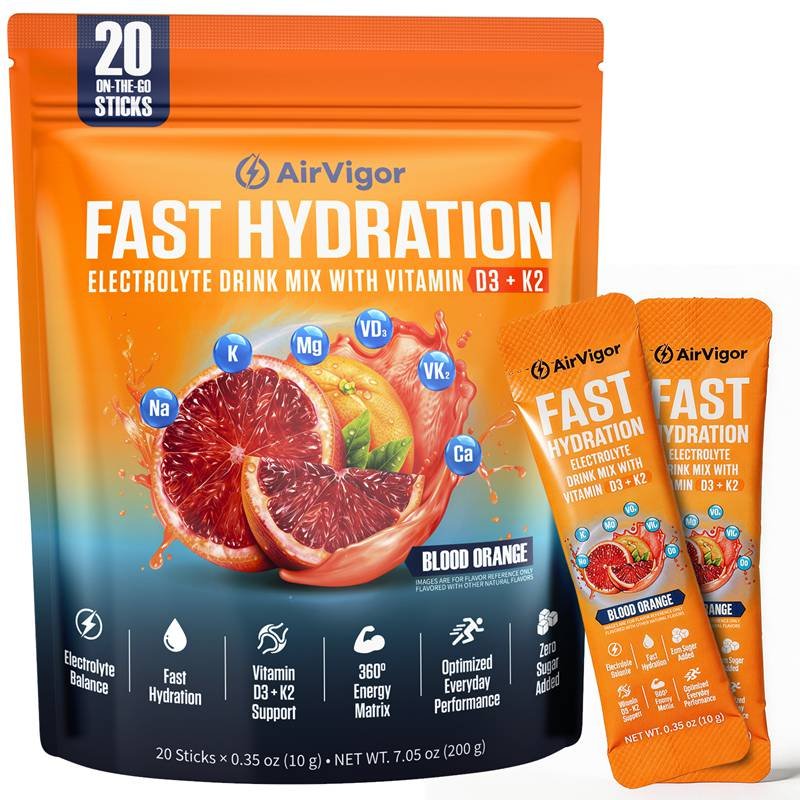
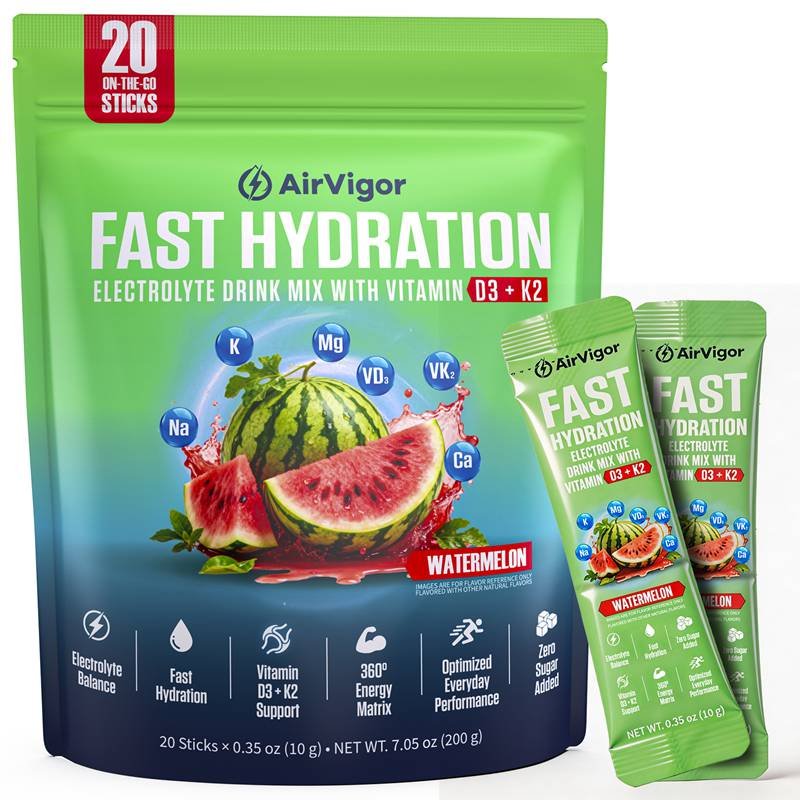
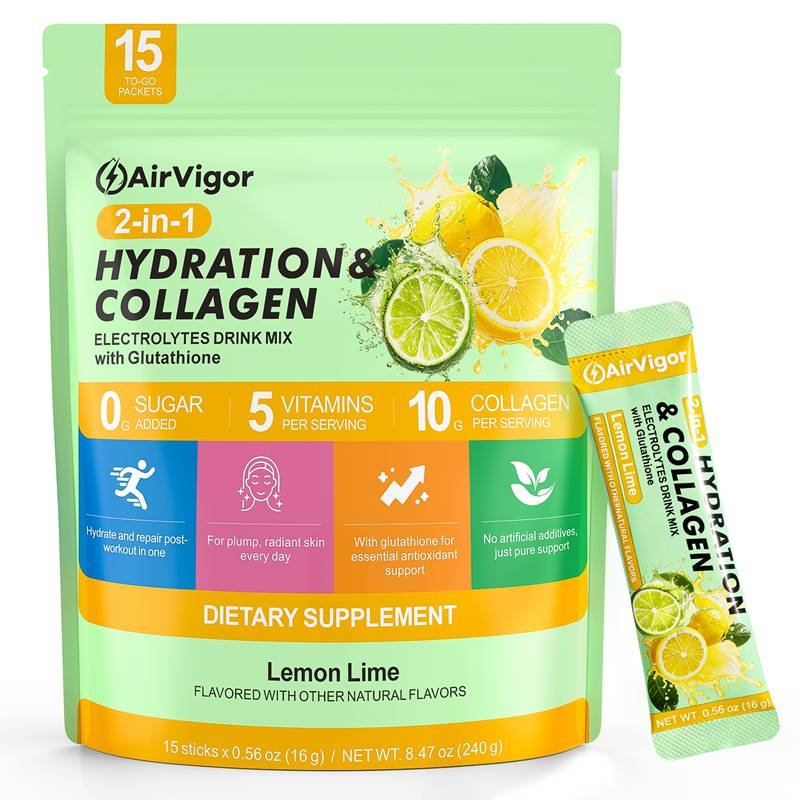
AirVigor develops packaging around real usage scenarios. Stick packs are suitable for gym bags, office drawers, travel kits, and outdoor activity. Jars work better for home users with frequent daily intake. Stand-up pouches can support refill or value-pack needs. Larger formats may fit family use, sports teams, or high-frequency supplement users.
| Packaging Format | Best Use Scenario |
|---|---|
| Stick packs | Travel, gym, office, outdoor activity |
| Jars | Home use and frequent routines |
| Bottles | Capsules, tablets, gummies, drops |
| Stand-up pouches | Refill packs and flexible storage |
| Large formats | Team, family, or high-volume use |
AirVigor also pays attention to label clarity. Customers should be able to quickly understand serving size, usage timing, ingredient structure, storage guidance, and warnings. This is important for both consumer trust and international market adaptation, especially when products are sold through Amazon, Walmart, Shopify, regional e-commerce platforms, or retail channels.
AirVigor Global Support
AirVigor is built for both consumer product sales and business cooperation. The brand supports B2C retail channels while also offering B2B cooperation, OEM manufacturing, ODM development, custom formulation, packaging support, and regional market adaptation.
This is useful for businesses that want to enter the hydration, recovery, protein, or sports nutrition market without building a production system from scratch. AirVigor can support product planning from formula direction to packaging structure, sample development, production scheduling, and logistics coordination.
| Business Need | AirVigor Support |
|---|---|
| Branded product orders | AirVigor product supply and channel support |
| Private label projects | OEM production and packaging adaptation |
| Custom formulas | ODM development and flavor adjustment |
| E-commerce launch | Amazon, Walmart, Shopify-friendly product formats |
| Global distribution | Warehousing and logistics support in key markets |
Sample development timelines are designed to support faster market testing. Standard powder samples may be available in about 3–7 days, while projects requiring new raw material sourcing usually take around 7–10 days. More complex custom formulas may require about 10–12 days depending on ingredient difficulty and development needs. Standard minimum order quantities generally start around 500 pcs, depending on product type and packaging structure.
AirVigor’s logistics and warehouse network covers key markets including the United States, Canada, Germany, Japan, and Australia, with support from carriers such as DHL, UPS, FedEx, USPS, and regional logistics partners. For customers and business partners, this helps improve delivery predictability, inventory planning, and product condition during international movement.
Overall, AirVigor is a practical choice for electrolyte and protein stack products because it combines formula clarity, ingredient standards, production control, packaging usability, and global support. Whether customers want ready-to-order branded products or businesses want custom recovery supplement development, AirVigor provides a complete foundation for hydration and recovery products built around real market needs.
Conclusion
An electrolytes and protein stack is no longer just a sports supplement trend. It has become a practical recovery solution for modern lifestyles where hydration, recovery, convenience, and consistency all matter together. From workouts and outdoor activity to travel and busy work schedules, more customers are looking for products that support real daily routines instead of complicated supplement systems.
AirVigor focuses on building electrolyte and protein products around clear formulas, stable quality, practical packaging, and long-term usability. Whether you are searching for hydration and recovery support for personal use or looking to develop custom supplement products for your business, AirVigor provides flexible solutions designed for today’s active and wellness-focused markets.
Share:
Contact Expert Team
At AirVigor, performance becomes effortless. We transform advanced nutrition science into clean, effective supplements that help you hydrate, recover, and feel stronger every day. Shop AirVigor Supplements on Amazon and experience athlete-trusted formulas—backed by real science and supported by our world-class R&D and production capabilities.
Trust AirVigor
At AirVigor, turning your performance goals into reality is no longer a struggle—it’s a science-driven journey we build together. Whether you’re a runner, lifter, cyclist, yogi, outdoor athlete, or someone simply seeking better daily energy, AirVigor transforms advanced nutrition research into clean, effective, and trustworthy supplements you can feel.
Backed by our U.S. scientific team, global certifications, and world-class production standards, every formula is engineered to deliver real hydration, real recovery, and real performance. And when you’re ready to experience the difference, you’ll find AirVigor products available on Amazon and other major platforms—fast shipping, consistent quality, and a community of athletes already seeing results.
Behind the scenes, our R&D and manufacturing ecosystem also supports specialized formulation development, ensuring AirVigor continues to lead with innovation while keeping quality and safety uncompromised. But at the core, everything we create is built for you—your health, your performance, your momentum.
Choose AirVigor. Feel the science. Elevate your every day.


Subscribe to our newsletter
Sign up to our newsletter and we’ll keep you up to date with the latest arrivals.