Skip to content
Do Electrolytes Improve Muscle Function and Recovery
# Your Trusted Dietary Supplement Brand In US
- Emily

Table of Contents
Most people think muscle performance depends mainly on training intensity, protein intake, or recovery time. But before muscles can lift, sprint, stretch, or recover, they first need electrical signals. Electrolytes are the charged minerals that help nerves send those signals and help muscles respond properly during movement, exercise, hydration, and recovery.
Electrolytes support muscle function by helping nerves communicate with muscles, supporting muscle contraction, balancing fluids inside and outside muscle cells, and helping muscles relax after activity. Sodium, potassium, magnesium, and calcium are especially important for workout performance, endurance, hydration balance, cramp prevention, and post-workout recovery.
This is why many people experience heavy legs, muscle tightness, headaches after sweating, lower workout endurance, or slower recovery even when they drink enough water. Gym training, hot weather, travel, caffeine, poor sleep, and repeated workouts can all increase electrolyte demand throughout the week. Modern consumers are beginning to realize that hydration is not only about drinking more water. It is also about maintaining the mineral balance muscles need to perform consistently and recover efficiently.
What Are Electrolytes for Muscle Activation?
Electrolytes support muscle activation by helping nerves send signals, helping muscles contract and relax properly, and maintaining fluid balance throughout the body. Sodium, potassium, magnesium, and calcium are especially important because muscles depend on these minerals to perform repeated movements efficiently during exercise, physical work, and daily activity.
What Are Electrolytes?
Electrolytes are charged minerals found in body fluids such as blood, sweat, and the water inside muscle cells. Their role goes far beyond basic hydration. These minerals help regulate nerve communication, muscle contraction, fluid movement, temperature control, and physical performance.
Most people first hear about electrolytes through sports drinks, but the body uses electrolytes constantly throughout the day — not only during exercise. Every movement, from walking upstairs to lifting weights or maintaining posture during long work hours, depends on electrical communication between nerves and muscles. Electrolytes help make that communication possible.
This is one reason hydration problems often feel confusing at first. The body usually does not suddenly shut down from mild electrolyte imbalance. Instead, many consumers notice gradual physical changes that are easy to overlook. A workout that normally feels manageable may suddenly feel unusually draining. Legs may feel heavier late in training sessions. Recovery may take longer than expected. Some people experience headaches after sweating, while others feel thirsty all day despite drinking large amounts of water.
In many cases, the issue is not simply low water intake. The body may also be struggling to maintain proper mineral balance.
Modern lifestyles quietly increase electrolyte demand more than many consumers realize. Frequent gym training, hot weather, caffeine intake, poor sleep, long workdays, travel, and physically demanding routines can all increase fluid and mineral loss throughout the week. This is one reason electrolyte powders are no longer viewed only as sports products. They are increasingly used as part of daily wellness and recovery routines.
| Electrolyte | Main Role in Muscle Function |
|---|---|
| Sodium | Supports nerve signaling and fluid balance |
| Potassium | Helps muscles contract normally |
| Magnesium | Supports muscle relaxation and recovery |
| Calcium | Triggers muscle contraction |
Why Do Muscles Need Electrolytes?
Muscles need electrolytes because every contraction depends on electrical signals and fluid balance. Before a muscle can generate force, the nervous system must first send a signal telling that muscle when to contract and when to relax. Electrolytes help regulate this process.
Sodium and potassium work together to create electrical impulses across nerve and muscle cell membranes. Calcium helps trigger the contraction itself, while magnesium helps muscles relax afterward. This process repeats continuously during movement. During a single workout, muscles may contract and relax thousands of times, especially during activities such as running, cycling, strength training, CrossFit, or high-intensity interval workouts.
When electrolyte levels remain stable, movement usually feels smoother and more consistent. But when hydration and mineral balance begin declining, physical performance often changes gradually rather than dramatically.
Many consumers first notice this through small changes in workout quality. Endurance may start fading earlier during training sessions. Recovery may feel slower the next day. Muscles may tighten more easily after sweating, especially during summer workouts or repeated training days.
This is one reason hydration has become a bigger focus in modern fitness and wellness conversations. Research has shown that even relatively small fluid losses can affect physical performance. A fluid loss equal to around 2% of body weight may reduce endurance, increase perceived effort, and make workouts feel significantly harder.
| Body Weight | Approximate Fluid Loss at 2% Dehydration |
|---|---|
| 140 lb | 2.8 lb |
| 160 lb | 3.2 lb |
| 180 lb | 3.6 lb |
| 200 lb | 4.0 lb |
For many active consumers, these fluid losses can happen faster than expected, especially in warm environments or during long training sessions. This explains why some people continue drinking water during workouts yet still feel physically depleted afterward. Water helps, but the body also needs electrolytes to help absorb, retain, and properly utilize those fluids.
Which Electrolytes Activate Muscles?
Several electrolytes contribute to muscle activation, but sodium, potassium, magnesium, and calcium play the largest roles in muscular performance and recovery.
Sodium is especially important because it helps regulate fluid balance and supports nerve communication. During exercise, sodium is also the electrolyte lost in the greatest amount through sweat. This is one reason physically active consumers often feel unusually drained after heavy sweating, even when they continue drinking water.
Potassium works closely with sodium to maintain electrical balance inside and outside cells. Magnesium supports muscular relaxation and recovery after contraction, while calcium helps trigger muscle fibers to contract efficiently.
What many consumers do not realize is that muscle performance usually depends on overall electrolyte balance rather than one single mineral alone. For example, muscle cramps are often associated with magnesium, but in real-world situations cramps may involve several overlapping factors at the same time, including sodium loss, dehydration, nervous system fatigue, heat exposure, and muscular overuse.
This is why balanced electrolyte formulas are becoming increasingly popular in sports nutrition and wellness markets. Consumers no longer want products designed only for extreme endurance sports. They want hydration products that support real daily routines, including gym training, travel, hot weather, outdoor activity, and post-workout recovery.
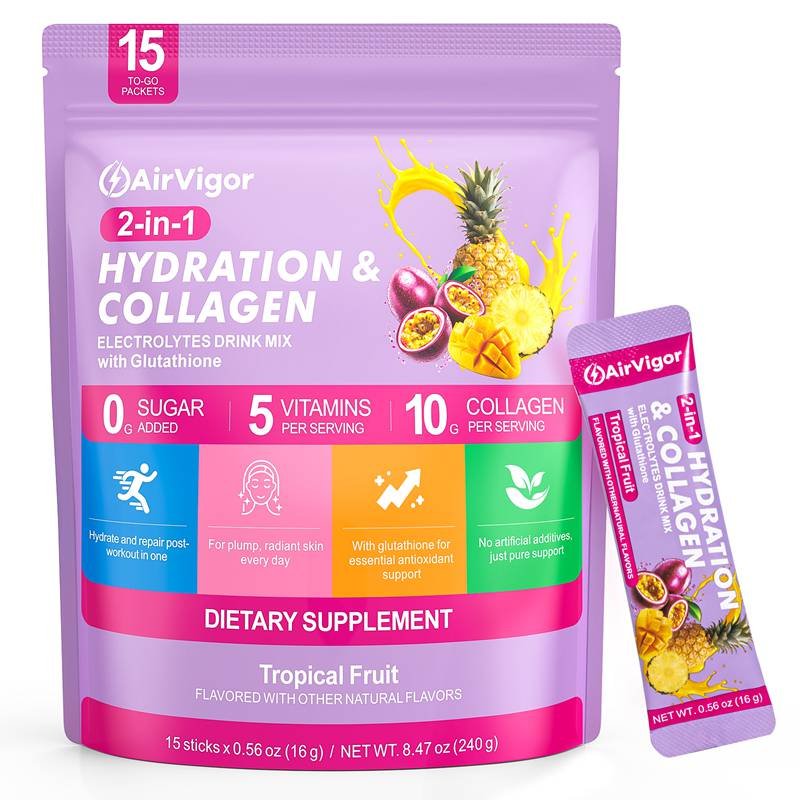
Another major shift in the market is the growing demand for multifunction hydration products. Many newer electrolyte formulas now combine hydration minerals with ingredients such as collagen peptides, vitamins, amino acids, coconut water powder, or trace minerals. Consumers increasingly prefer products that support hydration, recovery, beauty wellness, and convenience at the same time.
| Electrolyte | Main Function | Common Signs of Low Intake |
|---|---|---|
| Sodium | Hydration and nerve signaling | Fatigue, headaches, heavy sweating |
| Potassium | Muscle contraction support | Weakness and low endurance |
| Magnesium | Muscle relaxation | Tightness and cramping |
| Calcium | Contraction trigger | Reduced muscular efficiency |
How Do Electrolytes Support Movement?
Electrolytes support movement by helping muscles receive signals efficiently, maintain hydration, regulate contraction strength, and recover from repeated physical stress. Without proper electrolyte balance, movement often becomes more physically demanding and less consistent.
One important reason exercise feels harder during dehydration is reduced circulation efficiency. As fluid loss increases, blood volume may decrease, forcing the body to work harder to circulate oxygen and nutrients to working muscles. This increases physical strain and often causes activity to feel more exhausting even before major performance decline occurs.
Many consumers recognize this feeling during late workout stages. A training session that starts strong may suddenly feel unusually difficult toward the end. Legs may feel heavy. Recovery periods between sets may feel longer. In hot weather, physical fatigue may appear much earlier than expected.
These changes are not always caused by lack of motivation or poor conditioning. In many situations, hydration quality has started declining before the consumer fully realizes it.
Electrolytes also help the body retain and distribute fluids more effectively. Sodium is especially important because it helps support fluid absorption and maintain hydration balance during sweating. This is one reason many physically active consumers report feeling more stable and less depleted when electrolyte intake matches sweat loss more effectively.
The growing popularity of electrolyte powders reflects this shift in consumer awareness. Hydration is no longer viewed only as a sports topic. Consumers increasingly connect hydration quality with energy, movement, recovery, and overall physical comfort throughout the day.
This is especially noticeable in categories such as:
- Daily wellness hydration
- Gym recovery support
- Summer hydration products
- Travel hydration stick packs
- Sugar-free electrolyte formulas
- Collagen electrolyte powders
Modern consumers want hydration products that fit naturally into everyday life. They are not only looking for products that perform well during workouts. They also want hydration routines that feel sustainable, convenient, and realistic long term.
| Situation | Common Physical Effect of Poor Hydration |
|---|---|
| Long workouts | Early fatigue and heavy muscles |
| Summer activity | Faster exhaustion and headaches |
| Travel | Tightness and sluggishness |
| Repeated gym sessions | Slower recovery |
| Physically demanding work | Ongoing fatigue and dehydration |
How Do Electrolytes Activate Muscles?
Electrolytes activate muscles by helping nerves send electrical signals, supporting muscle contraction, maintaining hydration balance, and helping muscles recover after repeated movement. Sodium, potassium, calcium, and magnesium all work together during this process, which is why low electrolyte levels often affect endurance, workout consistency, recovery quality, and overall physical performance long before severe dehydration symptoms appear.
How Do Electrolytes Send Muscle Signals?
Every movement in the body begins with an electrical signal. Before a muscle can lift weight, maintain posture, sprint, or even stabilize the body during ordinary movement, the nervous system first needs to send a signal telling that muscle what to do. Electrolytes help make this communication possible. Sodium and potassium are especially important because they regulate electrical activity across nerve and muscle cell membranes. Sodium is mainly concentrated outside cells, while potassium remains more concentrated inside cells. When the brain sends a signal, these minerals move across the membrane in a controlled pattern, creating the electrical impulse that travels through the nervous system and eventually reaches the muscle.
Most consumers never notice this process directly when hydration and electrolyte balance are stable. Muscles respond normally, movement feels smooth, and workouts feel manageable. But when fluid and electrolyte levels begin declining, the body often becomes less efficient long before obvious dehydration symptoms appear. This is one reason many physically active consumers first notice hydration problems gradually rather than suddenly. A workout that normally feels manageable may begin feeling unusually exhausting during hot weather or repeated training weeks. Some people notice their legs feel heavier late in workouts, while others experience slower recovery between sets, headaches after sweating, or a feeling that their body is working harder than usual for the same level of activity.
In many situations, the body is not only losing water. It is also losing the minerals needed to maintain efficient nerve communication and muscular activation. Sweat loss varies significantly between individuals, which is why hydration strategies often feel highly personal. Research shows that some athletes lose less than 500 mg of sodium per liter of sweat, while heavy “salty sweaters” may lose well over 1,500 mg during intense exercise or summer training. This also explains why some consumers continue drinking water throughout workouts yet still feel physically depleted afterward. Water alone may not fully restore the sodium and fluid balance muscles need for efficient movement and recovery.
| Sweat Type | Estimated Sodium Loss Per Liter |
|---|---|
| Light sweating | 300–700 mg |
| Moderate sweating | 700–1,200 mg |
| Heavy salty sweating | 1,200–2,000+ mg |
How Do Electrolytes Trigger Muscle Contraction?
Once the electrical signal reaches the muscle, the muscle still needs to contract efficiently. Calcium plays one of the most important roles during this stage because it helps trigger the interaction between muscle fibers that produces force and movement. Without enough calcium movement inside the muscle cell, contraction becomes less efficient. Magnesium then helps muscles relax afterward so the contraction cycle can repeat smoothly during ongoing movement.
This process happens continuously during physical activity. During a typical workout, muscles may contract and relax thousands of times. Runners repeat this cycle with every stride, while strength training requires repeated contraction under resistance. Even stabilization muscles remain active throughout most forms of exercise. As activity continues, the body gradually loses water and electrolytes through sweat, especially during hot weather or long-duration training sessions. This is one reason physical performance often changes later in workouts rather than at the beginning. A session may start normally, but as hydration quality declines, movement often begins feeling heavier, slower, and more physically demanding.
Many consumers recognize this feeling immediately once it begins happening consistently. Final sets become harder to finish, recovery between exercises slows down, and muscles feel less explosive during familiar workouts. In warm environments, the body may suddenly feel far more fatigued than expected even when workout intensity has not changed. This becomes even more noticeable during repeated weekly training schedules. Someone exercising four to six times weekly may slowly accumulate fluid and sodium loss without fully recovering between sessions, especially if hydration intake remains inconsistent throughout the week.
Research consistently shows that relatively small fluid losses may already affect exercise performance. Fluid loss equal to around 2% of body weight may reduce endurance, coordination, pacing, and overall exercise efficiency.
| Body Weight | Approximate Fluid Loss at 2% Dehydration |
|---|---|
| 150 lb | 3.0 lb |
| 170 lb | 3.4 lb |
| 190 lb | 3.8 lb |
| 210 lb | 4.2 lb |
For many physically active consumers, these losses can happen surprisingly quickly during summer exercise, high-intensity interval training, long gym sessions, outdoor sports, or physically demanding workdays.
Do Electrolytes Affect Strength and Performance?
Electrolytes do not directly build muscle tissue the way protein supports muscle growth, but they strongly influence how muscles perform during physical activity. Strength depends on much more than muscle size alone. Hydration balance, nerve communication, circulation, muscular coordination, and recovery all influence how efficiently muscles generate force throughout a workout.
This is one reason dehydration often affects workout quality before consumers fully realize hydration is becoming a problem. Many people first notice this through subtle performance changes rather than severe symptoms. A workout may begin feeling normal but become unusually difficult toward the final sets. Grip strength fades faster than expected, recovery between exercises slows down, and muscles feel flatter or heavier than usual, especially during repeated workouts or hot weather training.
In many situations, consumers assume they simply need more motivation, caffeine, or recovery time. In reality, hydration quality may already be declining long before obvious dehydration symptoms appear. This becomes especially common during repeated sweating throughout the week. High-intensity interval workouts, CrossFit sessions, long cardio training, outdoor sports, and physically demanding jobs can all create significant fluid and sodium loss over time.
Heat exposure increases the effect even further because the body must cool itself while continuing to support muscular performance. As blood volume decreases from fluid loss, physical effort often feels much higher even when workout intensity remains unchanged. This is one reason many consumers begin using electrolyte powders not because they expect dramatic performance enhancement, but because they want workouts to feel more stable and recovery to feel less physically draining afterward.
Most consumers are looking for practical improvements rather than extreme athletic performance. They want more stable energy during long sessions, fewer dehydration-related headaches, smoother recovery between workouts, and better hydration during summer training or physically demanding schedules. This shift is one reason electrolyte products are now widely used in strength training, recovery, wellness, and general fitness routines rather than only endurance sports.
Can Electrolytes Improve Endurance and Recovery?
Electrolytes can improve endurance and recovery when dehydration or mineral loss is limiting how efficiently the body functions during activity. The biggest improvements are usually related to hydration stability, endurance consistency, recovery quality, and heat tolerance rather than sudden dramatic increases in strength.
For many consumers, the benefits feel gradual but meaningful. Workouts often feel steadier, energy remains more stable later in training sessions, and recovery may feel smoother after heavy sweating. Some people notice fewer headaches, less muscle tightness, and more consistent physical performance throughout repeated weekly workouts.
One important reason electrolytes affect endurance is fluid retention. During heavy sweating, water alone does not always remain in the body efficiently. Sodium helps support fluid absorption and helps maintain blood volume during exercise, allowing circulation to continue supporting working muscles more effectively. This becomes especially important during long workouts, hot environments, repeated weekly training schedules, or physically demanding routines where dehydration can slowly accumulate across several days.
Consumers also increasingly use electrolyte powders outside traditional sports settings because hydration affects far more than exercise performance alone. Long workdays, travel, outdoor activity, summer heat, physically demanding jobs, and inconsistent hydration habits can all gradually reduce hydration quality throughout the week. This is one reason electrolyte powders are now commonly used during office routines, travel recovery, hiking, summer wellness, and general daily hydration support rather than only athletic competition.
Modern consumers are also moving away from traditional sports drinks with extremely high sugar content or overly sweet flavors. Instead, demand continues growing for sugar-free electrolyte powders, clean-label hydration formulas, stick pack hydration products, and collagen electrolyte blends that fit more naturally into everyday routines. For most people, the real benefit of electrolytes is not transforming physical performance overnight. The biggest value is helping the body maintain more stable hydration, movement, endurance, and recovery throughout repeated physical stress and busy daily life.

What Happens Without Electrolytes?
Without enough electrolytes, the body gradually becomes less efficient at maintaining hydration, muscle contraction, nerve communication, and physical endurance. Most people expect dehydration to feel dramatic, but in real life the early signs are usually much more subtle. A workout may suddenly feel more exhausting than normal. Muscles may tighten more easily after sweating. Recovery may start taking longer, especially during hot weather or repeated training weeks.
This is one reason electrolyte imbalance is often overlooked at first. The body can temporarily compensate for mild dehydration surprisingly well. Motivation, caffeine, adrenaline, and daily routine often hide the problem in the moment. But over time, the effects usually become more noticeable. Many consumers eventually realize their body has been struggling with hydration quality long before obvious dehydration symptoms appear.
Can Low Electrolytes Cause Cramps?
Muscle cramps are one of the most common physical signs associated with electrolyte imbalance, especially after sweating or prolonged physical activity. Many people first notice cramping late at night after a workout, during long summer walks, or near the end of demanding exercise sessions when fatigue begins building.
What makes cramps frustrating is that they rarely come from one single cause. Most consumers immediately think about magnesium, but real-world muscle cramping is often connected to several overlapping factors at the same time. Heavy sweating, sodium loss, muscular fatigue, heat exposure, dehydration, and incomplete recovery can all contribute together.
This is especially common during repeated training weeks. A person may complete several workouts, spend time outdoors in warm weather, drink coffee throughout the day, and gradually lose more fluids and sodium than they fully replace. The body may continue functioning relatively normally for days before symptoms finally become noticeable.
Many runners describe this feeling near the later stages of long-distance sessions. Legs begin tightening unexpectedly, pacing becomes harder to maintain, and muscles feel far less responsive than they did earlier in the workout. Other consumers experience calf cramps during sleep after physically demanding workdays or outdoor activity in summer heat.
Sodium plays a major role here because it is the primary electrolyte lost through sweat. Some heavy sweaters may lose well over 1,500 mg of sodium per liter of sweat during intense exercise in warm environments. This helps explain why some people continue drinking water during workouts yet still feel physically depleted afterward.
| Sweat Type | Estimated Sodium Loss Per Liter |
|---|---|
| Light sweating | 300–700 mg |
| Moderate sweating | 700–1,200 mg |
| Heavy salty sweating | 1,200–2,000+ mg |
Another important factor is cumulative dehydration. Many consumers assume hydration fully resets overnight, but in reality fluid and electrolyte imbalance can slowly build across several days of sweating, travel, poor sleep, caffeine intake, or repeated workouts. This gradual accumulation is one reason some people suddenly feel physically exhausted by the end of the week even though no single workout seemed unusually difficult.
Do Low Electrolytes Reduce Muscle Power?
Low electrolyte levels can noticeably affect how muscles perform, especially during longer workouts, repeated training sessions, or hot weather activity. Most consumers do not suddenly lose strength completely. Instead, the body usually feels less stable and less efficient as dehydration progresses.
This often appears gradually during exercise. A workout may start feeling normal, but toward the later sets muscles suddenly feel heavier than expected. Recovery between exercises slows down. Endurance fades earlier. The same pace or weight that felt manageable a week ago now feels unusually demanding.
Many people initially blame this on poor sleep, low motivation, or lack of conditioning. In reality, hydration quality may already be declining.
One reason this happens is circulation. As fluid loss increases, blood volume can gradually decrease, forcing the body to work harder to deliver oxygen and nutrients to working muscles. Physical effort begins feeling higher even if training intensity remains unchanged.
Heat exposure increases the effect even further. During summer workouts or outdoor activity, the body must cool itself while continuing to support muscular performance. Sweat rates increase significantly, which accelerates both water and sodium loss. This is why physically active consumers often feel much more fatigued during hot weather even when maintaining the same workout routine.
Research consistently shows that relatively small fluid losses may negatively affect endurance, coordination, pacing, and physical efficiency. Fluid loss equal to around 2% of body weight can already begin influencing performance.
| Body Weight | Approximate Fluid Loss at 2% Dehydration |
|---|---|
| 140 lb | 2.8 lb |
| 160 lb | 3.2 lb |
| 180 lb | 3.6 lb |
| 200 lb | 4.0 lb |
For many active consumers, these losses happen faster than expected during long gym sessions, high-intensity interval workouts, running, cycling, or physically demanding jobs.
This is one reason electrolyte powders have become increasingly popular beyond endurance sports. Most consumers are not looking for extreme athletic enhancement. They simply want their workouts and recovery to feel more consistent from day to day.
How Does Dehydration Affect Muscles?
Dehydration affects muscles by reducing fluid availability, increasing physical strain, and making contraction less efficient during movement. Since muscles contain a large amount of water, even moderate dehydration can affect how the body feels during both activity and recovery.
One of the biggest misconceptions about dehydration is that thirst appears early enough to prevent physical decline. In reality, many consumers begin workouts already slightly dehydrated without realizing it. Poor sleep, caffeine intake, alcohol consumption, long flights, hot weather exposure, and busy schedules can all gradually reduce hydration quality before exercise even begins.
At first, the body compensates surprisingly well. Adrenaline, motivation, and movement can temporarily hide dehydration symptoms during activity. But as sweating continues, the effects often become more noticeable later in the day.
Many consumers first recognize dehydration through physical feelings rather than thirst itself. Muscles may begin feeling tighter during workouts, recovery may feel slower afterward, and energy often drops more noticeably several hours after sweating. Some people develop headaches later in the evening, while others wake up the next morning still feeling unusually drained.
This delayed fatigue is one reason dehydration is frequently underestimated. Consumers often focus on how they felt during the workout rather than how the body feels afterward.
| Early Hydration Decline | More Noticeable Effects |
|---|---|
| Mild thirst | Heavy legs |
| Slight fatigue | Lower endurance |
| Dry mouth | Muscle tightness |
| Reduced energy | Slower recovery |
| Mild sluggishness | Headaches after sweating |
Modern lifestyles also contribute to low-level dehydration more than many consumers realize. Long office hours, air conditioning, frequent coffee intake, low daily movement, and inconsistent water intake can all slowly affect hydration balance throughout the week. This is one reason many consumers now use electrolyte powders outside traditional fitness settings, including during travel, office routines, summer wellness, and physically demanding workdays.
Are Athletes Losing Too Many Electrolytes?
Many athletes lose significantly more electrolytes than they realize, especially sodium. Sweat loss varies dramatically depending on genetics, climate, workout intensity, body size, conditioning level, and heat exposure. Some people sweat lightly even during difficult workouts, while others lose large amounts of sodium within a single session.
This becomes especially noticeable during long-duration exercise or repeated weekly training schedules. Runners, cyclists, CrossFit athletes, outdoor workers, and team sport athletes often experience ongoing fluid and electrolyte stress across multiple days rather than one isolated workout.
Some consumers even notice visible white salt stains on clothing after exercise, which is often a sign of higher sodium loss through sweat. Others consistently experience headaches, heavy fatigue, or muscle tightness after sweating heavily despite drinking water during activity.
| Activity Type | Approximate Sweat Loss Per Hour |
|---|---|
| Moderate gym training | 0.5–1.0 liters |
| High-intensity exercise | 1.0–1.5 liters |
| Endurance activity | 1.5–2.5+ liters |
This is one reason hydration strategies have changed significantly in recent years. Traditional sports drinks were often designed mainly around sugar and basic fluid replacement. Modern consumers increasingly want hydration products that feel lighter, cleaner, and easier to use consistently throughout the week.
The demand for sugar-free electrolyte powders, stick pack hydration products, collagen electrolyte blends, and low-calorie hydration formulas has grown rapidly because consumers now use hydration products for much more than sports alone. Many people simply want their body to feel more stable during workouts, recovery, travel, hot weather, and physically demanding routines.
For most consumers, the real value of electrolytes is not about turning ordinary workouts into elite athletic performance overnight. It is about helping the body maintain more consistent movement, endurance, hydration, and recovery during real daily life.
How to Use Electrolytes for Muscle Activation
Electrolytes support muscle activation most effectively when hydration intake matches sweating level, activity intensity, climate, and recovery demand. For most consumers, the goal is not consuming the strongest electrolyte formula possible. The real goal is helping the body maintain more stable hydration, muscular function, endurance, and recovery throughout repeated daily stress. Many people only think about electrolytes during intense workouts, but hydration demand often builds gradually across the entire week. Gym sessions, long workdays, hot weather, travel, caffeine intake, poor sleep, and physically demanding routines can all slowly reduce hydration quality over time. This is one reason many consumers begin feeling physically drained without immediately realizing hydration may already be affecting how their body performs and recovers.
When Should You Take Electrolytes?
The best time to take electrolytes is usually before, during, or after situations that increase fluid and mineral loss. For physically active consumers, this often includes workouts, outdoor activity, long periods of sweating, summer heat, or physically demanding schedules. One of the biggest hydration mistakes is waiting until the body already feels exhausted before replacing fluids and electrolytes. By the time severe thirst, headaches, dizziness, heavy fatigue, or muscle tightness appear, hydration quality may already be affecting muscular performance and recovery.
This is why many consumers now focus on hydration earlier in the process instead of reacting afterward. Morning workouts are one of the clearest examples. Many people wake up already mildly dehydrated after several hours without fluid intake during sleep. Add caffeine, warm temperatures, or exercise, and the body may begin sweating before hydration has fully recovered from the previous day. Over time, consumers often notice that workouts feel steadier when hydration support begins earlier. Energy remains more stable during longer sessions, recovery afterward feels less physically draining, and heat becomes easier to tolerate during summer training or repeated weekly workouts.
Hydration timing becomes even more important during prolonged sweating. A short indoor workout may only require water for many people, but longer sessions in heat often increase sodium and fluid loss much more aggressively. Outdoor runners, cyclists, CrossFit athletes, and physically demanding workers usually notice this most clearly because sweating may continue for hours at a time. Many consumers feel relatively normal immediately after activity, then begin experiencing headaches, muscle tightness, heavy fatigue, or low energy several hours later. Others wake up the next morning still feeling physically depleted even after drinking water throughout the workout itself. This delayed fatigue is one reason electrolyte powders are increasingly used as part of recovery routines instead of only during exercise.
| Situation | Why Electrolytes Become More Important |
|---|---|
| Long workouts | Ongoing fluid and sodium loss |
| Outdoor summer training | Higher sweat rates |
| Repeated weekly sessions | Accumulated dehydration stress |
| Air travel | Dry cabin air and fluid loss |
| Physically demanding jobs | Continuous sweating and fatigue |
Which Electrolytes Are Best for Workouts?
The most important workout electrolytes are usually sodium, potassium, magnesium, and calcium because these minerals directly support nerve signaling, muscular contraction, hydration balance, and post-workout recovery. Sodium is especially important because it is the primary electrolyte lost through sweat. During intense workouts or hot weather activity, sodium loss can become surprisingly significant within a relatively short period of time. This is one reason many physically active consumers continue drinking water during workouts yet still feel unusually drained afterward. In many situations, the body is not simply losing fluids. It is also losing the minerals needed for efficient muscular contraction and hydration balance.
For years, sports hydration products focused heavily on sugar and carbohydrates. But consumer preferences have changed significantly. Many people now want hydration products that feel lighter, easier to drink consistently, and more practical for repeated use throughout the week. This shift has helped drive rapid growth in categories such as sugar-free electrolyte powders, low-calorie hydration products, clean-label sports hydration, and portable stick pack formulas. Consumers increasingly care about how hydration products fit into everyday routines rather than only athletic performance.
Taste has also become one of the biggest factors affecting long-term consistency. A hydration product may look effective nutritionally, but if the flavor feels too salty, too artificial, or too sweet after repeated use, most consumers eventually stop using it regularly. This is especially important because electrolyte products are no longer limited to athletes alone. Many consumers now use them during office work, travel, hiking, outdoor activity, physically demanding jobs, and long summer days because hydration problems often appear during ordinary daily routines rather than only intense training sessions.
Many consumers also focus too heavily on one isolated ingredient, especially magnesium. In reality, muscular performance usually depends on overall electrolyte balance rather than single-mineral intake alone. Muscle tightness, headaches after sweating, lower endurance, and poor recovery often involve several overlapping factors at the same time, including sodium loss, dehydration, heat exposure, and repeated muscular stress. This is one reason balanced electrolyte formulas often feel more effective during real-world use than products centered around only one ingredient.
| Electrolyte | Main Function During Exercise |
|---|---|
| Sodium | Supports hydration and nerve signaling |
| Potassium | Helps muscular contraction |
| Magnesium | Supports muscular relaxation |
| Calcium | Helps trigger contraction |
How Much Electrolytes Do You Need?
Electrolyte needs vary significantly depending on sweat rate, climate, workout intensity, body size, activity level, and overall lifestyle. Some people lose relatively little sodium during exercise, while others lose large amounts within a single training session. Many consumers first notice this difference during summer workouts. A routine that feels manageable during cooler months may suddenly become much more physically exhausting once temperatures rise. Sweat loss increases, hydration demand rises, and recovery often becomes more difficult if fluid and electrolyte intake remain unchanged.
Research shows some heavy sweaters may lose well over 1,500 mg of sodium per liter of sweat during intense activity in warm environments. Endurance athletes and outdoor workers may lose several liters of fluid during long-duration sessions. This helps explain why hydration experiences vary so dramatically between individuals. Some consumers recover normally with water alone, while others consistently experience heavy fatigue, headaches, muscle tightness, or low endurance after sweating.
Hydration demand also becomes confusing because fluid loss often happens gradually outside workouts as well. Long office hours, repeated caffeine intake, flights, physically demanding jobs, alcohol consumption, poor sleep, and hot weather can all slowly reduce hydration quality throughout the week. Many consumers first recognize low electrolyte intake through physical changes rather than thirst alone. The body often feels heavier, slower, and more physically drained before severe dehydration symptoms appear. Workouts begin feeling less consistent, muscles tighten more easily after sweating, and recovery takes longer than expected. In many situations, consumers assume they simply need more motivation, sleep, or recovery time when hydration quality may already be declining.
| Sweat Level | Estimated Sodium Loss Per Liter |
|---|---|
| Light sweating | 300–700 mg |
| Moderate sweating | 700–1,200 mg |
| Heavy salty sweating | 1,200–2,000+ mg |
Are Electrolyte Powders Effective?
Electrolyte powders are effective when they help replace fluids and minerals lost through sweating, heat exposure, physical activity, or dehydration. Their effectiveness depends largely on formula balance, sodium content, drinkability, and how consistently they fit into real daily routines. One reason powders continue growing rapidly is convenience. Consumers increasingly prefer hydration products that are lightweight, portable, and easy to use throughout busy schedules. Stick packs fit naturally into gym bags, office desks, travel kits, backpacks, and outdoor activity routines, making regular hydration much easier to maintain.
Compared with traditional bottled sports drinks, powders also provide more flexibility. Consumers can adjust concentration depending on workout intensity, climate, and personal preference. Someone using electrolytes during a long summer run may want a stronger hydration mix than someone using electrolytes casually during office hours or travel days. Taste also matters far more than many brands initially expected. Consumers may try a hydration product because of performance claims, but long-term repeat use usually depends on how easy the product feels to drink consistently. Extremely sweet or overly salty products often become difficult to consume repeatedly over time.
This is one reason lighter hydration flavors and cleaner ingredient profiles have become increasingly popular, especially among wellness-focused consumers who use electrolyte products regularly instead of occasionally. The hydration category itself has also changed dramatically over the past several years. Electrolyte powders are no longer viewed only as workout products. Many consumers now use them during travel, physically demanding workdays, hot weather, long office hours, recovery routines, and general wellness schedules because hydration problems often develop during ordinary daily life rather than only intense exercise. For most consumers, the real benefit of electrolytes is not transforming athletic performance overnight. The biggest value is helping the body maintain more stable energy, movement, endurance, hydration, and recovery throughout repeated physical stress and busy daily routines.

Are Electrolytes Worth It for Muscle Activation?
For many physically active consumers, electrolytes are worth it because muscles depend on proper hydration and mineral balance to function efficiently throughout the day. The biggest difference most people notice is usually not dramatic athletic improvement overnight, but more stable physical performance, steadier energy during workouts, fewer dehydration-related headaches, and recovery that feels less physically draining after repeated activity. This is one reason electrolyte products have expanded far beyond traditional endurance sports. Gym training, physically demanding work schedules, hot weather, travel, poor sleep, and repeated sweating can all gradually increase the body’s demand for fluid and minerals, especially sodium.
Many consumers do not immediately realize hydration quality is affecting their performance. The changes usually happen gradually. A workout that once felt manageable may begin feeling unusually exhausting. Recovery between sessions may become less consistent. Muscles tighten more easily after sweating, especially during summer months or periods of repeated training. Some people notice heavy legs late in workouts, while others experience headaches several hours after exercise even though they drank water throughout the session. In many situations, the body is not simply low on fluids. It is also struggling to maintain the electrolyte balance muscles need for efficient contraction, circulation, and recovery.
Who Needs Electrolytes Most?
Electrolytes are especially useful for people who regularly lose fluids through sweating, physical activity, heat exposure, or demanding daily schedules. Athletes are the most obvious example, but hydration stress now affects many ordinary consumers as well. Long office hours, repeated caffeine intake, poor sleep, outdoor work, frequent travel, and inconsistent hydration habits can all slowly reduce fluid balance throughout the week. This is one reason many consumers feel physically drained without fully understanding why their body suddenly feels less resilient than before.
For physically active people, the effects often appear during training. Energy drops faster than expected, endurance feels inconsistent, and recovery becomes more difficult after repeated workouts. During summer weather, the difference becomes even more noticeable because higher temperatures increase sweat loss significantly. Some consumers discover they are naturally heavy sweaters only after they begin paying attention to headaches, salt stains on clothing, or unusual fatigue after exercise.
Research shows that sweat sodium concentration varies dramatically between individuals. Some people lose less than 500 mg of sodium per liter of sweat, while others may lose more than 1,500 mg under intense conditions. This is one reason hydration strategies often feel highly individual. A person completing a moderate indoor workout may recover normally with water alone, while another person performing outdoor training in heat may feel physically depleted for the rest of the day without additional electrolyte support.
| Consumer Group | Common Hydration Stress |
|---|---|
| Gym-goers | Repeated sweat loss and recovery fatigue |
| Outdoor workers | Heat exposure and continuous fluid loss |
| Endurance athletes | Long-duration sweating |
| Frequent travelers | Dry air and dehydration |
| Office workers | Low water intake and high caffeine use |
One major reason electrolyte products continue growing rapidly is that consumers increasingly connect hydration with overall physical comfort rather than sports performance alone. Many people are not trying to become elite athletes. They simply want workouts to feel more manageable, recovery to feel smoother, and energy to remain more stable throughout busy schedules and repeated physical demands.
Do Electrolytes Help Recovery?
Electrolytes can help recovery because the body continues dealing with fluid and mineral imbalance long after exercise ends. Recovery is not only about muscle repair or protein intake. It also depends on restoring hydration balance, circulation efficiency, and muscular function after sweating. Many consumers underestimate how much physical fatigue is connected to incomplete hydration recovery rather than the workout itself.
This is especially noticeable during repeated weekly training schedules. A single workout may not create obvious dehydration symptoms, but several workouts combined with poor sleep, summer heat, physically demanding schedules, or inconsistent fluid intake can gradually increase recovery stress across the week. Many physically active consumers recognize this feeling immediately. Legs feel unusually heavy after training, headaches appear later in the evening, or the next workout feels harder than expected even though training intensity has not changed.
One reason this happens is that the body loses both water and electrolytes through sweat, especially sodium. If these losses are not replaced effectively, muscles often feel tighter and more physically drained afterward. This delayed fatigue explains why many people feel relatively normal during workouts but noticeably worse later that evening or the following morning.
Research consistently shows that relatively small fluid losses may already affect endurance, muscular efficiency, and physical recovery. Fluid loss equal to around 2% of body weight may begin influencing performance and perceived effort during exercise.
| Body Weight | Approximate Fluid Loss at 2% Dehydration |
|---|---|
| 150 lb | 3.0 lb |
| 170 lb | 3.4 lb |
| 190 lb | 3.8 lb |
This is one reason many consumers now include electrolyte powders as part of post-workout recovery rather than using them only during exercise itself. Recovery-focused hydration products have grown rapidly because consumers increasingly want hydration routines that feel practical, sustainable, and easy to maintain throughout busy weeks.
Another major shift is the demand for multifunction hydration products. Consumers no longer want products designed only for athletic performance. Many now prefer formulas that support hydration, recovery, convenience, and daily wellness at the same time. This has helped drive strong growth in categories such as collagen electrolyte powders, magnesium hydration blends, clean-label electrolyte products, and sugar-free recovery formulas.
Can Electrolytes Support Endurance?
Electrolytes can support endurance because hydration strongly affects circulation, muscular efficiency, and temperature regulation during prolonged physical activity. As sweating increases, the body gradually loses both water and sodium. Blood volume may decrease, forcing the body to work harder to circulate oxygen and nutrients to working muscles. Physical effort begins feeling much higher even when workout intensity remains the same.
This is why endurance decline usually feels gradual rather than sudden. A training session may begin normally, but later stages become significantly harder to maintain. Pace slows down, muscles feel heavier, and recovery between efforts becomes more difficult. During summer workouts or outdoor activity, these effects often appear much faster because heat exposure increases sweat rates dramatically.
Many physically active consumers first notice hydration problems late in workouts rather than early. Running pace becomes inconsistent, final sets feel unusually exhausting, and the body suddenly feels much less explosive than expected. In many situations, the issue is not simply conditioning. Hydration quality may already be declining long before severe dehydration symptoms appear.
This is one reason endurance athletes, runners, cyclists, and outdoor workers increasingly prioritize electrolyte intake before symptoms become obvious. Many consumers are no longer looking for dramatic performance stimulation. Instead, they want physical activity to feel more stable and recovery to feel less physically draining afterward.
The hydration category has expanded rapidly because consumers now associate hydration with far more than sports alone. Electrolyte powders are increasingly used during travel, long workdays, outdoor activity, summer heat, and physically demanding routines because hydration quality affects overall physical comfort throughout the day.
Why Are Electrolyte Powders Popular?
Electrolyte powders have become increasingly popular because they fit modern lifestyles much more effectively than traditional sports drinks for many consumers. Older sports hydration products were largely built around endurance athletics and high sugar intake. Today’s consumers often want something lighter, cleaner, and easier to use consistently throughout the week.
This shift has become especially noticeable among wellness-focused consumers who no longer want extremely sweet drinks or heavy sports beverages for daily hydration. Many now prefer lighter flavor systems, lower sugar content, cleaner ingredients, and portable formats that fit naturally into gym bags, office routines, travel schedules, and outdoor activities.
Stick pack electrolyte powders have grown especially quickly because they simplify hydration routines. Consumers can easily carry them during workouts, flights, physically demanding workdays, hiking trips, or long commutes without relying on bulky bottled beverages. Convenience matters because hydration consistency is often more important than occasional extreme hydration efforts.
| Product Trend | Why Consumers Prefer It |
|---|---|
| Sugar-free electrolytes | Easier daily use |
| Stick pack hydration | Convenience and portability |
| Collagen electrolytes | Hydration plus beauty support |
| Clean-label formulas | Simpler ingredient expectations |
Taste has also become one of the biggest drivers of repeat use. Many consumers stop using hydration products not because they are ineffective, but because the flavor eventually feels too artificial, too sweet, or too heavy for regular use. This is one reason modern electrolyte products increasingly focus on smoother drinkability and lighter flavor profiles designed for repeated daily use rather than only intense athletic situations.
For most consumers, the real value of electrolytes is not about transforming performance overnight. The biggest benefit is helping the body maintain more stable hydration, endurance, movement, and recovery throughout repeated physical stress, demanding schedules, and everyday life.
Conclusion
Many consumers spend months focusing on training intensity, protein intake, or recovery supplements without realizing hydration quality may already be affecting how their body feels during workouts and throughout the week. Heavy legs, slower recovery, headaches after sweating, reduced endurance, and muscle tightness are often connected to fluid and electrolyte balance long before severe dehydration symptoms appear.
This is one reason electrolytes have become much more important in modern wellness and sports nutrition conversations. Today’s consumers are not only looking for hydration during extreme athletic events. They want stable energy during busy workdays, better recovery after repeated workouts, improved heat tolerance during summer activity, and hydration routines that feel practical enough to maintain consistently.
As lifestyles become more physically demanding and hydration habits become more inconsistent, electrolyte products are evolving far beyond traditional sports drinks. Consumers increasingly prefer lighter hydration formulas, sugar-free electrolyte powders, portable stick packs, and multifunction products that support hydration, recovery, wellness, and convenience at the same time.
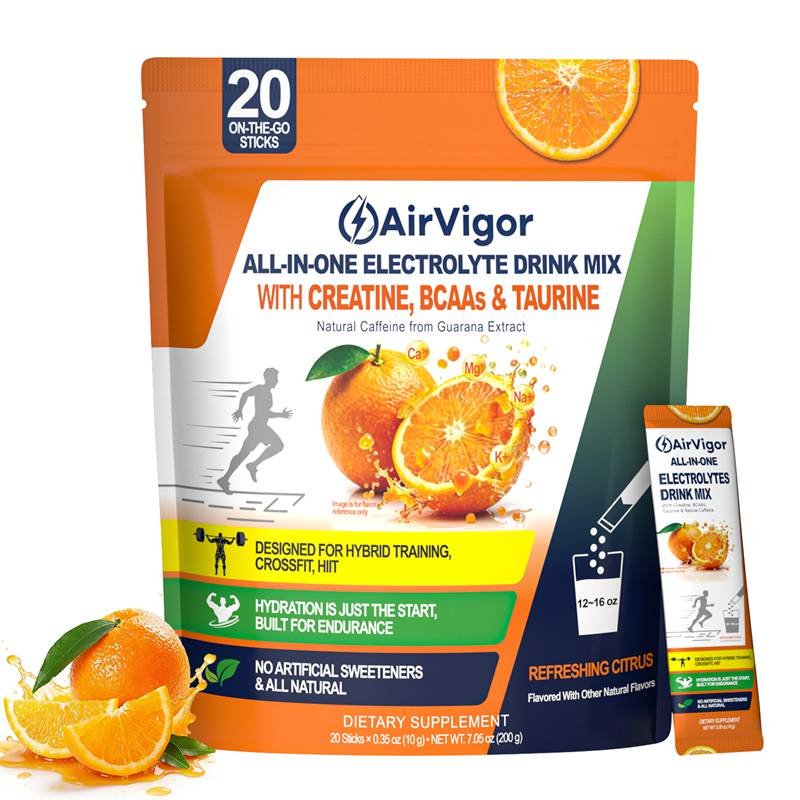
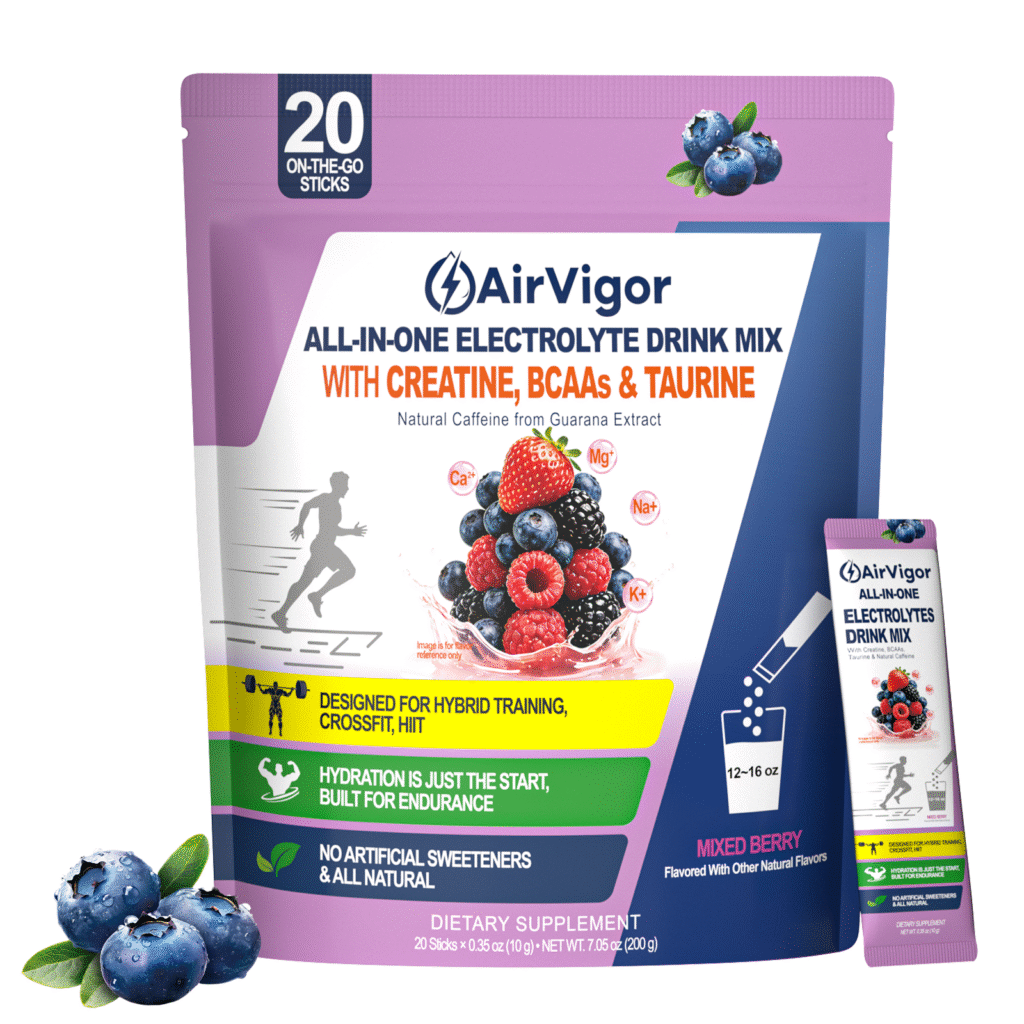
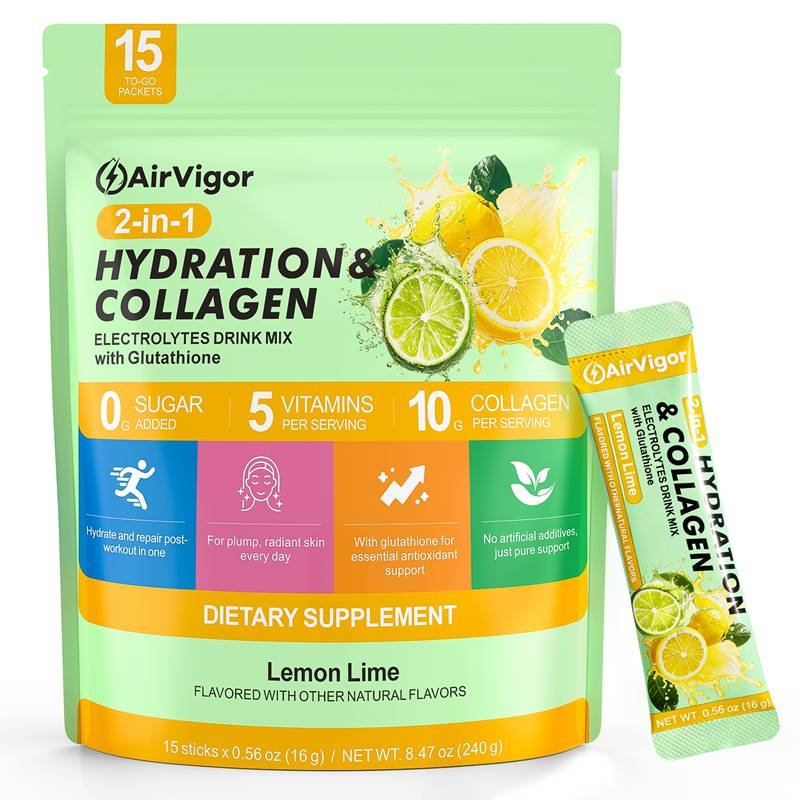
At AirVigor, we help brands develop modern hydration products designed around these changing consumer expectations. From electrolyte stick packs and sports hydration powders to collagen electrolyte blends and customized OEM/ODM supplement solutions, our team supports formulation development, flavor systems, packaging, and scalable private label manufacturing for growing wellness and nutrition brands.
For companies planning to launch or expand an electrolyte supplement line, developing products that match real consumer hydration needs is becoming increasingly important in today’s wellness market.
Share:
Contact Expert Team
At AirVigor, performance becomes effortless. We transform advanced nutrition science into clean, effective supplements that help you hydrate, recover, and feel stronger every day. Shop AirVigor Supplements on Amazon and experience athlete-trusted formulas—backed by real science and supported by our world-class R&D and production capabilities.
Trust AirVigor
At AirVigor, turning your performance goals into reality is no longer a struggle—it’s a science-driven journey we build together. Whether you’re a runner, lifter, cyclist, yogi, outdoor athlete, or someone simply seeking better daily energy, AirVigor transforms advanced nutrition research into clean, effective, and trustworthy supplements you can feel.
Backed by our U.S. scientific team, global certifications, and world-class production standards, every formula is engineered to deliver real hydration, real recovery, and real performance. And when you’re ready to experience the difference, you’ll find AirVigor products available on Amazon and other major platforms—fast shipping, consistent quality, and a community of athletes already seeing results.
Behind the scenes, our R&D and manufacturing ecosystem also supports specialized formulation development, ensuring AirVigor continues to lead with innovation while keeping quality and safety uncompromised. But at the core, everything we create is built for you—your health, your performance, your momentum.
Choose AirVigor. Feel the science. Elevate your every day.


Subscribe to our newsletter
Sign up to our newsletter and we’ll keep you up to date with the latest arrivals.