Skip to content
How Electrolytes Affect Blood Flow, Hydration & Energy
# Your Trusted Dietary Supplement Brand In US
- Emily

Table of Contents
Most people do not think about blood flow until something feels off. It might be a heavy feeling after workouts, headaches during travel, tired legs after standing all day, or that afternoon fatigue that does not improve even after another cup of coffee. Many people blame stress, poor sleep, or busy schedules for these symptoms, but hydration and mineral balance may also play a much larger role than expected.
Electrolytes support blood flow by helping the body maintain fluid balance, blood volume, muscle contractions, nerve signaling, and vascular function. Minerals like sodium, potassium, magnesium, and calcium help the body move fluids more efficiently, support oxygen delivery, and maintain hydration during exercise, heat exposure, travel, and daily activity. When electrolyte balance becomes disrupted, people may experience fatigue, dizziness, headaches, muscle tightness, poor recovery, or reduced physical performance.
Blood flow depends on more than the heart simply pumping harder. The body needs enough fluids circulating through blood vessels, balanced hydration inside and outside cells, healthy muscle function, and stable electrical signaling between nerves and muscles. This is why proper hydration is not only about drinking more water. Without enough electrolytes, the body may struggle to absorb, retain, and use fluids efficiently, especially during sweating, hot weather, long flights, intense workouts, or physically demanding schedules.
This is one reason electrolyte powders have expanded far beyond traditional sports nutrition. Today, consumers use electrolytes during workouts, office routines, travel, recovery days, beauty wellness habits, outdoor activities, and busy weeks where plain water simply does not feel enough. The surprising part is that many people struggling with fatigue, headaches, poor recovery, or “low energy” may not actually need more caffeine — they may simply need better hydration balance.
How Do Electrolytes Affect Blood Flow?
Electrolytes affect blood flow by helping the body regulate hydration, fluid balance, blood volume, muscle contractions, and nerve signaling. Sodium, potassium, magnesium, calcium, and chloride all contribute to how efficiently fluids move through blood vessels and tissues. When hydration and electrolyte levels are balanced, the body is generally better able to circulate oxygen and nutrients during exercise, heat exposure, travel, and daily activity. When hydration becomes inconsistent or minerals are depleted through sweating and fluid loss, many people begin noticing symptoms such as fatigue, headaches, dizziness, muscle tightness, poor workout endurance, or slower recovery.
What Do Electrolytes Do?
Electrolytes are minerals that carry electrical charges when dissolved in fluids. They help regulate many of the body’s most important functions, including hydration balance, muscle contractions, nerve communication, temperature regulation, and circulation. While most consumers associate electrolytes with sports drinks, their role extends far beyond athletic performance.
The body constantly moves water between blood vessels, muscle tissue, organs, and cells. Electrolytes help control where that water goes and how efficiently it is retained. Sodium mainly helps regulate fluid outside cells, including blood plasma volume, while potassium supports fluid balance inside cells. Magnesium and calcium help muscles and nerves function normally, including the smooth muscle tissue involved in blood vessel activity.
This is why hydration is not simply about drinking more water. Someone may finish a hard workout or spend hours in hot weather, drink several bottles of water afterward, and still feel dehydrated, tired, or physically drained. In many cases, the body has also lost sodium and other minerals through sweat, making it harder to restore proper hydration balance with water alone.
Modern lifestyles quietly increase hydration demands even for people who are not highly active. Long office hours, air-conditioned environments, frequent caffeine intake, poor sleep, repeated workouts, flights, and hot climates can all contribute to gradual fluid imbalance throughout the week. Many consumers do not recognize mild dehydration because it often feels like ordinary fatigue or low energy rather than obvious thirst.
| Electrolyte | Main Function | Connection to Blood Flow |
|---|---|---|
| Sodium | Supports fluid retention | Helps maintain blood volume |
| Potassium | Supports cellular hydration | Helps regulate muscle and nerve function |
| Magnesium | Supports muscle relaxation | Helps maintain vascular comfort |
| Calcium | Supports contraction signaling | Helps muscles and vessels respond properly |
| Chloride | Helps regulate hydration | Supports overall fluid balance |
This broader understanding of hydration is one reason electrolyte powders have expanded far beyond traditional sports nutrition. Consumers increasingly use them during workdays, travel, workouts, recovery periods, and busy schedules where plain water does not always feel sufficient.
Can Electrolytes Improve Blood Flow?
Electrolytes do not act like stimulants that suddenly “increase circulation.” Their role is more practical and much more important long term: they help support the hydration and fluid balance the body needs for normal circulation and oxygen delivery.
Blood flow depends heavily on blood volume and hydration status. When the body loses fluids through sweating, heat exposure, illness, or dehydration, blood volume may decrease, making circulation less efficient. This often becomes noticeable during physically demanding situations such as summer workouts, long outdoor activities, flights, or repeated exercise sessions where fluid loss accumulates throughout the day.
Even mild dehydration can affect physical and mental performance. Research commonly shows that losing around 1–2% of body water may begin affecting endurance, concentration, energy levels, and exercise comfort. Many people notice this as a heavy feeling during workouts, slower recovery after sweating, headaches during travel, or feeling unusually drained during hot weather.
Electrolytes help the body maintain hydration more effectively by supporting fluid retention and mineral balance. Sodium plays a particularly important role because it helps maintain extracellular fluid volume, including blood plasma. Potassium supports hydration inside cells, while magnesium contributes to muscle relaxation and recovery comfort.
What makes electrolyte products appealing to modern consumers is not dramatic performance enhancement but consistent everyday usability. Most people buying electrolyte powders today are not endurance athletes. They are office workers trying to stay hydrated during long workdays, travelers dealing with dry cabin air, gym users looking for better recovery, or consumers simply trying to feel less fatigued during busy weeks.
This shift has changed the hydration market significantly. Older sports drinks were often designed around high sugar intake and extreme athletic performance. Today’s consumers increasingly prefer lighter hydration products with:
- More balanced sodium levels
- Lower sugar content
- Better flavor systems
- Easier portability
- Daily usability
The goal is no longer only replacing sweat during sports. For many consumers, hydration has become part of broader wellness routines connected to energy, recovery, focus, and physical comfort.
How Does Dehydration Affect Blood Flow?
Dehydration affects blood flow because the body relies on adequate fluid levels to circulate oxygen, nutrients, and minerals efficiently. When fluid levels decline, blood volume may also decrease, forcing the cardiovascular system to work harder during physical activity and temperature regulation.
The important thing is that dehydration is often gradual rather than dramatic. Many consumers expect dehydration to feel extreme, but mild dehydration is very common and frequently overlooked. It may appear as:
- Afternoon fatigue
- Headaches
- Brain fog
- Muscle tightness
- Reduced workout performance
- Dizziness when standing
- Slower recovery after exercise
Modern lifestyles make this even more common. Air travel, high caffeine intake, hot weather, poor sleep, repeated workouts, and inconsistent water intake all increase the likelihood of fluid imbalance. Someone sitting in an office for ten hours may not sweat heavily, but they may still become mildly dehydrated after multiple coffees, low water intake, and dry indoor air.
One reason electrolyte powders have become so popular is because many consumers already feel that plain water does not fully solve these problems. Travelers often describe feeling dry and exhausted after long flights even when they drink water regularly. Gym users may feel unusually drained after sweating heavily. Office workers may notice energy crashes during long afternoons despite trying to stay hydrated.
Electrolytes help support hydration quality rather than simply increasing water quantity. Sodium helps the body retain fluids more effectively, while potassium and magnesium support normal muscle and nerve function during hydration stress. This is one reason hydration products are now expanding into wellness, beauty, recovery, and lifestyle supplement categories rather than remaining limited to sports nutrition.
| Common Situation | How Hydration May Be Affected |
|---|---|
| Long flights | Dry air and low movement increase fluid loss |
| Hot weather | Increased sweating reduces fluid balance |
| Repeated workouts | Sweat removes water and minerals |
| High caffeine intake | May increase fluid turnover |
| Long office hours | Inconsistent water intake throughout the day |
Consumers increasingly view hydration as part of maintaining energy, recovery, focus, and daily comfort rather than simply preventing thirst.
Why Do Sodium and Potassium Matter?
Sodium and potassium are two of the body’s most important electrolytes because they work together to regulate hydration and electrical signaling throughout the body. Sodium mainly helps regulate fluid outside cells, including blood plasma and tissue fluids, while potassium primarily supports fluid balance inside cells.
This balance is essential for muscle contractions, nerve communication, circulation, and hydration efficiency. The body constantly uses sodium and potassium gradients to move fluids and electrical signals between cells. Without adequate balance between the two, hydration and muscular performance may feel less stable, especially during periods of sweating or fluid loss.
Sodium often receives negative attention because many processed foods contain excessive amounts. However, sodium itself is not harmful when used appropriately. The body requires sodium for survival. The real issue is whether intake matches lifestyle and activity level.
For example, someone eating highly processed foods while remaining sedentary may already consume excessive sodium. Meanwhile, someone exercising intensely in summer heat may lose large amounts of sodium through sweat and require additional electrolyte support.
Potassium has become increasingly important in hydration products because many modern diets contain relatively low amounts of potassium-rich foods such as fruits, vegetables, beans, and leafy greens. This makes potassium especially valuable in wellness-focused electrolyte formulas designed for daily hydration rather than only athletic performance.
| User Lifestyle | Likely Hydration Need |
|---|---|
| Office work | Light hydration support |
| Gym workouts | Moderate electrolyte replacement |
| Outdoor labor | Higher sodium and fluid support |
| Endurance sports | Heavy sweat replacement |
| Frequent travel | Portable hydration support |
Consumers today are far more ingredient-aware than they were several years ago. Many now actively compare sodium levels, potassium inclusion, magnesium content, sugar amounts, and artificial ingredients before purchasing hydration products. This growing awareness is pushing supplement brands toward more balanced, transparent, and lifestyle-friendly formulations.
How Do Electrolytes Balance Fluids?
Fluid balance refers to the body’s ability to absorb, distribute, retain, and use water efficiently. Electrolytes are essential to this process because they help regulate how fluids move throughout tissues, muscles, and blood vessels.
Sodium helps maintain water in the extracellular space, including blood plasma volume, while potassium supports hydration inside cells. Magnesium and calcium help muscles and nerves function properly during periods of hydration stress. Without enough electrolytes, water may move through the body too quickly or fail to support hydration where it is needed most.
This explains why many consumers say they drink water constantly but still feel dehydrated during workouts, flights, hot weather, or physically demanding weeks. In many cases, hydration quality—not just water quantity—is the issue.
Modern hydration products increasingly focus on creating more balanced and practical hydration experiences. Consumers want products that:
- Taste clean and refreshing
- Mix easily in water
- Feel light enough for repeated daily use
- Support active lifestyles without excessive sugar
- Fit naturally into office, travel, and workout routines
This is one reason stick-pack electrolyte powders have become one of the fastest-growing categories in the supplement industry. They are portable, convenient, and easy to use throughout the day.
Hydration is also becoming connected to broader wellness categories including:
- Recovery support
- Beauty wellness
- Active aging
- Daily energy routines
- Lifestyle supplementation
The hydration market today looks very different from traditional sports nutrition a decade ago. Consumers are no longer searching only for high-performance sports drinks. They are looking for practical hydration products that help them feel better, recover more comfortably, and maintain more consistent energy throughout real daily life.
Which Electrolytes Support Blood Flow Best?
Blood flow depends on much more than simply “drinking enough water.” The body also needs the right balance of minerals to regulate fluid movement, muscle contractions, nerve signaling, and circulation. Sodium, potassium, magnesium, calcium, and chloride all contribute to hydration in different ways, which is why modern electrolyte products are becoming more balanced and lifestyle-focused instead of relying on one extremely high-dose ingredient.
Most consumers do not think about electrolyte balance until they start noticing problems during workouts, travel, hot weather, or physically demanding weeks. Some people feel unusually drained after sweating. Others experience headaches during flights, heavy legs after long workdays, muscle tightness after exercise, or fatigue that feels out of proportion to their activity level. In many cases, hydration quality may be part of the issue.
The hydration industry has changed rapidly because consumers are no longer looking only for “sports drinks.” They want products that feel useful during normal life: workouts after work, summer travel, office routines, outdoor weekends, and busy schedules where plain water sometimes does not feel enough.
Is Sodium Bad for Blood Flow?
Sodium is probably the most misunderstood electrolyte in hydration products. Many people immediately associate sodium with unhealthy eating habits because processed foods often contain excessive amounts. However, sodium itself is essential for maintaining blood volume, hydration balance, nerve signaling, and muscle contractions.
The real issue is whether sodium intake matches someone’s lifestyle and fluid loss. A sedentary person eating highly processed foods may already consume too much sodium, while an active person exercising outdoors in heat may lose large amounts of sodium through sweat and struggle to stay hydrated even when drinking plenty of water.
This difference becomes noticeable during sweating. Depending on climate, exercise intensity, and individual sweat rate, some people may lose several hundred milligrams of sodium per hour, while heavy sweaters can lose far more during prolonged activity. Many consumers first notice this as fatigue, dizziness, headaches, or feeling physically “flat” after workouts or outdoor activity.
Hydration products today are becoming more moderate because most consumers are not endurance athletes training for hours every day. They are office workers trying to stay energized during long afternoons, travelers dealing with dry cabin air, gym users recovering from workouts, or active consumers who simply want more stable hydration throughout the week.
| Hydration Product Type | Typical Sodium Range | Common Use |
|---|---|---|
| Light wellness hydration | 100–250mg | Daily hydration support |
| Moderate electrolyte support | 300–500mg | General workouts and active lifestyles |
| Sports hydration | 500–900mg | Heavy sweating and outdoor activity |
| Endurance hydration | 1000mg+ | Long-duration training |
Taste also matters more than many brands expect. Products that feel too salty, too sweet, or too heavy often struggle with repeat purchases even if the formula itself looks impressive on paper. Many successful electrolyte powders today focus less on extreme sodium levels and more on long-term usability, balanced flavor, and hydration consistency.
How Does Potassium Help Blood Flow?
Potassium works closely with sodium to regulate hydration and muscle function throughout the body. While sodium mainly helps control fluid outside cells, potassium supports fluid balance inside cells. The body constantly uses this balance to regulate muscle contractions, nerve communication, hydration status, and circulation.
Many consumers do not realize that modern diets are often much lower in potassium than they should be. Processed foods typically contain large amounts of sodium while offering very little potassium. Meanwhile, foods naturally rich in potassium—such as fruits, vegetables, potatoes, beans, and leafy greens—are often underconsumed during busy workweeks and travel-heavy lifestyles.
This imbalance is one reason some people continue feeling dehydrated even when they are drinking enough fluids. They may experience muscle tightness, fatigue, poor recovery after workouts, headaches during travel, or low energy during hot weather because hydration quality depends on more than water alone.
Potassium has become increasingly important in electrolyte products because hydration supplements are no longer marketed only for sports performance. Consumers now want hydration products that support:
- Daily energy consistency
- Better workout recovery
- Travel hydration
- Physical comfort during hot weather
- Easier hydration during busy schedules
| Potassium Role | Why It Matters |
|---|---|
| Cellular hydration | Helps maintain fluid balance inside cells |
| Muscle function | Supports physical performance and movement |
| Nerve signaling | Helps maintain communication between muscles and nerves |
| Recovery support | Important during sweating and exercise |
| Hydration balance | Works together with sodium |
This shift toward broader wellness positioning is changing how hydration products are formulated. Consumers increasingly compare sodium and potassium balance instead of focusing only on one ingredient number.
Why Is Magnesium Important for Blood Flow?
Magnesium has become one of the most recognizable ingredients in modern wellness supplements because consumers already associate it with recovery, relaxation, muscle comfort, and sleep support. In hydration products, magnesium helps support normal muscle and nerve function, including the smooth muscle tissue involved in blood vessel activity.
Many people first become interested in magnesium after periods of:
- Heavy workouts
- Stress-related fatigue
- Muscle tightness
- Poor recovery
- Inconsistent sleep
- Physically demanding schedules
Modern lifestyles may quietly increase magnesium demand over time. Repeated sweating, processed diets, poor sleep habits, high stress levels, and inconsistent eating patterns can all contribute to lower magnesium intake.
This is one reason magnesium has become so commercially important in hydration powders. It helps hydration products feel more connected to broader wellness goals rather than only sports performance. A hydration product containing magnesium often feels more compatible with:
- Recovery routines
- Evening wellness habits
- Beauty wellness positioning
- Lifestyle supplementation
- Active aging categories
Different forms of magnesium also affect how a formula feels and tastes. Some forms are more commonly used for general hydration products, while others are preferred for recovery-oriented or relaxation-focused positioning.
| Magnesium Form | Common Product Positioning |
|---|---|
| Magnesium citrate | Daily hydration and wellness |
| Magnesium glycinate | Recovery and relaxation support |
| Magnesium malate | Active lifestyle and energy support |
Consumers today increasingly prefer multifunction products. Instead of buying separate supplements for hydration, recovery, beauty support, and wellness, many people want products that combine several lifestyle benefits into one convenient routine.
Can Low Electrolytes Affect the Heart?
Electrolytes are directly connected to heart function because the heart depends on electrical signaling to maintain muscular contractions and rhythm. Sodium, potassium, calcium, and magnesium all help regulate these signals.
When electrolyte balance becomes significantly disrupted, people may experience symptoms such as fatigue, dizziness, muscle cramping, weakness, or reduced exercise tolerance. Many consumers first become interested in electrolyte products after noticing hydration-related discomfort during sweating, travel, illness recovery, or physically demanding weeks.
Responsible hydration brands should avoid exaggerated cardiovascular claims, but consumers increasingly understand that hydration quality affects how they feel physically throughout the day. This is one reason electrolyte products are expanding into broader wellness categories instead of remaining limited to sports nutrition.
Today’s hydration consumer may be looking for:
- Better energy consistency
- Less dehydration fatigue
- More comfortable recovery
- Improved workout hydration
- Easier travel hydration
- Better daily wellness routines
The market has shifted because hydration is now viewed as part of overall physical comfort rather than only athletic performance.
Which Minerals Support Circulation?
Several minerals contribute to circulation because hydration, muscle contractions, fluid movement, and nerve communication all work together. The most important minerals involved in hydration and blood flow include sodium, potassium, magnesium, calcium, and chloride.
The best hydration products are usually balanced rather than extreme. Consumers increasingly prefer formulas that feel easy to use consistently instead of aggressive sports-drink formulas that are too salty, too sugary, or too heavy for normal daily life.
| Mineral | Main Role in Hydration and Blood Flow |
|---|---|
| Sodium | Helps maintain fluid balance and blood volume |
| Potassium | Supports cellular hydration and muscle signaling |
| Magnesium | Supports muscle relaxation and recovery comfort |
| Calcium | Helps regulate muscular contractions |
| Chloride | Supports overall fluid balance |
The hydration market today looks very different from a decade ago. Consumers are no longer searching only for products designed for marathon runners and professional athletes. They want hydration products that fit naturally into office work, travel, workouts, beauty routines, outdoor activities, and busy lifestyles where consistent hydration becomes harder to maintain.
This broader demand is one reason categories such as collagen electrolytes, stick-pack hydration powders, beauty hydration products, and low-sugar electrolyte formulas continue growing so quickly across the supplement industry.

How Do Electrolytes Support Energy and Recovery?
Electrolytes help support energy and recovery because hydration affects far more than thirst alone. Fluid balance influences circulation, oxygen delivery, muscle contractions, nerve communication, temperature regulation, and physical recovery after stress. When hydration becomes inconsistent, many people notice fatigue, headaches, muscle tightness, reduced endurance, slower recovery, or that heavy drained feeling that often appears after workouts, travel, heat exposure, or long demanding workdays.
Modern lifestyles quietly make hydration harder than most consumers realize. Repeated caffeine intake, air-conditioned offices, poor sleep, flights, physically demanding schedules, and regular exercise all increase fluid turnover throughout the week. Many people spend large portions of their day mildly dehydrated without recognizing it because the symptoms often feel like ordinary fatigue rather than obvious thirst.
How Does Hydration Support Blood Flow?
Blood flow depends heavily on hydration because blood itself is largely composed of water. The body relies on healthy fluid volume to move oxygen, nutrients, hormones, and minerals efficiently through tissues and muscles. When hydration levels decline, circulation may become less efficient and the cardiovascular system may need to work harder during exercise, heat exposure, and physical recovery.
This is one reason dehydration often feels physically exhausting. Someone may notice headaches during flights, reduced endurance during workouts, slower recovery after sweating, or afternoon energy crashes during busy schedules even when they are still drinking water throughout the day. In many cases, hydration quality—not just fluid quantity—is part of the issue.
Electrolytes help the body absorb and retain fluids more effectively. Sodium supports blood plasma volume and extracellular fluid balance, while potassium helps regulate hydration inside cells. Magnesium contributes to normal muscle and nerve function during periods of physical stress.
Even relatively small fluid losses may affect physical performance. Research commonly shows that losing around 1–2% of body weight through dehydration may begin reducing endurance, concentration, workout comfort, and recovery quality. This becomes especially noticeable during hot weather, repeated workouts, travel-heavy schedules, or physically demanding workweeks where hydration habits become inconsistent over several days rather than all at once.
| Hydration Challenge | Common Effect |
|---|---|
| Long flights | Dryness, headaches, fatigue |
| Hot weather | Increased sweat and fluid loss |
| Repeated workouts | Electrolyte depletion and slower recovery |
| Poor sleep | Reduced recovery quality |
| High caffeine intake | Increased fluid turnover |
| Long office hours | Inconsistent hydration habits |
Hydration is no longer viewed only as a sports issue because many consumers now connect poor hydration with low energy, brain fog, recovery problems, and physical discomfort during ordinary daily life.
Why Do Athletes Use Electrolytes?
Athletes use electrolytes because sweating removes both fluids and minerals simultaneously. During exercise, especially in heat or during longer training sessions, the body loses sodium, potassium, chloride, and smaller amounts of magnesium and calcium. Replacing water alone may not fully restore hydration balance when sweat losses become significant.
Sweat rates vary dramatically between individuals. Some people lose relatively small amounts of sodium, while heavy sweaters may lose well over 1000mg of sodium per hour during prolonged outdoor training. Climate, exercise intensity, body size, genetics, and fitness level all influence hydration demands.
The important difference today is that the hydration market is no longer built only around endurance athletes. Most modern consumers buying electrolyte powders are simply trying to stay energized during workouts, recover more comfortably, and maintain more consistent hydration during busy schedules. They are not necessarily looking for extreme sports-performance formulas.
This shift has changed what consumers expect from hydration products. Older sports drinks often relied heavily on sugar because endurance athletes needed rapid carbohydrate replacement during long-duration activity. Modern buyers are more likely to prioritize:
- Lower sugar content
- Better flavor
- Daily usability
- Portable stick packs
- Easier digestion
- Wellness-focused formulations
Most people do not want hydration products that feel overly salty or heavy during normal life. They want something practical enough to use during workouts, office routines, travel, outdoor activities, and recovery days without feeling like they are consuming a high-intensity sports formula.
| Product Type | Typical Consumer Need |
|---|---|
| High-sodium sports hydration | Heavy sweating and endurance training |
| Moderate electrolyte formulas | General fitness and active lifestyles |
| Sugar-free electrolytes | Daily hydration support |
| Collagen electrolyte blends | Beauty and wellness positioning |
| Recovery hydration products | Post-workout hydration and recovery |
Hydration products are increasingly becoming lifestyle supplements rather than niche sports products.
Can Low Electrolytes Cause Fatigue?
Fatigue is one of the most common signs of poor hydration and electrolyte imbalance. Electrolytes help regulate fluid balance, nerve signaling, muscular contractions, and circulation. When hydration quality declines, oxygen and nutrient delivery may become less efficient, which can leave people feeling physically and mentally drained.
Many consumers first notice this during summer heat, travel-heavy weeks, repeated workouts, or periods of poor sleep where hydration habits gradually become inconsistent. The symptoms are often subtle at first. People may describe feeling sluggish during workouts, mentally foggy during workdays, unusually tired after sweating, or slower to recover after exercise.
Unlike stimulants, electrolytes do not create an artificial energy spike. Their role is more foundational. Better hydration supports the body’s normal physical processes so energy levels feel more stable throughout the day.
This is one reason many consumers are moving away from relying entirely on:
- High-caffeine energy drinks
- Heavy pre-workout products
- Sugary beverages
and are instead focusing more on hydration consistency.
Modern hydration products are increasingly positioned around:
- Recovery support
- Energy consistency
- Travel hydration
- Daily wellness routines
- Active lifestyle support
because consumers now associate hydration with how they physically feel throughout the day, not just with sports performance.
How Does Sweating Affect Blood Flow?
Sweating is essential for cooling the body, but it also removes water and minerals at the same time. When fluid losses become significant, blood volume may gradually decline, making circulation less efficient and increasing physical fatigue during exercise or heat exposure.
Many people notice this most during:
- Outdoor summer workouts
- Long hikes
- Physically demanding jobs
- Back-to-back gym sessions
- Hot climate travel
Sweat losses vary widely between individuals. Some people naturally lose more sodium than others, which partly explains why hydration needs differ so much from person to person. Someone exercising indoors for 45 minutes may need very little electrolyte support, while someone training outdoors in summer heat for several hours may require much higher fluid and sodium intake.
Consumers increasingly appreciate hydration products that acknowledge these real-world differences instead of treating everyone like an endurance athlete. Most buyers today are looking for practical hydration that fits naturally into daily life rather than aggressive sports-performance products.
This is one reason portable stick-pack electrolytes have become so popular. They are easy to carry during flights, gym sessions, workdays, outdoor activities, and travel schedules where hydration habits often become inconsistent.
Do Electrolytes Help Recovery?
Recovery has become one of the biggest reasons consumers regularly use electrolyte products. After workouts, sweating, travel, poor sleep, or physically demanding schedules, the body needs to restore hydration balance and support muscle function. When hydration remains inconsistent, recovery often feels slower and more physically draining.
Many consumers notice this as muscle tightness after exercise, low energy the following day, heavy fatigue after sweating, or reduced performance during consecutive workouts. In many cases, hydration quality is part of what makes recovery feel difficult.
Modern consumers are also increasingly interested in products that combine multiple wellness benefits into one routine. Instead of buying separate products for hydration, recovery, beauty support, and daily wellness, many people prefer simplified products that fit naturally into everyday habits.
This trend has helped drive rapid growth in:
- Recovery hydration powders
- Collagen electrolyte products
- Beauty hydration supplements
- Low-sugar electrolyte blends
- Functional wellness beverages
Flavor and usability now matter almost as much as ingredient strength. Consumers rarely continue using hydration products that taste too salty, feel too sweet, or become unpleasant during repeated daily use. The most successful electrolyte products are usually the ones consumers can comfortably use several times per week without flavor fatigue.
Hydration is becoming much broader than traditional sports nutrition. For many consumers, electrolyte products are now part of recovery routines, office wellness habits, travel preparation, workout schedules, beauty supplementation, and overall energy management during modern daily life.
How Should You Use Electrolytes for Blood Flow?
Electrolytes work best when hydration matches real daily demands rather than following extreme sports hydration habits. Most people do not need oversized electrolyte formulas every day, but many consumers also underestimate how often modern life quietly increases fluid and mineral loss. Long office hours, repeated coffee intake, flights, poor sleep, summer heat, workouts after work, and physically demanding schedules can all affect hydration quality throughout the week. This is one reason people often feel tired, heavy, dehydrated, or mentally drained even when they believe they are drinking enough water.
The important thing is that hydration is not only about fluid quantity. The body also needs enough sodium, potassium, magnesium, and other electrolytes to absorb, retain, and use water efficiently. Someone may drink several bottles of water during a busy day yet still feel sluggish, physically flat, or poorly recovered because hydration balance—not just water intake—is inconsistent.
When Should You Take Electrolytes?
Most consumers benefit from electrolytes during periods where fluid loss or hydration stress increases. Workouts are the most obvious example, but many people now use electrolyte powders during travel, hot weather, outdoor activities, physically demanding workdays, or long office schedules where hydration habits become inconsistent.
Morning hydration has become especially popular because the body naturally loses fluids overnight. Many consumers wake up mildly dehydrated after several hours without water, especially if they slept poorly, consumed alcohol the night before, or rely heavily on caffeine throughout the day. Some people notice that starting the morning with electrolytes instead of immediately drinking coffee helps them feel more physically stable and hydrated during the first half of the day.
Hydration timing also depends heavily on activity level. Someone doing outdoor training in summer heat may benefit from higher sodium intake before and during exercise, while someone working indoors may prefer a lighter hydration formula designed for daily use. This difference explains why the hydration market has expanded far beyond traditional sports drinks into categories such as:
- Daily wellness hydration
- Travel hydration
- Recovery hydration
- Beauty hydration blends
- Low-sugar electrolyte powders
| Situation | Why Electrolytes Are Commonly Used |
|---|---|
| Morning hydration | Helps restore fluid balance after sleep |
| Workouts | Replaces sweat-related fluid and mineral loss |
| Flights and travel | Helps reduce dehydration discomfort |
| Hot weather | Supports hydration during heavy sweating |
| Busy workdays | Encourages more consistent fluid intake |
| Recovery periods | Helps restore hydration balance |
Most consumers today are not trying to maximize sports performance. They are simply looking for hydration products that feel practical during normal life and help maintain more stable energy, recovery, and hydration comfort throughout the week.
Can You Take Electrolytes Daily?
Daily electrolyte use has become increasingly common because many consumers now view hydration as part of everyday wellness rather than only athletic performance. Gym users, travelers, outdoor workers, busy professionals, and consumers living in hot climates often use electrolyte powders several times per week because hydration demands remain relatively high throughout their routines.
At the same time, hydration needs vary significantly depending on lifestyle. Someone exercising outdoors for two hours in summer heat likely needs far more sodium and fluid support than someone spending most of the day indoors in air-conditioned environments. This is one reason the hydration category has become much more specialized over the past several years.
Instead of one generic sports drink category, the market now includes:
- Moderate daily hydration formulas
- Higher-sodium sports hydration products
- Sugar-free electrolyte powders
- Wellness-focused hydration blends
- Recovery hydration systems
- Portable stick-pack formulas for travel and office use
Most consumers are no longer searching for extremely aggressive formulas. They usually prefer hydration products that feel light enough for repeated use without becoming unpleasant or overly salty. Taste matters more than many brands expect because consistency is one of the biggest factors influencing hydration habits. A technically strong formula often performs poorly commercially if consumers do not actually enjoy drinking it regularly.
| Product Type | Typical Consumer Use |
|---|---|
| Light hydration formulas | Daily hydration support |
| Moderate electrolyte blends | General fitness and active lifestyles |
| Sports hydration products | Heavy sweating and outdoor activity |
| Beauty hydration blends | Lifestyle and wellness positioning |
| Sugar-free electrolytes | Low-calorie hydration support |
Consumers are also paying much closer attention to ingredient transparency than they did several years ago. Many buyers now actively compare sodium levels, potassium balance, magnesium inclusion, sweeteners, flavor systems, and sugar content before purchasing hydration products.
Are Sugar-Free Electrolytes Better?
Sugar-free electrolyte powders have become one of the fastest-growing categories in hydration because many consumers no longer want extremely sweet sports drinks for everyday use. Traditional sports beverages were originally designed around endurance athletes who needed rapid carbohydrate replacement during long-duration activity. Most modern consumers have very different goals.
Many people today are trying to:
- Reduce sugar intake
- Improve hydration consistency
- Avoid heavy drinks during workouts
- Maintain energy without excessive calories
- Support wellness-focused lifestyles
For these consumers, lower-sugar or sugar-free electrolyte formulas often feel easier to use repeatedly throughout the week.
This does not mean sugar itself is inherently bad. During long endurance sessions or intense outdoor training, carbohydrates may still help support performance and hydration absorption. The important factor is whether the formula matches the actual use scenario.
| Formula Type | Most Common Use |
|---|---|
| High-carbohydrate sports drinks | Long endurance activity |
| Moderate-sugar hydration | General outdoor fitness |
| Sugar-free electrolytes | Daily hydration and wellness |
Flavor quality has also become one of the most important factors in hydration product success. Consumers rarely continue buying hydration powders that taste overly salty, feel artificially sweet, or become difficult to drink after repeated use. Most successful electrolyte products today focus heavily on:
- Clean flavor systems
- Light mouthfeel
- Moderate sodium balance
- Better mixability
- Easier daily usability
Hydration products increasingly function more like wellness beverages than traditional sports drinks.
How Much Electrolyte Is Too Much?
One of the biggest changes in the hydration industry is the move away from “more is always better.” Extremely high electrolyte formulas may make sense for heavy sweaters, endurance athletes, or outdoor workers training in extreme heat, but many consumers simply do not need that level of sodium intake during ordinary daily routines.
Hydration needs depend on several factors working together:
- Sweat rate
- Climate
- Exercise duration
- Body size
- Diet quality
- Activity level
- Lifestyle habits
Someone walking outdoors all day in summer heat may lose dramatically more sodium than someone sitting indoors during a normal office schedule. This is why modern hydration products increasingly focus on personalization rather than one universal formula for everyone.
| Hydration Formula | Typical Sodium Range |
|---|---|
| Light daily hydration | 100–250mg |
| Moderate hydration support | 300–500mg |
| Sports hydration | 500–900mg |
| Heavy sweat replacement | 1000mg+ |
Consumers today are also much more educated about hydration than they were several years ago. Many now understand that:
- Hydration quality matters more than simply drinking more water
- Extremely high sodium is unnecessary for many lifestyles
- Better flavor improves consistency
- Lower sugar often feels better during daily use
This shift has pushed many hydration brands toward more balanced formulas that fit normal daily routines instead of only high-performance athletic situations.
Which Electrolyte Powders Are Best?
The best electrolyte powder is usually not the product with the most aggressive marketing claims or the highest sodium number on the label. In real life, the best hydration products are often the ones consumers can comfortably use consistently during workouts, workdays, travel, and recovery periods without flavor fatigue or digestive heaviness.
Modern consumers usually care about a combination of:
- Taste
- Portability
- Mixability
- Sugar content
- Ingredient transparency
- Daily usability
- Lifestyle compatibility
This is one reason stick-pack hydration powders have grown so quickly. They are lightweight, easy to carry, simple to mix, and practical during flights, office routines, gym sessions, outdoor activities, and travel-heavy schedules where hydration habits often become inconsistent.
The hydration market is also moving strongly toward multifunction products. Consumers increasingly look for hydration formulas that combine:
- Electrolytes + collagen
- Hydration + beauty support
- Recovery + hydration
- Low sugar + wellness positioning
- Vitamins + electrolyte blends
Most buyers today are not looking for products designed only for marathon runners. They want hydration products that fit naturally into ordinary life and help them feel more energized, hydrated, and physically comfortable during busy modern routines.

Are Electrolytes Worth It for Daily Wellness?
Electrolytes have become far more than a sports nutrition trend. For many consumers today, hydration is part of how they manage energy, recovery, focus, travel fatigue, workouts, and overall physical comfort throughout the week. This shift happened gradually as people began realizing that dehydration does not always feel dramatic. In everyday life, it often shows up as afternoon fatigue, headaches during travel, muscle tightness after workouts, sluggish recovery, or that physically drained feeling that appears after several busy days in a row.
Modern lifestyles quietly make hydration harder to maintain than most people expect. Long hours in air-conditioned offices, repeated caffeine intake, poor sleep, frequent flights, outdoor heat exposure, and inconsistent eating habits all increase fluid turnover. Many people spend large portions of the week mildly dehydrated without recognizing it because the symptoms often feel like ordinary stress or low energy rather than obvious thirst.
The hydration category itself has also changed significantly. Older sports drinks were largely built around intense athletic performance and often contained large amounts of sugar and sodium. Most consumers today are looking for something very different: lighter hydration, better flavor, lower sugar, easier portability, and products that fit naturally into daily routines instead of feeling designed only for marathon training.
Who Benefits Most From Electrolytes?
Athletes still represent a large part of the hydration market, but they are no longer the only consumers regularly using electrolyte products. Many people now rely on hydration powders during workdays, flights, outdoor activities, gym sessions, and physically demanding schedules where maintaining fluid balance becomes more difficult over time.
Travel is one of the clearest examples. Airplane cabin humidity levels are often below 20%, much lower than most indoor environments. After long flights, many people feel unusually tired, dehydrated, mentally foggy, or physically heavy even if they drank water during the trip. This is one reason portable electrolyte stick packs have become increasingly popular among travelers. They are lightweight, easy to carry, and much more practical than bottled sports drinks during flights and long travel days.
Consumers who exercise several times per week also tend to notice hydration changes more quickly. Sweat removes both water and minerals simultaneously, especially sodium. Depending on climate, sweat rate, and workout intensity, active individuals may lose large amounts of fluid during a single training session. Even people doing moderate workouts after work often report that plain water sometimes feels insufficient after heavy sweating or outdoor exercise.
At the same time, hydration is becoming increasingly relevant for people who are not highly athletic at all. Office workers often deal with repeated coffee intake, inconsistent water habits, and long hours indoors. Many consumers now describe hydration products as helping them feel more physically stable during long afternoons when fatigue and mental fog usually begin setting in.
| Lifestyle Situation | Why Hydration Often Becomes Harder |
|---|---|
| Frequent travel | Dry cabin air and disrupted routines |
| Repeated workouts | Sweat-related fluid and sodium loss |
| Hot weather | Increased sweating and fluid turnover |
| High caffeine intake | Inconsistent hydration balance |
| Long office hours | Reduced fluid intake during workdays |
| Outdoor activities | Increased heat exposure and dehydration risk |
A lot of people now think about hydration the same way they think about sleep, exercise, or nutrition. When hydration habits become inconsistent for several days in a row, energy, recovery, physical comfort, and focus often begin feeling noticeably worse.
Are Electrolytes Only for Athletes?
The hydration market today looks very different from a decade ago because electrolyte products are no longer marketed only toward high-performance athletes. Most consumers buying hydration powders now are simply trying to maintain better energy, recovery, and hydration consistency during normal life.
This broader demand explains why hydration products increasingly appear in:
- Wellness supplement routines
- Beauty wellness categories
- Recovery-focused products
- Functional beverages
- Travel wellness kits
Many consumers now use electrolyte powders the same way earlier generations relied on bottled sports drinks, but with different priorities. Instead of looking for extremely sugary performance beverages, they usually want lighter products that feel easier to drink regularly during workouts, workdays, travel, or outdoor activities.
The beauty wellness category has also influenced hydration trends heavily over the past several years. Consumers increasingly associate hydration with skin appearance, recovery quality, daily energy, and overall physical comfort. This shift has helped collagen electrolyte powders become one of the fastest-growing supplement categories because they combine hydration with broader lifestyle and beauty positioning.
Portability has played a major role as well. Stick-pack hydration powders fit naturally into gym bags, handbags, office desks, carry-on luggage, and outdoor routines. For many consumers, hydration products are now viewed less like sports supplements and more like convenient wellness products that support busy modern schedules.
| Modern Hydration Consumer | Common Reason for Using Electrolytes |
|---|---|
| Office workers | Energy and hydration consistency |
| Travelers | Portable hydration support |
| Gym users | Workout recovery and sweat replacement |
| Wellness-focused consumers | Daily hydration habits |
| Outdoor workers | Fluid replacement during heat exposure |
| Beauty wellness consumers | Hydration and lifestyle support |
Most consumers today are not looking for “extreme performance.” They are looking for products that help them feel better during ordinary life.
What Makes a Good Electrolyte Powder?
The best electrolyte powder is usually not the one with the highest sodium number or the most aggressive marketing claims. In practice, the products consumers continue using long term are usually the ones that feel enjoyable, practical, and easy to fit into daily routines.
Taste is one of the biggest factors influencing hydration consistency. A formula may look impressive nutritionally, but if it tastes too salty, feels too sweet, or causes flavor fatigue after repeated use, many consumers stop using it regularly. Hydration products are often consumed multiple times throughout the week, which makes drinkability much more important than many brands initially expect.
Consumers today also pay far closer attention to labels than they did several years ago. Many buyers actively compare sodium levels, potassium balance, magnesium inclusion, sugar content, sweeteners, ingredient transparency, and flavor systems before purchasing hydration products. This growing awareness has pushed many brands toward more balanced formulas designed for broader daily wellness rather than only intense athletic performance.
| Product Feature | Why Consumers Value It |
|---|---|
| Balanced electrolytes | More comfortable hydration experience |
| Moderate sodium levels | Easier repeated daily use |
| Lower sugar | Fits wellness-focused lifestyles |
| Good flavor systems | Encourages consistent hydration |
| Portable packaging | Easier travel and office use |
| Transparent ingredients | Builds consumer trust |
Hydration products have increasingly shifted toward “everyday usability.” Most consumers want something simple enough to use during workdays, workouts, travel, recovery periods, and outdoor activities without feeling like they are drinking an overly aggressive sports-performance formula.
Why Are Electrolyte Powders So Popular?
Electrolyte powders have grown rapidly because they solve several modern lifestyle problems at once. They are portable, lightweight, easy to mix, and far more convenient than carrying bottled beverages throughout the day. They also fit naturally into wellness routines that consumers can maintain consistently during busy schedules.
The category has expanded especially quickly because many consumers are trying to reduce reliance on:
- Sugary sodas
- Heavy sports drinks
- High-calorie beverages
- Excess caffeine intake
while still maintaining better hydration and energy consistency.
Stick-pack electrolyte powders match these preferences particularly well because they are simple to carry during flights, workouts, workdays, and outdoor activities. Consumers no longer want hydration products that feel inconvenient or overly specialized for athletes. They want products that fit ordinary life.
Hydration is also becoming increasingly connected to broader wellness habits. Many consumers now view hydration the same way they view sleep quality or nutrition consistency: something foundational that affects how they physically feel throughout the day.
Why Are Collagen Electrolytes Trending?
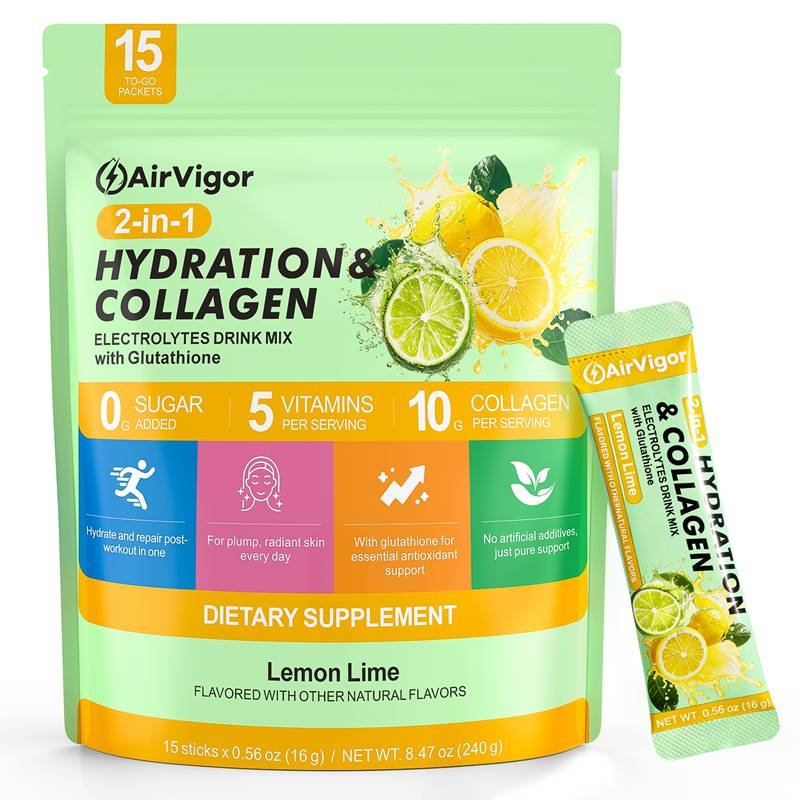
Collagen electrolyte powders have become one of the fastest-growing areas in the supplement market because they combine hydration with beauty and lifestyle positioning in a way that feels highly compatible with modern wellness routines.
Most consumers do not want separate powders for hydration, recovery, beauty support, and daily wellness if they can avoid it. Multifunction products feel simpler, easier to maintain consistently, and more practical during busy schedules.
This trend is especially strong among women looking for products that support:
- Skin hydration
- Beauty wellness
- Active lifestyles
- Daily recovery
- Lower-sugar hydration habits
Collagen and electrolytes also complement each other naturally from a consumer perspective. Hydration is already strongly associated with energy, recovery, and physical comfort, while collagen is widely associated with beauty and skin support. Combining the two creates a product that feels modern, wellness-focused, and easy to integrate into everyday routines.
| Hydration Trend | Why It Continues Growing |
|---|---|
| Collagen electrolytes | Combines hydration and beauty support |
| Stick-pack hydration | Portable and convenient |
| Low-sugar formulas | Fits wellness-focused lifestyles |
| Recovery hydration products | Supports active routines |
| Beauty hydration blends | Combines lifestyle and appearance support |
The hydration market today is no longer built only around athletes or extreme sports performance. Consumers increasingly want products that help them stay hydrated, feel physically better, recover more comfortably, and maintain energy during normal daily life where hydration habits are often harder to maintain than expected.
Conclusion
Electrolytes have quietly become part of modern everyday wellness. A few years ago, most people associated hydration products with marathon runners, professional athletes, or high-intensity sports. Today, the audience is much broader. Office workers use electrolytes during long afternoons in dry indoor environments. Travelers carry stick packs during flights and road trips. Gym users rely on them after workouts, and many wellness-focused consumers now include hydration products in beauty, recovery, and daily energy routines because plain water does not always feel enough during busy schedules.
What changed is not only the products themselves, but also how people think about hydration. Many consumers now recognize that low energy, headaches, poor recovery, muscle tightness, or feeling physically drained after several stressful days may sometimes be connected to inconsistent hydration habits rather than simply lack of sleep or motivation. Modern lifestyles make hydration harder to maintain than most people expect. Repeated caffeine intake, poor sleep, heat exposure, long workdays, travel, and frequent workouts all increase fluid turnover throughout the week, often gradually enough that people do not immediately notice the effects.
This is why electrolyte powders have expanded far beyond traditional sports nutrition. Most people are not looking for extreme performance formulas anymore. They want products that are easy to drink consistently, taste good, fit naturally into daily life, and support hydration without excessive sugar or overly aggressive sodium levels. Categories such as low-sugar electrolyte powders, collagen hydration blends, beauty hydration products, and portable stick packs continue growing because they match how consumers actually live today.
Hydration has also become more connected to overall wellness. People increasingly associate proper hydration with energy, recovery, workout comfort, travel support, physical performance, and even daily appearance and skin health. Products that combine hydration with broader lifestyle positioning often feel more practical and easier to maintain consistently than highly specialized sports supplements designed only for intense training environments.
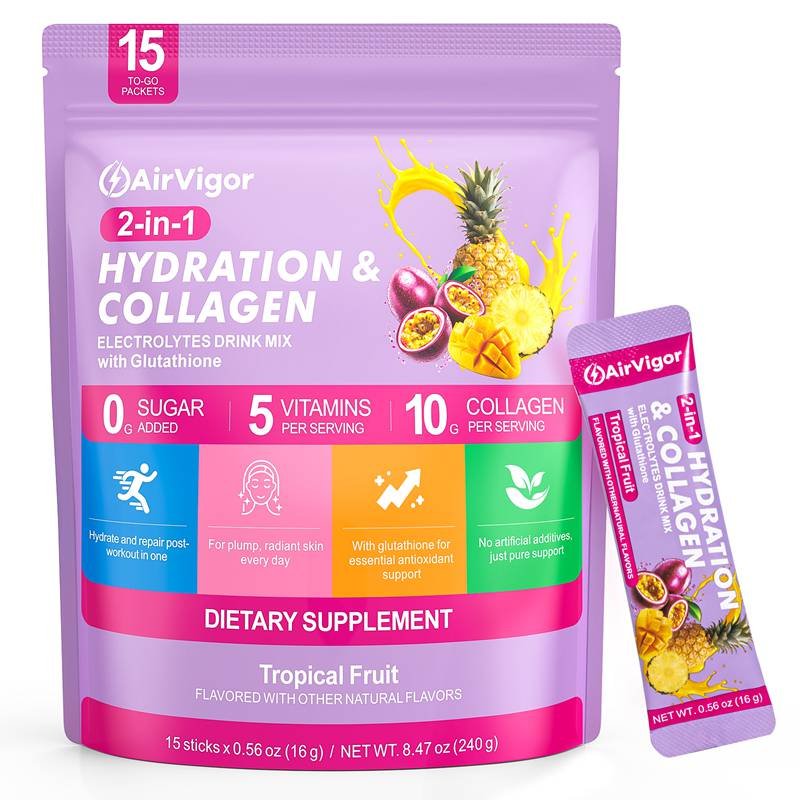
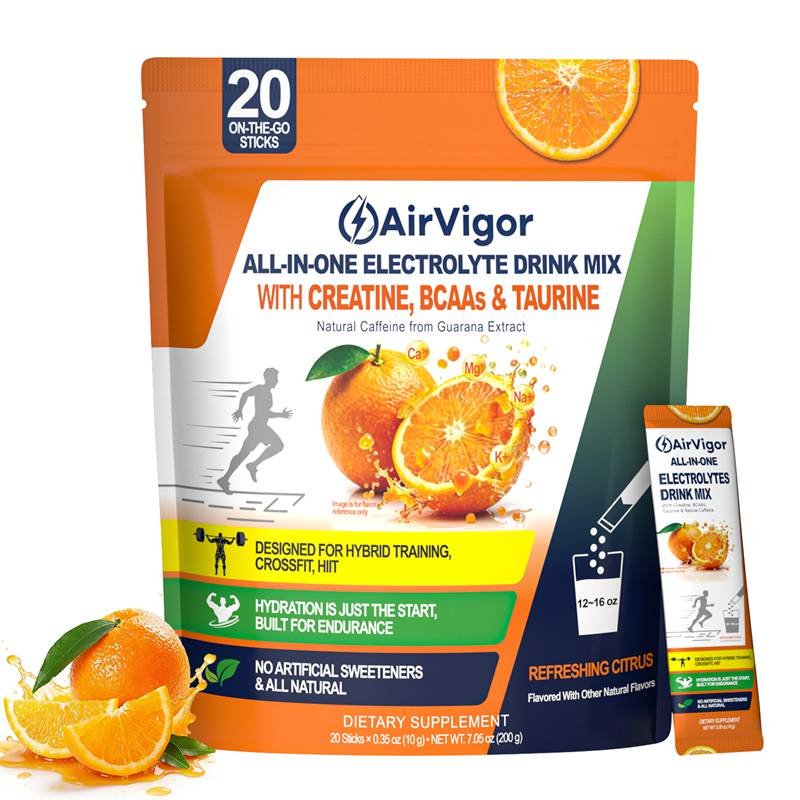
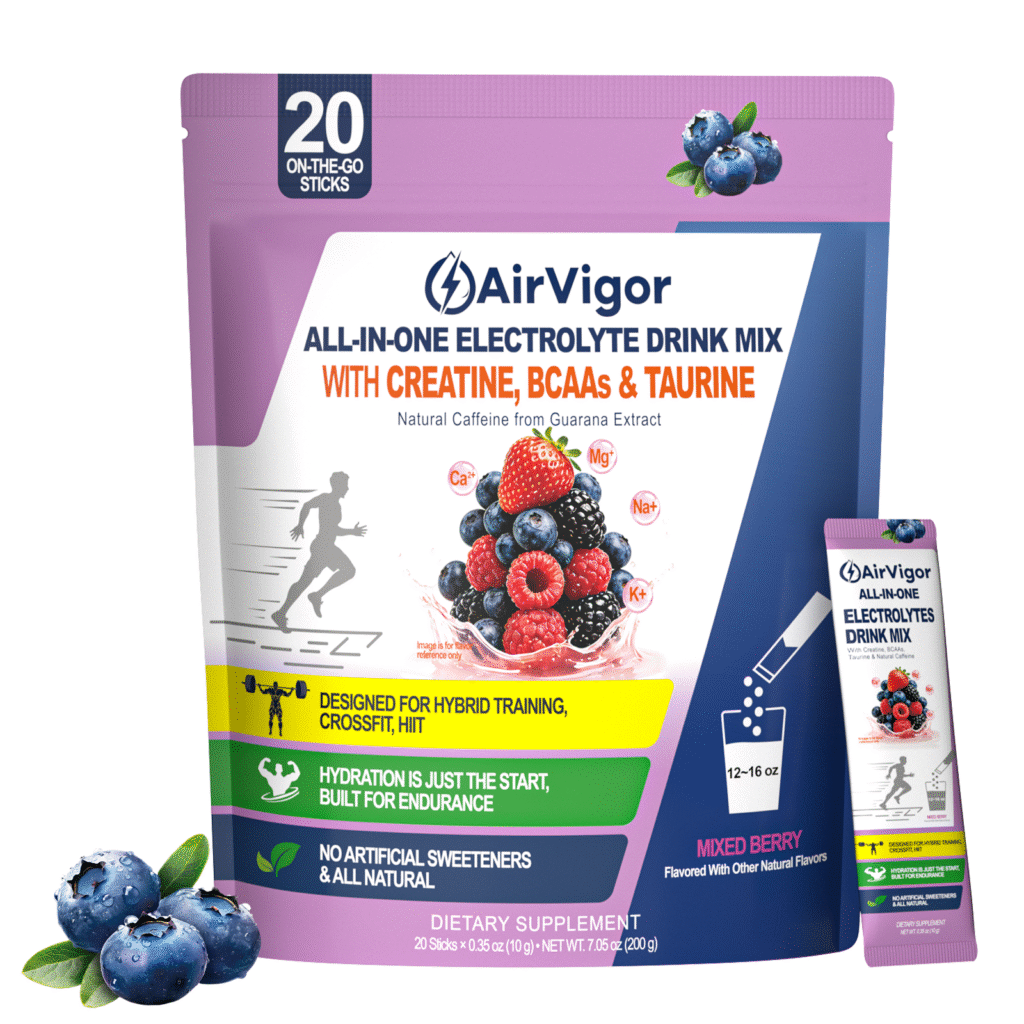
At AirVigor, we help brands develop hydration products built around these modern consumer habits. Whether you are planning to launch electrolyte powders, collagen electrolyte blends, sugar-free stick packs, beauty hydration supplements, sports hydration formulas, or customized OEM/ODM wellness products, our team supports formulation development, flavor optimization, packaging solutions, and private label manufacturing designed for today’s rapidly evolving hydration market.
The future of hydration is no longer limited to sports performance. Consumers want products that support real daily routines — workouts after work, long office schedules, travel-heavy lifestyles, outdoor activities, recovery periods, and wellness habits that feel sustainable long term. Brands that understand this shift are likely to stand out as hydration continues becoming one of the most important categories in modern functional wellness.
Share:
Contact Expert Team
At AirVigor, performance becomes effortless. We transform advanced nutrition science into clean, effective supplements that help you hydrate, recover, and feel stronger every day. Shop AirVigor Supplements on Amazon and experience athlete-trusted formulas—backed by real science and supported by our world-class R&D and production capabilities.
Trust AirVigor
At AirVigor, turning your performance goals into reality is no longer a struggle—it’s a science-driven journey we build together. Whether you’re a runner, lifter, cyclist, yogi, outdoor athlete, or someone simply seeking better daily energy, AirVigor transforms advanced nutrition research into clean, effective, and trustworthy supplements you can feel.
Backed by our U.S. scientific team, global certifications, and world-class production standards, every formula is engineered to deliver real hydration, real recovery, and real performance. And when you’re ready to experience the difference, you’ll find AirVigor products available on Amazon and other major platforms—fast shipping, consistent quality, and a community of athletes already seeing results.
Behind the scenes, our R&D and manufacturing ecosystem also supports specialized formulation development, ensuring AirVigor continues to lead with innovation while keeping quality and safety uncompromised. But at the core, everything we create is built for you—your health, your performance, your momentum.
Choose AirVigor. Feel the science. Elevate your every day.


Subscribe to our newsletter
Sign up to our newsletter and we’ll keep you up to date with the latest arrivals.