Skip to content
How to Get Electrolytes: Quick Replenishment, DIY Recipes & Best Drinks
# Your Trusted Dietary Supplement Brand In US
- Emily

Table of Contents
In today’s fast-paced world, maintaining electrolyte balance is crucial for everyone, whether you’re an athlete pushing your body to the limit, a busy professional sitting for long hours, or someone struggling with dehydration. Electrolytes—minerals like sodium, potassium, calcium, and magnesium—are essential for numerous body functions, such as nerve signaling, muscle contractions, and fluid balance. When your electrolytes are out of balance, it can lead to fatigue, muscle cramps, dizziness, and poor performance in everyday activities or exercise.
The quickest way to replenish them is through a combination of food, drink, and supplements. Electrolyte-rich foods like bananas and leafy greens, hydrating drinks such as coconut water, and targeted electrolyte supplements can help you recover fast.
The key question is: how can you ensure you are getting the right amount, at the right time, and in the most efficient way possible? If you’ve been struggling with fatigue or muscle cramps, it might be time to start taking your electrolyte intake more seriously. This article will delve into practical solutions for replenishing electrolytes, including easy DIY recipes, the best drinks for quick hydration, and how to ensure you’re meeting your body’s needs. But first, let’s explore the basics of electrolytes, why they’re so important, and how you can optimize your intake for peak performance and recovery.
What Are Electrolytes and Why Are They Important?
Electrolytes are essential minerals that carry an electric charge when dissolved in water. These minerals, such as sodium, potassium, calcium, magnesium, and chloride, play a crucial role in maintaining various vital functions in the body, including hydration, nerve signaling, muscle contractions, and overall fluid balance. Without proper electrolyte levels, the body cannot maintain its critical systems effectively, leading to a range of health issues, from dehydration and muscle cramps to more serious conditions like heatstroke and cardiac arrhythmias.
Why are electrolytes so important?
They help regulate the balance of fluids inside and outside your cells, tissues, and organs. This is crucial for maintaining proper hydration, which is fundamental for nearly every bodily function. When you’re hydrated, your cells can carry out metabolic processes, absorb nutrients, and eliminate waste. Proper electrolyte levels also ensure that muscles contract efficiently and nerves transmit signals without disruption. These functions are essential for everything from physical performance during exercise to everyday activities like digestion and heartbeats.
In essence, electrolytes enable our bodies to function properly by helping to maintain a balance between the body’s fluid levels, allowing our muscles and nerves to work effectively. They also prevent dehydration, which can cause fatigue, dizziness, and muscle cramps. Inadequate electrolyte intake or imbalances can lead to a host of uncomfortable and potentially dangerous symptoms. That’s why replenishing electrolytes during or after intense physical exertion, hot weather, or illness is essential for optimal health.
There are several key electrolytes in your body that each play specific roles in maintaining health and performance:
| Electrolyte | Main Functions | What Happens If It’s Low |
|---|---|---|
| Sodium (Na⁺) | Regulates fluid balance, blood pressure, nerve signaling | Dizziness, low blood pressure, fatigue |
| Potassium (K⁺) | Muscle contraction, heart rhythm, nerve transmission | Muscle weakness, cramps, irregular heartbeat |
| Calcium (Ca²⁺) | Muscle contraction, nerve function, bone health | Muscle spasms, tingling, weakened bones |
| Magnesium (Mg²⁺) | Energy production, muscle relaxation, nerve stability | Muscle cramps, fatigue, sleep issues |
| Chloride (Cl⁻) | Fluid balance, stomach acid production | Digestive issues, dehydration |
How do These Electrolytes Work Together in the Body?
While each electrolyte has its own primary role, the body does not use them in isolation. Electrolytes function as an interconnected system, constantly working together to maintain hydration, muscle control, nerve signaling, and cardiovascular stability. A deficiency or excess in one electrolyte often affects the balance of others, which is why hydration is not just about replacing water—but about restoring the right mineral ratios.
For example, sodium and potassium operate as a coordinated pair across cell membranes, regulating fluid movement and electrical signals. Calcium and magnesium work in opposition during muscle activity—calcium triggers contraction, while magnesium supports relaxation. Chloride helps maintain electrical neutrality and supports digestion, indirectly influencing nutrient absorption and hydration efficiency.
Because of this interdependence, effective electrolyte replenishment focuses on balanced intake, rather than emphasizing a single mineral.
Why Sodium and Potassium Balance Is Critical for Hydration?
Sodium and potassium play complementary roles in regulating where water is stored in the body. Sodium primarily controls fluid levels outside cells (in the bloodstream), while potassium regulates fluid inside cells. Together, they maintain proper cell volume, blood pressure, and nerve transmission.
When sodium levels drop too low—often due to excessive sweating or overconsumption of plain water—water balance becomes unstable, potentially leading to dizziness, fatigue, or reduced physical performance. Similarly, low potassium levels can impair muscle contractions and disrupt heart rhythm, especially during prolonged exercise or heat exposure.
This is why hydration strategies that replace both sodium and potassium are more effective than water alone, particularly for active individuals.
Calcium and Magnesium: Muscle Control and Recovery. Calcium and magnesium play a crucial role in muscle performance and recovery. Calcium acts as a signaling mineral that initiates muscle contraction, while magnesium helps muscles relax after contraction. Without adequate magnesium, muscles may remain tense, increasing the risk of cramps, stiffness, and delayed recovery.
Magnesium is also essential for energy metabolism, as it supports the production and use of ATP—the body’s primary energy molecule. Low magnesium levels are commonly associated with fatigue, poor sleep quality, and increased muscle soreness, particularly in people who train frequently or experience high daily stress.
Maintaining sufficient calcium and magnesium intake helps ensure smoother muscle function, better recovery, and reduced neuromuscular fatigue.
The Often-Overlooked Role of Chloride. Chloride is frequently underestimated, yet it plays an essential role in maintaining fluid balance and supporting digestion. It works closely with sodium to regulate hydration and is a key component of hydrochloric acid in the stomach, which is necessary for breaking down food and absorbing nutrients.
Inadequate chloride levels may contribute to digestive discomfort, reduced nutrient absorption, and dehydration symptoms. Because chloride is commonly lost alongside sodium through sweat, replenishing one without the other may limit hydration effectiveness.
Why Electrolyte Deficiency Can Happen Faster Than You Think?
Electrolyte depletion does not only occur during intense athletic activity. It can also result from:
Prolonged sitting with inadequate hydration
Hot or humid environments
High caffeine or alcohol intake
Illness involving vomiting or diarrhea
Diets low in mineral-rich foods
Even mild deficiencies can impact energy levels, concentration, muscle comfort, and overall physical resilience. This is why many people experience fatigue or cramping despite drinking enough water—the missing factor is often electrolyte balance, not fluid volume.
Balance Matters More Than Quantity. The human body relies on a precise balance of sodium, potassium, calcium, magnesium, and chloride to function optimally. Replenishing only one electrolyte or focusing solely on water intake may not fully support hydration, muscle performance, or recovery.
A well-formulated electrolyte approach prioritizes:
Multiple electrolytes working together
Appropriate ratios based on real physiological needs
Consistent replenishment during daily activity, exercise, or heat exposure
Understanding how these electrolytes function as a system lays the foundation for smarter hydration choices—and sets the stage for why balanced electrolyte solutions are often more effective than water alone.
Electrolyte Imbalance and Its Effects
Electrolyte imbalances can occur due to dehydration, poor diet, excessive sweating, kidney disorders, or certain medications. For example, during intense physical activity, especially in hot weather, we lose electrolytes through sweat. If not replaced, this can lead to dehydration, muscle cramps, dizziness, and fatigue. In severe cases, an imbalance can cause nausea, vomiting, confusion, and even life-threatening conditions like seizures or irregular heartbeats.
Signs of Electrolyte Imbalance:
- Muscle cramps and weakness
- Fatigue or exhaustion
- Dizziness or lightheadedness
- Nausea or vomiting
- Irregular heartbeat
Maintaining electrolyte levels is critical for athletes and anyone who engages in intense physical activity. It’s not just about hydration—it’s about ensuring your muscles, nerves, and organs can function optimally during physical exertion. Electrolyte replacement after exercise is especially crucial to support recovery and prevent muscle cramps or exhaustion the following day.
How Can You Get Electrolytes Through Food and Drink?
One of the most effective ways to maintain a healthy electrolyte balance is through your diet and hydration choices. You can easily replenish your electrolytes by consuming foods and drinks rich in these essential minerals. The body absorbs electrolytes from a variety of sources, and incorporating them into your daily meals is not only easy but also beneficial for overall health and performance.
Why is food and drink the best way to get electrolytes?
Many foods are naturally packed with electrolytes like sodium, potassium, magnesium, and calcium. Eating a balanced diet that includes these foods, along with drinking hydrating beverages, ensures that your body maintains its mineral balance. This is especially important during periods of intense physical activity, hot weather, or illness, when your body loses electrolytes more quickly.
Foods rich in electrolytes include fruits, vegetables, dairy products, and certain meats, while electrolyte drinks can offer a quick and efficient way to restore mineral balance, especially when you’re dehydrated. Below, we will explore both food and drink sources that provide essential electrolytes and how you can use them effectively to maintain hydration.
Best Food Sources of Electrolytes
Bananas (Potassium)
Bananas are a well-known source of potassium, an electrolyte that helps maintain proper heart and muscle function. Potassium helps regulate fluid balance and reduces the risk of muscle cramps. Eating a banana before or after exercise can quickly replenish lost potassium.
Leafy Greens (Magnesium and Calcium)
Spinach, kale, and other leafy greens are high in both magnesium and calcium, two vital electrolytes that contribute to muscle function, bone health, and nerve transmission. Magnesium helps relax muscles, while calcium plays a role in muscle contraction and nerve signaling. Including leafy greens in salads or smoothies is an easy way to boost your electrolyte intake.
Sweet Potatoes (Potassium and Magnesium)
Sweet potatoes are an excellent source of potassium, which helps regulate blood pressure and muscle contractions, and magnesium, which supports over 300 bodily functions. A roasted sweet potato is a great addition to any meal for a natural, electrolyte-rich food.
Yogurt and Dairy Products (Calcium)
Dairy products like yogurt, milk, and cheese are rich in calcium, which is crucial for maintaining healthy bones and supporting muscle and nerve function. A serving of yogurt provides not only calcium but also beneficial probiotics for gut health, making it a double win for your health.
Avocados (Potassium and Magnesium)
Avocados are packed with both potassium and magnesium. A medium avocado provides nearly 14% of the recommended daily intake of potassium, supporting muscle and heart health. The healthy fats in avocados also make them an excellent choice for overall health and performance.
Coconut Water (Potassium and Sodium)
Coconut water is a natural source of electrolytes, especially potassium, which is essential for hydration and muscle function. It contains a small amount of sodium, which is necessary to maintain fluid balance, especially after intense exercise or dehydration.
Best Drinks to Replenish Electrolytes
Hydrating with drinks is one of the fastest ways to restore electrolytes, especially after physical activity. While water is essential for hydration, electrolyte drinks are designed to replace lost minerals quickly, ensuring that your body can recover faster and more efficiently.
Sports Drinks
Sports drinks like Gatorade or Powerade are specifically formulated to replenish electrolytes lost during exercise. They contain sodium, potassium, and carbohydrates to provide hydration and energy. However, it’s important to opt for low-sugar or sugar-free versions when possible to avoid excessive calorie intake.
Coconut Water
Often referred to as nature’s sports drink, coconut water contains a high concentration of potassium and sodium, making it an excellent choice for rehydration. It’s low in calories and provides a more natural alternative to sugary sports drinks. You can drink coconut water on its own or mix it with other ingredients like fresh fruit for a more flavorful, electrolyte-boosting beverage.
Electrolyte Water
Many bottled waters are now enhanced with electrolytes like calcium, magnesium, and potassium. These drinks are perfect for everyday hydration and are particularly useful for those who want to replenish electrolytes without the added sugars or calories in sports drinks. Popular brands like Smartwater and Essentia provide electrolyte-enhanced waters to help maintain hydration throughout the day.
Homemade Electrolyte Water
For a more natural, budget-friendly option, you can make your own electrolyte water at home. A simple recipe involves mixing water with a pinch of salt, a small amount of baking soda, and a bit of honey for sweetness. Add a splash of lemon or lime for flavor. This DIY electrolyte drink can be customized to suit your needs and is a great way to quickly restore your electrolyte balance.
Fruit Juices
Fresh fruit juices, particularly those made from oranges, watermelons, and pomegranates, can provide a good dose of potassium, calcium, and magnesium. However, be mindful of the sugar content in fruit juices. Opt for freshly squeezed juice or juices without added sugars to make the most of the electrolyte content.
How to Make Your Own Electrolyte Water?
If you prefer a DIY solution, making your own electrolyte water at home is an excellent choice. This method allows you to control the ingredients, avoid added sugars, and create a beverage that suits your taste. Here’s a simple recipe:
DIY Electrolyte Water Recipe:
- 1 liter of water
- 1/2 teaspoon of salt (for sodium)
- 1/2 teaspoon of baking soda (for bicarbonate, which helps balance pH)
- 1/4 cup of fresh lemon juice or orange juice (for flavor and potassium)
- 1-2 teaspoons of honey or maple syrup (optional for sweetness)
Mix all the ingredients in a large pitcher, stir well, and drink throughout the day to maintain electrolyte balance. This recipe is easy, cost-effective, and perfect for rehydrating after exercise or throughout the day.
The Best Time to Drink Electrolytes
Knowing when to consume electrolytes is just as important as knowing how to get them. It’s crucial to hydrate before, during, and after intense exercise or physical activity to replace the electrolytes lost through sweat. Electrolyte-rich drinks should also be consumed during long periods of heat or illness, especially if you’re losing fluids through vomiting, diarrhea, or sweating.
Which Electrolyte Supplement?
Choosing the right electrolyte supplement isn’t one‑size‑fits‑all — it depends on your lifestyle, activity level, sweat rate, dietary needs, and hydration goals. Electrolyte supplements come in many formats and formulas, each with advantages and trade‑offs. The best one for you should provide effective mineral replenishment safely, without unnecessary sugars, artificial ingredients, or filler compounds that offer little functional value. Understanding how different options work — from powders to tablets and ready‑to‑drink formulas — helps you match your needs to the most suitable solution.
The right electrolyte supplement should support your hydration needs, deliver the key minerals (sodium, potassium, magnesium, calcium), fit your convenience preferences (powder, drink, tablet), and align with your daily goals (exercise performance, recovery, everyday hydration). Quality matters — choose products with transparent labeling, clean ingredients, and scientifically‑balanced electrolyte profiles for best results.
Types of Electrolyte Supplements
To help you make an informed choice, here’s a comprehensive look at the major categories of electrolyte supplements — with pros, cons, and who they’re best suited for.
Electrolyte Powders — Versatile & Precise
What they are:
Powdered electrolyte formulas dissolve in water and provide customizable hydration support. Most come in single‑serve sachets or tubs.
Best for:
- Athletes (endurance runners, cyclists, triathletes)
- High‑intensity training or long workouts
- Hot climates with high sweat loss
- Users who want precise control over dosage
Why they work:
Electrolyte powders deliver higher doses of key minerals without heavy sugars or calories, enabling efficient replenishment after sweat loss. Because you mix them yourself, you can tailor the concentration depending on activity level.
Potential downsides:
- Requires mixing with water
- Some can taste salty if concentrated
How to choose a powder:
Look for clear labeling of sodium, potassium, magnesium, and calcium per serving
Prefer formulas with no added sugars or artificial sweeteners
Consider flavor options that suit your palate
Typical use:
Mix one scoop with 16–32 ounces of water during or after exercise.
Electrolyte Tablets & Caps — Portable & Convenient
What they are:
Effervescent tablets or dissolvable tablets you drop into a water bottle. Some come in pre‑measured packs.
Best for:
- Travellers, commuters, and office workers
- Anyone needing hydration support without bulky containers
- Everyday hydration maintenance
Why they work:
Tablets are easy to carry, travel‑friendly, and can be taken anytime. They offer moderate doses of key electrolytes and are handy if you need a quick hydration boost on the go.
Potential downsides:
- Sometimes lower in sodium compared to powders
- Prices per electrolyte milligram can be higher than powders
How to choose tablets:
Prioritize balanced mineral profiles (not just one or two electrolytes)
Choose effervescent formulas for faster absorption
Check for minimal additives
Typical use:
Dissolve one tablet in water and sip throughout the day or before/after workouts.
Ready‑to‑Drink Electrolyte Beverages — Simple & Immediate
What they are:
Liquid electrolyte drinks are available in bottles or cans. Some are sports‑drink style, others have low‑sugar formulations.
Best for:
- Post‑workout recovery
- Anyone seeking hydration without preparation
- Users who prefer taste convenience
Why they work:
RTD beverages deliver instant hydration without mixing, making them ideal when you need electrolytes quickly — for example, after long runs, workouts, or during travel.
Potential downsides:
- Many mainstream sports drinks contain high sugar, artificial flavors, or colors
- Calorie content can be higher than powdered alternatives
How to choose RTDs:
Look for “low‑sugar” or “zero sugar” options
Check that the electrolyte profile isn’t just sodium — potassium, and magnesium matters too
Prefer transparent ingredient lists
Typical use:
Drink one bottle after exercise or dehydration events.
Electrolyte Gummies — Tasty & Functional
What they are:
Chewy gummies fortified with electrolytes.
Best for:
- Users who dislike mixing powders or drinking liquids
- Kid‑friendly options
- Travel or on‑the‑go use
Why they work:
Gummies offer a flavorful and convenient way to ingest electrolytes, though doses tend to be smaller than powders or tablets.
Potential downsides:
- Often contain added sugars
- Lower electrolyte content per serving
How to choose gummies:
Seek sugar‑reduced or sugar‑free formulas
Verify sufficient electrolyte content (especially sodium and potassium)
What to Look for in a High‑Quality Electrolyte Supplement?
To ensure your supplement delivers real value — and not just flavor — consider these criteria:
| Feature | Why It Matters |
|---|---|
| Balanced Electrolyte Profile | Sodium + potassium + magnesium + calcium work together for optimal hydration and muscle function |
| Low‑Sugar / No Added Sugar | Excess sugar can slow absorption and add unwanted calories |
| Transparent Labeling | Know exactly what you’re taking — no proprietary blends hiding dosages |
| Clean Ingredients | Avoid artificial colors, fillers, or unnecessary additives |
| Third‑Party Testing | Verifies purity, accuracy of label claims, and absence of contaminants |
How Supplements Compare?
| Format | Speed | Convenience | Dosage Precision | Cost Efficiency |
|---|---|---|---|---|
| Powders | ⭐⭐⭐⭐ | ⭐⭐ | ⭐⭐⭐⭐ | ⭐⭐⭐ |
| Tablets | ⭐⭐⭐ | ⭐⭐⭐⭐ | ⭐⭐ | ⭐⭐ |
| Ready‑to‑Drink | ⭐⭐⭐⭐ | ⭐⭐⭐⭐ | ⭐⭐ | ⭐⭐ |
| Gummies | ⭐⭐ | ⭐⭐⭐⭐ | ⭐ | ⭐⭐ |
Interpretation:
- Powders are often the best for serious athletes or high-sweat-loss events.
- Tablets & RTDs balance convenience and efficacy for everyday use.
- Gummies are enjoyable but less potent.
How Sweat Loss & Activity Level Affect Supplement Choice?
Your personal sweat profile and activity type matter:
- High‑Intensity / Long Duration: Electrolyte powders with higher sodium are ideal.
- Heat & Humidity: Extra sodium and potassium help maintain blood volume and prevent cramps.
- Everyday Hydration: Tablets or electrolyte water can suffice.
- Travel / Work: Portable tablets or RTDs keep you hydrated on the go.
Picking Your Electrolyte Match
Choosing the right electrolyte supplement is about matching your daily habits, sweat loss, and hydration needs to the appropriate format. Whether you want the precision of powders, the convenience of effervescent tablets, the simplicity of ready‑to‑drink options, or the fun of gummies, what matters most is:
Electrolyte balance that supports performance
Minimal unnecessary sugars or additives
Transparent, science‑based formulation
How to Know if You’re Lacking Electrolytes?
Electrolyte imbalances can occur subtly at first, but the symptoms, if ignored, can worsen over time, leading to serious health issues. Your body loses electrolytes during physical exertion, in hot weather, during illness, or even from a poor diet. When your body’s levels of essential electrolytes like sodium, potassium, magnesium, and calcium drop too low, it can lead to noticeable signs and symptoms.
Why is it important to recognize electrolyte deficiencies early?
Recognizing and addressing electrolyte imbalances early on can help you avoid prolonged issues such as fatigue, muscle cramps, dizziness, and more severe health conditions like arrhythmia or heatstroke. By understanding what symptoms indicate electrolyte deficiency, you can take proactive steps to restore balance and prevent potential harm.
If you’re feeling unusually fatigued, experiencing muscle cramps, dizziness, or irregular heartbeats, you could be suffering from an electrolyte imbalance. These symptoms often manifest after periods of heavy sweating, dehydration, illness, or simply not consuming enough electrolyte-rich foods or drinks.
How to Tell If Your Electrolytes Are Low?
Electrolyte imbalances occur when your body’s levels of sodium, potassium, calcium, or magnesium drop, and the symptoms can vary from mild to severe. Some of the most common signs to look out for include:

Muscle Cramps
Electrolytes like sodium, potassium, and magnesium are essential for proper muscle function. A deficiency in these electrolytes can lead to muscle cramps or spasms, which are most commonly experienced in the legs, feet, and arms. If you notice frequent or unexplained muscle cramps, it could be a sign that your electrolytes are low, especially after physical activity or excessive sweating.
Fatigue or Weakness
Electrolytes are involved in energy production and the functioning of your nervous system. Low electrolytes, particularly potassium and magnesium, can cause your body to feel sluggish and fatigued. If you’re experiencing consistent tiredness despite adequate rest, it might be due to an imbalance in your electrolyte levels.
Dizziness or Lightheadedness
Sodium helps regulate your blood volume and pressure. A drop in sodium levels can lead to low blood pressure, which can cause dizziness, lightheadedness, or even fainting. If you feel unusually dizzy after standing up quickly or during physical exertion, electrolyte imbalances could be the cause.
Nausea or Vomiting
Electrolyte imbalances can interfere with your digestive system, leading to symptoms like nausea or vomiting. Potassium and sodium imbalances, in particular, are commonly linked to these symptoms. If you’re feeling nauseous after intense exercise or hot weather exposure, it’s essential to check your hydration and electrolyte levels.
Irregular Heartbeat (Arrhythmia)
Potassium and magnesium play critical roles in maintaining the electrical conductivity of your heart. A deficiency in these minerals can lead to irregular heart rhythms or palpitations. If you experience an abnormal or racing heartbeat, especially when coupled with fatigue or dizziness, this could be a serious sign of an electrolyte imbalance.
Confusion or Mental Fog
Low levels of sodium and potassium can affect the way your brain functions, leading to confusion, mental fog, or difficulty concentrating. Electrolyte imbalances can impair your cognitive function, making it hard to focus, think clearly, or make decisions.
Thirst and Dehydration
Dehydration is a common cause of electrolyte imbalance, and conversely, electrolyte imbalances can make you feel excessively thirsty. If you’re constantly thirsty despite drinking water, or if you notice your urine is very dark in color, you could be dealing with an electrolyte imbalance.
Dry Skin and Cracked Lips
When electrolytes are low, the body’s ability to retain moisture is affected. As a result, you might experience dry skin, cracked lips, and even an overall dehydrated feeling despite drinking water. This is especially common when sweating heavily or experiencing heat exhaustion.
How to Test If You’re Lacking Electrolytes?
While symptoms are a useful guide, there are several ways to confirm if you’re truly lacking electrolytes. Testing and diagnosis can vary depending on the severity of the symptoms and your personal health situation.
Blood Tests (Serum Electrolyte Levels)
The most accurate way to determine if you’re low in electrolytes is through a blood test, which measures the concentration of key electrolytes in your bloodstream. A healthcare provider may order a basic metabolic panel (BMP) or a comprehensive metabolic panel (CMP) to assess your sodium, potassium, calcium, and magnesium levels. These tests provide precise data on whether your electrolyte levels are within the healthy range.
Urine Tests
A urine test can also be used to determine how much of the electrolyte is being excreted from your body. If your kidneys are filtering out too much of a certain electrolyte, it can indicate that you’re deficient or unable to retain it properly.
Sweat Tests
Athletes and individuals who engage in strenuous physical activity or live in hot climates may benefit from sweat tests. These tests measure the concentration of electrolytes in your sweat to help determine how much of these minerals you are losing during exercise or in extreme heat conditions. This can help you understand how much electrolyte replenishment you need.
Self-Assessment of Symptoms
While not as precise as laboratory tests, self-monitoring of symptoms like fatigue, muscle cramps, and dizziness can help you gauge whether an electrolyte imbalance is a likely cause. Keep track of how you’re feeling, especially after physical activity or exposure to heat, and consider supplementing with electrolytes if you’re noticing several of the symptoms mentioned above.
What to Do If You’re Lacking Electrolytes?
If you suspect you’re low on electrolytes, the goal is not just to “drink more water”—it’s to restore fluid balance + key minerals in the right order.
A practical way to think about it is:
- Mild loss (everyday sweating, light exercise): food + fluids often work
- Moderate loss (long workouts, heat exposure, travel dehydration): electrolyte drinks help faster
- Severe loss (vomiting/diarrhea, confusion, heart symptoms): medical evaluation matters
Below are the most reliable steps to rebuild electrolyte balance safely and effectively.
1) Increase Electrolyte-Rich Foods
Food-based replenishment is the most sustainable approach because it supports total mineral intake, not just a quick “hydration feel.” But it works best when symptoms are mild or gradual.
Key electrolytes and the foods that actually move the needle:
- Potassium (cell hydration + nerve signaling): bananas, sweet potatoes, beans, avocado, yogurt
- Magnesium (muscle relaxation + neuromuscular balance): pumpkin seeds, almonds, spinach, cacao, legumes
- Calcium (muscle contraction + nerve conduction): dairy, fortified plant milks, tofu (calcium-set), sardines
- Sodium + chloride (blood volume + fluid retention): broths, soups, salted foods, pickles (in moderation)
Make it actionable:
If you’re feeling “off,” try pairing a potassium source + a salty food + fluid within the same meal. For example:
- soup + rice + banana
- yogurt + salted nuts + fruit
- eggs + toast + lightly salted avocado
Important nuance: food replenishment is slower. If you’re already dizzy, cramping, or sweating heavily, it may not be fast enough on its own.
2) Drink Electrolyte Beverages (Best for faster replenishment after sweat loss)
Electrolyte drinks can help faster because they deliver minerals in a form your gut absorbs efficiently—especially when you’re hot, active, or depleted.
What to look for in an electrolyte drink:
- Meaningful sodium (sodium is the main driver of fluid retention)
- Some potassium and magnesium (support muscle and nerve function)
- Low sugar (optional but usually preferred) unless it’s endurance sports (carbs can help there)
- Clear labeling (avoid “electrolytes” as a buzzword with trace doses)
DIY option (mild, simple):
For a quick home mix, aim for “drinkable, not medicinal.” If it tastes like seawater, it’s too strong.
- Water
- A small pinch of salt
- Optional: lemon/lime for taste
- Optional: a tiny amount of baking soda for smoothing acidity (keep minimal)
Coconut water?
It can be helpful for potassium, but it often has low sodium, so it’s not always ideal after heavy sweating unless you add sodium or pair it with salty food.
3) Take Electrolyte Supplements
Electrolyte powders/tablets are a strong option if you want consistent dosing—especially when:
- You train frequently
- You sweat heavily
- You travel often
- You’re prone to cramps or headaches after workouts
- You don’t tolerate sugary drinks
What “high-quality” really means:
- Balanced formula: sodium + potassium + magnesium (and sometimes calcium)
- Minimal added sugar (unless it’s a performance carb drink)
- Transparent label with exact milligrams
- Good solubility and tolerability (GI comfort matters)
Practical guidance:
If your goal is rapid rehydration after sweat loss, sodium matters most, then potassium and magnesium support the recovery curve.
Safety note:
If you have kidney disease, heart disease, or take medications affecting fluid balance (e.g., diuretics), supplements should be discussed with a clinician.
4) Stay Hydrated
The most common mistake is over-drinking plain water when electrolytes are low. This can dilute blood sodium levels further and worsen symptoms like:
- headache
- fatigue
- nausea
- dizziness
- “I’m drinking a lot but still feel dry.”
A better rule:
If you’re sweating, cramping, or lightheaded, use a fluid + electrolyte approach, not “water only.”
Try this simple rhythm:
- sip fluids steadily (not chugging)
- include electrolytes every so often during long activity or heat
- monitor urine color (very clear + frequent urination can signal over-dilution)
5) Consult a Healthcare Provider
Most electrolyte dips are mild and fixable, but some symptoms are red flags.
Seek urgent medical care if you have:
- irregular heartbeat or chest tightness
- confusion, fainting, severe weakness
- persistent vomiting/diarrhea with dehydration
- severe muscle spasms that don’t resolve
- Symptoms that worsen despite fluids
These can indicate significant sodium/potassium abnormalities that require testing—not guessing.
| Situation / Symptom Pattern | Most likely need | Best next step |
|---|---|---|
| Mild fatigue, light headache after sweating | sodium + fluid | electrolyte drink + salty snack |
| Muscle cramps during/after training | sodium + magnesium + fluids | electrolyte powder + hydrate steadily |
| Frequent urination, very clear urine, still thirsty | sodium too low relative to water | reduce plain water, add electrolytes |
| After vomiting/diarrhea | sodium + glucose + fluids | oral rehydration solution (ORS) or clinician advice |
| Dizzy, weak, heart pounding | possible significant imbalance | medical evaluation |
If you suspect electrolyte deficiency, prioritize sodium-based rehydration, pair it with potassium- and magnesium-rich foods, and escalate to balanced electrolyte supplements when sweat loss, heat, or symptoms are moderate—while seeking medical care for severe or persistent warning signs.
Conclusion
Electrolytes are not just something athletes need during intense workouts—they are a daily requirement for proper hydration, muscle function, nerve signaling, and overall physical resilience. As this guide shows, fatigue, cramps, dizziness, and poor performance often stem not from a lack of water, but from an imbalance of key minerals like sodium, potassium, magnesium, calcium, and chloride.
Getting electrolytes doesn’t have to be complicated. For mild, everyday needs, electrolyte-rich foods and fluids may be enough. During heat exposure, long workdays, frequent training, travel, or illness, electrolyte drinks and supplements offer a faster and more reliable way to restore balance. DIY electrolyte water can help in simple situations, but precision becomes increasingly important as sweat loss and physical demands rise.
The most important takeaway is that hydration is about balance, not volume. Drinking large amounts of plain water without replacing lost electrolytes can actually worsen symptoms. Effective hydration strategies prioritize the right minerals, in the right ratios, at the right time—especially sodium for fluid retention, potassium for cellular hydration, and magnesium for muscle and nerve stability.
For those who want consistency and clarity, well-formulated electrolyte supplements provide a practical solution. High-quality options focus on balanced mineral profiles, clean ingredients, and transparent labeling—so you know exactly what you’re putting into your body and why.
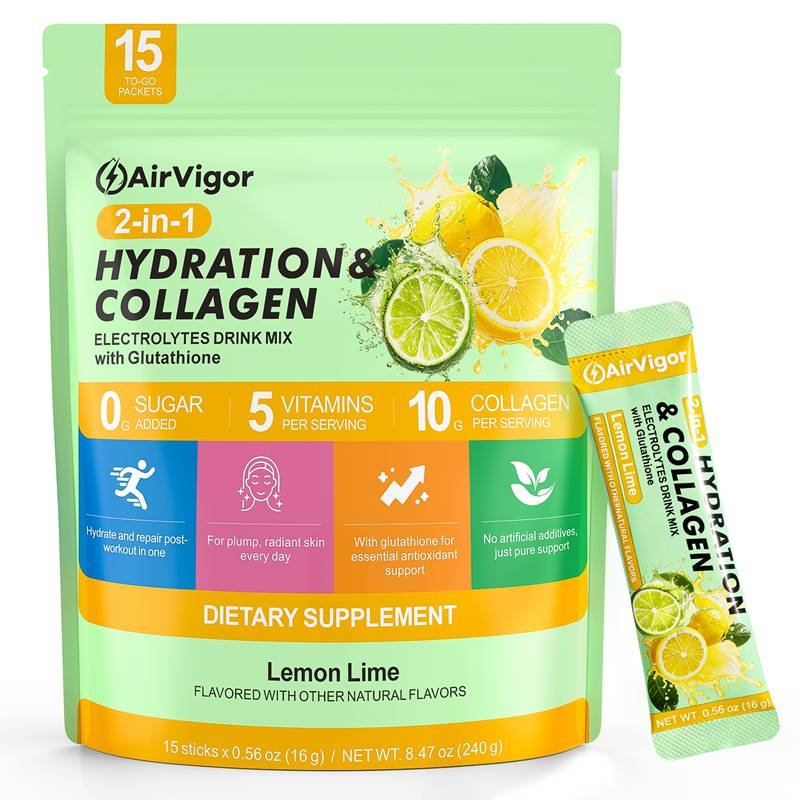
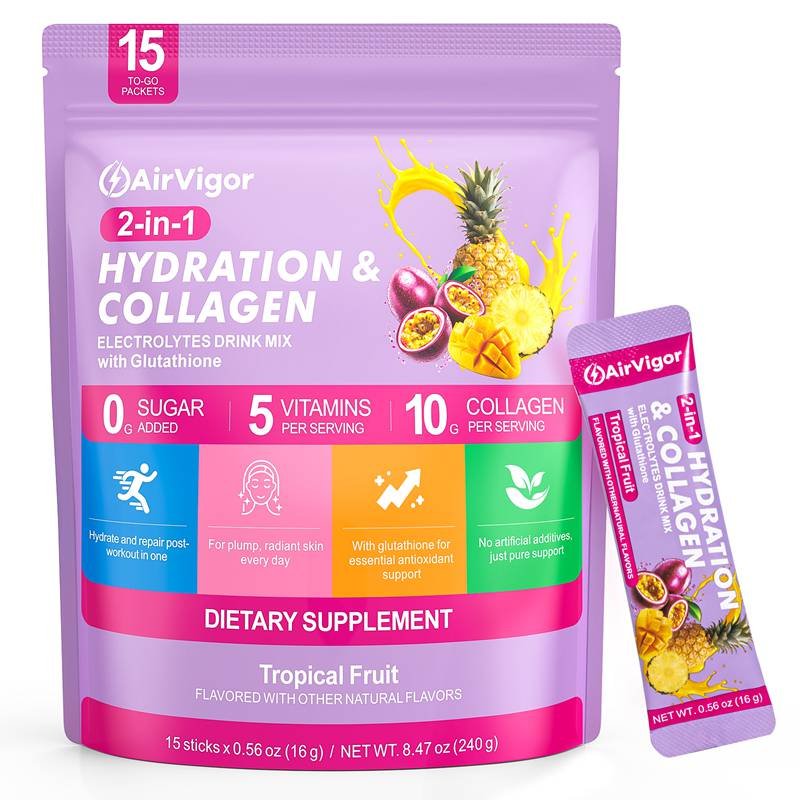
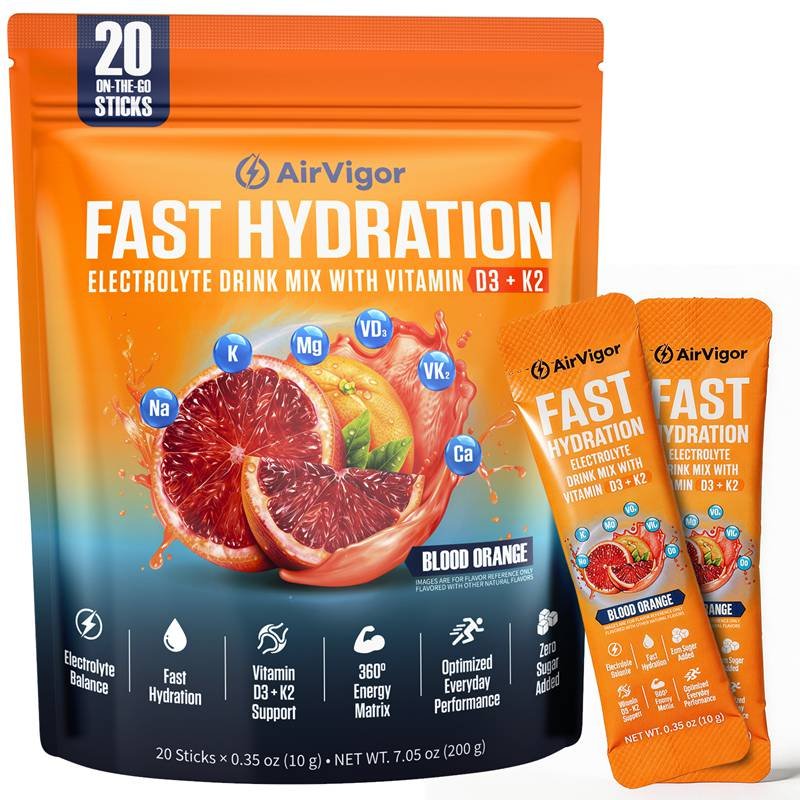
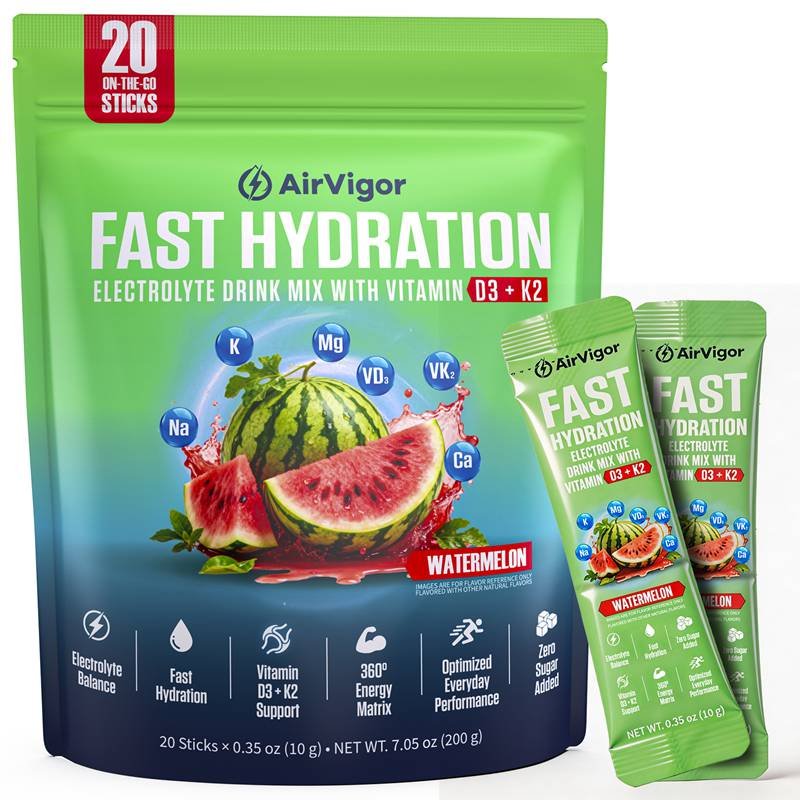
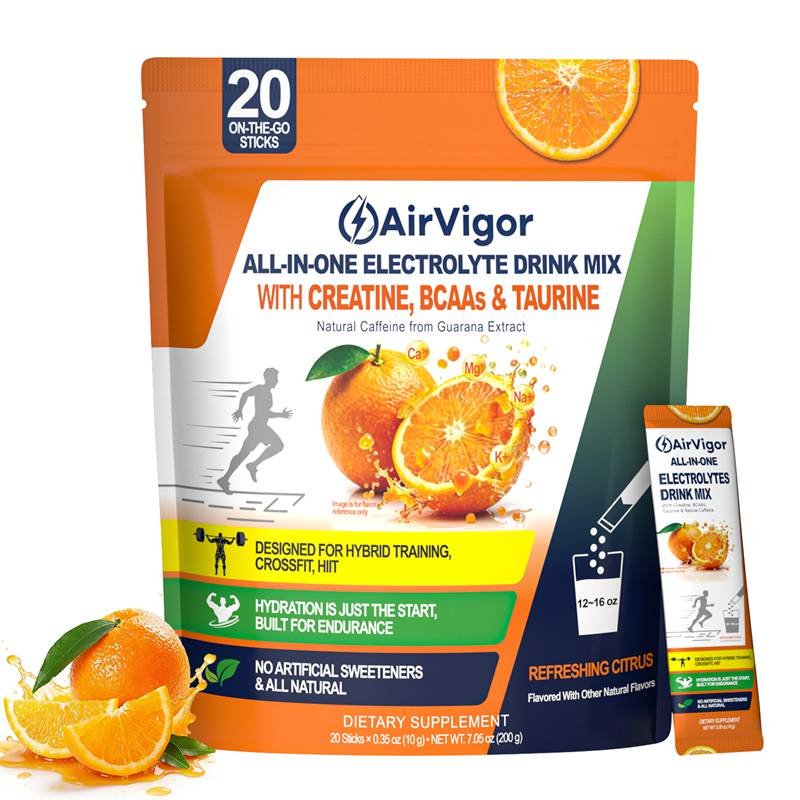
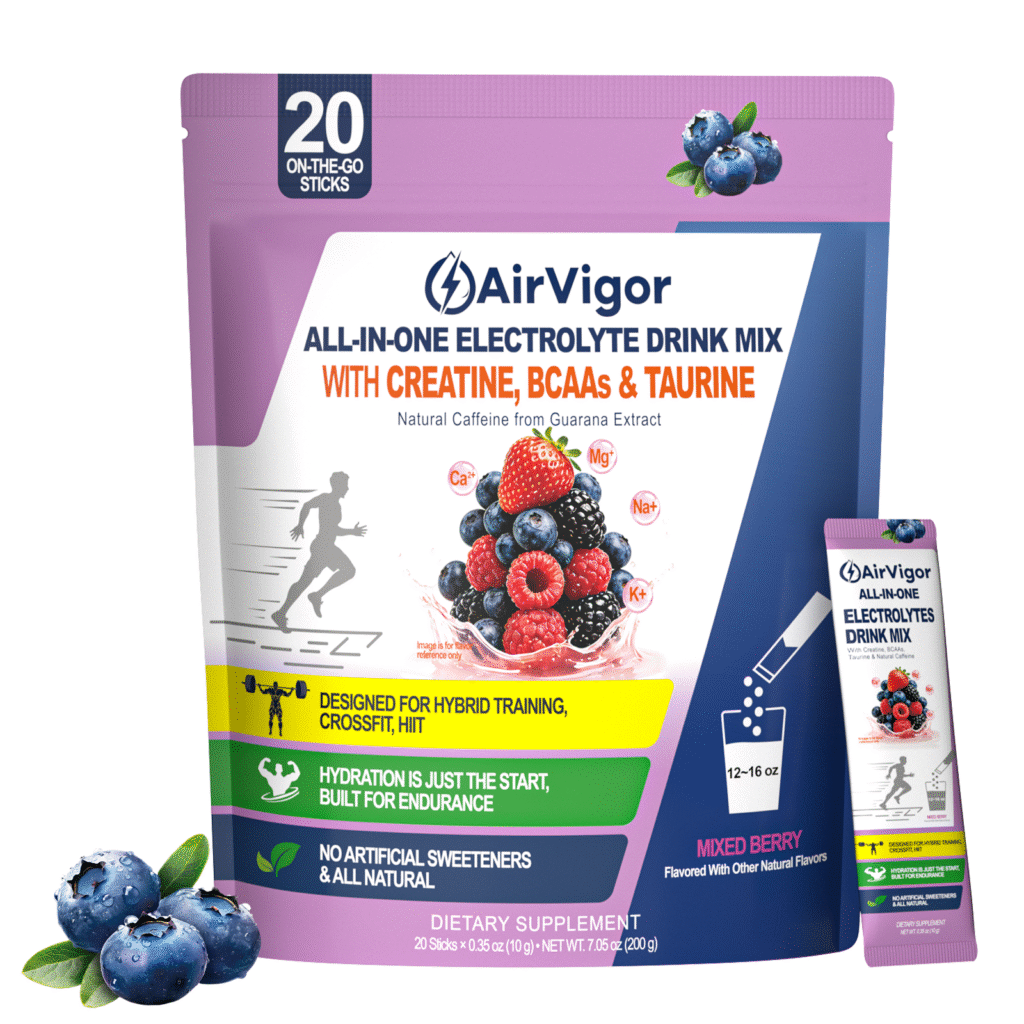
At AirVigor, hydration is approached as a performance system, not a shortcut. By combining scientifically balanced electrolytes with convenient formats designed for real-life use—training, work, travel, and recovery—AirVigor aims to help you stay hydrated, energized, and functional across all conditions.
If you’re experiencing frequent fatigue, cramps, or “dry” dehydration despite drinking water, it may be time to rethink your electrolyte strategy. Smarter hydration starts with understanding what your body actually needs—and giving it the minerals that make water work.
Share:
Contact Expert Team
At AirVigor, performance becomes effortless. We transform advanced nutrition science into clean, effective supplements that help you hydrate, recover, and feel stronger every day. Shop AirVigor on Amazon and experience athlete-trusted formulas—backed by real science and supported by our world-class R&D and production capabilities.
Trust AirVigor
At AirVigor, turning your performance goals into reality is no longer a struggle—it’s a science-driven journey we build together. Whether you’re a runner, lifter, cyclist, yogi, outdoor athlete, or someone simply seeking better daily energy, AirVigor transforms advanced nutrition research into clean, effective, and trustworthy supplements you can feel.
Backed by our U.S. scientific team, global certifications, and world-class production standards, every formula is engineered to deliver real hydration, real recovery, and real performance. And when you’re ready to experience the difference, you’ll find AirVigor products available on Amazon and other major platforms—fast shipping, consistent quality, and a community of athletes already seeing results.
Behind the scenes, our R&D and manufacturing ecosystem also supports specialized formulation development, ensuring AirVigor continues to lead with innovation while keeping quality and safety uncompromised. But at the core, everything we create is built for you—your health, your performance, your momentum.
Choose AirVigor. Feel the science. Elevate your every day.


Subscribe to our newsletter
Sign up to our newsletter and we’ll keep you up to date with the latest arrivals.