Skip to content
Do You Need Electrolyte Powder for Casual Exercise : Performance Guide
# Your Trusted Dietary Supplement Brand In US
- Emily

Table of Contents
Most people do not think about electrolytes until they feel wiped out after a workout. A short walk, a light gym session, or a weekend hike may not sound intense, but the body still loses water and minerals through sweat. For casual exercisers, the question is not whether they need a professional sports drink. The better question is whether water alone is enough for the way they actually move, sweat, work, travel, and recover.
Electrolyte powder for casual exercisers can be helpful when exercise lasts longer, happens in warm weather, causes noticeable sweating, or becomes part of a weekly routine. Water is still the foundation of hydration, but minerals such as sodium, potassium, magnesium, and calcium help the body manage fluid balance and normal muscle function. For many everyday users, an electrolyte drink is most useful after sweaty workouts, outdoor activities, hot yoga, hiking, cycling, or busy days when water intake has been inconsistent.
Think about someone who works at a desk all day, drinks coffee in the morning, joins a Pilates class after work, and only remembers water when they already feel thirsty. That person may not call themselves an athlete, but their hydration needs are real. This article explains when electrolyte powder makes sense, when water is enough, and how to choose a product that fits real life instead of overcomplicating a simple workout routine.
What Is Electrolyte Powder for Casual Exercisers?
Electrolyte powder for casual exercisers is a hydration supplement designed to help replace minerals lost through sweat during everyday physical activity. While originally associated with competitive sports, electrolyte powders are now commonly used by walkers, hikers, gym-goers, yoga participants, cyclists, and people who simply want a more complete hydration routine than water alone.
H3: What Are Electrolytes?
Electrolytes are naturally occurring minerals that help regulate fluid balance throughout the body. They are dissolved in body fluids such as blood, sweat, and intracellular fluid, allowing them to participate in hydration regulation, muscle contraction, and nerve signaling.
Although the word “electrolyte” often sounds technical, most people already consume electrolytes every day through foods and beverages. The challenge arises when physical activity, heat exposure, or heavy sweating increases the body’s demand faster than normal dietary intake can replenish it.
The four electrolytes most commonly found in hydration products are sodium, potassium, magnesium, and calcium.
| Electrolyte | Primary Function | Common Sources |
|---|---|---|
| Sodium | Fluid balance and hydration regulation | Salt, soups, sports drinks |
| Potassium | Muscle and nerve function | Bananas, potatoes, fruits |
| Magnesium | Muscle relaxation and nerve support | Nuts, seeds, leafy greens |
| Calcium | Muscle contraction and bone health | Dairy products, fortified foods |
For casual exercisers, sodium and potassium are often the most important minerals because they are the ones most commonly lost through sweat.
A person may not notice these losses after a short 20-minute walk, but the impact becomes more noticeable during longer or sweat-heavy activities. This is one reason electrolyte powders have expanded beyond traditional sports nutrition and become part of many everyday wellness routines.
H3: Why Do Casual Exercisers Lose Electrolytes?
Even moderate exercise causes the body to lose water and minerals. The amount varies significantly between individuals, but sweating is the primary pathway through which electrolytes leave the body.
Many people assume electrolyte loss only happens during intense athletic events. In reality, factors such as temperature, humidity, clothing, body size, and workout duration often influence sweat loss more than workout intensity itself.
For example, a leisurely one-hour walk on a 90°F (32°C) summer afternoon may result in more sweat loss than a short strength-training session inside an air-conditioned gym.
The following table illustrates how hydration demands can change across common activities:
| Activity | Duration | Typical Sweat Loss |
|---|---|---|
| Casual walk | 20–30 min | Low |
| Brisk walk | 45–60 min | Moderate |
| Pilates | 45–60 min | Low to moderate |
| Hot yoga | 60 min | High |
| Hiking | 90–180 min | Moderate to high |
| Cycling | 60–120 min | Moderate to high |
Research has shown that sweat rates can range from approximately 0.5 liters per hour to over 2 liters per hour depending on environmental conditions and individual differences.
This explains why two people participating in the same workout may have completely different hydration needs. One person finishes slightly thirsty, while another finishes with a soaked shirt and an empty water bottle.
Electrolyte powders are designed to help bridge this gap by providing minerals alongside water when sweat losses become more meaningful.
H3: How Is Electrolyte Powder Different From Water?
Water remains the foundation of hydration and should always be the first priority. However, water and electrolyte powder serve slightly different purposes.
Water primarily replaces fluid. Electrolyte powder provides fluid plus minerals. The distinction becomes more relevant as sweat loss increases.
Imagine a person who spends two hours hiking on a warm weekend. During that time, they may lose both water and sodium through sweat. Drinking water helps address fluid loss, while an electrolyte beverage helps address fluid and mineral replacement together.
The difference is easier to understand when viewed side by side:
| Water | Electrolyte Powder Mixed With Water |
|---|---|
| Replaces fluid | Replaces fluid and minerals |
| No electrolytes added | Contains sodium, potassium, and other minerals |
| Suitable for low-sweat activities | Useful during higher sweat loss |
| Zero preparation | Requires mixing |
| Everyday hydration foundation | Activity-focused hydration support |
This does not mean electrolyte powder is superior to water. Instead, they work together.
Many experienced hikers, cyclists, and recreational athletes use both throughout the day. Water remains the primary hydration source, while electrolyte drinks are used strategically during or after activities that involve substantial sweating.
Why Use Electrolyte Powder for Casual Exercisers?
Many casual exercisers do not train for marathons or spend hours in the gym, yet they still sweat, lose fluids, and experience hydration challenges. Electrolyte powder has become popular because it offers a simple way to support hydration during everyday activities such as walking, Pilates, yoga, hiking, cycling, and recreational sports.
H3: Does Electrolyte Powder Support Better Hydration?
Even mild dehydration can affect how people feel during and after exercise. Most casual exercisers are not measuring performance metrics, but they often notice practical signs that hydration may be falling behind: increased thirst, dry mouth, low energy, headaches after outdoor activity, or feeling unusually tired after what seemed like a moderate workout.
One reason electrolyte powder has gained popularity is that hydration is not only about replacing water. Sweat contains minerals, particularly sodium, that help regulate fluid balance throughout the body. As sweat losses increase, replacing water alone may not always feel as satisfying as drinking a beverage that contains electrolytes.
Consider a typical active adult who attends a 60-minute Pilates class after work. They may have consumed coffee in the morning, spent most of the day indoors, and only drank a small amount of water before exercising. By the time class ends, hydration may already be lagging behind fluid needs.
The table below shows how hydration demands often change across common activities:
| Activity | Average Duration | Sweat Potential | Hydration Priority |
|---|---|---|---|
| Easy Walk | 20–30 min | Low | Low |
| Brisk Walk | 45–60 min | Moderate | Moderate |
| Pilates | 45–60 min | Moderate | Moderate |
| Hot Yoga | 60 min | High | High |
| Hiking | 90–180 min | Moderate to High | High |
| Cycling | 60–120 min | Moderate to High | High |
Hydration becomes increasingly important as workout duration and environmental temperature increase. This is why many casual exercisers choose electrolyte powder during summer months, vacations, hiking trips, or longer weekend activities.
Unlike traditional sports drinks that often contain large amounts of sugar, modern electrolyte powders frequently focus on hydration support with lower calorie and lower sugar formulations, making them attractive to consumers who want hydration without excessive sweetness.
H3: Can Electrolyte Powder Help You Feel Better After Exercise?
Most casual exercisers are not chasing personal records. Their goal is often much simpler: finish a workout feeling good enough to return tomorrow.
This is where post-workout hydration becomes particularly important.
Many people report that the hardest part of maintaining an exercise routine is not the workout itself. It is how they feel afterward. If recovery feels uncomfortable, motivation often declines.
After exercise, the body is working to restore normal fluid balance. Depending on the activity, sweat loss can vary significantly.
Approximate sweat losses during exercise may look like this:
| Exercise Type | Sweat Loss Per Hour |
|---|---|
| Light Walking | 0.3–0.6 L |
| Moderate Gym Session | 0.5–1.0 L |
| Pilates | 0.4–0.8 L |
| Hot Yoga | 1.0–1.5 L |
| Hiking | 0.5–1.5 L |
| Cycling | 0.6–1.8 L |
Individual sweat rates can vary even more based on:
- Weather conditions
- Humidity
- Body size
- Fitness level
- Clothing choices
- Genetics
This explains why two people attending the same class can have completely different hydration experiences.
Many consumers use electrolyte powder after workouts because it fits naturally into their routine. A packet can be mixed into a water bottle at the gym, in the car after a hike, or while cooling down after a yoga session.
For casual exercisers, convenience often matters more than advanced sports nutrition strategies. A simple hydration habit that is easy to maintain tends to produce better long-term consistency than a complicated recovery plan.
H3: Why Are More Casual Exercisers Choosing Electrolyte Powder Instead of Traditional Sports Drinks?
Consumer preferences have changed significantly over the last decade. Traditional sports drinks remain popular, but many casual exercisers are now looking for products that better match their everyday lifestyles.
Several factors are driving this shift.
| Consumer Preference | Why It Matters |
|---|---|
| Lower Sugar | Supports calorie-conscious lifestyles |
| Portable Packaging | Easier to carry and store |
| Flexible Mixing | Adjust strength and flavor |
| Transparent Labels | Easier ingredient understanding |
| Modern Flavors | Better drinking experience |
A standard bottled sports drink may contain 20–35 grams of sugar per serving, depending on the brand. While this may be useful for endurance athletes, many casual exercisers feel they do not need that amount of sugar for a 45-minute workout.
Electrolyte powders allow users to choose a hydration option that aligns more closely with their activity level.
For example:
| User | Typical Goal |
|---|---|
| Walker | Daily hydration |
| Pilates participant | Post-class recovery |
| Hiker | Hydration during long outings |
| Cyclist | Fluid support during rides |
| Office worker | Convenient hydration throughout the day |
This flexibility has helped electrolyte powders move beyond the sports nutrition category and become part of broader wellness and active lifestyle routines.
When Should Casual Exercisers Take Electrolyte Powder?
The best time to use electrolyte powder depends on workout length, sweat loss, weather conditions, and individual hydration habits. While many casual exercisers do not need electrolytes for every activity, strategic use before, during, or after exercise can make hydration easier and help support a more comfortable recovery routine.
H3: Before Exercise
Starting a workout well-hydrated is often more important than trying to fix dehydration afterward. Many casual exercisers focus on what they drink after a workout but rarely consider their hydration status before they begin exercising.
A common scenario looks like this: someone wakes up, drinks coffee, spends several hours working, and then heads to an evening gym session or Pilates class. By that point, they may already be behind on fluid intake before the workout even starts.
Using electrolyte powder before exercise is most useful when the upcoming activity is expected to involve noticeable sweating, longer duration, or exposure to heat.
| Activity | Typical Duration | Pre-Workout Electrolytes |
|---|---|---|
| Easy Walk | 20–30 min | Usually unnecessary |
| Pilates | 45–60 min | Sometimes helpful |
| Outdoor Walk (Summer) | 45–90 min | Often helpful |
| Hiking | 90–180 min | Recommended |
| Cycling | 60–120 min | Recommended |
| Recreational Sports | 60–120 min | Often helpful |
Many active adults find that consuming an electrolyte drink approximately 30–60 minutes before exercise fits naturally into their routine. This timing allows fluids to be consumed gradually rather than all at once immediately before activity.
Environmental conditions also matter. A 45-minute workout in an air-conditioned studio creates different hydration demands than the same workout performed outdoors at 90°F (32°C).
The goal before exercise is not to consume excessive amounts of fluid. Instead, it is to begin activity without already being dehydrated.
H3: During Exercise
Longer workouts often create the greatest hydration challenge because sweat loss accumulates gradually. Many casual exercisers do not realize how much fluid they have lost until they finish exercising.
During shorter activities, water is usually sufficient. As workout duration increases, electrolyte powder may become more beneficial.
The following table provides a practical guideline:
| Exercise Duration | Hydration Approach |
|---|---|
| Under 30 minutes | Water usually sufficient |
| 30–45 minutes | Water in most situations |
| 45–60 minutes | Depends on sweat loss and temperature |
| 60–90 minutes | Electrolytes often beneficial |
| 90+ minutes | Electrolytes commonly recommended |
For example, a person participating in a 30-minute home workout may have very different hydration needs compared with someone spending two hours hiking in summer temperatures.
Outdoor activities tend to increase hydration requirements because of combined heat exposure and extended movement.
| Outdoor Activity | Typical Electrolyte Use During Activity |
|---|---|
| Walking | Occasionally |
| Hiking | Frequently |
| Cycling | Frequently |
| Tennis | Often |
| Pickleball | Often |
| Golf | Often |
Many hikers and cyclists prefer electrolyte powder during activity because it is lightweight and easy to carry. A few packets take up far less space than multiple bottled beverages and can be mixed whenever needed.
One practical advantage is flexibility. Users can adjust concentration based on weather, duration, and personal taste preference rather than relying on a fixed bottled drink.
H3: After Exercise
For many casual exercisers, post-workout use is the most common and practical time to consume electrolyte powder.
After physical activity, the body begins restoring fluid balance. This becomes especially important when sweating has been significant or when another workout is planned within the next day.
The amount of sweat lost during exercise can vary considerably.
| Activity | Approximate Sweat Loss Per Hour |
|---|---|
| Easy Walking | 0.3–0.6 L |
| Pilates | 0.4–0.8 L |
| Gym Training | 0.5–1.0 L |
| Hot Yoga | 1.0–1.5 L |
| Hiking | 0.5–1.5 L |
| Cycling | 0.6–1.8 L |
These figures can increase further in hot or humid conditions.
Many people notice post-workout hydration needs most clearly through simple real-life experiences:
- Common Experience After Exercise
- Dry mouth
- Strong thirst
- Salt residue on clothing
- Heavy sweating
- Feeling drained after outdoor activity
- Increased desire for fluids
Electrolyte powder provides a convenient option for replacing both fluids and minerals after these situations.
Many users find post-workout hydration easier because it fits naturally into existing habits. An electrolyte drink can be consumed during the drive home, while preparing dinner, or during a cooldown period after exercise.
Unlike more complex supplement routines, hydration is something most people already understand. Electrolyte powder simply adds another option when sweat losses become more meaningful.

Which Activities Benefit From Electrolyte Powder?
Not every workout creates the same hydration demands. A 20-minute walk around the neighborhood places very different demands on the body compared with a two-hour hike, a heated yoga class, or a long cycling session. Understanding which activities tend to increase sweat loss can help casual exercisers decide when electrolyte powder may be worth adding to their routine.
H3: Walking and Daily Step Goals
Walking is one of the most popular forms of exercise in the world. Millions of people use walking to support cardiovascular health, weight management, mobility, stress reduction, and general wellness. Because walking is often perceived as “easy,” many people assume hydration is not a concern.
In reality, hydration needs during walking depend heavily on duration and weather conditions.
A short walk around the block may have little impact on fluid balance. However, daily step goals of 8,000–15,000 steps can involve several miles of movement and a significant amount of sweat, especially during warmer months.
The difference becomes more noticeable when comparing common walking scenarios.
| Walking Activity | Duration | Estimated Sweat Demand |
|---|---|---|
| Casual neighborhood walk | 20–30 min | Low |
| Brisk walking workout | 45–60 min | Moderate |
| 10,000-step walking day | 90–120 min total | Moderate |
| Outdoor walking in summer | 60–90 min | Moderate to High |
| Walking vacation or sightseeing | 3–6 hours | High |
Many people first discover the value of electrolyte powder while traveling. A sightseeing day in cities such as Orlando, Las Vegas, Rome, Tokyo, or Bangkok may involve 15,000–25,000 steps combined with high temperatures and long periods outdoors.
In these situations, hydration becomes less about exercise intensity and more about total time spent moving.
Electrolyte powder offers a convenient option because packets can easily fit into a backpack, purse, or travel bag and can be mixed whenever needed.
H3: Hiking and Outdoor Adventures
Hiking consistently ranks among the activities where electrolyte powder provides the most noticeable benefit for casual exercisers.
Unlike many gym-based activities, hiking combines several hydration challenges at once:
- Extended duration
- Elevation changes
- Direct sun exposure
- Backpack weight
- Variable weather conditions
A person may spend two to five hours on a trail without realizing how much fluid has been lost through steady sweating.
The table below shows how hydration demands often increase as hiking becomes more demanding.
| Hiking Type | Typical Duration | Hydration Demand |
|---|---|---|
| Nature trail | 1–2 hours | Moderate |
| Moderate hiking | 2–4 hours | High |
| Mountain hiking | 3–6 hours | High |
| Summer hiking | Any duration | Very High |
| Multi-day hiking | Multiple hours daily | Very High |
Outdoor recreation surveys show that hiking participation continues to increase globally, particularly among adults aged 25–55. Many of these hikers are casual participants rather than endurance athletes.
For this group, hydration often becomes one of the most important factors affecting comfort and enjoyment during outdoor activities.
A common mistake is relying solely on water during long hikes while overlooking the minerals lost through sweat. This is especially true during warm weather when sweat rates often increase significantly.
H3: Yoga and Pilates
Yoga and Pilates may not appear physically demanding compared with cycling or running, but they often create hydration needs that many participants underestimate.
Several factors contribute to this:
| Factor | Effect on Hydration |
|---|---|
| Warm studio temperatures | Increased sweating |
| Extended class length | Ongoing fluid loss |
| Consecutive weekly sessions | Repeated hydration demand |
| Heated yoga environments | Significant sweat production |
Hot yoga deserves particular attention.
Studio temperatures commonly range between 90°F and 105°F (32°C–40°C), creating conditions where participants may lose substantial amounts of fluid despite relatively controlled movement patterns.
| Class Type | Typical Temperature |
|---|---|
| Traditional Yoga | 70–80°F |
| Warm Yoga | 80–90°F |
| Hot Yoga | 90–105°F |
| Heated Pilates | 85–95°F |
Many yoga and Pilates participants are also highly focused on wellness, hydration, and recovery habits. As a result, electrolyte powder has become increasingly popular within these communities.
A typical user may not consume electrolyte powder because they are training intensely. Instead, they may appreciate:
| User Preference | Why It Matters |
|---|---|
| Low sugar | Fits wellness goals |
| Portable packets | Easy to carry |
| Better hydration support | Helpful after sweating |
| Light flavors | Easier to drink regularly |
This combination has helped electrolyte powders become a common addition to post-class routines among yoga and Pilates enthusiasts.
How to Choose Electrolyte Powder for Casual Exercisers?
Choosing an electrolyte powder should not feel complicated. Most casual exercisers do not need highly specialized formulas designed for endurance athletes. Instead, they need a product that matches their activity level, hydration habits, taste preferences, and lifestyle. Understanding a few key factors can make it much easier to find an electrolyte powder that is both effective and practical for everyday use.
H3: Which Electrolytes Should You Look For?
The first thing to evaluate is the actual electrolyte profile. Many products use the word “electrolyte” prominently on the front label, but the amount and type of minerals can vary significantly from one formula to another.
For casual exercisers, sodium and potassium are usually the most important electrolytes because they are commonly lost through sweat. Magnesium and calcium are often included to create a more balanced mineral profile.
Understanding the role of each mineral helps consumers make more informed decisions.
| Electrolyte | Why It Is Included |
|---|---|
| Sodium | Supports fluid balance and hydration |
| Potassium | Supports normal muscle function |
| Magnesium | Supports muscle and nerve function |
| Calcium | Supports normal muscle contraction |
Many consumers make the mistake of focusing on the total number of ingredients rather than the actual electrolyte content.
Consider these two examples:
| Product A | Product B |
|---|---|
| 20+ ingredients | 8 ingredients |
| Low electrolyte levels | Balanced electrolyte profile |
| Multiple trendy ingredients | Hydration-focused formulation |
| Complex marketing claims | Clear hydration purpose |
For someone whose primary goal is hydration during walking, hiking, yoga, Pilates, or gym workouts, Product B may provide a more practical solution.
A useful rule is to look beyond the front label and examine the Supplement Facts panel. The ingredient list often reveals more about a product than marketing claims.
H3: How Much Sodium Is Appropriate?
Sodium is often misunderstood because it is frequently discussed in relation to processed foods and dietary restrictions. However, sodium also plays an important role in hydration because it is the primary electrolyte lost through sweat.
The amount of sodium needed depends largely on activity level and sweat loss.
The table below shows common sodium ranges found in electrolyte products:
| Sodium Per Serving | Typical Use Case |
|---|---|
| Under 100 mg | Light hydration support |
| 100–300 mg | Everyday exercise |
| 300–600 mg | Moderate sweating |
| 600–1000 mg | Heavy sweating and endurance activities |
| 1000+ mg | High sweat-loss athletes |
Most casual exercisers fall into the middle categories.
For example:
| Activity | Common Sodium Range |
|---|---|
| Walking | 100–300 mg |
| Pilates | 100–300 mg |
| Yoga | 100–300 mg |
| Hiking | 300–600 mg |
| Cycling | 300–600 mg |
| Outdoor sports | 300–600 mg |
A product designed for a marathon runner may contain far more sodium than a casual exerciser typically needs. Choosing a formula that matches actual activity levels often results in a better overall hydration experience.
This is one reason many consumers now prefer moderate-sodium electrolyte powders rather than extremely concentrated endurance formulas.
H3: Should You Choose Low-Sugar or Sugar-Free Electrolytes?
Sugar content has become one of the biggest decision factors in the hydration category.
Traditional sports drinks were originally developed to provide both hydration and carbohydrate energy during prolonged exercise. While this remains useful for endurance athletes, many casual exercisers have different priorities.
A person attending a 45-minute Pilates class generally has different nutritional needs than someone cycling 100 miles.
The table below illustrates common sugar ranges across hydration products:
| Product Type | Typical Sugar Content |
|---|---|
| Traditional sports drinks | 20–35 g |
| Reduced-sugar sports drinks | 5–15 g |
| Low-sugar electrolyte powders | 1–5 g |
| Sugar-free electrolyte powders | 0 g |
Many casual exercisers prefer lower-sugar options because they align more closely with their lifestyle goals.
Common reasons include:
| Consumer Goal | Why Low Sugar Appeals |
|---|---|
| Weight management | Fewer calories |
| Daily hydration | Less sweetness |
| Wellness-focused lifestyle | Simpler nutrition profile |
| Frequent use | Easier long-term habit |
| Travel hydration | Convenient without excess sugar |
This does not mean sugar is inherently bad. Long hikes, extended cycling sessions, and all-day outdoor activities may benefit from some carbohydrate intake.
The key is matching sugar content to actual activity demands rather than automatically choosing the highest-energy formula available.
H3: Why Does Ingredient Transparency Matter?
As consumers become more knowledgeable about supplements, transparency has become increasingly important.
Many people want to know:
- What ingredients are included?
- How much of each ingredient is provided?
- Why is each ingredient included?
- Are amounts clearly disclosed?
Products that provide complete label transparency often make purchasing decisions easier because consumers can compare formulas objectively.
The following comparison highlights the difference:
| Transparent Formula | Less Transparent Formula |
|---|---|
| Clearly lists electrolyte amounts | Uses proprietary blends |
| Easy to compare products | Difficult to evaluate |
| Builds consumer confidence | Creates uncertainty |
| Supports informed decisions | Requires guesswork |
For casual exercisers, transparency often matters more than complexity.
A straightforward formula that clearly lists sodium, potassium, magnesium, and calcium may be easier to evaluate than a formula containing dozens of ingredients with unclear purposes.
This is especially important for consumers who plan to use electrolyte powder regularly as part of their daily hydration routine.

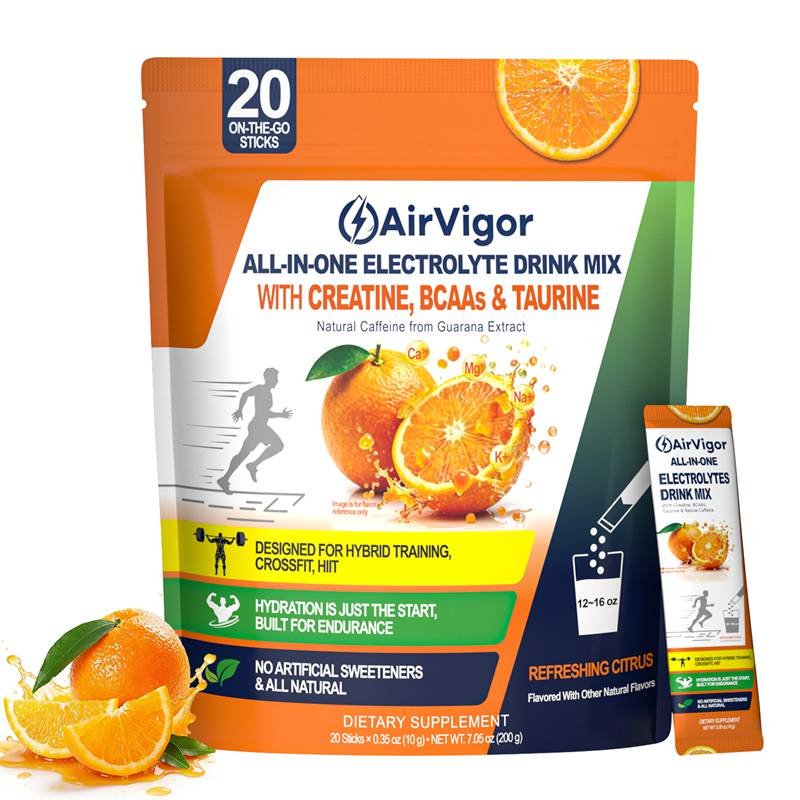
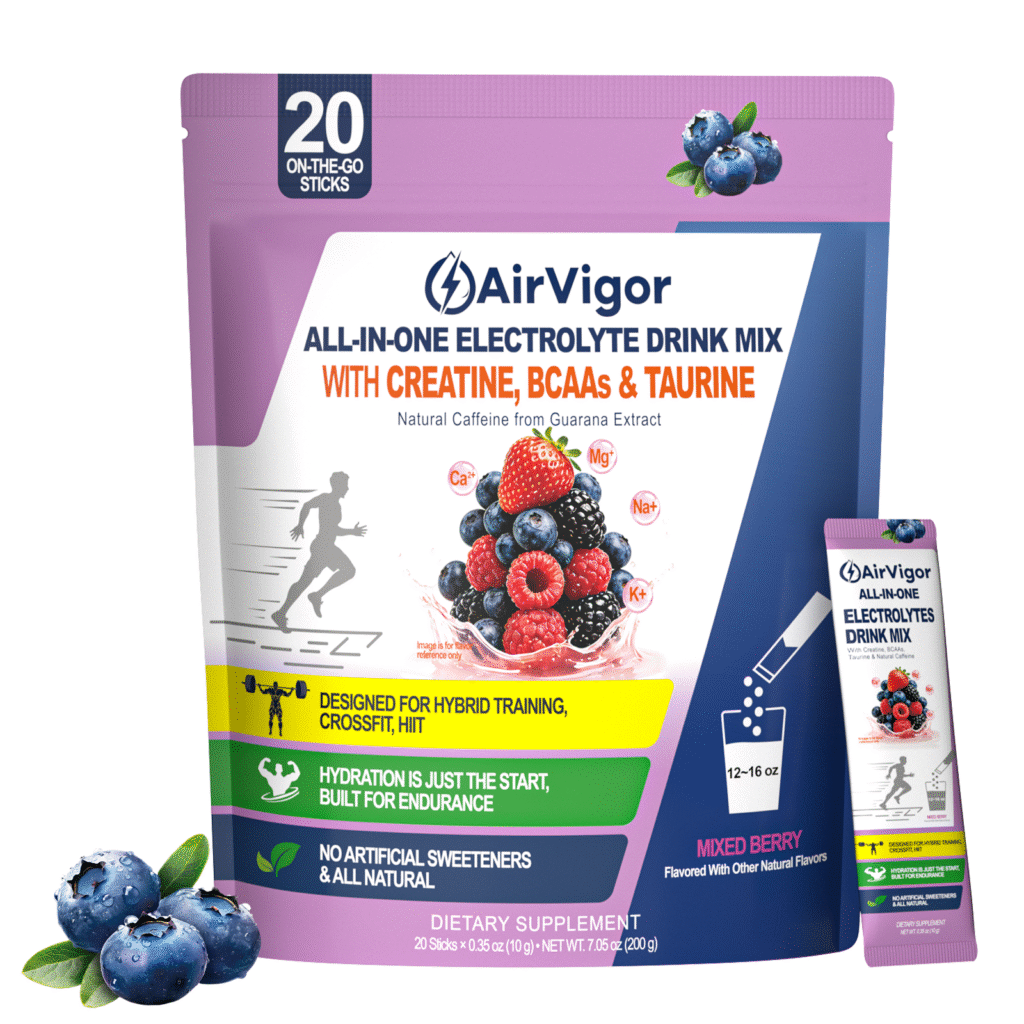
Why Choose AirVigor Electrolyte Powder for Casual Exercisers?
Many electrolyte products are marketed toward competitive athletes, endurance racers, or extreme fitness enthusiasts. However, most people purchasing electrolyte powder today are not training for marathons. They are walking more, attending Pilates classes, hiking on weekends, cycling for recreation, exercising after work, and looking for practical ways to stay hydrated. AirVigor develops electrolyte products with these real-world lifestyles in mind, combining transparent formulations, quality-focused manufacturing, convenient formats, and global supply capabilities.
H3: Designed for Everyday Activity
Most casual exercisers do not need a complicated supplement routine. They need products that fit naturally into their day without requiring extensive planning or preparation.
A typical AirVigor customer may be:
| Lifestyle User | Common Activity |
|---|---|
| Office Professional | After-work gym sessions |
| Parent | Daily walks and family activities |
| Traveler | Long flights and sightseeing |
| Pilates Enthusiast | Studio-based workouts |
| Weekend Hiker | Outdoor recreation |
| Recreational Cyclist | Weekend rides |
| Active Adult 40+ | Daily movement and hydration support |
These consumers often have similar goals. They want a hydration solution that is easy to understand, easy to carry, and easy to use consistently.
Many hydration brands focus their messaging on elite performance. AirVigor takes a broader approach because everyday hydration needs extend far beyond competitive sports.
For example, a person who walks 10,000 steps daily may accumulate more total movement each week than someone who visits the gym twice. A traveler exploring a new city may spend six to eight hours walking outdoors in warm weather. A Pilates participant attending four classes each week may experience regular sweat loss without considering themselves an athlete.
These are the real-world situations where hydration products are often used.
| Everyday Scenario | Why Hydration Matters |
|---|---|
| Daily walking | Ongoing fluid loss |
| Pilates and yoga | Studio heat and regular activity |
| Hiking | Extended outdoor exposure |
| Cycling | Continuous sweat production |
| Travel | Irregular hydration habits |
| Summer activities | Increased sweat loss |
AirVigor products are designed around these practical use cases rather than only extreme athletic performance.
H3: Real Ingredients With Clear Label Transparency
Consumers today are more informed than ever. Many actively compare labels, read ingredient panels, and evaluate formulas before purchasing. One of the biggest frustrations consumers express is uncertainty about what they are actually buying.
Common concerns include:
| Consumer Concern | Why It Matters |
|---|---|
| Hidden ingredient amounts | Difficult to compare products |
| Proprietary blends | Limited transparency |
| Overly complex formulas | Harder to understand |
| Excessive marketing claims | Reduced trust |
| Unclear serving information | Confusing usage |
AirVigor emphasizes clear ingredient presentation and transparent formulation practices. Instead of relying on complicated ingredient lists, the focus remains on meaningful formulation logic and ingredient disclosure.
The company’s product development process includes evaluation of:
| Development Area | Focus |
|---|---|
| Raw Material Selection | Quality and consistency |
| Solubility Testing | Easy mixing performance |
| Stability Testing | Product integrity over time |
| Flavor Evaluation | Consumer acceptance |
| Packaging Suitability | Real-world usability |
| Quality Verification | Batch consistency |
This approach helps consumers better understand what they are purchasing and how the product fits into their lifestyle.
For many casual exercisers, simplicity is valuable. They want a hydration product that clearly communicates what it contains and why those ingredients are included.
H3: Supported by Extensive Research and Product Development
One factor that separates supplement brands is the amount of infrastructure supporting product development.
AirVigor operates within a broader nutrition research and manufacturing ecosystem built around formulation development, ingredient evaluation, and quality management.
Current capabilities include:
| Research and Development Resources | Details |
|---|---|
| Nutrition Scientists & Researchers | 25+ |
| Formula Models Developed | 20,000+ |
| Nutrition-Related Patents | 300+ |
| Quality Personnel | 30+ |
| Independent Laboratory Support | Available |
| Multi-Category Supplement Expertise | Yes |
Rather than focusing on a single category, AirVigor develops products across multiple areas of nutrition. These include hydration products for active lifestyles, vitamins and minerals for daily wellness, protein and collagen formulas for nutrition support, probiotics for digestive health, botanical extracts, and combination supplements designed around modern consumer routines.
This experience contributes to a broader understanding of how hydration products fit into modern wellness routines.
For casual exercisers, this may not directly influence a workout. However, it provides confidence that product development is supported by structured formulation processes rather than simply following short-term trends.
H3: Quality Standards Built for Consistency
When consumers purchase an electrolyte powder, they expect the product to deliver a consistent experience every time. Consistency often matters more than novelty.
A hydration product should:
- Mix similarly from batch to batch
- Maintain flavor consistency
- Provide predictable serving sizes
- Remain stable during storage
AirVigor supports these goals through established manufacturing and quality management systems.
| Quality Area | System |
|---|---|
| Manufacturing Management | GMP Framework |
| Food Safety Programs | HACCP |
| Quality Systems | ISO Standards |
| Food Safety Certification | FSSC22000 |
| Facility Registration | FDA Registered |
| Product Documentation | COA and supporting records |
Production resources include:
| Manufacturing Capability | Details |
|---|---|
| Facility Size | 30,000+ m² |
| Personnel | 1,000+ |
| Clean Production Areas | 100,000-Level Workshops |
| Packaging Formats | Multiple options |
| Supplement Categories | Multi-category production |
For consumers, these systems operate behind the scenes, but they contribute to the reliability and consistency expected from a daily-use hydration product.
Conclusion
Electrolyte powder is not just for athletes. For many casual exercisers, it can be a practical way to support hydration during activities such as walking, hiking, cycling, Pilates, yoga, and everyday workouts. The key is choosing a formula that matches your activity level, sweat loss, and lifestyle rather than following a one-size-fits-all approach.
A well-designed electrolyte powder should provide balanced minerals, clear ingredient transparency, convenient daily use, and a hydration experience that is easy to maintain over time. Whether you’re staying active at the gym, exploring the outdoors, or simply trying to build healthier habits, consistent hydration can make every workout feel more comfortable and sustainable.
AirVigor offers electrolyte solutions developed around real ingredients, transparent formulations, and quality-focused manufacturing standards. For consumers seeking ready-to-use hydration products or businesses exploring custom hydration formulas, AirVigor provides practical options designed to fit today’s active lifestyles.
Share:
Contact Expert Team
At AirVigor, performance becomes effortless. We transform advanced nutrition science into clean, effective supplements that help you hydrate, recover, and feel stronger every day. Shop AirVigor Supplements on Amazon and experience athlete-trusted formulas—backed by real science and supported by our world-class R&D and production capabilities.
Trust AirVigor
At AirVigor, turning your performance goals into reality is no longer a struggle—it’s a science-driven journey we build together. Whether you’re a runner, lifter, cyclist, yogi, outdoor athlete, or someone simply seeking better daily energy, AirVigor transforms advanced nutrition research into clean, effective, and trustworthy supplements you can feel.
Backed by our U.S. scientific team, global certifications, and world-class production standards, every formula is engineered to deliver real hydration, real recovery, and real performance. And when you’re ready to experience the difference, you’ll find AirVigor products available on Amazon and other major platforms—fast shipping, consistent quality, and a community of athletes already seeing results.
Behind the scenes, our R&D and manufacturing ecosystem also supports specialized formulation development, ensuring AirVigor continues to lead with innovation while keeping quality and safety uncompromised. But at the core, everything we create is built for you—your health, your performance, your momentum.
Choose AirVigor. Feel the science. Elevate your every day.


Subscribe to our newsletter
Sign up to our newsletter and we’ll keep you up to date with the latest arrivals.