Skip to content
Electrolyte Powder for Beginners: A Simple Hydration Guide
# Your Trusted Dietary Supplement Brand In US
- Emily

Table of Contents
People usually do not search for electrolyte powder because they want another supplement. They search because something in daily life starts feeling harder than it should. Workouts feel heavier. Long flights cause headaches and fatigue. Hot weather leaves them drained. Even after drinking water, they still feel thirsty, tired, or sluggish. For many beginners, electrolyte powder only becomes interesting after plain water stops feeling like enough.
Electrolyte powder is a hydration supplement that helps replace minerals like sodium, potassium, magnesium, and calcium lost through sweat, heat, exercise, travel, and daily activity. These minerals help support fluid balance, muscle function, nerve signaling, and hydration efficiency, making electrolyte powders popular for workouts, recovery, travel, and everyday wellness routines.
Today’s hydration market is no longer focused only on athletes. Office workers, travelers, gym users, outdoor workers, busy parents, and wellness-focused consumers are all using electrolyte powders as part of daily routines. At the same time, the category itself has changed rapidly. Consumers are moving away from overly sugary sports drinks and looking for hydration products with lighter taste, lower sugar, clean-label ingredients, portable stick packs, and more lifestyle-friendly formulas. Modern electrolyte powders are no longer only about sports performance. They are increasingly connected to recovery, convenience, beauty wellness, travel comfort, and consistent daily hydration habits.
What Is Electrolyte Powder?
Electrolyte powder is a hydration drink mix designed to help the body replace minerals lost through sweat, heat, exercise, travel, and normal daily activity. Most formulas contain sodium, potassium, magnesium, and calcium, which help regulate fluid balance, muscle function, and hydration efficiency. For beginners, electrolyte powder is often less about sports performance and more about solving everyday hydration problems that plain water does not always fully address.
Many people first become interested in electrolyte powder after noticing that something about their hydration feels inconsistent. They drink enough water but still feel tired during the afternoon. They finish workouts and feel unusually drained for hours afterward. They travel frequently and arrive with headaches, dry skin, or fatigue. Others spend long days in air-conditioned offices, drink multiple coffees, sweat during summer weather, or simply struggle to maintain steady energy and hydration throughout the week.
This is one reason the electrolyte category has expanded far beyond traditional sports nutrition. Years ago, electrolyte drinks were marketed mostly toward endurance athletes and high-intensity training. Today, hydration products are used by office workers, travelers, gym users, outdoor workers, wellness-focused consumers, and people trying to improve basic daily hydration habits without relying on sugary bottled sports drinks.
The category itself has also changed significantly. Older sports drinks were often very sweet, high in sugar, and designed for prolonged endurance exercise. Modern electrolyte powders are usually lighter, easier to carry, easier to customize, and better suited for daily use. Many consumers now specifically look for portable stick packs, lower sugar formulas, clean-label ingredients, and hydration products that fit naturally into normal routines rather than only intense workouts.
What Are Electrolytes?
Electrolytes are minerals that carry an electrical charge when dissolved in body fluids. These minerals help regulate how water moves through the body and support important functions such as muscle contractions, nerve signaling, and fluid balance inside and outside cells. The four electrolytes most commonly found in hydration products are sodium, potassium, magnesium, and calcium.
| Electrolyte | Main Function | Why It Matters |
|---|---|---|
| Sodium | Helps regulate fluid balance | Supports hydration during sweat and heat exposure |
| Potassium | Helps maintain cellular fluid balance | Supports muscle and nerve function |
| Magnesium | Supports muscle relaxation and nerve activity | Often associated with recovery and muscle comfort |
| Calcium | Supports muscle contraction and signaling | Helps normal muscular function |
Sodium is usually the most important electrolyte in hydration products because it is the primary mineral lost through sweat. Many beginners are surprised to learn that dehydration is not only about losing water. During workouts, heat exposure, or heavy sweating, the body also loses sodium, which plays a major role in helping fluids stay balanced inside the body. This is why some people continue feeling thirsty or fatigued even after drinking large amounts of water.
Potassium works closely with sodium to maintain fluid balance inside cells, while magnesium has become especially popular in modern hydration formulas because many consumers connect it with muscle comfort, relaxation, and recovery routines. Calcium receives less attention in hydration marketing, but it still contributes to normal muscular and neurological function.
For beginners, the most important thing to understand is that electrolytes are not simply “extra ingredients” added to flavored water. They directly influence how effectively the body manages hydration during physically demanding or dehydrating situations.
Why Do People Use Electrolyte Powders?
Most people do not buy electrolyte powder because they believe they are seriously dehydrated. They buy it because they repeatedly encounter situations where hydration feels harder to maintain than expected. Someone may finish a workout and feel exhausted long after exercising. Another person may spend hours traveling and arrive feeling dry, heavy, or foggy despite drinking water throughout the flight. Some people simply notice that busy schedules, heat, coffee, poor sleep, and inconsistent eating habits leave them feeling less hydrated than they would like.
Electrolyte powders have become popular because they offer a simple and portable way to support hydration during these situations. Instead of carrying large bottled sports drinks, consumers can carry small stick packs or powder sachets in gym bags, handbags, office drawers, backpacks, or suitcases. Many people also prefer powders because they can control how strong the flavor tastes and how much water they use.
| Common Situation | Why People Use Electrolytes |
|---|---|
| Workouts | Replace minerals lost through sweat |
| Flights and travel | Support hydration in dry environments |
| Hot weather | Maintain fluid balance during sweating |
| Outdoor work | Support hydration during prolonged heat exposure |
| Long office hours | Encourage more consistent fluid intake |
| Recovery days | Improve hydration after physical activity |
Another reason hydration products have grown rapidly is that people now view hydration as part of overall wellness rather than only sports performance. Many consumers connect hydration with energy levels, workout recovery, travel comfort, skin appearance, and daily well-being. This has created strong growth in categories like collagen electrolyte powders, beauty hydration blends, low-sugar hydration products, and multifunctional wellness formulas that combine hydration with ingredients such as vitamin C, magnesium, or hyaluronic acid.
At the same time, consumers have become more careful about ingredient quality. Many people actively avoid traditional sports drinks because they feel too sugary, too artificial, or too heavy for regular use. Modern hydration products are increasingly designed around lighter taste, lower sugar levels, cleaner ingredient labels, and more flexible daily use.
Are Electrolyte Powders Better Than Sports Drinks?
Electrolyte powders are not automatically “better” than sports drinks, but many consumers now prefer them because they are usually more portable, customizable, and suitable for daily hydration habits. Traditional sports drinks were originally developed for endurance athletes who needed both fluid replacement and fast carbohydrates during long periods of intense exercise. As a result, many older products contain large amounts of sugar, strong sweetness, artificial coloring, and heavy bottled packaging.
For modern consumers, those products often feel unnecessary for normal routines. Someone working in an office, taking a short gym class, traveling for work, or trying to stay hydrated during summer weather usually does not need the same formula as an endurance athlete training for several hours.
| Hydration Option | Common Consumer Concern |
|---|---|
| Traditional sports drinks | High sugar and artificial ingredients |
| Plain water | May not feel satisfying after sweating |
| Energy drinks | Often contain excessive caffeine |
| Electrolyte powder | Portable and customizable |
One reason electrolyte powders continue growing is flexibility. Consumers can adjust water volume depending on whether they want a lighter drink during office hours or stronger hydration after sweating heavily. Powders are also easier to store, easier to transport, and significantly lighter than bottled beverages, which benefits both consumers and supplement brands.
Many modern electrolyte powders are now positioned more like lifestyle wellness products than traditional sports drinks. Instead of focusing only on athletic performance, brands increasingly focus on hydration consistency, convenience, travel support, lower sugar content, recovery comfort, and clean daily hydration routines. This broader positioning has helped electrolyte powders appeal to a much larger audience than the sports drink market traditionally served.
Why Has Electrolyte Powder Become So Popular?
The rapid growth of electrolyte powder is closely connected to how modern lifestyles have changed. Many people now drink more caffeine, sleep less, spend long hours indoors with air conditioning, travel more frequently, and participate in fitness activities more regularly than previous generations. All of these habits can make hydration harder to maintain consistently.
| Lifestyle Factor | Hydration Challenge |
|---|---|
| Higher caffeine intake | Increased dehydration risk |
| Frequent travel | Dry environments and disrupted routines |
| Air-conditioned offices | Reduced hydration comfort |
| Busy schedules | Inconsistent water intake |
| Increased fitness participation | Higher sweat and fluid loss |
Hydration has also become much more visible in wellness culture. Consumers are now more aware of hydration habits, reusable water bottles, electrolyte products, wellness supplements, and hydration-related recovery routines than they were several years ago. Social media, fitness culture, beauty wellness trends, and growing interest in daily self-care have all contributed to the expansion of the category.
Another major reason for growth is convenience. Electrolyte powders solve practical daily problems in a very simple way. They are easy to carry, easy to mix, flexible to use, and adaptable to different lifestyles. Most beginners are not searching for advanced sports nutrition strategies. They simply want hydration support that feels modern, convenient, and easy to maintain throughout busy daily life.
How Does Electrolyte Powder Work?
Electrolyte powder works by helping the body maintain fluid balance during situations where hydration becomes more difficult to manage with water alone. When mixed with water, electrolyte powders provide minerals such as sodium, potassium, magnesium, and calcium, which help regulate how fluids move throughout the body and support normal muscle and nerve function. Most people first notice the difference during situations involving sweat loss, heat exposure, long travel days, repeated workouts, or physically demanding schedules where plain water may no longer feel fully satisfying.
Hydration is more complex than simply drinking large amounts of water. Water constantly moves between blood vessels, muscles, tissues, and cells, and electrolytes help control how that movement happens. This is why someone can drink several bottles of water after a hot workout or long flight and still feel dry, fatigued, or sluggish afterward. The body loses both fluids and minerals at the same time, especially sodium, which plays a major role in maintaining fluid balance.
For beginners, dehydration usually does not appear as a dramatic medical problem. It tends to show up gradually through smaller everyday issues. Someone may feel unusually tired after workouts, develop headaches during travel, notice muscle tightness after sweating heavily, or struggle with low energy during hot weather. Office workers often experience a different version of the same problem. Long hours indoors, low water intake, repeated caffeine consumption, and dry air conditioning environments can gradually make hydration feel inconsistent throughout the day.
| Common Situation | What Often Happens |
|---|---|
| Sweaty workouts | Loss of fluids and sodium |
| Hot weather | Faster dehydration and fatigue |
| Frequent travel | Dryness and headaches |
| Long office hours | Low fluid intake and fatigue |
| Repeated exercise | Increased hydration demand |
| Outdoor activity | Higher sweat and mineral loss |
Electrolyte powders help support hydration during these situations by replacing minerals that work together with water inside the body. This is one reason many people describe electrolyte drinks as feeling “more hydrating” than plain water after sweating or travel. The difference often comes from improved fluid balance rather than simply stronger flavor.
How Do Electrolytes Help Hydration?
Electrolytes help hydration by supporting how the body absorbs, retains, and distributes fluids. Sodium is especially important because it helps the body maintain fluid balance after sweat loss. Potassium works closely with sodium to regulate fluids inside cells, while magnesium and calcium support normal muscular and neurological function.
Sweat contains much more than water. During exercise, heat exposure, or physically demanding activity, the body also loses sodium and smaller amounts of other minerals. The amount varies significantly from person to person. Some individuals lose relatively small amounts of sodium, while heavy sweaters can lose more than 1,000mg per hour during intense activity in hot environments.
| Sweat Level | Estimated Sodium Loss Per Hour |
|---|---|
| Light sweating | 200–400mg |
| Moderate sweating | 400–800mg |
| Heavy sweating | 800mg+ |
This helps explain why water alone sometimes feels less effective after intense sweating. When sodium levels drop, fluid balance becomes harder to maintain efficiently. People often notice this through ongoing thirst, workout fatigue, headaches during heat exposure, or the heavy and sluggish feeling that can happen after long periods of sweating.
Electrolyte powders help restore part of this mineral balance while also encouraging more consistent fluid intake. Many people naturally drink more water when hydration tastes pleasant and refreshing rather than bland or difficult to consume repeatedly throughout the day. This is one reason lighter hydration flavors and lower-sugar electrolyte powders have become much more popular than traditional sports drinks with very heavy sweetness.
Hydration comfort also becomes increasingly important during travel and busy schedules. Frequent travelers often carry electrolyte stick packs because airplane cabins are extremely dry environments, and long flights commonly combine low water intake, disrupted sleep, caffeine, alcohol, and irregular meals. Even people who are not highly active physically may still notice hydration-related fatigue during these situations.
How Do Electrolytes Support Energy and Physical Performance?
Electrolytes do not work like stimulants, but hydration strongly affects many systems connected to physical and mental performance. Fluid balance influences circulation, body temperature regulation, muscular contractions, endurance, and overall exercise comfort. Even mild dehydration may make workouts feel harder, increase fatigue during hot weather, and reduce concentration throughout the day.
Research commonly shows that losing as little as 1–2% of body weight through dehydration may begin affecting physical performance, particularly during exercise or heat exposure. For beginners, this does not necessarily mean dramatic athletic decline. More often, it shows up through smaller signs such as reduced workout consistency, heavier physical effort, afternoon sluggishness, or feeling drained more quickly than expected.
| Mild Dehydration Effect | Common Experience |
|---|---|
| Reduced endurance | Workouts feel more difficult |
| Lower concentration | Brain fog during work or travel |
| Faster fatigue | Lower physical comfort |
| Increased heat sensitivity | Difficulty tolerating hot weather |
| Reduced workout recovery | More soreness and heaviness |
Many people notice hydration problems most clearly during repeated weekly routines rather than isolated moments. Someone who exercises several times per week while consistently under-hydrated may feel progressively more fatigued during training sessions. Office workers often experience similar patterns in different ways. Multiple coffees, low water intake, long hours indoors, and inconsistent meals can quietly reduce hydration quality throughout the week.
This is part of the reason electrolyte powders are no longer viewed only as sports products. Hydration is increasingly connected to daily productivity, workout consistency, travel comfort, and overall physical well-being rather than only athletic performance.
Do Electrolytes Help With Recovery?
Electrolytes can support recovery because recovery depends heavily on restoring both fluids and mineral balance after sweat loss and physical activity. Many people notice hydration-related recovery problems several hours after workouts rather than during them. A training session may initially feel manageable, but later in the day fatigue, headaches, muscle tightness, unusual thirst, or physical heaviness begin to appear.
This becomes especially noticeable during summer workouts, outdoor activity, repeated gym sessions, hiking, cycling, tennis, sauna use, or physically demanding work in hot conditions. Sweat loss accumulates over time, particularly when hydration habits are inconsistent throughout the week.
| Situation | Common Recovery Challenge |
|---|---|
| Summer training | Increased sweat loss |
| Outdoor sports | Heat-related dehydration |
| Repeated workouts | Ongoing fluid depletion |
| Physically demanding jobs | Daily mineral loss |
| Travel and jet lag | Fatigue and dryness |
Magnesium has become particularly popular in recovery-focused hydration formulas because many consumers associate it with muscle comfort and relaxation. Sodium and potassium remain important because they help restore the fluid balance affected by sweating and prolonged activity.
The recovery category itself has also expanded significantly. Many people now use hydration products during travel, work routines, outdoor activities, and general wellness habits instead of viewing them only as post-workout supplements. This broader use has helped drive the growth of collagen electrolyte powders, beauty hydration products, low-sugar wellness hydration formulas, and portable stick-pack hydration systems designed for everyday convenience.
Why Do Some People Feel Better After Drinking Electrolytes?
Many people notice practical improvements after improving hydration consistency with electrolyte powders, particularly during situations where fluid and mineral loss are common. Someone who frequently develops headaches after workouts may notice fewer problems after paying closer attention to hydration. Travelers often report feeling less drained during long flights, while gym users sometimes experience more comfortable recovery during periods of repeated training.
This does not mean electrolyte powders are miracle products. Sleep quality, nutrition, activity level, stress, climate, and overall health habits still play major roles in how someone feels physically. Hydration is simply one part of that larger picture. The reason hydration products continue growing rapidly is because hydration is often one of the easiest wellness habits to improve consistently.
| Hydration Improvement | Why People Notice It |
|---|---|
| Better fluid balance | Less thirst and dryness |
| Improved workout comfort | Better sweat recovery |
| More consistent hydration | Easier daily fluid intake |
| Portable hydration support | Simpler travel and outdoor use |
Convenience is also an important factor. Many people struggle to maintain hydration simply because healthy hydration habits are inconvenient during busy schedules. Electrolyte stick packs are lightweight, easy to carry, quick to mix, and simple to use during office days, flights, workouts, outdoor activities, and travel routines.
For most beginners, the best hydration routine is not the most extreme formula or the highest sodium product. The most effective option is usually the one that feels comfortable enough to use consistently during real daily life.

Which Electrolyte Powder Is Best for Beginners?
The best electrolyte powder for beginners is usually the product that feels easiest to use consistently in real daily life. Many first-time buyers assume they need the strongest formula with the highest sodium level or the longest ingredient list, but that is rarely what makes a hydration product work well long term. Most beginners respond better to balanced formulas that taste refreshing, mix easily, fit naturally into daily routines, and support hydration without feeling overly salty, sugary, or heavy.
One reason the category feels confusing is because electrolyte powders are no longer designed only for athletes. A few years ago, most hydration products targeted endurance sports and intense training. Today, the market looks completely different. Office workers drink electrolytes during long workdays, travelers carry hydration stick packs during flights, gym users use them after short training sessions, and wellness-focused consumers increasingly choose hydration products as part of broader daily routines. This shift has created a huge range of products, from high-sodium endurance formulas to low-sugar wellness hydration blends, beauty-focused collagen electrolytes, magnesium recovery drinks, and portable stick packs designed for travel convenience.
For beginners, the most important thing is matching the product to actual lifestyle needs instead of aggressive marketing. Someone exercising moderately three or four times per week usually does not need the same hydration formula as a marathon runner training outdoors in extreme heat. A person mainly using electrolytes during travel may care more about portability and stomach comfort than maximum sodium replacement. Office workers often prefer lighter flavors and lower sugar because they want something they can drink regularly throughout the week without feeling like they are consuming a heavy sports drink.
| Consumer Lifestyle | What Usually Matters Most |
|---|---|
| Casual gym user | Balanced hydration and recovery |
| Office worker | Lower sugar and easy daily use |
| Frequent traveler | Portable stick packs and hydration comfort |
| Outdoor worker | Higher electrolyte replacement |
| Wellness-focused consumer | Clean ingredients and lighter flavor |
| Endurance athlete | Higher sodium and performance hydration |
A common mistake beginners make is focusing too heavily on numbers instead of usability. Hydration products only work if people continue drinking them consistently. A formula may look impressive on paper, but if it tastes too salty, too sweet, or too artificial, most people stop using it quickly. Long-term hydration habits are usually built around convenience, comfort, flavor, and simplicity rather than extreme performance positioning.
Which Ingredients Should Beginners Look For?
Most electrolyte powders contain sodium, potassium, magnesium, and calcium, but the balance between these ingredients matters much more than simply choosing the product with the largest numbers. Sodium plays the biggest role in maintaining fluid balance during sweat loss, which is why it appears in nearly every hydration formula. Potassium helps regulate fluids inside cells and supports muscle function, while magnesium has become increasingly popular because many people associate it with muscle comfort, recovery, and relaxation. Calcium is usually included in smaller amounts but still contributes to muscular and neurological function.
| Ingredient | Why It Matters | Beginner-Friendly Range |
|---|---|---|
| Sodium | Helps regulate fluid balance | 200–500mg |
| Potassium | Supports cellular hydration | 100–300mg |
| Magnesium | Supports muscle and nerve function | 20–100mg |
| Calcium | Supports muscle signaling | 20–80mg |
The biggest misunderstanding beginners often have is assuming higher sodium automatically means better hydration. Some endurance-focused products contain over 1,000mg sodium per serving because they are designed for athletes training for several hours under heavy sweat conditions. Those formulas can feel extremely salty and unpleasant for casual users simply looking for better hydration during workouts, travel, or daily activity.
Most beginners usually feel more comfortable with moderate sodium levels that support hydration without creating an overly intense taste experience. Flavor matters much more than many brands realize. Consumers may purchase a product once because of impressive marketing claims, but they continue purchasing it because they genuinely enjoy drinking it repeatedly.
This is one reason lighter flavors like lemon, watermelon, berry, citrus, peach, and tropical blends have become increasingly common in modern hydration products. Many people now avoid older sports drinks because they feel too sugary, too thick, or too artificial for regular use.
Ingredient transparency has also become much more important. A large percentage of hydration consumers now actively look for lower sugar formulas, natural flavor systems, dye-free products, vegan-friendly ingredients, and cleaner labels overall. This trend is especially strong among wellness-focused consumers who use hydration products several times per week rather than only during intense exercise.
Is Sugar Necessary in Electrolyte Powders?
Sugar is not always necessary in electrolyte powders, and this is one of the biggest reasons the hydration market has changed so dramatically over the past several years. Traditional sports drinks were originally designed for endurance athletes who needed fast carbohydrates during prolonged exercise. Because of that, older formulas often contained large amounts of sugar along with very strong sweetness and heavy flavor systems.
For many modern consumers, those products no longer fit daily routines very well. Someone sitting in an office, taking a short gym class, traveling for work, or trying to improve everyday hydration habits usually does not want to drink large amounts of sugar throughout the day.
| Formula Style | Most Common Use |
|---|---|
| High-sugar sports drinks | Long endurance training |
| Moderate sugar hydration | General workout support |
| Low-sugar hydration powders | Daily hydration routines |
| Sugar-free electrolytes | Wellness-focused lifestyles |
Low-sugar and sugar-free hydration powders have become increasingly popular because people are moving away from beverages that feel overly sweet or heavy for everyday use. Many consumers now specifically search for hydration products that feel lighter, cleaner, and easier to drink consistently. At the same time, completely sugar-free formulas sometimes create flavor challenges depending on the sweetener system used. Some products leave strong artificial aftertastes that reduce repeat usage, even if the nutrition label looks appealing.
The best beginner-friendly hydration products usually balance several factors at once: pleasant taste, comfortable sweetness, good drinkability, moderate electrolyte support, and ingredients that feel suitable for regular use. In practice, most people care less about “perfect” formulas and more about whether the product fits naturally into their routines.
Powder, Tablets, or Ready-to-Drink: Which Is Better?
The best format depends heavily on lifestyle and convenience preferences, but powder stick packs have become the dominant format in modern hydration because they combine portability, flexibility, and easy storage. Travelers, gym users, office workers, and outdoor consumers often prefer powder sticks because they fit easily into bags, backpacks, desk drawers, carry-on luggage, and gym pouches without taking up much space.
| Format | Main Advantage | Common Limitation |
|---|---|---|
| Powder sticks | Portable and customizable | Requires water |
| Tablets | Compact and lightweight | Limited flavor variety |
| Ready-to-drink bottles | Immediate convenience | Heavy and bulky |
One reason powder products continue growing rapidly is flexibility. Consumers can adjust flavor intensity depending on how much water they use. Someone drinking electrolytes during office hours may prefer a lighter flavor, while a person recovering from a sweaty workout may want a stronger drink.
Ready-to-drink products remain popular in convenience stores and gyms, but many people view them as less practical for regular use because bottled beverages are heavier, bulkier, and often more expensive to transport and store. Powder hydration products are easier to carry during travel and easier to keep available throughout busy schedules.
This portability has become especially important as hydration products move beyond sports nutrition into broader wellness routines. A traveler carrying several electrolyte stick packs during long flights has very different priorities than an athlete training for competition, yet both may use hydration products regularly for different reasons.
What Makes Beginners Continue Buying the Same Electrolyte Powder?
Most repeat purchases in the hydration category are driven by everyday usability rather than extreme marketing claims. Consumers usually continue buying products that feel convenient, taste pleasant, fit their routines easily, and make hydration feel more consistent during normal life.
| Repeat Purchase Factor | Why It Matters |
|---|---|
| Pleasant flavor | Easier long-term use |
| Comfortable digestion | Better daily usability |
| Lower sugar content | Fits wellness-focused routines |
| Portable packaging | Easier travel and office use |
| Clean ingredients | Builds trust |
| Consistent hydration support | Encourages repeat habits |
Taste fatigue is one of the biggest hidden reasons people stop buying hydration products. A formula may initially seem exciting, but if it becomes unpleasant after several servings, most consumers abandon it quickly. This is why modern hydration brands increasingly focus on lighter flavor systems, smoother sweetness, and more balanced formulations instead of extremely aggressive sports-drink profiles.
Another major shift is the rise of multifunctional hydration products. Many consumers now prefer hydration formulas that combine electrolytes with broader wellness ingredients such as collagen, magnesium, vitamin C, or beauty-focused support ingredients. Hydration is no longer viewed only as a sports category. It now overlaps with wellness, recovery, beauty, travel, and lifestyle supplementation.
| Combination Formula | Why Consumers Like It |
|---|---|
| Collagen electrolytes | Beauty hydration support |
| Magnesium hydration blends | Muscle comfort and recovery |
| Vitamin C electrolytes | Daily wellness routines |
| Low-sugar hydration powders | Easier everyday use |
For beginners, the best electrolyte powder is rarely the most extreme product on the shelf. The most effective formula is usually the one that feels simple enough, pleasant enough, and convenient enough to become part of real daily habits over time.
How Should Beginners Use Electrolyte Powder?
Most people do not need electrolyte powder all day long, and beginners usually do not need complicated hydration schedules. The most effective approach is simply using electrolytes during situations where the body loses more fluids and minerals than usual. Sweat, heat exposure, long flights, physically demanding work, repeated workouts, poor hydration habits, and busy schedules all increase the chances of feeling dehydrated even when water intake seems normal.
One reason hydration becomes confusing is because mild dehydration rarely feels dramatic. Most people do not suddenly feel seriously ill. Instead, the signs build gradually over time. Workouts start feeling heavier than usual. Afternoon energy drops become more noticeable. Travel days leave the body feeling dry and sluggish. Some people develop headaches after sweating heavily, while others realize they drink several coffees throughout the day but very little water. These are the situations where electrolyte powders often become useful because they help support fluid balance during periods when water alone may not feel fully satisfying.
Hydration needs also vary much more than most beginners expect. A person taking a short indoor yoga class has very different fluid and sodium loss compared to someone working outside in summer heat for eight hours. Climate, sweat rate, body size, activity level, caffeine intake, and travel frequency all influence how much hydration support someone may benefit from throughout the week.
| Lifestyle Situation | Why Electrolytes Are Commonly Used |
|---|---|
| Sweaty workouts | Replace fluid and sodium loss |
| Hot climates | Support hydration during heavy sweating |
| Long flights | Help reduce dryness and fatigue |
| Outdoor jobs | Maintain hydration during heat exposure |
| Repeated gym sessions | Support recovery hydration |
| Long office schedules | Encourage more consistent fluid intake |
Most people benefit more from consistent hydration habits than from aggressive high-sodium sports formulas. A moderate electrolyte drink used regularly during physically demanding or dehydrating situations is usually far more practical than relying on extremely concentrated products designed for endurance athletes.
When Should You Drink Electrolytes?
The best time to drink electrolytes depends mostly on when fluid and mineral loss increase. Some people prefer drinking electrolytes before workouts, while others feel better using them afterward during recovery. Travel, hot weather, outdoor activity, and long workdays are also very common situations where hydration powders become useful.
Morning hydration has become increasingly popular because the body naturally loses fluids during sleep. Many people wake up mildly dehydrated without realizing it, especially after poor sleep, alcohol consumption, hot weather, or long hours in air-conditioned environments. Starting the morning with fluids and electrolytes instead of only coffee often helps hydration feel more stable throughout the day.
Workout hydration depends heavily on sweat loss and training intensity. Light exercise sessions may not require electrolyte supplementation at all, particularly if meals and fluid intake are already balanced. Electrolytes become more useful during longer workouts, repeated training sessions, outdoor exercise, or situations involving visible sweating and heat exposure.
Travel is another major reason people use electrolyte powders regularly. Airplane cabins often have humidity levels below 20%, which is far drier than most indoor environments. Combined with disrupted sleep, irregular meals, caffeine, alcohol, and reduced water intake, this often leaves travelers feeling tired, dry, or physically sluggish after long flights. This is one reason portable stick packs have become so popular among frequent travelers and business professionals.
Office workers also make up a surprisingly large part of the hydration market now. Many people spend entire workdays indoors drinking coffee while forgetting to drink enough water consistently. A lightly flavored hydration drink often makes fluid intake easier throughout the day compared to plain water alone.
| Timing | Common Use Scenario |
|---|---|
| Morning | Rebuild hydration after sleep |
| Before workouts | Prepare for sweat loss |
| During workouts | Support endurance hydration |
| After workouts | Replace fluids and minerals |
| During travel | Support hydration in dry environments |
| Hot weather | Maintain hydration balance |
How Much Electrolyte Powder Should You Use?
Most beginners do not need extremely high-sodium hydration formulas. The ideal amount depends on sweat rate, climate, physical activity, body size, and how frequently electrolytes are being used throughout the week.
Many beginner-friendly electrolyte products contain moderate sodium levels because they are designed for general hydration support rather than extreme endurance training.
| Electrolyte | Typical Beginner-Friendly Range |
|---|---|
| Sodium | 200–500mg |
| Potassium | 100–300mg |
| Magnesium | 20–100mg |
| Calcium | 20–80mg |
For comparison, some endurance-focused products contain more than 1,000mg sodium per serving because they are designed for marathon runners, triathletes, or athletes training for hours in very hot conditions. Those formulas can feel extremely salty and unpleasant for people simply looking for hydration support during daily workouts, travel, or office routines.
Sweat sodium loss also varies significantly between individuals. Some people lose relatively little sodium during sweating, while others lose large amounts very quickly. Heavy sodium sweaters often notice white salt marks on clothing, stinging sweat in the eyes, or very salty skin after workouts.
| Sweat Level | Estimated Sodium Loss Per Hour |
|---|---|
| Light sweating | 200–400mg |
| Moderate sweating | 400–800mg |
| Heavy sweating | 800mg+ |
Hydration works best when fluid intake and electrolyte levels stay reasonably balanced. One of the most common beginner mistakes is drinking concentrated electrolyte products while still consuming too little water overall. Electrolytes help support hydration, but they cannot replace fluids completely.
Most people do not need complicated hydration calculations. Paying attention to thirst, sweat loss, climate, activity level, and overall comfort is usually enough to build effective hydration habits over time.
Can You Drink Electrolytes Every Day?
Many healthy adults can comfortably use electrolyte powders daily, particularly during periods of exercise, travel, hot weather, physically demanding work, or inconsistent hydration habits. The most important factor is choosing a formula appropriate for regular use rather than an extreme sports product designed for prolonged endurance training.
Daily-use hydration products are usually lighter in flavor, moderate in sodium, and easier to drink repeatedly throughout the week. Products that taste overly salty, extremely sweet, or artificially flavored often fail simply because people become tired of drinking them regularly.
| Daily Hydration Feature | Why It Matters |
|---|---|
| Moderate sodium | More comfortable for daily use |
| Lower sugar | Easier long-term hydration |
| Light flavor | Reduces taste fatigue |
| Portable packaging | Fits busy routines |
| Comfortable digestion | Better consistency |
Hydration products have changed significantly over the past several years because consumers now use them in many situations outside traditional sports nutrition. Office workers use electrolyte powders during long workdays, travelers rely on stick packs during flights, gym users drink them after workouts, and wellness-focused consumers often include hydration products in broader daily routines connected to energy, recovery, and general well-being.
This broader wellness positioning has helped categories like low-sugar hydration powders, beauty hydration blends, magnesium hydration products, and travel hydration stick packs grow rapidly. Hydration is no longer viewed only as something athletes think about during competition. Many people now see consistent hydration as part of maintaining daily comfort and routine.
What Mistakes Should Beginners Avoid?
One of the biggest mistakes beginners make is assuming the strongest formula is automatically the best option. Many endurance-focused hydration products are designed for athletes losing very large amounts of sodium during prolonged exercise in hot environments. Those formulas are often unnecessary for casual gym users, travelers, or office workers and may simply taste too salty for regular use.
Another common problem is focusing entirely on electrolytes while still drinking too little water overall. Hydration still depends heavily on total fluid intake throughout the day. Electrolyte powders work best when combined with consistent water consumption instead of replacing it.
| Common Beginner Mistake | Better Approach |
|---|---|
| Choosing the highest sodium formula | Match product to activity level |
| Ignoring water intake | Combine electrolytes with adequate fluids |
| Using sugary sports drinks daily | Choose lighter daily hydration formulas |
| Only drinking electrolytes during workouts | Use during travel, heat, and busy schedules too |
Flavor fatigue is another issue many people underestimate. A hydration product may seem appealing initially but become difficult to drink consistently if it tastes too sweet, too artificial, or too heavy after repeated use. This is one reason modern hydration brands increasingly focus on lighter flavor systems and lower sugar formulas designed for everyday routines instead of only sports performance.
Electrolytes also should not be viewed as solutions for every recovery or energy problem. Sleep quality, nutrition, stress, physical activity, and climate all still play major roles in how someone feels throughout the day. Hydration simply becomes much easier to maintain when products feel convenient enough to fit naturally into normal routines.
Why Are Stick Packs So Popular for Beginners?
Stick packs have become one of the most popular hydration formats because they solve several practical problems at the same time. They are lightweight, portable, easy to portion, and convenient during travel, workdays, workouts, and outdoor activities. A person can easily carry multiple servings inside a backpack, handbag, desk drawer, or carry-on suitcase without the bulk of bottled drinks.
| Stick Pack Advantage | Why People Like It |
|---|---|
| Lightweight | Easier to carry during travel |
| Portable | Fits work and gym routines |
| Single-serving format | Simple portion control |
| Flexible mixing | Adjustable flavor strength |
| Lower shipping weight | Easier storage and transport |
Convenience plays a larger role in hydration habits than many brands realize. A lot of people stop buying hydration products simply because carrying large bottles or overly complicated products becomes inconvenient during busy schedules. Stick packs simplify the process by making hydration easy to use almost anywhere.
This portability has become especially important as hydration products move beyond sports nutrition into broader wellness and lifestyle categories. Travelers carry electrolyte sticks during flights, office workers keep them at desks, gym users bring them to training sessions, and outdoor consumers rely on them during hiking, sports, and physically demanding work. For beginners, products that feel simple and easy to maintain usually create much stronger long-term hydration habits than products focused only on extreme performance claims.

Are Electrolyte Powders Worth Trying for Beginners?
For many beginners, electrolyte powders are worth trying simply because modern lifestyles make hydration harder to maintain than most people realize. Long work hours, frequent caffeine intake, hot weather, repeated workouts, dry indoor environments, poor sleep, and regular travel all affect fluid balance throughout the week. Most people do not suddenly experience severe dehydration. Instead, they notice smaller recurring problems that gradually become part of normal life: feeling unusually tired after workouts, getting headaches during travel, struggling with afternoon energy crashes, or feeling thirsty even after drinking water regularly.
This is one reason electrolyte powders have expanded far beyond traditional sports nutrition. A large percentage of people using hydration products today are not endurance athletes. Office workers use electrolyte drinks during long workdays, travelers carry stick packs during flights, and casual gym users often drink them after sweating during short training sessions. Many people simply feel more consistent physically when hydration habits improve.
The appeal of electrolyte powders is largely practical. They are portable, easy to mix, and often feel lighter and easier to use than traditional bottled sports drinks. For beginners, the benefit is usually not extreme athletic performance. The biggest difference is often improved day-to-day hydration comfort during situations where fluid and mineral loss quietly accumulate over time.
| Situation | Common Beginner Experience |
|---|---|
| Gym workouts | Less post-workout fatigue |
| Hot weather | Better hydration comfort |
| Long flights | Reduced dryness and headaches |
| Outdoor activity | Easier recovery after sweating |
| Busy workdays | More consistent fluid intake |
| Repeated exercise | Better workout consistency |
Hydration also affects more areas of daily life than many people expect. Someone who remains slightly under-hydrated throughout the week may simply assume stress or lack of sleep is causing low energy. Others become accustomed to headaches after workouts or heavy fatigue after travel without realizing hydration inconsistency may be contributing to the problem.
Who Usually Benefits Most From Electrolyte Powders?
Electrolyte powders are not essential for every person, but certain lifestyles naturally create higher hydration demands. People who sweat regularly, exercise often, spend long periods outdoors, travel frequently, or struggle with consistent water intake usually notice the biggest difference.
| Consumer Type | Why Electrolytes Are Commonly Used |
|---|---|
| Gym users | Replace sweat-related fluid loss |
| Outdoor workers | Maintain hydration during heat exposure |
| Travelers | Support hydration during flights |
| Office workers | Improve fluid intake consistency |
| Active parents | Support hydration during busy schedules |
| Wellness-focused consumers | Daily hydration support |
Travel has become one of the fastest-growing hydration categories because flights combine several dehydration factors at once. Airplane cabins are extremely dry, often operating below 20% humidity. Add poor sleep, irregular meals, caffeine, alcohol, and long hours sitting still, and many travelers arrive feeling physically drained even if they drank water during the flight. This is one reason electrolyte stick packs have become common among business travelers and frequent flyers.
Office workers are another major group driving growth in the hydration market. Many people spend entire days indoors drinking coffee while barely noticing how little water they consume. A lightly flavored hydration drink often makes fluid intake easier to maintain during busy schedules compared to plain water alone.
People living in hot climates or exercising several times per week also tend to notice hydration support more quickly because sweat loss increases both fluid and sodium demand. During hot summer conditions, some individuals may lose several liters of sweat daily through outdoor activity, sports, or physically demanding work.
Why Are More People Replacing Sports Drinks With Electrolyte Powders?
Many people now prefer electrolyte powders because traditional sports drinks often feel too sugary, too heavy, or too artificial for everyday use. Older sports drinks were originally developed for endurance athletes who needed fast carbohydrates during prolonged exercise. Because of that, many bottled formulas contain large amounts of sugar along with strong sweetness, artificial coloring, and thick flavor systems.
For modern daily routines, those products often feel unnecessary. Someone working in an office, attending a short gym session, walking outdoors in summer heat, or traveling regularly usually does not need the same hydration formula as a marathon runner training for several hours.
| Hydration Option | Common Consumer Concern |
|---|---|
| Traditional sports drinks | High sugar and artificial ingredients |
| Plain water | May not feel satisfying after sweating |
| Energy drinks | Excess caffeine and stimulants |
| Electrolyte powder | Portable and customizable |
Hydration preferences have changed significantly over the past several years. Many people now look for lower-sugar hydration products, cleaner ingredient labels, and portable stick packs that feel easier to use during travel, office routines, workouts, and daily life. Lighter hydration flavors have also become much more popular because consumers often become tired of extremely sweet beverages after repeated use.
Portability plays a major role as well. Powder stick packs fit easily into backpacks, desk drawers, handbags, carry-on luggage, and gym bags without the weight or inconvenience of bottled beverages. This flexibility is one reason electrolyte powders have expanded into wellness, travel, beauty, and lifestyle categories rather than remaining limited to sports nutrition.
Can Electrolyte Powders Help With Energy and Recovery?
Electrolyte powders are not stimulants, but hydration strongly affects how physically comfortable and energized people feel throughout the day. Fluid balance influences circulation, muscular contractions, endurance, body temperature regulation, and overall exercise comfort. Even mild dehydration may make workouts feel harder, increase fatigue during hot weather, and reduce concentration during busy schedules.
Research commonly shows that losing as little as 1–2% of body weight through dehydration may begin affecting physical performance and physical comfort, particularly during heat exposure or repeated exercise. Most beginners do not notice this through dramatic symptoms. Instead, it usually appears through smaller patterns such as workouts feeling heavier than normal, afternoon sluggishness, slower recovery comfort, or headaches after sweating heavily.
| Mild Hydration Problem | Common Experience |
|---|---|
| Reduced endurance | Workouts feel harder |
| Lower concentration | Afternoon brain fog |
| Increased fatigue | Feeling physically drained |
| Heat sensitivity | Feeling worse during hot weather |
| Slower recovery comfort | Heavy muscles after activity |
Many people notice hydration-related recovery problems most clearly several hours after activity rather than during it. A workout may initially feel manageable, but later in the day fatigue, muscle heaviness, headaches, or unusual thirst become more noticeable. This is especially common during repeated gym sessions, outdoor sports, hiking, cycling, summer training, and physically demanding work in hot environments.
Hydration products containing magnesium have become especially popular because many consumers associate magnesium with muscle comfort and recovery support. The recovery category itself has also expanded significantly. Hydration products are now commonly used during travel, long workdays, outdoor activity, and wellness routines rather than only after intense athletic performance.
Are Electrolyte Powders Safe for Daily Use?
For many healthy adults, moderate daily electrolyte use is generally considered safe when products are used appropriately and fluid intake remains balanced. Most modern hydration powders designed for daily use contain moderate sodium levels and lighter flavor systems compared to endurance-focused sports formulas.
| Daily Hydration Feature | Why It Matters |
|---|---|
| Moderate sodium | More comfortable for daily use |
| Lower sugar | Easier long-term hydration |
| Light flavor | Reduces taste fatigue |
| Portable packaging | Encourages consistency |
| Comfortable digestion | Better repeat usability |
One reason daily hydration products continue growing is because consumers increasingly want hydration support that fits normal life rather than only sports performance. Products that feel too salty, too sugary, or too artificial often fail because people simply do not enjoy drinking them consistently.
Hydration habits become especially important during summer weather, frequent travel, repeated workouts, physically demanding jobs, and busy office schedules where fluid intake often becomes inconsistent. At the same time, electrolyte powders should not be viewed as miracle wellness products. Sleep quality, nutrition, stress, physical activity, and overall health habits still play major roles in how someone feels physically.
The reason many beginners continue using electrolyte powders is usually simple practicality. Hydration becomes easier to maintain when products feel convenient enough to fit naturally into normal routines.
What Should Beginners Avoid When Choosing Electrolyte Powders?
One of the biggest beginner mistakes is assuming the strongest hydration formula is automatically the best option. Some products are specifically designed for endurance athletes losing very large amounts of sodium during prolonged exercise in extreme heat. Those formulas are often unnecessary for casual gym users, travelers, office workers, or people simply looking for better everyday hydration support.
Another common problem is focusing entirely on electrolyte intake while still drinking too little water overall. Electrolytes help the body manage fluids more effectively, but hydration still depends heavily on total fluid intake throughout the day.
| Common Beginner Mistake | Better Approach |
|---|---|
| Choosing the highest sodium product | Match formula to activity level |
| Ignoring sugar content | Look for balanced daily-use formulas |
| Buying based only on marketing hype | Prioritize flavor and consistency |
| Drinking electrolytes without enough water | Maintain overall fluid intake |
| Choosing overly sweet formulas | Focus on long-term drinkability |
Flavor fatigue is another issue many people underestimate. A hydration product may initially seem exciting but quickly become difficult to drink regularly if it tastes too sweet, too artificial, or too heavy after repeated use. This is one reason lighter hydration flavors and moderate sweetness levels have become increasingly important in the modern hydration market.
Electrolyte powders also work best when viewed realistically. They support hydration during situations involving fluid and mineral loss, but they do not replace healthy sleep, balanced nutrition, stress management, or overall lifestyle habits.
Why Is the Electrolyte Market Growing So Quickly?
The electrolyte category has expanded rapidly because hydration is now viewed as part of broader wellness rather than only sports performance. Consumers increasingly connect hydration with energy, travel comfort, workout consistency, recovery support, outdoor activity, and general daily well-being.
| Growing Hydration Trend | Why Consumers Like It |
|---|---|
| Low-sugar hydration | Better for everyday use |
| Portable stick packs | Easier travel and office use |
| Beauty hydration blends | Combine hydration and wellness |
| Magnesium electrolyte products | Recovery-focused support |
| Daily hydration formulas | More practical than sports drinks |
Hydration products are now sold not only in sports nutrition stores, but also in wellness, beauty, travel, and lifestyle supplement categories. Collagen electrolyte blends, magnesium hydration products, beauty hydration powders, and travel-focused stick packs have all grown rapidly because modern consumers want hydration products that fit naturally into daily routines.
For beginners, electrolyte powders are often worth trying because they solve a practical problem in a relatively simple way. They help support hydration during situations where modern life makes fluid balance harder to maintain consistently, especially during travel, heat exposure, repeated workouts, physically demanding schedules, and busy daily routines.
Conclusion
Electrolyte powders are no longer used only by endurance athletes or people training in extreme conditions. For many consumers today, hydration has simply become part of everyday life. People use electrolyte drinks during workouts, long office days, flights, outdoor activities, busy schedules, and recovery periods where water alone does not always feel fully satisfying.
One of the biggest things beginners learn is that hydration is not only about drinking more water. The body also relies on minerals like sodium, potassium, magnesium, and calcium to help regulate fluid balance, muscle function, and how efficiently fluids move throughout the body. This is why many people notice better hydration comfort, more consistent energy, and easier workout recovery after improving their hydration habits.
At the same time, the best electrolyte powder is rarely the most extreme formula on the market. Most people are not training for marathon events or sweating for hours every day. They simply want hydration products that taste good, feel light enough to drink regularly, fit naturally into work and travel routines, and support realistic long-term habits without excessive sugar or overly heavy sports-drink flavors.
This is also why the hydration category has changed so quickly over the past several years. Consumers are moving away from traditional sugary sports drinks and looking for products that feel more modern, portable, and easier to use consistently. Low-sugar hydration powders, portable stick packs, collagen electrolyte blends, magnesium hydration products, and wellness-focused drink mixes are all growing because people now view hydration as part of broader daily wellness rather than only sports performance.
Many consumers searching for electrolyte products today are not professional athletes at all. They are office workers trying to drink more fluids during busy schedules, travelers dealing with dry flights and jet lag, gym users looking for more comfortable recovery, and wellness-focused consumers searching for hydration products that fit naturally into everyday routines.
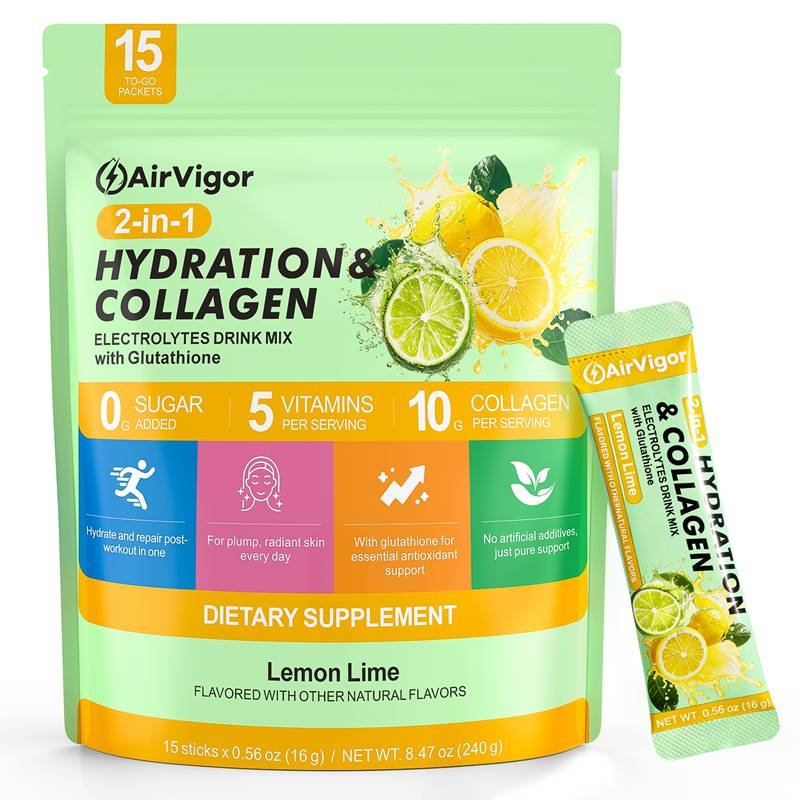
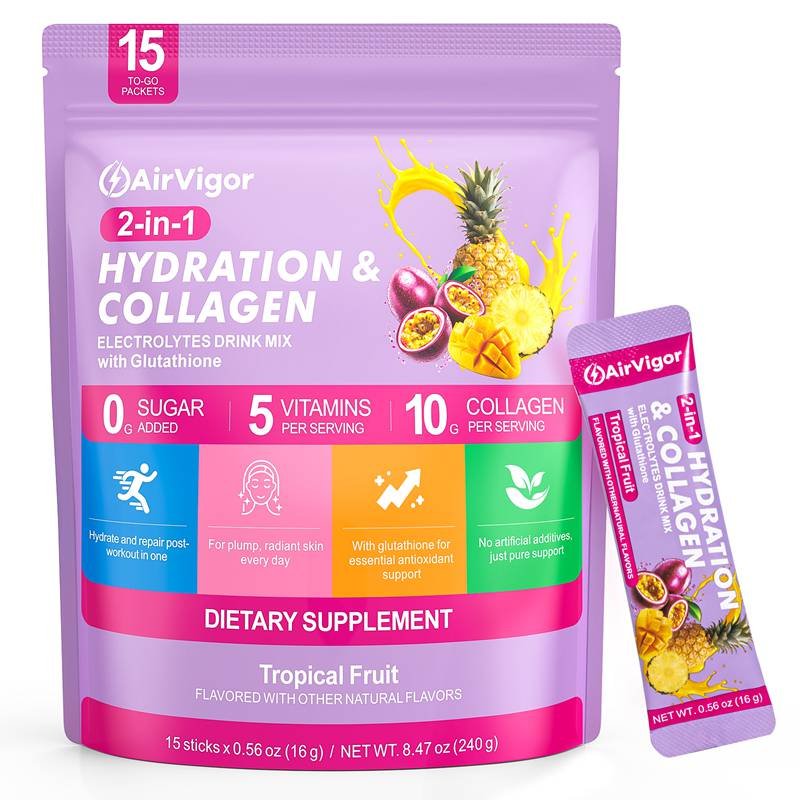
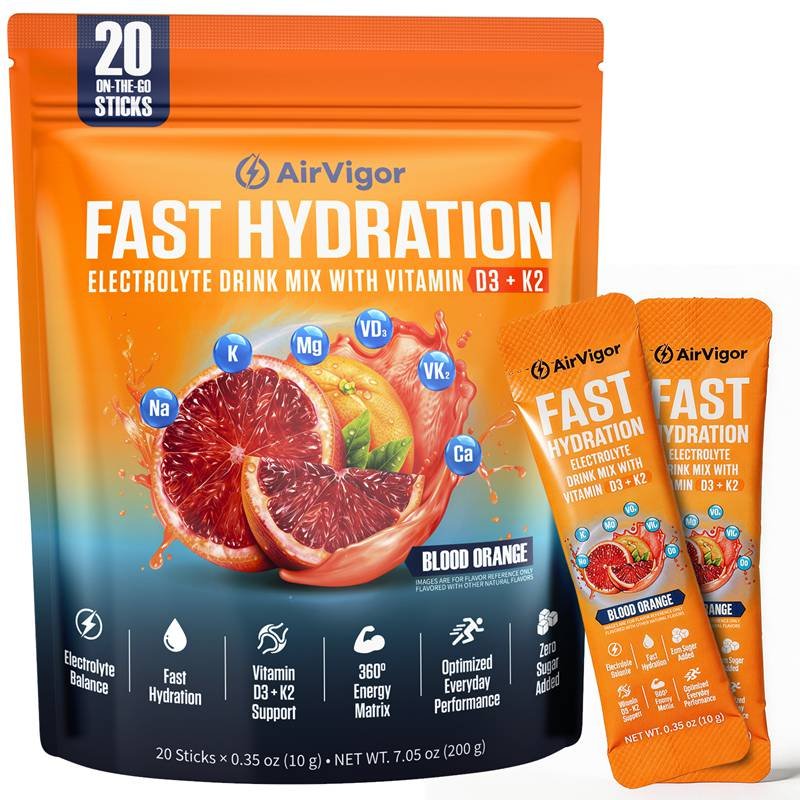
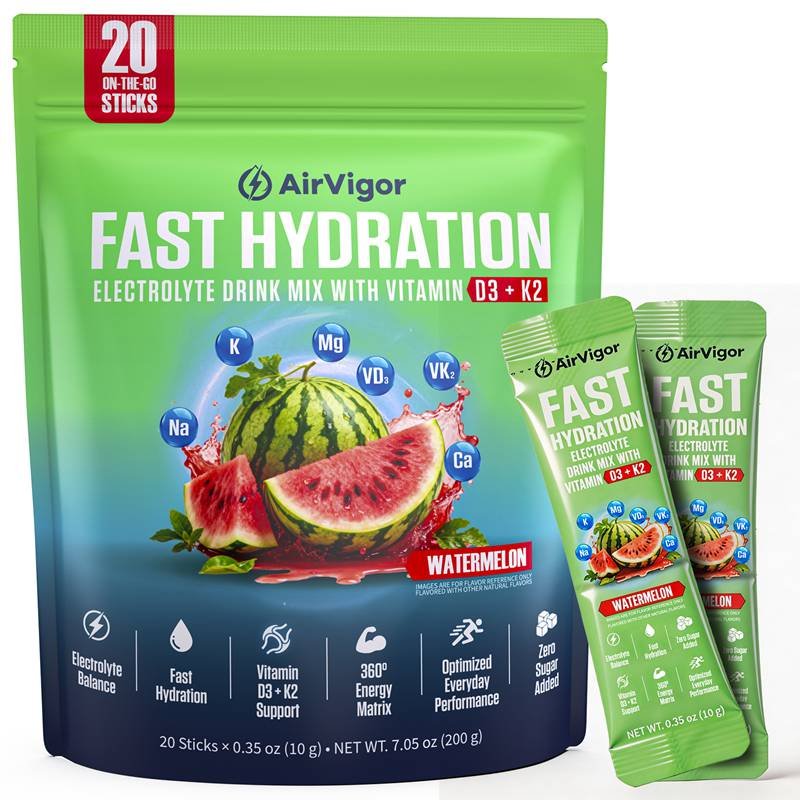
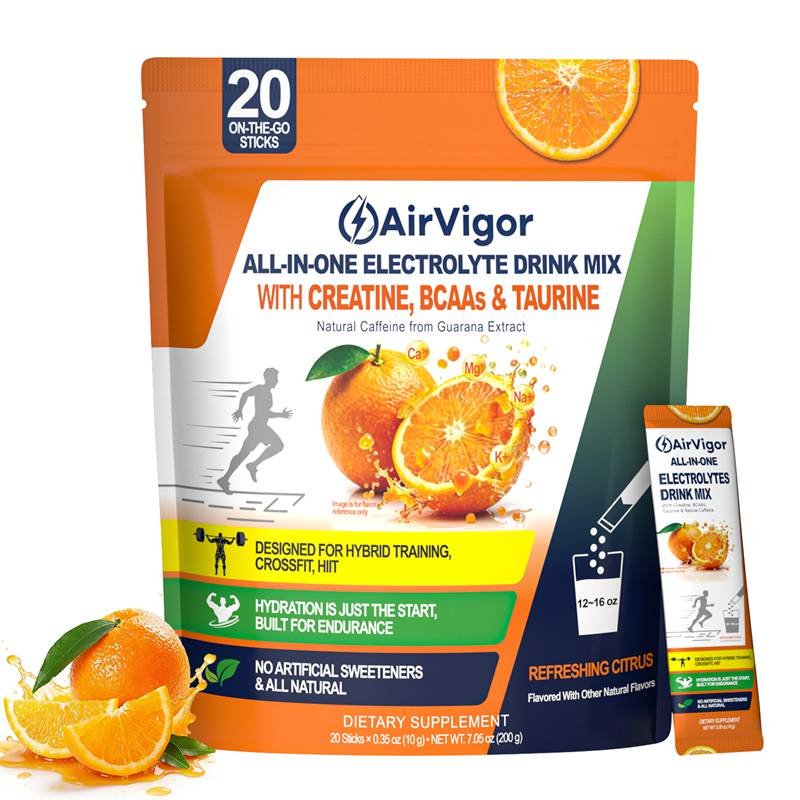
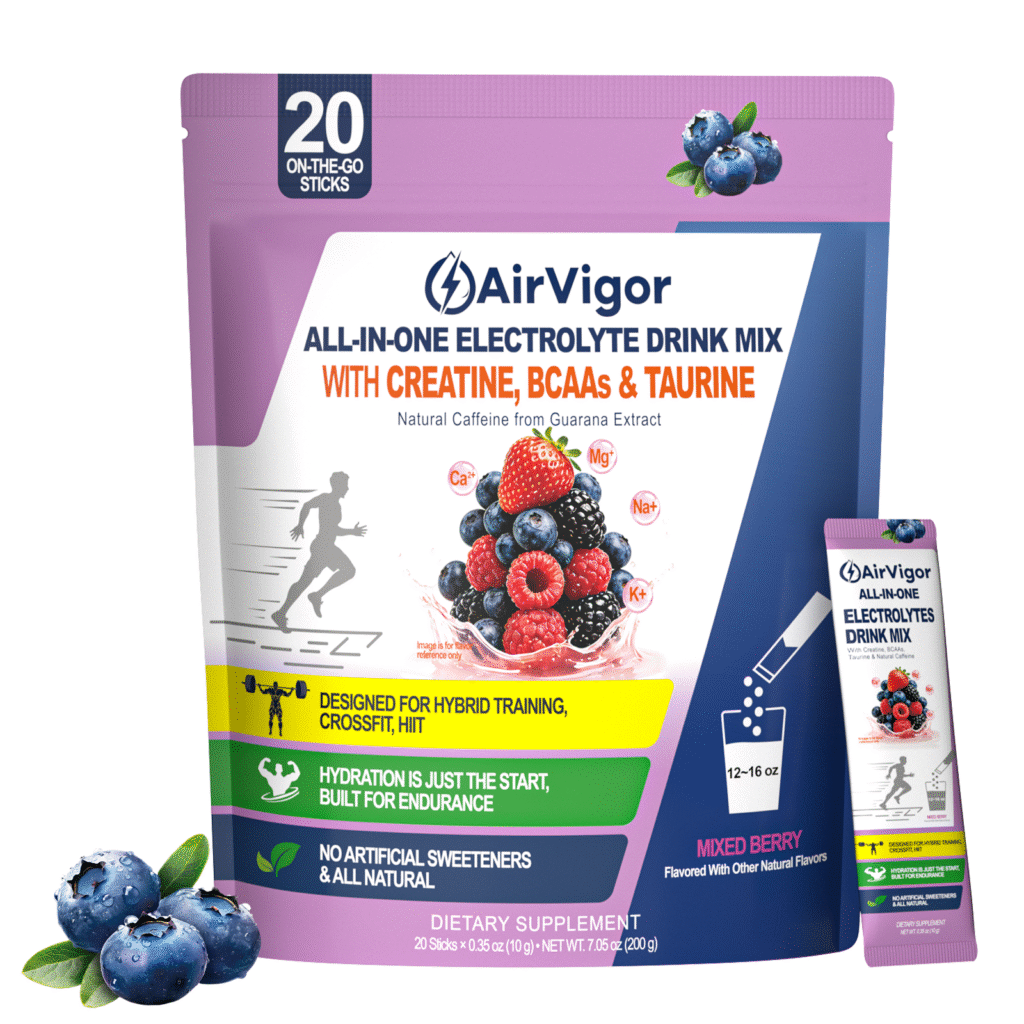
At AirVigor, we help brands develop hydration products designed around how people actually live today. From electrolyte stick packs and low-sugar hydration powders to collagen electrolyte blends and wellness-focused drink mixes, our team supports brands looking to create products that combine functionality, portability, pleasant flavor systems, and long-term usability.
If you are planning to launch your own electrolyte powder brand or expand your hydration product line, this is an ideal time to explore modern hydration products designed for current consumer habits, evolving wellness trends, and real-world daily use.
Share:
Contact Expert Team
At AirVigor, performance becomes effortless. We transform advanced nutrition science into clean, effective supplements that help you hydrate, recover, and feel stronger every day. Shop AirVigor Supplements on Amazon and experience athlete-trusted formulas—backed by real science and supported by our world-class R&D and production capabilities.
Trust AirVigor
At AirVigor, turning your performance goals into reality is no longer a struggle—it’s a science-driven journey we build together. Whether you’re a runner, lifter, cyclist, yogi, outdoor athlete, or someone simply seeking better daily energy, AirVigor transforms advanced nutrition research into clean, effective, and trustworthy supplements you can feel.
Backed by our U.S. scientific team, global certifications, and world-class production standards, every formula is engineered to deliver real hydration, real recovery, and real performance. And when you’re ready to experience the difference, you’ll find AirVigor products available on Amazon and other major platforms—fast shipping, consistent quality, and a community of athletes already seeing results.
Behind the scenes, our R&D and manufacturing ecosystem also supports specialized formulation development, ensuring AirVigor continues to lead with innovation while keeping quality and safety uncompromised. But at the core, everything we create is built for you—your health, your performance, your momentum.
Choose AirVigor. Feel the science. Elevate your every day.


Subscribe to our newsletter
Sign up to our newsletter and we’ll keep you up to date with the latest arrivals.