Skip to content
Does Vitamin C Help Hydration:Simple Answer Guide
# Your Trusted Dietary Supplement Brand In US
- Emily

Table of Contents
Most people think hydration starts and ends with drinking more water. In daily life, it is rarely that simple. You may drink several bottles of water and still feel dry, tired, unfocused, or slow to recover after exercise. You may finish a workout, drink plain water, and still feel heavy or depleted. You may sit in an air-conditioned office all day and notice dry mouth, afternoon fatigue, or dull skin even though your water bottle is always nearby.
The reason is that hydration is not only about water intake. It is also about how well your body absorbs, transports, and uses that water. Electrolytes such as sodium, potassium, and magnesium help regulate fluid movement. Vitamin C works differently. It does not replace electrolytes, but it helps support the body systems that make hydration feel more complete, especially when the body is under stress from heat, sweat, travel, fatigue, or irregular routines.
Vitamin C can support hydration indirectly by helping protect cells from oxidative stress, supporting normal collagen formation for blood vessels and connective tissues, and helping the body maintain better function during physical and environmental stress. It does not hydrate the body by itself, but when paired with electrolytes, it can make a hydration formula more useful for real-life situations.
This is why more customers are paying attention to Vitamin C hydration products. They are not only looking for “more water.” They want hydration that feels cleaner, lighter, and more practical: better daily energy, less heavy sweetness, easier recovery, and a routine they can use consistently. The real question is not whether Vitamin C acts like water. The better question is how Vitamin C works with electrolytes to support a smarter hydration routine.
What Is Vitamin C Hydration?
Vitamin C hydration means using Vitamin C as part of a broader hydration support system. It does not replace water or electrolytes, but it helps the body handle fluid-related stress more effectively. In a well-designed hydration formula, Vitamin C supports cellular health, antioxidant balance, and normal tissue function, while electrolytes directly support fluid absorption and retention.
Is Vitamin C Hydration real?
Vitamin C hydration is real, but many people misunderstand what it actually means. Vitamin C is not an electrolyte, so it does not directly control water absorption the way sodium or potassium do. However, hydration is not only about how much water you drink. It also depends on how efficiently the body uses that fluid, how well cells maintain balance, and how the body responds to stress from sweating, heat, fatigue, travel, or exercise.
This is where Vitamin C becomes useful. During periods of physical stress, the body produces more oxidative byproducts, especially after workouts, hot weather exposure, poor sleep, dehydration, or long workdays. As this stress builds, many people begin noticing small but consistent signs that hydration alone may not fully solve the problem.
Common situations include:
- Feeling tired even after drinking water
- Dry mouth or dry skin during the day
- Slower recovery after exercise
- Afternoon fatigue during long work hours
- Feeling “dehydrated” despite high water intake
Vitamin C helps support antioxidant protection and healthier cellular function during these situations. This does not mean Vitamin C directly hydrates the body, but it can help hydration feel more complete when used together with electrolytes.
Many users notice this difference in real life. Drinking plain water after sweating may reduce thirst temporarily, but hydration formulas that combine electrolytes with Vitamin C often feel more stable afterward because they support both fluid balance and recovery support at the same time.
| Hydration Situation | What the Body Experiences | Why Vitamin C May Help |
|---|---|---|
| Exercise | Sweat, fatigue, oxidative stress | Supports recovery processes |
| Hot weather | Higher fluid demand | Supports stress response |
| Travel | Dry air and irregular intake | Supports daily wellness balance |
| Long workdays | Fatigue and inconsistent hydration | Helps support cellular function |
| Poor recovery | Increased physical stress | Works alongside electrolytes |
Another reason Vitamin C hydration has become more popular is changing consumer behavior. Many people are moving away from traditional sports drinks that feel overly sugary or heavy for regular use. Instead, they are looking for hydration products that fit more naturally into daily life.
Consumers increasingly prefer products that:
- Feel lighter and easier to drink
- Support both hydration and recovery
- Work for workouts as well as normal daily routines
- Use cleaner ingredient labels with transparent dosages
This shift has increased demand for hydration products that combine electrolytes with supportive nutrients such as Vitamin C.
In product development, the most effective Vitamin C hydration formulas are usually balanced rather than extreme. Very high Vitamin C levels do not necessarily improve hydration performance and may make products too acidic or unpleasant for daily use. Most practical formulas focus on moderate Vitamin C levels combined with meaningful electrolyte support and lower sugar content.
| Formula Feature | Why Customers Prefer It |
|---|---|
| Moderate Vitamin C | Easier daily use without excessive acidity |
| Sodium + potassium | More effective hydration support |
| Low sugar | Better for repeat daily use |
| Portable stick packs | Convenient for travel, gym, and work |
| Clear ingredient amounts | Easier product comparison and trust |
For most people, Vitamin C hydration is not about replacing water. It is about improving the overall hydration experience so the body feels more balanced, recovery feels smoother, and hydration routines become easier to maintain consistently over time.
Do Vitamin C and Hydration connect?
Vitamin C and hydration connect through cellular health, circulation, and stress response. A hydrated body needs more than water in the stomach. Fluid must be absorbed, carried through the bloodstream, and used by cells. This process depends on mineral balance, blood volume, tissue condition, and how well the body handles stress.
Vitamin C contributes to normal collagen formation. Collagen is not only related to skin. It is also important for connective tissues and blood vessels. Since blood vessels help transport fluids and nutrients, normal vascular support is part of the larger hydration picture.
Vitamin C also supports antioxidant defense. During exercise, heat exposure, lack of sleep, or daily stress, oxidative pressure can rise. When the body is under more stress, hydration may feel less stable. People may notice fatigue, dry mouth, dull skin, slower recovery, or a “flat” feeling even when drinking enough water.
The connection becomes more useful in these situations:
- After workouts, when the body loses water and electrolytes through sweat
- During hot weather, when sweat rate and fluid demand increase
- During travel, when air pressure, dry air, and irregular meals affect hydration
- During long workdays, when caffeine, stress, and low fluid intake add up
- During recovery periods, when the body needs both fluid and nutrient support
| Situation | What Happens in the Body | Why Vitamin C May Help |
|---|---|---|
| Workout sweat | Water and sodium are lost | Supports stress and recovery processes |
| Hot weather | Fluid demand increases | Helps support antioxidant balance |
| Travel | Hydration routine becomes irregular | Adds daily nutrient support in a portable format |
| Office fatigue | Water intake may be inconsistent | Supports a cleaner hydration habit |
| Active lifestyle | Recovery demand increases | Works well with electrolytes |
This is why Vitamin C hydration is not just a trend. It reflects how modern customers think about wellness. They want simple products that do more than one thing, but they still want the formula to make sense.
Why do people search Vitamin C Hydration?
People search for Vitamin C hydration because they are trying to solve a real problem. Most are not asking a scientific question out of curiosity. They are usually dealing with fatigue, poor recovery, dry skin, sweat loss, or disappointment with plain water and sugary sports drinks.
Common customer questions include:
- Does Vitamin C help with hydration?
- Is Vitamin C good after sweating?
- Should electrolytes include Vitamin C?
- What can I drink besides water for hydration?
- Is a Vitamin C electrolyte drink better than a sports drink?
- Can hydration powder help with tiredness?
- What is a good low-sugar hydration drink?
These searches show that customers care about practical outcomes. They want to know whether a product can help them feel more stable during the day, recover better after activity, or stay hydrated without drinking something too sweet or heavy.
Most customers are looking for three things:
- Better hydration support They want something more effective than plain water during workouts, heat, travel, or long workdays.
- Cleaner daily use They want low sugar, light taste, easy mixing, and no heavy aftertaste.
- More value per serving They prefer formulas that combine hydration minerals with useful nutrients like Vitamin C, instead of buying several separate products.
| Old Hydration Product Style | New Customer Preference |
|---|---|
| High-sugar sports drinks | Low-sugar or zero-sugar powders |
| Strong artificial taste | Light, clean flavor |
| One-time workout use | Daily hydration routine |
| Unclear ingredient blends | Transparent dosages |
| Bulky bottles | Stick packs or easy-mix powder |
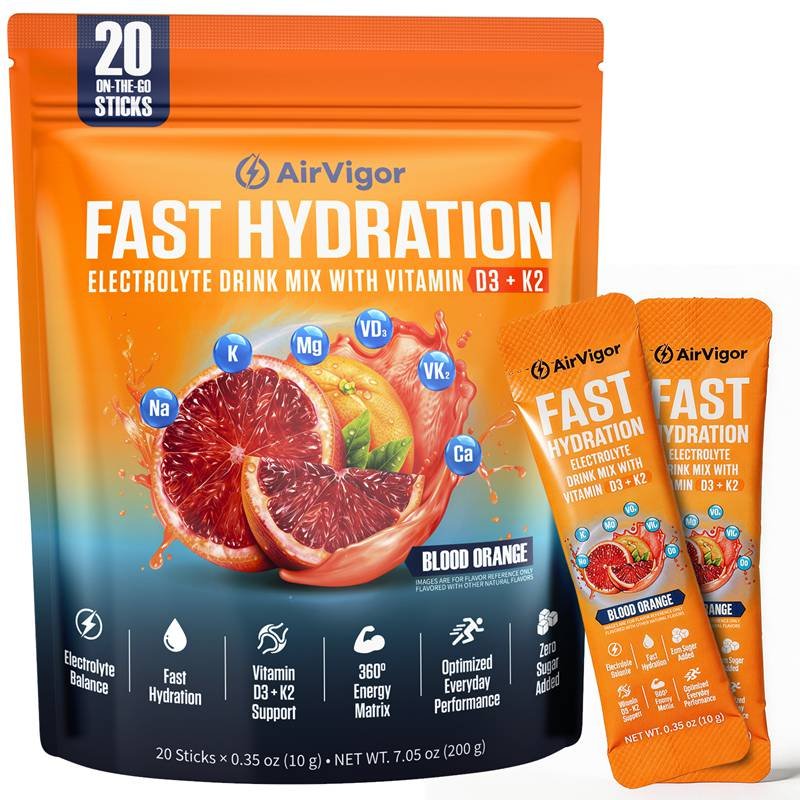
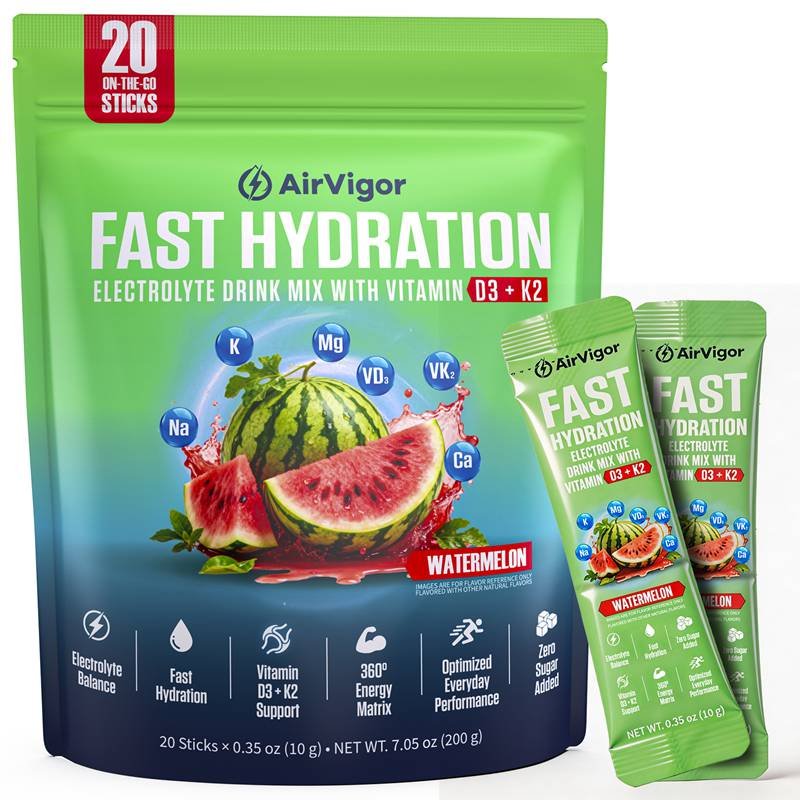
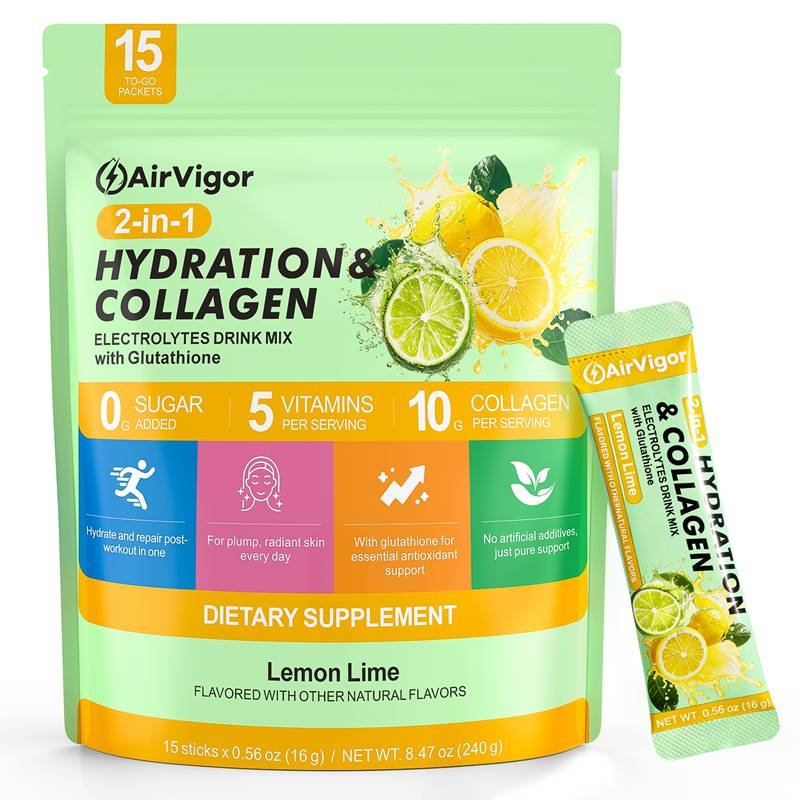
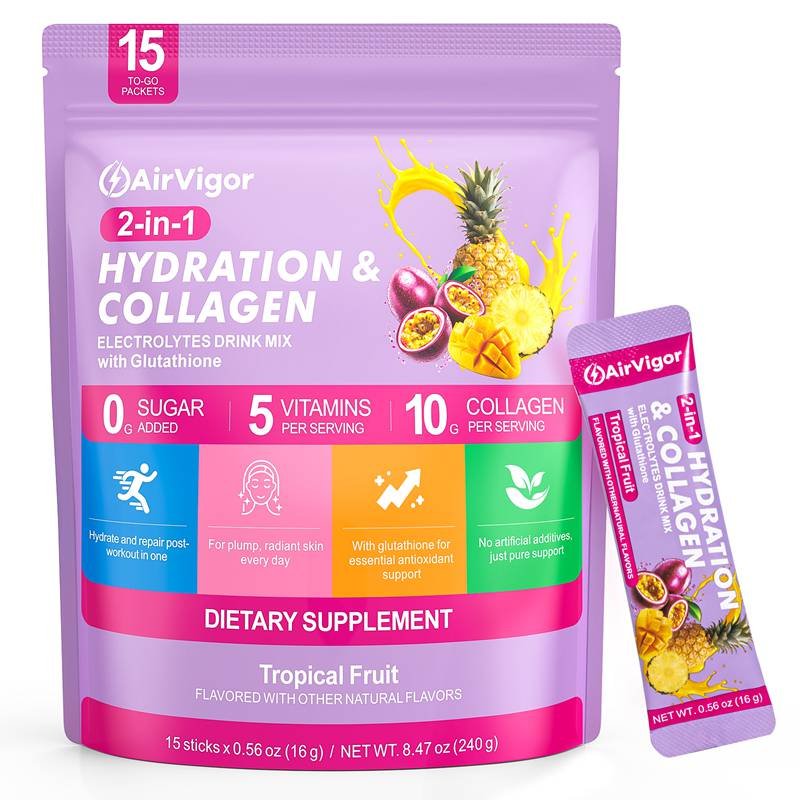
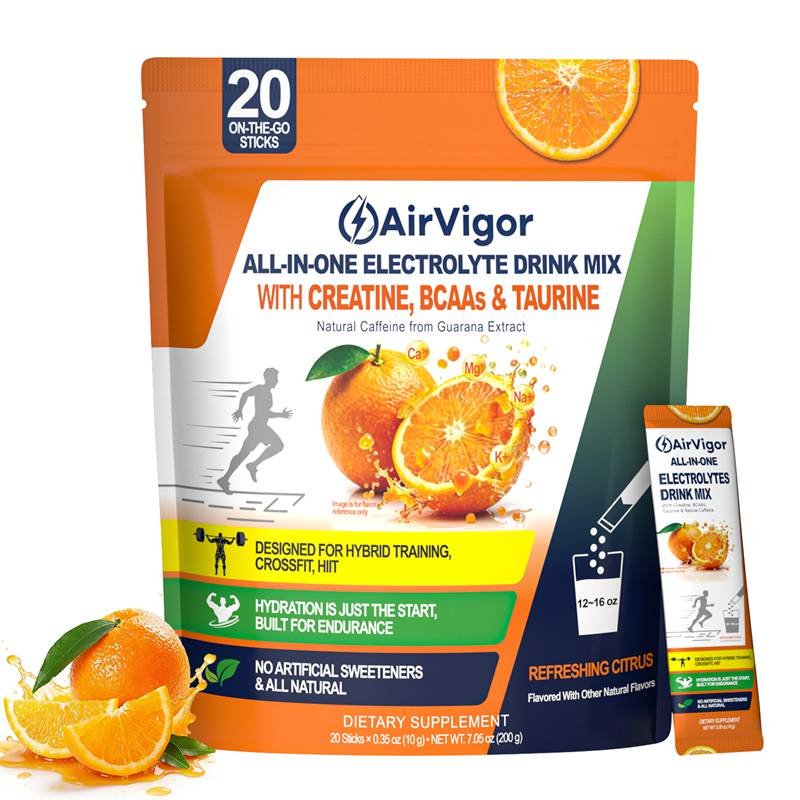
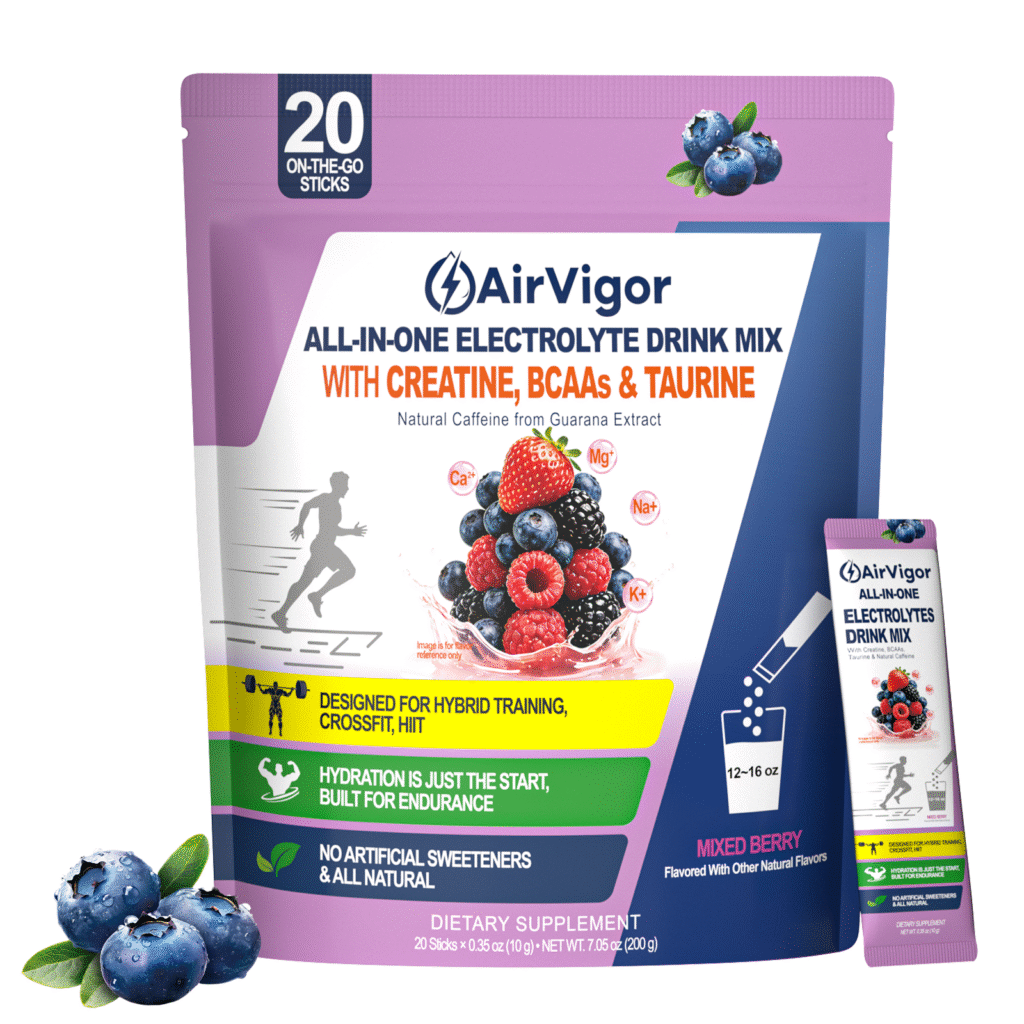
For AirVigor, this customer behavior matters. A strong hydration product should not only contain good ingredients. It should clearly explain why each ingredient is included, how much is included, when to use it, and what kind of daily routine it supports.
How Does Vitamin C Help Hydration?
Vitamin C helps hydration by supporting the body systems that influence fluid use. It does not replace electrolytes, but it supports antioxidant balance, normal collagen formation, and cellular function. This makes Vitamin C especially useful in hydration formulas designed for sweat recovery, hot weather, travel, fatigue, and active daily routines.
How does Vitamin C support Hydration?
Vitamin C supports hydration from the inside environment rather than by directly adding fluid. The body hydrates best when cells, blood vessels, muscles, and connective tissues are functioning well. Vitamin C contributes to normal collagen production, and collagen is part of the structure of skin, connective tissues, and blood vessels.
This is important because hydration is not only about drinking liquid. Water must move through the bloodstream and reach tissues. When the body is under stress, such as after training or during heat exposure, the demand for fluid transport and recovery support increases.
Vitamin C also supports antioxidant protection. During exercise, sweating, poor sleep, stress, and travel, the body may experience higher oxidative pressure. This can affect how refreshed or depleted a person feels. Vitamin C helps support the body’s natural defense system, which can make hydration support feel more complete.
Key ways Vitamin C supports hydration-related needs:
- Helps protect cells from oxidative stress
- Supports normal collagen formation
- Supports blood vessel and connective tissue health
- Helps the body respond to physical stress
- Adds recovery value to electrolyte formulas
- Fits well in daily wellness hydration products
| Function | Why Customers Care |
|---|---|
| Antioxidant support | Helps the body handle stress from workouts, heat, and fatigue |
| Collagen support | Supports tissues involved in circulation and structure |
| Cellular support | Helps maintain a better internal environment |
| Formula value | Makes hydration powder feel more complete |
| Daily use | Works well in a light, low-sugar routine |
For customers, the value is not an instant stimulant effect. Vitamin C hydration is more about steady support. It is useful for people who want a drink that fits into their day without feeling like a heavy sports drink or an overly complex supplement.
Does Vitamin C improve fluid use?
Vitamin C may support fluid use indirectly, but electrolytes are still the main nutrients responsible for hydration. Sodium supports fluid absorption and retention. Potassium helps maintain fluid balance inside cells. Magnesium supports muscle and nerve function. These minerals are the foundation of hydration.
Vitamin C supports the surrounding systems. It helps the body manage oxidative stress, supports tissue health, and contributes to normal function during recovery. This may make hydration feel more effective in situations where plain water is not enough.
A simple way to explain it:
- Water provides the fluid.
- Electrolytes help direct and retain the fluid.
- Vitamin C helps support the body while it uses the fluid.
This is especially important after sweating. Sweat contains water and electrolytes, especially sodium. If someone drinks only plain water after heavy sweating, they may replace fluid volume but still feel weak, thirsty, or slow because minerals were not restored. Adding electrolytes helps solve the core hydration issue. Adding Vitamin C brings additional support for stress and recovery.
| Intake Type | What It Provides | Best Use |
|---|---|---|
| Plain water | Fluid only | Normal thirst, low activity |
| Water + electrolytes | Fluid and key minerals | Sweat, heat, workouts |
| Water + electrolytes + Vitamin C | Minerals plus cellular and stress support | Active lifestyles, travel, fatigue, recovery |
This is why Vitamin C hydration products should not overclaim. The product is strongest when the formula is balanced. Too much Vitamin C without enough electrolytes does not create a better hydration product. A useful formula should include moderate Vitamin C and meaningful electrolyte levels.
A customer-friendly formula direction may look like this:
| Ingredient | Practical Daily Range | Main Purpose |
|---|---|---|
| Vitamin C | 100–300 mg | Antioxidant and cellular support |
| Sodium | 200–500 mg | Fluid absorption and retention |
| Potassium | 100–300 mg | Cellular hydration balance |
| Magnesium | 50–150 mg | Muscle and nerve support |
| Sugar | 0–5 g | Better daily usability |
The best hydration formula is not always the strongest. It is the one users can drink consistently without discomfort, sugar overload, or confusion.
Is Vitamin C useful for sweat Hydration?
Vitamin C is useful for sweat hydration when it is combined with electrolytes. Sweating causes direct fluid and mineral loss, especially during workouts, hot weather, outdoor activity, or long physically demanding days. The main mineral lost through sweat is sodium, followed by smaller amounts of potassium and magnesium. Because of this, Vitamin C should not replace electrolytes in a hydration formula. Electrolytes remain the core of sweat hydration support.
However, sweating is not only about losing water. It also increases physical stress throughout the body. During exercise or heat exposure, the body works harder to regulate temperature, maintain circulation, support muscle function, and recover afterward. This is where Vitamin C becomes more useful. While it does not directly replace sweat minerals, it can support antioxidant balance and normal cellular function during periods of higher stress and fatigue.
Many people notice that after sweating heavily, plain water sometimes feels incomplete. Thirst may return quickly, energy may still feel low, or recovery may feel slower than expected. In these situations, the issue is often not fluid alone. The body may also need electrolyte support and recovery support at the same time.
Sweating typically increases:
- Fluid demand
- Sodium and potassium demand
- Temperature regulation stress
- Recovery demand after activity
- Oxidative stress from physical exertion
This is one reason hydration products have evolved beyond simple flavored water. Modern consumers increasingly look for hydration formulas that support both fluid balance and post-activity recovery without feeling overly sugary or heavy.
| Activity Level | Main Body Demand | Most Practical Hydration Support |
|---|---|---|
| Light daily activity | Basic fluid replacement | Water |
| Mild sweating | Light mineral support | Water + light electrolytes |
| Gym training | Sweat replacement and recovery | Electrolytes + Vitamin C |
| Outdoor exercise | Higher sodium loss and heat stress | Stronger electrolyte formula |
| Travel or long workdays | Daily hydration consistency | Portable Vitamin C hydration powder |
The difference between hydration needs becomes clearer in real-world situations. Someone taking a short walk indoors may only need water. A person doing strength training, cycling outdoors, or exercising in hot weather often loses much more fluid and sodium through sweat. These users usually benefit more from hydration products that combine electrolytes with supportive nutrients like Vitamin C.
This is also why many hydration consumers now prefer products designed around everyday usability rather than extreme performance positioning. A practical sweat hydration formula should feel easy to use repeatedly throughout the week without becoming unpleasant or difficult to maintain.
Most users today prefer hydration products that are:
- Easy to mix quickly
- Light and clean in flavor
- Lower in sugar
- Easy to carry during travel or workdays
- Suitable for workouts and normal daily use
| Formula Feature | Why It Matters for Daily Users |
|---|---|
| Moderate electrolyte levels | Better balance for repeat use |
| Added Vitamin C | Supports recovery and wellness |
| Low sugar formula | Easier daily hydration |
| Portable packaging | Better convenience during travel and commuting |
| Clear ingredient amounts | Easier product comparison and trust |
For most people, Vitamin C is not the main driver of sweat hydration. Electrolytes still play the central role in replacing what the body loses through sweat. Vitamin C becomes valuable because it helps make hydration formulas feel more complete for people dealing with exercise, heat, fatigue, travel, and busy daily routines.

Which Nutrients Improve Vitamin C Hydration?
Vitamin C hydration works best when it is supported by the right minerals. Vitamin C can help the body manage stress and support cellular function, but electrolytes are the nutrients that directly control how fluid is absorbed, balanced, and retained. For most daily users, the best hydration formula is not built around Vitamin C alone. It should combine Vitamin C with sodium, potassium, and magnesium in a clear, balanced way.
Do electrolytes improve Vitamin C Hydration?
Yes. Electrolytes are the foundation of hydration, while Vitamin C adds support around recovery, cellular balance, and daily wellness. A hydration formula without meaningful electrolytes may still provide water and flavor, but it may not help the body retain or use fluid effectively, especially after sweating or long periods of fatigue.
The most important hydration electrolytes are sodium, potassium, and magnesium. These minerals work together to regulate how fluid moves inside and outside cells. When electrolyte levels are too low, water may pass through the body too quickly, leaving people feeling thirsty, tired, or physically drained even after drinking large amounts of fluid.
Common signs of poor electrolyte balance may include:
- Drinking a lot but still feeling thirsty
- Frequent urination after hydration
- Low energy after workouts
- Feeling “flat” during hot weather
- Muscle tightness after sweating
Vitamin C does not replace these minerals, but it supports the body while it handles fluid loss and physical stress. This is why hydration products that combine electrolytes with moderate Vitamin C often feel more complete than plain water or flavored drinks without meaningful mineral support.
| Hydration Option | What It Mainly Provides | Most Common Use |
|---|---|---|
| Plain water | Fluid only | Basic daily thirst |
| Electrolyte drink | Fluid + mineral balance | Sweat, heat, exercise |
| Electrolytes + Vitamin C | Mineral support + recovery support | Active lifestyles, fatigue, travel |
The difference becomes more noticeable after exercise or heat exposure. A person who sweats heavily during a gym session may lose several hundred milligrams of sodium in less than an hour, depending on body size, training intensity, and climate conditions. Replacing only water afterward may leave hydration feeling incomplete because sodium and potassium losses remain unaddressed.
This is one reason why hydration products have changed so much in recent years. Many consumers no longer want extremely sugary sports drinks originally designed for endurance athletes. Instead, they want hydration products that feel lighter, cleaner, and easier to use during normal daily routines such as workdays, commuting, travel, moderate workouts, and hot weather.
Balanced hydration powders with electrolytes and moderate Vitamin C fit this shift well because they support both hydration and recovery without feeling overly heavy or difficult to use regularly.
Which minerals support Hydration best?
Not all hydration minerals work the same way. Each electrolyte has a different role, and understanding those roles helps explain why some hydration products feel noticeably more effective than others.
Sodium is generally the most important hydration mineral because it directly supports fluid absorption and retention. Potassium helps maintain fluid balance inside cells, while magnesium supports muscle function and physical recovery. Together, these minerals create a more stable hydration system than water alone.
Many low-quality hydration products focus heavily on flavor or marketing claims while underdosing electrolytes. In real-world use, these formulas may taste pleasant but often fail to provide noticeable hydration support during sweating, travel, exercise, or fatigue.
A balanced electrolyte formula usually feels:
- More stable during physical activity
- Less likely to leave lingering thirst
- Easier for recovery after sweating
- More suitable for repeat daily use
| Mineral | Practical Daily Range | Main Hydration Role |
|---|---|---|
| Sodium | 200–500 mg | Fluid absorption and retention |
| Potassium | 100–300 mg | Cellular fluid balance |
| Magnesium | 50–150 mg | Recovery and muscle support |
| Vitamin C | 100–300 mg | Cellular and antioxidant support |
The most effective hydration formulas are usually balanced rather than extreme. Very high mineral levels may create unpleasant taste or stomach discomfort, while levels that are too low may not provide meaningful support. This balance is one reason modern hydration formulas increasingly focus on usability and consistency rather than simply maximizing ingredient amounts.
Sodium — the core hydration mineral
Sodium is the most important electrolyte for hydration because it helps the body retain and use fluid effectively. Without enough sodium, water may move through the body too quickly instead of staying available for hydration support.
This is especially important after sweating. During exercise or hot weather, sodium loss can increase significantly, which is why many people continue feeling thirsty even after drinking large amounts of water.
Sodium supports several important hydration functions:
- Water absorption in the intestines
- Fluid retention
- Blood volume maintenance
- Sweat replacement support
Many daily hydration formulas contain around 200–500 mg sodium per serving because this range often supports hydration without tasting excessively salty.
Low-sodium hydration products sometimes feel ineffective during workouts or heat exposure because they do not replace enough of the minerals lost through sweat. On the other hand, extremely high sodium formulas may feel unpleasant for normal daily use, especially for users with lighter activity levels.
This is why practical hydration formulas usually aim for moderate sodium levels that fit repeat daily use rather than extreme endurance-only situations.
Potassium — cellular fluid balance
Potassium works alongside sodium but focuses more on maintaining fluid balance inside cells. While sodium helps retain fluid overall, potassium helps support how cells use and maintain that fluid.
Potassium also supports:
- Muscle function
- Nerve signaling
- Cellular hydration balance
- Physical stability during sweating and exercise
When potassium intake is too low, some people may notice:
- Muscle fatigue
- Weakness during hot weather
- Feeling drained after exercise
- Slower recovery during active weeks
Most hydration formulas use moderate potassium amounts because balance matters more than extremely high doses. Products with both sodium and potassium generally feel more stable than formulas focusing heavily on only one mineral.
Magnesium — recovery and muscle support
Magnesium is not the primary hydration electrolyte, but it becomes increasingly important for people who exercise regularly or experience muscle tightness after sweating.
Magnesium supports:
- Muscle relaxation
- Nerve function
- Post-workout recovery
- Physical comfort after exercise
This is one reason magnesium is often included in hydration products aimed at gym users, active lifestyles, and recovery support. However, balance is still important. Excessively high magnesium levels may affect flavor or digestion, making the product harder to use consistently.
Many consumers today prefer hydration formulas that:
- Feel gentle on the stomach
- Support recovery without heaviness
- Work during both workouts and normal routines
- Avoid excessive sugar and artificial flavoring
This reflects a larger shift in the hydration category. Consumers increasingly want products that combine hydration, recovery, and daily wellness support in one practical format instead of using separate products for every situation.
Is sodium key for Hydration balance?
Yes. Sodium is often the difference between hydration that feels effective and hydration that feels temporary.
When the body loses sweat, sodium is usually the largest mineral lost. Depending on climate, body size, and exercise intensity, active individuals may lose hundreds or even thousands of milligrams of sodium during long workouts or outdoor activity.
If sodium intake remains too low during heavy fluid loss, people may experience:
- Persistent thirst
- Fatigue after sweating
- Headaches
- Lower workout performance
- Feeling dehydrated even after drinking water
This is why sodium is often considered the “anchor” of hydration support.
| Situation | Estimated Sodium Need |
|---|---|
| Light daily hydration | 200–300 mg |
| Moderate exercise | 300–500 mg |
| Heavy sweating | 500–1000 mg |
| Long outdoor activity | Higher individualized needs |
At the same time, hydration products should match the intended user. A very high-sodium endurance formula may not feel ideal for someone sitting at a desk all day, while a very low-sodium “wellness drink” may feel ineffective for someone exercising in hot weather.
The most practical hydration products usually aim for balance:
- Moderate sodium for fluid support
- Potassium for cellular balance
- Magnesium for recovery support
- Moderate Vitamin C for antioxidant support
- Low sugar for easier repeat use
| Formula Style | Customer Experience |
|---|---|
| Low sodium | Hydration may feel short-lasting |
| Excessively high sodium | Taste may feel too salty for daily use |
| Balanced electrolyte formula | More stable hydration experience |
| Balanced electrolytes + Vitamin C | Hydration plus recovery support |
For most consumers, the best hydration products are not necessarily the strongest formulas. They are the products that feel comfortable to drink regularly, fit naturally into daily routines, and support both hydration and recovery without excessive sweetness or overly aggressive ingredient levels.
Do You Need Vitamin C for Hydration?
You do not need Vitamin C for basic hydration if you are simply drinking water during a normal day with little sweat or stress. But Vitamin C becomes more useful when hydration demand increases. For people who exercise, travel, work long hours, live in hot climates, or often feel tired despite drinking water, Vitamin C can add meaningful support when combined with electrolytes.
Is water enough for Hydration?
For basic daily thirst, water is usually enough. However, many people are no longer dealing with simple hydration needs. Modern routines often include long work hours, indoor air conditioning, coffee intake, poor sleep, exercise, travel, and irregular meals. These factors can increase fluid demand or make hydration feel less effective.
This is why some people experience:
- Drinking plenty of water but still feeling tired
- Dry mouth or dry skin during the day
- Headaches after heat exposure
- Slow recovery after workouts
- Feeling low energy in the afternoon
In many of these situations, the issue is not only “not enough water.” Hydration may also be affected by electrolyte imbalance, sweat-related mineral loss, physical stress, poor hydration consistency, and inadequate recovery support.
For example, someone working in an air-conditioned office may drink several cups of coffee but very little electrolyte-containing fluid throughout the day. Another person may complete a 45-minute workout and replace sweat loss using only plain water. Both individuals may technically drink enough fluid while still feeling dehydrated or low in energy afterward.
| Situation | Why Water May Feel Incomplete | Better Support Option |
|---|---|---|
| Sweaty workouts | Mineral loss through sweat | Electrolytes + Vitamin C |
| Long office hours | Low hydration routine + caffeine | Light hydration powder |
| Hot weather | Increased sweat rate | Sodium + potassium support |
| Travel and flights | Dry air and irregular intake | Portable hydration mix |
| Poor sleep or stress | Fatigue and low recovery | Hydration + wellness support |
This is where Vitamin C hydration products become useful. They help bridge the gap between plain water and more complete hydration support, especially for users whose daily routines create extra stress on the body.
When to add Vitamin C Hydration?
Vitamin C hydration is most useful when the body is dealing with more than basic thirst. In real life, this often happens more frequently than people realize.
Common situations where Vitamin C hydration may help include:
1.During exercise and sweating
Sweating increases loss of water and electrolytes, especially sodium. At the same time, physical activity increases oxidative stress and recovery demand. A hydration formula with electrolytes and moderate Vitamin C can support both fluid balance and post-workout recovery.
2.During hot weather
People living in warm or humid climates often lose more fluid throughout the day, even without intense exercise. Heat exposure may increase fatigue, thirst, and low energy. Hydration formulas with electrolytes and Vitamin C are often easier to use consistently than very sugary sports drinks.
3.During travel
Flights, hotel stays, irregular meals, and dry cabin air can all affect hydration. Many travelers notice dry skin, headaches, or fatigue after flying. Portable hydration powders have become more popular because they are easier to carry and use during travel compared to ready-to-drink beverages.
4.During long workdays
Many office workers rely heavily on coffee, energy drinks, or very low fluid intake during the day. By afternoon, they may feel tired or mentally sluggish. A low-sugar hydration drink with electrolytes and Vitamin C may feel lighter and easier to use daily.
| Situation | Main Body Stress | Why Vitamin C Hydration May Help |
|---|---|---|
| Exercise | Sweat + recovery demand | Supports hydration and recovery |
| Hot climate | Ongoing fluid loss | Helps maintain hydration routine |
| Travel | Dryness + irregular schedule | Convenient wellness support |
| Office fatigue | Low hydration habits | Easier daily hydration option |
| Poor recovery | Stress + fatigue | Adds antioxidant support |
Vitamin C hydration is not only for athletes. Many regular users benefit from it simply because modern routines create low-level dehydration and fatigue more often than expected.
Who needs Vitamin C Hydration most?
Some people are more likely to benefit from Vitamin C hydration because their daily routines create higher hydration demand, more frequent fluid loss, or greater recovery pressure. In many cases, these users are not severely dehydrated, but they often feel that plain water alone does not fully support their energy, recovery, or overall daily state.
Modern lifestyles have also changed how consumers think about hydration. Many people are no longer looking only for traditional sports drinks. Instead, they want hydration products that fit naturally into work schedules, exercise routines, travel, and daily wellness habits without excessive sugar or overly aggressive formulas. This is one reason electrolyte powders with moderate Vitamin C have become increasingly popular across both fitness and general wellness categories.
1. Active lifestyle users
People with active lifestyles are among the most common users of Vitamin C hydration products. Regular exercise increases sweat loss, fluid demand, and recovery needs throughout the week. Even moderate workouts can lead to noticeable sodium loss, especially during warm weather or indoor training sessions.
Many active users commonly notice:
- Increased thirst after workouts
- Muscle tightness after sweating
- Slower recovery during busy weeks
- Feeling tired despite drinking water
This is especially common among people who train several times per week, attend fitness classes, run outdoors, cycle, hike, or exercise regularly in warm climates. For these users, hydration products that combine electrolytes with moderate Vitamin C often feel easier to maintain long term than traditional sugary sports drinks.
Another important factor is convenience. Many active consumers now prefer hydration powders that mix quickly, travel easily, and do not feel overly heavy during workouts. Products with lighter flavor systems and lower sugar content are often preferred because they fit more naturally into repeat weekly use.
2. Busy professionals and office workers
Office workers may not sweat heavily, but many still experience low-level hydration problems throughout the day. Long hours indoors, air conditioning, caffeine intake, and inconsistent water habits can all contribute to fatigue, dryness, and lower energy levels.
Many professionals report:
- Afternoon energy crashes
- Dry mouth during long meetings
- Drinking more coffee than water
- Feeling mentally sluggish late in the day
Because of this, hydration products are increasingly used outside of fitness environments. A light hydration powder with electrolytes and Vitamin C often feels more practical than large bottled sports drinks because it is easier to carry, easier to mix, and usually lower in sugar.
This category has grown significantly in recent years as more consumers look for wellness products that support productivity, focus, and daily energy rather than only athletic performance. Portable stick packs have become especially popular among office workers because they fit naturally into commuting, desk work, and travel schedules.
3. Frequent travelers
Travel can significantly affect hydration even without intense physical activity. Flights, dry cabin air, poor sleep, irregular meals, and time zone changes can all increase dehydration risk and leave people feeling physically drained.
Common travel-related complaints include:
- Dry skin after flights
- Headaches
- Fatigue during travel days
- Feeling dehydrated despite drinking water
This is one reason portable hydration powders have become increasingly common among frequent travelers. Compared with ready-to-drink beverages, hydration powders are easier to pack, lighter to carry, and more practical during flights or long travel schedules.
Products containing electrolytes with moderate Vitamin C are often preferred because they support both hydration and general wellness during physically stressful travel routines. Many travelers now use hydration powders proactively during flights rather than waiting until dehydration symptoms become noticeable afterward.
4. Wellness-focused consumers
Not everyone using Vitamin C hydration products is highly active. Many consumers simply want a cleaner and more balanced hydration routine that fits naturally into everyday life.
These users often prefer:
- Lower sugar formulas
- Lighter and cleaner flavors
- Transparent ingredient labels
- Moderate electrolyte levels
- Products suitable for daily use
Unlike traditional sports nutrition consumers, many wellness-focused users are less interested in “extreme performance” positioning and more interested in products they can comfortably use several times per week without discomfort.
This reflects a larger change in the hydration market. Consumers increasingly want products that support hydration, recovery, energy, and daily wellness together in one practical format instead of relying on separate products for every situation.
| User Group | Common Hydration Challenge | Preferred Product Features |
|---|---|---|
| Active lifestyle users | Sweat loss and recovery demand | Electrolytes + Vitamin C |
| Office professionals | Fatigue and low hydration habits | Low sugar, easy daily use |
| Travelers | Dryness and irregular schedules | Portable stick packs |
| Outdoor users | Heat and ongoing fluid loss | Stronger electrolyte support |
| Wellness-focused consumers | Long-term hydration routine | Balanced and simple formulas |
For most people, Vitamin C hydration is not about replacing water. It is about making hydration more effective, more practical, and easier to maintain consistently within real-world routines.
How Much Vitamin C for Hydration?
For hydration support, more Vitamin C is not always better. A moderate amount used consistently is usually more practical than a very high dose used occasionally. For most hydration products, 100–300 mg of Vitamin C per serving is a useful range because it supports daily wellness without making the formula feel excessive.
What is a good Vitamin C Hydration dose?
A good Vitamin C hydration dose depends on how the product is intended to be used. Hydration powders are different from high-dose immune supplements because they are usually designed for repeat daily use rather than occasional intensive intake. Most consumers want a hydration product they can comfortably drink during workouts, workdays, travel, or hot weather without strong acidity or stomach discomfort.
For this reason, moderate Vitamin C levels are often more practical than extremely high doses. In hydration formulas, balance matters more than intensity. A product with reasonable Vitamin C and effective electrolyte levels generally performs better in real-world use than a formula that focuses only on very high Vitamin C numbers.
A practical dosage range often looks like this:
| Usage Scenario | Practical Vitamin C Range | Main Purpose |
|---|---|---|
| Basic daily hydration | 75–100 mg | Light wellness support |
| Daily electrolyte hydration | 100–300 mg | Balanced daily hydration support |
| Exercise and recovery support | 200–500 mg | Added support during physical stress |
| High-dose Vitamin C supplements | 1000 mg+ | Usually not necessary for hydration |
Many customers assume higher amounts automatically mean stronger results. However, excessively high Vitamin C may create issues that reduce overall product usability. Very strong formulas can taste overly acidic, feel harsh on the stomach for sensitive users, and become difficult to use consistently over time.
This is why many modern hydration products now focus on:
- Moderate Vitamin C levels
- Meaningful sodium and potassium amounts
- Low sugar formulas
- Light, easy-to-drink flavor systems
For most people, hydration works best when the product fits naturally into daily routines rather than feeling like an “intensive supplement.”
Is high-dose Vitamin C Hydration needed?
In most situations, high-dose Vitamin C is not necessary for hydration support. Hydration depends mainly on water and electrolytes, especially sodium and potassium. Vitamin C plays a supportive role by helping the body manage stress and supporting normal cellular function, but it is not the primary driver of hydration itself.
This becomes important when evaluating hydration products. A formula may advertise extremely high Vitamin C content, but if sodium levels are too low, the actual hydration performance may still feel weak after sweating or heat exposure.
Customers today are also becoming more cautious about products that feel overly aggressive or difficult to use daily. Many prefer hydration products that:
- Taste clean and light
- Do not feel too sweet or acidic
- Are easy to drink several times per week
- Support daily wellness without excess stimulation
Compare these two common product approaches:
| Formula Style | User Experience |
|---|---|
| Very high Vitamin C + low electrolytes | Strong label appeal but limited hydration support |
| Moderate Vitamin C + balanced electrolytes | More stable and practical hydration experience |
Another important factor is consistency. Hydration products are not usually consumed once a month like occasional supplements. They are often used repeatedly throughout the week, especially by active users, office workers, travelers, and people living in warm climates. Products that feel too strong or uncomfortable are less likely to become part of a long-term routine.
Because of this, many successful hydration formulas now prioritize:
- Electrolyte balance first
- Moderate Vitamin C support
- Better flavor experience
- Lower sugar content
- Easier repeat usage
This approach aligns more closely with how people actually use hydration products in everyday life.
Can too much Vitamin C affect Hydration?
Too much Vitamin C does not usually improve hydration further and, in some cases, may reduce the overall user experience. Since Vitamin C is water-soluble, excess amounts are generally excreted rather than stored long term. For hydration products, the more important issue is often practicality rather than safety.
When Vitamin C levels become excessively high in a hydration formula, the product may become harder to use consistently. Many consumers initially assume that higher ingredient numbers automatically create a better hydration product, but this is not always true in real-world use. Hydration products are usually designed for repeat daily use, so drinkability, comfort, and routine consistency often matter more than extreme dosages.
Very high Vitamin C levels may create:
- An overly sour or sharp flavor
- Mild stomach discomfort for sensitive users
- Reduced drinkability during workouts or hot weather
- Less formula space for meaningful electrolyte support
This matters because hydration products are often used multiple times per week in situations such as workouts, commuting, travel, office routines, or hot weather. If the formula becomes unpleasant to drink regularly, long-term consistency usually decreases regardless of how strong the label appears.
Many consumers today prefer hydration products that feel lighter and easier to maintain rather than formulas designed around maximum intensity. This is one reason modern hydration products increasingly focus on balanced ingredient structures instead of simply increasing Vitamin C levels as high as possible.
| Product Design Choice | Long-Term User Experience |
|---|---|
| Extremely high Vitamin C | Strong flavor, lower repeat use |
| Moderate Vitamin C | Easier daily consistency |
| Balanced electrolytes | More stable hydration support |
| Low sugar formula | Better comfort for repeated use |
In practice, a well-balanced hydration formula often works better than an overly aggressive one. Most practical daily-use products combine moderate Vitamin C with effective electrolyte levels, lower sugar content, and convenient portability rather than relying on one oversized ingredient amount.
A practical hydration formula usually focuses on:
- Moderate Vitamin C levels
- Meaningful sodium and potassium support
- Lower sugar content for repeat use
- Easy portability and mixing
- A flavor profile suitable for frequent consumption
This also reflects broader consumer behavior across the hydration category. Many people are moving away from products that feel overly sweet, overly intense, or difficult to use daily. Instead, they increasingly prefer hydration formulas that feel clean, balanced, and sustainable within real-world routines.
For most users, hydration works best when the product is easy to drink consistently over time. In many cases, long-term usability provides more value than extremely high ingredient numbers that make the overall experience less enjoyable.

How to Choose Vitamin C Hydration Products?
A good Vitamin C hydration product is not defined by a complex formula or high numbers on the label, but by how well it fits into real-life use. Most users stop using hydration products not because they lack effectiveness, but because they are too strong in taste, feel too heavy, or are inconvenient to use consistently. A well-designed formula should be easy to understand, clearly list ingredient amounts, and offer simple usage, making it practical for daily hydration without adding unnecessary complexity.
What makes a good Vitamin C Hydration formula?
A good Vitamin C hydration formula should feel balanced, practical, and easy to use regularly. In recent years, consumer preferences in the hydration category have changed significantly. Many people are moving away from extremely sugary sports drinks and overly aggressive “performance” formulas because those products often feel too heavy for normal daily routines.
Most hydration users today are not professional endurance athletes. They are office workers, gym users, travelers, outdoor lifestyle users, and people simply trying to maintain better daily energy and hydration habits. Because of this, the most successful hydration formulas are usually the ones that fit naturally into everyday life rather than products built entirely around high ingredient numbers.
Electrolytes still remain the foundation of hydration because they directly affect how fluid is absorbed and retained in the body. Vitamin C works best when added as supportive nutritional support rather than becoming the only focus of the formula. A balanced hydration product generally combines moderate Vitamin C with meaningful sodium and potassium levels, allowing the formula to support both hydration and recovery without becoming overly intense.
A practical formula often looks like this:
| Ingredient | Practical Range | Main Purpose |
|---|---|---|
| Vitamin C | 100–300 mg | Antioxidant and wellness support |
| Sodium | 200–500 mg | Fluid absorption and retention |
| Potassium | 100–300 mg | Cellular hydration balance |
| Magnesium | 50–150 mg | Muscle and recovery support |
| Sugar | 0–5 g | Better daily usability |
One of the most common reasons customers stop repurchasing hydration products is not because the ingredients are ineffective, but because the overall experience becomes unpleasant after repeated use. Some products taste too sweet after several servings, while others leave a strong salty aftertaste or feel too heavy during workouts and hot weather.
This is why many modern hydration formulas now focus more on long-term usability:
- Cleaner flavor systems
- Moderate ingredient levels
- Better mixability
- Lower sugar content
- Easier repeat use throughout the week
For most users, hydration products work best when they are simple enough to become part of a normal routine rather than something used only occasionally.
Should Vitamin C Hydration be low sugar?
For most daily hydration situations, lower sugar is usually the more practical option. Traditional sports drinks were originally designed for high-endurance athletic performance where rapid carbohydrate intake was important. However, modern hydration products are now commonly used during office hours, moderate workouts, travel, commuting, and general wellness routines where excessive sugar is often unnecessary.
Many consumers eventually notice that high-sugar hydration drinks can become difficult to use regularly. The sweetness may feel overwhelming after repeated use, and some users experience energy spikes followed by fatigue later in the day. This has become one of the main reasons low-sugar hydration powders have grown rapidly in popularity.
| Product Type | Average Sugar Content | Most Common Use |
|---|---|---|
| Traditional sports drinks | 20–35 g | Long endurance activity |
| Moderate sugar hydration drinks | 5–15 g | Occasional workouts |
| Low sugar hydration powders | 0–5 g | Daily hydration support |
Taste now plays a major role in whether customers continue using a hydration product long term. Many users prefer lighter citrus or berry flavor profiles because they feel cleaner and easier to drink consistently. Products that taste too syrup-like or artificial are often abandoned quickly, even if the ingredient list initially looks attractive.
Low-sugar hydration products also fit more naturally into daily routines. Office workers may use them during long workdays, travelers may carry them during flights, and gym users may prefer them during lighter training sessions where excessive sugar feels unnecessary.
This shift reflects a broader trend in the hydration market. Consumers increasingly view hydration as part of overall wellness and recovery rather than only as a sports-performance category.
How to read Vitamin C Hydration labels?
Hydration labels can appear complicated at first, but most products become much easier to evaluate once consumers know which areas actually matter. The most important step is checking whether electrolyte amounts are clearly listed. Some products advertise “electrolyte support” without providing meaningful sodium or potassium levels, making it difficult to judge whether the formula can realistically support hydration.
A practical hydration label should clearly show:
| Label Area | What to Look For |
|---|---|
| Sodium | Around 200–500 mg for practical hydration support |
| Potassium | Clearly listed, often 100–300 mg |
| Vitamin C | Moderate daily-use amount |
| Sugar | Low or zero for repeat use |
| Serving instructions | Simple and realistic directions |
Consumers should also pay attention to whether the formula feels realistic for repeated use. A hydration product may look impressive on the label but become inconvenient in real life if it clumps easily, tastes unpleasant after repeated servings, or requires too much water to dilute properly.
Packaging format has also become an important purchasing factor because convenience strongly affects long-term consistency. Many consumers now prefer stick packs and single-serving sachets because they fit easily into gym bags, office backpacks, handbags, and travel luggage.
| Packaging Format | Why Many Users Prefer It |
|---|---|
| Stick packs | Convenient for commuting and travel |
| Large tubs | Better value for regular home use |
| Single-serving sachets | Easier portion control |
| Ready-to-drink bottles | Fast convenience |
Today’s hydration customers usually compare more than ingredient numbers alone. They also evaluate taste, portability, ease of use, sugar content, and whether the product fits naturally into their normal lifestyle. In many cases, the hydration products that perform best long term are not the most extreme formulas, but the ones people genuinely enjoy using consistently.
Conclusion
Hydration is no longer just about drinking more water. It is about choosing a system that helps your body absorb, retain, and use fluid effectively in real-life situations such as workouts, long workdays, travel, and heat exposure. Vitamin C does not replace electrolytes, but when used in a balanced formula, it supports recovery, cellular function, and overall hydration efficiency, making daily hydration feel more complete and stable.
For most users, the best approach is to choose a ready-to-use hydration product that is easy to mix, light in taste, low in sugar, and clearly formulated with practical levels of electrolytes and Vitamin C. Products that can be used consistently tend to deliver better long-term results than complex or high-dose formulas that are difficult to maintain. This is why well-balanced, in-stock hydration powders are often the most practical choice for everyday use.
AirVigor focuses on clear ingredient structure, reliable quality, and formulas designed for real usage scenarios, helping users build a stable hydration routine without unnecessary complexity. For those with specific needs, custom formulation is also available, but for most customers, starting with a proven, ready-made product is the simplest and most effective way to improve daily hydration.
Share:
Contact Expert Team
At AirVigor, performance becomes effortless. We transform advanced nutrition science into clean, effective supplements that help you hydrate, recover, and feel stronger every day. Shop AirVigor Supplements on Amazon and experience athlete-trusted formulas—backed by real science and supported by our world-class R&D and production capabilities.
Trust AirVigor
At AirVigor, turning your performance goals into reality is no longer a struggle—it’s a science-driven journey we build together. Whether you’re a runner, lifter, cyclist, yogi, outdoor athlete, or someone simply seeking better daily energy, AirVigor transforms advanced nutrition research into clean, effective, and trustworthy supplements you can feel.
Backed by our U.S. scientific team, global certifications, and world-class production standards, every formula is engineered to deliver real hydration, real recovery, and real performance. And when you’re ready to experience the difference, you’ll find AirVigor products available on Amazon and other major platforms—fast shipping, consistent quality, and a community of athletes already seeing results.
Behind the scenes, our R&D and manufacturing ecosystem also supports specialized formulation development, ensuring AirVigor continues to lead with innovation while keeping quality and safety uncompromised. But at the core, everything we create is built for you—your health, your performance, your momentum.
Choose AirVigor. Feel the science. Elevate your every day.


Subscribe to our newsletter
Sign up to our newsletter and we’ll keep you up to date with the latest arrivals.