Skip to content
Do You Need Pre Workout or Creatine Electrolyte Powder for Training:What Really Works
# Your Trusted Dietary Supplement Brand In US
- Emily

Table of Contents
Walk into any gym today and you will notice something changing in sports nutrition. Many active adults are no longer looking only for the strongest pre workout or the highest caffeine formula. Instead, people are paying more attention to hydration, recovery, workout consistency, and how supplements actually fit into everyday life. This is exactly why the discussion around creatine electrolyte powder vs pre workout has become one of the fastest-growing topics in modern fitness.
Creatine electrolyte powder is generally better for hydration support, workout consistency, and recovery balance, while pre workout is mainly used for fast energy, mental focus, and short-term workout intensity. The right choice depends on training style, sweat loss, stimulant tolerance, workout timing, and overall recovery needs. Many experienced gym users now combine both strategically instead of relying entirely on heavy stimulants.
A few years ago, most consumers judged workout supplements by how intense they felt within the first 15 minutes. Today, people are asking smarter questions: Will this help me recover tomorrow? Can I use this consistently? Will it affect my sleep? Does it actually support hydration during hard training? Those questions are reshaping the supplement industry — and they are exactly why more consumers are now comparing creatine electrolyte powder with traditional pre workout formulas.
What Is Creatine Electrolyte Powder?
Creatine electrolyte powder is a sports nutrition supplement designed to support hydration, muscle performance, and workout recovery in one formula. It combines creatine with key electrolytes such as sodium, potassium, magnesium, and calcium to help active users maintain fluid balance and physical performance during exercise. Compared with traditional high-stimulant workout supplements, creatine electrolyte powder is often chosen by consumers who want steadier daily support instead of short-term stimulation alone.
How Does Creatine Electrolyte Powder Work?
Creatine electrolyte powder works by supporting two major systems involved in exercise performance: muscular energy production and hydration regulation. Creatine helps the body recycle ATP, which is the primary energy source muscles rely on during short bursts of high-intensity movement such as lifting, sprinting, rowing, or interval training. As ATP stores are used during exercise, creatine helps support the body’s ability to regenerate that energy more efficiently, allowing muscles to continue performing repeated efforts.
Electrolytes serve a different but equally important role. During exercise, especially in warm environments or longer training sessions, the body loses minerals through sweat. Sodium, potassium, magnesium, and calcium help regulate fluid balance, nerve communication, and muscle contraction. When electrolyte balance drops too low, many people begin to notice reduced endurance, muscle tightness, lower workout stability, and slower recovery afterward.
This combination is one reason creatine electrolyte powder has become increasingly popular among modern fitness consumers. Instead of depending entirely on caffeine to create energy, the formula supports the body’s actual physical performance systems during training.
| Ingredient | Primary Function | Why It Matters During Exercise |
|---|---|---|
| Creatine Monohydrate | Supports ATP regeneration | Helps repeated muscular effort and training output |
| Sodium | Supports hydration balance | Helps replace sweat-related fluid loss |
| Potassium | Supports muscle contraction | Important for physical endurance and performance |
| Magnesium | Supports neuromuscular function | Commonly associated with recovery support |
| Calcium | Supports muscle signaling | Helps muscles function normally during activity |
Many active adults today train multiple times per week while balancing work, commuting, travel, and inconsistent schedules. For these consumers, hydration and sustainable performance support often feel more practical than extremely stimulant-heavy supplements.
Who Uses Creatine Electrolyte Powder?
The consumer base for creatine electrolyte powder has expanded far beyond traditional bodybuilding audiences. While creatine products were once mostly associated with strength athletes and muscle-focused gym culture, hydration-based creatine formulas now appeal to a much wider group of active consumers.
CrossFit athletes and HIIT users often choose creatine electrolyte powder because these workouts combine repeated explosive effort with heavy sweat loss. Runners and cyclists use it to help support hydration balance during longer sessions. Office professionals who train after work increasingly prefer hydration-oriented products because they do not always want high caffeine intake late in the evening. Travelers and outdoor fitness users also value the portability and convenience of stick-pack hydration formats.
Another major reason for the category’s growth is that consumers today are simplifying supplement routines. Many people no longer want separate tubs for creatine, hydration powders, recovery drinks, and performance formulas. They prefer one product that can support several training needs at the same time.
| User Type | Common Training Challenge | Why Creatine Electrolyte Powder Fits |
|---|---|---|
| Strength Trainers | Muscle fatigue during repeated sets | Creatine supports repeated power output |
| HIIT & CrossFit Users | Heavy sweating and endurance fatigue | Electrolytes support hydration balance |
| Runners & Cyclists | Long-duration fluid loss | Helps replace minerals lost through sweat |
| Evening Gym Users | Avoiding strong stimulants late at night | Lower-stimulant hydration support |
| Busy Professionals | Complicated supplement routines | Combines hydration and performance support |
| Travelers & Outdoor Users | Dehydration from travel or heat | Portable hydration support |
Women are also becoming a rapidly growing part of the category. Many female consumers now prioritize products that feel lighter, easier to drink, and more compatible with long-term wellness routines rather than aggressive gym stimulation. This reflects a larger shift happening across sports nutrition, where consumers increasingly value sustainability, recovery, hydration, and everyday usability.
Why Is Creatine Electrolyte Powder Popular?
Creatine electrolyte powder has become popular because it addresses several major concerns modern consumers have about workout supplements. Many active users today are more ingredient-aware than ever before. They compare caffeine levels, sugar content, electrolyte amounts, ingredient transparency, and daily usability before purchasing products.
This has changed the sports nutrition market significantly. Instead of focusing only on products that create the strongest immediate feeling, many users now prioritize how a supplement affects their full training week, recovery quality, and daily energy stability.
Hydration has become one of the biggest drivers behind this category’s growth. Consumers are increasingly aware that sweat loss affects far more than thirst alone. Poor hydration may influence endurance, workout quality, recovery speed, physical comfort, and overall training consistency.
At the same time, many people are reducing their dependence on high-stimulant pre workouts. While strong caffeine-based formulas may create fast energy, some users eventually experience issues such as energy crashes, sleep disruption, jitteriness, or reduced tolerance over time. Creatine electrolyte powder offers a different approach by focusing more on hydration balance and muscular support rather than intense nervous system stimulation.
| Consumer Concern | Why It Matters | How Creatine Electrolyte Powder Helps |
|---|---|---|
| Heavy Sweat Loss | Water alone may not replace lost minerals | Electrolytes help support fluid balance |
| Energy Crashes | High caffeine can feel unstable for some users | Hydration-focused support may feel smoother |
| Complex Supplement Routines | Too many products reduce consistency | Combines multiple workout support functions |
| Poor Recovery | Hydration affects post-workout recovery quality | Supports fluid and mineral replenishment |
| Evening Training | Strong stimulants may affect sleep | Many formulas are lower-stimulant or stimulant-free |
Another important reason for the category’s popularity is the changing definition of fitness itself. Many consumers today are not training only for maximum muscle size or gym performance. They are also training for better daily energy, healthier routines, physical wellness, stress management, and long-term lifestyle balance.
Creatine electrolyte powder fits naturally into that broader wellness-focused fitness culture because it supports both performance and hydration in a way that feels more sustainable for everyday use.
What Is Pre Workout?
Pre workout is a performance-focused supplement designed to increase energy, focus, workout intensity, and physical drive before exercise. Most pre workout formulas contain caffeine and other training-support ingredients that help users feel more alert and motivated during workouts, especially during high-intensity training sessions.
What Is Inside Pre Workout?
Pre workout formulas are built around the idea of helping users feel more prepared for exercise both mentally and physically. While ingredient systems vary between brands, most products focus on stimulation, endurance support, blood flow support, and workout focus.
Caffeine is usually the most important ingredient in a pre workout formula because it directly affects alertness and perceived energy. Many products also combine caffeine with ingredients such as citrulline, beta-alanine, taurine, tyrosine, B vitamins, and sometimes creatine or electrolytes.
The exact amount of caffeine can vary significantly between products. Some lower-stimulant formulas contain around 120–180 mg per serving, while stronger products may exceed 300 mg. For comparison, a regular cup of coffee often contains approximately 80–120 mg depending on brewing style and serving size.
| Common Ingredient | Main Function | Why Users Take It |
|---|---|---|
| Caffeine | Energy and alertness | Helps users feel more awake before training |
| Citrulline | Blood flow support | Often used for workout pump support |
| Beta-Alanine | Endurance support | Common in high-intensity training formulas |
| Taurine | Cellular hydration support | Often paired with stimulant systems |
| Tyrosine | Focus support | Helps support concentration during workouts |
| B Vitamins | Energy metabolism support | Frequently included in energy-focused formulas |
| Creatine | Muscle performance support | Sometimes added to complete formulas |
One important detail many consumers overlook is that not all pre workouts are equally balanced. Some products focus almost entirely on caffeine and flavor systems while providing limited support from other functional ingredients. Others use more complete formulas designed around endurance, hydration, and performance support.
This is why experienced supplement users often look carefully at the Supplement Facts panel instead of relying only on front-label marketing claims.
How Fast Does Pre Workout Work?
Pre workout is popular largely because users can usually feel its effects relatively quickly. Most people begin noticing increased alertness, focus, or workout motivation within 20–40 minutes after taking it, although timing can vary depending on body weight, caffeine tolerance, food intake, and metabolism.
The fast effect is one reason pre workout remains highly popular among gym users who:
- Train early in the morning
- Work out after long office hours
- Need motivation before intense sessions
- Perform high-volume strength training
- Prefer stronger workout stimulation
The “energy” people feel from pre workout mainly comes from nervous system stimulation rather than hydration or recovery support. This distinction is important because stimulation and physical endurance are not always the same thing.
A person may feel highly energized during the beginning of a workout but still experience:
- Rapid fatigue later in training
- Heavy sweat loss
- Reduced endurance
- Post-workout crashes
- Recovery difficulties afterward
| Workout Goal | Why Pre Workout Is Used |
|---|---|
| Early Morning Training | Helps users feel mentally awake faster |
| Heavy Strength Sessions | Supports workout intensity and drive |
| High-Volume Training | Helps maintain focus during longer sessions |
| Mentally Fatiguing Days | Helps increase perceived motivation |
| Competitive Gym Environment | Many users enjoy stronger stimulation |
Another factor affecting how pre workout feels is caffeine tolerance. A beginner who rarely drinks caffeine may feel strong effects from moderate servings, while someone consuming multiple coffees daily may barely notice the same formula.
This is why consumers increasingly compare pre workout with creatine electrolyte powder. Many users now realize that workout performance depends not only on stimulation, but also on hydration, sleep quality, and recovery balance.
Is Pre Workout Good for Daily Use?
Pre workout can be used regularly, but daily use depends heavily on stimulant levels, workout schedule, and individual caffeine sensitivity. Some people tolerate caffeine very well, while others experience negative effects even from moderate intake.
One of the biggest concerns with daily pre workout use is caffeine tolerance. Over time, the body may become less responsive to the same amount of caffeine. This often leads users to:
- Increase serving sizes
- Switch to stronger formulas
- Combine multiple stimulant products
- Depend more heavily on caffeine before exercise
Another issue is sleep quality. Many adults train after work in the late afternoon or evening. Strong stimulant formulas taken too late may interfere with sleep duration or sleep quality, even if the user still falls asleep normally.
Poor sleep then affects:
- Recovery quality
- Next-day energy
- Muscle recovery
- Workout consistency
- Daily productivity
| Daily Use Factor | Potential Concern |
|---|---|
| High Caffeine Intake | May increase tolerance over time |
| Evening Workouts | Can affect sleep quality |
| Frequent Stimulant Use | May increase reliance on energy products |
| Strong Formulas | Some users experience jitters or crashes |
| Inadequate Hydration | Stimulants alone do not replace fluid loss |
This does not mean pre workout is inherently bad. For many active adults, it remains a useful tool when used strategically. Some users reserve it for:
- Heavy training days
- Leg workouts
- Competition preparation
- Early morning sessions
- Physically demanding gym programs
On lighter training days, many consumers now prefer hydration-oriented products such as creatine electrolyte powder instead of relying on strong stimulation every session.
This balanced approach is becoming increasingly common because consumers are paying more attention to long-term workout sustainability rather than only short-term intensity.
What Should You Look for in a Pre Workout?
Choosing a pre workout today involves more than simply buying the strongest formula available. Modern consumers increasingly look for products that support performance without creating unnecessary discomfort or overly aggressive stimulation.
One of the first things users should check is caffeine content. Extremely high stimulant levels are not automatically better, especially for people training later in the day or combining multiple caffeine sources throughout daily life.
Ingredient transparency is also important. Some formulas still use proprietary blends that make it difficult to understand how much of each ingredient is actually included. Clear labeling helps consumers evaluate whether the formula realistically matches their workout goals.
Flavor quality and mixability also strongly influence long-term consistency. Products that taste overly artificial, leave heavy residue, or feel unpleasant during exercise are less likely to remain part of a regular routine.
| What to Evaluate | Why It Matters |
|---|---|
| Caffeine Amount | Helps users manage stimulant intake |
| Ingredient Transparency | Makes formulas easier to evaluate |
| Citrulline and Beta-Alanine Levels | Important for performance-focused users |
| Sugar Content | Some consumers prefer cleaner formulas |
| Mixability | Impacts overall drinking experience |
| Flavor Balance | Strongly affects long-term consistency |
| Additional Electrolytes | Useful for heavy sweaters or long sessions |
Many experienced consumers today no longer choose pre workouts only based on intensity. They also consider:
- Whether the product fits their schedule
- Whether it supports recovery habits
- Whether they can use it consistently
- Whether it affects sleep or hydration
This shift is reshaping the entire sports nutrition market. Users increasingly want products that support real training lifestyles instead of simply creating the strongest short-term sensation possible.
Creatine Electrolyte Powder vs Pre Workout for Energy
Creatine electrolyte powder and pre workout are both used to support workout energy, but the experience they provide is very different. Pre workout mainly focuses on fast stimulation and mental intensity, while creatine electrolyte powder is designed around hydration balance, muscular endurance, and steadier physical performance during training. For many modern consumers, the choice is no longer simply about “more energy,” but about which type of energy feels more sustainable and practical for real-life training routines.
Which Gives Faster Energy?
Pre workout is usually the faster-acting option because most formulas rely heavily on caffeine and other stimulants. Many users begin feeling increased alertness within about 20–40 minutes after drinking it. This immediate effect is one of the biggest reasons pre workout remains popular among gym users who train early in the morning, after long office hours, or before demanding strength sessions.
The energy from pre workout mainly comes from nervous system stimulation. Caffeine can temporarily reduce feelings of fatigue and increase mental focus, which may help workouts feel easier or more intense in the short term. Some consumers describe this as feeling “switched on” before training.
Creatine electrolyte powder creates a different type of support. Instead of pushing stimulation higher, it supports physical performance systems through hydration and ATP energy support. The effect often feels steadier and less aggressive during exercise.
| Energy Factor | Pre Workout | Creatine Electrolyte Powder |
|---|---|---|
| Main Energy Source | Caffeine stimulation | Hydration + muscular support |
| Time to Feel Effects | Usually fast | More gradual |
| Workout Sensation | Strong alertness | Stable physical output |
| Typical User Goal | Fast intensity | Long-term consistency |
| Dependence on Stimulants | Higher | Lower |
This difference becomes more noticeable during longer workouts. A person using a strong pre workout may feel extremely energized during the first half of training but begin feeling physically drained later if hydration and electrolyte balance are poor. Creatine electrolyte powder often feels more stable because the support comes from fluid balance and muscular energy systems rather than only mental stimulation.
Many consumers today are becoming more aware of this distinction. Instead of simply asking which supplement feels strongest, they increasingly want to know which product helps them maintain performance consistently throughout an entire workout.
Which Supports Longer Workouts Better?
Longer training sessions place much greater demands on hydration and muscular endurance. This is where creatine electrolyte powder often becomes more useful than traditional stimulant-heavy pre workouts.
During exercise, the body loses water and minerals through sweat. As fluid loss increases, physical performance often becomes harder to maintain. Users may notice heavier fatigue, reduced endurance, muscle tightness, or lower workout quality during the later stages of training. Creatine electrolyte powder is designed specifically to help support those areas through hydration balance and creatine support.
Creatine helps support ATP regeneration during repeated muscular effort, while electrolytes help maintain fluid balance and normal muscle function throughout exercise. Together, these ingredients create a more performance-oriented hydration system.
| Workout Situation | Why Hydration Support Matters |
|---|---|
| CrossFit & HIIT | High sweat loss and repeated explosive movement |
| Long Gym Sessions | Physical output becomes harder to maintain over time |
| Running & Cycling | Extended endurance increases fluid loss |
| Outdoor Training | Heat accelerates dehydration risk |
| Multiple Weekly Sessions | Recovery and hydration consistency become more important |
Many experienced athletes eventually notice that workout quality is not determined only by stimulation. Hydration status also strongly affects how stable energy feels across an entire session.
This is one reason creatine electrolyte powder has become increasingly popular among people training several times per week. Modern fitness users often prioritize consistency and recovery rather than chasing maximum stimulation every session.
Which Feels More Stable During Training?
One of the biggest reasons consumers move toward creatine electrolyte powder is because the overall workout experience often feels smoother and easier to manage long term.
Strong pre workouts can create a very intense feeling at the beginning of exercise, especially formulas containing large amounts of caffeine. Some users enjoy this effect, but others eventually experience issues such as energy crashes, jitters, digestive discomfort, or difficulty sleeping after evening workouts.
Creatine electrolyte powder usually produces a different feeling because hydration support is the foundation of the formula rather than heavy nervous system stimulation.
| User Experience | Pre Workout | Creatine Electrolyte Powder |
|---|---|---|
| Immediate Intensity | Strong | Moderate |
| Energy Stability | May fluctuate more | Usually steadier |
| Hydration Support | Often limited | Strong |
| Sleep Compatibility | Depends on caffeine timing | Generally better |
| Long-Term Comfort | Varies by stimulant tolerance | Often easier for regular use |
This difference matters especially for evening gym users or busy professionals who already consume coffee throughout the day. A highly caffeinated pre workout late at night may affect sleep quality, even if the user still falls asleep normally. Poor recovery and inconsistent sleep can then reduce energy levels during future workouts.
For this reason, many active adults now use pre workout more selectively. They may reserve it for heavy strength sessions or demanding training days while relying on creatine electrolyte powder for regular workouts and hydration support throughout the week.
This more balanced approach reflects how sports nutrition habits are changing. Consumers increasingly want products that support training without making recovery harder afterward.
Which Is Better for Daily Energy Support?
Daily energy support involves much more than simply feeling stimulated before exercise. Many active adults now pay attention to how supplements affect hydration, recovery quality, sleep consistency, and overall physical comfort throughout the day.
Pre workout can provide fast mental energy, but heavy daily stimulant use may become difficult for some consumers to maintain over time. Some users eventually notice reduced sensitivity to caffeine, less stable energy patterns, or dependence on increasingly stronger formulas.
Creatine electrolyte powder appeals to many consumers because the support feels more physically sustainable. Instead of forcing energy through stimulation alone, it supports hydration and muscular function in a way that fits more naturally into regular training routines.
| Daily Lifestyle Need | Why Many Users Prefer Creatine Electrolyte Powder |
|---|---|
| Frequent Weekly Training | Easier long-term consistency |
| Evening Workouts | Lower risk of sleep disruption |
| Busy Work Schedules | Portable hydration support |
| High Sweat Loss | Better fluid balance support |
| Wellness-Focused Fitness | Lower dependence on stimulants |
This trend is especially noticeable among adults balancing fitness with work, travel, family responsibilities, and recovery concerns. Many consumers are no longer looking only for products that feel extreme. Instead, they increasingly prioritize supplements that support realistic long-term performance habits.
That shift is one of the main reasons creatine electrolyte powder continues growing rapidly within modern sports nutrition markets.

Creatine Electrolyte Powder vs Pre Workout for Recovery
Recovery has become one of the biggest reasons consumers compare creatine electrolyte powder with pre workout. While pre workout mainly focuses on short-term workout intensity, creatine electrolyte powder is often chosen for hydration support, muscle recovery balance, and helping active users maintain more consistent training routines throughout the week.
Which Helps Muscle Recovery Better?
Muscle recovery is no longer something only professional athletes care about. Many everyday gym users now realize that poor recovery affects much more than soreness alone. It can influence workout consistency, energy levels, sleep quality, motivation, and overall physical performance across an entire week.
Creatine electrolyte powder is generally more recovery-oriented than traditional pre workout because its main ingredients directly support hydration and muscular function instead of primarily stimulating the nervous system.
Creatine helps support repeated muscular performance and energy regeneration during training. Electrolytes help maintain fluid balance and normal muscle function after sweat loss. Together, they create a formula structure that aligns naturally with post-workout recovery needs.
Pre workout products, by comparison, are usually designed to increase workout intensity before exercise. Many formulas focus heavily on caffeine and pump ingredients rather than hydration restoration or recovery balance afterward.
| Recovery Factor | Creatine Electrolyte Powder | Pre Workout |
|---|---|---|
| Fluid Replenishment | Strong support | Usually limited |
| Electrolyte Replacement | Included in formula | Often minimal |
| Muscle Energy Support | Creatine-based support | Depends on formula |
| Recovery Routine Compatibility | High | Moderate |
| Sleep-Friendly Use | Usually better | Depends on caffeine level |
One reason consumers increasingly value hydration-based products is because they can physically feel recovery differences over time. Many active adults report that when hydration is managed better, they experience:
- Less heavy fatigue after workouts
- Better consistency across training days
- Reduced “drained” feeling the next morning
- More stable physical energy during the week
This matters especially for people training several times weekly. A supplement routine that supports recovery quality often becomes more valuable long term than one focused only on temporary stimulation.
Which Helps Hydration Recovery More?
Hydration is one of the clearest differences between creatine electrolyte powder and pre workout.
Many pre workouts contain very little sodium or potassium despite being marketed toward people performing high-intensity exercise. Some formulas focus almost entirely on stimulation and workout pump ingredients while offering limited hydration support.
Creatine electrolyte powder is specifically built around hydration balance. This becomes increasingly important during:
- Long gym sessions
- High-sweat workouts
- Outdoor exercise
- Hot weather training
- Cardio-heavy routines
- Double workout days
Sweat loss affects far more than thirst alone. When electrolytes are not replaced properly, users may notice reduced endurance, physical fatigue, muscle tightness, headaches, or slower recovery afterward.
| Hydration Concern | Why It Matters During Recovery |
|---|---|
| Sweat Loss | Reduces both fluids and minerals |
| Sodium Depletion | Can affect energy stability and muscle function |
| Inadequate Fluid Balance | May increase post-workout fatigue |
| Hot Training Environments | Increase hydration demand significantly |
| Repeated Weekly Training | Requires more consistent recovery support |
Many active consumers underestimate how much hydration influences recovery quality. People often focus heavily on protein intake while overlooking fluid and electrolyte balance entirely.
For example, a person doing a 60-minute HIIT or CrossFit session may lose a significant amount of sodium through sweat, especially in warm conditions. Drinking plain water alone may not fully restore hydration balance if electrolyte intake remains low.
This is one reason hydration-focused sports nutrition products have expanded rapidly in recent years. Consumers increasingly want formulas that support both workout performance and recovery comfort instead of only maximizing intensity.
Which Is Better After Training?
After exercise, the body usually needs fluid replenishment, electrolyte support, and recovery-friendly nutrition. This is why creatine electrolyte powder often fits post-workout routines more naturally than pre workout.
Pre workout is designed primarily for pre-exercise stimulation. While some formulas contain performance-support ingredients, many are not structured around recovery needs after training ends.
High caffeine intake after workouts may also become problematic for some users, especially those training later in the day. Strong stimulant use may affect sleep quality, and poor sleep can reduce recovery quality significantly over time.
| Post-Workout Need | Better Fit |
|---|---|
| Hydration Restoration | Creatine electrolyte powder |
| Electrolyte Replenishment | Creatine electrolyte powder |
| Fast Stimulation | Pre workout |
| Recovery Routine Support | Creatine electrolyte powder |
| Evening Workout Compatibility | Creatine electrolyte powder |
Many users now structure their supplement routines differently based on workout timing. Morning lifters may still use pre workout for energy before training, but evening gym users increasingly prefer hydration-focused support that feels easier on recovery afterward.
Another important factor is physical comfort. Some consumers report that strong pre workout formulas feel too heavy or aggressive during intense sessions, especially when combined with stress, caffeine from coffee, or inadequate hydration.
Creatine electrolyte powder often feels lighter and easier to integrate into daily hydration habits. This matters because products that feel easier to use consistently usually become part of long-term routines more successfully.
Can You Mix Creatine Electrolyte Powder and Pre Workout?
Many active adults combine creatine electrolyte powder with pre workout because the two products support different parts of exercise performance. Pre workout is mainly used for fast energy and mental focus before training, while creatine electrolyte powder is more closely connected to hydration balance, muscle output, and workout recovery support. When used carefully, the combination can fit strength training, HIIT, CrossFit, endurance workouts, and long gym sessions.
Is It Safe to Mix Them Together?
For most healthy adults, combining creatine electrolyte powder and pre workout is generally manageable when total ingredient intake is considered carefully. The biggest issue is not necessarily the combination itself, but the fact that many users do not realize how much ingredient overlap may already exist between products.
Some pre workouts already contain creatine, sodium, taurine, or hydration-support ingredients in addition to caffeine and pump compounds. If a person adds another hydration or creatine product without checking the label, total intake may become much higher than expected.
| What Consumers Should Check | Why It Matters |
|---|---|
| Total Caffeine Amount | High intake may increase jitters or affect sleep |
| Creatine Dosage | Avoids unnecessary overlap between products |
| Sodium Levels | Important for hydration but should remain balanced |
| Workout Timing | Evening stimulant use may affect recovery quality |
| Serving Size | Moderate intake is often easier to tolerate |
One reason ingredient transparency has become increasingly important is because pre workout formulas vary dramatically between brands. Some contain moderate caffeine levels around 150–200 mg per serving, while stronger formulas may exceed 300–350 mg. Consumers who already drink coffee or energy drinks during the day should pay even closer attention to total stimulant intake.
Many experienced gym users eventually move away from the “strongest possible pre workout” mindset. Instead, they focus on supplement routines that support hydration, workout consistency, recovery quality, and realistic long-term use.
This is one reason creatine electrolyte powder has become increasingly common in modern sports nutrition routines. Many users no longer want to depend entirely on stimulants for every workout.
When Should You Take Them?
Timing depends heavily on workout style, stimulant tolerance, and personal schedule. Most people who combine both products take pre workout before exercise for mental energy and use creatine electrolyte powder before, during, or after training to support hydration and muscular performance.
A very common approach is using pre workout about 20–30 minutes before training while sipping creatine electrolyte powder during the session itself. This helps support both workout intensity and hydration balance at the same time.
| Timing Strategy | Purpose |
|---|---|
| Before Training | Pre workout supports focus and energy |
| During Training | Creatine electrolyte powder supports hydration |
| After Training | Hydration and fluid balance support |
This combination tends to work especially well during:
- High-sweat workouts
- Long gym sessions
- CrossFit training
- Hot-weather exercise
- Cardio-heavy routines
- Double training days
Many consumers eventually realize that workout quality depends on more than stimulation alone. A highly caffeinated pre workout may create strong early-session energy, but hydration balance often becomes more important later in the workout.
This is particularly noticeable during longer sessions where users may feel physically drained despite still feeling mentally stimulated.
Another major trend is that many active adults are reducing how often they use strong stimulants. Instead of taking high-caffeine pre workout every workout, some now reserve it only for:
- Heavy strength sessions
- Competition-style training
- Early morning workouts
- Physically demanding gym days
On more regular training days, they may rely primarily on creatine electrolyte powder instead. This often creates a more stable weekly workout routine.
Who Should Be More Careful With Stimulants?
Not everyone responds to caffeine the same way. Some consumers tolerate strong stimulant formulas very well, while others experience discomfort even from moderate intake.
This becomes especially important when combining multiple workout products together.
| Common Stimulant Concern | Why It Happens |
|---|---|
| Jitters | Nervous system overstimulation |
| Sleep Disruption | Caffeine remaining active too long |
| Energy Crashes | Rapid stimulation followed by fatigue |
| Increased Tolerance | Frequent high stimulant use |
| Digestive Discomfort | Formula intensity or ingredient sensitivity |
Evening gym users are usually one of the biggest groups moving toward hydration-focused products. A person taking 300 mg of caffeine after work may still feel stimulated late into the evening, even after the workout ends. Over time, inconsistent sleep quality may reduce recovery, workout consistency, and overall energy levels.
This is one reason many consumers are becoming more strategic about stimulant use. Instead of chasing maximum intensity every session, they increasingly prioritize:
- Better hydration
- More stable energy
- Recovery quality
- Sleep consistency
- Long-term workout sustainability
That broader mindset is changing how supplement routines are built across the sports nutrition market.

Why Choose AirVigor Creatine Electrolyte Powder?
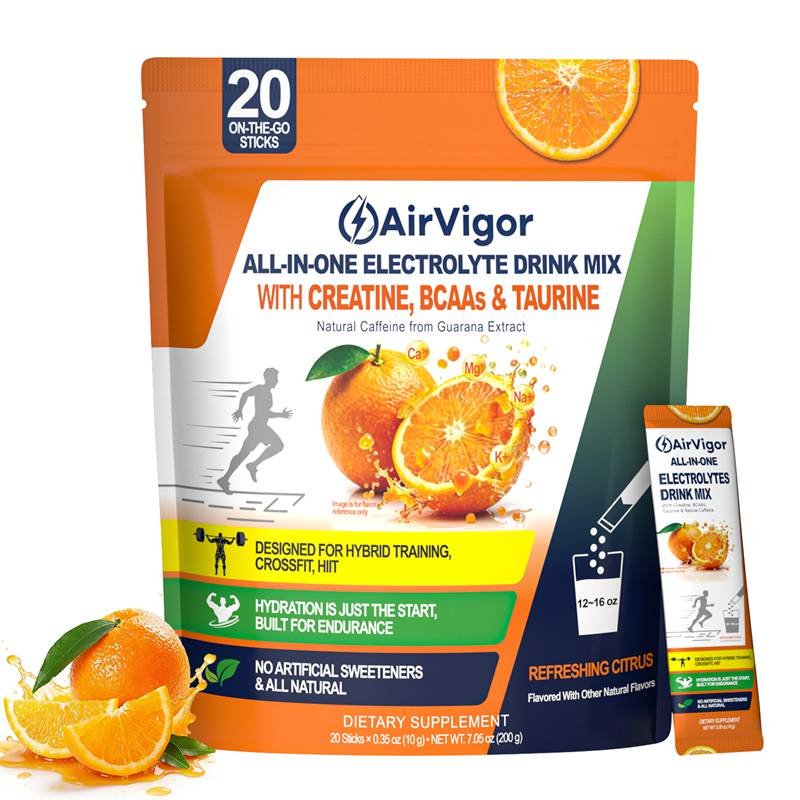
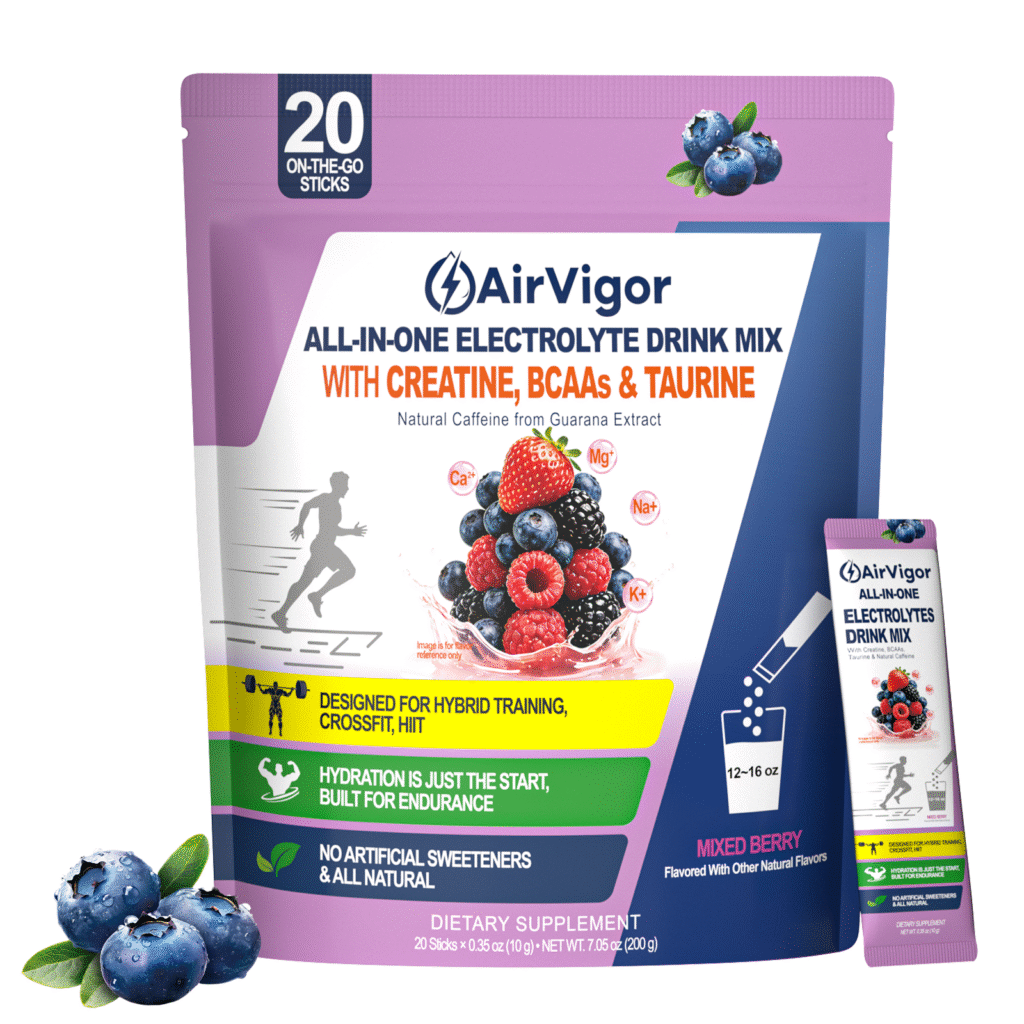
AirVigor Creatine Electrolyte Powder is designed for active consumers who want hydration support, muscle performance support, and easier daily usability in one formula. Instead of relying mainly on heavy stimulants or overly aggressive workout positioning, AirVigor focuses on practical ingredient structure, stable product quality, and long-term workout consistency.
Why Does AirVigor Focus on Real Ingredient Formulas?
Many sports nutrition consumers today pay much closer attention to ingredient labels than they did a few years ago. People increasingly compare creatine dosage, electrolyte levels, sugar content, flavor systems, and overall daily usability before deciding whether a supplement fits their routine.
This shift has changed the market significantly. Consumers are no longer buying products only because they promise extreme gym intensity. They also want supplements that feel realistic for regular use and easier to integrate into everyday life.
AirVigor develops creatine electrolyte formulas around that mindset. The formulas are designed to support hydration balance, muscular performance, and workout consistency without forcing consumers to depend entirely on very high caffeine intake.
| Formula Area | Why It Matters for Consumers |
|---|---|
| Creatine Support | Helps support repeated muscular effort during training |
| Electrolyte Balance | Important for sweat-heavy workouts and hydration |
| Practical Serving Structure | Easier for long-term daily use |
| Portable Powder Format | More convenient for gym, work, and travel |
| Lower Stimulant Dependence | Fits broader wellness-focused routines |
Many active adults today are balancing workouts with demanding schedules, commuting, travel, and inconsistent sleep. For these consumers, hydration-focused performance support often feels more practical than extremely stimulant-heavy supplements.
This trend is especially visible among adults over 30, office professionals, recovery-focused athletes, and consumers building long-term fitness habits rather than short-term gym intensity routines.
How Does AirVigor Control Product Quality?
Quality consistency has become one of the biggest concerns in modern sports nutrition. Consumers increasingly want reassurance that products are manufactured within structured systems rather than relying only on attractive packaging or marketing claims.
AirVigor supports product quality through manufacturing and management systems that include GMP production standards, HACCP systems, ISO-certified processes, FSSC22000 frameworks, and FDA registration support systems.
The company also operates with:
- 25+ nutrition and food science specialists
- Independent laboratory systems
- 30+ quality inspection personnel
- Multi-stage formula review processes
| AirVigor Manufacturing Information | Details |
|---|---|
| Production Facility Size | 30,000+ square meters |
| Manufacturing Team | 1,000+ personnel |
| Formula Optimization Models | 20,000+ completed |
| Nutrition-Related Patents | 300+ |
| Supported Product Types | Powders, capsules, gummies, liquids, tablets |
This level of manufacturing structure matters because hydration-focused sports nutrition products require more than good flavor alone. Solubility, ingredient compatibility, moisture resistance, packaging stability, and flavor consistency all affect real user experience over time.
For example, poorly formulated hydration powders may:
- Clump during storage
- Leave heavy residue
- Taste excessively salty
- Mix unevenly
- Lose flavor stability over time
AirVigor places strong emphasis on balancing ingredient functionality with practical usability. Product evaluation includes solubility testing, packaging stability review, flavor adjustment, and ingredient compatibility assessment to help products remain consistent during storage, travel, and repeated use.
Why Do Many Active Users Prefer AirVigor?
One major reason many consumers prefer AirVigor is because the products are designed around realistic daily use instead of only short-term workout intensity.
Modern fitness consumers increasingly care about:
- Recovery quality
- Hydration balance
- Workout consistency
- Sleep compatibility
- Daily comfort
- Long-term sustainability
AirVigor creatine electrolyte products are built to support these priorities.
| Consumer Preference | How AirVigor Supports It |
|---|---|
| Easier Daily Hydration | Portable powder formats |
| Consistent Workout Support | Creatine + electrolyte combination |
| Simpler Supplement Routine | Multiple support functions in one formula |
| Better Workout Recovery | Hydration-focused formula structure |
| Long-Term Use Comfort | Less reliance on extreme stimulation |
Convenience also plays a major role in long-term supplement consistency. Many active adults no longer want complicated systems involving several tubs, multiple scoops, and separate hydration products.
Portable stick-pack formats allow users to carry creatine electrolyte powder easily during:
- Gym sessions
- Office routines
- Travel
- Outdoor activities
- Weekend sports
- Daily commuting
This practicality matters because supplements that are easier to use consistently are far more likely to become part of stable long-term routines.
Consumers also increasingly prefer workout products that feel smoother and easier to tolerate. Many highly aggressive workout supplements may create issues such as excessive sweetness, digestive discomfort, strong crashes afterward, or difficulty sleeping after evening training.
Hydration-focused formulas often feel more balanced during repeated weekly use, especially for consumers training several times per week while balancing work and daily responsibilities.
Why Does AirVigor Fit Modern Fitness Lifestyles?
Fitness culture itself has changed significantly in recent years. Many consumers are no longer training only for maximum muscle size or extreme gym performance. They are also training for better daily energy, physical wellness, recovery support, stress management, and healthier long-term routines.
This broader wellness-focused approach aligns naturally with hydration-based sports nutrition products.
| Modern Fitness Trend | Why Hydration-Based Products Fit |
|---|---|
| Hybrid Training Styles | Combines cardio, strength, and endurance support |
| Higher Hydration Awareness | Consumers understand sweat loss affects performance |
| Recovery-Focused Training | Sleep and recovery matter more long term |
| Lower Stimulant Dependence | Many users moderate caffeine intake |
| Portable Fitness Habits | Convenience improves consistency |
AirVigor develops products around these evolving habits rather than older “extreme stimulation” trends. The company focuses on creating formulas that support real-life training schedules and sustainable workout routines.
This approach also supports global consumers more effectively. AirVigor adapts product presentation, packaging, and labeling for multiple international markets including North America, Europe, Japan, Korea, Australia, and Southeast Asia, helping products fit different consumer expectations and regional requirements.
For many active adults today, the best sports nutrition product is not necessarily the one that feels strongest during the first few minutes after drinking it. It is the product that supports hydration, recovery, workout consistency, and realistic daily use over the long term.
Conclusion
Choosing between creatine electrolyte powder and pre workout depends on what your body truly needs during training. Pre workout is often used for fast energy and workout intensity, while creatine electrolyte powder focuses more on hydration balance, muscular performance, and recovery consistency.
For many active adults today, long-term workout quality is no longer only about stronger stimulation. Better hydration, steadier energy, easier recovery, and sustainable training habits are becoming more important parts of fitness routines.
AirVigor Creatine Electrolyte Powder is designed around these modern training needs, combining hydration-focused electrolytes with practical creatine support in a formula built for real daily use, consistent performance, and long-term workout support.
Share:
Contact Expert Team
At AirVigor, performance becomes effortless. We transform advanced nutrition science into clean, effective supplements that help you hydrate, recover, and feel stronger every day. Shop AirVigor Supplements on Amazon and experience athlete-trusted formulas—backed by real science and supported by our world-class R&D and production capabilities.
Trust AirVigor
At AirVigor, turning your performance goals into reality is no longer a struggle—it’s a science-driven journey we build together. Whether you’re a runner, lifter, cyclist, yogi, outdoor athlete, or someone simply seeking better daily energy, AirVigor transforms advanced nutrition research into clean, effective, and trustworthy supplements you can feel.
Backed by our U.S. scientific team, global certifications, and world-class production standards, every formula is engineered to deliver real hydration, real recovery, and real performance. And when you’re ready to experience the difference, you’ll find AirVigor products available on Amazon and other major platforms—fast shipping, consistent quality, and a community of athletes already seeing results.
Behind the scenes, our R&D and manufacturing ecosystem also supports specialized formulation development, ensuring AirVigor continues to lead with innovation while keeping quality and safety uncompromised. But at the core, everything we create is built for you—your health, your performance, your momentum.
Choose AirVigor. Feel the science. Elevate your every day.


Subscribe to our newsletter
Sign up to our newsletter and we’ll keep you up to date with the latest arrivals.