Skip to content
Do You Need Electrolytes or Sports Gel for Better Workout Performance : Performance Guide
# Your Trusted Dietary Supplement Brand In US
- Emily

Table of Contents
Many people assume workout fatigue always means they need more energy, but that is not always true. In real training situations, performance often drops because of dehydration, sodium loss, heat stress, or poor fluid balance long before the body fully runs out of carbohydrates. This is why many runners, gym users, cyclists, and active consumers feel exhausted even after using sports gels or drinking large amounts of water.
Electrolytes and sports gels support the body in completely different ways. Electrolytes mainly help manage hydration, mineral balance, muscle function, and sweat recovery, while sports gels are designed to provide fast carbohydrates during longer endurance exercise. For shorter workouts and daily fitness routines, hydration often matters more than extra calories. During marathons, long rides, or extended cardio sessions, many athletes eventually need both hydration and fuel support working together.
As hydration products continue expanding beyond traditional sports nutrition, consumers are becoming far more selective about what they use every day. People now look for products that feel lighter, easier to carry, less sugary, and practical enough for workouts, travel, recovery, and daily routines. Understanding the real difference between electrolytes vs sports gel can help consumers avoid common workout mistakes and choose products that better match their training style and lifestyle needs.
What Are Electrolytes vs Sports Gel?
Electrolytes and sports gels are both common workout supplements, but they solve different physical needs. Electrolytes mainly help manage hydration and mineral balance, while sports gels mainly provide quick carbohydrates for endurance energy during longer exercise sessions.
How Do Electrolytes Work?
Electrolytes help the body manage fluid balance, muscle contractions, nerve signaling, and sweat recovery. They are especially important during workouts, heat exposure, travel, and situations where water alone may not fully replace what the body loses.
Most people first notice electrolyte problems during exercise. They may feel heavy legs, headaches, muscle tightness, unusual fatigue, or a sudden drop in workout quality even though they are drinking water. In many cases, the issue is not only fluid loss — it is also mineral loss.
When the body sweats, it loses both water and electrolytes together. Sodium is usually the largest mineral lost through sweat, followed by potassium, magnesium, and smaller amounts of calcium and chloride.
| Main Electrolyte | Primary Role in the Body | Why Active Users Care |
|---|---|---|
| Sodium | Helps regulate fluid balance | Important during sweating and heat |
| Potassium | Supports muscle and nerve function | Helps maintain normal muscle activity |
| Magnesium | Supports muscle relaxation | Often associated with post-workout comfort |
| Calcium | Helps muscle contraction | Supports movement and coordination |
| Chloride | Works with sodium in hydration balance | Helps maintain fluid regulation |
Many customers assume sports hydration only matters during extreme exercise, but modern lifestyles quietly increase dehydration risk every day.
Common situations that increase fluid and electrolyte loss include:
- Coffee-heavy mornings
- Long office hours in air-conditioned rooms
- Frequent travel and flights
- Outdoor work or commuting
- Hot weather training
- Sweaty gym sessions
- Poor daily water intake
This is why electrolyte powders are no longer used only by marathon runners. Today, consumers commonly use them during workdays, travel, gym routines, outdoor activities, and recovery periods.
| Modern Electrolyte Use | Why Consumers Use It |
|---|---|
| Morning hydration | Helps after overnight fluid loss |
| Gym training | Supports sweat replacement |
| Travel | Dry cabin air can increase dehydration feeling |
| Outdoor activity | Heat exposure increases fluid needs |
| Recovery support | Helps rehydrate after sweating |
| Long workdays | Encourages more consistent hydration habits |
Another major reason electrolyte products are growing rapidly is convenience. Portable stick packs and fast-mixing powders fit much more naturally into modern routines than traditional bottled sports drinks.
Customers today also care more about:
| Customer Preference | Why It Matters |
|---|---|
| Lower sugar formulas | Easier daily use |
| Portable packaging | Travel and gym convenience |
| Lighter taste | Better long-term usability |
| Clear ingredient labels | Easier product understanding |
| Fast mixing | Faster preparation and less mess |
This shift has changed the hydration category completely. Consumers are no longer looking only for “sports drinks.” Many now want hydration products that feel practical enough for everyday life.
How Does Sports Gel Work?
Sports gels are concentrated carbohydrate products designed mainly for endurance exercise. Their primary role is to provide fast energy during activities where the body gradually runs low on stored carbohydrates.
During longer exercise sessions, the body uses glycogen as fuel. Glycogen is the stored form of carbohydrates found mainly in muscles and the liver. As exercise continues for long periods, especially during running or cycling, glycogen stores gradually decline.
Sports gels are designed to help delay this energy drop.
| Common Sports Gel Ingredient | Purpose |
|---|---|
| Maltodextrin | Fast carbohydrate source |
| Glucose | Quick energy delivery |
| Fructose | Additional carbohydrate absorption pathway |
| Caffeine | Mental alertness and perceived energy |
| Sodium | Small hydration support addition |
Most sports gels provide around 20–30 grams of carbohydrates per serving. Some also contain caffeine because many endurance athletes want both energy and mental stimulation during races or long training sessions.
Sports gels are commonly used during:
- Marathons
- Long-distance cycling
- Triathlons
- Endurance races
- Multi-hour hikes
- Extended cardio training
| Activity Type | Why Sports Gels Are Used |
|---|---|
| Marathon running | Long-duration carbohydrate demand |
| Cycling | Portable fuel during rides |
| Triathlon | Easy mid-race carbohydrate intake |
| Hiking | Convenient energy without carrying meals |
| Endurance cardio | Helps maintain output over time |
However, sports gels are often misunderstood by beginners.
A gel is not mainly a hydration product. It is primarily an energy product.
Many customers mistakenly use sports gels during short workouts where extra carbohydrates are not really necessary. Others take multiple gels during long sessions but forget to drink enough water or replace sodium.
This can create several problems:
| Common Sports Gel Mistake | Possible Result |
|---|---|
| Taking gels without water | Stomach discomfort |
| Overusing caffeine gels | Jitters or nausea |
| Too many carbohydrates at once | Heavy or bloated feeling |
| Ignoring electrolytes | Cramp-prone feeling and fatigue |
| Using gels for short workouts | Unnecessary sugar intake |
This is why many endurance athletes now combine sports gels with electrolyte drinks instead of relying on one product alone.
Another major trend in sports nutrition is that consumers increasingly want products that feel easier on the stomach. Extremely thick, sugary, or artificial-tasting gels are becoming less popular among many users.
Customers now look for:
- Smoother texture
- Cleaner flavor systems
- Easier digestion
- Balanced sweetness
- Better portability
- Simpler ingredient labels
The sports nutrition market is gradually shifting away from “extreme sports only” positioning toward more realistic long-term usability.
Electrolytes vs Sports Gel: What Is the Real Difference?
The biggest difference between electrolytes and sports gels is that electrolytes mainly support hydration and mineral balance, while sports gels mainly support carbohydrate energy during endurance exercise.
They are not direct replacements for each other.
| Comparison Area | Electrolytes | Sports Gel |
|---|---|---|
| Main purpose | Hydration and mineral support | Fast carbohydrate energy |
| Best for | Sweat loss and fluid balance | Long endurance sessions |
| Calories | Usually low | Usually higher |
| Sugar level | Often lower | Usually higher |
| Daily use suitability | Very high | More situational |
| Stomach comfort | Often lighter | Can feel heavy if overused |
| Workout type | Gym, travel, heat, recovery | Marathon, cycling, endurance |
For most casual gym users or active lifestyle consumers, electrolytes are often more useful because their workouts mainly create fluid and sweat loss rather than major glycogen depletion.
Sports gels become more useful once exercise lasts long enough for carbohydrate depletion to matter.
A simple way to think about it is:
- Electrolytes help the body manage water.
- Sports gels help the body manage fuel.
This distinction matters because many people treat all workout supplements as if they solve the same problem.
For example:
| Situation | More Helpful Choice |
|---|---|
| Hot yoga session | Electrolytes |
| 45-minute gym workout | Electrolytes |
| Summer hiking | Electrolytes |
| Marathon race | Electrolytes + sports gel |
| Long cycling ride | Electrolytes + sports gel |
| Daily hydration support | Electrolytes |
This is also why hydration products have expanded far beyond sports communities.
Today’s consumers increasingly use electrolyte products because they fit modern lifestyle needs:
- Busy schedules
- Frequent travel
- Heat exposure
- Long workdays
- Fitness routines
- Outdoor activities
- Recovery support
For brands like AirVigor, this creates a strong opportunity to position electrolytes not only as workout products, but as practical daily hydration support designed for modern active lifestyles.
Electrolytes vs Sports Gel for Hydration
Electrolytes are generally more effective for hydration because they help the body manage both fluid and mineral balance during sweating, heat exposure, and physical activity. Sports gels mainly provide carbohydrates for endurance energy and are not designed to fully replace the water and electrolytes lost through sweat.
Do Electrolytes Hydrate Better Than Sports Gel?
Many people assume hydration simply means drinking more water, but the body’s hydration system is much more complex than fluid intake alone. During exercise, especially in warm environments, the body loses water together with important minerals like sodium and potassium. If those minerals are not replaced, some people continue feeling tired, thirsty, or physically drained even after drinking plenty of water.
This is why electrolyte products have become increasingly common not only among athletes, but also among office workers, travelers, outdoor users, and gym consumers. Modern lifestyles often create mild dehydration without people fully noticing it. Long hours in air-conditioned environments, coffee-heavy mornings, frequent flights, and irregular water intake all affect hydration quality throughout the day.
| Hydration Method | Main Role | Common Limitation |
|---|---|---|
| Plain water | Replaces fluid volume | Does not replace minerals lost through sweat |
| Electrolytes | Supports fluid and mineral balance | Usually lower in calories |
| Sports gel | Provides carbohydrates for endurance fuel | Not designed for hydration support |
| Traditional sports drinks | Combines carbs and fluids | Often contains higher sugar levels |
Sodium plays one of the biggest roles in hydration because it helps the body retain and regulate fluids more effectively. During long or sweaty workouts, sodium loss can become significant.
| Exercise Condition | Approximate Sweat Loss Per Hour |
|---|---|
| Light indoor exercise | 0.3–0.7 liters |
| Moderate gym training | 0.5–1.0 liters |
| Outdoor running in heat | 1.0–2.0 liters |
| Long cycling sessions | 1.0–2.5 liters |
At the same time, sodium loss may range from several hundred milligrams to well over 1000 milligrams per hour depending on the individual. This is why some people develop salt marks on clothing or experience headaches and muscle tightness after long sessions.
The hydration category itself has changed a lot over the past few years. Consumers no longer want extremely sugary sports drinks designed only for marathon runners. Many now prefer hydration products that feel lighter, mix quickly, and fit naturally into daily routines.
This is one reason portable electrolyte powders and stick packs continue growing rapidly worldwide. They are easier to carry, easier to portion, and easier to integrate into work, travel, fitness, and recovery routines.
AirVigor’s hydration direction fits this modern consumer behavior closely. The brand focuses on hydration systems designed for repeated daily use rather than only high-intensity sports situations. Customers increasingly care about practical factors like taste comfort, portability, ingredient transparency, and long-term usability just as much as sodium levels or performance claims.
Is Sports Gel Enough for Sweat Loss?
Sports gels alone are usually not enough for sweat loss because sweat loss is primarily a hydration and electrolyte issue rather than a carbohydrate issue. Sports gels are designed mainly to provide quick carbohydrates during endurance activity, while hydration support requires enough fluid and minerals to maintain balance inside the body.
This difference becomes especially important during long workouts in heat. A runner or cyclist may consume several gels during exercise and still feel weak, overheated, thirsty, or uncomfortable because carbohydrate intake does not fully address sodium and fluid loss.
| What the Body Loses During Sweating | Why It Matters |
|---|---|
| Water | Supports circulation and temperature control |
| Sodium | Helps regulate hydration balance |
| Potassium | Supports muscle and nerve function |
| Chloride | Works together with sodium |
| Magnesium | Supports muscle comfort |
Sports gels still play an important role during endurance exercise because the body gradually uses stored carbohydrates as activity continues. However, gels are usually most effective when combined with proper hydration.
Many experienced endurance athletes separate their strategy into three parts:
| Physical Need | Common Support Method |
|---|---|
| Fluid replacement | Water |
| Mineral balance | Electrolytes |
| Endurance fuel | Sports gels |
This balanced approach often feels more comfortable than relying heavily on only one product category. Many users who overconsume sports gels eventually experience issues like excessive sweetness, stomach heaviness, nausea, or flavor fatigue during long events.
Heat also changes hydration needs dramatically. As sweating increases, the body often needs more electrolytes faster than it needs extra carbohydrates.
| Hot Weather Effect | Common Result |
|---|---|
| Increased sweat rate | Faster fluid loss |
| Higher sodium loss | Greater electrolyte demand |
| Longer exposure time | More hydration stress |
| Elevated body temperature | Reduced workout comfort |
This is why electrolyte products often become more important during summer training, hiking, cycling, hot yoga, and outdoor sports.
Another major change in the hydration market is that consumers increasingly prefer products that feel easier on the stomach. Many people now avoid hydration systems that feel too thick, too sugary, or too artificial because those products become difficult to use consistently.
Customers today often look for hydration products with:
| Consumer Preference | Why It Matters |
|---|---|
| Lower sugar formulas | Better daily usability |
| Lighter taste | Easier repeated use |
| Portable packaging | Better convenience |
| Faster mixing | Simpler preparation |
| Clear ingredient labels | More purchase confidence |
This broader shift is important because hydration is no longer viewed only as a sports topic. Many consumers now associate proper hydration with daily energy, workout comfort, recovery quality, travel support, and overall lifestyle management.
AirVigor’s product positioning reflects this market direction well because the company focuses on hydration support that works not only for endurance athletes, but also for active everyday consumers who want hydration systems practical enough for normal life.
Electrolytes vs Sports Gel: Which Is Better for Daily Hydration?
For most people, electrolytes are the better option for daily hydration because they support fluid balance without requiring large amounts of sugar or calories. Sports gels are more specialized products designed mainly for endurance situations where fast carbohydrate intake becomes necessary.
| Daily Situation | More Practical Choice |
|---|---|
| Morning hydration | Electrolytes |
| Office work | Electrolytes |
| Gym training | Electrolytes |
| Outdoor heat | Electrolytes |
| Travel | Electrolytes |
| Marathon racing | Electrolytes + sports gels |
| Long cycling sessions | Electrolytes + sports gels |
One of the biggest reasons electrolytes have expanded beyond sports is because modern consumers increasingly view hydration as part of general wellness rather than only exercise performance.
People now connect hydration with:
- More stable daily energy
- Better workout comfort
- Recovery support
- Heat management
- Travel routines
- Active lifestyles
This broader understanding has changed customer expectations. Many no longer want products designed only for extreme endurance events. Instead, they want hydration products that feel realistic for long-term use and easy enough to keep inside gym bags, office drawers, backpacks, or travel kits.
That long-term usability is becoming one of the strongest growth drivers in the hydration category, and it is a major reason why electrolyte-focused brands like AirVigor continue gaining attention among both fitness users and lifestyle-focused consumers.
Electrolytes vs Sports Gel for Energy
Electrolytes and sports gels both influence workout performance, but they support energy in very different ways. Sports gels mainly provide fast carbohydrates for endurance fuel, while electrolytes help maintain hydration, muscle function, and physical stability during training and sweating.
Do Electrolytes Give Energy Like Sports Gel?
Electrolytes do not provide energy in the same way as sports gels because they contain very few calories. Sports gels are designed to increase carbohydrate availability during endurance exercise, while electrolytes mainly help the body maintain the conditions needed for stable physical performance.
This difference is important because many people describe dehydration fatigue and carbohydrate depletion as the same feeling even though the causes are very different.
When hydration declines, people often experience:
| Hydration-Related Fatigue Signs | Common Feeling |
|---|---|
| Mild dehydration | Sluggish or heavy feeling |
| Sodium loss | Reduced workout comfort |
| Fluid imbalance | Faster perceived fatigue |
| Heat stress | Physical exhaustion |
| Poor hydration habits | Low training consistency |
In these situations, an electrolyte product may help the body feel more stable because hydration balance affects circulation, temperature control, muscle contractions, and nerve communication.
Sports gels work differently. They provide carbohydrates that the body can use as fuel during longer activity. This becomes more important once exercise continues long enough for glycogen stores to decline.
| Product Type | Main Function | Most Useful For |
|---|---|---|
| Electrolytes | Hydration and mineral support | Daily training, sweating, heat exposure |
| Sports Gel | Fast carbohydrate fuel | Long endurance workouts and races |
| Water | Basic fluid intake | Short, low-intensity exercise |
One reason this topic confuses consumers is because fatigue has multiple causes. A person may feel tired because:
- They are dehydrated
- They lost too much sodium
- Their workout lasted too long
- They trained in heat
- They started exercise under-fueled
- They have poor recovery habits
This is why two people can do the same workout and need completely different support strategies.
A gym user doing a 45-minute workout may benefit more from electrolytes because sweat loss matters more than carbohydrate depletion. A marathon runner training for three hours may need both electrolytes and sports gels because hydration and glycogen decline happen simultaneously.
Modern consumers are also becoming more cautious about extremely sugary workout products. Many people no longer want energy systems that feel overly aggressive or create large energy swings during exercise.
Instead, customers increasingly look for:
| Customer Preference | Why It Matters |
|---|---|
| Moderate sweetness | Easier long-term use |
| Balanced energy support | More stable workout experience |
| Lower sugar hydration | Better daily usability |
| Cleaner ingredient systems | Easier label understanding |
| Better stomach comfort | More consistent training |
This trend strongly supports electrolyte-focused hydration systems because many users today are looking for sustainable performance support rather than short-term stimulation.
Which Lasts Longer During Training?
Sports gels can create a faster energy effect because carbohydrates are directly tied to endurance fuel availability. However, the feeling may not always last as long as people expect, especially if hydration is poor or gels are overused.
Electrolytes usually support longer-lasting workout comfort because they help maintain fluid balance throughout training.
This becomes especially noticeable during:
| Training Situation | Why Hydration Matters |
|---|---|
| Hot weather workouts | Sweat loss increases rapidly |
| Long gym sessions | Fluid decline builds over time |
| Outdoor endurance training | Heat and dehydration overlap |
| High-intensity intervals | Sweat rate rises quickly |
| Long-distance cycling | Extended fluid loss |
A common mistake during endurance exercise is focusing only on calories while ignoring hydration balance.
For example, a runner may consume enough carbohydrates but still feel:
- Heavy legs
- Reduced pace control
- Muscle tightness
- Headaches
- Overheating
- Early fatigue
In many cases, dehydration contributes heavily to these problems.
| Hydration Decline Effect | Possible Performance Impact |
|---|---|
| Reduced blood volume | Harder circulation during exercise |
| Higher body temperature | Increased exhaustion feeling |
| Poor fluid balance | Lower endurance comfort |
| Electrolyte imbalance | Cramp-prone feeling |
| Reduced cooling ability | Faster overheating |
This is why many experienced athletes separate energy support and hydration support instead of treating them as the same thing.
A balanced endurance strategy often includes:
| Performance Need | Common Support |
|---|---|
| Fluid volume | Water |
| Hydration balance | Electrolytes |
| Fast carbohydrates | Sports gels |
Another important issue is digestion.
Sports gels may become uncomfortable when consumed too aggressively, especially during heat exposure or inadequate water intake. Many endurance users eventually experience problems such as:
| Common Sports Gel Complaint | Why It Happens |
|---|---|
| Stomach heaviness | Concentrated carbohydrates without enough water |
| Excessive sweetness fatigue | Frequent gel intake |
| Nausea during races | Heat and digestion stress |
| Sticky mouthfeel | Thick carbohydrate texture |
| Energy crashes | Large sugar fluctuations |
This is one reason many consumers now prefer more balanced fueling systems where hydration support remains consistent throughout activity instead of relying entirely on fast carbohydrates.
The sports nutrition market itself is shifting in this direction. Customers increasingly prefer products that feel:
- Easier to digest
- Less sugary
- More practical for daily life
- Portable and simple
- Suitable for repeated use
That shift is especially important for hydration-focused brands like AirVigor because many modern customers are not professional endurance athletes. They are active consumers trying to maintain consistent performance during work, fitness, travel, and outdoor routines.
Are Sports Gels Better for Long Endurance Sessions?
Sports gels become more useful once exercise duration becomes long enough for glycogen depletion to matter. During marathons, triathlons, long-distance cycling, or multi-hour hiking, carbohydrate intake becomes increasingly important because stored glycogen gradually decreases.
Most endurance athletes begin paying closer attention to carbohydrate timing during sessions lasting longer than roughly 90 minutes.
| Exercise Duration | Typical Fuel Focus |
|---|---|
| Under 60 minutes | Mostly hydration |
| 60–90 minutes | Hydration + optional carbohydrates |
| 90–180 minutes | Electrolytes + sports gels |
| 3+ hours | Structured fueling strategy |
Sports gels are popular because they are portable and convenient. Carrying enough solid food during long exercise is often impractical, so gels allow endurance users to consume carbohydrates quickly while moving.
However, sports gels are most effective when paired with proper hydration.
Without enough fluids and electrolytes, concentrated carbohydrate products may increase discomfort during long exercise.
This is especially true in hot or humid environments where sweat loss rises rapidly.
| Hot Weather Training Effect | Why It Changes Fuel Needs |
|---|---|
| Increased sweating | Faster electrolyte loss |
| Higher fluid demand | Greater hydration pressure |
| Heat stress | Faster fatigue buildup |
| Reduced stomach comfort | Harder digestion during exercise |
Many experienced endurance athletes therefore rely on layered hydration systems instead of one product alone.
For example:
| Endurance Strategy Example | Purpose |
|---|---|
| Electrolyte drink throughout workout | Supports hydration balance |
| Water at intervals | Maintains fluid volume |
| Sports gel every 30–45 minutes | Supports carbohydrate availability |
This approach often feels more sustainable than depending heavily on either carbohydrates or plain water alone.
Another important market trend is that endurance users increasingly prefer products that feel easier on the stomach and easier to use repeatedly.
Consumers today often avoid products that feel:
- Too artificial
- Too sweet
- Too thick
- Difficult to digest
- Overly aggressive for normal training |
This is one reason hydration-focused supplements continue growing rapidly beyond traditional endurance sports communities.
Many customers now view hydration support as part of:
- Daily wellness
- Workout consistency
- Recovery support
- Travel routines
- Outdoor activities
- General active lifestyles
This broader market direction strongly supports brands like AirVigor because the company’s hydration philosophy extends beyond extreme performance positioning and focuses more on long-term usability, ingredient transparency, and practical daily integration.

Electrolytes vs Sports Gel for Workouts
Electrolytes and sports gels support workouts in very different ways. Electrolytes mainly help maintain hydration, fluid balance, and muscle function during sweating, while sports gels are designed to provide quick carbohydrates during longer endurance sessions. The better choice depends on workout length, training intensity, heat exposure, and overall recovery needs.
Are Electrolytes Better for Gym Workouts?
For most gym workouts, electrolytes are usually more practical than sports gels because the average training session creates more fluid loss than true carbohydrate depletion. During strength training, HIIT, CrossFit, hot yoga, indoor cycling, or functional fitness, many people sweat heavily even if the session only lasts 45–90 minutes.
A common mistake is assuming every workout requires fast carbohydrates. In reality, most gym users already have enough stored glycogen from normal meals. What often affects workout comfort more is hydration status before and during exercise.
| Gym Workout Type | What Usually Impacts Performance Most |
|---|---|
| Weight training | Hydration and recovery balance |
| HIIT training | Sweat and fluid loss |
| CrossFit | Electrolytes and endurance stability |
| Hot yoga | Fluid and sodium replacement |
| Indoor cycling | Consistent hydration support |
Many people now train after long workdays, poor sleep, busy schedules, or heavy caffeine intake. By the time they enter the gym, they may already be mildly dehydrated. This can make workouts feel harder even before exercise intensity becomes very high.
Customers commonly notice issues like:
| Common Workout Complaint | Often Connected To |
|---|---|
| Heavy or sluggish feeling | Poor hydration balance |
| Headaches after training | Fluid and sodium loss |
| Muscle tightness | Electrolyte imbalance |
| Low energy late in workouts | Dehydration and heat buildup |
| Excessive thirst | Incomplete rehydration |
This is one reason electrolyte powders have expanded far beyond endurance sports. They are now widely used by gym users, office workers, outdoor fitness consumers, and people trying to improve everyday hydration habits.
The hydration market itself has changed significantly over the last few years. Consumers no longer want extremely sugary sports drinks for every workout. Many now prefer hydration products that feel lighter, easier to drink repeatedly, and more practical for normal life.
| Modern Customer Preference | Why It Matters |
|---|---|
| Lower sugar formulas | Better daily usability |
| Portable stick packs | Easier gym and travel use |
| Lighter flavor profiles | Less flavor fatigue |
| Fast mixing powders | More convenience |
| Clear ingredient labels | Greater purchase confidence |
This broader shift strongly supports hydration-focused systems like AirVigor because many consumers today care more about consistency and usability than aggressive stimulation.
Is Sports Gel Better for Running and Cardio?
Sports gels become more useful once workouts become long enough for carbohydrate depletion to matter. During marathon training, long-distance cycling, triathlons, or multi-hour cardio sessions, the body gradually uses stored glycogen for energy. At that point, fast carbohydrates can help maintain endurance performance.
| Endurance Activity | Why Sports Gels Are Commonly Used |
|---|---|
| Marathon running | Long-duration carbohydrate demand |
| Long cycling rides | Portable fuel during movement |
| Triathlon training | Easy mid-session energy intake |
| Multi-hour cardio | Helps maintain output over time |
Most sports gels contain roughly 20–30 grams of carbohydrates because endurance users often need repeated fuel intake during long activity. However, gels are often misunderstood by casual fitness users.
A sports gel is not automatically a “better workout product.” It is mainly useful during workouts long enough to significantly reduce glycogen availability.
For example:
| Workout Situation | More Practical Choice |
|---|---|
| 45-minute gym workout | Electrolytes |
| Hot yoga class | Electrolytes |
| Short casual run | Mostly hydration |
| Half marathon | Electrolytes + sports gel |
| Marathon training | Electrolytes + sports gel |
| Long cycling ride | Electrolytes + sports gel |
Many endurance users eventually realize that hydration quality affects workout consistency just as much as carbohydrate intake. A runner may consume enough calories but still struggle because dehydration and sodium loss gradually reduce comfort and physical stability.
This becomes especially noticeable during heat exposure.
| Hot Weather Effect | Common Workout Result |
|---|---|
| Increased sweat loss | Faster dehydration |
| Higher sodium loss | Greater electrolyte demand |
| Elevated body temperature | Earlier fatigue feeling |
| Reduced cooling ability | Harder pacing and recovery |
Sports gels can also become uncomfortable when overused or taken without enough water. Many users report problems like stomach heaviness, excessive sweetness fatigue, or nausea during long sessions.
That is why experienced endurance athletes often separate their workout strategy into hydration support and fuel support rather than relying heavily on one product category alone.
Which Is Better for Recovery After Workouts?
After workouts, most people usually benefit more from hydration and recovery support than from fast carbohydrates alone. Electrolytes are often more useful post-workout because sweating continues affecting fluid balance even after exercise ends.
| Post-Workout Need | Common Support Method |
|---|---|
| Fluid replacement | Water and electrolytes |
| Recovery comfort | Hydration balance |
| Muscle recovery nutrition | Protein and meals |
| Glycogen replenishment | Normal carbohydrate intake |
For many gym users, normal meals already provide enough carbohydrates after training. What they often lack is proper rehydration.
This is why people sometimes experience:
| Post-Workout Symptom | Often Linked To |
|---|---|
| Headaches | Fluid and sodium loss |
| Lingering fatigue | Incomplete hydration |
| Tight muscles | Electrolyte imbalance |
| Excessive thirst | Poor fluid replacement |
| Low recovery comfort | Heat and dehydration stress |
The modern fitness market is gradually moving toward products that feel sustainable for repeated use rather than extreme “hardcore sports” positioning. Consumers increasingly prefer hydration systems that fit naturally into gym routines, work schedules, travel habits, and active lifestyles.
This broader trend aligns closely with AirVigor’s product direction because the company focuses on hydration support designed not only for endurance athletes, but also for everyday active consumers looking for practical long-term workout support.
Can You Mix Electrolytes vs Sports Gel?
Electrolytes and sports gels are commonly used together during long workouts because hydration and energy needs increase at the same time. Electrolytes help support fluid balance and sweat recovery, while sports gels help provide fast carbohydrates during endurance activity.
Should You Use Electrolytes and Sports Gel Together?
For many endurance workouts, combining electrolytes and sports gels is often more effective than relying on only one product. The reason is simple: long exercise creates two separate physical demands at the same time.
The body gradually loses:
- Water and minerals through sweat
- Stored carbohydrates through prolonged activity
Electrolytes mainly help manage hydration and mineral balance, while sports gels mainly help replace fast-burning carbohydrates.
| Product Type | Main Role During Exercise |
|---|---|
| Electrolytes | Hydration and sweat support |
| Sports gel | Fast endurance fuel |
| Water | Fluid replacement |
This combination becomes more important during:
| Activity Type | Why Both May Help |
|---|---|
| Marathon running | Long-duration hydration and fuel demand |
| Long cycling rides | Continuous sweat and carbohydrate use |
| Triathlon training | Extended endurance stress |
| Multi-hour hiking | Ongoing fluid and energy needs |
| Hot-weather cardio | Increased sweat loss and fatigue |
Many beginners make the mistake of treating hydration and fuel as the same thing. A sports gel may provide calories, but it does not fully replace sodium and fluid loss. On the other hand, electrolytes support hydration but usually do not provide enough carbohydrates for long endurance sessions.
This is why experienced endurance athletes often separate hydration strategy from fueling strategy instead of expecting one product to do everything.
A common approach looks like this:
| During Long Exercise | Typical Strategy |
|---|---|
| Water intake | Small steady amounts |
| Electrolytes | Consistent hydration support |
| Sports gels | Every 30–45 minutes depending on intensity |
The exact balance varies depending on temperature, sweat rate, body size, and exercise intensity.
For example, someone training indoors for 60 minutes may need mostly hydration support, while a marathon runner in summer heat may require both aggressive hydration and carbohydrate replacement.
This is one reason hydration products have become much more personalized in recent years. Consumers increasingly realize that workout support depends heavily on individual conditions rather than copying another athlete’s routine.
When Should You Take Electrolytes vs Sports Gel?
Timing matters because dehydration and glycogen depletion usually happen at different speeds.
Electrolytes are often useful before and throughout exercise because hydration decline can begin early, especially in warm environments or during sweaty workouts.
Sports gels usually become more important later, once exercise continues long enough for carbohydrate stores to decline more noticeably.
| Exercise Duration | What Many Users Prioritize |
|---|---|
| Under 45 minutes | Mostly hydration |
| 45–90 minutes | Electrolytes with optional carbs |
| 90–180 minutes | Electrolytes + sports gels |
| 3+ hours | Structured hydration and fueling |
Many active consumers also begin workouts already underhydrated because of daily habits like:
| Common Daily Habit | Possible Hydration Impact |
|---|---|
| Coffee-heavy mornings | Increased fluid turnover |
| Busy work schedules | Low water intake |
| Air-conditioned offices | Dry indoor environments |
| Frequent travel | Hydration inconsistency |
| Poor sleep | Reduced recovery quality |
This is important because dehydration often affects workout comfort earlier than carbohydrate depletion during moderate sessions.
Many users notice symptoms like:
| Early Hydration Decline Sign | What It Often Feels Like |
|---|---|
| Mild dehydration | Sluggish or heavy feeling |
| Sodium loss | Reduced endurance comfort |
| Heat buildup | Faster fatigue |
| Poor fluid balance | Increased perceived effort |
This is why electrolytes are often viewed as the “foundation” of workout support, especially for daily fitness users.
Sports gels become more relevant once activity extends long enough for sustained carbohydrate demand.
For endurance athletes, gel timing often follows workout intensity and duration rather than random intervals.
| Endurance Situation | Common Gel Timing |
|---|---|
| Marathon | Every 30–45 minutes |
| Long cycling ride | During sustained effort periods |
| Triathlon | Between race phases |
| Long hike | During higher exertion periods |
Another important factor is stomach comfort.
Taking gels too aggressively without enough fluid often creates digestive problems during endurance activity.
Can Electrolytes Help Sports Gel Absorption?
Electrolytes do not directly “activate” sports gels, but proper hydration helps the body handle carbohydrates more comfortably during exercise.
This becomes especially important during heat exposure or long endurance sessions where digestion already becomes more difficult.
| Poor Hydration During Endurance Exercise | Possible Effect |
|---|---|
| Low fluid intake | Harder carbohydrate digestion |
| High sweat loss | Reduced workout comfort |
| Inadequate sodium intake | Heavy or cramp-prone feeling |
| Heat stress | Increased stomach discomfort |
This is one reason many endurance athletes consume sports gels together with water and electrolytes rather than by themselves.
Customers commonly report problems like:
| Common Sports Gel Complaint | Possible Cause |
|---|---|
| Sticky mouthfeel | Thick concentrated carbohydrates |
| Nausea during exercise | Heat and poor hydration |
| Heavy stomach feeling | Too many gels without water |
| Excessive sweetness fatigue | Repeated carbohydrate intake |
As a result, many consumers now prefer more balanced hydration systems that feel easier to tolerate over long periods.
The sports nutrition market itself is changing because users increasingly prioritize:
| Modern Consumer Preference | Why It Matters |
|---|---|
| Easier digestion | Better workout consistency |
| Lower sugar hydration | More practical daily use |
| Portable packaging | Simpler routines |
| Lighter flavors | Less flavor fatigue |
| Cleaner ingredient systems | Better product trust |
This trend strongly supports electrolyte-focused systems because hydration products are now used far beyond traditional endurance sports.
Many consumers today use electrolyte products during:
- Gym training
- Travel and flights
- Outdoor activities
- Recovery routines
- Long workdays
- Daily wellness support
This broader use case aligns closely with AirVigor’s hydration philosophy. The company focuses on hydration systems designed not only for endurance athletes, but also for modern active lifestyles where portability, ingredient transparency, stable flavor systems, and practical daily usability matter just as much as performance support.
Why Choose AirVigor Electrolytes vs Sports Gel?
AirVigor focuses on hydration products designed for real daily use instead of only extreme endurance situations. The brand emphasizes ingredient transparency, stable quality systems, practical hydration support, and products that fit naturally into workouts, travel, recovery, and active lifestyles.
Real Ingredients and Clear Hydration Support
Many hydration products on the market today still rely heavily on aggressive marketing language, excessive sweetness, or complicated ingredient systems that ordinary consumers struggle to understand. AirVigor takes a more practical approach by focusing on clear formulation structure, transparent ingredient expression, and hydration support designed for long-term usability.
Modern customers increasingly care about what is actually inside a hydration product rather than simply buying the strongest-looking label. Many now compare sodium levels, sugar content, portability, ingredient clarity, and flavor comfort before making repeat purchases.
| AirVigor Hydration Focus | Why It Matters to Customers |
|---|---|
| Clear ingredient labels | Easier product understanding |
| Balanced flavor systems | More comfortable repeated use |
| Portable stick-pack formats | Better gym and travel convenience |
| High-purity raw materials | More stable user experience |
| Practical hydration positioning | Useful beyond sports only |
This shift is happening because hydration is no longer viewed only as a sports topic. Today’s consumers often use electrolyte products during workdays, flights, gym sessions, outdoor activities, and recovery routines. Many people now realize their daily habits quietly affect hydration more than expected. Long office hours, air-conditioned environments, heavy caffeine intake, travel schedules, and inconsistent water intake all contribute to mild dehydration patterns throughout the week.
That is one reason portable hydration products continue growing rapidly worldwide. Consumers increasingly prefer products that feel easier to integrate into daily life rather than products designed only around extreme endurance events.
AirVigor’s hydration direction fits this trend closely by focusing on products that support steady daily hydration habits while still remaining suitable for active training environments.
Built for Daily Training and Active Lifestyles
Many sports nutrition products were originally developed mainly for marathon runners or endurance athletes, but modern hydration needs are much broader. Today’s active consumers may spend long hours at a desk, train after work, travel frequently, and still try to maintain fitness routines several times per week.
This lifestyle pattern changes what customers expect from hydration products.
| Modern Customer Lifestyle | Common Hydration Challenge |
|---|---|
| Office work | Low water intake during busy schedules |
| Gym training | Sweat and recovery support |
| Frequent travel | Dry air and disrupted routines |
| Outdoor fitness | Heat exposure and fluid loss |
| Long workdays | Fatigue and inconsistent hydration |
Many consumers no longer want hydration systems that feel overly sugary, difficult to drink repeatedly, or designed only for race-day use. Instead, they prefer products that feel lighter, easier to mix, and practical enough for long-term use.
This is why factors like portability, flavor comfort, and usability have become just as important as ingredient strength.
| Customer Preference | Why It Influences Repeat Purchases |
|---|---|
| Lower sugar formulas | Easier daily use |
| Portable packaging | Better convenience |
| Fast-mixing powders | Simpler preparation |
| Lighter flavor profiles | Less flavor fatigue |
| Clear dosage systems | Greater purchase confidence |
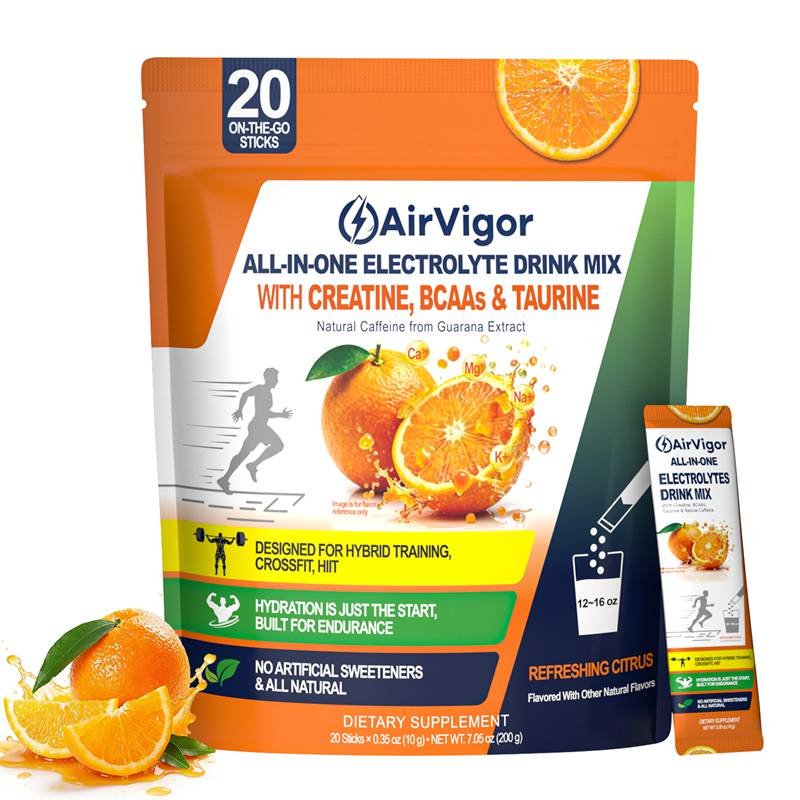
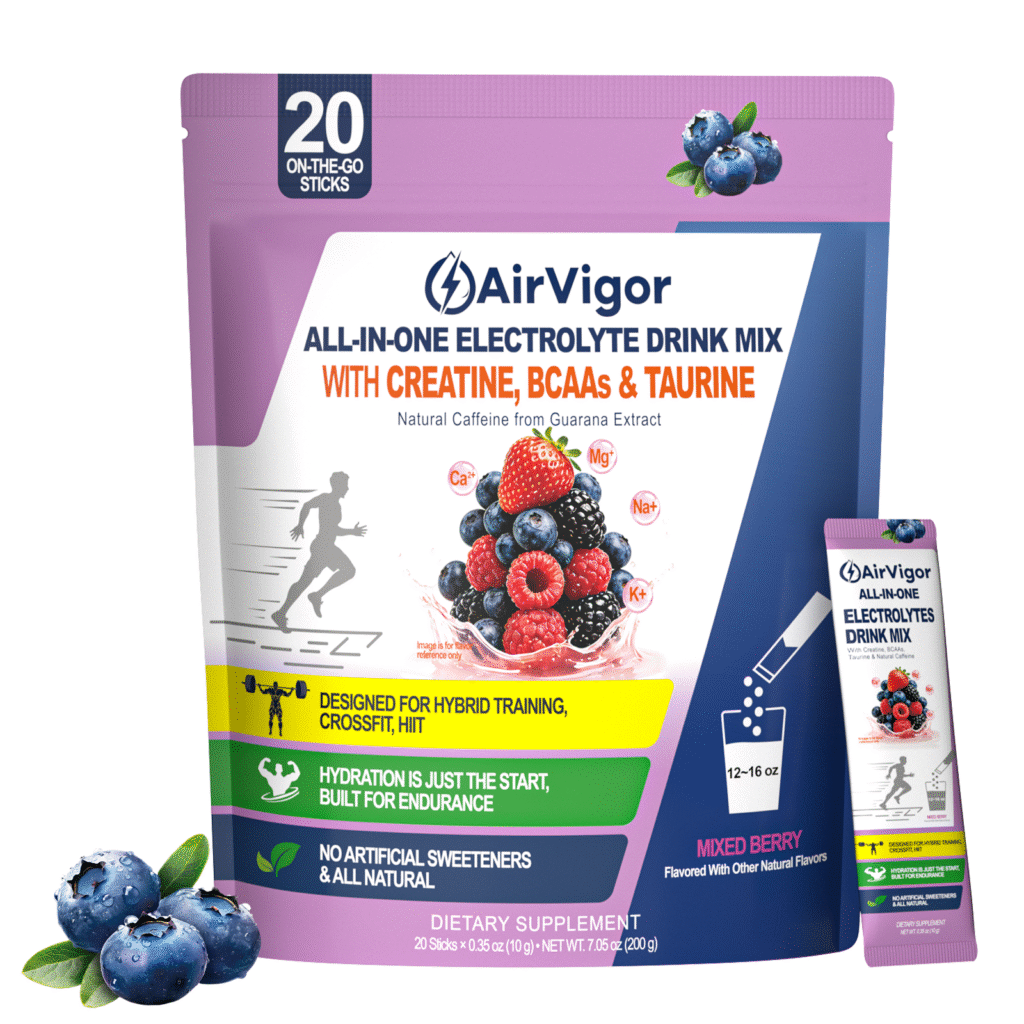
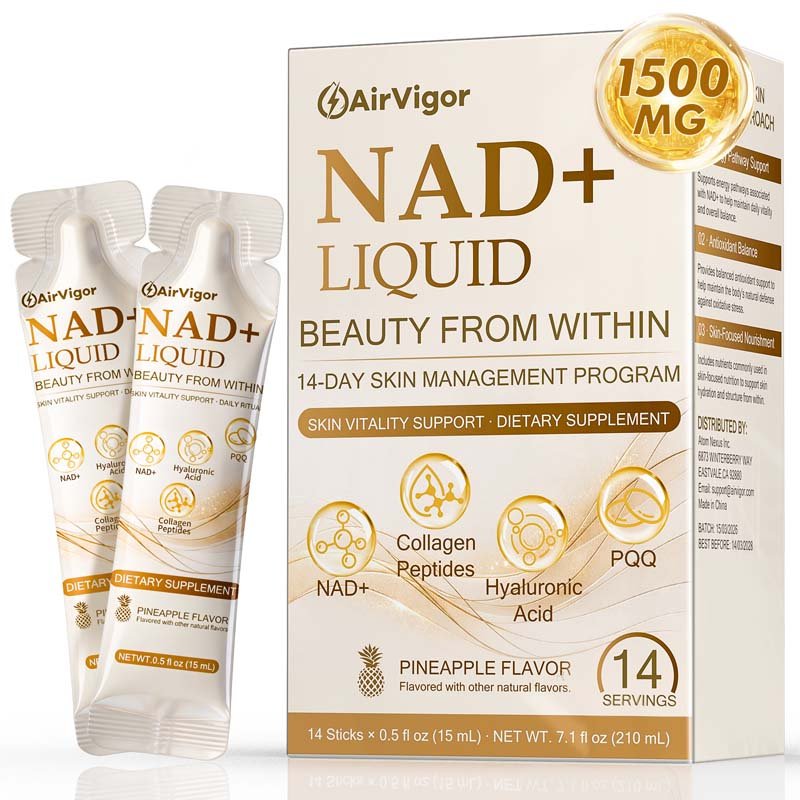
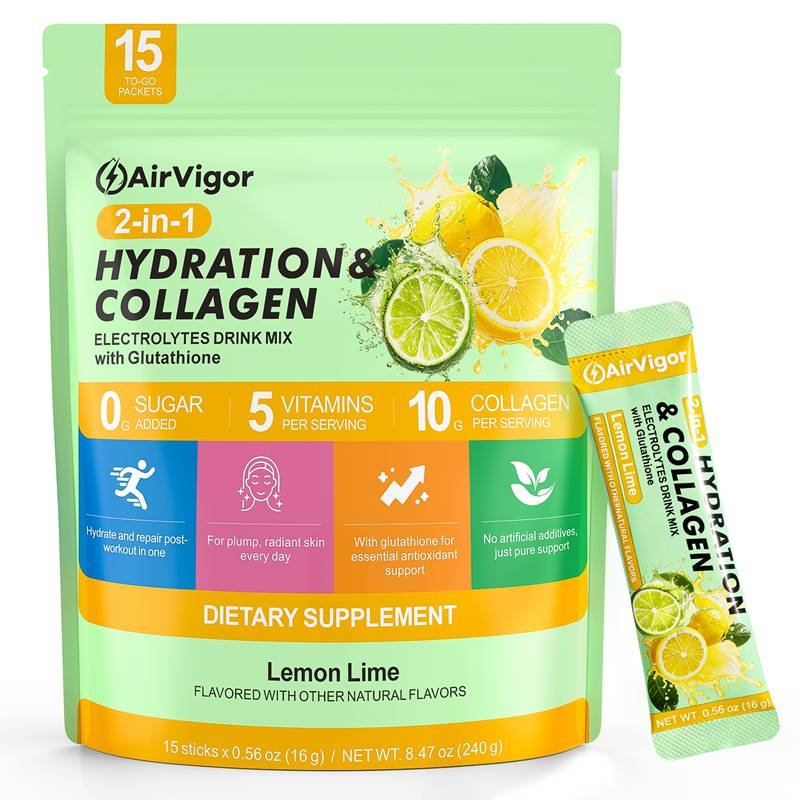
AirVigor’s broader product ecosystem also reflects this wider wellness-focused direction. The company develops products across multiple supplement categories including electrolytes, proteins, creatine systems, vitamins, probiotics, collagen products, and functional nutrition support. This allows customers to work with a brand built around long-term nutritional support rather than isolated single-product marketing.
The hydration category itself is evolving quickly because consumers increasingly associate proper hydration with workout comfort, recovery quality, travel routines, heat management, and steady daily energy instead of only endurance racing.
Stable Quality and Manufacturing Systems
Supplement buyers today pay far more attention to manufacturing quality than before. Customers increasingly compare labels, ingredient transparency, production credibility, packaging quality, and long-term consistency before deciding whether to continue using a product.
This is especially important in hydration products because flavor stability, solubility, and repeat-use comfort strongly affect customer retention.
AirVigor emphasizes stable manufacturing systems and quality management throughout product development and production.
| Manufacturing Capability | Details |
|---|---|
| Production facility size | 30,000+ square meters |
| Clean production environment | 100,000-level clean workshop |
| Operational staffing | 1,000+ personnel |
| Quality inspection personnel | 30+ staff members |
| R&D specialists | 25+ nutrition and food science professionals |
The company operates within manufacturing and quality frameworks connected to GMP, HACCP, ISO systems, FSSC22000, and FDA registration management structures. These systems help support more stable production performance across ingredient handling, formulation consistency, packaging review, and finished product inspection.
Hydration products themselves require careful consistency control because customers quickly notice problems with mixing quality, flavor balance, or ingredient stability.
| Product Quality Area | Why Customers Notice It Quickly |
|---|---|
| Solubility | Affects daily convenience |
| Flavor consistency | Influences repeat use |
| Packaging durability | Important during travel and storage |
| Ingredient stability | Supports long-term product trust |
| Batch consistency | Important for repeat customers |
AirVigor’s development infrastructure also supports long-term formulation work. Over the past five years, the company has completed more than 20,000 formulation optimizations and maintains over 300 nutrition-related patents connected to supplement development and production systems.
This larger operational structure supports both direct-to-consumer retail products and business partnerships through OEM, ODM, private-label manufacturing, and customized supplement development.
Designed for Long-Term Customer Use
One major reason consumers stop using hydration products is not necessarily because the formula fails, but because the overall experience becomes difficult to maintain consistently. Some products feel too sweet after repeated use. Others are inconvenient to carry, hard to mix, or uncomfortable during workouts.
This is why long-term usability has become one of the most important trends in the hydration category.
| Common Customer Complaint | Why It Reduces Long-Term Use |
|---|---|
| Excessive sweetness | Flavor fatigue over time |
| Heavy workout drinks | Reduced comfort during exercise |
| Bulky packaging | Poor portability |
| Difficult mixing | Less convenience |
| Confusing labels | Lower product trust |
AirVigor focuses heavily on reducing these long-term usage barriers by developing hydration systems designed for repeated daily use rather than occasional extreme use only.
This broader lifestyle-focused positioning matters because today’s consumers increasingly connect hydration with:
- Stable daily energy
- Better workout comfort
- Recovery support
- Heat management
- Travel routines
- Active lifestyles
As the hydration market continues evolving, brands that combine transparency, practical usability, stable quality systems, and long-term customer comfort are becoming increasingly attractive to both consumers and business partners.

Conclusion
Electrolytes and sports gels are designed for different workout needs. Electrolytes mainly support hydration, fluid balance, and recovery comfort, while sports gels are more useful for fast carbohydrate fuel during long endurance activity. For most active consumers, the best choice depends on workout length, sweat rate, training intensity, and daily lifestyle habits.
As more people focus on practical hydration and long-term performance support, products that combine ingredient transparency, portability, stable quality, and daily usability are becoming increasingly important. AirVigor continues to develop electrolyte solutions designed not only for endurance athletes, but also for modern consumers balancing workouts, work schedules, travel, and active lifestyles.
Share:
Contact Expert Team
At AirVigor, performance becomes effortless. We transform advanced nutrition science into clean, effective supplements that help you hydrate, recover, and feel stronger every day. Shop AirVigor Supplements on Amazon and experience athlete-trusted formulas—backed by real science and supported by our world-class R&D and production capabilities.
Trust AirVigor
At AirVigor, turning your performance goals into reality is no longer a struggle—it’s a science-driven journey we build together. Whether you’re a runner, lifter, cyclist, yogi, outdoor athlete, or someone simply seeking better daily energy, AirVigor transforms advanced nutrition research into clean, effective, and trustworthy supplements you can feel.
Backed by our U.S. scientific team, global certifications, and world-class production standards, every formula is engineered to deliver real hydration, real recovery, and real performance. And when you’re ready to experience the difference, you’ll find AirVigor products available on Amazon and other major platforms—fast shipping, consistent quality, and a community of athletes already seeing results.
Behind the scenes, our R&D and manufacturing ecosystem also supports specialized formulation development, ensuring AirVigor continues to lead with innovation while keeping quality and safety uncompromised. But at the core, everything we create is built for you—your health, your performance, your momentum.
Choose AirVigor. Feel the science. Elevate your every day.


Subscribe to our newsletter
Sign up to our newsletter and we’ll keep you up to date with the latest arrivals.