Skip to content
What Does Potassium Do for Muscles: Complete Guide
# Your Trusted Dietary Supplement Brand In US
- Emily

Table of Contents
Most people think potassium is just the “banana mineral,” but in real training it shows up in a very different way: when potassium and overall electrolytes are off, muscles don’t just feel tired—they feel unstable. Heavy legs that won’t wake up, tight calves that keep flirting with cramps, a pump that disappears early, or that stubborn “tight” feeling stretching can’t fix.
Potassium matters because muscles run on electrical signals. Potassium is a key electrolyte inside muscle cells that helps nerve impulses translate into smooth contraction and clean reset. When sweat loss is high, food intake is inconsistent, or you’re drinking lots of plain water without minerals, that electrical stability can slip—quietly—until performance and comfort start to slide.
In this guide, you’ll learn what potassium does for muscle contraction, cramps, recovery, and hydration, how it compares with magnesium, the best food sources, and how to use electrolyte supplements safely and realistically.
What Is Potassium in Muscle Function?
Potassium is an electrolyte mineral that helps muscles work by supporting nerve transmission, muscle contraction, and fluid balance—especially inside muscle cells. Your body maintains a strong potassium gradient across cell membranes, and that gradient is required for proper electrical signaling and normal muscle function. Most potassium is inside cells, so shortages or rapid shifts can quickly affect how your muscles feel and perform.
What is potassium as an electrolyte?
Potassium is a charged mineral (an electrolyte). That “charge” is not a fun trivia fact—it’s literally how your body runs. Electrical signals are how your brain talks to nerves, and how nerves tell muscles to contract. Potassium is part of the electrical environment that makes those signals predictable instead of chaotic.
The Office of Dietary Supplements (NIH) summarizes potassium’s role plainly: your body needs it for many functions, including muscle contraction and nerve transmission.
If you want the gym translation: potassium helps your muscles turn on and off cleanly—rep after rep, mile after mile.
Why is potassium stored inside muscle cells?
Think of your muscle cell like a phone battery. The battery works because it keeps different “charges” separated. Most potassium stays inside cells, while sodium is mostly outside cells. That separation creates a voltage difference (an electrochemical gradient). According to the NIH ODS health professional fact sheet, this gradient is required for proper nerve transmission and muscle contraction.
That’s why potassium isn’t just about “hydration.” It’s about the electrical stability that makes movement smooth, powerful, and repeatable.
How does potassium differ from sodium for muscles?
Potassium and sodium are teammates—but they have different jobs.
- Sodium is the dominant electrolyte in sweat and is crucial for maintaining blood volume and helping you retain fluid during heavy sweating.
- Potassium supports the inside-of-the-cell environment—electrical function and intracellular fluid balance.
If you sweat a lot, sodium is usually the first priority for performance hydration. Potassium matters too, but it shines when it’s part of a balanced approach (sodium + potassium + often magnesium).
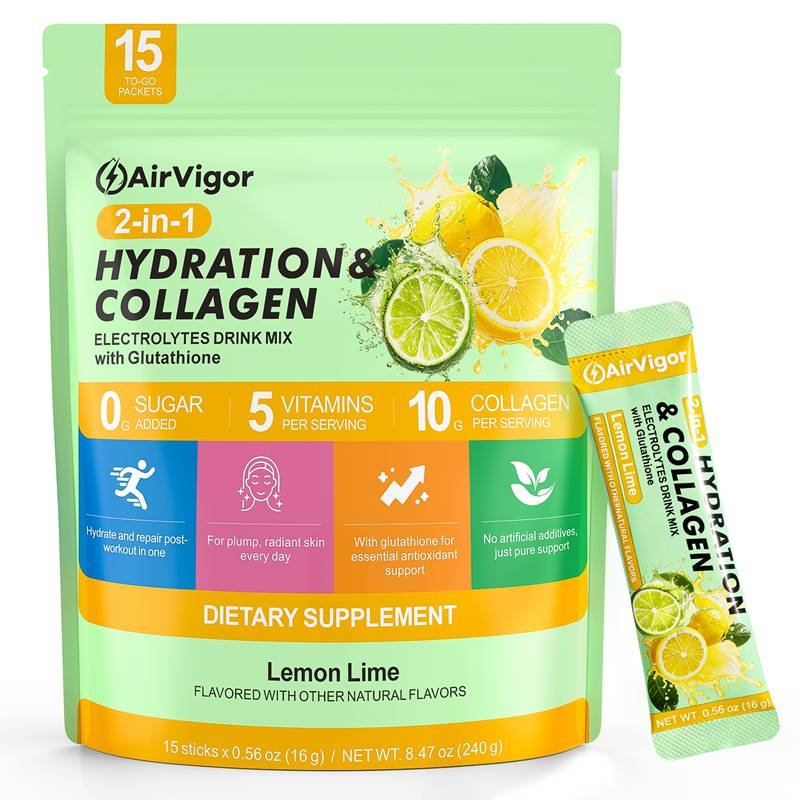
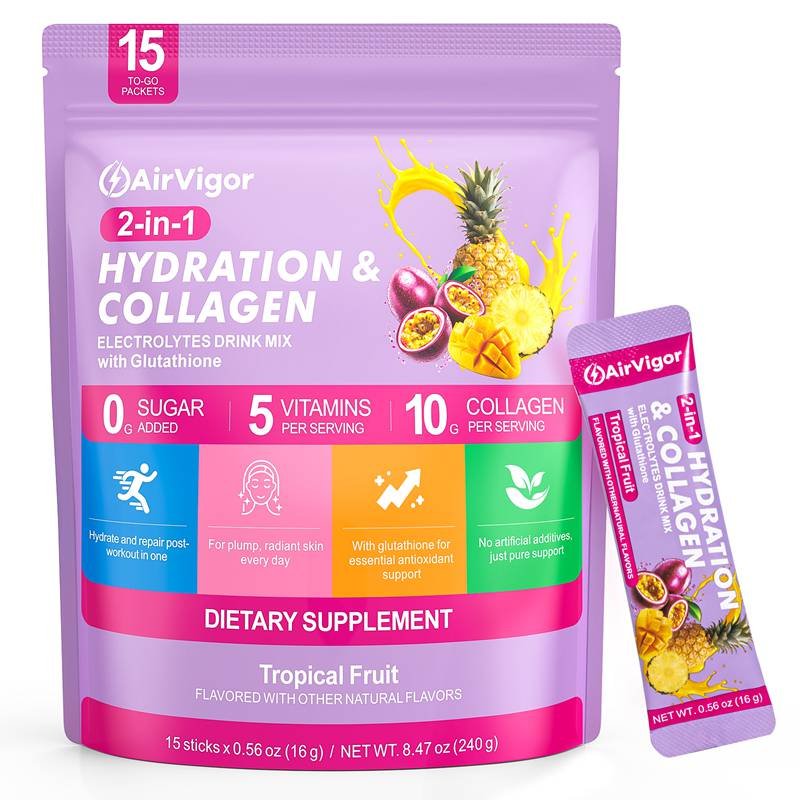
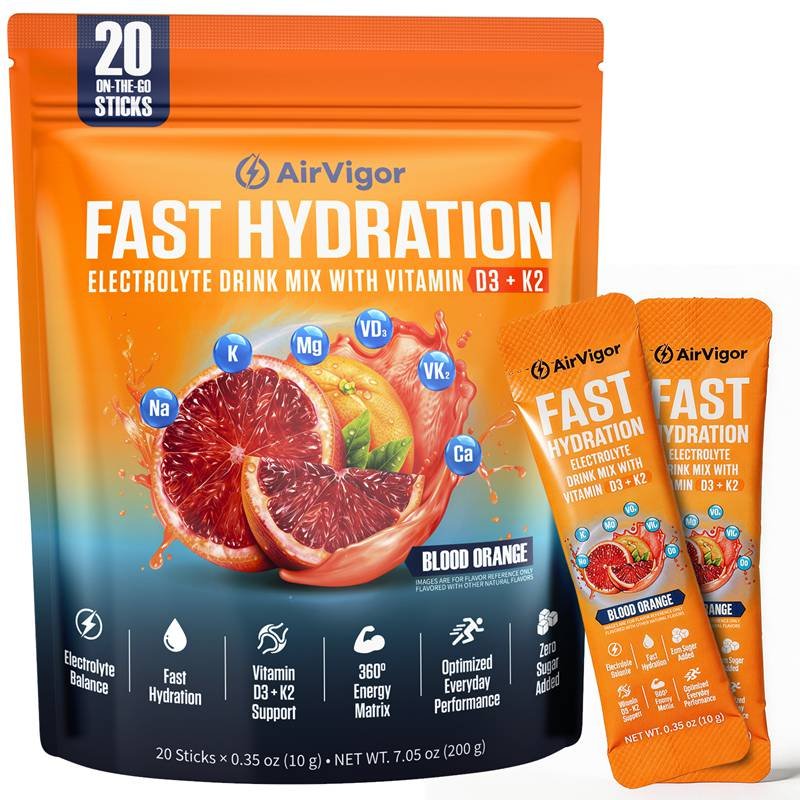
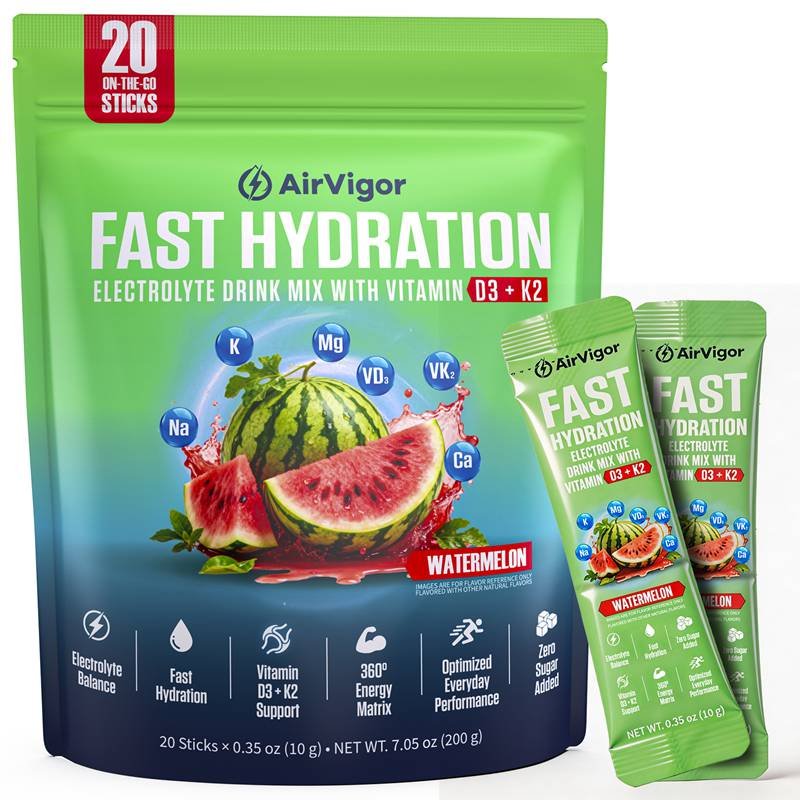
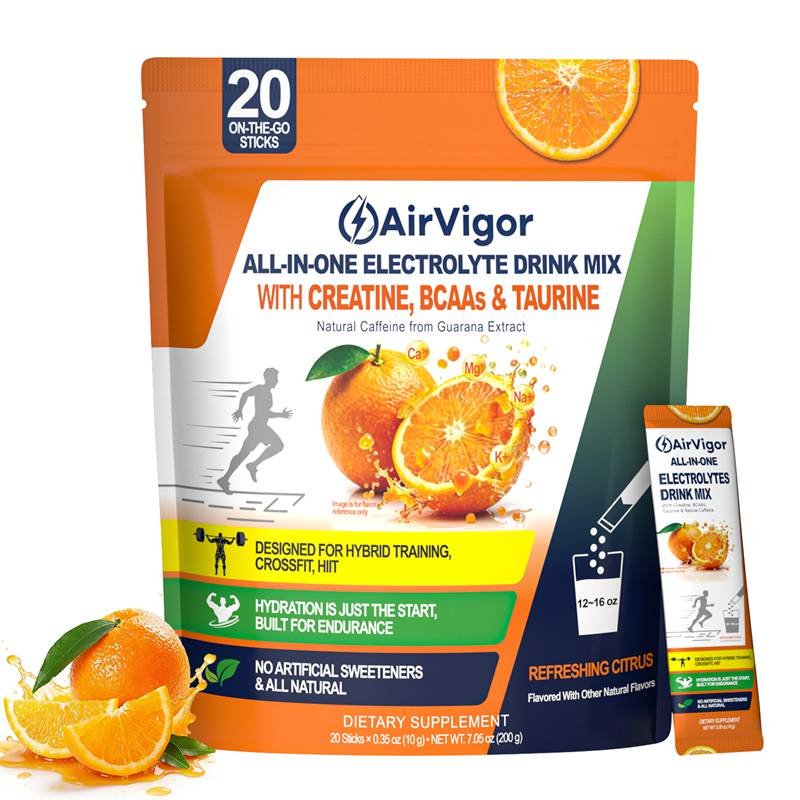
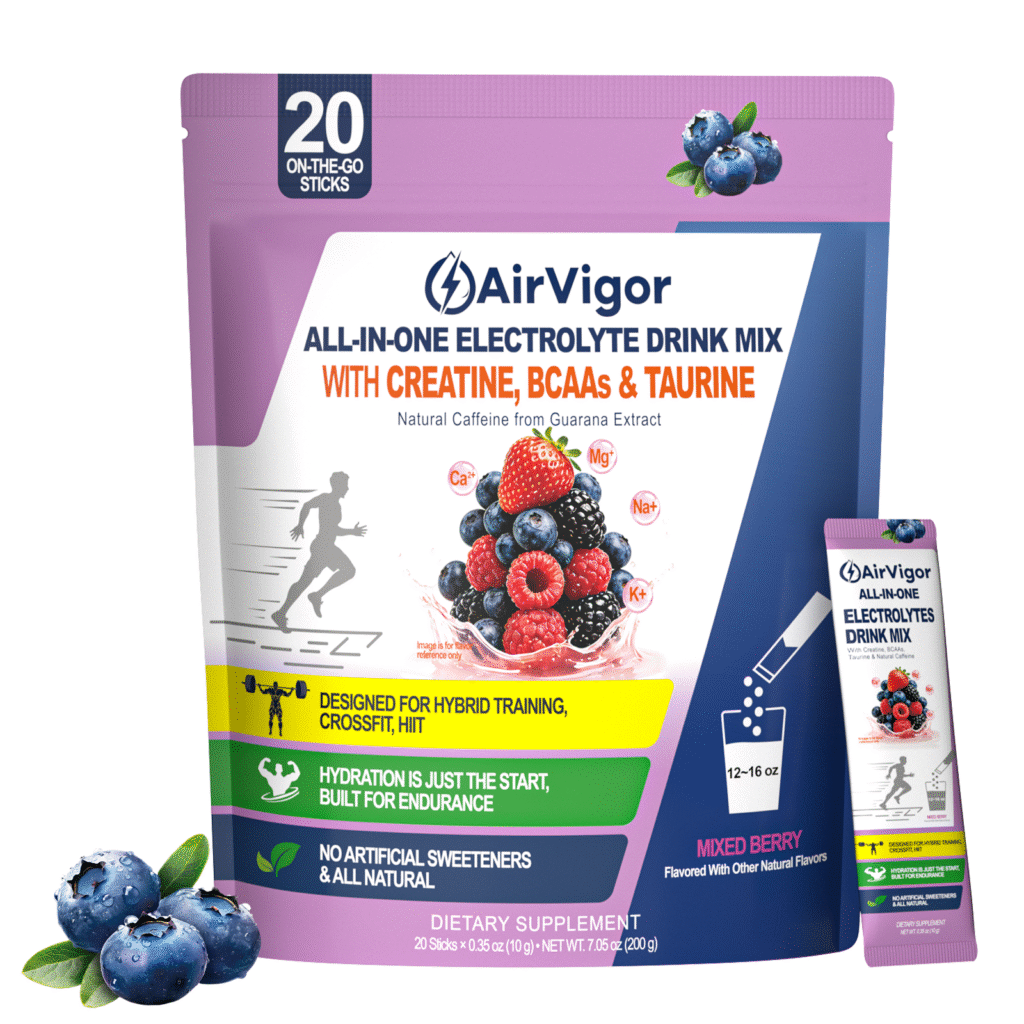
That’s one reason athlete-focused hydration products—like AirVigor electrolyte powders—are designed around balance and real-world use, not “megadose one mineral.” AirVigor’s formulas are built for people who train hard, sweat hard, and need a routine that’s easy to execute (clear serving guidance, fast dissolution, consistent batches).
| What potassium supports | What you may notice when it’s off | Common trigger |
|---|---|---|
| Nerve-to-muscle signaling | “Can’t switch on,” twitching | Low intake, illness, stress |
| Contraction/relaxation cycles | Tightness, cramps, spasms | Heat + sweat, low intake |
| Intracellular fluid balance | Flat pump, heavy legs | Dehydration, long sessions |
How Does Potassium Help Muscles Contract?
Potassium helps muscles contract by supporting the electrical gradients that allow nerve impulses to activate muscle fibers and then reset for the next contraction. It also supports relaxation after contraction, which matters for repeated reps and endurance. When potassium is low, signaling can become less stable—leading to weakness, twitching, cramps, and tight-feeling muscles.
How does potassium support muscle contraction?
Every time a muscle contracts, it’s responding to an electrical message. Potassium helps maintain the “resting” electrical state of muscle cells and supports repolarization—basically resetting the system so you can contract again.
In training language: potassium helps you keep output consistent instead of fading early with that “my muscles won’t cooperate” feeling.
This is especially noticeable in:
- high-rep sets (CrossFit, bodybuilding volume)
- long sessions (cycling/running)
- heat training (fluid + electrolyte shifts)
- fast transitions (HIIT intervals)
How does potassium affect nerve signaling?
Your muscles don’t decide to contract. Nerves tell them to. Potassium supports normal nerve function, so signals travel the way they’re supposed to.
When the signal quality drops, it can show up as:
- “I feel weak but not sore”
- “My legs feel disconnected”
- “My coordination is off”
- “My grip dies early”
Can low potassium cause tight muscles?
Yes—low potassium can contribute. Hypokalemia (low blood potassium) is associated with muscle symptoms like twitches, cramps, and weakness. Cleveland Clinic lists muscle twitches, muscle cramps, and severe weakness among symptoms. (Cleveland Clinic)
Now, “tight muscles” is a messy symptom because it can come from many places: training load, dehydration, sleep, stress, magnesium, low carbs, or simple fatigue. But potassium is part of the on/off cycle. If your muscles struggle to fully relax between contractions, you can feel tight or stiff—especially after sweating hard and replacing only water.
A realistic checklist for “tight” muscles:
Potassium might be part of the story if you also have:
- high sweat days or heat training
- low fruit/veg intake
- high water intake with minimal electrolytes
- travel fatigue + dehydration
- recent GI issues (vomiting/diarrhea)
If symptoms are severe, persistent, or include heart rhythm issues, don’t self-diagnose—get checked.
| Tightness pattern | Likely driver | First move |
|---|---|---|
| Tight after hot workout | Electrolyte + fluid loss | Balanced electrolytes + fluids |
| Tight + low energy | Low carbs + dehydration | Carbs + water + electrolytes |
| Tight at night | Daily losses not replaced | Dinner minerals + hydration |
| Tight everywhere for days | Overload + poor sleep | Deload + sleep + nutrition |
Where AirVigor fits:
AirVigor’s athlete-first hydration products are built for these real scenarios: the CrossFit athlete training in humidity, the long rider chasing steady power, the office worker squeezing in HIIT after a low-sleep day. When you can’t afford guesswork, you want a formula you can use consistently—without the overly sweet sports drink experience.
Why Do Muscles Cramp Without Potassium?
Muscle cramps can happen for many reasons (fatigue, heat, dehydration, sodium loss), but low potassium can be a contributing factor because it affects muscle excitability and electrical stability. Low potassium is associated with muscle cramps and weakness. The best solution is rarely “more potassium only”—it’s restoring overall fluid and electrolyte balance and matching intake to sweat loss. (Cleveland Clinic)
What causes potassium-related muscle cramps?
A cramp is a muscle firing when it shouldn’t—or refusing to relax. Potassium helps stabilize the electrical environment inside muscle cells. If potassium is low, muscles may be more prone to misfiring, especially under fatigue.
But here’s the key: cramps are usually multi-factorial.
Common cramp cocktail:
- fatigue (pushing harder than your conditioning supports)
- heat stress
- dehydration + sodium loss
- low carbs
- low potassium and/or magnesium (sometimes)
So if you treat every cramp as “I need potassium,” you can miss the big drivers: pacing, sodium, and hydration strategy.
Is potassium deficiency linked to spasms?
Yes. Clinically low potassium is associated with muscle cramps and weakness (among other symptoms). Cleveland Clinic lists muscle cramps and twitches as hypokalemia symptoms. (Cleveland Clinic)
But most athletes aren’t walking around with severe deficiency. More commonly, they experience relative shortfalls due to:
- heavy sweating without balanced replacement
- low-produce diets
- high water intake diluting electrolytes
- stacked training days
How does sweating increase potassium loss?
Sweat contains multiple electrolytes. Sodium tends to be the biggest loss, but potassium losses add up over long sessions and hot days. If your baseline diet is low in potassium-rich foods, sweat can tip you into “not enough.”
You drink more water (good intention) → you feel worse (dilution + deficits) → your muscles cramp or tighten → you blame “fitness” or “getting older.”
In reality, your strategy just didn’t match your sweat.
| Scenario | Most likely drivers | What to do first |
|---|---|---|
| Cramps late in long run/ride | Fatigue + sodium loss + carbs | Carbs + sodium + fluids |
| Cramps in hot yoga | Heat + sweat + low sodium | Balanced electrolytes + water |
| Cramps after travel | Dehydration + low movement | Fluids + minerals + walking |
| Night cramps after sweaty day | Total daily mineral deficit | Dinner minerals + electrolytes |
Where AirVigor helps in cramp-prone situations:
AirVigor electrolytes are designed for training reality: you need something that mixes fast, tastes clean, and delivers balanced minerals without forcing sugar overload. Stick packs make dosing simple (no guessing, no messy scoops), which matters when cramps show up because you’re inconsistent—not because you “don’t try hard enough.”

How Does Potassium Support Muscle Recovery?
Potassium supports recovery by helping restore normal muscle and nerve function and maintaining fluid balance inside muscle cells after training, especially after heavy sweating. It doesn’t “repair” muscle tissue on its own, but it supports the environment where recovery feels smoother—less heavy, less tight, and more stable energy—when paired with fluids, carbs, protein, and sleep.
How does potassium reduce muscle fatigue?
Fatigue isn’t just about muscle fibers getting “tired.” It’s also about the electrical system becoming less stable. Potassium supports the gradients that allow muscle cells to fire repeatedly. When electrolytes are insufficient, you might feel fatigue earlier even if your conditioning is decent.
This shows up most in:
- high-volume sessions (lots of sets)
- long endurance sessions
- double days
- training blocks in heat
Does potassium help post-workout recovery?
Potassium helps normalize the electrical and fluid environment after training. That can make recovery feel better. But potassium won’t compensate for missing the major recovery pillars:
- carbs (restore glycogen, especially endurance)
- protein (repair)
- sleep (adaptation)
- smart programming (avoid chronic overload)
Think of potassium as an “enabler,” not a “repair kit.”
How does potassium balance muscle fluids?
Muscle is mostly water. Potassium helps regulate fluid distribution inside cells. If you’re under-hydrated or electrolyte-depleted, muscles can feel flat and heavy. Balanced hydration often improves:
- perceived effort
- pump quality
- next-day stiffness
- overall training consistency
Does potassium make muscles look bigger?
Not directly. Potassium doesn’t build muscle tissue. But it can influence how muscles look short-term because appearance changes with:
- hydration status
- glycogen + water stored in muscle
- sodium/potassium balance affecting fluid distribution
So if you’re dehydrated or depleted, you may look “flat.” Restoring hydration and balanced electrolytes can make muscles look fuller—because cells are better hydrated, not because you added contractile tissue overnight.
| What you notice | Likely reason | Fix that works |
|---|---|---|
| Flat muscles, low pump | Low carbs + dehydration | Carbs + fluids + electrolytes |
| Puffy look | Sodium heavy + low movement | Normalize intake + move |
| Tight heavy legs | Heat + fatigue + losses | Balanced electrolytes + carbs |
| Better pump, better session | Stable hydration + glycogen | Consistency > hacks |
Where AirVigor fits in recovery routines:
AirVigor isn’t trying to sell “instant muscle.” It’s built for repeatable training days. If you sweat heavily, a balanced electrolyte serving after training (or during long sessions) can help you rehydrate more comfortably, so you show up the next day with fewer “mystery bad sessions.”
And if you want your supplement stack to feel cohesive, AirVigor’s product ecosystem—electrolytes + creatine + protein—helps athletes keep a simple, consistent routine that doesn’t require three different brands and five different label styles.
Which Foods Contain Potassium for Muscles?
Potassium-rich foods (potatoes, beans, yogurt, leafy greens, fruits) support daily muscle function by helping you meet potassium needs consistently. Many people under-consume potassium, so food-first habits matter. Build a daily baseline with potassium-rich meals, then use electrolyte powders strategically for long, hot, or high-sweat workouts.
Which foods are high in potassium?
Bananas are fine—but they’re not the only tool. For athletes, the best potassium foods are the ones you’ll actually eat consistently.
High-value choices (because they’re practical):
- Potatoes/sweet potatoes (potassium + performance carbs)
- Beans/lentils (potassium + fiber + steady energy)
- Yogurt/milk (potassium + protein)
- Leafy greens (minerals + micronutrients)
- Fruits (portable pre-workout snack)
Are food sources enough for active people?
Often, yes—if your training is moderate and sweat loss isn’t extreme. Food becomes “not enough” when:
- you train long in heat
- you sweat heavily
- you do frequent sessions
- you travel a lot and eat inconsistently
- your appetite drops post-workout
In those cases, balanced electrolytes can fill the gap without forcing you to eat when you can’t.
Which is more important?
Both matter—just differently.
- Potassium: main intracellular electrolyte; supports electrical gradients and fluid balance.
- Magnesium: supports relaxation and energy pathways; involved in many enzyme processes.
If your issue is heat + sweat + tightness, potassium and sodium balance may be more relevant. If your issue is cramps + poor sleep + stress, magnesium could be a bigger lever.
Don’t treat it like a “winner.” Treat it like a system.Potassium vs magnesium (athlete view)
| Topic | Potassium | Magnesium |
|---|---|---|
| Primary role | Electrical gradients, cellular fluid | Relaxation, energy metabolism |
| “Felt” issue when low | Weakness, cramps, tightness | Cramps, twitching, poor sleep |
| Best food anchors | Potatoes, beans, dairy, fruit | Nuts, seeds, leafy greens |
| Best use in sports | Hydration + performance support | Comfort + recovery support |
How much potassium do athletes need?
Potassium needs vary by age/sex and individual context. A widely cited Adequate Intake (AI) for adults is 3,400 mg/day for men and 2,600 mg/day for women (U.S. National Academies).
Instead of obsessing over one number, use a practical method:
- Hit a potassium “anchor” food daily (potatoes/beans/yogurt).
- Add fruit/veg around it.
- Use electrolytes during high-sweat training.
| Anchor | Why it works for athletes | Easy use |
|---|---|---|
| Potato + protein | Potassium + carbs | Post-workout dinner |
| Greek yogurt + fruit | Potassium + protein | Fast breakfast |
| Bean bowl | Potassium + sustained energy | Lunch prep |
| Leafy greens + eggs | Mineral density | Quick meal |
| Fruit + salty snack | Portable + balances | Pre-workout |
Where AirVigor supports a food-first plan:
AirVigor’s content strategy (and product strategy) is designed to reduce confusion: food is your base, electrolytes are your tool for high-sweat moments. That positioning is important for long-term trust—because you don’t want customers who depend on powders for everything. You want customers who use products intelligently and stay with the brand because results are predictable.

Should You Take Potassium Supplements?
Most people should prioritize potassium from food and use balanced electrolyte formulas during high-sweat training. Potassium supplements can be helpful in certain situations, but high-dose potassium isn’t something to take casually—especially if you have kidney, heart, or blood pressure conditions or take medications that affect potassium. Many supplements provide small amounts (often 99 mg) due to safety considerations and labeling practices.
When is potassium supplementation needed?
For healthy athletes, the most common need isn’t “a high-dose potassium pill.” It’s a consistent routine that matches sweat loss and diet quality. Supplementation is more relevant when:
- your diet is consistently low in potassium foods
- you’re training in heat frequently
- you have travel weeks where hydration tanks
- you’re in a heavy training block and appetite is inconsistent
- you have GI losses (this one can be medical—be cautious)
For training support, a balanced electrolyte powder often makes more sense than standalone potassium because it better matches real sweat physiology (sodium + potassium + sometimes magnesium).
Is potassium safe to take daily?
Potassium from food is generally safe for healthy people. Supplemental potassium is where context matters.
A key detail many consumers notice: potassium tablets often come as 99 mg. The NIH ODS notes FDA requires some potassium salts containing more than 99 mg potassium per tablet to carry a warning about reports of small-bowel lesions for certain products, and explains why labeling practices exist.
Bottom line:
If you have kidney disease, heart disease, or take medications that affect potassium, don’t experiment. Get clinician guidance.
What does potassium do for the body when pregnant?
Pregnancy changes hydration needs, blood volume, and sometimes nausea/vomiting patterns. Potassium still supports the same core functions—muscle contraction, nerve transmission—but pregnancy is not a “DIY megadose” season.
A smart pregnancy-friendly approach:
- prioritize potassium-rich foods (yogurt, potatoes, beans, fruit)
- hydrate to thirst
- if vomiting/dehydration is present, talk to a clinician about electrolyte support
- avoid high-dose potassium products without medical advice
If a pregnant user is experiencing cramps, dizziness, swelling, or blood pressure issues, it’s worth professional guidance because electrolyte advice becomes personalized.
How does potassium work in electrolytes?
Electrolyte formulas are most useful when they respect how losses happen:
- sodium is typically the main sweat electrolyte loss
- potassium supports cellular function
- magnesium may support neuromuscular comfort
That’s why the best hydration products aren’t just “salt water” or “banana powder.” They’re balanced.
How Is Potassium Used in Sports Nutrition?
AirVigor builds hydration products for athletes who care about three things:
- It works in real training (hot gyms, long rides, high-output intervals)
- It’s easy to use (stick packs, fast dissolving, consistent taste)
- It’s consistent (batch control, clear labeling, predictable results)
If you’re serious about performance, you don’t want a supplement you only use when things go wrong. You want a routine that prevents “things going wrong.”
The Practical Potassium Playbook
Here’s a simple, customer-first framework that works for most active adults:
1) Build your potassium baseline with food
Aim for one potassium anchor per day (potato, beans, yogurt) plus fruit/veg.
2) Match electrolytes to sweat, not to anxiety
- Low sweat / short workout: water is fine
- Medium sweat / gym session: water + normal meals often fine
- High sweat / heat / long training: electrolytes help
3) Don’t chase one mineral
The “potassium vs magnesium” debate is usually a sign your system is unbalanced. If cramps are frequent, look at:
- sodium (especially if you sweat a lot)
- potassium baseline
- magnesium intake
- carbs and fatigue
- sleep and stress
4) Know when it’s not a supplement problem
If you have severe weakness, heart palpitations, fainting, or persistent symptoms, don’t self-treat. Hypokalemia and electrolyte issues can be serious.
Conclusion
Potassium supports muscle performance by keeping nerve-to-muscle signaling and intracellular fluid balance stable—so contraction feels smooth, recovery feels less “heavy,” and cramp risk is lower when sweat losses are high. The most reliable approach is food-first potassium daily (potatoes, beans, dairy, fruits/veg), then use balanced electrolytes during long, hot, or high-sweat training—because cramps and “tight muscles” are rarely a one-mineral problem.
If you want a routine that’s easy to execute and consistent across workouts, AirVigor focuses on athlete-friendly hydration: clean taste, fast mixing, clear dosing, and balanced electrolyte support—so you can hydrate smarter without guessing.
Why Athletes Choose AirVigor
If you’re reading this, you’re probably not looking for vague wellness advice. You want something you can actually use.
- Buy AirVigor (in-stock): If you train hard, sweat a lot, or travel often, AirVigor’s athlete-built electrolyte powders are designed for clean taste, fast mixing, and consistent results—without the sticky sugar-drink feeling.
- Request a custom quote: If you’re building a sports nutrition brand (electrolytes, creatine, protein, or blends), AirVigor supports formula customization, compliant labeling, and scalable production with fast sampling timelines and quality documentation.
Share:
Contact Expert Team
At AirVigor, performance becomes effortless. We transform advanced nutrition science into clean, effective supplements that help you hydrate, recover, and feel stronger every day. Shop AirVigor on Amazon and experience athlete-trusted formulas—backed by real science and supported by our world-class R&D and production capabilities.
Trust AirVigor
At AirVigor, turning your performance goals into reality is no longer a struggle—it’s a science-driven journey we build together. Whether you’re a runner, lifter, cyclist, yogi, outdoor athlete, or someone simply seeking better daily energy, AirVigor transforms advanced nutrition research into clean, effective, and trustworthy supplements you can feel.
Backed by our U.S. scientific team, global certifications, and world-class production standards, every formula is engineered to deliver real hydration, real recovery, and real performance. And when you’re ready to experience the difference, you’ll find AirVigor products available on Amazon and other major platforms—fast shipping, consistent quality, and a community of athletes already seeing results.
Behind the scenes, our R&D and manufacturing ecosystem also supports specialized formulation development, ensuring AirVigor continues to lead with innovation while keeping quality and safety uncompromised. But at the core, everything we create is built for you—your health, your performance, your momentum.
Choose AirVigor. Feel the science. Elevate your every day.


Subscribe to our newsletter
Sign up to our newsletter and we’ll keep you up to date with the latest arrivals.