Skip to content
Are You Using Electrolyte Powder Wrong: Common Mistakes Explained
# Your Trusted Dietary Supplement Brand In US
- Emily

Table of Contents
Electrolyte powder seems simple. Mix it with water, drink it, and expect better hydration. But many people still use electrolyte powder incorrectly. Some consumers feel more thirsty after drinking electrolytes, while others complain that the drink tastes too salty, too sweet, too heavy, or does not seem to help at all. In many cases, the issue is not the product itself, but how it is being used.
The most common mistakes when using electrolyte powder include using too much powder, mixing it with too little water, choosing the wrong formula for your lifestyle, relying on high-sugar sports drinks for daily hydration, and waiting until dehydration already happens before drinking electrolytes. Proper hydration depends on formula balance, water intake, activity level, sweat loss, climate, and consistent hydration habits.
A person training outdoors for two hours has very different hydration needs than someone sitting in an office all day. Yet many consumers use the same electrolyte formula in the same way and expect the same result. This mismatch is one of the biggest reasons people feel disappointed with hydration products. A strong athlete-focused formula may work well during endurance training but feel unpleasant during normal daily routines.
For example, many customers buy high-sodium electrolyte powders after seeing fitness influencers recommend them online. But when those same products are used during light workouts, office hours, or casual hydration, the drink may feel overly salty or difficult to finish. A week later, the product is forgotten in the kitchen cabinet. The formula itself may not be bad. It may simply be the wrong hydration strategy for that customer’s real lifestyle.
What Is Electrolyte Powder?
Electrolyte powder is a hydration drink mix designed to help the body maintain fluid balance by replenishing minerals such as sodium, potassium, magnesium, calcium, and chloride. These minerals are naturally lost throughout the day through sweating, exercise, heat exposure, travel, caffeine intake, and normal body activity. When fluid and mineral balance starts becoming inconsistent, many people notice it in practical ways first. They feel unusually tired after workouts, thirsty even after drinking water, dry during flights, sluggish in hot weather, or uncomfortable after long days with little water intake.
This is one reason electrolyte powder has expanded far beyond traditional sports nutrition. A few years ago, most consumers associated electrolytes mainly with marathon runners and brightly colored sports drinks. Today, the customer base is much broader. Office workers keep hydration stick packs inside desk drawers, travelers carry electrolyte sachets during flights, gym users drink electrolytes after training sessions, and wellness-focused consumers increasingly use hydration products as part of everyday routines.
At its core, electrolyte powder helps the body manage water more effectively. Drinking water alone is important, but hydration is not only about water quantity. The body also depends on electrolytes to regulate how fluids move throughout cells and tissues. Sodium plays a major role in fluid balance and sweat replacement, potassium supports muscle and nerve function, magnesium is commonly associated with muscle comfort and recovery, and calcium contributes to normal muscle contraction and signaling.
| Electrolyte | Main Role in the Body | Situations Where Customers Commonly Need It |
|---|---|---|
| Sodium | Supports fluid balance and hydration regulation | Sweating, heat exposure, exercise |
| Potassium | Helps support muscle and nerve activity | Physical activity and low-water-intake days |
| Magnesium | Supports muscle comfort and recovery | Workouts, stress, busy schedules |
| Calcium | Helps support normal muscle function | General wellness and activity |
| Chloride | Works alongside sodium for hydration balance | Fluid regulation and sweat loss |
Most customers do not search for electrolyte powder because they are thinking about mineral science. They search because of situations they experience repeatedly in daily life. Someone may feel drained after a workout despite drinking enough water. Another person may experience dryness and fatigue during long flights. Some customers realize they rarely drink water consistently during office hours, especially when coffee becomes their main beverage throughout the day. Others work outdoors in summer heat and notice that plain water sometimes does not feel enough after hours of sweating.
These real-life situations are changing how consumers view hydration products. Modern customers are no longer looking only for high-performance sports drinks. Many now prefer hydration products that feel lighter, lower in sugar, easier to carry, and comfortable enough for repeated use during normal weekly routines. This is one reason portable stick-pack electrolyte powders have grown rapidly across wellness, fitness, travel, and lifestyle supplement categories.
| Traditional Sports Drinks | Modern Electrolyte Powders |
|---|---|
| Often high in sugar | Frequently lower sugar or sugar-free |
| Large bottled format | Portable stick packs and sachets |
| Mainly designed for sports | Used for wellness, travel, work, and recovery |
| Fixed serving strength | Flexible water ratio and flavor intensity |
| Heavier taste profile | Lighter and smoother hydration experience |
Customer expectations around hydration have also changed significantly. People now pay close attention to flavor quality, sweetness level, portability, and whether the product feels realistic for long-term use. A hydration formula may look impressive on paper, but if customers describe it as too salty, too sweet, chalky, difficult to mix, or unpleasant after repeated use, many simply stop drinking it after a few attempts.
For this reason, successful electrolyte powders today are often designed around overall user experience rather than only ingredient strength. Smooth flavor systems, moderate sodium balance, lower sugar content, easy dissolution, and portable packaging have become major purchasing factors. In real daily use, customers care just as much about whether a hydration product fits naturally into their routines as they do about the ingredient label itself.
The rapid growth of electrolyte powder is closely connected to broader wellness trends. Customers are increasingly searching for hydration products that support busy schedules, travel routines, active lifestyles, workout recovery, and daily wellness habits without relying on heavy sports drinks. Search interest around topics like sugar-free electrolyte sticks, daily hydration powders, travel hydration supplements, and wellness electrolyte blends has continued growing as consumers look for more practical hydration solutions.
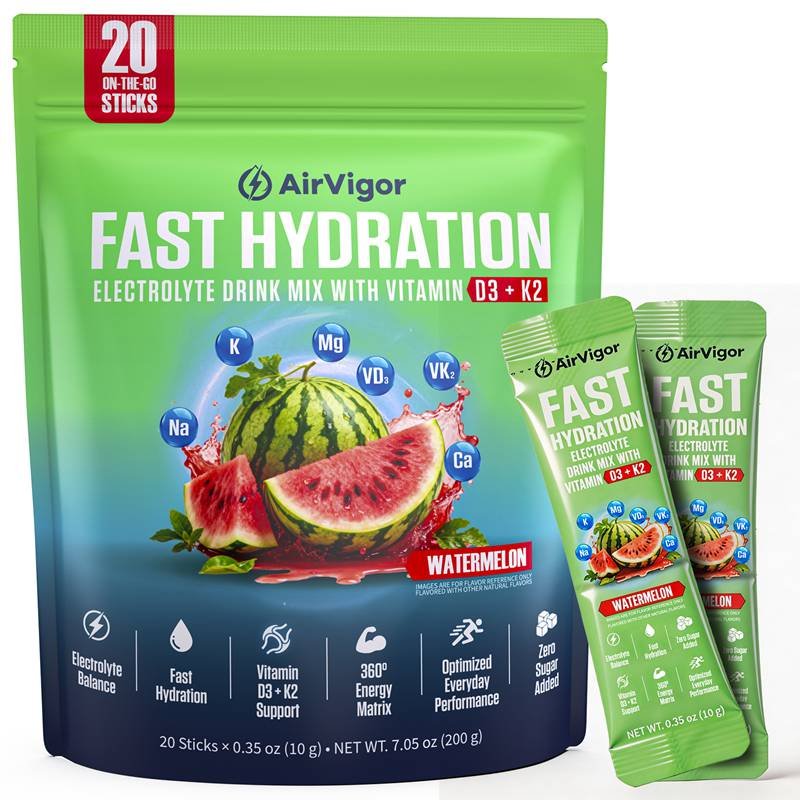
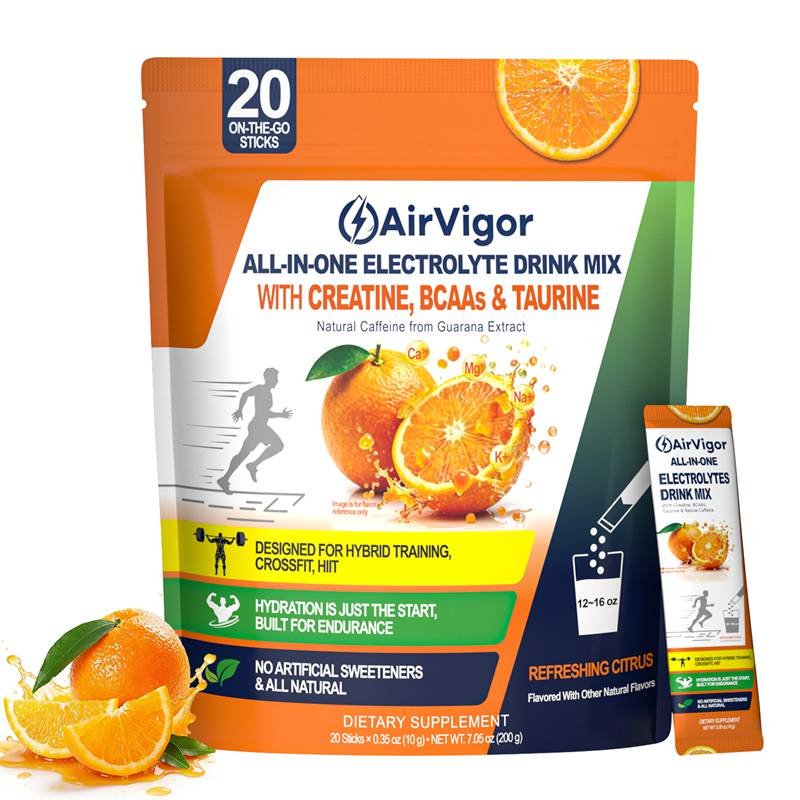
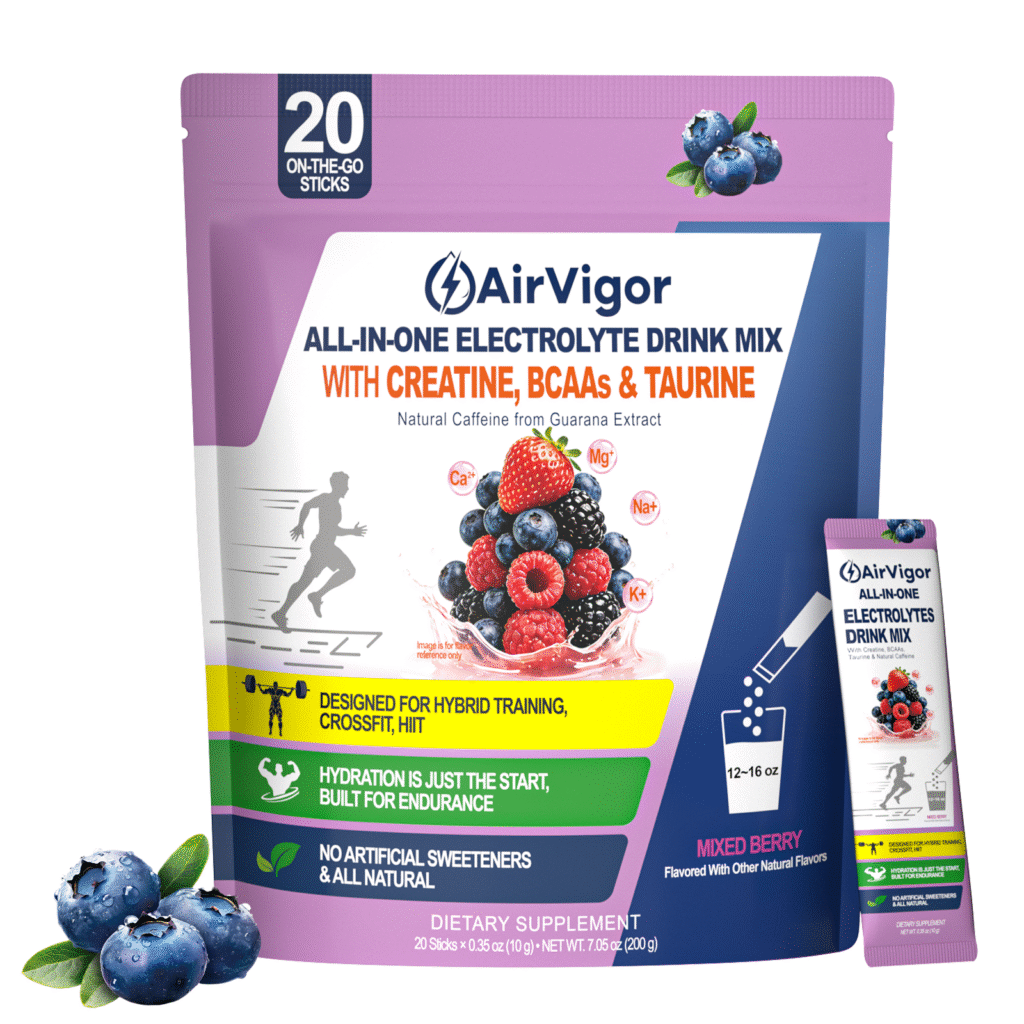
AirVigor electrolyte product development is built around these modern customer habits. Instead of focusing only on extreme sports positioning, hydration formulas today increasingly need to balance functionality, flavor, portability, mixability, and long-term repeat usability. Whether customers are looking for sports hydration, sugar-free electrolyte sticks, collagen hydration blends, or private-label wellness supplements, the future of hydration is moving toward products designed for real everyday lifestyles rather than occasional athletic use alone.
What Mistakes Do People Make With Electrolyte Powder?
Most hydration problems are not caused by electrolyte powder itself. They usually come from using the wrong formula in the wrong situation, mixing it incorrectly, or expecting electrolytes to instantly fix poor hydration habits. A customer sitting through long office meetings all day does not have the same hydration needs as someone training outdoors in summer heat, yet many people use the exact same product the exact same way and expect identical results.
This mismatch has become much more common as electrolyte powders moved beyond sports nutrition and into mainstream wellness. Many customers now buy hydration products after seeing athletes, fitness influencers, or wellness creators recommend them online. The problem is that products designed for endurance training are often being used during completely different daily routines. A strong high-sodium formula may work perfectly for someone sweating heavily during a long workout, but feel unpleasant during normal office hours or light gym sessions.
A very common situation looks something like this: someone buys a popular electrolyte powder online, mixes one stick pack into a half-full water bottle during work, drinks it quickly, and immediately feels the product is too salty or too heavy. A few days later, the container sits untouched in the kitchen because the hydration experience never felt enjoyable enough to become a habit.
Hydration products only work well when they fit realistically into the customer’s lifestyle. Taste, water ratio, sodium level, sugar content, and timing all affect whether the product actually feels useful in daily life.
Do People Use Too Much Electrolyte Powder?
This happens more often than many customers realize. A large number of people assume that higher electrolyte intake automatically means better hydration, especially when brands market products using large sodium numbers or “maximum hydration” language. In reality, hydration is more about balance than intensity.
Someone doing a short indoor workout usually loses far less sweat than a cyclist training outdoors for several hours in high heat. But because many athlete-focused hydration products dominate social media marketing, casual users often buy formulas designed for much more demanding situations than their own.
The result is usually noticeable very quickly. Some customers say the drink feels overwhelmingly salty, while others complain that it actually makes them feel thirstier afterward. Some describe bloating or heaviness after drinking electrolyte mixes that are simply too concentrated for their daily activity level. In many cases, the formula itself is not necessarily poor. It is just being used in a situation where the sodium intensity does not match the customer’s actual hydration needs.
| Situation | Hydration Demand | Formula Intensity Usually Needed |
|---|---|---|
| Office work and normal daily activity | Low to moderate | Light daily hydration support |
| Short gym workouts | Moderate | Balanced electrolyte formula |
| Outdoor summer activity | Moderate to high | Stronger fluid and sodium replacement |
| Long endurance sessions | High | Higher sodium sports hydration |
Diet also plays a role here. Many customers already consume large amounts of sodium through restaurant food, packaged snacks, sauces, and processed meals without realizing it. Adding very aggressive hydration formulas on top of a high-sodium diet can make some products feel difficult to drink regularly.
This is one reason many newer electrolyte brands are moving toward moderate sodium systems with smoother flavor profiles instead of extremely salty sports formulas. Most customers are not looking for an extreme endurance product. They want hydration support that feels comfortable enough to use several times throughout the week without taste fatigue.
Do People Drink Electrolyte Powder Without Enough Water?
Very often, especially with stick packs and travel hydration products.
A surprising number of customers mix electrolyte powder into whatever bottle is nearby without paying attention to water volume. Some pour a full serving into half a bottle of water during a flight or after a workout, then wonder why the drink tastes overly salty, syrupy, or heavy.
Water ratio changes the entire hydration experience. A formula that tastes smooth and refreshing at the recommended dilution can become unpleasant very quickly when mixed too strongly.
| Mixing Habit | Common Customer Experience |
|---|---|
| Too little water | Strong salty or overly sweet taste |
| Proper dilution | Smoother hydration experience |
| Too much water | Weaker flavor and lighter feel |
| Poor mixing | Sediment or uneven flavor |
This issue becomes even more obvious during busy schedules. Someone rushing through an airport, sitting in traffic, or running between meetings is less likely to carefully measure water amounts. Many customers also pour electrolyte powder directly into ice water, which can slow dissolution for certain ingredients like magnesium blends, collagen, or amino acids. The powder may leave residue or clumps at the bottom of the bottle, causing people to assume the product quality is poor when the real issue is mixing method.
Hydration timing matters too. Many people ignore hydration throughout the day, then suddenly realize in the late afternoon that they have barely touched their water bottle since morning. Drinking one concentrated electrolyte serving at that point often feels less effective than simply staying hydrated more consistently throughout the day.
Customers who enjoy electrolyte products long term usually develop small habits around them. They carry larger water bottles, drink fluids more steadily during the day, and use hydration products before dehydration becomes obvious instead of trying to recover all at once later.
Do People Choose the Wrong Electrolyte Formula?
Probably more than any other mistake.
Not all electrolyte powders are built for the same purpose, but many customers shop as if they are interchangeable. Some formulas are designed for heavy sweat loss during endurance training. Others are created for daily wellness hydration, lower sugar intake, travel convenience, or smoother repeat use.
The problem is that marketing often focuses heavily on ingredient strength instead of lifestyle fit. Customers see athletes promoting high-sodium hydration products and assume those formulas must automatically be “better.” But stronger does not always mean more useful for everyday hydration.
A customer working indoors most of the day may prefer a lighter hydration formula with moderate sodium and lower sweetness. A runner training outdoors for hours in summer heat may need significantly more aggressive electrolyte replacement. The same product will not feel ideal for both people.
| Formula Type | Usually Works Best For |
|---|---|
| High-sodium sports hydration | Heavy sweating and endurance activity |
| Daily hydration blends | Casual wellness and office routines |
| Sugar-free electrolyte sticks | Low-calorie daily hydration |
| Collagen electrolyte blends | Beauty and lifestyle wellness positioning |
| Magnesium-focused formulas | Recovery and muscle comfort support |
Sugar content creates another major difference between products. Older sports drinks were often built around high carbohydrate intake because athletes performing prolonged exercise needed fast energy replenishment. But many modern customers are not looking for sports fuel. They simply want hydration support that feels lighter and easier to drink regularly.
This explains why lower-sugar hydration powders and sugar-free electrolyte sticks have become much more popular over the past few years. Customers increasingly want products that feel refreshing instead of heavy or overly sweet.
Flavor experience matters more than many brands expected. A technically strong formula may still fail if customers describe it as too salty, too artificial, chalky, or difficult to finish repeatedly. Hydration products are highly habit-driven. If the drinking experience feels unpleasant after several uses, customers usually stop reaching for the product altogether.
Do People Expect Electrolytes to Fix Everything?
Quite often.
Some customers treat electrolyte powder almost like a shortcut solution for poor hydration habits, lack of sleep, excessive caffeine intake, or inconsistent nutrition. In reality, electrolytes work best when combined with basic healthy hydration behavior.
Someone drinking several coffees every morning, barely touching water throughout the day, sleeping poorly, and then drinking one electrolyte packet late at night may still feel dehydrated or tired the next morning. The electrolyte powder is not necessarily failing. The overall hydration routine is simply inconsistent.
Hydration works much better when customers maintain steady fluid intake during normal daily routines instead of waiting until symptoms become obvious. People who stay hydrated consistently throughout the day usually experience better results than those trying to “catch up” after long periods of low water intake.
This is also why portability and convenience matter so much in modern hydration products. Customers are far more likely to build consistent habits when products fit naturally into everyday routines. A stick pack inside a gym bag, office drawer, backpack, or carry-on suitcase is much more likely to be used regularly than a large tub sitting at home in a cabinet.

How Should You Use Electrolyte Powder?
Most people do not need to treat hydration like a strict fitness formula, but they do need to use electrolyte powder in a way that actually matches their daily routine. A person working in an air-conditioned office all day has completely different hydration needs compared to someone training outdoors in summer heat or walking through airports every week for business travel. The problem is that many customers use the same electrolyte product in the same way regardless of activity level, climate, water intake, or sweat loss.
That mismatch is one reason hydration products sometimes get unfairly blamed. A formula designed for endurance athletes may feel far too salty during a normal workday, while a light wellness hydration product may feel too weak after several hours of heavy sweating outdoors. Hydration works best when the formula, serving size, water intake, and timing all make sense for the situation.
Many people also underestimate how much small daily habits affect hydration. Long hours with coffee but very little water, hot afternoon commutes, repeated flights, poor sleep, or simply forgetting to drink fluids during busy schedules can all leave customers feeling dehydrated even without intense exercise. In real life, hydration problems usually build slowly throughout the day instead of appearing all at once.
How Much Electrolyte Powder Should You Drink?
The amount of electrolyte powder someone needs depends heavily on how much fluid and sodium they are actually losing during the day. Customers often assume they need large servings because athlete-focused marketing makes stronger formulas look more effective, but most casual users are not losing sweat at the same level as endurance runners or outdoor labor workers.
For many people, the better approach is moderate and consistent hydration instead of highly concentrated electrolyte intake once or twice a day.
| Daily Situation | Hydration Demand | Typical Customer Need |
|---|---|---|
| Office work and low activity | Low to moderate | Regular fluids and light electrolyte support |
| Short gym workouts | Moderate | Balanced hydration support |
| Hot outdoor activity | Moderate to high | Increased fluids and sodium replacement |
| Long endurance sessions | High | Stronger electrolyte replenishment |
| Flights and dry environments | Moderate dehydration risk | Portable hydration support |
Hydration needs can also change more than customers expect from one day to another. Someone spending the afternoon walking through a hot city, sitting on a delayed flight, or working outside in summer heat may lose much more fluid than they would during a normal indoor routine. On the other hand, drinking a very strong sports hydration formula during a quiet desk-work day can sometimes feel uncomfortable rather than helpful.
This is why many customers now prefer lighter hydration products with smoother flavor and moderate sodium levels for daily use. Products that feel easy to drink regularly tend to fit better into normal routines. A hydration formula only works long term if customers actually enjoy using it consistently instead of forcing themselves to finish it occasionally.
When Should You Drink Electrolyte Powder?
Timing matters less than consistency for most people, but there are certain situations where electrolyte powder tends to feel more useful.
Many customers now drink electrolytes in the morning because they wake up already feeling slightly dehydrated. This is especially common among people who drink coffee early, sleep in warm environments, or rarely drink enough water during workdays. Starting the day with fluids before caffeine often feels noticeably different compared to waiting until afternoon to think about hydration.
Travel is another situation where hydration timing becomes important. Airplane cabins are extremely dry compared to normal indoor environments, and long flights often leave people feeling sluggish, thirsty, or tired even if they drink water during the trip. This is one reason hydration stick packs have become common inside carry-on bags and backpacks. Customers like the convenience of mixing electrolytes quickly during airport layovers, road trips, or long hotel stays where normal hydration routines become inconsistent.
| Timing Situation | Why Customers Commonly Use Electrolytes |
|---|---|
| Morning hydration | Rehydration after sleep |
| Before workouts | Support hydration before sweating |
| During exercise | Maintain fluid balance |
| After workouts | Recovery hydration |
| During flights or travel | Combat dry environments |
| Hot afternoons | Replace fluid loss during heat exposure |
One pattern many customers notice is that waiting until they already feel dehydrated usually makes hydration feel less effective. Someone who ignores water intake until late afternoon may suddenly realize they have been drinking coffee all day while their water bottle is still nearly full on the desk. By that point, one highly concentrated electrolyte drink often feels heavier and less refreshing than simply drinking fluids steadily throughout the day.
People who maintain better hydration habits usually build small routines around convenience. They keep larger water bottles nearby, carry stick packs in gym bags or backpacks, and drink fluids more consistently before dehydration becomes obvious.
How Much Water Should You Mix With Electrolyte Powder?
Water ratio changes the flavor and overall experience much more than many customers realize.
One of the most common mistakes is mixing electrolyte powder into too little water. This often happens during busy schedules when someone quickly pours a full stick pack into a half-empty bottle during a workout, while commuting, or before boarding a flight. The result is usually predictable: the drink suddenly tastes extremely salty, overly sweet, thick, or difficult to finish.
| Mixing Style | Common Result |
|---|---|
| Too little water | Strong salty or syrupy taste |
| Proper water ratio | Smoother and lighter hydration |
| Excessive water | Lighter flavor intensity |
| Incomplete mixing | Sediment or uneven taste |
Temperature can also affect mixability. Certain formulas containing magnesium blends, collagen, amino acids, or vitamin systems dissolve more slowly in ice-cold water. Many customers assume the formula quality is poor when the real issue is simply how the product was mixed.
A smoother experience usually comes from very simple habits: adding the powder before ice, shaking thoroughly, and using enough water for the formula strength. Hydration products that dissolve quickly and taste balanced tend to become long-term habits much more easily because customers enjoy using them repeatedly instead of treating them like a chore.
Which Electrolyte Formula Works Best for Daily Hydration?
Not every hydration product is designed for everyday use, even if the packaging makes it seem that way.
Some formulas are built specifically for endurance athletes losing large amounts of sweat during long training sessions. These products often contain aggressive sodium levels and stronger flavor intensity because they are designed for high-output situations. For casual hydration during office hours, travel, or short workouts, many customers find those same products overwhelming after repeated use.
This is one reason lower-sugar hydration powders and lighter electrolyte stick packs have become much more popular over the past few years. Customers increasingly want products that feel refreshing enough for repeated use instead of drinks that resemble old-style sugary sports beverages.
| Formula Style | Often Preferred By |
|---|---|
| High-sodium sports hydration | Endurance athletes and heavy sweaters |
| Daily hydration blends | Office workers and wellness users |
| Sugar-free electrolyte sticks | Low-calorie lifestyle hydration |
| Collagen electrolyte blends | Beauty and wellness customers |
| Magnesium-focused hydration | Recovery-focused users |
Taste has become one of the biggest deciding factors in repeat purchases. Customers may initially buy a hydration product because of impressive ingredient claims, but they continue using products that feel smooth, easy to mix, portable, and pleasant enough to drink several times per week.
A hydration formula that feels too salty, chalky, artificial, or heavy usually struggles with long-term customer retention no matter how strong the ingredient panel looks on paper.
Why Does Consistency Matter More Than Intensity?
Hydration usually works better as a daily habit rather than an emergency fix.
Many customers think about electrolytes only after they already feel exhausted, overheated, or dehydrated. But in everyday life, hydration problems often start much earlier. Long meetings, busy commutes, gym sessions, hot weather, and inconsistent water intake slowly add up throughout the day.
Someone drinking fluids steadily from morning to evening often feels much better overall than someone ignoring hydration for hours and then drinking one extremely concentrated electrolyte mix late at night.
Small routines make a bigger difference than many people expect. Keeping a water bottle nearby during work, drinking fluids during flights, staying hydrated before outdoor activities, and choosing hydration products that actually taste enjoyable are often what determine whether hydration becomes consistent long term.
At AirVigor, hydration product development focuses heavily on these real customer behaviors. Modern electrolyte powders need to fit naturally into everyday routines instead of feeling limited to extreme sports situations. Whether customers are looking for sugar-free hydration sticks, sports electrolyte formulas, collagen hydration blends, or private-label supplement solutions, the products that succeed long term are usually the ones people genuinely enjoy using again and again.
Which Electrolyte Powder Is Best?
The best electrolyte powder is usually not the strongest formula on the shelf. In real daily life, the better product is often the one people can comfortably drink again tomorrow, next week, and throughout an entire summer without getting tired of the taste or feeling overwhelmed by the formula. A customer walking through airports every week, working long office hours, or doing moderate gym sessions has very different hydration needs compared to someone training outdoors for hours in extreme heat, yet many people still buy hydration products as if one formula should work perfectly for every situation.
This is where disappointment often starts. A high-sodium sports hydration powder may work well during intense endurance training but feel far too salty during a normal workday. On the other hand, a light wellness hydration drink may feel refreshing at the office but too weak after heavy sweating outdoors. The issue is not always product quality. More often, the formula simply does not match the customer’s actual routine.
Customers also care about much more than ingredient numbers alone. Taste, sweetness, portability, mixability, sugar level, and whether the drink feels refreshing after repeated use all affect whether people continue buying the product after the first few servings. Many hydration powders look impressive on paper but quietly fail because customers do not enjoy drinking them consistently in real life.
Which Electrolyte Formula Works Best for Daily Hydration?
For most customers, daily hydration formulas tend to work better long term than aggressive sports hydration products designed for endurance activity.
A large percentage of hydration customers today are not marathon runners or professional athletes. They are office workers dealing with dry indoor environments, travelers spending hours on airplanes, gym users doing moderate workouts after work, or people simply trying to drink more fluids consistently during the week. In these situations, smoother and lighter hydration products usually feel much easier to maintain.
| Formula Style | Typical Daily Experience |
|---|---|
| Extremely high sodium | Strong salty taste and heavier feel |
| Moderate electrolyte balance | Easier for repeated daily use |
| High-sugar sports drinks | Sweet and energy-focused |
| Lower-sugar hydration blends | Lighter and more refreshing |
| Portable stick packs | Convenient during work and travel |
This shift in customer preference has become much more visible over the last few years. Many consumers no longer want old-style sports drinks that feel thick, overly sweet, or exhausting to drink repeatedly. Instead, they look for hydration products that fit naturally into normal routines. Someone sitting through long meetings with a half-finished coffee on the desk often wants a completely different hydration experience compared to an athlete training outdoors for several hours.
That difference is one reason lower-sugar hydration powders and lighter electrolyte stick packs have become much more popular across wellness and supplement markets. Products designed for daily hydration now focus much more on drinkability, portability, and repeat use instead of simply pushing maximum sodium numbers.
Is Higher Sodium Always Better?
Not for most people.
Sodium plays an important role in hydration, especially during sweating and prolonged physical activity, but many customers misunderstand how much sodium they actually need during normal daily routines. Athlete-focused hydration marketing often makes higher sodium levels look automatically more effective, which leads many casual users toward formulas designed for situations far more intense than their own.
Someone spending most of the day indoors usually loses far less sweat than a cyclist training outdoors in summer heat. When high-sodium formulas are used during relatively low-activity situations, customers often notice the drink feels unusually salty, heavy, or difficult to finish regularly.
| Customer Situation | Typical Sodium Demand |
|---|---|
| Indoor office routines | Lower to moderate |
| Short gym sessions | Moderate |
| Outdoor summer activity | Moderate to high |
| Long endurance training | High |
Daily diet also matters more than many customers realize. Restaurant meals, processed snacks, sauces, takeout food, and packaged meals already contain large sodium amounts in many countries. Adding extremely aggressive hydration formulas on top of that may feel unnecessary for casual hydration.
This is why newer hydration brands have gradually shifted toward smoother and more balanced formulas instead of extremely salty sports drinks. Many customers simply want a hydration product that feels refreshing enough to drink several times during the week without flavor fatigue.
A formula that technically contains strong hydration ingredients still struggles if customers describe it as unpleasant after repeated use. In real life, drinkability matters much more than many brands expected.
Are Sugar-Free Electrolyte Powders Better?
For many modern customers, they are.
Traditional sports drinks were originally developed around endurance athletics where sugar helped support energy replenishment during long physical activity. That still makes sense in certain sports situations, especially for athletes training for extended periods. But most hydration customers today are not running marathons every week. They are commuting to work, sitting through flights, exercising moderately, or trying to stay hydrated during busy schedules.
Because of this, many consumers now actively avoid hydration products that feel too sweet or syrupy.
| Hydration Style | Common Customer Preference |
|---|---|
| High-sugar sports drinks | Better suited for prolonged endurance activity |
| Moderate sugar formulas | More balanced for active lifestyles |
| Sugar-free hydration sticks | Popular for daily hydration and wellness routines |
Many people simply do not enjoy drinking products that feel like candy during normal daily life. Someone carrying electrolyte packets through airports or keeping them inside an office drawer usually wants something light and refreshing instead of an overly sweet sports beverage.
Flavor fatigue is another reason lower-sugar products have grown quickly. A hydration drink that feels enjoyable the first time may become difficult to finish repeatedly if the sweetness level feels too aggressive. This is especially true for customers trying to build long-term hydration habits rather than occasional sports recovery routines.
Hydration products that feel clean, light, and easy to drink often perform much better in long-term customer retention because people naturally continue using them without feeling forced.
Why Do Some Electrolyte Powders Taste Better Than Others?
Flavor is one of the biggest reasons customers either stay loyal to a hydration product or stop using it completely.
Electrolytes naturally create formulation challenges because minerals like sodium, potassium, and magnesium can easily produce salty, bitter, or metallic notes if the flavor system is not balanced carefully. Some hydration products also become too sweet while trying to cover strong mineral intensity, which creates a heavy drinking experience after repeated use.
| Common Customer Complaint | Usually Connected To |
|---|---|
| Overly salty taste | Excessive sodium intensity |
| Bitter aftertaste | Poor mineral balancing |
| Chalky texture | Weak dissolution system |
| Artificial sweetness | Overuse of sweeteners |
| Thick mouthfeel | Excessive sugar or poor formulation |
Customers today expect hydration products to feel much smoother than older sports drinks. Many people now prefer cleaner fruit flavors, moderate sweetness, lighter mouthfeel, and powders that dissolve quickly without leaving heavy sediment at the bottom of the bottle.
This matters much more than many supplement brands originally expected. Customers may buy a product once because of strong ingredient claims, but they usually reorder because the drinking experience fits naturally into their routine. A hydration powder that tastes balanced, mixes easily, and feels refreshing during work, travel, or workouts is much more likely to become part of someone’s weekly habits.
Are Stick Pack Electrolytes Better Than Bottled Drinks?
For many customers, yes, mainly because modern hydration habits are built around convenience.
Large bottled sports drinks still work well in certain situations, especially during exercise or outdoor activity, but many people now want hydration products they can carry easily throughout the day. Office workers keep stick packs inside desk drawers, travelers carry them through airport security, and gym users throw them into backpacks without worrying about leaking bottles.
| Hydration Format | Main Advantage |
|---|---|
| Bottled sports drinks | Ready to drink immediately |
| Large powder tubs | More economical at home |
| Stick pack electrolyte powders | Portable and easy to carry |
Convenience affects hydration habits much more than most people realize. Someone who keeps electrolyte packets nearby during long workdays, flights, or summer commutes is far more likely to stay hydrated consistently compared to someone relying only on large sports drink bottles at home.
Portability is one reason stick-pack hydration products have expanded rapidly across wellness, fitness, and travel categories over the past few years. Customers want products that fit naturally into normal routines without adding extra effort.
What Makes Customers Continue Buying the Same Electrolyte Powder?
Repeat purchases usually come down to experience rather than marketing claims.
Customers continue buying hydration products that feel easy to use, pleasant to drink, convenient to carry, and comfortable enough for repeated use during workouts, travel, office routines, or hot weather. Products that feel too salty, too sweet, difficult to mix, or unpleasant after several servings often struggle with long-term customer retention regardless of how strong the ingredient panel looks.
The hydration products performing best in today’s market usually balance several things well at the same time:
- Moderate electrolyte support
- Lower sugar
- Smooth flavor
- Fast dissolution
- Portable packaging
- Realistic daily usability

Why Is Electrolyte Powder Changing?
A few years ago, most people associated electrolyte drinks with marathon runners, sports sidelines, or brightly colored bottled beverages loaded with sugar. Today, hydration looks very different. Electrolyte stick packs now sit inside office drawers, gym lockers, backpacks, carry-on luggage, and even car cup holders because hydration has gradually become part of everyday life instead of only sports performance.
Modern routines quietly create hydration problems that many people do not notice until they start feeling tired, dry, sluggish, or uncomfortable later in the day. Long hours in air-conditioned offices, coffee-heavy mornings, hot afternoon commutes, repeated flights, poor water intake during work, and busy schedules all affect hydration more than most customers realize. Someone can spend an entire day indoors and still feel dehydrated by evening simply because they barely touched their water bottle between meetings.
This shift in daily habits is changing what customers expect from electrolyte products. Many people are no longer looking for aggressive sports formulas designed only for heavy endurance training. They want hydration products that feel refreshing during normal routines, mix easily during busy schedules, and taste smooth enough to drink several times throughout the week without becoming tiring.
Is Electrolyte Powder Becoming Part of Daily Wellness?
Very quickly.
Hydration products are now being used in many of the same ways customers already use collagen powders, vitamins, probiotics, and protein supplements. Instead of being limited to intense exercise, electrolyte powders are becoming part of morning routines, travel habits, gym recovery, and general wellness lifestyles.
Office workers are a good example of this shift. Many people spend long hours drinking coffee while barely finishing one bottle of water during the workday. By late afternoon, headaches, dry mouth, fatigue, or sluggishness often appear even without physical exercise. In these situations, customers usually do not want an extremely salty sports drink. They want something lighter that feels easy to sip throughout the day.
Travel has also become one of the biggest drivers behind modern hydration products. Many people only realize how dehydrated they feel after several hours inside dry airplane cabins, carrying luggage through airports, or moving between hotels and unfamiliar schedules. Portable electrolyte stick packs became popular partly because they fit naturally into these situations without requiring bulky bottles or complicated preparation.
| Traditional Sports Hydration | Modern Wellness Hydration |
|---|---|
| Mainly sports-focused | Used during work, travel, and daily routines |
| Large bottled drinks | Portable stick packs |
| High sugar formulas | Lower sugar or sugar-free products |
| Performance-focused | Convenience and repeat usability |
| Intense flavor profiles | Smoother daily drinkability |
The customer mindset has changed too. Many people now judge hydration products based on whether they fit comfortably into real life. A formula that tastes refreshing during long workdays or hot summer afternoons is often more valuable to casual users than a product built purely around extreme sodium replacement.
Why Are Lower-Sugar Electrolytes Growing So Fast?
Many customers have simply become tired of overly sweet sports drinks.
Traditional sports beverages were originally developed for endurance athletes who needed fast carbohydrate replenishment during prolonged activity. That still matters in certain sports situations, especially during long training sessions. But most hydration customers today are not exercising for several hours every day. They are sitting through meetings, walking through airports, driving between appointments, or doing moderate workouts after work.
Because of this, heavy sports drink formulas often feel out of place during normal routines. Customers regularly describe older hydration drinks as syrupy, overly sweet, or difficult to drink repeatedly throughout the week.
| Older Sports Drink Style | What Many Customers Prefer Today |
|---|---|
| Very sweet flavor | Lighter and cleaner taste |
| Thick mouthfeel | More refreshing feel |
| High sugar | Lower sugar or sugar-free |
| Large ready-to-drink bottles | Portable powder sticks |
Many people now prefer hydration products that feel light enough for office hours, flights, gym sessions, or hot weather without tasting like candy. Someone carrying hydration packets inside a backpack or office bag usually wants something refreshing that can be used consistently rather than an intense sports beverage designed for extreme activity.
This is one reason lower-sugar hydration powders and sugar-free electrolyte sticks have expanded rapidly across wellness and supplement categories. Customers trying to improve hydration habits long term often choose products that feel easier to drink repeatedly rather than formulas that feel heavy after a few servings.
Taste fatigue matters much more than many hydration brands expected. A product that tastes exciting during the first serving may become exhausting after repeated use if the sweetness level is too aggressive.
Why Are Stick Packs Becoming More Popular?
Convenience is a major reason.
Hydration habits work much better when products fit naturally into everyday schedules. Large tubs and bottled sports drinks still work well in certain situations, especially during workouts or home use, but modern customers increasingly prefer hydration products they can carry anywhere without much effort.
People now keep electrolyte stick packs in:
- Gym bags
- Office drawers
- Carry-on luggage
- Backpacks
- Cars
- Outdoor travel gear
The reason is simple: people are far more likely to stay hydrated when the product is easy to use during normal routines.
Someone rushing through airport security, sitting through long meetings, commuting during hot weather, or heading straight from work to the gym usually does not want to carry bulky sports drinks all day. Portable hydration packets solve that problem because they require very little space and very little preparation.
| Hydration Format | Why Customers Choose It |
|---|---|
| Bottled sports drinks | Immediate convenience |
| Large powder tubs | Home use and larger servings |
| Stick pack powders | Portability and flexibility |
Stick packs also help create more consistent usage habits. Instead of scooping large servings from tubs or buying bottled drinks one at a time, customers can keep hydration packets nearby and use them whenever needed during work, travel, exercise, or outdoor activities.
Why Does Flavor Matter More Than Before?
Because hydration is no longer an occasional product for most customers. It has become something people use repeatedly throughout the week.
This changes how customers judge hydration products. During occasional intense workouts, people may tolerate extremely salty or sweet drinks more easily. But when hydration becomes part of everyday routines, flavor balance becomes much more important.
Customers now expect hydration products to feel:
- Smooth
- Refreshing
- Easy to finish
- Not overly salty
- Not overwhelmingly sweet
- Comfortable during repeated use
| Common Flavor Complaint | Usually Connected To |
|---|---|
| Too salty | Excessive sodium intensity |
| Too sweet | Heavy sugar or sweetener systems |
| Chalky texture | Poor dissolution |
| Artificial aftertaste | Overly aggressive flavor design |
Hydration products that dissolve smoothly and taste balanced usually perform much better long term because customers naturally continue reaching for them. Someone drinking electrolytes during office hours or while traveling will quickly stop using a product if it becomes tiring after a few servings.
This is why flavor development has become much more important in modern hydration products. Repeat use now matters just as much as ingredient strength.
Why Are Multi-Functional Hydration Products Growing?
Customers increasingly want hydration products that support broader wellness goals instead of only sports recovery.
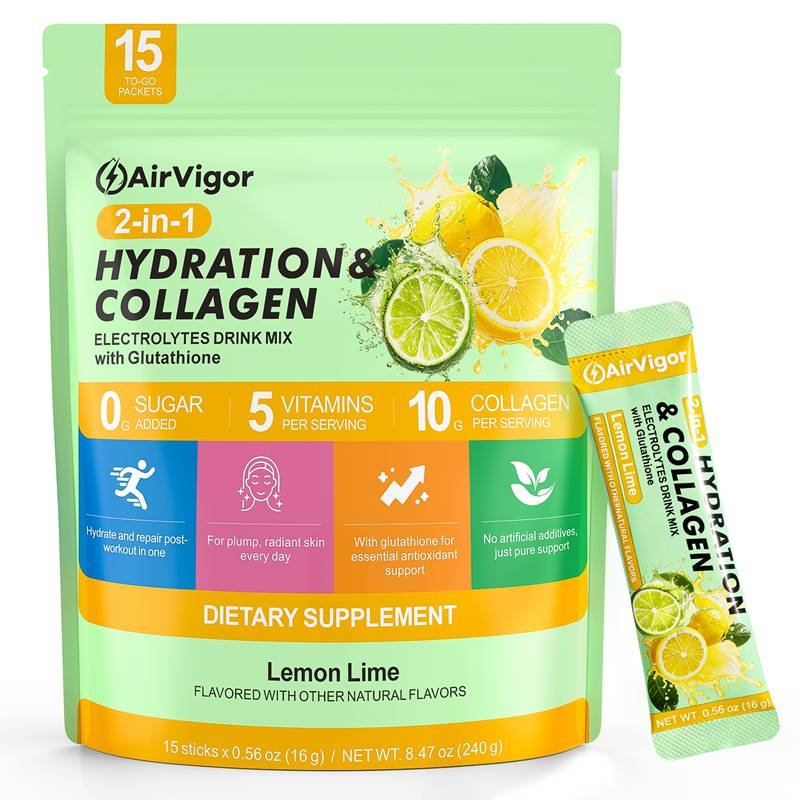
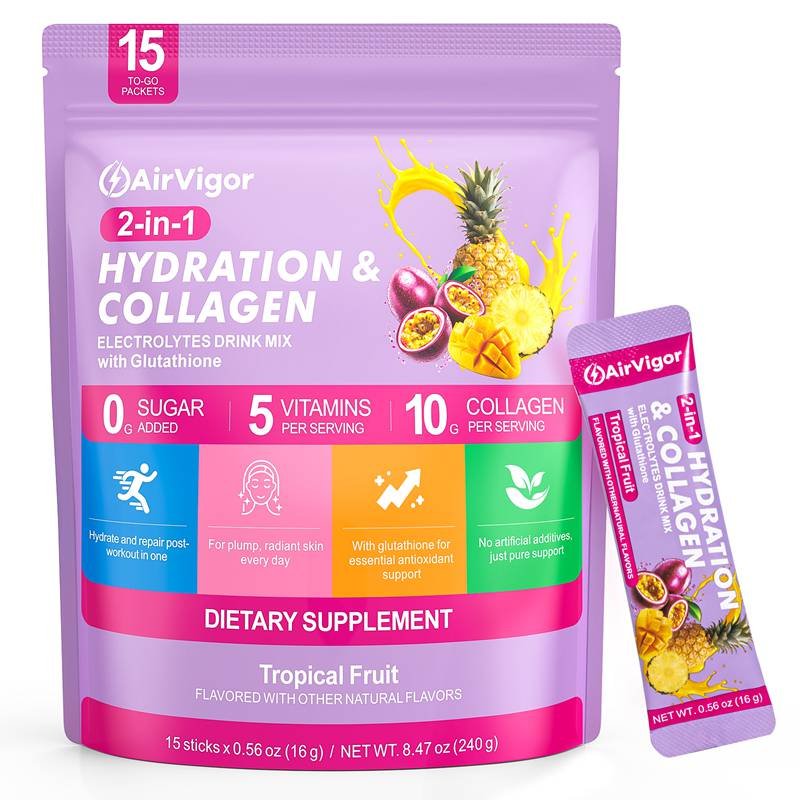
This has created rapid growth in categories such as collagen electrolytes, magnesium hydration blends, vitamin-enhanced hydration powders, and sugar-free wellness hydration sticks.
| Hydration Category | Why Customers Use It |
|---|---|
| Collagen electrolyte blends | Beauty and hydration support |
| Magnesium hydration formulas | Recovery and muscle comfort |
| Vitamin-enhanced electrolytes | Daily wellness positioning |
| Sugar-free hydration sticks | Low-calorie hydration support |
Many customers now view hydration as part of larger lifestyle habits connected to wellness, recovery, beauty routines, fitness, and energy support throughout the day.
Someone using collagen electrolytes may care about hydration and skin-focused wellness at the same time. Another customer may prefer magnesium hydration products after evening workouts or stressful workdays. Others simply want a cleaner alternative to traditional sports drinks.
Hydration has gradually moved from a narrow sports category into a much broader wellness category.
Why Is AirVigor Focused on Modern Hydration Trends?
At AirVigor, hydration product development is built around how customers actually use electrolyte products during real daily routines instead of focusing only on extreme sports positioning.
Modern customers expect hydration products to do more than replace sweat. They want formulas that:
- Taste smooth
- Dissolve easily
- Feel refreshing during repeated use
- Fit inside busy schedules
- Work during travel, work, fitness, and wellness routines
- Avoid excessive sweetness or heaviness
This is why modern hydration products increasingly focus on balancing functionality with convenience and long-term drinkability.
| AirVigor Product Focus | Customer Benefit |
|---|---|
| Balanced electrolyte systems | More comfortable daily hydration |
| Lower sugar formulas | Lighter hydration experience |
| Portable stick packs | Easier use during work and travel |
| Flavor optimization | Better repeat use |
| OEM/ODM customization | Flexible product positioning |
Hydration products are no longer judged only by sodium numbers or sports performance marketing. Customers now care much more about whether the product fits naturally into everyday life. The hydration brands growing fastest today are usually the ones creating products people genuinely enjoy using repeatedly during real daily routines.
Conclusion
Electrolyte powder works best when it matches real daily life. A customer sweating through outdoor workouts in summer heat needs a very different hydration strategy compared to someone sitting through long office hours, traveling frequently, or simply trying to drink more water consistently during busy schedules. This is why many hydration problems are not caused by electrolyte powder itself, but by using the wrong formula, mixing it incorrectly, or expecting one product to fit every situation equally well.
Over the last few years, hydration has expanded far beyond traditional sports nutrition. Many people now use electrolyte powders during workdays, flights, gym sessions, outdoor activities, and daily wellness routines because modern lifestyles make consistent hydration harder than most customers realize. Long hours with coffee, dry indoor environments, hot commutes, repeated travel, and irregular schedules all contribute to hydration habits becoming more important outside athletic settings.
Customer expectations have changed at the same time. People no longer want hydration products that feel overwhelmingly salty, excessively sweet, or difficult to drink repeatedly throughout the week. Most customers now prefer hydration formulas that feel smoother, lighter, portable, easy to mix, and realistic for long-term daily use. This is one reason lower-sugar electrolyte powders, portable stick packs, collagen hydration blends, and wellness-focused hydration products continue growing rapidly across the supplement industry.
The hydration brands performing best today are usually the ones paying close attention to how customers actually use these products in real life. Taste, portability, convenience, flavor balance, repeat usability, and overall drinking experience now influence long-term product success just as much as ingredient formulation itself.
At AirVigor, hydration product development focuses on these modern customer habits and evolving market trends. Whether you are developing sports hydration powders, sugar-free electrolyte stick packs, collagen electrolyte blends, wellness hydration products, or private-label OEM/ODM supplements, our team supports formula development, flavor customization, packaging solutions, and stick-pack manufacturing designed for today’s growing hydration market.
As hydration continues moving into mainstream wellness, the most successful products will likely be the ones customers genuinely enjoy using during everyday routines instead of only occasional athletic situations. For brands planning to enter the hydration category or expand existing supplement lines, understanding real customer behavior is becoming just as important as understanding ingredients themselves.
Share:
Contact Expert Team
At AirVigor, performance becomes effortless. We transform advanced nutrition science into clean, effective supplements that help you hydrate, recover, and feel stronger every day. Shop AirVigor Supplements on Amazon and experience athlete-trusted formulas—backed by real science and supported by our world-class R&D and production capabilities.
Trust AirVigor
At AirVigor, turning your performance goals into reality is no longer a struggle—it’s a science-driven journey we build together. Whether you’re a runner, lifter, cyclist, yogi, outdoor athlete, or someone simply seeking better daily energy, AirVigor transforms advanced nutrition research into clean, effective, and trustworthy supplements you can feel.
Backed by our U.S. scientific team, global certifications, and world-class production standards, every formula is engineered to deliver real hydration, real recovery, and real performance. And when you’re ready to experience the difference, you’ll find AirVigor products available on Amazon and other major platforms—fast shipping, consistent quality, and a community of athletes already seeing results.
Behind the scenes, our R&D and manufacturing ecosystem also supports specialized formulation development, ensuring AirVigor continues to lead with innovation while keeping quality and safety uncompromised. But at the core, everything we create is built for you—your health, your performance, your momentum.
Choose AirVigor. Feel the science. Elevate your every day.


Subscribe to our newsletter
Sign up to our newsletter and we’ll keep you up to date with the latest arrivals.