Skip to content
Generic Supplements vs Science-Based Formulas: Complete Difference Guide

Most consumers don’t wake up asking whether a formula is “generic” or “science-based.” They ask more practical questions: Why does this work for some people but not me? Why do doctors sometimes warn against supplements? Are cheaper options just as good? These are not beginner questions—they’re the questions of people who care about long-term health, training consistency, and predictable outcomes.
Sugar-Free vs Sugary Supplements : Which Is Better?

As supplement use has shifted from race-day fueling to daily hydration and routine training, the question has changed. Instead of asking “Which supplement gives me more energy?”, people now ask: Do I actually need sugar for this workout? Can I use this every day? Will it make me feel better—or worse—over time?
Types of Supplements: A Complete Guide
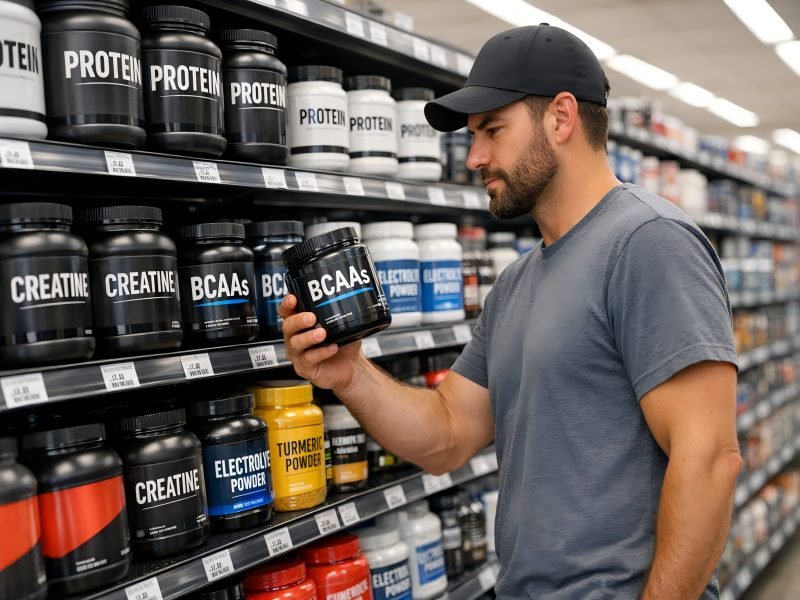
Walk into a supplement aisle—or scroll Amazon for five minutes—and you’ll see the same promise in different fonts: energy, immunity, recovery, focus, hydration, gut, sleep. The problem isn’t that supplements don’t work. It’s that most people don’t know what they’re actually trying to fix.
10 Best Nutritional Supplements in the World: Science-Based Guide

The world’s most widely recognized “best” supplement categories are those supported by broad scientific consensus and everyday usefulness: electrolytes, protein, creatine, omega-3, multivitamins/minerals, vitamin D, magnesium, probiotics, amino acids (EAA/BCAA), and collagen. These are not “magic”—they’re practical tools that help your body function better when diet, stress, heat, or training creates a shortfall.
What Is a Nutritional Supplement: A Science-Based Guide

A nutritional supplement is a product designed to complement the diet by providing nutrients such as vitamins, minerals, or functional compounds that support normal bodily functions. In the U.S., supplements are regulated as foods, not drugs, and are intended to fill nutritional gaps rather than replace meals or treat disease. Their usefulness depends on individual needs, lifestyle factors, and responsible use.
Electrolyte Powder Ingredients: What Matters Most?
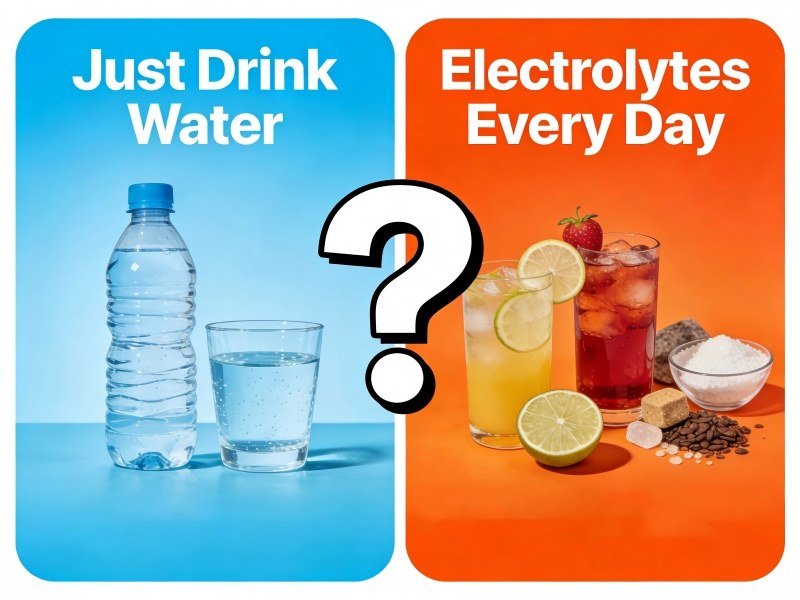
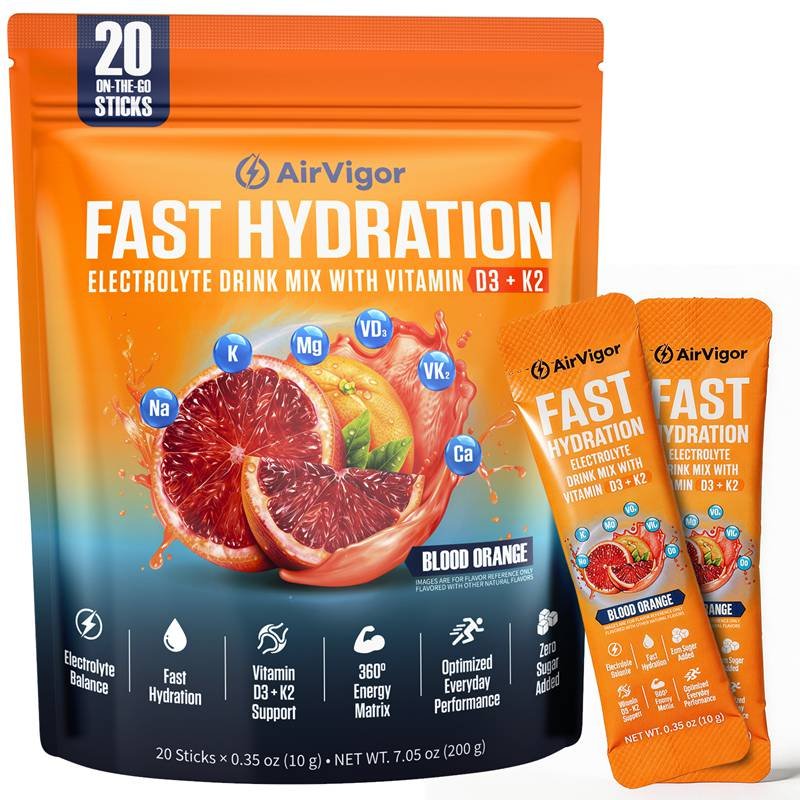
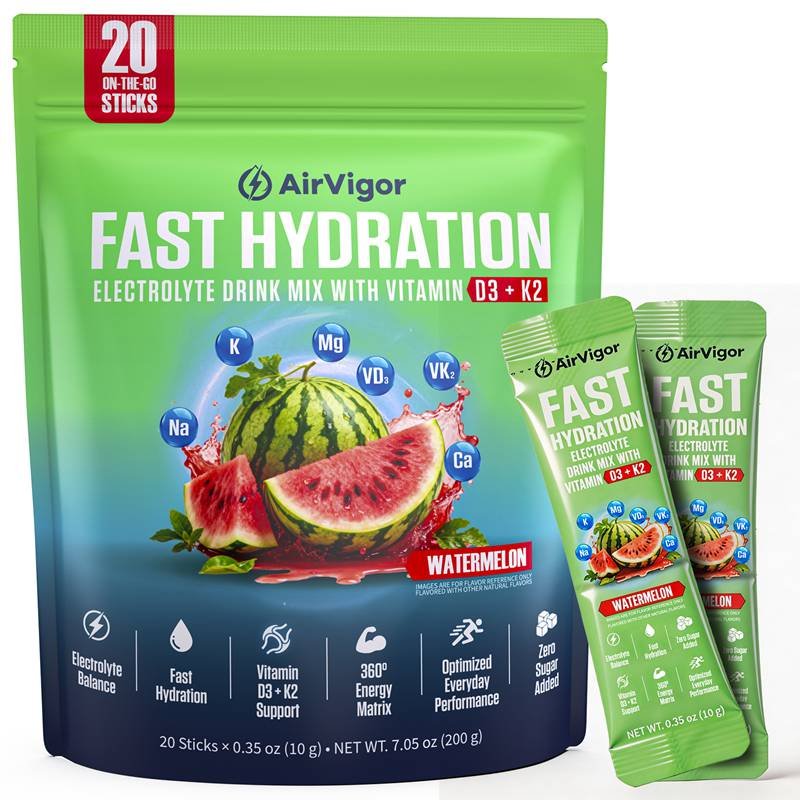
Electrolyte powders typically contain sodium, chloride, potassium, magnesium, and sometimes calcium, plus supporting ingredients like citric acid, flavoring, and sweeteners. The most important ingredients for real-world hydration are usually sodium + chloride (fluid retention), potassium (cellular balance), and magnesium (muscle/nerve function). “Best” depends on sweat loss, diet, and tolerance, not hype.
Types of Electrolytes: What They Do and How to Choose
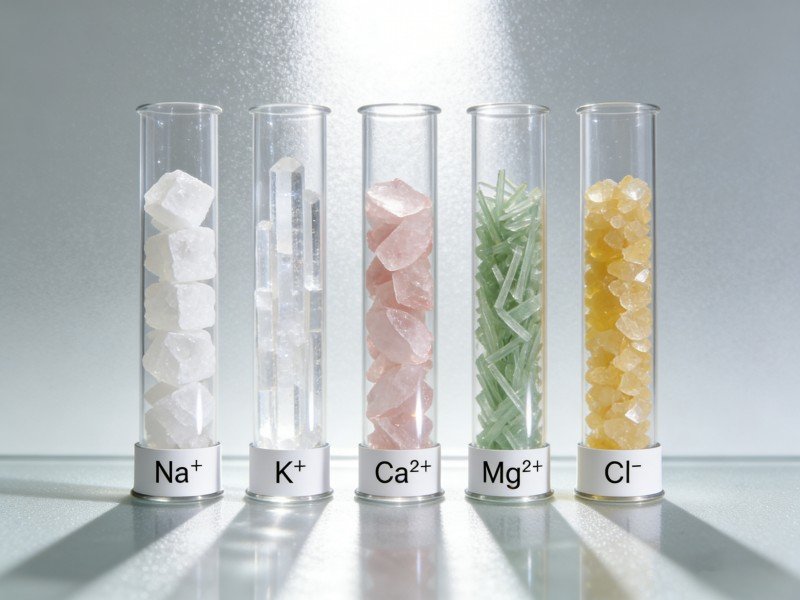
The main types of electrolytes are sodium, potassium, magnesium, calcium, and chloride. Each one supports hydration and performance in a different way: sodium and chloride regulate fluid retention and blood volume; potassium supports nerve signals and muscle contractions; magnesium helps muscles relax and supports energy metabolism; calcium drives muscle contraction and cellular communication. A “good” electrolyte supplement balances these types based on sweat loss, activity, climate, and diet—not hype.
Top Supplement Manufacturers in USA: Who to Trust & Why

The U.S. supplement industry sits at a unique intersection of innovation and regulation. While the FDA does not pre-approve dietary supplements, American manufacturers operate under some of the world’s most structured quality frameworks, including cGMP, HACCP, and ISO-based systems. The difference between an average manufacturer and a top-tier one is not marketing scale—it’s process control, scientific validation, and repeatable execution.
Electrolyte Powder Brands: A Complete Guide

Electrolyte powders sit at the intersection of hydration, performance, and daily health. They are used by athletes, office workers, travelers, and people simply trying to feel less drained by heat, stress, or long days. But popularity has outpaced understanding. Many brands market aggressively without explaining how electrolytes actually work, how formulations differ, or who should use them—and when.
List of Supplements to Take Daily: What Really Matters

A smart daily supplement routine focuses on essentials your body consistently uses: hydration support (electrolytes), protein for tissue repair, creatine for energy metabolism, and select vitamins or minerals based on diet gaps. Not everyone needs the same supplements daily. The best approach is minimal, evidence-based, and tailored to activity level, sweat loss, and recovery needs—rather than following generic “one-size-fits-all” lists.
How to Start a Sports Supplement Company: A Practical Guide

Starting a sports supplement company looks deceptively simple from the outside. You see electrolyte powders, protein tubs, and creatine jars everywhere—from Amazon to gym lockers—and it’s easy to assume the market is saturated. But here’s the reality most people miss: the sports nutrition market isn’t crowded with good companies—it’s crowded with short-lived ones.
12 Best Gym Supplements for Women: A Practical Guide

Women train with different physiological realities. Hormonal cycles influence recovery. Sweat rate and electrolyte loss vary more than most people realize. Muscle-building potential is real—but often underestimated or poorly supported. Yet many supplements marketed to women focus more on aesthetics than performance, leaving serious gym-goers under-fueled, under-recovered, and frustrated by stalled progress.