What Is Electrolyte Powder: Benefits and Best Uses Explained
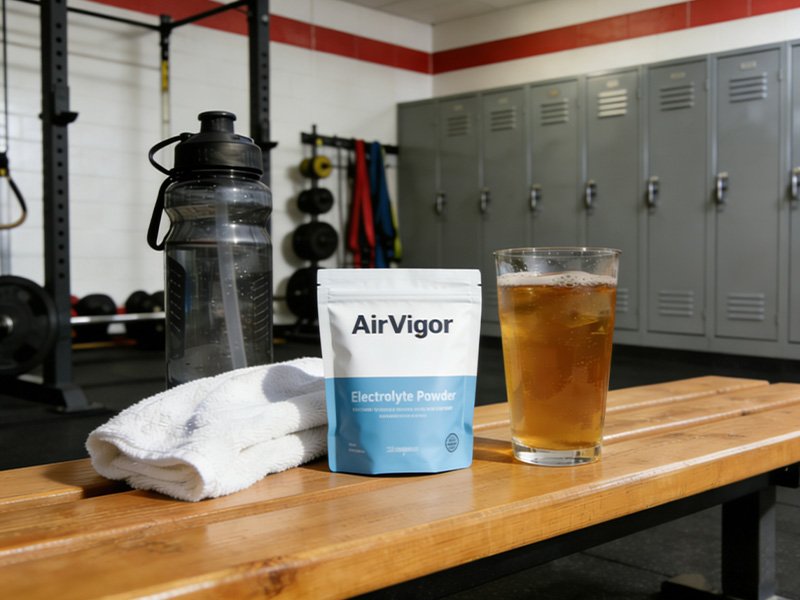
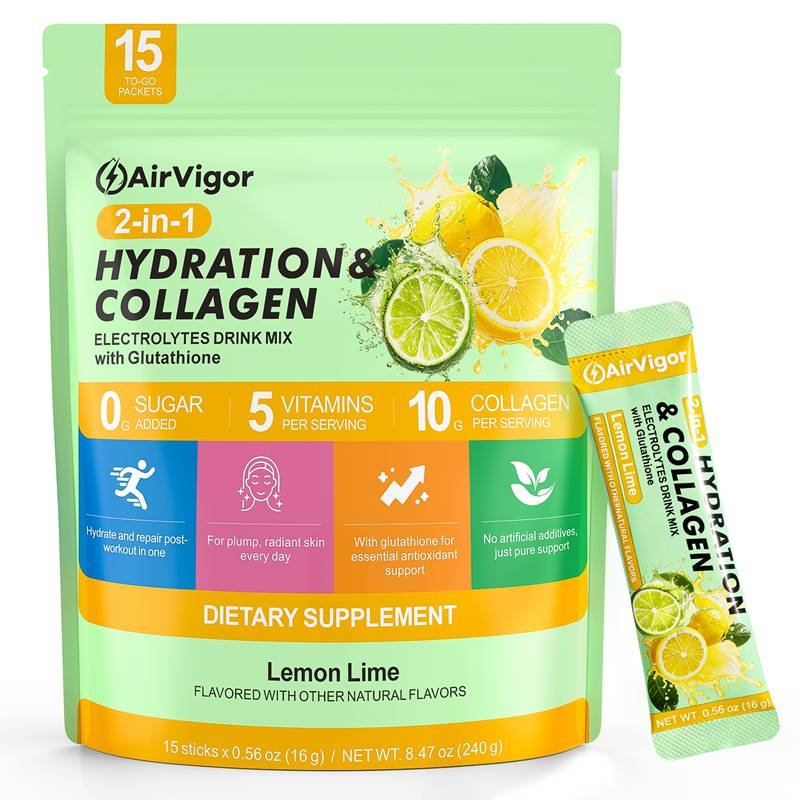
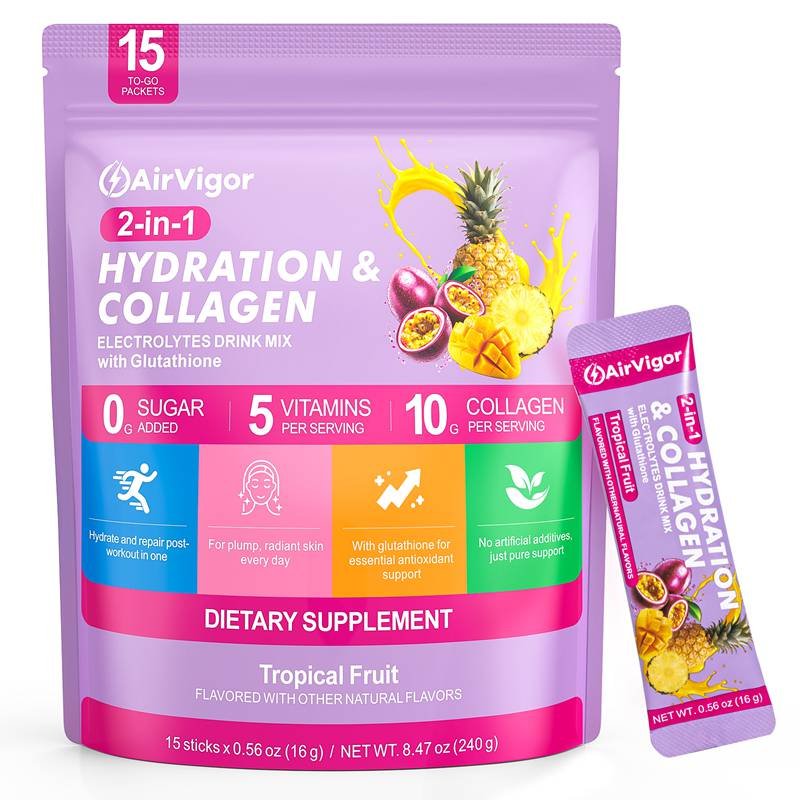
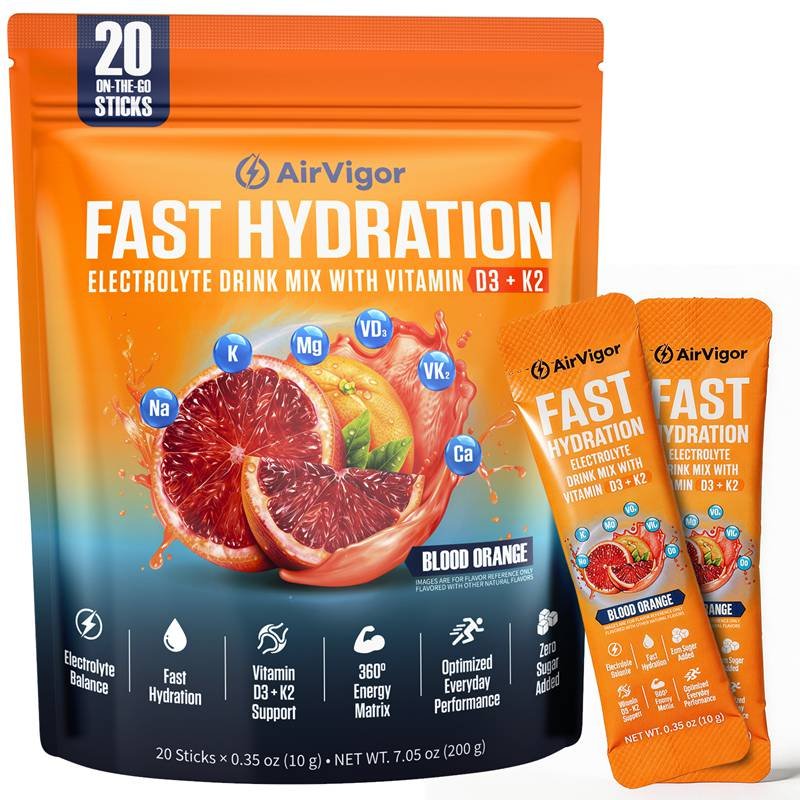
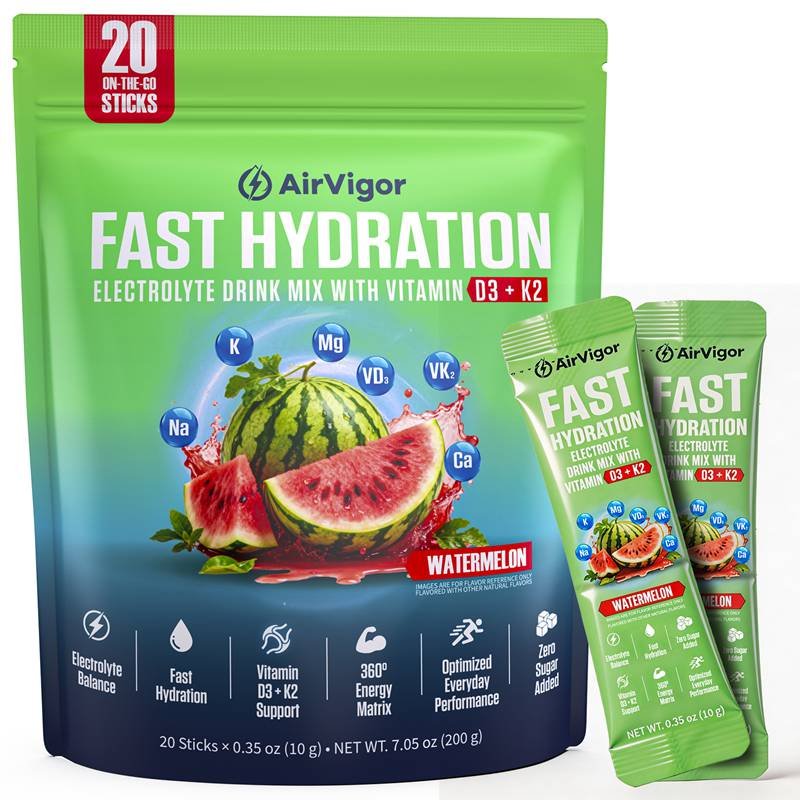
Electrolyte powder is a supplement that contains essential minerals like sodium, potassium, magnesium, and calcium, which are crucial for hydration, muscle function, and nerve health. It’s typically used to replenish lost electrolytes during intense physical activities or in situations where hydration is critical.
4 Common Sports Supplements: A Complete Guide

Sports supplements are targeted nutritional tools designed to support hydration, muscle recovery, and energy metabolism during training and daily activity. The four most common sports supplements—electrolytes, protein, creatine, and combination formulas—each serve a distinct role. When used correctly, they help stabilize performance, improve recovery, and reduce fatigue without replacing real food or training fundamentals.
How to Use Creatine:A Complete Guide
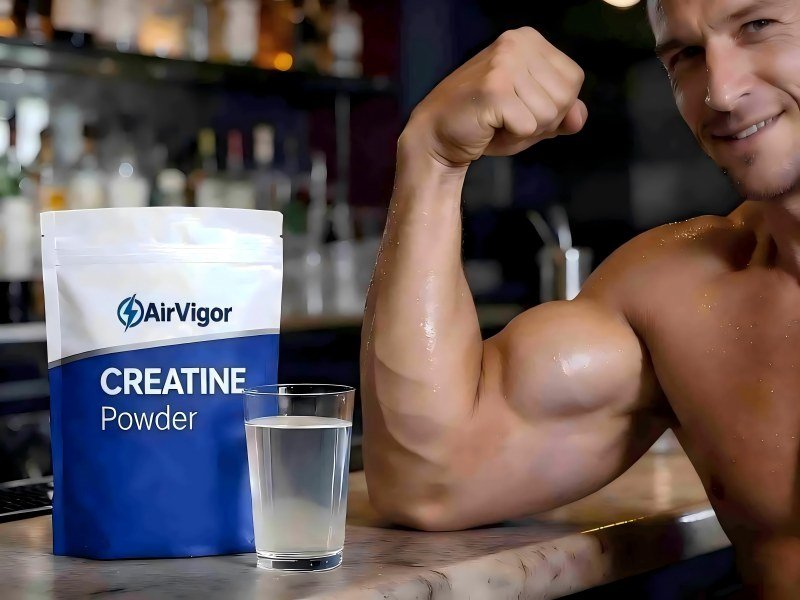
Creatine is one of the most researched and widely used supplements in sports nutrition—yet it remains one of the most misunderstood. Some people treat it like a shortcut to muscle gains. Others avoid it entirely, worried about bloating, kidney health, or “doing it wrong.” And many users try creatine once, feel nothing in the first week, and quietly give up—assuming it doesn’t work for them.
What Is Creatine Good For: A Science-Based Guide
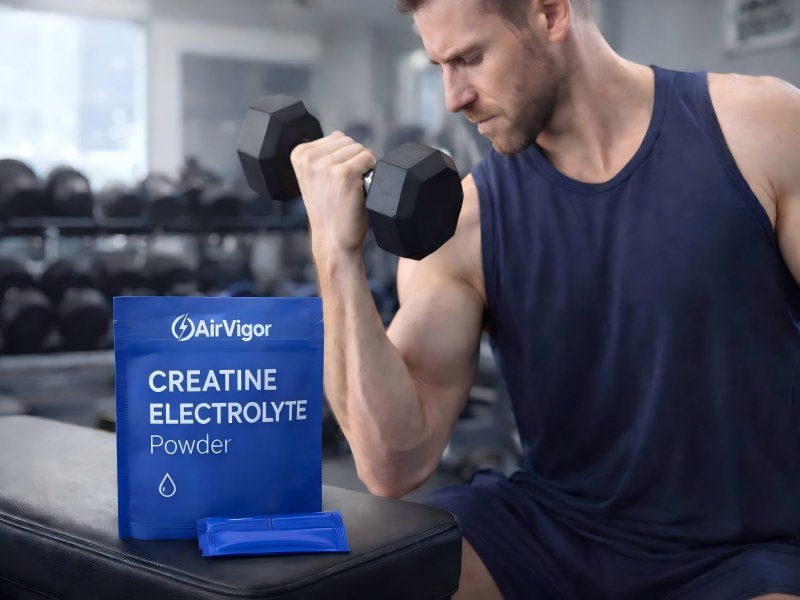
Creatine is good for improving strength, power, and repeated high-intensity performance by increasing the body’s ability to rapidly regenerate ATP (cellular energy). It can support training volume, lean mass gains over time, and faster recovery between hard efforts. Research also suggests potential benefits for brain energy and mental fatigue in certain situations. For most healthy adults, creatine monohydrate is considered safe to take daily at 3–5 grams.
Is Creatine Safe: A Comprehensive and Scientific Guide

Creatine is considered safe for most healthy adults when taken at research-backed doses (typically 3–5 g/day). Large reviews and position statements report no evidence of kidney or liver damage in healthy users, even with long-term use, though creatinine blood levels may rise due to normal creatine metabolism rather than impaired kidney function. People with kidney disease or complex medical conditions should consult a clinician before use.
What Does Creatine Do: Expert Guide
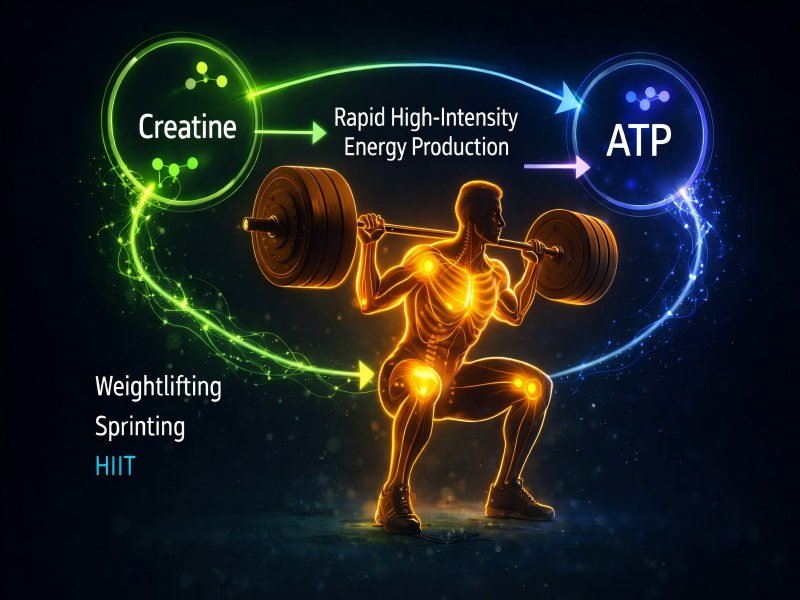
Most supplements promise energy. Creatine is one of the few that explains energy in a way your body actually recognizes—because it works with the same “instant battery” system your muscles already use when you sprint, lift, jump, or grind through a tough set. The funny part? People often start creatine for “bigger lifts,” then stay on it because training feels more consistent: fewer flat days, better repeat performance, and less of that “I’m gassed way too early” frustration.
What Is Creatine: A Complete Guide
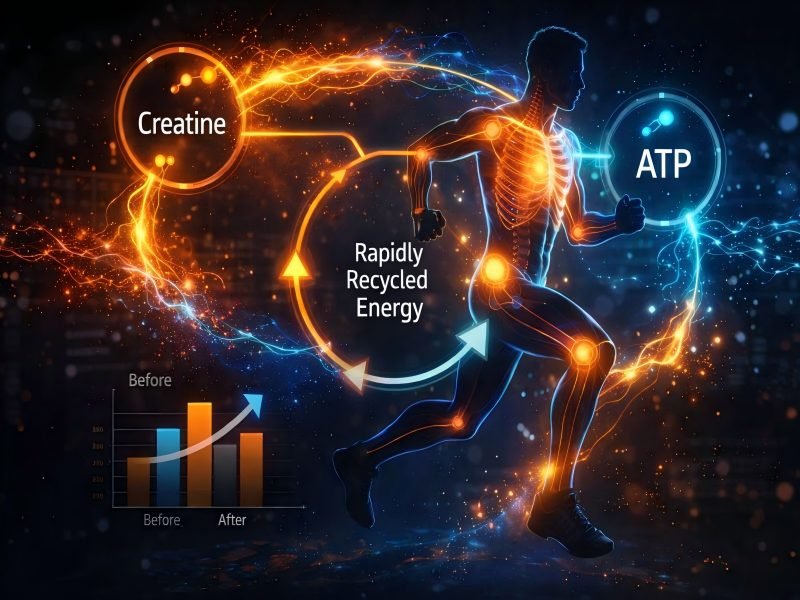
Creatine is one of those rare supplements that shows up everywhere—from gym locker rooms to physical therapy clinics—yet it’s still misunderstood. Some people think it’s a steroid (it isn’t). Others worry it “hurts your kidneys” (the evidence for healthy adults doesn’t support that at recommended doses). And then there’s the constant confusion about weight gain: […]