Sugar-Free vs Sugary Supplements : Which Is Better?

As supplement use has shifted from race-day fueling to daily hydration and routine training, the question has changed. Instead of asking “Which supplement gives me more energy?”, people now ask: Do I actually need sugar for this workout? Can I use this every day? Will it make me feel better—or worse—over time?
Types of Supplements: A Complete Guide
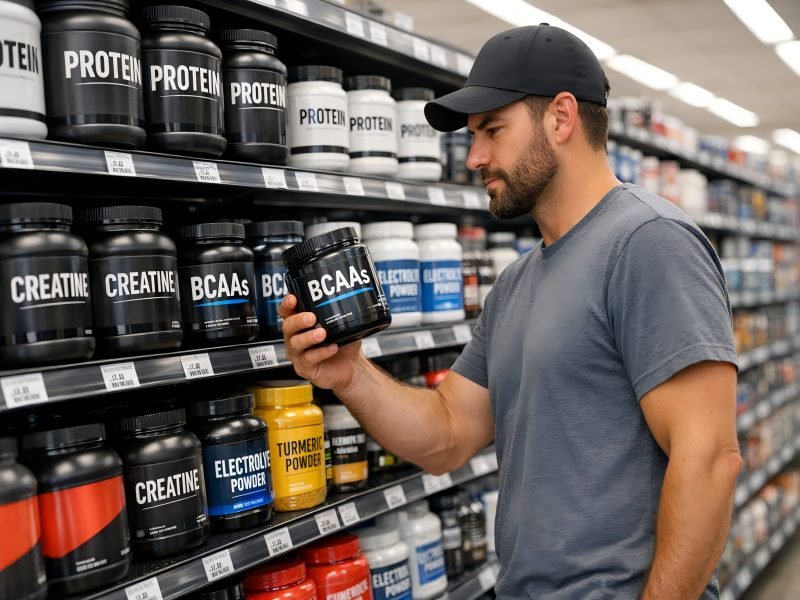
Walk into a supplement aisle—or scroll Amazon for five minutes—and you’ll see the same promise in different fonts: energy, immunity, recovery, focus, hydration, gut, sleep. The problem isn’t that supplements don’t work. It’s that most people don’t know what they’re actually trying to fix.
How to Drink Recovery Electrolyte with D3K2 Before Workout

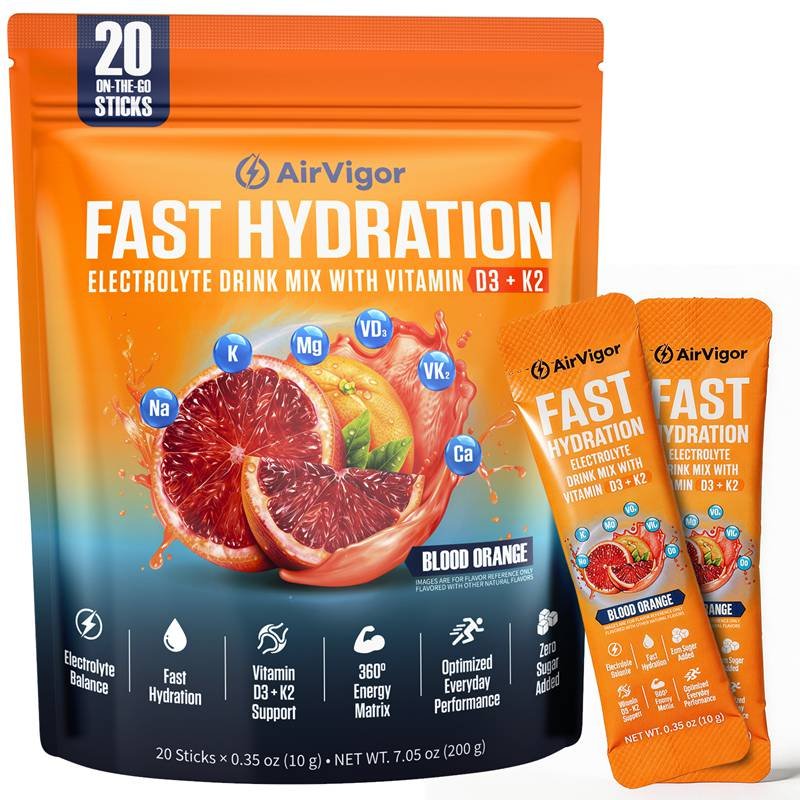
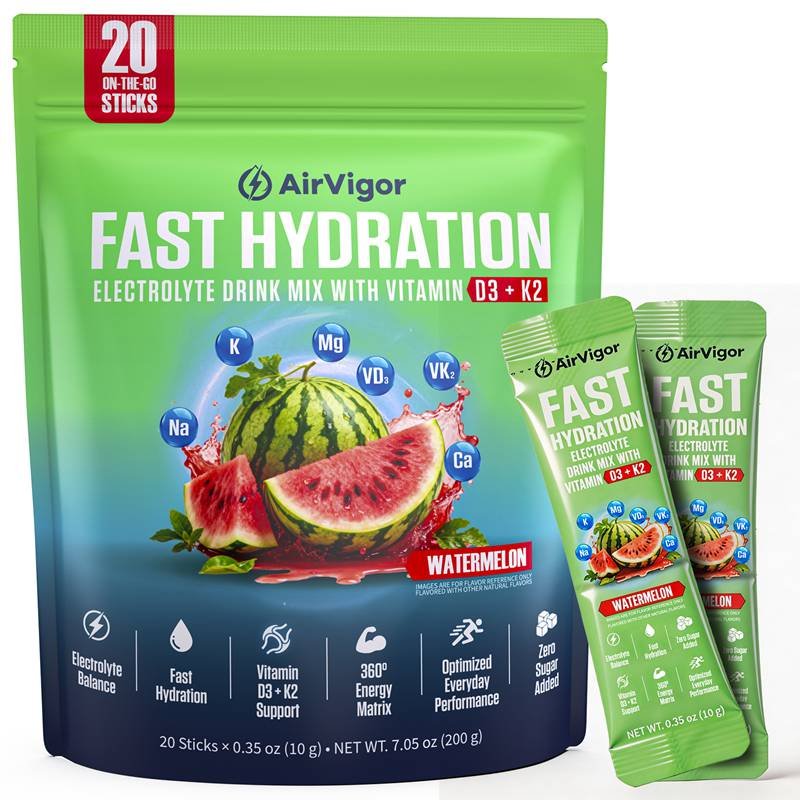
Recovery Electrolyte with D3K2 works best before training when it is used as a measured pre-workout hydration tool, not as a random drink. For many people, one serving mixed into about 400–700 mL of water is a practical starting point, used before sessions that are likely to involve sweat loss, heat, or longer duration.
Nutritional Supplements List: A Complete Guide
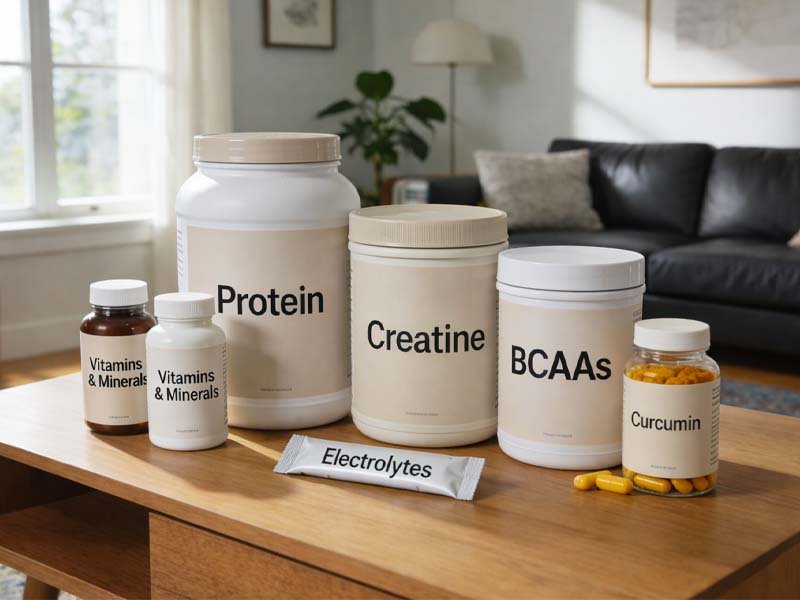
Most people don’t start searching for supplements because they want perfection. They start because something feels off. Energy drops earlier than expected. Recovery takes longer. Hydration doesn’t seem to work, no matter how much water they drink. Or workouts and daily focus feel harder to sustain than they used to.
Best Nutritional Supplements for Elderly: A Practical Guide

The best nutritional supplements for elderly adults are those that address age-related needs such as muscle maintenance, hydration efficiency, bone support, and nutrient absorption. Protein supplements, essential vitamins, and balanced electrolytes are often the most practical options.
How to Drink Recovery Electrolyte with D3K2 After Workout

Recovery Electrolyte with D3K2 is best used after training by matching the serving to sweat loss, mixing it with an appropriate amount of water, and drinking it within the early recovery window rather than randomly hours later. For most post-workout situations, one serving in roughly 400–700 mL of water works as a practical starting point, while heavier sweat loss may require more fluid and sometimes more than one serving over time.
Potassium in Recovery Electrolytes: Benefits, Dose & Safety

Potassium in a recovery electrolyte helps support intracellular fluid balance, muscle function, nerve signaling, and the sodium–potassium system that keeps cells working under physical stress. It does not replace sodium’s role in sweat replacement, but it helps complete the hydration picture—especially in formulas designed for training recovery, repeated sweating, and more balanced electrolyte support.
What Does Potassium Really Do in Electrolyte Recovery Drinks: A Complete Guide
Potassium in electrolyte recovery drinks helps regulate fluid distribution inside cells, supports normal muscle contraction, and balances sodium to maintain electrical stability in muscles and nerves. Without adequate potassium, hydration may remain incomplete, leading to fatigue, stiffness, or cramping even when water and sodium intake appear sufficient.
Recovery Electrolyte Ingredient Breakdown: Magnesium

Magnesium participates in more than 300 enzyme reactions in the human body. It helps regulate muscle contraction and relaxation, supports energy production inside cells, and assists the movement of minerals such as calcium and potassium across cell membranes. For people who train regularly, recovery is not just about replacing lost fluids—it also involves helping the body transition from repeated muscle contractions back to a stable, relaxed state where normal cellular processes can recover and reset.
Vitamin D3 and K2 Synergy: How They Work Together for Health Benefits

Vitamin D3 helps your body absorb calcium, but without Vitamin K2, that calcium may end up in the wrong places. Together, D3 and K2 ensure that calcium is efficiently utilized, promoting bone strength, muscle recovery, and cardiovascular health. Many people are unaware that supplementing with D3 without K2 could lead to negative health effects, such as arterial calcification. By pairing D3 and K2, you unlock a more effective and safe way to support your health.
Citric Acid in Recovery Electrolytes: Benefits & Safety

Citric acid in recovery electrolytes supports hydration by improving taste, maintaining mineral solubility, and encouraging consistent fluid intake. While it does not directly rehydrate muscles on its own, citric acid helps electrolytes like sodium and potassium function more effectively during and after exercise. When used at appropriate levels, it is safe, widely tolerated, and plays a supporting—but important—role in modern recovery formulas.
Understanding Chloride for Recovery Electrolytes: Role, Dosage & Benefits
Recovery after intense exercise is not just about rehydration; it’s about replenishing essential electrolytes that help muscles recover, restore fluid balance, and maintain optimal function. One such vital electrolyte is chloride, an often-overlooked but crucial component in the recovery process.