Skip to content
Can You Drink Electrolytes in the Morning : A Simple Guide
# Your Trusted Dietary Supplement Brand In US
- Emily

Table of Contents
Morning hydration habits can significantly influence physical comfort, fluid balance, and overall daily performance. After several hours without fluid intake during sleep, many people begin the day with mild dehydration symptoms without immediately recognizing the cause. Dry mouth, morning fatigue, headaches during travel, reduced workout comfort, and persistent thirst later in the morning are often associated with inconsistent hydration patterns rather than severe dehydration alone. Factors such as frequent caffeine consumption, climate-controlled indoor environments, travel schedules, exercise routines, hot weather, and irregular sleep patterns can further increase daily fluid loss.
Morning electrolyte intake has become increasingly common among consumers seeking more consistent hydration support throughout the day. Electrolyte powders may help support fluid balance after overnight water loss, particularly for individuals who exercise early, sweat frequently, travel regularly, or rely heavily on coffee during morning routines. For long-term daily use, balanced electrolyte formulas are generally more suitable than traditional high-sugar sports beverages designed primarily for endurance athletics.
The hydration category itself has evolved considerably over the past several years. Electrolytes were once positioned almost exclusively around competitive sports and intense physical performance. Today, hydration products are widely integrated into broader wellness routines, including office work, travel, recovery, fitness, outdoor activity, and general daily wellness habits. As consumer expectations continue shifting toward practical daily hydration, electrolyte powders are increasingly viewed as lifestyle-oriented wellness products rather than products reserved only for athletes.
Why Are More People Drinking Electrolytes in the Morning?
Morning electrolyte use has expanded well beyond traditional sports nutrition categories. Hydration products that were once associated primarily with endurance athletes are now commonly integrated into office routines, travel schedules, gym recovery habits, and broader daily wellness practices. For many consumers, the focus is no longer maximum athletic performance, but maintaining more stable hydration patterns during long workdays, repeated caffeine intake, frequent travel, heat exposure, and physically demanding schedules.
Modern hydration challenges are often less dramatic than severe dehydration, yet they still influence how people feel throughout the day. Mild fluid imbalance after sleep may contribute to dry mouth, sluggishness during the first half of the morning, headaches during travel, increased thirst later in the day, or reduced workout comfort during early exercise sessions. Climate-controlled indoor environments, poor sleep quality, hot weather, long commuting hours, and inconsistent water intake frequently intensify these patterns. As hydration awareness has increased, electrolyte powders have gradually shifted from niche athletic products into practical daily wellness products used across a much broader range of lifestyles.
Why Do Morning Hydration Habits Matter?
The body continuously loses fluids overnight through respiration, perspiration, and normal metabolic activity. Because most adults spend seven to nine hours without fluid intake during sleep, the body typically begins the morning with a mild reduction in hydration status. While this is usually not medically significant in healthy individuals, it can still influence physical comfort, perceived energy levels, and hydration consistency during the early part of the day.
Morning hydration habits often shape fluid intake behavior for the remainder of the day. Individuals who begin the morning with adequate fluid intake are generally more likely to maintain steadier hydration during work hours, exercise sessions, outdoor activities, and travel schedules. In contrast, delaying hydration until late morning or early afternoon commonly leads to prolonged periods of low fluid intake, particularly among individuals with coffee-heavy work routines or fast-paced schedules.
Several lifestyle patterns frequently increase the likelihood of inconsistent morning hydration:
| Daily Routine Factor | Potential Effect on Hydration |
|---|---|
| Early caffeine consumption | Delays water intake |
| Hot or humid climates | Increases fluid turnover |
| Air-conditioned work environments | Contributes to dryness |
| Frequent air travel | Exposes the body to low-humidity conditions |
| Morning workouts | Increases sweat-related fluid loss |
| Irregular sleep schedules | Disrupts recovery and hydration habits |
The growing interest in morning electrolytes is closely connected to convenience and routine consistency. Portable stick-pack formats require minimal preparation, fit easily into commuting and travel schedules, and integrate naturally into existing wellness habits. This practicality has contributed significantly to the expansion of electrolyte products into broader lifestyle and wellness categories.
Why Are Electrolytes Used Instead of Plain Water?
Plain water remains the foundation of healthy hydration and should continue serving as the primary source of daily fluid intake. However, many consumers report that water alone feels less effective during situations involving sweat loss, prolonged travel, heat exposure, physically demanding schedules, or repeated caffeine intake. In these situations, electrolyte-containing beverages may provide a more satisfying hydration experience because electrolytes help regulate fluid balance throughout the body.
Sodium plays a particularly important role in maintaining fluid balance and supporting fluid retention during perspiration. Potassium contributes to intracellular fluid regulation, while magnesium and calcium participate in muscular and nerve-related physiological processes. During periods of increased fluid loss, electrolyte intake may help support hydration maintenance more effectively than water alone.
The increased popularity of electrolyte powders is also strongly influenced by consumer behavior patterns rather than physiology alone. Maintaining consistent water intake throughout busy schedules remains difficult for many individuals, particularly during office work, travel, commuting, or extended periods away from home. Lightly flavored electrolyte beverages are often consumed more consistently because they provide greater sensory appeal while remaining easier to carry and prepare than traditional bottled sports drinks.
Hydration products have evolved considerably in response to these changing consumer preferences. Earlier generations of sports drinks were formulated primarily for endurance athletics and frequently contained high sugar levels, aggressive flavor profiles, and large serving sizes designed for prolonged physical exertion. Current hydration consumers increasingly prioritize products that support everyday usability, lighter taste profiles, moderate sodium levels, and flexible use across work, fitness, travel, and general wellness routines.
| Traditional Sports Drinks | Modern Daily Hydration Formulas |
|---|---|
| Designed mainly for endurance sports | Designed for broader daily routines |
| Often high in sugar | Frequently lower in sugar |
| Heavy flavor profiles | Lighter drinkability |
| Large bottled formats | Portable stick packs |
| Sports-focused positioning | Wellness-oriented positioning |
Balanced electrolyte powders are therefore becoming increasingly common among consumers seeking hydration products suitable for regular daily use rather than only intense athletic activity.
Which People Benefit Most From Morning Electrolytes?
Morning electrolytes are not equally necessary for every individual. Consumers with balanced diets, moderate activity levels, stable climates, and consistent water intake habits may maintain adequate hydration through water consumption alone. However, several lifestyle groups are more likely to experience hydration-related discomfort during the morning hours and therefore show greater interest in electrolyte supplementation.
Individuals who exercise early in the day often begin workouts before achieving adequate hydration after sleep, particularly during fasted training sessions or outdoor exercise in warm climates. Travelers represent another major consumer group because commercial aircraft cabins typically maintain humidity levels well below normal indoor conditions, contributing to dryness and fatigue during long-distance travel. Office professionals with high caffeine intake and limited fluid consumption during meetings also commonly report inconsistent hydration patterns throughout workdays.
| Consumer Group | Common Hydration Challenge |
|---|---|
| Early-morning gym users | Beginning exercise under-hydrated |
| Frequent travelers | Dry cabin air and irregular schedules |
| Outdoor workers | Elevated sweat loss during heat exposure |
| Office professionals | Low fluid intake during work hours |
| Shift workers | Irregular hydration patterns |
| Wellness-focused consumers | Integration of hydration into daily routines |
Convenience remains one of the strongest drivers behind repeat hydration product use. Consumers are more likely to maintain long-term hydration habits when products are portable, easy to prepare, lightweight, and practical across multiple situations. This flexibility has contributed significantly to the growth of stick-pack hydration formats within wellness and supplement categories.
Can Morning Electrolytes Support Daily Energy and Focus?
Electrolytes should not be positioned as stimulant-based energy products. They do not function in the same manner as caffeine or high-stimulant pre-workout supplements. However, hydration quality can influence physical comfort, cognitive sharpness, and perceived fatigue throughout the day, particularly during periods of inadequate fluid intake.
Even mild reductions in hydration status may contribute to headaches, physical sluggishness, muscular discomfort, reduced workout tolerance, and feelings of dryness during long workdays or travel-heavy schedules. Because these symptoms overlap with general fatigue, hydration is increasingly discussed within broader conversations surrounding daily wellness, work productivity, recovery habits, and sustained physical comfort.
Consumer demand has gradually shifted toward hydration products positioned around stability and routine support rather than extreme performance enhancement. This shift has influenced both formulation trends and product positioning across the supplement industry. Many modern hydration formulas now include additional wellness-oriented ingredients such as magnesium, coconut water powder, collagen peptides, hyaluronic acid, vitamin C, zinc, trace minerals, and sea moss to align with broader lifestyle and beauty wellness categories.
| Current Consumer Priority | Hydration-Related Interest |
|---|---|
| Stable daily energy | Consistent fluid intake |
| Workout recovery | Sweat-related hydration support |
| Travel wellness | Reduced dryness during flights |
| Heat management | Improved fluid replacement |
| Daily comfort | Reduced feelings of fatigue and dryness |
Professional hydration positioning increasingly emphasizes realistic daily usability rather than exaggerated performance claims. Consumers generally respond more positively to hydration messaging centered around consistency, practicality, drinkability, and integration into existing routines. Within the morning hydration category, products that feel balanced, convenient, and suitable for repeated use tend to align more effectively with long-term consumer behavior than highly aggressive sports formulations designed exclusively for endurance athletics.
What Do Electrolytes in the Morning Do?
Morning electrolyte routines are increasingly associated with daily hydration maintenance rather than only sports recovery. While electrolyte beverages were historically positioned around endurance athletics, current consumer behavior shows much broader use across office work, travel, fitness routines, heat exposure, and general wellness habits. For many individuals, the primary goal is not maximizing athletic output, but improving hydration consistency during schedules that involve frequent caffeine intake, prolonged indoor work, irregular water consumption, commuting, or repeated exposure to dry environments.
The body naturally loses fluids overnight through respiration and perspiration, leaving most individuals with a mild reduction in hydration status upon waking. In healthy adults, this is typically manageable through normal fluid intake. However, modern lifestyle patterns frequently intensify the effects of overnight fluid loss before hydration habits are fully restored. Early-morning exercise sessions, air-conditioned indoor environments, poor sleep quality, long-distance travel, hot climates, and delayed water intake commonly contribute to physical discomfort during the first half of the day. Morning electrolyte products are increasingly used within this context because they provide both fluid intake and electrolytes that help regulate fluid balance during periods of elevated fluid turnover.
Do Morning Electrolytes Improve Hydration Efficiency?
Electrolytes support several physiological processes involved in hydration regulation. Sodium helps maintain extracellular fluid balance and supports fluid retention during perspiration, while potassium contributes to intracellular fluid regulation. Magnesium and calcium participate in muscular and nerve-related functions that are also influenced by hydration status. During periods of elevated sweat loss, prolonged heat exposure, or inconsistent fluid intake, electrolyte-containing beverages may support hydration maintenance more effectively than water alone.
This distinction becomes more relevant in common daily situations rather than extreme athletic environments. Individuals who begin the morning with coffee before adequate water intake, commute in hot weather, participate in early workouts, or spend long hours in dry indoor environments often experience mild but persistent hydration inconsistency throughout the day. These patterns rarely produce severe dehydration in healthy adults, yet they may still contribute to dry mouth, increased thirst, headaches, reduced workout comfort, or feelings of sluggishness during work hours and travel schedules.
| Common Daily Situation | Potential Hydration Impact |
|---|---|
| Early workouts | Sweat loss before adequate fluid intake |
| Long office hours | Reduced hydration consistency |
| Frequent air travel | Exposure to low-humidity environments |
| Coffee-heavy mornings | Delayed fluid consumption |
| Outdoor commuting in heat | Increased perspiration |
Hydration consistency is frequently a larger issue than total daily water volume alone. Many individuals eventually consume adequate fluids by evening but remain under-hydrated throughout large portions of the morning and afternoon. Morning electrolyte routines may help establish earlier fluid intake patterns, particularly among individuals whose schedules make consistent hydration difficult to maintain.
Consumer preference also plays an important role in hydration behavior. Plain water remains essential, yet maintaining consistent water intake throughout workdays, travel schedules, and physically demanding routines can be difficult for many individuals. Electrolyte powders are often consumed more consistently because flavored hydration products are generally perceived as more convenient and easier to integrate into repeated daily use. Portable stick-pack formats have contributed substantially to this shift by simplifying hydration during commuting, office work, fitness routines, and travel-related schedules.
Can Morning Electrolytes Help Reduce Fatigue and Dryness?
Electrolytes do not function as stimulant-based energy products and should not be positioned as replacements for sleep, recovery, or balanced nutrition. However, hydration status can influence physical comfort, perceived fatigue, and general well-being during the day, particularly in environments associated with elevated fluid loss or inconsistent hydration patterns.
Mild reductions in hydration status are commonly associated with symptoms such as dry mouth, headaches, muscular tightness, increased thirst, and reduced physical comfort during exercise or prolonged work periods. These symptoms are frequently intensified by repeated caffeine intake, air-conditioned environments, low-humidity travel conditions, hot-weather exposure, and prolonged periods without fluid intake. Because these experiences overlap with common daily complaints related to fatigue and discomfort, hydration products are increasingly positioned within broader wellness and lifestyle categories rather than only fitness categories.
| Lifestyle Pattern | Common Physical Complaint |
|---|---|
| Air-conditioned office work | Dryness and afternoon fatigue |
| Long-distance travel | Headaches and dry mouth |
| Repeated caffeine intake | Increased thirst |
| Heat exposure | Physical sluggishness |
| Early exercise sessions | Reduced workout comfort |
The hydration category has expanded significantly in response to these broader consumer needs. Electrolyte formulas are now frequently developed with ingredients associated with recovery, beauty wellness, and daily lifestyle support, including magnesium, coconut water powder, collagen peptides, hyaluronic acid, zinc, trace minerals, and vitamin C. Rather than targeting only endurance athletics, many hydration products are now positioned around repeat usability, moderate flavor intensity, lower sugar content, and compatibility with long-term daily routines.
This broader positioning reflects changing consumer expectations within wellness markets. Products intended for repeated daily use are generally expected to maintain balanced sodium levels, lighter flavor profiles, and portability suitable for work, travel, exercise, and general lifestyle routines. Highly aggressive sports formulations designed exclusively for endurance conditions are often less suitable for consumers seeking hydration support across ordinary daily environments.
Do Morning Electrolytes Support Workout Recovery?
Workout recovery remains one of the largest drivers of electrolyte product use, particularly among consumers who train during morning hours. Exercise-related perspiration reduces both fluid volume and electrolyte balance, especially sodium. The extent of fluid and electrolyte loss varies substantially according to workout intensity, environmental conditions, sweat rate, and exercise duration.
| Exercise Environment | Relative Hydration Demand |
|---|---|
| Light indoor stretching or yoga | Low to moderate |
| Moderate gym training | Moderate |
| Outdoor running in warm conditions | High |
| High-intensity interval training | Moderate to high |
| Endurance exercise | Very high |
Morning exercise routines create a unique hydration challenge because many individuals begin training before fully restoring hydration after sleep. This is particularly common among consumers participating in fasted workouts, early commuting schedules, or outdoor training sessions during warm weather. Under these conditions, electrolyte-containing beverages may help support fluid replacement and hydration maintenance during post-workout recovery periods.
Hydration preferences within fitness markets have also changed considerably over the past decade. Earlier sports hydration products were heavily centered around carbohydrate replenishment for endurance athletics and often contained high sugar levels, intense flavor profiles, and large serving sizes. Current consumers increasingly prefer hydration products designed for broader usability across exercise, office work, travel, and general wellness routines.
Products positioned for repeated daily hydration now commonly emphasize moderate sweetness, lighter flavor profiles, balanced sodium levels, and convenient portable packaging. This transition toward daily usability has expanded electrolyte powders beyond traditional sports nutrition categories into wider lifestyle and wellness markets.
Why Are Electrolytes Becoming More Common in Daily Wellness?
Hydration has become increasingly integrated into broader wellness behavior rather than remaining limited to exercise recovery. Consumers now associate hydration with work productivity, travel comfort, heat management, physical recovery, outdoor activity, and general daily wellness maintenance. Several long-term consumer trends have contributed to this expansion, including increased participation in fitness activities, more travel-heavy lifestyles, higher awareness surrounding wellness routines, and prolonged exposure to indoor climate-controlled environments.
| Consumer Trend | Influence on Hydration Behavior |
|---|---|
| Increased wellness awareness | Greater focus on hydration routines |
| Higher fitness participation | More recovery-related hydration demand |
| Frequent travel schedules | Greater interest in portable hydration |
| Indoor office work | Increased exposure to dry environments |
| Coffee-heavy routines | Greater awareness of fluid intake |
The widespread adoption of portable hydration formats has also accelerated category growth. Stick-pack electrolyte powders are lightweight, shelf-stable, easy to transport, and compatible with work schedules, gym routines, commuting, and travel environments. These practical characteristics have increased the likelihood of repeated use, particularly among consumers seeking hydration products that integrate naturally into existing daily behavior.
Long-term consumer preference increasingly favors hydration products designed around consistency and usability rather than extreme performance positioning. Products intended for daily use are generally expected to provide moderate sodium levels, lower sugar content, balanced drinkability, and flexibility across multiple environments. As hydration products continue expanding into mainstream wellness markets, electrolyte powders are increasingly positioned as practical lifestyle-oriented hydration products rather than supplements reserved exclusively for athletes.

Should You Drink Electrolytes in the Morning Before Coffee?
Morning coffee remains one of the most established routines in modern daily life, particularly among office professionals, travelers, shift workers, and individuals managing demanding schedules. At the same time, hydration patterns during the first several hours of the day are often inconsistent. Most adults spend seven to nine hours without fluid intake during sleep, yet many begin the morning with caffeine before consuming meaningful amounts of water. Repeated exposure to air-conditioned indoor environments, long commuting hours, early workouts, frequent travel, and high daily caffeine intake may further intensify feelings of dryness, thirst, headaches, or physical sluggishness during the first half of the day.
The increasing popularity of morning electrolyte products reflects broader changes in consumer wellness behavior rather than growing avoidance of coffee itself. Hydration timing has become a larger focus within modern wellness routines, particularly among individuals seeking more stable hydration patterns during work-heavy schedules, physically demanding environments, or travel-related routines. Electrolyte powders are increasingly integrated into morning habits because they provide a practical method of restoring fluid intake earlier in the day while also supplying electrolytes involved in fluid regulation.
How Does Coffee Influence Morning Hydration?
Moderate coffee intake does not typically cause severe dehydration in healthy adults. However, caffeine consumption frequently overlaps with lifestyle habits already associated with inconsistent hydration. Individuals who consume multiple cups of coffee during long work hours often reduce total water intake unintentionally, particularly during meetings, commuting schedules, travel, or prolonged desk-based work. In many cases, coffee becomes the dominant morning beverage while hydration is delayed until later in the day.
This pattern becomes more noticeable in environments associated with elevated fluid turnover. Hot-weather commuting, physically demanding work, frequent flights, morning exercise sessions, and prolonged exposure to climate-controlled indoor air can all increase the likelihood of hydration-related discomfort when fluid intake remains low during the morning hours. Dry mouth, increased thirst, headaches during travel, and reduced workout comfort are commonly associated with these combined lifestyle factors rather than caffeine alone.
| Morning Routine Pattern | Potential Hydration Impact |
|---|---|
| Coffee immediately after waking | Delayed fluid intake |
| Multiple coffees before noon | Reduced hydration consistency |
| Coffee during long office hours | Lower overall water consumption |
| Fasted caffeine intake | Increased perception of dryness |
| Coffee during frequent travel | Greater likelihood of dehydration discomfort |
Morning hydration timing has therefore become an increasing area of focus within wellness-oriented routines. Rather than eliminating caffeine entirely, many consumers now prioritize fluid intake before or alongside coffee consumption. This adjustment is particularly common among individuals seeking steadier hydration during demanding schedules, prolonged workdays, fitness routines, or travel-heavy lifestyles.
Why Are Electrolytes Used Before Coffee Instead of Plain Water?
Plain water remains essential for healthy hydration and should continue serving as the primary source of daily fluid intake. However, maintaining consistent water consumption during the morning hours remains difficult for many individuals. Fast-paced schedules, commuting routines, early meetings, child-care responsibilities, exercise sessions, and immediate caffeine intake frequently reduce the likelihood of adequate fluid consumption before leaving home.
Electrolyte beverages are often used before coffee because they may encourage earlier and more consistent fluid intake while supporting hydration balance during periods of elevated fluid turnover. Sodium contributes to extracellular fluid balance and fluid retention, while potassium supports intracellular fluid regulation. During conditions involving perspiration, heat exposure, prolonged travel, or physically demanding routines, electrolyte-containing beverages may provide a more sustained hydration experience than water alone.
Consumer behavior patterns also contribute significantly to repeat hydration habits. Flavored hydration products are frequently consumed more consistently than plain water during office work, commuting schedules, and travel routines because they are perceived as more convenient and easier to integrate into daily behavior. Portable stick-pack formats have accelerated this trend by simplifying hydration during workdays, flights, fitness routines, and outdoor activities.
Hydration product development has evolved substantially in response to these broader consumer preferences. Earlier generations of sports beverages were designed primarily for endurance athletics and often emphasized high sugar content, intense flavor profiles, and large serving sizes. Current hydration consumers increasingly favor products formulated for repeated daily use, moderate sweetness, balanced sodium levels, and compatibility with work, fitness, travel, and general wellness routines.
| Traditional Sports Drinks | Modern Daily Hydration Products |
|---|---|
| Endurance-sport focused | Daily wellness focused |
| Frequently high in sugar | Often lower in sugar |
| Aggressive flavor intensity | Lighter drinkability |
| Large bottled servings | Portable stick-pack formats |
| Workout-centered positioning | Multi-environment usability |
This shift toward practical daily usability has expanded electrolyte products beyond traditional sports nutrition categories into broader wellness and lifestyle markets.
Can Morning Electrolytes Help Reduce Dryness and Fatigue?
Hydration status may influence physical comfort, perceived fatigue, and concentration during the morning hours, particularly in environments associated with elevated fluid loss or prolonged periods without fluid intake. Although electrolytes should not be positioned as substitutes for sleep, recovery, or balanced nutrition, hydration inconsistency may contribute to symptoms commonly experienced during long workdays, travel schedules, or physically demanding routines.
Dry indoor air, repeated caffeine intake, prolonged office work, air travel, and warm-weather commuting all contribute to gradual fluid loss throughout the day. Individuals exposed to these environments frequently report persistent dryness, headaches, increased thirst, muscular tightness, and reduced physical comfort during extended work periods or travel-heavy schedules. These patterns are particularly common among office professionals, shift workers, travelers, and individuals participating in early-morning exercise routines.
| Lifestyle Environment | Frequently Reported Hydration Complaint |
|---|---|
| Air-conditioned office work | Dryness and afternoon fatigue |
| Long-distance travel | Headaches and increased thirst |
| Outdoor commuting in heat | Physical sluggishness |
| High daily caffeine intake | Delayed fluid replacement |
| Early-morning workouts | Reduced hydration recovery |
The hydration category has expanded significantly in response to these broader lifestyle concerns. Electrolyte formulas are now commonly developed with ingredients associated with recovery, wellness, and beauty-oriented positioning, including magnesium, coconut water powder, collagen peptides, hyaluronic acid, zinc, vitamin C, and trace minerals. Consumers increasingly favor hydration products suitable for repeated daily use rather than highly concentrated sports beverages intended exclusively for endurance conditions.
Daily hydration products are therefore being formulated with greater emphasis on moderate sodium levels, lower sugar content, lighter flavor profiles, and compatibility with long-term lifestyle routines. Products positioned around repeated usability generally align more effectively with office schedules, travel routines, outdoor activity, and broader wellness behavior than highly aggressive performance-focused formulations.
What Is the Best Morning Hydration Routine Before Coffee?
Long-term hydration consistency is typically influenced more by routine sustainability than by highly aggressive hydration strategies. Morning hydration habits that integrate naturally into commuting schedules, work routines, fitness activities, and travel environments are generally easier to maintain over extended periods. For this reason, hydration products requiring minimal preparation and offering portability across multiple settings have become increasingly common within wellness markets.
A practical morning hydration structure frequently begins with fluid intake shortly after waking, followed by coffee consumption later in the routine rather than immediately upon waking. This pattern may help support earlier hydration restoration after overnight fluid loss while maintaining established caffeine habits throughout the day.
| Morning Hydration Step | Intended Function |
|---|---|
| Water or electrolytes after waking | Restore fluid intake after sleep |
| Coffee afterward | Maintain caffeine routine |
| Breakfast or protein intake | Support nutritional balance |
| Continued hydration during work hours | Maintain hydration consistency |
Hydration needs vary significantly according to exercise intensity, climate conditions, sweat rate, occupation, and daily activity level. Individuals participating in endurance athletics, outdoor labor, or frequent travel may require greater electrolyte intake than sedentary office workers in climate-controlled environments. Balanced hydration products positioned around flexibility and repeated daily use therefore continue gaining popularity across broader wellness categories.
Portable stick-pack electrolyte formats have accelerated this transition because they integrate easily into commuting routines, gym schedules, travel environments, office work, and outdoor activities. Modern hydration products are increasingly expected to provide moderate sodium levels, balanced flavor intensity, convenient portability, and compatibility with long-term daily use rather than functioning exclusively as sports-performance beverages.
Which Electrolytes in the Morning Are Best?
The best morning electrolyte products are typically those formulated for consistent daily hydration rather than extreme sports recovery alone. Consumer demand within the hydration category has shifted substantially over the past several years, largely because hydration products are now used across a much broader range of daily situations. Office professionals, travelers, gym users, shift workers, outdoor laborers, and wellness-focused consumers increasingly incorporate electrolyte beverages into ordinary routines involving commuting, work schedules, heat exposure, exercise, and travel. As a result, hydration products designed exclusively for endurance athletics no longer align with how many consumers actually use electrolytes throughout the week.
This shift in consumer behavior has significantly influenced product formulation. Earlier generations of sports drinks often emphasized high carbohydrate content, aggressive flavor intensity, large serving sizes, and elevated sodium concentrations intended for prolonged endurance exercise. Modern hydration products increasingly prioritize lighter drinkability, moderate sodium levels, lower sugar content, and compatibility with repeated daily use. Many consumers now evaluate hydration products less according to athletic intensity and more according to whether the formula feels sustainable during workdays, flights, gym sessions, outdoor activities, and long-term wellness routines.
Which Electrolytes Matter Most in Morning Hydration?
Sodium, potassium, magnesium, and calcium remain the primary electrolytes used in most hydration formulas, although their relative importance varies according to climate exposure, physical activity level, sweat rate, and overall lifestyle patterns. Sodium plays a central role in maintaining extracellular fluid balance and supporting hydration retention during perspiration or elevated fluid turnover. Potassium contributes to intracellular fluid regulation, while magnesium and calcium participate in muscular and nerve-related physiological processes influenced by hydration status.
The effectiveness of a hydration product depends heavily on how closely the formula matches the individual using it. A hydration powder formulated for endurance athletes training outdoors in high temperatures may feel excessively salty for someone using electrolytes during office work or long-distance travel. Conversely, extremely low-sodium products may feel insufficient for individuals exposed to high sweat loss during physically demanding work or regular outdoor exercise.
| Electrolyte | Primary Hydration Function |
|---|---|
| Sodium | Supports fluid retention and hydration balance |
| Potassium | Helps regulate intracellular fluid balance |
| Magnesium | Supports muscular and nerve-related function |
| Calcium | Contributes to muscular contraction processes |
Hydration products intended for repeated morning use increasingly favor balanced formulations positioned between plain water and highly concentrated sports beverages. This middle category has expanded rapidly because many consumers seek practical hydration support without the heavy sweetness or intense salinity traditionally associated with endurance sports products.
Are Sugar-Free Electrolytes Better for Morning Use?
Lower-sugar and sugar-free hydration products have become increasingly common because many consumers no longer want the flavor intensity associated with traditional sports beverages. Earlier hydration products were largely developed around endurance athletics, where carbohydrate replenishment during prolonged physical exertion played a significant role. Current hydration behavior is substantially broader and often centered around office work, travel schedules, moderate fitness participation, and daily wellness routines rather than competitive endurance performance.
Highly sweetened hydration beverages are often perceived as difficult to consume repeatedly during normal workdays or morning routines. Consumers using hydration products before coffee, during office work, or while traveling frequently tend to favor lighter flavor profiles and moderate sweetness levels that feel easier to integrate into repeated daily use. This preference is especially common among individuals seeking hydration products suitable for both sedentary and moderately active environments rather than products reserved exclusively for intense athletic recovery.
| Consumer Environment | Common Product Preference |
|---|---|
| Office work | Lower sugar and lighter flavor |
| Frequent travel | Portable and easy-to-drink formulas |
| Casual fitness routines | Moderate sodium and balanced sweetness |
| Heat exposure | Refreshing hydration support |
| Daily wellness routines | Repeat drinkability |
Sugar-free formulas are not universally superior in every situation. Endurance athletes participating in prolonged training sessions may still benefit from carbohydrate-containing hydration beverages during exercise. However, for many consumers using electrolytes during ordinary morning routines, lower-sugar hydration products generally align more effectively with long-term usability, lighter drinkability, and broader daily wellness positioning.
How Much Sodium Should a Morning Electrolyte Contain?
Sodium concentration remains one of the largest differences between hydration products intended for daily wellness use and those designed for endurance athletics. Sodium supports fluid retention and hydration maintenance, particularly during perspiration, elevated heat exposure, or physically demanding schedules. However, sodium requirements vary considerably according to sweat rate, climate conditions, activity level, occupation, and exercise intensity.
Consumers participating in endurance exercise or outdoor labor during warm weather often require significantly greater sodium replacement than individuals working primarily in climate-controlled office environments. Highly concentrated sodium products may therefore feel unnecessarily intense for consumers seeking hydration support during commuting schedules, travel routines, or general daily wellness habits.
| Lifestyle Pattern | Relative Sodium Requirement |
|---|---|
| Sedentary office work | Lower to moderate |
| Moderate gym participation | Moderate |
| Outdoor work in warm conditions | Moderate to high |
| Endurance athletics | High |
| Frequent travel schedules | Moderate |
Flavor balance strongly influences long-term hydration consistency. Products perceived as excessively salty, overly sweet, or artificially flavored are less likely to become repeat purchases among consumers seeking hydration products for regular daily use. Hydration formulas positioned around moderate sodium levels, balanced flavor intensity, and repeat usability increasingly align more effectively with modern consumer behavior than highly concentrated performance-oriented formulations.
Which Hydration Formats Work Best for Morning Routines?
Convenience has become one of the strongest growth drivers within the hydration category. Morning schedules frequently involve commuting, office work, travel preparation, workouts, school routines, or other time-sensitive responsibilities that reduce the likelihood of preparing complicated hydration products. Products requiring minimal preparation are generally more compatible with long-term daily routines.
Portable stick-pack electrolyte powders have gained substantial market share because they integrate easily into work schedules, gym routines, flights, hotel stays, commuting environments, and outdoor activities. Their portability, shelf stability, and portion control advantages make them easier to use consistently across multiple settings than traditional bottled sports beverages.
Ready-to-drink hydration products remain popular for immediate convenience, while larger canister-based hydration powders are often selected for lower cost per serving. However, portability and routine flexibility increasingly influence purchasing behavior, particularly among consumers seeking hydration products suitable for office work, travel schedules, moderate fitness routines, and repeated daily use rather than occasional athletic recovery alone.
Hydration product selection is therefore increasingly influenced by how naturally a product fits into existing routines. Products positioned around flexibility, portability, moderate flavor intensity, and compatibility with repeated daily use generally align more closely with broader wellness behavior than products developed exclusively for sports-performance environments.
Why Are Balanced Daily Hydration Formulas Becoming More Popular?
Hydration products are increasingly positioned around long-term usability rather than extreme performance conditions alone. This transition reflects broader shifts in consumer wellness behavior, including increased office and remote work, greater participation in moderate fitness activities, more travel-heavy lifestyles, and growing interest in wellness-oriented daily routines. Many consumers now use electrolyte products during ordinary situations such as workdays, commuting schedules, flights, outdoor activities, and moderate workouts rather than competitive athletic events.
| Broader Consumer Trend | Influence on Hydration Preferences |
|---|---|
| Increased office and remote work | Demand for lighter hydration products |
| Frequent travel schedules | Growth in portable hydration formats |
| Greater wellness awareness | Preference for daily usability |
| Expansion of casual fitness participation | Demand for flexible hydration support |
| Reduced interest in sugary beverages | Growth in lower-sugar formulas |
Balanced hydration formulas positioned around moderate sodium levels, lighter flavor profiles, lower sugar content, and repeat usability increasingly match how electrolyte products are actually consumed within modern wellness routines. Rather than functioning exclusively as sports-performance beverages, electrolyte powders are now commonly positioned as practical hydration products suitable for office environments, travel schedules, moderate exercise, outdoor exposure, and broader lifestyle-oriented wellness habits.

Are Electrolytes in the Morning Worth It?
Morning electrolytes are increasingly used as part of ordinary hydration routines rather than only sports recovery strategies. Modern daily schedules frequently combine several habits associated with inconsistent hydration, including high caffeine intake, prolonged office work, repeated exposure to climate-controlled indoor environments, long commuting hours, early workouts, frequent travel, and irregular water consumption throughout the day. Under these conditions, many individuals spend extended portions of the morning mildly under-hydrated without recognizing hydration as a contributing factor to dryness, headaches, reduced workout comfort, physical sluggishness, or increased thirst during work-heavy schedules.
Electrolyte products have expanded rapidly beyond traditional sports nutrition categories largely because hydration concerns now extend far beyond competitive athletics. Office professionals, travelers, moderate fitness participants, outdoor workers, shift workers, and wellness-focused consumers increasingly use electrolyte beverages during commuting schedules, flights, gym routines, long workdays, and hot-weather conditions. For many consumers, hydration products are no longer viewed primarily as performance supplements, but as practical wellness products integrated into broader daily routines.
Can Morning Electrolytes Improve Daily Hydration Consistency?
Hydration consistency frequently matters more than total fluid intake alone. Many individuals eventually consume adequate amounts of water during the day but remain under-hydrated for prolonged periods during the morning and early afternoon. Coffee-heavy routines, early commuting schedules, back-to-back meetings, physically demanding work environments, and delayed meals often reduce fluid intake during the hours when hydration restoration after sleep would normally occur.
| Common Daily Routine | Typical Hydration Challenge |
|---|---|
| Coffee-heavy mornings | Delayed fluid intake |
| Long office workdays | Reduced water consumption |
| Frequent air travel | Low-humidity exposure |
| Early workouts | Sweat loss before hydration recovery |
| Outdoor commuting | Increased perspiration |
Dry mouth, increased thirst, headaches during travel, muscular tightness, and reduced workout comfort commonly develop gradually during these routines rather than appearing as severe dehydration. Climate-controlled office environments and repeated caffeine intake may further intensify these patterns, particularly among individuals spending long periods indoors with limited fluid consumption throughout work hours.
Portable hydration products have become increasingly popular partly because they simplify hydration during environments where water intake is frequently neglected. Stick-pack electrolyte powders fit easily into commuting schedules, office work, flights, gym bags, and outdoor routines without requiring refrigeration or extensive preparation. Products positioned around repeat usability generally align more effectively with long-term hydration habits than products designed exclusively for occasional sports recovery.
Are Morning Electrolytes Useful for Non-Athletes?
A substantial portion of electrolyte product demand now comes from consumers who do not identify primarily as athletes. Office professionals, travelers, parents balancing demanding schedules, casual gym users, and wellness-focused consumers increasingly use hydration products during ordinary daily activities rather than competitive athletic events.
Earlier generations of sports beverages were developed largely around endurance athletics and frequently emphasized high carbohydrate intake, aggressive flavor profiles, and rapid energy replacement during prolonged exercise. Current hydration products increasingly favor moderate sodium levels, lighter flavor intensity, lower sugar content, and compatibility with repeated daily use across work environments, commuting schedules, moderate exercise participation, and travel-heavy routines.
| Earlier Sports Hydration Products | Current Daily Hydration Products |
|---|---|
| Primarily sports-performance focused | Designed for broader daily routines |
| Often high in sugar | Frequently lower in sugar |
| Endurance-event positioning | Office, travel, and lifestyle hydration |
| Aggressive flavor intensity | Lighter drinkability |
| Workout-specific use | Multi-environment usability |
Hydration requirements vary considerably according to climate conditions, sweat rate, physical activity level, and occupation. Consumers participating in outdoor endurance training during warm weather often require substantially different hydration support than individuals using electrolytes during office work or moderate exercise. Balanced hydration formulas positioned between plain water and highly concentrated sports beverages increasingly match how many consumers actually use electrolyte products throughout the week.
Hydration-related discomfort is now commonly associated with office work, travel schedules, commuting routines, repeated caffeine intake, and inconsistent fluid intake rather than athletics alone. This broader consumer behavior explains why hydration products increasingly appear within wellness, travel, beauty, and lifestyle-oriented supplement categories in addition to traditional sports nutrition markets.
Can Morning Electrolytes Support Workout and Recovery Routines?
Workout recovery remains one of the most common reasons consumers purchase electrolyte products, particularly among individuals exercising during morning hours before restoring fluids lost overnight during sleep. Exercise-related perspiration reduces both fluid levels and electrolyte balance, especially sodium, with hydration demands varying substantially according to exercise intensity, environmental conditions, sweat rate, and workout duration.
| Exercise Environment | Relative Hydration Demand |
|---|---|
| Light indoor stretching | Low to moderate |
| Moderate gym workouts | Moderate |
| Outdoor running in warm conditions | High |
| High-intensity interval training | Moderate to high |
| Endurance exercise | Very high |
Warm-weather exercise and outdoor training environments substantially increase perspiration compared with indoor climate-controlled workouts. Under these conditions, hydration-related discomfort such as increased thirst, muscular tightness, dry mouth, and reduced workout comfort may become more noticeable during and after exercise sessions.
Hydration preferences within fitness categories have also changed considerably over the past decade. Many consumers now seek products suitable for both workout recovery and broader daily hydration rather than products formulated exclusively for intense athletic performance. Moderate sodium levels, smoother drinkability, lighter flavor profiles, and portable formats increasingly influence purchasing behavior within both wellness and fitness categories because consumers expect hydration products to integrate naturally into work schedules, commuting routines, travel environments, and ordinary daily activities in addition to exercise recovery.
Are Morning Electrolytes Worth Using During Travel and Hot Weather?
Travel schedules and heat exposure remain two of the most common situations where consumers report noticeable improvements in hydration comfort from electrolyte use. Commercial aircraft cabins frequently maintain humidity levels significantly below normal indoor conditions, often contributing to dryness, headaches, increased thirst, and physical fatigue during long-distance travel. These effects may become more noticeable when combined with disrupted sleep schedules, repeated caffeine intake, alcohol consumption, physically demanding travel days, or inadequate fluid intake during flights.
Outdoor commuting, sightseeing, prolonged driving schedules, and moderate outdoor activity during warm weather may also increase fluid turnover considerably throughout the day. Many individuals underestimate how much perspiration occurs during ordinary non-athletic summer activities, particularly during prolonged exposure to heat combined with inconsistent water intake.
| Environment | Frequently Reported Hydration Complaint |
|---|---|
| Air travel | Dryness and headaches |
| Outdoor commuting in heat | Physical fatigue |
| Warm-weather travel schedules | Increased thirst |
| Long driving routines | Inconsistent fluid intake |
| Outdoor recreation | Elevated perspiration |
Portable hydration products have become especially popular within these environments because they integrate easily into luggage, commuting bags, office routines, gym schedules, and travel-heavy lifestyles. Stick-pack hydration products requiring minimal preparation are generally more compatible with repeated use during flights, commuting schedules, outdoor exposure, and extended workdays than large ready-to-drink sports beverages.
Hydration products intended for travel and hot-weather use increasingly emphasize balanced sodium levels, moderate sweetness, lighter flavor profiles, and long-term drinkability rather than highly concentrated sports-performance positioning. This formulation approach more closely reflects how most consumers currently use hydration products in real-world environments.
Why Are Balanced Daily Hydration Products Growing So Quickly?
Hydration products positioned around balanced daily use continue gaining market share because consumer expectations surrounding wellness products have changed substantially. Hydration is now associated with work productivity, commuting comfort, outdoor activity, travel recovery, heat management, and broader physical well-being rather than only sports performance.
| Broader Consumer Trend | Influence on Hydration Preferences |
|---|---|
| Increased office and remote work | Greater exposure to indoor dryness |
| Frequent travel schedules | Higher demand for portable hydration |
| Expansion of moderate fitness participation | Broader recovery-related demand |
| Reduced interest in sugary beverages | Preference for lighter formulas |
| Growth of wellness-focused routines | Increased hydration awareness |
Electrolyte powders positioned around moderate sodium levels, lower sugar content, lighter flavor intensity, and compatibility with repeated daily use increasingly align with broader wellness behavior across work schedules, commuting routines, travel environments, moderate exercise participation, and ordinary daily hydration habits. Rather than functioning exclusively as sports-performance beverages, electrolyte products are now commonly positioned as practical lifestyle-oriented hydration tools suitable for consistent long-term use across a wide range of modern daily routines.
Conclusion
For many people, hydration challenges are not caused by marathon training or extreme physical activity. They develop gradually through ordinary routines: coffee before water, long office hours, frequent travel, hot-weather commuting, indoor air conditioning, inconsistent water intake, and busy schedules repeated day after day. Morning electrolytes have become increasingly popular because they fit naturally into these real-life situations rather than existing only inside traditional sports nutrition routines.
The most effective hydration habits are usually the ones people can maintain consistently. A hydration product that feels practical during workdays, gym sessions, travel, and everyday routines is often more valuable long term than an aggressive sports formula designed only for intense athletic performance. This shift toward daily usability is one reason balanced electrolyte powders continue expanding across wellness, fitness, travel, and lifestyle categories.
Hydration products are also changing alongside consumer expectations. Many consumers now look for lighter drinkability, moderate sodium levels, lower sugar content, portable stick-pack formats, and formulas suitable for repeated daily use across multiple environments. Modern hydration is no longer limited to sports recovery alone. It has become part of broader conversations surrounding daily wellness, recovery habits, travel comfort, and long-term lifestyle routines.
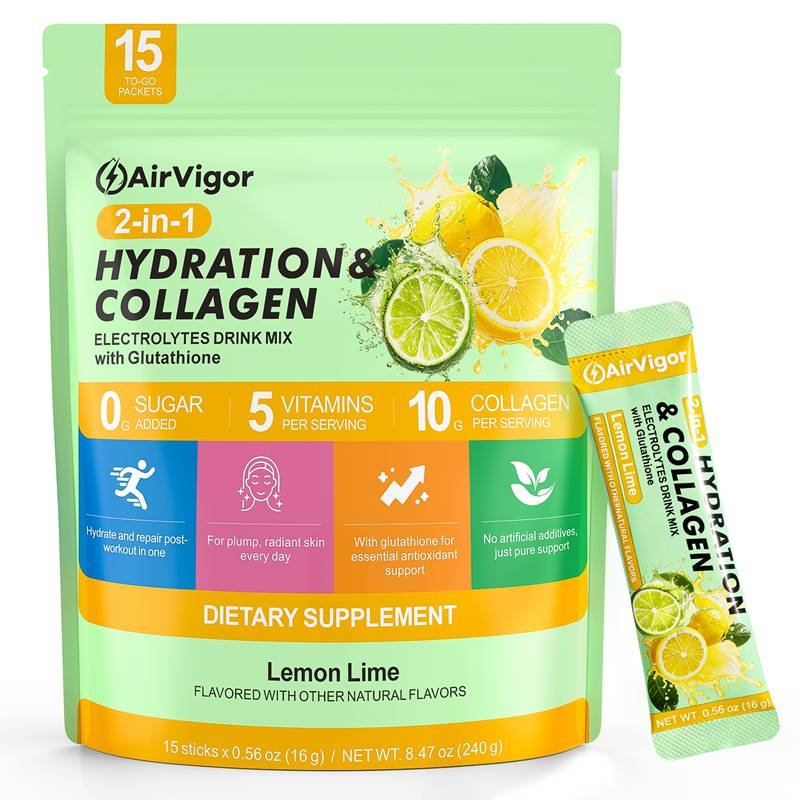
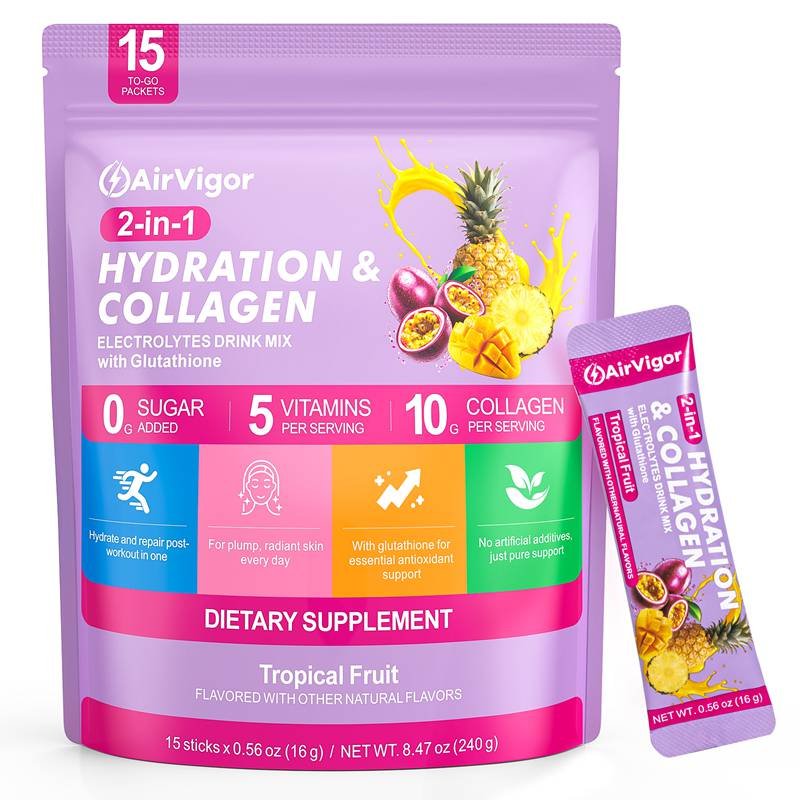
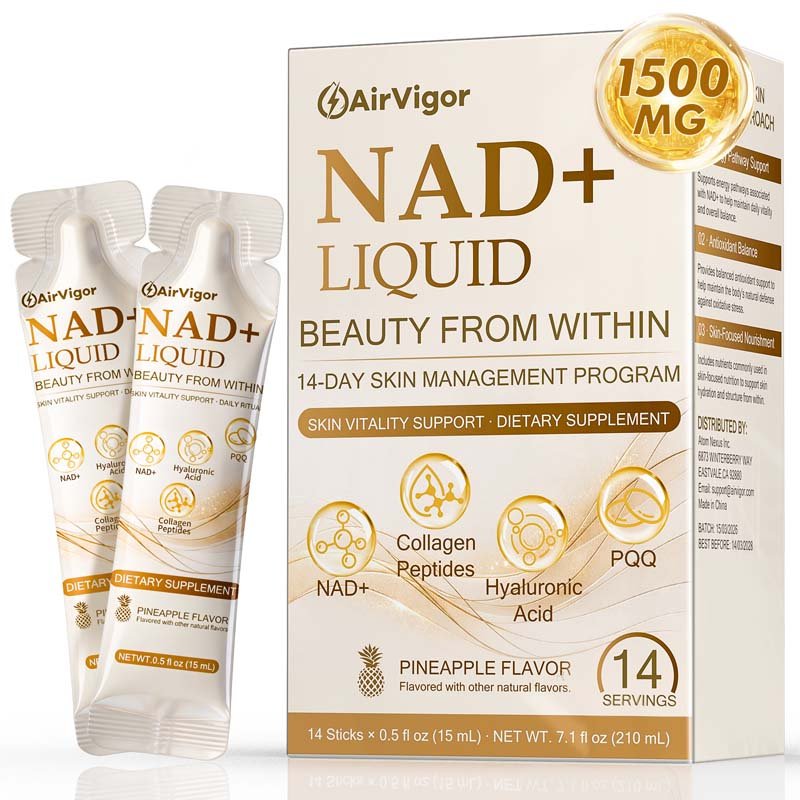
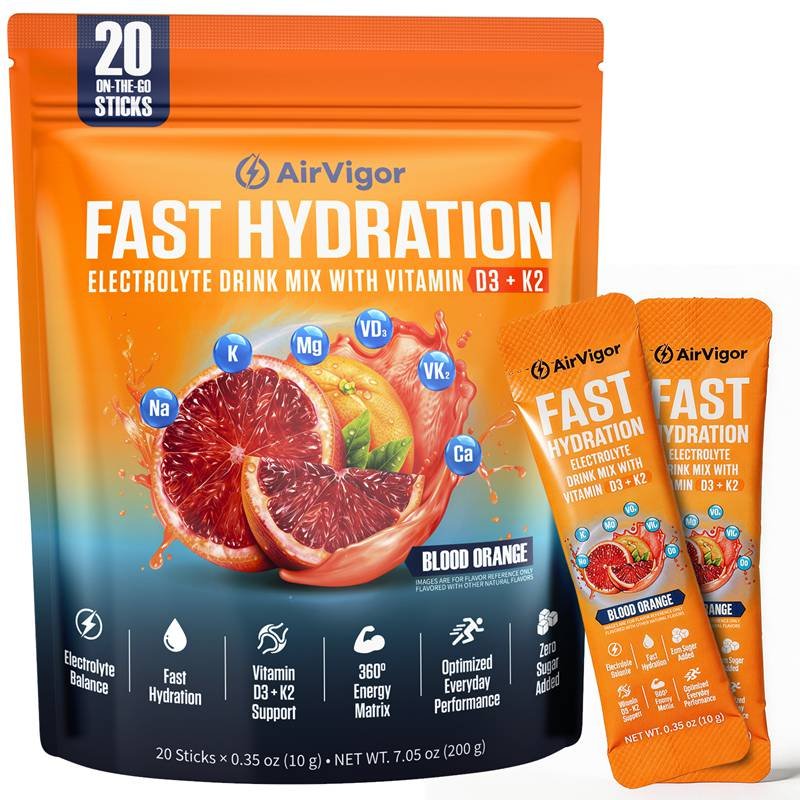
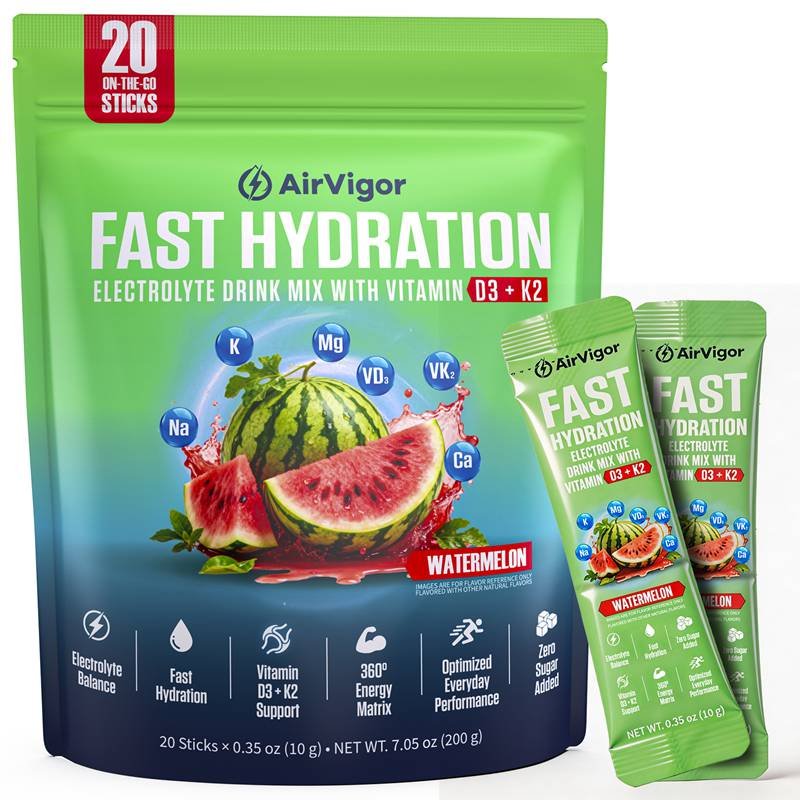
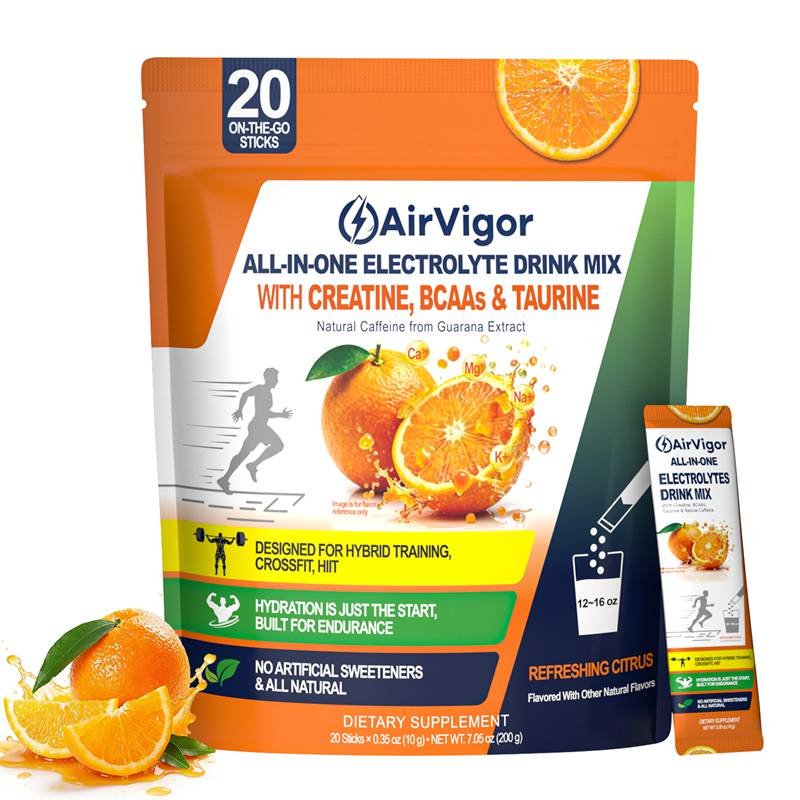
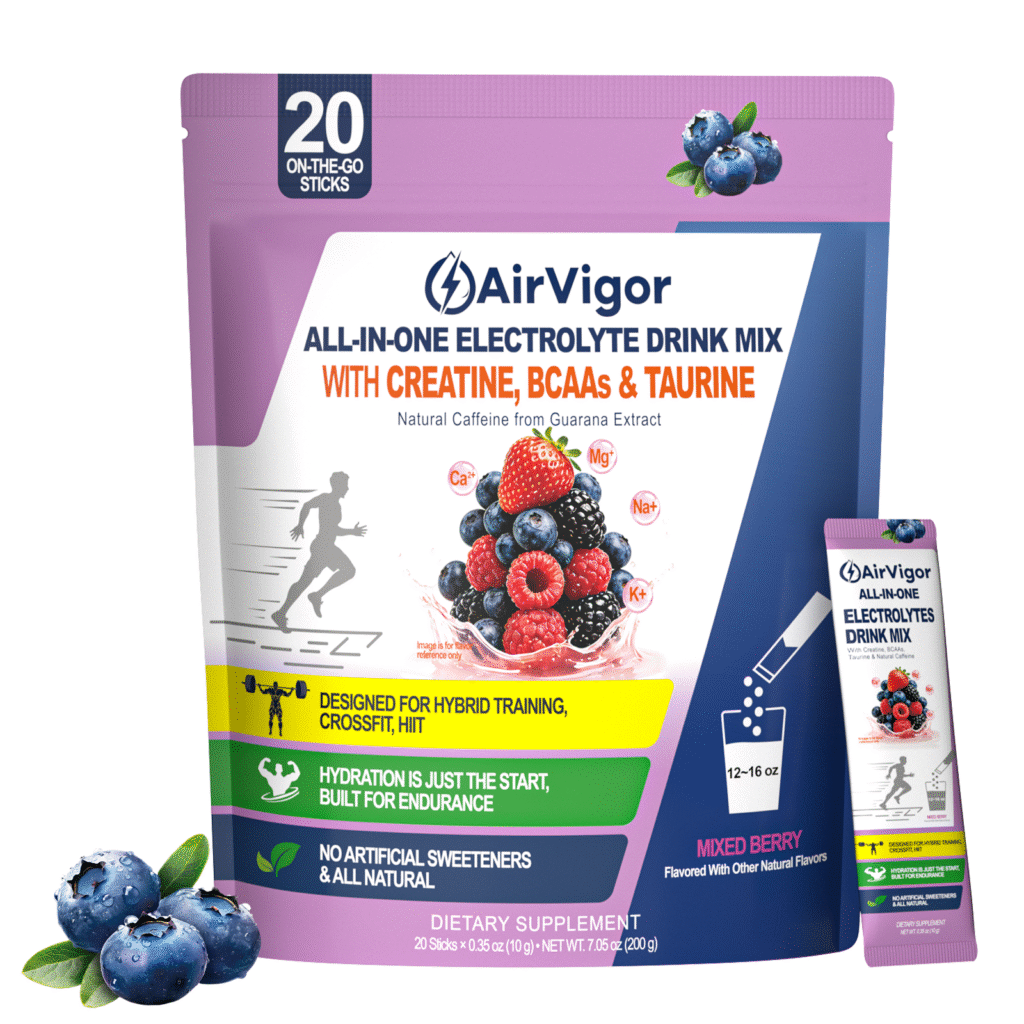
AirVigor develops hydration products designed around these evolving consumer behaviors. From daily electrolyte powders and beauty-focused hydration blends to custom stick-pack supplements and private label wellness products, our team supports brands seeking practical hydration solutions for modern wellness markets.
Companies interested in branded hydration products, custom electrolyte formulas, or private label supplement manufacturing are welcome to contact AirVigor for product development, wholesale partnerships, and formulation inquiries.
Share:
Contact Expert Team
At AirVigor, performance becomes effortless. We transform advanced nutrition science into clean, effective supplements that help you hydrate, recover, and feel stronger every day. Shop AirVigor Supplements on Amazon and experience athlete-trusted formulas—backed by real science and supported by our world-class R&D and production capabilities.
Trust AirVigor
At AirVigor, turning your performance goals into reality is no longer a struggle—it’s a science-driven journey we build together. Whether you’re a runner, lifter, cyclist, yogi, outdoor athlete, or someone simply seeking better daily energy, AirVigor transforms advanced nutrition research into clean, effective, and trustworthy supplements you can feel.
Backed by our U.S. scientific team, global certifications, and world-class production standards, every formula is engineered to deliver real hydration, real recovery, and real performance. And when you’re ready to experience the difference, you’ll find AirVigor products available on Amazon and other major platforms—fast shipping, consistent quality, and a community of athletes already seeing results.
Behind the scenes, our R&D and manufacturing ecosystem also supports specialized formulation development, ensuring AirVigor continues to lead with innovation while keeping quality and safety uncompromised. But at the core, everything we create is built for you—your health, your performance, your momentum.
Choose AirVigor. Feel the science. Elevate your every day.


Subscribe to our newsletter
Sign up to our newsletter and we’ll keep you up to date with the latest arrivals.