Skip to content
Best Way to Prevent Dehydration : Daily Hydration Tips
# Your Trusted Dietary Supplement Brand In US
- Emily

Table of Contents
Dehydration often begins subtly, long before noticeable symptoms such as fatigue, dizziness, or low energy appear. It can accumulate during a typical workday, long flights, hot afternoons, physical activity, or even a morning when coffee precedes water consumption. By the time individuals feel strong thirst, their body’s fluid and electrolyte balance may already be compromised. Understanding the triggers and preventive strategies is essential for maintaining daily wellness, energy, and cognitive performance.
The most effective way to prevent dehydration is to establish a consistent daily routine that combines regular water intake, water-rich foods, and targeted electrolyte support during periods of heat, exercise, or prolonged activity. This approach sustains energy, focus, and optimal body function while reducing the risk of subtle fluid deficits throughout the day.
Consider a typical day: a person wakes after seven hours of sleep, consumes caffeine before hydrating, attends consecutive meetings, eats a sodium-rich lunch, and engages in moderate physical activity. By evening, even without extreme exertion, they may experience mild dehydration manifested as low energy, reduced concentration, and general fatigue. This pattern illustrates how gradual fluid loss can occur in everyday life and highlights the importance of preventive hydration measures that fit seamlessly into real routines.
What Causes Dehydration?
Dehydration happens when the body loses more fluid than it takes in. This loss may come from sweating, urination, breathing, fever, vomiting, diarrhea, alcohol intake, hot weather, travel, or simply not drinking enough during the day. Although many people associate dehydration with intense workouts or summer heat, it often develops more quietly during ordinary routines. A person may spend hours in an air-conditioned office, drink coffee before water, travel in a dry cabin, eat salty meals, or move through a busy schedule without regular fluid intake. None of these situations may feel extreme on their own, but together they can gradually reduce the body’s fluid balance.
The most important point is that dehydration is not only about how much water someone drinks. It is also about how much fluid the body loses and whether that loss includes electrolytes. Sweat contains both water and minerals such as sodium, potassium, magnesium, and calcium. When fluid and minerals are not replaced properly, the body may begin to show signs such as fatigue, dark urine, dry mouth, lower concentration, muscle tightness, or reduced exercise comfort. Understanding these causes helps consumers choose a more realistic hydration routine instead of relying on water only after symptoms appear.
What Happens When You Lose Fluids?
Water supports temperature regulation, circulation, digestion, nutrient transport, joint comfort, and normal energy metabolism. When fluid levels begin to drop, the body has to work harder to maintain these functions. Early signs are often mild and easy to misread. Dry lips, darker urine, mild headache, lower focus, or afternoon tiredness may be blamed on poor sleep, stress, or long screen time, but they can also be signs that fluid intake has not kept up with fluid loss.
As dehydration becomes more noticeable, the effects may become harder to ignore. Some people feel dizzy when standing, notice a faster heartbeat during normal activity, sweat less than expected in hot weather, or feel unusually weak during exercise. For fitness users, even mild fluid loss can make a workout feel more difficult than usual. The body may feel less efficient because blood volume, temperature control, and muscle function all depend on proper hydration.
Sweat loss is especially relevant because it removes electrolytes along with water. Sodium is usually the electrolyte lost in the highest amount through sweat, while potassium, magnesium, and calcium also support fluid balance, muscle contraction, and nerve function. This explains why some people drink plain water after sweating but still feel tired, tight, or poorly recovered. Their body may need both fluid and mineral replacement, especially after long workouts, outdoor activity, sauna use, hot yoga, or physically demanding work.
Sweat rates vary widely. During light or moderate activity, some people may lose around 0.5 liters of sweat per hour. In hot, humid, or high-intensity conditions, sweat loss may rise to 1–2 liters per hour or more. Sodium loss can also vary significantly, ranging from several hundred milligrams to more than 1,000 milligrams per liter of sweat in heavy sweaters. This is one reason a single hydration recommendation does not fit everyone.
| Fluid Loss Factor | What Consumers May Notice | Why It Matters |
|---|---|---|
| Mild fluid deficit | Dry mouth, darker urine, lower focus | The body has less available fluid for normal function |
| Higher sweat loss | Tiredness, weakness, reduced workout comfort | Water and electrolytes are both being lost |
| Sodium loss | Feeling depleted after sweating, salt marks on clothing | Sodium helps support fluid balance |
| Heat exposure | Heavy sweating, overheating, fatigue | The body uses sweat to cool itself |
| Long gaps without fluids | Headache, sluggishness, thirst | Small hydration gaps can accumulate over the day |
For people shopping for hydration products, this is often the point where electrolyte powders begin to make sense. Water remains essential, but when sweating, heat, travel, or illness increases fluid and mineral loss, a balanced electrolyte drink can help make hydration more complete and easier to maintain.
Why Do Busy People Get Dehydrated?
Busy people often become dehydrated because hydration is easy to delay. Many start the day with coffee, move directly into work, attend meetings, drive for long periods, care for family, or spend hours in front of screens. Water may be available, but it is not always built into the routine. Over time, these small missed drinking moments can lead to a meaningful fluid gap by the afternoon or evening.
A standard workday can expose people to several hydration challenges at once. Caffeine may come before water in the morning. Meals may be high in sodium. Air-conditioned rooms may feel dry. Long focus periods may reduce drinking frequency. Travel or commuting may make people drink less to avoid restroom stops. If exercise happens after work, the person may begin training already under-hydrated. In this situation, fatigue during the workout may not only come from poor fitness or low motivation; it may also reflect insufficient fluid intake earlier in the day.
Office workers are a strong example. They may not sweat visibly, but the body still loses water through breathing, urination, digestion, and dry indoor air. Parents and caregivers face a different challenge because their schedule is often shaped by other people’s needs. They may prepare drinks for children or family members while forgetting their own hydration. Frequent travelers may face low-humidity cabins, irregular meals, airport rushing, and reduced water intake. These groups may not think of themselves as “dehydration-prone,” yet their routines often create the conditions for mild dehydration.
This is where convenience becomes important. A hydration habit is more likely to last when it fits the day instead of interrupting it. Single-serve electrolyte stick packs can support this behavior because they are easy to store in a desk drawer, handbag, suitcase, gym bag, or car. They do not require a large container, preparation time, or a complicated supplement routine. For many consumers, the value is not only the electrolyte content; it is the fact that the product makes drinking water easier to remember and more enjoyable.
Are Heat and Sweat the Main Causes?
Heat and sweat are major causes of dehydration, but they are not the only ones. Hot weather increases sweating because the body uses sweat to cool itself. Outdoor activity, running, hiking, cycling, warehouse work, gardening, sports practice, and long walks in warm weather can all increase fluid loss. The risk becomes higher when heat, humidity, physical effort, and long duration happen together.
Sweat rate depends on temperature, humidity, activity intensity, body size, clothing, fitness level, and individual sweating patterns. High humidity can be especially challenging because sweat does not evaporate as easily, making the body work harder to cool itself. Heavy clothing or protective gear can also increase heat stress. In these conditions, water alone may not always be enough, especially when sweating continues for hours and electrolyte loss becomes more significant.
However, dehydration can also happen in situations where people do not expect it. Air travel is a common example. Airplane cabins often feel dry, and many travelers reduce water intake before or during flights. Combined with caffeine, alcohol, irregular meals, and long sitting periods, this can leave people feeling dry, tired, or foggy after landing. Illness is another important cause. Fever can increase fluid needs, while vomiting and diarrhea may cause rapid loss of both water and electrolytes. Alcohol may also contribute to dehydration by increasing urine production, especially when combined with salty food, late nights, heat, or travel.
Caffeine requires a more balanced view. Normal coffee or tea intake can still contribute fluid, but problems occur when caffeine replaces water for several hours. A person who drinks coffee throughout the morning but very little water may still experience dry mouth, headaches, or low afternoon energy. The issue is usually not one cup of coffee; it is the overall hydration pattern.
Consumers can reduce dehydration risk by paying attention to their own triggers. A quiet office day may require steady water intake. A workout day may require hydration before and after training. A hot outdoor day may benefit from electrolyte support. A travel day may require portable stick packs and more planned drinking moments. The main cause of dehydration is often a mismatch between fluid loss and daily habits. Once that mismatch is recognized, prevention becomes much easier.
How Much Water Do You Need?
Daily water needs are not the same for everyone. Body size, sweat rate, activity level, climate, diet, age, health condition, and daily routine all influence how much fluid a person may need. The common “eight glasses a day” rule is easy to remember, but it is only a rough starting point. It does not fully account for people who exercise regularly, work outdoors, travel frequently, live in hot or dry climates, or consume higher amounts of sodium, protein, caffeine, or alcohol.
A more useful way to think about hydration is total daily fluid intake. This includes water, other beverages, and water from foods such as fruits, vegetables, soups, yogurt, and smoothies. Many adults get around 20% of their daily fluid from food, but this varies depending on eating habits. Someone who eats salads, fruit, soup, and fresh meals may receive more water from food than someone who eats mostly dry snacks, packaged foods, or high-sodium meals.
Hydration also changes throughout the day. A person may be well hydrated in the morning but under-hydrated by late afternoon after several hours of work, caffeine, errands, or exercise. This is why a single daily number is less useful than a consistent drinking pattern. The goal is not to force excessive water intake, but to maintain steady fluid balance before thirst, fatigue, headache, or dark urine appears.
Is Eight Glasses Enough?
The “eight glasses” rule may work for some people, but it does not reflect the full range of daily hydration needs. General guidance often places total daily fluid intake around 2.7 liters for women and 3.7 liters for men, including fluids from both drinks and food. These numbers are not strict targets for every person, but they show why eight small glasses may be too low for some adults, especially those with active lifestyles or higher sweat loss.
Activity level can change fluid needs quickly. During exercise, some people may lose about 0.5 liters of sweat per hour, while heavy sweaters in hot or humid conditions may lose 1–2 liters per hour or more. A short indoor workout may only require water, but a long run, heated fitness class, outdoor job, or summer sports session may require additional fluids and electrolytes. This is especially important when sweating continues for more than one hour or when salt marks appear on clothing after activity.
Diet also matters. High-sodium meals can increase thirst and fluid needs. Higher-protein diets may require more water to support normal metabolism and waste removal. Low-carbohydrate eating patterns may also change fluid balance because the body often stores less water with reduced carbohydrate intake. Coffee and tea can contribute to total fluid intake, but problems may occur when they replace water for several hours rather than complementing it.
Climate is another major factor. People in hot, humid, dry, or high-altitude environments often need more fluid than they would in mild indoor conditions. Air-conditioned offices and airplane cabins can also create dryness, even without obvious sweating. For this reason, a person’s hydration needs may be different on a travel day, workout day, summer day, or quiet office day.
How Do You Know You Need More?
The body usually gives signs when fluid intake is not keeping up, but those signs are often subtle at first. Thirst is the clearest signal, but it may not appear until fluid balance has already started to decline. Earlier signs may include dry mouth, darker urine, low afternoon energy, headache, reduced focus, or feeling unusually tired after normal activity. These symptoms are often blamed on work stress, poor sleep, or hunger, which is why mild dehydration is easy to overlook.
Urine color can be a useful daily clue. Pale yellow urine often suggests that fluid intake is close to adequate, while dark yellow or amber urine may suggest that more fluid is needed. However, this should not be treated as a perfect measurement. Certain vitamins, medications, and foods can change urine color. Bathroom frequency also matters. Going many hours without urinating, especially during heat or activity, may suggest that the body is conserving fluid.
Physical activity provides another useful signal. If a workout feels harder than usual, heart rate rises faster than expected, muscles feel tighter, or recovery feels slower, hydration may be one contributing factor. This does not mean every performance issue comes from dehydration, but fluid balance is often one of the easiest variables to improve. For people who sweat heavily, plain water may be helpful but incomplete if electrolyte loss is also significant.
The need for more fluid should also be judged by the day’s conditions. A person may need more support during hot weather, long flights, outdoor work, intense workouts, sauna use, fever, vomiting, or diarrhea. In these situations, hydration should not depend only on thirst. Planned fluid intake and appropriate electrolyte support can help reduce the risk of falling behind.
| Situation | What May Change | Hydration Adjustment |
|---|---|---|
| Long desk day | Drinking frequency often drops | Keep water visible and drink at planned moments |
| Hot weather | Sweat loss increases | Increase fluids before and during heat exposure |
| Long workout | Water and electrolytes are lost through sweat | Use water plus electrolytes when sweating is heavy |
| Air travel | Dry cabin air and reduced drinking are common | Carry water and portable electrolyte stick packs |
| High-sodium meals | Thirst and fluid demand may rise | Drink more water with and after meals |
| Fever, vomiting, or diarrhea | Fluid and electrolyte loss can increase quickly | Replace fluids carefully and seek medical advice if severe |
Which Foods Help Hydration?
Water-rich foods can make hydration easier and more natural, especially for people who do not enjoy drinking plain water all day. Fruits and vegetables such as cucumber, lettuce, watermelon, strawberries, oranges, grapefruit, celery, tomatoes, and cantaloupe contain high amounts of water and can contribute meaningfully to total daily fluid intake. These foods also provide vitamins, minerals, fiber, and antioxidants, making them useful for general wellness as well as hydration.
Meals can also support hydration. Soup, broth, oatmeal, yogurt, smoothies, and fresh salads can all add fluid to the day. This matters because hydration is not limited to what someone drinks from a bottle. A breakfast with yogurt and fruit, a lunch with salad and soup, or a snack with watermelon and cucumber can all help maintain fluid intake in a way that feels less forced.
However, food should not be viewed as a complete replacement for drinking fluids. Water-rich foods help build a stronger hydration foundation, but they may not be enough during heavy sweating, hot weather, long workouts, travel, or illness. In those situations, drinking fluids directly is still important, and electrolytes may be useful when mineral loss is part of the problem.
A balanced daily hydration plan often works best when it combines three layers: regular water intake, water-rich foods, and electrolyte support during higher fluid-loss moments. This structure is easier for most people to maintain than relying on one large bottle of water late in the day. It also matches how modern consumers actually live. Hydration needs may shift from work to travel to exercise to outdoor activity, so the routine should be flexible enough to follow those changes.
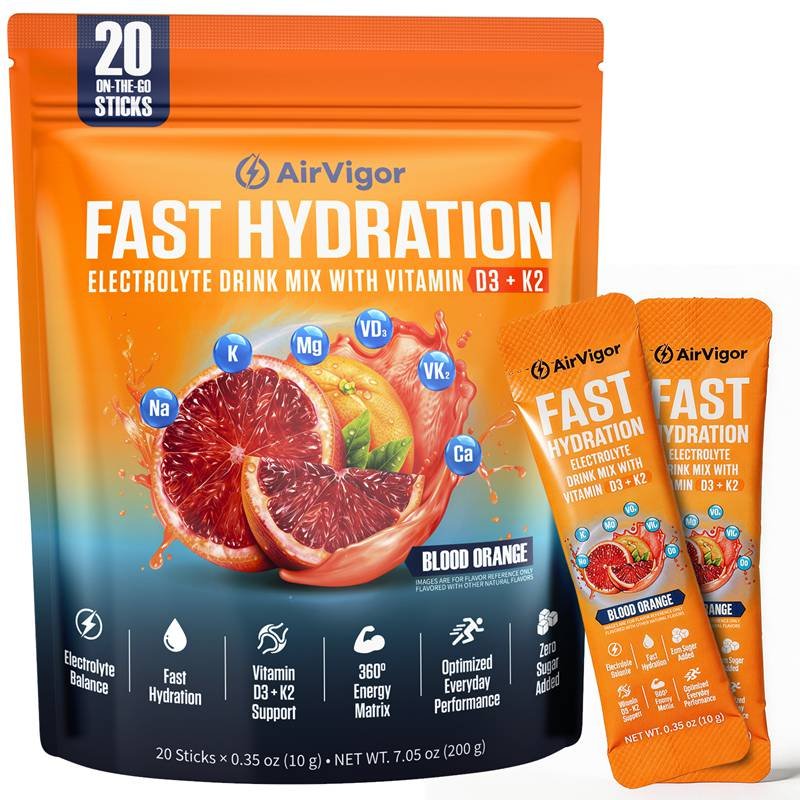
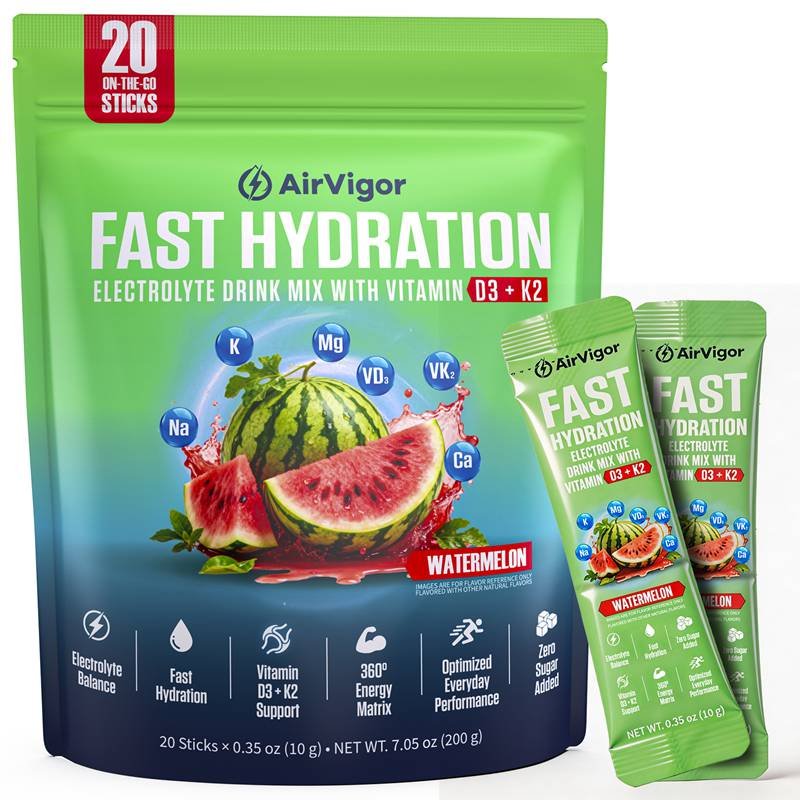
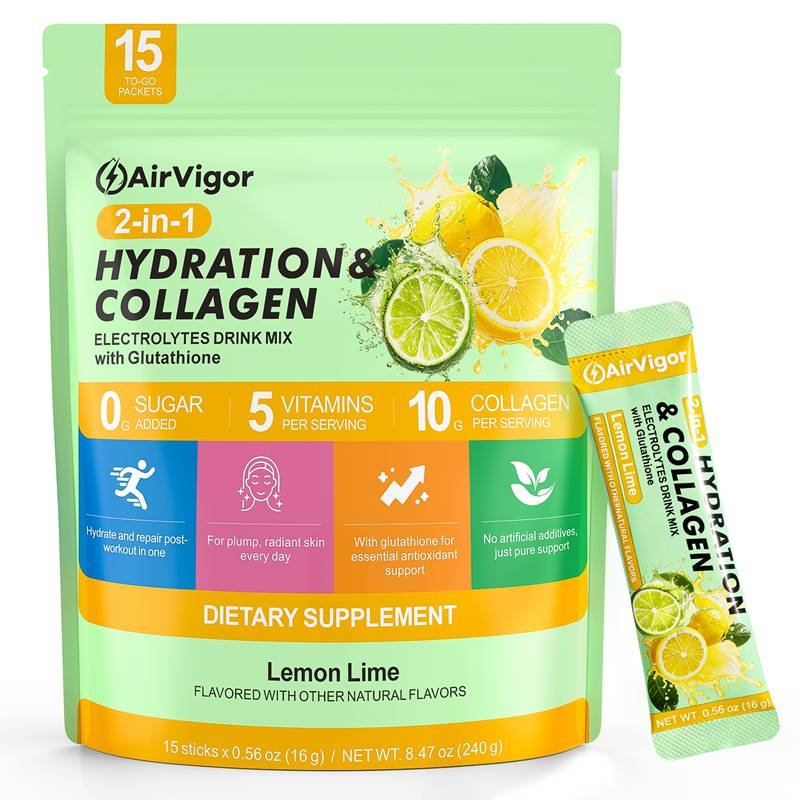
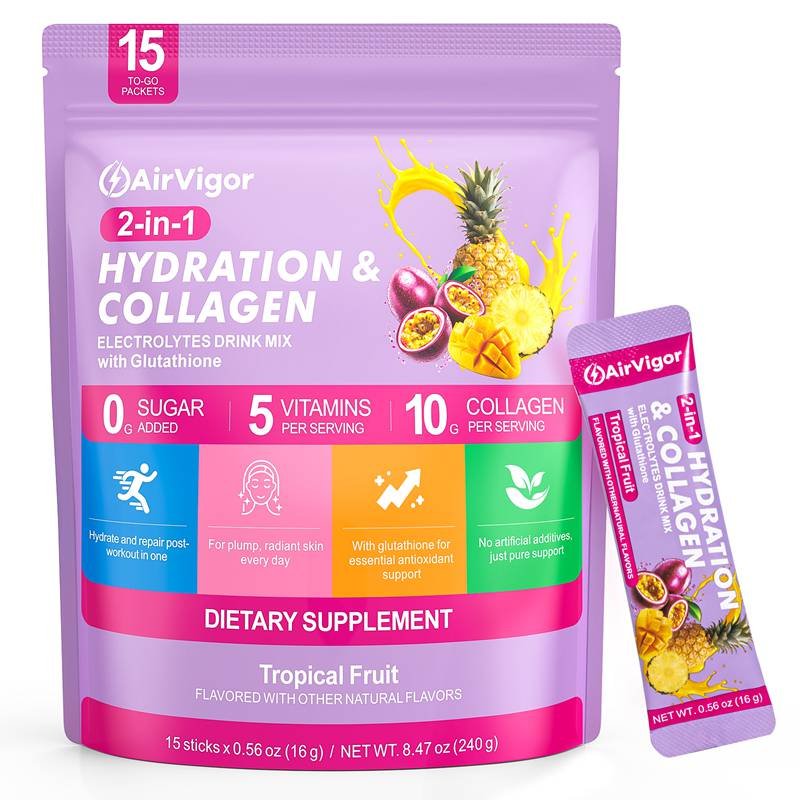
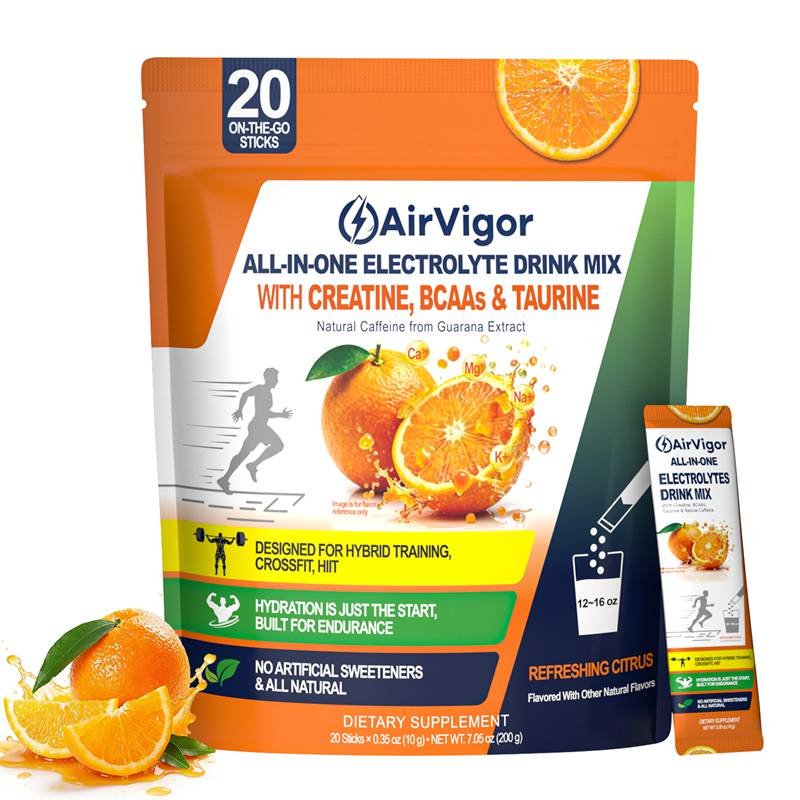
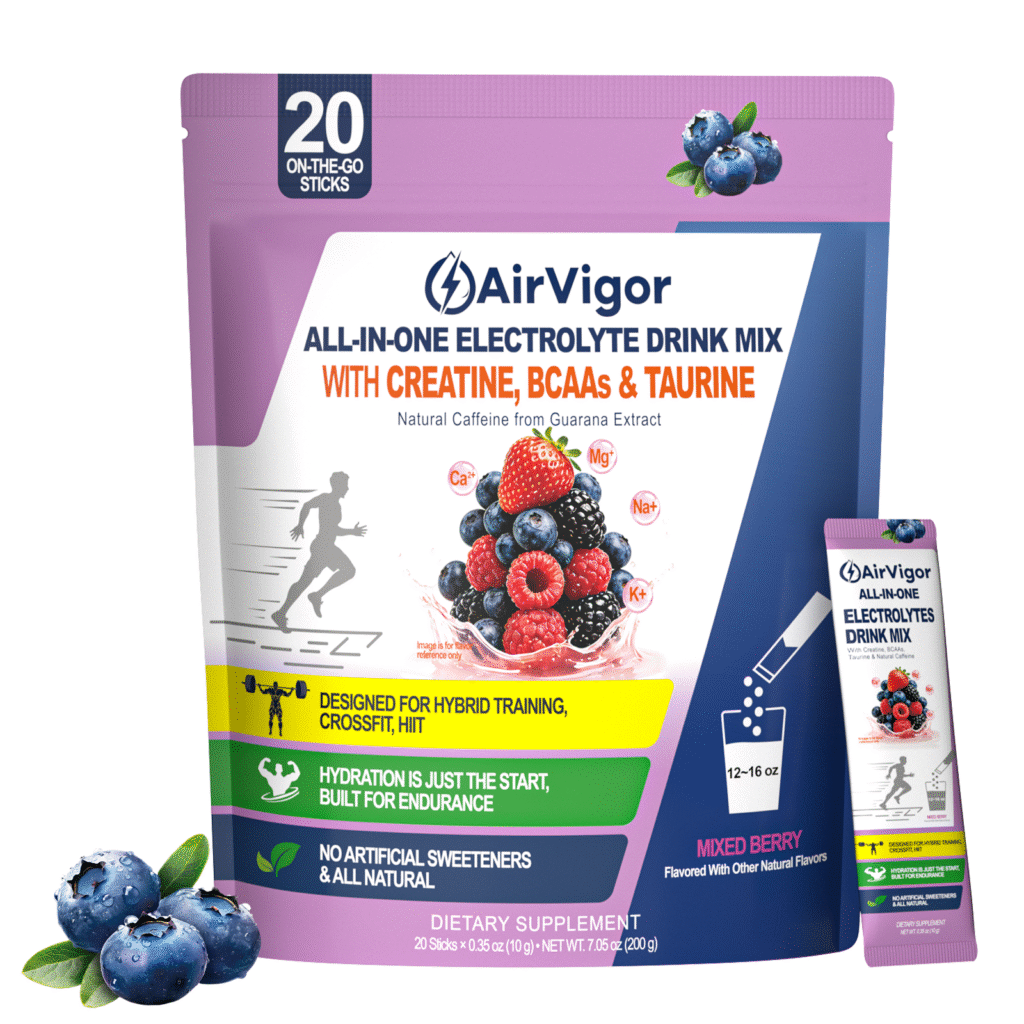
AirVigor electrolyte powders fit into this type of routine because they are designed for moments when plain water may feel insufficient or difficult to repeat. A stick pack can be used at the office, after workouts, during travel, or in hot weather without adding complicated preparation. For consumers, the value is convenience and consistency. For hydration product lines, the opportunity is to offer a format that helps people turn daily hydration into a habit rather than an occasional reaction to thirst.

Are Electrolytes Needed?
Electrolytes are needed when the body loses minerals along with water. For many normal daily situations, plain water is enough to support hydration. However, during heavy sweating, long workouts, hot weather, travel, fever, vomiting, diarrhea, or physically demanding work, the body may lose both fluid and key minerals. In these situations, water remains essential, but electrolyte support can make hydration more complete.
The main electrolytes involved in hydration include sodium, potassium, magnesium, calcium, chloride, and phosphate. Sodium is especially important during sweating because it is usually lost in the largest amount. People who sweat heavily may notice white salt marks on clothing, hats, or skin after exercise or outdoor work. This visible salt residue is a simple sign that sweat loss includes more than water. When mineral loss is not replaced, some people may continue to feel tired, weak, tight, or poorly recovered even after drinking plain water.
Electrolytes should not be viewed as a replacement for water. They work with water to support fluid balance, muscle function, and normal nerve signaling. The real question is not whether every person needs electrolytes every day. A more useful question is whether a person’s routine creates enough sweat, heat exposure, travel-related dryness, or fluid loss to make electrolyte support beneficial.
What Do Electrolytes Do?
Electrolytes help the body manage fluid movement, muscle activity, and nerve communication. Sodium helps maintain fluid balance outside cells and supports normal nerve impulses. Potassium helps regulate fluid balance inside cells and supports muscle function. Magnesium contributes to normal muscle relaxation and energy metabolism, while calcium supports muscle contraction and nerve signaling. These minerals work together, which is why balanced formulas often feel more relevant than products built around one mineral alone.
Hydration is not simply a matter of drinking more water. Fluid must be absorbed, distributed, and retained in the body. When electrolyte balance is affected by sweat, illness, heat, or prolonged activity, drinking water alone may not fully address the situation. A person may still feel thirsty after drinking, experience muscle tightness after sweating, or notice reduced comfort during exercise. These signs do not always mean a serious electrolyte problem, but they can indicate that hydration needs are higher than usual.
Sodium deserves particular attention in sports and hot-weather hydration because sweat sodium loss can vary widely. Many people lose several hundred milligrams of sodium per liter of sweat, while heavy or salty sweaters may lose more than 1,000 mg per liter. This difference explains why two people can complete the same workout and feel very different afterward. One may recover well with water, while another may feel drained or cramp-prone because sweat and mineral loss were much higher.
Potassium, magnesium, and calcium also matter, but more is not always better. A well-designed electrolyte drink should provide meaningful support without becoming overly salty, bitter, or difficult to drink repeatedly. Too much magnesium, for example, may affect taste or digestive comfort in some formulas. Excessive sweetness may make a product more appealing at first but less suitable for daily use. A strong electrolyte product should balance mineral function, flavor, sweetness, and repeat usability.
When Is Water Not Enough?
Water may not be enough when fluid loss becomes higher than normal or when the body loses electrolytes quickly. This often happens during workouts longer than one hour, heavy sweating, hot and humid weather, outdoor labor, sauna use, hot yoga, long hikes, endurance sports, illness, or extended travel. In these conditions, drinking water is still necessary, but replacing electrolytes can help support a more balanced hydration routine.
Exercise is one of the clearest examples. During a short, low-intensity workout, plain water is usually sufficient for many people. During longer or more intense sessions, sweat loss becomes more meaningful. Some individuals may lose about 0.5 liters of sweat per hour during moderate activity, while heavy sweaters in hot conditions may lose 1 to 2 liters per hour or more. If that sweat contains several hundred milligrams of sodium per liter, the total mineral loss can become significant over time.
Hot weather can raise hydration needs even when activity does not feel intense. Walking outdoors, working in a warehouse, gardening, attending a summer event, or spending time at the beach can all lead to steady fluid loss. Because sweating may feel normal in warm weather, many people underestimate how much fluid they have lost until they feel tired, thirsty, or lightheaded.
Travel is another common situation where hydration needs often change. Airplane cabins are dry, schedules are irregular, and many travelers intentionally drink less to avoid restroom breaks. When this is combined with coffee, alcohol, salty airport food, or long sitting periods, the body may feel dry and sluggish after landing. Illness requires even more attention. Fever can increase fluid needs, while vomiting and diarrhea may cause faster loss of both water and electrolytes. Severe dehydration signs such as confusion, extreme weakness, rapid heartbeat, very little urination, or inability to keep fluids down should be treated seriously.
| Situation | Water Usually Enough? | Electrolytes More Useful? |
|---|---|---|
| Normal indoor day with regular meals | Yes | Optional |
| Short light workout | Usually yes | Optional if sweating heavily |
| Workout longer than 60 minutes | Sometimes | Often useful |
| Hot outdoor activity | Not always | Often useful |
| Heavy sweating with salt marks | Not always | Often useful |
| Long flight or dry travel day | Sometimes | Useful for many travelers |
| Fever, vomiting, or diarrhea | Often not enough alone | Often important |
Electrolytes are most useful when they match the situation. They do not need to be used aggressively or unnecessarily, but they can be valuable when sweat, heat, travel, or illness increases fluid and mineral loss.
Which Electrolyte Drink Is Better?
The better electrolyte drink is the one that matches the user’s actual hydration need, taste preference, and daily routine. A useful product should provide meaningful minerals, dissolve well, taste clean, and remain comfortable enough for repeated use. Many people stop using hydration products not because they doubt electrolytes, but because the drink is too salty, too sweet, too strongly flavored, or inconvenient to prepare.
Traditional bottled sports drinks are familiar and easy to buy, but they are not always the best fit for daily hydration. Many are built around sports refreshment and may contain higher sugar levels than some wellness consumers want for routine use. They can work well in certain athletic settings, but may feel heavy or overly sweet for office hydration, travel, morning use, or lower-intensity activity.
Electrolyte powders and stick packs have grown because they solve several practical issues. They are easier to carry than bottles, require less storage space, and allow consumers to mix them with their preferred water amount. They also make it easier to create low-sugar or zero-sugar formulas, which fits the current demand for lighter daily hydration products. A stick pack can sit in a desk drawer, gym bag, handbag, suitcase, or car, making hydration easier to repeat across different moments of the day.
A good electrolyte drink should make its use case clear. Some formulas are better suited for intense training, outdoor work, or endurance activity, where stronger sodium support may be appropriate. Others are designed for daily wellness, travel, beauty hydration, or light activity, where smoother taste and easier repeat use may matter more. The strongest formula on paper is not always the best product for the widest audience. If a drink is too salty or unpleasant, customers may not use it consistently enough to benefit from it.
AirVigor electrolyte powders fit naturally into modern hydration routines because the stick-pack format supports portability, portion control, and simple preparation. Customers can use them after workouts, during travel, before outdoor activities, or on days when plain water feels difficult to maintain. For companies entering the hydration category, ready-to-buy AirVigor products can support faster launch plans, while custom formulation can help develop more targeted products for sports hydration, beauty hydration, travel hydration, daily wellness, outdoor work, or low-sugar lifestyle routines. The best electrolyte drink is ultimately the one consumers understand, enjoy, trust, and use repeatedly.
How Can You Prevent Dehydration Daily?
Preventing dehydration daily depends on consistency rather than excessive water intake. A reliable hydration routine combines steady fluid intake, water-rich foods, and electrolyte support during higher fluid-loss situations such as workouts, hot weather, travel, outdoor activity, physically demanding work, or illness. Instead of waiting until strong thirst appears, hydration should be connected to normal daily moments such as waking up, meals, work breaks, commuting, exercise, and travel.
Many people understand that water is important, but maintaining the habit throughout the day is often the harder part. A person may keep a large bottle on the desk and still drink very little during meetings, screen-heavy work, errands, or family responsibilities. By late afternoon, this can appear as dry mouth, reduced concentration, headache, sluggishness, or lower workout comfort. A strong daily hydration plan should reduce long gaps without fluids, encourage earlier intake, and adjust for sweat, heat, caffeine, salty meals, and travel. Smaller drinking moments spread across the day usually support hydration more comfortably than trying to compensate with a large amount of water at night.
How Do You Build a Hydration Routine?
A sustainable hydration routine works best when fluid intake is connected to habits that already exist. Drinking water after waking, before or with coffee, during meals, after meetings, before exercise, and after sweating creates a rhythm that is easier to maintain than relying on memory alone. This matters because dehydration often develops during ordinary routines, not only during extreme activity. A busy professional may go from coffee to meetings to lunch with very little water. A parent may focus on children’s needs and forget personal hydration. A frequent traveler may drink less before flights or long drives to avoid restroom stops. In each case, the issue is not a lack of access to water, but a lack of repeated hydration cues.
Morning is one of the most important hydration windows. After several hours of sleep, the body has gone without fluid, and many people begin the day with caffeine instead of water. Coffee does not need to be avoided, but it should not become the only morning fluid. Drinking water before or alongside caffeine helps create a better foundation for the rest of the day, especially for people who train early, commute in warm weather, work outdoors, or begin physically active routines soon after waking.
Workday hydration also depends on timing. A bottle on the desk can help, but it is more effective when paired with specific moments, such as the start of the workday, after each meeting, with lunch, during an afternoon break, or before leaving work. The goal is to prevent four- to six-hour stretches with little or no fluid intake, which are common in office settings and can contribute to afternoon fatigue or headaches. On exercise days, hydration should begin before training rather than only after the workout ends. A light indoor session may only require water, while longer workouts, hot yoga, outdoor running, cycling, or heavy sweating may call for electrolyte support before, during, or after activity.
| Daily Moment | Hydration Action | Why It Helps |
|---|---|---|
| After waking | Drink water before or with coffee | Helps restore fluid intake after sleep |
| Mid-morning | Drink during a work break | Reduces long gaps without fluids |
| Lunch | Pair water with meals | Supports steady intake and digestion |
| Afternoon | Add water or electrolytes if intake has been low | Helps prevent late-day dehydration signs |
| Before exercise | Drink 1–2 hours before training | Supports better fluid balance before sweating |
| After sweating | Replace fluid and electrolytes as needed | Supports recovery from sweat loss |
| Travel or outdoor activity | Carry water and stick packs | Keeps hydration available when routines change |
This type of routine is flexible enough for real life. Some days may only require steady water intake and water-rich foods. Other days require more attention because of heat, sweat, travel, or illness. A hydration plan becomes more effective when it can adjust to the day instead of depending on a rigid target.
Do Morning Electrolytes Help?
Morning electrolytes can be helpful for people who wake up feeling dry, drink caffeine early, exercise in the morning, live in hot climates, travel often, follow low-carbohydrate eating patterns, or struggle to drink enough plain water. They are not necessary for everyone, but they can support a more consistent morning hydration routine when the body may benefit from both fluid and minerals.
During sleep, the body continues to lose water through breathing, urine production, and normal metabolic activity. For most healthy adults, this is not a serious concern, but it does make morning a natural time to rebuild fluid intake. If the first drink of the day is coffee and water is delayed until lunchtime, the body may spend several hours with limited fluid support. Over time, this habit can contribute to dry mouth, low morning comfort, and stronger thirst later in the day.
Morning electrolyte use is especially relevant for early exercisers. Someone who wakes, drinks coffee, and starts training may begin the session with low fluid intake. If the workout involves sweat, heat, or high intensity, the gap becomes more noticeable. A light electrolyte drink before or after training can help support hydration without requiring a heavy sports drink. Travelers may also benefit from this routine after flights, hotel stays, long drives, or irregular sleep, when dry air and inconsistent drinking often affect how the body feels the next morning.
Formula design matters for morning use. A morning hydration product should taste refreshing, mix easily, and avoid an overly salty or syrupy profile. Citrus, berry, peach, watermelon, cucumber lime, and light tropical flavors often fit morning use better than heavy flavor systems. Low-sugar or zero-sugar formulas are also important because many consumers want hydration support without turning the first drink of the day into a high-calorie beverage. Morning electrolytes should be positioned as hydration support, not an instant energy solution. A credible message is that electrolytes can help support fluid balance when paired with water, especially after sleep, caffeine use, early exercise, travel, or hot weather.
What Mistakes Should You Avoid?
One of the most common hydration mistakes is waiting until thirst becomes strong. Thirst is useful, but it may appear after fluid balance has already started to decline, especially during work, travel, exercise, and hot weather. A better routine uses planned drinking moments before symptoms become obvious. Another common mistake is trying to correct an entire day of low intake with a large amount of water at once. This may feel efficient, but it can be uncomfortable and may disrupt sleep if most fluid is consumed late in the evening.
Product choice can also affect consistency. Some people rely heavily on sweet drinks, energy drinks, or bottled sports drinks for daily hydration. These can contribute fluid, but they may also add sugar, calories, or ingredients that do not match everyday wellness goals. For frequent use, many consumers prefer low-sugar electrolyte powders because they feel lighter and easier to repeat. However, the product still needs to taste pleasant, dissolve well, and feel comfortable. A powder that is too salty, too sweet, gritty, or difficult to mix may be tried once but not used consistently.
Another frequent mistake is ignoring electrolytes during higher-sweat situations. Outdoor work, long workouts, sauna use, hot yoga, summer activity, and extended time in heat can increase both water and mineral loss. In these cases, plain water remains important, but electrolyte support may make the routine more complete. The goal is not to use electrolytes unnecessarily, but to recognize when sweat, heat, travel, or illness increases hydration demands.
AirVigor electrolyte powders are designed for the moments when hydration routines are most likely to become inconsistent, including busy workdays, workouts, outdoor activity, travel, and hot weather. The stick-pack format keeps each serving portable, pre-measured, and easy to mix with water, which helps make hydration easier to repeat. For brands entering the hydration category, AirVigor offers ready-to-buy electrolyte powder options for faster product launch, along with custom formulation support for sports hydration, beauty hydration, daily wellness, travel support, and low-sugar active lifestyle products.
Daily dehydration prevention is not about drinking as much water as possible. It is about matching fluid intake to real-life conditions. People who drink steadily, eat water-rich foods, and use electrolytes during higher-loss moments are more likely to maintain energy, focus, comfort, and physical performance throughout the day.

Which Product Fits Your Routine?
Choosing a hydration product should start with the way the product will actually be used. A person who sits in an office for eight hours does not have the same needs as someone training outdoors in summer heat. A frequent traveler may care more about portability and quick mixing, while a gym user may focus on electrolyte levels, sugar content, and post-workout comfort. The best hydration product is not always the strongest formula or the largest serving size. It is the option that matches fluid loss, taste preference, convenience, and repeat use.
Modern hydration products come in several formats, including ready-to-drink bottles, powder tubs, tablets, liquid concentrates, and single-serve stick packs. Each format serves a different routine. Bottled drinks are convenient when someone needs an immediate option, but they can be bulky, less flexible, and often higher in sugar. Powder tubs can work well at home but are less convenient for travel or daily carry. Tablets are compact, although some consumers find the taste and mouthfeel less satisfying. Stick packs have become especially popular because they are portable, pre-measured, and easier to use across office, gym, travel, and outdoor scenarios.
For daily hydration products, format matters as much as formula. A product may have a strong electrolyte profile, but if it is difficult to carry, overly salty, slow to dissolve, or unpleasant to drink repeatedly, consumers may not use it consistently. Repeat use is where hydration products create real value. A convenient format helps turn hydration from an occasional reaction to thirst into a routine that fits normal life.
Is Powder Better Than Bottled Drinks?
Powdered electrolytes are often more flexible than bottled drinks because they allow consumers to decide when, where, and how much water to mix with the serving. This matters for people whose hydration needs change throughout the day. A person may prefer a lighter drink at the office, a stronger serving after a sweaty workout, or a more diluted flavor during travel. Bottled drinks are fixed in volume, sweetness, and concentration, while powders give more control over the final drinking experience.
Storage and portability are also important. A pack of electrolyte sticks takes far less space than multiple bottled drinks and is easier to place in a desk drawer, gym bag, backpack, handbag, or suitcase. This is especially useful for consumers who do not want to carry heavy drinks but still want hydration support available when needed. Powdered formats also reduce the burden of shipping and storage, which makes them attractive for online wellness brands, subscription models, and multi-flavor product lines.
Formula flexibility is another advantage. Many traditional sports drinks are built around refreshment and carbohydrate replacement, which may not fit consumers looking for low-sugar daily hydration. Electrolyte powders can be developed as zero-sugar, low-sugar, daily wellness, sports hydration, beauty hydration, or travel hydration formulas. A serving may include minerals such as sodium, potassium, magnesium, and calcium, with sodium usually taking a more central role in sweat replacement. For light daily use, a smoother formula may be more appropriate. For outdoor work or long workouts, a stronger electrolyte profile may be needed.
Are Stick Packs Good for Travel?
Stick packs are particularly well suited for travel because they solve several real problems at once: limited luggage space, irregular schedules, dry cabin air, and inconsistent access to preferred drinks. During long flights or road trips, many people intentionally reduce fluid intake to avoid restroom stops. Others rely on coffee, soda, or alcohol while moving between airports, hotels, meetings, and outdoor activities. These habits can make travelers feel dry, tired, or less comfortable by the end of the day.
A single-serve stick pack gives travelers a pre-measured option that can be mixed with bottled water after airport security, in a hotel room, at a conference, or during outdoor sightseeing. It does not require refrigeration, takes little space, and helps reduce dependence on sweet bottled drinks or convenience-store options. For people who travel frequently, these small format advantages matter because hydration needs often increase when routines become less predictable.
Travel hydration also requires a formula that is easy to tolerate. A travel-friendly electrolyte product should not be overly salty, heavy, or syrupy. It should dissolve quickly, taste clean, and feel suitable for repeated use over several days. Low-sugar or zero-sugar formulas are often more appealing for travelers who want hydration support without adding unnecessary calories during flights, hotel stays, or business trips.
How Should You Choose a Formula?
A good electrolyte formula should match the intended use case. Daily hydration formulas usually need to be smooth, refreshing, and easy to drink several times per week. Sports hydration formulas may require stronger sodium support because sweat loss can increase significantly during longer or more intense activity. Outdoor work formulas may also need higher electrolyte support because heat exposure and physical labor can continue for several hours. Beauty hydration or wellness formulas may combine electrolytes with ingredients such as collagen, vitamin C, or hyaluronic acid, but the product still needs to deliver a clear hydration benefit.
Sodium level is one of the most important formula decisions. A light daily hydration product may not need the same sodium content as a formula designed for endurance training or hot-weather work. Potassium supports cellular fluid balance, while magnesium and calcium contribute to normal muscle and nerve function. However, a formula should not simply increase every mineral for a stronger-looking label. Excessive mineral taste, bitterness, saltiness, or digestive discomfort can reduce repeat use.
Taste and sweetness also influence long-term customer acceptance. Many consumers now want hydration drinks that feel lighter than traditional sports drinks. A product that is too sweet may perform well on first impression but become tiring with repeated use. A product that is too salty may appeal to a narrow athletic audience but feel unsuitable for office or travel hydration. Strong product development requires balancing function with drinkability.
| Product Type | Best Use Cases | Main Advantages | Common Limitations |
|---|---|---|---|
| Ready-to-drink bottle | Sports events, immediate purchase, single-use convenience | No mixing required, widely available | Bulkier, less flexible, often sweeter |
| Powder tub | Home routines, frequent users, family use | Cost-effective and adjustable | Less convenient for travel or office use |
| Electrolyte tablet | Minimal packing, occasional travel | Compact and lightweight | Taste and mouthfeel may be less satisfying |
| Stick pack powder | Office, gym, travel, outdoor activity, online wellness sales | Portable, pre-measured, easy to carry | Requires water for mixing |
| Liquid concentrate | Home or workplace flavor control | Adjustable strength | Less convenient for daily carry |
AirVigor electrolyte powders are positioned around the routines where modern hydration products are most often used: workdays, workouts, hot weather, travel, and active lifestyles. The stick-pack format supports portability and portion control, while ready-to-buy formula options help brands move faster into the hydration category. For companies seeking a more specific product direction, AirVigor can also support custom development for sports hydration, beauty hydration, daily wellness, travel hydration, or low-sugar electrolyte formulas. The strongest product choice is the one consumers can understand quickly, carry easily, enjoy repeatedly, and trust as part of their daily routine.
Conclusion
Dehydration affects individuals across all lifestyles, from office workers to athletes and travelers. The most effective prevention strategy combines consistent water intake, hydration from water-rich foods, and targeted electrolyte support during periods of higher fluid loss, such as exercise, heat exposure, travel, or illness. Maintaining small, repeatable hydration habits throughout the day, rather than relying on occasional large intakes, supports stable energy, mental focus, and overall physical performance.
AirVigor provides ready-to-use electrolyte powders designed to fit diverse daily routines. Their stick-pack format offers precise mineral replacement, low sugar content, and convenient portability, allowing consumers to maintain hydration seamlessly at the gym, in the office, during travel, or outdoor activities. Each stick delivers measured electrolytes, ensuring effective fluid balance without compromising taste or comfort. Daily use becomes effortless, enabling individuals to sustain energy and cognitive function throughout their day.
For brands and retailers seeking tailored solutions, AirVigor offers custom private-label development. Companies can create unique formulas with specific mineral ratios, flavor profiles, and packaging designs aligned with their target audience’s lifestyle needs. Whether designing sports-focused hydration, beauty-oriented electrolyte blends, or travel-friendly powders, AirVigor provides scalable production, clean-label ingredients, and flexible formulation options to support diverse market requirements.
Improving hydration is straightforward with the right approach. Choosing ready-to-use electrolyte powders or exploring custom formulation opportunities allows brands and consumers to build a consistent, convenient hydration routine. Integrating water, electrolytes, and structured daily habits ensures optimal wellness, workout recovery, mental focus, and overall energy. Science-backed, easy-to-use formulas from AirVigor make sustaining hydration across real-life routines achievable and reliable.
Share:
Contact Expert Team
At AirVigor, performance becomes effortless. We transform advanced nutrition science into clean, effective supplements that help you hydrate, recover, and feel stronger every day. Shop AirVigor Supplements on Amazon and experience athlete-trusted formulas—backed by real science and supported by our world-class R&D and production capabilities.
Trust AirVigor
At AirVigor, turning your performance goals into reality is no longer a struggle—it’s a science-driven journey we build together. Whether you’re a runner, lifter, cyclist, yogi, outdoor athlete, or someone simply seeking better daily energy, AirVigor transforms advanced nutrition research into clean, effective, and trustworthy supplements you can feel.
Backed by our U.S. scientific team, global certifications, and world-class production standards, every formula is engineered to deliver real hydration, real recovery, and real performance. And when you’re ready to experience the difference, you’ll find AirVigor products available on Amazon and other major platforms—fast shipping, consistent quality, and a community of athletes already seeing results.
Behind the scenes, our R&D and manufacturing ecosystem also supports specialized formulation development, ensuring AirVigor continues to lead with innovation while keeping quality and safety uncompromised. But at the core, everything we create is built for you—your health, your performance, your momentum.
Choose AirVigor. Feel the science. Elevate your every day.


Subscribe to our newsletter
Sign up to our newsletter and we’ll keep you up to date with the latest arrivals.