Skip to content
What Is the Best Post Workout Recovery Routine : A Complete Guide
# Your Trusted Dietary Supplement Brand In US
- Emily

Table of Contents
The best post workout recovery routine is not the one with the most steps. It is the one you can actually repeat after real workouts, real workdays, and real life. Most people do not fail recovery because they lack effort. They fail recovery because they finish training, drink a little water, skip food, sit for hours, sleep too late, and expect the body to feel ready again the next day.
A smart post workout recovery routine should help your body do four things: rehydrate, refuel, repair, and reset. After light exercise, water and a normal meal may be enough. After sweaty, long, or high-intensity training, your body may need electrolytes, protein, carbohydrates, and better sleep support. The right routine depends on how much you sweat, how hard you train, and how soon you need to perform again.
Think about the last time you had a great workout but felt heavy, thirsty, sore, or low-energy the next morning. That feeling is often not because the workout was wrong. It may be because the recovery step was too weak. This guide breaks recovery into simple decisions so you can build a routine that fits strength training, cardio, hot yoga, running, cycling, gym workouts, and active daily life.
What Is a Post Workout Recovery Routine?
A post workout recovery routine is what you do after training to help your body replace fluids, refill energy, support muscle repair, and feel ready again. It should match your workout intensity, sweat level, appetite, and daily schedule.
Why Post Workout Recovery Routine Matters
A post workout recovery routine matters because exercise uses water, minerals, stored energy, and muscle resources. Without enough recovery support, many people feel more tired, sore, thirsty, or low-energy than the workout itself should cause.
Most people do not struggle with recovery because they train too hard once. They struggle because small recovery gaps repeat every week. They finish a workout, drink a few sips of water, delay food for hours, sit for the rest of the day, sleep late, and then feel surprised when the next workout feels harder than expected.
A good recovery routine helps close this gap. It does not need to be complicated. It should simply help the body handle what the workout used. For light training, the routine may be water, a normal meal, and sleep. For heavy sweating, long cardio, hot yoga, HIIT, or strength training, the body may need more careful hydration, electrolytes, protein, carbohydrates, and a calmer evening routine.
| Common After-Workout Feeling | What It May Suggest | Recovery Focus |
|---|---|---|
| Strong thirst after drinking water | Fluid and electrolytes may be low | Water plus electrolytes |
| Heavy legs the next morning | Muscle fatigue and low recovery support | Protein, carbs, light movement |
| Headache after hot workouts | Sweat and mineral loss may be higher | Sodium, fluids, cooling down |
| Hunger or cravings later | Recovery meal may be too small | Protein plus carbohydrates |
| Poor sleep after evening training | Body may still feel stimulated | Light meal, hydration timing, wind-down |
| Soreness lasting too long | Training load and recovery may not match | Sleep, protein, gentle movement |
Recovery should be seen as part of the workout result. Training creates the signal. Recovery helps the body respond to that signal. If recovery is too weak, the body may still adapt, but the process often feels harder, slower, and less consistent.
What Your Body Needs After Training
After training, the body usually needs fluids, electrolytes, protein, carbohydrates, and rest. The exact amount depends on the workout. A short walk and a sweaty 60-minute HIIT class should not have the same recovery plan.
The easiest way to build a post workout recovery routine is to ask what the workout took from your body. Sweat-heavy workouts use more fluids and minerals. Long cardio uses more stored carbohydrates. Strength training increases the need for muscle repair support. Evening workouts may need a gentler routine so recovery does not disturb sleep.
| What the Body Needs | Why It Matters After Workouts | Practical Recovery Choice |
|---|---|---|
| Water | Replaces fluid lost through sweat and breathing | Sip water after every workout |
| Sodium | Helps support fluid balance after sweating | Electrolyte drink or salted meal |
| Potassium | Supports normal muscle function | Potatoes, banana, electrolyte blend |
| Magnesium | Supports normal muscle and nerve function | Nuts, seeds, greens, mineral formulas |
| Protein | Provides building blocks for muscle repair | Eggs, yogurt, fish, tofu, protein drink |
| Carbohydrates | Helps refill energy used during training | Rice, oats, fruit, potatoes, toast |
| Sleep | Supports repair and next-day readiness | Consistent bedtime and wind-down routine |
This is why water alone is sometimes enough and sometimes not. If the workout was light and you did not sweat much, water and a balanced meal may work well. If your shirt is soaked, your face feels flushed, or you feel thirsty for hours, your recovery routine likely needs electrolytes, not just plain water.
Food also matters. A person who lifts weights and eats only a small salad afterward may not get enough protein or energy for recovery. A runner who drinks only a protein shake after a long session may still need carbohydrates. A hot yoga user may need fluids and minerals before a full meal feels comfortable. The routine should respond to the real workout, not follow the same habit every time.
Is Recovery Only for Hard Workouts?
Recovery is not only for hard workouts, but the harder and sweatier the workout is, the more recovery matters. Light sessions need simple support. Intense training, hot environments, long cardio, and heavy lifting need a more complete plan.
Many everyday exercisers ignore recovery because they do not see themselves as athletes. But recovery is not only about competition. It is about feeling normal after movement, having enough energy for work and family, reducing unnecessary soreness, and being ready to train again without feeling drained.
A beginner may need recovery after a moderate workout because the body is still adapting. A regular gym user may need stronger recovery after leg day. A runner may need electrolytes and carbs after a long outdoor session. A Pilates user may not need a large meal, but still benefits from fluids, minerals, and light protein if the session is long or frequent.
| Workout Type | Recovery Level | What Usually Makes Sense |
|---|---|---|
| Easy walk | Low | Water and normal meals |
| Light yoga or stretching | Low | Water, calm breathing, sleep |
| Pilates or barre | Low to medium | Water, light protein, balanced meal |
| Strength training | Medium to high | Protein, carbs, fluids, sleep |
| HIIT or CrossFit | High | Electrolytes, carbs, protein, cool-down |
| Long run or cycling | High | Fluids, sodium, carbs, protein meal |
| Hot yoga | High | Electrolytes first, light food later |
| Outdoor summer training | High | Water, electrolytes, cooling, balanced meal |
A simple rule helps customers decide what to do: the more you sweat, the more hydration and minerals matter; the harder your muscles work, the more protein and rest matter; the longer the session lasts, the more carbohydrates matter.
This keeps the routine practical. You do not need a full recovery drink, large meal, and long stretching session after every small movement. But after a workout that leaves you soaked, sore, shaky, or unusually tired, recovery should not be treated as optional.
How a Simple Recovery Routine Looks
A simple post workout recovery routine should be easy enough to follow on a normal day. It should not require a perfect kitchen setup, long preparation time, or too many products. Most people need a clear sequence they can repeat.
For many active adults, the first 60 minutes after training are the easiest time to start recovery. This does not mean everything must be perfect in one hour. It simply means the body gets support before the day becomes too busy.
| Time After Workout | What to Do | Example |
|---|---|---|
| 0–10 minutes | Cool down gradually | Walk slowly, breathe, lower intensity |
| 10–20 minutes | Start hydration | Water after light training, electrolytes after sweating |
| 20–60 minutes | Add recovery nutrition | Protein plus carbs, or a lighter snack first |
| 1–3 hours | Continue fluids and meal support | Balanced meal, fruit, mineral-rich foods |
| Same evening | Support full recovery | Gentle movement, light stretching, better sleep |
A realistic routine may look like this: finish training, walk for five minutes, mix an electrolyte drink if sweat was heavy, eat a protein-and-carb meal when appetite returns, stretch lightly, and avoid staying up too late. This type of routine is simple, but it covers the areas customers care about most.
For busy users, portability makes a big difference. If recovery requires too many steps, it often gets skipped. That is why stick packs, easy meals, prepared snacks, and clear serving instructions matter. A routine that fits into a gym bag, office drawer, car, or travel pouch is more likely to become a real habit.
The best post workout recovery routine is not about doing everything. It is about doing the right things for the workout you just completed.
How to Start a Post Workout Recovery Routine?
A post workout recovery routine should start before the body feels completely drained. Begin with a short cool-down, then replace fluids, add electrolytes when sweat is high, and eat a simple protein-and-carb meal within a practical window.
Start With a Short Cool-Down
A short cool-down helps your body shift from training mode to recovery mode. It gives your breathing, heart rate, and body temperature time to settle before you move into hydration, food, stretching, or the rest of your day.
Many people finish their last set, stop the treadmill, or leave class and immediately sit in the car. That sudden stop can make the body feel heavy, stiff, or lightheaded, especially after HIIT, running, cycling, hot yoga, or leg training. A cool-down does not need to be long. For most people, 5–10 minutes is enough.
A good cool-down should feel easy. It is not another workout. The goal is to bring intensity down gradually, not to burn extra calories or push more effort.
| Workout Type | Simple Cool-Down | Time Needed |
|---|---|---|
| Strength training | Slow walk, easy bike, light mobility | 5–8 minutes |
| Running | Walk until breathing feels normal | 5–10 minutes |
| Cycling | Easy pedaling with low resistance | 5–10 minutes |
| HIIT | Slow walk plus calm breathing | 5–8 minutes |
| Hot yoga | Sit, breathe, sip fluids slowly | 5 minutes |
| Pilates or barre | Gentle hip, back, and shoulder movement | 5 minutes |
This first step is especially useful for people who feel dizzy, shaky, or overheated after workouts. It also gives you time to notice what your body needs next. If you are barely sweating and feel normal, water may be enough. If your clothes are soaked or your mouth feels dry, you may need electrolytes soon.
Drink Water First
Water should usually be the first thing you reach for after exercise. Even when the workout does not feel extreme, your body still loses fluid through sweat and breathing. Starting hydration early helps reduce the chance of feeling thirsty, heavy-headed, or unusually tired later.
The amount of water you need depends on workout length, sweat level, room temperature, body size, and how much you drank before training. A short indoor workout may only require a few cups of water afterward. A sweaty outdoor session may need more fluid across the next few hours.
| Workout Condition | Hydration Need | Practical Action |
|---|---|---|
| 20–30 minute light workout | Low to moderate | Sip water after training |
| 45–60 minute gym session | Moderate | Drink water within 30 minutes |
| Heavy sweating | High | Water plus electrolytes |
| Hot weather workout | High | Start fluids early and continue later |
| Long cardio | High | Replace fluids gradually |
| Evening workout | Moderate | Hydrate early, avoid chugging before bed |
A simple way to check hydration is to look at thirst, mouth dryness, and urine color later in the day. Pale yellow usually suggests hydration is moving in the right direction. Dark yellow, strong thirst, headache, or dry mouth may suggest you need more fluids.
It is better to drink steadily than to force a large amount at once. Chugging too much water can feel uncomfortable, especially after intense training. Keep it simple: start sipping after your cool-down and continue through the next meal.
Add Electrolytes When You Sweat More
Electrolytes become more useful when sweat loss is higher. Sweat contains water and minerals, especially sodium. When someone sweats heavily, trains in heat, or exercises for a longer time, plain water may not fully replace what was lost.
This is why some people drink water after training but still feel thirsty, flat, tight, or slightly headache-prone. The issue may not be water alone. It may be fluid balance. Electrolytes can help make hydration feel more complete after sweat-heavy workouts.
| Situation | Electrolytes Usually Make Sense |
|---|---|
| Shirt or sports bra is soaked after training | Yes |
| Salt marks appear on clothes or skin | Yes |
| Workout lasts more than 60 minutes | Often |
| Training happens outdoors in heat | Yes |
| Hot yoga or heated studio class | Yes |
| HIIT or CrossFit session is very sweaty | Often |
| Light walk in cool weather | Usually not necessary |
| Short low-sweat workout | Usually water is enough |
A practical post workout electrolyte routine can be simple. Mix one serving with water after sweaty training and sip it during the first hour. For outdoor workouts, long rides, hikes, or hot conditions, some users may also carry electrolytes during activity.
This is where stick packs are convenient. A pre-measured electrolyte stick can stay in a gym bag, car, office drawer, hiking pack, or suitcase. For customers who often forget recovery, convenience matters. When the product is easy to carry and easy to mix, the routine becomes easier to repeat.
Eat Protein and Carbs Within a Practical Window
After hydration begins, food becomes the next major step. Protein helps support muscle repair. Carbohydrates help refill energy used during training. The best post workout meal does not need to be perfect, but it should match the workout.
A practical window for many people is within 30–90 minutes after exercise. This does not mean the body fails if you eat later. It simply gives you a realistic target so recovery does not get delayed for half the day.
| Workout Type | Food Priority | Simple Recovery Option |
|---|---|---|
| Light workout | Normal meal | Eggs, toast, fruit |
| Strength training | Protein plus carbs | Chicken rice bowl, tofu noodles |
| Heavy leg day | Larger meal, minerals | Rice, protein, vegetables, electrolytes |
| HIIT | Fast carbs plus protein | Banana, Greek yogurt, electrolyte drink |
| Long cardio | Carbs, sodium, fluids | Soup, rice, potatoes, fruit |
| Evening workout | Easy digestion | Yogurt, smoothie, eggs and toast |
| Morning workout | Portable food | Oatmeal, protein shake, banana |
Many people make recovery harder by eating too little after training. They may feel fine for one hour, then crash later. Others eat only protein but skip carbohydrates, then feel low-energy the next day. A better approach is to include both, especially after harder workouts.
A simple recovery meal can follow this pattern:
| Meal Part | Examples |
|---|---|
| Protein | Eggs, Greek yogurt, chicken, fish, tofu, cottage cheese |
| Carbs | Rice, oats, potatoes, toast, banana, berries |
| Fluids | Water or electrolyte drink |
| Minerals | Salted meal, soup, potatoes, electrolyte blend |
| Easy add-on | Fruit, cooked vegetables, smoothie base |
The meal should also match your stomach. After hot yoga or intense intervals, a heavy meal may not feel good right away. Start with a lighter option, such as a smoothie, yogurt, fruit, or recovery drink, then eat a fuller meal later.
Keep the First Hour Simple
The first hour after training should not feel complicated. Most people are tired, sweaty, busy, or rushing to the next part of the day. If the routine has too many steps, it will not last.
A simple first-hour plan works better than a perfect plan. The body needs support, but the user needs convenience. This is where prepared habits matter more than motivation.
| Time After Workout | Simple Action | Why It Helps |
|---|---|---|
| 0–10 minutes | Walk or cool down | Helps the body settle |
| 10–20 minutes | Start water | Begins fluid replacement |
| 20–30 minutes | Add electrolytes if sweaty | Supports hydration balance |
| 30–60 minutes | Eat or plan food | Starts repair and energy refill |
| Later | Continue fluids and normal meal | Supports full recovery |
For a busy gym user, this might mean walking for five minutes, mixing an electrolyte stick in water, showering, and eating a prepared lunch. For a runner, it may mean sipping electrolytes, eating a banana, and having dinner within an hour. For a night trainer, it may mean a light protein meal, gentle stretching, and a calmer bedtime routine.
The best post workout recovery routine starts small. Do not try to change everything at once. Start with one easy habit: drink after every workout. Then add electrolytes after sweaty sessions. Then improve your meal timing. Over time, those small steps become a routine that feels natural.

What to Eat in a Post Workout Recovery Routine?
What you eat after a workout should help your body repair muscle, refill energy, replace lost fluids, and feel steady again. A good post workout recovery routine usually includes protein, carbohydrates, water, and minerals in a form that fits your appetite and schedule.
Protein for Muscle Repair
Protein helps support muscle repair after training. It is especially important after strength training, HIIT, full-body workouts, running, cycling, Pilates, or any session that leaves the muscles tired, tight, or noticeably sore.
Many people know they should eat protein after exercise, but they often make the routine harder than it needs to be. The goal is not to create a perfect fitness meal every time. The goal is to include a reliable protein source in the next meal or snack after training.
After exercise, muscles need amino acids from dietary protein. This is one reason a recovery meal with protein usually feels more complete than water or fruit alone. It can also help reduce the “I trained hard and now I’m hungry all night” feeling that many gym users experience when they under-eat after workouts.
| Protein Source | Best Use After Workouts | Practical Example |
|---|---|---|
| Eggs | Morning or evening workouts | Eggs with toast and fruit |
| Greek yogurt | Quick recovery snack | Yogurt with berries and oats |
| Chicken or turkey | Strength training recovery | Chicken rice bowl |
| Fish | Balanced dinner after training | Salmon with potatoes |
| Tofu or tempeh | Plant-based recovery meal | Tofu noodles or tofu rice bowl |
| Cottage cheese | Light protein option | Cottage cheese with fruit |
| Protein shake | When appetite is low or time is short | Shake plus banana |
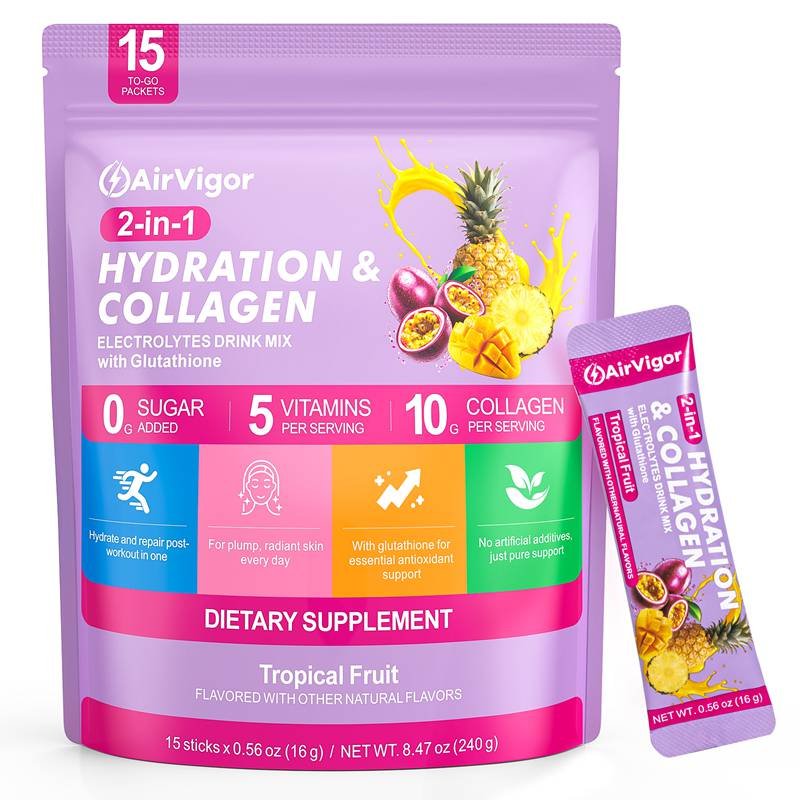
| Collagen drink | Active lifestyle support | Collagen electrolyte drink plus a full meal later |
A common mistake is thinking collagen and complete protein are the same. Collagen can be useful as part of a daily active lifestyle routine, especially when paired with hydration and minerals, but it should not fully replace complete protein from meals or protein-focused supplements. For muscle repair, customers should still build meals around complete protein sources such as eggs, dairy, fish, poultry, soy, or other balanced protein options.
The best rule is simple: after a harder workout, make sure your next meal contains a clear protein source. If appetite is low, start with something light, then eat a fuller meal later.
Carbs for Energy Refill
Carbohydrates help refill the energy used during training. They matter most after long cardio, HIIT, CrossFit, heavy leg training, cycling, running, sports, and workouts that leave you hungry, shaky, or unusually tired.
Carbs are often misunderstood in recovery. Some people avoid them because they think post workout nutrition should only focus on protein. Others rely on sugary drinks and miss a real meal. A better approach is to choose the right amount of carbohydrates based on the workout.
During many workouts, the body uses stored carbohydrate as fuel. The harder or longer the session, the more important refilling becomes. If someone trains hard and then eats only a small protein snack, they may feel flat later in the day or underpowered the next morning.
| Workout Type | Carb Need | Good Carb Choices |
|---|---|---|
| Light yoga or walking | Low | Normal meal, fruit if needed |
| Short strength session | Low to medium | Toast, oats, fruit, rice |
| Heavy strength training | Medium to high | Rice, potatoes, pasta, oats |
| HIIT or CrossFit | Medium to high | Banana, rice bowl, smoothie |
| Long running or cycling | High | Rice, potatoes, soup, fruit |
| Hot yoga | Medium | Fruit, smoothie, light meal |
| Back-to-back training days | Higher | Full meal with carbs and protein |
A useful recovery meal does not need to be complicated. It can be a rice bowl, oatmeal, potatoes with eggs, yogurt with fruit and granola, noodles with tofu, or a smoothie with banana and protein. The important part is that the meal matches the workout.
For light training, a smaller carb portion may be enough. For a sweaty 60-minute class, long ride, or heavy leg day, a more complete carb source usually makes more sense. This helps the body refill energy instead of relying on willpower to push through the rest of the day.
Minerals for Hydration Balance
Minerals are an important part of a post workout recovery routine because sweat contains more than water. When you sweat, you lose fluid and electrolytes, especially sodium, along with smaller amounts of potassium, magnesium, and calcium.
This is why some people drink water after exercise but still feel thirsty, tight, drained, or heavy-headed. The body may not only need fluid. It may also need minerals to support hydration balance and normal muscle function.
| Mineral | Why It Matters After Exercise | Common Recovery Sources |
|---|---|---|
| Sodium | Supports fluid balance after sweating | Electrolyte drinks, soup, salted meals |
| Potassium | Supports normal muscle function | Banana, potatoes, coconut water, electrolyte blends |
| Magnesium | Supports normal muscle and nerve function | Nuts, seeds, leafy greens, mineral formulas |
| Calcium | Supports normal muscle function | Dairy foods, fortified foods, mineral formulas |
Electrolytes become more important when the workout is sweaty, long, or done in heat. A person who finishes Pilates in a cool room may not need much more than water and a normal meal. A person who finishes hot yoga, outdoor running, cycling, HIIT, or summer training may need more mineral support.
| After-Workout Signal | What It May Mean | Recovery Food or Drink Focus |
|---|---|---|
| Salt marks on clothing | Higher sodium loss | Electrolyte drink, salted meal |
| Headache after hot training | Fluid and mineral loss | Water plus electrolytes |
| Thirst returns quickly | Hydration may not be complete | Electrolytes and steady fluids |
| Tight legs after cardio | Minerals and recovery may be low | Potassium-rich foods, magnesium, fluids |
| Very low energy after sweating | Fluids, carbs, and minerals may all be low | Electrolytes plus balanced meal |
Food can provide minerals, but an electrolyte drink is often easier right after training. This is especially true when appetite is low or the user is leaving the gym, driving home, going back to work, or traveling. A portable electrolyte stick can make this step much easier to repeat.
Simple Recovery Meals by Workout Type
A post workout meal should match the workout, not follow the same rule every time. A short walk, heavy leg day, hot yoga class, and long run all create different recovery needs.
The easiest way to choose food is to look at three things: how hard the workout was, how much you sweated, and how soon your next meal will happen. If the workout was light and dinner is soon, keep it simple. If the workout was intense and your next meal is hours away, a recovery snack or drink becomes more useful.
| Workout Type | What to Eat | What to Drink |
|---|---|---|
| Light walk | Normal meal if hungry | Water |
| Pilates or barre | Yogurt, eggs, fruit, light meal | Water or light electrolyte drink |
| Strength training | Protein plus carbs | Water; electrolytes if sweaty |
| Heavy leg day | Larger protein-carb meal | Water plus electrolytes |
| HIIT | Banana, yogurt, rice bowl, protein snack | Electrolyte drink |
| Running | Fruit, rice, potatoes, protein meal | Water plus electrolytes |
| Cycling | Carbs, protein, sodium-rich meal | Electrolytes during or after |
| Hot yoga | Smoothie, yogurt, light meal | Electrolytes first |
For customers who train before work, portable foods are often the easiest: a banana, protein shake, yogurt cup, oatmeal cup, or electrolyte stick. For evening trainers, lighter meals may work better: eggs and toast, yogurt with fruit, smoothie, tofu bowl, or a smaller rice bowl.
The key is to avoid two common mistakes. One is eating nothing because the day gets busy. The other is eating a very heavy meal too quickly when the stomach is not ready. A better approach is flexible: start with fluids, choose a light snack if needed, then eat a balanced meal when your appetite feels normal.
What to Avoid After Workouts
A post workout recovery routine should also avoid choices that make recovery harder. This does not mean every meal has to be strict. It simply means that some habits can leave customers feeling more tired, thirsty, bloated, or under-recovered.
Very greasy meals may feel heavy right after intense exercise. Too much alcohol can interfere with hydration and sleep. Only drinking coffee after training can make the body feel more stimulated without replacing fluids and minerals. Skipping food completely can lead to cravings, low energy, or poor next-day performance.
| Common Habit | Why It Can Be a Problem | Better Option |
|---|---|---|
| Only drinking coffee | Does not replace fluids or minerals well | Water first, then coffee later |
| Skipping food for hours | Delays repair and energy refill | Small snack, then full meal |
| Eating only protein | May miss energy refill after hard sessions | Add fruit, rice, oats, or potatoes |
| Eating only carbs | May miss muscle repair support | Add eggs, yogurt, chicken, tofu, or fish |
| Very greasy meal right away | May feel heavy after intense training | Lighter meal first |
| Drinking alcohol after sweaty training | Can worsen hydration and sleep quality | Rehydrate and eat first |
Most customers do not need a perfect diet to recover better. They need fewer recovery mistakes repeated every week. Drinking earlier, eating enough protein, adding carbohydrates after harder sessions, and using electrolytes when sweat is high can make the routine feel much more reliable.
A strong post workout recovery routine should feel practical. Eat what your body can use, drink what your workout requires, and keep the habit simple enough to repeat.
Which Drinks Fit a Post Workout Recovery Routine?
The best drink in a post workout recovery routine depends on sweat level, workout length, appetite, and how soon you can eat. Water is enough after light exercise, while electrolytes, protein, or collagen drinks may fit sweat-heavy or recovery-focused routines better.
Water After Light Training
Water is the simplest post workout drink and works well after short, low-sweat exercise. If the workout was easy, indoors, and under 30 minutes, plain water plus a normal meal may be enough.
Water should not be dismissed. Many people feel better simply by drinking earlier after training instead of waiting until they feel very thirsty. For light workouts such as walking, stretching, easy yoga, beginner strength training, or mobility sessions, the body may not lose enough minerals to require a recovery drink every time.
The key is to match water to the right workout. A person who finishes a short indoor session with minimal sweat may only need steady fluid intake and a balanced meal later. A person who finishes hot yoga with soaked clothes likely needs more than plain water.
| Workout Situation | Is Water Usually Enough? | Why |
|---|---|---|
| 20-minute walk | Yes | Low sweat and low energy demand |
| Gentle yoga | Yes | Usually low fluid and mineral loss |
| Short mobility session | Yes | Minimal sweat loss |
| Light strength workout | Often | Depends on room temperature and sweat |
| Heavy leg day | Not always | Higher muscle demand and possible sweat loss |
| Hot yoga | Usually no | High sweat and mineral loss |
| Long run | Usually no | Higher fluid, sodium, and energy needs |
| Outdoor summer training | Usually no | Heat increases sweat loss |
A simple way to decide is to check how you feel 30–60 minutes after exercise. If thirst improves, your mouth feels normal, and you are not heavy-headed, water may be enough. If thirst keeps returning, your clothes are soaked, or you feel drained after drinking water, electrolytes may be a better fit.
Electrolytes After Sweating
Electrolytes are a better fit when the workout causes noticeable sweat loss. They help replace minerals lost through sweat and make hydration feel more complete after hot, long, or intense training.
Sweat is not just water. It contains electrolytes, especially sodium, with smaller amounts of potassium, magnesium, and calcium. This is why people can drink water after a sweaty session but still feel thirsty, flat, or tight. In that situation, the body may need minerals along with fluids.
Electrolyte drinks are especially useful for customers who train in heat, sweat heavily, or do longer sessions. They also fit people who dislike sugary sports drinks but still want more than plain water.
| Training Type | Electrolyte Need | Drink Timing |
|---|---|---|
| Hot yoga | High | After class, sometimes before |
| HIIT | Medium to high | After training |
| CrossFit | Medium to high | After training |
| Outdoor running | Medium to high | After run; during longer runs |
| Cycling | Medium to high | During and after long rides |
| Hiking | Medium to high | During and after activity |
| Heavy strength training | Medium if sweaty | After session |
| Light stretching | Low | Usually water is enough |
Customers often need electrolytes when they notice practical signs such as salt marks on clothing, a headache after hot training, heavy thirst, or tight legs after cardio. These signs do not always mean something serious, but they do suggest that plain water may not be doing enough.
A good electrolyte drink should be easy to carry, easy to mix, and clear about what it contains. Many customers look for sodium and potassium first, then magnesium, calcium, sugar level, flavor, and serving size. For daily use, taste also matters. If the drink is too sweet or too strong, people may not use it often.
| Customer Concern | What to Look For in an Electrolyte Drink |
|---|---|
| Heavy sweat | Sodium and potassium support |
| Leg tightness | Potassium, magnesium, and hydration habits |
| Low sugar preference | Low or zero sugar formula |
| Gym bag use | Stick packs or single-serve packets |
| Travel use | Lightweight, pre-measured format |
| Daily routine | Flavor that is easy to drink repeatedly |
| Label trust | Clear mineral amounts and serving guidance |
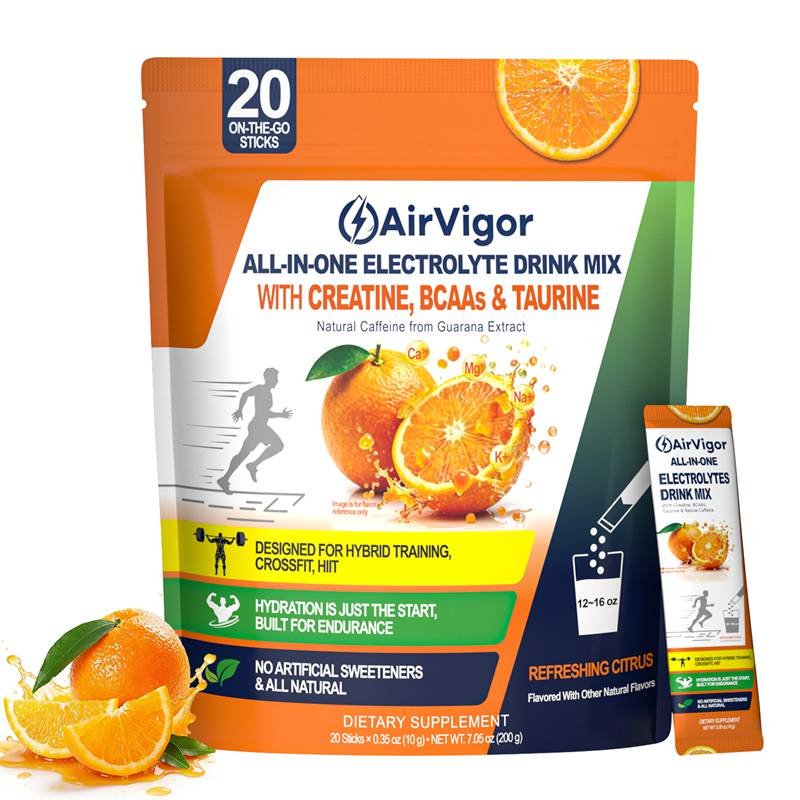
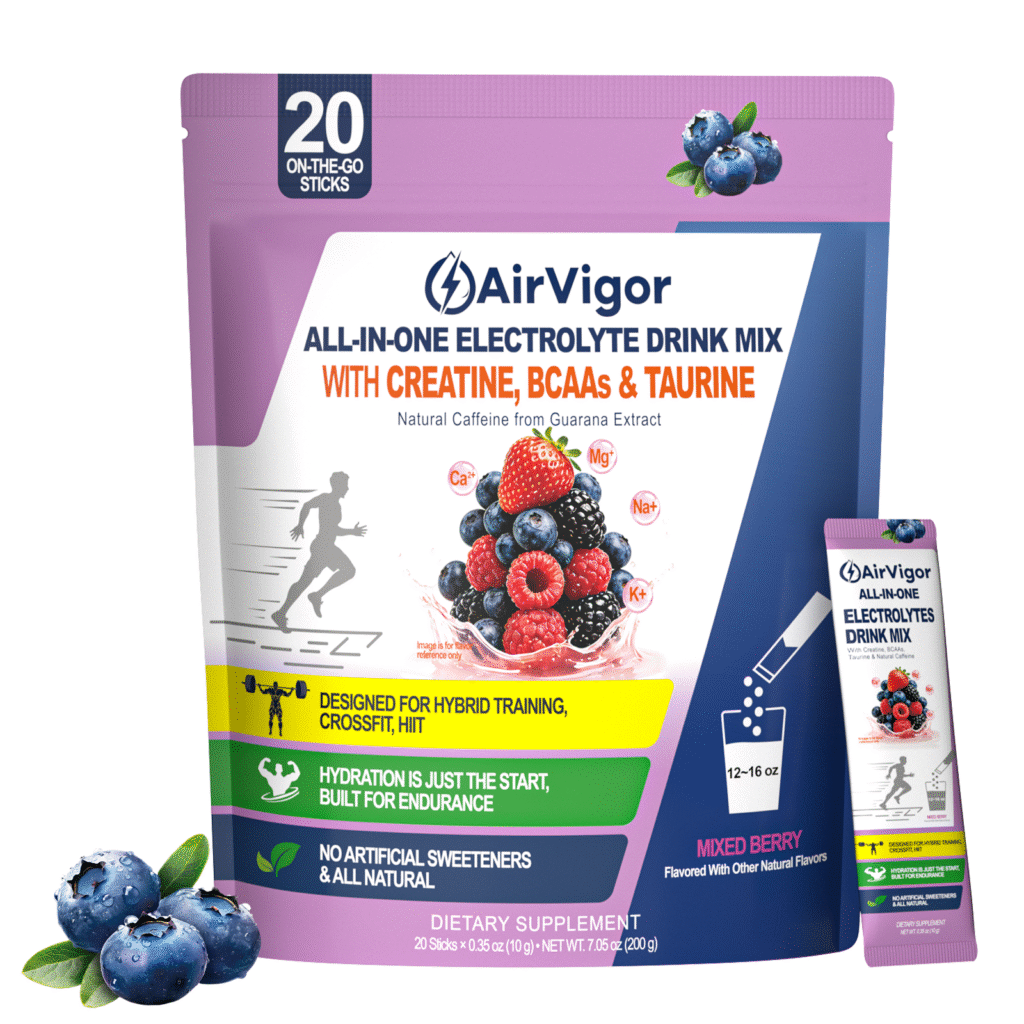
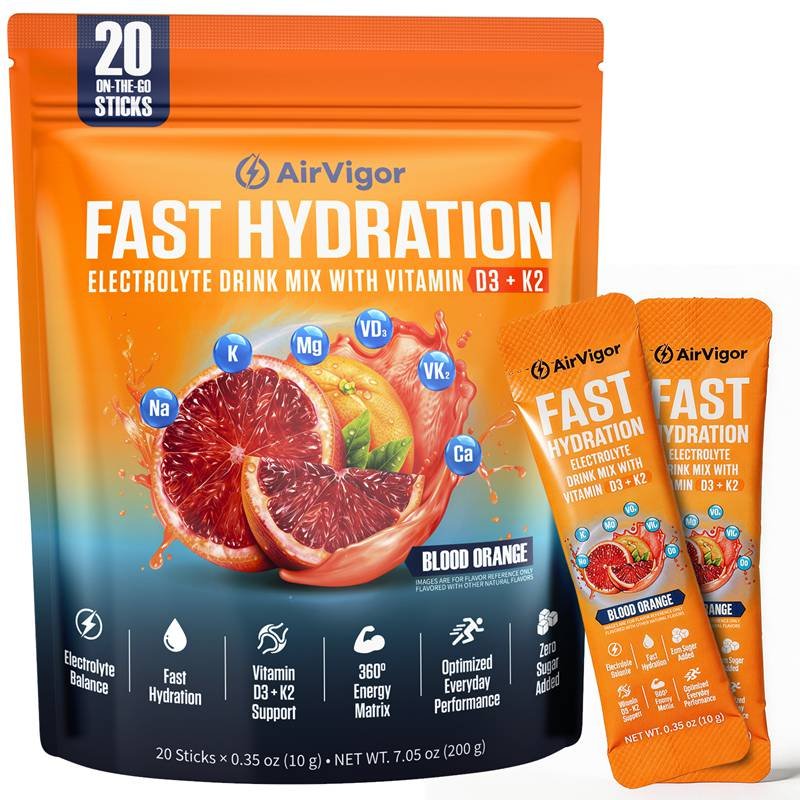
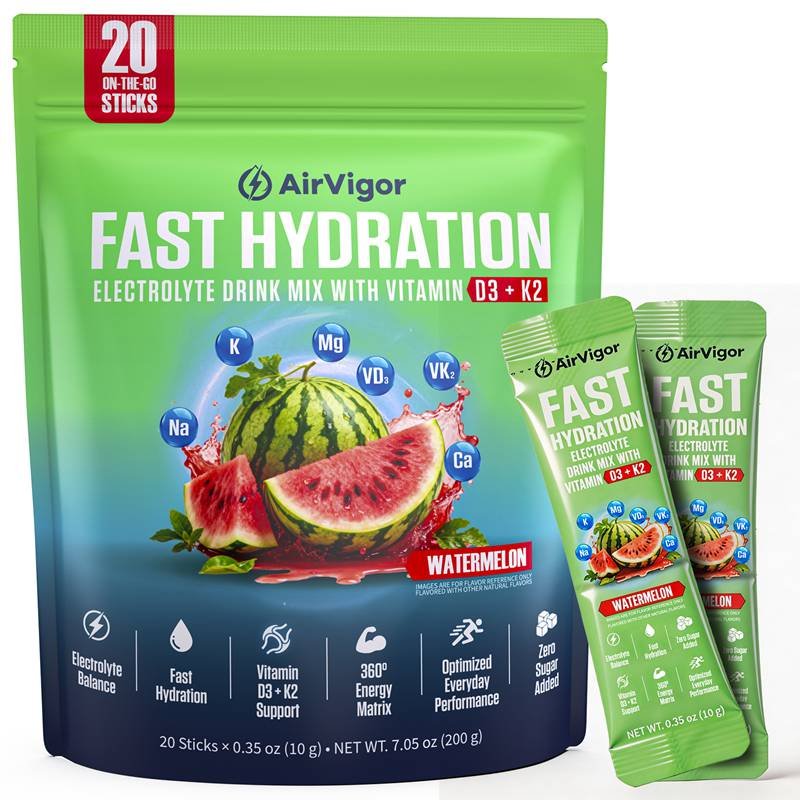
AirVigor’s stick pack format fits this need because users can keep one serving in a gym bag, car, office drawer, or travel pouch. For many customers, convenience is what turns recovery from a good idea into a real habit.
Protein Drinks After Strength Training
Protein drinks can fit a post workout recovery routine when food is delayed or the workout places strong demand on the muscles. They are especially useful after strength training, full-body workouts, HIIT, and heavy leg days.
A protein drink is not required after every workout. If you can eat a balanced meal soon after training, that meal may be enough. But when appetite is low, time is short, or you are leaving the gym for work, a protein drink can help bridge the gap until your next meal.
| Workout Situation | Does a Protein Drink Make Sense? | Better Use |
|---|---|---|
| Heavy lifting | Yes | Supports protein intake after muscle stress |
| Full-body gym session | Often | Useful if meal is delayed |
| HIIT | Sometimes | Works well with carbs or fruit |
| Short walk | Usually no | Normal meals are enough |
| Hot yoga | Not first choice | Electrolytes may be needed first |
| Morning training before work | Yes | Convenient when breakfast is rushed |
| Evening training | Sometimes | Choose lighter options if digestion is sensitive |
The biggest mistake is using a protein drink as the only recovery step after every workout. Protein supports repair, but it does not fully replace water, electrolytes, carbohydrates, or sleep. After sweaty sessions, hydration still comes first. After long cardio, carbohydrates may be just as important as protein. After evening training, digestion and sleep timing also matter.
A practical routine could look like this: drink water or electrolytes first, then use a protein drink if a real meal will be delayed. Pairing protein with a banana, oats, toast, or fruit can make the recovery step more complete after harder sessions.
Collagen Drinks for Active Recovery
Collagen drinks can fit active recovery routines when customers want a lighter option that supports hydration habits and daily wellness goals. They are especially suitable for Pilates, yoga, walking, hiking, light gym training, and beauty-focused fitness routines.
Collagen should be positioned clearly. It is not the same as a complete protein source, so it should not replace all dietary protein needs. However, collagen can still be useful as part of a broader recovery routine, especially when combined with electrolytes, vitamins, minerals, or hydration support.
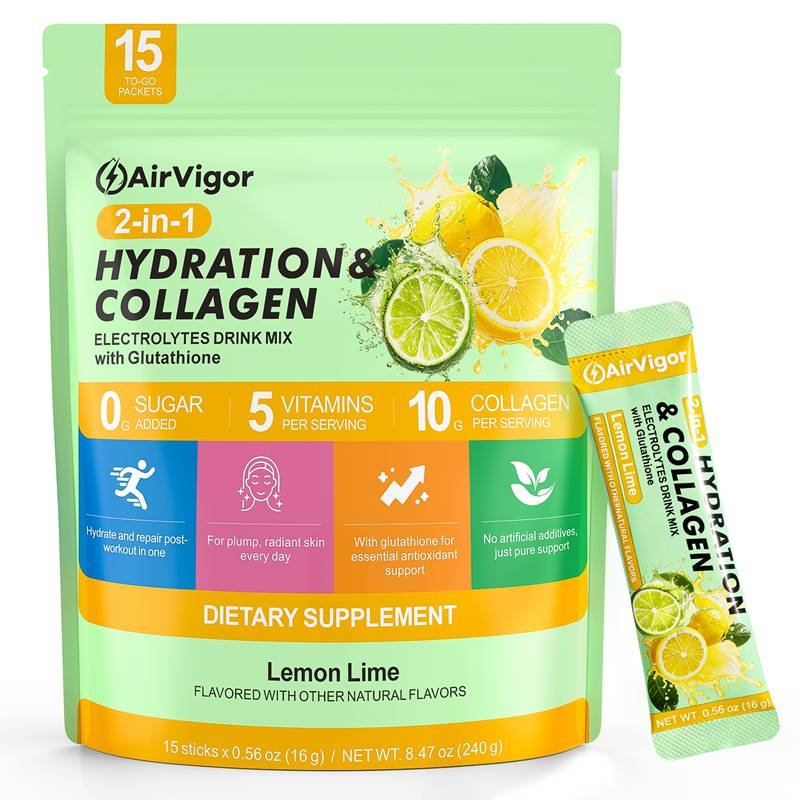
Many customers who choose collagen recovery drinks are not looking for a heavy bodybuilding-style shake. They want something easy to drink after movement, not too sweet, not too thick, and suitable for daily use. This makes collagen electrolyte drinks a strong fit for active lifestyle users.
| Customer Type | Why Collagen Drinks May Fit |
|---|---|
| Pilates user | Light recovery without a heavy shake |
| Yoga user | Gentle drink after class |
| Walker or hiker | Easy hydration support |
| Beauty wellness user | Fits skin and active lifestyle routines |
| Office worker | Easy to drink after morning or lunch workout |
| Traveler | Convenient if packed in stick format |
| Light strength user | Works as part of a broader meal routine |
The best use is simple. A customer can drink a collagen electrolyte product after training, then eat a balanced meal later with complete protein and carbohydrates. This avoids overpromising while still giving the product a clear place in the routine.
For AirVigor, this is an important customer group. Many active consumers want recovery support, but they do not want extreme flavors, high sugar, or complicated supplement stacks. A clear collagen electrolyte drink can help them build an easier habit after everyday movement.
Sports Drinks vs Recovery Drinks
Sports drinks and recovery drinks are not the same. Sports drinks are often designed for fast hydration and energy during activity, while recovery drinks may focus more on electrolytes, protein, collagen, minerals, or lower-sugar daily support.
Traditional sports drinks can be useful during long, intense, or endurance-style workouts where the body needs quick fluids and carbohydrates. But for many daily users, they may feel too sweet or too sugar-heavy after normal gym sessions. This is why more customers now compare sports drinks with electrolyte powders, protein drinks, collagen drinks, and low-sugar hydration products.
| Drink Type | Best Use | Main Concern |
|---|---|---|
| Sports drink | Long sessions, sports, endurance training | Often higher sugar |
| Electrolyte powder | Sweat-heavy recovery | Formula quality varies |
| Protein drink | Muscle repair support | May feel heavy if used too soon |
| Collagen electrolyte drink | Light recovery and wellness routine | Not a full protein replacement |
| Plain water | Light training | Limited mineral replacement |
| Coconut water | Mild natural hydration | Often lower sodium than needed after heavy sweat |
Customers should choose based on the workout, not habit. If the session is a long run or team sport, a sports drink may help. If the workout is a sweaty gym session and the user wants low sugar, an electrolyte powder may fit better. If the workout is strength-focused and food is delayed, protein may be useful. If the user wants a lighter daily recovery drink, collagen electrolytes may be easier to repeat.
A practical comparison for the customer:
| After-Workout Need | Better Drink Direction |
|---|---|
| “I barely sweated.” | Water |
| “I sweated a lot.” | Electrolyte drink |
| “I lifted heavy.” | Protein drink plus fluids |
| “I ran for over an hour.” | Electrolytes plus carbs |
| “I want something light after Pilates.” | Collagen electrolyte drink |
| “I need quick fuel during sport.” | Sports drink may fit |
| “I want low sugar daily hydration.” | Low-sugar electrolyte powder |
This makes the recovery decision easier and more honest. No single drink is best for every workout.
How to Improve a Post Workout Recovery Routine?
A better post workout recovery routine starts by fixing the weak spots: poor hydration, delayed meals, low electrolytes, too much sitting, aggressive stretching, or short sleep. Small changes often work better than a complicated plan that is hard to repeat.
Sleep Better
Sleep is one of the biggest recovery factors after training. If sleep is too short or poor quality, soreness can feel worse, energy can drop, and the next workout may feel harder than expected.
Many active people focus on post workout drinks and meals but ignore sleep. This is a problem because the body does much of its repair work during rest. After hard training, the muscles, nervous system, and energy systems all need time to settle. If someone trains late, eats too heavily, scrolls in bed, or sleeps only five to six hours, the recovery routine is already limited.
Sleep needs vary by person, but most adults do better with a consistent 7–9 hour sleep window. For people training hard, recovering from soreness, or doing frequent workouts, the lower end may not feel like enough. The goal is not only “more sleep,” but better timing and fewer habits that keep the body alert after exercise.
| Sleep Problem After Training | What May Be Happening | Better Recovery Move |
|---|---|---|
| Feeling wired at night | Intense workout too close to bedtime | Add longer cool-down and reduce screen time |
| Waking up thirsty | Hydration was delayed or rushed | Drink earlier after training |
| Heavy stomach before bed | Meal was too large or greasy | Choose lighter protein and carbs |
| Sore in the morning | Recovery load may be too high | Improve sleep length and post workout meal |
| Low next-day energy | Sleep and refuel may be weak | Eat enough after training and protect bedtime |
Evening workouts need extra care. A person who trains at 8 p.m. may not want a huge meal, strong caffeine, or a stimulating routine afterward. A lighter dinner, steady hydration, warm shower, and calmer screen habits may improve recovery more than adding extra products.
A simple sleep-friendly post workout routine can look like this: hydrate within the first hour, eat a comfortable meal, stretch lightly, dim lights later in the evening, and give the body time to cool down before bed. This is not a strict rule. It is a realistic way to avoid turning a good workout into a restless night.
Stretch Lightly
Stretching can improve how a recovery routine feels, but it should be gentle. After training, the body is already tired. Deep, painful stretching is not always helpful and may leave some people feeling more irritated.
The best post workout stretching is simple and controlled. It should help the body relax, not create another hard session. This is especially important after heavy lower-body training, HIIT, running, cycling, and hot yoga. Muscles may feel warm and flexible right after exercise, but that does not mean they should be forced into extreme positions.
A good stretch should feel like mild tension, not pain. Breathing should stay normal. If someone has to hold their breath, shake, or push through sharp discomfort, the stretch is probably too intense.
| Workout Type | Areas That Often Feel Tight | Light Stretch Focus |
|---|---|---|
| Running | Calves, hamstrings, hip flexors | Gentle calf and hip stretches |
| Cycling | Quads, hip flexors, lower back | Hip opening and quad stretch |
| Leg day | Quads, glutes, hamstrings | Low-intensity lower-body stretches |
| Upper-body training | Chest, shoulders, upper back | Chest opener and shoulder mobility |
| HIIT | Hips, calves, back | Full-body gentle mobility |
| Hot yoga | Whole body | Slow breathing and relaxed stretching |
| Desk worker workout | Hips, neck, chest | Hip flexor, chest, and neck release |
Stretching also works better when paired with hydration and light movement. If someone finishes a hard session, drinks nothing, sits for two hours, and then stretches aggressively, the body may still feel stiff. A better routine is to cool down, sip fluids, stretch lightly, and keep moving gently through the day.
For most people, 5–10 minutes is enough. The routine should be short enough to repeat. A realistic stretch habit is more useful than a long routine that gets skipped after a busy workout.
Walk or Move Gently
Gentle movement helps the body transition from effort to recovery. A short walk after training can reduce the heavy, stiff feeling that often comes from stopping suddenly and sitting for too long.
Many people finish a workout and immediately drive home, sit at a desk, or lie on the couch. This is common, but it can make the body feel tighter later, especially after leg training, running, cycling, HIIT, or long sessions. Gentle movement does not need to be intense. It simply keeps the body from shutting down too quickly.
| Timing | Gentle Movement Idea | Best For |
|---|---|---|
| Right after workout | 5–10 minute slow walk | HIIT, running, strength training |
| Later the same day | Easy walk after meals | Desk workers, evening trainers |
| Next morning | Light mobility or short walk | Mild soreness and stiffness |
| Rest day | Low-intensity movement | Recovery without full training |
| Travel day after workout | Walk during breaks | Preventing stiffness from sitting |
Active recovery is not the same as another workout. The goal is not to sweat more or chase extra calorie burn. The goal is to keep circulation moving, reduce stiffness, and help the body feel normal again.
This is helpful for people who say they feel worse when they “do nothing” the day after training. A hard workout may need rest from intensity, but not always complete stillness. A short walk, light mobility, or gentle yoga session can be enough.
The best approach is simple: after hard workouts, avoid sitting completely still for the rest of the day. Move lightly, even for a few minutes at a time. This one habit can make recovery feel smoother without adding cost or complexity.
Why Choose AirVigor for a Post Workout Recovery Routine?
AirVigor fits a post workout recovery routine because the brand focuses on clear formulas, real ingredient addition, portable serving formats, and stable quality control. It is designed for people who want recovery support that feels easy to understand and simple to use.
Clear Formula Support
Clear formula support helps customers understand what they are drinking after training. A good recovery product should show its purpose clearly, whether it is for hydration, electrolytes, collagen support, creatine support, protein nutrition, or daily active wellness.
Many customers now read labels before they buy. They compare electrolyte levels, sugar content, serving size, flavor, ingredient type, and use timing. If a product only says “recovery” but does not explain what supports recovery, customers may feel unsure. AirVigor’s product direction is built around clearer formula expression, so users can connect each serving with a real need after training.
For a post workout recovery routine, this clarity matters. Someone who sweats heavily may look for electrolytes. Someone who lifts weights may care about protein, creatine, or amino support. Someone doing Pilates or yoga may prefer a lighter collagen electrolyte drink. A traveler may care most about portability and easy mixing.
| Recovery Need | What Customers Usually Look For | How AirVigor Can Fit |
|---|---|---|
| Heavy sweating | Electrolytes, especially sodium and potassium | Hydration-focused stick packs |
| Muscle fatigue | Protein, amino support, creatine support | Sports nutrition formulas |
| Light daily recovery | Collagen, minerals, gentle flavor | Collagen electrolyte drinks |
| Low sugar preference | Zero or low sugar options | Clear sugar information |
| Busy schedule | Fast mixing, no scoop, easy carry | Single-serve packets |
| Label confidence | Ingredient amounts and serving guidance | Transparent formula presentation |
AirVigor does not need to make recovery feel complicated. The customer should be able to look at the product, understand the main use, mix it with water, and know when it fits their routine. That simple understanding can make the difference between a product that gets used once and a product that becomes part of a weekly habit.
Easy Daily Use
Easy daily use is one of the main reasons AirVigor works well in a post workout recovery routine. Recovery often fails because the steps are inconvenient, not because customers do not care.
After a workout, most people are sweaty, tired, hungry, or rushing. They may need to drive home, return to work, take care of family, or get ready for the next part of the day. If a recovery product requires measuring powder, carrying a large tub, washing multiple tools, or guessing serving size, many users will skip it.
Single-serve formats solve a real problem. A stick pack can stay in a gym bag, office drawer, handbag, car, suitcase, hiking pack, or kitchen cabinet. The user does not need to plan too much. When training ends, one serving is already ready.
| Daily Situation | Common Recovery Problem | AirVigor Use Advantage |
|---|---|---|
| Morning gym before work | No time for a full routine | Mix one stick with water and go |
| Lunch break workout | Limited time before meetings | Simple bottle-friendly serving |
| Evening training | Appetite may be low | Light drink before a meal later |
| Outdoor run | Sweat loss and no kitchen nearby | Portable electrolyte support |
| Travel workout | Hard to carry tubs or bottles | Easy packing in luggage |
| Hot yoga class | Need fluids quickly | Fast post-class hydration option |
| Office drawer routine | Recovery often forgotten | Keep packets within reach |
Convenience also affects repeat use. Customers are more likely to stick with a product that tastes clean, mixes easily, and does not feel heavy. A recovery routine should feel like a small step, not another task after training.
This is especially important for people who train several times a week. A product that is only convenient at home may not fit the gym, work, travel, or outdoor routine. AirVigor’s portable format helps recovery happen where the workout actually happens.
Built for Active Lifestyles
AirVigor is built for active lifestyles, not only extreme athletes. The brand can support gym users, runners, cyclists, yoga users, Pilates users, hikers, office workers, travelers, and everyday fitness customers who want to feel better after movement.
This broader positioning matters because most recovery customers are not professional athletes. They are people trying to stay consistent. They want less soreness, steadier energy, better hydration, and a routine that does not add pressure to their day. A good recovery product should fit this real lifestyle.
| Customer Type | What They Often Need After Training | Suitable AirVigor Direction |
|---|---|---|
| Strength trainer | Protein, creatine, minerals, carbs from meals | Sports recovery support |
| Runner | Electrolytes, light taste, sweat support | Hydration stick packs |
| Hot yoga user | Fast fluids and minerals | Electrolyte drink mix |
| Pilates user | Gentle recovery and daily wellness | Collagen electrolyte formula |
| Cyclist | Long-session hydration support | Electrolytes plus energy routine |
| Hiker | Portable hydration and minerals | Travel-friendly packets |
| Busy office worker | Easy routine before or after work | Desk-friendly stick packs |
| Frequent traveler | Lightweight servings and clear use | Packable recovery support |
AirVigor’s product category system gives the brand room to serve these different routines. The company direction covers electrolytes, protein nutrition, creatine, vitamins, minerals, botanical ingredients, probiotics, collagen, and functional wellness supplements. This matters because recovery is not one single need. It changes by person, workout, weather, and schedule.
A runner in summer may need stronger electrolyte support. A gym user may need protein and creatine support. A wellness-focused customer may want collagen, minerals, and a lighter drink. AirVigor can build product lines around these different recovery moments without forcing every customer into the same formula.

Conclusion
A good post workout recovery routine should help you rehydrate, refuel, repair, and reset after training. Start with water, add electrolytes when you sweat heavily, eat protein and carbs after harder sessions, move gently, stretch lightly, and protect your sleep.
AirVigor makes recovery easier with clear formulas, practical serving formats, and products designed for active daily life. For AirVigor brand product orders or supplement cooperation inquiries, contact support@airvigor.com to discuss product needs, formula direction, packaging, and next steps.
Share:
Contact Expert Team
At AirVigor, performance becomes effortless. We transform advanced nutrition science into clean, effective supplements that help you hydrate, recover, and feel stronger every day. Shop AirVigor Supplements on Amazon and experience athlete-trusted formulas—backed by real science and supported by our world-class R&D and production capabilities.
Trust AirVigor
At AirVigor, turning your performance goals into reality is no longer a struggle—it’s a science-driven journey we build together. Whether you’re a runner, lifter, cyclist, yogi, outdoor athlete, or someone simply seeking better daily energy, AirVigor transforms advanced nutrition research into clean, effective, and trustworthy supplements you can feel.
Backed by our U.S. scientific team, global certifications, and world-class production standards, every formula is engineered to deliver real hydration, real recovery, and real performance. And when you’re ready to experience the difference, you’ll find AirVigor products available on Amazon and other major platforms—fast shipping, consistent quality, and a community of athletes already seeing results.
Behind the scenes, our R&D and manufacturing ecosystem also supports specialized formulation development, ensuring AirVigor continues to lead with innovation while keeping quality and safety uncompromised. But at the core, everything we create is built for you—your health, your performance, your momentum.
Choose AirVigor. Feel the science. Elevate your every day.


Subscribe to our newsletter
Sign up to our newsletter and we’ll keep you up to date with the latest arrivals.